


Search Result
Results for "
mRNA and protein synthesis
" in MedChemExpress (MCE) Product Catalog:
3
Biochemical Assay Reagents
1
Isotope-Labeled Compounds
| Cat. No. |
상품명 |
Target |
연구분야 |
Chemical Structure |
-
- HY-148842
-
|
|
Liposome
|
Others
|
|
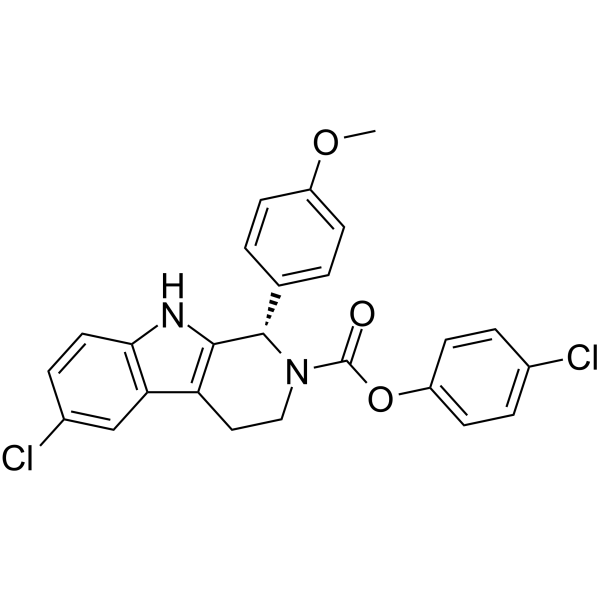
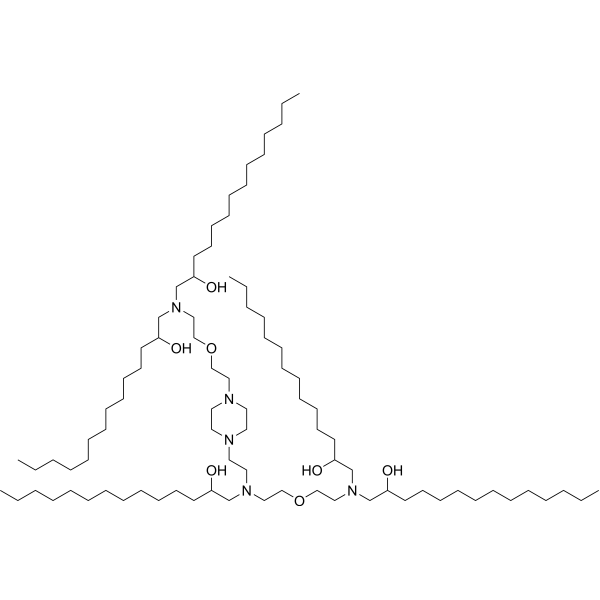
C14-4 is an ionizable lipid utilized for the synthesis of lipid nanoparticles (LNPs). C14-4 enhances mRNA delivery, enabling the effective transport of mRNA to primary human T cells, which in turn induces functional protein expression. C14-4 demonstrates high transfection efficiency while maintaining low cytotoxicity .
|
-
-
- HY-B0956
-
|
Aminosidine sulfate
|
Antibiotic
Parasite
Bacterial
|
Infection
|
|
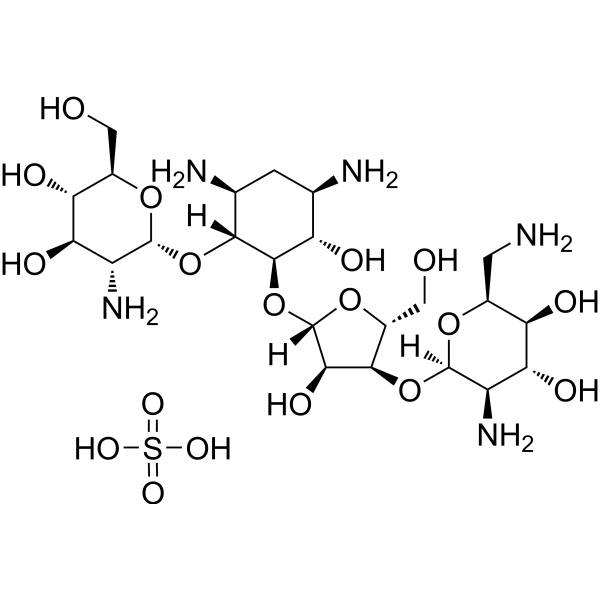
Paromomycin (Aminosidine) sulfate, a neomycin (HY-B0470) derivative, is a broad spectrum aminoglycoside antibiotic with amebicidal and bactericidal effects. Paromomycin sulfate prematures termination of translation of mRNA and inhibits protein synthesis by specifically binds to the RNA oligonucleotide at the A site of bacterial 30S ribosomes. Paromomycin sulfate can be used for the research of bacterial and parasitic infections .
|
-
-
- HY-113061
-
|
|
Endogenous Metabolite
Nucleoside Antimetabolite/Analog
DNA/RNA Synthesis
|
Cancer
|
|
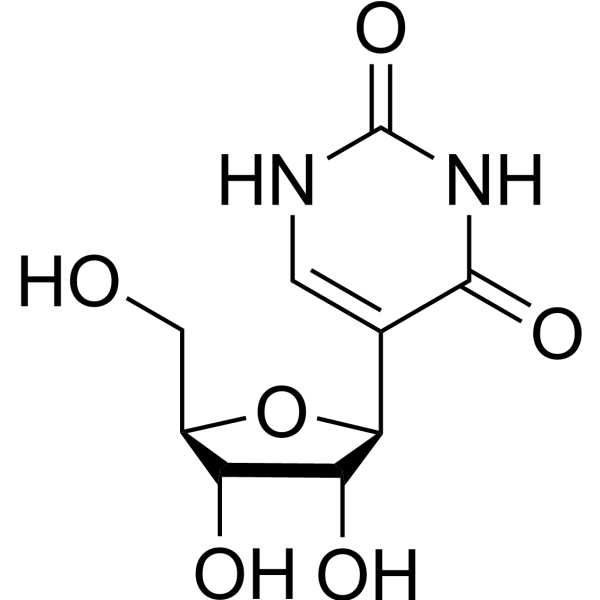
Pseudouridine is an isomer of uridine and the most abundant modified nucleoside in non-coding RNA. It fine-tunes and stabilizes regional structures in rRNA and tRNA, maintaining their functions in mRNA decoding, ribosome assembly, processing, and translation.
Pseudouridine-modified tRNA fragments can inhibit aberrant protein synthesis and hold promise for research on myelodysplastic syndrome (MDS)-related leukemia. .
|
-
-
- HY-124593
-
PTC299
5 Publications Verification
Emvododstat
|
VEGFR
Dihydroorotate Dehydrogenase
DNA/RNA Synthesis
|
Cancer
|
|
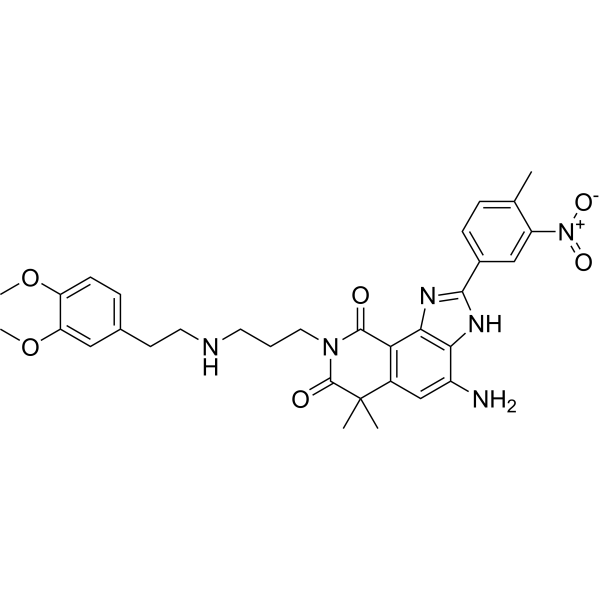
PTC299 is an orally active inhibitor of VEGFA mRNA translation that selectively inhibits VEGF protein synthesis at the post-transcriptional level. PTC299 is also a potent inhibitor of dihydroorotate dehydrogenase (DHODH). PTC299 shows good oral bioavailability and lack of off-target kinase inhibition and myelosuppression. PTC299 can be useful for the research of hematologic malignancies .
|
-
-
- HY-W017113
-
|
|
Environmental Pollutants
Endogenous Metabolite
|
Metabolic Disease
|
|
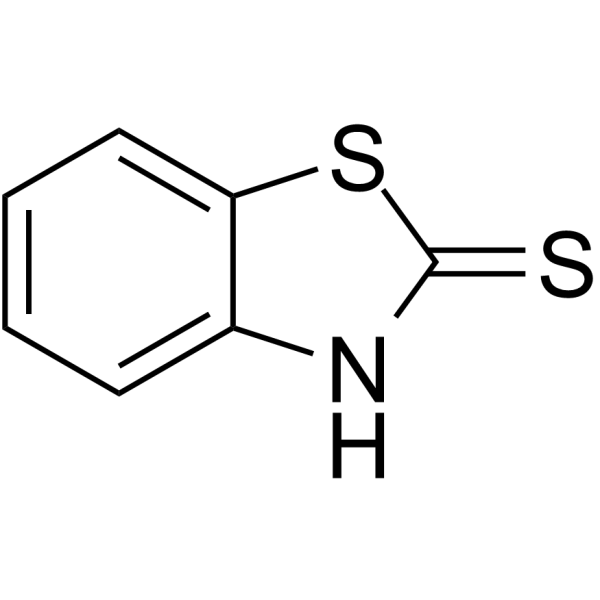
2-Mercaptobenzothiazole is an activator of the aryl hydrocarbon receptor (AhR) , inhibiting thyroid hormone synthesis and dopamine beta-hydroxylase activity . 2-Mercaptobenzothiazole promotes bladder cancer cell invasion by altering the conformation of the AhR ligand binding domain (LBD), activating AhR transcription, and upregulating the mRNA and protein expression of target genes CYP1A1 and CYP1B1 . 2-Mercaptobenzothiazole inhibits thyroid peroxidase (TPO) with an IC50 value of 11.5 μM, induces histological changes such as follicular cell hypertrophy in Xenopus laevis tadpoles, delaying metamorphosis . 2-Mercaptobenzothiazole increases chromosomal aberrations and sister chromatid exchanges (SCEs) in Chinese hamster ovary (CHO) cells, and enhances carcinogenicity in F344/N rats . 2-Mercaptobenzothiazole inhibits norepinephrine synthesis in mice and completely blocks the conversion of exogenous dopamine to norepinephrine in rat cardiomyocytes .
|
-
-
- HY-30216A
-
|
α-Hydroxyisocaproic acid
|
Drug Metabolite
Hydroxycarboxylic Acid Receptor (HCAR)
AMPK
ERK
|
Metabolic Disease
Inflammation/Immunology
|
|
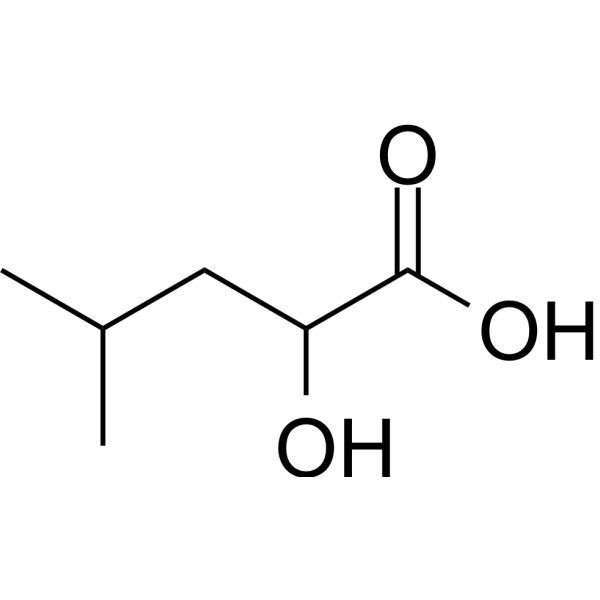
Leucic acid (α-Hydroxyisocaproic acid) is an orally active end-product of the microbial metabolism of leucine. Leucic acid can bind to HCAR2, alters AMPK and ERK1/2 phosphorylation status, suppresses lipid synthesis, promotes catabolism, reduces adiposity, enhances lean mass and exercise capacity. Leucic acid suppresses pro-inflammatory cytokine secretion, inflammation-related gene mRNA expression. Leucic acid decreases basal protein synthesis, attenuates myotube atrophy. Leucic acid can be used for the research of obesity .
|
-
-
- HY-12502A
-
|
NZ-105 hydrochloride monoethanolate; (±)-Efonidipine hydrochloride monoethanolate
|
Calcium Channel
SARS-CoV
|
Cardiovascular Disease
Neurological Disease
Cancer
|
|
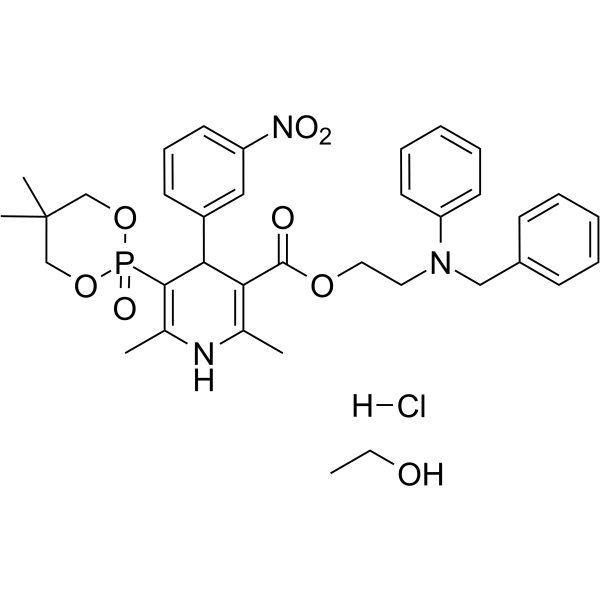
Efonidipine (NZ-105) hydrochloride monoethanolate is an orally active dual L-type and T-type calcium channel blocker (CCB) with IC50 values of 1.8 and 350 nM, respectively. Efonidipine hydrochloride monoethanolate inhibits SARS-CoV-2 main protease. Efonidipine hydrochloride monoethanolate modulates adrenal steroidogenesis by increasing the expression of steroidogenic acute regulatory protein (StAR), dbcAMP-or angiotensin II-induced StAR mRNA expression and DHEA-S production, while suppressing the biosynthesis of aldosterone and cortisol. Efonidipine hydrochloride monoethanolate reduces plasma aldosterone levels in vivo. Efonidipine hydrochloride monoethanolate improves cardiac function in heart failure models by inhibiting T-type calcium channels (via both tonic and use-dependent blockade), independently of blood pressure reduction. Efonidipine hydrochloride monoethanolate can be used for research in hypertension, heart failure, and disorders involving dysregulated steroid hormone synthesis .
|
-
-
- HY-132596A
-
|
SYL1001 sodium
|
Small Interfering RNA (siRNA)
TRP Channel
|
Neurological Disease
|
|
Tivanisiran sodium (SYL1001 sodium) is a small interfering RNA (siRNA) targeting TRPV1 . Tivanisiran sodium induces the degradation of TRPV1 mRNA, thereby inhibiting protein synthesis. Tivanisiran sodium alleviates ocular discomfort and pain, and improves ocular hyperemia and tear quality. Tivanisiran sodium is applicable to research related to dry eye disease .
|
-
-
- HY-124564
-
|
Marboran
|
SARS-CoV
Orthopoxvirus
|
Infection
|
|
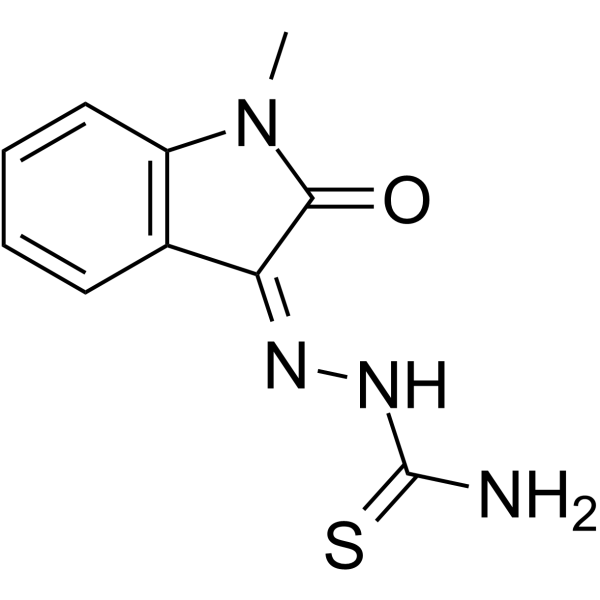
Methisazone (Marboran) is an antiviral agent that works by inhibiting mRNA and protein synthesis. Methisazone is also a SARS-CoV-2 (COVID-19) inhibitor. Methisazone is mainly used in pox viruses .
|
-
-
- HY-12502
-
|
NZ-105; (±)-Efonidipine
|
Calcium Channel
SARS-CoV
|
Cardiovascular Disease
Neurological Disease
Cancer
|
|
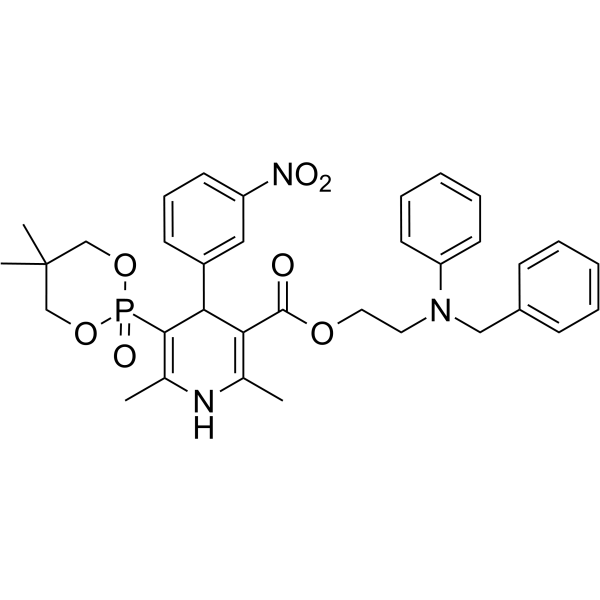
Efonidipine (NZ-105) is an orally active dual L-type and T-type calcium channel blocker (CCB) with IC50 values of 1.8 and 350 nM, respectively. Efonidipine inhibits SARS-CoV-2 main protease. Efonidipine modulates adrenal steroidogenesis by increasing the expression of steroidogenic acute regulatory protein (StAR), dbcAMP-or angiotensin II-induced StAR mRNA expression and DHEA-S production, while suppressing the biosynthesis of aldosterone and cortisol. Efonidipine reduces plasma aldosterone levels in vivo. Efonidipine improves cardiac function in heart failure models by inhibiting T-type calcium channels (via both tonic and use-dependent blockade), independently of blood pressure reduction. Efonidipine can be used for research in hypertension, heart failure, and disorders involving dysregulated steroid hormone synthesis .
|
-
-
- HY-116538
-
|
trans-10,cis-12 CLA2
|
Endogenous Metabolite
PPAR
NF-κB
Stearoyl-CoA Desaturase (SCD)
Lipase
|
Metabolic Disease
Inflammation/Immunology
Cancer
|
|
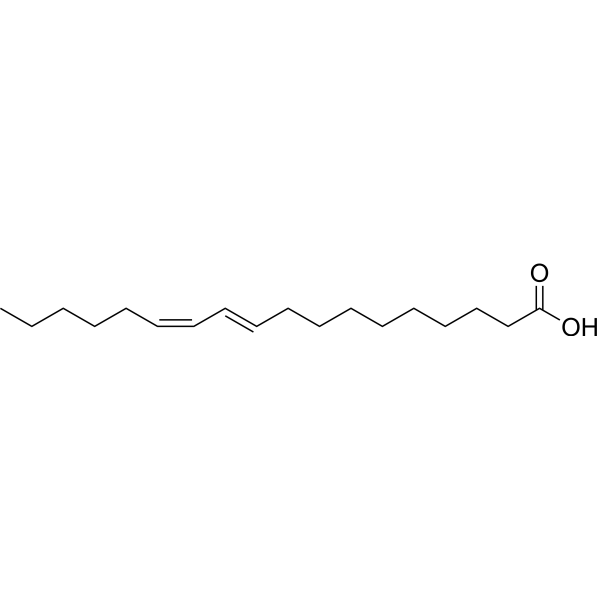
(10E,12Z)-Octadeca-10,12-dienoic acid (trans-10,cis-12 CLA2) is an orally active PPARα activator and inhibits adipocyte differentiation. (10E,12Z)-Octadeca-10,12-dienoic acid and its downstream metabolites have various antioxidant and antitumor activities. (10E,12Z)-Octadeca-10,12-dienoic acid can induce proinflammatory cytokines and chemokines, which would lead to decreased adipogenesis and insulin resistance in adipose tissue. (10E,12Z)-Octadeca-10,12-dienoic acid can affect many aspects of milk fat synthesis. (10E,12Z)-Octadeca-10,12-dienoic acid reduces expression of lipogenic enzymes and inhibits the desaturation of fatty acids. (10E,12Z)-Octadeca-10,12-dienoic acid can reduce lipoprotein lipase (LPL) activity in cultured 3T3-L1 adipocytes and enhance triacylglycerol release from these cells. (10E,12Z)-Octadeca-10,12-dienoic acid decreases the expression of hepatic stearoyl-CoA desatyrase mRNA in mice. (10E,12Z)-Octadeca-10,12-dienoic acid is associated with changes in mucosal NF-κB and Cyclin D1 protein levels in mice .
|
-
-
- HY-132590A
-
|
ALN-TTRSC sodium
|
Small Interfering RNA (siRNA)
Transthyretin (TTR)
|
Neurological Disease
|
|
Revusiran (ALN-TTRSC) sodium is an RNA interference agent targeting the mRNA of transthyretin (Transthyretin, TTR). Revusiran sodium mediates sequence-specific degradation of TTR mRNA through RNA interference, reduces the synthesis of TTR protein, binds to GalNAc ligands, and is taken up by hepatocytes via the asialoglycoprotein receptor. Revusiran sodium exhibits favorable nonclinical safety profiles. Revusiran sodium can be used in studies related to transthyretin-mediated amyloidosis .
|
-
-
- HY-145726
-
|
|
TNF Receptor
|
Cardiovascular Disease
Inflammation/Immunology
|
|
ISIS 104838 is an antisense oligonucleotide targeting TNF-α. ISIS 104838 specifically binds to human TNF-α mRNA via Watson-Crick base pairing to form a DNA:RNA hybrid duplex, thereby recruiting the ubiquitously expressed intracellular enzyme RNase H to degrade the target mRNA and inhibit TNF-α protein synthesis at the transcriptional level. ISIS 104838 induces moderate, self-limiting thrombocytopenia in cynomolgus monkeys. ISIS 104838 can be used for the study of inflammatory diseases .
|
-
-
- HY-139098
-
|
m7Gp3G
|
DNA/RNA Synthesis
|
Others
|
|
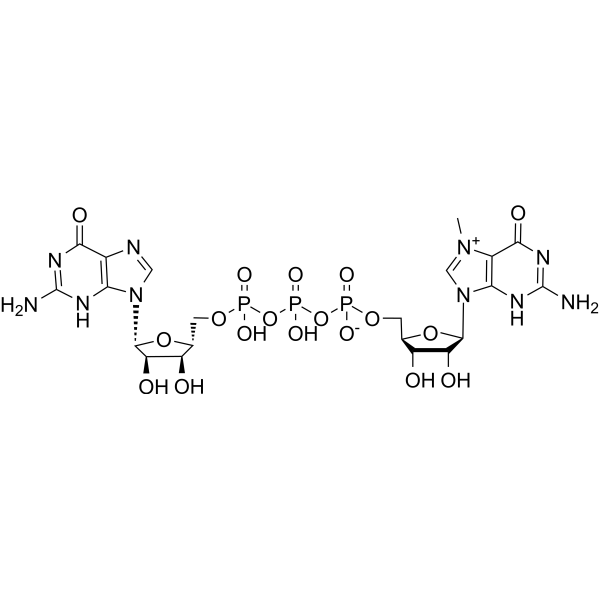
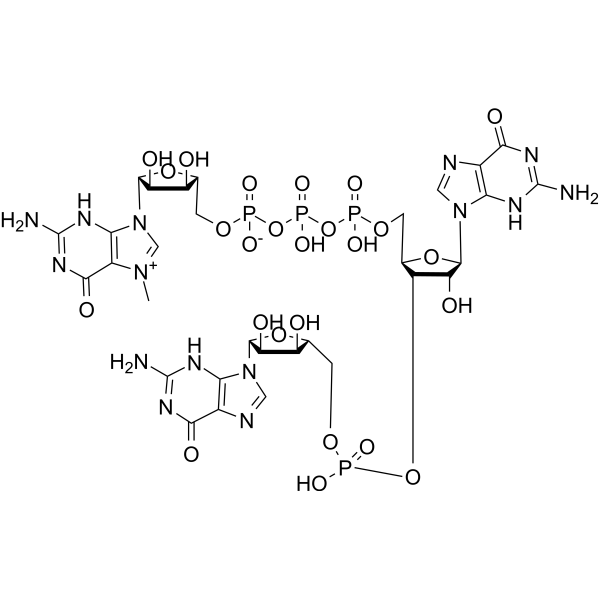
7-Methyl-diguanosine triphosphate (m7Gp3G) is an mRNA cap structure analog that inhibits in vitro protein synthesis by binding to the translation initiation complex. 7-Methyl-diguanosine triphosphate binds to eIF4E, promotes cap-dependent translation initiation, stabilizes mRNA, and acts as a translation enhancer. 7-Methyl-diguanosine triphosphate can be used to prepare synthetic capped RNA transcripts for studies related to mRNA translation, splicing, turnover, and intracellular transport .
|
-
-
- HY-145726A
-
|
|
TNF Receptor
|
Cardiovascular Disease
Inflammation/Immunology
|
|
ISIS 104838 sodium is an antisense oligonucleotide targeting TNF-α. ISIS 104838 sodium specifically binds to human TNF-α mRNA via Watson-Crick base pairing to form a DNA:RNA hybrid duplex, thereby recruiting the ubiquitously expressed intracellular enzyme RNase H to degrade the target mRNA and inhibit TNF-α protein synthesis at the transcriptional level. ISIS 104838 sodium induces moderate, self-limiting thrombocytopenia in cynomolgus monkeys. ISIS 104838 sodium can be used for the study of inflammatory diseases .
|
-
-
- HY-115574
-
|
|
RSV
|
Infection
|
|
RSV L-protein-IN-1 (compound D) is a potent inhibitor of Respiratory syncytial virus (RSV) (EC50=0.021 μM). RSV L-protein-IN-1 inhibits Polymerase (IC50=0.089 μM),and blocks RSV mRNA synthesis by inhibiting guanylation of viral transcripts. RSV L-protein-IN-1 shows moderate cytotoxicity (CC50=8.4 μM,HEp-2),also exhibits activity and lowers virus titers in mouse models of RSV infection .
|
-
-
- HY-132590
-
|
ALN-TTRSC
|
Small Interfering RNA (siRNA)
Transthyretin (TTR)
|
Neurological Disease
|
|
Revusiran (ALN-TTRSC) is an RNA interference agent targeting the mRNA of transthyretin (Transthyretin, TTR). Revusiran mediates sequence-specific degradation of TTR mRNA through RNA interference, reduces the synthesis of TTR protein, binds to GalNAc ligands, and is taken up by hepatocytes via the asialoglycoprotein receptor. Revusiran exhibits favorable nonclinical safety profiles. Revusiran can be used in studies related to transthyretin-mediated amyloidosis .
|
-
-
- HY-173189B
-
|
2′,5′-ApApA TEA; 2′,5′-trioligoadenylate TEA; 5'-O-Triphosphoryladenylyl-(2'→5')-adenylyl-(2'→5')-adenosine TEA
|
RSV
DNA/RNA Synthesis
|
Infection
Inflammation/Immunology
Cancer
|
|
2-5A (2′,5′-ApApA; 2′,5′-trioligoadenylate; 5'-O-Triphosphoryladenylyl-(2'→5')-adenylyl-(2'→5')-adenosine) TEA is a 5'-triphosphorylated (2',5') oligoadenylate. 2-5A TEA is an immunotransmitter that fuels RNase L immunity. 2-5A TEA degrades viral mRNA and inhibits protein synthesis by binding to RNase L and activating its endoribonuclease activity. 2-5A TEA can be used in RSV and cancer research .
|
-
-
- HY-128478
-
|
|
Fungal
|
Infection
|
|
Sordarin (Compound 1) is an antifungal agent targeting Elongation factor 2 (EF2) with a tetracyclic diterpene core including a norbornene system. Sordarin can be isolated from the fungus Sordaria araneosa. Sordarin has potent antifungal activity against Saccharomyces cerevisiae and Candida albicans. Sordarin prevents the translocation of the ribosome along mRNA during elongation of the emerging polypeptide chain, inhibiting protein synthesis in fungi by stabilizing the ribosome/EF2 complex .
|
-
-
- HY-W768571
-
|
|
Isotope-Labeled Compounds
Nucleoside Antimetabolite/Analog
DNA/RNA Synthesis
Endogenous Metabolite
|
Cancer
|
|
Pseudouridine- 13C, 15N2 is the 13C- and 15N-labeled Pseudouridine (HY-113061). Pseudouridine is an isomer of uridine and the most abundant modified nucleoside in non-coding RNA. It fine-tunes and stabilizes regional structures in rRNA and tRNA, maintaining their functions in mRNA decoding, ribosome assembly, processing, and translation. Pseudouridine-modified tRNA fragments can inhibit aberrant protein synthesis and hold promise for research on myelodysplastic syndrome (MDS)-related leukemia. .
|
-
-
- HY-12502B
-
|
NZ-105 hydrochloride; (±)-Efonidipine hydrochloride
|
Calcium Channel
SARS-CoV
|
Cardiovascular Disease
Cancer
|
|
Efonidipine (NZ-105) hydrochloride is an orally active dual L-type and T-type calcium channel blocker (CCB) with IC50 values of 1.8 and 350 nM, respectively. Efonidipine hydrochloride inhibits SARS-CoV-2 main protease. Efonidipine hydrochloride modulates adrenal steroidogenesis by increasing the expression of steroidogenic acute regulatory protein (StAR), dbcAMP-or angiotensin II-induced StAR mRNA expression and DHEA-S production, while suppressing the biosynthesis of aldosterone and cortisol. Efonidipine hydrochloride reduces plasma aldosterone levels in vivo. Efonidipine hydrochloride improves cardiac function in heart failure models by inhibiting T-type calcium channels (via both tonic and use-dependent blockade), independently of blood pressure reduction. Efonidipine hydrochloride can be used for research in hypertension, heart failure, and disorders involving dysregulated steroid hormone synthesis .
|
-
-
- HY-B0220H
-
|
|
DNA/RNA Synthesis
Bacterial
Antibiotic
|
Infection
|
|
Erythromycin hydrochloride is a protein synthesis inhibitor with activity against the growth of both Gram-negative and Gram-positive bacteria. Erythromycin hydrochloride is commonly used in biomedicine to inhibit diseases caused by bacterial infections. Erythromycin hydrochloride is also involved in the inhibition of mammalian mRNA splicing. The application range of erythromycin hydrochloride includes respiratory tract infections, skin infections, and other infections caused by sensitive bacteria .
|
-
-
- HY-154968
-
|
|
RSV
|
Infection
|
|
RSV L-protein-IN-5 (compound E) is a potent inhibitor of Respiratory syncytial virus (RSV) (EC50=0.1 μM). RSV L-protein-IN-5 inhibits Polymerase (IC50=0.66 μM),and blocks RSV mRNA synthesis by inhibiting guanylation of viral transcripts. RSV L-protein-IN-5 shows moderate cytotoxicity (CC50=10.7 μM,HEp-2),also exhibits activity and lowers virus titers in mouse models of RSV infection .
|
-
-
- HY-N0677AR
-
|
Potassium dehydroandrographolide succinate (Standard)
|
Antibiotic
Reference Standards
|
Infection
Inflammation/Immunology
Cancer
|
|
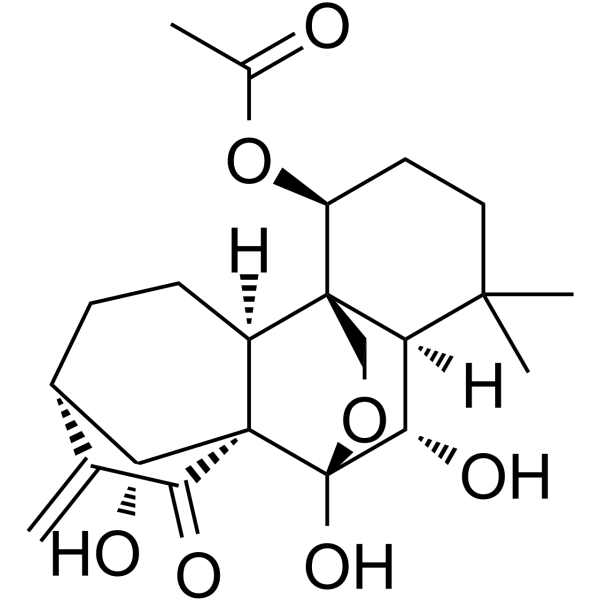
Paromomycin (sulfate) (Standard) is the analytical standard of Paromomycin (sulfate). This product is intended for research and analytical applications. Paromomycin (Aminosidine) sulfate, a neomycin (HY-B0470) derivative, is a broad spectrum aminoglycoside antibiotic with amebicidal and bactericidal effects. Paromomycin sulfate prematures termination of translation of mRNA and inhibits protein synthesis?by specifically binds to the RNA oligonucleotide at the A site of bacterial 30S ribosomes. Paromomycin sulfate can be used for the research of bacterial and parasitic infections .
|
-
-
- HY-B0956R
-
|
Aminosidine sulfate (Standard)
|
Reference Standards
Antibiotic
Parasite
Bacterial
|
Infection
|
|
Paromomycin (sulfate) (Standard) is the analytical standard of Paromomycin (sulfate). This product is intended for research and analytical applications. Paromomycin (Aminosidine) sulfate, a neomycin (HY-B0470) derivative, is a broad spectrum aminoglycoside antibiotic with amebicidal and bactericidal effects. Paromomycin sulfate prematures termination of translation of mRNA and inhibits protein synthesis?by specifically binds to the RNA oligonucleotide at the A site of bacterial 30S ribosomes. Paromomycin sulfate can be used for the research of bacterial and parasitic infections .
|
-
-
- HY-107009
-
|
|
VZV
HSV
VSV
|
Infection
|
|
CTC 96 is an antiviral agent, showing inhibitory effects particularly on herpes viruses and adenoviruses. CTC 96 directly blocks the fusion process between the viral envelope and the cell membrane, preventing the entry of viral nucleic acids and proteins into the cells. CTC 96 can completely block the penetration and intercellular transmission of HSV-1, preventing the synthesis of viral proteins and mRNA. CTC 96 exhibits significant anti-adenovirus activity in rabbit eye models. CTC 96 is also effective against varicella-zoster virus (VZV) and vesicular stomatitis virus (VSV). CTC 96 can be used for broad-spectrum antiviral research .
|
-
-
- HY-12502AR
-
|
NZ-105 hydrochloride monoethanolate (Standard); (±)-Efonidipine hydrochloride monoethanolate (Standard)
|
Reference Standards
Calcium Channel
SARS-CoV
|
Cardiovascular Disease
|
|
Efonidipine (NZ-105) hydrochloride monoethanolate (Standard) is the analytical standard of Efonidipine hydrochloride monoethanolate (HY-12502AR). This product is intended for research and analytical applications. Efonidipine (NZ-105) hydrochloride monoethanolate is an orally active dual L-type and T-type calcium channel blocker (CCB) with IC50 values of 1.8 and 350 nM, respectively. Efonidipine hydrochloride monoethanolate inhibits SARS-CoV-2 main protease. Efonidipine hydrochloride monoethanolate modulates adrenal steroidogenesis by increasing the expression of steroidogenic acute regulatory protein (StAR), dbcAMP-or angiotensin II-induced StAR mRNA expression and DHEA-S production, while suppressing the biosynthesis of aldosterone and cortisol. Efonidipine hydrochloride monoethanolate reduces plasma aldosterone levels in vivo. Efonidipine hydrochloride monoethanolate improves cardiac function in heart failure models by inhibiting T-type calcium channels (via both tonic and use-dependent blockade), independently of blood pressure reduction. Efonidipine hydrochloride monoethanolate can be used for research in hypertension, heart failure, and disorders involving dysregulated steroid hormone synthesis .
|
-
-
- HY-139098A
-
|
m7Gp3G ammonium
|
DNA/RNA Synthesis
|
Others
|
|
7-Methyl-diguanosine triphosphate (m7Gp3G) ammonium is an mRNA cap structure analog that inhibits in vitro protein synthesis by binding to the translation initiation complex. 7-Methyl-diguanosine triphosphate ammonium binds to eIF4E, promotes cap-dependent translation initiation, stabilizes mRNA, and acts as a translation enhancer. 7-Methyl-diguanosine triphosphate ammonium can be used to prepare synthetic capped RNA transcripts for studies related to mRNA translation, splicing, turnover, and intracellular transport .
|
-
-
- HY-123303
-
|
NZ-28
|
HSP
|
Cancer
|
|
NSC-134754 (NZ-28) is a dehydroemetine derivative and heat shock protein (HSP) induction inhibitor. NSC-134754 acts at the post-transcriptional level, targets Hsp72 and Hsp27, and does not alter general protein synthesis, HSF-1 transcriptional activity, or Hsp mRNA levels. NSC-134754 can be used for the research of multiple myeloma, prostate carcinoma, colon carcinoma .
|
-
-
- HY-121303
-
|
|
Interleukin Related
DNA/RNA Synthesis
|
Neurological Disease
Inflammation/Immunology
|
|
CK-102 is an interleukin-1 (IL-1) inhibitor. CK-102 reduces mRNA synthesis. CK-102 does not inhibit DNA synthesis. CK-102 only slightly inhibits protein synthesis, or has no effect on it. CK-102 delays wound healing after ophthalmic surgery and prolongs the failure time of trabeculectomy fistulas. CK-102 inhibits lens protein-induced ocular inflammation at both early and late stages. CK-102 inhibits endotoxin-induced uveitis. CK-102 does not inhibit interleukin-1-induced uveitis. CK-102 can be used in research related to glaucoma filtration failure and uveitis .
|
-
-
- HY-N12104
-
|
BMS-182123
|
TNF Receptor
|
Infection
|
|
Trichodimerol (BMS-182123) is a TNF-α promoter inhibitor that inhibits the activity of lipopolysaccharide-induced cytokine secretion. Trichodimerol inhibits lipopolysaccharide-induced TNF-α promoter activity, reduces steady-state TNF-α mRNA expression, and does not alter the stability of TNF-α mRNA. Trichodimerol inhibits lipopolysaccharide-induced TNF-α secretion in murine and human immune cells. Trichodimerol reduces lipopolysaccharide-induced IL-1β secretion by 25%-50% in vitro. Trichodimerol does not alter total protein synthesis or constitutive lysozyme secretion at effective concentrations. Trichodimerol can be used for the research of septic shock .
|
-
-
- HY-147262
-
|
|
Antibody-Oligonucleotide Conjugates (AOCs)
Small Interfering RNA (siRNA)
|
Neurological Disease
|
|
Etedesiran is a component of the AOC drug Delpacibart etedesiran (HY-177565), formed by the reaction of an siRNA that induces cleavage of mRNA encoding myotonic dystrophy protein kinase (MTPK or DMPK) with SMCC linker (HY-42360). Etedesiran carries a maleimide group at its terminus, which can react with cysteine or lysine and is used for the synthesis of AOC drugs. Etedesiran is applicable to research related to myotonic dystrophy type 1 .
|
-
-
- HY-174645
-
|
|
mRNA
|
Metabolic Disease
|
|
Human IL10RA mRNA encodes the human interleukin 10 receptor subunit alpha (IL10RA) protein, a receptor for interleukin 10. IL10RA been shown to mediate the immunosuppressive signal of interleukin 10, and thus inhibits the synthesis of proinflammatory cytokines. It is also reported to promote survival of progenitor myeloid cells through the insulin receptor substrate-2/PI 3-kinase/AKT pathway.
|
-
-
- HY-182546
-
|
|
DNA/RNA Synthesis
|
Cancer
|
|
Anticancer agent 312 is a heterogeneous nuclear ribonucleoprotein A18 (hnRNP A18) inhibitor with an IC50 of 2.9 μM. Anticancer agent 312 binds to the RNA recognition motif of hnRNP A18 and blocks its binding to homologous RNA transcripts. Anticancer agent 312 acts as a protein synthesis inhibitor by blocking hnRNP A18-mediated mRNA translation. Anticancer agent 312 is applicable to research on cancers such as melanoma .
|
-
-
- HY-W460666
-
|
|
Phosphoramidites
Drug Intermediate
|
Cancer
|
|
5'-O-DMT-N2-Ibu-2'-OMe-G is a crucial intermediate for the synthesis of antisense oligonucleotides. 5'-O-DMT-N2-Ibu-2'-OMe-G is involved in constructing antisense oligonucleotides with specific sequences, which can bind complementarily to the targeted mRNA. 5'-O-DMT-N2-Ibu-2'-OMe-G blocks the translation process of mRNA, thereby inhibiting the expression of specific proteins and playing a role in regulating gene expression. 5'-O-DMT-N2-Ibu-2'-OMe-G is promising for research of genetic diseases and tumors .
|
-
-
- HY-182503
-
|
|
Adenosine Kinase
|
Others
Inflammation/Immunology
|
|
GP515 is a potent and selective adenosine kinase inhibitor with a human IC50 of 4 nM. GP515 exerts tissue protective effects, produces long-lasting hepatic microcirculation effects after hemorrhagic shock, and induces dose- and time-related VEGF mRNA and protein expression in normoxic rat myocardial myoblasts, with additive VEGF increases during mild hypoxia and no effect during severe hypoxia. GP515 suppresses IFNγ synthesis and CD69 expression in DSS-induced colitis. GP515 also shows a dose-dependent suppression of TNF-α production with an IC50 of 80 μM and can be reversed in the presence of the cAMP antagonist (Rp)-cAMPS. Combinations of GP515 with either adenosine or rolipram led to an additive inhibition of TNF-α synthesis. GP515 can be used for the research of hemorrhagic shock .
|
-
-
- HY-148842
-
|
|
Biochemical Assay Reagents
|
|
C14-4 is an ionizable lipid utilized for the synthesis of lipid nanoparticles (LNPs). C14-4 enhances mRNA delivery, enabling the effective transport of mRNA to primary human T cells, which in turn induces functional protein expression. C14-4 demonstrates high transfection efficiency while maintaining low cytotoxicity .
|
-
- HY-139098
-
|
m7Gp3G
|
Biochemical Assay Reagents
|
|
7-Methyl-diguanosine triphosphate (m7Gp3G) is an mRNA cap structure analog that inhibits in vitro protein synthesis by binding to the translation initiation complex. 7-Methyl-diguanosine triphosphate binds to eIF4E, promotes cap-dependent translation initiation, stabilizes mRNA, and acts as a translation enhancer. 7-Methyl-diguanosine triphosphate can be used to prepare synthetic capped RNA transcripts for studies related to mRNA translation, splicing, turnover, and intracellular transport .
|
-
- HY-139098A
-
|
m7Gp3G ammonium
|
Biochemical Assay Reagents
|
|
7-Methyl-diguanosine triphosphate (m7Gp3G) ammonium is an mRNA cap structure analog that inhibits in vitro protein synthesis by binding to the translation initiation complex. 7-Methyl-diguanosine triphosphate ammonium binds to eIF4E, promotes cap-dependent translation initiation, stabilizes mRNA, and acts as a translation enhancer. 7-Methyl-diguanosine triphosphate ammonium can be used to prepare synthetic capped RNA transcripts for studies related to mRNA translation, splicing, turnover, and intracellular transport .
|
| Cat. No. |
상품명 |
Target |
Research Area |
-
- HY-30216A
-
|
α-Hydroxyisocaproic acid
|
Drug Metabolite
Hydroxycarboxylic Acid Receptor (HCAR)
AMPK
ERK
|
Metabolic Disease
Inflammation/Immunology
|
|
Leucic acid (α-Hydroxyisocaproic acid) is an orally active end-product of the microbial metabolism of leucine. Leucic acid can bind to HCAR2, alters AMPK and ERK1/2 phosphorylation status, suppresses lipid synthesis, promotes catabolism, reduces adiposity, enhances lean mass and exercise capacity. Leucic acid suppresses pro-inflammatory cytokine secretion, inflammation-related gene mRNA expression. Leucic acid decreases basal protein synthesis, attenuates myotube atrophy. Leucic acid can be used for the research of obesity .
|
| Cat. No. |
상품명 |
Category |
Target |
Chemical Structure |
-
- HY-B0956
-
-
-
- HY-113061
-
-
-
- HY-W017113
-
|
|
Structural Classification
Natural Products
Classification of Application Fields
Metabolic Disease
Endogenous metabolite
Disease Research Fields
Source Classification
|
Environmental Pollutants
Endogenous Metabolite
|
|
2-Mercaptobenzothiazole is an activator of the aryl hydrocarbon receptor (AhR) , inhibiting thyroid hormone synthesis and dopamine beta-hydroxylase activity . 2-Mercaptobenzothiazole promotes bladder cancer cell invasion by altering the conformation of the AhR ligand binding domain (LBD), activating AhR transcription, and upregulating the mRNA and protein expression of target genes CYP1A1 and CYP1B1 . 2-Mercaptobenzothiazole inhibits thyroid peroxidase (TPO) with an IC50 value of 11.5 μM, induces histological changes such as follicular cell hypertrophy in Xenopus laevis tadpoles, delaying metamorphosis . 2-Mercaptobenzothiazole increases chromosomal aberrations and sister chromatid exchanges (SCEs) in Chinese hamster ovary (CHO) cells, and enhances carcinogenicity in F344/N rats . 2-Mercaptobenzothiazole inhibits norepinephrine synthesis in mice and completely blocks the conversion of exogenous dopamine to norepinephrine in rat cardiomyocytes .
|
-
-
- HY-30216A
-
-
-
- HY-128478
-
|
|
Microorganisms
Ketones, Aldehydes, Acids
Source Classification
|
Fungal
|
|
Sordarin (Compound 1) is an antifungal agent targeting Elongation factor 2 (EF2) with a tetracyclic diterpene core including a norbornene system. Sordarin can be isolated from the fungus Sordaria araneosa. Sordarin has potent antifungal activity against Saccharomyces cerevisiae and Candida albicans. Sordarin prevents the translocation of the ribosome along mRNA during elongation of the emerging polypeptide chain, inhibiting protein synthesis in fungi by stabilizing the ribosome/EF2 complex .
|
-
-
- HY-N0677AR
-
|
Potassium dehydroandrographolide succinate (Standard)
|
Structural Classification
Acanthaceae
Simsia foetida (Cav.) S.F.Blake
Terpenoids
Diterpenoids
Plants
Source Classification
|
Antibiotic
Reference Standards
|
|
Paromomycin (sulfate) (Standard) is the analytical standard of Paromomycin (sulfate). This product is intended for research and analytical applications. Paromomycin (Aminosidine) sulfate, a neomycin (HY-B0470) derivative, is a broad spectrum aminoglycoside antibiotic with amebicidal and bactericidal effects. Paromomycin sulfate prematures termination of translation of mRNA and inhibits protein synthesis?by specifically binds to the RNA oligonucleotide at the A site of bacterial 30S ribosomes. Paromomycin sulfate can be used for the research of bacterial and parasitic infections .
|
-
-
- HY-B0956R
-
-
-
- HY-N12104
-
|
BMS-182123
|
Structural Classification
Natural Products
Endogenous metabolite
Source Classification
|
TNF Receptor
|
|
Trichodimerol (BMS-182123) is a TNF-α promoter inhibitor that inhibits the activity of lipopolysaccharide-induced cytokine secretion. Trichodimerol inhibits lipopolysaccharide-induced TNF-α promoter activity, reduces steady-state TNF-α mRNA expression, and does not alter the stability of TNF-α mRNA. Trichodimerol inhibits lipopolysaccharide-induced TNF-α secretion in murine and human immune cells. Trichodimerol reduces lipopolysaccharide-induced IL-1β secretion by 25%-50% in vitro. Trichodimerol does not alter total protein synthesis or constitutive lysozyme secretion at effective concentrations. Trichodimerol can be used for the research of septic shock .
|
-
| Cat. No. |
상품명 |
Chemical Structure |
-
- HY-W768571
-
|
|
|
Pseudouridine- 13C, 15N2 is the 13C- and 15N-labeled Pseudouridine (HY-113061). Pseudouridine is an isomer of uridine and the most abundant modified nucleoside in non-coding RNA. It fine-tunes and stabilizes regional structures in rRNA and tRNA, maintaining their functions in mRNA decoding, ribosome assembly, processing, and translation. Pseudouridine-modified tRNA fragments can inhibit aberrant protein synthesis and hold promise for research on myelodysplastic syndrome (MDS)-related leukemia. .
|
-
| Cat. No. |
상품명 |
|
Classification |
-
- HY-148842
-
|
|
|
Cationic Lipids
Cationic Lipids
|
|
C14-4 is an ionizable lipid utilized for the synthesis of lipid nanoparticles (LNPs). C14-4 enhances mRNA delivery, enabling the effective transport of mRNA to primary human T cells, which in turn induces functional protein expression. C14-4 demonstrates high transfection efficiency while maintaining low cytotoxicity .
|
-
- HY-113061
-
|
|
|
Nucleoside Analogs
Uridine
|
|
Pseudouridine is an isomer of uridine and the most abundant modified nucleoside in non-coding RNA. It fine-tunes and stabilizes regional structures in rRNA and tRNA, maintaining their functions in mRNA decoding, ribosome assembly, processing, and translation.
Pseudouridine-modified tRNA fragments can inhibit aberrant protein synthesis and hold promise for research on myelodysplastic syndrome (MDS)-related leukemia. .
|
-
- HY-132596A
-
|
SYL1001 sodium
|
|
siRNAs
siRNA drugs
|
|
Tivanisiran sodium (SYL1001 sodium) is a small interfering RNA (siRNA) targeting TRPV1 . Tivanisiran sodium induces the degradation of TRPV1 mRNA, thereby inhibiting protein synthesis. Tivanisiran sodium alleviates ocular discomfort and pain, and improves ocular hyperemia and tear quality. Tivanisiran sodium is applicable to research related to dry eye disease .
|
-
- HY-132590A
-
|
ALN-TTRSC sodium
|
|
siRNAs
siRNA drugs
|
|
Revusiran (ALN-TTRSC) sodium is an RNA interference agent targeting the mRNA of transthyretin (Transthyretin, TTR). Revusiran sodium mediates sequence-specific degradation of TTR mRNA through RNA interference, reduces the synthesis of TTR protein, binds to GalNAc ligands, and is taken up by hepatocytes via the asialoglycoprotein receptor. Revusiran sodium exhibits favorable nonclinical safety profiles. Revusiran sodium can be used in studies related to transthyretin-mediated amyloidosis .
|
-
- HY-145726
-
|
|
|
Antisense Oligonucleotides
|
|
ISIS 104838 is an antisense oligonucleotide targeting TNF-α. ISIS 104838 specifically binds to human TNF-α mRNA via Watson-Crick base pairing to form a DNA:RNA hybrid duplex, thereby recruiting the ubiquitously expressed intracellular enzyme RNase H to degrade the target mRNA and inhibit TNF-α protein synthesis at the transcriptional level. ISIS 104838 induces moderate, self-limiting thrombocytopenia in cynomolgus monkeys. ISIS 104838 can be used for the study of inflammatory diseases .
|
-
- HY-139098
-
|
m7Gp3G
|
|
Cap Analogs
|
|
7-Methyl-diguanosine triphosphate (m7Gp3G) is an mRNA cap structure analog that inhibits in vitro protein synthesis by binding to the translation initiation complex. 7-Methyl-diguanosine triphosphate binds to eIF4E, promotes cap-dependent translation initiation, stabilizes mRNA, and acts as a translation enhancer. 7-Methyl-diguanosine triphosphate can be used to prepare synthetic capped RNA transcripts for studies related to mRNA translation, splicing, turnover, and intracellular transport .
|
-
- HY-145726A
-
|
|
|
Antisense Oligonucleotides
|
|
ISIS 104838 sodium is an antisense oligonucleotide targeting TNF-α. ISIS 104838 sodium specifically binds to human TNF-α mRNA via Watson-Crick base pairing to form a DNA:RNA hybrid duplex, thereby recruiting the ubiquitously expressed intracellular enzyme RNase H to degrade the target mRNA and inhibit TNF-α protein synthesis at the transcriptional level. ISIS 104838 sodium induces moderate, self-limiting thrombocytopenia in cynomolgus monkeys. ISIS 104838 sodium can be used for the study of inflammatory diseases .
|
-
- HY-132590
-
|
ALN-TTRSC
|
|
siRNAs
siRNA drugs
|
|
Revusiran (ALN-TTRSC) is an RNA interference agent targeting the mRNA of transthyretin (Transthyretin, TTR). Revusiran mediates sequence-specific degradation of TTR mRNA through RNA interference, reduces the synthesis of TTR protein, binds to GalNAc ligands, and is taken up by hepatocytes via the asialoglycoprotein receptor. Revusiran exhibits favorable nonclinical safety profiles. Revusiran can be used in studies related to transthyretin-mediated amyloidosis .
|
-
- HY-147262
-
|
|
|
siRNAs
siRNA drugs
|
|
Etedesiran is a component of the AOC drug Delpacibart etedesiran (HY-177565), formed by the reaction of an siRNA that induces cleavage of mRNA encoding myotonic dystrophy protein kinase (MTPK or DMPK) with SMCC linker (HY-42360). Etedesiran carries a maleimide group at its terminus, which can react with cysteine or lysine and is used for the synthesis of AOC drugs. Etedesiran is applicable to research related to myotonic dystrophy type 1 .
|
-
- HY-174645
-
|
|
|
mRNA
Interleukin & Receptors
|
|
Human IL10RA mRNA encodes the human interleukin 10 receptor subunit alpha (IL10RA) protein, a receptor for interleukin 10. IL10RA been shown to mediate the immunosuppressive signal of interleukin 10, and thus inhibits the synthesis of proinflammatory cytokines. It is also reported to promote survival of progenitor myeloid cells through the insulin receptor substrate-2/PI 3-kinase/AKT pathway.
|
-
- HY-W460666
-
|
|
|
Phosphoramidites
Guanine
|
|
5'-O-DMT-N2-Ibu-2'-OMe-G is a crucial intermediate for the synthesis of antisense oligonucleotides. 5'-O-DMT-N2-Ibu-2'-OMe-G is involved in constructing antisense oligonucleotides with specific sequences, which can bind complementarily to the targeted mRNA. 5'-O-DMT-N2-Ibu-2'-OMe-G blocks the translation process of mRNA, thereby inhibiting the expression of specific proteins and playing a role in regulating gene expression. 5'-O-DMT-N2-Ibu-2'-OMe-G is promising for research of genetic diseases and tumors .
|
Your information is safe with us. * Required Fields.
Inquiry Information
- 상품명:
- Cat. No.:
- 수량:
- MCE Japan Authorized Agent:

