Search Result
Results for "
methyltransferase+inhibitor
" in MedChemExpress (MCE) Product Catalog:
7
Isotope-Labeled Compounds
| Cat. No. |
Product Name |
Target |
Research Areas |
Chemical Structure |
-
- HY-A0004
-
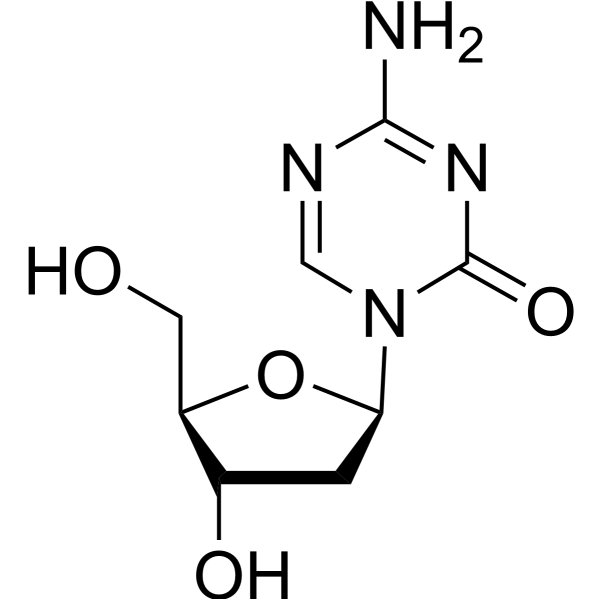
Decitabine
Maximum Cited Publications
168 Publications Verification
5-Aza-2'-deoxycytidine; 5-AZA-CdR; NSC 127716
|
DNA Methyltransferase
Apoptosis
Nucleoside Antimetabolite/Analog
|
Cancer
|
|
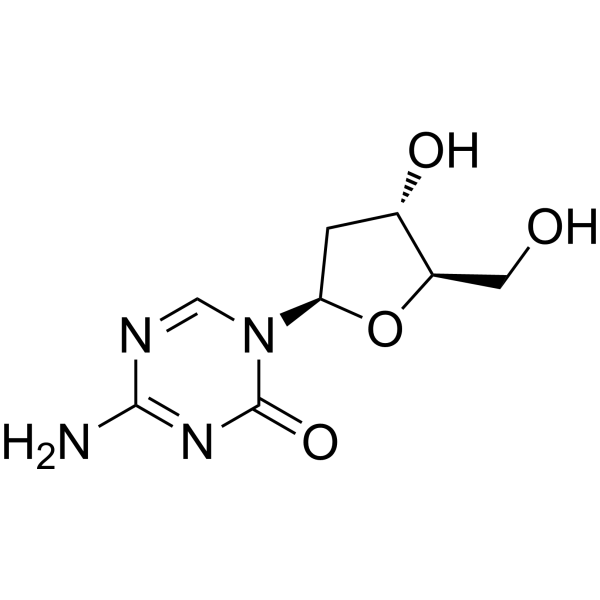
Decitabine (NSC 127716) is an orally active deoxycytidine analogue antimetabolite and a DNA methyltransferase inhibitor. Decitabine incorporates into DNA in place of cytosine can covalently trap DNA methyltransferase to DNA causing irreversible inhibition of the enzyme. Decitabine induces cell G2/M arrest and cell apoptosis. Decitabine has potent anticancer activity .
|
-
-
- HY-15593
-
-
-
- HY-B0464
-
|
|
PGE synthase
NO Synthase
Reactive Oxygen Species (ROS)
DNA Methyltransferase
COX
|
Cardiovascular Disease
Inflammation/Immunology
Cancer
|
|
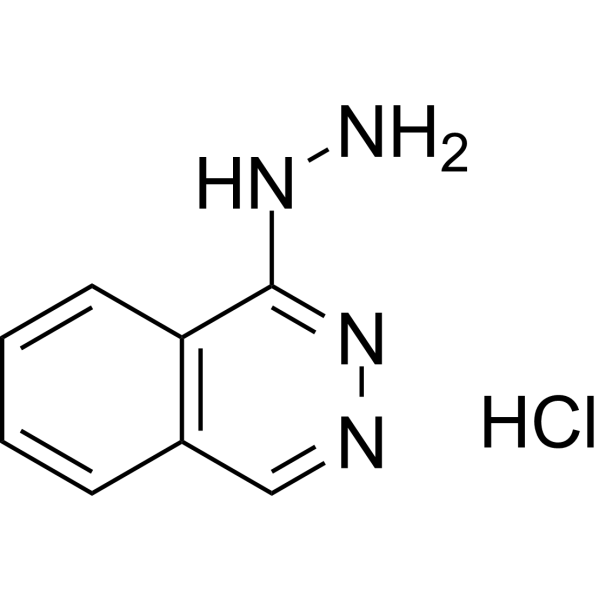
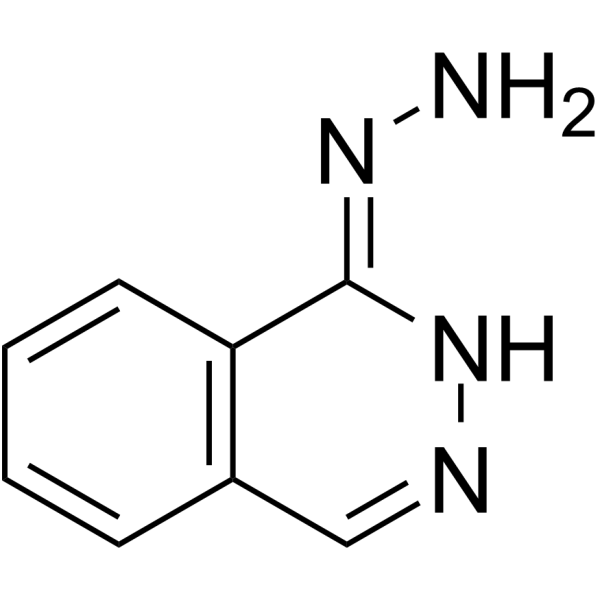
Hydralazine hydrochloride is an orally active, blood-brain barrier-permeable DNA methyltransferase inhibitor with vasodilatory, arterial smooth muscle relaxant and hypotensive activities. Hydralazine hydrochloride reactivates silenced tumor suppressor genes via mediating DNA demethylation, while exerting neuroprotective and anti-inflammatory properties. Hydralazine hydrochloride inhibits NOS-2 (iNOS) and COX-2, and reduces the production of NO and PGEE2; meanwhile, Hydralazine hydrochloride scavenges reactive oxygen species and inhibits macrophage activation. Hydralazine hydrochloride alleviates motor dysfunction, neuropathic inflammatory pain, and formalin-induced somatic and emotional pain responses. In addition, Hydralazine hydrochloride directly induces DNA strand breaks and sister chromatid exchange, exhibiting certain mutagenic characteristics. Hydralazine hydrochloride has been widely used in studies on hypertension, various cancers (such as cervical cancer, leukemia), spinal cord injury and the mechanisms of inflammatory pain .
|
-
-
- HY-134124
-
|
|
Reactive Oxygen Species (ROS)
|
Metabolic Disease
|
|
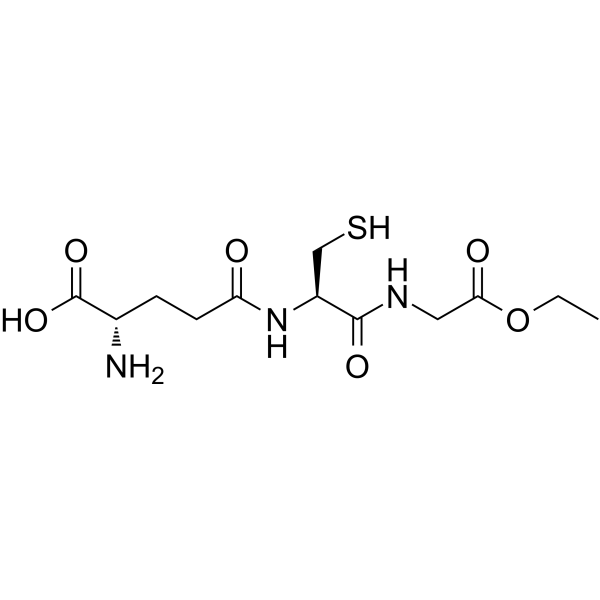
Glutathione ethyl ester is a cell-permeable GSH donor and provides an efficient supply of GSH to the oocyte. Glutathione ethyl ester shows positive effect on the in vitro production of embryos by enhancement of the antioxidative defense .
|
-
-
- HY-B1322
-
-
-
- HY-154812
-
|
KTX-1001
|
Histone Methyltransferase
CD44
|
Cancer
|
|
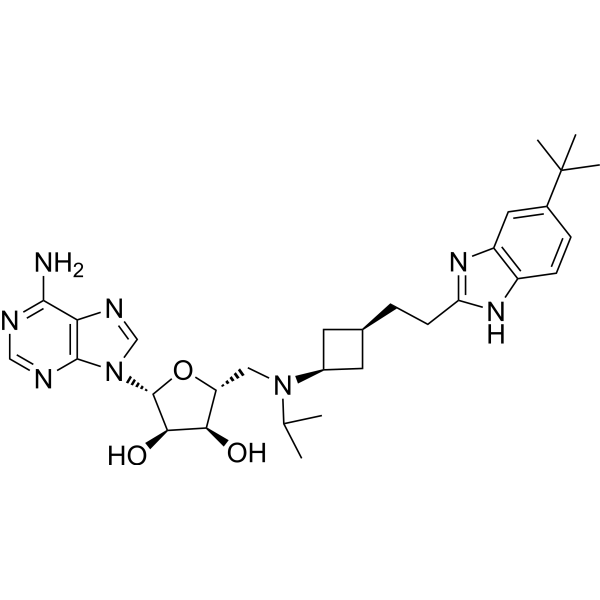
Gintemetostat (KTX-1001) is an orally active, highly specific NSD2/MMSET histone methyltransferase inhibitor with human NSD2 IC50 values ranging 0.460-2.17 nM and NSD2 SET domain IC50 of 2.32 nM and Kd values ranging 6.3-70.4 nM .Gintemetostat reduces H3K36me2 levels, impairs multiple myeloma cell adhesion and colony formation, enhances cytotoxicity, boosts T-cell activation, and sensitizes resistant multiple myeloma cells to other agents .Gintemetostat can be used for the research of multiple myeloma and relapsed and refractory multiple myeloma .
|
-

-
- HY-112445
-
|
|
Histone Methyltransferase
|
Cancer
|
|
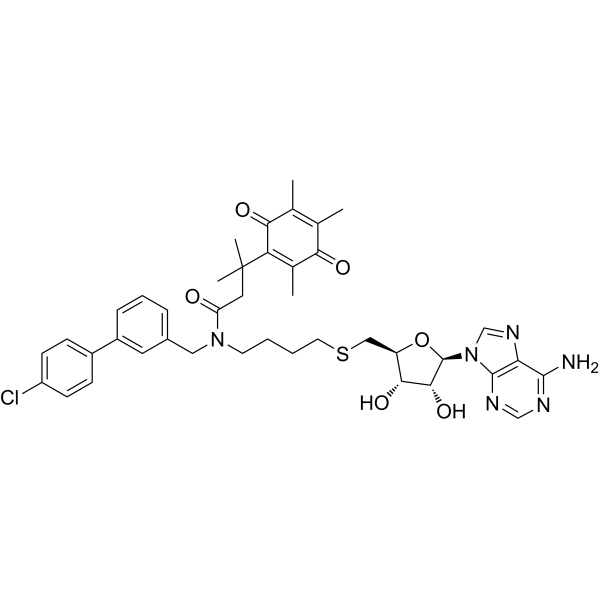
SGC3027 is a histone methyltransferase inhibitor . SGC3027 is the first potent, selective and cell active chemical probe for PRMT7 .
|
-
-
- HY-B1322A
-
-
-
- HY-10587
-
|
|
Histone Methyltransferase
Autophagy
|
Cancer
|
|
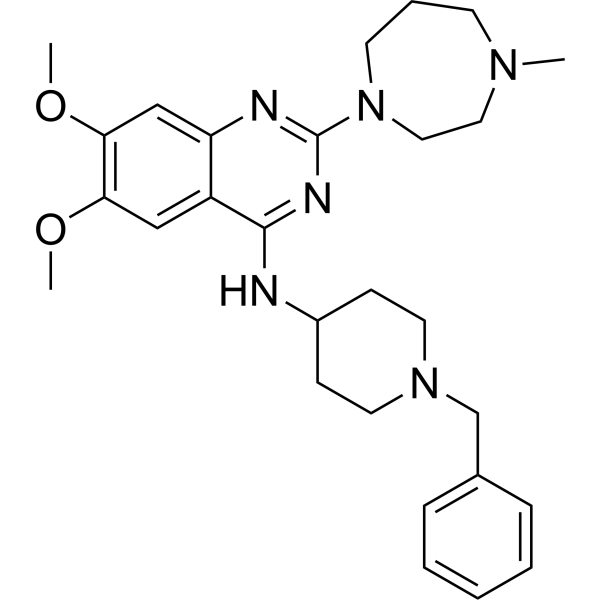
BIX-01294 is a reversible and highly selective G9a and GLP Histone Methyltransferase inhibitor, with IC50s of of 1.7 μM and 0.9 μM, respectively. BIX-01294 inhibits G9a/GLP by competing for binding with the amino acids N-terminal of the substrate lysine residue. BIX-01294, a (1H-1,4-diazepin-1-yl)-quinazolin-4-yl amine derivative, induces necroptosis and autophagy. BIX-01294 has antitumor activity in recurrent tumor cells .
|
-
-
- HY-13420
-
|
NSC309132; 4-Deoxyuridine
|
DNA Methyltransferase
Autophagy
|
Cancer
|
|
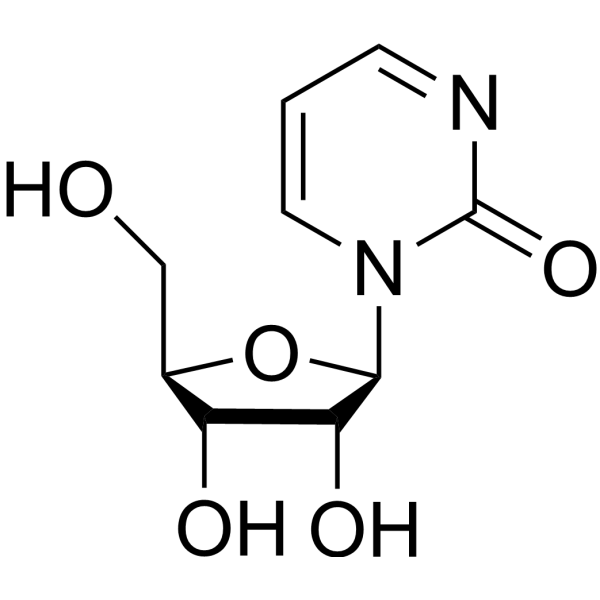
Zebularine (NSC309132; 4-Deoxyuridine) is a DNA methyltransferase inhibitor. Zebularine also inhibits cytidine deaminase with a Ki of 0.95 μM.
|
-
-
- HY-P10272
-
|
PTG-300
|
Ferroportin
|
Others
|
|
Rusfertide is a peptide mimetic of natural hepcidin, which targets and degrades ferroportin, reduces serum iron and transferrin-saturation, and thus regulates the production of red blood cells. Rusfertide ameliorates the polycythemia vera, β-thalassemia and hereditary hemochromatosis .
|
-

-
- HY-12220
-
MM-102
4 Publications Verification
HMTase Inhibitor IX
|
WDR5
Apoptosis
NF-κB
TNF Receptor
Interleukin Related
|
Inflammation/Immunology
Cancer
|
|
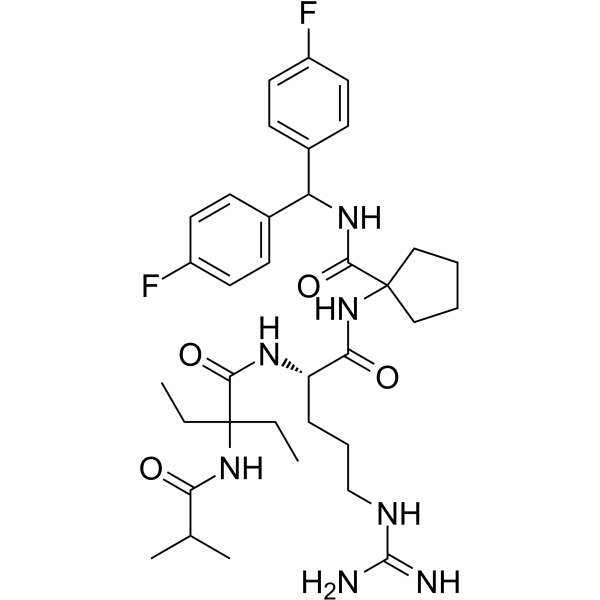
MM-102 (HMTase Inhibitor IX) is a cell-permeable and tightly binding inhibitor of MLL1-WDR5 interaction (IC50=2.4 nM). MM-102 can specifically inhibit the growth and induce apoptosis of leukemia cells containing MLL1 fusion protein, and reduce renal fibrosis and inflammation in mice with ischemia-reperfusion injury. In addition, MM-102 also acts as an H3K4 histone methyltransferase inhibitor to improve the development of porcine somatic cell nuclear transfer (SCNT) embryos .
|
-
-
- HY-A0248A
-
|
|
Bacterial
|
Infection
|
|
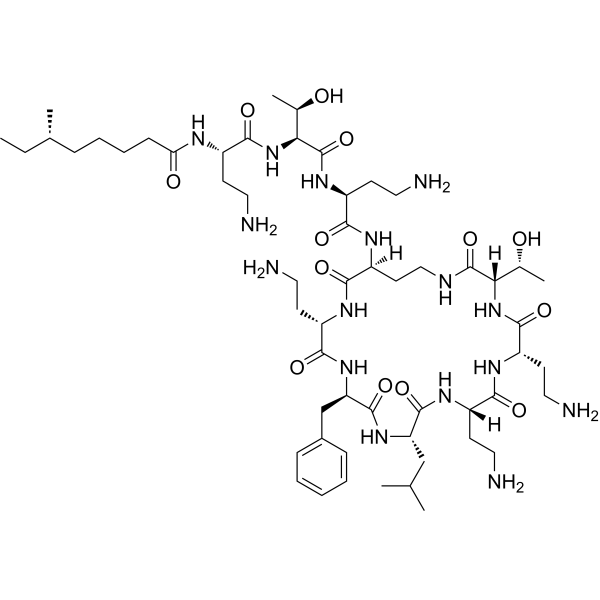
Polymyxin B1 is a potent antimicrobial lipopeptide first derived from Bacilus polymyxa. Polymyxin B1 is the major component in Polymyxin B (HY-A0248). Polymyxin B1 can induce lysis of bacterial cells through interaction with their membranes. Polymyxin B1 has the potential for multidrug-resistant Gram-negative bacterial infections treatment .
|
-
-
- HY-B1322B
-
-
-
- HY-P1108A
-
|
|
CRFR
|
Neurological Disease
Inflammation/Immunology
|
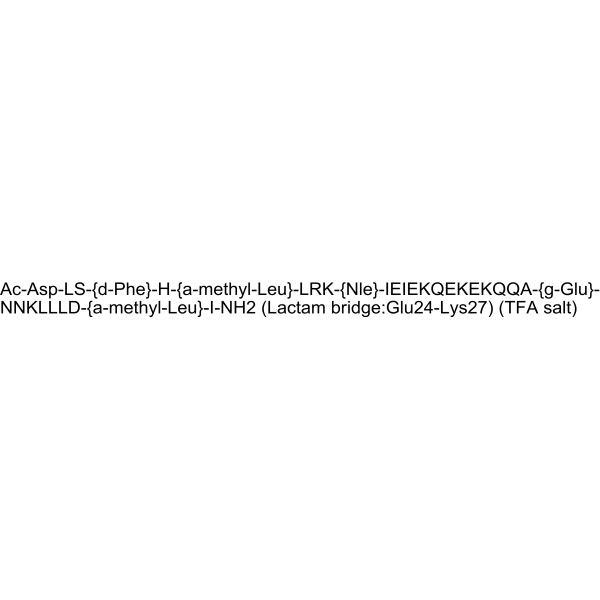
Astressin 2B TFA is a blood-brain barrier-impermeable, highly selective CRFR2 antagonist (rCRFR2, IC50=0.57 nM). Astressin 2B TFA blocks the protective effects mediated by CRFR2, thereby exacerbating indomethacin (HY-14397)-induced hemorrhagic intestinal injury in rats. Astressin 2B TFA reverses the protective effects of Urocortin 1 against intestinal hypermotility, bacterial invasion and upregulation of inflammatory mediators. Astressin 2B TFA also blocks the anxiogenic effect of Urocortin 2 and attenuates stress-induced anxiety-related behaviors. In the Clostridioides difficile toxin A (C. difficile toxin A)-mediated enteritis model, Astressin 2B TFA mimics the phenotype of CRFR2-deficient mice, significantly exacerbating intestinal epithelial damage, edema, neutrophil migration and the expression of multiple proinflammatory cytokines. Astressin 2B TFA is an important tool molecule for investigating the intestinal protective mechanisms of CRFR2 .
|
-
-
- HY-P1108
-
|
|
CRFR
|
Neurological Disease
Inflammation/Immunology
|
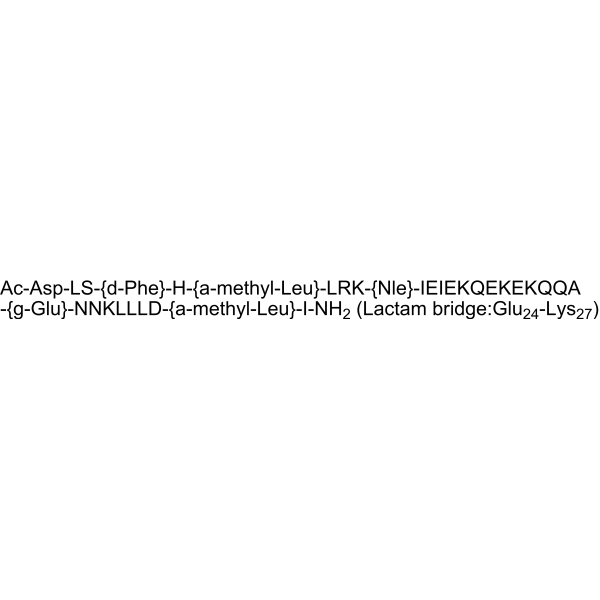
Astressin 2B is a blood-brain barrier-impermeable, highly selective CRFR2 antagonist (rCRFR2, IC50=0.57 nM). Astressin 2B blocks the protective effects mediated by CRFR2, thereby exacerbating indomethacin (HY-14397)-induced hemorrhagic intestinal injury in rats. Astressin 2B reverses the protective effects of Urocortin 1 against intestinal hypermotility, bacterial invasion and upregulation of inflammatory mediators. Astressin 2B also blocks the anxiogenic effect of Urocortin 2 and attenuates stress-induced anxiety-related behaviors. In the Clostridioides difficile toxin A (C. difficile toxin A)-mediated enteritis model, Astressin 2B mimics the phenotype of CRFR2-deficient mice, significantly exacerbating intestinal epithelial damage, edema, neutrophil migration and the expression of multiple proinflammatory cytokines. Astressin 2B is an important tool molecule for investigating the intestinal protective mechanisms of CRFR2 .
|
-
-
- HY-141429A
-
|
|
Histone Methyltransferase
Apoptosis
|
Cancer
|
|
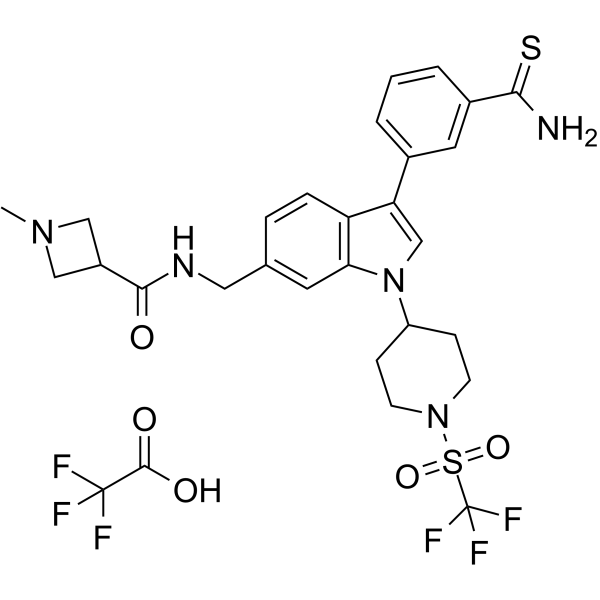
AS-99 TFA is a first-in-class, potent and selective ASH1L histone methyltransferase inhibitor (IC50= 0.79 μM, Kd= 0.89 μM) with anti-leukemic activity. AS-99 TFA blocks cell proliferation, induces apoptosis and differentiation, downregulates MLL fusion target genes, and reduces the leukemia burden in vivo .
|
-
-
- HY-148458
-
|
|
Histone Methyltransferase
|
Cancer
|
|
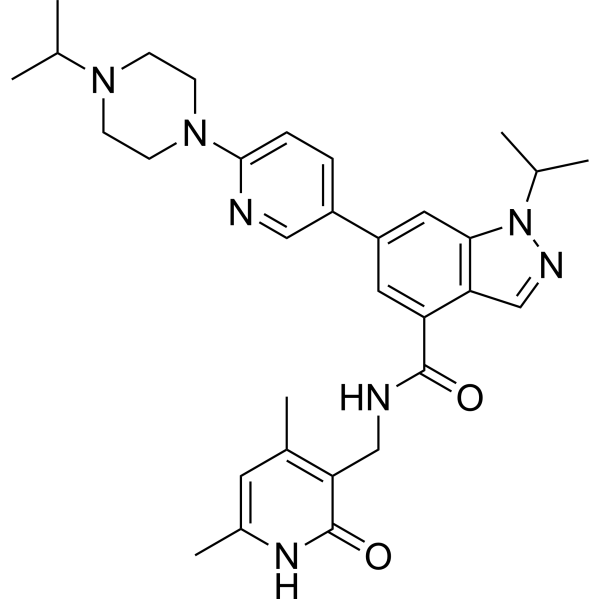
EZH2-IN-14 is a selective EZH2 (Histone Methyltransferase) inhibitor with an IC50 of 12 nM. EZH2-IN-14 inhibits the methyltransferase activity of EZH2/PRC2 (that is, reducing H3K27me3). EZH2-IN-14 shows >200-fold selective for EZH2 over the highly homologous H3K27 methyltransferase EZH1 .
|
-
-
- HY-B0464A
-
|
|
DNA Methyltransferase
Reactive Oxygen Species (ROS)
COX
NO Synthase
PGE synthase
|
Cardiovascular Disease
Neurological Disease
Inflammation/Immunology
Cancer
|
|
Hydralazine is an orally active, blood-brain barrier-permeable DNA methyltransferase inhibitor with vasodilatory, arterial smooth muscle relaxant and hypotensive activities. Hydralazine reactivates silenced tumor suppressor genes via mediating DNA demethylation, while exerting neuroprotective and anti-inflammatory properties. Hydralazine inhibits NOS-2 (iNOS) and COX-2, and reduces the production of NO and PGEE2; meanwhile, Hydralazine scavenges reactive oxygen species and inhibits macrophage activation. Hydralazine alleviates motor dysfunction, neuropathic inflammatory pain, and formalin-induced somatic and emotional pain responses. In addition, Hydralazine directly induces DNA strand breaks and sister chromatid exchange, exhibiting certain mutagenic characteristics. Hydralazine has been widely used in studies on hypertension, various cancers (such as cervical cancer, leukemia), spinal cord injury and the mechanisms of inflammatory pain .
|
-
-
- HY-A0004R
-
|
5-Aza-2'-deoxycytidine (Standard); 5-AZA-CdR (Standard); NSC 127716 (Standard)
|
Reference Standards
DNA Methyltransferase
Apoptosis
Nucleoside Antimetabolite/Analog
|
Cancer
|
|
Decitabine (Standard) is the analytical standard of Decitabine. This product is intended for research and analytical applications. Decitabine (NSC 127716) is an orally active deoxycytidine analogue antimetabolite and a DNA methyltransferase inhibitor. Decitabine incorporates into DNA in place of cytosine can covalently trap DNA methyltransferase to DNA causing irreversible inhibition of the enzyme. Decitabine induces cell G2/M arrest and cell apoptosis. Decitabine has potent anticancer activity .
|
-
-
- HY-108239
-
|
|
Histone Methyltransferase
Autophagy
|
Cancer
|
|
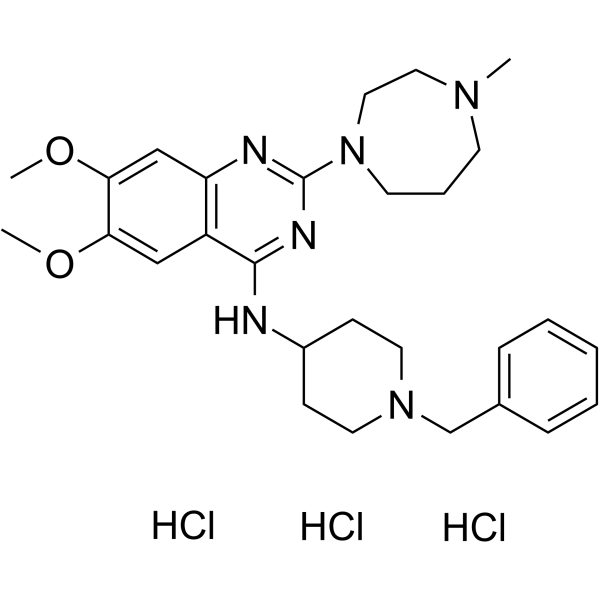
BIX-01294 trihydrochloride is a reversible and highly selective G9a and GLP Histone Methyltransferase inhibitor, with IC50s of of 1.7 μM and 0.9 μM, respectively. BIX-01294 trihydrochloride inhibits G9a/GLP by competing for binding with the amino acids N-terminal of the substrate lysine residue. BIX-01294 trihydrochloride, a (1H-1,4-diazepin-1-yl)-quinazolin-4-yl amine derivative, induces necroptosis and autophagy. BIX-01294 trihydrochloride has antitumor activity in recurrent tumor cells .
|
-
-
- HY-12991A
-
-
-
- HY-100846
-
JQEZ5
3 Publications Verification
|
Histone Methyltransferase
|
Cancer
|
|
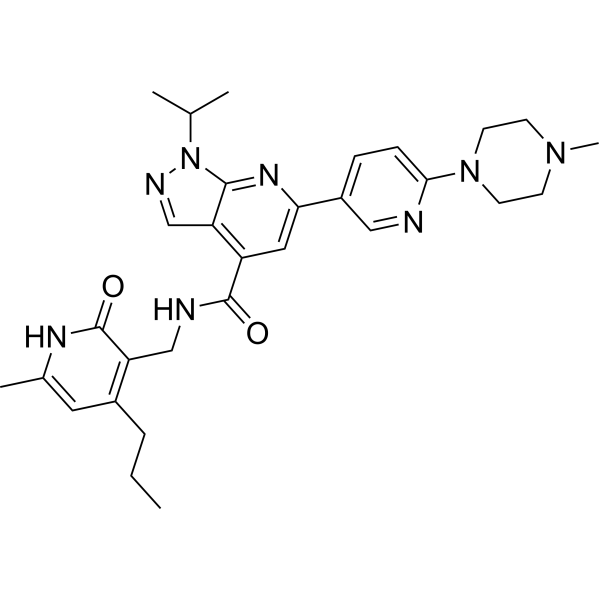
JQEZ5 is a potent and selective EZH2 lysine methyltransferase inhibitor. JQEZ5 SAM-competitively inhibits polycomb repressive complex 2 (PRC2) with an IC50 of 80 nM. JQEZ5 has anti-tumor effects .
|
-
-
- HY-19554A
-
|
|
WDR5
Apoptosis
|
Cancer
|
|
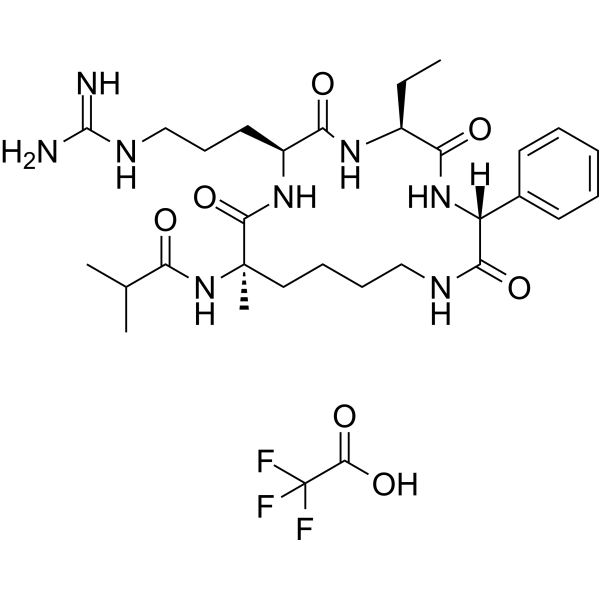
MM-401 (TFA) is a MLL1 H3K4 methyltransferase inhibitor. MM-401 inhibits MLL1 activity (IC50 = 0.32 μM) by blocking MLL1-WDR5 interaction. MM-401 can induce cell cycle arrest, apoptosis and differentiation. MM-401 can be used for the research of MLL leukemia .
|
-
-
- HY-114209
-
MRK-740
2 Publications Verification
|
Histone Methyltransferase
|
Cancer
|
|
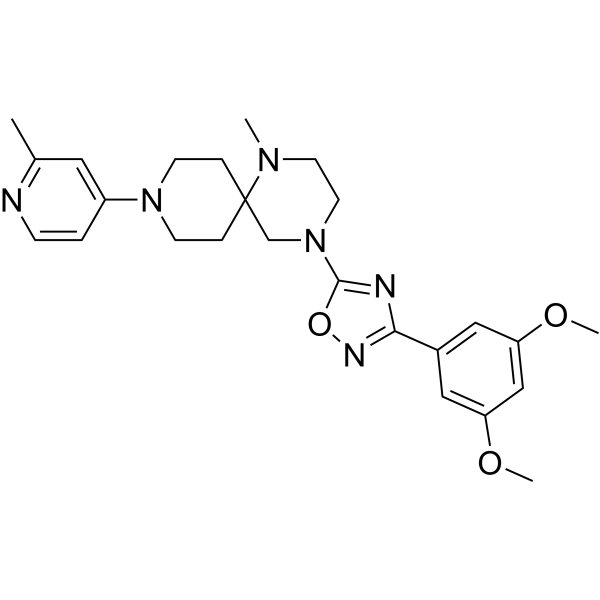
MRK-740, a chemical probe, is a potent, selective and substrate-competitive PRDM9 histone methyltransferase inhibitor with an IC50 of 80?nM. MRK-740 is more selective for PRDM9 than other histone methyltransferases and other non-epigenetic targets. MRK-740 reduces PRDM9-dependent trimethylation of H3K4 (IC50?=?0.8?μM) .
|
-
-
- HY-119390
-
|
|
DNA Methyltransferase
|
Cancer
|
|
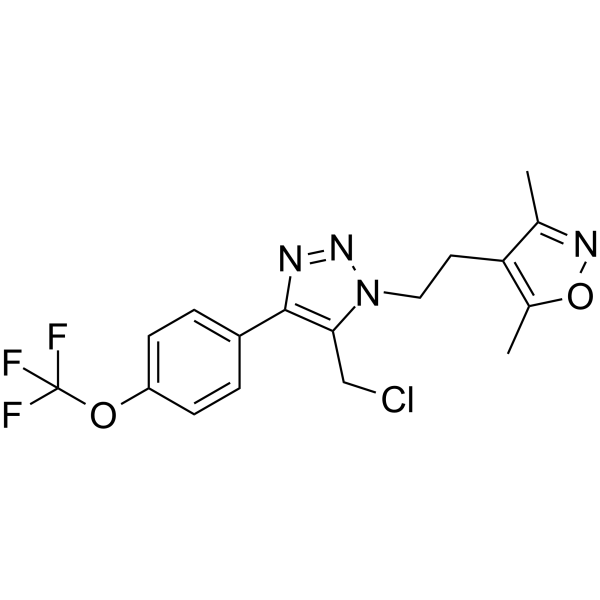
AA-CW236 is a MGMT (O6-methylguanine DNA methyltransferase) inhibitor. AA-CW236 targets MGMT active site Cys145 for covalent modification .
|
-
-
- HY-100959
-
|
OR-486; 3,5-Dinitropyrocatechol
|
COMT
|
Neurological Disease
|
|
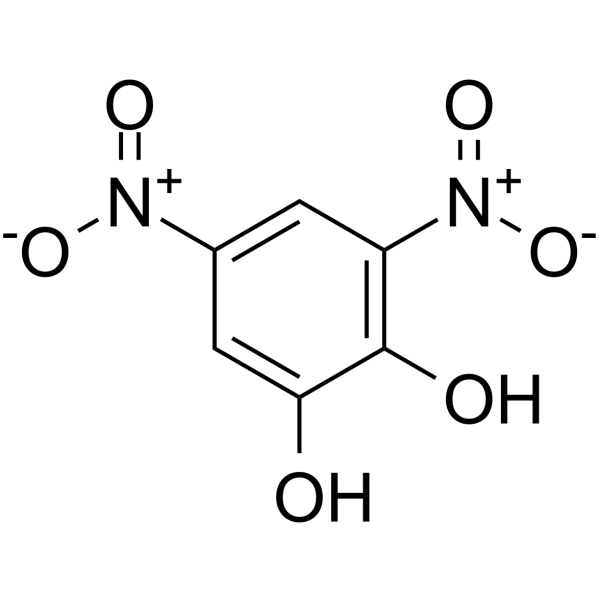
3,5-Dinitrocatechol (OR-486) is a potent catechol-O-methyltransferase inhibitor, with an IC50 of 12 nM. 3,5-Dinitrocatechol can be used in the preparation of the molybdenum (VI)- 3,5-Dinitrocatechol complex .
|
-
-
- HY-141430
-
|
|
Histone Methyltransferase
|
Cancer
|
|
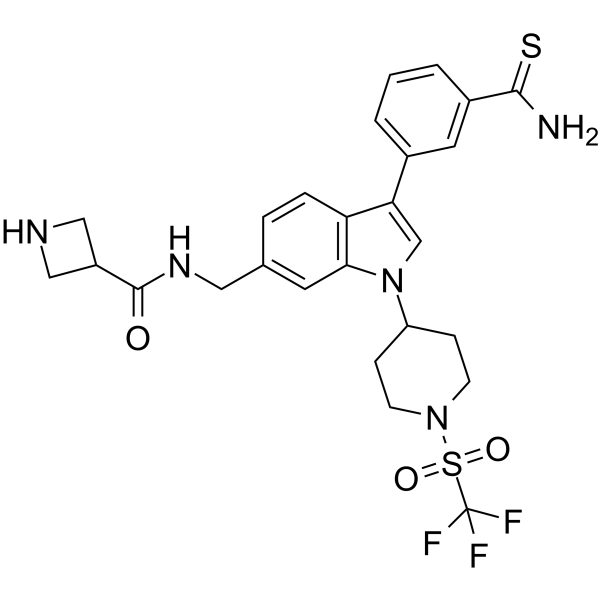
AS-85 is a potent ASH1L histone methyltransferase inhibitor (IC50=0.6 μM) with anti-leukemic activity. AS-85 strongly binds to the ASH1L SET domain, with the Kd value of 0.78 μM .
|
-
-
- HY-100967
-
|
Homodimaprit dihydrochloride
|
Histone Methyltransferase
|
Infection
Cardiovascular Disease
Inflammation/Immunology
|
|
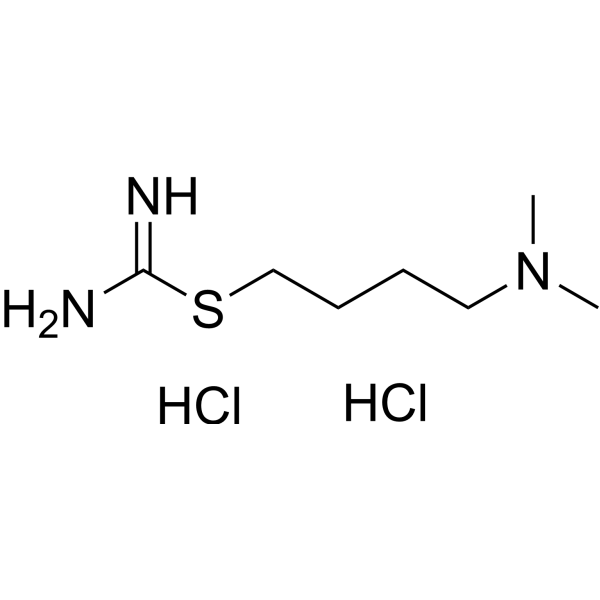
SKF 91488 (Homodimaprit) dihydrochloride is a potent and noncompetitive histamine N-methyltransferase inhibitor with a Ki value of 0.9 μM. SKF 91488 dihydrochloride can block histamine metabolism and increase histamine concentrations. SKF 91488 dihydrochloride can increase blood pressure and enhance bronchoconstriction. SKF 91488 can be used for the researches of infection, inflammation and cardiovascular disease, such as Mycoplasma pneumonia and hemorrhagic hypotension .
|
-
-
- HY-19554
-
|
|
WDR5
Apoptosis
|
Cancer
|
|
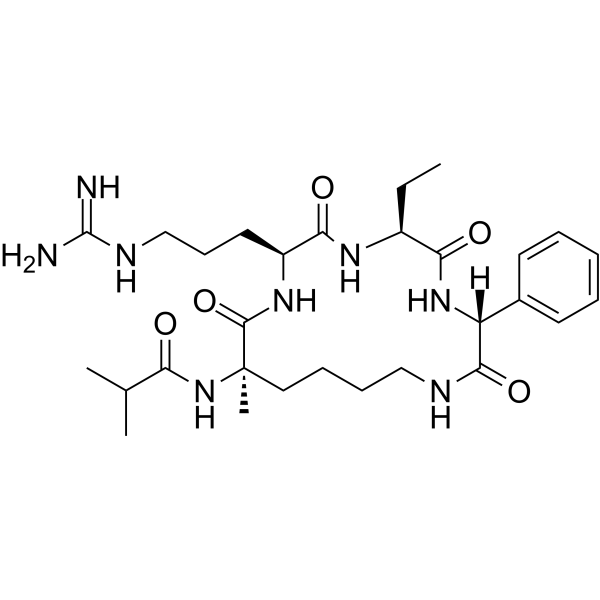
MM-401 is a MLL1 H3K4 methyltransferase inhibitor. MM-401 inhibits MLL1 activity (IC50 = 0.32 μM) by blocking MLL1-WDR5 interaction. MM-401 can induce cell cycle arrest, apoptosis and differentiation. MM-401 can be used for the research of MLL leukemia .
|
-
-
- HY-P10143
-
|
Ac-Pro-Leu-Gly-[(S)-2-mercapto-4-methyl-pentanoyl]-Leu-Gly-OEt
|
MMP
|
Others
|
|
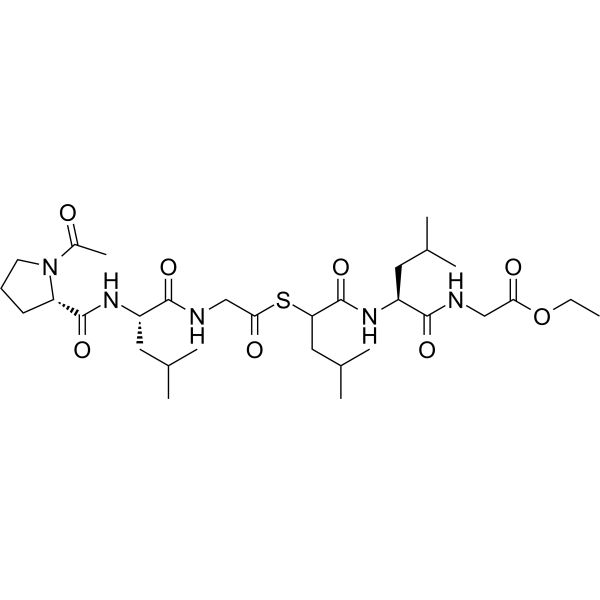
MMP-2/MMP-9 Substrate (Ac-Pro-Leu-Gly-[(S)-2-mercapto-4-methyl-pentanoyl]-Leu-Gly-OEt) is a synthetic chromogenic polypeptide substrate whose core structure mimics the cleavage sites of MMP-2 and MMP-9 (gelatinase A and B) in collagen. After being hydrolyzed by collagenase, MMP-2/MMP-9 Substrate reacts with 4,4'-dithiodipyridine or Ellman's Reagent via its thiol fragment to produce a product with ultraviolet absorption properties .
|
-
-
- HY-A0248AS
-
|
|
Isotope-Labeled Compounds
Bacterial
|
Infection
|
|
Polymyxin B1-d7 TFA is the deuterium labeled Polymyxin B1 TFA (HY-A0248A). Polymyxin B1 is a potent antimicrobial lipopeptide first derived from Bacilus polymyxa. Polymyxin B1 is the major component in Polymyxin B (HY-A0248). Polymyxin B1 can induce lysis of bacterial cells through interaction with their membranes. Polymyxin B1 has the potential for multidrug-resistant Gram-negative bacterial infections treatment .
|
-

-
- HY-141429
-
|
|
Histone Methyltransferase
Apoptosis
|
Cancer
|
|
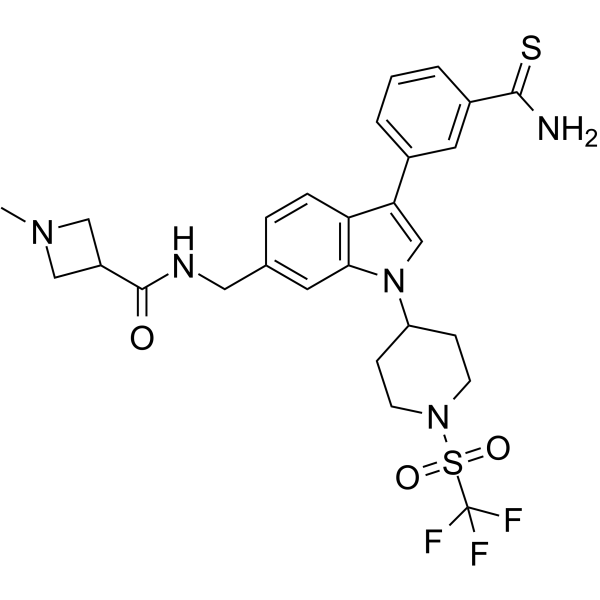
AS-99 is a first-in-class, potent and selective ASH1L histone methyltransferase inhibitor (IC50= 0.79 µM, Kd= 0.89 µM) with anti-leukemic activity. AS-99 blocks cell proliferation, induces apoptosis and differentiation, downregulates MLL fusion target genes, and reduces the leukemia burden in vivo .
|
-
-
- HY-B1322R
-
|
Amodiaquin dihydrochloride dihydrate (Standard)
|
Nuclear Hormone Receptor 4A/NR4A
Reference Standards
Parasite
Histone Methyltransferase
|
Infection
Neurological Disease
Inflammation/Immunology
|
|
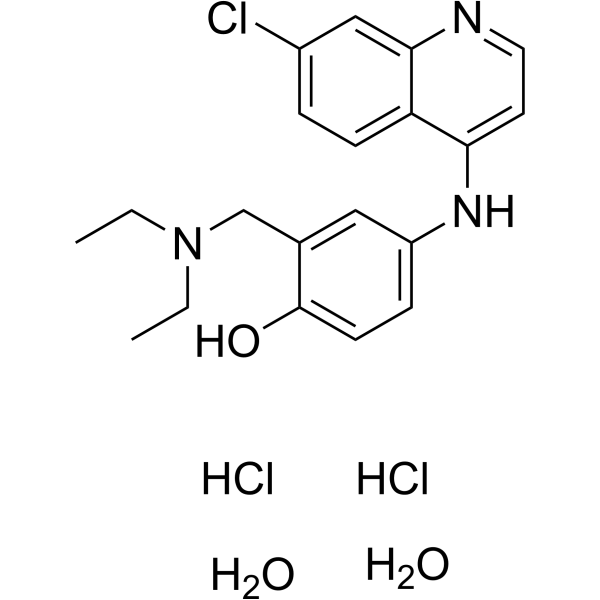
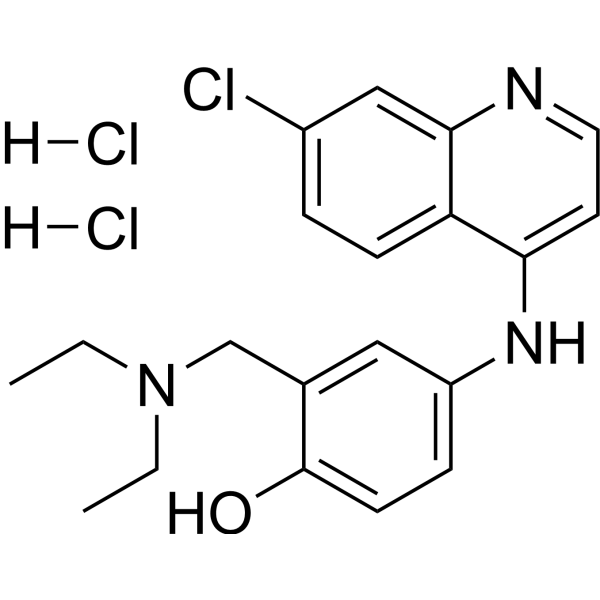
Amodiaquine (dihydrochloride dihydrate) (Standard) is the analytical standard of Amodiaquine (dihydrochloride dihydrate). This product is intended for research and analytical applications. Amodiaquine dihydrochloride dihydrate (Amodiaquin dihydrochloride dihydrate), a 4-aminoquinoline class of antimalarial agent, is a potent and orally active histamine N-methyltransferase inhibitor. Amodiaquine dihydrochloride dihydrate is also a Nurr1 agonist and specifically binds to Nurr1-LBD (ligand binding domain) with an EC50 of ~20 μM. Anti-inflammatory effect .
|
-

-
- HY-B0464S1
-
|
|
Isotope-Labeled Compounds
PGE synthase
NO Synthase
Reactive Oxygen Species (ROS)
DNA Methyltransferase
COX
|
Cancer
|
|
Hydralazine-d5 (hydrochloride) is deuterium-labeled Hydralazine (hydrochloride) (HY-B0464). Hydralazine hydrochloride is an orally active, blood-brain barrier-permeable DNA methyltransferase inhibitor with vasodilatory, arterial smooth muscle relaxant and hypotensive activities. Hydralazine hydrochloride reactivates silenced tumor suppressor genes via mediating DNA demethylation, while exerting neuroprotective and anti-inflammatory properties. Hydralazine hydrochloride inhibits NOS-2 (iNOS) and COX-2, and reduces the production of NO and PGEE2; meanwhile, Hydralazine hydrochloride scavenges reactive oxygen species and inhibits macrophage activation. Hydralazine hydrochloride alleviates motor dysfunction, neuropathic inflammatory pain, and formalin-induced somatic and emotional pain responses. In addition, Hydralazine hydrochloride directly induces DNA strand breaks and sister chromatid exchange, exhibiting certain mutagenic characteristics. Hydralazine hydrochloride has been widely used in studies on hypertension, various cancers (such as cervical cancer, leukemia), spinal cord injury and the mechanisms of inflammatory pain .
|
-

-
- HY-P10563
-
|
BHV-1100
|
CD38
|
Cancer
|
|
Noraramtide (BHV-1100) is an antibody recruitment molecule. Noraramtide can specifically bind to CD38 molecules to recruit natural killer (NK) cells. Noraramtide enhances the ability of NK cells to kill tumor cells through antibody-dependent cellular cytotoxicity (ADCC). This mechanism allows NK cells to more effectively recognize and eliminate tumor cells while avoiding mutual killing between NK cells. Noraramtide can be used for the study of autologous cancer immunity .
|
-

-
- HY-122936
-
|
|
Histone Methyltransferase
Keap1-Nrf2
Sirtuin
|
Cardiovascular Disease
Cancer
|
|
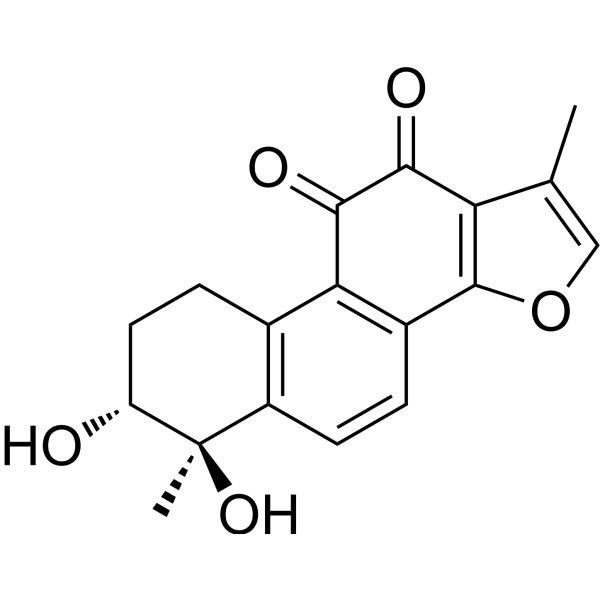
Tanshindiol C is a S-adenosylmethionine-competitive EZH2 (Histone Methyltransferase) inhibitor with an IC50 of 0.55 μM for inhibiting the methyltransferase activity. Tanshindiol C is also an activator of both Nrf2 and Sirtuin 1 (Sirt1) in macrophages. Tanshindiol C possesses anti-cancer activity, and can be used for atherosclerosis research .
|
-
-
- HY-P3066
-
|
d(CH2)5Tyr(Et)VAVP
|
Vasopressin Receptor
|
Metabolic Disease
|
|
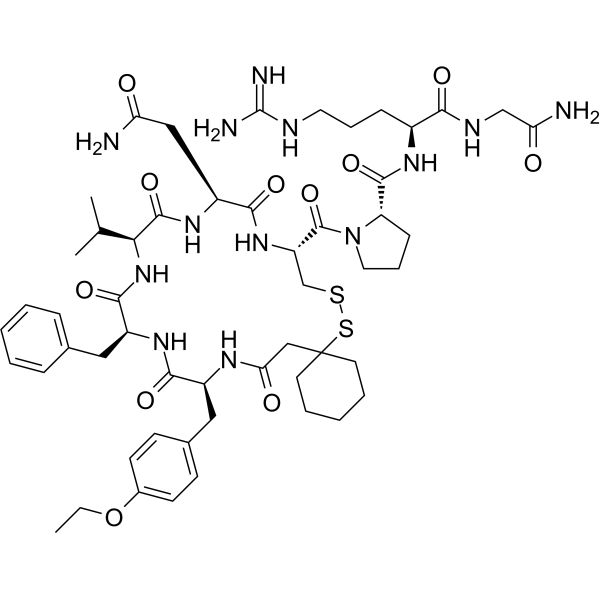
SKF 100398 (d(CH2)5Tyr(Et)VAVP), an arginine vasopressin (AVP) analogue, is a specific antagonist of the antidiuretic effect of exogenous and endogenous AVP .
|
-
-
- HY-B0464S
-
|
|
Isotope-Labeled Compounds
PGE synthase
NO Synthase
Reactive Oxygen Species (ROS)
DNA Methyltransferase
COX
|
Cardiovascular Disease
|
|
Hydralazine-d4 hydrochloride is the deuterium labeled Hydralazine hydrochloride. Hydralazine hydrochloride is an orally active, blood-brain barrier-permeable DNA methyltransferase inhibitor with vasodilatory, arterial smooth muscle relaxant and hypotensive activities. Hydralazine hydrochloride reactivates silenced tumor suppressor genes via mediating DNA demethylation, while exerting neuroprotective and anti-inflammatory properties. Hydralazine hydrochloride inhibits NOS-2 (iNOS) and COX-2, and reduces the production of NO and PGEE2; meanwhile, Hydralazine hydrochloride scavenges reactive oxygen species and inhibits macrophage activation. Hydralazine hydrochloride alleviates motor dysfunction, neuropathic inflammatory pain, and formalin-induced somatic and emotional pain responses. In addition, Hydralazine hydrochloride directly induces DNA strand breaks and sister chromatid exchange, exhibiting certain mutagenic characteristics. Hydralazine hydrochloride has been widely used in studies on hypertension, various cancers (such as cervical cancer, leukemia), spinal cord injury and the mechanisms of inflammatory pain .
|
-

-
- HY-P10828
-
|
|
Virus Protease
|
Infection
Inflammation/Immunology
|
|
MAPI is a polypeptide irreversible 3C cysteine protease (SV3CP) inhibitor. MAPI inhibits SV3CP by covalently binding its C-terminal Michael-acceptor extension to the active site thiol of SV3CP Cys 139. MAPI is promising for research of noroviruses infection .
|
-

-
- HY-141429C
-
|
|
Histone Methyltransferase
Apoptosis
|
Cancer
|
|
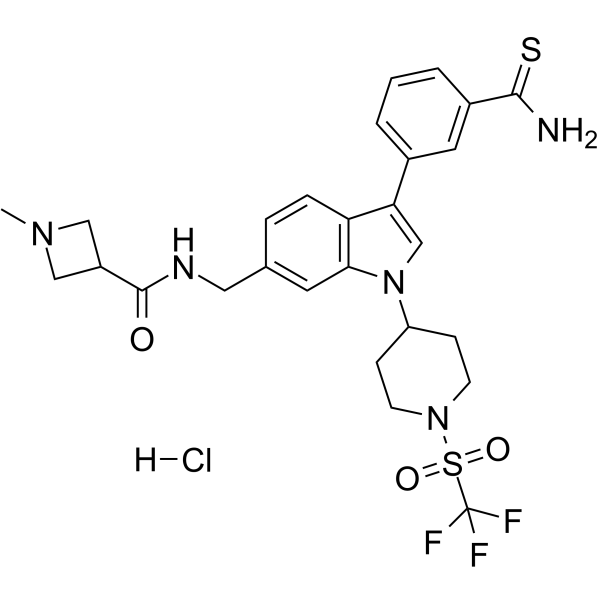
AS-99 is a first-in-class, potent, and selective ASH1L histone methyltransferase inhibitor (IC50= 0.79 μM, Kd= 0.89 μM) with anti-leukemic activity. AS-99 blocks cell proliferation, induces apoptosis and differentiation, downregulates MLL fusion target genes, and reduces the leukemia burden in vivo .
|
-
-
- HY-B1322AS
-
|
|
Parasite
Histone Methyltransferase
|
Infection
Neurological Disease
Inflammation/Immunology
|
|
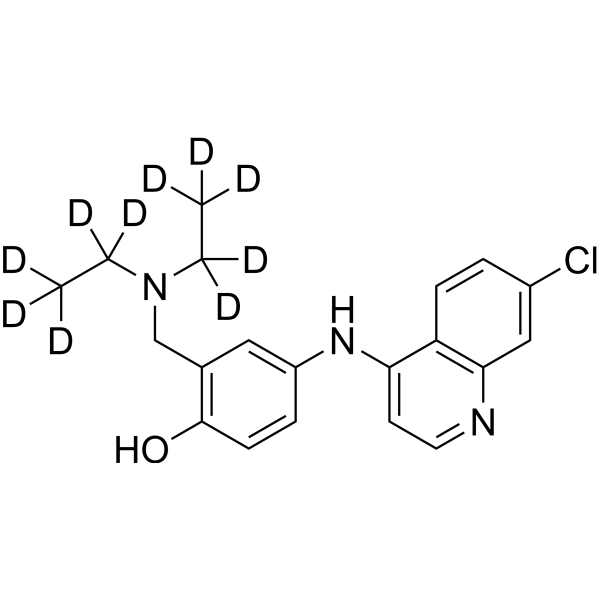
Amodiaquine-d10 is the deuterium labeled Amodiaquine. Amodiaquine (Amodiaquin), a 4-aminoquinoline class of antimalarial agent, is a potent and orally active histamine N-methyltransferase inhibitor. Amodiaquine is also a Nurr1 agonist and specifically binds to Nurr1-LBD (ligand binding domain) with an EC50 of ~20 μM. Anti-inflammatory effect .
|
-
-
- HY-176820
-
|
|
Histone Methyltransferase
|
Cancer
|
|
MRK-740-NC is a PRDM7/9 histone methyltransferase inhibitor. MRK-740-NC is a negative control compound of MRK-740 (HY-114209). MRK-740-NC has no inhibitory activity for PRDM7 and PRDM9 by replacing the methyl pyridine moiety of MRK-740 by a phenyl group .
|
-

-
- HY-B1322AR
-
-

-
- HY-135043
-
-

-
- HY-15593R
-
|
EPZ-5676 (Standard)
|
Histone Methyltransferase
Reference Standards
|
Cancer
|
|
Pinometostat (Standard) is the analytical standard of Pinometostat. This product is intended for research and analytical applications. Pinometostat (EPZ-5676) is a potent DOT1L histone methyltransferase inhibitor with a Ki of 80 pM.
|
-

-
- HY-139137
-
|
AGGC
|
DNA Methyltransferase
Integrin
|
Cancer
|
|
N-Acetyl-S-geranylgeranyl-L-cysteine is a Methyltransferase inhibitor. N-Acetyl-S-geranylgeranyl-L-cysteine inhibits beta 2 integrin-induced actin polymerization with an IC50 of 45 nM .
|
-

-
- HY-19061
-
|
|
COMT
|
Neurological Disease
|
CGP 28014 is a catechol-O-methyltransferase inhibitor. CGP 28014 can lower HVA levels and increase DOPAC levels in the striatum of rats, making it useful for research on Parkinson's disease .
|
-

-
- HY-145950
-
|
|
DNA Methyltransferase
|
Cancer
|
|
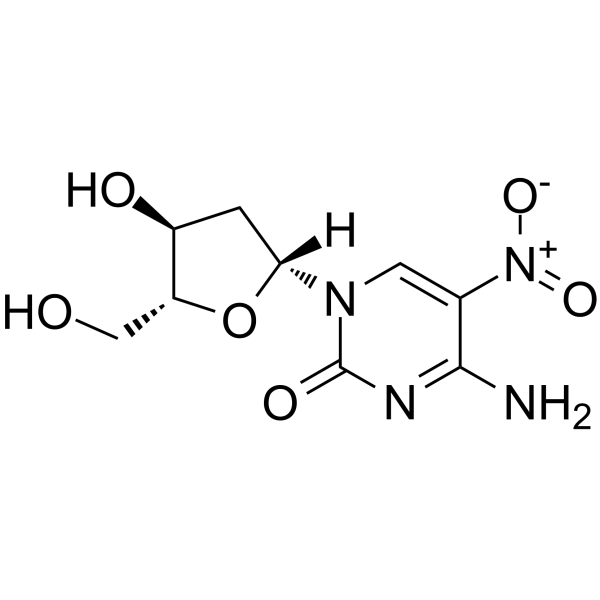
2′-Deoxy-5-nitrocytidine is a DNA Methyltransferase inhibitor extracted from patent CN108498529A. 2′-Deoxy-5-nitrocytidine can be used for the research of cancer .
|
-
-
- HY-163631
-
|
|
Fungal
Endogenous Metabolite
|
Infection
|
|
Antibacterial agent 218 (compound d28) is an orally active sterol 24-C-Methyltransferase inhibitor with the IC50 of 0.273 μM. Antibacterial agent 218 shows antifungal activity against the C.albicans SC5314 with the IC50 of 0.25 μg/mL .
|
-

- HY-100959R
-
|
OR-486 (Standard); 3,5-Dinitropyrocatechol (Standard)
|
COMT
Reference Standards
|
Neurological Disease
|
|
3,5-Dinitrocatechol (Standard) is the analytical standard of 3,5-Dinitrocatechol. This product is intended for research and analytical applications. 3,5-Dinitrocatechol (OR-486) is a potent catechol-O-methyltransferase inhibitor, with an IC50 of 12 nM. 3,5-Dinitrocatechol can be used in the preparation of the molybdenum (VI)- 3,5-Dinitrocatechol complex .
|
-

- HY-P2592
-
-
- HY-B1322AS1
-
-
- HY-B1322BR
-
|
Amodiaquin dihydrochloride (Standard)
|
Nuclear Hormone Receptor 4A/NR4A
Parasite
Histone Methyltransferase
Reference Standards
|
Infection
Neurological Disease
Inflammation/Immunology
|
|
Amodiaquine (dihydrochloride) (Standard) is the analytical standard of Amodiaquine (dihydrochloride). This product is intended for research and analytical applications. Amodiaquine dihydrochloride (Amodiaquin dihydrochloride), a 4-aminoquinoline class of antimalarial agent, is a potent and orally active histamine N-methyltransferase inhibitor with a Ki of 18.6 nM. Amodiaquine dihydrochloride is also a Nurr1 agonist and specifically binds to Nurr1-LBD (ligand binding domain) with an EC50 of ~20 μM. Anti-inflammatory effect .
|
-

- HY-A0004S
-
|
5-Aza-2'-deoxycytidine-13C5; 5-AZA-CdR-13C5; NSC 127716-13C5
|
Isotope-Labeled Compounds
DNA Methyltransferase
Nucleoside Antimetabolite/Analog
Apoptosis
|
Cancer
|
|
Decitabine- 13C5 (5-Aza-2'-deoxycytidine- 13C5) is 13C labeled Decitabine. Decitabine (NSC 127716) is an orally active deoxycytidine analogue antimetabolite and a DNA methyltransferase inhibitor. Decitabine incorporates into DNA in place of cytosine can covalently trap DNA methyltransferase to DNA causing irreversible inhibition of the enzyme. Decitabine induces cell G2/M arrest and cell apoptosis. Decitabine has potent anticancer activity .
|
-

- HY-150681
-
|
|
SARS-CoV
|
Infection
|
|
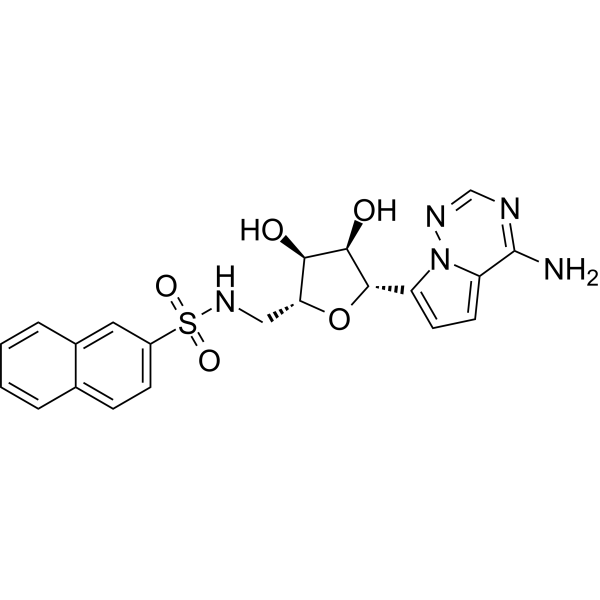
SARS-CoV-2 nsp14-IN-2 is a potent SARS-CoV-2 Nsp14 methyltransferase inhibitor with an IC50 value of 0.093 µM. SARS-CoV-2 nsp14-IN-2 shows antiviral activity. SARS-CoV-2 nsp14-IN-2 shows plasma and liver S9 stability. SARS-CoV-2 nsp14-IN-2 has the potential for the research of COVID-19 .
|
-
- HY-125628
-
|
|
Endogenous Metabolite
|
Infection
|
|
Kahalalide A is an anti-mycobacterial compound with antimicrobial activity. Kahalalide A is derived from the marine mollusk Elysia rufescens. Kahalalide A has attracted extensive attention in natural product research due to its potential medicinal value .
|
-

- HY-B0464R
-
|
|
Reference Standards
PGE synthase
NO Synthase
Reactive Oxygen Species (ROS)
DNA Methyltransferase
COX
|
Cardiovascular Disease
Inflammation/Immunology
Cancer
|
|
Hydralazine (hydrochloride) (Standard) is the analytical standard of Hydralazine (hydrochloride). This product is intended for research and analytical applications. Hydralazine hydrochloride is an orally active, blood-brain barrier-permeable DNA methyltransferase inhibitor with vasodilatory, arterial smooth muscle relaxant and hypotensive activities. Hydralazine hydrochloride reactivates silenced tumor suppressor genes via mediating DNA demethylation, while exerting neuroprotective and anti-inflammatory properties. Hydralazine hydrochloride inhibits NOS-2 (iNOS) and COX-2, and reduces the production of NO and PGEE2; meanwhile, Hydralazine hydrochloride scavenges reactive oxygen species and inhibits macrophage activation. Hydralazine hydrochloride alleviates motor dysfunction, neuropathic inflammatory pain, and formalin-induced somatic and emotional pain responses. In addition, Hydralazine hydrochloride directly induces DNA strand breaks and sister chromatid exchange, exhibiting certain mutagenic characteristics. Hydralazine hydrochloride has been widely used in studies on hypertension, various cancers (such as cervical cancer, leukemia), spinal cord injury and the mechanisms of inflammatory pain .
|
-

- HY-117947
-
|
|
Histone Methyltransferase
|
Cancer
|
|
(R)-OR-S1 is an isomer of OR-S1. The dual ZH1/2 inhibitors OR-S1 and OR-S2 exhibit strong inhibitory activity against both EZH1 and EZH2. OR-S1 and OR-S2 are highly selective methyltransferase inhibitors against EZH1 and EZH2, and they have very similar molecular features. Therefore, we investigated the effect of OR-S1 on acute myeloid leukemia (AML). We found that OR-S1 was able to induce cell differentiation and apoptosis in AML cells. These findings encouraged us to investigate whether functional LT-HSCs could survive PRC2-targeted therapy with OR-S1 or OR-S1 combined with cytarabine. The results showed that OR-S1 did not cause significant myelosuppression, and BM cells treated with the combination therapy were able to undergo normal hematopoiesis even 4 months after treatment. Therefore, temporary inhibition of EZH1 and EZH2 is clinically tolerable, making this combination therapy suitable for AML patients. AML is generally believed to originate from myeloid progenitor cells that inherit a large number of biological properties.
|
-

- HY-N14558
-
|
|
Others
|
Neurological Disease
|
|
3',8-Dihydroxy-4',6,7-trimethoxyisoflavone is found in the strain of Streptomyces sp. 3',8-Dihydroxy-4',6,7-trimethoxyisoflavone is a catechole-O-methyltransferase inhibitor (IC50 is 0.2 g/mL) .
|
-

- HY-179722
-
|
|
Dengue Virus
|
Infection
|
|
MTase-IN-2 (compound 32) is a potent NS5 methyltransferase inhibitor with IC50s of 2.14 μM and 2.01 μM against the Dengue virus (DENV3) MTase domain and Zika virus (ZIKV) NS5 MTase domain, respectively .
|
-

- HY-183354
-
|
|
Histone Methyltransferase
WDR5
Apoptosis
Caspase
|
Cancer
|
|
HLC40 is a MLL1 histone methyltransferase inhibitor with an IC50 of 0.82 μM by binding to WDR5. HLC40 inhibits proliferation of cancer cells, induces apoptosis and upregulates cleaved caspase-3 levels. HLC40 exhibits antitumor efficacy in a murine AML xenograft model .
|
-

- HY-100846R
-
|
|
Histone Methyltransferase
Reference Standards
|
Cancer
|
|
JQEZ5 (Standard) is the analytical standard of JQEZ5 (HY-100846). This product is intended for research and analytical applications. JQEZ5 is a potent and selective EZH2 lysine methyltransferase inhibitor. JQEZ5 SAM-competitively inhibits polycomb repressive complex 2 (PRC2) with an IC50 of 80 nM. JQEZ5 has anti-tumor effects .
|
-

- HY-135242
-
|
|
Adrenergic Receptor
|
Endocrinology
|
|
LY87130 free base is an octopamine-N-methyltransferase inhibitor with epinephrine-inhibiting activity. LY87130 free base can significantly reduce the basal level of epinephrine in the hypothalamus after administration. LY87130 free base has no significant effect on the basal levels of norepinephrine, 3,4-dihydroxyphenylacetic acid (DOPAC) and 5-hydroxyindoleacetic acid (5-HIAA) in the hypothalamus .
|
-

- HY-182009
-
|
|
DNA Methyltransferase
Apoptosis
Caspase
Mitochondrial Metabolism
|
Cancer
|
|
DNMT-IN-6 is a DNA methyltransferase inhibitor with activity against DNMT1, DNMT3A, and DNMT3B. DNMT-IN-6 drives demethylation, and restores TMS1 tumor suppressor gene expression. DNMT-IN-6 induces apoptosis, causes G2/M phase arrest, disrupts mitochondrial integrity, and activates the intrinsic caspase cascade (3/7/9). DNMT-IN-6 inhibits tumor growth, and improves survival in xenograft models. DNMT-IN-6 can be used for the research of cancer, such as diffuse large B-cell lymphoma .
|
-

- HY-A0248AS1
-
|
|
Isotope-Labeled Compounds
Bacterial
|
Infection
|
|
Polymyxin B1-D-Leu-d7 TFA is the deuterium labeled Polymyxin B1 (HY-A0248A). Polymyxin B1 is a potent antimicrobial lipopeptide first derived from Bacilus polymyxa. Polymyxin B1 is the major component in Polymyxin B (HY-A0248). Polymyxin B1 can induce lysis of bacterial cells through interaction with their membranes. Polymyxin B1 has the potential for multidrug-resistant Gram-negative bacterial infections treatment .
|
-

- HY-183058
-
|
|
Histone Methyltransferase
|
Cancer
|
|
EZM8266 is an orally active and selective G9a (EHMT2) histone methyltransferase inhibitor with a human EHMT2 IC50 of 1 pM. EZM8266 reduces repressive H3K9me2 marks at immune-stimulatory gene and endogenous retroviral element promoters. EZM8266 reduces colony formation, migration, and invasion of cancer cells. EZM8266 enhances IFN-γ response, increases MHC class I expression, and enhances CXCL10-mediated T cell recruitment in cancer cells. EZM8266 can be used for the research of hepatocellular carcinoma .
|
-

- HY-10587R
-
|
|
Reference Standards
Histone Methyltransferase
Autophagy
|
Cancer
|
|
BIX-01294 (Standard) is the analytical standard of BIX-01294 (HY-10587). This product is intended for research and analytical applications. BIX-01294 is a reversible and highly selective G9a and GLP Histone Methyltransferase inhibitor, with IC50s of of 1.7 μM and 0.9 μM, respectively. BIX-01294 inhibits G9a/GLP by competing for binding with the amino acids N-terminal of the substrate lysine residue. BIX-01294, a (1H-1,4-diazepin-1-yl)-quinazolin-4-yl amine derivative, induces necroptosis and autophagy. BIX-01294 has antitumor activity in recurrent tumor cells .
|
-

- HY-108239R
-
|
|
Reference Standards
Histone Methyltransferase
Autophagy
|
Cancer
|
|
BIX-01294 trihydrochloride (Standard) is the analytical standard of BIX-01294 (trihydrochloride) (HY-108239). This product is intended for research and analytical applications. BIX-01294 trihydrochloride is a reversible and highly selective G9a and GLP Histone Methyltransferase inhibitor, with IC50s of of 1.7 μM and 0.9 μM, respectively. BIX-01294 trihydrochloride inhibits G9a/GLP by competing for binding with the amino acids N-terminal of the substrate lysine residue. BIX-01294 trihydrochloride, a (1H-1,4-diazepin-1-yl)-quinazolin-4-yl amine derivative, induces necroptosis and autophagy. BIX-01294 trihydrochloride has antitumor activity in recurrent tumor cells .
|
-

| Cat. No. |
Product Name |
Target |
Research Area |
-
- HY-134124
-
|
|
Reactive Oxygen Species (ROS)
|
Metabolic Disease
|
|
Glutathione ethyl ester is a cell-permeable GSH donor and provides an efficient supply of GSH to the oocyte. Glutathione ethyl ester shows positive effect on the in vitro production of embryos by enhancement of the antioxidative defense .
|
-
- HY-P10272
-
|
PTG-300
|
Ferroportin
|
Others
|
|
Rusfertide is a peptide mimetic of natural hepcidin, which targets and degrades ferroportin, reduces serum iron and transferrin-saturation, and thus regulates the production of red blood cells. Rusfertide ameliorates the polycythemia vera, β-thalassemia and hereditary hemochromatosis .
|
-
- HY-A0248A
-
|
|
Bacterial
|
Infection
|
|
Polymyxin B1 is a potent antimicrobial lipopeptide first derived from Bacilus polymyxa. Polymyxin B1 is the major component in Polymyxin B (HY-A0248). Polymyxin B1 can induce lysis of bacterial cells through interaction with their membranes. Polymyxin B1 has the potential for multidrug-resistant Gram-negative bacterial infections treatment .
|
-
- HY-P1108A
-
|
|
CRFR
|
Neurological Disease
Inflammation/Immunology
|
Astressin 2B TFA is a blood-brain barrier-impermeable, highly selective CRFR2 antagonist (rCRFR2, IC50=0.57 nM). Astressin 2B TFA blocks the protective effects mediated by CRFR2, thereby exacerbating indomethacin (HY-14397)-induced hemorrhagic intestinal injury in rats. Astressin 2B TFA reverses the protective effects of Urocortin 1 against intestinal hypermotility, bacterial invasion and upregulation of inflammatory mediators. Astressin 2B TFA also blocks the anxiogenic effect of Urocortin 2 and attenuates stress-induced anxiety-related behaviors. In the Clostridioides difficile toxin A (C. difficile toxin A)-mediated enteritis model, Astressin 2B TFA mimics the phenotype of CRFR2-deficient mice, significantly exacerbating intestinal epithelial damage, edema, neutrophil migration and the expression of multiple proinflammatory cytokines. Astressin 2B TFA is an important tool molecule for investigating the intestinal protective mechanisms of CRFR2 .
|
-
- HY-P1108
-
|
|
CRFR
|
Neurological Disease
Inflammation/Immunology
|
Astressin 2B is a blood-brain barrier-impermeable, highly selective CRFR2 antagonist (rCRFR2, IC50=0.57 nM). Astressin 2B blocks the protective effects mediated by CRFR2, thereby exacerbating indomethacin (HY-14397)-induced hemorrhagic intestinal injury in rats. Astressin 2B reverses the protective effects of Urocortin 1 against intestinal hypermotility, bacterial invasion and upregulation of inflammatory mediators. Astressin 2B also blocks the anxiogenic effect of Urocortin 2 and attenuates stress-induced anxiety-related behaviors. In the Clostridioides difficile toxin A (C. difficile toxin A)-mediated enteritis model, Astressin 2B mimics the phenotype of CRFR2-deficient mice, significantly exacerbating intestinal epithelial damage, edema, neutrophil migration and the expression of multiple proinflammatory cytokines. Astressin 2B is an important tool molecule for investigating the intestinal protective mechanisms of CRFR2 .
|
-
- HY-19554
-
|
|
WDR5
Apoptosis
|
Cancer
|
|
MM-401 is a MLL1 H3K4 methyltransferase inhibitor. MM-401 inhibits MLL1 activity (IC50 = 0.32 μM) by blocking MLL1-WDR5 interaction. MM-401 can induce cell cycle arrest, apoptosis and differentiation. MM-401 can be used for the research of MLL leukemia .
|
-
- HY-P10143
-
|
Ac-Pro-Leu-Gly-[(S)-2-mercapto-4-methyl-pentanoyl]-Leu-Gly-OEt
|
MMP
|
Others
|
|
MMP-2/MMP-9 Substrate (Ac-Pro-Leu-Gly-[(S)-2-mercapto-4-methyl-pentanoyl]-Leu-Gly-OEt) is a synthetic chromogenic polypeptide substrate whose core structure mimics the cleavage sites of MMP-2 and MMP-9 (gelatinase A and B) in collagen. After being hydrolyzed by collagenase, MMP-2/MMP-9 Substrate reacts with 4,4'-dithiodipyridine or Ellman's Reagent via its thiol fragment to produce a product with ultraviolet absorption properties .
|
-
- HY-A0248AS
-
|
|
Isotope-Labeled Compounds
Bacterial
|
Infection
|
|
Polymyxin B1-d7 TFA is the deuterium labeled Polymyxin B1 TFA (HY-A0248A). Polymyxin B1 is a potent antimicrobial lipopeptide first derived from Bacilus polymyxa. Polymyxin B1 is the major component in Polymyxin B (HY-A0248). Polymyxin B1 can induce lysis of bacterial cells through interaction with their membranes. Polymyxin B1 has the potential for multidrug-resistant Gram-negative bacterial infections treatment .
|
-
- HY-P10563
-
|
BHV-1100
|
CD38
|
Cancer
|
|
Noraramtide (BHV-1100) is an antibody recruitment molecule. Noraramtide can specifically bind to CD38 molecules to recruit natural killer (NK) cells. Noraramtide enhances the ability of NK cells to kill tumor cells through antibody-dependent cellular cytotoxicity (ADCC). This mechanism allows NK cells to more effectively recognize and eliminate tumor cells while avoiding mutual killing between NK cells. Noraramtide can be used for the study of autologous cancer immunity .
|
-
- HY-P3066
-
|
d(CH2)5Tyr(Et)VAVP
|
Vasopressin Receptor
|
Metabolic Disease
|
|
SKF 100398 (d(CH2)5Tyr(Et)VAVP), an arginine vasopressin (AVP) analogue, is a specific antagonist of the antidiuretic effect of exogenous and endogenous AVP .
|
-
- HY-P10828
-
|
|
Virus Protease
|
Infection
Inflammation/Immunology
|
|
MAPI is a polypeptide irreversible 3C cysteine protease (SV3CP) inhibitor. MAPI inhibits SV3CP by covalently binding its C-terminal Michael-acceptor extension to the active site thiol of SV3CP Cys 139. MAPI is promising for research of noroviruses infection .
|
-
- HY-P4756
-
|
|
Peptides
|
Others
|
|
N-(2-Carbamoyl-ethyl)-Val-Leu-anilide is a polypeptide that can be found by peptide screening. Peptide screening is a research tool that pools active peptides primarily by immunoassay. Peptide screening can be used for protein interaction, functional analysis, epitope screening, especially in the field of agent research and development .
|
-
- HY-P2592
-
-
- HY-125628
-
|
|
Endogenous Metabolite
|
Infection
|
|
Kahalalide A is an anti-mycobacterial compound with antimicrobial activity. Kahalalide A is derived from the marine mollusk Elysia rufescens. Kahalalide A has attracted extensive attention in natural product research due to its potential medicinal value .
|
-
- HY-A0248AS1
-
|
|
Isotope-Labeled Compounds
Bacterial
|
Infection
|
|
Polymyxin B1-D-Leu-d7 TFA is the deuterium labeled Polymyxin B1 (HY-A0248A). Polymyxin B1 is a potent antimicrobial lipopeptide first derived from Bacilus polymyxa. Polymyxin B1 is the major component in Polymyxin B (HY-A0248). Polymyxin B1 can induce lysis of bacterial cells through interaction with their membranes. Polymyxin B1 has the potential for multidrug-resistant Gram-negative bacterial infections treatment .
|
| Cat. No. |
Product Name |
Category |
Target |
Chemical Structure |
| Cat. No. |
Product Name |
Chemical Structure |
-
- HY-A0248AS
-
|
|
|
Polymyxin B1-d7 TFA is the deuterium labeled Polymyxin B1 TFA (HY-A0248A). Polymyxin B1 is a potent antimicrobial lipopeptide first derived from Bacilus polymyxa. Polymyxin B1 is the major component in Polymyxin B (HY-A0248). Polymyxin B1 can induce lysis of bacterial cells through interaction with their membranes. Polymyxin B1 has the potential for multidrug-resistant Gram-negative bacterial infections treatment .
|
-
-
- HY-B0464S1
-
|
|
|
Hydralazine-d5 (hydrochloride) is deuterium-labeled Hydralazine (hydrochloride) (HY-B0464). Hydralazine hydrochloride is an orally active, blood-brain barrier-permeable DNA methyltransferase inhibitor with vasodilatory, arterial smooth muscle relaxant and hypotensive activities. Hydralazine hydrochloride reactivates silenced tumor suppressor genes via mediating DNA demethylation, while exerting neuroprotective and anti-inflammatory properties. Hydralazine hydrochloride inhibits NOS-2 (iNOS) and COX-2, and reduces the production of NO and PGEE2; meanwhile, Hydralazine hydrochloride scavenges reactive oxygen species and inhibits macrophage activation. Hydralazine hydrochloride alleviates motor dysfunction, neuropathic inflammatory pain, and formalin-induced somatic and emotional pain responses. In addition, Hydralazine hydrochloride directly induces DNA strand breaks and sister chromatid exchange, exhibiting certain mutagenic characteristics. Hydralazine hydrochloride has been widely used in studies on hypertension, various cancers (such as cervical cancer, leukemia), spinal cord injury and the mechanisms of inflammatory pain .
|
-
-
- HY-B0464S
-
|
|
|
Hydralazine-d4 hydrochloride is the deuterium labeled Hydralazine hydrochloride. Hydralazine hydrochloride is an orally active, blood-brain barrier-permeable DNA methyltransferase inhibitor with vasodilatory, arterial smooth muscle relaxant and hypotensive activities. Hydralazine hydrochloride reactivates silenced tumor suppressor genes via mediating DNA demethylation, while exerting neuroprotective and anti-inflammatory properties. Hydralazine hydrochloride inhibits NOS-2 (iNOS) and COX-2, and reduces the production of NO and PGEE2; meanwhile, Hydralazine hydrochloride scavenges reactive oxygen species and inhibits macrophage activation. Hydralazine hydrochloride alleviates motor dysfunction, neuropathic inflammatory pain, and formalin-induced somatic and emotional pain responses. In addition, Hydralazine hydrochloride directly induces DNA strand breaks and sister chromatid exchange, exhibiting certain mutagenic characteristics. Hydralazine hydrochloride has been widely used in studies on hypertension, various cancers (such as cervical cancer, leukemia), spinal cord injury and the mechanisms of inflammatory pain .
|
-
-
- HY-B1322AS
-
|
|
|
Amodiaquine-d10 is the deuterium labeled Amodiaquine. Amodiaquine (Amodiaquin), a 4-aminoquinoline class of antimalarial agent, is a potent and orally active histamine N-methyltransferase inhibitor. Amodiaquine is also a Nurr1 agonist and specifically binds to Nurr1-LBD (ligand binding domain) with an EC50 of ~20 μM. Anti-inflammatory effect .
|
-
-
- HY-B1322AS1
-
|
|
|
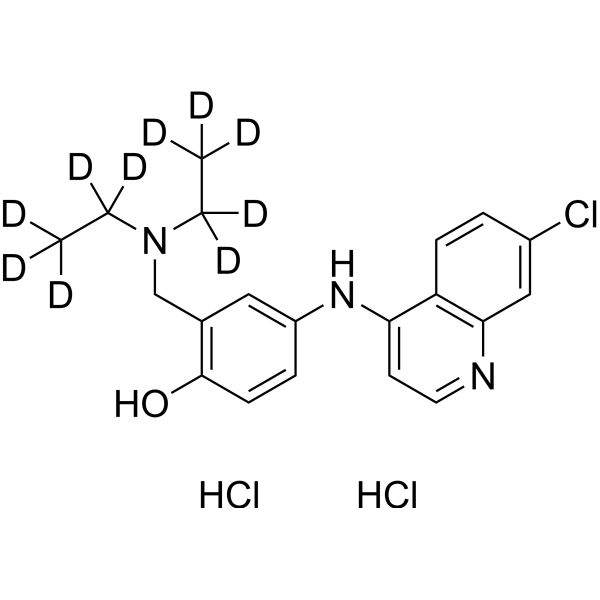
Amodiaquine-d10 hydrochloride is deuterated labeled Amodiaquine (HY-B1322A). Amodiaquine (Amodiaquin), a 4-aminoquinoline class of antimalarial agent, is a potent and orally active histamine N-methyltransferase inhibitor. Amodiaquine is also a Nurr1 agonist and specifically binds to Nurr1-LBD (ligand binding domain) with an EC50 of ~20 μM. Anti-inflammatory effect .
|
-
-
- HY-A0004S
-
|
|
|
Decitabine- 13C5 (5-Aza-2'-deoxycytidine- 13C5) is 13C labeled Decitabine. Decitabine (NSC 127716) is an orally active deoxycytidine analogue antimetabolite and a DNA methyltransferase inhibitor. Decitabine incorporates into DNA in place of cytosine can covalently trap DNA methyltransferase to DNA causing irreversible inhibition of the enzyme. Decitabine induces cell G2/M arrest and cell apoptosis. Decitabine has potent anticancer activity .
|
-
-
- HY-A0248AS1
-
|
|
|
Polymyxin B1-D-Leu-d7 TFA is the deuterium labeled Polymyxin B1 (HY-A0248A). Polymyxin B1 is a potent antimicrobial lipopeptide first derived from Bacilus polymyxa. Polymyxin B1 is the major component in Polymyxin B (HY-A0248). Polymyxin B1 can induce lysis of bacterial cells through interaction with their membranes. Polymyxin B1 has the potential for multidrug-resistant Gram-negative bacterial infections treatment .
|
-
Your information is safe with us. * Required Fields.
Inquiry Information
- Product Name:
- Cat. No.:
- Quantity:
- MCE Japan Authorized Agent:








