1. Search Result
Search Result
Results for "

ovarian cancer mouse models

" in MedChemExpress (MCE) Product Catalog:

36

Inhibitors & Agonists

1

Fluorescent Dyes

1

Peptides

9

Inhibitory Antibodies

2

Natural
Products

1

Isotope-Labeled Compounds

1

Click Chemistry

Targets Recommended:
Cat. No. Product Name Target Research Areas Chemical Structure
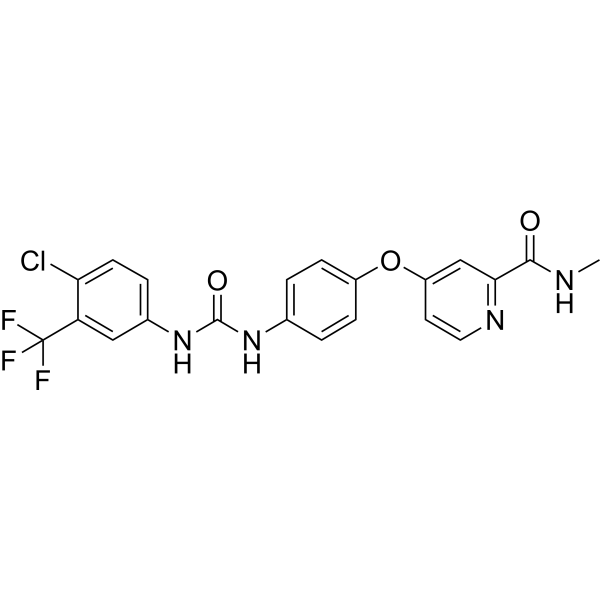
  • HY-10201
    Sorafenib
    Maximum Cited Publications
    283 Publications Verification

    Bay 43-9006

    Raf VEGFR FLT3 Autophagy Apoptosis STAT Akt MMP Cadherin p38 MAPK ERK MEK PI3K PARP Bcl-2 Family Infection Neurological Disease Metabolic Disease Inflammation/Immunology Cancer
    Sorafenib (Bay 43-9006) is a potent oral active multikinase inhibitor. Sorafenib blocks autophosphorylation and activity of receptor tyrosine kinases (VEGFR-2, VEGFR-3) and RAF family kinases, thereby suppressing the RAF/MEK/ERK and PI3K/Akt pathways, inhibiting STAT3 phosphorylation, and selectively inhibiting the MAPK pathway in cancer cells. Sorafenib induces cell cycle arrest, autophagy, apoptosis, and PARP cleavage, reduces Bcl-2, Bcl-XL, cyclin D1 levels, and activates Bak and Bax. Sorafenib inhibits tumor growth and metastasis in mouse and rat models. Sorafenib can be used for cancer research, such as colon, breast, non-small-cell lung cancer (NSCLC), ovarian, pancreatic, melanoma, colorectal and hepatocellular carcinoma .
    Sorafenib
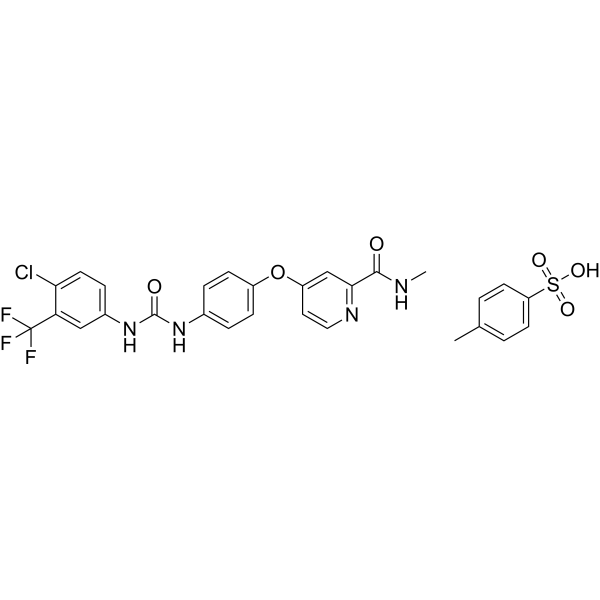
  • HY-10201A
    Sorafenib tosylate
    Maximum Cited Publications
    283 Publications Verification

    Bay 43-9006 tosylate

    Raf VEGFR FLT3 Autophagy Apoptosis STAT Akt MMP Cadherin p38 MAPK ERK MEK PI3K PARP Bcl-2 Family Infection Neurological Disease Metabolic Disease Inflammation/Immunology Cancer
    Sorafenib (Bay 43-9006) tosylate is a potent oral active multikinase inhibitor. Sorafenib blocks autophosphorylation and activity of receptor tyrosine kinases (VEGFR-2, VEGFR-3) and RAF family kinases, thereby suppressing the RAF/MEK/ERK and PI3K/Akt pathways, inhibiting STAT3 phosphorylation, and selectively inhibiting the MAPK pathway in cancer cells. Sorafenib tosylate induces cell cycle arrest, autophagy, apoptosis, and PARP cleavage, reduces Bcl-2, Bcl-XL, cyclin D1 levels, and activates Bak and Bax. Sorafenib tosylate inhibits tumor growth and metastasis in mouse and rat models. Sorafenib tosylate can be used for cancer research, such as colon, breast, non-small-cell lung cancer (NSCLC), ovarian, pancreatic, melanoma, colorectal and hepatocellular carcinoma .
    Sorafenib tosylate
  • HY-164734

    R-DXd; DS-6000

    Antibody-Drug Conjugates (ADCs) Cancer
    Raludotatug Deruxtecan is an antibody-drug conjugate targeting CDH6, with an EC50 of 64.7 ng/mL in humans, 70.4 ng/mL in cynomolgus monkeys, and 228 ng/mL in mice. Raludotatug Deruxtecan specifically binds to CDH6 on the surface of cancer cells, triggers lysosomal internalization, and releases the DXd payload that inhibits TOP1. Raludotatug Deruxtecan induces DNA damage, Chk1 phosphorylation, caspase-3 cleavage, apoptosis, and bystander cell death. Raludotatug Deruxtecan is applicable to research related to serous ovarian cancer and renal cell carcinoma .
    Raludotatug Deruxtecan
  • HY-P991372

    RN927C antibody

    TROP2 Cancer
    Anti-TROP2 Antibody (RN927C antibody) is a human monoclonal antibody targeting Trop-2. Anti-TROP2 Antibody exerts in vitro inhibitory effects on a variety of tumor cell lines. Anti-TROP2 Antibody exhibits anti-tumor activity in mouse pancreatic PDX, ovarian PDX, lung PDX and triple-negative breast cancer (TNB) PDX models. Anti-TROP2 Antibody can be used for research on pancreatic cancer, ovarian cancer, lung cancer and triple-negative breast cancer .
    Anti-TROP2 Antibody
  • HY-P99667
    Ipafricept
    4 Publications Verification

    OMP-54F28; FZD8-Fc

    Wnt Cancer
    Ipafricept (OMP-54F28; FZD8-Fc) is a first class recombinant fusion protein with the extracellular part of the human frizzled-8 receptor fused to a human IgG1 Fc fragment that binds Wnt ligands, which blocks Wnt signaling. Ipafricept reduces tumor growth and results in a decrease in both liver and lung metastases combined with Gemcitabine (HY-17026) in pancreatic cancer mouse models. Ipafricept shows solid tumor inhibition activity with well tolerance, such as desmoid tumor, germ cell cancer, ovarian cancer .
    Ipafricept
  • HY-W142432

    Biochemical Assay Reagents β-catenin Wnt Arginase TGF-beta/Smad mTOR Akt ERK Atg8/LC3 p62 Autophagy Metabolic Disease Inflammation/Immunology Cancer
    Perfluoroundecanoic acid is a perfluoroalkyl substance (PFAS). Perfluoroundecanoic acid is an orally active oxidative stress inducer. Perfluoroundecanoic acid promotes macrophage M2 polarization, activates Wnt/β-catenin signaling and enhances β-catenin nuclear accumulation. Perfluoroundecanoic acid -induced M2 phenotype macrophage accelerates tumor progression in vitro and in vivo. Perfluoroundecanoic acid induces DNA damage, reproductive and pathophysiological dysfunctions via oxidative stress in male Swiss mice. Perfluoroundecanoic acid inhibits Leydig cell development in pubertal male rats via inducing oxidative stress and autophagy. Perfluoroundecanoic acid accelerates insulitis development in a mouse model of type 1 diabetes. Perfluoroundecanoic acid can be used for the study of ovarian cancer, type 1 diabetes and inflammation .
    Perfluoroundecanoic acid
  • HY-P991481

    CCR Inflammation/Immunology Cancer
    S-531011 is a high-affinity, selective, and reversible CCR8 ligand with antibody-dependent cellular cytotoxicity (ADCC) against CCR8-expressing cells. S-531011 induces the death of tumor-infiltrating CCR8 + regulatory T cells while preserving regulatory T cells in peripheral blood, thereby reinvigorating anti-tumor immunity. The combination of S-531011 with anti-PD-1 antibody effectively inhibits tumor growth, and S-531011 can be used for research on advanced solid tumors and various cancers including non-small cell lung cancer, ovarian cancer, colon cancer, breast cancer, and pancreatic ductal adenocarcinoma .
    S-531011
  • HY-139852

    Phosphatase Cancer
    PLAP-IN-1 is a selective PLAP inhibitor with an IC50 of 0.032 μM. PLAP-IN-1 acts as a tumor-targeting agent; its fluorescein-conjugated derivative specifically binds to PLAP-positive tumor cells in vitro and targets cervical cancer in mouse xenograft models. PLAP-IN-1 can be used in the research of cervical cancer and ovarian cancer .
    PLAP-IN-1
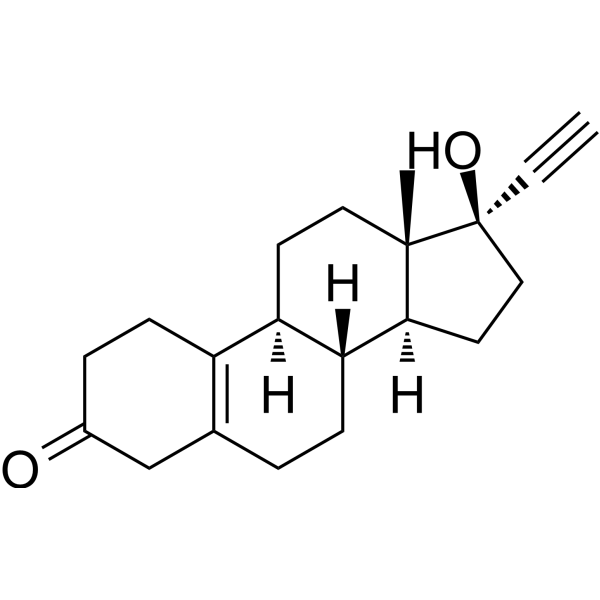
  • HY-B1341

    Enidrel; SC-4642; NSC 15432

    Endogenous Metabolite Progesterone Receptor Cancer
    Norethynodrel (Enidrel; SC-4642) is an orally active progestogen analog that reduces estrogen-like effects and enhances progestogen-like responses in endometrial stromal cells. Norethynodrel also promotes cell maturation and predecidual cell formation by inducing organelle hyperplasia and glycogen accumulation. Norethynodrel competitively inhibits drug-metabolizing enzymes in rat liver microsomes, thereby prolonging Pentobarbital sleep time, while exhibiting multiple effects including reduced body weight gain, attenuated heart rate elevation and ovulation inhibition. In mouse models, Norethynodrel significantly increases the incidence of mammary adenocarcinoma, cervical cancer and pituitary tumors. Norethynodrel can be used for mechanism research on related diseases such as mammary adenocarcinoma, cervical cancer, ovarian tubular adenoma and pituitary adenoma .
    Norethynodrel
  • HY-P990953

    Gen1047

    CD3 Cancer
    Zubotamig (Gen1047) is an CD3E/VTCN1-targeting Ig(G1 -κ_G1 -λ2) type chimeric human antibody. The recommed isotype control is Human IgG1 kappa, Isotype Control (HY-P99001). Zubotamig induces T-cell mediated cytotoxicity of B7H4-positive tumor cells, triggers T-cell activation, and induces cytokine release from T cells in the presence of B7H4-expressing tumor cells. Zubotamig demonstrates antitumor activity in mouse patient-derived xenograft (PDX) models. Zubotamig can be used for the research of solid cancers (including breast, ovarian and lung cancer) .
    Zubotamig
  • HY-P4144

    Phor18-LHRH (338613); EP-100

    GnRH Receptor Endocrinology Cancer
    Onvitrelin ucalontide ([Phor18-LHRH (338613)]) is an analogue of luteinizing hormone releasing hormone (LHRH) with antineoplastic activity. Onvitrelin ucalontide is a peptide with sequences of KFAKFAKKFAKFAKKFAKQHWSYGLRPG. Onvitrelin ucalontide effectively inhibits breast cancer, ovarian cancer and prostate cancer xenografts in mouse model .
    Onvitrelin ucalontide
  • HY-18652A

    Ro 5126766 potassium; CH5126766 potassium

    Raf MEK Cancer
    Avutometinib (CH5126766) (potassium) is a RAF/MEK clamp that potently inhibits RAF/MEK kinase activity and induces dominant negative RAF-MEK complexes preventing phosphorylation of MEK by ARAF, BRAF and CRAF. Avutometinib (potassium) shows anti-proliferative potency across tumor cell lines carrying KRAS mutations including PDAC cell lines. Avutometinib (potassium) induces tumor inhibition and increases survival in a KRAS/p53 pancreatic cancer mouse model. Avutometinib (potassium) is promising for research of low-grade-serous-ovarian-carcinoma (LGSOC), ovarian cancer and pancreatic ductal adenocarcinoma (PDAC) .
    Avutometinib potassium
  • HY-175857

    HDAC Apoptosis Cancer
    HDAC-IN-92 is a pan-HDAC inhibitor with an IC50 of 12.58 µM in A2780 cells. HDAC-IN-92 demonstrates broad-spectrum, notable cytotoxic activity against a range of human cancer cell lines, including ovarian, liver, and breast carcinomas. HDAC-IN-92 causes apoptosis and demonstrates a notable decrease in tumor cell colony formation. HDAC-IN-92 inhibits the formation of blood vessels in the chick chorioallantoic membrane (CAM). HDAC-IN-92 exhibits anti-tumor effect in a 4T1 tumor-bearing mouse model. HDAC-IN-92 can be used for research targeting solid tumor .
    HDAC-IN-92
  • HY-156920

    Necroptosis RIP kinase Inflammation/Immunology Cancer
    VDX-111 is an analog of vitamin D. VDX-111 exhibits cytotoxicity in ovarian cancer cells through upregulation of RIPK1/RIPK3 pathway and induction of necroptosis. VDX-111 promotes expressions of cytokines and exhibits antitumor activity in mouse model .
    VDX-111
  • HY-P991310

    LT3015; LT-3000

    LPL Receptor Neurological Disease Cancer
    Lpathomab (LT3015; LT-3000) is a human IgG1 monoclonal antibody (mAb) targeting LPA. Lpathomab reduces the release of IL-8 and IL-6 cytokines in SKOV3 cells and blocks LPA-triggered tumor cell migration. Lpathomab reduces neovascularization in Matrigel plug and CNV models. Lpathomab inhibits brain injury in the CCI mouse model. Lpathomab can be used in the study of brain injury, ovarian cancer, diabetic neuropathy, and spinal cord injury. Recommended isotype control: Human IgG1 kappa, Isotype Control (HY-P99001) .
    Lpathomab
  • HY-D3186

    Fluorescent Dye Glycosidase Cancer
    HMRef-βGal is a fluorescent probe and a substrate responsive to β-galactosidase (β-galactosidase) (Ex/Em=498 nm/505-600 nm). After being cleaved by β-galactosidase, HMRef-βGal triggers significant fluorescence enhancement via intramolecular spirocyclic function regulation. HMRef-βGal generates bright fluorescence in cancer cells with elevated β-galactosidase activity, enabling visualization of tiny peritoneal metastases in mouse models. HMRef-βGal exhibits low in vitro cytotoxicity and low acute in vivo toxicity in mice. HMRef-βGal can be used for preclinical fluorescence-guided diagnosis and cytoreductive surgery of peritoneal metastases, including compatibility with real-time naked-eye detection and endoscopic imaging, as well as for studies related to peritoneal metastases of ovarian cancer .
    HMRef-βGal
  • HY-186151

    MDM-2/p53 Apoptosis Cancer
    UCI-LC0019 is a mutant p53 reactivator. UCI-LC0019 binds to mutant p53, induces wild-type-like conformational change, restores sequence-specific DNA binding activity, activates p53-dependent transcription programs, and does not act via thiol reactivity or glutathione depletion. UCI-LC0019 inhibits proliferation and induces apoptosis in cancer cells harboring mutant p53, with no significant effect on p53 null or wild-type p53 tumors cells. UCI-LC0019 exhibits anti-tumor activity in xenograft mouse models carrying p53R175H mutant tumors. UCI-LC0019 can be used for the research of cancer, such as ovarian cancer .
    UCI-LC0019
  • HY-P991748

    EGFR Cancer
    Anti-Human/Mouse Amphiregulin Antibody (AR37) reacts with human and mouse amphiregulin (AREG) that can block AREG-induced activation of EGFR. Anti-Human/Mouse Amphiregulin Antibody (AR37) can prolong the survival and inhibit the growth of ovarian, breast, and prostate cancer models expressing AREG .
    Anti-Human/Mouse Amphiregulin Antibody (AR37)
  • HY-P992441

    Transmembrane Glycoprotein Cancer
    PHST001 is a humanized anti-CD24 antibody. PHST001 binds cell-surface CD24, blocks CD24-Siglec10 interaction, and engages Fc receptors to promote macrophage-mediated tumor cell phagocytosis. PHST001 inhibits growth of breast cancer and ovarian cancer, and reduces metastatic lesions in mouse xenograft models. PHST001 can be used for the research of triple negative breast cancer, HER2+ breast cancer, metastatic tumors, and ovarian cancer .
    PHST001
  • HY-P992151

    LT1002

    LPL Receptor Interleukin Related Cardiovascular Disease Neurological Disease Inflammation/Immunology Cancer
    Sphingomab (LT1002) is a mouse-derived IgG1 κ monoclonal antibody and also an inhibitor targeting S1P, with high affinity for S1P and a Kd value of 0.03 ± 0.002 nM. Sphingomab blocks S1P-mediated IL-8 release in ovarian cancer cells. Sphingomab exhibits anti-angiogenic activity in a mouse model of choroidal neovascularization. Sphingomab reduces peripheral blood lymphocyte counts. Sphingomab can be used in the research of ovarian cancer and age-related macular degeneration .
    Sphingomab
  • HY-177092

    Antifolate SHMT Apoptosis mTOR Reactive Oxygen Species (ROS) Mitochondrial Metabolism Cancer
    AGF347 is a potent and multi-targeted antifolate that targets serine hydroxymethyltransferase (SHMT)2 in the mitochondria and SHMT1 in the cytosol, and inhibits de novo purine biosynthesis. AGF347 induces apoptosis, inhibits mTOR signaling, decreases GSH pools, and increases ROS. AGF347 inhibits proliferation of Cisplatin (HY-17394) sensitive and resistant epithelial ovarian cancer (EOC) cells. AGF347 exhibits antitumor efficacy in SKOV3 EOC xenograft mouse models. AGF347 can be used for ovarian cancer research .
    AGF347
  • HY-176957

    Wee1 Cancer
    PKMYT1-IN-11 (Example 1) is a PKMYT1 inhibitor with an IC50 of 4.49 nM. PKMYT1-IN-11 inhibits the proliferation of HCC1569 cells. When combined with Gemcitabine (HY-17026), PKMYT1-IN-11 shows a significant anti-tumor effect in the OVCAR3 xenograft mouse model. PKMYT1-IN-11 can be used for the study of various cancers such as breast cancer and ovarian cancer .
    PKMYT1-IN-11
  • HY-P992003

    IKS01 Antibody

    ADC Antibody Cancer
    IKS012 (IKS01) Antibody is a monoclonal antibody inhibitor targeting folate receptor α (FRA). IKS012 Antibody can be used to synthesize the antibody-drug conjugate (ADC) IKS012. IKS012 Antibody can be used to research related to platinum-resistant ovarian cancer .
    IKS012 Antibody
  • HY-183186

    METTL3 Cytochrome P450 Cancer
    EP102 is an orally active, selective inhibitor of the METTL3/METTL14 complex with an IC50 of 2 nM. EP102 reduces intracellular N6-methyladenosine levels, inhibits cancer cell proliferation, and thereby suppresses tumor growth in mouse models. EP102 is applicable for the research of acute myeloid leukemia, ovarian solid tumors and advanced solid tumors .
    EP102
  • HY-182619

    PPAR Cancer
    PPARα/δ antagonist-1 is an orally active, highly selective dual antagonist of PPARα/δ, with IC50 values of 0.113 μM and 0.025 μM against human PPARα and PPARδ, respectively. PPARα/δ antagonist-1 exhibits an excellent in vitro activity profile and preliminary efficacy in mouse tumor models. PPARα/δ antagonist-1 can be used in studies related to cancers (melanoma metastasis, ovarian cancer) .
    PPARα/δ antagonist-1
  • HY-N1255A

    (-)-Scoulerine hydrochloride; Discretamine hydrochloride

    Apoptosis PI3K Akt mTOR Adrenergic Receptor GABA Receptor Beta-secretase Bcl-2 Family Cancer
    Scoulerine ((-)-Scoulerine; Discretamine) hydrochloride is a multi-target inhibitor with anti-tumor and antioxidant activities. Scoulerine hydrochloride mainly targets the PI3K/Akt/mTOR signaling axis and α1D-adrenergic receptor, disrupts microtubule structure, and induces cell cycle arrest and apoptosis. Scoulerine hydrochloride effectively inhibits mitochondrial dehydrogenase activity, targets GABA receptors and BACE1, and suppresses the proliferation, migration, invasion, epithelial-mesenchymal transition and stem cell properties of cancer cells. Scoulerine hydrochloride also exhibits multiple pharmacological activities including anti-Plasmodium falciparum, antibacterial, antiemetic and antitussive effects, and regulates endoplasmic reticulum stress and mitochondrial function (modulates Bax, Bcl-2 and cytochrome c). Scoulerine hydrochloride is applicable to research related to leukemia, ovarian cancer, and colorectal cancer .
    Scoulerine hydrochloride
  • HY-184010

    Ras ERK Cancer
    KRASG12D-IN-8 is an orally active KRAS G12D inhibitor, with a Kd value of 0.003 nM for KRAS G12D and 0.024 nM for KRAS G12V. KRASG12D-IN-8 inhibits the activity of phosphorylated ERK in KRAS-mutated cells. KRASG12D-IN-8 induces tumor regression in ovarian cancer xenograft mouse models. KRASG12D-IN-8 can be used for the research of KRAS-mutated cancers .
    KRASG12D-IN-8
  • HY-183329

    Microtubule/Tubulin Apoptosis Cancer
    Tubulin polymerization-IN-92, an analog of KX-01 (HY-10340), is a potent orally active tubulin polymerization inhibitor that binds tubulin with a Ka of 1.29 μM. Tubulin polymerization-IN-92 simultaneously occupies the colchicine site in β-tubulin and a cavity in α-tubulin. Tubulin polymerization-IN-92 exerts antiproliferative activity, induces G2/M cell cycle arrest and apoptosis in cancer cells. Tubulin polymerization-IN-92 inhibits tumor growth in mouse xenograft models. Tubulin polymerization-IN-92 can be used for the research of colon cancer, cervical cancer, and Paclitaxel (HY-B0015)-resistant ovarian cancer .
    Tubulin polymerization-IN-92
  • HY-180557

    Folate Receptor (FR) Cancer
    4A-BFA-11 is a folate-targeted PEG-MMAE conjugate that exhibits specific binding affinity for the folate receptor α (FR-α) (KD = 106.7 nM). 4A-BFA-11 achieves tumor enrichment by combining PEG-mediated long circulation (EPR effect) and folate receptor targeting. 4A-BFA-11 undergoes enzymatic cleavage at the tumor site to release the active payload, enabling precise action. 4A-BFA-11 sefficiently carries, targets, and controls the release of MMAE in tumor tissues in a HeLa mouse model. 4A-BFA-11 can be used for cervical cancer, ovarian cancer, and lung cancer research .
    4A-BFA-11
  • HY-179430

    Mps1 Cancer
    TTK-IN-5 is an orally active covalent threonine tyrosine kinase (TTK) inhibitor with selectivity (IC50 = 8.918 nM). TTK-IN-5 exhibits anti-proliferative potencies against MDA-MB-231, A2780, HCT116, HCC1569 and MKN1 cell lines (IC50 values of 0.113 μM, 0.476 μM, 3.136 μM, 3.649 μM, and 1.856 μM, respectively). TTK-IN-5 potently suppresses tumor growth without notable toxicity in A2780 and MDA-MB-231 xenograft mouse models. TTK-IN-5 can be used for the research of cancer such as breast cancer and ovarian cancer .
    TTK-IN-5
  • HY-181687

    HSP CDK Cancer
    Hsp90-IN-46 is a Hsp90 inhibitor. Hsp90-IN-46 exhibits broad-spectrum antiproliferative activity against tumor cell lines. Hsp90-IN-46 inhibits breast cancer cell proliferation by reducing colony formation and downregulating the proliferation marker Ki-67. Hsp90-IN-46 inhibits Hsp90 and its ATPase activity, downregulates the downstream substrate oncoproteins HER2 and CDK4, and moderately induces the heat shock response. Hsp90-IN-46 shows significant antitumor activity in a mouse model of triple-negative breast cancer tumor xenografts. Hsp90-IN-46 can be used for research on various cancers including triple-negative breast cancer, leukemia, non-small cell lung cancer, colon cancer, ovarian cancer, renal cancer, prostate cancer .
    Hsp90-IN-46
  • HY-181540

    Apelin Receptor (APJ) Cancer
    YL-GB063 is an Apelin receptor (APJ) antagonist. YL-GB063 inhibits Apelin-induced APJ β-arrestin recruitment (IC50 of 3.1 μM in HTLA cells). YL-GB063 has anti-cancer activity against ovarian cancer .
    YL-GB063
  • HY-175068

    Ins(1,3,4,5,6)P5 sodium

    PI3K Akt Apoptosis Cardiovascular Disease Cancer
    D-myo-Inositol-1,3,4,5,6-pentaphosphate sodium (Ins(1,3,4,5,6)P5 sodium) is a small intracellular signaling molecule. D-myo-Inositol-1,3,4,5,6-pentaphosphate sodium inhibits the PI3K/Akt signaling pathway. D-myo-Inositol-1,3,4,5,6-pentaphosphate sodium inhibits Akt/PKB phosphorylation and kinase activity, inducing apoptosis in cancer cells. D-myo-Inositol-1,3,4,5,6-pentaphosphate sodium inhibits the formation of tubular structures in endothelial cells in an in vitro angiogenesis mouse model. D-myo-Inositol-1,3,4,5,6-pentaphosphate sodium can be used in research on ovarian cancer, lung cancer, breast cancer, and other cancers, as well as in cardiovascular and cerebrovascular diseases such as angiogenesis .
    D-myo-Inositol-1,3,4,5,6-pentaphosphate sodium
  • HY-183558

    Drug-Linker Conjugates for ADC Topoisomerase Cancer
    AV-DL055 is a conjugate of the toxin molecule Exatecan (HY-13631) and the linker AV-L03 (HY-183678). AV-DL055 can be used to construct ADCs, such as T-DL055 .
    AV-DL055
  • HY-181986

    Lipase Apoptosis Cancer
    ERX-208 is an anticancer agent that induces endoplasmic reticulum stress by targeting lysosomal acid lipase A (LIPA), ultimately leading to cancer cell apoptosis. ERX-208 can be used in ovarian cancer research .
    ERX-208
  • HY-W142432S

    Isotope-Labeled Compounds Biochemical Assay Reagents β-catenin Wnt Arginase TGF-beta/Smad mTOR Akt ERK Atg8/LC3 p62 Autophagy Metabolic Disease
    Perfluoroundecanoic acid- 13C7 is the 13C-labeled Perfluoroundecanoic acid (HY-W142432). Perfluoroundecanoic acid is a perfluoroalkyl substance (PFAS). Perfluoroundecanoic acid is an orally active oxidative stress inducer. Perfluoroundecanoic acid promotes macrophage M2 polarization, activates Wnt/β-catenin signaling and enhances β-catenin nuclear accumulation. Perfluoroundecanoic acid -induced M2 phenotype macrophage accelerates tumor progression in vitro and in vivo. Perfluoroundecanoic acid induces DNA damage, reproductive and pathophysiological dysfunctions via oxidative stress in male Swiss mice. Perfluoroundecanoic acid inhibits Leydig cell development in pubertal male rats via inducing oxidative stress and autophagy. Perfluoroundecanoic acid accelerates insulitis development in a mouse model of type 1 diabetes. Perfluoroundecanoic acid can be used for the study of ovarian cancer, type 1 diabetes and inflammation .
    Perfluoroundecanoic acid-13C7

Inquiry Online

Your information is safe with us. * Required Fields.

Salutation


Country or Region *

Applicant Name *


Organization Name *

Department *


Email Address *


Product Name *

Cat. No.


Requested quantity *

Phone Number *


Remarks

Inquiry Online

Inquiry Information

Product Name:
Cat. No.:
Quantity:
MCE Japan Authorized Agent: