1. Search Result
Search Result
Results for "

tube+formation

" in MedChemExpress (MCE) Product Catalog:

43

Inhibitors & Agonists

1

Biochemical Assay Reagents

2

Peptides

3

Inhibitory Antibodies

10

Natural
Products

1

Oligonucleotides

Cat. No. Product Name Target Research Areas Chemical Structure
  • HY-N6871
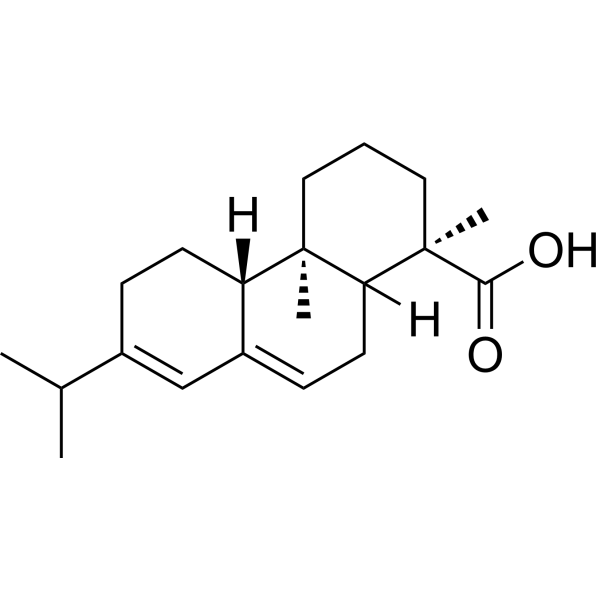
    Abietic acid
    3 Publications Verification

    Bacterial IKK Ferroptosis Infection Metabolic Disease Inflammation/Immunology Cancer
    Abietic acid, an orally active diterpene isolated from Colophony, displays significant anti-proliferative, anti-inflammatory, anti-obesity effect, bacteriostatic, cell cycle arresting and pro-apoptotic activities. Abietic acid inhibits lipoxygenase activity for allergy. Abietic acid enhances cell migration and tube formation in HUVECs. Abietic acid induces significant angiogenic potential, which is associated with upregulation of extracellular signal-regulated kinase (ERK) and p38 expression. Abietic acid attenuates sepsis-induced lung injury by inhibiting nuclear factor kappa-light-chain-enhancer of activated B cells (NF-κB) pathway to inhibit M1 macrophage polarization. Abietic acid exhibits a positive effect against liver injury by attenuating inflammation and ferroptosis. Abietic acid shows accelerated wound closure in a mouse model of cutaneous wounds. Abietic acid significantly reduces the proliferation and growth of NSCLC cells by IKKβ inhibition.Additionally, Abietic acid ameliorates psoriasis-like inflammation and modulates gut microbiota in mice. Abietic acid is promising for research in non-small-cell lung cancer (NSCLC), liver injury-related deseases and psoriasis .
    Abietic acid
  • HY-Y0669
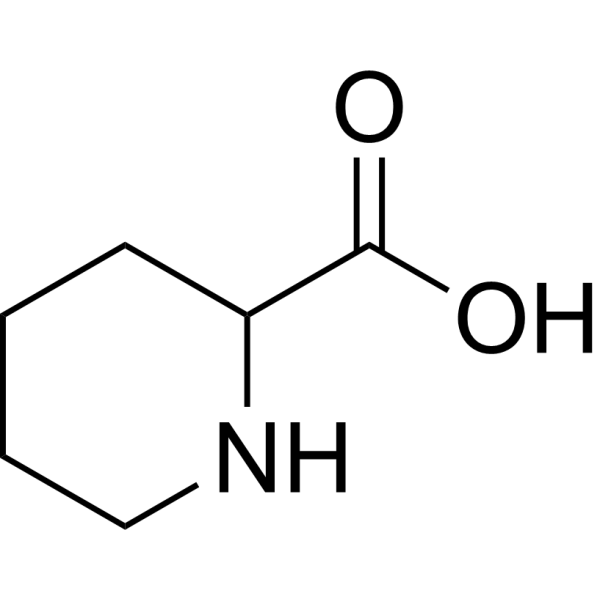
    Pipecolic acid
    2 Publications Verification

    Endogenous Metabolite YAP Glutathione Peroxidase Ferroptosis Neurological Disease Metabolic Disease Inflammation/Immunology
    Pipecolic acid is an orally bioavailable, blood-brain barrier-permeable metabolite of lysine with antioxidant, inhibitor, and inducer activity. Pipecolic acid modulates the YAP-GPX4 signaling pathway, reduces retinal vascular tube formation, and mitigates ferroptosis. Pipecolic acid potentiates voltage-sensitive Ca 2+ channel currents and induces neuronal apoptosis. Pipecolic acid can be used for the research of diabetic retinopathy .
    Pipecolic acid
  • HY-119726

    APX001; E1211

    Fungal Infection Inflammation/Immunology Cancer
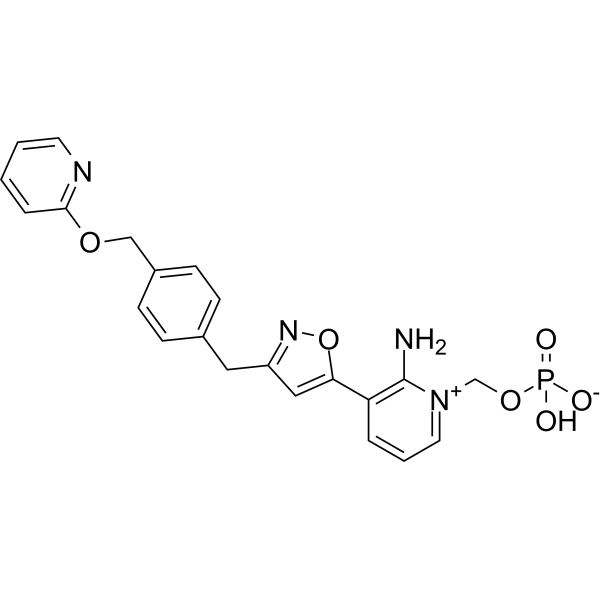
    Fosmanogepix (APX001) is a broad-spectrum agent against invasive fungal infections. Fosmanogepix (APX001) targets the conserved Gwt1 enzyme required for the localization of glycosylphosphatidylinositol-anchored mannoproteins in fungi. This inhibition prevents the appropriate localization of cell wall mannoproteins, which compromises cell wall integrity, biofilm formation, germ tube formation, and fungal growth. Fosmanogepix (APX001) can be used for invasive fungal infections research .
    Fosmanogepix
  • HY-N0765
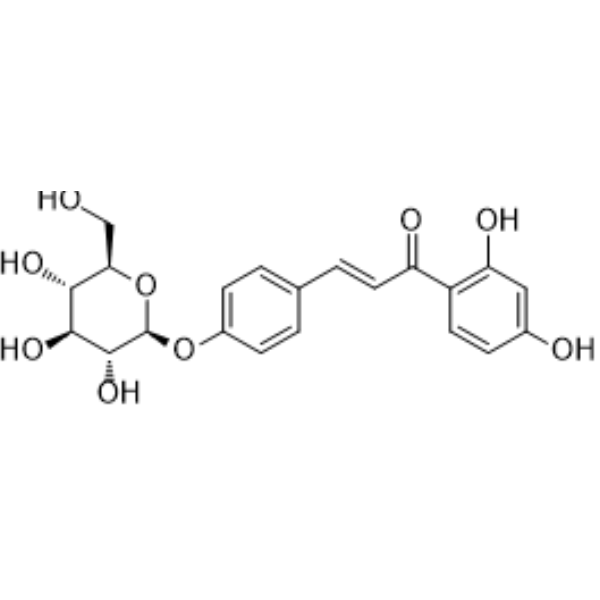
    Isoliquiritin
    2 Publications Verification

    Fungal Infection Neurological Disease Inflammation/Immunology
    Isoliquiritin, isolated from Licorice Root, inhibits angiogenesis and tube formation. Isoliquiritin also exhibits antidepressant-like, anti-oxidative, anti-Inflammatory effects and antifungal activity .
    Isoliquiritin
  • HY-P991202

    TSH Receptor PKA Metabolic Disease Inflammation/Immunology
    Anti-TSHR Antibody (M22) is a selective agonist targeting TSHR (thyroid-stimulating hormone receptor), acting through competitive binding to the extracellular domain of TSHR. Anti-TSHR Antibody (M22) can mimic the biological effects of thyroid-stimulating hormone (TSH), activating downstream cAMP-PKA and other signaling pathways. Anti-TSHR Antibody (M22) can stimulate the proliferation of thyroid follicular epithelial cells and human umbilical vein endothelial cells (HUVECs), promote angiogenesis and tube formation, cell migration, and also upregulate the expression of angiogenesis-related proteins such as PROX1. Anti-TSHR Antibody (M22) can be used in research areas such as the mechanisms of goiter formation in Graves' disease (GD), angiogenesis regulation, and TSHR antagonist screening .
    Anti-TSHR Antibody (M22)
  • HY-N0249
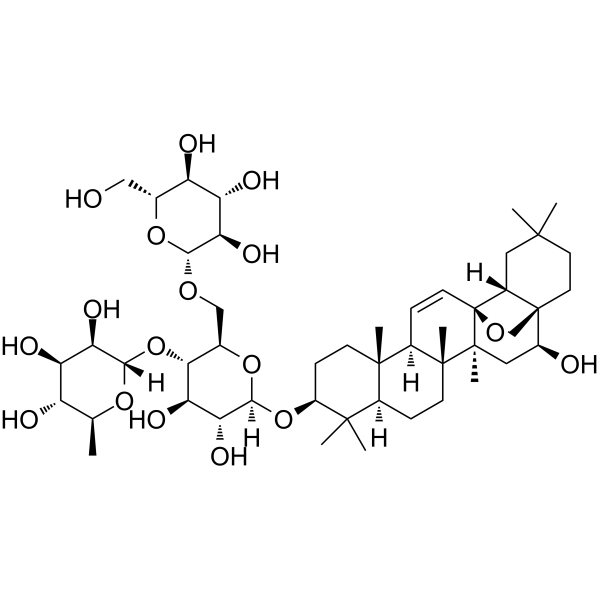
    Saikosaponin C
    2 Publications Verification

    MMP Infection Inflammation/Immunology
    Saikosaponin C is an orally active MMP-2 inducer. Saikosaponin C induces the survival, growth, migration and capillary tube formation of endothelial cells. Saikosaponin C inhibits the early stage of hepatitis C virus infection. Saikosaponin C can be used in research related to ischemic tissue diseases, chronic kidney diseases and hepatitis C virus infection .
    Saikosaponin C
  • HY-N9330

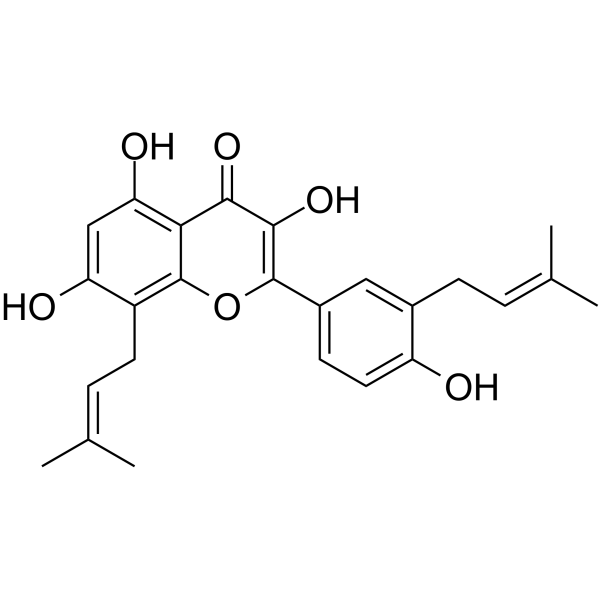
    Xanthine Oxidase Ras EGFR MEK PERK Apoptosis Cancer
    Broussoflavonol F is a potent dual inhibitor of the HER2-RAS-MEK-ERK signaling pathway and mushroom tyrosinase with an IC50 value of 82.3 μM. Broussoflavonol F downregulates the expression of RAS, HER2, phosphorylated BRAF, phosphorylated MEK and phosphorylated Erk proteins. Broussoflavonol F induces cell cycle arrest and apoptosis, and exhibits cytotoxicity in colon cancer cells. Broussoflavonol F inhibits endothelial proliferation, migration and tube formation, suppresses subintestinal vascular development, and reduces the mRNA levels of angiogenesis-associated genes.Broussoflavonol F can be used for colon cancer research .
    Broussoflavonol F
  • HY-119443

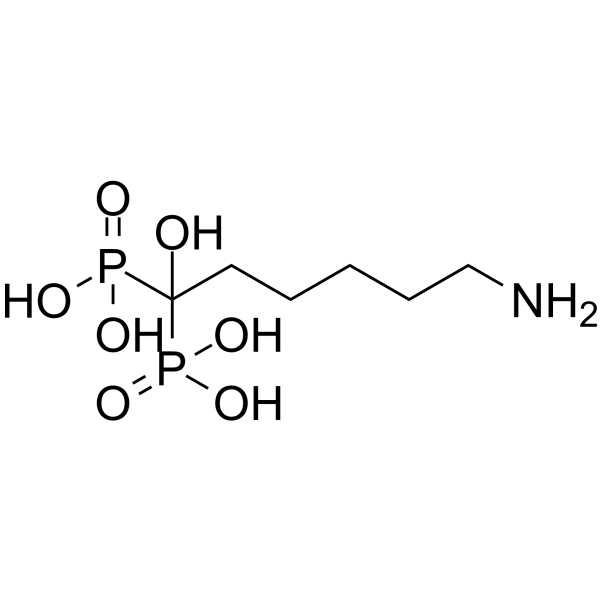
    Phosphatase Metabolic Disease
    Neridronate is an aminobisphosphonate. Neridronate induces osteoblast differentiation, enhances alkaline phosphatase activity and mineralized nodule formation. Neridronate inhibits endothelial cell proliferation, fibroblast growth factor-2-induced capillary-like tube formation, and angiogenesis. Neridronate can be used for osteogenesis imperfecta and Paget’s disease of bone .
    Neridronate
  • HY-122753

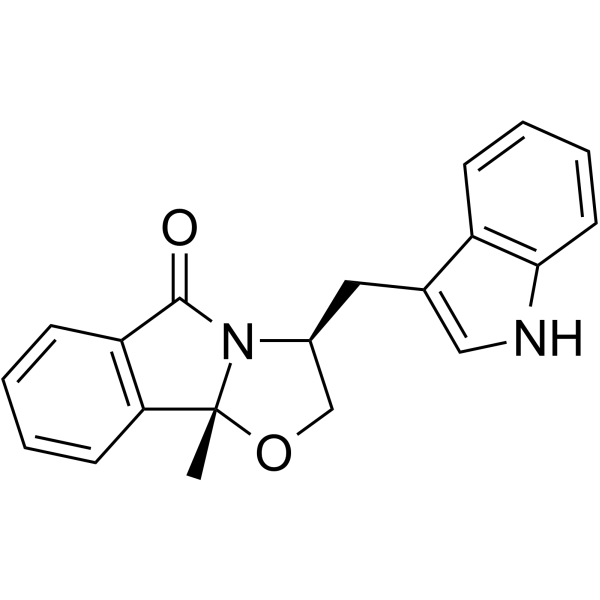
    MDM-2/p53 Cancer
    SLMP53-1 is a wild-type and mutant p53 reactivator with promising antitumor activity. SLMP53-1 mediates the reprograming of glucose metabolism in cancer cells. SLMP53-1 depletes angiogenesis, decreasing endothelial cell tube formation and vascular endothelial growth factor (VEGF) expression levels .
    SLMP53-1
  • HY-148877

    HSP HSV HIF/HIF Prolyl-Hydroxylase VEGFR NF-κB ERK Akt FAK Infection Inflammation/Immunology Cancer
    AT-533 is a potent Hsp90 and HSV inhibitor. AT-533 suppresses tumor growth and angiogenesis by blocking the HIF-1α/VEGF/VEGFR-2 signaling pathway. AT-533 also inhibits the activation of the downstream pathways, including Akt/mTOR/p70S6K, Erk1/2 and FAK. AT-533 inhibits the tube formation, cell migration, and invasion of human umbilical vein endothelial cells (HUVECs) .
    AT-533
  • HY-113571

    Tie Cardiovascular Disease
    Tie2 kinase inhibitor 2 (compound 7) is a selective Tie2 kinase inhibitor with an IC50 value of 1 μM. Tie2 kinase inhibitor 2 inhibits endothelial cell tube formation, and can be used for Tie2-mediated angiogenic disorders research .
    Tie2 kinase inhibitor 2
  • HY-P10831

    VEGFR Cardiovascular Disease Cancer
    GNQWFI, an anti-Flt1 peptide, is a VEGFR1-specific antagonist. GNQWFI blocks the interaction of VEGFR1 with various VEGFR1 ligands, such as VEGFA, VEGFB, and placental growth factor (PIGF) and inhibits VEGF-induced endothelial cell migration and tube formation. GNQWFI is promising for research of cancer, asthma, and other ocular diseases .
    GNQWFI
  • HY-W440983

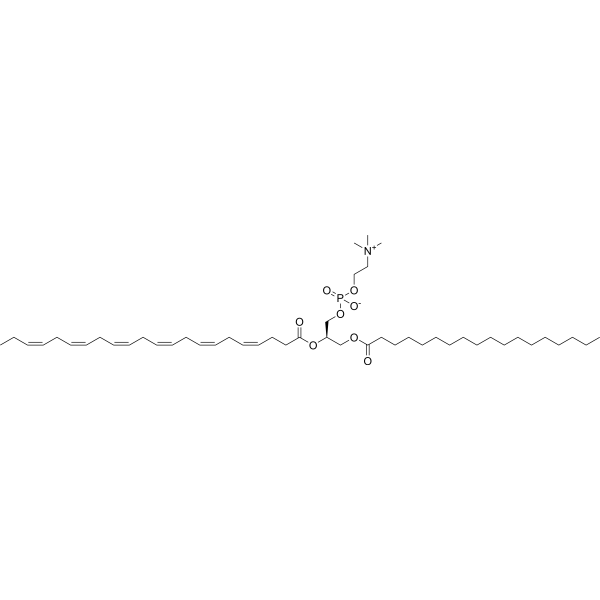
    PC(18:0/22:6); DHA-PC; 1-Stearoyl-2-docosahexaenoyl-sn-glyerco-3-phosphocholine

    PPAR Cardiovascular Disease Cancer
    SDPC (DHA-PC) is a new generation of omega-3 lipids, which contains an ester bond linking DHA at the sn-2 position of phospholipid. 1-Stearoyl-2-docosahexaenoyl-sn-glyerco-3-phosphocholine exerts anti-angiogenesis effect through activating PPARγ. 1-Stearoyl-2-docosahexaenoyl-sn-glyerco-3-phosphocholine significantly declines the proliferation, migration, tube formation of human umbilical vein endothelial cells. 1-Stearoyl-2-docosahexaenoyl-sn-glyerco-3-phosphocholine has the potential for anti-tumor angiogenesis research .
    SDPC
  • HY-115436

    Apoptosis Cancer
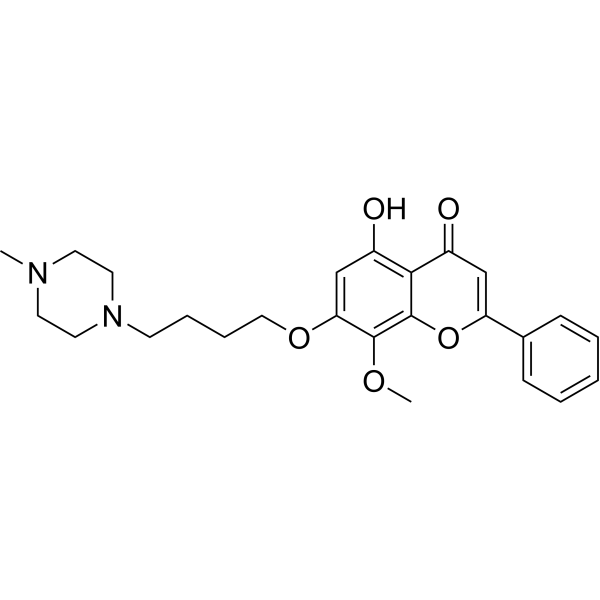
    LYG-202, a flavonoid, has potent anti-angiogenic and antitumor activity. LYG-202 inhibits VEGF-stimulated HUVEC migration and tube formation. LYG-202 induces cancer cell apoptosis .
    LYG-202
  • HY-113127

    Apoptosis Others
    L-Tryptophanamide is a compound discovered in wet age-related macular degeneration research, which has activities related to affecting retinal cell proliferation, apoptosis, necrosis and angiogenesis. In in vitro experiments, L-Tryptophanamide affects the proliferation, apoptosis and necrosis of human retinal pigment epithelial cells, and promotes tube formation and migration of human retinal endothelial cells.
    L-Tryptophanamide
  • HY-133924

    RQN-18690A

    SF3B1 Cardiovascular Disease Cancer
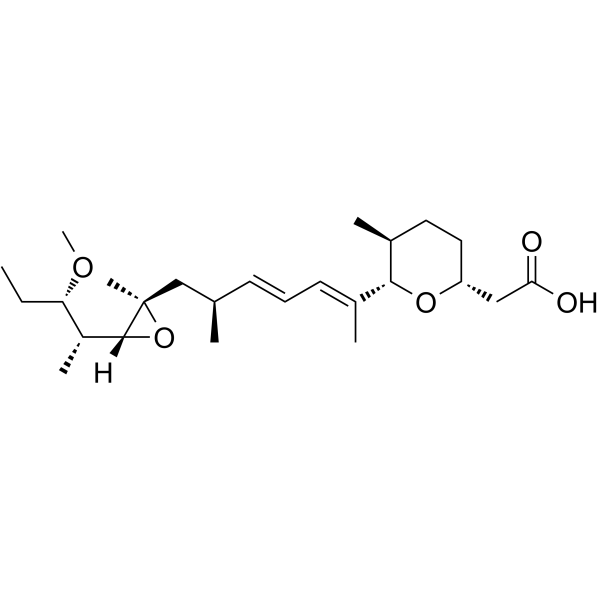
    18-Deoxyherboxidiene (RQN-18690A) is a potent angiogenesis inhibitor. 18-Deoxyherboxidiene targets SF3b, a spliceosome component that is a subcomplex of the U2 small nuclear ribonucleoprotein (snRNP) in the spliceosome. 18-Deoxyherboxidiene inhibits the migration and tube formation of human umbilical vein endothelial cells (HUVECs) without significant cell toxicity. 18-Deoxyherboxidiene has the potential for cancer research .
    18-Deoxyherboxidiene
  • HY-N6926

    HIV Apoptosis Caspase VEGFR ERK PI3K Akt mTOR PARP Infection Cancer
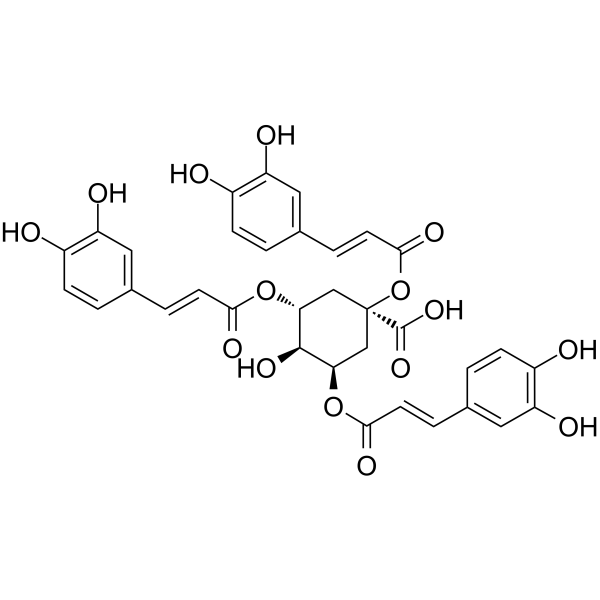
    1,3,5-Tricaffeoylquinic acid acts as an angiogenesis inhibitor and apoptosis inducer, and exhibits anti-HIV activity. 1,3,5-Tricaffeoylquinic acid inhibits the phosphorylation of VEGFR2, ERK, PI3K, Akt and mTOR in the angiogenesis signaling pathway. 1,3,5-Tricaffeoylquinic acid regulates apoptosis-related proteins, upregulates the levels of activated caspase-8, Bax, activated PARP and caspase-3/9, while downregulates the level of Bcl-2. 1,3,5-Tricaffeoylquinic acid inhibits tube formation and shows cytotoxicity against ovarian cancer cells. 1,3,5-Tricaffeoylquinic acid can be used in studies related to ovarian cancer .
    1,3,5-Tricaffeoylquinic acid
  • HY-175042

    Ins(1,3,4,5,6)P5 ammonium salt; 1,3,4,5,6-IP5 ammonium salt

    Akt Cancer
    D-myo-Inositol-1,3,4,5,6-pentaphosphate (ammonium salt) (Ins(1,3,4,5,6)P5 (ammonium salt)) is an isomer of inositol phosphate that acts as a small and soluble second messenger in the transmission of cellular signals. D-myo-Inositol-1,3,4,5,6-pentaphosphate (ammonium salt) can bind to the PH domain of Grp1 with a Kd of 590 nM. D-myo-Inositol-1,3,4,5,6-pentaphosphate (ammonium salt) can inhibit the phosphorylation and kinase activity of Akt/PKB, inducing apoptosis in ovarian, lung, and breast cancer cells. D-myo-Inositol-1,3,4,5,6-pentaphosphate (ammonium salt) exhibits antiangiogenic activity in vitro and blocks capillary tube formation of HUVEC. D-myo-Inositol-1,3,4,5,6-pentaphosphate (ammonium salt) exerts antitumor effects against cancer xenografts in nude mice .
    D-myo-Inositol-1,3,4,5,6-pentaphosphate ammonium salt
  • HY-119843

    Dimethylosoic acid; RES-1214-1; TAN 1415A

    Antibiotic Infection
    Asterric acid is an antibiotic fungal metabolite that completely inhibits the binding of the potent vasoconstrictor endothelin (ET)-1 to the ETA receptor in A10 cells at 0.1 μM.1 Asterric acid derivatives have also been shown to inhibit VEGF-induced tube formation of human umbilical vein endothelial cells at 3-10 μM, which suggests its usefulness as an antiangiogenic agent.
    Asterric Acid
  • HY-110169

    Phosphatase Cardiovascular Disease Cancer
    (E/Z)-3PO is a potent PFKFB3 inhibitor. (E/Z)-3PO can inhibit the glycolysis process, reduce the extracellular acidification rate, and inhibit the capillary tube formation, migration of endothelial cells, and the formation of aortic sprouts, thereby suppressing angiogenesis. (E/Z)-3PO is promising for research of diseases such as cancer, acute lung injury, pulmonary fibrosis, and atherosclerosis .
    (E/Z)-3PO
  • HY-119726A

    APX001 (tautomerism); E1211 (tautomerism)

    Fungal Infection Inflammation/Immunology
    Fosmanogepix tautomerism (APX001 tautomerism) is a broad-spectrum and orally active anti-invasive fungal compound. Fosmanogepix tautomerism targets the conserved Gwt1 enzyme required for the localization of glycosylphosphatidylinositol-anchored mannoproteins in fungi, and inhibition prevents proper localization of cell wall mannoproteins, thereby impairing cell wall integrity, biofilm formation, germ tube formation, and fungal growth. Fosmanogepix tautomerism can be used to study invasive fungal infections .
    Fosmanogepix (tautomerism)
  • HY-N14739

    Ras Cancer
    Dykellic acid is a RhoA inhibitor. Dykellic acid can inhibit the migration and motility of B16 cells and the tube formation of HUVECs. Dykellic acid is promising for research of cancers .
    Dykellic acid
  • HY-N14006

    Others Cardiovascular Disease
    Louisianin D is a non-steroidal growth inhibitor of Testosterone-responsive SC 115 cells. Louisianin D potently suppresses the tube formation of cultured vascular endothelical cells in vitro.
    Louisianin D
  • HY-169516

    VEGFR Cancer
    VEGFR-2-IN-65 (Compound 07) is a VEGFR-2 inhibitor. VEGFR-2-IN-65 has H-bond interactions with Cys180. VEGFR-2-IN-65 inhibits tube formation in HUVECs .
    VEGFR-2-IN-65
  • HY-N0765R

    Reference Standards Fungal Infection Neurological Disease Inflammation/Immunology
    Isoliquiritin (Standard) is the analytical standard of Isoliquiritin. This product is intended for research and analytical applications. Isoliquiritin, isolated from Licorice Root, inhibits angiogenesis and tube formation. Isoliquiritin also exhibits antidepressant-like, anti-oxidative, anti-Inflammatory effects and antifungal activity .
    Isoliquiritin (Standard)
  • HY-146778

    Microtubule/Tubulin Cancer
    Tubulin inhibitor 25 is a potent tubulin inhibitor with an IC50 value of 0.98 μM. Tubulin inhibitor 25 exhibits remarkable activity against cancer cell line HT29. Tubulin inhibitor 25 displays the potent inhibition on cell migration and tube formation that contributes to the anti-angiogenesis .
    Tubulin inhibitor 25
  • HY-122757

    Curcumin pyrazole

    Others Cancer
    Hydrazinocurcumin (Curcumin pyrazole) is a potent endothelial cell proliferation inhibitor (IC50=520 nM). Hydrazinocurcumin disrupts angiogenic signaling pathways and inhibits endothelial cell migration and tube formation, exerting anti-angiogenic activity. Hydrazinocurcumin is promising for research of tumor angiogenesis inhibition, metastatic cancer, and vascular-dependent diseases such as retinopathies .
    Hydrazinocurcumin
  • HY-146505

    Microtubule/Tubulin Apoptosis Reactive Oxygen Species (ROS) Cancer
    Tubulin polymerization-IN-6 (compound 5f) is a potent tubulin polymerization inhibitor, with an IC50 of 1.09 μM. Tubulin polymerization-IN-6 inhibits cell migration and tube formation and contributes to the anti-angiogenesis. Tubulin polymerization-IN-6 can greatly inhibit tumor growth on HT29 xenograft Balb/c nude mice .
    Tubulin polymerization-IN-6
  • HY-147949

    Microtubule/Tubulin Apoptosis Cancer
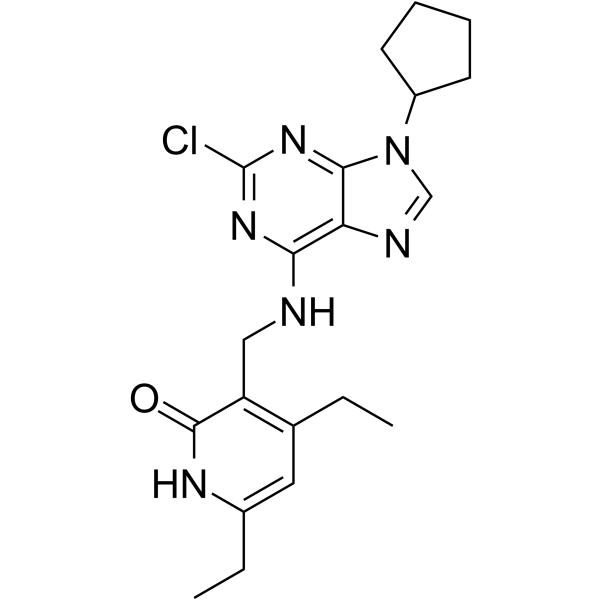
    SKLB0565 is a potent tubulin inhibitor. SKLB0565 shows significant anti-proliferative activity against CRC (colorectal carcinoma) cell lines, with IC50 values ranging from 0.012 μM to 0.081 μM. SKLB0565 causes G2/M phase arrest and mitochondria-mediated intrinsic apoptosis. SKLB0565 inhibits cell migration and disrupted the tube formation of HUVECs .
    SKLB0565
  • HY-119443R

    Reference Standards Phosphatase Metabolic Disease Inflammation/Immunology
    Neridronate (Standard) is the analytical standard of Neridronate (HY-119443). This product is intended for research and analytical applications. Neridronate is an aminobisphosphonate. Neridronate induces osteoblast differentiation, enhances alkaline phosphatase activity and mineralized nodule formation. Neridronate inhibits endothelial cell proliferation, fibroblast growth factor-2-induced capillary-like tube formation, and angiogenesis. Neridronate can be used for osteogenesis imperfecta and Paget’s disease of bone .
    Neridronate (Standard)
  • HY-162601

    Histone Methyltransferase HIF/HIF Prolyl-Hydroxylase Cancer
    D-01 is a dual-targeting inhibitor of HIF-1α and EZH2 (IC50: 4.86 μM and 0.99 μM respectively). D-01 inhibits the expression of H3K27me3 protein. D-01 inhibits the migration, clone and the invasion of A549 cells, and also inhibits tube formation of HUVECs. D-01 can be used for research of lung cancer .
    D-01
  • HY-N2132R

    Flavokavain B (Standard)

    Reference Standards Apoptosis Cancer
    Flavokawain B (Standard) is the analytical standard of Flavokawain B. This product is intended for research and analytical applications. Flavokawain B (Flavokavain B) is a chalcone isolated from the root extracts of kava-kava plant and a potent apoptosis inducer for inhibiting the growth of various cancer cell lines. Flavokawain B (Flavokavain B) shows strong antiangiogenic activity. Flavokawain B (Flavokavain B) inhibits human brain endothelial cell (HUVEC) migration and tube formation with very low and non-toxic concentrations .
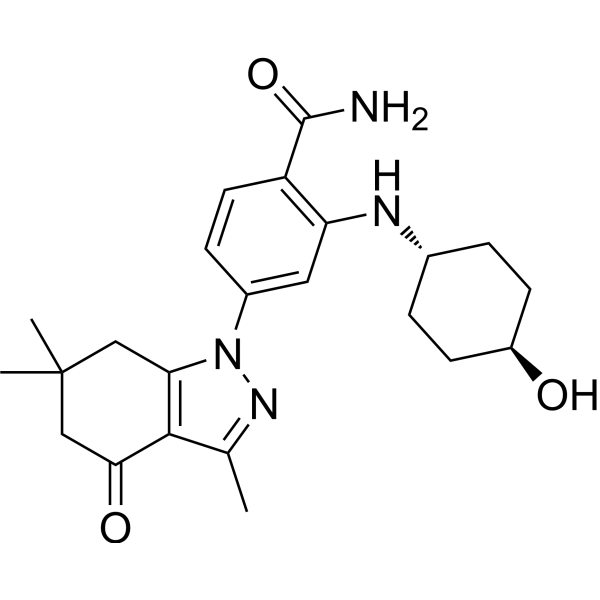
    Flavokawain B (Standard)
  • HY-175820

    VEGFR ERK Apoptosis EGFR Cancer
    AGW-11 is a potent dual inhibitor of EGFR (IC50 = 556 nM) and VEGFR2 (IC50 = 289.7 nM). AGW-11 induces apoptosis and suppresses phosphorylation of EGFR, VEGFR2, and ERK1/2 in HUVECs. AGW-11 effectively inhibits cancer cell growth, reduces HUVEC proliferation, tube formation, and invasion, thereby blocking angiogenesis. AGW-11 significantly suppresses tumor growth and decreases lung metastasis in a 4T1 xenograft mouse model. AGW-11 can be used for the study of breast cancer .
    AGW-11
  • HY-169864

    LPL Receptor Inflammation/Immunology
    KRO-105714 is the antagonist for sphingosine phosphocholine receptor (SPC Receptor) and sphingosine-1-phosphate receptor 1 (S1P1 Receptor) (IC50=79.2 nM). KRO-105714 inhibits SPC-induced proliferation of NIH3T3 (IC50=5.6 nM), inhibits SPC-induced cell migration (IC50=0.59 μM) and tube formation in HUVECs. KRO-105714 inhibits SPC-induced generation of IL-4 and IL-5, exhibits anti-inflammtory efficacy in mouse atopic dermatitis models .
    KRO-105714
  • HY-155721

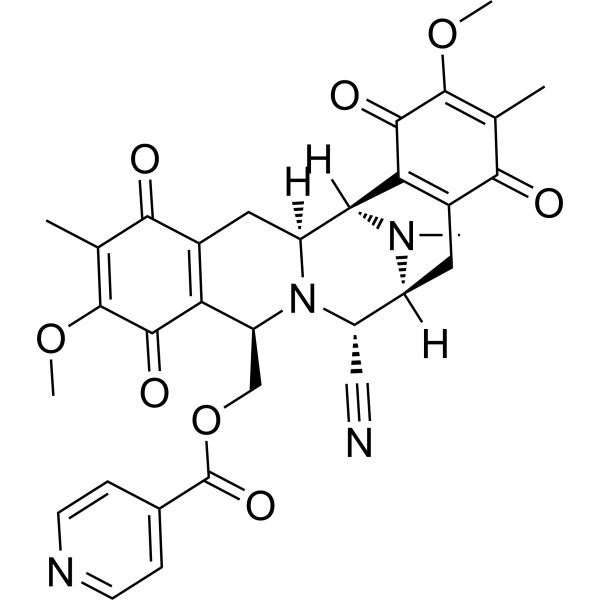
    22-4′-Pyridinecarbonyl jorunnamycin A

    Akt mTOR Cancer
    22-(4′-py)-JA is a semisynthetic derivative of junamycin A (JA) that can be isolated from the Thai blue sponge (Xestospongia sp.). 22-(4′-py)-JA has antimetastatic activity and can inhibit AKT/mTOR/p70S6K signaling. 22-(4′-py)-JA inhibits tumor cell invasion and tube formation in human umbilical vein endothelial cells (HUVEC), downregulates metalloproteinases (MMP-2 and MMP-9), hypoxia-inducible factor 1α (HIF-1α) and vascular endothelial growth factor (VEGF). 22-(4′-py)-JA has potent anticancer activity against non-small cell lung cancer (NSCLC) .
    22-(4′-py)-JA
  • HY-117991

    VEGFR Cancer
    DW10075 is a highly selective and orally active VEGFR inhibitor targeting the VEGF/VEGFR pathway. DW10075 selectively inhibits VEGFR-1, VEGFR-2, and VEGFR-3, but has no effect on FGFR and PDGFR. DW10075 inhibits VEGF-induced HUVEC proliferation, migration, and tube formation. And DW10075 inhibits angiogenesis in both the rat aortic ring model and the chick chorionic membrane model. DW10075 also exhibits antiproliferative activity against human cancer cell lines, with IC50s of 2.2 μM and 22.2 μM against U87-MG human glioblastoma cells and A375 melanoma cells, respectively. In the nude mouse U87-MG xenograft tumor model, DW10075 (po) significantly inhibits tumor growth and reduces the expression of CD31 and Ki67 in tumor tissues.
    DW10075
  • HY-183754

    EGFR PI3K Akt Apoptosis Cancer
    EGFR-IN-213 is a selective inhibitor of EGFR L858R/T790M/C797S with a human IC50 of 0.48 nM. EGFR-IN-213 acts as an antiproliferative agent, inducing apoptosis and cell cycle arrest, and inhibiting colony formation, cell migration, and tube formation. EGFR-IN-213 can be used for the research of non-small cell lung cancer, chronic myeloid leukemia, gastric cancer, prostate cancer .
    EGFR-IN-213
  • HY-182569

    VEGFR Inflammation/Immunology Cancer
    FR 111142 is an angiogenesis inhibitor (IC50 = 18.4 μM) and has anti-inflammatory activity (IC50 = 20.6 μM). FR 111142 inhibits capillary-like tube formation as well as nitric oxide production in LPS (HY-D1056)-activated murine macrophages. FR 111142 enhances catabolism of low-density lipoprotein (LDL). FR 111142 does not induce significant cytotoxicity in human endothelial progenitor cells, nor affect cell viability of murine macrophages. FR 111142 can be used for the research of cancer, inflammatory diseases .
    FR 111142
  • HY-P992372

    Drug Derivative Transmembrane Glycoprotein Cancer
    huAA98 is a humanized monoclonal antibody and also a CD146 inhibitor. huAA98 binds to human CD146, regulates its activity and inhibits cancer-related angiogenesis, as well as tube formation, motility, proliferation and migration of endothelial cells. huAA98 inhibits angiogenesis in the chick chorioallantoic membrane assay and reduces microvessel density in human tumor xenograft models. huAA98 shows immunoreactivity only to neovascular vessels within tumors and inhibits the growth of tumor xenograft models. huAA98 can be used in studies related to cancer-related angiogenesis, liver cancer, leiomyosarcoma and pancreatic cancer .
    huAA98
  • HY-116452

    VEGFR Cancer
    YLT192 is an orally active and highly bioavailable VEGFR2 inhibitor with potent anti-angiogenic activity and anti-tumor efficacy. YLT192 significantly inhibited the kinase activity of VEGFR2 and inhibited the proliferation, migration, invasion and tube formation of human umbilical cord vascular endothelial cells. YLT192 also inhibited VEGF-induced VEGFR2 phosphorylation and its downstream signaling regulators. YLT192 also showed the ability to inhibit angiogenesis in vivo in zebrafish embryo models and alginate-coated tumor cell experiments. YLT192 can directly inhibit the proliferation of cancer cells and induce their apoptosis .
    YLT192
  • HY-180292

    VEGFR Microtubule/Tubulin Reactive Oxygen Species (ROS) Apoptosis Cancer
    Tubulin/VEGFR-2-IN-2 is an orally active tubulin and VEGFR-2 inhibitor with IC50s of 3.27 and 0.09 μM, respectively. Tubulin/VEGFR-2-IN-2 exerts the antitumor effects through multifaceted pathways, including enhancing reactive oxygen species (ROS) generation, disrupting mitochondrial membrane potential, inducing apoptosis, and arresting the cell cycle. Tubulin/VEGFR-2-IN-2 demonstrates anti-angiogenic properties by significantly impairing endothelial cell migration, invasion, and tube formation in vitro. Tubulin/VEGFR-2-IN-2 suppresses angiogenesis, tumor growth, and metastasis in vivo. Tubulin/VEGFR-2-IN-2 can be used for non-small lung cancer, breast cancer, gastric cancer and lymphoma .
    Tubulin/VEGFR-2-IN-2
  • HY-P992200

    Transmembrane Glycoprotein PI3K Akt p38 MAPK NF-κB MMP Apoptosis Caspase Bcl-2 Family Cardiovascular Disease Cancer
    Anti-CD146 Antibody (AA98) is an antibody targeting CD146 and an angiogenesis inhibitor. Anti-CD146 Antibody (AA98) blocks the dimerization of CD146 as well as its downstream PI3K/AKT, p38 MAPK and NF-κB signaling pathways; it inhibits the expression of MMP9 and ICAM1, epithelial-mesenchymal transition (EMT), and the proliferation, migration and tube formation of endothelial cells. Anti-CD146 Antibody (AA98) enhances radiation-induced cancer cell apoptosis and survival inhibition, reduces tumor microvessel density, and suppresses tumor growth, invasion and vasculogenic mimicry. Anti-CD146 Antibody (AA98) can be used in research related to cervical cancer, liver cancer, malignant phyllodes tumor of the breast, uveal melanoma, leiomyosarcoma, pancreatic cancer, other tumors and angiogenesis .
    Anti-CD146 Antibody (AA98)
  • HY-136893

    Microtubule/Tubulin Apoptosis Caspase Bcl-2 Family Cancer
    SP-6-27 is a tubulin depolymerizing agent that binds to the colchicine site of β-tubulin. SP-6-27 induces G2/M cell cycle arrest in ovarian cancer cells. SP-6-27 enhances intrinsic apoptosis in ovarian cancer cells through upregulation of Bax, Apaf-1, caspase-6, caspase-9, and caspase-3. SP-6-27 reduces ovarian cancer cell migration. SP-6-27 inhibits capillary tube formation by human umbilical vein endothelial cells. SP-6-27 shows minimum cytotoxicity to normal ovarian epithelia. SP-6-27 shows enhanced cytotoxicity in chemo-sensitive/resistant ovarian cancer cells when combined with Cisplatin (HY-17394). SP-6-27 can be used for the research of ovarian cancer .
    SP-6-27

Inquiry Online

Your information is safe with us. * Required Fields.

Salutation


Country or Region *

Applicant Name *


Organization Name *

Department *


Email Address *


Product Name *

Cat. No.


Requested quantity *

Phone Number *


Remarks

Inquiry Online

Inquiry Information

Product Name:
Cat. No.:
Quantity:
MCE Japan Authorized Agent: