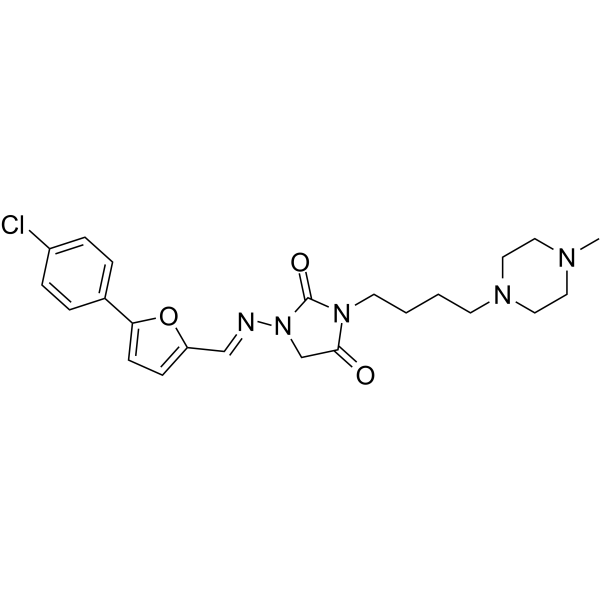
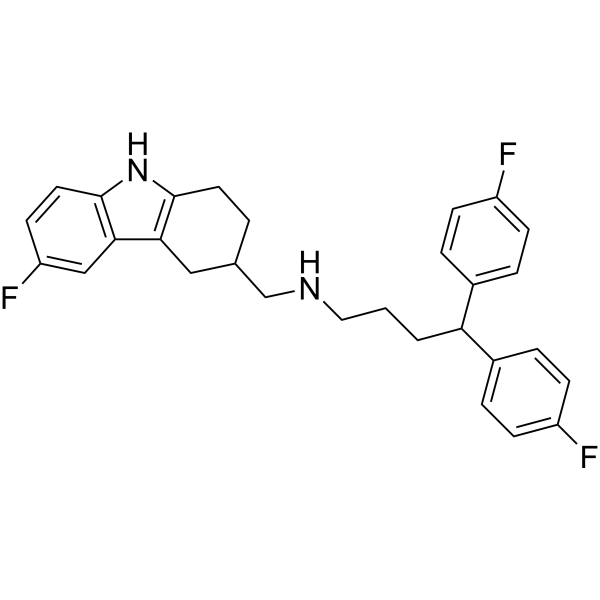
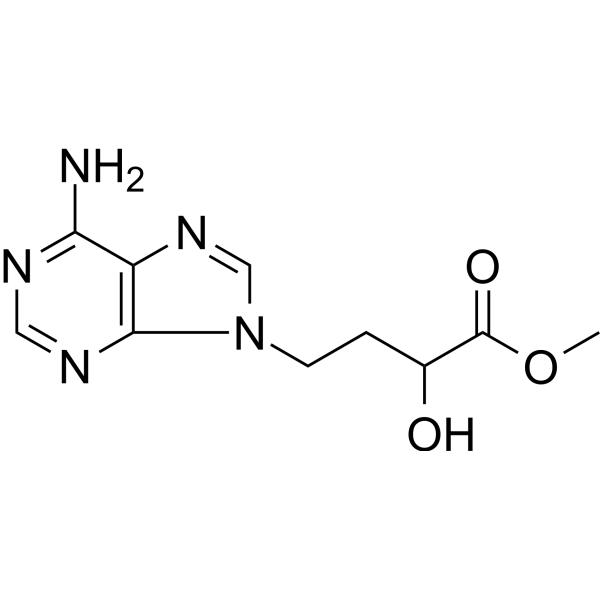
1. Search Result
Search Result
Results for "

type III inhibitor

" in MedChemExpress (MCE) Product Catalog:

64

Inhibitors & Agonists

3

Biochemical Assay Reagents

5

Peptides

6

Natural
Products

4

Isotope-Labeled Compounds

1

Click Chemistry

1

Oligonucleotides

Cat. No. Product Name Target Research Areas Chemical Structure
  • HY-12075
    LY2109761
    Maximum Cited Publications
    68 Publications Verification

    TGF-β Receptor Autophagy Cancer
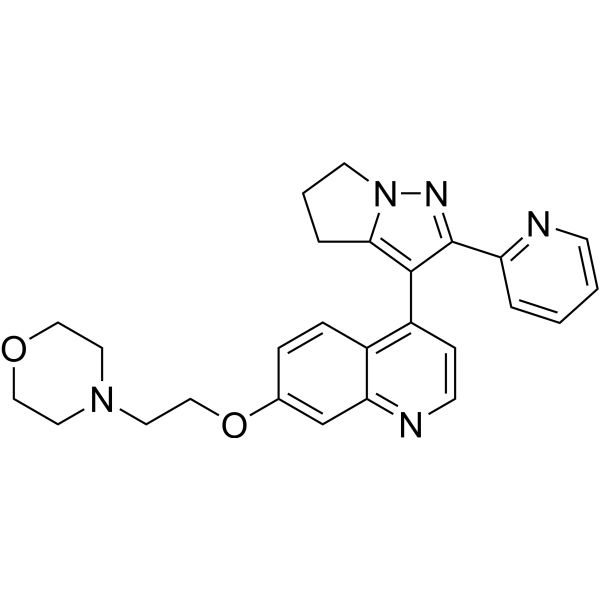
    LY2109761 is an orally active, selective TGF-β receptor type I/II inhibitor with Kis of 38 nM and 300 nM, respectively.
    LY2109761
  • HY-13223
    Crenolanib
    15+ Cited Publications

    CP-868596

    FLT3 PDGFR Autophagy Cancer
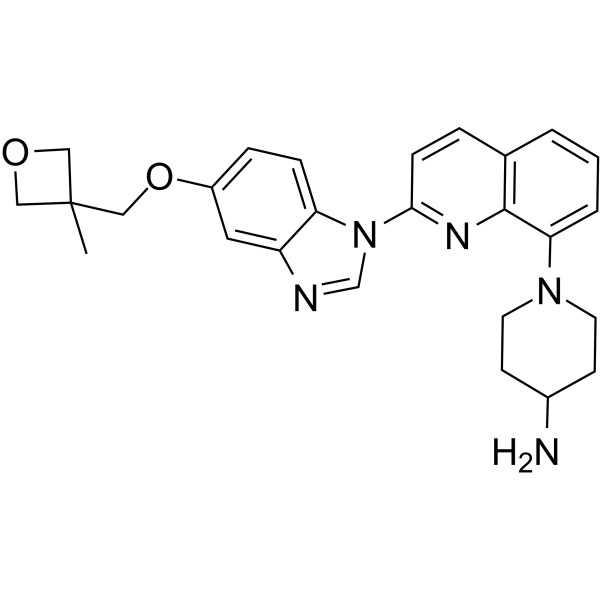
    Crenolanib is a potent and selective inhibitor of wild-type and mutant isoforms of the class III receptor tyrosine kinases FLT3 and PDGFRα/β with Kds of 0.74 nM and 2.1 nM/3.2 nM, respectively.
    Crenolanib
  • HY-A0016
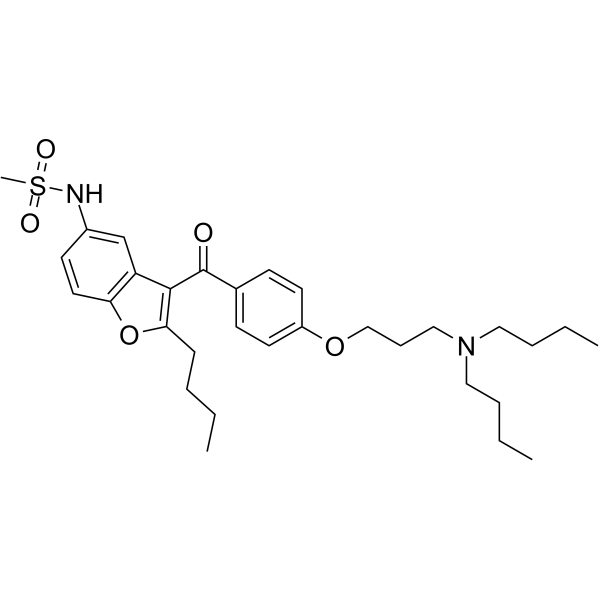
    Dronedarone
    4 Publications Verification

    SR 33589

    mAChR Sodium Channel Calcium Channel Adrenergic Receptor Cytochrome P450 Autophagy Cardiovascular Disease
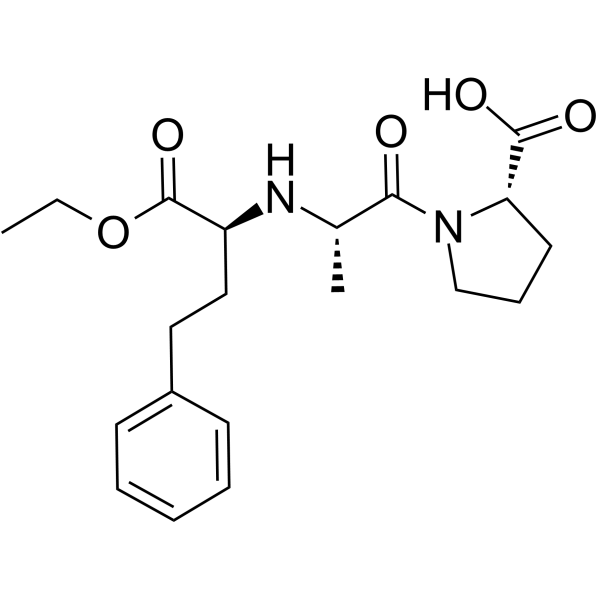
    Dronedarone (SR 33589), a derivative of amiodarone (HY-14187), is a class III antiarrhythmic agent for the study of atrial fibrillation (AF) and atrial flutter. Dronedarone is a potent blocker of multiple ion currents, including potassium current, sodium current, and L-type calcium current, and exhibits antiadrenergic effects by noncompetitive binding to β-adrenergic receptors. Dronedarone is a substrate for and a moderate inhibitor of CYP3A4 .
    Dronedarone
  • HY-125118
    GSK-A1
    2 Publications Verification

    PI4K HCV Infection
    GSK-A1 is a selective type III phosphatidylinositol 4-kinase PI4KA (PI4KIIIα) inhibitor with a pIC50 of 8.5-9.8. GSK-A1 inhibits PtdIns(4,5)P2 resynthesis with an IC50 of about 3 nM. GSK-A1 potently decreases the levels of PtdIns(4)P with a negligible effect on PtdIns(4,5)P2. GSK-A1 has the potential for anti-hepatitis C virus (HCV) research .
    GSK-A1
  • HY-123872
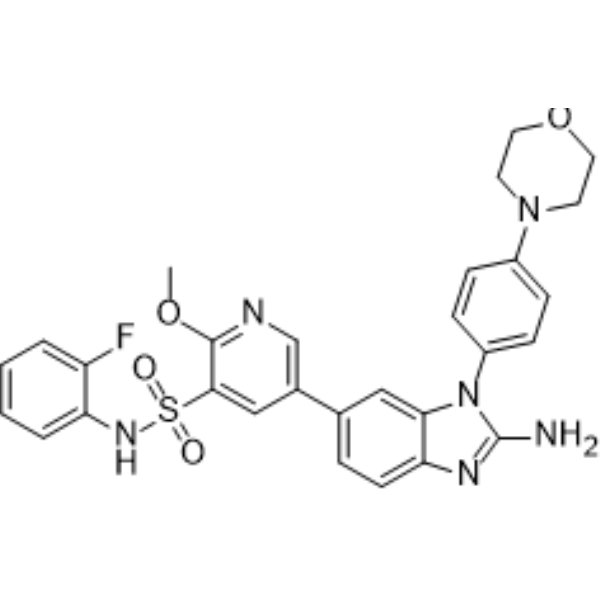
    MSC1094308
    1 Publications Verification

    p97 Cancer
    MSC1094308 is a non-competitive and reversible VPS4B/p97 (VCP) (I/II type AAA ATPase) allosteric inhibitor, with IC50 values of 0.71 μM and 7.2 μM for VPS4B and p97, respectively . MSC1094308 inhibits the D2 ATPase activity by binding to a agentable hotspot of p97. MSC1094308 can be used in study of cancer .
    MSC1094308
  • HY-168034

    STING Integrin NF-κB SARS-CoV Infection Inflammation/Immunology
    diABZI-4 is a STING activator and broad-spectrum antiviral agent with immunostimulatory activity. diABZI-4 triggers the TBK1-IRF3 and NF-κB signaling cascades by inducing STING oligomerization, thereby promoting the production of type I/III interferons and various proinflammatory cytokines. diABZI-4 exhibits broad-spectrum antiviral activity and effectively inhibits the replication of influenza A virus, SARS-CoV-2, herpes simplex virus, and other viruses. diABZI-4 also activates lymphocytes and macrophages to provide significant pre- and post-exposure protection in viral disease models. diABZI-4 can be used to study COVID-19, respiratory viral infections, and related immunopathological mechanisms .
    diABZI-4
  • HY-B0523
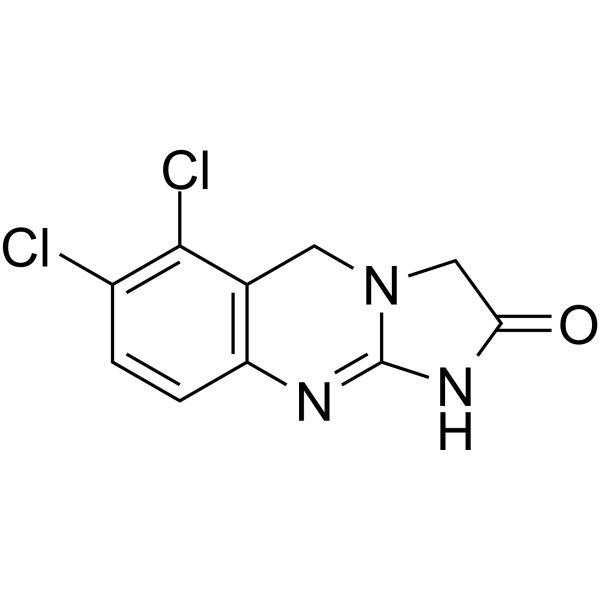
    Anagrelide
    3 Publications Verification

    Phosphodiesterase (PDE) Apoptosis Cardiovascular Disease Cancer
    Anagrelide is a potent inhibitor of phosphodiesterase type III (PDE3) (IC50=36 nM). Anagrelide, an imidazoquinazoline derivative, acts as an inhibitor of platelet aggregation. Anagrelide inhibits bone marrow megakaryocytopoiesis. Anagrelide decreases gastrointestinal stromal tumor (GIST) cell proliferation and promotes their apoptosis in vitro. Anagrelide is a platelet-lowering agent and plays in the antithrombopoietic action .
    Anagrelide
  • HY-B0523A
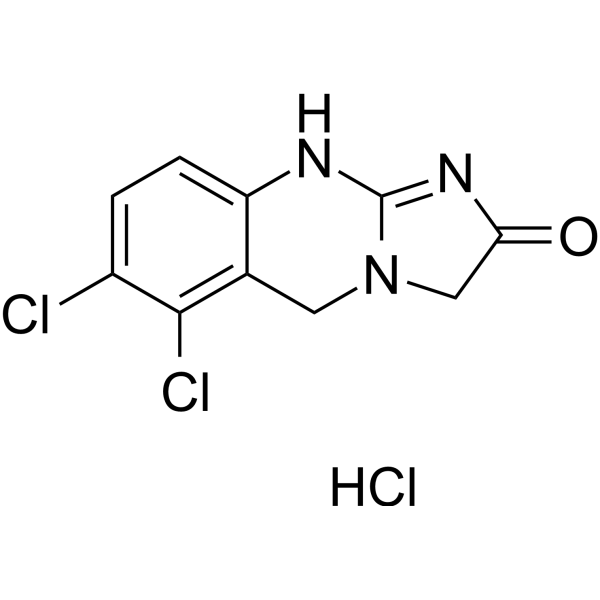
    Anagrelide hydrochloride
    3 Publications Verification

    BL4162A

    Phosphodiesterase (PDE) Apoptosis Cardiovascular Disease Cancer
    Anagrelide hydrochloride (BL4162A) is a potent inhibitor of phosphodiesterase type III (PDE3) (IC50=36 nM). Anagrelide hydrochloride, an imidazoquinazoline derivative, acts as an inhibitor of platelet aggregation. Anagrelide hydrochloride inhibits bone marrow megakaryocytopoiesis. Anagrelide hydrochloride decreases gastrointestinal stromal tumor (GIST) cell proliferation and promotes their apoptosis in vitro. Anagrelide hydrochloride is a platelet-lowering agent and plays in the antithrombopoietic action .
    Anagrelide hydrochloride
  • HY-P10486

    Bacterial Infection
    AIP-II is a cyclic peptide signaling molecule for quorum sensing, which is produced by Staphylococcus aureus. AIP-II potently inhibits AgrC-III in Methicillin (HY-121544)-resistant type III Staphylococcus aureus strain AH1747, with an IC50 of 0.532 nM. AIP-II binds to the AgrC-II receptor and regulates virulence gene expression in Staphylococcus aureus .
    AIP-II
  • HY-103195
    NKY80
    2 Publications Verification

    Adenylate Cyclase Metabolic Disease
    NKY80 is a potent, selective and non-competitive adenylyl cyclase (AC) type V isoform inhibitor with IC50s of 8.3 µM, 132 µM and 1.7 mM for type V, III and II, respectively. NKY80 is a non-nucleoside quinazolinone and regulates the AC catalytic activity in heart and lung tissues .
    NKY80
  • HY-18620
    DZ2002
    1 Publications Verification

    STAT PI3K NF-κB MEK ERK Bacterial Antibiotic Akt Inflammation/Immunology
    DZ2002 is an orally active, reversible and low-cytotoxic type III SAHH inhibitor (Ki=17.9 nM), with good immunosuppressive activity. DZ2002 prevents the development of experimental dermal fibrosis by reversing the profibrotic phenotype of various cell types. DZ2002 can be used in studies of autoimmune diseases such as lupus syndrome and systemic sclerosis .
    DZ2002
  • HY-N10661

    Ipom-F

    SARS-CoV Infection Cancer
    Ipomoeassin F is a potent and selective endoplasmic reticulum (ER) protein-translocation inhibitor by targeting the pore-forming subunit of the Sec61 complex (Sec61α) at the ER membrane. Ipomoeassin F selectively inhibits the ER membrane translocation of SARS-CoV-2 proteins. Ipomoeassin F block the ER translocation of secretory proteins and type I transmembrane proteins (TMPs), but not type III TMPs .
    Ipomoeassin F
  • HY-13495
    ML281
    2 Publications Verification

    STK33 PKA Aurora Kinase Bcl-2 Family Apoptosis Metabolic Disease Cancer
    ML281 is a highly selective inhibitor of serine/threonine kinase 33 (STK33) with an IC50 value of 14 nM. ML281 shows 700-fold selectivity over PKA and 550-fold over AurB. ML281 exerts core mechanism by inhibiting STK33: in small cell lung cancer, ML281 downregulates RPS6/BAD signaling phosphorylation, induces apoptosis, and suppresses proliferation, invasion . ML281 reduces STK33-mediated 4-hydroxyphenylpyruvate dioxygenase (HPD) phosphorylation in tyrosinemia . ML281 is suitable for research on STK33 function, KRAS mutation-related cancers (pancreatic cancer, colon cancer, lung adenocarcinoma, etc.), small cell lung cancer, and tyrosinemia-related damage
    ML281
  • HY-NP132A

    Biochemical Assay Reagents Integrin Autophagy Apoptosis Discoidin Domain Receptor Cancer
    Recombinant humanized type III collagen (MW 55900) is a type III collagen with a molecular weight of 55900 Da. Recombinant humanized type III collagen has various biological functions, such as promoting skin extracellular matrix regeneration and improving the cell microenvironment. Recombinant humanized type III collagen inhibits the proliferation, migration, and invasion of breast cancer cells. Type III collagen functions in cell adhesion, migration, proliferation and differentiation through its interaction with integrins .
    Recombinant humanized type III collagen (MW 55900)
  • HY-NP132

    Biochemical Assay Reagents Integrin Autophagy Apoptosis Discoidin Domain Receptor Cancer
    Recombinant Humanized Type III Collagen 28.6kDa is a 28.6 kDa recombinant humanized type III collagen. Recombinant Humanized Type III Collagen possesses a variety of biological functions, such as promoting the regeneration of the skin extracellular matrix and improving the cellular microenvironment. Recombinant Humanized Type III Collagen can also inhibit the proliferation, migration and invasion of breast cancer cells. Recombinant Humanized Type III Collagen plays a role in cell adhesion, migration, proliferation and differentiation by interacting with Integrin .
    Recombinant Humanized Type III Collagen 28.6kDa
  • HY-18600A
    Azimilide dihydrochloride
    2 Publications Verification

    NE-10064 dihydrochloride

    Potassium Channel Calcium Channel Sodium Channel Cardiovascular Disease
    Azimilide (NE-10064) dihydrochloride is a class III antiarrhythmic agent, which works by blocking potassium channels in the heart. Azimilide dihydrochloride is a dual blocker of IKs (IC50 = 2.6 μM (2mM [K⁺]ₑ)) and IKr (IC50 = 1 μM (4 mM [K⁺])). Azimilide dihydrochloride blocked HERG channel at 0.1 and 1 Hz with IC50s of 1.4 μM and 5.2 μM respectively. Azimilide dihydrochloride also inhibits L-type calcium current (ICa) (IC50 = 17.8 μM) and sodium current (INa) (IC50 = 19 μM). Azimilide dihydrochloride can be used for the study of atrial fibrillation and ventricular fibrillation .
    Azimilide dihydrochloride
  • HY-N6583
    Licoflavonol
    2 Publications Verification

    Bacterial Infection
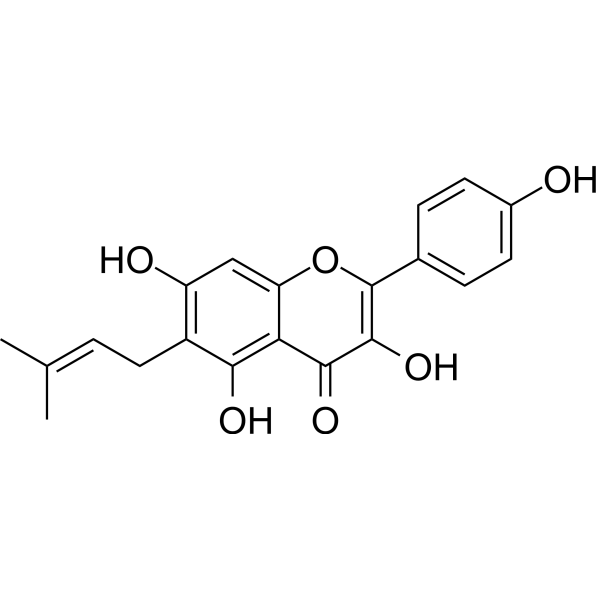
    Licoflavonol, a minor flavone from the roots of Glycyrrhiza uralensis, is an inhibitor of the Salmonella type III secretion system (T3SS) .
    Licoflavonol
  • HY-13223A
    Crenolanib benzenesulfonate
    15+ Cited Publications

    CP 868596-26

    Autophagy PDGFR FLT3 Cancer
    Crenolanib benzenesulfonate is a potent and selective inhibitor of wild-type and mutant isoforms of the class III receptor tyrosine kinases FLT3 and PDGFRα/β with Kds of 0.74 nM and 2.1 nM/3.2 nM, respectively.
    Crenolanib benzenesulfonate
  • HY-122906

    c-Fms Inflammation/Immunology
    JTE-952 is a potent, oral active and selective Type II inhibitor of colony stimulating factor-1 receptor (CSF-1R or cFMS, type III receptor tyrosine kinase), with IC50 values of 13 nM and 261 nM for CSF1R and TrkA , respectively. Effective against a mouse collagen-induced model of arthritis .
    JTE-952
  • HY-146145

    Fungal Mitochondrial Metabolism Infection
    Metyltetraprole is a promising fungicide with EC50 values of both 0.002 ppm against sensitive wild-type and G143A mutant of Zymoseptoria tritici. Metyltetraprole is effective against QoI (quinone outside inhibitor) resistant strains. Metyltetraprole inhibits the respiratory chain via complex III .
    Metyltetraprole
  • HY-18600
    Azimilide
    2 Publications Verification

    NE-10064

    Potassium Channel Calcium Channel Sodium Channel Cardiovascular Disease
    Azimilide (NE-10064) is a class III antiarrhythmic agent, which works by blocking potassium channels in the heart. Azimilide is a dual blocker of IKs (IC50 = 2.6 μM (2mM [K⁺]ₑ)) and IKr (IC50 = 1 μM (4 mM [K⁺])). Azimilide blocked HERG channel at 0.1 and 1 Hz with IC50s of 1.4 μM and 5.2 μM respectively. Azimilide also inhibits L-type calcium current (ICa) (IC50 = 17.8 μM) and sodium current (INa) (IC50 = 19 μM). Azimilide can be used for the study of atrial fibrillation and ventricular fibrillation .
    Azimilide
  • HY-NP131

    Discoidin Domain Receptor Apoptosis Autophagy Cancer
    Recombinant Humanized Type III Collagen 10.4kDa is a novel biomaterial that have anticancer effects. Recombinant Humanized Type III Collagen 10.4kDa activates discoidin domain receptor 1 (DDR1), and thus inhibits autophagy, proliferation, and migration of cancer cells, and induces apoptosis .
    Recombinant Humanized Type III Collagen (10.4kDa)
  • HY-N6928

    Toll-like Receptor (TLR) Metabolic Disease Cancer
    Mogroside III-E is a cucurbitane-type compound isolated from Siraitia grosvenorii, inhibits NO release, with anti-fibrotic activity .
    Mogroside III-E
  • HY-100164

    MKS 492

    Phosphodiesterase (PDE) Inflammation/Immunology
    SDZ-MKS 492 (MKS 492) is a selective inhibitor of cyclic GMP-inhibited phosphodiesterase (type III PDE). SDZ-MKS 492 inhibits antigen- or platelet activating factor (PAF)-induced bronchoconstriction and allergic reactions in guinea pigs and rats .
    SDZ-MKS 492
  • HY-13223R

    CP-868596 (Standard)

    FLT3 PDGFR Autophagy Reference Standards Cancer
    Crenolanib (Standard) is the analytical standard of Crenolanib. This product is intended for research and analytical applications. Crenolanib is a potent and selective inhibitor of wild-type and mutant isoforms of the class III receptor tyrosine kinases FLT3 and PDGFRα/β with Kds of 0.74 nM and 2.1 nM/3.2 nM, respectively.
    Crenolanib (Standard)
  • HY-B1514R

    Reference Standards Endogenous Metabolite Others
    Anagrelide (hydrochloride) (Standard) is the analytical standard of Anagrelide (hydrochloride). This product is intended for research and analytical applications. Anagrelide hydrochloride (BL4162A) is a potent inhibitor of phosphodiesterase type III (PDE3) (IC50=36 nM). Anagrelide hydrochloride, an imidazoquinazoline derivative, acts as an inhibitor of platelet aggregation. Anagrelide hydrochloride inhibits bone marrow megakaryocytopoiesis. Anagrelide hydrochloride decreases gastrointestinal stromal tumor (GIST) cell proliferation and promotes their apoptosis in vitro. Anagrelide hydrochloride is a platelet-lowering agent and plays in the antithrombopoietic action .
    Allantoic acid (Standard)
  • HY-100603A

    PI3K PI4K Infection
    (S)-GSK-F1 (Compound 28) is an inhibitor for type III phosphatidylinositol 4-kinase α (PI4KIIIα). (S)-GSK-F1 inhibits PI4Kα, PI4Kβ, PI4Kγ, PI3Kα, PI3Kβ and PI3Kδ with pIC50 of 8.3, 6.0, 5.6, 5.6, 5.1 and 5.6, respectively. (S)-GSK-F1 exhibits anti-hepatitis C virus (HCV) activity through inhibition of HCV replication. (S)-GSK-F1 exhibits moderate pharmacokinetic characters in rat model .
    (S)-GSK-F1
  • HY-114564

    E5510

    Prostaglandin Receptor Cardiovascular Disease
    Satigrel (E5510) is a potent inhibitor of platelet aggregation. Satigrel inhibits collagen- and arachidonic acid-induced platelet aggregation through preventing thromboxane A2 synthesis by selective inhibition of the target enzyme, PGHS1, which exists in platelets. Satigrel inhibits PGHS1 (IC50: 0.081 μM) and PGHS2 (IC50: 5.9 μM). Satigrel is against Type III PDE, Type V and Type II (IC50: 15.7 μM, 39.8 μM and 62.4 μM, respectively) .
    Satigrel
  • HY-129502

    P-23924C

    HIF/HIF Prolyl-Hydroxylase Others
    Fibrostatin C (P-23924C) is an orally active prolyl hydroxylase inhibitor that also inhibits collagen biosynthesis. Fibrostatin C also increases the number of cytoplasmic granules immunoreactive with antibodies to collagen I or III. Fibrostatin C inhibits the secretion of type I collagen in Tenon's capsule fibroblasts. Fibrostatin C is promising for research of the wound fibrotic response in the wound of glaucoma filtering surgery .
    Fibrostatin C
  • HY-115269

    Phosphodiesterase (PDE) Cardiovascular Disease
    CK-2289 is an inhibitor of type III cyclic 3'5'-adenosine monophosphate phosphodiesterase (PDE). CK-2289 can inhibit platelet aggregation and decreases mean arterial blood pressure. CK-2289 can be used for the research of cardiovascular disease, such as congestive heart failure .
    CK-2289
  • HY-P1816

    Integrin Cancer
    The connecting segment 1 (CS-1) is a cell attachment domain located in the type III homology connecting segment (IIICS) of fibronectin. Fibronectin CS1 Peptide lacks the Arg-Gly-Asp-containing domain, actively inhibits tumor metastases in spontaneous and experimental metastasis models .
    Fibronectin CS1 Peptide
  • HY-P10984

    Integrin Metabolic Disease Inflammation/Immunology Cancer
    FNIII14 is derived from the 14th fibronectin (FN) type III-like (FN-III) repeat of FN molecule. FNIII14 is capable of inhibiting cell adhesion to the extracellular matrix (ECM). FNIII14 induces a conformational change in β1-integrin from the active to the inactive form, and blocks integrin-mediated signaling. FNIII14 has anti-fibrotic, anti-cancer effect. FNIII14 can be used for research of metabolic diseases, organ fibrosis, and malignant tumors .
    FNIII14
  • HY-175557

    PI4K Enterovirus Infection
    PI4K-IN-2 (Compound 30) is a highly selective type III phosphatidylinositol 4-kinase β (PI4KB) inhibitor (IC50=0.015 μM). PI4K-IN-2 is promising for research of human rhinovirus (HRV) .
    PI4K-IN-2
  • HY-A0016S

    Isotope-Labeled Compounds mAChR Sodium Channel Calcium Channel Adrenergic Receptor Cytochrome P450 Autophagy Cardiovascular Disease
    Dronedarone-d6 (hydrochloride) is the deuterium labeled Dronedarone. Dronedarone hydrochloride, a derivative of Amiodarone (HY-14187), is a class III antiarrhythmic agent for the study of atrial fibrillation (AF) and atrial flutter. Dronedarone hydrochloride is a potent blocker of multiple ion currents, including potassium current, sodium current, and L-type calcium current, and exhibits antiadrenergic effects by noncompetitive binding to β-adrenergic receptors. Dronedarone hydrochloride is a substrate for and a moderate inhibitor of CYP3A4 .
    Dronedarone-d6 hydrochloride
  • HY-P4989

    Biochemical Assay Reagents Infection
    Type A Allatostatin III (allatostatin 3) is a blood-brain barrier permeable and reversible neuropeptide that inhibits hormone synthesis in juvenile female cockroaches. Type A Allatostatin III can be used in pesticide research .
    Type A Allatostatin III
  • HY-N6928R

    Toll-like Receptor (TLR) Reference Standards Metabolic Disease Cancer
    Mogroside III-E (Standard) is the analytical standard of Mogroside III-E. This product is intended for research and analytical applications. Mogroside III-E is a cucurbitane-type compound isolated from Siraitia grosvenorii, inhibits NO release, with anti-fibrotic activity .
    Mogroside III-E (Standard)
  • HY-144690

    Trk Receptor Cancer
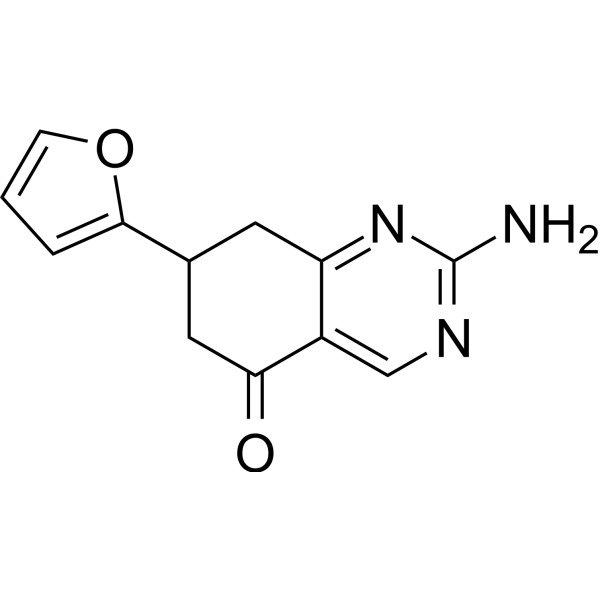
    D5261 is a potent, type III allosteric tropomyosin-related kinase A (TrkA) inhibitor .
    D5261
  • HY-119681

    Others Inflammation/Immunology
    YM 11124 is an orally active selective immunosuppressive agent. YM 11124 can inhibit cell-mediated immune responses (type IV allergic reactions, such as delayed-type hypersensitivity and allogenic skin graft rejection) and type III allergic reactions (such as passive Arthus reaction). YM 11124 has no effect on type I, type II allergic reactions or acute inflammation. YM 11124 can be used in research related to organ transplantation and immune hypersensitivity .
    YM 11124
  • HY-12075R

    TGF-β Receptor Autophagy Cancer
    LY2109761 (Standard) is the analytical standard of LY2109761. This product is intended for research and analytical applications. LY2109761 is an orally active, selective TGF-β receptor type I/II inhibitor with Kis of 38 nM and 300 nM, respectively.
    LY2109761 (Standard)
  • HY-126763

    Phosphodiesterase (PDE) Calcium Channel Others
    ATI22-107 is a dual-pharmacophore compound designed to simultaneously inhibit cardiac phosphodiesterase (PDE-III) and L-type calcium channels (LTCC), with activity that has specific effects on calcium cycling and contractility in cat ventricular myocytes and trabeculae.
    ATI22-107
  • HY-157130

    Bacterial Infection
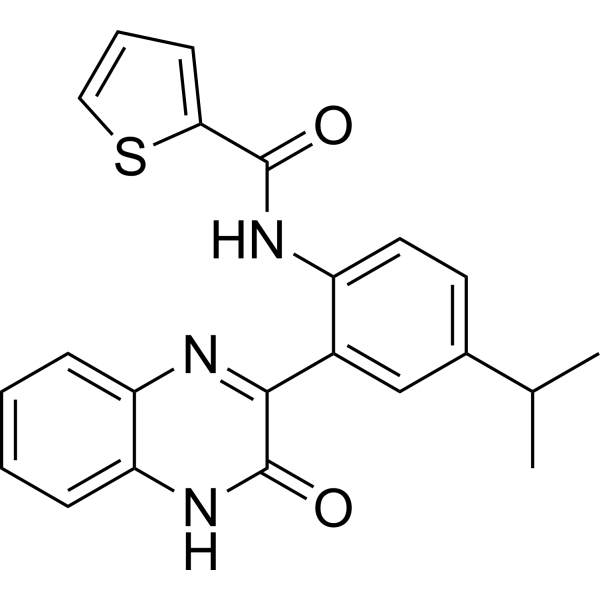
    T3SS-IN-3 (compound F-24) is an inhibitor of type III secretion system (T3SS). T3SS-IN-3 inhibits the transcription of hrpY gene significantly without inhibiting bacterial growth .
    T3SS-IN-3
  • HY-149875

    Bacterial Infection
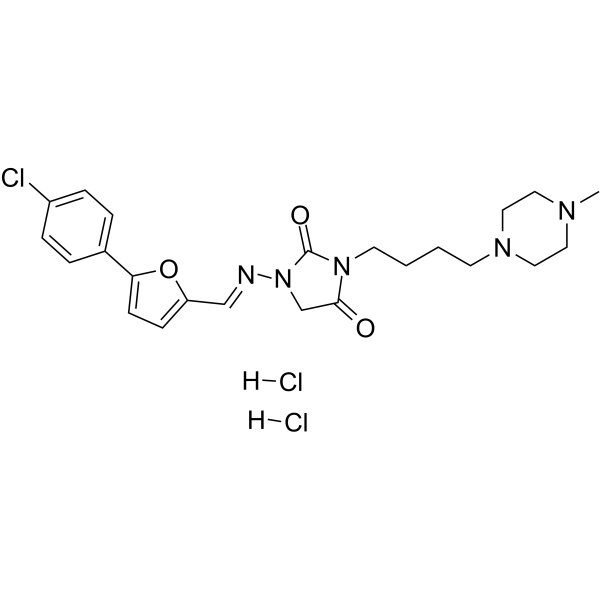
    T3SS-IN-1 (compound B9) is a potent inhibitor of type III secretion system (T3SS) inhibitor. T3SS-IN-1 can also inhibits hpa1 promoter activity and harpin protein expression without affecting bacterial growth .
    T3SS-IN-1
  • HY-158320

    Bacterial Infection
    T3SS-IN-5 (Compound F9) is a specific inhibitor of the type III secretion system (T3SS). T3SS-IN-5 reduces bacterial pathogenicity without affecting bacterial viability by inhibiting the expression of genes associated with T3SS .
    T3SS-IN-5
  • HY-B0523B

    Phosphodiesterase (PDE) Apoptosis Cardiovascular Disease Cancer
    Anagrelide hydrochloride monohydrate is a potent inhibitor of phosphodiesterase type III (PDE3) (IC50=36 nM). Anagrelide hydrochloride monohydrate, an imidazoquinazoline derivative, acts as an inhibitor of platelet aggregation. Anagrelide hydrochloride monohydrate inhibits bone marrow megakaryocytopoiesis. Anagrelide hydrochloride monohydrate decreases gastrointestinal stromal tumor (GIST) cell proliferation and promotes their apoptosis in vitro. Anagrelide hydrochloride monohydrate is a platelet-lowering agent and plays in the antithrombopoietic action .
    Anagrelide hydrochloride monohydrate
  • HY-174125

    Bacterial Infection
    4-(Cyclohexyldisulfaneyl)pyridine is a Type III secretion system (T3SS) inhibitor that suppresses the promoter activity of T3SS-related genes (hrpA and hrpL) in Erwinia amylovora CFBP1430. 4-(Cyclohexyldisulfaneyl) pyridine can be utilized in study on fire blight disease .
    4-(Cyclohexyldisulfaneyl) pyridine
  • HY-18620R

    STAT PI3K NF-κB MEK ERK Bacterial Antibiotic Akt Inflammation/Immunology
    DZ2002 (Standard) is the analytical standard of DZ2002. This product is intended for research and analytical applications. DZ2002 is an orally active, reversible and low-cytotoxic type III SAHH inhibitor (Ki=17.9 nM), with good immunosuppressive activity. DZ2002 prevents the development of experimental dermal fibrosis by reversing the profibrotic phenotype of various cell types. DZ2002 can be used in studies of autoimmune diseases such as lupus syndrome and systemic sclerosis .
    DZ2002 (Standard)
  • HY-178274

    Histone Methyltransferase Apoptosis Cancer
    SKLB06329 is a potent selective Type I PRMTs inhibitor. SKLB06329 shows good selectivity for PRMT6 (IC50 = 3.86 nM) over Type II/III PRMTs (PRMT5/7) and shows no significant inhibition against various lysine methyltransferases (PKMTs). SKLB06329 significantly inhibits the proliferation of triple-negative breast cancer (TNBC) cells, induces apoptosis, and suppresses the expression of asymmetric dimethylarginine (ADMA) within cells. SKLB06329 can be used for triple-negative breast cancer research .
    SKLB06329
  • HY-B0523AR

    BL4162A (Standard)

    Reference Standards Phosphodiesterase (PDE) Apoptosis Cardiovascular Disease Cancer
    Anagrelide (hydrochloride) (Standard) is the analytical standard of Anagrelide (hydrochloride). This product is intended for research and analytical applications. Anagrelide hydrochloride (BL4162A) is a potent inhibitor of phosphodiesterase type III (PDE3) (IC50=36 nM). Anagrelide hydrochloride, an imidazoquinazoline derivative, acts as an inhibitor of platelet aggregation. Anagrelide hydrochloride inhibits bone marrow megakaryocytopoiesis. Anagrelide hydrochloride decreases gastrointestinal stromal tumor (GIST) cell proliferation and promotes their apoptosis in vitro. Anagrelide hydrochloride is a platelet-lowering agent and plays in the antithrombopoietic action .
    Anagrelide hydrochloride (Standard)
  • HY-B0523S

    Apoptosis Phosphodiesterase (PDE) Isotope-Labeled Compounds Cardiovascular Disease Cancer
    Anagrelide- 13C2, 15N,d2 is 15N and deuterated labeled Anagrelide (HY-B0523). Anagrelide is a potent inhibitor of phosphodiesterase type III (PDE3) (IC50=36 nM). Anagrelide, an imidazoquinazoline derivative, acts as an inhibitor of platelet aggregation. Anagrelide inhibits bone marrow megakaryocytopoiesis. Anagrelide decreases gastrointestinal stromal tumor (GIST) cell proliferation and promotes their apoptosis in vitro. Anagrelide is a platelet-lowering agent and plays in the antithrombopoietic action .
    Anagrelide-13C2,15N,d2
  • HY-174529

    mRNA Inflammation/Immunology
    Human TGFBR3 mRNA encodes the human transforming growth factor beta receptor 3 (TGFBR3) protein, a transforming growth factor (TGF)-beta type III receptor. TGFBR3 is a membrane proteoglycan that often functions as a co-receptor with other TGF-beta receptor superfamily members. Ectodomain shedding produces soluble TGFBR3, which may inhibit TGFB signaling. Decreased expression of this receptor has been observed in various cancers.
    Human TGFBR3 mRNA

Inquiry Online

Your information is safe with us. * Required Fields.

Salutation


Country or Region *

Applicant Name *


Organization Name *

Department *


Email Address *


Product Name *

Cat. No.


Requested quantity *

Phone Number *


Remarks

Inquiry Online

Inquiry Information

Product Name:
Cat. No.:
Quantity:
MCE Japan Authorized Agent:

