



Apoptosis
Apoptosis
Apoptosis is a distinctive form of cell death exhibiting specific morphological and biochemical characteristics, including cell membrane blebbing, chromatin condensation, genomic DNA fragmentation, and exposure of specific phagocytosis signaling molecules on the cell surface. Cells undergoing apoptosis differ from those dying through necrosis. Necrotic cells are usually recognized by the immune system as a danger signal and, thus, resulting in inflammation; in contrast, apoptotic death is quiet and orderly.
There are two major pathways of apoptotic cell death induction: The intrinsic pathway, also called the Bcl-2-regulated or mitochondrial pathway, is activated by various developmental cues or cytotoxic insults, such as viral infection, DNA damage and growth-factor deprivation, and is strictly controlled by the BCL-2 family of proteins. The extrinsic or death-receptor pathway is triggered by ligation of death receptors (members of the tumor necrosis factor (TNF) receptor family, such as Fas or TNF receptor-1 (TNFR1)) that contain an intracellular death domain, which can recruit and activate caspase-8 through the adaptor protein Fas-associated death domain (FADD; also known as MORT1) at the cell surface. This recruitment causes subsequent activation of downstream (effector) caspases, such as caspase-3, -6 or -7, without any involvement of the BCL-2 family.
Studies suggest that alterations in cell survival contribute to the pathogenesis of a number of human diseases, including cancer, viral infections, autoimmune diseases, neurodegenerative disorders, and AIDS (acquired immunodeficiency syndrome). Treatments designed to specifically alter the apoptotic threshold may have the potential to change the natural progression of some of these diseases.
All Product Categories
-
Apoptosis Inhibitors
(903)
View all products
-
Apoptosis Agonists
(7)
View all products
-
Apoptosis Antagonists
(9)
View all products
-
Apoptosis Activators
(362)
View all products
-
Apoptosis Modulators
(60)
View all products
-
Apoptosis Inducers
(7900)
View all products
-
Apoptosis Degrader
(1)
View all products
-
Apoptosis Controls
(33)
View all products
-
Apoptosis Related Products (9836)
Related Products (9836)

-
Antibodies (120)
-
HKPao
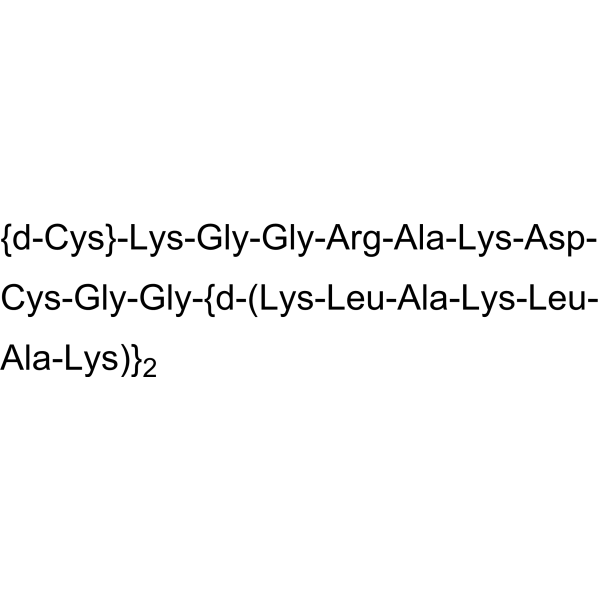 0 ImagesCat. No.: HY-P3586CAS No.: 859216-15-2Synonyms: Hunter-killer peptide ao; Prohibitin-targeting peptide 1; prohibitin-TP01; AdipotideHKPao (Hunter-killer peptide ao) is a biologically active peptide. HKPao (Hunter-killer peptide ao) has anti-obesity and anti-tumor pro-apoptotic activity to cause release of cytochrome c from vesicles.
-
Tenofovir hydrate
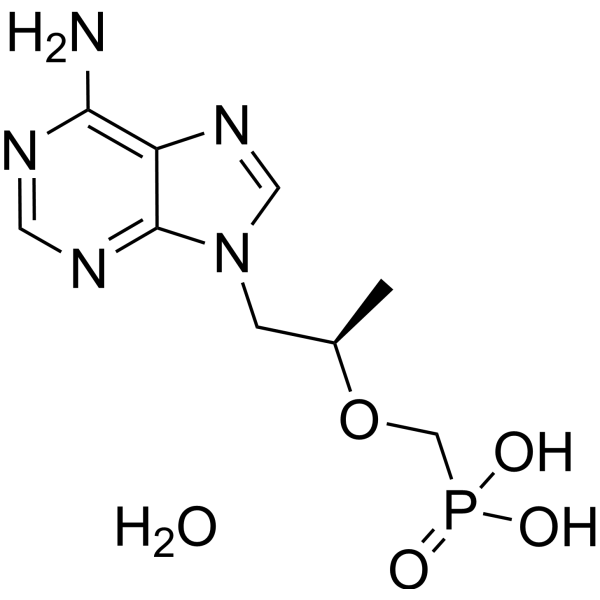 0 ImagesSynonyms: GS 1278 hydrate; PMPA hydrateTenofovir hydrate (GS 1278 hydrate; PMPA hydrate) is a nucleotide reverse transcriptase inhibitor to treat HIV and chronic Hepatitis B (HBV).
-
RhoA-ROCK-IN-1
 0 ImagesRhoA-ROCK-IN-1 (Compound b19) is an inhibitor of RhoA/ROCK. RhoA-ROCK-IN-1 can significantly inhibit cell proliferation, migration, and invasion, while promoting cell apoptosis. RhoA-ROCK-IN-1 demonstrates remarkable anticancer activity by inhibiting the RhoA/ROCK pathway.
-
THR-123 TFA
 0 ImagesCat. No.: HY-P11354APurity: 99.91%THR-123 TFA is an orally active ALK3 peptide agonist. THR-123 TFA has a relatively weak binding to ALK2, but does not bind to ALK6. THR-123 TFA suppresses inflammation, Apoptosis and the epithelial-to-mesenchymal transition program and reverses established fibrosis in five mouse models of acute and chronic renal injury. THR-123 TFA can be used for the study of kidney fibrosis.
-
Heraclenin
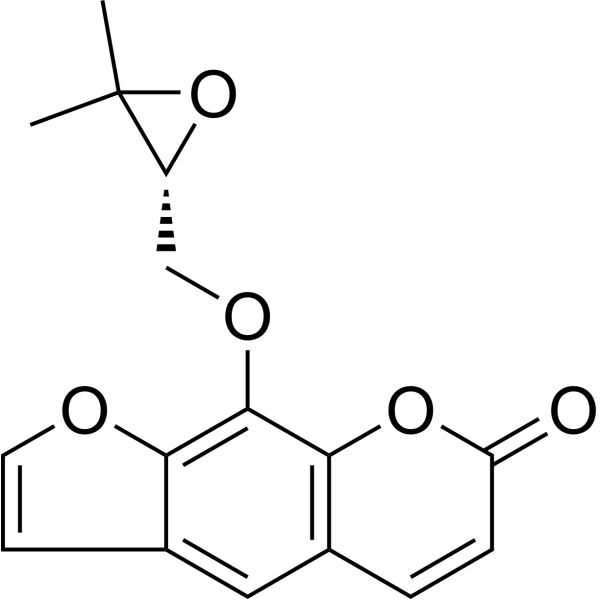 0 ImagesHeraclenin is a linear furanocoumarin natural product. Heraclenin binds to the type III effector protein XopQ and chitin deacetylase, exhibits antibacterial activity against Xanthomonas oryzae pv. oryzae, and displays antifungal activity against Colletotrichum lindemuthianum. Heraclenin stimulates Runx2 mRNA expression, induces osteoblast differentiation and mineralization. Heraclenin induces Chk1 phosphorylation, G2/M cell cycle arrest, DNA fragmentation, apoptosis, chromosomal aberrations, sister chromatid exchange, and inhibits proliferation. Heraclenin can be used for research on osteoporosis, melanoma, T-cell lymphoma, and leukemia.
-
BTZO-1
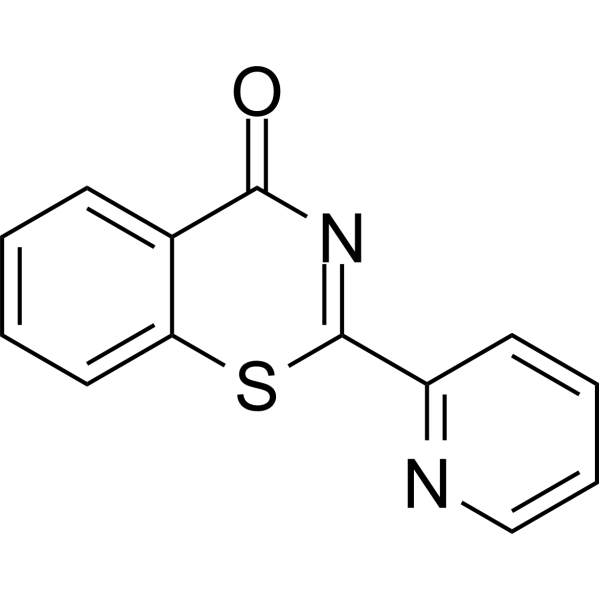 0 ImagesBTZO-1, a chemical probe, binds to Macrophage migration inhibitory factor (MIF) with a Kd value of 68.6 nM, and its binding requires the N-terminal Pro1. BTZO-1 can activate antioxidant response element (ARE)-mediated gene expression and suppress oxidative stress-induced cardiomyocyte apoptosis in vitro.
-
Rhodiolin
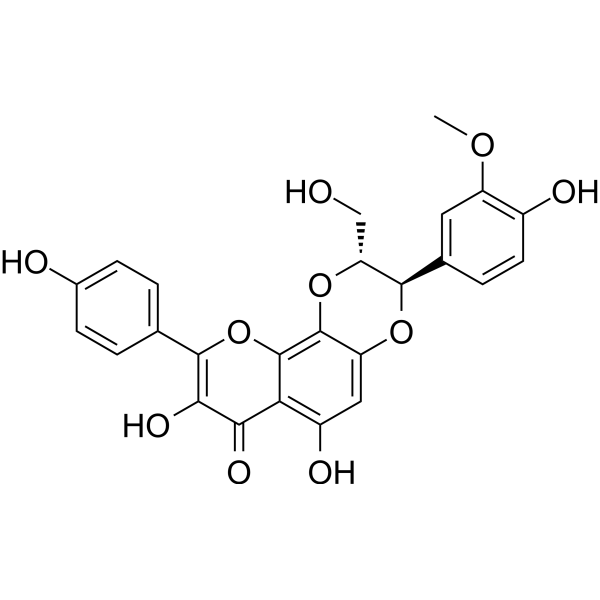 0 ImagesRhodiolin, a flavonoid, is an orally active glucose 6-phosphate isomerase (GPI) inhibitor. Rhodiolin inhibits papillary thyroid cancer (PTC) by targeting glycolysis enzyme glucose 6-phosphate isomerase GPI and suppressing PI3K/AKT/mTOR phosphorylation and induce apoptosis. Rhodiolin as a NS2B-NS3 protease inhibitor can disrupt dengue viral replication. Rhodiolin is also a potential candidate for developing anticancer strategies inhibiting CK1ε kinase. Rhodiolin can be used for the study of anti-tumor and anti-viral .
-
Sodium citrate dihydrate, for molecular biology
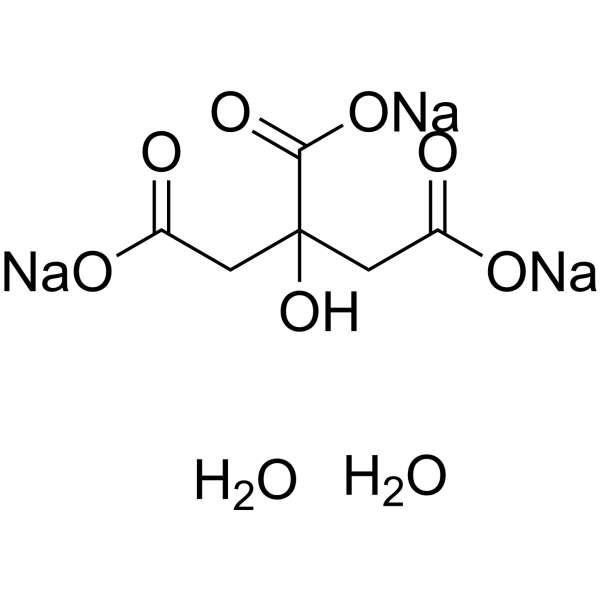 0 ImagesSynonyms: Trisodium citrate dihydrate, for molecular biologySodium citrate (Trisodium citrate) dihydrate, for molecular biology is an orally active natural product that can be found in citrus fruits. Sodium citrate dihydrate can inhibit the proliferation of tumor cells and induce apoptosis. Sodium citrate dihydrate has antibacterial, anti-tumor and antioxidant activities. Sodium citrate dihydrate can be prepared as a cosolvent or buffer.
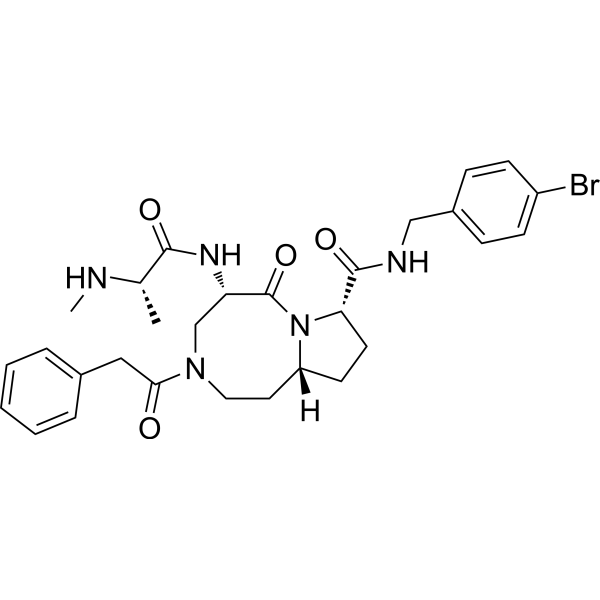
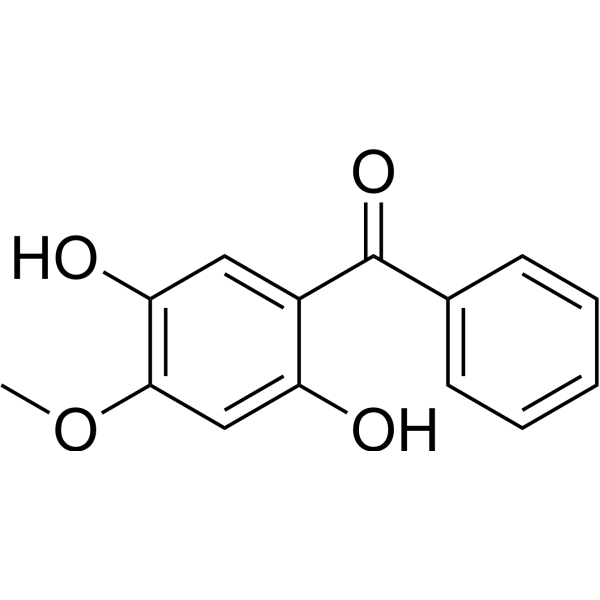
-
HDAC6 degrader-5
 0 ImagesHDAC6 degrader-5 (Compound 6) exhibits inhibitory and degradation activity against HDAC6, with an IC50 of 4.95 nM and a DC50 of 0.96 nM. HDAC6 degrader-5 inhibits the release of TNF-α, IL-1β and IL-6, blocks the hepatocyte apoptosis. HDAC6 degrader-5 exhibits anti-inflammatory activity in mouse APAP (HY-66005)-induced liver injury models.
-
Sulindac sulfone
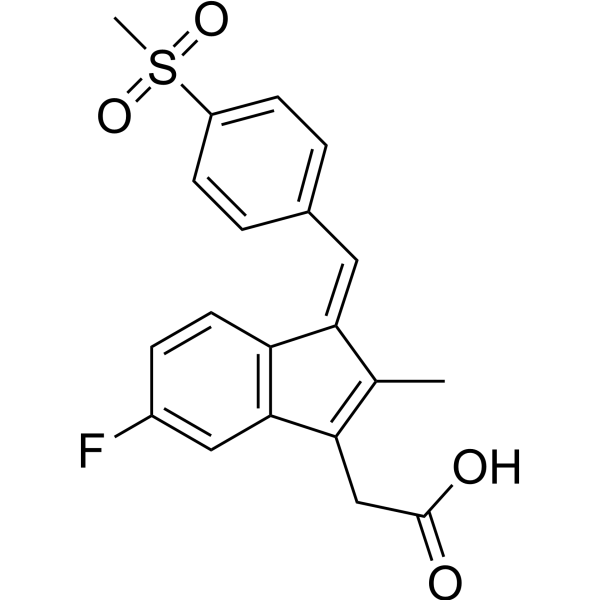 0 ImagesSulindac sulfone is an orally active metabolite of Sulindac (HY-B0008). Sulindac sulfone activates PPARγ and drives transcriptional induction of SSAT by binding to the PPRE-2 element. Sulindac sulfone induces Apoptosis. Sulindac sulfone negatively regulates the function of VDAC1/2 to inhibit the mTORC1 pathway, reduces Cyclin D1 levels, and induces G1 cell cycle arrest in colon cancer cells. Sulindac sulfone exerts colon cancer preventive effects through a COX-independent mechanism. Sulindac sulfone can be used in research related to colon cancer.
-
PROTAC HER2 degrader-1
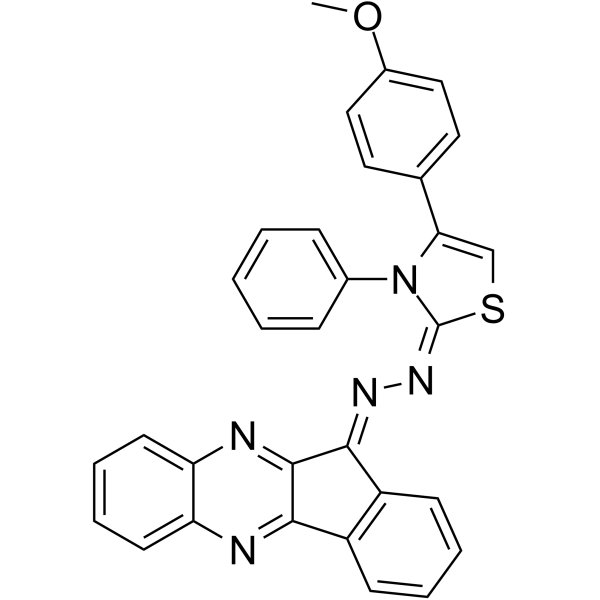
 0 ImagesPROTAC HER2 degrader-1 is a selective HER2 PROTAC degrader with a DC50 of 69 nM. PROTAC HER2 degrader-1 induces ubiquitination and degradation of HER2 via the ubiquitin-proteasome system, thereby inhibiting the downstream PI3K/AKT/mTOR and RAS/RAF/MEK/ERK signaling pathways. PROTAC HER2 degrader-1 inhibits the proliferation of HER2-positive cancer cells, induces apoptosis and arrests the cell cycle. PROTAC HER2 degrader-1 suppresses the growth of HER2-positive xenografts. PROTAC HER2 degrader-1 can be used in HER2-positive cancer-related research.
-
Aplitabart
 0 ImagesCat. No.: HY-P990901CAS No.: 2796349-94-3Synonyms: IGM-8444Aplitabart (IGM-8444) is a pentameric IgM death receptor 5 (DR5) agonist antibody with a KD of 85 nM and an apparent affinity of 11 pM. Aplitabart induces DR5 multimerization, thereby triggering cancer cell apoptosis via the extrinsic apoptotic pathway apoptosis. Aplitabart is applicable to cancer-related research such as colorectal cancer and gastric cancer.
-
SKI V
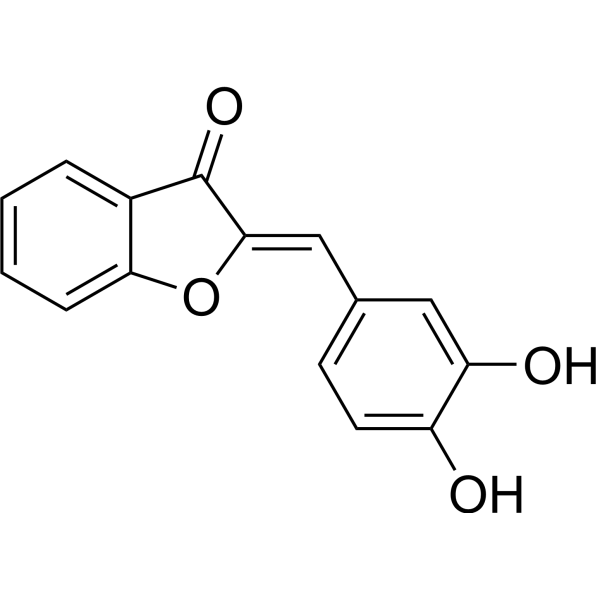 0 ImagesSKI V is a noncompetitive and potent non-lipid sphingosine kinase (SPHK; SK) inhibitor with an IC50 of 2 μM for GST-hSK. SKI V potently inhibits PI3K with an IC50 of 6 μM for hPI3k. SKI V decreases formation of the mitogenic second messenger sphingosine-1-phosphate (S1P). SKI V induces apoptosis and has antitumor activity.
-
Histamine dihydrochloride (Standard)
 0 ImagesHistamine dihydrochloride (Standard) is the analytical standard of Histamine dihydrochloride (HY-B0722). This product is intended for research and analytical applications. Histamine dihydrochloride is the agonist for histamine receptor and a vasodilator. Histamine dihydrochloride is an organic nitrogen compound that participates in local immune responses, regulates intestinal physiological functions, and acts as a neurotransmitter. Histamine dihydrochloride affects p38 MAPK/Akt signaling pathway, exhibits antitumor, antioxidant and anti-inflammatory activities. Histamine dihydrochloride can be used in the research of acute myeloid leukemia, malignant melanoma, and renal cell carcinoma.
-
Thalidomide-NH-C6-NH2 hydrochloride
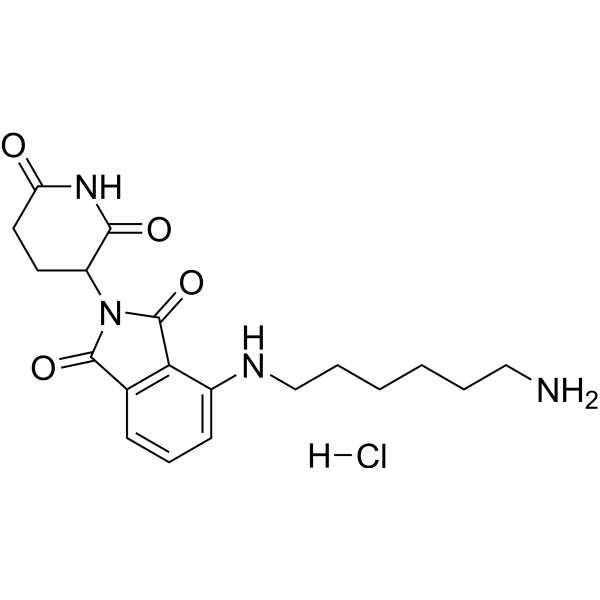 0 ImagesThalidomide-NH-C6-NH2 hydrochloride is a synthesized E3 ligase ligand-linker conjugate that incorporates the Thalidomide based cereblon ligand and a linker used in PROTAC technology.
-
Dac590
 0 ImagesCat. No.: HY-174979CAS No.: 3084407-00-8Dac590 is an orally active and selective obesity-associated protein (FTO) inhibitor with an IC50 of 6.06 nM. Dac590 shows highly selective over ALKBH5 and ALKBH3. Dac590 suppresses oncogenic FTO signaling, induces myeloid differentiation, G1-phase cell cycle arrest, and apoptosis in acute myeloid leukemia (AML) cells. Dac590 inhibits xenograft tumor growth and prolongs survival in acute myeloid leukemia mouse models with no observed toxicity. Dac590 can be used for the research of AML.




