



PKC
Protein kinase C
PKC (Protein kinase C) is a family of protein kinase enzymes that are involved in controlling the function of otherproteins through the phosphorylation of hydroxyl groups of serine and threonine amino acid residues on these proteins. PKC enzymes in turn are activated by signals such as increases in the concentration of diacylglycerol (DAG) or calcium ions (Ca2+). Hence PKC enzymes play important roles in several signal transduction cascades. The PKC family consists of 15 isozymes in humans: PKC-α (PRKCA), PKC-β1 (PRKCB), PKC-β2 (PRKCB), PKC-γ (PRKCG), PKC-δ (PRKCD), PKC-δ1 (PRKD1), PKC-δ2 (PRKD2), PKC-δ3 (PRKD3), PKC-ε (PRKCE), PKC-η (PRKCH), PKC-θ (PRKCQ), PKC-ι (PRKCI), PKC-ζ (PRKCZ), PK-N1 (PKN1), PK-N2 (PKN2), PK-N3 (PKN3). PKC is involved in receptor desensitization, in modulating membrane structure events, in regulating transcription, in mediating immune responses, in regulating cell growth, and in learning and memory. These functions are achieved by PKC-mediated phosphorylation of other proteins.
PKC Isoform Specific Products
-
PKC
(384)
View all products
-
PKCα
(48)
View all products
-
PKCβ
(40)
View all products
-
PKCγ
(26)
View all products
-
PKCδ
(26)
View all products
-
PKCε
(30)
View all products
-
PKCη
(15)
View all products
-
PKCζ
(14)
View all products
-
PKCθ
(21)
View all products
-
PKCμ
(4)
View all products
-
PKC-ι ℩
(2)
View all products
-
PKCι
(7)
View all products
All Product Categories
-
PKC Related Products (503)
Related Products (503)

-
Antibodies (21)
-
PKC Isoform Comparison
-
Cercosporamide
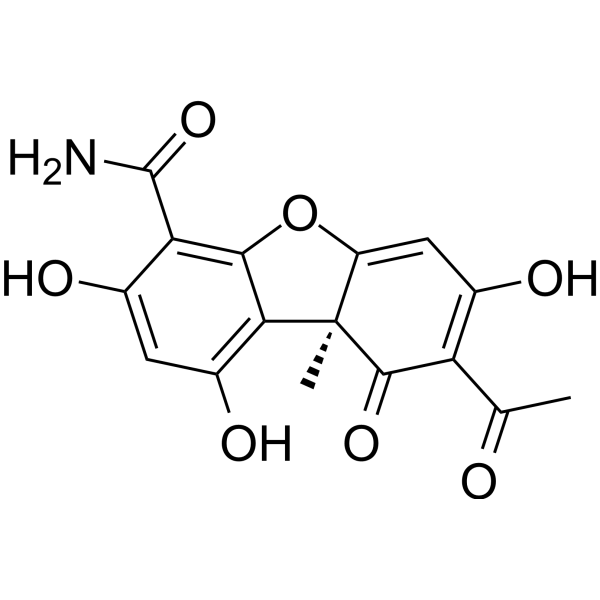 0 ImagesCat. No.: HY-16982CAS No.: 131436-22-1Synonyms: (-)-Cercosporamide
-
1-Stearoyl-2-Arachidonoyl-d8-sn-Glycerol
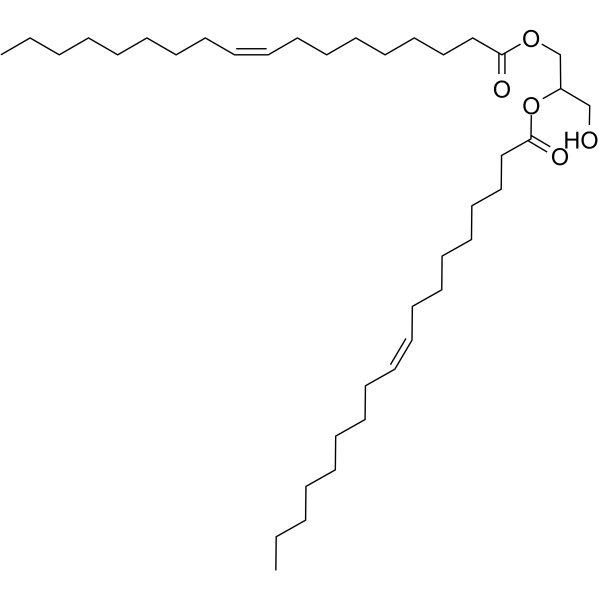
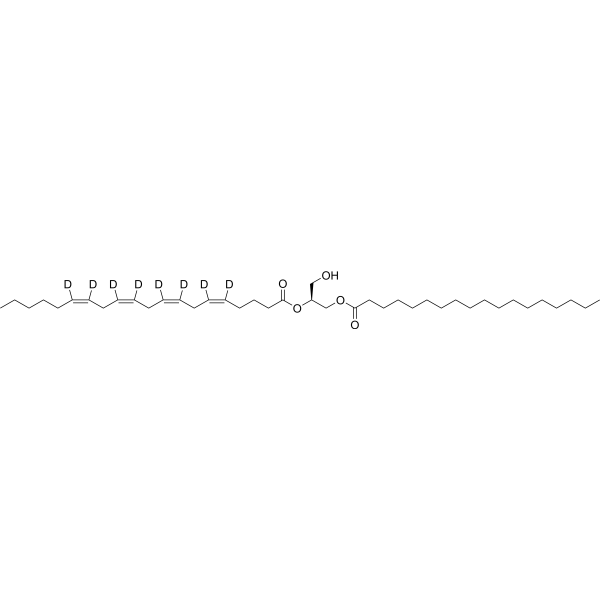 0 ImagesCat. No.: HY-131897SCAS No.: 2692624-31-81-Stearoyl-2-Arachidonoyl-d8-sn-Glycerol is the deuterium labeled 1-Stearoyl-2-arachidonoyl-sn-glycerol. 1-Stearoyl-2-arachidonoyl-sn-glycerol is a diacylglycerol (DAG) containing polyunsaturated fatty acids. 1-Stearoyl-2-arachidonoyl-sn-glycerol can activate PKC. 1-Stearoyl-2-arachidonoyl-sn-glycerol also can augment nonselective cation channel (NSCC) activity.
-
N-Desmethyltamoxifen
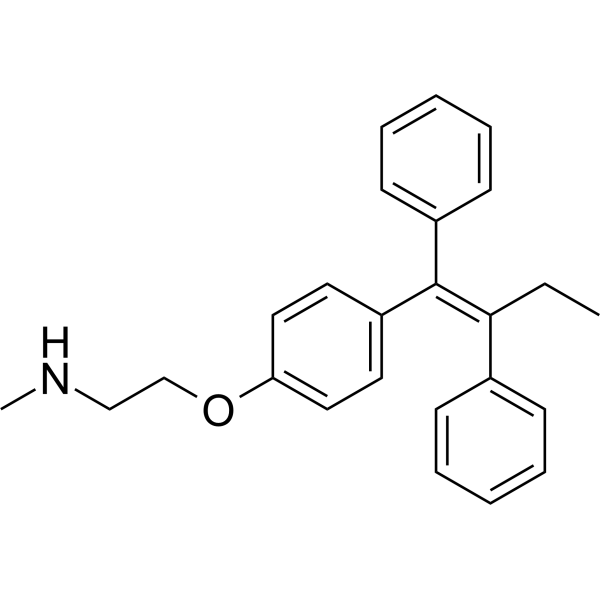 0 ImagesN-Desmethyltamoxifen is the major metabolite of tamoxifen in humans. N-Desmethyltamoxifen, a poor antiestrogen, is a ten-fold more potent protein kinase C (PKC) inhibitor than Tamoxifen. N-Desmethyltamoxifen is also a potent regulator of ceramide metabolism in human AML cells, limiting ceramide glycosylation, hydrolysis, and sphingosine phosphorylation.
-
Anemonin
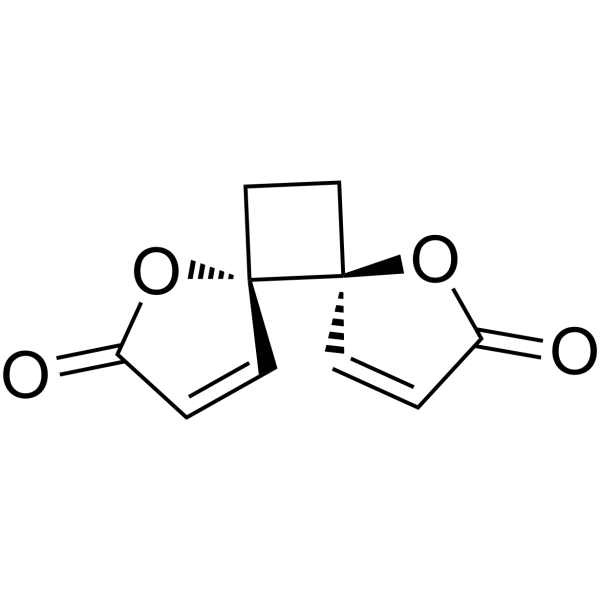 0 ImagesSynonyms: Pulsatilla camphor; Anemonine; trans-AnemoninAnemonin (Pulsatilla camphor), a selective iNOS inhibitor, is also a PKC-θ inhibitor. Anemonin can significantly inhibit the translation or protein stability of PKC-θ protein. Anemonin also ameliorates dextran sodium sulfate-induced acute ulcerative colitis (UC) in mice. Anemonin can be used in the research of inflammation-related diseases.
-
Phellodendrine
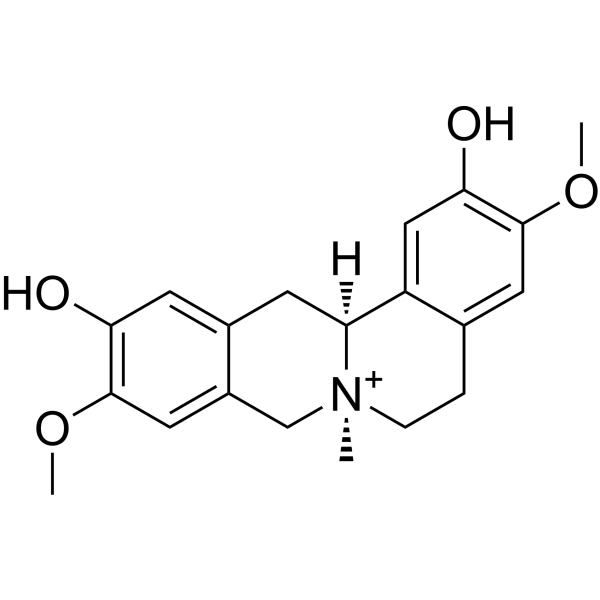 0 ImagesPhellodendrine is an orally active plant alkaloid. Phellodendrine inhibits the proliferation of KRAS-mutated pancreatic cancer cells by suppressing macropinocytosis and glutamine metabolism, inducing ROS accumulation and mitochondrial apoptosis. Phellodendrine promotes autophagy by activating the AMPK/mTOR pathway, alleviating intestinal damage in ulcerative colitis. Phellodendrine can alleviate gouty arthritis by inhibiting the IL-6/STAT3 signaling pathway. Phellodendrine suppresses allergic reactions by altering the conformation of MRGPRB3/MRGPRX2 protein, thereby inhibiting the activation of PKC and subsequent downstream MAPK and NF-κB signaling. Phellodendrine inhibits the AKT/NF-κB pathway and down-regulates the expression of COX-2, thereby protecting zebrafish embryos from oxidative stress. Phellodendrine has an anti-major depressive disorder (MDD) effect by down-regulating CHRM1, HTR1A, and the PI3K/Akt signaling pathway.
-
1,2-Didecanoyl-Sn-glycerol
 0 ImagesCat. No.: HY-141574CAS No.: 60514-49-01,2-Didecanoyl-sn-glycerol is an analog of the PKC-activating second messenger DAG. Although the biological activities of 1,2-didecanoyl-sn-glycerol have not been well characterized, it is expected to behave similarly to 1,2-dioctanoyl-sn-glycerol.
-
Pep2m, myristoylated TFA
 0 ImagesCat. No.: HY-P1399APurity: 99.77%Synonyms: Myr-Pep2m TFAPep2m, myristoylated TFA (Myr-Pep2m TFA) is a cell-permeable peptide. Pep2m, myristoylated TFA can disrupt the protein kinase ζ (PKMζ) downstream targets, N-ethylmaleimide-sensitive factor/glutamate receptor subunit 2 (NSF/GluR2) interactions. PKMζ is an autonomously active isozyme of protein kinase C (PKC).
-
Vanicoside A
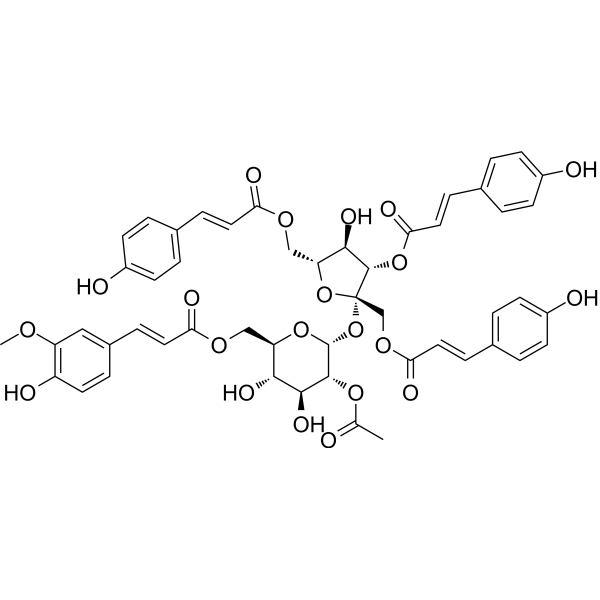 0 ImagesVanicoside A is a phenylpropanoid glycoside. Vanicoside A can be isolated from Polygonum pensylvanicum. Vanicoside A inhibits protein kinase C (PKC), induces substantial ROS production. Vanicoside A exhibits anticancer activity against melanoma.
-
O-Desmethyl Midostaurin
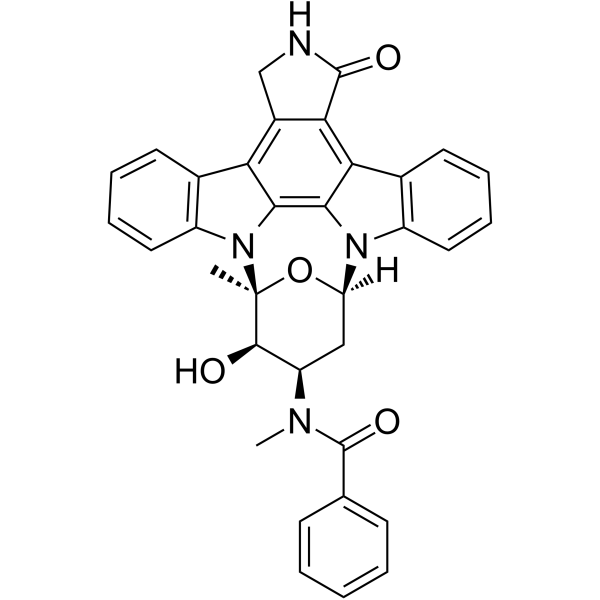 0 ImagesCat. No.: HY-129491CAS No.: 740816-86-8Synonyms: CGP62221; O-Desmethyl PKC412O-Desmethyl Midostaurin (CGP62221; O-Desmethyl PKC412) is the active metabolite of Midostaurin (HY-10230) via cytochrome P450 liver enzyme metabolism. O-Desmethyl Midostaurin can be used as an indicator for Midostaurin metabolism in vivo. Midostaurin is a multi-targeted protein kinase inhibitor with IC50 ranging from 22-500 nM.
-
Bisindolylmaleimide XI hydrochloride
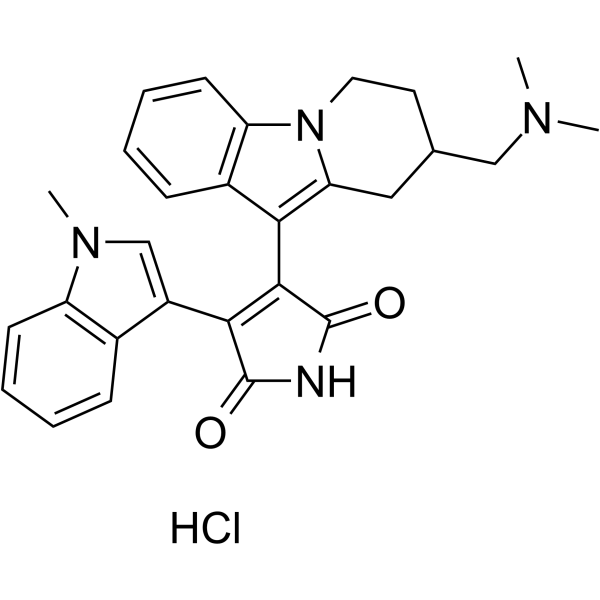 0 ImagesSynonyms: Ro 32-0432; Ro 31-8830 hydrochloride
-
Hypericin (Standard)
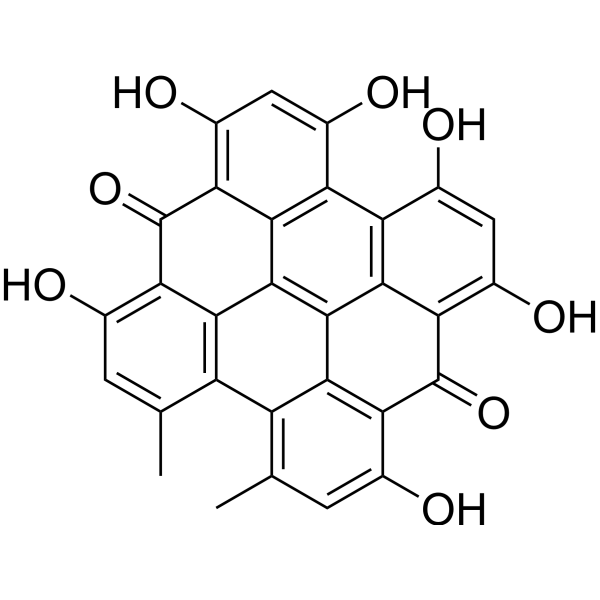 0 ImagesHypericin (Standard) is the analytical standard of Hypericin. This product is intended for research and analytical applications. Hypericin is a naturally occurring substance found in Hyperlcurn perforatum L. Hypericin is an inhibitor of PKC (protein kinase C), MAO (monoaminoxidase), dopamine-beta-hydroxylase, reverse transcriptase, telomerase and CYP (cytochrome P450). Hypericin shows antitumor, antiviral, antidepressive activities, and can induce apoptosis.
-
Kobophenol A
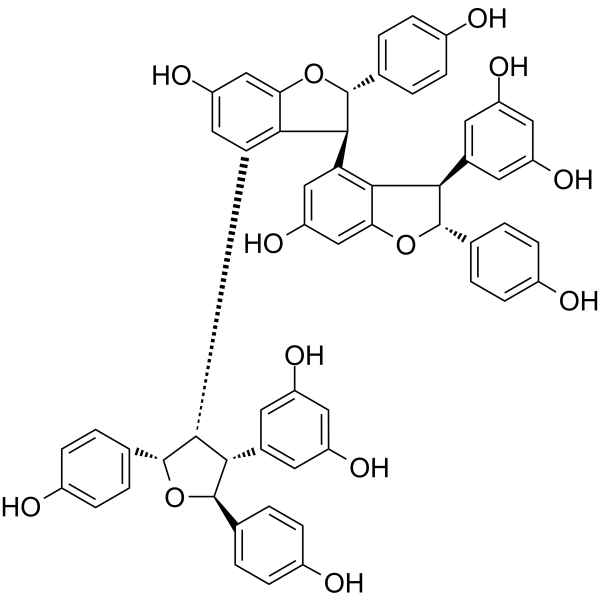 0 ImagesKobophenol A, an oligomeric stilbene, blocks the interaction between the ACE2 receptor and S1-RBD with an IC50 of 1.81 μM and inhibits SARS-CoV-2 viral infection in cells with an EC50 of 71.6 μM. Kobophenol A inhibits the activity of partially purified rat brain protein kinase C (PKC) with an IC50 of 52 µM.
-
UCN-02
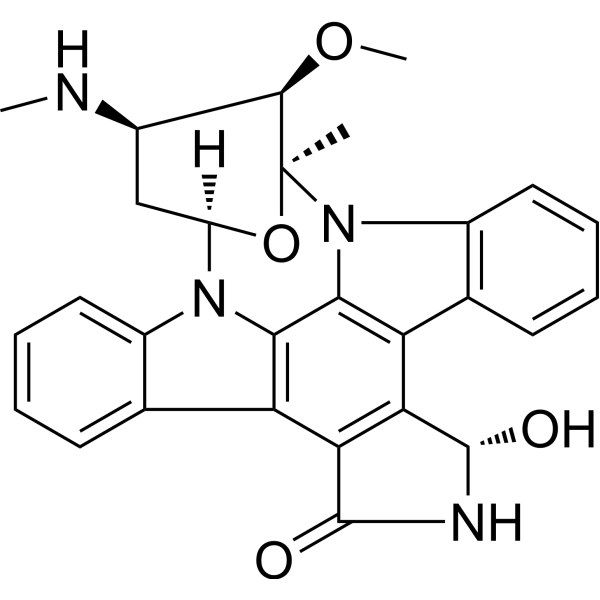 0 ImagesCat. No.: HY-108262CAS No.: 121569-61-7Synonyms: 7-epi-Hydroxystaurosporine
-
Psychosine-d5
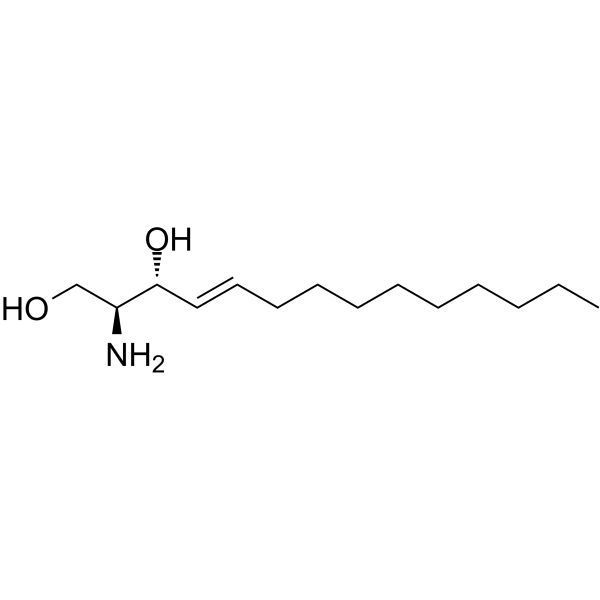
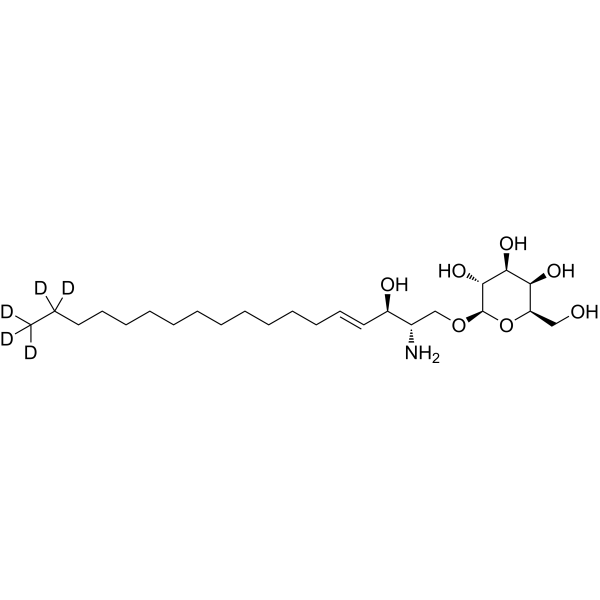 0 ImagesSynonyms: Galactosylsphingosine-d5Psychosine-d5 is deuterium labeled Psychosine. Psychosine, a substrate of the galactocerebrosidase (GALC) enzyme, is a potential biomarker for Krabbe disease. Psychosine is a highly cytotoxic lipid, capable of inducing cell death in a wide variety of cell.
-
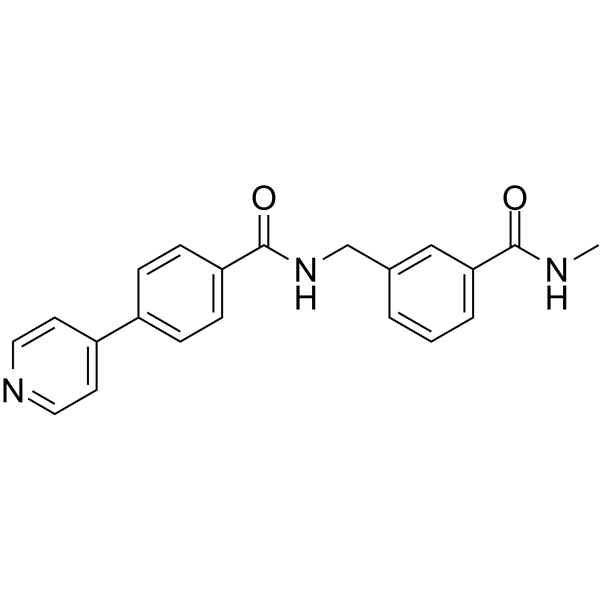
GSK-3β inhibitor 13
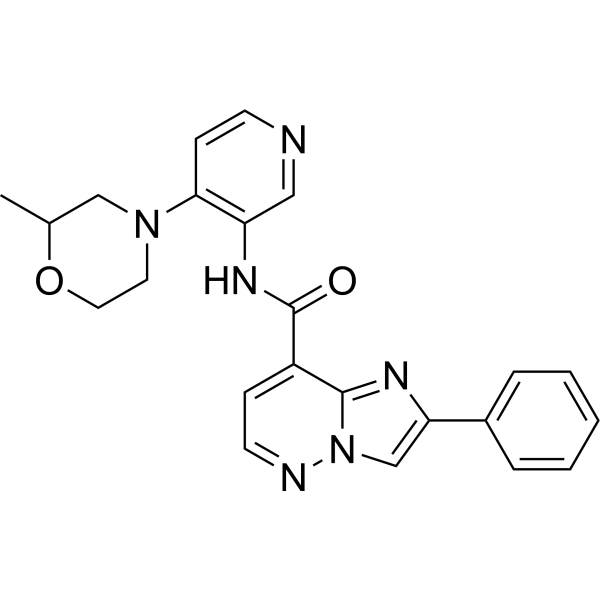 0 ImagesGSK-3β inhibitor 13 (compound 47) is an orally active and potent GSK-3β inhibitor with blood-brain permeability. GSK-3β inhibitor 13 inhibits GSK-3β and GSK-3α with IC50s of 0.73 nM and 0.35 nM, respectively. GSK-3β inhibitor 13 significantly decreases the phosphorylation of tau (IC50=58 nM), which leads the formation of the neurofibrillary tangles associated with Alzheimer's disease.
-
(Rac)-Anemonin
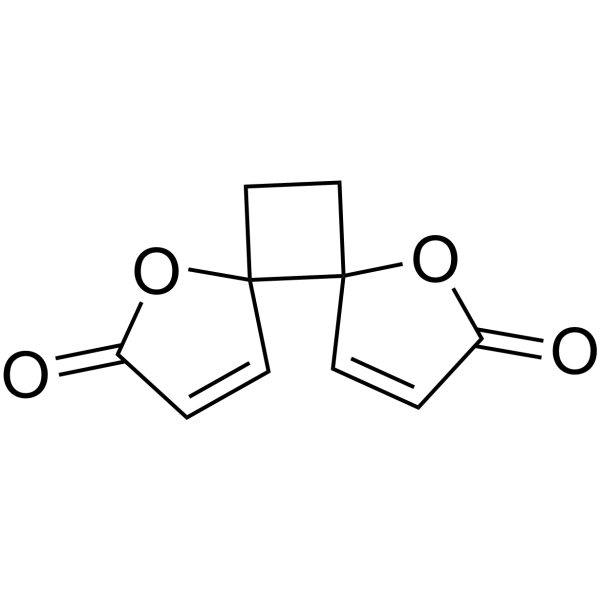 0 ImagesSynonyms: (Rac)-Pulsatilla camphor; (Rac)-Anemonine(Rac)-Anemonin ((Rac)-Pulsatilla camphor) is the diastereoisomer of Anemonin (HY-N0278). Anemonin (Pulsatilla camphor), a selective iNOS inhibitor, is also a PKC-θ inhibitor. Anemonin can significantly inhibit the translation or protein stability of PKC-θ protein. Anemonin also ameliorates dextran sodium sulfate-induced acute ulcerative colitis (UC) in mice. Anemonin can be used in the research of inflammation-related diseases.




