



Sirtuin
Sirtuin (Sir2 proteins) are a class of proteins that possess either mono-ADP-ribosyltransferase, or deacylase activity, including deacetylase, desuccinylase, demalonylase, demyristoylase and depalmitoylase activity. Sirtuins regulate important biological pathways in bacteria, archaeaand eukaryotes. Sirtuins have been implicated in influencing a wide range of cellular processes like aging, transcription, apoptosis, inflammation and stress resistance, as well as energy efficiency and alertness during low-calorie situations. Sirtuins can also control circadian clocks and mitochondrial biogenesis.
Sirtuin Isoform Specific Products
All Product Categories
-
Sirtuin Inhibitors
(171)
View all products
-
Sirtuin Agonists
(11)
View all products
-
Sirtuin Activators
(101)
View all products
-
Sirtuin Modulators
(12)
View all products
-
Sirtuin Degraders
(3)
View all products
-
Sirtuin Control
(1)
View all products
-
Sirtuin Substrates
(4)
View all products
-
Sirtuin Ligand
(1)
View all products
-
Sirtuin Related Products (324)
Related Products (324)

-
Antibodies (9)
-
Sirtuin Isoform Comparison
-
SIRT6-IN-3
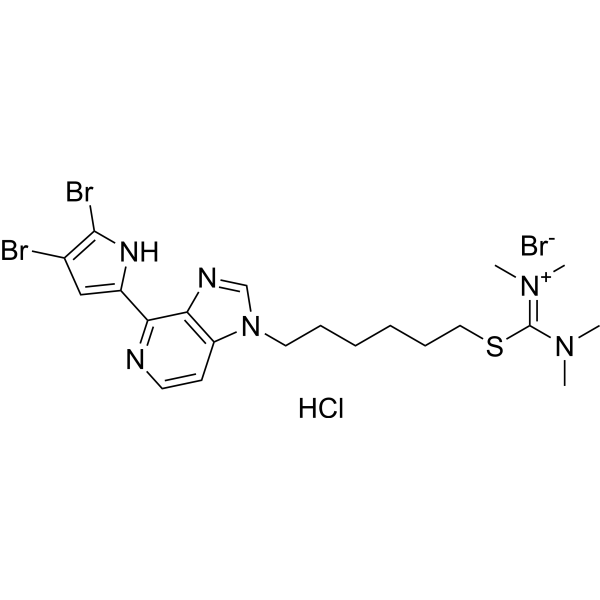 0 ImagesSIRT6-IN-3 (compound 8a) is a selective inhibitor of SIRT6 (IC50=7.49 μM). SIRT6-IN-3 inhibits pancreatic ductal adenocarcinoma (PDAC) cells proliferation and induces apoptosis. SIRT6-IN-3 increases the sensitivity of cancer cells to gemcitabine (HY-17026) via blocking the DNA damage repair pathway. SIRT6-IN-3 is used in pancreatic cancer research.
-
Nicotinamide-13C6
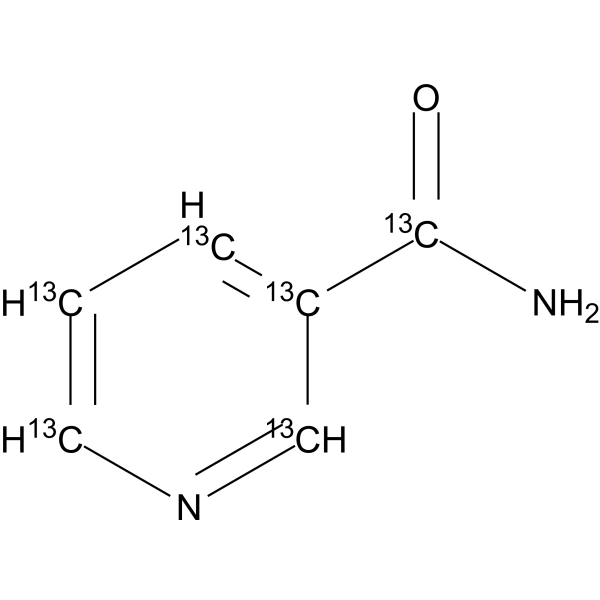 0 ImagesSynonyms: Niacinamide-13C6; Nicotinic acid amide-13C6Nicotinamide-13C6 is the 13C-labeled Nicotinamide. Nicotinamide is a form of vitamin B3 that plays essential roles in cell physiology through facilitating NAD+ redox homeostasis and providing NAD+ as a substrate to a class of enzymes that catalyze non-redox reactions. Nicotinamide is an inhibitor of SIRT1.

-
RK-9123016
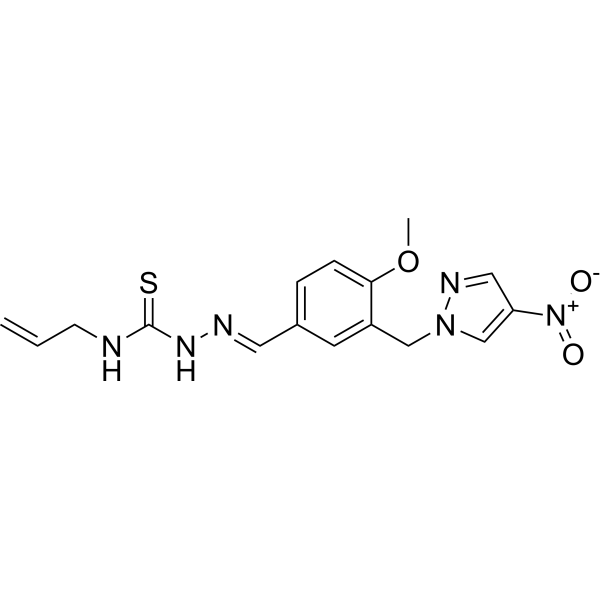 0 ImagesRK-9123016 is a potent inhibitor of SIRT2. RK-9123016 inhibits the enzymatic activity of SIRT2 with an IC50 value of 0.18 µM but not other human sirtuin members including SIRT1 and SIRT3 at 100 µM. RK-9123016 increases the acetylation level of eukaryotic translation initiation factor 5A (eIF5A), a physiological substrate of SIRT2, and reduces cell viability of human breast cancer cells accompanied with a decrease in c-Myc expression.


-
(R)-Selisistat
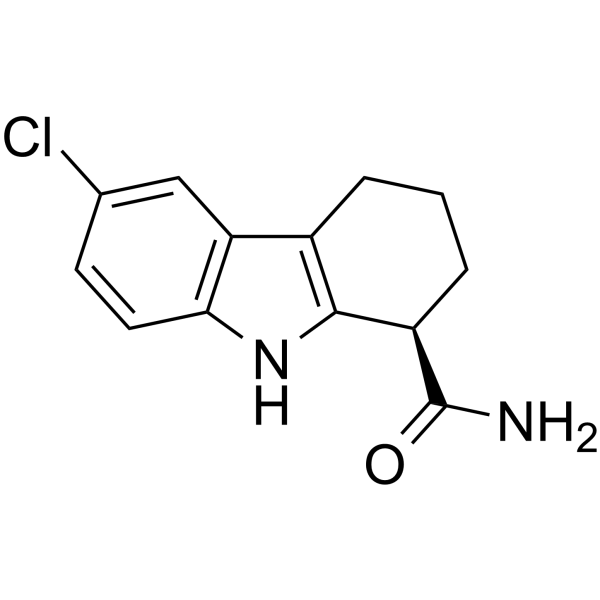 0 ImagesSynonyms: (R)-EX-527(R)-Selisistat ((R)-EX-527) is a R-enantiomer of Selisistat. Selisistat (EX-527) is a potent and selective SIRT1 inhibitor with IC50 of 98 nM.
-
Neutrophil elastase inhibitor 5
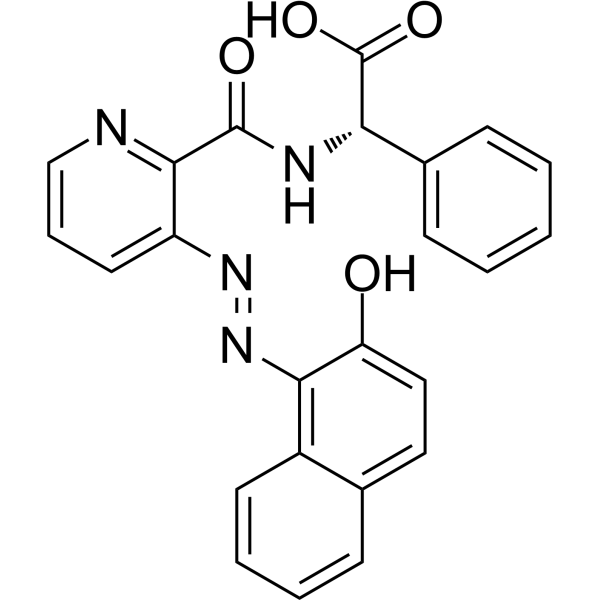 0 ImagesCat. No.: HY-155414CAS No.: 3020696-44-7Neutrophil elastase inhibitor 5 is an inhibitor of human neutrophil elastase (HNE), proteinase 3 (PR3) and sirt2, with IC50 values of 4.91, 20.69 and 2.42 μM, respectively. Neutrophil elastase inhibitor 5 inhibits superoxide anion production and elastase release in human neutrophils. Neutrophil elastase inhibitor 5 can be used for the research of neutrophil inflammatory diseases.
-
SZU-B6
 0 ImagesSZU-B6 is an orally active SIRT6 PROTAC degrader with DC50 values of 45 nM in SK-HEP-1 cells and 154 nM in Huh-7 cells, respectively. SZU-B6 mediates proteasome-dependent degradation of SIRT6 by recruiting the CRBN E3 ubiquitin ligase. SZU-B6 impairs DNA damage repair and promotes radiosensitization of cancer cells. SZU-B6 induces cell cycle arrest and apoptosis in cancer cells. SZU-B6 inhibits the proliferation of liver cancer cells. SZU-B6 suppresses the tumor growth of hepatocellular carcinoma and intrahepatic cholangiocarcinoma in mice. SZU-B6 can be used in research related to hepatocellular carcinoma and intrahepatic cholangiocarcinoma.
-
Decapeptide-12
 0 ImagesDecapeptide-12, a small oligopeptide, is a tyrosinase inhibitor that interacts with C-terminal residue of tyrosinase (Kd: 61.1 μM). Decapeptide-12 is a competitive inhibitor of mushroom tyrosinase (IC50: 40 μM). Decapeptide-12 also increases transcription of SIRT. Decapeptide-12 reduces melanin content in melanocytes. Decapeptide-12 is used for the research of melanogenesis, senescence, inflammation .
-
Arjunolic acid
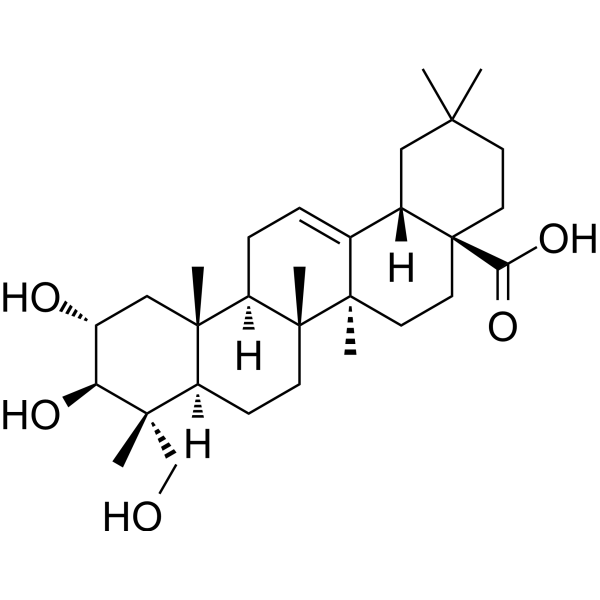 0 ImagesArjunolic acid is an orally active, multifunctional bioactive compound. Arjunolic acid exhibits free radical scavenging activity, as well as fungal and bacterial activities. Arjunolic acid induces apoptosis (Apoptosis) in various cancer cells. Arjunolic acid protects hepatocytes against induced oxidative stress and apoptosis by reducing reactive oxygen species and inhibiting NF-κB activation. Arjunolic acid regulates pancreatic dysfunction in type 2 diabetic rats by blocking the activation of the TLR-4/MyD88 and canonical Wnt pathways. Arjunolic acid inhibits neuroinflammation and ameliorates depressive behaviors via the SIRT1/AMPK/Notch1 signaling pathway in microglia. Arjunolic acid improves Crohn's disease-like colitis by restoring gut microbiota composition and inhibiting TLR4 signaling. Arjunolic acid suppresses osteosarcoma progression by inhibiting Wnt3a-mediated M2 polarization of macrophages. Arjunolic acid ameliorates diabetic retinopathy via the autophagy pathway regulated by AMPK/mTOR/HO-1. Arjunolic acid is applicable to research related to type 2 diabetes, organ toxicity, depression, Crohn's disease, osteosarcoma, diabetic retinopathy, and testicular dysfunction.
-
Myricanol
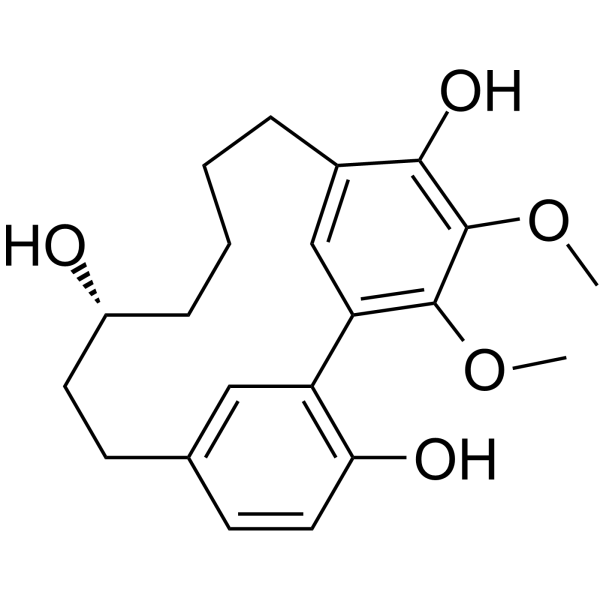 0 ImagesMyricanol is a diarylheptanoid and a Nampt activator. Myricanol exerts anti-inflammatory effects and alleviates glucocorticoid-induced muscle atrophy by increasing Sirtuin 1 (SIRT1) and PRDX5 activities while regulating inflammatory factors. Myricanol exhibits growth inhibition and induces apoptosis in human lung adenocarcinoma A549 cells. Myricanol promotes autophagy-mediated clearance of microtubule-associated protein tau to exert neuroprotective effects. Myricanol protects cardiovascular function by inhibiting PDGFRβ and NF-κB signaling pathways. Myricanol activates mitochondrial transcription factor A (TFAM) expression to exert anti-renal fibrosis effects. Myricanol improves insulin resistance through AMPK activation.
-
Sirtuin modulator 6
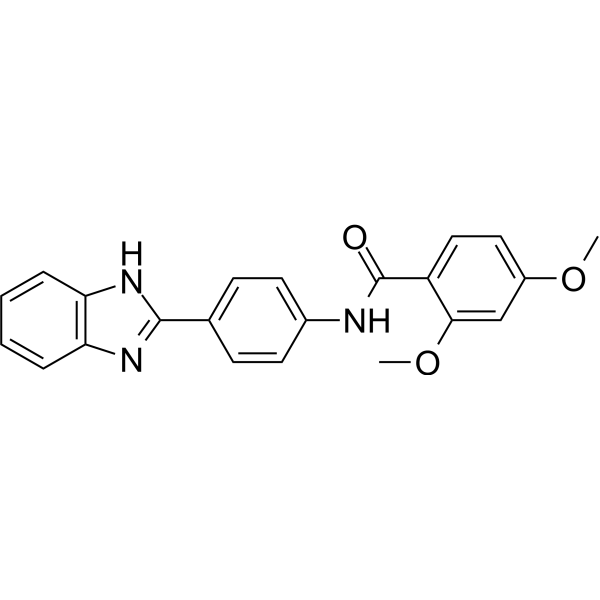 0 ImagesSirtuin modulator 6 (compound 262) increases the lifespan of a cell. Sirtuin modulator 6 can be used for study of diabetes, obesity, neurodegenerative diseases, cardiovascular disease, and so an extracted from patent WO2009064913A1.
-
SIRT5 inhibitor 7
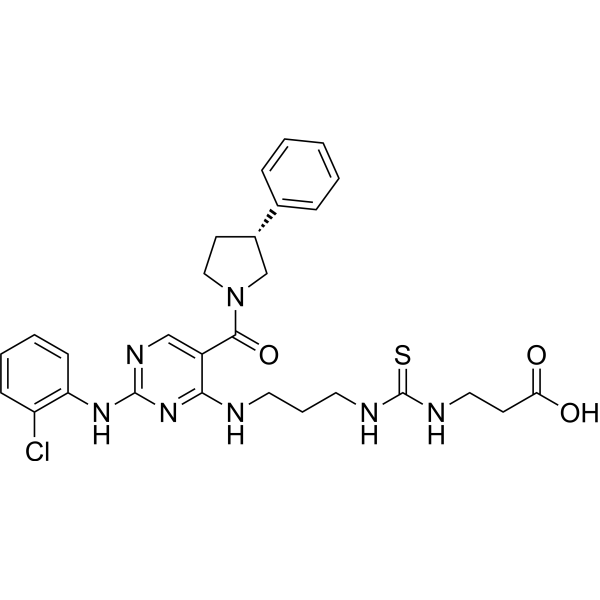 0 ImagesSIRT5 inhibitor 7 (compound 58) is a substrate-competitive and selective SIRT5 inhibitor with anti-inflammatory activity. SIRT5 inhibitor 7 has renal protective effects and regulates protein succinylation and the release of pro-inflammatory cytokines. SIRT5 inhibitor 7 has in vivo activity in AKI mouse models of lipopolysaccharide (LPS) and cecal ligation/perforation (CLP)-induced sepsis-related acute kidney injury.
-
Sirtuin modulator 8
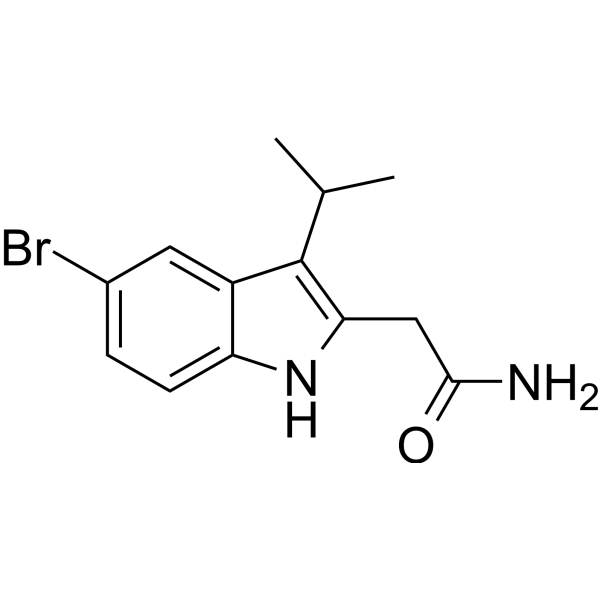
 0 ImagesCat. No.: HY-173463CAS No.: 925437-38-3Sirtuin modulator 8 is a sirtuin modulator that can activate Sirtuin activity. Sirtuin modulator 8 significantly downregulates the expression of monocyte chemoattractant protein-1 (MCP-1) and upregulates the expression of fibroblast growth factor 21 (FGF21). Sirtuin modulator 8 regulates the expression of inflammation- and metabolism-related genes, showing potential for studying metabolic diseases (such as diabetes, obesity) and inflammatory diseases.
-
Agalloside
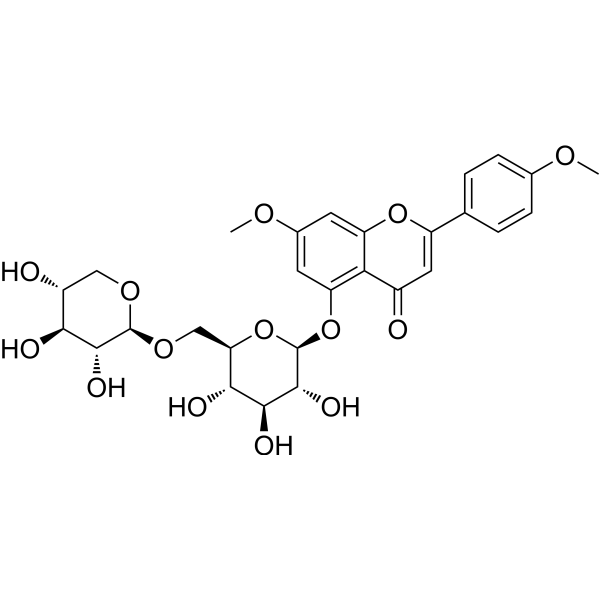 0 ImagesAgalloside is a neural stem cell differentiation activator that binds to Hes1, and it is found in Aquilaria agallocha. Agalloside promotes the differentiation of neural stem cells and increases the number of neurons. Agalloside can be used in studies related to neural stem cell differentiation.
-
JGB1741
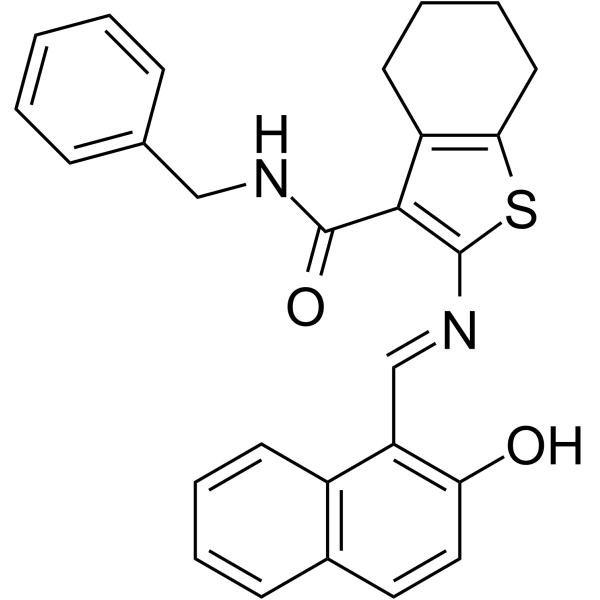 0 ImagesSynonyms: ILS-JGB-1741JGB1741 (ILS-JGB-1741) is a potent and specific SIRT1 activity inhibitor with an IC50 of ∼15 μM. JGB1741 is a weak SIRT2 and SIRT3 inhibitor with an all IC50>100 μM. JGB1741 increases the acetylated p53 levels leading to p53-mediated apoptosis with modulation of Bax/Bcl2 ratio, cytochrome c release and PARP cleavage. JGB1741 has the potential for breast cancer research.




