1. Search Result
Search Result
Results for "

plus-

" in MedChemExpress (MCE) Product Catalog:

34

Inhibitors & Agonists

7

Screening Libraries

4

Fluorescent Dye

3

Biochemical Assay Reagents

1

Peptides

11

MCE Kits

1

Inhibitory Antibodies

4

Natural
Products

2

Recombinant Proteins

2

Isotope-Labeled Compounds

1

Click Chemistry

Cat. No. Product Name Target Research Areas Chemical Structure
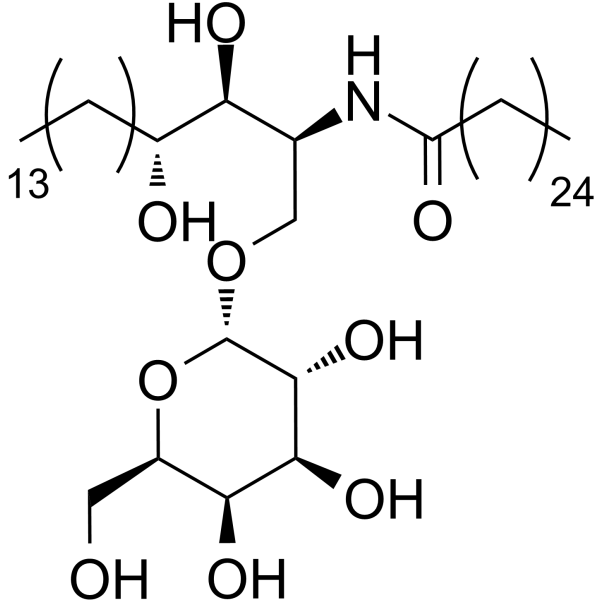
  • HY-102022
    α-Galactosylceramide
    4 Publications Verification

    α-GalCer; KRN7000

    Transmembrane Glycoprotein Interleukin Related CD1 Inflammation/Immunology Cancer
    α-Galactosylceramide (α-GalCer) is a synthetic glycolipid with antitumorial and immunostimulatory. α-Galactosylceramide is a very potent NKT cell agonist and binds effectively to CD1d. The complex of α-Galactosylceramide plus CD1d binds the NKT cell TCR (T cell antigen receptor) .
    α-Galactosylceramide
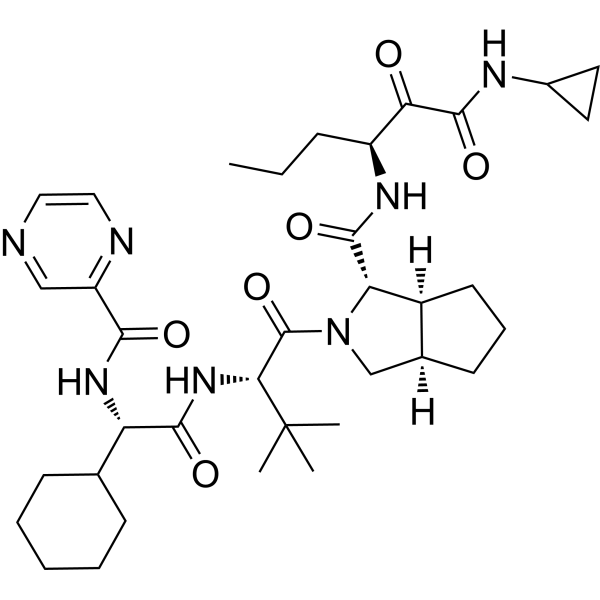
  • HY-10235
    Telaprevir
    Maximum Cited Publications
    44 Publications Verification

    VX-950

    HCV Protease HCV SARS-CoV Infection
    Telaprevir (VX-950) is a highly selective, reversible, and potent peptidomimetic inhibitor of the HCV NS3-4A protease, the steady-state inhibitory constant (Ki) of Telaprevir is 7 nM against a genotype 1 (H strain) NS3 protease domain plus a NS4A cofactor peptide . Telaprevir inhibits SARS-CoV-2 3CL pro activity .

    Telaprevir
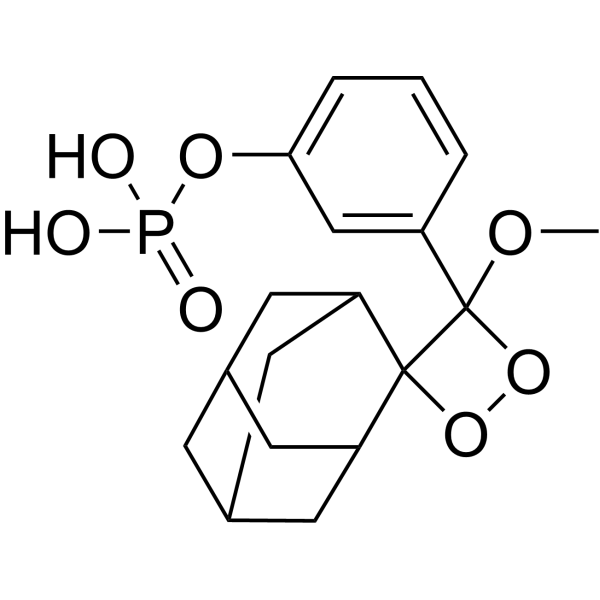
  • HY-15906
    AMPPD
    1 Publications Verification

    Lumi-Phos plus; Lumigen PPD; PPD

    Phosphatase Others
    AMPPD (Lumi-Phos Plus; Lumigen PPD) is a chemiluminescent substrate for alkaline phosphatase (APase). AMPPD is hydrolyzed by APase to generate an unstable dioxetane intermediate, and the intermediate releases a chemiluminescent signal when it decomposes. The luminescent signal of AMPPD can be detected by highly sensitive equipment, thereby achieving quantitative analysis of the target molecule. AMPPD can be used in ultrasensitive enzyme-linked immunosorbent assays (such as quantitative detection of human tissue kininogen), chemiluminescent detection of proteins and nucleic acids, and other fields .
    AMPPD
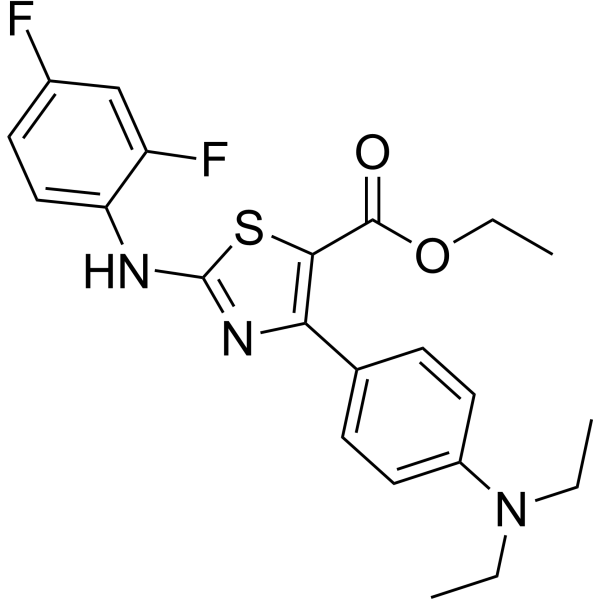
  • HY-121802
    Dynarrestin
    4 Publications Verification

    Hedgehog Cancer
    Dynarrestin is a aminothiazole inhibitor of cytoplasmic dyneins 1 and 2. Dynarrestin rapidly and reversibly inhibits dynein 1-driven microtubule gliding in vitro plus a range of dynein 1- and 2-dependent processes in cells without affecting ATP hydrolysis and interfering with ciliogenesis. Dynarrestin suppresses hedgehog (Hh)-dependent proliferation of neuronal precursors and tumor cells .
    Dynarrestin
  • HY-108751
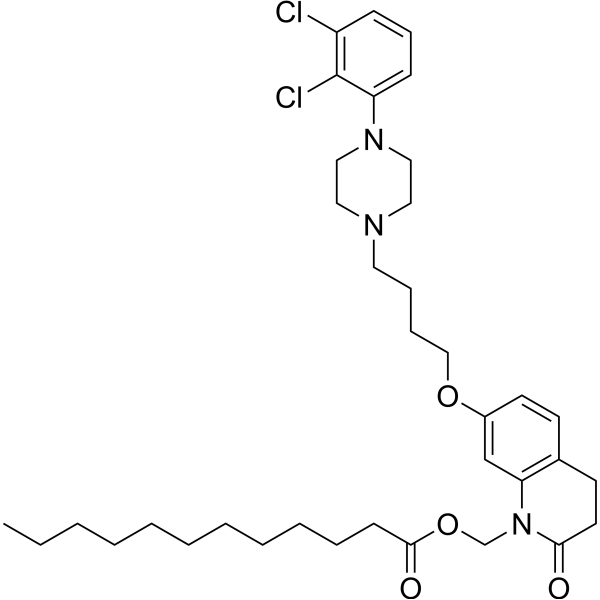
    Aripiprazole Lauroxil
    2 Publications Verification

    Dopamine Receptor Neurological Disease
    Aripiprazole lauroxil, an N-acyloxymethyl proagent of Aripiprazole (HY-14546), is a Long-acting injectable (LAI) typical antipsychotic for schizophrenia and a ligand of dopamine receptor D2R/D4R. Aripiprazole lauroxil is cleaved by body’s enzyme esterase to N-hydroxymethyl aripiprazole (plus lauric acid) and then to aripiprazole (plus formaldehyde), no toxicity.
    Aripiprazole Lauroxil
  • HY-47070

    Ligands for E3 Ligase Others
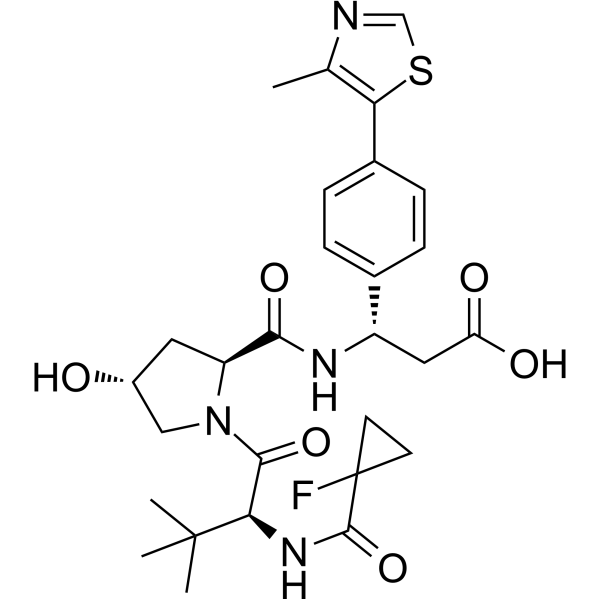
    VH 101, acid is a functionalized von-Hippel-Lindau (VHL) protein ligand for PROTAC research and development. VH 101, acid contains an E3 ligase ligand plus an alkyl linker with terminal amine ready for conjugation to a target protein ligand .
    VH 101, acid
  • HY-N5102

    Others Others
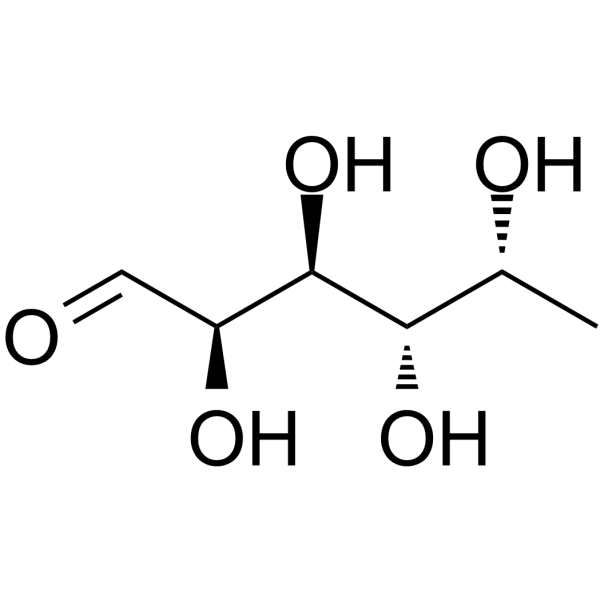
    D-(+)-Fucose is a nonmetabolizable analogue of l-arabinose. D-(+)-Fucose prevents growth of Escherichia coli B/r on a mineral salts medium plus l-arabinose by inhibiting induction of the l-arabinose operon. D-fucose is a potent inducer of beta-methylgalactoside permease (MGP) .
    D-(+)-Fucose
  • HY-106312A

    LY122772

    Enterovirus Infection
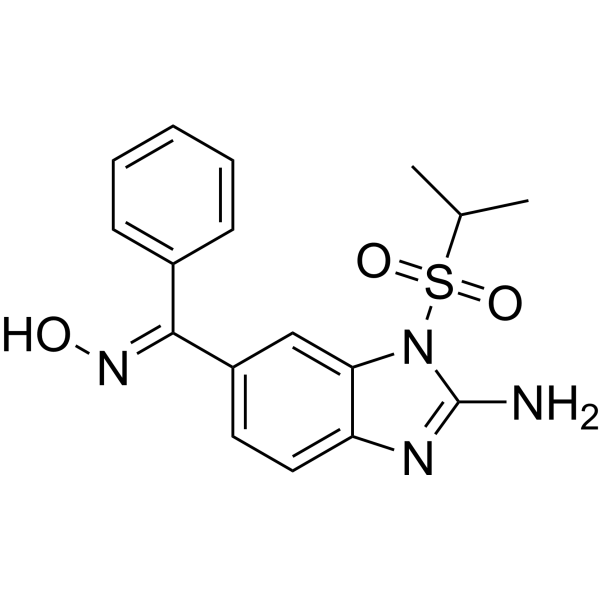
    Enviroxime (LY122772) is an antiviral compound that inhibits the replication of rhinoviruses and enteroviruses. Enviroxime blocks the replication of plus-strand viral RNA by targeting the viral 3A coding region. Enviroxime can be a useful tool for investigating the natural function of the 3A protein .
    Enviroxime
  • HY-W127620

    Biochemical Assay Reagents Others
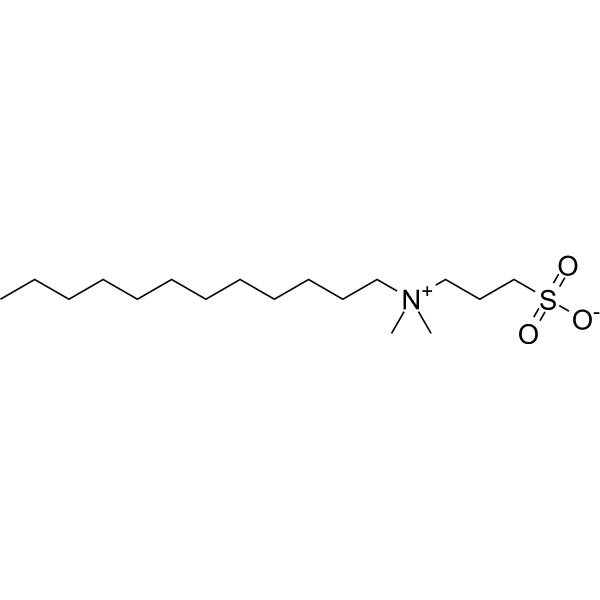
    Sulfobetaine-12is a zwitterionic surfactant, which means it has both positive and negative charges in its molecules. It is used as a detergent in various industries, including pharmaceuticals, cosmetics, and personal care products. Sulfobetaine-12Often used as a mild surfactant due to its non-irritating properties and ability to stabilize emulsions. Plus, it has antistatic properties that can be used to clean electronics and other static-prone surfaces.
    Sulfobetaine-12
  • HY-119715

    CDK Apoptosis Inflammation/Immunology Cancer
    AG-012986 is a pan-CDK inhibitor with Ki values of 44 nM (CDK1), 9.2 nM (CDK4), 94 nM (CDK2), and IC50 values of 22 nM (CDK5), 4 nM (CDK9). AG-012986 causes apoptosis of T-cells by targeting upstream kinases in the p38 Mitogen-activated protein kinase (MAPK) pathway and impairing cellular survival. AG-012986 induces cell cycle arrest, retinoblastoma protein hypophosphorylation, and reduces Ki-67 expression. AG-012986 exerts antiproliferative activity in tumor cells, demonstrates antitumor efficacy in human xenograft models, and causes retinal and peripheral neurotoxicity, plus immune cell toxicity. AG-012986 can be used for the research of colon carcinoma, non-small cell lung carcinoma, lung carcinoma, breast carcinoma, ovarian tumor, pancreatic carcinoma, osteosarcoma, lymphoma, leukemia, retinotoxicity .
    AG-012986
  • HY-163167

    E3 Ligase Ligand-Linker Conjugates Others
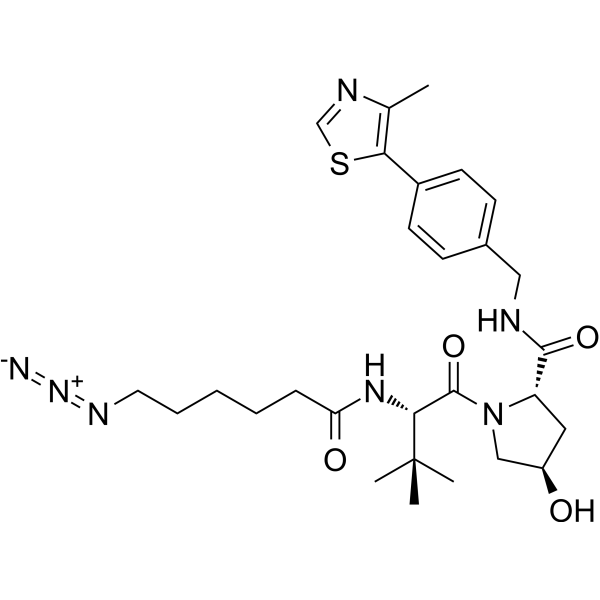
    VH 032 amide-alkylC5-amine is a functionalized von-Hippel-Lindau protein ligand (VHL) for PROTAC research and development; incorporates an E3 ligase ligand plus an alkyl linker with terminal amine ready for conjugation to a target protein ligand .
    VH 032 amide-alkylC5-azide
  • HY-W591393

    Biochemical Assay Reagents Cancer
    Biotin Azide Plus is an oxazolidine reagent that integrates azide-biotin click chemistry and a photocleavable linker arm. Biotin Azide Plus not only reacts with biotin thioether to form stable sulfinimide products, but also enables bioconjugation of proteins and DNA through biotin redox-activated chemical labeling technology. Taking advantage of the streptavidin capture and photo-release properties, Biotin Azide Plus effectively facilitates the isolation of lipid-derived electrophile-protein adducts, thus finding wide application in scientific research related to fields such as SKBR3 cancer .
    Biotin Azide Plus
  • HY-W127621

    Biochemical Assay Reagents Others
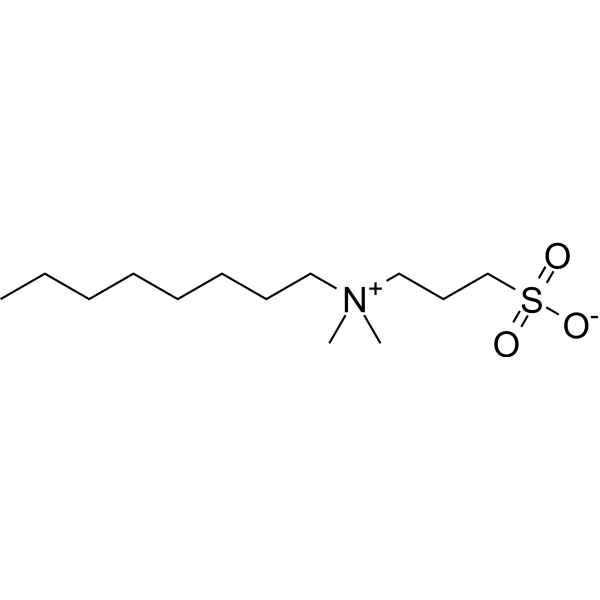
    Sulfobetaine-8is a zwitterionic surfactant, which means it has both positive and negative charges in its molecules. It is used as a detergent in various industries, including pharmaceuticals, cosmetics, and personal care products. Sulfobetaine-8Often used as a mild surfactant because of its non-irritating and ability to stabilize emulsions. Plus, it has antistatic properties that can be used to clean electronics and other static-prone surfaces.
    Sulfobetaine-8
  • HY-144659

    Beta-lactamase Apoptosis Bacterial Infection
    Metallo-β-lactamase-IN-5 (compound 5c) is a potent metallo-β-lactamases (MBL) inhibitor. Metallo-β-lactamase-IN-5 shows inhibitory activity against MBLs NDM-1 and VIM-1. Metallo-β-lactamase-IN-5 inhibits HUVECs with an IC50 of 45 μg/mL. Metallo-β-lactamase-IN-5 plus Imipenem exhibits synergistic antimicrobial activity .
    Metallo-β-lactamase-IN-5
  • HY-B0399A

    DL-Carnitine; DL-Levocarnitine

    Mitochondrial Metabolism Metabolic Disease
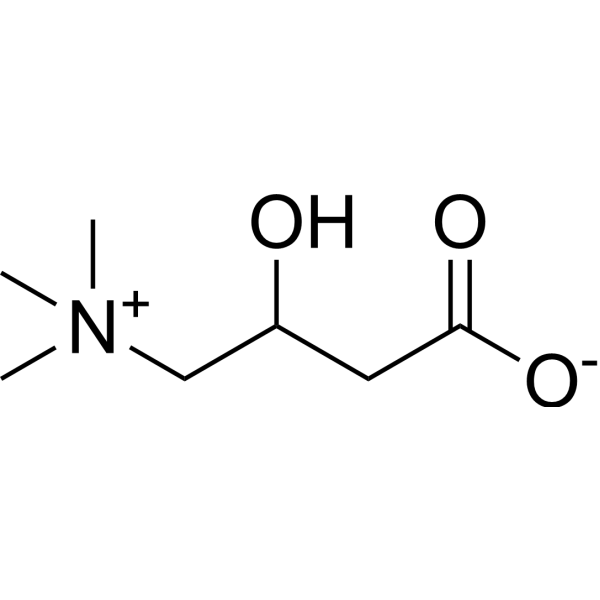
    (±)-Carnitine (DL-Carnitine) is an orally effective racemic mixture of L-Carnitine (HY-B0399) and D-Carnitine. (±)-Carnitine elevates the mitochondrial NAD +/NADH ratio in the presence of 1,3-butanediol (HY-77490A). (±)-Carnitine does not increase glucose and urea production from L-glutamine, but stimulates propionate gluconeogenesis in rat renal cortical slices, and significantly reduces hepatic ketone body levels in rats fed a diet containing 30% high fat plus 20% 1,3-butanediol .
    (±)-Carnitine
  • HY-10235S

    VX-950-d4

    Isotope-Labeled Compounds HCV Protease HCV SARS-CoV Infection
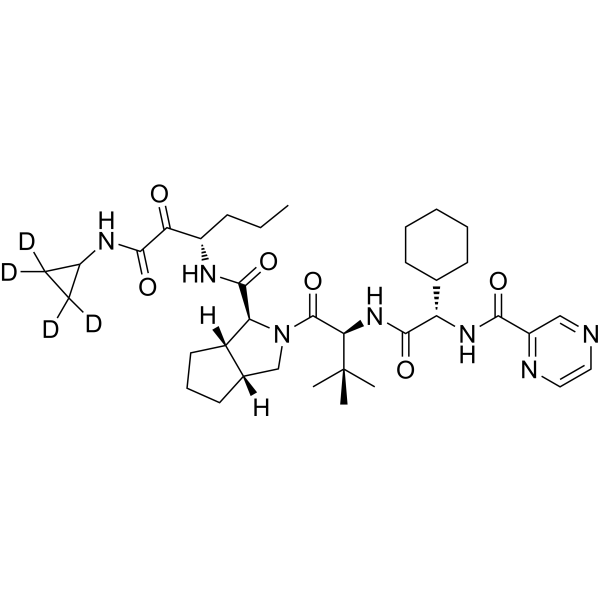
    Telaprevir-d4 is the deuterium labeled Telaprevir. Telaprevir (VX-950) is a highly selective, reversible, and potent peptidomimetic inhibitor of the HCV NS3-4A protease, the steady-state inhibitory constant (Ki) of Telaprevir is 7 nM against a genotype 1 (H strain) NS3 protease domain plus a NS4A cofactor peptide . Telaprevir inhibits SARS-CoV-2 3CLpro activity .
    Telaprevir-d4
  • HY-135004

    Adrenergic Receptor Endocrinology
    Su-4029 is an agent that interacts with alpha receptors. It negates the blockade of norepinephrine by the reversible adrenergic blocker phentolamine but not by the irreversible blocker Dibenamine, suggesting Su-4029 acts at the same site as these blockers. Su-4029 pretreatment results in three categories of responses to pressor phenylalkylamines: irreversible blockade of amines with no or only p-hydroxylation, reversible blockade of amines with beta-carbon hydroxylation, and no blockade or augmentation of amines with m and p-hydroxylation or m or p plus beta-hydroxylation. Su-4029 may deform the alpha receptor site affected by adrenergic blocking agents .
    SU-4029 dihydrochloride
  • HY-170820

    Molecular Glues Bcl-2 Family CDK EGFR HSP Androgen Receptor c-Myc Cancer
    XYD049 is a CRBN-based molecular glue degrader targeting GSPT1, with a DC50 of 19 nM. XYD049 mediates the formation of a ternary complex between CRBN and GSPT1, thereby triggering CRBN- and proteasome-dependent degradation of GSPT1. By degrading GSPT1, XYD049 downregulates castration-resistant prostate cancer (CRPC)-related oncogenes, including BCL2, CDK2, E2F3, EGFR, HSP90B1, TMPRSS2, AR, AR-V7, PSA and c-Myc. XYD049 inhibits cancer cell growth and suppresses tumor growth in mice. XYD049 can be used for research on castration-resistant prostate cancer. XYD049 consists of a linker (black part) NH2-C5-NH-Boc (HY-W004710), a CRBN-based E3 ligase ligand (blue part) Thalidomide 4-fluoride (HY-41547), and a target protein ligand (red part) GSPT1 ligand-1 (HY-170821), among which the E3 ligase ligand plus linker forms the conjugate E3 Ligase Ligand-linker Conjugate 158 (HY-170822) .
    XYD049
  • HY-D1868

    Fluorescent Dye Others
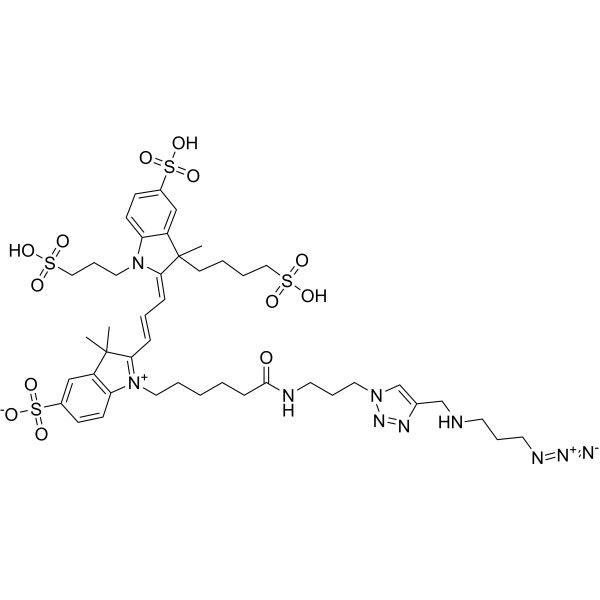
    Cy3 azide plus is a Cyanine 3 (Cy3) (HY-D0822) dye derivative with an azide functional group. Cy3 is a fluorescent dye with a fluorescence spectrum typically in the green to orange wavelength range. The azide group of Cy3 azide plus can react chemically with molecules containing alkyne functionality, such as alkyne or cyclooctyne, to form covalent bonds. Therefore, Cy3 azide plus can bind to biomolecules such as proteins and antibodies to track their location and dynamic changes in biological samples.
    Cy3 azide plus
  • HY-W800769

    Fluorescent Dye Others
    BP Fluor 532 Azide Plus is a fluroescent agent with a terminal azide group. The fluroescent compound has a max absorption at 532 nm and emission at 554 nm. The BP Fluor 532 Azide Plus was designed with a copper-chelating system within its structure, enabling the formation of strong, active copper complexes that act as both reactant and catalyst in CuAAC reactions.
    BP Fluor 532 azide plus
  • HY-108751R

    Others Reference Standards Neurological Disease
    Aripiprazole Lauroxil (Standard) is the analytical standard of Aripiprazole Lauroxil. This product is intended for research and analytical applications. Aripiprazole lauroxil, an N-acyloxymethyl proagent of Aripiprazole (HY-14546), is a Long-acting injectable (LAI) typical antipsychotic for schizophrenia and a ligand of dopamine receptor D2R/D4R. Aripiprazole lauroxil is cleaved by body’s enzyme esterase to N-hydroxymethyl aripiprazole (plus lauric acid) and then to aripiprazole (plus formaldehyde), no toxicity.
    Aripiprazole Lauroxil (Standard)
  • HY-168520

    NOD-like Receptor (NLR) Inflammation/Immunology
    NLRP3-IN-57 (compound 5) inhibits the NLRP3 inflammasome, thereby reducing IL-1β levels in LPS plus Nigericin-induced THP-1 macrophages. .
    NLRP3-IN-57
  • HY-124519

    Cent-1

    Microtubule/Tubulin Cancer
    Centmitor-1 (Cent-1) is a mitotic arrest inducer. Centmitor-1 modulates microtubule plus-ends and reduced microtubule dynamics. In cells, Centmitor-1 causes mitotic arrest characterized by chromosome alignment defects, multipolar spindles, centrosome fragmentation, and activated spindle assembly checkpoint .
    Centmitor-1
  • HY-139335

    E3 Ligase Ligand-Linker Conjugates Cancer
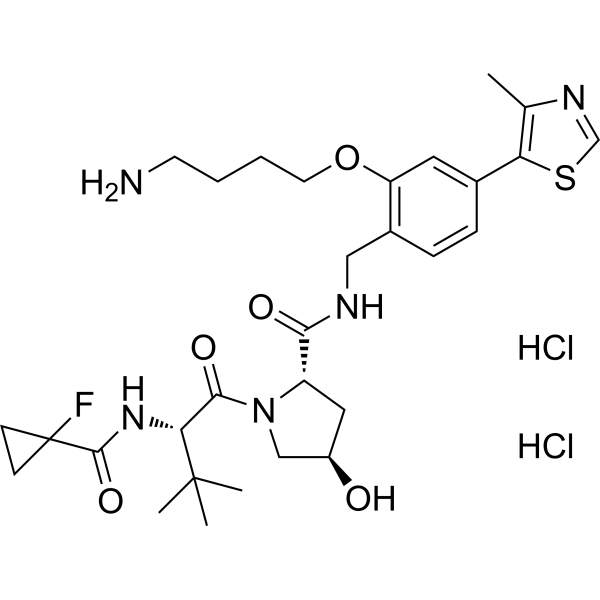
    VH 101 phenol-alkylC4-amine dihydrochloride is a von-Hippel-Lindau protein ligand (VHL), and incorporates an E3 ligase ligand plus an alkylC4 linker. VH 101 phenol-alkylC4-amine dihydrochloride can be used for PROTAC research extracted from patent WO2022051326A1.
    VH 101 phenol-alkylC4-amine dihydrochloride
  • HY-N5102R

    Reference Standards Others Others
    D-(+)-Fucose (Standard) is the analytical standard of D-(+)-Fucose. This product is intended for research and analytical applications. D-(+)-Fucose is a nonmetabolizable analogue of l-arabinose. D-(+)-Fucose prevents growth of Escherichia coli B/r on a mineral salts medium plus l-arabinose by inhibiting induction of the l-arabinose operon . D-fucose is a potent inducer of beta-methylgalactoside permease (MGP) .
    D-(+)-Fucose (Standard)
  • HY-10235R

    VX-950 (Standard)

    Reference Standards HCV Protease HCV SARS-CoV Infection
    Telaprevir (Standard) is the analytical standard of Telaprevir. This product is intended for research and analytical applications. Telaprevir (VX-950) is a highly selective, reversible, and potent peptidomimetic inhibitor of the HCV NS3-4A protease, the steady-state inhibitory constant (Ki) of Telaprevir is 7 nM against a genotype 1 (H strain) NS3 protease domain plus a NS4A cofactor peptide . Telaprevir inhibits SARS-CoV-2 3CLpro activity .
    Telaprevir (Standard)
  • HY-D1861

    Fluorescent Dye Others
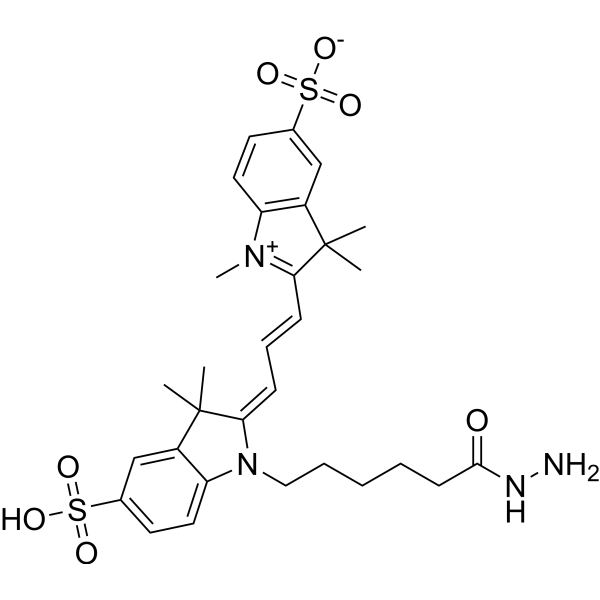
    Sulfo-Cy3 hydrazide is a Cyanine 3 (Cy3) (HY-D0822) dye derivative with hydrazine functionality. The sulfonate ion increases the water solubility of the compound, making it suitable for use in aqueous solutions. Cy3 is a fluorescent dye with a fluorescence spectrum typically in the green to orange wavelength range. The hydrazide group of Sulfo-Cy3 hydrazide can form hydrazinone coupling with molecules containing aldehydes or ketones to form covalent bonds. Therefore, Cy3 azide plus can bind to biomolecules such as proteins and antibodies to track their location and dynamic changes in biological samples.
    Sulfo-Cy3 hydrazide
  • HY-W800768

    Fluorescent Dye Others
    BP Fluor 350 Azide Plus is a fluroescent agent with a terminal azide group. The fluroescent compound has a max absorption at 340 nm and emission at 440 nm. BP Fluor 350 Azide Plus is designed with a copper-chelating system within its structure, enabling the formation of strong, active copper complexes that act as both reactant and catalyst in CuAAC reactions.
    BP Fluor 350 Azide Plus
  • HY-E71281

    Biochemical Assay Reagents Others
    β-Chamigrene synthase (EC 4.2.3.78) from the plant Arabidopsis thaliana produces (+)-α-barbatene, (+)-thujopsene and (+)-β-Chamigrene plus traces of other sesquiterpenoids.
    β-Chamigrene synthase
  • HY-178733

    CDK Apoptosis Cancer
    A-1592668 is a selective CDK9 inhibitor. A-1592668 induces Apoptosis. A-1592668 plus Venetoclax (HY-15531) co-treatment inhibits the growth of Jeko-1 tumors .
    A-1592668
  • HY-102022R

    α-GalCer (Standard); KRN7000 (Standard)

    Reference Standards Transmembrane Glycoprotein Interleukin Related CD1 Inflammation/Immunology Cancer
    α-Galactosylceramide (Standard) is the analytical standard of α-Galactosylceramide (HY-102022). This product is intended for research and analytical applications. α-Galactosylceramide (α-GalCer) is a synthetic glycolipid with antitumorial and immunostimulatory. α-Galactosylceramide is a very potent NKT cell agonist and binds effectively to CD1d. The complex of α-Galactosylceramide plus CD1d binds the NKT cell TCR (T cell antigen receptor) .
    α-Galactosylceramide (Standard)
  • HY-114625

    Parasite Mitochondrial Metabolism Infection
    Amquinate is a coccidiostat and a cytochrome b inhibitor. Amquinate blocks cytochrome-mediated electron transport near cytochrome b in mitochondria, acting downstream of coenzyme Q without affecting succinate dehydrogenase or NADH dehydrogenase. Amquinate inhibits succinate- and malate plus pyruvate-supported mitochondrial respiration in Eimeria tenella and does not affect L-ascorbate-supported respiration or any mitochondrial respiration in chicken liver mitochondria. Amquinate exhibits selective anticoccidial activity against wild-type Eimeria tenella. Amquinate can be used for the research of coccidiosis (Eimeria tenella infection) .
    Amquinate
  • HY-W700634

    Isotope-Labeled Compounds Biochemical Assay Reagents Others
    Sulfobetaine-12-d25 is the deuterium labeled Sulfobetaine-12 (HY-W127620). Sulfobetaine-12is a zwitterionic surfactant, which means it has both positive and negative charges in its molecules. It is used as a detergent in various industries, including pharmaceuticals, cosmetics, and personal care products. Sulfobetaine-12Often used as a mild surfactant due to its non-irritating properties and ability to stabilize emulsions. Plus, it has antistatic properties that can be used to clean electronics and other static-prone surfaces.
    Sulfobetaine-12-d25
  • HY-182470

    CDK
    AG-012986 (dihydrochloride) is a pan-CDK inhibitor with Ki values of 44 nM (CDK1), 9.2 nM (CDK4), 94 nM (CDK2), and IC50 values of 22 nM (CDK5), 4 nM (CDK9). AG-012986 (dihydrochloride) causes apoptosis of T-cells by targeting upstream kinases in the p38 Mitogen-activated protein kinase (MAPK) pathway and impairing cellular survival. AG-012986 (dihydrochloride) induces cell cycle arrest, retinoblastoma protein hypophosphorylation, and reduces Ki-67 expression. AG-012986 (dihydrochloride) exerts antiproliferative activity in tumor cells, demonstrates antitumor efficacy in human xenograft models, and causes retinal and peripheral neurotoxicity, plus immune cell toxicity. AG-012986 (dihydrochloride) can be used for the research of colon carcinoma, non-small cell lung carcinoma, lung carcinoma, breast carcinoma, ovarian tumor, pancreatic carcinoma, osteosarcoma, lymphoma, leukemia, retinotoxicity .
    AG-012986 dihydrochloride

Inquiry Online

Your information is safe with us. * Required Fields.

Salutation


Country or Region *

Applicant Name *


Organization Name *

Department *


Email Address *


Product Name *

Cat. No.


Requested quantity *

Phone Number *


Remarks

Inquiry Online

Inquiry Information

Product Name:
Cat. No.:
Quantity:
MCE Japan Authorized Agent: