Search Result
Results for "
α1-adrenergic receptor antagonist
" in MedChemExpress (MCE) Product Catalog:
10
Isotope-Labeled Compounds
| Cat. No. |
Nombre del producto |
Target |
Áreas de investigación |
Chemical Structure |
-
- HY-B0193A
-
|
|
Adrenergic Receptor
Autophagy
|
Cardiovascular Disease
Endocrinology
Cancer
|
|
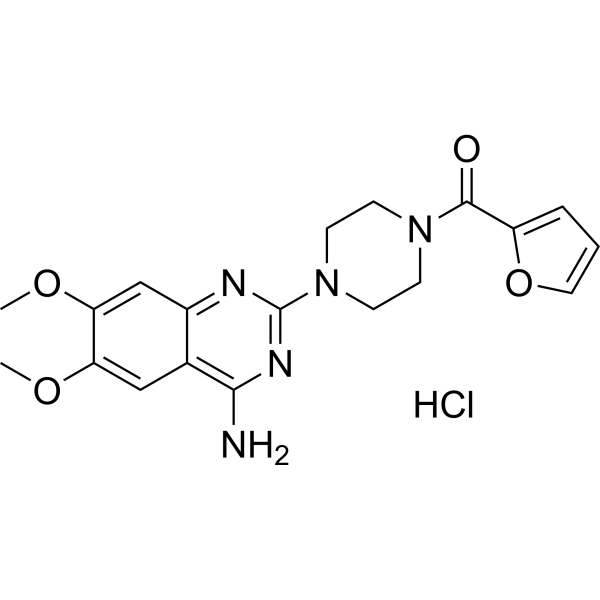
Prazosin hydrochloride is a well-tolerated, CNS-active α1-adrenergic receptor antagonist for the research of high blood pressure and alcohol use disorders . Prazosin hydrochloride potently inhibits Norepinephrine (NE)-stimulated 45Ca efflux with an IC50 of 0.15 nM .Prazosin hydrochloride inhibits organic cation transporters OCT-1 and OCT-3 with IC50s of 1.8, and 13 μM, respectively .
|
-
-
- HY-B0661
-
|
(R)-(-)-YM12617 free base; LY253351 free base
|
Adrenergic Receptor
Apoptosis
|
Neurological Disease
Endocrinology
Cancer
|
|
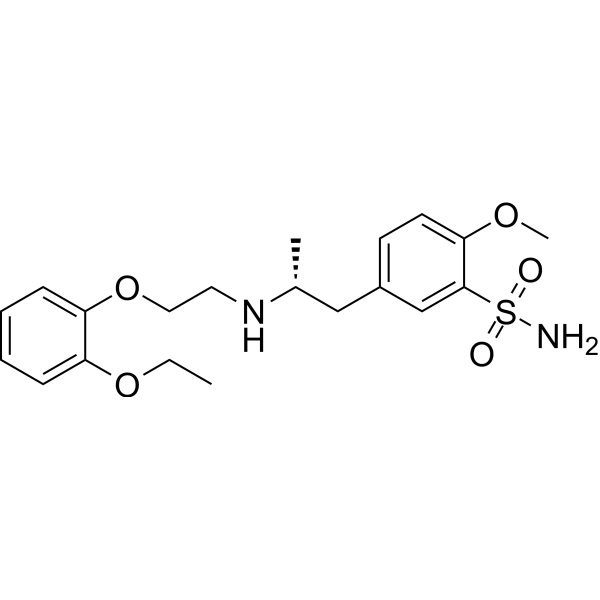
Tamsulosin ((R)-(-)-YM12617 free base) is an orally active antagonist of α1-adrenergic receptor. Tamsulosin induces Apoptosis. Tamsulosin is used for the research of prostatic hyperplasia. Tamsulosin attenuates abdominal aortic aneurysm growth and inhibits inflammation in animal models .
|
-
-
- HY-B1108
-
|
AH-5158 hydrochloride; Sch-15719W
|
Adrenergic Receptor
|
Cardiovascular Disease
Inflammation/Immunology
Endocrinology
|
|
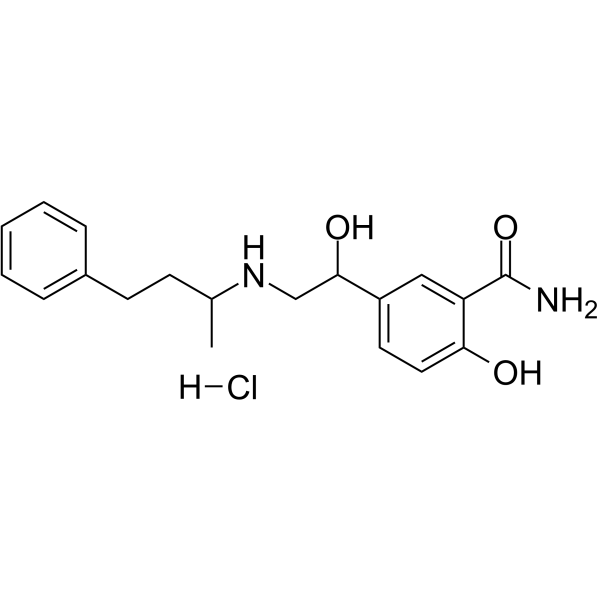
Labetalol (AH5158) hydrochloride is an orally available, selective α1-adrenergic recepto and non-selective β-adrenergic receptor competitive antagonist. Labetalol hydrochloride is an antihypertensive molecule that partially crosses the blood-brain barrier and has little effect on cardiac output. Labetalol hydrochloride can be used in the study of cardiovascular diseases, such as hypertension during pregnancy .
|
-
-
- HY-121383
-
|
AH5158; Sch-15719W free base
|
Adrenergic Receptor
|
Cardiovascular Disease
Inflammation/Immunology
Endocrinology
|
|
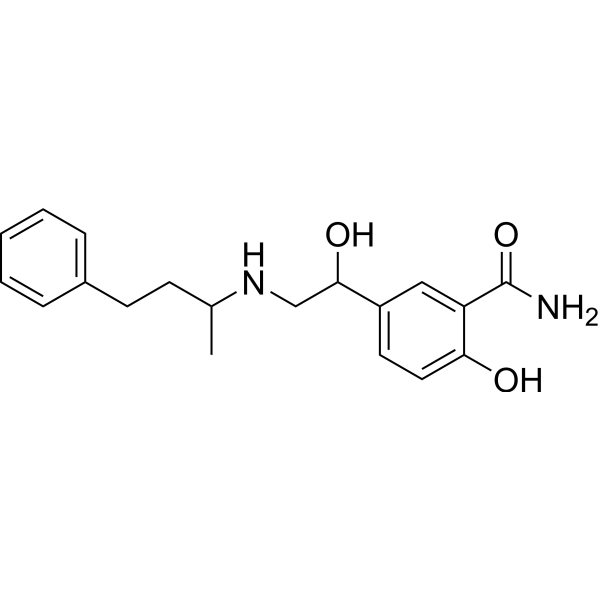
Labetalol (AH5158) is an orally available, selective α1-adrenergic recepto and non-selective β-adrenergic receptor competitive antagonist. Labetalol is an antihypertensive molecule that partially crosses the blood-brain barrier and has little effect on cardiac output. Labetalol can be used in the study of cardiovascular diseases, such as hypertension during pregnancy .
|
-
-
- HY-10349
-
|
|
5-HT Receptor
Dopamine Receptor
|
Neurological Disease
|
|
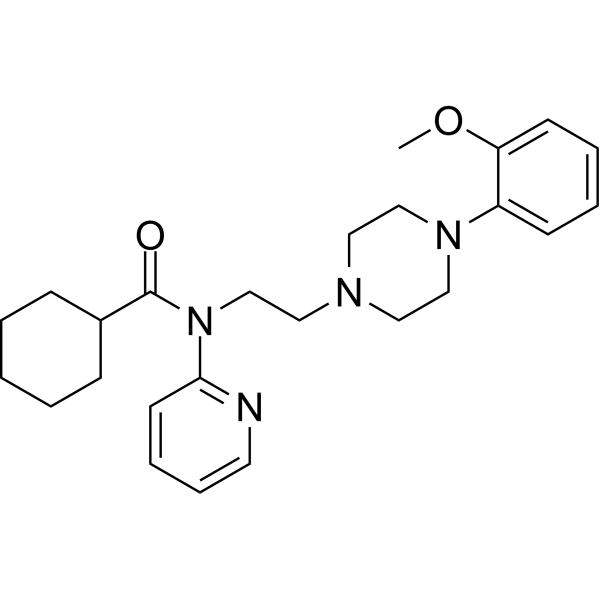
WAY-100635 is a potent and selective 5-HT1A Receptor antagonist with a pIC50 of 8.87, an apparent pA2 of 9.71.
WAY-100635 is a potent and selective 5-hydroxytryptamine 1A (5-HT1A) receptor antagonist with an IC50 value of 0.91 nM and Ki value of 0.39 nM. WAY-100635 has pIC50 values for 5-HT1A and α1-adrenergic receptors of 8.9 and 6.6, respectively. WAY-100635 is also a potent dopamine D4 receptor agonist .
|
-
-
- HY-N2037
-
|
Norcoclaurine; Demethyl-Coclaurine
|
MAP3K
MDM-2/p53
Adrenergic Receptor
ROS Kinase
Apoptosis
|
Cardiovascular Disease
Endocrinology
|
|
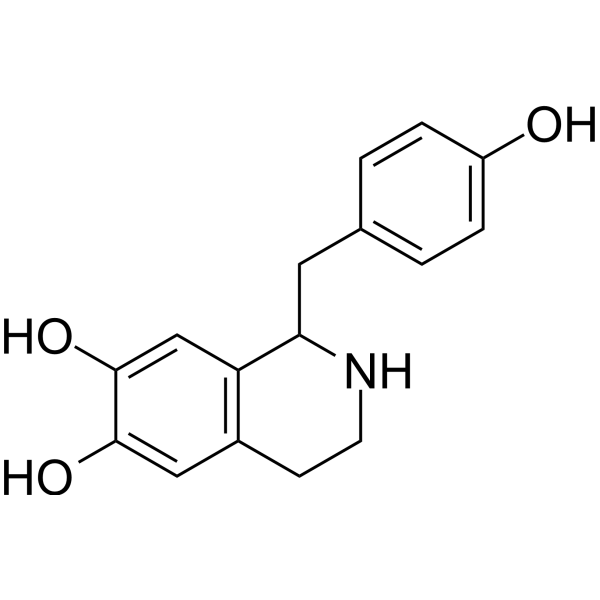
Higenamine (Norcoclaurine), a β2-AR agonist with antioxidant capability, is a key component of the Chinese herb aconite root that prescribes for treating symptoms of heart failure in the oriental Asian countries. Higenamine is also a α1-adrenergic receptor antagonist with hypotensive effect. is a selective LSD1 inhibitor (IC50=1.47 μM) that can be isolated from aconite. Higenamine hydrochloride has anti-inflammatory and antibacterial activity. Higenamine protects myocyte Apoptosis and ischemia/reperfusion (I/R) injury through selective activation of beta2-adrenergic receptor (β2-AR). Higenamine also reduces I/R-induced myocardial infarction in mice. Higenamine can attenuate IL-1β-induced Apoptosis through ROS-mediated PI3K/Akt signaling pathway. Higenamine protects brain cells from oxygen deprivation. Higenamine can promote bone formation in osteoporosis through the SMAD2/3 pathway. Higenamine can be used to study cancer, inflammation, cardiorenal syndrome and other diseases .
|
-
-
- HY-B0661A
-
|
(R)-(-)-YM12617; LY253351
|
Adrenergic Receptor
Apoptosis
|
Neurological Disease
Endocrinology
Cancer
|
|
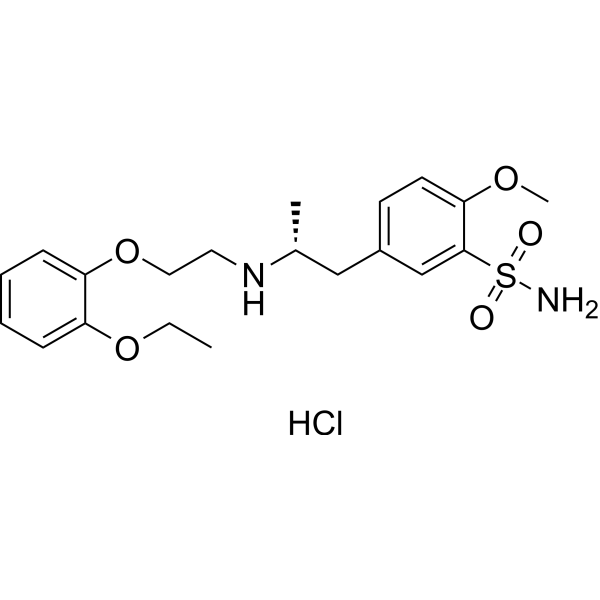
Tamsulosin hydrochloride ((R)-(-)-YM12617 free base) is an orally active antagonist of α1-adrenergic receptor. Tamsulosin hydrochloride induces Apoptosis. Tamsulosin hydrochloride is used for the research of prostatic hyperplasia. Tamsulosin hydrochloride attenuates abdominal aortic aneurysm growth and inhibits inflammation in animal models .
|
-
-
- HY-B0532
-
|
|
Dopamine Receptor
Adrenergic Receptor
P-glycoprotein
CaMK
Influenza Virus
Autophagy
|
Neurological Disease
|
|
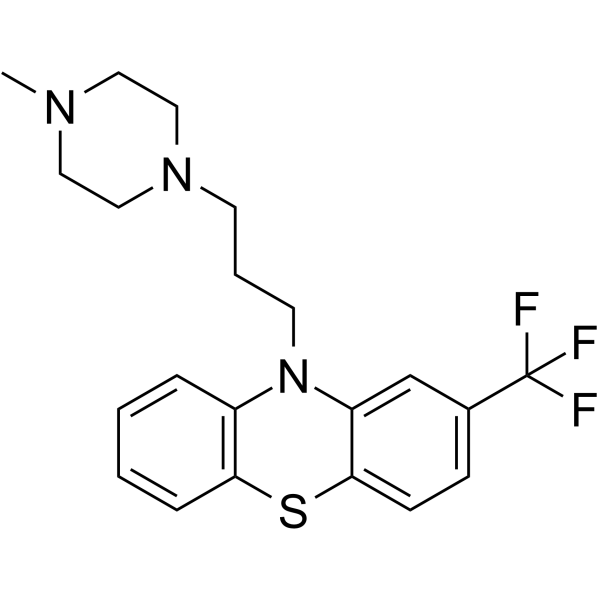
Trifluoperazine, an antipsychotic agent, acts by blocking central dopamine receptors. Trifluoperazine is a potent α1-adrenergic receptor antagonist. Trifluoperazine is a potent NUPR1 inhibitor exerting anticancer activity. Trifluoperazine is a calmodulin inhibitor, and also inhibits P-glycoprotein. Trifluoperazine can be used for the research of schizophrenia. Trifluoperazine acts as a reversible inhibitor of influenza virus morphogenesis .
|
-
-
- HY-10349A
-
|
|
5-HT Receptor
Dopamine Receptor
|
Neurological Disease
|
|
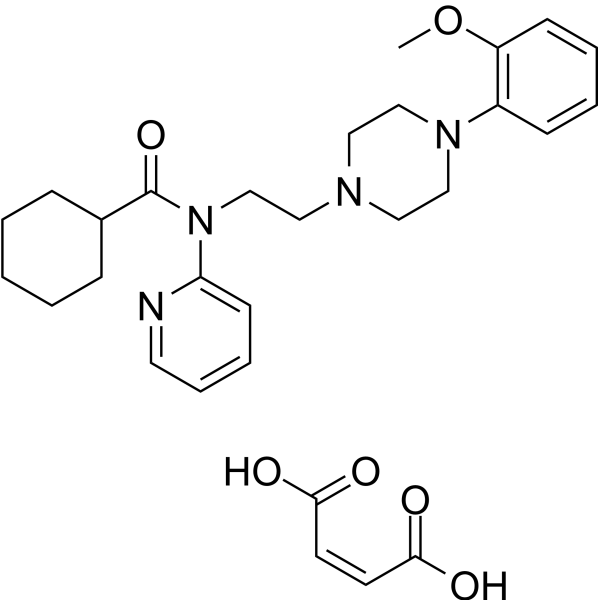
WAY-100635 maleate is a potent and selective 5-hydroxytryptamine 1A (5-HT1A) receptor antagonist with an IC50 value of 0.91 nM and Ki value of 0.39 nM. WAY-100635 maleate has pIC50 values for 5-HT1A and α1-adrenergic receptors of 8.9 and 6.6, respectively. WAY-100635 maleate is also a potent dopamine D4 receptor agonist .
|
-
-
- HY-10791
-
-
-
- HY-12882A
-
|
NP-120 tartrate; RC-61-91 tartrate
|
iGluR
Adrenergic Receptor
Potassium Channel
Calcium Channel
Influenza Virus
|
Infection
Neurological Disease
|
|
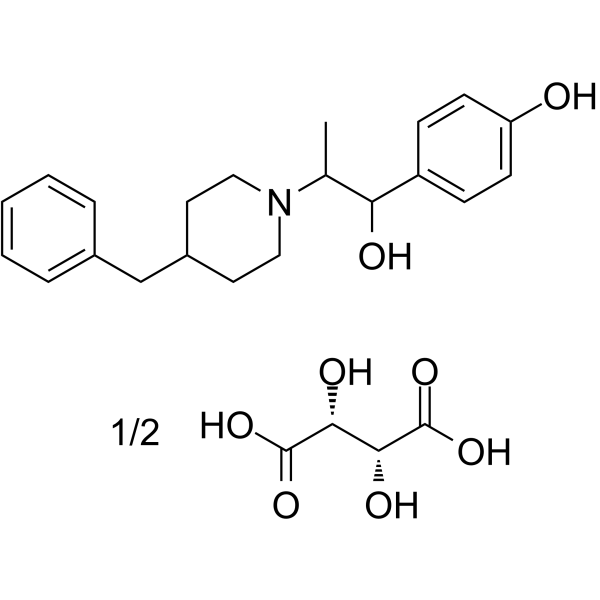
Ifenprodil (NP-120) tartrate, a cerebral vasodilator, is a noncompetitive NMDA receptor antagonist. Ifenprodil tartrate exerts high affinity at NR1A/NR2B receptors (IC50=0.34 μM) over 400-fold than at NR1A/NR2A receptors (IC50=146 μM) . Ifenprodil tartrate is an α1 adrenergic receptor antagonist. Ifenprodil tartrate inhibits GIRK (Kir3), reduces inward currents through the basal GIRK activity. Ifenprodil tartrate has reliable inhibitory effects against A/H1N1 strains (EC50 of 6.6 µM). Ifenprodil tartrate has neuroprotective, anticonvulsant and antinociceptive effects. Ifenprodil tartrate can be used for the study of cerebrovascular diseases and peripheral arterial obliterative disease .
|
-
-
- HY-B0532A
-
|
|
Dopamine Receptor
Adrenergic Receptor
CaMK
P-glycoprotein
Influenza Virus
Autophagy
|
Neurological Disease
Cancer
|
|
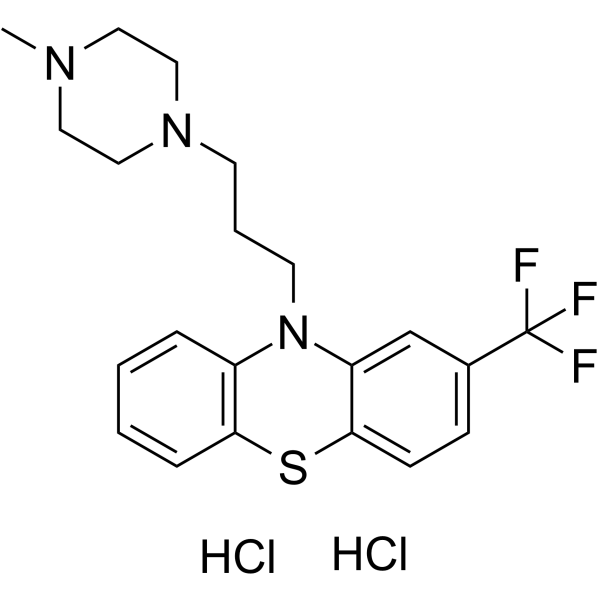
Trifluoperazine dihydrochloride, an antipsychotic agent, acts by blocking central dopamine receptors. Trifluoperazine dihydrochloride is a potent α1-adrenergic receptor antagonist. Trifluoperazine dihydrochloride is a potent NUPR1 inhibitor exerting anticancer activity. Trifluoperazine dihydrochloride is a calmodulin inhibitor, and also inhibits P-glycoprotein. Trifluoperazine dihydrochloride can be used for the research of schizophrenia. Trifluoperazine dihydrochloride acts as a reversible inhibitor of influenza virus morphogenesis .
|
-
-
- HY-103413
-
|
|
Dopamine Receptor
|
Neurological Disease
|
|
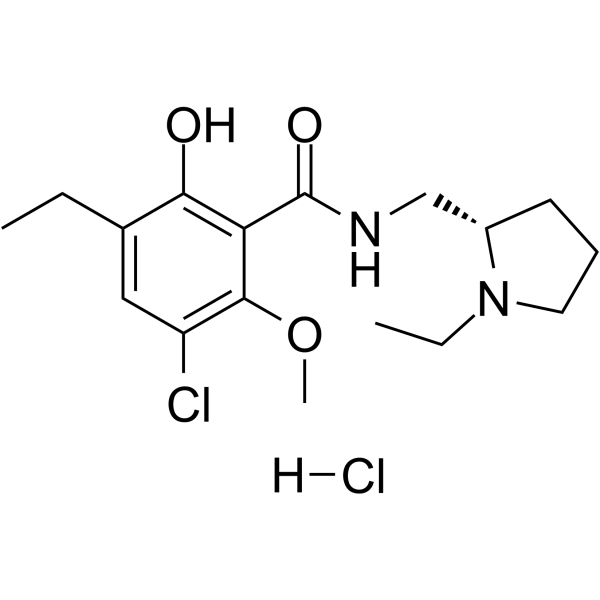
Eticlopride hydrochloride, a selective dopamine D2‐like receptor antagonist, exhibits high affinity for dopamine D2, α1-adrenergic, α2-adrenergic, 5HT1, 5HT2 receptors with Kis of 0.09, 112, 699, 6220, and 830 nM, respectively. Eticlopride hydrochloride is an antipsychotic agent .
|
-
-
- HY-103093
-
|
|
5-HT Receptor
Histamine Receptor
Adrenergic Receptor
Dopamine Receptor
|
Neurological Disease
|
|
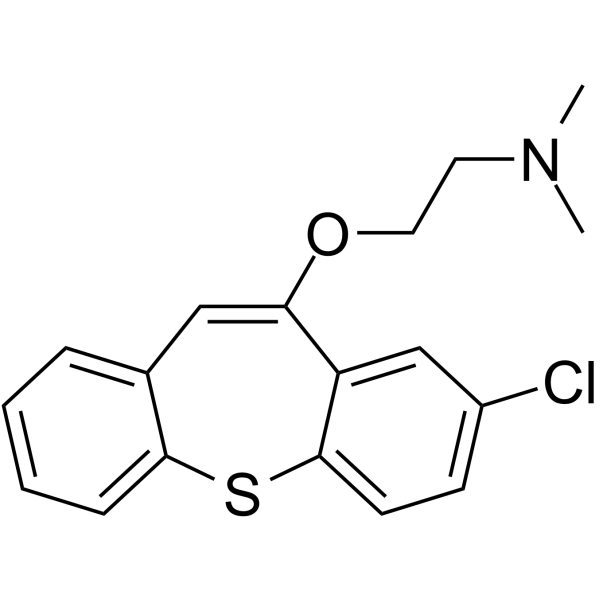
Zotepine, an antipsychotic agent, is a potent antagonist of 5-HT2A, 5-HT2C, Histamine H1, α1-adrenergic and Dopamine D2 receptors, with Kds of 2.6 nM, 3.2 nM, 3.3 nM, 7.3 nM and 8 nM, respectively. Zotepine exhibits antidepressive and anxiolytic effects in vivo .
|
-
-
- HY-121186
-
-
-
- HY-B2169
-
|
|
5-HT Receptor
Dopamine Receptor
Adrenergic Receptor
Cytochrome P450
|
Neurological Disease
|
|
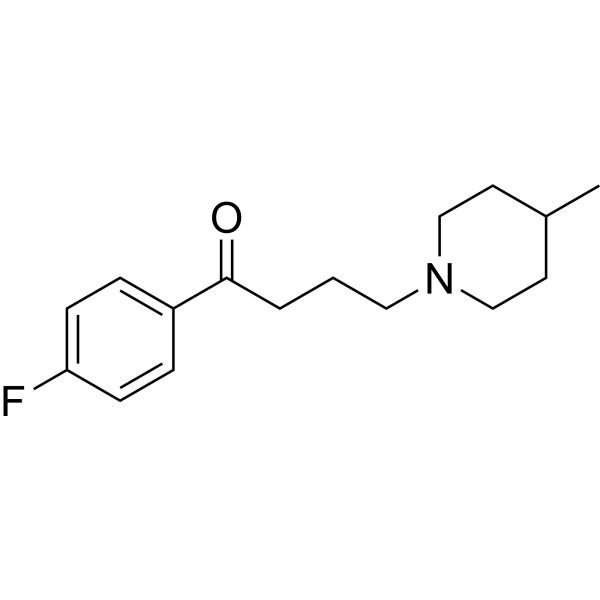
Melperone is a butyrophenone with atypical antipsychotic properties. Melperone is a multireceptor antagonist with Kds of 102 nM, 180 nM, 180 nM, and 150 nM for 5-HT2A, dopamine D2, α1-adrenergic, and α2-adrenergic receptors, respectively. Melperone has weak binding to histamine H1, 5-HT2C, 5-HT1A, 5-HT1D, and muscarinic receptors, with Kd values of 580 nM, 2100 nM, 2200 nM, 3400 nM, >10000 nM, respectively. Melperone is also a CYP2D6 inhibitor. Melperone can be used for the study of schizophrenia, and agitation in the elderly .
|
-
-
- HY-12882
-
|
NP-120; RC-61-91
|
iGluR
Adrenergic Receptor
Potassium Channel
Calcium Channel
Influenza Virus
|
Infection
Neurological Disease
|
|
Ifenprodil (NP-120), a cerebral vasodilator, is a noncompetitive NMDA receptor antagonist. Ifenprodil exerts high affinity at NR1A/NR2B receptors (IC50=0.34 μM) over 400-fold than at NR1A/NR2A receptors (IC50=146 μM) . Ifenprodil is an α1 adrenergic receptor antagonist. Ifenprodil inhibits GIRK (Kir3), reduces inward currents through the basal GIRK activity. Ifenprodil has reliable inhibitory effects against A/H1N1 strains (EC50 of 6.6 µM). Ifenprodil has neuroprotective, anticonvulsant and antinociceptive effects. Ifenprodil can be used for the study of cerebrovascular diseases and peripheral arterial obliterative disease .
|
-

-
- HY-19686
-
|
TVX Q 7821 free base
|
5-HT Receptor
|
Neurological Disease
|
|
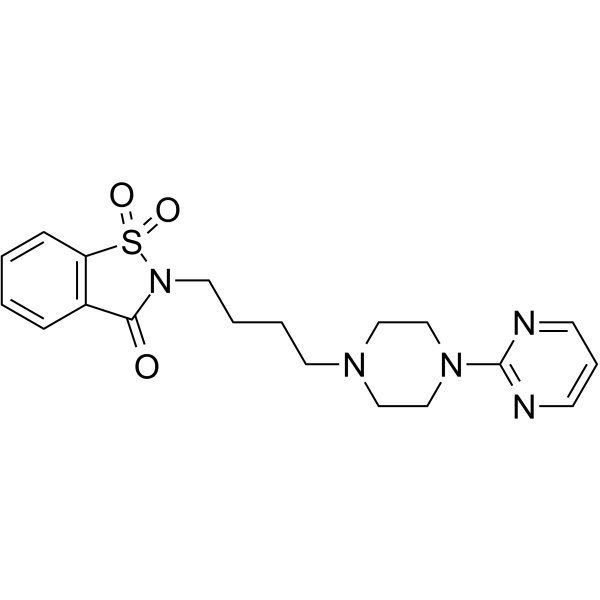
Ipsapirone (TVX Q 7821) is an anxiolytic compound and a 5-HT1A receptor partial agonist. Ipsapirone (TVX Q 7821) also exhibits 5-HT1A receptor antagonistic effect, and only at high doses it can also produce an inhibitory effect on 5-HT2 and the α1-adrenergic function .
|
-
-
- HY-B1108R
-
|
AH-5158 hydrochloride(Standard); Sch-15719W (Standard)
|
Reference Standards
Adrenergic Receptor
|
Cardiovascular Disease
Inflammation/Immunology
Endocrinology
|
|
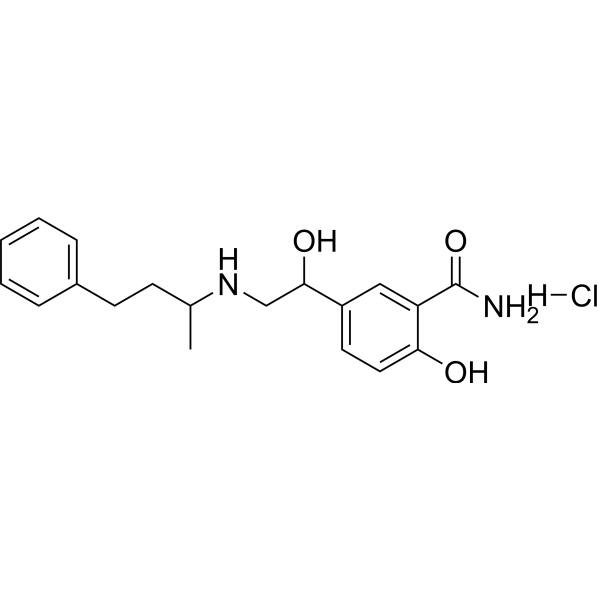
Labetalol hydrochloride (Standard) is the analytical standard of Labetalol hydrochloride (HY-B1108). This product is intended for research and analytical applications. Labetalol (AH5158) hydrochloride is an orally available, selective α1-adrenergic recepto and non-selective β-adrenergic receptor competitive antagonist. Labetalol hydrochloride is an antihypertensive molecule that partially crosses the blood-brain barrier and has little effect on cardiac output. Labetalol hydrochloride can be used in the study of cardiovascular diseases, such as hypertension during pregnancy .
|
-
-
- HY-107847
-
|
|
5-HT Receptor
Adrenergic Receptor
|
Neurological Disease
|
|
2-(2-Methoxyphenoxy)ethylamine hydrochloride (Compound 2b) is a mixed agonist/antagonist. 2-(2-Methoxyphenoxy)ethylamine hydrochloride is a5-HT1A receptor partial agonist and a α1-adrenergic receptor antagonist. 2-(2-Methoxyphenoxy)ethylamine hydrochloride can be used for neurological diseases research, such as anxiety, depression and psychosis .
|
-

-
- HY-B0781S
-
|
|
Histamine Receptor
|
Neurological Disease
Endocrinology
|
|
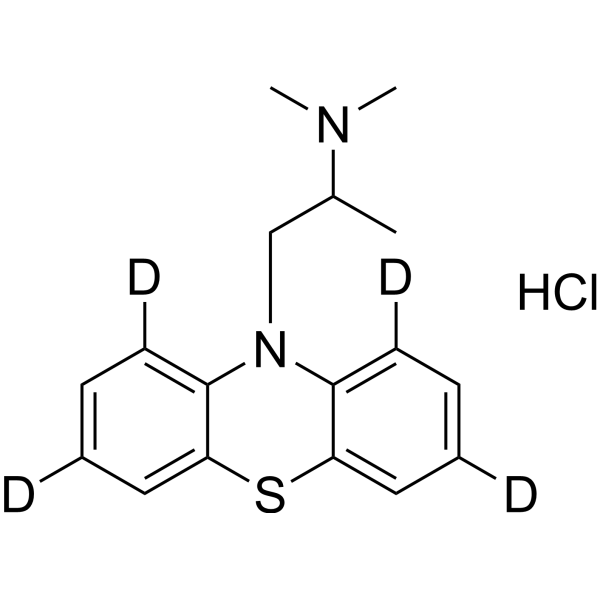
Promethazine-d4 (hydrochloride) is the deuterium labeled Promethazine hydrochloride. Promethazine hydrochloride is the first-generation antihistamine; strong antagonist of the H1 receptor and moderate mACh receptor antagonist, moderate affinity for 5-HT2A, 5-HT2C, D2 and α1-adrenergic receptors.
|
-
-
- HY-101815
-
-
-
- HY-12718
-
|
|
Adrenergic Receptor
|
Cardiovascular Disease
|
|
(±)-WB 4101 is a highly selective α1-adrenergic receptor antagonist. (±)-WB 4101 blocks norepinephrine-induced vascular smooth muscle contraction to exert antihypertensive and benign prostatic hyperplasia (BPH)-relieving effects. (±)-WB 4101 is promising for research of hypertension and BPH .
|
-

-
- HY-12962
-
|
|
iGluR
|
Neurological Disease
|
|
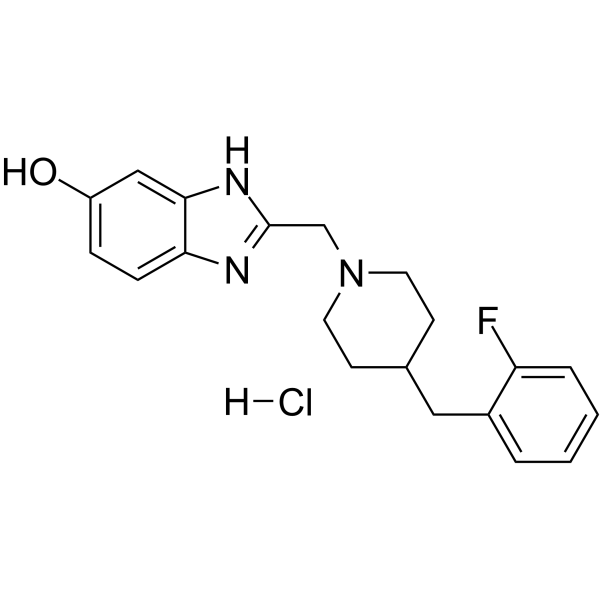
NMDA-IN-1 is a potent and NR2B-selective NMDA antagonist with Ki of 0.85 nM; NR2B Ca2+ influx IC50 is 9.7 nM; no activities on NR2A, NR2C, NR2D, hERG-channel and α1-adrenergic receptor.
|
-
-
- HY-121383R
-
|
AH5158 (Standard); Sch-15719W free base (Standard)
|
Reference Standards
Adrenergic Receptor
|
Cardiovascular Disease
Inflammation/Immunology
Endocrinology
|
|
Labetalol (Standard) is the analytical standard of Labetalol. This product is intended for research and analytical applications. Labetalol (AH5158) is an orally available, selective α1-adrenergic recepto and non-selective β-adrenergic receptor competitive antagonist. Labetalol is an antihypertensive molecule that partially crosses the blood-brain barrier and has little effect on cardiac output. Labetalol can be used in the study of cardiovascular diseases, such as hypertension during pregnancy .
|
-

-
- HY-121129
-
|
FLB-131
|
Dopamine Receptor
|
Neurological Disease
|
|
Eticlopride, a selective dopamine D2‐like receptor antagonist, exhibits high affinity for dopamine D2, α1‐adrenergic, α2‐adrenergic, 5HT1, 5HT2 receptors with Kis of 0.09, 112, 699, 6220, and 830 nM, respectively. Eticlopride is an antipsychotic agent .
|
-

-
- HY-103109
-
|
|
5-HT Receptor
Dopamine Receptor
Adrenergic Receptor
Cytochrome P450
|
Neurological Disease
|
|
Melperone hydrochloride is a butyrophenone with atypical antipsychotic properties. Melperone hydrochloride is a multireceptor antagonist with Kds of 102 nM, 180 nM, 180 nM, and 150 nM for 5-HT2A, dopamine D2, α1-adrenergic, and α2-adrenergic receptors, respectively. Melperone hydrochloride has weak binding to histamine H1, 5-HT2C, 5-HT1A, 5-HT1D, and muscarinic receptors, with Kd values of 580 nM, 2100 nM, 2200 nM, 3400 nM, >10000 nM, respectively. Melperone hydrochloride is also a CYP2D6 inhibitor. Melperone hydrochloride can be used for the study of schizophrenia, and agitation in the elderly .
|
-

-
- HY-B2169S2
-
|
|
Isotope-Labeled Compounds
5-HT Receptor
Dopamine Receptor
Adrenergic Receptor
Cytochrome P450
|
Neurological Disease
|
|
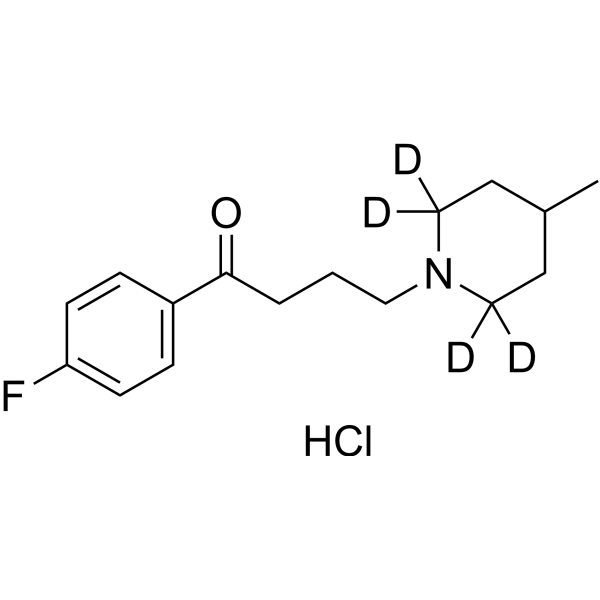
Melperone-d4 hydrochloride is the deuterium labeled Melperone hydrochloride (HY-103109) . Melperone hydrochloride is a butyrophenone with atypical antipsychotic properties. Melperone hydrochloride is a multireceptor antagonist with Kds of 102 nM, 180 nM, 180 nM, and 150 nM for 5-HT2A, dopamine D2, α1-adrenergic, and α2-adrenergic receptors, respectively. Melperone hydrochloride has weak binding to histamine H1, 5-HT2C, 5-HT1A, 5-HT1D, and muscarinic receptors, with Kd values of 580 nM, 2100 nM, 2200 nM, 3400 nM, >10000 nM, respectively. Melperone hydrochloride is also a CYP2D6 inhibitor. Melperone hydrochloride can be used for the study of schizophrenia, and agitation in the elderly .
|
-
-
- HY-N2037R
-
|
Norcoclaurine (Standard); Demethyl-Coclaurine (Standard)
|
Reference Standards
MAP3K
MDM-2/p53
Adrenergic Receptor
ROS Kinase
Apoptosis
|
Cardiovascular Disease
Endocrinology
|
|
Higenamine (Norcoclaurine), a β2-AR agonist with antioxidant capability, is a key component of the Chinese herb aconite root that prescribes for treating symptoms of heart failure in the oriental Asian countries. Higenamine is also a α1-adrenergic receptor antagonist with hypotensive effect. is a selective LSD1 inhibitor (IC50=1.47 μM) that can be isolated from aconite. Higenamine hydrochloride has anti-inflammatory and antibacterial activity. Higenamine protects myocyte Apoptosis and ischemia/reperfusion (I/R) injury through selective activation of beta2-adrenergic receptor (β2-AR). Higenamine also reduces I/R-induced myocardial infarction in mice. Higenamine can attenuate IL-1β-induced Apoptosis through ROS-mediated PI3K/Akt signaling pathway. Higenamine protects brain cells from oxygen deprivation. Higenamine can promote bone formation in osteoporosis through the SMAD2/3 pathway. Higenamine can be used to study cancer, inflammation, cardiorenal syndrome and other diseases .
|
-

-
- HY-W982195
-
|
|
Adrenergic Receptor
5-HT Receptor
|
Neurological Disease
|
|
Napamezole hydrochloride is an orally active α-2 adrenergic receptor antagonist and serotonin (5-HT Receptor) reuptake inhibitor, with Ki values of 28 nM and 93 nM for rat α-2 and α-1 adrenergic receptors, respectively. Napamezole hydrochloride can be used for the research of depression .
|
-

-
- HY-137387
-
|
|
Drug Metabolite
|
Cardiovascular Disease
Others
|
|
Carvedilol Glucuronide is the metabolite of Carvedilol (HY-B0006). Carvedilol (BM 14190) is an antagonist for β/α-1 adrenergic receptor. Carvedilol inhibits lipid peroxidation with an IC50 of 5 μM. Carvedilol is an antihypertensive agent with potential use in angina and congestive heart failure. Carvedilol is an autophagy inducer that inhibits the NLRP3 inflammasome .
|
-

-
- HY-116379
-
|
|
Adrenergic Receptor
|
Metabolic Disease
|
|
RS-100329 is an α1-adrenergic receptor (α1-AR) antagonist that effectively inhibits α1-adrenergic receptor-mediated contractions of lower urinary tract tissues in vitro and in vivo. RS-100329 can be used in the research of symptoms related to benign prostatic hyperplasia .
|
-

-
- HY-111188
-
|
|
Adrenergic Receptor
|
Others
|
|
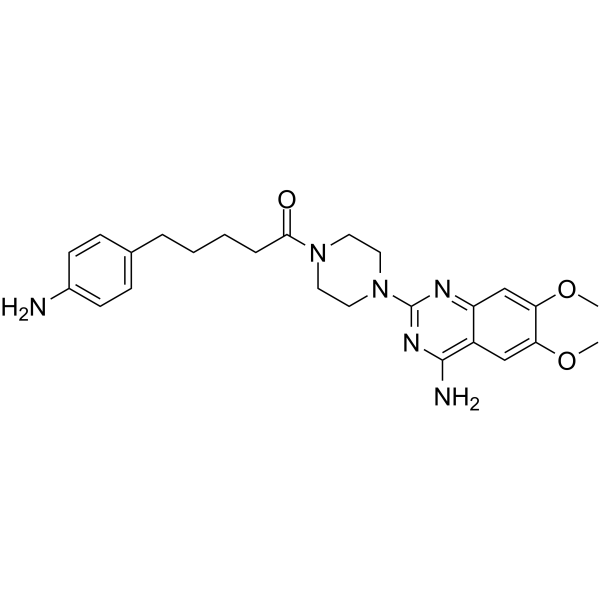
A55453 is a prazosin analogue and a potent α1-adrenergic antagonist. 125I-A55453 is a high-affinity alpha 1-adrenergic receptor probe .
|
-
-
- HY-U00367
-
-
-
- HY-B0532S
-
-

-
- HY-111984A
-
|
|
Adrenergic Receptor
|
Cardiovascular Disease
|
|
Quinazosin dihydrochloride is an antihypertensive α1-adrenergic receptor antagonist whose activity is associated with inhibition of granulopoiesis, resulting in neutropenia and leukopenia. Quinazosin dihydrochloride exhibits dose-related myelosuppression that is correlated with the duration of suppression .
|
-

-
- HY-112074A
-
|
HOE 440 hydrochloride
|
Adrenergic Receptor
|
Cardiovascular Disease
|
|
Tiamenidine hydrochloride (HOE 440 hydrochloride) is a centrally acting α1-adrenergic receptor antagonist with hypotensive activity. Tiamenidine hydrochloride regulates blood pressure levels by binding to α1 receptors. Tiamenidine hydrochloride can be used in the study of hypertension .
|
-

-
- HY-121186R
-
|
|
Reference Standards
Adrenergic Receptor
Calcium Channel
|
Neurological Disease
Metabolic Disease
|
|
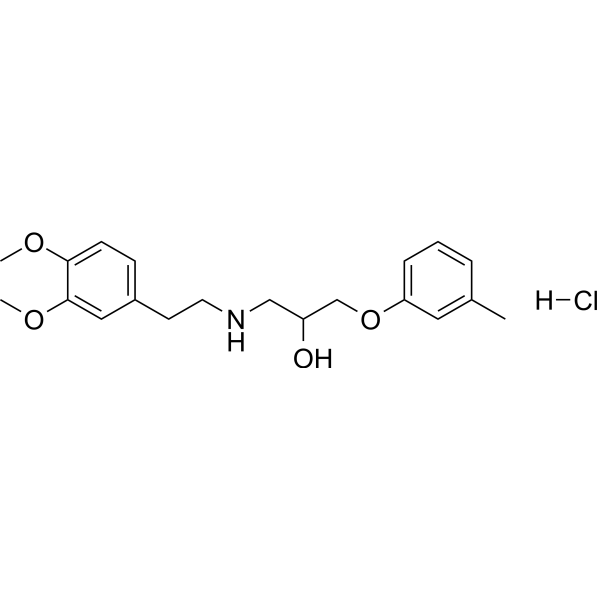
Bevantolol (hydrochloride) (Standard) is the analytical standard of Bevantolol (hydrochloride). This product is intended for research and analytical applications. Bevantolol hydrochloride is a selective β1 and α1-adrenergic receptor antagonist with pKi values of 7.83, 6.9 in rat cerebral cortex, respectively. Bevantolol hydrochloride is a potent Ca 2+ antagonist .
|
-

-
- HY-19682
-
|
|
5-HT Receptor
Adrenergic Receptor
|
Neurological Disease
|
|
Enciprazine is an orally active non-benzodiazepine anxiolytic. Enciprazine acts as an agonist of 5-HT1A receptor (5-HT1AR) and an antagonist of α1-adrenergic receptor (α1-adrenergic receptor) . Enciprazine induces drug-related electroencephalogram changes by reducing the average power of δ waves and θ waves, and increasing the average power of α waves and fast β waves. Enciprazine exhibits anti-aggressive activity, with only weak sedative and ataxic effects. Enciprazine regulates plasma corticosterone levels and activates the hypothalamic-pituitary-adrenal axis. Enciprazine can be used in research related to anxiety disorders, generalized anxiety syndrome and psychosis .
|
-

-
- HY-106617
-
|
|
5-HT Receptor
Adrenergic Receptor
|
Neurological Disease
|
|
Etoperidone, an antidepressant agent, is an orally active serotonin and nor-adrenaline re-uptake antagonist. Etoperidone shows Kd values of 36 nM, 38 nM, 85 nM, and 570 nM for 5-HT2 receptor, α1-adrenergic receptor, 5-HT1A receptor, and α2-adrenergic receptor, respectively .
|
-

-
- HY-106617A
-
|
|
5-HT Receptor
Adrenergic Receptor
|
Neurological Disease
|
|
Etoperidone hydrochloride, an antidepressant agent, is an orally active serotonin and nor-adrenaline re-uptake antagonist. Etoperidone hydrochloride shows Kd values of 36 nM, 38 nM, 85 nM, and 570 nM for 5-HT2 receptor, α1-adrenergic receptor, 5-HT1A receptor, and α2-adrenergic receptor, respectively .
|
-

-
- HY-19686A
-
|
TVX Q 7821
|
5-HT Receptor
|
Neurological Disease
|
|
Ipsapirone hydrochloride (TVX Q 7821) is an anxiolytic compound and a 5-HT1A receptor partial agonist. Ipsapirone hydrochloride (TVX Q 7821) also exhibits 5-HT1A receptor antagonistic effect, and only at high doses it can also produce an inhibitory effect on 5-HT2 and the α1-adrenergic function .
|
-

-
- HY-B0532B
-
|
|
Dopamine Receptor
Adrenergic Receptor
P-glycoprotein
CaMK
Influenza Virus
Autophagy
|
Infection
Neurological Disease
Cancer
|
|
Trifluoperazine dimaleate, an antipsychotic agent, acts by blocking central dopamine receptors. Trifluoperazine dimaleate is a potent α1-adrenergic receptor antagonist. Trifluoperazine dimaleate is a potent NUPR1 inhibitor exerting anticancer activity. Trifluoperazine dimaleate is a calmodulin inhibitor, and also inhibits P-glycoprotein. Trifluoperazine dimaleate can be used for the research of schizophrenia. Trifluoperazine dimaleate acts as a reversible inhibitor of influenza virus morphogenesis .
|
-

-
- HY-B0532AS
-
|
|
Isotope-Labeled Compounds
Dopamine Receptor
Adrenergic Receptor
CaMK
P-glycoprotein
Influenza Virus
Autophagy
|
Neurological Disease
Cancer
|
|
Trifluoperazine-d3 (dihydrochloride) is deuterium labeled Trifluoperazine (dihydrochloride). Trifluoperazine dihydrochloride, an antipsychotic agent, acts by blocking central dopamine receptors. Trifluoperazine dihydrochloride is a potent α1-adrenergic receptor antagonist. Trifluoperazine dihydrochloride is a potent NUPR1 inhibitor exerting anticancer activity. Trifluoperazine dihydrochloride is a calmodulin inhibitor, and also inhibits P-glycoprotein. Trifluoperazine dihydrochloride can be used for the research of schizophrenia. Trifluoperazine dihydrochloride acts as a reversible inhibitor of influenza virus morphogenesis .
|
-

-
- HY-B0661AR
-
|
(R)-(-)-YM12617 (Standard); LY253351 (Standard)
|
Reference Standards
Adrenergic Receptor
Apoptosis
|
Neurological Disease
Endocrinology
Cancer
|
|
Tamsulosin (hydrochloride) (Standard) is the analytical standard of Tamsulosin hydrochloride (HY-B0661A). Tamsulosin hydrochloride ((R)-(-)-YM12617 free base) is an orally active antagonist of α1-adrenergic receptor. Tamsulosin hydrochloride induces Apoptosis. Tamsulosin hydrochloride is used for the research of prostatic hyperplasia. Tamsulosin hydrochloride attenuates abdominal aortic aneurysm growth and inhibits inflammation in animal models .
|
-

-
- HY-B0532AR
-
|
|
Reference Standards
Dopamine Receptor
Adrenergic Receptor
CaMK
P-glycoprotein
Influenza Virus
Autophagy
|
Neurological Disease
Cancer
|
|
Trifluoperazine (dihydrochloride) (Standard) is the analytical standard of Trifluoperazine (dihydrochloride). This product is intended for research and analytical applications. Trifluoperazine dihydrochloride, an antipsychotic agent, acts by blocking central dopamine receptors. Trifluoperazine dihydrochloride is a potent α1-adrenergic receptor antagonist. Trifluoperazine dihydrochloride is a potent NUPR1 inhibitor exerting anticancer activity. Trifluoperazine dihydrochloride is a calmodulin inhibitor, and also inhibits P-glycoprotein. Trifluoperazine dihydrochloride can be used for the research of schizophrenia. Trifluoperazine dihydrochloride acts as a reversible inhibitor of influenza virus morphogenesis .
|
-

-
- HY-W030796R
-
|
|
Taste Receptor
Reference Standards
|
Metabolic Disease
|
|
Trifluoperazine (dihydrochloride) (Standard) is the analytical standard of Trifluoperazine (dihydrochloride). This product is intended for research and analytical applications. Trifluoperazine dihydrochloride, an antipsychotic agent, acts by blocking central dopamine receptors. Trifluoperazine dihydrochloride is a potent α1-adrenergic receptor antagonist. Trifluoperazine dihydrochloride is a potent NUPR1 inhibitor exerting anticancer activity. Trifluoperazine dihydrochloride is a calmodulin inhibitor, and also inhibits P-glycoprotein. Trifluoperazine dihydrochloride can be used for the research of schizophrenia. Trifluoperazine dihydrochloride acts as a reversible inhibitor of influenza virus morphogenesis .
|
-

-
- HY-103093R
-
|
|
Reference Standards
5-HT Receptor
Histamine Receptor
Adrenergic Receptor
Dopamine Receptor
|
Neurological Disease
|
|
Zotepine (Standard) is the analytical standard of Zotepine. This product is intended for research and analytical applications. Zotepine, an antipsychotic agent, is a potent antagonist of 5-HT2A, 5-HT2C, Histamine H1, α1-adrenergic and Dopamine D2 receptors, with Kds of 2.6 nM, 3.2 nM, 3.3 nM, 7.3 nM and 8 nM, respectively. Zotepine exhibits antidepressive and anxiolytic effects in vivo .
|
-

-
- HY-W744038
-
|
|
Isotope-Labeled Compounds
Dopamine Receptor
Histamine Receptor
Adrenergic Receptor
5-HT Receptor
|
Neurological Disease
|
|
Zotepine-d6 is the deuterium labeled Zotepine (HY-103093). Zotepine, an antipsychotic agent, is a potent antagonist of 5-HT2A, 5-HT2C, Histamine H1, α1-adrenergic and Dopamine D2 receptors, with Kds of 2.6 nM, 3.2 nM, 3.3 nM, 7.3 nM and 8 nM, respectively. Zotepine exhibits antidepressive and anxiolytic effects in vivo .
|
-

-
- HY-W728545
-
|
AH5158-d6 hydrochloride; Sch-15719W-d6
|
Isotope-Labeled Compounds
|
Cardiovascular Disease
Inflammation/Immunology
Endocrinology
|
|
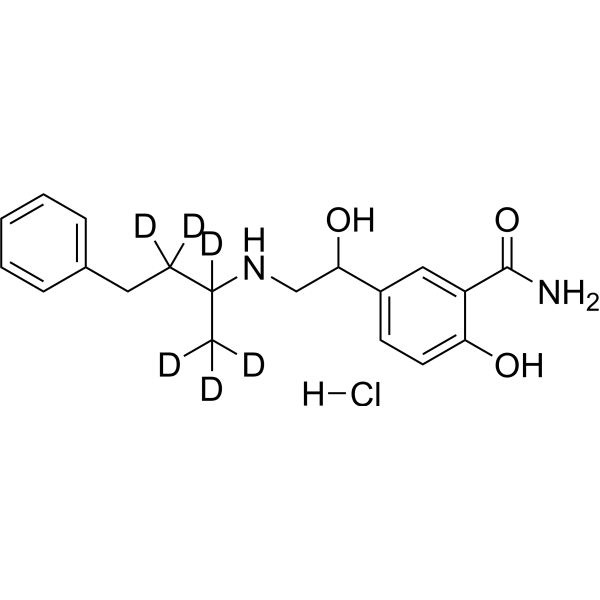
Labetalol hydrochloride-d6 (AH-5158 hydrochloride-d6) is deuterium labeled Labetalol hydrochloride (HY-B1108). Labetalol (AH5158) hydrochloride is an orally available, selective α1-adrenergic recepto and non-selective β-adrenergic receptor competitive antagonist. Labetalol hydrochloride is an antihypertensive molecule that partially crosses the blood-brain barrier and has little effect on cardiac output. Labetalol hydrochloride can be used in the study of cardiovascular diseases, such as hypertension during pregnancy .
|
-
- HY-B0193AR
-
|
|
Reference Standards
Adrenergic Receptor
Autophagy
|
Cardiovascular Disease
Endocrinology
Cancer
|
|
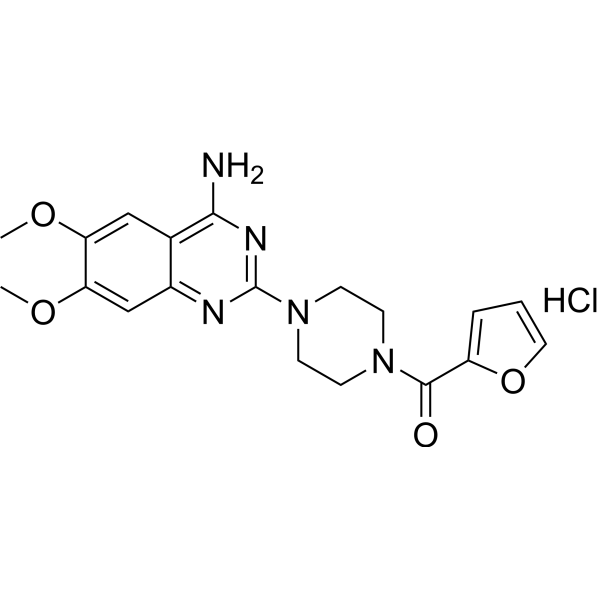
Prazosin (hydrochloride) (Standard) is the analytical standard of Prazosin (hydrochloride). This product is intended for research and analytical applications. Prazosin hydrochloride is a well-tolerated, CNS-active α1-adrenergic receptor antagonist for the research of high blood pressure and alcohol use disorders . Prazosin hydrochloride potently inhibits Norepinephrine (NE)-stimulated 45Ca efflux with an IC50 of 0.15 nM .Prazosin hydrochloride inhibits organic cation transporters OCT-1 and OCT-3 with IC50s of 1.8, and 13 μM, respectively .
|
-
- HY-10349AR
-
|
|
Reference Standards
5-HT Receptor
Dopamine Receptor
|
Neurological Disease
|
|
WAY-100635 (maleate) (Standard) is the analytical standard of WAY-100635 (maleate). This product is intended for research and analytical applications. WAY-100635 maleate is a potent and selective 5-hydroxytryptamine 1A (5-HT1A) receptor antagonist with an IC50 value of 0.91 nM and Ki value of 0.39 nM. WAY-100635 maleate has pIC50 values for 5-HT1A and α1-adrenergic receptors of 8.9 and 6.6, respectively. WAY-100635 maleate is also a potent dopamine D4 receptor agonist .
|
-

- HY-10349R
-
|
|
Reference Standards
5-HT Receptor
Dopamine Receptor
|
Neurological Disease
|
|
WAY-100635 (Standard) is the analytical standard of WAY-100635. This product is intended for research and analytical applications. WAY-100635 is a potent and selective 5-HT1A Receptor antagonist with a pIC50 of 8.87, an apparent pA2 of 9.71.
WAY-100635 is a potent and selective 5-hydroxytryptamine 1A (5-HT1A) receptor antagonist with an IC50 value of 0.91 nM and Ki value of 0.39 nM. WAY-100635 has pIC50 values for 5-HT1A and α1-adrenergic receptors of 8.9 and 6.6, respectively. WAY-100635 is also a potent dopamine D4 receptor agonist .
|
-

- HY-U00110
-
-
- HY-105798
-
-
- HY-B2169R
-
|
|
5-HT Receptor
Reference Standards
Dopamine Receptor
Adrenergic Receptor
Cytochrome P450
|
Neurological Disease
|
|
Melperone (Standard) is the analytical standard of Melperone (HY-B2169). This product is intended for research and analytical applications. Melperone is a butyrophenone with atypical antipsychotic properties. Melperone is a multireceptor antagonist with Kds of 102 nM, 180 nM, 180 nM, and 150 nM for 5-HT2A, dopamine D2, α1-adrenergic, and α2-adrenergic receptors, respectively. Melperone has weak binding to histamine H1, 5-HT2C, 5-HT1A, 5-HT1D, and muscarinic receptors, with Kd values of 580 nM, 2100 nM, 2200 nM, 3400 nM, >10000 nM, respectively. Melperone is also a CYP2D6 inhibitor. Melperone can be used for the study of schizophrenia, and agitation in the elderly.
|
-

- HY-107847R
-
|
|
Reference Standards
5-HT Receptor
Adrenergic Receptor
|
Neurological Disease
|
|
2-(2-Methoxyphenoxy)ethylamine hydrochloride (Standard) is the analytical standard of 2-(2-Methoxyphenoxy)ethylamine (hydrochloride) (HY-107847). This product is intended for research and analytical applications. 2-(2-Methoxyphenoxy)ethylamine hydrochloride (Compound 2b) is a mixed agonist/antagonist. 2-(2-Methoxyphenoxy)ethylamine hydrochloride is a5-HT1A receptor partial agonist and a α1-adrenergic receptor antagonist. 2-(2-Methoxyphenoxy)ethylamine hydrochloride can be used for neurological diseases research, such as anxiety, depression and psychosis .
|
-

- HY-B0192AS
-
-

- HY-B0192AS1
-
-
- HY-101690
-
-
- HY-100980
-
|
BE2254 hydrochloride
|
Adrenergic Receptor
|
Neurological Disease
Cancer
|
|
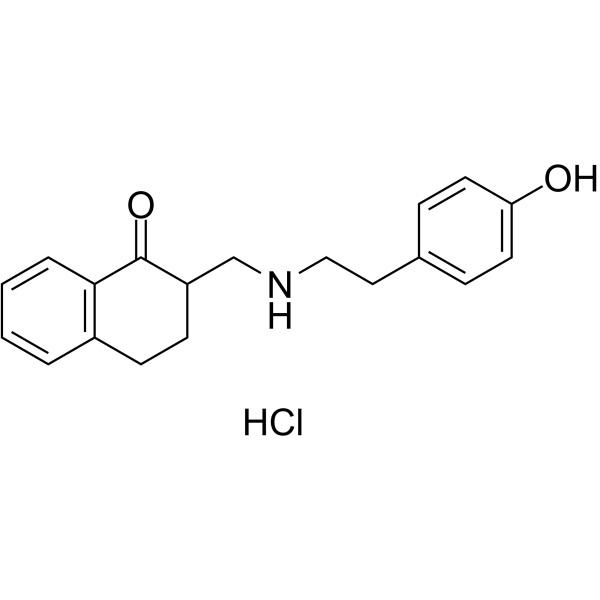
HEAT (BE2254) hydrochloride is a selective alpha 1 adrenergic receptor antagonist. HEAT hydrochloride, a phenethylamine derivative, shows pKis of 9, 9.1, and 8.57 for alpha 1a, alpha 1b and alpha 1c, respectively .
|
-
- HY-105699
-
|
|
Adrenergic Receptor
5-HT Receptor
|
Neurological Disease
|
|
Napamezole is an orally active α-2 adrenergic receptor antagonist and serotonin (5-HT Receptor) reuptake inhibitor, with Ki values of 28 nM and 93 nM for rat α-2 and α-1 adrenergic receptors, respectively. Napamezole can be used for the research of depression .
|
-

- HY-12717R
-
|
|
Reference Standards
Adrenergic Receptor
|
Endocrinology
|
|
Phentolamine (Standard) is the analytical standard of Phentolamine. This product is intended for research and analytical applications. Phentolamine is a potent, selective and orally active α1 adrenergic and α2 adrenergic receptor antagonist. Phentolamine can be used for the research of erectile dysfunction .
|
-

- HY-10791R
-
-

- HY-N0584B
-
|
6-Hydroxyhyoscyamine hydrochloride
|
Adrenergic Receptor
|
Inflammation/Immunology
Cancer
|
|
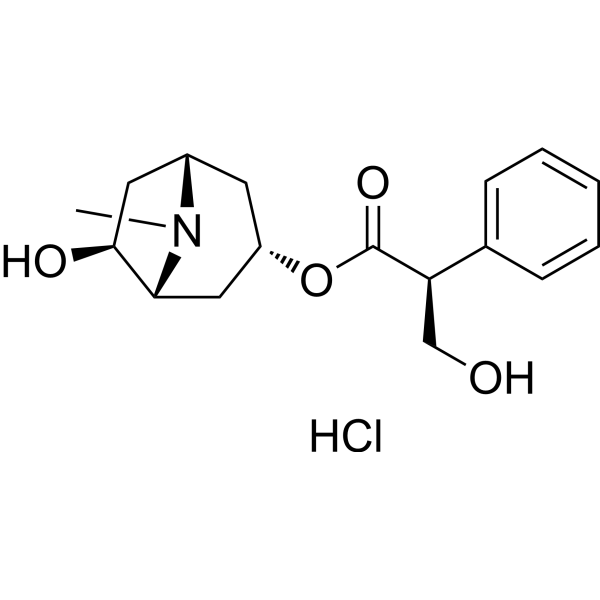
Anisodamine hydrochloride is an anticholinergic and α1 adrenergic receptor antagonist. Anisodamine hydrochloride can be used for improving blood flow in circulatory disorders such as septic shock, Anisodamine hydrochloride displays a spectrum of pharmacological effects similar to Atropine (HY-B1205) and Sopolamine (HY-B2065) including inhibition of salivation, gastrointestinal and sweat secretion, gastrointestinal motility, respiratory secretion and urinary bladder contraction in vivo .
|
-
- HY-136693
-
|
|
Adrenergic Receptor
|
Neurological Disease
|
|
L-654284 is an α2-adrenergic receptor antagonist with significant selectivity. L-654284 competes with the binding of 3H-clonidine and 3H-rauwolscine in vitro and shows Ki values of 0.8 nM and 1.1 nM, respectively. L-654284 can block the protrusion effect of clonidine in isolated vas deferens in rats, with a pA2 value of 9.1. L-654284 exhibits remarkable selectivity for α2 and α1 adrenergic receptors, and exhibits a Ki of 110 nM in inhibiting 3H-prazosin binding. L-654284 can significantly increase the turnover rate of norepinephrine in rat cerebral cortex in vivo, showing α2-adrenergic receptor blocking activity in the central nervous system .
|
-

- HY-183954
-
|
|
Adrenergic Receptor
|
Cardiovascular Disease
|
|
MDL-19744A is an orally active and selective α1-adrenergic receptor antagonist, with rat α1-adrenergic receptor IC50 of 8 nM. MDL-19744A increases renal blood flow, dose-related decreases mean arterial blood pressure, increases urinary sodium excretion, and mediates renal vasodilation. MDL-19744A can be used for the research of hypertension .
|
-

- HY-119854
-
|
AY-28228
|
Adrenergic Receptor
5-HT Receptor
Histamine Receptor
|
Cardiovascular Disease
Neurological Disease
|
|
Atiprosine (AY-28228) is an orally effective selective α1-adrenergic receptor antagonist with a pA2 value of 8.11. Atiprosine exhibits antagonistic activity against α2-adrenergic receptors (α1-adrenergic receptor), 5-HT₂ receptors (5-HT₂ receptor), and H₁ receptors (H₁ receptor). The pA2 values for these receptors are 6.04, 6.87, and 7.32 respectively. Atiprosine has antihypertensive and hypotensive effects in rats, dogs, and monkeys. It can be used for research on cardiovascular and mental disorders.
|
-

- HY-121186S
-
-

- HY-W556123
-
|
|
Adrenergic Receptor
|
Neurological Disease
Metabolic Disease
|
|
Piperoxan is an α1-adrenergic receptor antagonist. Piperoxan exhibits a Ki value of 360 nM for inhibiting 3H-prazosin binding to rat brain α1-adrenoceptors. Piperoxan can be used for the research of adrenergic system-related diseases .
|
-

- HY-19682A
-
|
|
5-HT Receptor
Adrenergic Receptor
|
Neurological Disease
|
|
Enciprazine dihydrochloride is an orally active non-benzodiazepine anxiolytic. Enciprazine dihydrochloride acts as an agonist of 5-HT1A receptor (5-HT1AR) and an antagonist of α1-adrenergic receptor (α1-adrenergic receptor) . Enciprazine dihydrochloride induces drug-related electroencephalogram changes by reducing the average power of δ waves and θ waves, and increasing the average power of α waves and fast β waves. Enciprazine dihydrochloride exhibits anti-aggressive activity, with only weak sedative and ataxic effects. Enciprazine dihydrochloride regulates plasma corticosterone levels and activates the hypothalamic-pituitary-adrenal axis. Enciprazine dihydrochloride can be used in research related to anxiety disorders, generalized anxiety syndrome and psychosis .
|
-

- HY-181635
-
|
|
Adrenergic Receptor
|
Cardiovascular Disease
|
|
Azapetine is an α-adrenergic receptor antagonist, with a IC50 of 0.205 μM against rat α1-adrenergic receptors and a IC50 of 1.3 μM against rat α2-adrenergic receptors. Azapetine blocks α1/α2-adrenergic receptor-mediated contraction of blood vessels and vascular smooth muscles. Azapetine can be used for the research of peripheral vascular diseases .
|
-

- HY-B1108S
-
|
AH-5158 hydrochloride-d5; Sch-15719W-d5
|
Isotope-Labeled Compounds
|
Cardiovascular Disease
Inflammation/Immunology
Endocrinology
|
|
Labetalol hydrochloride-d5 (AH-5158 hydrochloride-d5) is deuterium labeled Labetalol hydrochloride (HY-B1108). Labetalol (AH5158) hydrochloride is an orally available, selective α1-adrenergic recepto and non-selective β-adrenergic receptor competitive antagonist. Labetalol hydrochloride is an antihypertensive molecule that partially crosses the blood-brain barrier and has little effect on cardiac output. Labetalol hydrochloride can be used in the study of cardiovascular diseases, such as hypertension during pregnancy .
|
-

- HY-128613
-
|
TZ-md
|
Adrenergic Receptor
Mitochondrial Metabolism
|
Neurological Disease
Metabolic Disease
|
|
Terazosin-md (compound TZ-md), a derivative of both Alfuzosin (HY-B0192) and Terazosin (HY-B0371), is an orally active α1-adrenergic receptor antagonist. Terazosin-md has the functions of improving mitochondrial metabolism, degrading various pathological protein accumulations and improving the function of vascular endothelial cells. Terazosin-md shows effect in a mouse model with Alzheimer's disease. Terazosin-md can be used for research in Alzheimer's disease and related complications, and diseases associated with protein accumulation and metabolic disorders .
|
-

- HY-12962A
-
|
|
iGluR
|
Neurological Disease
|
|
NMDA-IN-1 dihydrochloride is a selective NMDA NR2B antagonist with a Ki of 0.85 nM; NR2B Ca2+ influx IC50 is 9.7 nM. NMDA-IN-1 dihydrochloride inhibits Glu/Gly stimulated Ca2+ flux in Ltk- cells expressing the hNR1a/NR2B with a IC50 of 9.7 nM. NMDA-IN-1 dihydrochloride has no activities on NR2A, NR2C, NR2D, hERG-channel and α1-adrenergic receptor. NMDA-IN-1 dihydrochloride shows excellent activity in the mechanical hyperalgesia assay in rats. NMDA-IN-1 dihydrochloride can be used for the studies of stroke, parkinson, and neuropathic pain .
|
-

| Cat. No. |
Nombre del producto |
Category |
Target |
Chemical Structure |
| Cat. No. |
Nombre del producto |
Chemical Structure |
-
- HY-B0781S
-
|
|
|
Promethazine-d4 (hydrochloride) is the deuterium labeled Promethazine hydrochloride. Promethazine hydrochloride is the first-generation antihistamine; strong antagonist of the H1 receptor and moderate mACh receptor antagonist, moderate affinity for 5-HT2A, 5-HT2C, D2 and α1-adrenergic receptors.
|
-
-
- HY-B2169S2
-
|
|
|
Melperone-d4 hydrochloride is the deuterium labeled Melperone hydrochloride (HY-103109) . Melperone hydrochloride is a butyrophenone with atypical antipsychotic properties. Melperone hydrochloride is a multireceptor antagonist with Kds of 102 nM, 180 nM, 180 nM, and 150 nM for 5-HT2A, dopamine D2, α1-adrenergic, and α2-adrenergic receptors, respectively. Melperone hydrochloride has weak binding to histamine H1, 5-HT2C, 5-HT1A, 5-HT1D, and muscarinic receptors, with Kd values of 580 nM, 2100 nM, 2200 nM, 3400 nM, >10000 nM, respectively. Melperone hydrochloride is also a CYP2D6 inhibitor. Melperone hydrochloride can be used for the study of schizophrenia, and agitation in the elderly .
|
-
-
- HY-B0532S
-
|
|
|
Trifluoperazine-d8 is a deuterium labeled Trifluoperazine. Trifluoperazine is an antipsychotic phenothiazine agent and a selective α1-adrenergic receptor antagonist. Trifluoperazine is also a potent dopamine D2 receptor inhibitor .
|
-
-
- HY-B0532AS
-
|
|
|
Trifluoperazine-d3 (dihydrochloride) is deuterium labeled Trifluoperazine (dihydrochloride). Trifluoperazine dihydrochloride, an antipsychotic agent, acts by blocking central dopamine receptors. Trifluoperazine dihydrochloride is a potent α1-adrenergic receptor antagonist. Trifluoperazine dihydrochloride is a potent NUPR1 inhibitor exerting anticancer activity. Trifluoperazine dihydrochloride is a calmodulin inhibitor, and also inhibits P-glycoprotein. Trifluoperazine dihydrochloride can be used for the research of schizophrenia. Trifluoperazine dihydrochloride acts as a reversible inhibitor of influenza virus morphogenesis .
|
-
-
- HY-W744038
-
|
|
|
Zotepine-d6 is the deuterium labeled Zotepine (HY-103093). Zotepine, an antipsychotic agent, is a potent antagonist of 5-HT2A, 5-HT2C, Histamine H1, α1-adrenergic and Dopamine D2 receptors, with Kds of 2.6 nM, 3.2 nM, 3.3 nM, 7.3 nM and 8 nM, respectively. Zotepine exhibits antidepressive and anxiolytic effects in vivo .
|
-
-
- HY-W728545
-
|
|
|
Labetalol hydrochloride-d6 (AH-5158 hydrochloride-d6) is deuterium labeled Labetalol hydrochloride (HY-B1108). Labetalol (AH5158) hydrochloride is an orally available, selective α1-adrenergic recepto and non-selective β-adrenergic receptor competitive antagonist. Labetalol hydrochloride is an antihypertensive molecule that partially crosses the blood-brain barrier and has little effect on cardiac output. Labetalol hydrochloride can be used in the study of cardiovascular diseases, such as hypertension during pregnancy .
|
-
-
- HY-B0192AS
-
|
|
|
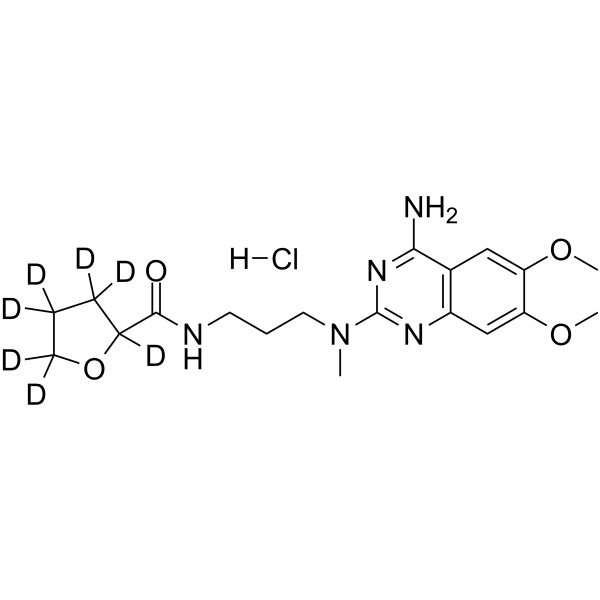
Alfuzosin-d3 hydrochloride is the deuterium labeled Alfuzosin hydrochloride. Alfuzosin hydrochloride is an α1 adrenergic receptor antagonist used to treat benign prostatic hyperplasia (BPH).
|
-
-
- HY-B0192AS1
-
|
|
|
Alfuzosin-d7 (hydrochloride) is the deuterium labeled Alfuzosin hydrochloride. Alfuzosin hydrochloride is an α1 adrenergic receptor antagonist used to treat benign prostatic hyperplasia (BPH).
|
-
-
- HY-121186S
-
|
|
|
Bevantolol-d7 hydrochloride is the deuterium labeled Bevantolol hydrochloride (HY-121186). Bevantolol hydrochloride is a selective β1 and α1-adrenergic receptor antagonist with pKi values of 7.83, 6.9 in rat cerebral cortex, respectively. Bevantolol hydrochloride is a potent Ca 2+ antagonist .
|
-
-
- HY-B1108S
-
|
|
|
Labetalol hydrochloride-d5 (AH-5158 hydrochloride-d5) is deuterium labeled Labetalol hydrochloride (HY-B1108). Labetalol (AH5158) hydrochloride is an orally available, selective α1-adrenergic recepto and non-selective β-adrenergic receptor competitive antagonist. Labetalol hydrochloride is an antihypertensive molecule that partially crosses the blood-brain barrier and has little effect on cardiac output. Labetalol hydrochloride can be used in the study of cardiovascular diseases, such as hypertension during pregnancy .
|
-
Your information is safe with us. * Required Fields.
Inquiry Information
- Nombre del producto:
- Cat. No.:
- Cantidad:
- MCE Japan Authorized Agent:








