Delivery of temperature sensitive items including proteins and kits will be paused on 6/19 for the Juneteenth holiday. For urgent orders please contact customer service.
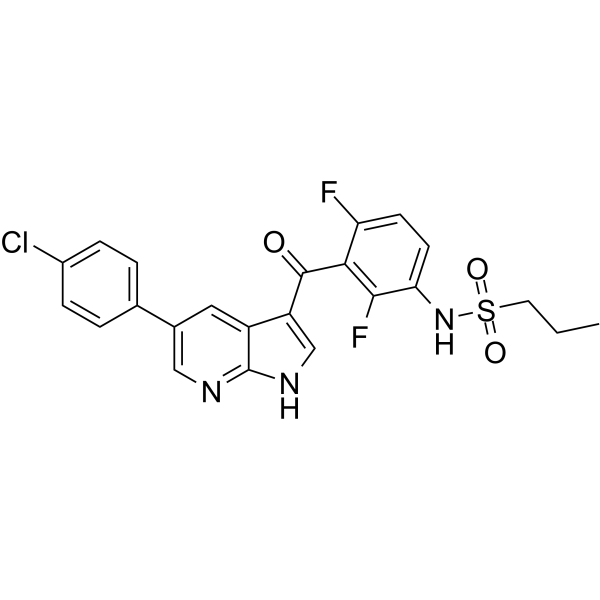
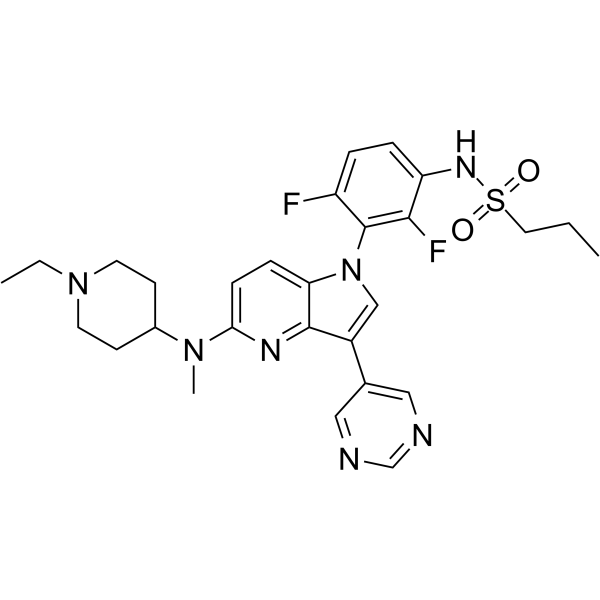
Vemurafenib (PLX4032) is a first-in-class, selective, potent inhibitor of B-RAFkinase, with IC50s of 31 and 48 nM for RAF V600E and c-RAF-1, respectively . Vemurafenib induces cell autophagy .
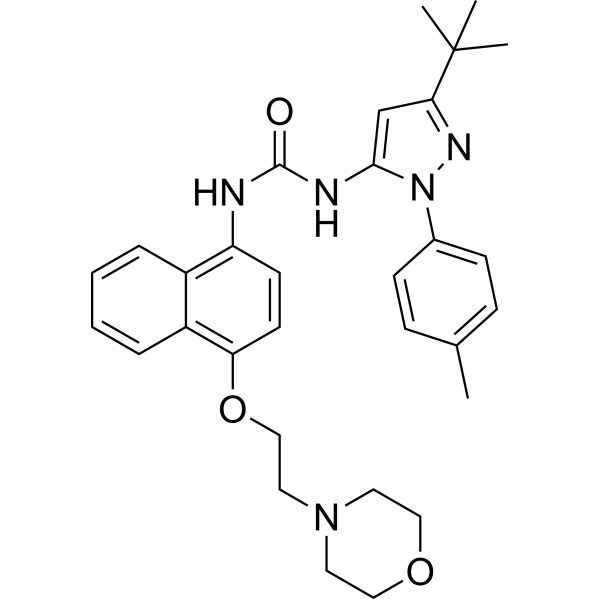
Doramapimod (BIRB 796) is an orally active, highly potent p38 MAPK inhibitor, which has an IC50 for p38α=38 nM, for p38β=65 nM, for p38γ=200 nM, and for p38δ=520 nM. Doramapimod has picomolar affinity for p38 kinase (Kd=0.1 nM). Doramapimod also inhibits B-Raf with an IC50 of 83 nM .
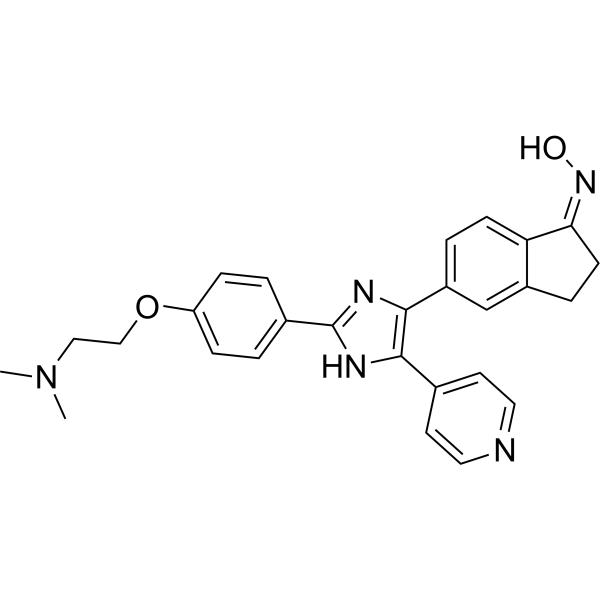
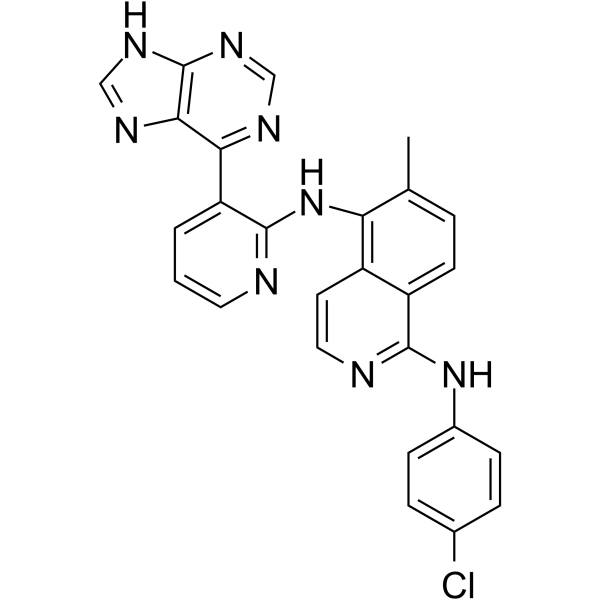
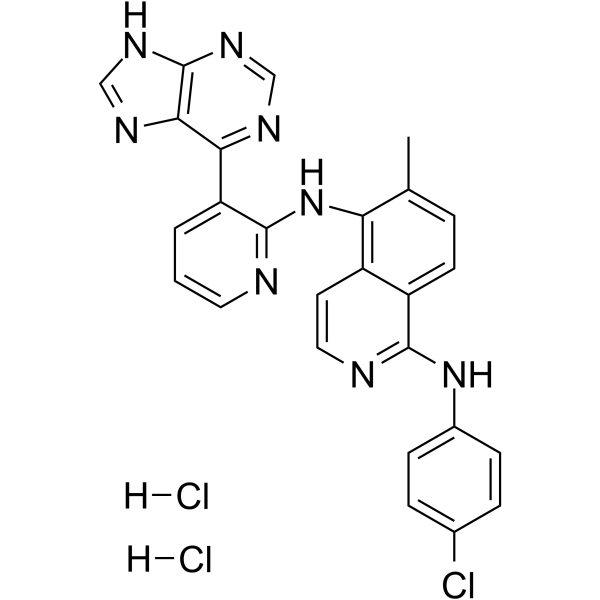
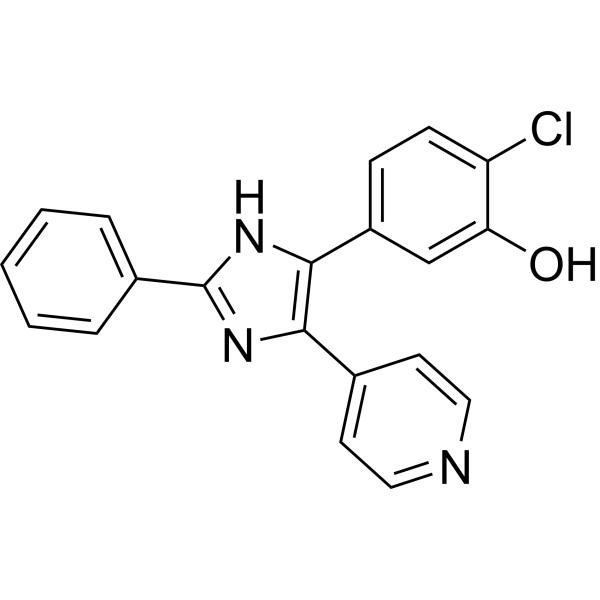
SB-590885 is a BRAF/c-Rafkinase inhibitor that selectively targets B-Raf, and it amplifies the ERK/MAPK signaling pathway in RAS-activated cells. SB-590885 effectively inhibits the malignant proliferation, transformation and tumorigenicity of oncogenic B-Raf cells; it also induces the proliferation of erythroid progenitor cells, delays their differentiation and promotes hemoglobin synthesis, thereby improving ineffective erythropoiesis and reducing apoptosis. SB-590885 exerts a synergistic effect with TGF-β inhibitors and glucocorticoids, significantly promoting the formation of erythroid colonies in cells from patients with Diamond-Blackfan anemia (DBA). SB-590885 is mainly used in relevant studies on DBA, cisplatin-induced myelosuppression-related anemia, and pan-cancers such as melanoma and colorectal cancer .
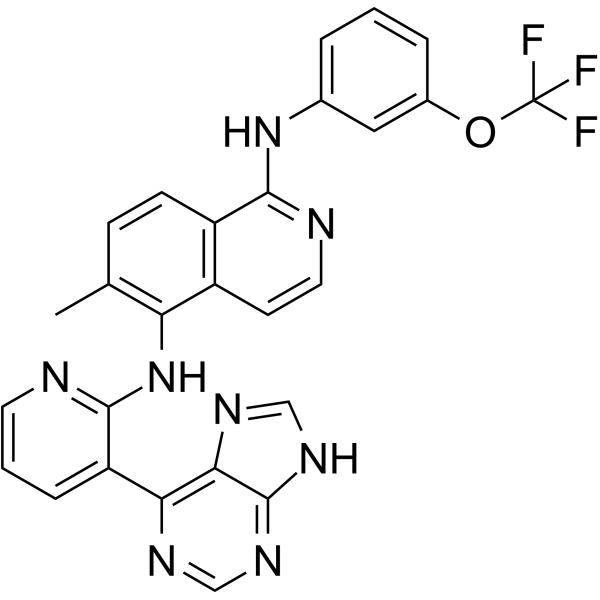
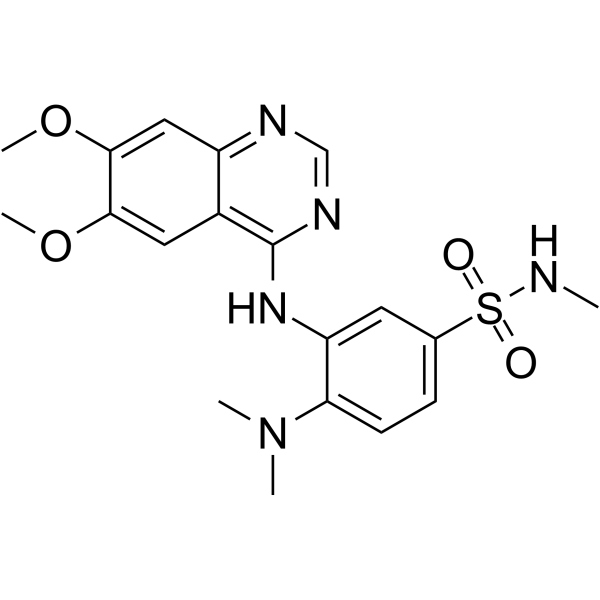
AWL-II-38.3 is a potent ephrin-A receptor (EphA3) kinase inhibitor. AWL-II-38.3 does not exhibit significant cellular activity against Src-family kinases nor against b-raf .
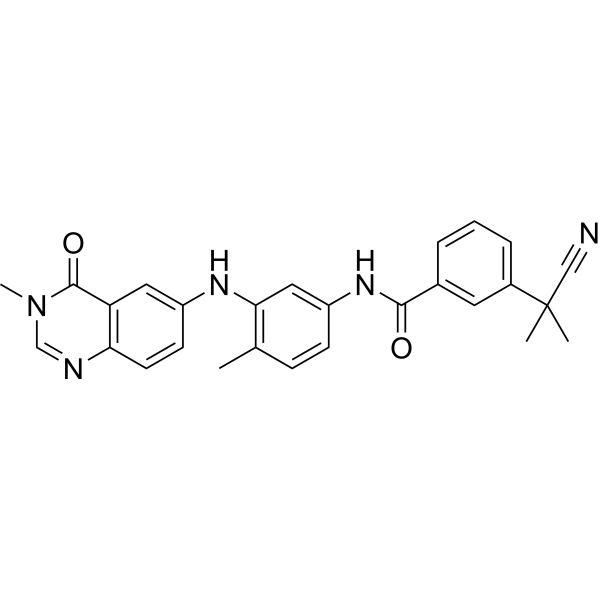
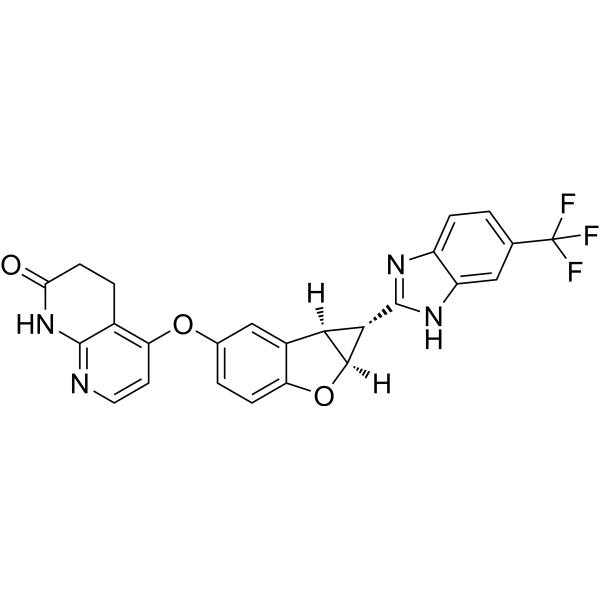
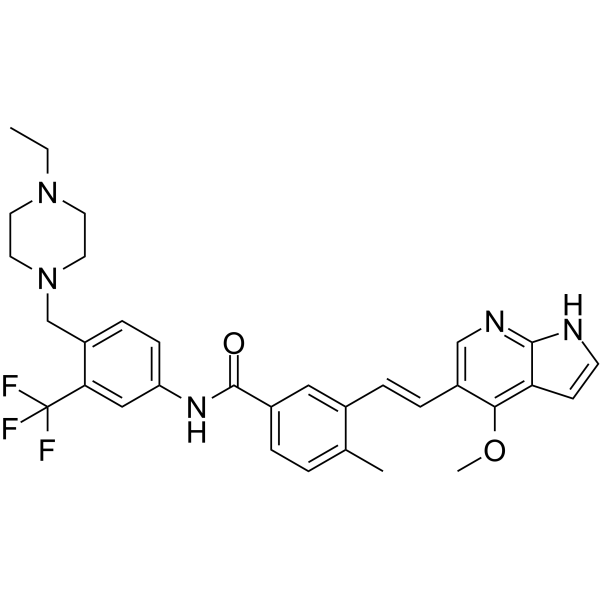
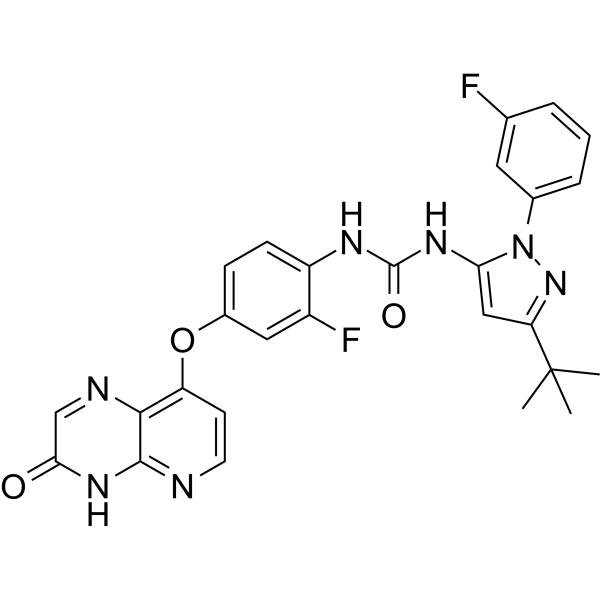
Lifirafenib (BGB-283) is a novel and potent RafKinase and EGFR inhibitor with IC50 values of 23 and 29 nM for recombinant BRafV600E and EGFR, respectively.
LUT014 is a topical inhibitor targeting BRAF that cannot pass through the blood-brain barrier. LUT014 inhibits BRAFkinase and abnormally activates the MAPK/ERK signaling pathway, promoting the proliferation of epidermal keratinocytes, repairing skin barrier damage caused by radiation damage, and alleviating inflammatory responses. LUT014 is independent of RAS signaling and accelerates the repair and regeneration of damaged skin cells. LUT014 can be used to study radiation dermatitis, especially skin damage caused by breast cancer radiotherapy .
BI-882370 is a potent and selective RAFkinase inhibitor that binds to the ATP binding site of the kinase positioned in the DFG-out (inactive) conformation of the BRAFkinase. BI-882370 (BI 882370) inhibits the oncogenic BRAFV600E-mutant, the WT BRAF and CRAF kinases with IC50s of 0.4, 0.8, and 0.6 nM, respectively. BI-882370 also inhibits SRC family kinases .
HG6-64-1 (HMSL 10017-101-1) is a B-rafkinase modulator.HG6-64-1 modulates B-rafkinase activity, including the V600E mutant form and the drug-resistant gatekeeper mutation T529I. HG6-64-1 is a germinal center kinase inhibitor. HG6-64-1 induces cell cycle arrest and apoptosis. HG6-64-1 can be used for the research of diffuse large B-cell lymphoma (DLBCL) .
B-Raf IN 11 is a B-RafV600E mutant kinase inhibitor with an IC50 of 76 nM, and exhibits an IC50 of 238 nM against wild-type B-Rafkinase. B-Raf IN 11 inhibits the kinase activities of B-RafV600E mutant and wild-type B-Rafkinase. B-Raf IN 11 is applicable to relevant research on colorectal cancer .
AZ304 is an ATP-competitive dual BRAFkinase inhibitor, potently inhibits wild type BRAF, V600E mutant BRAF and wild type CRAF, with IC50s of 79 nM, 38 nM and 68 nM, respectively. AZ304 also has significant effect on other kinases, such as p38 (IC50, 6 nM), CSF1R (IC50, 35 nM). Anti-tumor activity .
TAT-Braftide is a peptide inhibitor designed to block the dimerization of BRAF, thereby inhibiting its kinase activity. The destruction of BRAF dimer by TAT-Braftide makes BRAF protein more susceptible to proteasome degradation, directly inhibits the activity of BRAFkinase, and reduces the activation of MAPK signaling pathway. Tat-braftide can be used for the role of RAFkinase in MAPK signaling pathway and for the study of BRAF mutant cancers .
GSK-114 is a highly selective, orally active TNNI3K inhibitor (IC50= 25 nM). GSK-114 shows a 40-fold selectivity for TNNI3K over B-Rafkinase (IC50= 1 μM). Cardiac troponin I-interacting kinase (TNNI3K or CARK) is a member of the tyrosine-like kinase family that is selectively expressed in heart tissue .
Braftide is an allosteric inhibitor for BRAFkinase by targeting the dimer interface of BRAFkinase and inhibiting the formation of BRAF dimers. Braftide inhibits wild-type BRAF and oncogenic BRAFG469A with IC50 of 364 nM and 172 nM, respectively. Braftide inhibits MAPK signaling pathway, inhibits proliferation of KRAS mutant tumor cells (EC50 is 7.1 and 6.6 μM, for HCT116 and HCT-15), in combination of TAT sequence. Braftide can be used for cancer research .
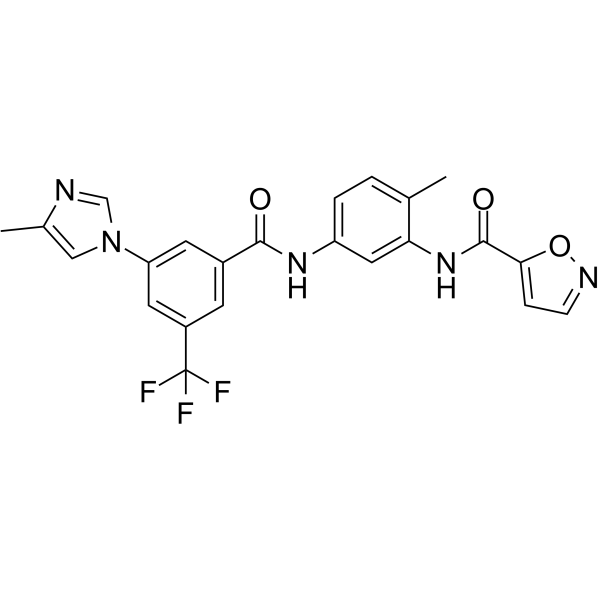
RAF mutant-IN-1 is a RAF kinase inhibitor, extracted from patent WO2019107987A1, with IC50 values of 21 nM, 30 nM and 392 nM for C-RAF 340D/Y341D, B-RAFV600E and B-RAFWT, respectively .
BRAF is a member of the Raf kinase family of growth signal transduction protein kinases. BRAF has multiple mutants. BRAF V600E is commonly found in melanoma. BRAF V600E Recombinant Human Active Protein Kinase is a recombinant BRAF V600E protein that can be used to study BRAF V600E-related functions .
XL-281 (BMS-908662) is an orally active inhibitor for RAF kinase, with IC50s of 2.6, 4.5 and 6 nM, for CRAF, B-RAF, and B-RAFV600E, respectively. XL-281 exhibits antitumor activity .
Multi-target kinase-IN-8 (3d) is an anti-cancer agent. Multi-target kinase-IN-8 exhibits inhibitory activity against various protein kinases(B-Raf V600E (IC50 = 0.078 µg/mL), c-Met (IC50 = 0.405 µg/mL), Pim-1 (IC50 = 1.053 µg/mL), EGFR WT (IC50 = 0.177 µg/mL), VEGFR-2 (IC50 = 0.275 µg/mL)). Multi-target kinase-IN-8 can induce cell cycle arrest and promote early and late apoptosis. Multi-target kinase-IN-8 is commonly used in cancer research .
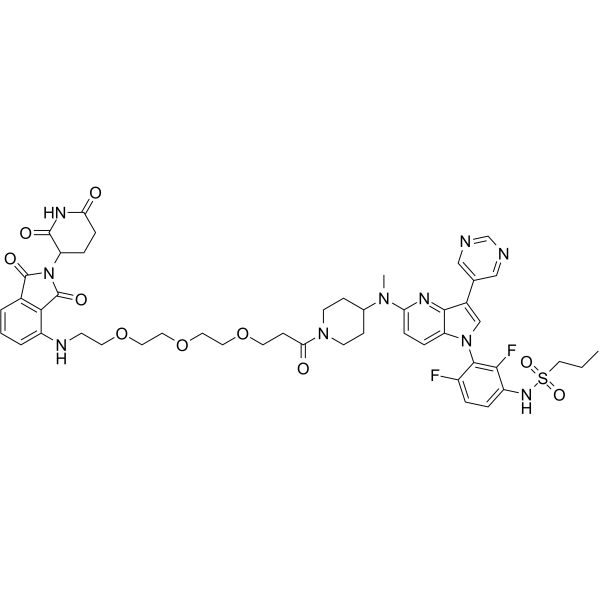
PROTAC BRAF-V600E degrader-2 (compound 12) is a potent BRAF-V600E degrader with Kds of 14.4 nM and 9.5 nM for BRAF and BRAF-V600E, respectively. PROTAC BRAF-V600E degrader-2 selectively degraded the kinase domain of BRAF-V600E but not the wild-type BRAF. PROTAC BRAF-V600E degrader-2 inhibits melanoma cell growth .
Multi-kinase-IN-5 (compound 15c) is a promising multi-kinase inhibitory agent. Multi-kinase-IN-5 inhibits a panel of protein kinases (RET, KIT, cMet, VEGFR1,2, FGFR1, PDGFR and BRAF), showing % inhibition of 74%, 31%, 62%, 40%, 73%, 74%, 59%, and 69%, respectively, and IC50 of 1.287, 0.117 and 1.185 μM against FGFR1, VEGFR, and RET kinases, respectively .
Corylifol C is a potent protein kinase inhibitor with IC50 valueS of 8.7, 3.0, 2.1, 6.4, 4.5, 6.2, 2.3, 1.2, 5.1 μg/ml for ARK5, Aurora-A, Aurora-B, AXL, B-RAF-VE, CDK4/CycD1, TIE2, EGF-R, EPHB4, respectively .
B-Raf IN 5 (compound 3b) is a potent inhibitor of protein kinaseB-Raf with an IC50 of 2.0 nM. B-Raf IN 5 is devoid of binding to the secondary target PXR and resists rapid metabolism. B-Raf IN 6 has the potential for the research of cancer disease .
B-Raf IN 6 (compound 2c) is a potent inhibitor of protein kinaseB-Raf with an IC50 of 1.7 nM. B-Raf IN 6 is devoid of binding to the secondary target PXR and resists rapid metabolism. B-Raf IN 6 has the potential for the research of cancer disease .
Avutometinib (CH5126766) (potassium) is a RAF/MEK clamp that potently inhibits RAF/MEKkinase activity and induces dominant negative RAF-MEK complexes preventing phosphorylation of MEK by ARAF, BRAF and CRAF. Avutometinib (potassium) shows anti-proliferative potency across tumor cell lines carrying KRAS mutations including PDAC cell lines. Avutometinib (potassium) induces tumor inhibition and increases survival in a KRAS/p53 pancreatic cancer mouse model. Avutometinib (potassium) is promising for research of low-grade-serous-ovarian-carcinoma (LGSOC), ovarian cancer and pancreatic ductal adenocarcinoma (PDAC) .
B-Raf IN 17 (Compound 8e) is a potent and orally active type II multi-kinase inhibitor. B-Raf IN 17 exhibits potent cellular-level suppression of BRAFWT, VEGFR-2, and FGFR-1 in A375 cell line, with IC50 values of 0.02, 0.18 and 1.65 μM, respectively. B-Raf IN 17 can be used for the research of cancer .
AFG210 is a potent multi-target kinase inhibitor that primarily inhibits Abl kinase (IC50=330 nM), and also has inhibitory effects on other kinases such as B-Raf, C-Raf, FGFR-1, RET and VEGF receptors. AFG210 can be used to study chronic myeloid leukemia and other diseases with abnormal activation of Ablkinase .
Vemurafenib-d7 is deuterium labeled Vemurafenib. Vemurafenib (PLX4032) is a first-in-class, selective, potent inhibitor of B-RAFkinase, with IC50s of 31 and 48 nM for RAFV600E and c-RAF-1, respectively . Vemurafenib induces cell autophagy .
Vemurafenib-d5 is the deuterium labeled Vemurafenib. Vemurafenib (PLX4032) is a first-in-class, selective, potent inhibitor of B-RAFkinase, with IC50s of 31 and 48 nM for RAFV600E and c-RAF-1, respectively . Vemurafenib induces cell autophagy .
Vemurafenib (Standard) is the analytical standard of Vemurafenib. This product is intended for research and analytical applications. Vemurafenib (PLX4032) is a first-in-class, selective, potent inhibitor of B-RAFkinase, with IC50s of 31 and 48 nM for RAF V600E and c-RAF-1, respectively . Vemurafenib induces cell autophagy .
SB-590885 (Standard) is the analytical standard of SB-590885 (HY-10966). This product is intended for research and analytical applications. SB-590885 is a BRAF/c-Rafkinase inhibitor that selectively targets B-Raf, and it amplifies the ERK/MAPK signaling pathway in RAS-activated cells. SB-590885 effectively inhibits the malignant proliferation, transformation and tumorigenicity of oncogenic B-Raf cells; it also induces the proliferation of erythroid progenitor cells, delays their differentiation and promotes hemoglobin synthesis, thereby improving ineffective erythropoiesis and reducing apoptosis. SB-590885 exerts a synergistic effect with TGF-β inhibitors and glucocorticoids, significantly promoting the formation of erythroid colonies in cells from patients with Diamond-Blackfan anemia (DBA). SB-590885 is mainly used in relevant studies on DBA, cisplatin-induced myelosuppression-related anemia, and pan-cancers such as melanoma and colorectal cancer .
Antiproliferative agent-54 (Compound 6z) is the inhibitor for multiple kinases, such as ABL WT, B-RAF, EGFR, HCK, LYN A and SRC with IC50 of 6-50 nM. Antiproliferative agent-54 inhibits proliferation of several cancer cell, inhibits HUVEC and HepG2, with EC50 of 34 and 38 nM. Antiproliferative agent-54 exhibits good pharmacokinetic characteristics in rats .
Doramapimod (Standard) is the analytical standard of Doramapimod. This product is intended for research and analytical applications. Doramapimod (BIRB 796) is an orally active, highly potent p38 MAPK inhibitor, which has an IC50 for p38α=38 nM, for p38β=65 nM, for p38γ=200 nM, and for p38δ=520 nM. Doramapimod has picomolar affinity for p38 kinase (Kd=0.1 nM). Doramapimod also inhibits B-Raf with an IC50 of 83 nM .
VEGFR-2/BRAF-IN-2 (Compound 4a) is a dual VEGFR-2 and BRAFkinases inhibitor with IC50 values of 0.111, 0.089 and 0.071 µM against VEGFR-2, BRAFV600E and BRAFWT, respectively. VEGFR-2/BRAF-IN-2 induces apoptosis and arrests the cell cycle mainly in the G1 phase .
VEGFR-2/BRAF-IN-1 (Compound 4b) is a dual VEGFR-2 and BRAFkinases inhibitor with IC50 values of 0.049, 0.063 and 0.005 µM against VEGFR-2, BRAFV600E and BRAFWT, respectively. VEGFR-2/BRAF-IN-1 induces apoptosis and arrests the cell cycle mainly in the G1/S phase .
SKLB646 is an orally active multi-target kinase inhibitor. SKLB646 shows significant inhibitory effects on SRC and VEGFR2 with IC50 values ??of 0.002 μmol/L and 0.012 μmol/L, respectively. SKLB646 also shows significant inhibitory effects on B-Raf and C-Raf with IC50 values ??of 0.022 μmol/L and 0.019 μmol/L, respectively. SKLB646 inhibits the activation of the SRC signaling pathway and blocks the MAPK signaling pathway by inhibiting Rafkinase. In addition, SKLB646 can inhibit the proliferation, migration and invasion of human umbilical vein endothelial cells (HUVEC) to inhibit tumor-induced angiopoietic formation. SKLB646 shows significant anti-proliferative and anti-survival activities against triple-negative breast cancer (TNBC) cell lines .
Lifirafenib (BGB-283) maleate is a novel and potent RafKinase and EGFR inhibitor with IC50 values of 23 and 29 nM for recombinant BRafV600E and EGFR, respectively .
B-Raf-IN-20 (Compound Z-001) is a B-RAF inhibitor with an IC50 value of 37.80 nM. B-Raf-IN-20 binds to DFG-out/C-helix-in conformation in the B-RAFkinase. B-Raf-IN-20 has anti-cancer activity against non-small cell lung cancer .
RAF-IN-4 (Compound 120) is a Raf Kinase inhibitor. RAF-IN-4 shows IC50 values of 134.3, 118.6 and 276.7 nM for B-Raf, B-Raf (V600E) and C-Raf. RAF-IN-4 can inhibit the proliferation of cancer cells by blocking the Raf signaling pathway. RAF-IN-4 can be used for research of cancer, such as lung cancer and breast cancer .
SB-590885 GMP is SB-590885 (HY-10966) produced by using GMP guidelines. GMP small molecules works appropriately as an auxiliary reagent for cell therapy manufacture. SB-590885 is a BRAF/c-Rafkinase inhibitor that selectively targets B-Raf, and it amplifies the ERK/MAPK signaling pathway in RAS-activated cells. SB-590885 effectively inhibits the malignant proliferation, transformation and tumorigenicity of oncogenic B-Raf cells; it also induces the proliferation of erythroid progenitor cells, delays their differentiation and promotes hemoglobin synthesis, thereby improving ineffective erythropoiesis and reducing apoptosis. SB-590885 exerts a synergistic effect with TGF-β inhibitors and glucocorticoids, significantly promoting the formation of erythroid colonies in cells from patients with Diamond-Blackfan anemia (DBA). SB-590885 is mainly used in relevant studies on DBA, cisplatin-induced myelosuppression-related anemia, and pan-cancers such as melanoma and colorectal cancer .
BI-882370 (Standard) is the analytical standard of BI-882370 (HY-107779). This product is intended for research and analytical applications. BI-882370 is a potent and selective RAF Kinase inhibitor that binds to the ATP binding site of the Kinase positioned in the DFG-out (inactive) conformation of the BRAFKinase. BI-882370 (BI 882370) inhibits the oncogenic BRAFV600E-mutant, the WT BRAF and CRAF Kinases with IC50s of 0.4, 0.8, and 0.6 nM, respectively. BI-882370 also inhibits SRC family Kinases .
EGFR/BRAFV600E-IN-7 is a dual EGFR and BRAFV600Ekinase inhibitor with human IC50 values of 0.12 μM, 0.80 μM, 1.20 μM for EGFR and 0.05 μM, 0.22 μM, 0.78 μM for BRAFV600E.EGFR/BRAFV600E-IN-7 interacts with key ATP-binding site residues of EGFR and BRAFV600E, including hydrogen bonding with EGFR Met769 and BRAFV600E Cys532.EGFR/BRAFV600E-IN-7 induces apoptosis via caspase-3/8/9 activation, modulates Bax and Bcl-2 expression, scavenges free radicals, and exhibits antiproliferative activity against human cancer cell lines.EGFR/BRAFV600E-IN-7 displays drug-likeness with no PAINS/Brenk structural alerts per in silico predictions.EGFR/BRAFV600E-IN-7 can be used for the research of colon cancer, pancreatic cancer, lung cancer, breast cancer .
COX/5-LO-IN-2 is a COX2, EGFR, COX1, 5-LOX, BRAF and FAK inhibitor with IC50 of 1.22 μM, 2.5 μM, 2.95 μM, 4.65 μM, 7.4 μM, 12.2 μM, respectively. COX/5-LO-IN-2 induces cell growth arrest at G2/M phase. COX/5-LO-IN-2 triggers apoptotic activity by up-regulating proapoptotic proteins p53, Bax, and caspase-7 and down-regulating anti-apoptotic protein Bcl-2. COX/5-LO-IN-2 can be used for the research of breast cancer .
Protein Kinases (PTKs) are a class of phosphotransferases that phosphorylate proteins. Protein kinases participate in many signal transduction pathways including those involved with growth, differentiation, and cell division. Protein kinase not only plays an important role in the process of cell activation, but also its abnormal expression is closely related to the pathogenesis of many diseases. So far, the protein kinase family has become one of the most important drug targets. The most common drug targets include ALK, B-Raf, BCR-Abl, EGFR, and VEGFR.
MCE designs a unique collection of 4,400 bioactive compounds targeting protein kinases, which is an important tool for the development of drug targeting protein kinases.
Lung cancer is a major global health problem, as it is the leading cause of cancer-related deaths worldwide. Lung cancer is divided into two categories: small cell lung cancer and non-small cell lung cancer (NSCLC). Non-small cell lung cancer accounts for about 85 percent of lung cancers.
As with all cancers, lung cancer may be treated with surgery, chemotherapy, radiation therapy, targeted therapy, immunotherapy or a combination thereof. Targeted therapy is one of the most exciting developments in lung cancer medicine, especially for NSCLC. Extensive genomic characterization of NSCLC has led to the identification of molecular subtypes of NSCLC that are oncogene addicted and exquisitely sensitive to targeted therapies. These include activating mutations in epidermal growth factor receptor (EGFR) and BRAF or echinoderm microtubule-associated protein-like 4 (EML4)-anaplastic lymphoma kinase (ALK) fusions and ROS1 receptor tyrosine kinase fusions. These are important targets for target therapy.
MCE offers a unique collection of 2,926 compounds with identified and potential anti-lung cancer activity. These compounds target lung cancer’s major targets and signaling pathways. MCE anti-lung cancer compound library is a useful tool for anti-lung cancer drugs screening and other related research.
SB-590885 GMP is SB-590885 (HY-10966) produced by using GMP guidelines. GMP small molecules works appropriately as an auxiliary reagent for cell therapy manufacture. SB-590885 is a BRAF/c-Rafkinase inhibitor that selectively targets B-Raf, and it amplifies the ERK/MAPK signaling pathway in RAS-activated cells. SB-590885 effectively inhibits the malignant proliferation, transformation and tumorigenicity of oncogenic B-Raf cells; it also induces the proliferation of erythroid progenitor cells, delays their differentiation and promotes hemoglobin synthesis, thereby improving ineffective erythropoiesis and reducing apoptosis. SB-590885 exerts a synergistic effect with TGF-β inhibitors and glucocorticoids, significantly promoting the formation of erythroid colonies in cells from patients with Diamond-Blackfan anemia (DBA). SB-590885 is mainly used in relevant studies on DBA, cisplatin-induced myelosuppression-related anemia, and pan-cancers such as melanoma and colorectal cancer .
TAT-Braftide is a peptide inhibitor designed to block the dimerization of BRAF, thereby inhibiting its kinase activity. The destruction of BRAF dimer by TAT-Braftide makes BRAF protein more susceptible to proteasome degradation, directly inhibits the activity of BRAFkinase, and reduces the activation of MAPK signaling pathway. Tat-braftide can be used for the role of RAFkinase in MAPK signaling pathway and for the study of BRAF mutant cancers .
Braftide is an allosteric inhibitor for BRAFkinase by targeting the dimer interface of BRAFkinase and inhibiting the formation of BRAF dimers. Braftide inhibits wild-type BRAF and oncogenic BRAFG469A with IC50 of 364 nM and 172 nM, respectively. Braftide inhibits MAPK signaling pathway, inhibits proliferation of KRAS mutant tumor cells (EC50 is 7.1 and 6.6 μM, for HCT116 and HCT-15), in combination of TAT sequence. Braftide can be used for cancer research .
Corylifol C is a potent protein kinase inhibitor with IC50 valueS of 8.7, 3.0, 2.1, 6.4, 4.5, 6.2, 2.3, 1.2, 5.1 μg/ml for ARK5, Aurora-A, Aurora-B, AXL, B-RAF-VE, CDK4/CycD1, TIE2, EGF-R, EPHB4, respectively .
Vemurafenib-d7 is deuterium labeled Vemurafenib. Vemurafenib (PLX4032) is a first-in-class, selective, potent inhibitor of B-RAFkinase, with IC50s of 31 and 48 nM for RAFV600E and c-RAF-1, respectively . Vemurafenib induces cell autophagy .
Vemurafenib-d5 is the deuterium labeled Vemurafenib. Vemurafenib (PLX4032) is a first-in-class, selective, potent inhibitor of B-RAFkinase, with IC50s of 31 and 48 nM for RAFV600E and c-RAF-1, respectively . Vemurafenib induces cell autophagy .
SB-590885 GMP is SB-590885 (HY-10966) produced by using GMP guidelines. GMP small molecules works appropriately as an auxiliary reagent for cell therapy manufacture. SB-590885 is a BRAF/c-Rafkinase inhibitor that selectively targets B-Raf, and it amplifies the ERK/MAPK signaling pathway in RAS-activated cells. SB-590885 effectively inhibits the malignant proliferation, transformation and tumorigenicity of oncogenic B-Raf cells; it also induces the proliferation of erythroid progenitor cells, delays their differentiation and promotes hemoglobin synthesis, thereby improving ineffective erythropoiesis and reducing apoptosis. SB-590885 exerts a synergistic effect with TGF-β inhibitors and glucocorticoids, significantly promoting the formation of erythroid colonies in cells from patients with Diamond-Blackfan anemia (DBA). SB-590885 is mainly used in relevant studies on DBA, cisplatin-induced myelosuppression-related anemia, and pan-cancers such as melanoma and colorectal cancer .
Inquiry Online
Your information is safe with us. * Required Fields.
Western blot analysis of extracts from THP-1(lane 2(20μg), Jurkat (lane 3(20μg) and NIH3T3(lane 4(20μg) using FOXO1A (HY-P80132) Rabbit mAb. Proteins were transferred
to a PVDF membrane and blocked with 5% non-fat milk in TBST for 2 hour at room temperature. The primary antibody (1/1000) and Loading control antibody (Beta Actin, HY-P80438, 1/10000) was
used in 5% non-fat milk in TBST at 4°C overnight. Goat Anti-Mouse/Rabbit IgG-HRP Secondary Antibody (1/10000) was used for 1 hour at room temperature.
Western blot analysis of extracts from THP-1(lane 2(20μg), Jurkat (lane 3(20μg) and NIH3T3(lane 4(20μg) using FOXO1A (HY-P80132) Rabbit mAb. Proteins were transferred
to a PVDF membrane and blocked with 5% non-fat milk in TBST for 2 hour at room temperature. The primary antibody (1/1000) and Loading control antibody (Beta Actin, HY-P80438, 1/10000) was
used in 5% non-fat milk in TBST at 4°C overnight. Goat Anti-Mouse/Rabbit IgG-HRP Secondary Antibody (1/10000) was used for 1 hour at room temperature.
Western blot analysis of extracts from THP-1(lane 2(20μg), Jurkat (lane 3(20μg) and NIH3T3(lane 4(20μg) using FOXO1A (HY-P80132) Rabbit mAb. Proteins were transferred
to a PVDF membrane and blocked with 5% non-fat milk in TBST for 2 hour at room temperature. The primary antibody (1/1000) and Loading control antibody (Beta Actin, HY-P80438, 1/10000) was
used in 5% non-fat milk in TBST at 4°C overnight. Goat Anti-Mouse/Rabbit IgG-HRP Secondary Antibody (1/10000) was used for 1 hour at room temperature.
Western blot analysis of extracts from THP-1(lane 2(20μg), Jurkat (lane 3(20μg) and NIH3T3(lane 4(20μg) using FOXO1A (HY-P80132) Rabbit mAb. Proteins were transferred
to a PVDF membrane and blocked with 5% non-fat milk in TBST for 2 hour at room temperature. The primary antibody (1/1000) and Loading control antibody (Beta Actin, HY-P80438, 1/10000) was
MedchemExpress Validation 03
Western blot analysis of extracts from THP-1(lane 2(20μg), Jurkat (lane 3(20μg) and NIH3T3(lane 4(20μg) using FOXO1A (HY-P80132) Rabbit mAb. Proteins were transferred
MedchemExpress Validation 04
Western blot analysis of extracts from THP-1(lane 2(20μg), Jurkat (lane 3(20μg) and NIH3T3(lane 4(20μg) using FOXO1A (HY-P80132) Rabbit mAb. Proteins were transferred
to a PVDF membrane and blocked with 5% non-fat milk in TBST for 2 hour at room temperature. The primary antibody (1/1000) and Loading control antibody (Beta Actin, HY-P80438, 1/10000) was
used in 5% non-fat milk in TBST at 4°C overnight. Goat Anti-Mouse/Rabbit IgG-HRP Secondary Antibody (1/10000) was used for 1 hour at room temperature.
MedchemExpress Validation
Western blot analysis of extracts from THP-1(lane 2(20μg), Jurkat (lane 3(20μg) and NIH3T3(lane 4(20μg) using FOXO1A (HY-P80132) Rabbit mAb. Proteins were transferred
to a PVDF membrane and blocked with 5% non-fat milk in TBST for 2 hour at room temperature. The primary antibody (1/1000) and Loading control antibody (Beta Actin, HY-P80438, 1/10000) was
used in 5% non-fat milk in TBST at 4°C overnight. Goat Anti-Mouse/Rabbit IgG-HRP Secondary Antibody (1/10000) was used for 1 hour at room temperature.
Western blot analysis of extracts from THP-1(lane 2(20μg), Jurkat (lane 3(20μg) and NIH3T3(lane 4(20μg) using FOXO1A (HY-P80132) Rabbit mAb. Proteins were transferred
to a PVDF membrane and blocked with 5% non-fat milk in TBST for 2 hour at room temperature. The primary antibody (1/1000) and Loading control antibody (Beta Actin, HY-P80438, 1/10000) was
used in 5% non-fat milk in TBST at 4°C overnight. Goat Anti-Mouse/Rabbit IgG-HRP Secondary Antibody (1/10000) was used for 1 hour at room temperature.
MedchemExpress Validation
Western blot analysis of extracts from THP-1(lane 2(20μg), Jurkat (lane 3(20μg) and NIH3T3(lane 4(20μg) using FOXO1A (HY-P80132) Rabbit mAb. Proteins were transferred
to a PVDF membrane and blocked with 5% non-fat milk in TBST for 2 hour at room temperature. The primary antibody (1/1000) and Loading control antibody (Beta Actin, HY-P80438, 1/10000) was
used in 5% non-fat milk in TBST at 4°C overnight. Goat Anti-Mouse/Rabbit IgG-HRP Secondary Antibody (1/10000) was used for 1 hour at room temperature.
MedchemExpress Validation
Western blot analysis of extracts from THP-1(lane 2(20μg), Jurkat (lane 3(20μg) and NIH3T3(lane 4(20μg) using FOXO1A (HY-P80132) Rabbit mAb. Proteins were transferred
to a PVDF membrane and blocked with 5% non-fat milk in TBST for 2 hour at room temperature. The primary antibody (1/1000) and Loading control antibody (Beta Actin, HY-P80438, 1/10000) was
used in 5% non-fat milk in TBST at 4°C overnight. Goat Anti-Mouse/Rabbit IgG-HRP Secondary Antibody (1/10000) was used for 1 hour at room temperature.
MedchemExpress Validation
Western blot analysis of extracts from THP-1(lane 2(20μg), Jurkat (lane 3(20μg) and NIH3T3(lane 4(20μg) using FOXO1A (HY-P80132) Rabbit mAb. Proteins were transferred
to a PVDF membrane and blocked with 5% non-fat milk in TBST for 2 hour at room temperature. The primary antibody (1/1000) and Loading control antibody (Beta Actin, HY-P80438, 1/10000) was
used in 5% non-fat milk in TBST at 4°C overnight. Goat Anti-Mouse/Rabbit IgG-HRP Secondary Antibody (1/10000) was used for 1 hour at room temperature.
MedchemExpress Validation
Western blot analysis of extracts from THP-1(lane 2(20μg), Jurkat (lane 3(20μg) and NIH3T3(lane 4(20μg) using FOXO1A (HY-P80132) Rabbit mAb. Proteins were transferred
to a PVDF membrane and blocked with 5% non-fat milk in TBST for 2 hour at room temperature. The primary antibody (1/1000) and Loading control antibody (Beta Actin, HY-P80438, 1/10000) was
used in 5% non-fat milk in TBST at 4°C overnight. Goat Anti-Mouse/Rabbit IgG-HRP Secondary Antibody (1/10000) was used for 1 hour at room temperature.
MedchemExpress Validation
Western blot analysis of extracts from THP-1(lane 2(20μg), Jurkat (lane 3(20μg) and NIH3T3(lane 4(20μg) using FOXO1A (HY-P80132) Rabbit mAb. Proteins were transferred
to a PVDF membrane and blocked with 5% non-fat milk in TBST for 2 hour at room temperature. The primary antibody (1/1000) and Loading control antibody (Beta Actin, HY-P80438, 1/10000) was
used in 5% non-fat milk in TBST at 4°C overnight. Goat Anti-Mouse/Rabbit IgG-HRP Secondary Antibody (1/10000) was used for 1 hour at room temperature.
MedchemExpress Validation
Western blot analysis of extracts from THP-1(lane 2(20μg), Jurkat (lane 3(20μg) and NIH3T3(lane 4(20μg) using FOXO1A (HY-P80132) Rabbit mAb. Proteins were transferred
to a PVDF membrane and blocked with 5% non-fat milk in TBST for 2 hour at room temperature. The primary antibody (1/1000) and Loading control antibody (Beta Actin, HY-P80438, 1/10000) was
used in 5% non-fat milk in TBST at 4°C overnight. Goat Anti-Mouse/Rabbit IgG-HRP Secondary Antibody (1/10000) was used for 1 hour at room temperature.
MedChemExpress values your privacy and your trust is important to us. We use cookies to enhance your website experience. Some cookies are necessary to run the website.
Privacy and Cookie Policy

