Search Result
Results for "
CB1 antagonists
" in MedChemExpress (MCE) Product Catalog:
3
Isotope-Labeled Compounds
| Cat. No. |
Product Name |
Target |
Research Areas |
Chemical Structure |
-
- HY-15443
-
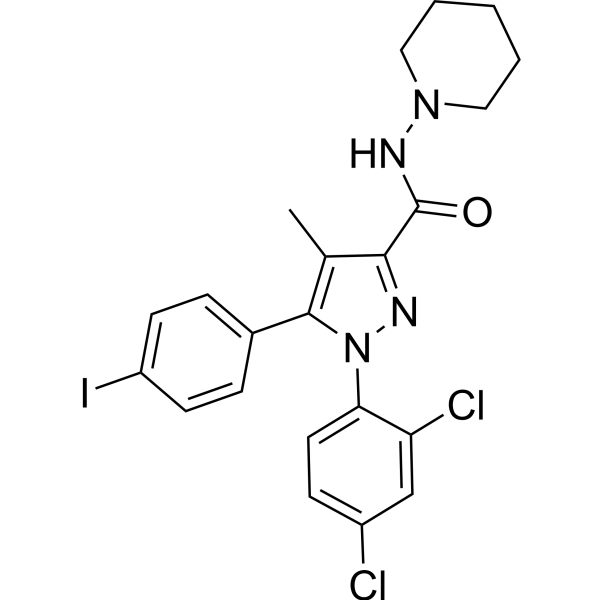
AM251
Maximum Cited Publications
23 Publications Verification
|
Cannabinoid Receptor
|
Neurological Disease
|
|
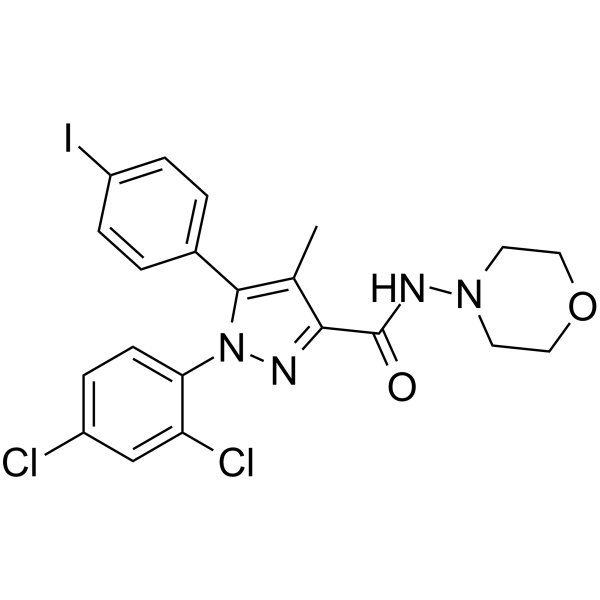
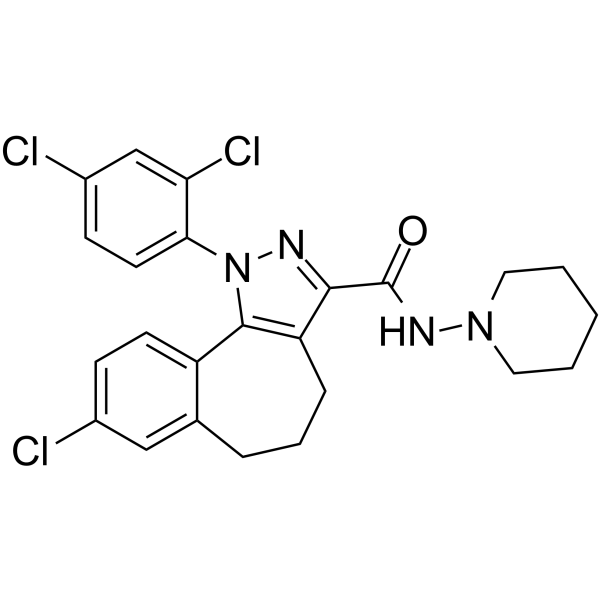
AM251 is a selective cannabinoid 1 (CB1) receptor antagonist with an IC50 of 8 nM. AM251 also acts as a potent GPR55 agonist with an EC50 of 39 nM .
|
-
-
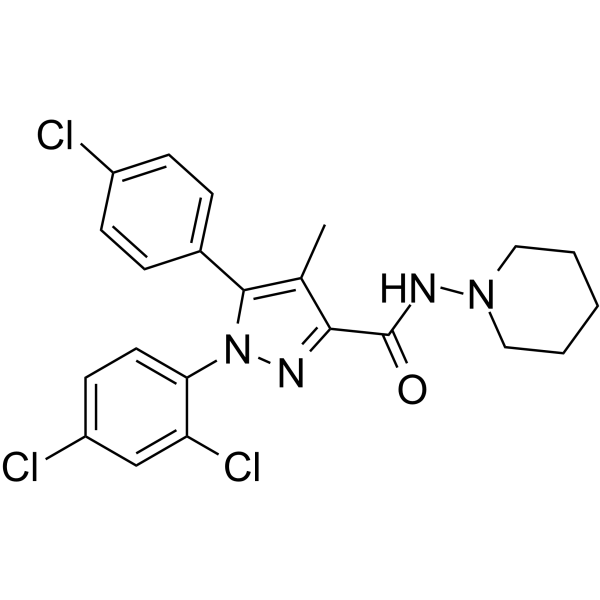
- HY-14136
-
-
-
- HY-18697
-
-
-
- HY-153800
-
-
-
- HY-14137
-
|
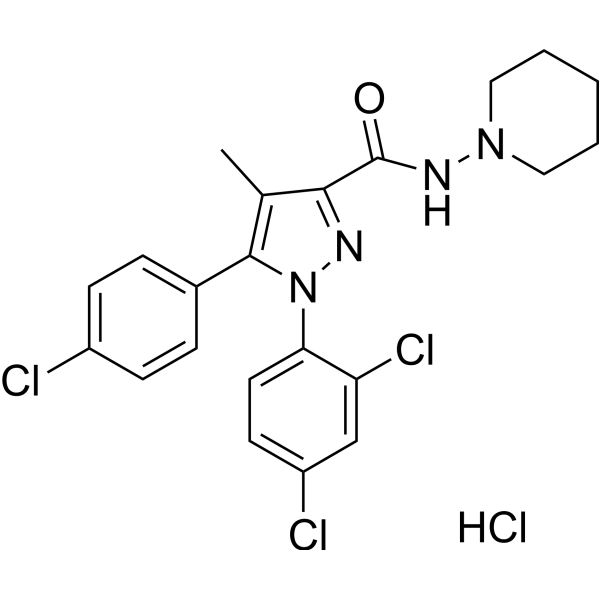
SR 141716A Hydrochloride
|
Cannabinoid Receptor
Bacterial
|
Infection
Metabolic Disease
Cancer
|
|
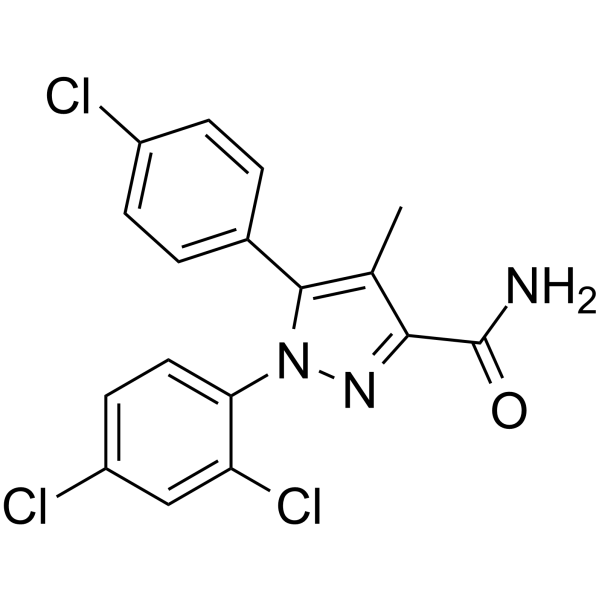
Rimonabant Hydrochloride (SR 141716A Hydrochloride) is a highly potent and selective central cannabinoid receptor (CB1) antagonist with an Ki of 1.8 nM. Rimonabant Hydrochloride (SR 141716A Hydrochloride) also inhibits Mycobacterial membrane protein Large 3 (MMPL3).
|
-
-
- HY-116637
-
-
-
- HY-110125
-
ML-193
1 Publications Verification
CID 1261822
|
GPR55
|
Neurological Disease
|
|
ML-193 (CID 1261822) is a potent and selective antagonist of GPR55, with an IC50 of 221 nM. ML-193 shows more than 27-fold selectivity for GPR55 over GPR35, CB1 and CB2. ML-193 can improve the motor and the sensorimotor deficits of Parkinson’s disease (PD) rats .
|
-
-
- HY-B1161A
-
|
(+)-Methoprene; (7S)-Methoprene
|
Environmental Pollutants
Cannabinoid Receptor
|
Others
|
|
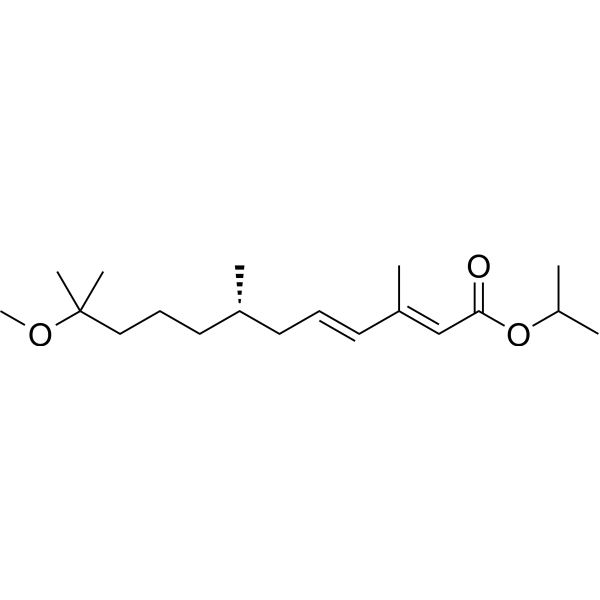
S-Methoprene is an insect juvenile hormone analog and effective insecticide that blocks the transition from pupa to adult. S-Methoprene is also a CB(1) receptor ligand and inhibits the binding of the CB1 receptor antagonist [ 3H]CP-55940 to the CB1 receptor (IC50: 19.31 μM) .
|
-
-
- HY-13505
-
-
-
- HY-10871
-
|
CP-945598
|
Cannabinoid Receptor
|
Metabolic Disease
|
|
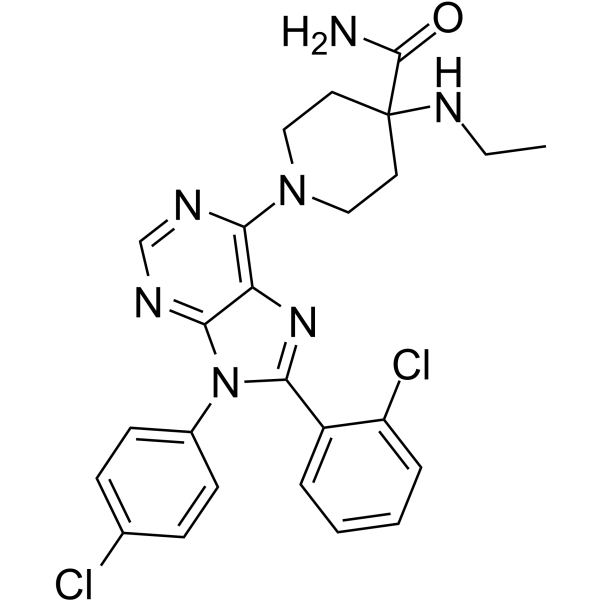
Otenabant is a potent and selective cannabinoid receptor CB1 antagonist with Ki of 0.7 nM, exhibits 10,000-fold greater selectivity against human CB2 receptor.
|
-
-
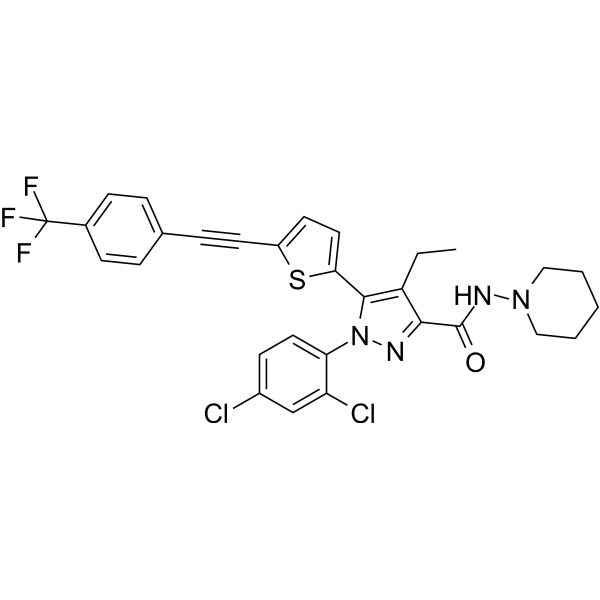
- HY-112340
-
|
|
Cannabinoid Receptor
|
Neurological Disease
Metabolic Disease
|
|
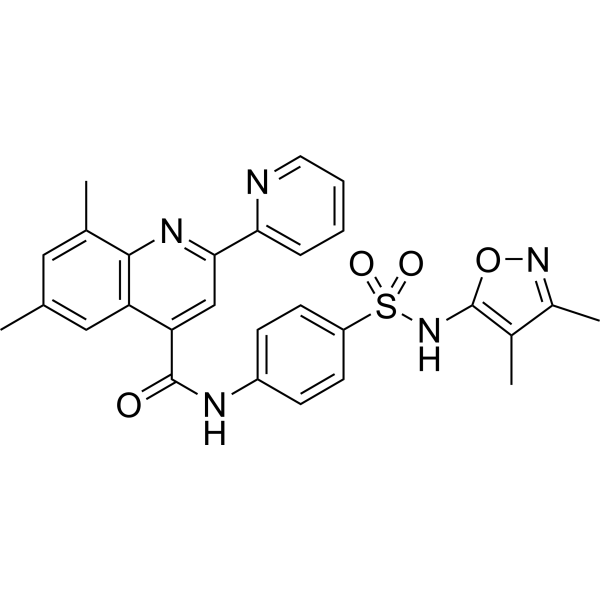
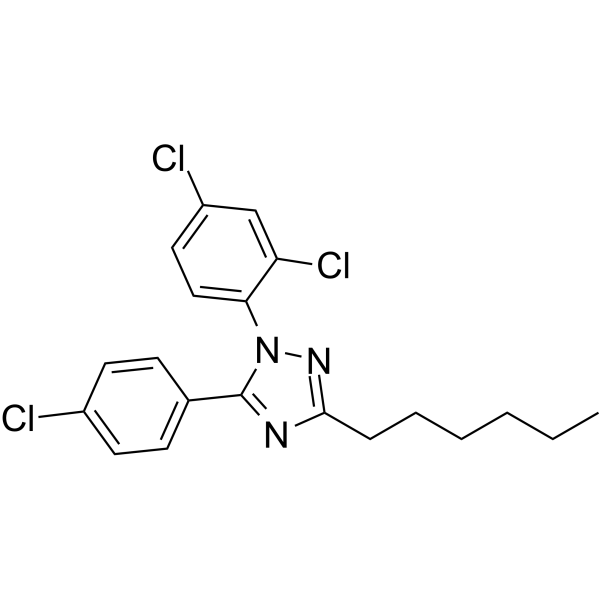
CB1 antagonist 4 (compound 8) is a selective cannabinoid receptor 1 (CB1) inverse agonist with an IC50 of 8.5 nM for human CB1. CB1 antagonist 4 shows selective for CB1 over CB2 receptors (IC50 of 604.9 nM). CB1 antagonist 4 inhibits GTP binding to CB1-overexpressing cell membranes with an EC50 of 18.5 nM .
|
-
-
- HY-110206
-
|
|
Cannabinoid Receptor
|
Metabolic Disease
|
|
AM6545 is a highly selective, brain-free (peripherally active) CB1 receptor antagonist (Ki=1.7 nM). AM6545 inhibits endocannabinoid signaling by competitively antagonizing CB1 receptors, inhibiting CB1-mediated appetite stimulation and inflammatory responses without affecting cAMP levels. AM6545 significantly reduces food intake and body weight in mice, while improving metabolic syndrome-related renal impairment (such as proteinuria, fibrosis) and insulin resistance. AM6545 can be used in the study of obesity and its complications .
|
-
-
- HY-116649
-
|
AM4113
|
Cannabinoid Receptor
|
Neurological Disease
Metabolic Disease
|
|
CB1 antagonist 2 (AM4113) is an orally active cannabinoid receptor type 1 (CB1R) antagonist. CB1 antagonist 2 suppresses appetite, reduces body weight, and blocks addictive behaviors such as heroin addiction, without causing adverse effects like nausea and depression that are associated with traditional CB1 inverse agonists. CB1 antagonist 2 can be used in studies related to obesity and opioid addiction .
|
-
-
- HY-14791A
-
|
(±)-SLV319; (±)-BMS-646256
|
Cannabinoid Receptor
|
Metabolic Disease
|
|
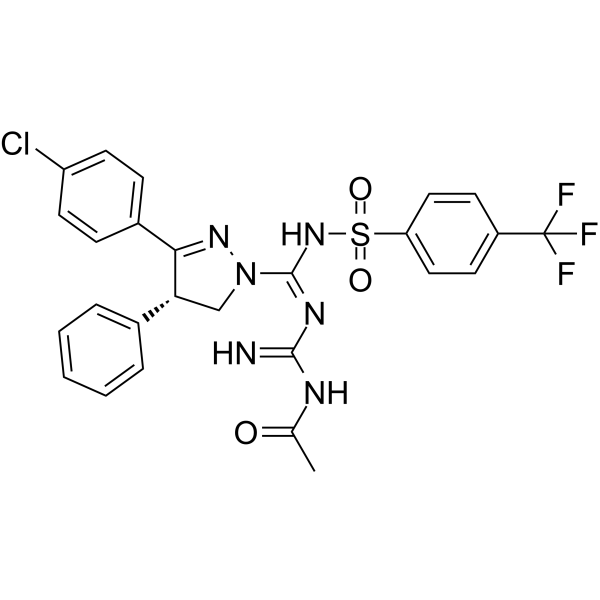
(±)-Ibipinabant ((±)-SLV319) is the racemate of SLV319. (±)-Ibipinabant ((±)-SLV319) is a potent and selective cannabinoid-1 (CB-1) receptor antagonist with an IC50 of 22 nM.
|
-
-
- HY-14791
-
|
SLV319; BMS-646256
|
Cannabinoid Receptor
|
Metabolic Disease
|
|
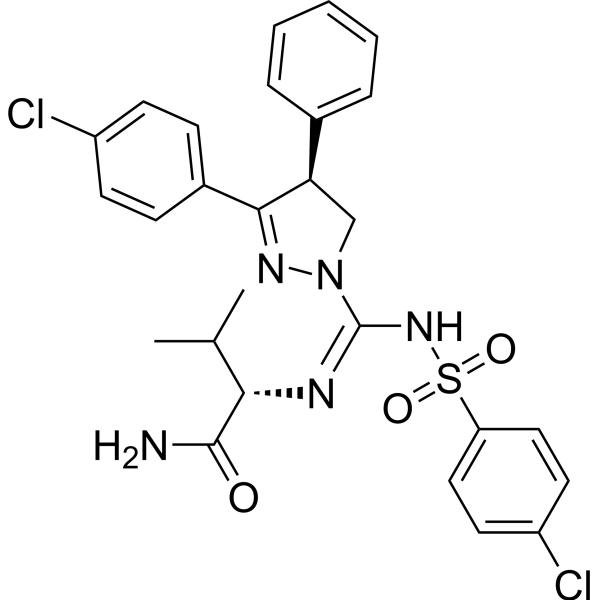
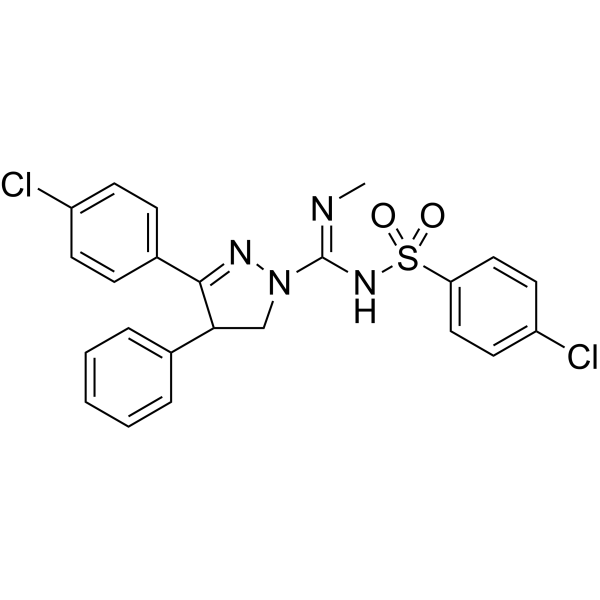
Ibipinabant (SLV319) is a potent, selective and orally active antagonist of cannabinoid CB1 receptor, with a Ki of 7.8 nM. Ibipinabant shows more than 1000-fold selectivity for CB1 over CB2 (Ki=7943 nM). Ibipinabant can be used for the research of obesity and diabetic .
|
-
-
- HY-110036
-
|
L768242
|
Cannabinoid Receptor
Endogenous Metabolite
HIF/HIF Prolyl-Hydroxylase
TNF Receptor
Interleukin Related
|
Neurological Disease
Inflammation/Immunology
|
|
GW-405833 (L768242) is a potent, selective cannabinoid receptor 2 (CB2) agonist. GW405833 has EC50 and Ki values of 0.65 nM and 3.92 nM for CB2, and EC50 and Ki values of 16.1 μM and 4772 nM for CB1. GW-405833 also exhibits non-competitive CB1 antagonist, exerting its analgesic and and anti-inflammatory effect through a CB1 receptor (rather than CB2) dependent mechanism. GW-405833 can significantly inhibit the production of cAMP stimulated by Forskolin (HY-15371). GW405833 inhibits glycolysis by down-regulating HIF-1α, thereby alleviating acute liver failure (ALF) .
|
-
-
- HY-10013A
-
|
MK-0364 racemate
|
Cannabinoid Receptor
|
Neurological Disease
|
|
Taranabant racemate (MK-0364 racemate) is an antagonist and/or inverse agonist of the Cannabinoid-1 (CB1) receptor extracted from patent WO 2004048317 A1 .
|
-
-
- HY-130311
-
|
2-Monolinolein; 2-Monolinoleoylglycerol
|
Cannabinoid Receptor
|
Neurological Disease
|
|
2-Linoleoyl glycerol (2-Monolinolein) is a partial CB1 receptor agonist with a pEC50 of 4.781. 2-Linoleoyl glycerol activates the hCB1 receptor. 2-Linoleoyl glycerol does not induce an increase in intracellular free Ca 2+. 2-Linoleoyl glycerol can be used in the research of neurological disorders .
|
-
-
- HY-117139
-
|
|
Cannabinoid Receptor
|
Neurological Disease
|
|
NESS 0327 is a cannabinoid antagonist with high selectivity for the cannabinoid CB1 receptor. NESS 0327 is more than 60,000-fold selective for the CB1 receptor .
|
-
-
- HY-122964
-
|
|
Cannabinoid Receptor
|
Metabolic Disease
|
|
URB447 is a peripherally restricted CB1 cannabinoid antagonist (IC50: 313 nM and 41 nM for rat CB1 and human CB2 receptor respectively ). URB447 lowers food intake and body-weight gain in mice without entering the brain or antagonizing central CB1-dependent responses. URB447 can be used for research of obesity .
|
-
-
- HY-103335
-
-
-
- HY-12790
-
-
-
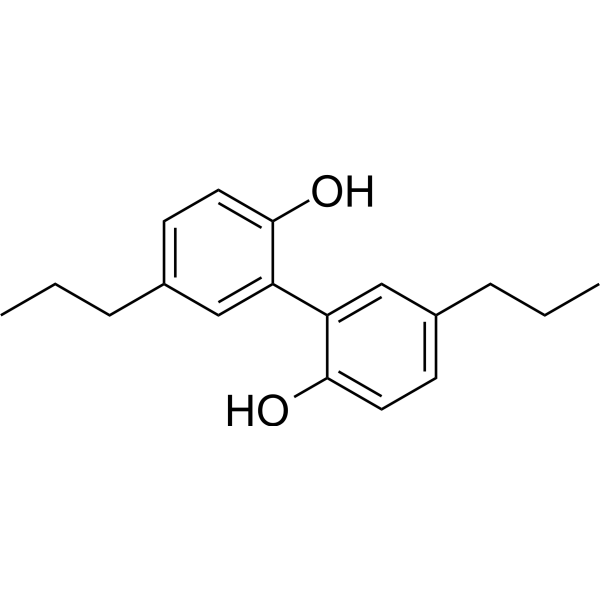
- HY-N6932
-
|
|
Cannabinoid Receptor
P-glycoprotein
PI3K
Akt
mTOR
Apoptosis
Autophagy
EGFR
|
Metabolic Disease
Cancer
|
|
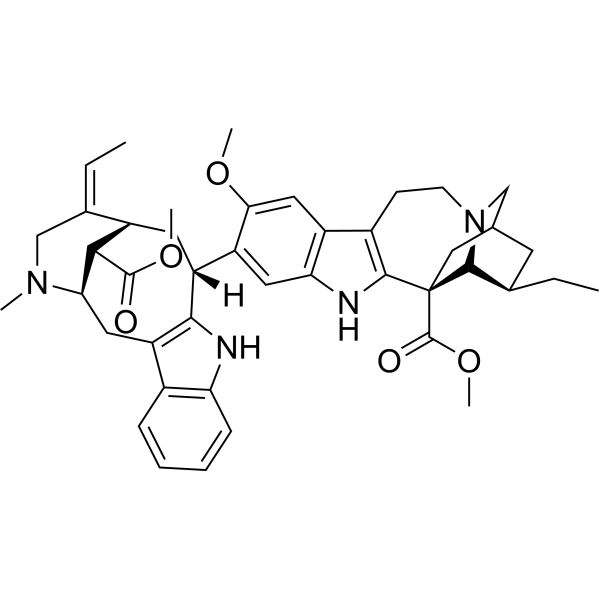
Voacamine is an indole alkaloid with cannabinoid 1 (CB1) antagonistic activity. Voacamine can inhibit nuclear translocation. Voacamine is effective in enhancing the effect of Doxorubicin (HY-15142A) as it interferes with the P-glycoprotein (P-gp) function. Voacamine promotes apoptosis-independent autophagic cell death in human osteosarcoma cells. Voacamine activates mitochondrial-associated apoptosis signaling pathway and inhibition of PI3K/Akt/mTOR signaling pathway to suppress breast cancer progression. Voacamine inhibits EGFR to exert oncogenic activity against colorectal cancer .
|
-
-
- HY-141411A
-
|
(S)-MRI-1867
|
Cannabinoid Receptor
NO Synthase
|
Metabolic Disease
|
|
Zevaquenabant ((S)-MRI-1867) is a peripherally restricted, orally bioavailable dual cannabinoid CB1 receptor and inducible NOS antagonist. Zevaquenabant ameliorates obesity-induced chronic kidney disease (CKD) .
|
-
-
- HY-146134
-
|
|
Cannabinoid Receptor
|
Neurological Disease
Inflammation/Immunology
|
|
PGN36 is a selective cannabinoid CB2 receptor (CB2R) antagonist with Kis of 0.09 µM and >40 µM for CB2R and CB1R, respectively. PGN36 abolishes the increase in collagen type I gene expression by the inducer of bone activity. PGN36 is able to cross the blood-brain barrier. PGN36 can be used for the study of frontotemporal dementia (FTD) .
|
-
-
- HY-14136S
-
-
-
- HY-14788
-
|
AVE1625
|
Cannabinoid Receptor
|
Metabolic Disease
|
|
Drinabant (AVE1625) is an orally active CB1 receptor antagonist. Drinabant (AVE1625) inhibits the agonist-stimulated calcium signal with IC50 values of 25 nM and 10 nM for the hCB1-R and rCB1-R, respectively, and is ineffective for the hCB2-R .
|
-
-
- HY-103327
-
|
|
Cannabinoid Receptor
|
Metabolic Disease
|
|
MJ15 is a potent and selective CB1 receptor antagonist with a Ki of 27.2 pM and an IC50 of 118.9 pM for rat CB1 receptors. MJ15 exhibits potency in obesity and hyperlipidemia models. MJ15 inhibits food intake and increases in body weight in diet-induced obese rats and mice .
|
-
-
- HY-10871A
-
|
CP 945598 Hydrochloride
|
Cannabinoid Receptor
|
Metabolic Disease
|
|
Otenabant Hydrochloride is a potent and selective cannabinoid receptor CB1 antagonist with Ki of 0.7 nM, exhibits 10,000-fold greater selectivity against human CB2 receptor.
|
-
-
- HY-110036A
-
|
L768242 hydrochloride
|
Cannabinoid Receptor
Endogenous Metabolite
HIF/HIF Prolyl-Hydroxylase
TNF Receptor
Interleukin Related
|
Neurological Disease
Inflammation/Immunology
|
|
GW405833 (L768242) hydrochloride is a potent, selective cannabinoid receptor 2 (CB2) agonist. GW405833 has EC50 and Ki values of 0.65 nM and 3.92 nM for CB2, and EC50 and Ki values of 16.1 μM and 4772 nM for CB1. GW405833 hydrochloride also exhibits non-competitive CB1 antagonist, exerting its analgesic effect through a CB1 receptor (rather than CB2) dependent mechanism. GW405833 hydrochloride can significantly inhibit the production of cAMP stimulated by Forskolin (HY-15371). GW405833 hydrochloride inhibits glycolysis by down-regulating HIF-1α, thereby alleviating acute liver failure (ALF) .
|
-
-
- HY-152581
-
|
|
Cannabinoid Receptor
|
Inflammation/Immunology
|
|
CB2R antagonist 3 is a selective antagonist of cannabinoid type 2 receptor (CB2R). CB2R antagonist 3 has high affinity for human CB2R and specific selectivity for CB1R. CB2R antagonist 3 can be combined with CB65 (HY-110047), the activator of CB2R. CB2R antagonist 3 effectively up-regulates the expression of anti-inflammatory cytokines and down-regulates the expression of pro-inflammatory cytokines .
|
-
-
- HY-14753
-
|
|
Cannabinoid Receptor
|
Cardiovascular Disease
Metabolic Disease
|
|
Rosonabant is a selective antagonist for cannabinoid receptor (CB1 receptor), which reduces body weight and improves improves the risk of obesity-related cardiovascular metabolic diseases. Rosonabant exhibits adverse side effect, such as nausea and mental disorder .
|
-
-
- HY-14137S
-
|
|
Isotope-Labeled Compounds
Cannabinoid Receptor
Bacterial
|
Infection
Metabolic Disease
Cancer
|
|
Rimonabant-d10 (hydrochloride) is the deuterium labeled Rimonabant hydrochloride. Rimonabant hydrochloride (SR 141716A hydrochloride) is a highly potent and selective central cannabinoid receptor (CB1) antagonist with an Ki of 1.8 nM. Rimonabant hHydrochloride (SR 141716A Hydrochloride) also inhibits Mycobacterial membrane protein Large 3 (MMPL3) .
|
-
-
- HY-110194
-
|
|
Endogenous Metabolite
Cannabinoid Receptor
|
Neurological Disease
|
|
Virodhamine TFA is an endocannabinoid, it regulates neurotransmission by activating the cannabinoid (CB) receptors. Virodhamine is an antagonist of CB1 receptor and an agonist of CB2 receptor. Virodhamine TFA induces megakaryocytic differentiation by triggering MAPK signaling and ROS production. Virodhamine TFA can be used for the research of various neurological disorders such as Alzheimer's and Parkinson's diseases .
|
-
-
- HY-133533
-
|
|
Cannabinoid Receptor
|
Neurological Disease
|
|
O-2050 is a high affinity cannabinoid CB1 receptor antagonist with a Ki of 2.5 nM. O-2050 inhibits cannabinoid CB2 receptor (Ki=0.2 nM). O-2050 can cause locomotor stimulation in mice .
|
-
-
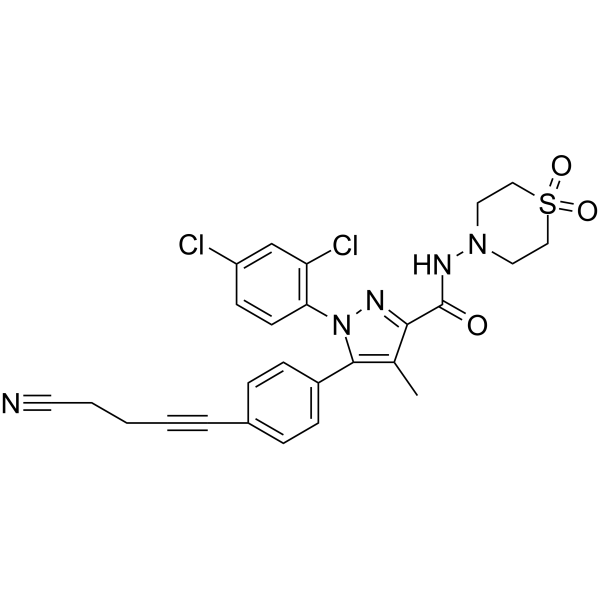
- HY-178857
-
|
|
Cannabinoid Receptor
|
Metabolic Disease
|
|
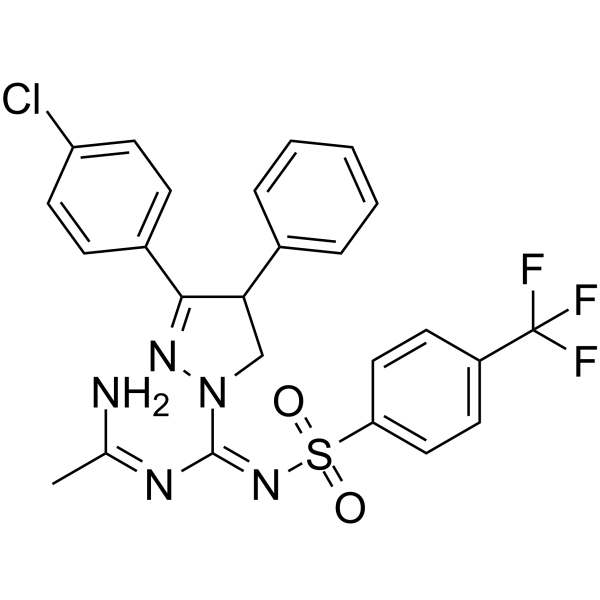
CB1 antagonist 6 (Compound 11jE2) is an orally active CB1R antagonist, with an IC50 value of 23 nM. CB1 antagonist 6 significantly reduces food intake and body weight, improves glucose tolerance and insulin resistance, and decreases serum ALT and AST levels in diet-induced obese (DIO) mice, demonstrating hepatoprotective effects. CB1 antagonist 6 can be used for the study of metabolic syndrome (obesity, diabetes) .
|
-
-
- HY-12606
-
-
-
- HY-N6097
-
-
-
- HY-174335
-
|
|
Cannabinoid Receptor
|
Neurological Disease
|
|
UVI3502 is a cannabinoid receptor 1 (CB1) antagonist with an IC50 value of 4641 nM for CB1 and approximately 16200 nM for CB2. UVI3502 blocks Gi/o protein coupling induced by the agonist CP55,940. UVI3502 is promising for research of endocannabinoid system-related diseases in the central nervous system (such as cognitive impairment and neurodegenerative diseases) .
|
-
-
- HY-110179
-
-
-
- HY-121827
-
LH21
1 Publications Verification
|
Cannabinoid Receptor
|
Metabolic Disease
|
|
LH-21 is a potent in vivo neutral cannabinoid CB1 receptor antagonist. LH-21 reduces food intake and body weight gain in obese Zucker rats.
, and displays efficacy as a feeding inhibitor .
|
-
-
- HY-W011040
-
-
-
- HY-103336
-
|
T1117
|
GPR55
Cannabinoid Receptor
|
Cardiovascular Disease
|
|
Tocrifluor 1117 (T1117), a fluorescent form of the cannabinoid CB1 receptor antagonist AM251 (HY-15443), is a selective fluorescent GPR55 ligand. Tocrifluor 1117 is a potent tool for identifying the cellular location of cannabinoid receptors (including GPR55 in living tissues) (Ex/Em=543/590 nm) .
|
-
-
- HY-120653
-
-
-
- HY-U00397
-
-
-
- HY-169820
-
-
-
- HY-W770198
-
|
2-Monolinolein-d5; 2-Monolinoleoylglycerol-d5
|
Isotope-Labeled Compounds
Cannabinoid Receptor
|
Neurological Disease
|
|
2-Linoleoyl glycerol-d5 (2-Monolinolein-d5; 2-Monolinoleoylglycerol-d5) is the deuterium labeled 2-Linoleoyl glycerol (HY-130311). 2-Linoleoyl glycerol (2-Monolinolein; 2-Monolinoleoylglycerol) is a monoacylglycerol that is an antagonist and partial agonist at the type 1 cannabinoid CB1 receptor. The potency of 2-Linoleoyl glycerol can be enhanced by JZL195 (HY-15250), an inhibitor of FAAH and MAGL, and inhibited by the CB1 antagonist AM251 (HY-15443) and Cannabidiol. As a CB1 antagonist, 2-Linoleoyl glycerol does not enhance, but only attenuates, the activity of the CB1/CB2 receptor ligands cannabinoids (AEA) and 2-arachidonoylglycerol (2-AG) .
|
-
-
- HY-141411
-
|
(Rac)-MRI-1867
|
Cannabinoid Receptor
NO Synthase
|
Others
|
|
(Rac)-Zevaquenabant ((Rac)-MRI-1867, compound 6b) is a cannabinoid receptor type 1 (CB1R)/iNOS antagonist, with a Ki of 5.7 nM for CB1R. (Rac)-Zevaquenabant is potential for the research of liver fibrosis .
|
-
-
- HY-103326
-
|
|
Cannabinoid Receptor
|
Neurological Disease
|
|
NIDA-41020 is a potent and selective cannabinoid receptor 1(CB1) antagonist with a Ki of 4.1 nM. NIDA-41020 was designed as a potential radioligand for use in positron emission tomography (PET) .
|
-
-
- HY-121616
-
|
|
Cannabinoid Receptor
|
Neurological Disease
|
|
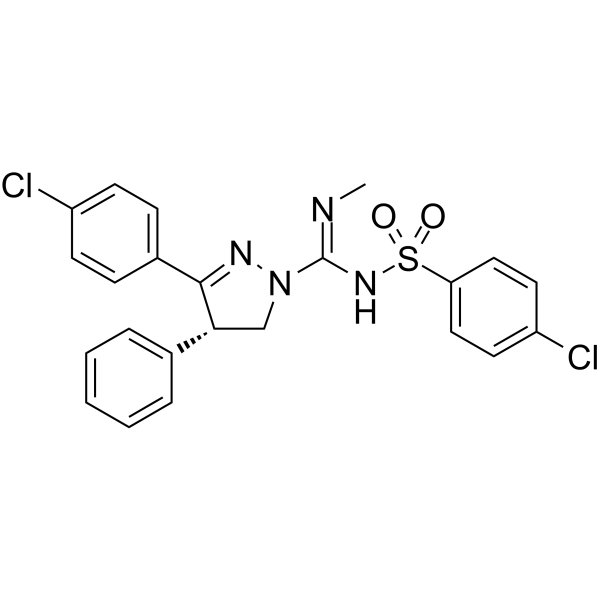
(R)-SLV 319 is a potent and selective cannabinoid receptor 1 (CB1) antagonist with a Ki value of 894 nM. (R)-SLV 319 is a dextrorotatory counterpart of SLV 319
|
-
- HY-175784
-
|
|
Cannabinoid Receptor
|
Neurological Disease
|
|
CB2R antagonist 4 is a selective CB2R antagonist/inverse agonist with a pKi of 6.54. CB2R antagonist 4 shows a ≥11-fold selectivity towards CB2R over CB1R and can be utilized in neurological research .
|
-
- HY-110020
-
-
- HY-12104
-
|
|
Cannabinoid Receptor
|
Metabolic Disease
|
|
PF-514273 is an orally active, selective antagonist for cannabinoid-1 receptor (CB1) with IC50 of 1 nM. PF-514273 reduces the food uptake in mice, and can be used for obesity research .
|
-
- HY-118056
-
|
|
Cannabinoid Receptor
|
|
|
ABD459 is a CB1 receptor antagonist with significant effects on regulating food intake and sleep-wake cycles. ABD459 completely displaces CB1 agonist CP99540 (Ki = 8.6 nM) and antagonizes CP55940-induced GTPγS binding (KB = 7.7 nM). ABD459 may specifically modulate endogenous cannabinoid release through cholinergic activity and plays a role in attention and arousal regulation. ABD459 is suitable for research in neurological disorders .
|
-
- HY-13505R
-
|
|
Cannabinoid Receptor
|
Neurological Disease
|
|
AM281 (Standard) is the analytical standard of AM281. This product is intended for research and analytical applications. AM281 is a selective CB1 receptor antagonist with an IC50 of 9.91 nM. AM281 inhibits CB2 receptor with an IC50 of 13000 nM .
|
-
- HY-148850
-
|
|
Cannabinoid Receptor
|
Metabolic Disease
|
|
AZD-2207 is a cannabinoid receptor CB1 antagonist, known for its high lipophilicity. AZD-2207 has good intestinal permeability in the Caco-2 model and can be used in research related to type 2 diabetes and obesity .
|
-
- HY-141411B
-
|
(R)-MRI-1867
|
Drug Isomer
Cannabinoid Receptor
NO Synthase
|
Others
|
|
(R)-Zevaquenabant ((R)-MRI-1867) is the enantiomer of Zevaquenabant (HY-141411A). Zevaquenabant ((S)-MRI-1867) is a peripherally restricted, orally bioavailable dual cannabinoid CB1 receptor and inducible NOS antagonist. Zevaquenabant ameliorates obesity-induced chronic kidney disease (CKD) .
|
-
- HY-15443R
-
|
|
Cannabinoid Receptor
|
Neurological Disease
|
|
AM251 (Standard) is the analytical standard of AM251. This product is intended for research and analytical applications. AM251 is a selective cannabinoid 1 (CB1) receptor antagonist with an IC50 of 8 nM. AM251 also acts as a potent GPR55 agonist with an EC50 of 39 nM .
|
-
- HY-14137R
-
|
SR 141716A Hydrochloride (Standard)
|
Reference Standards
Cannabinoid Receptor
Bacterial
|
Infection
Metabolic Disease
Cancer
|
|
Rimonabant (Hydrochloride) (Standard) is the analytical standard of Rimonabant (Hydrochloride). This product is intended for research and analytical applications. Rimonabant Hydrochloride (SR 141716A Hydrochloride) is a highly potent and selective central cannabinoid receptor (CB1) antagonist with an Ki of 1.8 nM. Rimonabant Hydrochloride (SR 141716A Hydrochloride) also inhibits Mycobacterial membrane protein Large 3 (MMPL3).
|
-
- HY-14136R
-
|
SR141716 (Standard)
|
Cannabinoid Receptor
Bacterial
Reference Standards
|
Infection
Metabolic Disease
Cancer
|
|
Rimonabant (Standard) is the analytical standard of Rimonabant. This product is intended for research and analytical applications. Rimonabant (SR141716) is a highly potent, brain penetrated and selective central cannabinoid receptor (CB1) antagonist with a Ki of 1.8 nM. Rimonabant (SR141716) also inhibits Mycobacterial membrane protein Large 3 (MMPL3).
|
-
- HY-139230
-
|
|
Cannabinoid Receptor
PPAR
|
Metabolic Disease
|
|
OLHHA is a dual CB1 receptor antagonist and PPARα agonist. OLHHA also is a alcohol intake inhibitor with an EC50 value of 0.2 mg/kg. OLHHA reduces both hepatic lipid accumulation and circulating triglyceride levels. OLHHA shows anti-steatotic activity and has the potential for the research of non-alcoholic fatty liver disease (NAFLD) .
|
-
- HY-172409
-
|
|
Cannabinoid Receptor
p38 MAPK
NF-κB
|
Inflammation/Immunology
|
|
CB1R antagonist 2 (Compound 11g) is the antagonist for cannabinoid receptor 1 (CB1R), that inhibits MAPK/NF-κB signaling pathway and exhibits anti-inflammatory activity. CB1R antagonist 2 inhibits LPS (HY-D1056)-induced IL-6, IL-1β and TNF-α expressions in RAW264.7. CB1R antagonist 2 ameliorates OVA-induced allergic rhinitis in mouse models .
|
-
- HY-107019
-
|
SR 147778
|
Cannabinoid Receptor
|
Metabolic Disease
|
|
Surinabant (SR 147778) is an orally active, selective cannabinoid receptor type 1 CB1R antagonist. Surinabant is used in studies of obesity and alcoholism .
|
-
- HY-14791AR
-
|
(±)-SLV319 (Standard); (±)-BMS-646256 (Standard)
|
Cannabinoid Receptor
Reference Standards
|
Metabolic Disease
|
|
(±)-Ibipinabant (Standard) is the analytical standard of (±)-Ibipinabant. This product is intended for research and analytical applications. (±)-Ibipinabant ((±)-SLV319) is the racemate of SLV319. (±)-Ibipinabant ((±)-SLV319) is a potent and selective cannabinoid-1 (CB-1) receptor antagonist with an IC50 of 22 nM.
|
-
- HY-103327R
-
|
|
Reference Standards
Cannabinoid Receptor
|
Metabolic Disease
|
|
MJ15 (Standard) is the analytical standard of MJ15 (HY-103327). This product is intended for research and analytical applications. MJ15 is a potent and selective CB1 receptor antagonist with a Ki of 27.2 pM and an IC50 of 118.9 pM for rat CB1 receptors. MJ15 exhibits potency in obesity and hyperlipidemia models. MJ15 inhibits food intake and increases in body weight in diet-induced obese rats and mice .
|
-
- HY-10871R
-
|
CP-945598 (Standard)
|
Reference Standards
Cannabinoid Receptor
|
Metabolic Disease
|
|
Otenabant (Standard) is the analytical standard of Otenabant (HY-10871). This product is intended for research and analytical applications. Otenabant is a potent and selective cannabinoid receptor CB1 antagonist with Ki of 0.7 nM, exhibits 10,000-fold greater selectivity against human CB2 receptor.
|
-
- HY-172808
-
|
|
Cannabinoid Receptor
Cytochrome P450
|
Metabolic Disease
|
|
BNS808 is an orally active and selective cannabinoid-1 receptor (CB1R) antagonist (IC50 = 0.8 nM) with notable CB2R selectivity and minimal brain penetration. BNS808 is studied in research on obesity and its associated metabolic complications, such as metabolic dysfunctional-associated steatotic liver disease (MASLD). BNS808 has reduced free drug availability for CNS entry, enhancing safety and minimizing drug-drug interactions through high plasma binding .
|
-
| Cat. No. |
Product Name |
Category |
Target |
Chemical Structure |
| Cat. No. |
Product Name |
Chemical Structure |
-
- HY-14136S
-
|
|
|
Rimonabant-d10 is deuterium labeled Rimonabant. Rimonabant (SR141716) is a highly potent, brain penetrated and selective central cannabinoid receptor (CB1) antagonist with a Ki of 1.8 nM. Rimonabant (SR141716) also inhibits Mycobacterial membrane protein Large 3 (MMPL3).
|
-
-
- HY-14137S
-
|
|
|
Rimonabant-d10 (hydrochloride) is the deuterium labeled Rimonabant hydrochloride. Rimonabant hydrochloride (SR 141716A hydrochloride) is a highly potent and selective central cannabinoid receptor (CB1) antagonist with an Ki of 1.8 nM. Rimonabant hHydrochloride (SR 141716A Hydrochloride) also inhibits Mycobacterial membrane protein Large 3 (MMPL3) .
|
-
-
- HY-W770198
-
|
|
|
2-Linoleoyl glycerol-d5 (2-Monolinolein-d5; 2-Monolinoleoylglycerol-d5) is the deuterium labeled 2-Linoleoyl glycerol (HY-130311). 2-Linoleoyl glycerol (2-Monolinolein; 2-Monolinoleoylglycerol) is a monoacylglycerol that is an antagonist and partial agonist at the type 1 cannabinoid CB1 receptor. The potency of 2-Linoleoyl glycerol can be enhanced by JZL195 (HY-15250), an inhibitor of FAAH and MAGL, and inhibited by the CB1 antagonist AM251 (HY-15443) and Cannabidiol. As a CB1 antagonist, 2-Linoleoyl glycerol does not enhance, but only attenuates, the activity of the CB1/CB2 receptor ligands cannabinoids (AEA) and 2-arachidonoylglycerol (2-AG) .
|
-
Your information is safe with us. * Required Fields.
Inquiry Information
- Product Name:
- Cat. No.:
- Quantity:
- MCE Japan Authorized Agent:

