From 11:00 pm to 12:00 pm EST ( 8:00 pm to 9:00 pm PST ) on January 6th, the website will be under maintenance. We are sorry for the inconvenience. Please arrange your schedule properly.
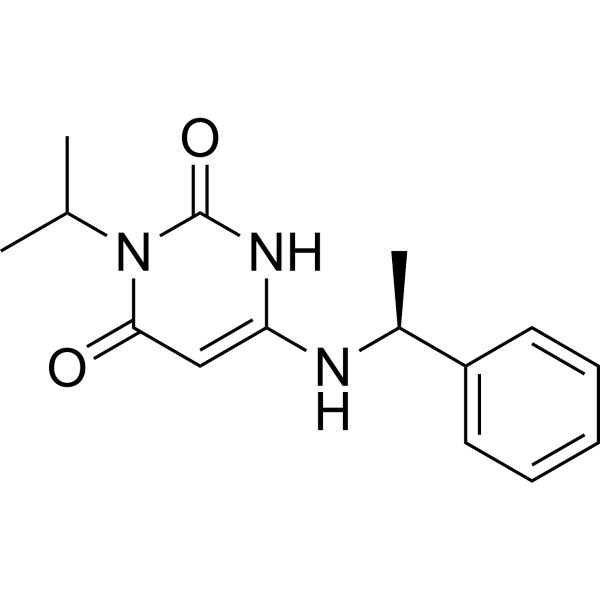
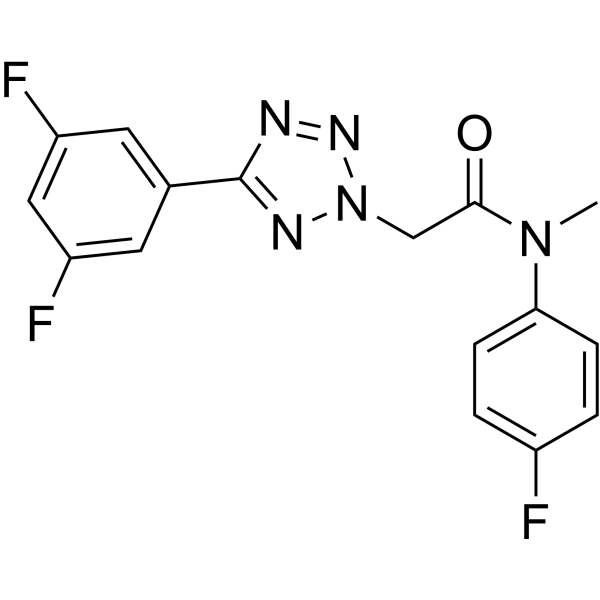
Aficamten (CK-274) is a potent cardiacmyosin inhibitor with an IC50 of 1.4 μM. Aficamten can be used for the research of hypertrophic cardiomyopathy (HCM) .
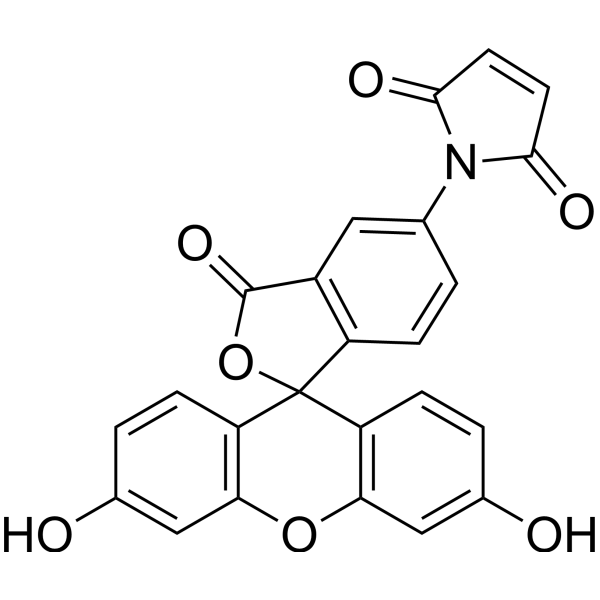
Fluorescein-5-maleimide (N-(5-Fluoresceinyl)maleimide) is a fluorescent dye. Fluorescein-5-maleimide can be used to detect the redox state of thiols in eukaryotic cells. Fluorescein-5-maleimide can label peptides and is used to detect negatively charged nanoparticles. Fluorescein-5-maleimide can also label actin to explore its interaction with cardiacmyosin-binding protein C (cMyBP-C), which helps in developing small molecule modulators for heart failure. Fluorescein-5-maleimide can screen mutant proteins that contain cysteine residues. The excitation wavelength of Fluorescein-5-maleimide is 494 nm, and the emission wavelength is 519 nm .
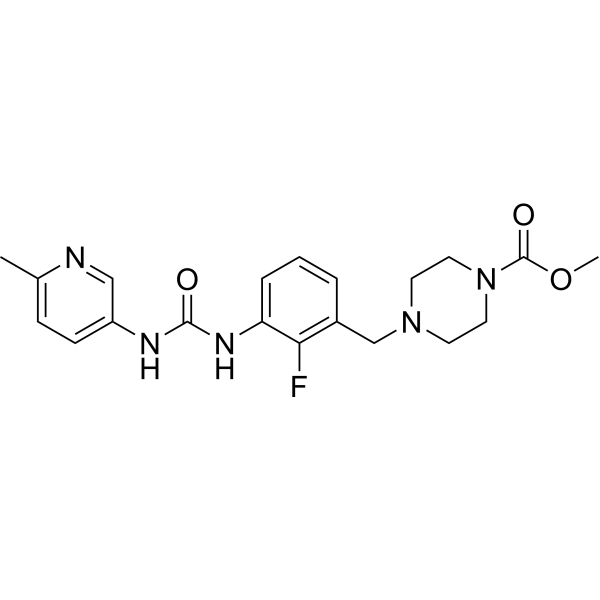
Danicamtiv (MYK-491), an inotropic agent, is a selective allosteric activator of cardiacmyosin. Danicamtiv increases cardiac systolic function and preserves mechanical efficiency .
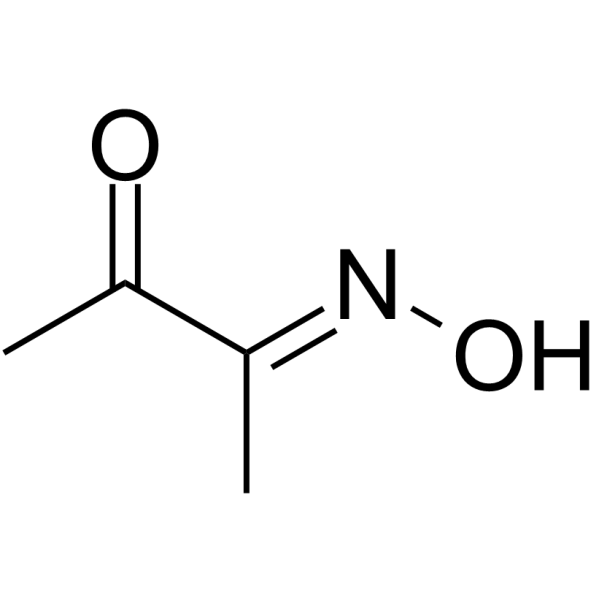
Biacetyl monoxime (Diacetyl monoxime), a myosin ATPase inhibitor, is a skeletal and cardiac muscle contraction inhibitor. Biacetyl monoxime is also a well-characterized non-competitive inhibitor of chemical and motile activity of skeletal muscle myosin-II. Biacetyl monoxime induces sarcoplasmic reticulum Ca 2+ release .
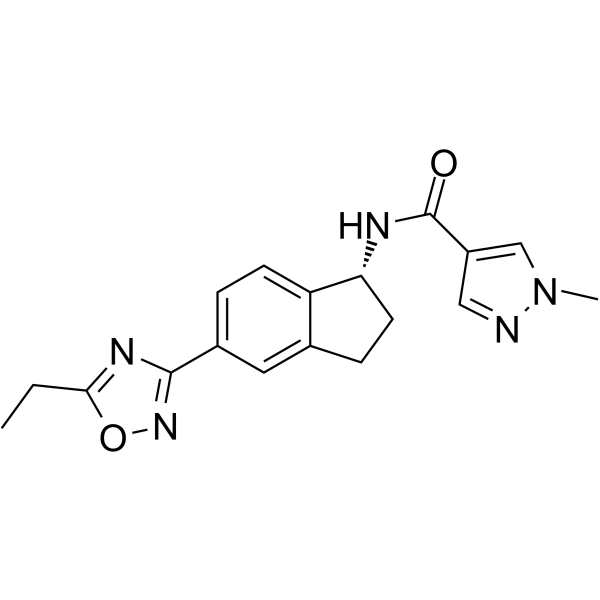
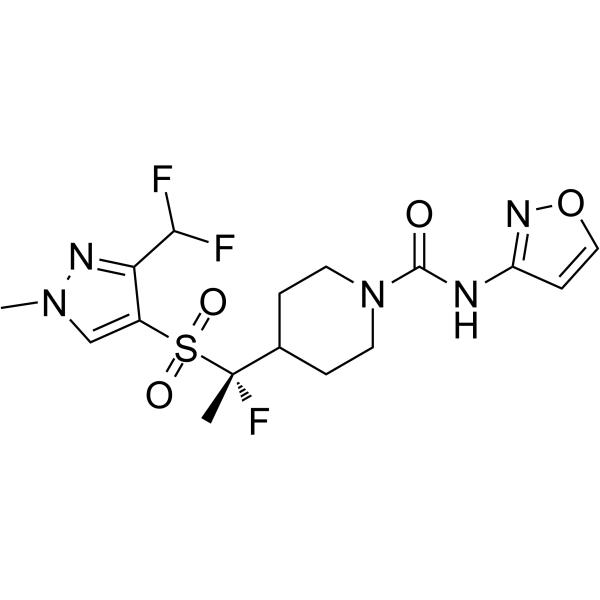
Ulacamten (CK-4021586; CK-586) is an orally active cardiacmyosin inhibitor and an inhibitor of the double-headed cardiacheavy meromyosin (HMM)ATPase (excluding single-headed myosin subfragment-1), with an EC50 of 2.9 μM. Ulacamten regulates cardiacmyosin, reduces excessive myocardial contractility, and alleviates left ventricular outflow tract obstruction. Ulacamten increases the left ventricular short-axis systolic internal diameter, inhibits dobutamine-induced exacerbation of obstruction, and exerts only a mild reducing effect on left ventricular systolic function. Ulacamten also inhibits the fractional shortening of the short axis without altering calcium transients. Ulacamten shows good safety and tolerability in purpose-bred cats with naturally occurring obstructive hypertrophic cardiomyopathy .
MT-110 (BPN-0027490) is a non-muscle myosinNMIIB-selective inhibitor with high brain penetration and favorable safety profile. MT-110 specifically disrupts NMIIB-dependent actin dynamics in dendritic spines, while it exerts no significant adverse effects on cardiacmyosin II and cardiac functions (such as cardiac output and heart rate) at tested concentrations. A single administration of MT-110 produces long-lasting (sustained for several weeks) blockade of methamphetamine motivation associated with environmental cues. MT-110 exhibits extremely high specificity, with no interference with cocaine motivation, hippocampus-dependent memory, fear memory, or locomotor and anxiety-like behaviors. MT-110 serves as a valuable tool compound for investigating the mechanisms of methamphetamine use disorder .
TMDJ-035 is a high-affinity, selective RyR2 inhibitor with an EC50 of 0.0130 μM. TMDJ-035 reduces RyR2 protein expression without affecting action potential-induced Ca 2+ transients. TMDJ-035 decreases ATP content and intracellular Ca 2+ levels. TMDJ-035 inhibits arrhythmias in a CPVT mouse model carrying mutant RyR2s. TMDJ-035 has no effect on electrocardiogram parameters or cardiac systolic function. TMDJ-035 exacerbates heart failure in mouse myocardial infarction models and hypoxic cardiomyocytes by altering cardiac function, causing tissue damage, promoting inflammatory infiltration, collagen deposition, and changes in Myosin heavy chain/actin expression. TMDJ-035 can be used in studies related to heart failure, catecholaminergic polymorphic ventricular tachycardia, and arrhythmias .
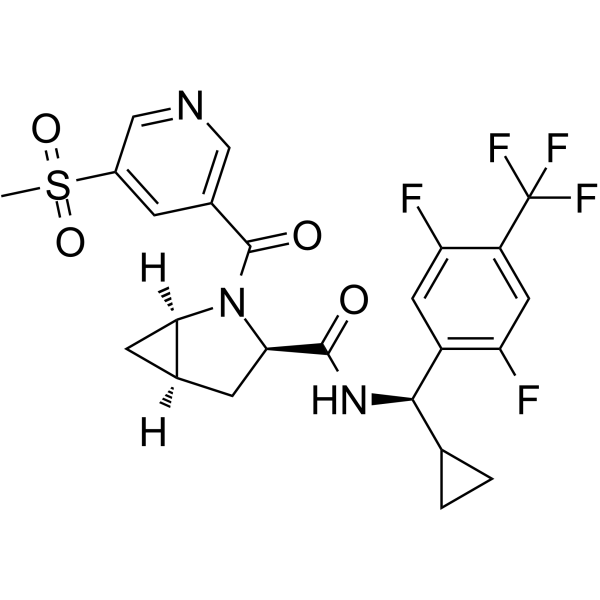
Nelutroctiv (CK-136) is an orally active and selective cardiac troponin activator. Nelutroctiv activates cardiac sarcomeres by enhancing the sensitivity of troponin to calcium ions and promoting the interaction between actin and myosin. Nelutroctiv enhances cardiac contractility. Nelutroctiv can be used in the researches for cardiovascular diseases with impaired cardiac contractile function .
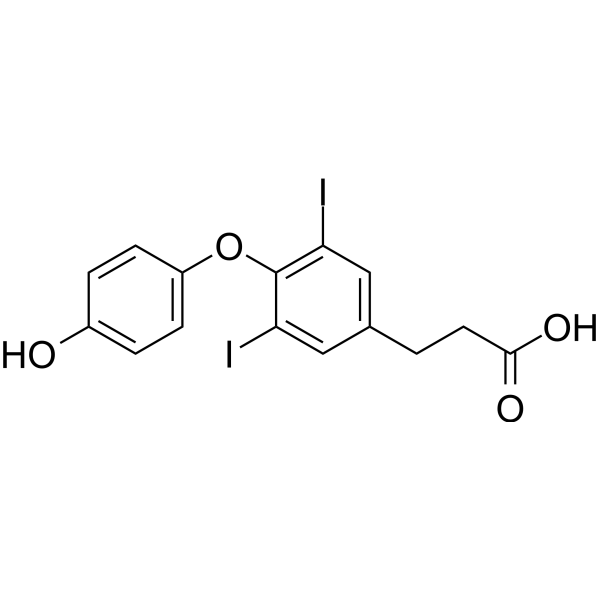
3,5-Diiodothyropropionic acid is a thyroid hormone analog, induces α-myosin heavy chain mRNA expression, binds to thyroid hormone receptor (TR), with Ka of 2.40 and 4.06 M -1 for TRα1 and TRβ1, respectively. 3,5-Diiodothyropropionic acid promotes angiogenesis in 3-D human dermal microvascular endothelial cell sprouting assay. 3,5-Diiodothyropropionic acid prevents myocardial arteriolar loss in thyroidectomized rats and enhances cardiac energy-generating capacity in postinfarction heart failure rats. 3,5-Diiodothyropropionic can be used in studies related to angiogenesis and heart failure .
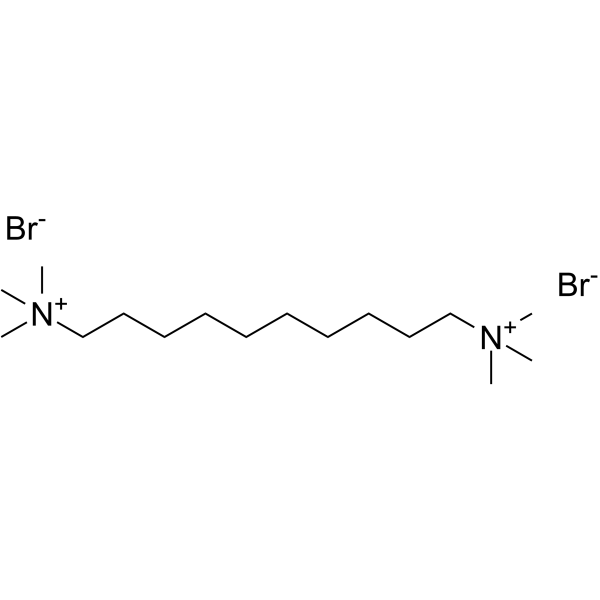
Decamethonium Bromide is an acetylcholine receptor inhibitor and muscle relaxant. Decamethonium Bromide first induces depolarization of skeletal muscles, and then binds to postsynaptic acetylcholine receptors to induce persistent paralysis .\n
Mavacamten (Standard) is the analytical standard of Mavacamten. This product is intended for research and analytical applications. Mavacamten (MYK461) is an orally active modulator of cardiacmyosin, with IC50s of 490, 711 nM for bovine cardiac and human cardiac, respectively.
Mavacamten-d5 (MYK461-d5; SAR439152-d5) is deuterium labeled Mavacamten (HY-109037). Mavacamten (MYK461) is an orally active modulator of cardiacmyosin, with IC50s of 490, 711 nM for bovine cardiac and human cardiac, respectively.
Sodium phosphate buffer 0.1M, pH 8.0 is an aqueous sodium phosphate buffer with a concentration of 0.1M and a pH value of 8.0. Sodium phosphate buffer 0.1M, pH 8.0 can be used for the preparation of hydrated micellar membranes, the construction of pH-sensitive nanocarriers, and the maintenance of stable environmental conditions for pH-cleavable PEG-Hz-PE micelles. Sodium phosphate buffer 0.1M, pH 8.0 can also serve as a universal solvent, reaction medium and eluent, and is widely applied in experimental processes such as antibody thiolation, nanoparticle purification and cross-linking reactions .
Mavacamten-d7 (MYK461-d7) is deuterium labeled Mavacamten. Mavacamten (MYK461) is an orally active modulator of cardiacmyosin, with IC50s of 490, 711 nM for bovine cardiac and human cardiac, respectively.
JB061 is a nonmuscle myosin inhibitor with IC50s of 4.4 μM (Cardiac muscle myosin), 9.1 μM (Skeletal muscle myosin), and >100 μM (Smooth muscle myosin II), respectively. JB061 poorly decreases ATPase activity (IC50>200 μM). JB061 shows cytotoxicity against COS-7 cells with an IC50 value of 39 μM .
Delocamten is the inhibitor for cardiacmyosin with an IC50 of 1.1 μM. Delocamten can be used in researchs of hypertrophic cardiomyopathy, left ventricular hypertrophy and diastolic dysfunction .
Myosin-IN-1 (compound F10) is a Myosin inhibitor that specifically targets cardiacmyosin. Myosin-IN-1 stabilizes the biochemical and structural closed state of the cardiacmyosin motor domain and reduces myocardial force production and calcium sensitivity in vitro. Myosin-IN-1 acts as a negative inotropic agent in isolated Langendroff-perfused rat hearts, reducing stress in isolated myofilaments and left ventricular pressure development. Myosin-IN-1 can be used in heart failure research .
Myosin modulator 1 (Compound B141) is a modulator for myosin, that inhibits ATPase in rabbits psoas, porcine atria and in porcine ventricle, with IC25s of 0.42, 0.13 and 3.09 μM, respectively. Myosin modulator 1 regulates systolic cardiac performance in Sprague Dawley rats .
Myosin modulator 2 (Compound B172) is a modulator for myosin, that inhibits ATPase in rabbits psoas, porcine atria and in porcine ventricle, with IC25s of 2.013, 2.94 and 20.93 μM, respectively. Myosin modulator 2 regulates systolic cardiac performance in Sprague Dawley rats .
Mavacamten-d6 (MYK461-d6; SAR439152-d6) is deuterium labeled Mavacamten (HY-109037). Mavacamten (MYK461) is an orally active modulator of cardiacmyosin, with IC50s of 490, 711 nM for bovine cardiac and human cardiac, respectively.
Mavacamten-d1 (MYK461-d1; SAR439152-d1) is deuterium labeled Mavacamten (HY-109037). Mavacamten (MYK461) is an orally active modulator of cardiacmyosin, with IC50s of 490, 711 nM for bovine cardiac and human cardiac, respectively.
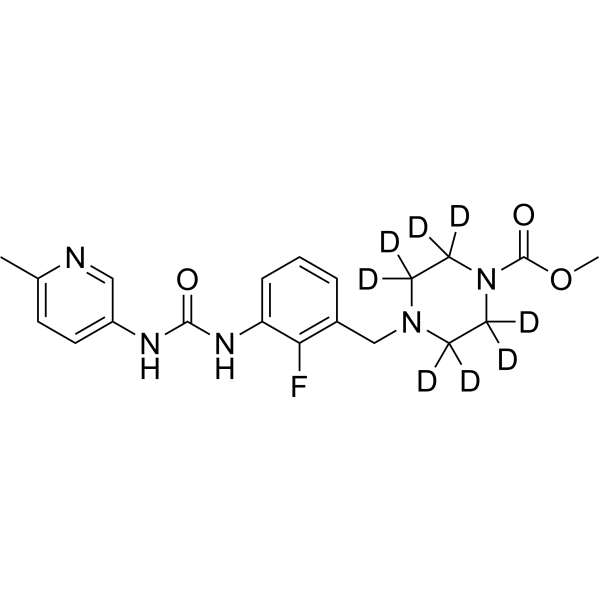
Danicamtiv-d6 (MYK-491-d6) is a deuterated labeled Danicamtiv (HY-109128). Danicamtiv (MYK-491), an inotropic agent, is a selective allosteric activator of cardiacmyosin. Danicamtiv increases cardiac systolic function and preserves mechanical efficiency .
Chrysosplenol C is a type of flavonoid compound. Chrysosplenol C selectively activates cardiacmyosin ATPase, with its EC50 being 45 µM. Chrysosplenol C enhances the release of intracellular calcium ions by activating protein kinase C (PKC), thereby increasing the contractility of rat ventricular muscle cells. Chrysosplenol C can be used in the research of heart failure .
ML-7 is a myosin light chain kinase inhibitor with the activity to inhibit superoxide anion (O(2)(-)) release in human neutrophils. ML-7 can affect the activity of neutrophils independently of myosin light chain kinase. ML-7 inhibits the extracellular O(2)(-) release of stimulated cells, but has no effect on the intracellular O(2)(-) production. ML-7 also strongly inhibits the binding of the intracellular compartment of oxide production to the cell membrane, indicating that it plays a key role in stimulated neutrophils. At the same time, ML-7 protects cardiac function from ischemia/reperfusion injury .
JB062 is a nonmuscle myosin inhibitor with IC50 values of 1.6, 5.4, and >100 μM for Skeletal muscle myosin, Cardiac muscle myosin, and Smooth muscle myosin II, respectively. JB062 has cytotoxic to human cancer cells but not normal cells. JB062 can be used in research of muscle spasticity, chronic musculoskeletal pain, and hypertrophic cardiomyopathy .
Danicamtiv-d3 (MYK-491-d3) is a deuterated labeled Danicamtiv (HY-109128). Danicamtiv (MYK-491), an inotropic agent, is a selective allosteric activator of cardiacmyosin. Danicamtiv increases cardiac systolic function and preserves mechanical efficiency .
Danicamtiv-d3-1 (MYK-491-d3-1) is a deuterated labeled Danicamtiv (HY-109128). Danicamtiv (MYK-491), an inotropic agent, is a selective allosteric activator of cardiacmyosin. Danicamtiv increases cardiac systolic function and preserves mechanical efficiency .
Myosin-IN-5 (example 3) is a selective cardiacmyosin inhibitor with an IC50 of 1.5 μM. Myosin-IN-5 shows much less effective in inhibiting skeletal myofibril activity (IC50 of 43.4 μM). Myosin-IN-5 can be used for the study of hypertrophic cardiomyopathy (HCM) and cardiac diseases .
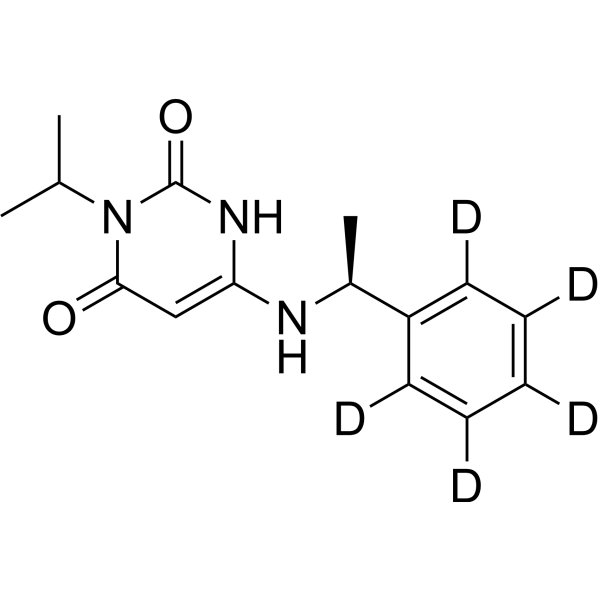
Aficamten-d3 (CK-274-d3) is deuterium labeled Aficamten. Aficamten (CK-274) is a potent cardiacmyosin inhibitor with an IC50 of 1.4 μM. Aficamten can be used for the research of hypertrophic cardiomyopathy (HCM) .
3,5-Diiodothyropropionic acid (Standard) is the analytical standard of 3,5-Diiodothyropropionic acid. This product is intended for research and analytical applications. 3,5-Diiodothyropropionic acid is a thyroid hormone analog, induces α-myosin heavy chain mRNA expression, binds to thyroid hormone receptor (TR), with Ka of 2.40 and 4.06 M -1 for TRα1 and TRβ1, respectively. 3,5-Diiodothyropropionic acid promotes angiogenesis in 3-D human dermal microvascular endothelial cell sprouting assay. 3,5-Diiodothyropropionic acid prevents myocardial arteriolar loss in thyroidectomized rats and enhances cardiac energy-generating capacity in postinfarction heart failure rats. 3,5-Diiodothyropropionic can be used in studies related to angiogenesis and heart failure .
Myosin-IN-4 (Compound 3), a pyridine-2,4-dione derivative, is a myocardial myosin inhibitor. Myosin-IN-4 has a strong inhibitory activity against cardiacmyosin ATPase with an IC50 value of 0.73 μM. Myosin-IN-4 exert a negative inotropic effect by inhibiting myocardial contraction. Myosin-IN-4 can be used for the research on cardiovascular diseases related to cardiacmyosin .
α-Myosin (614-643) is a segment of polypeptide of the heavy chain of cardiac α-myosin. α-Myosin has a strong ability to induce autoimmune myocarditis .
CK-571 is a potent and selective inhibitor of smooth muscle myosin-2 (SMM), with an IC50 value of 86 nM. CK-571 exhibits IC50 values for cardiac muscle myosin (CMM), skeletal muscle myosin (SKM), and non-muscle myosin-2A (NMM-2A) of 2.3, 42, and 0.58 μM, respectively. CK-571 can be used for research on asthma, chronic obstructive pulmonary disease, and other smooth muscle-related diseases .
Fluorescein-5-maleimide (solution) (N-(5-Fluoresceinyl)maleimide (solution)) is a fluorescent dye. Fluorescein-5-maleimide can be used to detect the redox state of thiols in eukaryotic cells. Fluorescein-5-maleimide can label peptides and is used to detect negatively charged nanoparticles. Fluorescein-5-maleimide can also label actin to explore its interaction with cardiacmyosin-binding protein C (cMyBP-C), which helps in developing small molecule modulators for heart failure. Fluorescein-5-maleimide can screen mutant proteins that contain cysteine residues. The excitation wavelength of Fluorescein-5-maleimide is 494 nm, and the emission wavelength is 519 nm .
Stellettamide A TFA is a marine toxin found in a marine sponge. Stellettamide A TFA is a calmodulin inhibitor. Stellettamide A TFA can inhibit Ca 2+/Mg 2+ ATPase, phosphodiesterase, myosin light chain , and Mg 2+-ATPase. Stellettamide A TFA inhibits high K +- and Ca 2+-induced contraction in permeabilized smooth muscle. Stellettamide A TFA exhibits antifungal activity against Mortierella remannianus. Stellettamide A TFA can be used for the research of fungal infection .
Fluorescein-5-maleimide (N-(5-Fluoresceinyl)maleimide) is a fluorescent dye. Fluorescein-5-maleimide can be used to detect the redox state of thiols in eukaryotic cells. Fluorescein-5-maleimide can label peptides and is used to detect negatively charged nanoparticles. Fluorescein-5-maleimide can also label actin to explore its interaction with cardiacmyosin-binding protein C (cMyBP-C), which helps in developing small molecule modulators for heart failure. Fluorescein-5-maleimide can screen mutant proteins that contain cysteine residues. The excitation wavelength of Fluorescein-5-maleimide is 494 nm, and the emission wavelength is 519 nm .
Fluorescein-5-maleimide (solution) (N-(5-Fluoresceinyl)maleimide (solution)) is a fluorescent dye. Fluorescein-5-maleimide can be used to detect the redox state of thiols in eukaryotic cells. Fluorescein-5-maleimide can label peptides and is used to detect negatively charged nanoparticles. Fluorescein-5-maleimide can also label actin to explore its interaction with cardiacmyosin-binding protein C (cMyBP-C), which helps in developing small molecule modulators for heart failure. Fluorescein-5-maleimide can screen mutant proteins that contain cysteine residues. The excitation wavelength of Fluorescein-5-maleimide is 494 nm, and the emission wavelength is 519 nm .
Sodium phosphate buffer 0.1M, pH 8.0 is an aqueous sodium phosphate buffer with a concentration of 0.1M and a pH value of 8.0. Sodium phosphate buffer 0.1M, pH 8.0 can be used for the preparation of hydrated micellar membranes, the construction of pH-sensitive nanocarriers, and the maintenance of stable environmental conditions for pH-cleavable PEG-Hz-PE micelles. Sodium phosphate buffer 0.1M, pH 8.0 can also serve as a universal solvent, reaction medium and eluent, and is widely applied in experimental processes such as antibody thiolation, nanoparticle purification and cross-linking reactions .
Myhc-α(334–352) is a sequence fragment of amino acid residues 334 to 352 of cardiacmyosin heavy chain α. Myhc-α(334–352) is an immunodominant epitope that can induce autoimmune reactions in A/J mice, leading to the occurrence of myocarditis. Myhc-α(334–352) can be used to study the autoimmune pathways of myocarditis and dilated cardiomyopathy .
S2-16 is a synthetic peptide from the S2 region of cardiacmyosin. S2-16 is a cryptic epitope that induces myocarditis in Lewis rats. A cryptic epitope is an epitope that is not recognized by antibodies or T cells after the animal is immunized with the intact antigen. S2-16 can be used to study the mechanism of autoimmune myocarditis .
α-Myosin (614-643) is a segment of polypeptide of the heavy chain of cardiac α-myosin. α-Myosin has a strong ability to induce autoimmune myocarditis .
Chrysosplenol C is a type of flavonoid compound. Chrysosplenol C selectively activates cardiacmyosin ATPase, with its EC50 being 45 µM. Chrysosplenol C enhances the release of intracellular calcium ions by activating protein kinase C (PKC), thereby increasing the contractility of rat ventricular muscle cells. Chrysosplenol C can be used in the research of heart failure .
Stellettamide A TFA is a marine toxin found in a marine sponge. Stellettamide A TFA is a calmodulin inhibitor. Stellettamide A TFA can inhibit Ca 2+/Mg 2+ ATPase, phosphodiesterase, myosin light chain , and Mg 2+-ATPase. Stellettamide A TFA inhibits high K +- and Ca 2+-induced contraction in permeabilized smooth muscle. Stellettamide A TFA exhibits antifungal activity against Mortierella remannianus. Stellettamide A TFA can be used for the research of fungal infection .
C protein Cardiac muscle isoform; C-protein; Cardiac muscle isoform; Cardiac MyBP C; Cardiac MyBP-C; Cardiacmyosin binding protein C ; Cardiac-type; CMH4; FHC; MYBP C; MYBPC; MYBPC3; myosin binding protein C Cardiac; myosin binding protein C Cardiac-type; myosin-binding protein C; myosin-binding protein C Cardiac type; MYPC3_HUMAN
MYBPC3 Protein, positioned in the crossbridge region of vertebrate striated muscle A bands, binds to myosin heavy chain (MHC), F-actin, and native thin filaments, influencing actin-activated myosin ATPase. Its presence suggests potential modulation of muscle contraction, indicating a functional impact on the contractile apparatus, or a structural role in muscle fibers. MYBPC3 Protein, Human (His-SUMO) is the recombinant human-derived MYBPC3 protein, expressed by E. coli , with N-SUMO, N-6*His labeled tag.
C protein Cardiac muscle isoform; C-protein; Cardiac muscle isoform; Cardiac MyBP C; Cardiac MyBP-C; Cardiacmyosin binding protein C ; Cardiac-type; CMH4; FHC; MYBP C; MYBPC; MYBPC3; myosin binding protein C Cardiac; myosin binding protein C Cardiac-type; myosin-binding protein C; myosin-binding protein C Cardiac type; MYPC3_HUMAN
MYBPC3 Protein, positioned in the crossbridge region of vertebrate striated muscle A bands, binds to myosin heavy chain (MHC), F-actin, and native thin filaments, influencing actin-activated myosin ATPase. Its presence suggests potential modulation of muscle contraction, indicating a functional impact on the contractile apparatus, or a structural role in muscle fibers. MYBPC3 Protein, Human (HEK293, His) is the recombinant human-derived MYBPC3 protein, expressed by HEK293 , with C-6*His labeled tag.
Mavacamten-d5 (MYK461-d5; SAR439152-d5) is deuterium labeled Mavacamten (HY-109037). Mavacamten (MYK461) is an orally active modulator of cardiacmyosin, with IC50s of 490, 711 nM for bovine cardiac and human cardiac, respectively.
Mavacamten-d7 (MYK461-d7) is deuterium labeled Mavacamten. Mavacamten (MYK461) is an orally active modulator of cardiacmyosin, with IC50s of 490, 711 nM for bovine cardiac and human cardiac, respectively.
Mavacamten-d6 (MYK461-d6; SAR439152-d6) is deuterium labeled Mavacamten (HY-109037). Mavacamten (MYK461) is an orally active modulator of cardiacmyosin, with IC50s of 490, 711 nM for bovine cardiac and human cardiac, respectively.
Mavacamten-d1 (MYK461-d1; SAR439152-d1) is deuterium labeled Mavacamten (HY-109037). Mavacamten (MYK461) is an orally active modulator of cardiacmyosin, with IC50s of 490, 711 nM for bovine cardiac and human cardiac, respectively.
Danicamtiv-d6 (MYK-491-d6) is a deuterated labeled Danicamtiv (HY-109128). Danicamtiv (MYK-491), an inotropic agent, is a selective allosteric activator of cardiacmyosin. Danicamtiv increases cardiac systolic function and preserves mechanical efficiency .
Danicamtiv-d3 (MYK-491-d3) is a deuterated labeled Danicamtiv (HY-109128). Danicamtiv (MYK-491), an inotropic agent, is a selective allosteric activator of cardiacmyosin. Danicamtiv increases cardiac systolic function and preserves mechanical efficiency .
Danicamtiv-d3-1 (MYK-491-d3-1) is a deuterated labeled Danicamtiv (HY-109128). Danicamtiv (MYK-491), an inotropic agent, is a selective allosteric activator of cardiacmyosin. Danicamtiv increases cardiac systolic function and preserves mechanical efficiency .
Aficamten-d3 (CK-274-d3) is deuterium labeled Aficamten. Aficamten (CK-274) is a potent cardiacmyosin inhibitor with an IC50 of 1.4 μM. Aficamten can be used for the research of hypertrophic cardiomyopathy (HCM) .
Slow Skeletal Myosin Heavy chain Antibody (YA6787) is a Rabbit-derived and non-conjugated IgG monoclonal antibody, targeting to Slow Skeletal Myosin Heavy chain.
Western blot analysis of extracts from THP-1(lane 2(20μg), Jurkat (lane 3(20μg) and NIH3T3(lane 4(20μg) using FOXO1A (HY-P80132) Rabbit mAb. Proteins were transferred
to a PVDF membrane and blocked with 5% non-fat milk in TBST for 2 hour at room temperature. The primary antibody (1/1000) and Loading control antibody (Beta Actin, HY-P80438, 1/10000) was
used in 5% non-fat milk in TBST at 4°C overnight. Goat Anti-Mouse/Rabbit IgG-HRP Secondary Antibody (1/10000) was used for 1 hour at room temperature.
Western blot analysis of extracts from THP-1(lane 2(20μg), Jurkat (lane 3(20μg) and NIH3T3(lane 4(20μg) using FOXO1A (HY-P80132) Rabbit mAb. Proteins were transferred
to a PVDF membrane and blocked with 5% non-fat milk in TBST for 2 hour at room temperature. The primary antibody (1/1000) and Loading control antibody (Beta Actin, HY-P80438, 1/10000) was
used in 5% non-fat milk in TBST at 4°C overnight. Goat Anti-Mouse/Rabbit IgG-HRP Secondary Antibody (1/10000) was used for 1 hour at room temperature.
Western blot analysis of extracts from THP-1(lane 2(20μg), Jurkat (lane 3(20μg) and NIH3T3(lane 4(20μg) using FOXO1A (HY-P80132) Rabbit mAb. Proteins were transferred
to a PVDF membrane and blocked with 5% non-fat milk in TBST for 2 hour at room temperature. The primary antibody (1/1000) and Loading control antibody (Beta Actin, HY-P80438, 1/10000) was
used in 5% non-fat milk in TBST at 4°C overnight. Goat Anti-Mouse/Rabbit IgG-HRP Secondary Antibody (1/10000) was used for 1 hour at room temperature.
Western blot analysis of extracts from THP-1(lane 2(20μg), Jurkat (lane 3(20μg) and NIH3T3(lane 4(20μg) using FOXO1A (HY-P80132) Rabbit mAb. Proteins were transferred
to a PVDF membrane and blocked with 5% non-fat milk in TBST for 2 hour at room temperature. The primary antibody (1/1000) and Loading control antibody (Beta Actin, HY-P80438, 1/10000) was
MedchemExpress Validation 03
Western blot analysis of extracts from THP-1(lane 2(20μg), Jurkat (lane 3(20μg) and NIH3T3(lane 4(20μg) using FOXO1A (HY-P80132) Rabbit mAb. Proteins were transferred
MedchemExpress Validation 04
Western blot analysis of extracts from THP-1(lane 2(20μg), Jurkat (lane 3(20μg) and NIH3T3(lane 4(20μg) using FOXO1A (HY-P80132) Rabbit mAb. Proteins were transferred
to a PVDF membrane and blocked with 5% non-fat milk in TBST for 2 hour at room temperature. The primary antibody (1/1000) and Loading control antibody (Beta Actin, HY-P80438, 1/10000) was
used in 5% non-fat milk in TBST at 4°C overnight. Goat Anti-Mouse/Rabbit IgG-HRP Secondary Antibody (1/10000) was used for 1 hour at room temperature.
MedchemExpress Validation
Western blot analysis of extracts from THP-1(lane 2(20μg), Jurkat (lane 3(20μg) and NIH3T3(lane 4(20μg) using FOXO1A (HY-P80132) Rabbit mAb. Proteins were transferred
to a PVDF membrane and blocked with 5% non-fat milk in TBST for 2 hour at room temperature. The primary antibody (1/1000) and Loading control antibody (Beta Actin, HY-P80438, 1/10000) was
used in 5% non-fat milk in TBST at 4°C overnight. Goat Anti-Mouse/Rabbit IgG-HRP Secondary Antibody (1/10000) was used for 1 hour at room temperature.
Western blot analysis of extracts from THP-1(lane 2(20μg), Jurkat (lane 3(20μg) and NIH3T3(lane 4(20μg) using FOXO1A (HY-P80132) Rabbit mAb. Proteins were transferred
to a PVDF membrane and blocked with 5% non-fat milk in TBST for 2 hour at room temperature. The primary antibody (1/1000) and Loading control antibody (Beta Actin, HY-P80438, 1/10000) was
used in 5% non-fat milk in TBST at 4°C overnight. Goat Anti-Mouse/Rabbit IgG-HRP Secondary Antibody (1/10000) was used for 1 hour at room temperature.
MedchemExpress Validation
Western blot analysis of extracts from THP-1(lane 2(20μg), Jurkat (lane 3(20μg) and NIH3T3(lane 4(20μg) using FOXO1A (HY-P80132) Rabbit mAb. Proteins were transferred
to a PVDF membrane and blocked with 5% non-fat milk in TBST for 2 hour at room temperature. The primary antibody (1/1000) and Loading control antibody (Beta Actin, HY-P80438, 1/10000) was
used in 5% non-fat milk in TBST at 4°C overnight. Goat Anti-Mouse/Rabbit IgG-HRP Secondary Antibody (1/10000) was used for 1 hour at room temperature.
MedchemExpress Validation
Western blot analysis of extracts from THP-1(lane 2(20μg), Jurkat (lane 3(20μg) and NIH3T3(lane 4(20μg) using FOXO1A (HY-P80132) Rabbit mAb. Proteins were transferred
to a PVDF membrane and blocked with 5% non-fat milk in TBST for 2 hour at room temperature. The primary antibody (1/1000) and Loading control antibody (Beta Actin, HY-P80438, 1/10000) was
used in 5% non-fat milk in TBST at 4°C overnight. Goat Anti-Mouse/Rabbit IgG-HRP Secondary Antibody (1/10000) was used for 1 hour at room temperature.
MedchemExpress Validation
Western blot analysis of extracts from THP-1(lane 2(20μg), Jurkat (lane 3(20μg) and NIH3T3(lane 4(20μg) using FOXO1A (HY-P80132) Rabbit mAb. Proteins were transferred
to a PVDF membrane and blocked with 5% non-fat milk in TBST for 2 hour at room temperature. The primary antibody (1/1000) and Loading control antibody (Beta Actin, HY-P80438, 1/10000) was
used in 5% non-fat milk in TBST at 4°C overnight. Goat Anti-Mouse/Rabbit IgG-HRP Secondary Antibody (1/10000) was used for 1 hour at room temperature.
MedchemExpress Validation
Western blot analysis of extracts from THP-1(lane 2(20μg), Jurkat (lane 3(20μg) and NIH3T3(lane 4(20μg) using FOXO1A (HY-P80132) Rabbit mAb. Proteins were transferred
to a PVDF membrane and blocked with 5% non-fat milk in TBST for 2 hour at room temperature. The primary antibody (1/1000) and Loading control antibody (Beta Actin, HY-P80438, 1/10000) was
used in 5% non-fat milk in TBST at 4°C overnight. Goat Anti-Mouse/Rabbit IgG-HRP Secondary Antibody (1/10000) was used for 1 hour at room temperature.
MedchemExpress Validation
Western blot analysis of extracts from THP-1(lane 2(20μg), Jurkat (lane 3(20μg) and NIH3T3(lane 4(20μg) using FOXO1A (HY-P80132) Rabbit mAb. Proteins were transferred
to a PVDF membrane and blocked with 5% non-fat milk in TBST for 2 hour at room temperature. The primary antibody (1/1000) and Loading control antibody (Beta Actin, HY-P80438, 1/10000) was
used in 5% non-fat milk in TBST at 4°C overnight. Goat Anti-Mouse/Rabbit IgG-HRP Secondary Antibody (1/10000) was used for 1 hour at room temperature.
MedchemExpress Validation
Western blot analysis of extracts from THP-1(lane 2(20μg), Jurkat (lane 3(20μg) and NIH3T3(lane 4(20μg) using FOXO1A (HY-P80132) Rabbit mAb. Proteins were transferred
to a PVDF membrane and blocked with 5% non-fat milk in TBST for 2 hour at room temperature. The primary antibody (1/1000) and Loading control antibody (Beta Actin, HY-P80438, 1/10000) was
used in 5% non-fat milk in TBST at 4°C overnight. Goat Anti-Mouse/Rabbit IgG-HRP Secondary Antibody (1/10000) was used for 1 hour at room temperature.
MedChemExpress values your privacy and your trust is important to us. We use cookies to enhance your website experience. Some cookies are necessary to run the website.
Privacy and Cookie Policy

