1. Search Result
Search Result
Isoforms Recommended: CDK2
Results for "

Cdk2/cyclin+E

" in MedChemExpress (MCE) Product Catalog:

40

Inhibitors & Agonists

1

Biochemical Assay Reagents

6

Natural
Products

Cat. No. Product Name Target Research Areas Chemical Structure
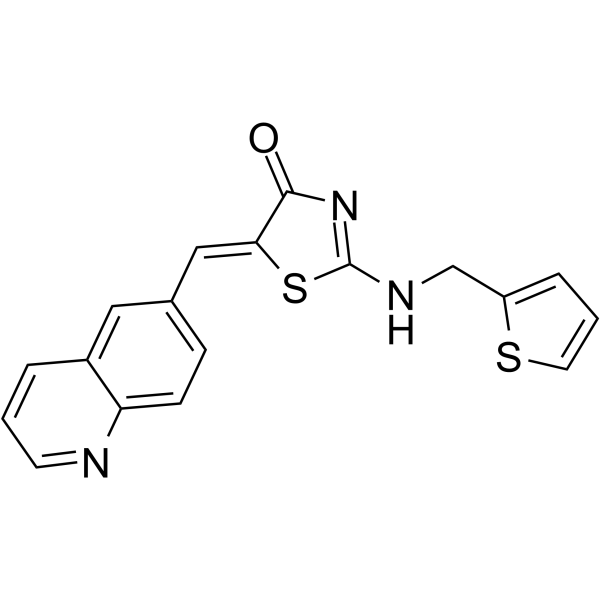
  • HY-12529
    Ro-3306
    Maximum Cited Publications
    67 Publications Verification

    CDK Apoptosis Cancer
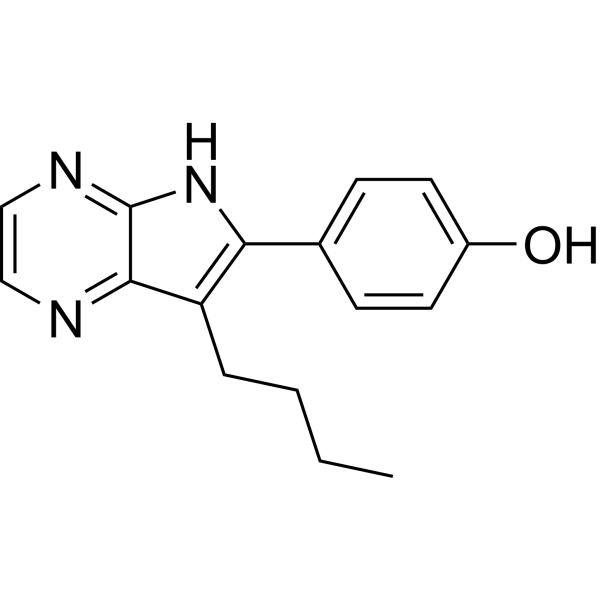
    Ro-3306 is a potent and selective inhibitor of CDK1, with Kis of 20 nM, 35 nM and 340 nM for CDK1, CDK1/cyclin B1 and CDK2/cyclin E, respectively.
    Ro-3306
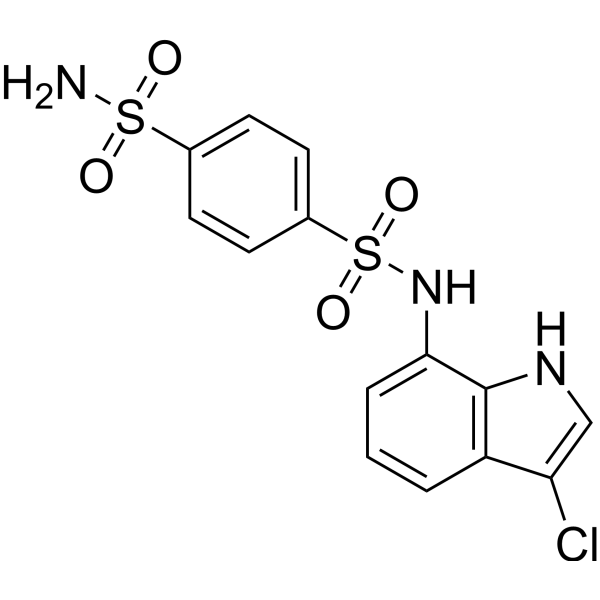
  • HY-13650
    Indisulam
    10+ Cited Publications

    E 7070

    Molecular Glues Carbonic Anhydrase Cancer
    Indisulam (E 7070) is a carbonic anhydrase inhibitor with anticancer activity. Indisulam (E 7070) is a sulfonamide agent that targets the G1 phase of the cell cycle. Indisulam (E 7070) causes a blockade in the G1/S transition through inhibition of the activation of both CDK2 and cyclin E. Indisulam (E 7070) targets splicing by inducing RBM39 degradation via recruitment to DCAF15 .
    Indisulam
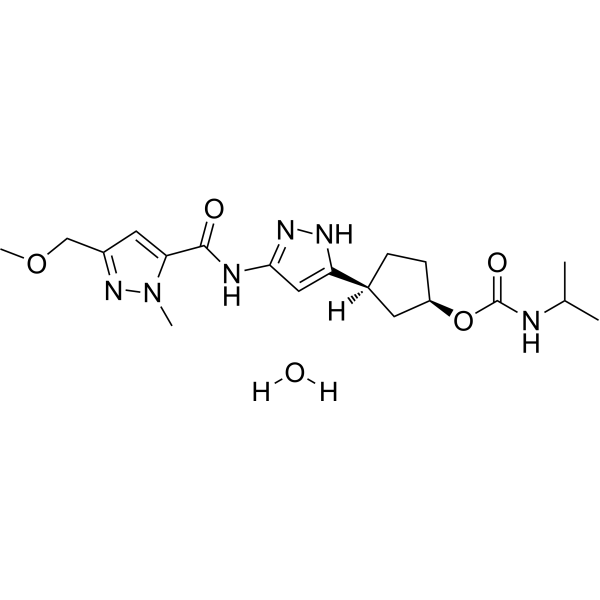
  • HY-137894A
    Tagtociclib hydrate
    4 Publications Verification

    PF-07104091 hydrate

    CDK GSK-3 Cancer
    PF-07104091 hydrate is a potent and selective CDK2/cyclin E1 and GSK3β inhibitor, with Kis of 1.16 and 537.81 nM, respectively. PF-07104091 hydrate has anti-tumor activity for cyclin E1-amplified cancers. (patent WO2020157652A2).
    Tagtociclib hydrate
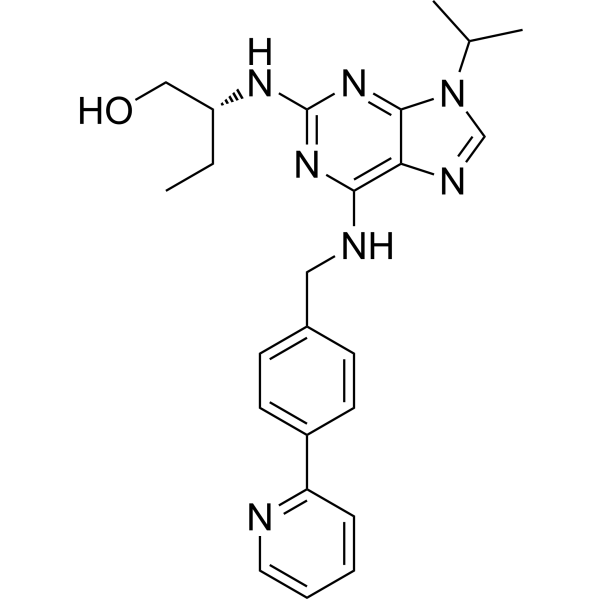
  • HY-18340
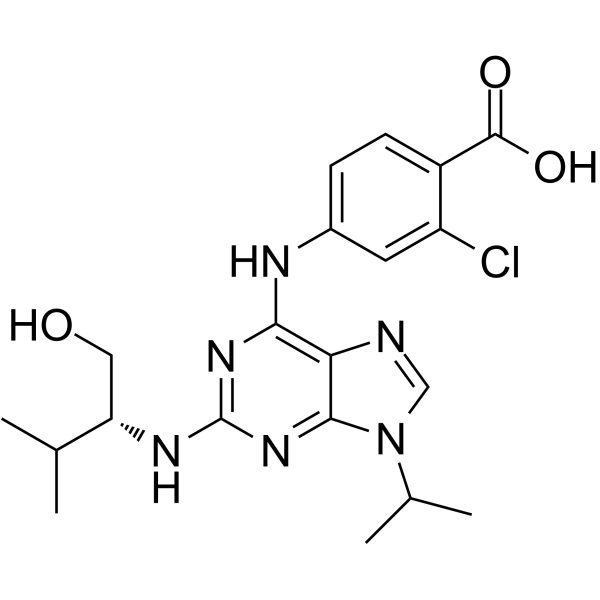
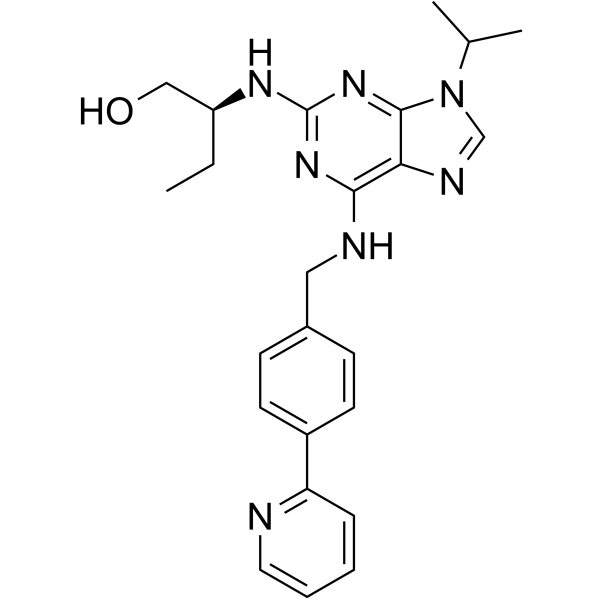
    (R)​-​CR8
    1 Publications Verification

    CR8, (R)-Isomer

    Molecular Glues CDK Apoptosis Neurological Disease Cancer
    (R)-CR8, a second-generation analog of Roscovitine, is a potent CDK1/2/5/7/9 inhibitor. (R)-CR8 inhibits CDK1/cyclin B (IC50=0.09 μM), CDK2/cyclin A (0.072 μM), CDK2/cyclin E (0.041 μM), CDK5/p25 (0.11 μM), CDK7/cyclin H (1.1 μM), CDK9/cyclin T (0.18 μM) and CK1δ/ε (0.4 μM). (R)-CR8 induces apoptosis and has neuroprotective effect . (R)-CR8 acts as a molecular glue degrader that depletes cyclin K .
    (R)​-​CR8
  • HY-12302
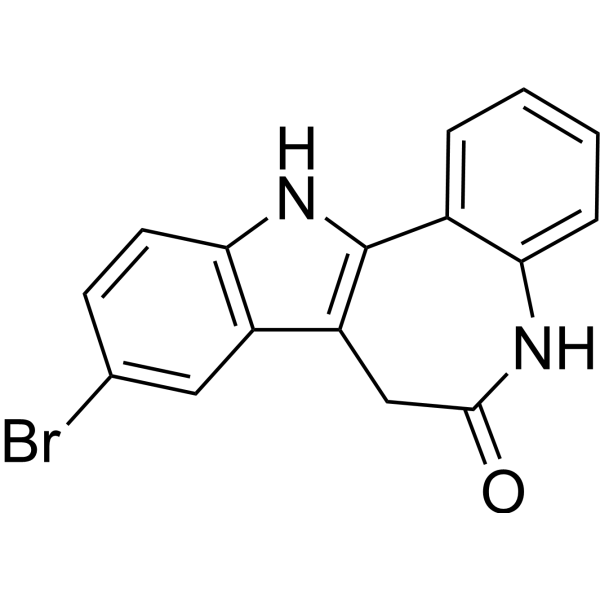
    Kenpaullone
    10+ Cited Publications

    9-Bromopaullone; NSC-664704

    CDK GSK-3 Cancer
    Kenpaullone is a potent inhibitor of CDK1/cyclin B and GSK-3β, with IC50s of 0.4 μM and 23 nM, and also inhibits CDK2/cyclin A, CDK2/cyclin E, and CDK5/p25 with IC50s of 0.68 μM, 7.5 μM, 0.85 μM, respectively. Kenpaullone, a small molecule inhibitor of KLF4, reduces self-renewal of breast cancer stem cells and cell motility in vitro.
    Kenpaullone
  • HY-18299A
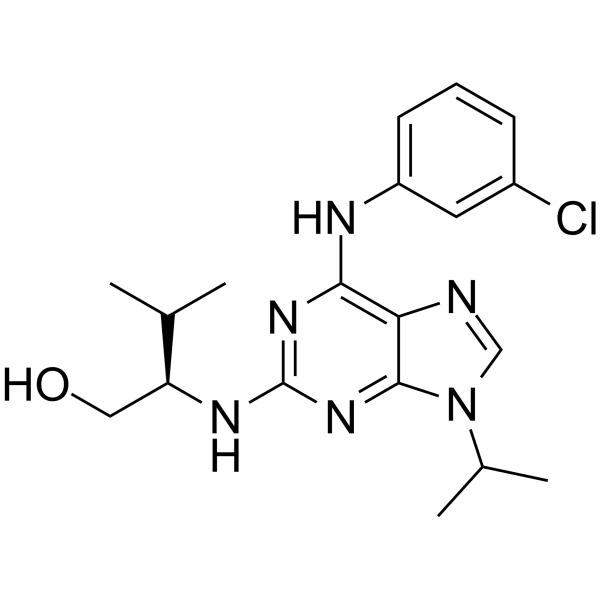
    Purvalanol A
    4 Publications Verification

    NG-60

    CDK Autophagy Apoptosis Cancer
    Purvalanol A is a potent CDK inhibitor, which inhibits cdc2-cyclin B, cdk2-cyclin A, cdk2-cyclin E, cdk4-cyclin D1, and cdk5-p35 with IC50s of 4, 70, 35, 850, 75 nM, resepctively.
    Purvalanol A
  • HY-10014
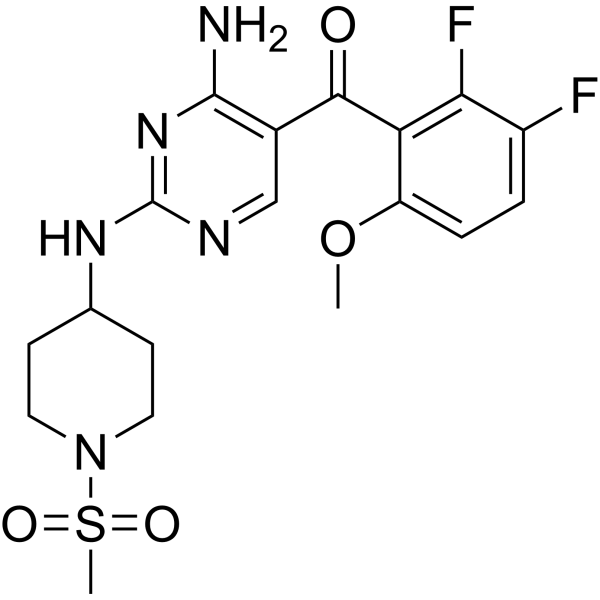
    R547
    2 Publications Verification

    CDK GSK-3 Apoptosis Cancer
    R547 is a potent, selective and orally active ATP-competitive CDK inhibitor, with Kis of 2 nM, 3 nM and 1 nM for CDK1/cyclin B, CDK2/cyclin E and CDK4/cyclin D1, respectively .
    R547
  • HY-108359
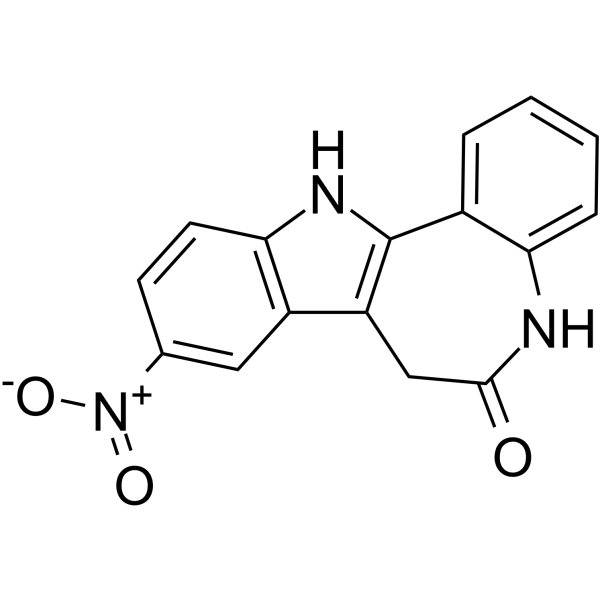
    Alsterpaullone
    1 Publications Verification

    9-Nitropaullone; NSC 705701

    CDK GSK-3 Apoptosis Cancer
    Alsterpaullone (9-Nitropaullone) is a potent CDK inhibitor, with IC50s of 35 nM, 15 nM, 200 nM and 40 nM for CDK1/cyclin B, CDK2/cyclin A, CDK2/cyclin E and CDK5/p35, respectively. Alsterpaullone also competes with ATP for binding to GSK-3alpha/GSK-3beta with IC50s of both 4 nM. Alsterpaullone has antitumor activity, and possesses potential for the study in neurodegenerative and proliferative disorders . Alsterpaullone induces apoptosis in leukemia cell line .
    Alsterpaullone
  • HY-N0260
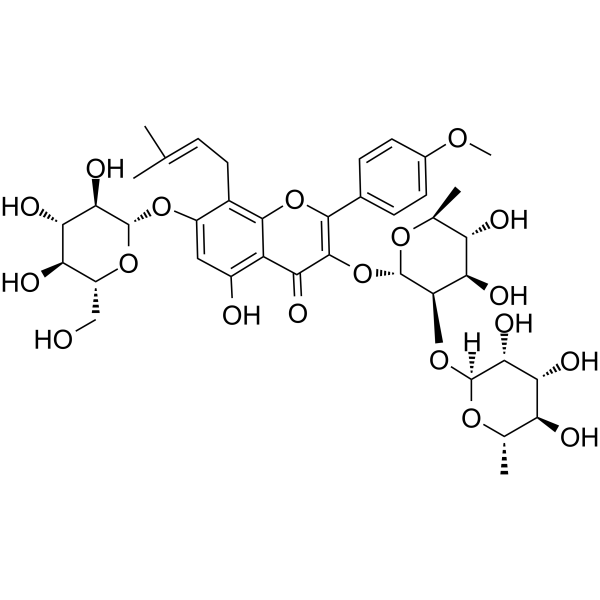
    Epmedin C
    Maximum Cited Publications
    6 Publications Verification

    Epimedin-C; Baohuoside-VI

    Keap1-Nrf2 CDK Caspase Infection Metabolic Disease Inflammation/Immunology Cancer
    Epmedin C (Epimedin-C; Baohuoside-VI) is an orally active anti-inflammatory agent and immunomodulator that binds to multiple key proteins including UCP1, Caspase-1, CDK2 and Keap1. Epmedin C inhibits epithelial cell proliferation by disrupting the complex function of CDK2/Cyclin E. Epmedin C also upregulates Nrf2 expression, reduces ROS levels and inhibits pro-inflammatory cytokine secretion, thereby effectively restoring antibody production and alleviating tissue damage. Epmedin C has good safety with no hepatotoxicity or skin sensitization, and it has been used in studies on diseases such as obesity, Deoxynivalenol (HY-N6684)-induced immunotoxicity and mammary hyperplasia .
    Epmedin C
  • HY-W019806

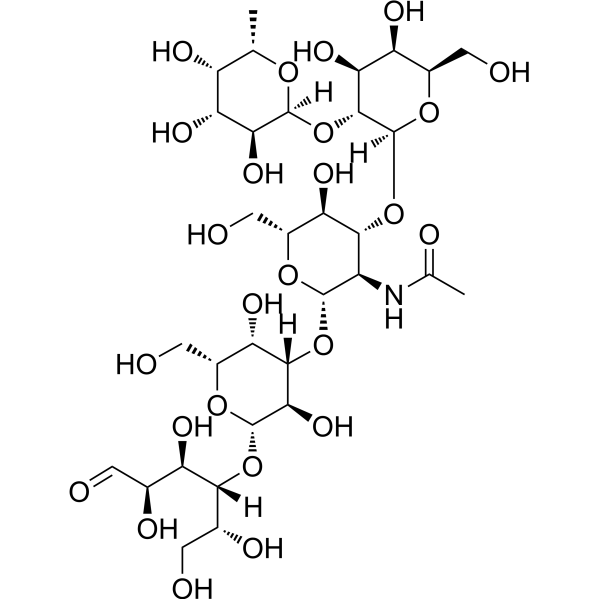
    LNFP I

    Endogenous Metabolite CDK Reactive Oxygen Species (ROS) Apoptosis Enterovirus Bacterial Infection Inflammation/Immunology
    Lacto-N-fucopentaose I (LNFPI) is a human milk oligosaccharide (HMO), possessing antiviral and antibacterial activity. Lacto-N-fucopentaose I can reduce capsid protein VP1 to block virus adsorption, promote CDK2 and reduce cyclin E to recover cell cycle S phase block. Lacto-N-fucopentaose I inhibits ROS production and apoptosis in virus-infected cells. Lacto-N-fucopentaose I can also regulate intestinal microbiota to affect immune system development .
    Lacto-N-fucopentaose I
  • HY-N6953
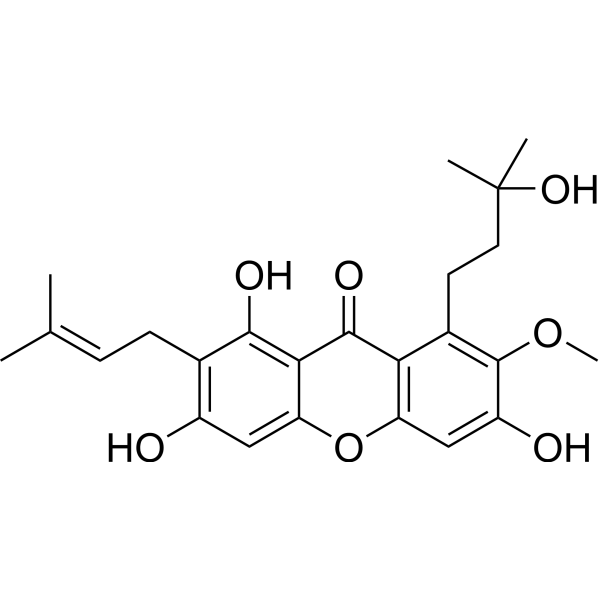
    Garcinone D
    4 Publications Verification

    STAT Keap1-Nrf2 Reactive Oxygen Species (ROS) Neurological Disease
    Garcinone D is an activator of the STAT3/Cyclin D1 and Nrf2/HO-1 pathways, and an inhibitor of CDK2/CyclinE1 (IC50 for CDK2/CyclinE1 is 28.23 μM). Garcinone D promotes neural stem cell proliferation by activating STAT3 phosphorylation and Cyclin D1 expression and enhancing the Nrf2/HO-1 signaling pathway. In addition, Garcinone D blocks the tumor cell cycle by inhibiting CDK2/CyclinE1. Garcinone D can promote the proliferation of C17.2 neural stem cells and inhibit prostate and breast cancer .
    Garcinone D
  • HY-18299
    Purvalanol B
    2 Publications Verification

    NG 95

    CDK Parasite Infection Cancer
    Purvalanol B (NG 95) is a potent, selective, reversible and ATP-competitive inhibitor CDK, with IC50s of 6 nM, 6 nM, 9 nM, 6 nM for cdc2-cyclin B, CDK2-cyclin A, CDK2-cyclin E and CDK5-p35, respectively. Purvalanol B shows selectivity for CDK over a range of other protein kinases (IC50>1000 nM). Purvalanol B inhibits the growth a chloroquine-resistant strain of P. falciparum .
    Purvalanol B
  • HY-W011428
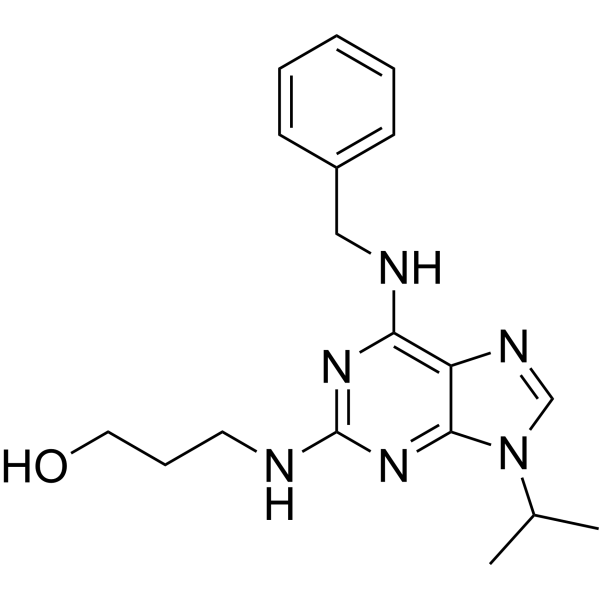
    Olomoucine
    1 Publications Verification

    CDK Others Cancer
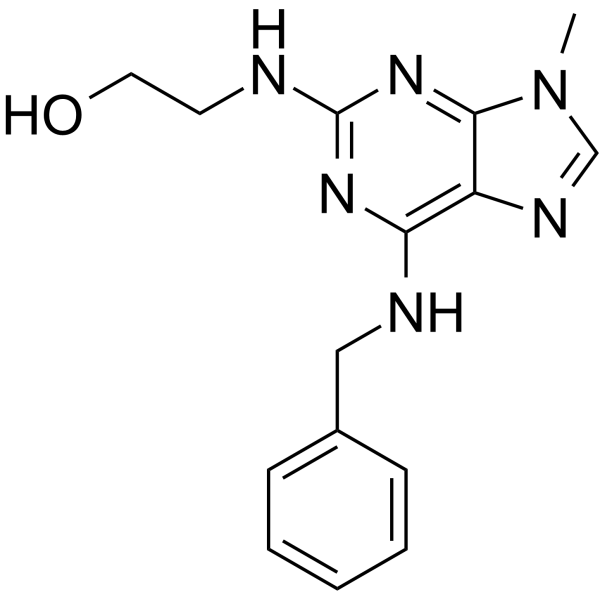
    Olomoucine is an ATP competitive inhibitor of CDKs. Olomoucine is a purine (HY-34431) derivative and inhibits CDC2/cyclin B, Cdk2/cyclin A, Cdk2/cyclin E (both IC50=7 μM), CDK/p35 kinase (IC50=3 μM) and ERK1/p44 MAP kinase (IC50=25 μM) . Olomoucine regulates cell cycle and shows anti-melanin tumor activity .
    Olomoucine
  • HY-B1817A

    Zinc(II) acetate, 99.99% trace metals basis

    CDK Heme Oxygenase (HO) Apoptosis Others
    Zinc (Zinc (II)) acetate, 99.99% trace metals basis is a heme oxygenase 1 (HO-1) activator and apoptosis inducer with cytotoxic and anticancer activities. Zinc acetate, 99.99% trace metals basis enhances HO-1 expression, alters the microRNA profile, and increases the level of caspase-cleaved cytokeratin 18. Zinc acetate, 99.99% trace metals basis also regulates the expression of Cdk2/cyclin E and interferes with cell cycle progression. Zinc acetate, 99.99% trace metals basis effectively inhibits cancer cell proliferation and induces their rapid death, with no significant cytotoxicity to non-tumor tissues. Zinc acetate, 99.99% trace metals basis has been widely used in studies related to hepatocellular carcinoma, prostate cancer, and other conditions .
    Zinc acetate, 99.99% trace metals basis
  • HY-139329

    CDK Cancer
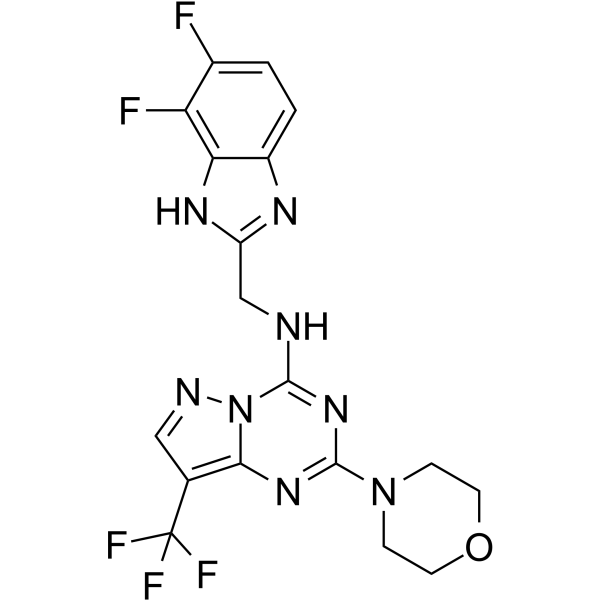
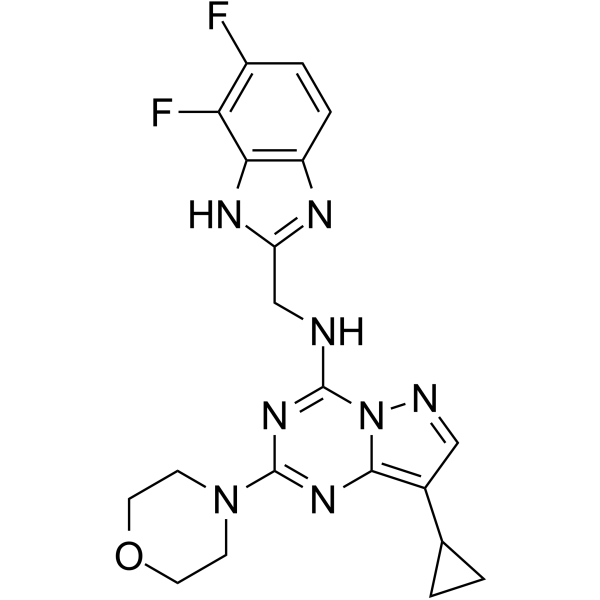
    CDK12-IN-6, a pyrazolotriazine, is a potent CDK12 inhibitor with an IC50 of 1.19 μM at high ATP (2 mM). CDK12-IN-6 has no effect on CDK2/Cyclin E (IC50>20 μM) and CDK9/Cyclin T1 (IC50>20 μM) at high ATP (2 mM) (WO2021116178A1) .
    CDK12-IN-6
  • HY-18340A
    (R)-CR8 trihydrochloride
    1 Publications Verification

    CR8, (R)-Isomer trihydrochloride

    Molecular Glues CDK Apoptosis Neurological Disease Cancer
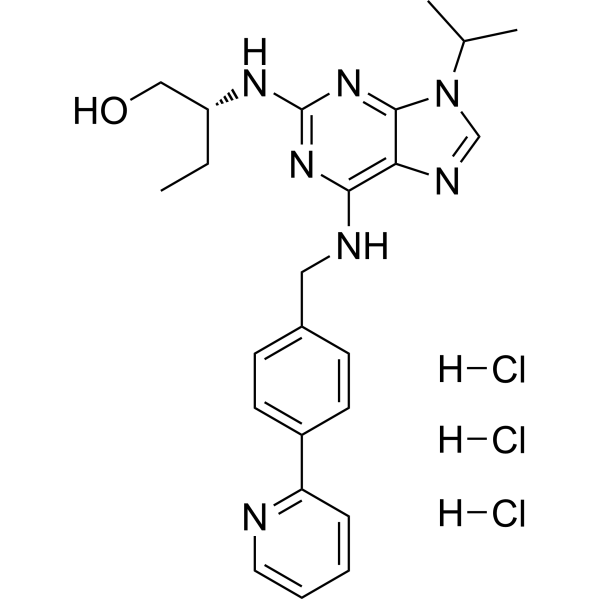
    (R)-CR8 (CR8) trihydrochloride, a second-generation analog of Roscovitine, is a potent CDK1/2/5/7/9 inhibitor. (R)-CR8 trihydrochloride inhibits CDK1/cyclin B (IC50=0.09 μM), CDK2/cyclin A (0.072 μM), CDK2/cyclin E (0.041 μM), CDK5/p25 (0.11 μM), CDK7/cyclin H (1.1 μM), CDK9/cyclin T (0.18 μM) and CK1δ/ε (0.4 μM). (R)-CR8 trihydrochloride induces apoptosis and has neuroprotective effect . (R)-CR8 trihydrochloride acts as a molecular glue degrader that depletes cyclin K .
    (R)-CR8 trihydrochloride
  • HY-139328

    CDK Cancer
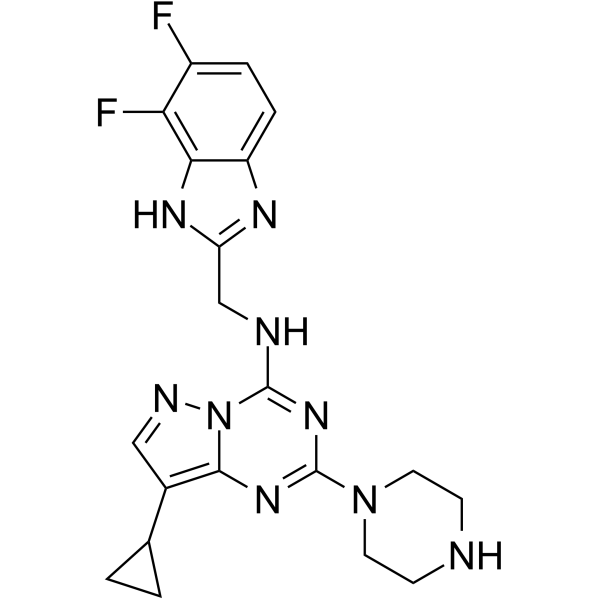
    CDK12-IN-5, a pyrazolotriazine, is a potent CDK12 inhibitor with an IC50 of 23.9 nM at high ATP (2 mM). CDK12-IN-5 has no effect on CDK2/Cyclin E (IC50=173 μM) and CDK9/Cyclin T1 (IC50=127 μM) at high ATP (2 mM) (WO2021116178A1) .
    CDK12-IN-5
  • HY-N3389
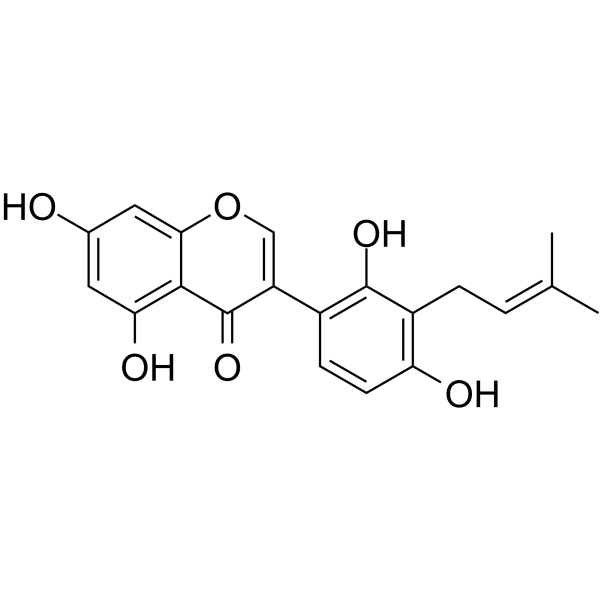
    Licoisoflavone A
    2 Publications Verification

    SARS-CoV Sirtuin CDK Apoptosis Infection Metabolic Disease Cancer
    Licoisoflavone A is an orally active isoflavone. Licoisoflavone A inhibits proliferation, induces apoptosis, and causes G1/S phase arrest in colorectal cancer (CRC) cells. Licoisoflavone A inhibits the CDK2-Cyclin E1 axis. Licoisoflavone A inhibits lipid peroxidation with an IC50 of 7.2 μM. Licoisoflavone A shows a dose-dependent inhibition effect on SARS-CoV-2 infection. Licoisoflavone A exhibits significant anti-tumor efficacy in mice bearing CT26 cell subcutaneous xenografts. Licoisoflavone A can be used for the study of colorectal cancer and SARS-CoV-2 infection .
    Licoisoflavone A
  • HY-170897

    CDK Cancer
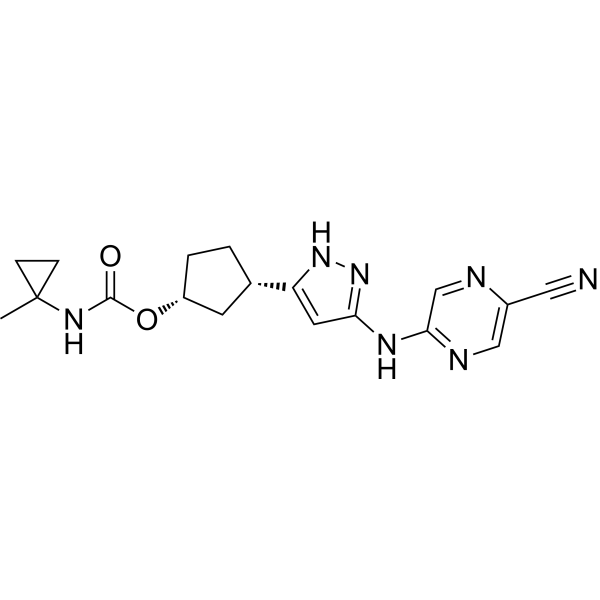
    CDK2-IN-40 is a CDK2 (Cyclin dependent kinase 2) inhibitor, extracted from patent WO 2024/254245 A1 (Example 1). CDK2-IN-40 inhibits CDK2/Cyclin E1 with an IC50 of ≤ 10 nM .
    CDK2-IN-40
  • HY-123045

    CDK Cancer
    PNU-292137 is an orally active, potent CDK2 inhibitor with IC50s of 37 nM and 92 nM for CDK2/cyclin A and CDK2/cyclin E, respectively. PNU-292137 makes interactions with the hydrophobic pocket at the back of the CDK2 ATP pocket. PNU-292137 efficiently inhibits tumor cell proliferation in human colon and prostate tumor cell lines. PNU-292137 exhibits antitumor activity (TGI>50%) in a mouse xenograft model .
    PNU-292137
  • HY-12843
    Bohemine
    1 Publications Verification

    CDK ERK Cancer
    Bohemine is a purine analogue and is a synthetic and selective CDK inhibitor with IC50s of 4.6 μM, 83 μM, and 2.7 μM for Cdk2/cyclin E, Cdk2/cyclin A, and Cdk9/cyclin T1, respectively. Bohemine also inhibits ERK2 with an IC50 of 52 μM and has less inhibitory effect on CDK1, CDK4 and CDK6. Bohemine has a broad spectrum anti-cancer activities .
    Bohemine
  • HY-112371

    CDK Cancer
    (S)-CR8 is the S-isomer of CR8. (S)-CR8 is a potent and selective CDK inhibitor with IC50s of 0.060, 0.080, 0.11, 0.12, and 0.15 μM for CDK2/cyclin E, CDK2/cyclin A, CDK9/cyclin T, CDK5/p25, and CDK1/cyclin B, respectively. (S)-CR8 reduces SH-SY5Y cells survival (IC50 0.40 μM) .
    (S)-CR8
  • HY-112363

    RP107

    CDK GSK-3 ERK JNK CFTR Inflammation/Immunology Cancer
    Aloisine A (RP107) is a a potent cyclin-dependent kinase (CDK) inhibitor with IC50s of 0.15 μM, 0.12 μM, 0.4 μM, 0.16 μM for CDK1/cyclin B, CDK2/cyclin A, CDK2/cyclin E, CDK5/p35, respectively. Aloisine A ininhibits GSK-3α (IC50=0.5 μM) and GSK-3β (IC50=1.5 μM). Aloisine A stimulates wild-type CFTR and mutated CFTR, with submicromolar affinity by a cAMP-independent mechanism. Aloisine A has the potential for CFTR-related diseases, including cystic fibrosis research .
    Aloisine A
  • HY-112450

    CDK Cancer
    Olomoucine II is a potent CDK inhibitor with IC50 values of 0.06, 0.1, 0.45, 7.6, 19.8 µM for CDK9/cyclin T, CDK2/cyclin E, CDK7/cyclin H, CDK1/cyclin B, CDK4/cyclin D1, respectively. Olomoucine II shows antiproliferative activity .
    Olomoucine II
  • HY-111932

    CDK GSK-3 Cancer
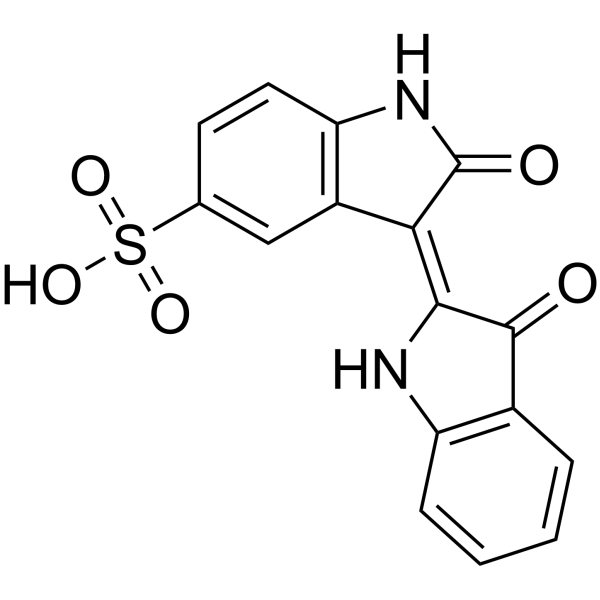
    Indirubin-5-sulfonate is a cyclin-dependent kinase (CDK) inhibitor, with IC50 values of 55 nM, 35 nM, 150 nM, 300 nM and 65 nM for CDK1/cyclin B, CDK2/cyclin A, CDK2/cyclin E, CDK4/cyclin D1, and CDK5/p35, respectively . Indirubin-5-sulfonate also shows inhibitory activity against GSK-3β .
    Indirubin-5-sulfonate
  • HY-W011428R

    Reference Standards CDK Others Cancer
    Olomoucine is an ATP competitive inhibitor of CDKs. Olomoucine is a purine (HY-34431) derivative and inhibits CDC2/cyclin B, Cdk2/cyclin A, Cdk2/cyclin E (both IC50=7 μM), CDK/p35 kinase (IC50=3 μM) and ERK1/p44 MAP kinase (IC50=25 μM) . Olomoucine regulates cell cycle and shows anti-melanin tumor activity .
    Olomoucine (Standard)
  • HY-139327

    CDK Cancer
    CDK12-IN-4, a pyrazolotriazine, is a potent CDK12 inhibitor with an IC50 of 0.641 μM at high ATP (2 mM). CDK12-IN-4 has no effect on CDK2/Cyclin E (IC50>20 μM) and CDK9/Cyclin T1 (IC50>20 μM) at high ATP (2 mM) (WO2021116178A1) .
    CDK12-IN-4
  • HY-13650R

    E 7070 (Standard)

    Molecular Glues Carbonic Anhydrase Reference Standards Cancer
    Indisulam (Standard) is the analytical standard of Indisulam. This product is intended for research and analytical applications. Indisulam (E 7070) is a carbonic anhydrase inhibitor with anticancer activity. Indisulam (E 7070) is a sulfonamide agent that targets the G1 phase of the cell cycle. Indisulam (E 7070) causes a blockade in the G1/S transition through inhibition of the activation of both CDK2 and cyclin E. Indisulam (E 7070) targets splicing by inducing RBM39 degradation via recruitment to DCAF15 .
    Indisulam (Standard)
  • HY-160643

    CDK Cancer
    CDK2-IN-27 (compound 1) is a potent CDK2 inhibitor with IC50 values of <10, >10-20 nM for CDK2/cyclin E1, CDK2/cyclin B1, respectively .
    CDK2-IN-27
  • HY-173203

    CDK Cancer
    CDK2-IN-43 (Compound 3a) is a CDK2-cyclin E2 inhibitor with an IC50 value of 6.0 nM. CDK2-IN-43 can be used in the research of the anti-cancer field .
    CDK2-IN-43
  • HY-N6953R

    Reference Standards STAT Keap1-Nrf2 Reactive Oxygen Species (ROS) Neurological Disease
    Garcinone D (Standard) is the analytical standard of Garcinone D (HY-N6953). This product is intended for research and analytical applications. Garcinone D is an activator of the STAT3/Cyclin D1 and Nrf2/HO-1 pathways, and an inhibitor of CDK2/CyclinE1 (IC50 for CDK2/CyclinE1 is 28.23 μM). Garcinone D promotes neural stem cell proliferation by activating STAT3 phosphorylation and Cyclin D1 expression and enhancing the Nrf2/HO-1 signaling pathway. In addition, Garcinone D blocks the tumor cell cycle by inhibiting CDK2/CyclinE1. Garcinone D can promote the proliferation of C17.2 neural stem cells and inhibit prostate and breast cancer .
    Garcinone D (Standard)
  • HY-168513

    Anaplastic lymphoma kinase (ALK) CDK FAK Cancer
    ALK-IN-29 (compound 4c) has a certain inhibitory effect on tyrosine protein kinases ALK, CDK2/CyclinE1 and FAK, among which the strongest inhibitory effect on ALK kinase is 40.63% at a concentration of 10 μM. ALK-IN-29 can be used for anti-cancer research .
    ALK-IN-29
  • HY-168163

    CDK Cancer
    ALK-IN-29 (compound 4c) has a certain inhibitory effect on tyrosine protein kinases ALK, CDK2/CyclinE1 and FAK, among which the strongest inhibitory effect on ALK kinase is 40.63% at a concentration of 10 μM. ALK-IN-29 can be used for anti-cancer research .
    CDK12/13 ligand 1
  • HY-18299AR

    NG-60 (Standard)

    CDK Autophagy Apoptosis Reference Standards Cancer
    Purvalanol A (Standard) is the analytical standard of Purvalanol A. This product is intended for research and analytical applications. Purvalanol A is a potent CDK inhibitor, which inhibits cdc2-cyclin B, cdk2-cyclin A, cdk2-cyclin E, cdk4-cyclin D1, and cdk5-p35 with IC50s of 4, 70, 35, 850, 75 nM, resepctively.
    Purvalanol A (Standard)
  • HY-111260

    CDK GSK-3 Apoptosis Cancer
    R547 mesylate is a potent, selective and orally active ATP-competitive CDK inhibitor, with Kis of 2 nM, 3 nM and 1 nM for CDK1/cyclin B, CDK2/cyclin E and CDK4/cyclin D1, respectively .
    R547 mesylate
  • HY-N0260R

    Epimedin-C (Standard); Baohuoside-VI (Standard)

    Reference Standards Keap1-Nrf2 CDK Caspase Inflammation/Immunology
    Epmedin C (Standard) is the analytical standard of Epmedin C. This product is intended for research and analytical applications. Epmedin C (Epimedin-C; Baohuoside-VI) is an orally active anti-inflammatory agent and immunomodulator that binds to multiple key proteins including UCP1, Caspase-1, CDK2 and Keap1. Epmedin C inhibits epithelial cell proliferation by disrupting the complex function of CDK2/Cyclin E. Epmedin C also upregulates Nrf2 expression, reduces ROS levels and inhibits pro-inflammatory cytokine secretion, thereby effectively restoring antibody production and alleviating tissue damage. Epmedin C has good safety with no hepatotoxicity or skin sensitization, and it has been used in studies on diseases such as obesity, Deoxynivalenol (HY-N6684)-induced immunotoxicity and mammary hyperplasia .
    Epmedin C (Standard)
  • HY-179231

    CDK Apoptosis Cancer
    CDK2-IN-50 is a CDK2 inhibitor (IC50 = 0.77 nM). CDK2-IN-50 can induce G1 phase arrest, indicating that it has an effective CDK2/cyclin E targeting mechanism. CDK2-IN-50 also has a significant pro-apoptotic effect. CDK2-IN-50 can be used for the study of breast cancer .
    CDK2-IN-50
  • HY-183854

    CDK Cancer
    AG-12286 is a pan-CDK inhibitor with an IC50 value of 2 nM against cdk1/cyclin B, 6 nM against cdk2/cyclin E, and 12 nM against cdk4/cyclin D. AG-12286 is 1000-fold more selective for the CDK family than for PKC. AG-12286 can be used in cancer research .
    AG-12286
  • HY-10014R

    CDK Reference Standards GSK-3 Apoptosis Cancer
    R547 (Standard) is the analytical standard of R547 (HY-10014). This product is intended for research and analytical applications. R547 is a potent, selective and orally active ATP-competitive CDK inhibitor, with Kis of 2 nM, 3 nM and 1 nM for CDK1/cyclin B, CDK2/cyclin E and CDK4/cyclin D1, respectively .
    R547 (Standard)
  • HY-183273

    Epigenetic Reader Domain Akt CDK Autophagy Apoptosis Cancer
    BRD4/AKT-IN-1 is a BRD4/AKT inhibitor with BRD4 IC50 66.12 nM and AKT1 IC50 143.81 nM. BRD4/AKT-IN-1 blocks BRD4-mediated c-Myc transcriptional regulation, modulates AKT1 signaling, decouples AKT phosphorylation from pro-survival effectors. BRD4/AKT-IN-1 induces G0/G1 cell cycle arrest via downregulated phosphorylated RB, cyclin E1, CDK2. BRD4/AKT-IN-1 elevates LC3B levels to promote autophagy. BRD4/AKT-IN-1 promotes apoptosis in cancer cells. BRD4/AKT-IN-1 can be used for the research of metastatic castration-resistant prostate cancer .
    BRD4/AKT-IN-1

Inquiry Online

Your information is safe with us. * Required Fields.

Salutation


Country or Region *

Applicant Name *


Organization Name *

Department *


Email Address *


Product Name *

Cat. No.


Requested quantity *

Phone Number *


Remarks

Inquiry Online

Inquiry Information

Product Name:
Cat. No.:
Quantity:
MCE Japan Authorized Agent: