Search Result
Results for "
Chk1 inhibitor
" in MedChemExpress (MCE) Product Catalog:
1
Biochemical Assay Reagents
3
Isotope-Labeled Compounds
| Cat. No. |
Product Name |
Target |
Research Areas |
Chemical Structure |
-
- HY-18174
-
Prexasertib
Maximum Cited Publications
33 Publications Verification
LY2606368
|
Checkpoint Kinase (Chk)
Apoptosis
|
Cancer
|
|
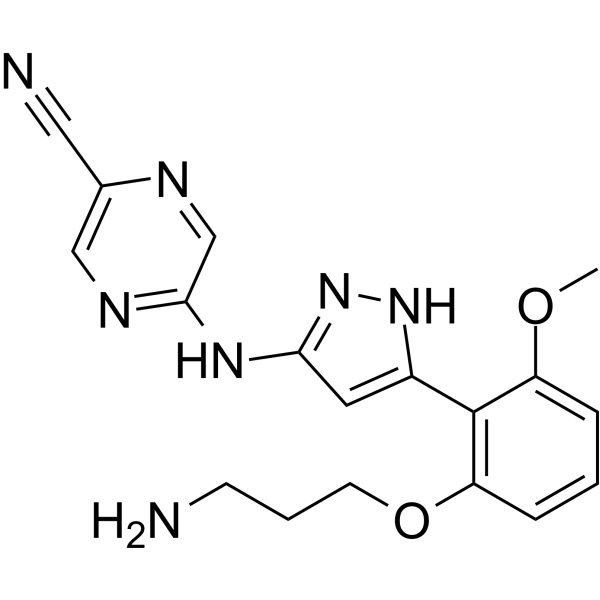
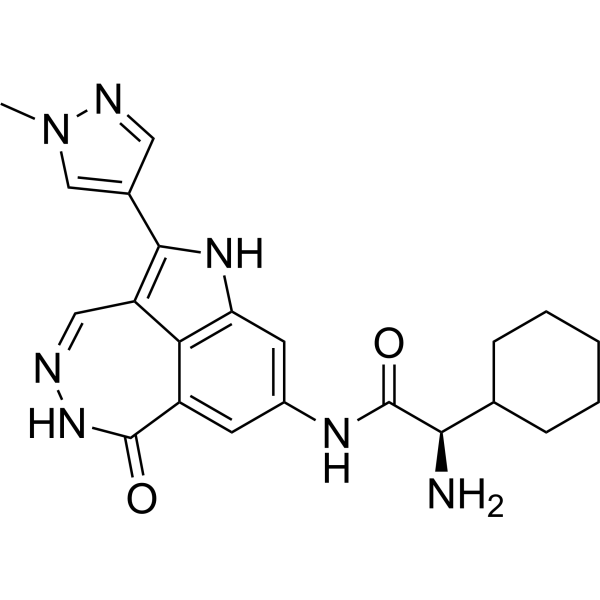
Prexasertib (LY2606368) is a selective, ATP-competitive second-generation checkpoint kinase 1 (CHK1) inhibitor with a Ki of 0.9 nM and an IC50 of <1 nM. Prexasertib inhibits CHK2 (IC50=8 nM) and RSK1 (IC50=9 nM). Prexasertib causes double-stranded DNA breakage and replication catastrophe resulting in apoptosis. Prexasertib shows potent anti-tumor activity .
|
-
-
- HY-10992
-
-
-
- HY-136270
-
|
VX-803; M4344; ATR inhibitor 2
|
ATM/ATR
|
Cancer
|
|
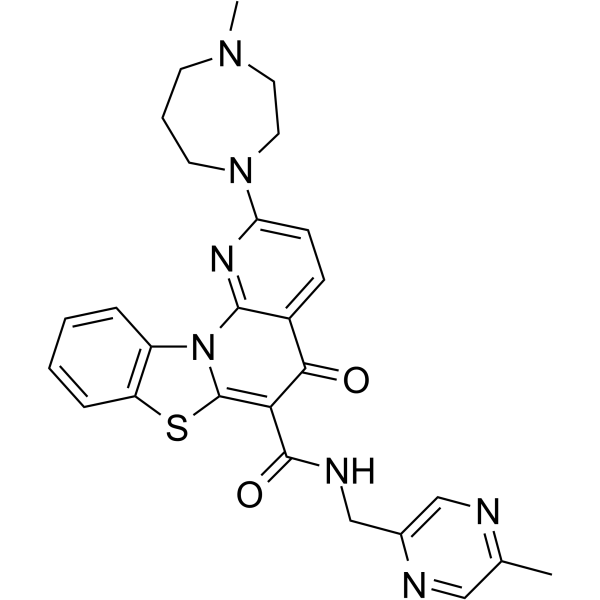
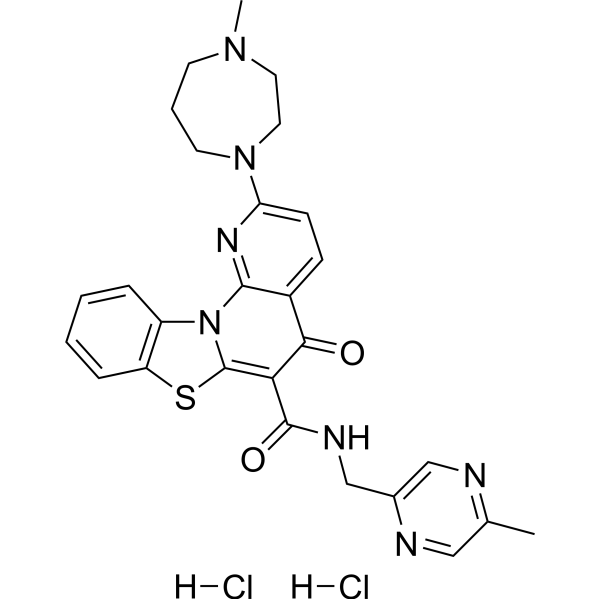
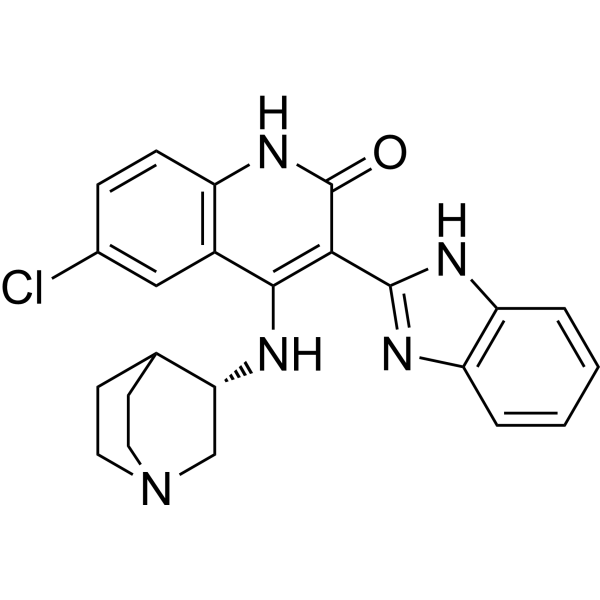
Gartisertib (VX-803) is an ATP-competitive, orally active, and selective ATR inhibitor, with a Ki of <150 pM. Gartisertib potently inhibits ATR-driven phosphorylated checkpoint kinase-1 (Chk1) phosphorylation with an IC50 of 8 nM. Antitumor activity .
|
-
-
- HY-14720
-
-
-
- HY-18958
-
-
-
- HY-157941
-
|
|
ATM/ATR
Checkpoint Kinase (Chk)
DNA/RNA Synthesis
|
Cancer
|
|
ART0380 is a potent, selective and orally active ATR kinase inhibitor. ART0380 potently inhibits human ATR-ATRIP complex with an IC50 of 51.7 nM. ART0380 binds the ATP pocket of the ATR-ATRIP complex, blocks ATR-dependent Chk1 serine 345 phosphorylation, and induces cell cycle disorder and DNA damage. ART0380 demonstrates potent and selective antitumor activity in preclinical models with varying types of ataxia-telangiectasia mutated (ATM) gene aberrancy. ART0380 can be used for the research of cancer, such as colorectal cancer and prostate cancer .
|
-
-
- HY-107407
-
|
|
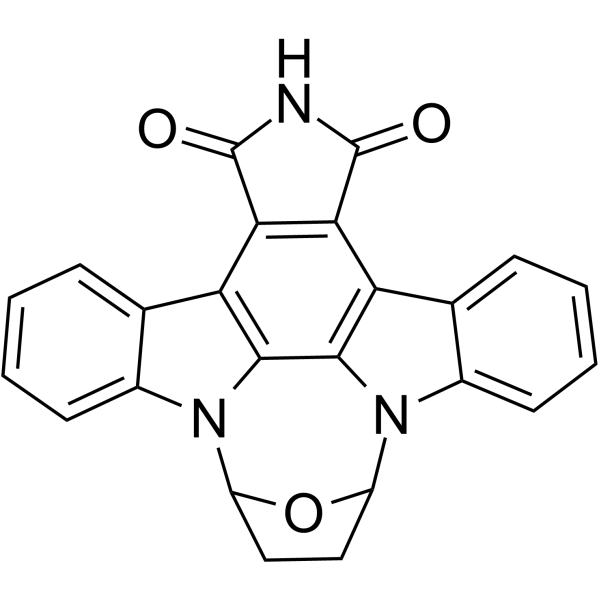
Checkpoint Kinase (Chk)
CDK
PKC
Apoptosis
|
Cancer
|
|
SB-218078 is a potent, selective, ATP-competitive and cell-permeable checkpoint kinase 1 (Chk1) inhibitor that inhibits Chk1 phosphorylation of cdc25C with an IC50 of 15 nM. SB-218078 is less potently inhibits Cdc2 (IC50 of 250 nM) and PKC (IC50 of 1000 nM). SB-218078 causes apoptosis by DNA damage and cell cycle arrest .
|
-
-
- HY-13263
-
-
-
- HY-15532
-
|
MK-8776
|
Checkpoint Kinase (Chk)
|
Cancer
|
|
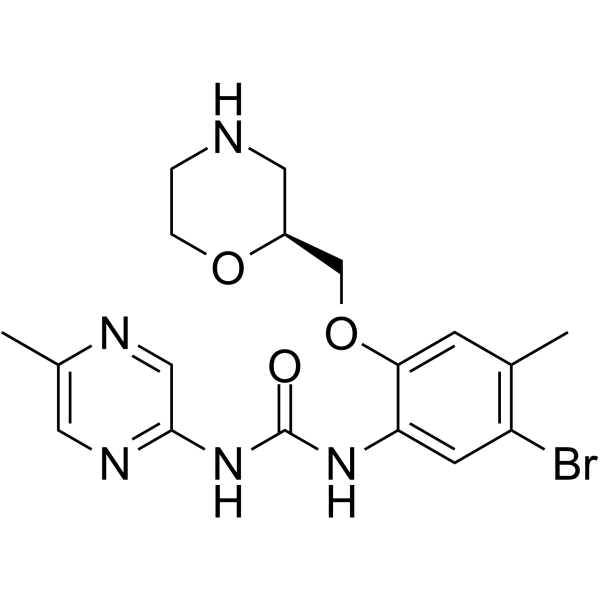
SCH900776 (MK-8776) is a potent, selective and orally bioavailable inhibitor of checkpoint kinase1 (Chk1) with an IC50 of 3 nM. SCH900776 shows 50- and 500-fold selectivity over CDK2 and Chk2, respectively .
|
-
-
- HY-164734
-
|
R-DXd; DS-6000
|
Antibody-Drug Conjugates (ADCs)
|
Cancer
|
|
Raludotatug Deruxtecan is an antibody-drug conjugate targeting CDH6, with an EC50 of 64.7 ng/mL in humans, 70.4 ng/mL in cynomolgus monkeys, and 228 ng/mL in mice. Raludotatug Deruxtecan specifically binds to CDH6 on the surface of cancer cells, triggers lysosomal internalization, and releases the DXd payload that inhibits TOP1. Raludotatug Deruxtecan induces DNA damage, Chk1 phosphorylation, caspase-3 cleavage, apoptosis, and bystander cell death. Raludotatug Deruxtecan is applicable to research related to serous ovarian cancer and renal cell carcinoma .
|
-
-
- HY-10032
-
|
PF 00477736
|
Checkpoint Kinase (Chk)
VEGFR
Src
c-Fms
Aurora Kinase
FGFR
FLT3
RET
CDK
|
Cancer
|
|
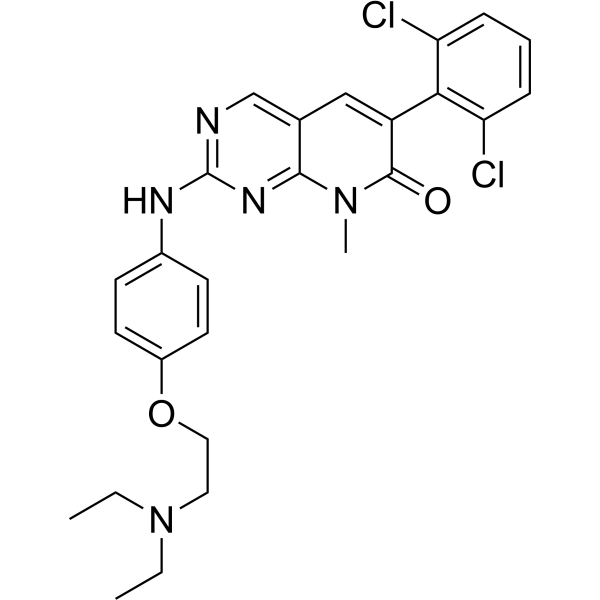
PF 477736 (PF 00477736) is a potent, selective and ATP-competitive inhibitor of Chk1, with a Ki of 0.49 nM, it is also a Chk2 inhibitor, with a Ki of 47 nM. PF 477736 shows <100-fold selectivity for Chk1 over VEGFR2, Fms, Yes, Aurora-A, FGFR3, Flt3, and Ret (IC50=8 (Ki), 10, 14, 23, 23, 25, and 39 nM, respectively). PF 477736 can enhance Gemcitabine antitumor activity in vitro and in vivo .
|
-
-
- HY-13925
-
|
|
Wee1
Apoptosis
|
Cancer
|
|
PD0166285, a substrate of P-gp, is a WEE1 inhibitor and a weak Myt1 inhibitor with IC50 values of 24 and 72 nM, respectively. PD0166285 exhibits an IC50 of 3.433 μM for Chk1 .
|
-
-
- HY-18174A
-
|
LY2606368 dihydrochloride
|
Checkpoint Kinase (Chk)
Apoptosis
|
Cancer
|
|
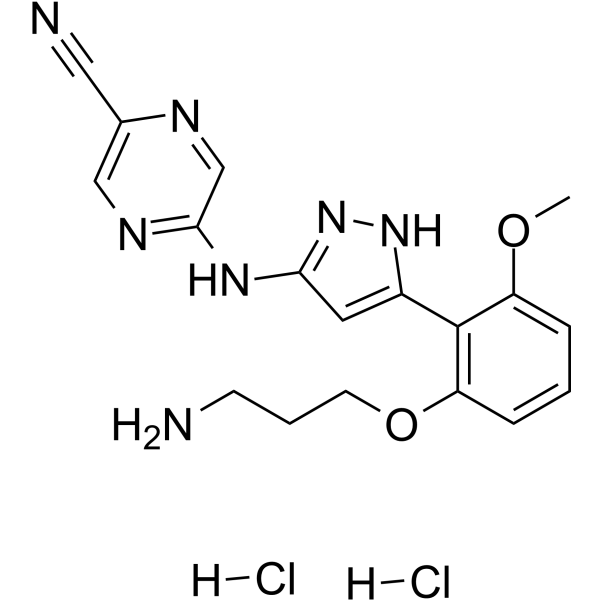
Prexasertib dihydrochloride (LY2606368 dihydrochloride) is a selective, ATP-competitive second-generation checkpoint kinase 1 (CHK1) inhibitor with a Ki of 0.9 nM and an IC50 of <1 nM. Prexasertib dihydrochloride inhibits CHK2 (IC50=8 nM) and RSK1 (IC50=9 nM). Prexasertib dihydrochloride causes double-stranded DNA breakage and replication catastrophe resulting in apoptosis. Prexasertib dihydrochloride shows potent anti-tumor activity .
|
-
-
- HY-148962
-
|
|
Checkpoint Kinase (Chk)
|
Cancer
|
|
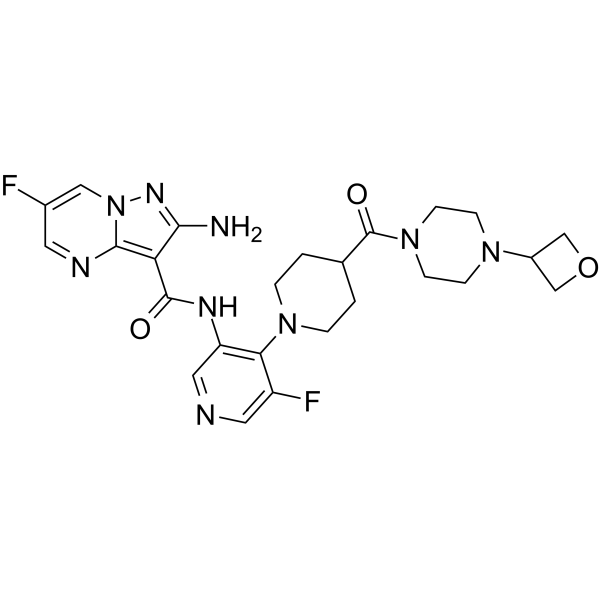
LY2880070 is an orally active CHK1 inhibitor, IC50 < 1 nM. LY2880070 can be used as an anticancer agent for combination with DNA damaging agents .
|
-
-
- HY-112167
-
|
ARRY-575; RG7741
|
Checkpoint Kinase (Chk)
|
Cancer
|
|
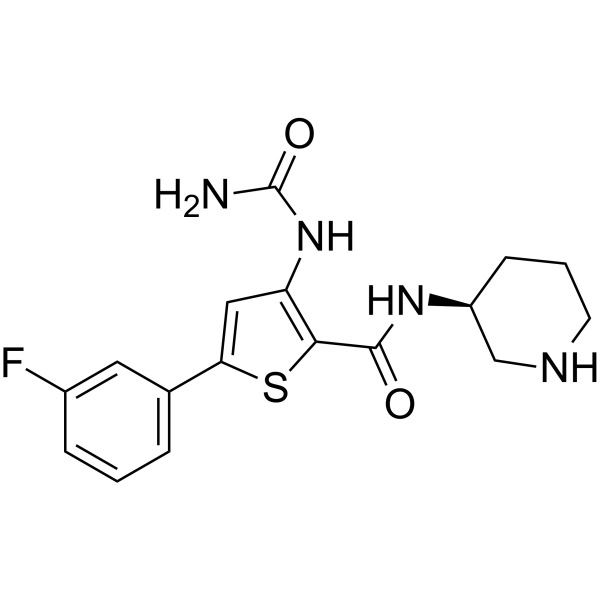
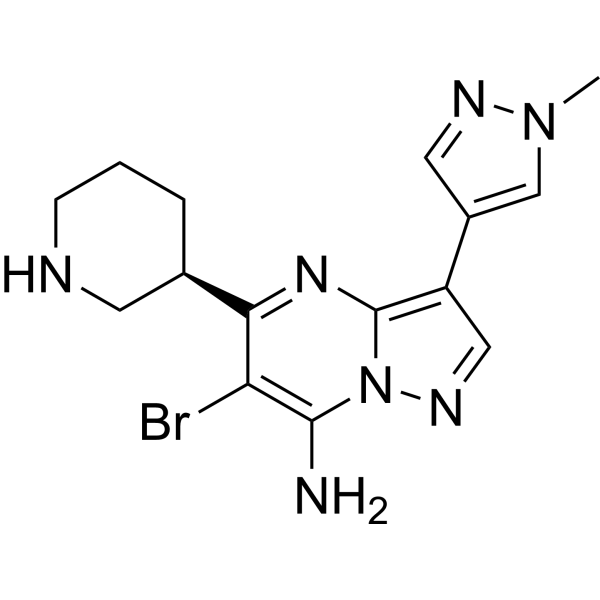
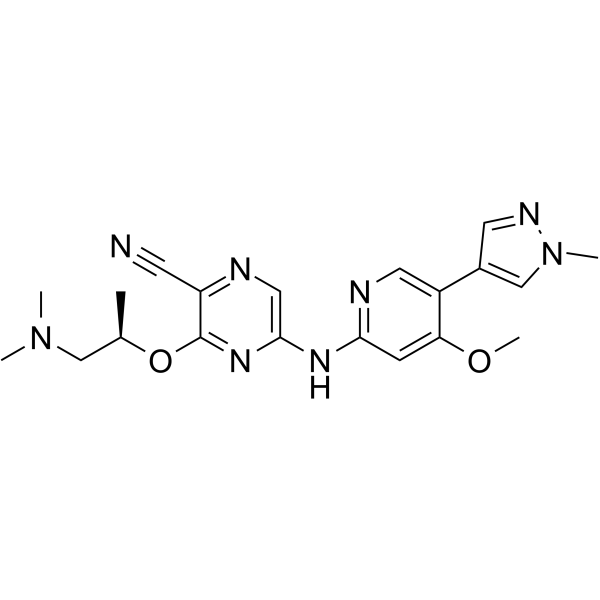
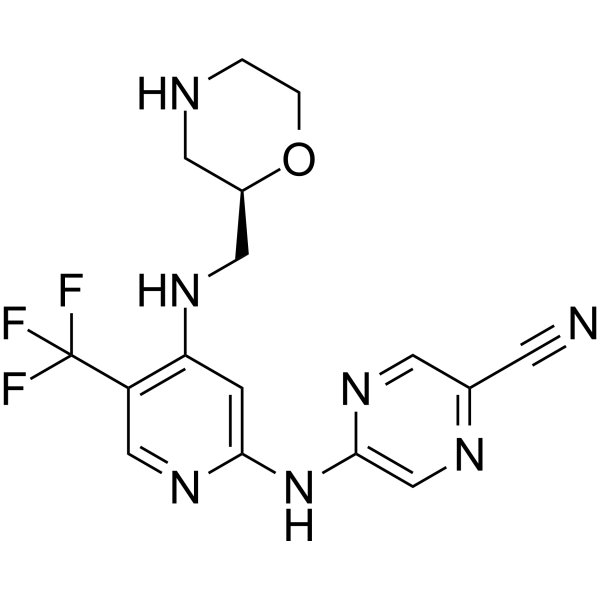
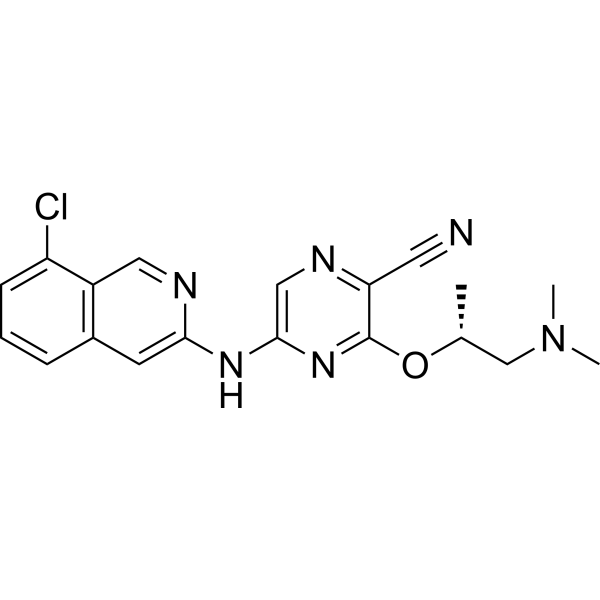
GDC-0575 (ARRY-575, RG7741) is a highly-selective oral small-molecule Chk1 inhibitor with an IC50 of 1.2 nM.
|
-
-
- HY-18175
-
|
|
Checkpoint Kinase (Chk)
|
Cancer
|
|
CCT244747 is a potent, orally bioavailable and highly selective CHK1 inhibitor, with an IC50 of 7.7 nM; CCT244747 also abrogates G2 checkpoint with an IC50 of 29 nM.
|
-
-
- HY-122198
-
ML367
1 Publications Verification
|
Checkpoint Kinase (Chk)
|
Cancer
|
|
ML367 is a potent inhibitor of ATPase family AAA domain-containing protein 5 (ATAD5) stabilization, acts as a probe molecule that has low micromolar inhibitory activity. ML367 blocks DNA repair pathways, suppresses general DNA damage responses including RPA32-phosphorylation and CHK1-phosphorylation in response to UV irradiation .
|
-
-
- HY-18174E
-
|
LY2606368 dimesylate
|
Checkpoint Kinase (Chk)
Apoptosis
|
Cancer
|
|
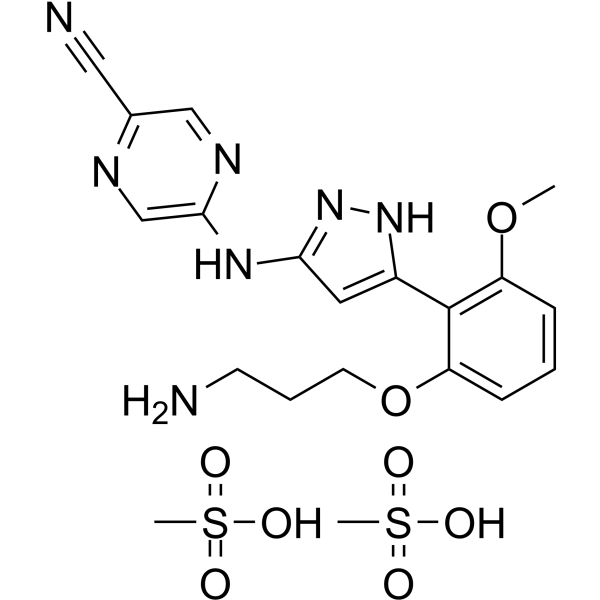
Prexasertib dimesylate (LY2606368 dimesylate) is a selective, ATP-competitive second-generation checkpoint kinase 1 (CHK1) inhibitor with a Ki of 0.9 nM and an IC50 of <1 nM. Prexasertib dimesylate inhibits CHK2 (IC50=8 nM) and RSK1 (IC50=9 nM). Prexasertib dimesylate causes double-stranded DNA breakage and replication catastrophe resulting in apoptosis. Prexasertib dimesylate shows potent anti-tumor activity .
|
-
-
- HY-100195
-
|
|
Checkpoint Kinase (Chk)
|
Cancer
|
|
SAR-020106 is an ATP-competitive, potent, and selective CHK1 inhibitor with an IC50 of 13.3 nM for human CHK1. SAR-020106 shows excellent selectivity over CHK2. SAR-020106 significantly enhances the cell killing of Gemcitabine and SN38 by 3- to 29-fold in several colon tumor lines and in a p53-dependent fashion. SAR-020106 can enhance antitumor activity with selected anticancer agents .
|
-
-
- HY-19926
-
|
RG-7602
|
Checkpoint Kinase (Chk)
|
Cancer
|
|
GDC-0425 (RG-7602) is an orally available, highly selective small molecule ChK1 inhibitor. GDC-0425 can be used for the research of various malignancies .
|
-
-
- HY-128601
-
|
|
Checkpoint Kinase (Chk)
|
Cardiovascular Disease
Cancer
|
|
CHK1-IN-3 is a potent and selective CHK1 inhibitor with an IC50 of 0.4 nM. CHK1-IN-3 effectively inhibits the growth of malignant hematopathy cell lines and displays low affinity for hERG (IC50 > 40 μM). CHK1-IN-3 significantly suppresses the tumor growth in vivo. CHK1-IN-3 can be used for the study of hematologic malignancies .
|
-
-
- HY-10992A
-
|
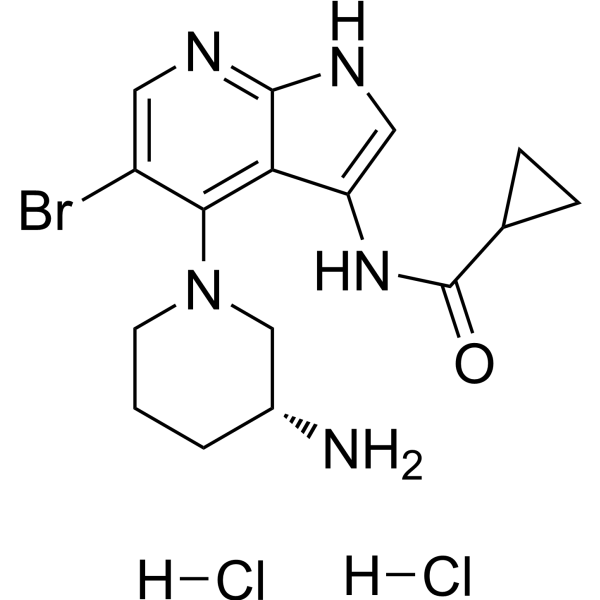
|
Checkpoint Kinase (Chk)
|
Cancer
|
|
AZD-7762 hydrochloride is a potent ATP-competitive checkpoint kinase (Chk) inhibitor in with an IC50 of 5 nM for Chk1.
|
-
-
- HY-112167A
-
|
ARRY-575 dihydrochloride; RG7741 dihydrochloride
|
Checkpoint Kinase (Chk)
|
Cancer
|
|
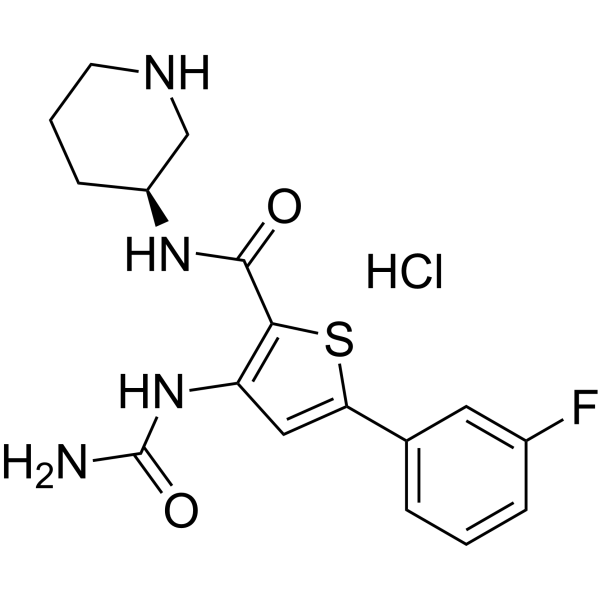
GDC-0575 dihydrochloride (ARRY-575 dihydrochloride) is an orally bioavailable CHK1 inhibitor, with an IC50 of 1.2 nM, and has antitumor activity.
|
-
-
- HY-15532B
-
|
MK-8776 S-isomer
|
Drug Isomer
|
Cancer
|
|
SCH900776 S-isomer is the S-isomer of SCH900776. SCH900776 is a potent, selective and orally bioavailable inhibitor of checkpoint kinase1 (Chk1) with IC50 of 3 nM.
|
-
-
- HY-18961
-
-
-
- HY-114302
-
CCB02
1 Publications Verification
|
Microtubule/Tubulin
|
Cancer
|
|
CCB02 is a selective CPAP-tubulin interaction inhibitor, binding to tubulin and competing for the CPAP binding site of β-tubulin, with an IC50 of 689 nM, and shows potent anti-tumor activity. CCB02 shows no inhibition on the cell cycle- and centrosome-related kinases, or the phosphorylation status of Aurora A, Plk1, Plk2, CDK2, and CHK1 .
|
-
-
- HY-15883
-
|
|
Checkpoint Kinase (Chk)
Apoptosis
|
Cancer
|
|
GNE-900 is a an ATP-competitive, selective, and orally active ChK1 inhibitor with IC50s of 0.0011, 1.5 μM for ChKl, ChK2, respectively. GNE-900 abrogates the G2-M checkpoint, enhances DNA damage, and induces Apoptosis. Gemcitabine (HY-17026) and GNE-900 administration shows anti-tumor activity .
|
-
-
- HY-16129
-
|
|
Calmodulin
Checkpoint Kinase (Chk)
MAPKAPK2 (MK2)
MAP3K
|
Cancer
|
|
CBP-501, a cell-permeable calmodulin-binding peptide and a G2-abrogating drug candidate, inhibits the activity of multiple Ser 216-specific kinases, such as MAPKAP-K2, C-Tak1, CHK1 and CHK2, with IC50 values of 0.9 μM, 1.4 μM 3.4 μM and 6.5 μM, respectively. CBP-501 is used for various types of cancer .
|
-
-
- HY-131446
-
|
|
Checkpoint Kinase (Chk)
|
Cancer
|
|
Chk1-IN-5 is a potent checkpoint kinase 1 (Chk1) inhibitor. Chk1-IN-5 inhibits Chk1 phosphorylation and inhibits tumor growth in colon cancer xenograft model .
|
-
-
- HY-155798
-
|
|
Checkpoint Kinase (Chk)
|
Cancer
|
|
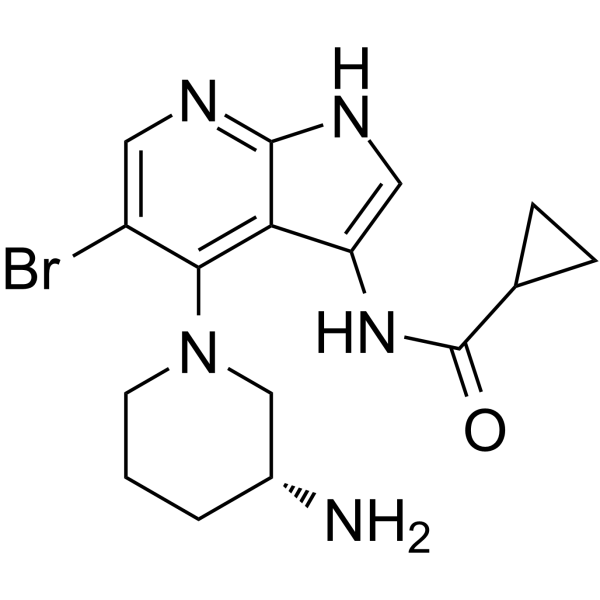
CHK1-IN-8 (example 3-2) is a Chk1 inhibitor with an IC50 of <10 nM for human Chk1. CHK1-IN-8 can be used for the study of cancer .
|
-
-
- HY-139901
-
|
|
Checkpoint Kinase (Chk)
|
Cancer
|
|
Chk1-IN-6 is a selective and orally active Chk1 inhibitor with an IC50 of 16.1 nM. Chk1-IN-6 shows antiproliferative activity of MV-4-11 cells. Chk1-IN-6 exerts effective response in the MV-4-11 xenograft mouse model. Chk1-IN-6 exhibits synergistic anticancer effect with Gemcitabine (HY-17026). Chk1-IN-6 can be used in the research of cancers such as acute myeloid leukemia and colorectal adenocarcinoma .
|
-
-
- HY-112927
-
-
-
- HY-155195
-
|
|
FLT3
|
Cancer
|
|
FLT3/CHK-IN-1 (Compound 18) is a dual inhibitor of FLT3/CHK1. FLT3/CHK-IN-1 is more than 1700 times more selective to c-KI T and greatly reduces hERG affinity with an IC50 value of 58.4 μM. FLT3/CHK-IN-1 inhibits tumor growth in mouse xenotransplantation models inoculated with MV-4-11 cells .
|
-
-
- HY-117857
-
-
-
- HY-W341547
-
|
|
Adrenergic Receptor
|
Inflammation/Immunology
|
|
3,4-Dihydro-6,7-isoquinolinediol (compound 7) is a β2-AR agonist with an EC50 of 106.9 μM in CH-K1/GA1S cells. 3,4-Dihydro-6,7-isoquinolinediol can also inhibit the production of NO in mouse macrophage RAW 264.7 cells induced by lipopolysaccharide, showing anti-inflammatory activity .
|
-
-
- HY-177551
-
|
|
Checkpoint Kinase (Chk)
|
Cancer
|
|
CHK1-IN-14 is a free base form of CHK1 inhibitor. CHK1-IN-14 can be used in research on resistance to chemotherapy and radiotherapy .
|
-
-
- HY-103367
-
|
|
Checkpoint Kinase (Chk)
|
Cancer
|
|
CHK1-IN-7 (Compound 10c) is a potent human CHK1 inhibitor. CHK1-IN-7 shows no single agent effect, potentiates the antiproliferative effect of Gemcitabine HY-17026 in both prostate and breast cancer cell lines. CHK1-IN-7 can be used for the research of cancer .
|
-
-
- HY-178858
-
|
|
PROTACs
FLT3
Checkpoint Kinase (Chk)
STAT
ERK
c-Myc
Akt
|
Cancer
|
|
PROTAC FLT3/CHK1 Degrader-1 is a PROTAC FLT3/CHK1 degrader, with DC50 values of 5.88 nM (FLT3) and 4.17 nM (CHK1), respectively. PROTAC FLT3/CHK1 Degrader-1 can inhibit the phosphorylation of FLT3 downstream signaling effectors STAT5 (Tyr694), AKT (Ser473), and ERK (Tyr204), downregulate the protein level of c-Myc and maintain the expression of p53 protein. PROTAC FLT3/CHK1 Degrader-1 induces apoptosis in MV-4-11 cells. PROTAC FLT3/CHK1 Degrader-1 shows significant anti-tumor efficacy in mice bearing MV-4-11 subcutaneous xenografts. PROTAC FLT3/CHK1 Degrader-1 can be used for the study of acute myeloid leukemia (AML). (Pink: FLT3/CHK1 ligand (HY-178869 ), Blue: CRBN Ligand (HY-W093272), Black: Linker, E3 ligase ligand-linker conjugate (HY-W998238)) .
|
-
-
- HY-177027
-
|
|
Checkpoint Kinase (Chk)
|
Cancer
|
|
CHK1-IN-13 (Compound 38) is a checkpoint kinase 1 (Chk1) inhibitor with an IC50 of 10-50 nM. CHK1-IN-13 has anticancer activity, and can be used for the research of cancers, such as breast, ovarian and prostate cancer .
|
-
-
- HY-18174H
-
|
LY2606368 lactate
|
Checkpoint Kinase (Chk)
Apoptosis
DNA/RNA Synthesis
|
Cancer
|
|
Prexasertib lactate (LY2606368 lactate) is the lactate form of Prexasertib (HY-18174). Prexasertib lactate is a selective, ATP-competitive second-generation checkpoint kinase 1 (CHK1) inhibitor with a Ki of 0.9 nM and an IC50 of <1 nM. Prexasertib lactate inhibits CHK2 (IC50=8 nM) and RSK1 (IC50=9 nM). Prexasertib lactate causes double-stranded DNA breakage and replication catastrophe resulting in apoptosis. Prexasertib lactate shows potent anti-tumor activity .
|
-
-
- HY-111369
-
-
-
- HY-161383
-
|
|
Checkpoint Kinase (Chk)
|
Cancer
|
|
CHK1-IN-9 (compound 11) is an orally active CHK1 inhibitor with an IC50 value of 0.55 nM. CHK1-IN-9 can enhance the effect of DNA-damaging drugs on tumor cells. CHK1-IN-9 has synergistic anticancer effects with Gemcitabine (HY-17026) .
|
-
-
- HY-171785
-
|
|
Checkpoint Kinase (Chk)
Apoptosis
|
Cancer
|
|
CHK1-IN-12 (Compound example 1-5) is an orally active and highly selective checkpoint kinase 1 (CHK1) inhibitor with in vitro enzyme IC50≤10 nM and cellular IC50≤50 nM. CHK1-IN-12 inhibits the phosphorylation activity of CHK1 kinase to block the DNA damage response pathway, inducing tumor cell cycle arrest and apoptosis. CHK1-IN-12 is promising for research of cancers .
|
-
-
- HY-159707
-
|
|
Checkpoint Kinase (Chk)
|
Cardiovascular Disease
Cancer
|
|
MCL1020 is a CHK1 inhibitor with an IC50 of 1.61 μM. MCL1020 properly occupies the ATP pocket by interacting with a diverse range of the sites of CHK1 kinase. MCL1020 can be used for the study of hematologic malignancies .
|
-
-
- HY-18942
-
|
|
Checkpoint Kinase (Chk)
|
Cancer
|
|
VER-00158411 is a checkpoint kinase 1 (CHK1) and CHK2 inhibitor with IC50 values of 4.4 nM and 4.5 nM, respectively .
|
-
-
- HY-40029
-
-
-
- HY-106009
-
|
|
Checkpoint Kinase (Chk)
|
Cancer
|
|
VRX0466617 is a selective and ATP-competitive Chk2 inhibitor with an IC50 of 120 nM and a Ki of 11 nM. VRX0466617 does not inhibit the related Chk1 activity. VRX0466617 can be used in the study of cancer.
|
-
-
- HY-156916
-
-
-
- HY-112167B
-
|
ARRY-575 hydrochloride; RG7741 hydrochloride
|
Checkpoint Kinase (Chk)
|
Inflammation/Immunology
Cancer
|
|
GDC0575 (ARRY-575) hydrochloride is a highly-selective and orally active Chk1 (IC50=1.2 nM) inhibitor. GDC0575 (ARRY-575) hydrochloride can be used for colitis-associated cancer (CAC) and colitis research .
|
-
-
- HY-161622
-
|
|
Checkpoint Kinase (Chk)
|
Cancer
|
|
K1586 is an amidine derivative that efficiently targets Chk1. K1586 enhances the degradation of Chk1 that sensitizes colorectal cancer cells to ionizing radiation. K1586 shows anticancer effects .
|
-
- HY-112347
-
|
|
Checkpoint Kinase (Chk)
|
Cancer
|
|
Isogranulatimide is a selective checkpoint kinase 1 (Chk1) inhibitor with an IC50 value of 0.1 μM. Isogranulatimide inhibits the G2/M checkpoint and inhibits the growth of p53-mutant tumor cells. Isogranulatimide is promising for research of tumors associated with DNA damage response .
|
-
- HY-178940
-
|
|
Apoptosis
Checkpoint Kinase (Chk)
CDK
DNA/RNA Synthesis
Bcl-2 Family
Caspase
|
Cancer
|
|
Apoptosis inducer 49 is a selective apoptosis inducer with high specificity against CCRF-CEM leukemia cells (IC50 = 2.68 μM). Apoptosis inducer 49 enhances RNA synthesis and replication stress, activates the Chk1-p21 axis, leading to S-phase arrest. Apoptosis inducer 49 can inhibit Bcl-2 and activate caspase-3. Apoptosis inducer 49 can be used for the study of Leukemia .
|
-
- HY-124774
-
|
EXEL-9844
|
Checkpoint Kinase (Chk)
|
Cancer
|
|
XL-844 (EXEL-9844) is an inhibitor of Chk1 and Chk2. XL-844 exhibits antineoplastic activity. XL-844 can result in tumor cell apoptosis through inhibition of cell cycle arrest. XL-844 inhibits VEGFR1 and VEGFR3. XL-844 can be studied in anti-cancer research .
|
-
- HY-18174B
-
|
LY2606368 Mesylate Hydrate; LY2940930
|
Checkpoint Kinase (Chk)
Apoptosis
|
Cancer
|
|
Prexasertib Mesylate Hydrate (LY2606368 Mesylate Hydrate) is a selective, ATP-competitive second-generation checkpoint kinase 1 (CHK1) inhibitor with a Ki of 0.9 nM and an IC50 of <1 nM. Prexasertib Mesylate Hydrate inhibits CHK2 (IC50=8 nM) and RSK1 (IC50=9 nM). Prexasertib Mesylate Hydrate causes double-stranded DNA breakage and replication catastrophe resulting in apoptosis. Prexasertib Mesylate Hydrate shows potent anti-tumor activity .
|
-
- HY-18174C
-
|
LY2606368 mesylate
|
Checkpoint Kinase (Chk)
DNA/RNA Synthesis
Apoptosis
|
Cancer
|
|
Prexasertib mesylate (LY2606368 mesylate) is a selective, ATP-competitive second-generation checkpoint kinase 1 (CHK1) inhibitor with a Ki of 0.9 nM and an IC50 of <1 nM. Prexasertib mesylate inhibits CHK2 (IC50=8 nM) and RSK1 (IC50=9 nM). Prexasertib mesylate causes double-stranded DNA breakage and replication catastrophe resulting in apoptosis. Prexasertib mesylate shows potent anti-tumor activity .
|
-
- HY-112477
-
|
Hymenialdisine analogue-1
|
Checkpoint Kinase (Chk)
Choline Kinase
|
Cancer
|
|
Chk2-IN-1 (compound 1) is a potent and selective inhibitor of checkpoint kinase 2 (Chk2), with IC50s of 13.5 nM and 220.4 nM for Chk2 and Chk1, respectively. Chk2-IN-1 can elicit a strong ataxia telangiectasia mutated (ATM)-dependent Chk2-mediated radioprotection effect .
|
-
- HY-15882
-
|
|
Endogenous Metabolite
|
Cancer
|
|
GNE-783 is a selective CHK1 inhibitor that enhances the activity of gemcitabine. GNE-783 improves the efficacy of anti-metabolite DNA damage drugs by inactivating S-phase and G2-phase cell cycle checkpoints following DNA damage. GNE-783 selectively enhances the chemical synergy of certain drugs in different tumor types, for example, enhancing the activity of temozolomide only in melanoma cell lines .
|
-
- HY-16129A
-
|
|
Calmodulin
MAP3K
MAPKAPK2 (MK2)
Checkpoint Kinase (Chk)
|
Cancer
|
|
CBP-501 acetate, a cell-permeable calmodulin-binding peptide and a G2-abrogating drug candidate, inhibits the activity of multiple Ser 216-specific kinases, such as MAPKAP-K2, C-Tak1, CHK1 and CHK2, with IC50 values of 0.9 μM, 1.4 μM 3.4 μM and 6.5 μM, respectively. CBP-501 acetate is used for various types of cancer .
|
-
- HY-171759
-
|
|
Checkpoint Kinase (Chk)
|
Cancer
|
|
CHK1-IN-11 (Compound 1) is an orally active, checkpoint kinase 1 (CHK1) inhibitor. CHK1-IN-11 is useful for the study of cancers with oncogene amplification .
|
-
- HY-128766A
-
|
|
Checkpoint Kinase (Chk)
|
Cancer
|
|
CHK1-IN-4 hydrochloride is a selective checkpoint kinase 1 (Chk1) inhibitor with an IC50 ≤ 1 nM. The IC50 value of CHK1-IN-4 hydrochloride against Chk2 ranges from 50 to 100 nM. CHK1-IN-4 hydrochloride inhibits cancer cell proliferation and exhibits antitumor activity in colon cancer xenograft models. CHK1-IN-4 hydrochloride can be used for the research of colon cancer and breast cancer .
|
-
- HY-128766
-
|
|
Checkpoint Kinase (Chk)
|
Cancer
|
|
CHK1-IN-4 is a selective checkpoint kinase 1 (Chk1) inhibitor with an IC50 ≤ 1 nM. The IC50 value of CHK1-IN-4 against Chk2 ranges from 50 to 100 nM. CHK1-IN-4 inhibits cancer cell proliferation and exhibits antitumor activity in colon cancer xenograft models. CHK1-IN-4 can be used for the research of colon cancer and breast cancer .
|
-
- HY-156470
-
|
|
Trk Receptor
Anaplastic lymphoma kinase (ALK)
c-Kit
EGFR
Pim
Casein Kinase
Checkpoint Kinase (Chk)
CDK
Apoptosis
|
Cancer
|
|
Multi-kinase-IN-6 (compound 10e) is a multikinase inhibitor that shows good enzyme inhibitory activity against TrkA, ALK2, c-KIT, EGFR, PIM1, CK2α, CHK1, and CDK2. Multi-kinase-IN-6 reveals antiproliferative activity against MCF7, HCT116 and EKVX with IC50 values of 3.36 μM, 1.40 μM and 3.49 μM, respectively. Multi-kinase-IN-6 shows cell cycle arrest at the G1/S phase and G1 phase in MCF7 and HCT116 cells with good apoptotic effect .
|
-
- HY-175261
-
|
|
CDK
Wee1
Checkpoint Kinase (Chk)
|
Cancer
|
|
DHI1 is an anti-leukemia agent with high selectivity for Jurkat (IC50 = 21.83 μM) and HL-60 (IC50 = 19.14 μM) leukemia cells and has low toxicity to non-cancerous cells. DHI1 can induce G2/M phase cell arrest in Jurkat and HL-60 leukemia cells, as well as S phase arrest in HL-60 cells, and has significant effects on cell cycle signaling molecules Wee1, cyclin B1, cdc2 on Tyr15, and Chk1. DHI1 inhibits the migration and invasion of Jurkat and HL-60 cells by disrupting cytoskeletal actin filaments. DHI1 can be used to study hematological malignancies .
|
-
- HY-162367
-
|
|
FLT3
Checkpoint Kinase (Chk)
|
Cancer
|
|
FLT3/CHK1-IN-2 (Compound 30) is a dual inhibitor of FLT3 and CHK1, with IC50s of 25.63, 16.39, 22.80 nM for CHK1, FLT3-WT, and FLT-D835Y respectively. FLT3/CHK1-IN-2 has favorable oral PK properties and kinase selectivity. FLT3/CHK1-IN-2 can be used for research of acute myeloid leukemia (AML) .
|
-
- HY-149213
-
|
J54; J3-54
|
Histone Demethylase
TLK
Apoptosis
PD-1/PD-L1
|
Cancer
|
|
LSD1/TLK1-IN-1 is an orally active LSD1, TLK1, TLK2, TTK inhibitor with an LSD1 IC50 of 0.247 μM. LSD1/TLK1-IN-1 suppresses phosphorylation of Nek1 at T141 and Rad9 at S328, abrogates the TLK1>Nek1>ATR>Chk1 axis, protects H3K4me1/2 from demethylation, and does not affect LSD2, MAO-A, or MAO-B. LSD1/TLK1-IN-1 induces apoptosis, bypasses cell-cycle arrest, suppresses tumor growth, downregulates PD-L1 expression, enhances T-cell killing response, inhibits gastric cancer cell proliferation. LSD1/TLK1-IN-1 can be used for the research of prostate cancer and gastric cancer .
|
-
- HY-U00345
-
-
- HY-124731
-
-
- HY-18958A
-
-
- HY-13925A
-
|
|
Wee1
Apoptosis
|
Cancer
|
|
PD0166285 dihydrochloride, a substrate of P-gp, is a WEE1 inhibitor and a weak Myt1 inhibitor with IC50 values of 24 and 72 nM, respectively. PD0166285 dihydrochloride exhibits an IC50 of 3.433 μM for Chk1 .
|
-
- HY-119699
-
|
|
Checkpoint Kinase (Chk)
|
Cancer
|
|
PV1115 is a potent and highly selective Chk2 inhibitor with an IC50 of 0.14 nM, 66000 nM, >100000 nM for Chk2, Chk1 and RSK2, respectively. PV1115 is situated within the ATP-binding pocket of Chk2 .
|
-
- HY-179272
-
|
|
Wee1
HDAC
Apoptosis
|
Cancer
|
|
Wee1/HDAC-IN-1 is a dual Wee1/HDAC inhibitor with an IC50 of 1.2 nM for Wee1 and IC50 values of 196 nM for HDAC1, 156 nM for HDAC3, and 55 nM for HDAC6. Wee1/HDAC-IN-1 exhibits strong antiproliferative activity against MV4-11 cells with an IC50 of 0.076 μM. Wee1/HDAC-IN-1 selectively binds to Wee1 and HDACs. Wee1/HDAC-IN-1 interferes with DNA damage repair pathways and induces apoptosis in MV4-11 cells. Wee1/HDAC-IN-1 Wee1/HDAC-IN-1 can be used for the research of acute myeloid leukemia (AML) .
|
-
- HY-18174S
-
|
LY2606368-d4
|
Isotope-Labeled Compounds
Checkpoint Kinase (Chk)
Apoptosis
|
Cancer
|
|
Prexasertib-d4 (LY2606368-d4) is the deuterium labeled Prexasertib (HY-18174). Prexasertib (LY2606368) is a selective, ATP-competitive second-generation checkpoint kinase 1 (CHK1) inhibitor with a Ki of 0.9 nM and an IC50 of <1 nM. Prexasertib inhibits CHK2 (IC50=8 nM) and RSK1 (IC50=9 nM). Prexasertib causes double-stranded DNA breakage and replication catastrophe resulting in apoptosis. Prexasertib shows potent anti-tumor activity .
|
-
- HY-179158
-
-
- HY-123597
-
|
DDUG; NCI C04808
|
Autophagy
Checkpoint Kinase (Chk)
|
Cancer
|
|
NSC 109555 is an ATP-competitive inhibitor of checkpoint kinase 2 (Chk2; IC50=200 nM in a cell-free kinase assay). It is selective for Chk2 over Chk1 and 16 kinases in a panel but does inhibit Brk, c-Met, IGFR, and LCK with IC50 values of 210, 6,000, 7,400, and 7,100 nM, respectively. NSC 109555 inhibits Chk2 autophosphorylation and phosphorylation of the Chk2 substrate histone H1 in vitro (IC50=240 nM). It inhibits the growth of, and induces autophagy in, L1210 leukemia cells in vitro.2 NSC 109555 (1,250 nM) potentiates gemcitabine-induced cytotoxicity in MIA PaCa-2, CFPAC-1, PANC-1, and BxPC-3 pancreatic cancer cells, as well as reduces gemcitabine-induced increases in Chk2 phosphorylation and enhances gemcitabine-induced production of reactive oxygen species (ROS) in MIA PaCa-2 cells.
|
-
- HY-10032R
-
|
PF 00477736 (Standard)
|
Checkpoint Kinase (Chk)
Reference Standards
VEGFR
Src
c-Fms
Aurora Kinase
FGFR
FLT3
RET
CDK
|
Cancer
|
|
PF 477736 (Standard) is the analytical standard of PF 477736 (HY-10032). This product is intended for research and analytical applications. PF 477736 (PF 00477736) is a potent, selective and ATP-competitive inhibitor of Chk1, with a Ki of 0.49 nM, it is also a Chk2 inhibitor, with a Ki of 47 nM. PF 477736 shows <100-fold selectivity for Chk1 over VEGFR2, Fms, Yes, Aurora-A, FGFR3, Flt3, and Ret (IC50=8 (Ki), 10, 14, 23, 23, 25, and 39 nM, respectively). PF 477736 can enhance Gemcitabine antitumor activity in vitro and in vivo .
|
-
- HY-186085
-
|
|
Checkpoint Kinase (Chk)
|
Neurological Disease
Cancer
|
|
BEN-28010 is a selective, orally active, blood-brain barrier permeable CHK1 inhibitor with an IC50 of 4.0 nM. BEN-28010 functions as a radiosensitizer, exhibits antitumor efficacy in GBM models. BEN-28010 can be used for the research of glioblastoma .
|
-
- HY-112167S
-
-
- HY-136270S
-
|
VX-803-d8; M4344-d8; ATR inhibitor 2-d8
|
Isotope-Labeled Compounds
ATM/ATR
|
Cancer
|
|
Gartisertib-d8 (VX-803-d8) is the deuterium labeled Gartisertib (HY-136270). Gartisertib (VX-803) is an ATP-competitive, orally active, and selective ATR inhibitor, with a Ki of <150 pM. Gartisertib potently inhibits ATR-driven phosphorylated checkpoint kinase-1 (Chk1) phosphorylation with an IC50 of 8 nM. Antitumor activity .
|
-
- HY-160948
-
|
|
Wee1
Checkpoint Kinase (Chk)
|
Cancer
|
|
DB07006 (compound 18) is a potent, ATP-cpmpetitive dual inhibitor of Wee1 (IC50 = 0.030 μM) and Chk1 checkpoint kinases (IC50 = 0.018 μM). DB07006 demonstrates effective abrogation of the G2/M checkpoint in combination with DNA-damaging agents in cellular models. DB07006 can be used for cancer research .
|
-
- HY-180357
-
|
|
Checkpoint Kinase (Chk)
Reactive Oxygen Species (ROS)
DNA/RNA Synthesis
|
Cancer
|
|
Graviquinone is a Chk1 inhibitor. Graviquinone exhibits potent cytotoxicity against various cancer cell lines. Graviquinone possesses the characteristics of bypassing ABCB1-mediated multidrug resistance, selectively damaging cancer cell DNA, and regulating the DNA damage response. Graviquinone can also enhance cytotoxicity by increasing ROS levels in cancer cells. Graviquinone can be used for cancer research .
|
-
- HY-182016
-
|
|
PROTACs
ATM/ATR
Checkpoint Kinase (Chk)
Apoptosis
DNA/RNA Synthesis
Caspase
Bcl-2 Family
MDM-2/p53
|
Cancer
|
|
PROTAC ATR degrader-3 is a potent CRBN-based ATR PROTAC degrader with a DC50 of 127 nM. PROTAC ATR degrader-3 also degrades CHK1 with an DC50 of 135 nM. PROTAC ATR degrader-3 inhibits cancer cells proliferation, migration and invasion, triggers apoptosis and induces S phase arrest and DNA damage. PROTAC ATR degrader-3 achieves tumor growth inhibition in LoVo xenograft mouse model without apparent toxicity. PROTAC ATR degrader-3 can be used for the research of colorectal cancer .
|
-
- HY-180809
-
|
|
PARP
|
Cancer
|
|
YCH3292, a derivative of YCH189 (HY-155993) is a potent, selective and orally active PARP1/2 inhibitor with IC50 both <0.001 nM. YCH3292 can increase the stability of PARP-DNA complexes. YCH3292 exhibits robust antiproliferative activity. YCH3292 can induce double-strand breaks in DNA, increase the protein levels of γH2AX, P-RPA32, and P-Chk1 and induce tumor cells S or G2/M phase arrest and apoptosis. YCH3292 can inhibit tumor growth in MC38 xenograft model .
|
-
| Cat. No. |
Product Name |
Type |
-
- HY-40029
-
|
(S)-(+)-3-Amino-1-boc-piperidine
|
Biochemical Assay Reagents
|
|
(S)-1-Boc-3-aminopiperidine is a key intermediate for the synthesis of various novel inhibitors, such as CHK1 inhibitors and PI3Kδ inhibitors .
|
| Cat. No. |
Product Name |
Target |
Research Area |
-
- HY-16129
-
|
|
Calmodulin
Checkpoint Kinase (Chk)
MAPKAPK2 (MK2)
MAP3K
|
Cancer
|
|
CBP-501, a cell-permeable calmodulin-binding peptide and a G2-abrogating drug candidate, inhibits the activity of multiple Ser 216-specific kinases, such as MAPKAP-K2, C-Tak1, CHK1 and CHK2, with IC50 values of 0.9 μM, 1.4 μM 3.4 μM and 6.5 μM, respectively. CBP-501 is used for various types of cancer .
|
-
- HY-16129A
-
|
|
Calmodulin
MAP3K
MAPKAPK2 (MK2)
Checkpoint Kinase (Chk)
|
Cancer
|
|
CBP-501 acetate, a cell-permeable calmodulin-binding peptide and a G2-abrogating drug candidate, inhibits the activity of multiple Ser 216-specific kinases, such as MAPKAP-K2, C-Tak1, CHK1 and CHK2, with IC50 values of 0.9 μM, 1.4 μM 3.4 μM and 6.5 μM, respectively. CBP-501 acetate is used for various types of cancer .
|
| Cat. No. |
Product Name |
Chemical Structure |
-
- HY-18174S
-
|
|
|
Prexasertib-d4 (LY2606368-d4) is the deuterium labeled Prexasertib (HY-18174). Prexasertib (LY2606368) is a selective, ATP-competitive second-generation checkpoint kinase 1 (CHK1) inhibitor with a Ki of 0.9 nM and an IC50 of <1 nM. Prexasertib inhibits CHK2 (IC50=8 nM) and RSK1 (IC50=9 nM). Prexasertib causes double-stranded DNA breakage and replication catastrophe resulting in apoptosis. Prexasertib shows potent anti-tumor activity .
|
-
-
- HY-112167S
-
|
|
|
GDC-0575-d4 (ARRY-575-d4) is the deuterium labeled GDC-0575 (HY-112167). GDC-0575 (ARRY-575, RG7741) is a highly-selective oral small-molecule Chk1 inhibitor with an IC50 of 1.2 nM.
|
-
-
- HY-136270S
-
|
|
|
Gartisertib-d8 (VX-803-d8) is the deuterium labeled Gartisertib (HY-136270). Gartisertib (VX-803) is an ATP-competitive, orally active, and selective ATR inhibitor, with a Ki of <150 pM. Gartisertib potently inhibits ATR-driven phosphorylated checkpoint kinase-1 (Chk1) phosphorylation with an IC50 of 8 nM. Antitumor activity .
|
-
Your information is safe with us. * Required Fields.
Inquiry Information
- Product Name:
- Cat. No.:
- Quantity:
- MCE Japan Authorized Agent:

