

Search Result
Results for "
Cys85
" in MedChemExpress (MCE) Product Catalog:
| Cat. No. |
Product Name |
Target |
Research Areas |
Chemical Structure |
-
- HY-P3462
-
|
|
CGRP Receptor
|
Metabolic Disease
|
|
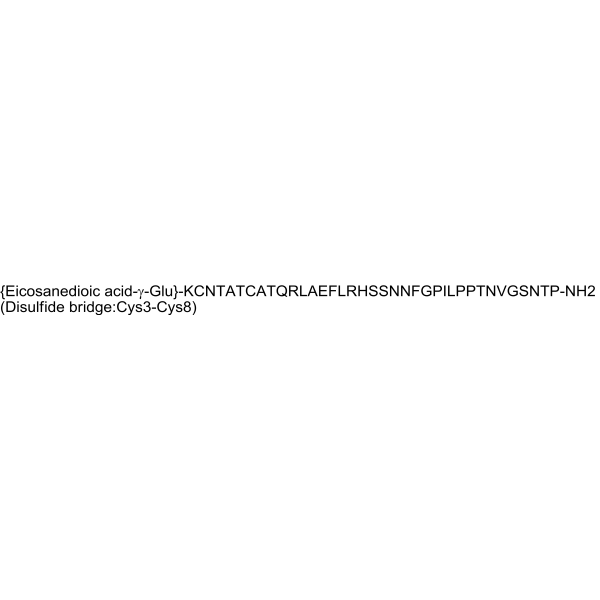
Cagrilintide is an investigational novel long-acting acylated amylin analogue, acts as nonselective amylin receptors (AMYR) and calcitonin G protein-coupled receptor (CTR) agonist. Cagrilintide induces significant weight loss and reduces food intake. Cagrilintide has the potential for the research of obesity .
|
-
-
- HY-14909
-
-
-
- HY-19870
-
-
-
- HY-P3462A
-
|
|
CGRP Receptor
|
Metabolic Disease
|
|
Cagrilintide acetate is a non-selective AMYR/CTR agonist and long-acting acylated amylase analogue. Cagrilintide acetate causes a reduction in food intake and significant weight loss in a dose-dependent manner. Cagrilintide acetate can be used in obesity studies .
|
-
-
- HY-125586
-
|
|
DNA/RNA Synthesis
ADC Payload
|
Cancer
|
|
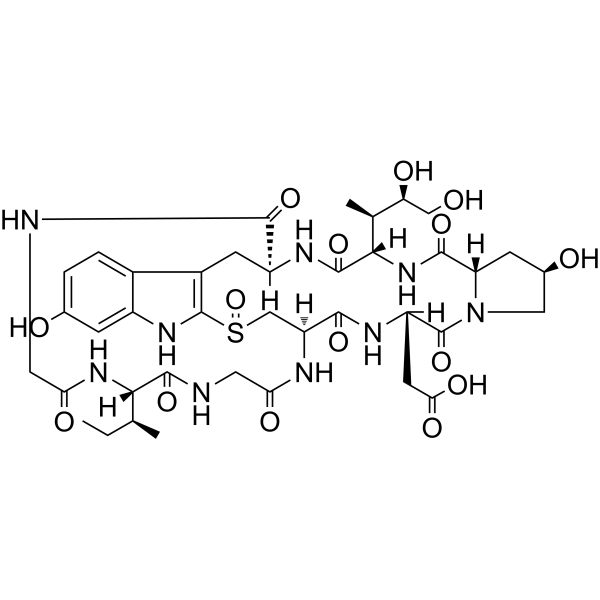
β-Amanitin is a cyclic peptide toxin in the poisonous Amanita phalloides mushroom. β-Amanitin inhibits inhibits eukaryotic RNA polymerase II and III. β-Amanitin inhibits protein synthesis. β-Amanitin can be used as a cytotoxic component of antibody-drug conjugates (ADCs) .
|
-
-
- HY-P3732
-
|
|
Integrin
|
Cancer
|
|
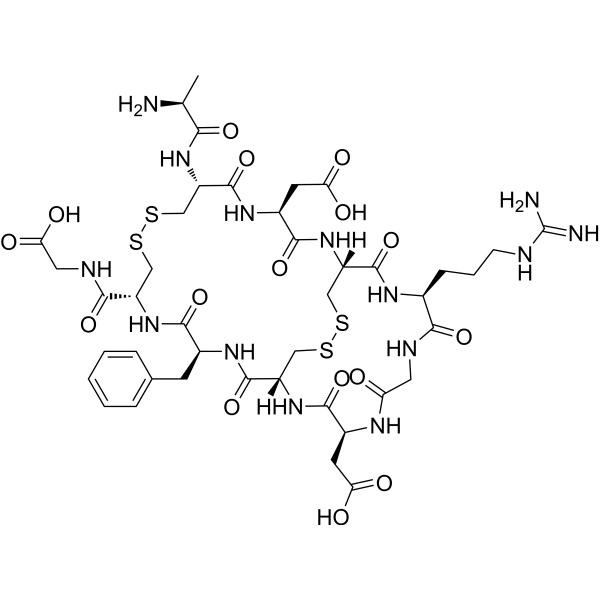
RGD-4C is a arginine-glycine-aspartic acid peptide (ACDCRGDCFC) with integrin binding activity. The Arg-Gly-Asp (RGD) sequence serves as the primary integrin recognition site in extracellular matrix proteins, and peptides containing this sequence can mimic the recognition specificity of the matrix proteins. RGD-4C is a αv-integrin ligand, can conjugate with bioactive molecule to exert antitumor effects in animal models .
|
-
-
- HY-19870C
-
|
RM-493 monoacetate; BIM-22493 monoacetate; IRC-022493 monoacetate
|
Melanocortin Receptor
Calmodulin
AMPK
|
Cardiovascular Disease
Metabolic Disease
Inflammation/Immunology
|
|
Setmelanotide monoacetate (RM-493 monoacetate) is a blood-brain barrier-permeable, selective MC4R agonist with a Ki value of 2.1 nM for hMC4R. Setmelanotide monoacetate activates the CaMKK2/AMPK signaling pathway. Setmelanotide monoacetate mediates body weight homeostasis, feeding regulation and energy expenditure modulation; it reduces food intake, induces weight loss, decreases obesity severity, increases daytime activity and energy expenditure, lowers levels of leptin, triglycerides, fasting insulin and diastolic blood pressure, improves insulin sensitivity, glucose tolerance and fatty liver condition, and reverses respiratory depression. Setmelanotide monoacetate is applicable to research related to obesity, hyperinsulinemia, fatty liver and respiratory depression .
|
-
-
- HY-P3561A
-
|
|
Melanocortin Receptor
|
Neurological Disease
|
|
Agouti-related Protein (AGRP) (83-132) Amide (human) TFA is a fragment of agouti-related protein (AGRP) which is a protein found in abundance in the arcuate nucleus of the hypothalamus. AgRP primarily acts as an inverse agonist for the melanocortin-4 receptor (MC4R) to increase food intake .
|
-
-
- HY-P2612
-
|
|
TNF Receptor
RANKL/RANK
Apoptosis
|
Inflammation/Immunology
|
|
WP9QY is an inhibitor targeting TNFα and RANKL, which blocks the TNFα-TNFR1 interaction and inhibits TNFα-mediated apoptosis, cytotoxicity and bone destruction. WP9QY inhibits osteoclastogenesis and promotes osteoblast differentiation, induces chondrocyte proliferation and glycosaminoglycan production, and synergizes with TGF-β3 to promote chondrogenesis. WP9QY effectively repairs full-thickness articular cartilage defects in rabbits via intra-articular injection, and inhibits methylmercury-induced reduction of NeuN-positive cells in mouse brain slices. WP9QY can be applied to the research of diseases related to methylmercury-induced neuronal death, cartilage injury, osteoarthritis and bone loss .
|
-
-
- HY-P1213
-
|
|
Melanocortin Receptor
|
Neurological Disease
|
|
JKC363, a selective melanocortin MC4 receptor antagonist, has a 90-fold higher affinity at the MC4 receptor (IC50=0.5 nM) than at the MC3 receptor (44.9 nM). JKC-363 blocks the stimulatory effect of α-MSH on TRH release. Anti-hyperalgesic effect .
|
-
-
- HY-P0178
-
|
|
Integrin
|
Inflammation/Immunology
|
|
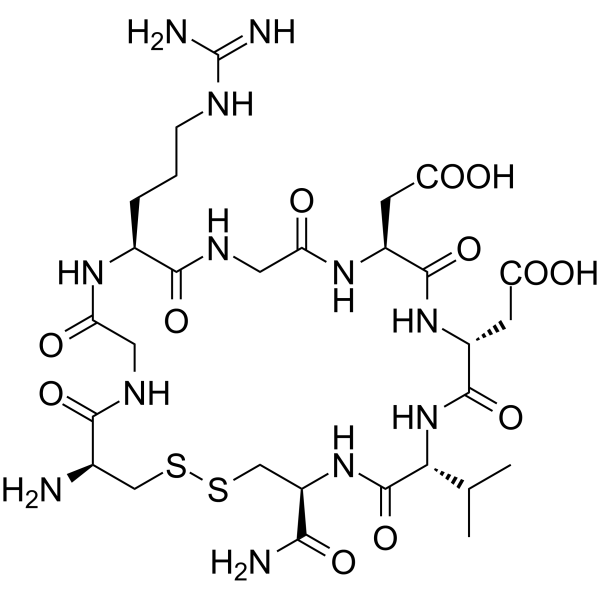
LXW7, a cyclic peptide containing Arg-Gly-Asp (RGD), is an integrin αvβ3 inhibitor. LXW7 has a high binding affinity to αvβ3 integrin with an IC50 of 0.68 μM. LXW7 increases phosphorylation of VEGFR-2 and activation of ERK1/2. Anti-inflammatory effect .
|
-
-
- HY-103046
-
|
|
E1/E2/E3 Enzyme
|
Inflammation/Immunology
|
|
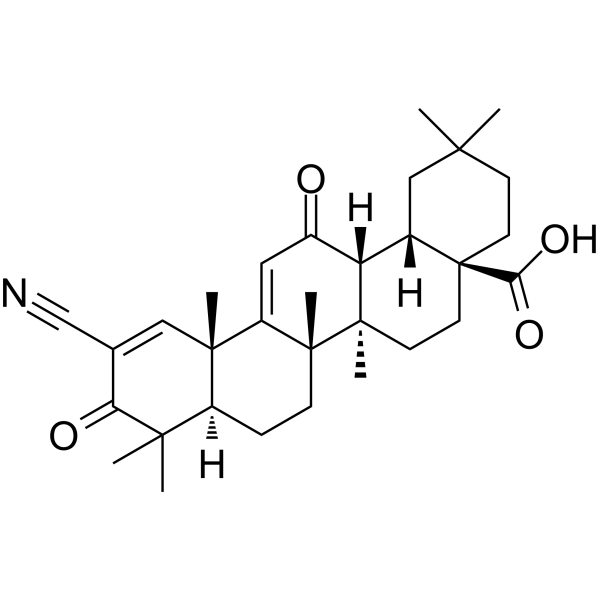
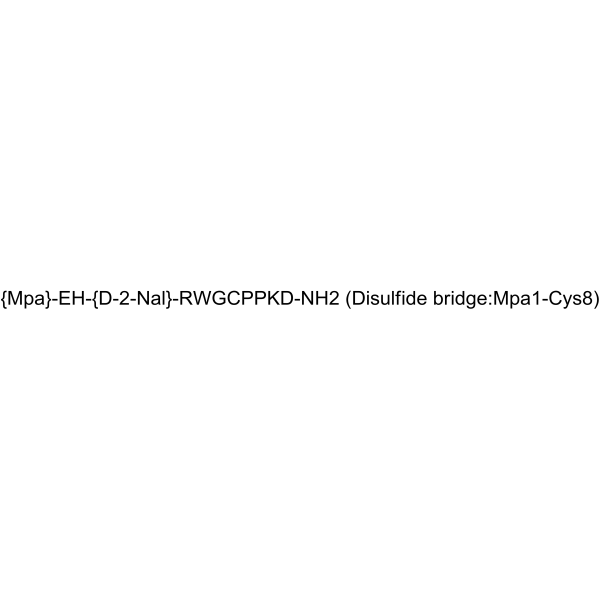
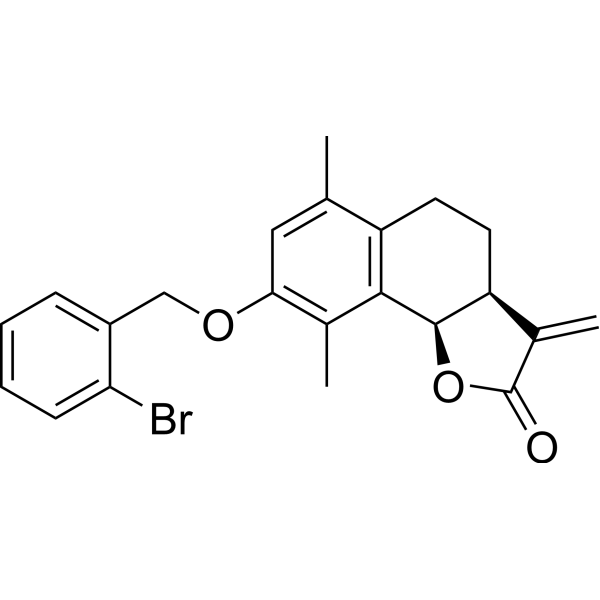
UbcH5c-IN-1 (compound 6d) is a potent and selective small-molecule inhibitor of Ubiquitin-conjugating enzyme UbcH5c, with a Kd of 283 nM for E2 UbcH5c-IN-1 by covalent binding with Cys85. A promising lead compound for the development of new antirheumatoid arthritis (RA) agent .
|
-
-
- HY-P4764
-
|
|
Melanocortin Receptor
|
Cardiovascular Disease
|
|
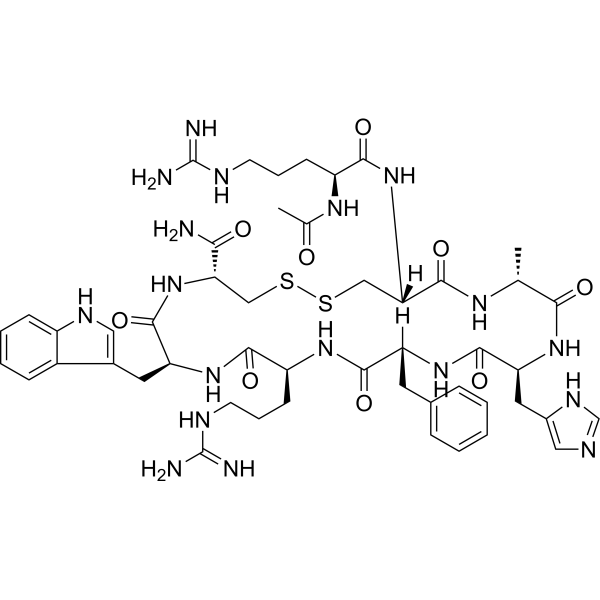
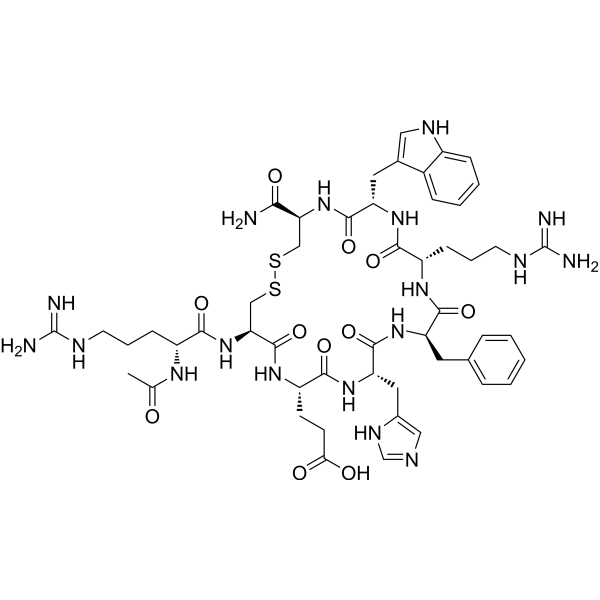
Ac-DArg-c[Cys-Glu-His-DPhe-Arg-Trp-Cys]-NH 2 is a cyclic octapeptide with MC4R agonism. Ac-DArg-c[Cys-Glu-His-DPhe-Arg-Trp-Cys]-NH 2 significantly increases heart rate and blood pressure .
|
-
-
- HY-P10934
-
|
LXY2
|
Integrin
|
Cancer
|
|
LXY3 (LXY2) is a VLA-3-blocking peptide that inhibits the interaction between integrin α3β1 (VLA-3) on neutrophil surfaces and laminin in the basement membrane, thereby preventing neutrophil migration across the tumor vascular basement membrane barrier. LXY3 is used to block neutrophil-mediated nanoparticle release from perivascular pools into the tumor interstitium. LXY3 is commonly employed for targeted imaging of breast cancer .
|
-
-
- HY-P2612A
-
|
|
TNF Receptor
|
Others
Cancer
|
|
WP9QY, TNF-a Antagonist, TNF-a Antagonist is a biological active peptide. (This cyclic peptide is designed to mimic the most critical tumor necrosis factor (TNF) recognition loop on TNF receptor I. It prevents interactions of TNF with its receptor. This TNF antagonist is a useful template for the development of small molecular inhibitors to prevent both inflammatory bone destruction and systemic bone loss in rheumatoid arthritis.)
|
-
-
- HY-P2022
-
|
|
Radionuclide-Drug Conjugates (RDCs)
|
Cancer
|
|
Pentetreotide is a diethylenetriaminopentaacetic (DTPA) conjugate of Octreotide (HY-P0036). Pentetreotide is a somatostatin analog that, when labeled with 111In, can be used for nuclear medicine imaging. Somatostatin receptor scintigraphy with Pentetreotide is effective in visualizing neuroendocrine tumors, and its metastasis .
|
-
-
- HY-P0178A
-
|
|
Integrin
|
Inflammation/Immunology
|
|
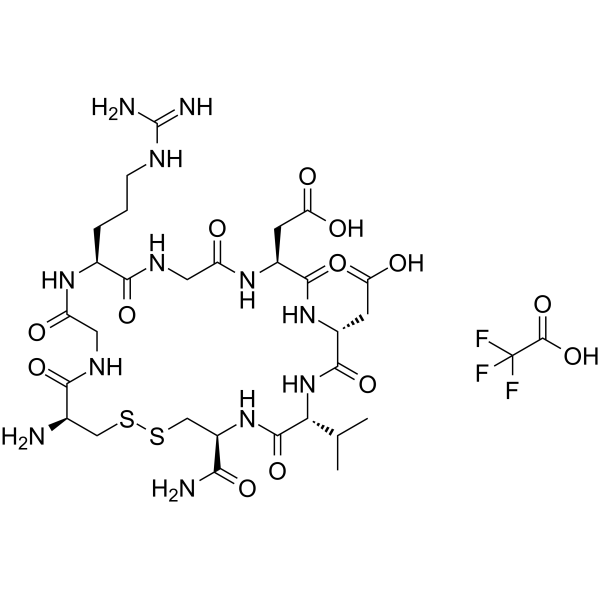
LXW7 TFA, a cyclic peptide containing Arg-Gly-Asp (RGD), is an integrin αvβ3 inhibitor. LXW7 has a high binding affinity to αvβ3 integrin with an IC50 of 0.68 μM. LXW7 TFA increases phosphorylation of VEGFR-2 and activation of ERK1/2. Anti-inflammatory effect .
|
-
-
- HY-P10204
-
|
|
Wnt
|
Cancer
|
|
FZD7 antagonist 1 (peptide 34) is a dFz7-21 analogue. FZD7 antagonist 1 is an FZD7 antagonist that inhibits the wnt3a with IC50 value of 9.2 nM. FZD7 antagonist 1 blocks TcdB−FZD interaction via targeting FZD receptors .
|
-
-
- HY-P10383
-
|
|
NO Synthase
|
Infection
|
|
SPSB2-iNOS inhibitory cyclic peptide-1 is an inhibitor for the interaction of SPRY domain and SOCS-box protein 2 (SPSB2) and iNOS, through binding SPSB2 on iNOS site with KD of 4.4 nM. SPSB2-iNOS inhibitory cyclic peptide-1 is resistant to the proteases pepsin, trypsin and α-chymotrypsin. SPSB2-iNOS inhibitory cyclic peptide-1 is stable in human plasma and in oxidative environment .
|
-
-
- HY-P1216
-
|
|
Melanocortin Receptor
|
Neurological Disease
|
|
HS014 is a potent and selective melanocortin-4 (MC4) receptor antagonist, with Kis of 3.16, 108, 54.4 and 694 nM for human MC4, MC1, MC3 and MC5 receptors, respectively. HS014 modulates the behavioral effects of morphine in mice. HS014 increases food intake in free-feeding rats .
|
-
-
- HY-P3561
-
|
|
Melanocortin Receptor
|
Neurological Disease
|
|
Agouti-related Protein (AGRP) (83-132) Amide (human) is a fragment of agouti-related protein (AGRP) which is a protein found in abundance in the arcuate nucleus of the hypothalamus. AgRP primarily acts as an inverse agonist for the melanocortin-4 receptor (MC4R) to increase food intake .
|
-
-
- HY-P10793
-
|
|
EGFR
Apoptosis
|
Cancer
|
|
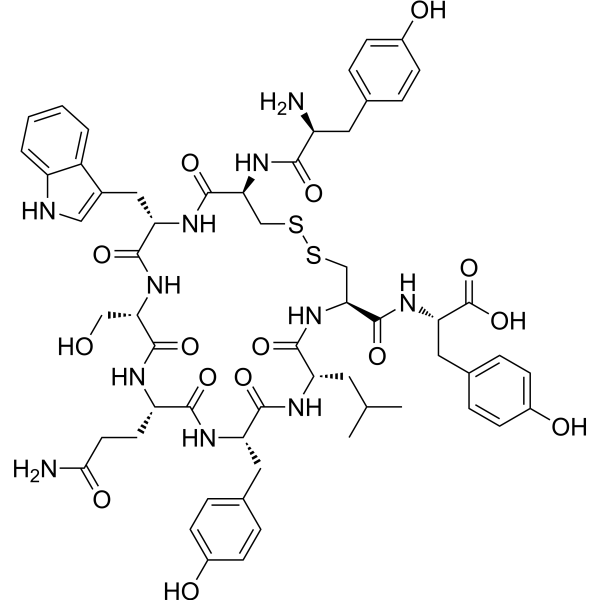
Cyclic(YCDGFYACYMDV) is a HER2 signaling pathway inhibitor with anti-cancer activity. This compound self-assembles into nanoparticles in aqueous solution and transforms into nanofibers upon specific binding to HER2 on cancer cells. This transformation disrupts HER2 dimerization and subsequent downstream signaling events, leading to cancer cell apoptosis (Apoptosis). The inhibitory effects on HER2 positive breast cancer have been demonstrated to be effective in a murine xenograft model .
|
-
-
- HY-P1216A
-
|
|
Melanocortin Receptor
|
Neurological Disease
|
|
HS014 TFA is a potent and selective melanocortin-4 (MC4) receptor antagonist, with Kis of 3.16, 108, 54.4 and 694 nM for human MC4, MC1, MC3 and MC5 receptors respectively. HS014 TFA increases food intake in free-feeding rats .
|
-
-
- HY-P10924
-
|
|
Elastase
|
Metabolic Disease
|
|
Roseltide rT1 is a neutrophil elastase inhibitor (IC50=0.47 μM) rich in cysteine and one of the Roseltide (rT1-rT8) family members. Roseltide rT1 improves cAMP accumulation stimulated by neutrophil elastase in vitro, showing potential for inhibiting related diseases .
|
-
-
- HY-P1213A
-
|
|
Melanocortin Receptor
|
Neurological Disease
|
|
JKC363 TFA, a selective melanocortin MC4 receptor antagonist, has a 90-fold higher affinity at the MC4 receptor (IC50=0.5 nM) than at the MC3 receptor (44.9 nM). JKC363 TFA blocks the stimulatory effect of α-MSH on TRH release. Anti-hyperalgesic effect .
|
-
-
- HY-19870A
-
-
-
- HY-P10698
-
|
|
Peptide-Drug Conjugates (PDCs)
LDLR
|
Neurological Disease
|
|
VH-N412 is a vectorized neuropeptide (NT) with good blood-brain barrier permeability. VH-N412 binds to the low-density lipoprotein receptor (LDLR) and neuropeptide receptor 1 (NTSR-1), and acts as a pharmacological-induced hypothermia (PIH) inducer. VH-N412 exhibits anticonvulsant and neuroprotective effects, and can be used in the study of neurological diseases such as epilepsy.
|
-
-
- HY-P1483
-
-
-
- HY-P2601A
-
|
|
CGRP Receptor
|
Others
|
|
Tyr-α-CGRP (human) TFA is an N-terminally extended human α-CGRP analog. Tyr-α-CGRP (human) TFA can bind to membrane preparations from rat brain and spleen with IC50 values of 0.2 nM and 0.5 nM, respectively, and induce positive chronotropic and inotropic effects in isolated guinea pig right and left atria with EC50 values of 282 nM and 74 nM, respectively. Tyr-α-CGRP (human) TFA also inhibits contractile responses in rat vas deferens with an EC50 value of 1.9 nM .
|
-
-
- HY-P5870
-
|
|
Potassium Channel
|
Inflammation/Immunology
|
|
KTX-Sp2 is a potassium channel toxin. KTX-Sp2 effectively blocks three types of exogenous voltage-gated potassium channels: Kv1.1, Kv1.2 and Kv1.3. Ktx-Sp2 inhibits endogenous Kv1.3 and suppresses Ca 2+ signaling in Jurkat T cells. Ktx-Sp2 inhibits IL-2 secretion from activated Jurkat T cells .
|
-
-
- HY-P1281
-
|
|
Potassium Channel
|
Neurological Disease
|
|
Kaliotoxin is a peptidyl inhibitor of neuronal BK-Type. Kaliotoxin can specific inhibit Kv channels and calcium-activated potassium channels. Kaliotoxin can be used for the research of the regulation of membrane potential and neuron excitability .
|
-
-
- HY-P10383A
-
|
|
NO Synthase
|
Infection
|
|
SPSB2-iNOS inhibitory cyclic peptide-1 TFA is the TFA salt form of SPSB2-iNOS inhibitory cyclic peptide-1(HY-P10383). SPSB2-iNOS inhibitory cyclic peptide-1 is an inhibitor for the interaction of SPRY domain and SOCS-box protein 2 (SPSB2) and iNOS, through binding SPSB2 on iNOS site with KD of 4.4 nM. SPSB2-iNOS inhibitory cyclic peptide-1 is resistant to the proteases pepsin, trypsin and α-chymotrypsin. SPSB2-iNOS inhibitory cyclic peptide-1 is stable in human plasma and in oxidative environment .
|
-
-
- HY-P3656
-
|
|
Potassium Channel
|
Inflammation/Immunology
|
|
Kaliotoxin (1-37) is a toxin from the scorpion Artdroctonus mauretanicus mauretanicus. Kaliotoxin (1-37) is a potent calcium-dependent potassium channel blocker .
|
-
-
- HY-P5854
-
|
|
Potassium Channel
|
Neurological Disease
|
|
Aa1 toxin, a neurotoxic peptide that can be obtained from the venom of Androctonus australis Garzoni, is a specific potassium channel blocker. Aa1 toxin can be used in the study of neurological diseases .
|
-
-
- HY-P5154A
-
|
|
Potassium Channel
|
Neurological Disease
|
|
Tamapin TFA is a venom peptide, targeting to small conductance Ca(2+)-activated K(+) (SK) channels. Tamapin TFA is a selctive blocker of SK2 (Potassium Channel). Tamapin TFA inhibits SK channel-mediated currents in pyramidal neurons of the hippocampus. Tamapin TFA can be isolated from the Indian red scorpion (Mesobuthus tamulus) .
|
-
-
- HY-P3064
-
|
Leiurotoxin I
|
Potassium Channel
|
Neurological Disease
|
|
Scyllatoxin (Leiurotoxin I) is a peptide toxin, it can be isolated from the venom of the scorpion (Leiurus quinquestriatus hebraeus). Scyllatoxin is a blocker of small-conductance KCa (SK) channel. Scyllatoxin enhances both norepinephrine (NE) and epinephrine (Epi) release in vivo .
|
-
-
- HY-P5154
-
|
|
Potassium Channel
|
Neurological Disease
|
|
Tamapin is a venom peptide, targeting to small conductance Ca(2+)-activated K(+) (SK) channels. Tamapin is a selctive blocker of SK2 (Potassium Channel). Tamapin inhibits SK channel-mediated currents in pyramidal neurons of the hippocampus. Tamapin can be isolated from the Indian red scorpion (Mesobuthus tamulus) .
|
-
-
- HY-P10572
-
-
-
- HY-P5140
-
|
|
Calcium Channel
|
Metabolic Disease
|
|
ω-Tbo-IT1 is a peptide toxin that can be isolated from the venom of Tibellus oblongus.ω-Tbo-IT1 is an inhibitor of insect calcium channel .
|
-
-
- HY-P1426A
-
|
|
Potassium Channel
|
Neurological Disease
|
|
AmmTX3 TFA is a peptide toxin identified from the venom of the scorpion Androctonus mauretanicus. AmmTX3 TFA is a highly specific blocker of Kv4 channels, which selectively and almost completely blocks transient A-type K + currents with a Ki of 131 nM. AmmTX3 TFA induces epileptiform behaviors and causes death in mice receiving intracerebroventricular injection. AmmTX3 TFA increases the excitability of dentate gyrus granule cells, reduces GABAergic inhibition, enhances and stabilizes the EPSP-spike component of long-term potentiation, and impairs reference memory. AmmTX3 TFA can be used in research related to pain, epilepsy, and autism spectrum disorder .
|
-
-
- HY-P11609
-
|
|
TGF-beta/Smad
|
Metabolic Disease
|
|
TGFβ1-IN-4 is a TGF-β1 inhibitor. TGFβ1-IN-4 inhibits myofibroblast activation and epithelial-mesenchymal transition in vitro. TGFβ1-IN-4 alleviates renal fibrosis in a mouse model of renal fibrosis. TGFβ1-IN-4 can be used for research on fibrotic diseases such as renal fibrosis .
|
-
-
- HY-P11843
-
|
|
Amylin Receptor
CGRP Receptor
|
Metabolic Disease
|
|
TPM004 is an ultralong-acting, nonaggregating dual amylin (AMY3R) and calcitonin receptor (CTR) agonist with EC50 values of 0.5 and 0.7 pM. TPM004 induces weight loss, attenuates adiposity rebound, lowers glucose, and improves glucose homeostasis. TPM004 can be used for the research of obesity, diabetes .
|
-
| Cat. No. |
Product Name |
Target |
Research Area |
-
- HY-P3462
-
|
|
CGRP Receptor
|
Metabolic Disease
|
|
Cagrilintide is an investigational novel long-acting acylated amylin analogue, acts as nonselective amylin receptors (AMYR) and calcitonin G protein-coupled receptor (CTR) agonist. Cagrilintide induces significant weight loss and reduces food intake. Cagrilintide has the potential for the research of obesity .
|
-
- HY-19870
-
-
- HY-P3462A
-
|
|
CGRP Receptor
|
Metabolic Disease
|
|
Cagrilintide acetate is a non-selective AMYR/CTR agonist and long-acting acylated amylase analogue. Cagrilintide acetate causes a reduction in food intake and significant weight loss in a dose-dependent manner. Cagrilintide acetate can be used in obesity studies .
|
-
- HY-125586
-
|
|
DNA/RNA Synthesis
ADC Payload
|
Cancer
|
|
β-Amanitin is a cyclic peptide toxin in the poisonous Amanita phalloides mushroom. β-Amanitin inhibits inhibits eukaryotic RNA polymerase II and III. β-Amanitin inhibits protein synthesis. β-Amanitin can be used as a cytotoxic component of antibody-drug conjugates (ADCs) .
|
-
- HY-P3732
-
|
|
Integrin
|
Cancer
|
|
RGD-4C is a arginine-glycine-aspartic acid peptide (ACDCRGDCFC) with integrin binding activity. The Arg-Gly-Asp (RGD) sequence serves as the primary integrin recognition site in extracellular matrix proteins, and peptides containing this sequence can mimic the recognition specificity of the matrix proteins. RGD-4C is a αv-integrin ligand, can conjugate with bioactive molecule to exert antitumor effects in animal models .
|
-
- HY-19870C
-
|
RM-493 monoacetate; BIM-22493 monoacetate; IRC-022493 monoacetate
|
Melanocortin Receptor
Calmodulin
AMPK
|
Cardiovascular Disease
Metabolic Disease
Inflammation/Immunology
|
|
Setmelanotide monoacetate (RM-493 monoacetate) is a blood-brain barrier-permeable, selective MC4R agonist with a Ki value of 2.1 nM for hMC4R. Setmelanotide monoacetate activates the CaMKK2/AMPK signaling pathway. Setmelanotide monoacetate mediates body weight homeostasis, feeding regulation and energy expenditure modulation; it reduces food intake, induces weight loss, decreases obesity severity, increases daytime activity and energy expenditure, lowers levels of leptin, triglycerides, fasting insulin and diastolic blood pressure, improves insulin sensitivity, glucose tolerance and fatty liver condition, and reverses respiratory depression. Setmelanotide monoacetate is applicable to research related to obesity, hyperinsulinemia, fatty liver and respiratory depression .
|
-
- HY-P3561A
-
|
|
Melanocortin Receptor
|
Neurological Disease
|
|
Agouti-related Protein (AGRP) (83-132) Amide (human) TFA is a fragment of agouti-related protein (AGRP) which is a protein found in abundance in the arcuate nucleus of the hypothalamus. AgRP primarily acts as an inverse agonist for the melanocortin-4 receptor (MC4R) to increase food intake .
|
-
- HY-P2612
-
|
|
TNF Receptor
RANKL/RANK
Apoptosis
|
Inflammation/Immunology
|
|
WP9QY is an inhibitor targeting TNFα and RANKL, which blocks the TNFα-TNFR1 interaction and inhibits TNFα-mediated apoptosis, cytotoxicity and bone destruction. WP9QY inhibits osteoclastogenesis and promotes osteoblast differentiation, induces chondrocyte proliferation and glycosaminoglycan production, and synergizes with TGF-β3 to promote chondrogenesis. WP9QY effectively repairs full-thickness articular cartilage defects in rabbits via intra-articular injection, and inhibits methylmercury-induced reduction of NeuN-positive cells in mouse brain slices. WP9QY can be applied to the research of diseases related to methylmercury-induced neuronal death, cartilage injury, osteoarthritis and bone loss .
|
-
- HY-P1213
-
|
|
Melanocortin Receptor
|
Neurological Disease
|
|
JKC363, a selective melanocortin MC4 receptor antagonist, has a 90-fold higher affinity at the MC4 receptor (IC50=0.5 nM) than at the MC3 receptor (44.9 nM). JKC-363 blocks the stimulatory effect of α-MSH on TRH release. Anti-hyperalgesic effect .
|
-
- HY-P0178
-
|
|
Integrin
|
Inflammation/Immunology
|
|
LXW7, a cyclic peptide containing Arg-Gly-Asp (RGD), is an integrin αvβ3 inhibitor. LXW7 has a high binding affinity to αvβ3 integrin with an IC50 of 0.68 μM. LXW7 increases phosphorylation of VEGFR-2 and activation of ERK1/2. Anti-inflammatory effect .
|
-
- HY-P4764
-
|
|
Melanocortin Receptor
|
Cardiovascular Disease
|
|
Ac-DArg-c[Cys-Glu-His-DPhe-Arg-Trp-Cys]-NH 2 is a cyclic octapeptide with MC4R agonism. Ac-DArg-c[Cys-Glu-His-DPhe-Arg-Trp-Cys]-NH 2 significantly increases heart rate and blood pressure .
|
-
- HY-P10934
-
|
LXY2
|
Integrin
|
Cancer
|
|
LXY3 (LXY2) is a VLA-3-blocking peptide that inhibits the interaction between integrin α3β1 (VLA-3) on neutrophil surfaces and laminin in the basement membrane, thereby preventing neutrophil migration across the tumor vascular basement membrane barrier. LXY3 is used to block neutrophil-mediated nanoparticle release from perivascular pools into the tumor interstitium. LXY3 is commonly employed for targeted imaging of breast cancer .
|
-
- HY-P2612A
-
|
|
TNF Receptor
|
Others
Cancer
|
|
WP9QY, TNF-a Antagonist, TNF-a Antagonist is a biological active peptide. (This cyclic peptide is designed to mimic the most critical tumor necrosis factor (TNF) recognition loop on TNF receptor I. It prevents interactions of TNF with its receptor. This TNF antagonist is a useful template for the development of small molecular inhibitors to prevent both inflammatory bone destruction and systemic bone loss in rheumatoid arthritis.)
|
-
- HY-P2022
-
|
|
Radionuclide-Drug Conjugates (RDCs)
|
Cancer
|
|
Pentetreotide is a diethylenetriaminopentaacetic (DTPA) conjugate of Octreotide (HY-P0036). Pentetreotide is a somatostatin analog that, when labeled with 111In, can be used for nuclear medicine imaging. Somatostatin receptor scintigraphy with Pentetreotide is effective in visualizing neuroendocrine tumors, and its metastasis .
|
-
- HY-P0178A
-
|
|
Integrin
|
Inflammation/Immunology
|
|
LXW7 TFA, a cyclic peptide containing Arg-Gly-Asp (RGD), is an integrin αvβ3 inhibitor. LXW7 has a high binding affinity to αvβ3 integrin with an IC50 of 0.68 μM. LXW7 TFA increases phosphorylation of VEGFR-2 and activation of ERK1/2. Anti-inflammatory effect .
|
-
- HY-P10204
-
|
|
Wnt
|
Cancer
|
|
FZD7 antagonist 1 (peptide 34) is a dFz7-21 analogue. FZD7 antagonist 1 is an FZD7 antagonist that inhibits the wnt3a with IC50 value of 9.2 nM. FZD7 antagonist 1 blocks TcdB−FZD interaction via targeting FZD receptors .
|
-
- HY-P10383
-
|
|
NO Synthase
|
Infection
|
|
SPSB2-iNOS inhibitory cyclic peptide-1 is an inhibitor for the interaction of SPRY domain and SOCS-box protein 2 (SPSB2) and iNOS, through binding SPSB2 on iNOS site with KD of 4.4 nM. SPSB2-iNOS inhibitory cyclic peptide-1 is resistant to the proteases pepsin, trypsin and α-chymotrypsin. SPSB2-iNOS inhibitory cyclic peptide-1 is stable in human plasma and in oxidative environment .
|
-
- HY-P1216
-
|
|
Melanocortin Receptor
|
Neurological Disease
|
|
HS014 is a potent and selective melanocortin-4 (MC4) receptor antagonist, with Kis of 3.16, 108, 54.4 and 694 nM for human MC4, MC1, MC3 and MC5 receptors, respectively. HS014 modulates the behavioral effects of morphine in mice. HS014 increases food intake in free-feeding rats .
|
-
- HY-P3561
-
|
|
Melanocortin Receptor
|
Neurological Disease
|
|
Agouti-related Protein (AGRP) (83-132) Amide (human) is a fragment of agouti-related protein (AGRP) which is a protein found in abundance in the arcuate nucleus of the hypothalamus. AgRP primarily acts as an inverse agonist for the melanocortin-4 receptor (MC4R) to increase food intake .
|
-
- HY-P4903
-
|
|
Peptides
|
Cancer
|
|
RGD-targeted Proapoptotic Peptide is a peptide. The C-terminal RGD-4C peptide (ACDCRGDCFC) binds preferentially to integrins at sites of tumor angiogenesis.
|
-
- HY-P10793
-
|
|
EGFR
Apoptosis
|
Cancer
|
|
Cyclic(YCDGFYACYMDV) is a HER2 signaling pathway inhibitor with anti-cancer activity. This compound self-assembles into nanoparticles in aqueous solution and transforms into nanofibers upon specific binding to HER2 on cancer cells. This transformation disrupts HER2 dimerization and subsequent downstream signaling events, leading to cancer cell apoptosis (Apoptosis). The inhibitory effects on HER2 positive breast cancer have been demonstrated to be effective in a murine xenograft model .
|
-
- HY-P1216A
-
|
|
Melanocortin Receptor
|
Neurological Disease
|
|
HS014 TFA is a potent and selective melanocortin-4 (MC4) receptor antagonist, with Kis of 3.16, 108, 54.4 and 694 nM for human MC4, MC1, MC3 and MC5 receptors respectively. HS014 TFA increases food intake in free-feeding rats .
|
-
- HY-P10924
-
|
|
Elastase
|
Metabolic Disease
|
|
Roseltide rT1 is a neutrophil elastase inhibitor (IC50=0.47 μM) rich in cysteine and one of the Roseltide (rT1-rT8) family members. Roseltide rT1 improves cAMP accumulation stimulated by neutrophil elastase in vitro, showing potential for inhibiting related diseases .
|
-
- HY-P1213A
-
|
|
Melanocortin Receptor
|
Neurological Disease
|
|
JKC363 TFA, a selective melanocortin MC4 receptor antagonist, has a 90-fold higher affinity at the MC4 receptor (IC50=0.5 nM) than at the MC3 receptor (44.9 nM). JKC363 TFA blocks the stimulatory effect of α-MSH on TRH release. Anti-hyperalgesic effect .
|
-
- HY-19870A
-
-
- HY-P10698
-
|
|
Peptide-Drug Conjugates (PDCs)
LDLR
|
Neurological Disease
|
|
VH-N412 is a vectorized neuropeptide (NT) with good blood-brain barrier permeability. VH-N412 binds to the low-density lipoprotein receptor (LDLR) and neuropeptide receptor 1 (NTSR-1), and acts as a pharmacological-induced hypothermia (PIH) inducer. VH-N412 exhibits anticonvulsant and neuroprotective effects, and can be used in the study of neurological diseases such as epilepsy.
|
-
- HY-P1483
-
-
- HY-P2601A
-
|
|
CGRP Receptor
|
Others
|
|
Tyr-α-CGRP (human) TFA is an N-terminally extended human α-CGRP analog. Tyr-α-CGRP (human) TFA can bind to membrane preparations from rat brain and spleen with IC50 values of 0.2 nM and 0.5 nM, respectively, and induce positive chronotropic and inotropic effects in isolated guinea pig right and left atria with EC50 values of 282 nM and 74 nM, respectively. Tyr-α-CGRP (human) TFA also inhibits contractile responses in rat vas deferens with an EC50 value of 1.9 nM .
|
-
- HY-P5870
-
|
|
Potassium Channel
|
Inflammation/Immunology
|
|
KTX-Sp2 is a potassium channel toxin. KTX-Sp2 effectively blocks three types of exogenous voltage-gated potassium channels: Kv1.1, Kv1.2 and Kv1.3. Ktx-Sp2 inhibits endogenous Kv1.3 and suppresses Ca 2+ signaling in Jurkat T cells. Ktx-Sp2 inhibits IL-2 secretion from activated Jurkat T cells .
|
-
- HY-P1281
-
|
|
Potassium Channel
|
Neurological Disease
|
|
Kaliotoxin is a peptidyl inhibitor of neuronal BK-Type. Kaliotoxin can specific inhibit Kv channels and calcium-activated potassium channels. Kaliotoxin can be used for the research of the regulation of membrane potential and neuron excitability .
|
-
- HY-P10383A
-
|
|
NO Synthase
|
Infection
|
|
SPSB2-iNOS inhibitory cyclic peptide-1 TFA is the TFA salt form of SPSB2-iNOS inhibitory cyclic peptide-1(HY-P10383). SPSB2-iNOS inhibitory cyclic peptide-1 is an inhibitor for the interaction of SPRY domain and SOCS-box protein 2 (SPSB2) and iNOS, through binding SPSB2 on iNOS site with KD of 4.4 nM. SPSB2-iNOS inhibitory cyclic peptide-1 is resistant to the proteases pepsin, trypsin and α-chymotrypsin. SPSB2-iNOS inhibitory cyclic peptide-1 is stable in human plasma and in oxidative environment .
|
-
- HY-P3656
-
|
|
Potassium Channel
|
Inflammation/Immunology
|
|
Kaliotoxin (1-37) is a toxin from the scorpion Artdroctonus mauretanicus mauretanicus. Kaliotoxin (1-37) is a potent calcium-dependent potassium channel blocker .
|
-
- HY-P5854
-
|
|
Potassium Channel
|
Neurological Disease
|
|
Aa1 toxin, a neurotoxic peptide that can be obtained from the venom of Androctonus australis Garzoni, is a specific potassium channel blocker. Aa1 toxin can be used in the study of neurological diseases .
|
-
- HY-P5154A
-
|
|
Potassium Channel
|
Neurological Disease
|
|
Tamapin TFA is a venom peptide, targeting to small conductance Ca(2+)-activated K(+) (SK) channels. Tamapin TFA is a selctive blocker of SK2 (Potassium Channel). Tamapin TFA inhibits SK channel-mediated currents in pyramidal neurons of the hippocampus. Tamapin TFA can be isolated from the Indian red scorpion (Mesobuthus tamulus) .
|
-
- HY-P3064
-
|
Leiurotoxin I
|
Potassium Channel
|
Neurological Disease
|
|
Scyllatoxin (Leiurotoxin I) is a peptide toxin, it can be isolated from the venom of the scorpion (Leiurus quinquestriatus hebraeus). Scyllatoxin is a blocker of small-conductance KCa (SK) channel. Scyllatoxin enhances both norepinephrine (NE) and epinephrine (Epi) release in vivo .
|
-
- HY-P5154
-
|
|
Potassium Channel
|
Neurological Disease
|
|
Tamapin is a venom peptide, targeting to small conductance Ca(2+)-activated K(+) (SK) channels. Tamapin is a selctive blocker of SK2 (Potassium Channel). Tamapin inhibits SK channel-mediated currents in pyramidal neurons of the hippocampus. Tamapin can be isolated from the Indian red scorpion (Mesobuthus tamulus) .
|
-
- HY-P10572
-
-
- HY-P5140
-
|
|
Calcium Channel
|
Metabolic Disease
|
|
ω-Tbo-IT1 is a peptide toxin that can be isolated from the venom of Tibellus oblongus.ω-Tbo-IT1 is an inhibitor of insect calcium channel .
|
-
- HY-P1426A
-
|
|
Potassium Channel
|
Neurological Disease
|
|
AmmTX3 TFA is a peptide toxin identified from the venom of the scorpion Androctonus mauretanicus. AmmTX3 TFA is a highly specific blocker of Kv4 channels, which selectively and almost completely blocks transient A-type K + currents with a Ki of 131 nM. AmmTX3 TFA induces epileptiform behaviors and causes death in mice receiving intracerebroventricular injection. AmmTX3 TFA increases the excitability of dentate gyrus granule cells, reduces GABAergic inhibition, enhances and stabilizes the EPSP-spike component of long-term potentiation, and impairs reference memory. AmmTX3 TFA can be used in research related to pain, epilepsy, and autism spectrum disorder .
|
-
- HY-P11549
-
|
|
Peptides
|
Cancer
|
|
pPB peptide is a cyclic peptide which recognizes the platelet derived growth factor beta receptor (PDGFbR) with high affinity. pPB peptide can be used for PDGFbR-specific drug delivery .
|
-
- HY-P11609
-
|
|
TGF-beta/Smad
|
Metabolic Disease
|
|
TGFβ1-IN-4 is a TGF-β1 inhibitor. TGFβ1-IN-4 inhibits myofibroblast activation and epithelial-mesenchymal transition in vitro. TGFβ1-IN-4 alleviates renal fibrosis in a mouse model of renal fibrosis. TGFβ1-IN-4 can be used for research on fibrotic diseases such as renal fibrosis .
|
-
- HY-P11843
-
|
|
Amylin Receptor
CGRP Receptor
|
Metabolic Disease
|
|
TPM004 is an ultralong-acting, nonaggregating dual amylin (AMY3R) and calcitonin receptor (CTR) agonist with EC50 values of 0.5 and 0.7 pM. TPM004 induces weight loss, attenuates adiposity rebound, lowers glucose, and improves glucose homeostasis. TPM004 can be used for the research of obesity, diabetes .
|
Your information is safe with us. * Required Fields.
Inquiry Information
- Product Name:
- Cat. No.:
- Quantity:
- MCE Japan Authorized Agent:

