Search Result
Results for "
Esophageal squamous cell carcinoma
" in MedChemExpress (MCE) Product Catalog:
| Cat. No. |
상품명 |
Target |
연구분야 |
Chemical Structure |
-
- HY-10261
-
Afatinib
Maximum Cited Publications
103 Publications Verification
BIBW 2992
|
EGFR
Autophagy
Apoptosis
c-Met/HGFR
Akt
p38 MAPK
|
Cancer
|
|
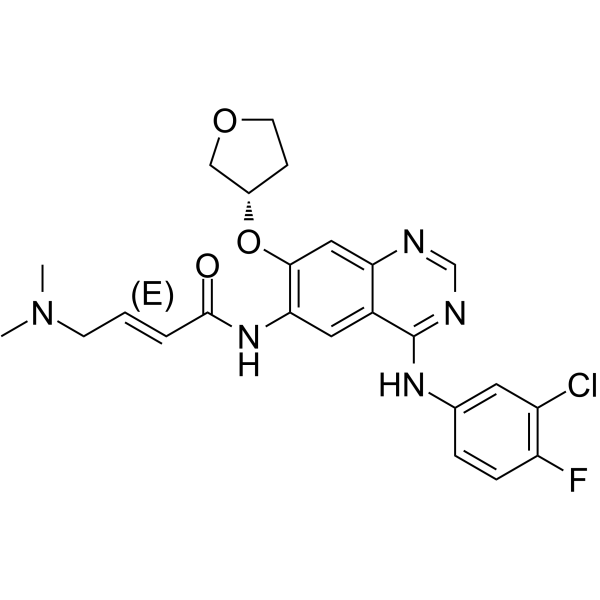
Afatinib (BIBW 2992) is an orally active, potent and irreversible dual specificity inhibitor of ErbB family (EGFR and HER2), with IC50 values of 0.5 nM, 0.4 nM, 10 nM and 14 nM for EGFR wt, EGFR L858R, EGFR L858R/T790M and HER2, respectively. Afatinib can be used for the research of esophageal squamous cell carcinoma (ESCC), non-small cell lung cancer (NSCLC) and gastric cancer .
|
-
-
- HY-16657
-
|
|
MMP
NF-κB
Apoptosis
TNF Receptor
|
Inflammation/Immunology
Cancer
|
|
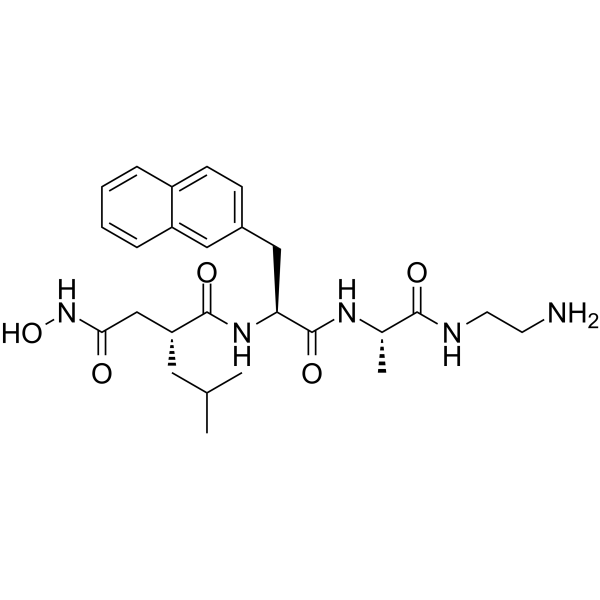
TAPI-1 is a broad-spectrum MMP inhibitor and NF-κB p65 inhibitor that targets ADAM17/TACE, ADAM10 and other proteins. TAPI-1 reduces the proteolytic cleavage of membrane-bound TNF-α, decreases TNF-α levels, inhibits NF-κB pathway activation, and downregulates profibrotic markers. TAPI-1 reduces the proportion of proinflammatory immune cells, alleviates cardiac and airway fibrosis, and improves cardiac function after myocardial infarction. Meanwhile, TAPI-1 inhibits the viability, migration and invasion of esophageal squamous cell carcinoma cells, enhances the chemosensitivity of Cisplatin (HY-17394), induces apoptosis, and shows low toxicity to normal esophageal epithelial cells. TAPI-1 can be widely used in studies related to myocardial infarction-induced heart failure, severe traumatic tracheal stenosis, esophageal squamous cell carcinoma and other conditions .
|
-
-
- HY-10261A
-
|
BIBW 2992MA2
|
EGFR
Autophagy
Apoptosis
c-Met/HGFR
Akt
p38 MAPK
|
Cancer
|
|
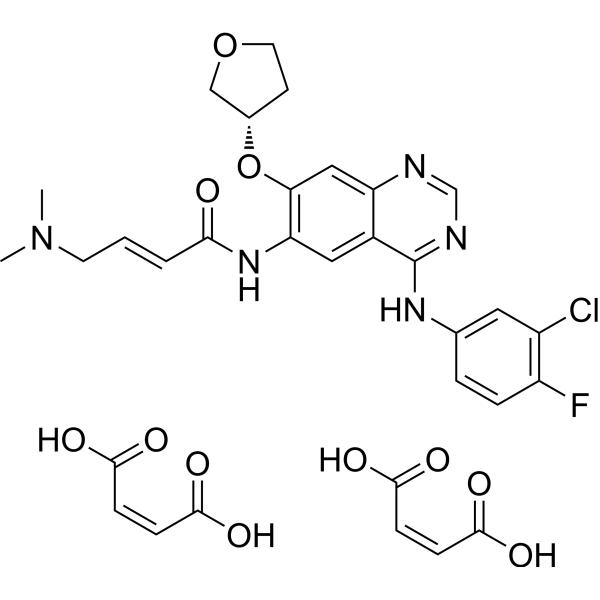
Afatinib (BIBW 2992) dimaleate is an orally active, potent and irreversible dual specificity inhibitor of ErbB family (EGFR and HER2), with IC50 values of 0.5 nM, 0.4 nM, 10 nM and 14 nM for EGFR wt, EGFR L858R, EGFR L858R/T790M and HER2, respectively. Afatinib dimaleate can be used for the research of esophageal squamous cell carcinoma (ESCC), non-small cell lung cancer (NSCLC) and gastric cancer .
|
-
-
- HY-18768
-
NCT-501
5 Publications Verification
|
Aldehyde Dehydrogenase (ALDH)
Akt
β-catenin
Necroptosis
|
Cancer
|
|
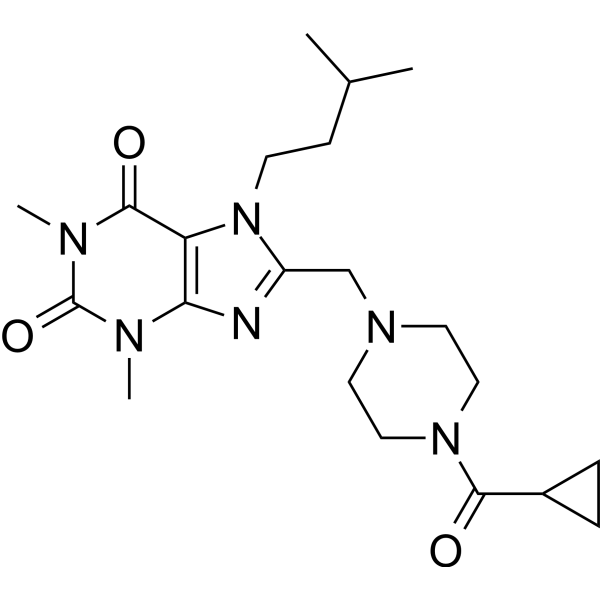
NCT-501 is a reversible, non-competitive, selective, blood-brain barrier-permeable ALDH1A1 inhibitor with an IC50 of 40 nM. NCT-501 inhibits the AKT-β-catenin signaling pathway, induces necroptosis in nasopharyngeal carcinoma cells, suppresses their proliferation and inhibits stem cell spheroid formation. NCT-501 can be used in research related to nasopharyngeal carcinoma, esophageal squamous cell carcinoma and malignant tumors .
|
-
-
- HY-114338
-
|
SHR-6390
|
CDK
|
Cancer
|
|
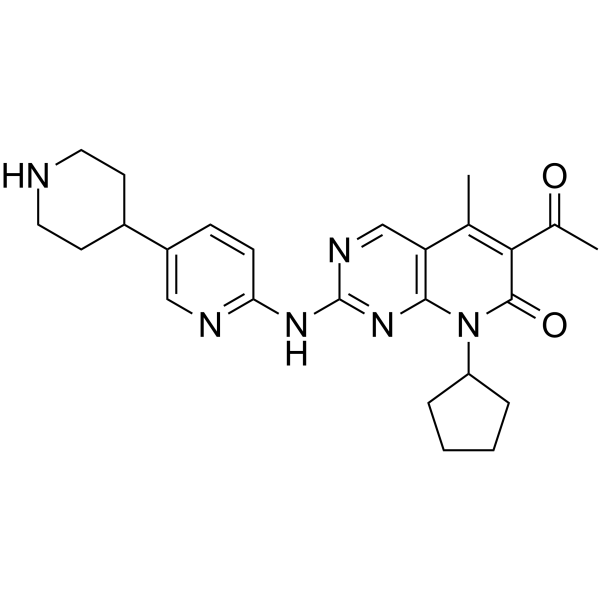
Dalpiciclib (SHR-6390) is an orally active and highly selective inhibitor of CDK4 and 6 with IC50 values of 12.4 nM and 9.9 nM, respectively . Dalpiciclib shows antitumor activity against breast cancer and esophageal squamous cell carcinoma .
|
-
-
- HY-12204
-
PFK-015
3 Publications Verification
|
Autophagy
|
Metabolic Disease
Inflammation/Immunology
Cancer
|
|
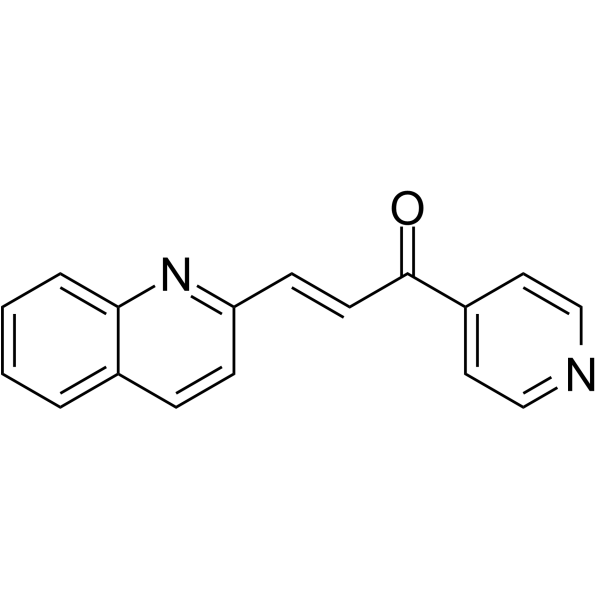
PFK-015, a derivative of 3PO, is a specific PFKFB3 inhibitor. PFK-015 inhibits recombinant PFKFB3 with an IC50 value of 110 nM and inhibits PFKFB3 activity in cancer cells with an IC50 value of 20 nM. PFK-015 can be used for the research of multiple cancers such as lung cancer, stomach cancer, colon cancer and esophageal squamous cell carcinoma (ESCC) .
|
-
-
- HY-177439
-
|
|
Antibody-Drug Conjugates (ADCs)
PD-1/PD-L1
|
Cancer
|
|
HLX43 is an antibody-drug conjugate (ADC) targeting PD-L1. HLX43 consists of a human monoclonal antibody anti-PD-L1 antibody Opucolimab (HY-P99785) with the drug-linker conjugate being DL-01 (HY-155870A). HLX43 exerts superior anticancer efficacy with safety profile in vivo. HLX43 can be used for non-small cell lung cancer (NSCLC), head and neck squamous cell carcinoma (HNSCC), esophageal squamous cell carcinoma (ESCC), melanoma (MEL), ovarian cancer (Ovc) research .
|
-

-
- HY-148807
-
|
QC8222 free base; TACH 101 free base
|
Histone Demethylase
Apoptosis
|
Cancer
|
|
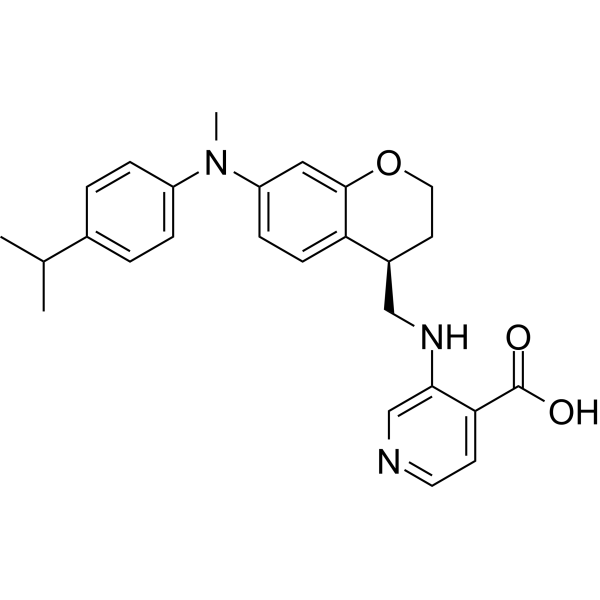
Zavondemstat (QC8222 free base; TACH 101 free base) is an orally active pan-KDM4 inhibitor, with a IC50 ≤ 0.08 μM against human KDM4A-D and a Kᵢ of 0.52 μM against human KDM4C. Zavondemstat induces cell apoptosis, causes S-phase cell cycle arrest, reduces the population of tumor-initiating cells and inhibits cancer cell proliferation. Zavondemstat suppresses tumor growth and induces tumor regression in mouse xenograft models. Zavondemstat can be used for the research of various cancers including colorectal cancer, esophageal squamous cell carcinoma and triple-negative breast cancer .
|
-
-
- HY-131649
-
|
|
DNA/RNA Synthesis
|
Cancer
|
|
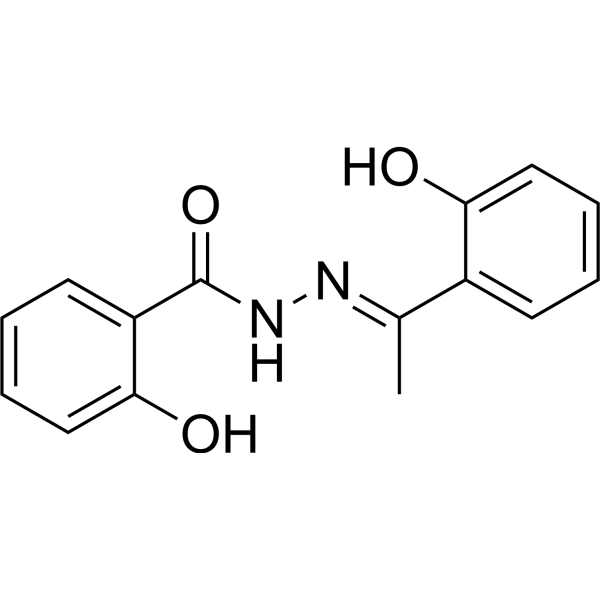
Compound C108 is a G3BP2 inhibitor. Compound C108 also targeted stress granule-associated proteins and Gtpase-activating protein (SH3 domain) binding protein 2. Compound C108 potently inhibits esophageal squamous cell carcinoma (ESCC) cell metastasis .
|
-
-
- HY-B0023
-
|
CS 905
|
Calcium Channel
MEK
|
Cardiovascular Disease
Neurological Disease
Inflammation/Immunology
Cancer
|
|
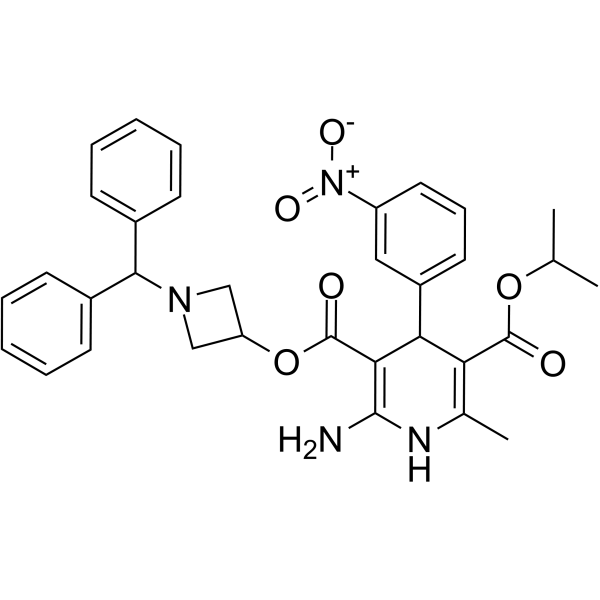
Azelnidipine (CS 905) is a dihydropyridine calcium channel blocker that is effective orally. Azelnidipine inhibits the intracellular calcium ion flow and lower blood pressure by selectively blocking L-type calcium channel on the membrane of vascular smooth muscle. Azelnidipine inhibits esophageal squamous cell carcinoma proliferation by targeting MEK1/2. Azelnidipine also has anti-inflammatory, antioxidant and neuroprotective effects .
|
-
-
- HY-105930
-
|
D-19466
|
Apoptosis
Caspase
Bcl-2 Family
|
Cancer
|
|
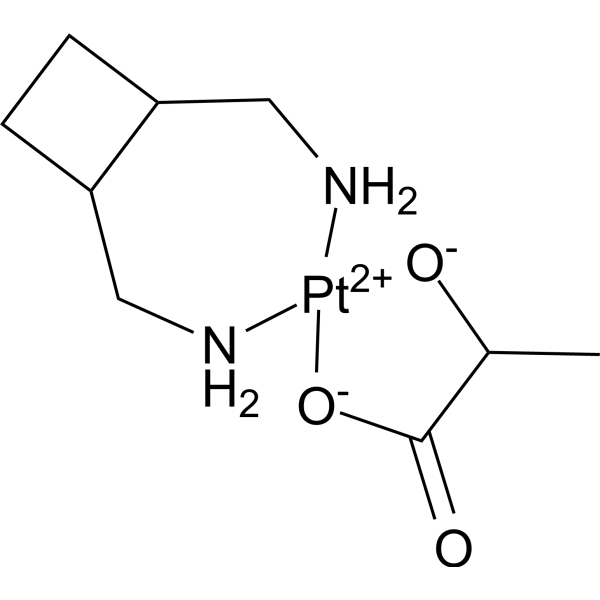
Lobaplatin (D-19466) is a diastereometric mixture of platinum(II) complexe. Lobaplatin arrests cell cycle at G1 and G2/M phase. Lobaplatin induces apoptosis by increasing expressions of caspase and Bax, decreasing expression of Bcl-2. Lobaplatin can be used for research of cancer .
|
-
-
- HY-P9971
-
|
SHR-1210; INCSHR1210
|
PD-1/PD-L1
|
Cancer
|
|
Camrelizumab (SHR-1210) is a potent humanied high-affinity IgG4-κ monoclonal antibody (mAb) to PD-1. Camrelizumab binds PD-1 at a high affinity of 3 nM and inhibits the binding interaction of PD-1 and PD-L1 with an IC50 of 0.70 nM. Camrelizumab acts as anti-PD-1/PD-L1 agent and can be used for cancer research, including NSCLC, ESCC, Hodgkin lymphoma, and advanced HCC et,al .
|
-

-
- HY-114338A
-
|
SHR-6390 hydrochloride
|
CDK
|
Cancer
|
|
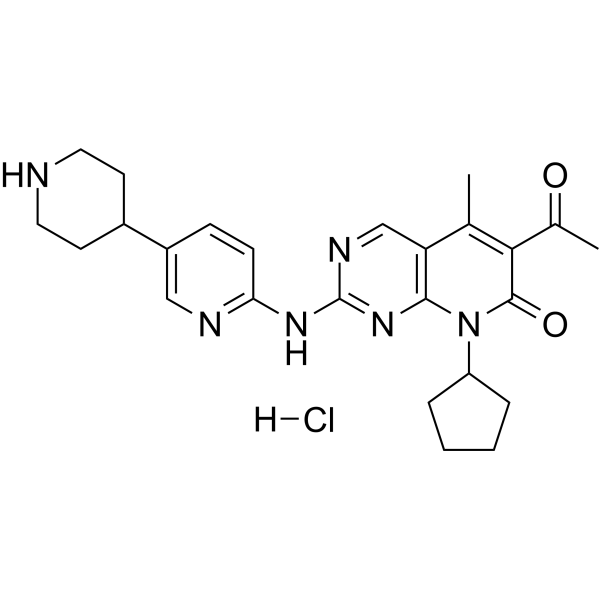
Dalpiciclib (SHR-6390) hydrochloride is an orally active and highly selective inhibitor of CDK4 and 6 with IC50 values of 12.4 nM and 9.9 nM, respectively . Dalpiciclib hydrochloride shows antitumor activity against breast cancer and esophageal squamous cell carcinoma .
|
-
-
- HY-116514
-
|
|
Farnesyl Transferase
Apoptosis
Endogenous Metabolite
|
Cancer
|
|
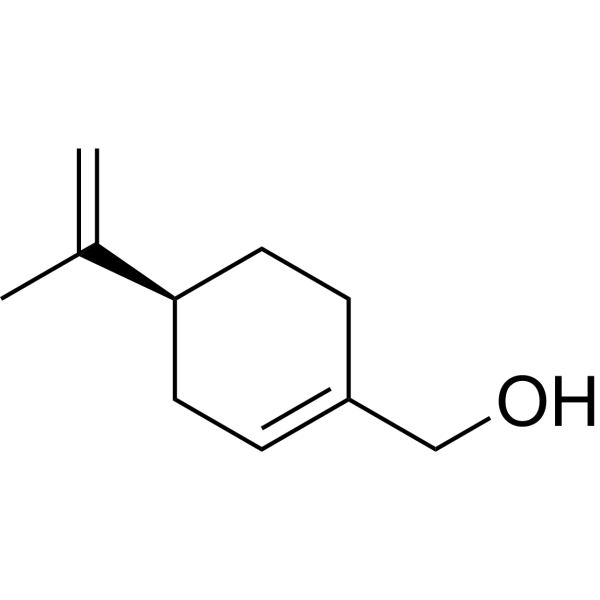
(S)-(-)-Perillyl alcohol, a monoterpene, is an orally active farnesyl transferase and geranylgeranyl transferase inhibitor. (S)-(-)-Perillyl alcohol up-regulates the mannose-6-phosphate receptor, facilitating TGF-β1 activation and cytostasis,. (S)-(-)-Perillyl alcohol induces apoptosis in cancer cells, modulates cyclin D1 and AP-1 activity. (S)-(-)-Perillyl alcohol exhibits antitumor activity against sarcoma tumors in mice. (S)-(-)-Perillyl alcohol can be used for the research of squamous cell carcinoma of the esophagus and sarcoma 180 .
|
-
-
- HY-120548
-
|
|
TGF-β Receptor
Integrin
Raf
RIP kinase
ERK
|
Cancer
|
|
KBU2046 is an orally active transforming growth factor-β (TGF-β1) inhibitor. KBU2046 reduces integrin family protein expression, decreases Raf, RIPK1 and ERK phosphorylation to deactivate the ERK signaling pathway, and down-regulates genes linked to TGF-β1 maturation. KBU2046 suppresses tumor cell motility, impedes cancer invasion and metastasis, and inhibits human ESCC growth and metastasis in a murine model. KBU2046 can be used for the researches of triple-negative breast cancer and esophageal squamous cell carcinoma .
|
-
-
- HY-P99785
-
|
HLX20; HLX43 antibody
|
PD-1/PD-L1
ADC Antibody
|
Cancer
|
|
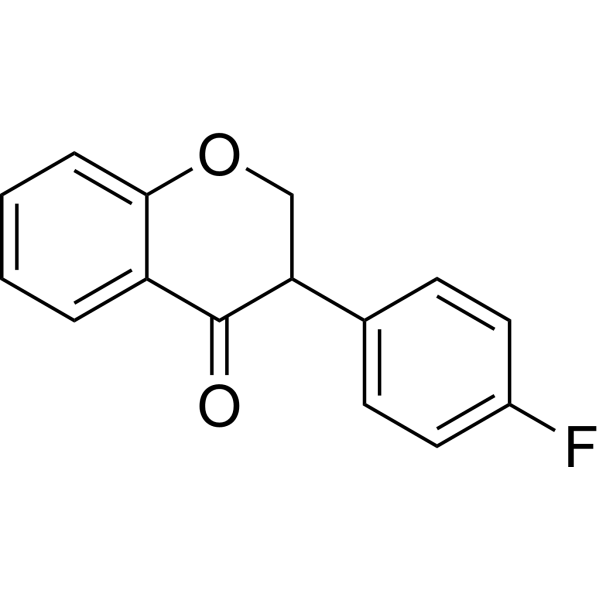
Opucolimab (HLX20) is an engineered anti-PD-L1 humanised IgG1 antibody. Opucolimab, when conjugated with camptothecin toxoid, yields the PD-L1-targeting ADC, HLX43 (HY-177439). HLX43 can be used for non-small cell lung cancer (NSCLC), head and neck squamous cell carcinoma (HNSCC), esophageal squamous cell carcinoma (ESCC), melanoma (MEL), ovarian cancer (Ovc) research .
|
-

-
- HY-N1745A
-
|
|
Reactive Oxygen Species (ROS)
Apoptosis
|
Infection
Inflammation/Immunology
Cancer
|
|
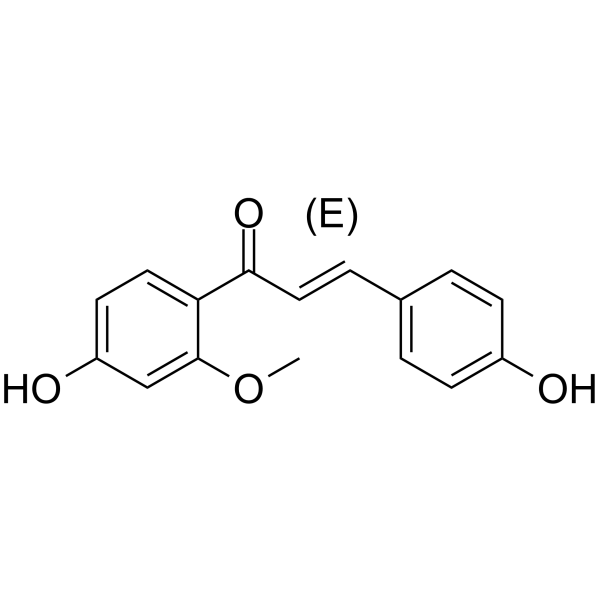
3-Deoxysappanchalcone is a natural chalcone compound isolated from the heartwood of Caesalpinia sappan L. 3-Deoxysappanchalcone induces cell cycle arrest, ROS production, and apoptosis. 3-Deoxysappanchalcone exhibits anti-inflammatory, anti-allergic, anticoagulant, and antithrombotic activities. 3-Deoxysappanchalcone is applicable to research related to lung cancer, esophageal squamous cell carcinoma, thrombosis, and influenza virus infection .
|
-
-
- HY-119906
-
|
FW-04-806
|
HSP
Apoptosis
|
Cancer
|
|
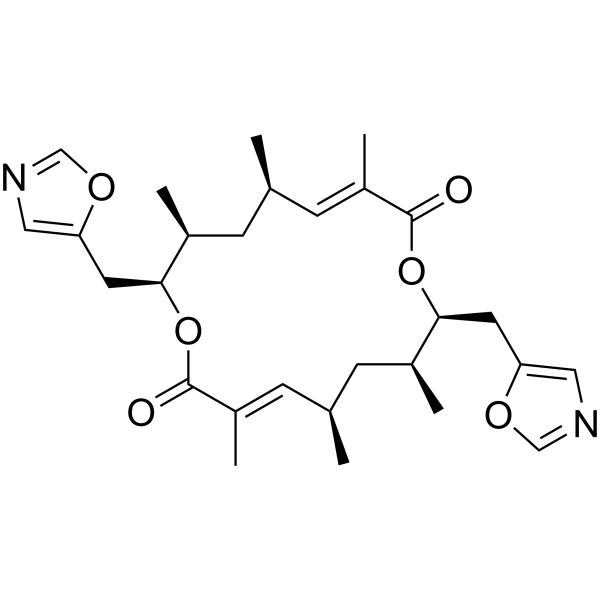
Conglobatin (FW-04-806), a macrolide dilactone, is isolated from the culture of Streptomyces conglobatus. Conglobatin is an orally active Hsp90 inhibitor. Conglobatin can bind to the N-terminal domain of Hsp90 and disrupt Hsp90-Cdc37 complex formation. Conglobatin induces apoptosis in human breast cancer cells and esophageal squamous cell carcinoma cells, and exhibits antitumor activity in vivo .
|
-
-
- HY-P99594
-
|
ZKAB001; STI-1014; STI-A1014
|
PD-1/PD-L1
|
Cancer
|
|
Socazolimab (ZKAB001) is an anti-PD-L1 monoclonal antibody. Socazolimab has lasting safety and efficacy in the treatment of recurrent or metastatic cervical cancer. Socazolimab also has potential applications in small cell lung cancer, esophageal squamous cell carcinoma (ESCC), advanced urothelial carcinoma and osteosarcoma .
|
-

-
- HY-170863
-
|
|
RAR/RXR
|
Cancer
|
|
ZSH-2208 is an analog of retinoic acid A, which exerts a potent antitumor effect on regenerative stem cells (TRCs) of esophageal squamous cell carcinoma (ESCC) through RARγ-TNFAIP3 .
|
-

-
- HY-178825
-
|
|
PROTACs
Histone Demethylase
Apoptosis
|
Cancer
|
|
LD-110 is a highly efficient and effective LSD1 PROTAC degrader (DC50 = 0.44 μM). LD-110 promotes LSD1 degradation and increases the level of H3K4 dimethylation in a ubiquitin-proteasome-dependent manner. LD-110 inhibits the growth and survival of multiple esophagus squamous cancer cell (ESCC) lines by inducing apoptosis. LD-110 can be used for the study of esophagus squamous cancer .
|
-

-
- HY-10261R
-
|
BIBW 2992 (Standard)
|
Reference Standards
EGFR
Autophagy
Apoptosis
c-Met/HGFR
Akt
p38 MAPK
|
Cancer
|
|
Afatinib (Standard) is the analytical standard of Afatinib. This product is intended for research and analytical applications. Afatinib (BIBW 2992) is an orally active, potent and irreversible dual specificity inhibitor of ErbB family (EGFR and HER2), with IC50 values of 0.5 nM, 0.4 nM, 10 nM and 14 nM for EGFRwt, EGFRL858R, EGFRL858R/T790M and HER2, respectively. Afatinib can be used for the research of esophageal squamous cell carcinoma (ESCC), non-small cell lung cancer (NSCLC) and gastric cancer .
|
-

-
- HY-168428
-
|
|
Histone Acetyltransferase
Apoptosis
|
Cancer
|
|
CHI-KAT8i5 is a selective and orally active KAT8 inhibitor with a KD value of 19.72 μM. CHI-KAT8i5 does not bind to other proteins in HAT family (KAT2A, KAT2B, KAT5, and KAT7). CHI-KAT8i5 induces cancer cell apoptosis. CHI-KAT8i5 suppresses esophageal squamous cell carcinoma (ESCC) growth through targeting KAT8/c-Myc signaling pathway .
|
-

-
- HY-178826
-
-

-
- HY-169766
-
|
|
Molecular Glues
Keap1-Nrf2
|
Cancer
|
|
VVD 065 is an orally active KEAP1-dependent NRF2 molecular glue degrader with a KEAP1 KD of 65 nM. VVD 065 covalently engages KEAP1 at Cys151, allosterically stabilizes KEAP1-CUL3 complex formation and enhances NRF2 polyubiquitination and proteasomal degradation. VVD 065 can be used for the research of esophageal squamous cell carcinoma, lung cancer, head-and-neck cancer, uterine cancers .
|
-

-
- HY-10261D
-
|
BIBW 2992 oxalate
|
EGFR
Autophagy
Apoptosis
c-Met/HGFR
Akt
|
Cancer
|
|
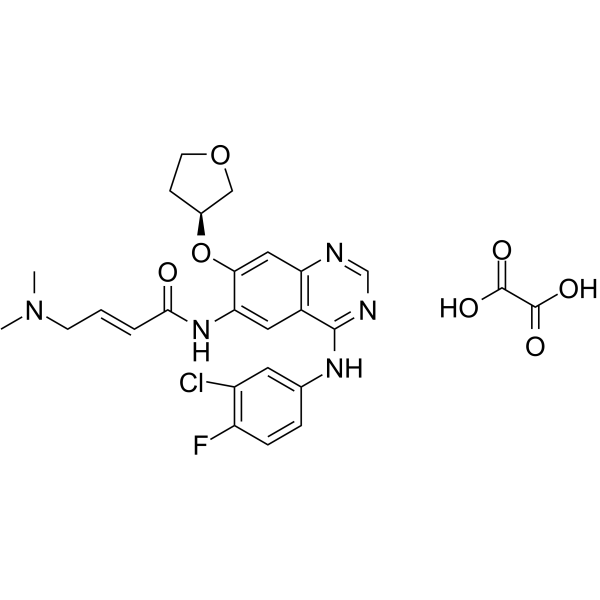
Afatinib (BIBW 2992) oxalate is an orally active, potent and irreversible dual specificity inhibitor of ErbB family (EGFR and HER2), with IC50 values of 0.5 nM, 0.4 nM, 10 nM and 14 nM for EGFR wt, EGFR L858R, EGFR L858R/T790M and HER2, respectively. Afatinib oxalate can be used for the research of esophageal squamous cell carcinoma (ESCC), non-small cell lung cancer (NSCLC) and gastric cancer .
|
-
-
- HY-130559
-
|
|
Microtubule/Tubulin
Apoptosis
|
Cancer
|
|
SL-3-19 is a tubulin ligand. SL-3-19 exhibits antitumor activity against esophageal squamous cell carcinoma (ESCC) both in vitro and in vivo by inhibiting microtubule assembly, inducing G2/M phase cell cycle arrest and apoptosis, and disrupting tumor blood vessels. SL-3-19 has a higher activity than SL-1-73 (HY-130558). SL-3-19 can be used for the research of ESCC and other tumors .
|
-

-
- HY-148807A
-
|
QC8222; TACH 101
|
Apoptosis
Histone Demethylase
|
Cancer
|
|
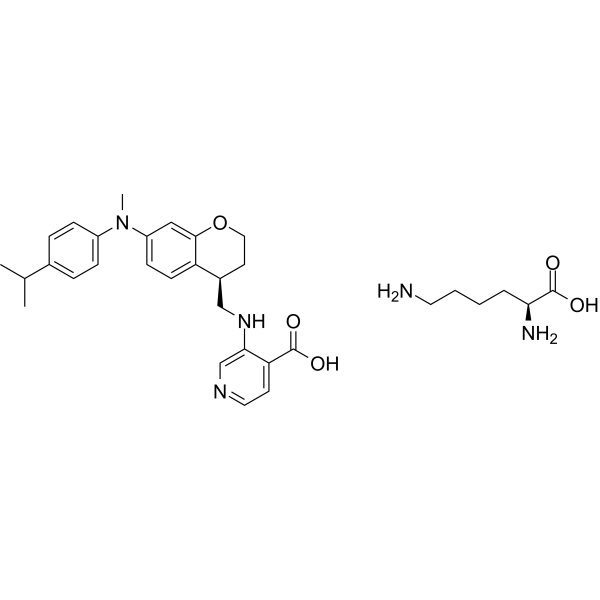
Zavondemstat (QC8222; TACH 101) L-lysine is an orally active pan-KDM4 inhibitor, with a IC50 ≤ 0.08 μM against human KDM4A-D and a Kᵢ of 0.52 μM against human KDM4C. Zavondemstat L-lysine induces cell apoptosis, causes S-phase cell cycle arrest, reduces the population of tumor-initiating cells and inhibits cancer cell proliferation. Zavondemstat L-lysine suppresses tumor growth and induces tumor regression in mouse xenograft models. Zavondemstat L-lysine can be used for the research of various cancers including colorectal cancer, esophageal squamous cell carcinoma and triple-negative breast cancer .
|
-
-
- HY-10261E
-
|
(R)-BIBW 2992
|
EGFR
c-Met/HGFR
p38 MAPK
|
Cancer
|
|
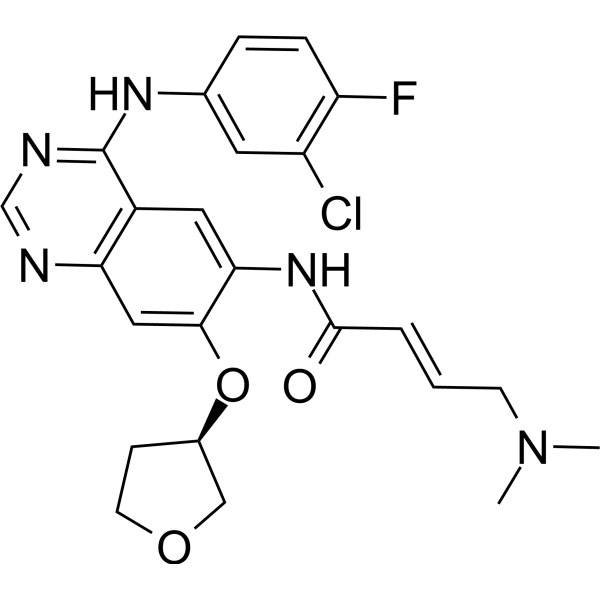
(R)-Afatinib ((R)-BIBW 2992) is the Afatinib isomer. Afatinib (HY-10261) is an orally active, potent and irreversible dual specificity inhibitor of?ErbB?family (EGFR?and?HER2), with?IC50?values of 0.5 nM, 0.4 nM, 10 nM and 14 nM for?EGFR wt, EGFR L858R,?EGFR L858R/T790M?and HER2, respectively. Afatinib can be used for the research of esophageal squamous cell carcinoma (ESCC), non-small cell lung?cancer?(NSCLC) and gastric?cancer .
|
-
-
- HY-N11050
-
|
|
Apoptosis
|
Cancer
|
|
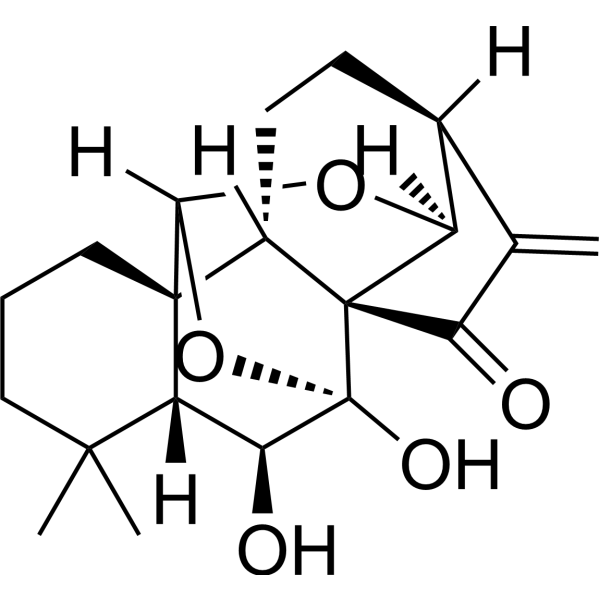
Xerophilusin B, an anticancer agent isolated from Isodon xerophilus, exhibits antiproliferative effects on esophageal squamous cell carcinoma (ESCC) cell lines, induces G2/M cell cycle arrest, and mediates apoptosis .
|
-
-
- HY-151934
-
|
|
Apoptosis
|
Cancer
|
|
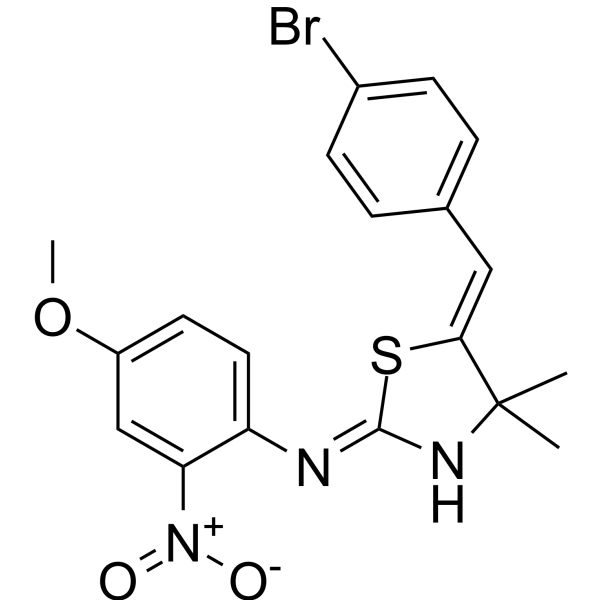
ERK-IN-6 (compound 6g) is an potent anti-proliferation agent against esophageal squamous cell carcinoma (ESCC). ERK-IN-6 induces cell apoptosis via ERK pathway. ERK-IN-6 can be used for the research of ESCC .
|
-
-
- HY-126324
-
|
|
Apoptosis
|
Cancer
|
|
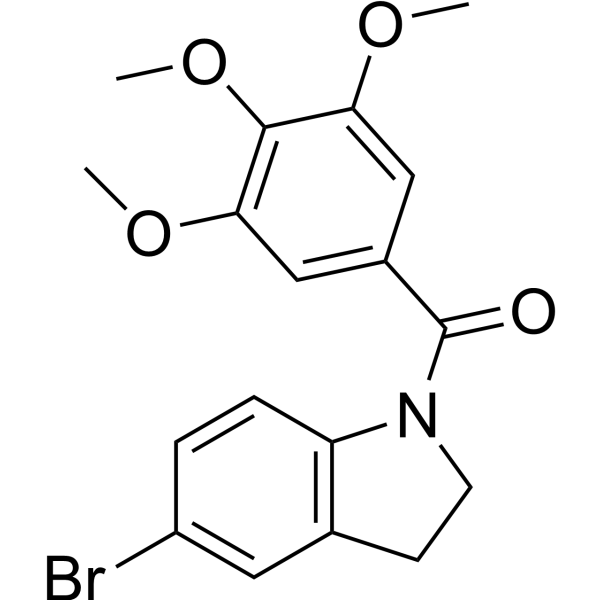
IV-23 (Compound 20) is a potent Noxa mediated apoptosis inducer, and it is a promising anticancer agent with potential. IV-23 inhibits cell growths in vitro and in vivo, reduces colony formation, arrests cell cycle at M phase, and induces esophageal squamous cell carcinoma (ESCC) .
|
-
-
- HY-148807C
-
|
QC8222 sodium; TACH 101 sodium
|
Apoptosis
Histone Demethylase
|
Cancer
|
|
Zavondemstat (QC8222; TACH 101) sodium is an orally active pan-KDM4 inhibitor, with a IC50 ≤ 0.08 μM against human KDM4A-D and a Kᵢ of 0.52 μM against human KDM4C. Zavondemstat sodium induces cell apoptosis, causes S-phase cell cycle arrest, reduces the population of tumor-initiating cells and inhibits cancer cell proliferation. Zavondemstat sodium suppresses tumor growth and induces tumor regression in mouse xenograft models. Zavondemstat sodium can be used for the research of various cancers including colorectal cancer, esophageal squamous cell carcinoma and triple-negative breast cancer .
|
-

-
- HY-10261AR
-
|
BIBW 2992MA2 (Standard)
|
Reference Standards
EGFR
Autophagy
Apoptosis
c-Met/HGFR
Akt
p38 MAPK
|
Cancer
|
|
Afatinib (dimaleate) (Standard) is the analytical standard of Afatinib (dimaleate). This product is intended for research and analytical applications. Afatinib (BIBW 2992) dimaleate is an orally active, potent and irreversible dual specificity inhibitor of ErbB family (EGFR and HER2), with IC50 values of 0.5 nM, 0.4 nM, 10 nM and 14 nM for EGFRwt, EGFRL858R, EGFRL858R/T790M and HER2, respectively. Afatinib dimaleate can be used for the research of esophageal squamous cell carcinoma (ESCC), non-small cell lung cancer (NSCLC) and gastric cancer .
|
-

-
- HY-180897
-
|
|
Ribosomal S6 Kinase (RSK)
|
Cancer
|
|
RSK4-IN-2 (compound 16o) is a potent, orally active RSK4 inhibitor with an IC50 of 17 nM. RSK4-IN-2 suppresses esophageal squamous cell carcinoma (ESCC) cell growth and invasion, by inhibiting phosphorylation of RSK4 downstream targets. RSK4-IN-2 inhibits tumor growth and metastasis in ESCC mouse models. RSK4-IN-2 can be used for ESCC research .
|
-

-
- HY-173147
-
|
|
CDK
|
Cancer
|
|
CDK2-IN-42 (Compound H63) is a CDK12 inhibitor with an IC50 value of 10 nM. CDK2-IN-42 has anti-ESCC (Esophageal Squamous Cell Carcinoma) cell activity. It can block transcriptional elongation, downregulate the core genes in the G1 phase to induce cell cycle arrest, and alter the CDK12-ATM/ATR-CHEK1/CHEK2 signaling axis, resulting in DNA damage. CDK2-IN-42 can effectively inhibit tumor growth in a xenograft mouse model of human ESCC KYSE150. CDK2-IN-42 holds great promise for research in the field of cancer .
|
-

-
- HY-180880
-
|
|
Apoptosis
|
Cancer
|
|
TFAP2β modulator-1 (compound A6) is a potent TFAP2β modulator that promotes TFAP2β condensation by inducing conformational changes in the intrinsically disordered region. TFAP2β modulator-1 promotes TFAP2β condensation, induces apoptosis, and exhibits anti-tumor functions in esophageal squamous cell carcinoma (ESCC) cells, mouse models, and organoids. TFAP2β modulator-1 can be used for ESCC research .
|
-

-
- HY-186206
-
|
|
Drug Metabolite
|
Cancer
|
|
(Rac)-EGC-M7 is a racemic microbial metabolite of green tea Catechin (EGC) (HY-N0898), and acts as an inhibitor of nitric oxide production and cancer cell growth. (Rac)-EGC-M7 can be used in the research of esophageal squamous cell carcinoma and colon adenocarcinoma .
|
-

-
- HY-185373
-
|
Liposomal paclitaxel
|
Liposome
Estrogen Receptor/ERR
|
Cancer
|
|
Paclitaxel liposome (Liposomal paclitaxel) is an antitumor agent targeting Estrogen Receptor. Paclitaxel liposome binds to overexpressed Estrogen Receptor to mediate receptor-specific endocytosis, and enters cells via macropinocytosis, caveolae-dependent and clathrin-dependent endocytic pathways. Paclitaxel liposome suppresses cell viability and tumor growth, and reduces the distribution of Paclitaxel (HY-B0015) in normal tissues. Paclitaxel liposome can be used for research related to breast cancer and locally advanced esophageal squamous cell carcinoma .
|
-

-
- HY-P991969
-
|
|
EGFR
|
Cancer
|
|
LR004 is an EGFR monoclonal antibody, with a Kd of 2.80×10 -9 M against human EGFR. LR004 shows extremely weak inhibitory effect on the viability of EGFR-positive tumor cells in vitro, but inhibits the growth of EGFR-positive tumor xenografts as a single agent. LR004 is applicable to research related to advanced colorectal cancer, solid tumors, esophageal squamous cell carcinoma, epidermoid carcinoma, colon cancer and breast cancer .
|
-

-
- HY-130558
-
|
|
Apoptosis
Microtubule/Tubulin
|
Cancer
|
|
SL-1-73 is a tubulin ligand. SL-1-73 exhibits antitumor activity against esophageal squamous cell carcinoma (ESCC) both in vitro and in vivo by inhibiting microtubule assembly, inducing G2/M phase cell cycle arrest and apoptosis, and disrupting tumor blood vessels. SL-1-73 can be used for the research of ESCC and other tumors .
|
-

-
- HY-179588
-
|
|
PROTACs
Epigenetic Reader Domain
c-Myc
|
Cancer
|
|
PROTAC BET Degrader-14 is a highly efficient PROTAC targeting BET (bromodomain and extra-terminal domain). PROTAC BET Degrader-14 can degrade all BET (BRD2, BRD3, BRD4) family proteins. PROTAC BET Degrader-14 potently degrades BET proteins in U2OS osteosarcoma cell lines (BRD4 DC50 = 130 nM) and KYSE180 esophageal squamous cell carcinoma cell lines (DC50 = 40 nM). PROTAC BET Degrader-14’s dependence on the ubiquitin-proteasome system. PROTAC BET Degrader-14 decreases levels of BET-regulated gene products c-Myc, RUNX2, and KRT14. PROTAC BET Degrader-14 can be used for the study of osteosarcoma .
|
-

-
- HY-178825B
-
|
|
PROTACs
Histone Demethylase
Apoptosis
|
Cancer
|
|
LD-110 trihydrochloride is a highly efficient and effective LSD1 PROTAC degrader (DC50 = 0.44 μM). LD-110 trihydrochloride promotes LSD1 degradation and increases the level of H3K4 dimethylation in a ubiquitin-proteasome-dependent manner. LD-110 trihydrochloride inhibits the growth and survival of multiple esophagus squamous cancer cell (ESCC) lines by inducing apoptosis. LD-110 trihydrochloride can be used for the study of esophagus squamous cancer .
|
-

-
- HY-P992360
-
|
|
GABA Receptor
|
Neurological Disease
Cancer
|
|
GT-002 is a partial positive allosteric modulator targeting the α3 subtype of GABAA receptors, as well as a specific binder of tumor-associated TF-glycosylated LYPD3. GT-002 mildly enhances GABA-induced chloride currents by binding to the benzodiazepine site of GABAA receptors, thereby alleviating prefrontal hypofunction and improving cognitive, memory and social interaction abilities. GT-002 can be used in research related to schizophrenia spectrum disorders, various squamous cell carcinomas, colorectal cancer, non-small cell lung cancer, and aromatic L-amino acid decarboxylase deficiency .
|
-

-
- HY-181800
-
|
|
SHP2
Akt
ERK
Apoptosis
|
Cancer
|
|
SHP2-IN-47 is a selective and potent SHP2 inhibitor with an IC50 of 0.80 μM. SHP2-IN-47 exhibits potent inhibitory activity against SHP2 E76K (IC50 = 0.37 μM). SHP2-IN-47 functionally inhibits protein tyrosine phosphatase domains and downregulates SHP2-mediated phosphorylation of AKT and ERK. SHP2-IN-47 induces apoptosis and suppresses proliferation of cancer cells. SHP2-IN-47 can be used for the research of cancer, such as acute myelocytic leukemia .
|
-

| Cat. No. |
상품명 |
Target |
Research Area |
-
- HY-P11129
-
|
|
Peptides
|
Cancer
|
MAGE-A4 (286-294) is a polypeptide derived from the 286th to 294th amino acids of the MAGE-A4 protein. MAGE-A4 (286-294) binds HLA-A*02 with an affinity of 560.08 nM and an IC50 of 8.52 nM. MAGE-A4 (286-294) can be detected in various types of cancers (such as esophageal cancer, lung squamous cell carcinoma, bladder cancer). MAGE-A4 (286-294) can be used to produce CAR-T cells and to develop CAR-T cell therapy .
|
| Cat. No. |
상품명 |
Target |
Research Area |
Image |
-
- HY-P9971
-
|
SHR-1210; INCSHR1210
|
PD-1/PD-L1
|
Cancer
|
|
Camrelizumab (SHR-1210) is a potent humanied high-affinity IgG4-κ monoclonal antibody (mAb) to PD-1. Camrelizumab binds PD-1 at a high affinity of 3 nM and inhibits the binding interaction of PD-1 and PD-L1 with an IC50 of 0.70 nM. Camrelizumab acts as anti-PD-1/PD-L1 agent and can be used for cancer research, including NSCLC, ESCC, Hodgkin lymphoma, and advanced HCC et,al .
|
-

(5)
-
- HY-P99785
-
|
HLX20; HLX43 antibody
|
PD-1/PD-L1
ADC Antibody
|
Cancer
|
|
Opucolimab (HLX20) is an engineered anti-PD-L1 humanised IgG1 antibody. Opucolimab, when conjugated with camptothecin toxoid, yields the PD-L1-targeting ADC, HLX43 (HY-177439). HLX43 can be used for non-small cell lung cancer (NSCLC), head and neck squamous cell carcinoma (HNSCC), esophageal squamous cell carcinoma (ESCC), melanoma (MEL), ovarian cancer (Ovc) research .
|
-
(5)
-
- HY-P99594
-
|
ZKAB001; STI-1014; STI-A1014
|
PD-1/PD-L1
|
Cancer
|
|
Socazolimab (ZKAB001) is an anti-PD-L1 monoclonal antibody. Socazolimab has lasting safety and efficacy in the treatment of recurrent or metastatic cervical cancer. Socazolimab also has potential applications in small cell lung cancer, esophageal squamous cell carcinoma (ESCC), advanced urothelial carcinoma and osteosarcoma .
|
-
(5)
-
- HY-P991969
-
|
|
EGFR
|
Cancer
|
|
LR004 is an EGFR monoclonal antibody, with a Kd of 2.80×10 -9 M against human EGFR. LR004 shows extremely weak inhibitory effect on the viability of EGFR-positive tumor cells in vitro, but inhibits the growth of EGFR-positive tumor xenografts as a single agent. LR004 is applicable to research related to advanced colorectal cancer, solid tumors, esophageal squamous cell carcinoma, epidermoid carcinoma, colon cancer and breast cancer .
|
-
(5)
-
- HY-P992360
-
|
|
GABA Receptor
|
Neurological Disease
Cancer
|
|
GT-002 is a partial positive allosteric modulator targeting the α3 subtype of GABAA receptors, as well as a specific binder of tumor-associated TF-glycosylated LYPD3. GT-002 mildly enhances GABA-induced chloride currents by binding to the benzodiazepine site of GABAA receptors, thereby alleviating prefrontal hypofunction and improving cognitive, memory and social interaction abilities. GT-002 can be used in research related to schizophrenia spectrum disorders, various squamous cell carcinomas, colorectal cancer, non-small cell lung cancer, and aromatic L-amino acid decarboxylase deficiency .
|
-
(5)
| Cat. No. |
상품명 |
Category |
Target |
Chemical Structure |
| Cat. No. |
Compare |
상품명 |
Application |
Reactivity |
Image |
Compare Products
|
| Products |
|
| Cat. No. |
|
| Host |
|
| Reactivity |
|
| Application |
|
Dilution
Ratio |
|
| Molecular Weight |
|
| Conjugation |
|
| Clonality |
|
| Immunogen |
|
| Appearance |
|
| Isotype |
|
| Gene ID |
|
| SwissProt ID |
|
| Purity |
|
| Formulation |
|
| Free Sample |
Yes
No
|
| Size |
* This product has been "discontinued".
Optimized version of product available:
|
| Cat. No. |
상품명 |
|
Classification |
-
- HY-185373
-
|
Liposomal paclitaxel
|
|
Liposome
|
|
Paclitaxel liposome (Liposomal paclitaxel) is an antitumor agent targeting Estrogen Receptor. Paclitaxel liposome binds to overexpressed Estrogen Receptor to mediate receptor-specific endocytosis, and enters cells via macropinocytosis, caveolae-dependent and clathrin-dependent endocytic pathways. Paclitaxel liposome suppresses cell viability and tumor growth, and reduces the distribution of Paclitaxel (HY-B0015) in normal tissues. Paclitaxel liposome can be used for research related to breast cancer and locally advanced esophageal squamous cell carcinoma .
|
Your information is safe with us. * Required Fields.
Inquiry Information
- 상품명:
- Cat. No.:
- 수량:
- MCE Japan Authorized Agent:











