Search Result
Results for "
Fusarium mycotoxin
" in MedChemExpress (MCE) Product Catalog:
21
Isotope-Labeled Compounds
| Cat. No. |
Product Name |
Target |
Research Areas |
Chemical Structure |
-
- HY-N6719
-
|
|
Acyltransferase
|
Infection
|
|
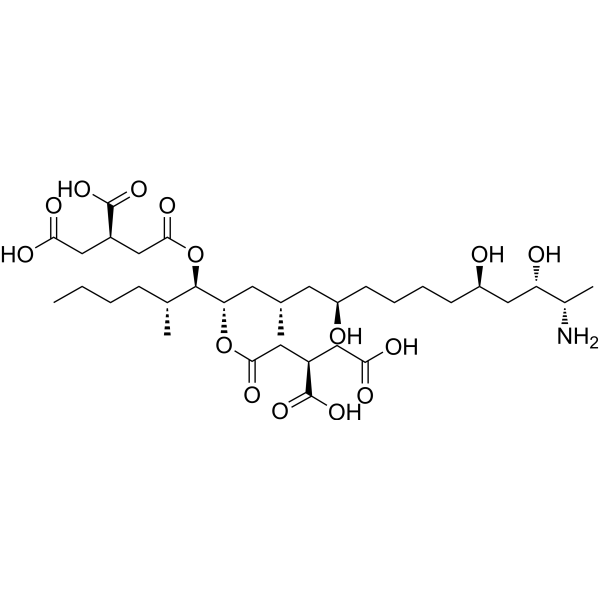
Fumonisin B1 is a mycotoxin produced from Fusarium moniliforme. Fumonisin B1 is a potent inhibitor of sphingosine N-acyltransferase (ceramide synthase) and disrupts de novo sphingolipid biosynthesis. Fumonisin B1 is the most abundant and toxic fumonisin .
|
-
-
- HY-103447
-
Zearalenone
Maximum Cited Publications
10 Publications Verification
mycotoxin F2; Toxin F2
|
Estrogen Receptor/ERR
|
Others
|
|
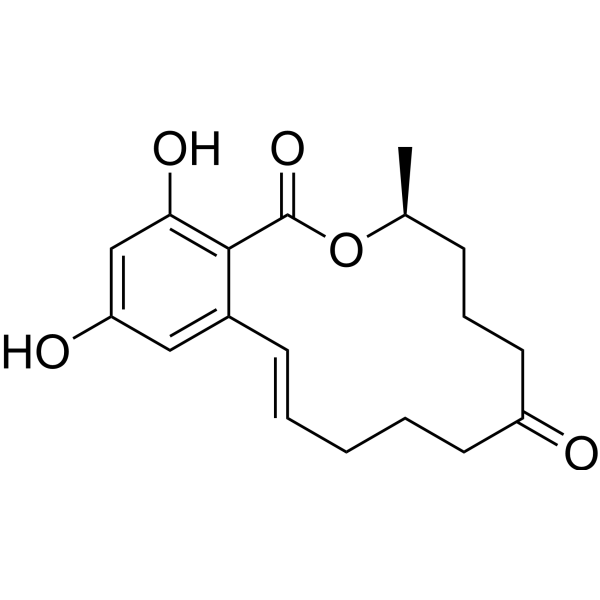
Zearalenone is a mycotoxin produced mainly by fungi belonging to the genus Fusarium in foods and feeds. Possess oestrogenic activity in pigs, cattle and sheep, with low acute toxicity. Causes precocious development of mammae and other estrogenic effects in young gilts .
|
-
-
- HY-N11678
-
|
DON-3-β-D-glucoside; Deoxynivalenol 3-glucoside
|
Drug Metabolite
|
Metabolic Disease
|
|
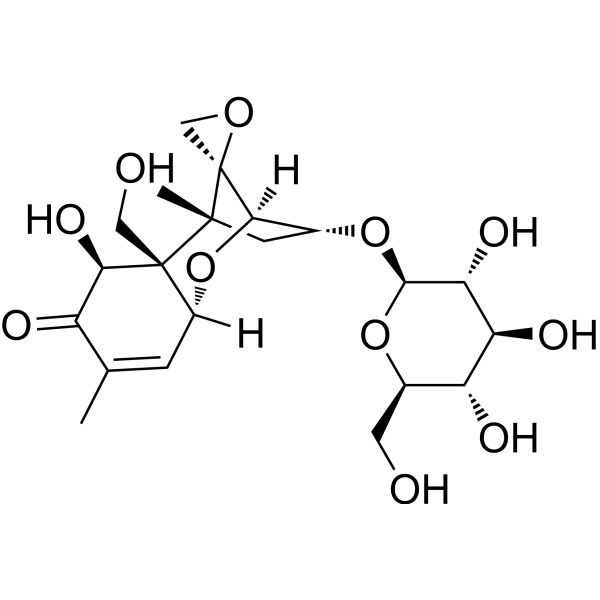
Deoxynivalenol-3-β-D-glucoside (DON-3-β-D-glucoside) is a plant metabolite of the Fusarium mycotoxin Deoxynivalenol (HY-N6684). Deoxynivalenol-3-β-D-glucoside exhibits lower toxicity than Deoxynivalenol in vitro and in vivo .
|
-
-
- HY-N7432
-
|
|
Antibiotic
Bacterial
Fungal
|
Infection
|
|
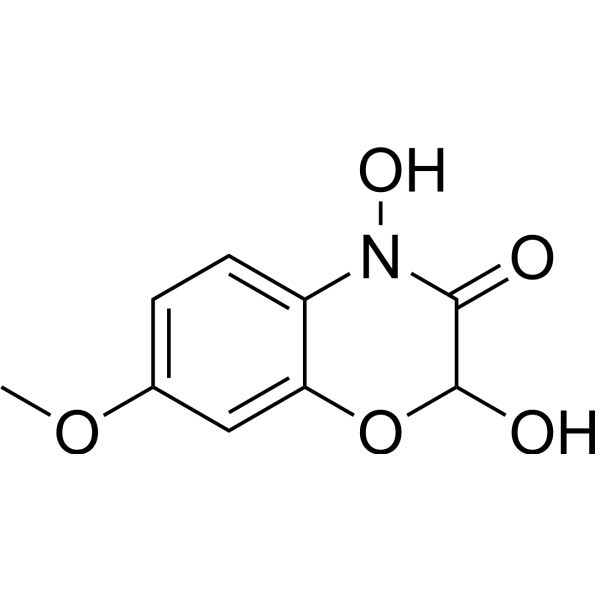
DIMBOA, an antibiotic, has antibacterial properties and inhibits bacteria such as Staphylococcus aureus and the mycotoxin-producing fungus Fusarium graminearum (which causes scab). DIMBOA exhibits strong free radical scavenging activity and weak iron(III) ion reducing activity, and has antioxidant activity. DIMBOA inhibits the biosynthesis and accumulation of toxic trichothecenes by affecting the expression of Tri6 and Tri5. DIMBOA reduces plant susceptibility to scab. DIMBOA also exhibits cytotoxicity to plant cells, causing plasmolysis, cell collapse, and cell rupture .
|
-
-
- HY-N6723
-
|
|
Ceramidase
Acyltransferase
|
Infection
Cancer
|
|
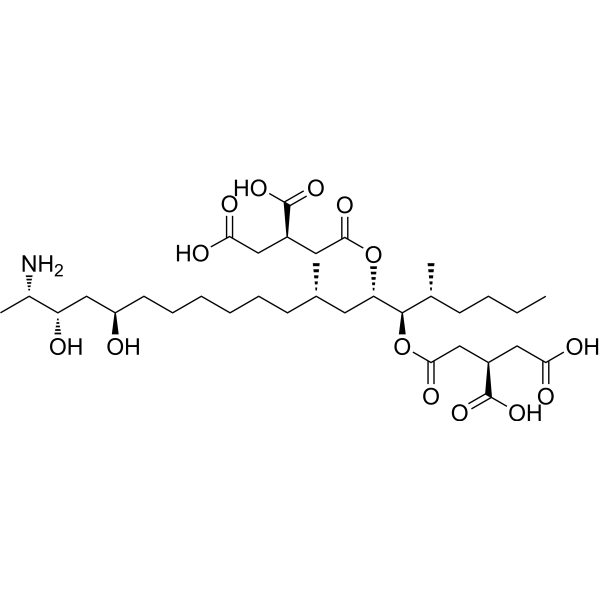
Fumonisin B2 is a selective ceramide synthase inhibitor and carcinogenic mycotoxin with toxicity comparable to that of Fumonisin B1 (HY-N6719). Fumonisin B2 inhibits de novo sphingolipid biosynthesis by blocking the amide bond formation between fatty acids and dihydrosphingosine, which leads to a massive intracellular accumulation of free dihydrosphingosine, altered sphingosine levels, subsequent inhibition of cell proliferation, and induction of cell death. Fumonisin B2 is used to investigate the pathogenesis of diseases associated with Fusarium verticillioides contamination, including equine leukoencephalomalacia, porcine pulmonary edema syndrome, human esophageal cancer, and rat hepatocellular carcinoma .
|
-
-
- HY-N6726
-
|
|
Fungal
Endogenous Metabolite
|
Infection
Cancer
|
|
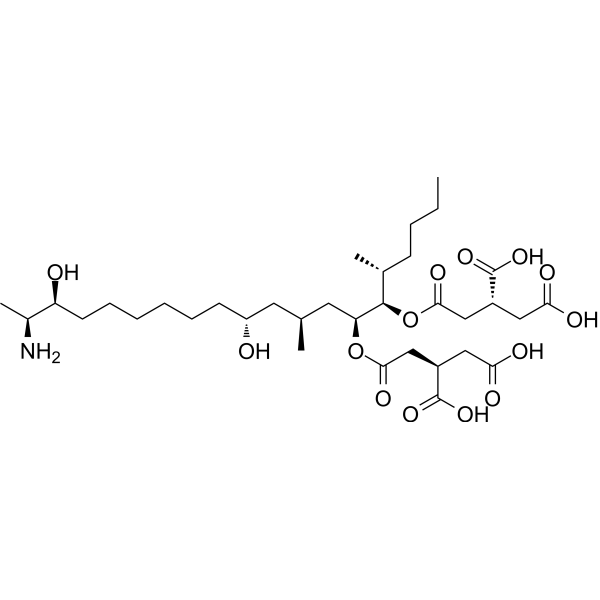
Fumonisin B3 is an orally active fumonisin Mycotoxin. Fumonisin B3 can be isolated from Fusarium moniliforme, Fusarium proliferatum and Fusarium nygamai. Fumonisin B3 induces precancerous lesions, triggers embryonic death of chicken embryos, causes severe hemorrhage in dead chicken embryos. Fumonisin B3 can be used in studies related to hepatocellular carcinoma .
|
-
-
- HY-N3807
-
|
|
Acyltransferase
ERK
NF-κB
|
Infection
Cardiovascular Disease
Cancer
|
|
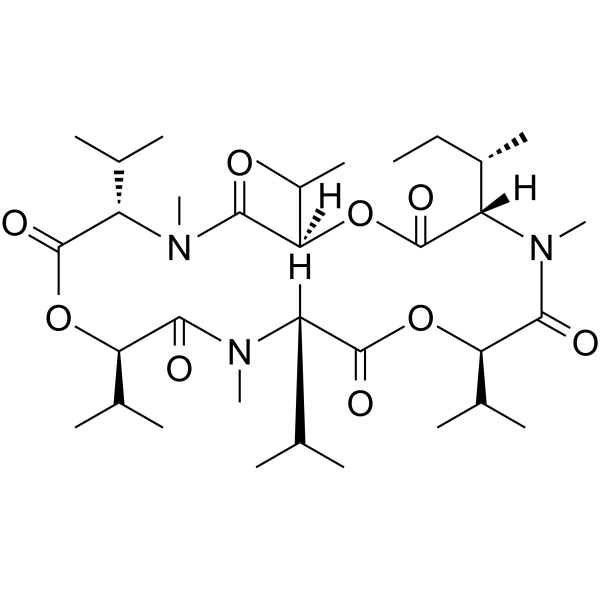
Enniatin B1 is a Fusarium mycotoxin. Enniatin B1 inhibits acyl-CoA: cholesterol acyltransferase (ACAT) activity with an IC50 of 73 μM in an enzyme assay using rat liver microsomes . Enniatin B1 crosss the blood-brain barrier . Enniatin B1 decreases the activation of ERK (p44/p42). Enniatin B1 inhibits moderately TNF-α-induced NF-κB activation .
|
-
-
- HY-N6801
-
|
|
Caspase
Apoptosis
Bcl-2 Family
|
Infection
Inflammation/Immunology
Cancer
|
|
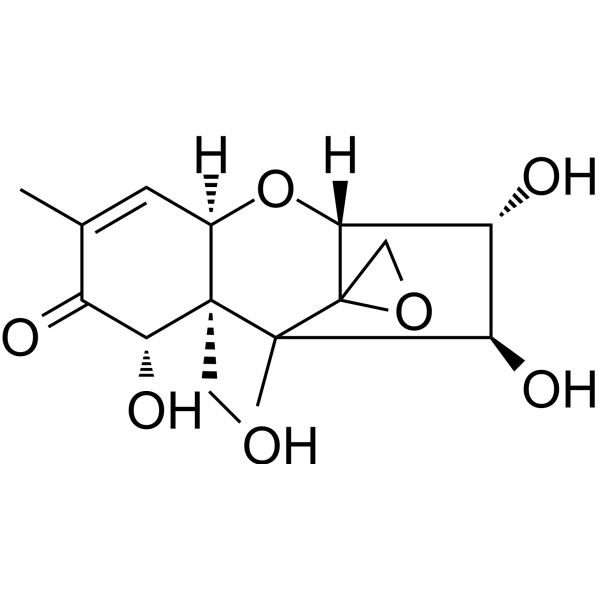
Nivalenol, a trichothecene mycotoxin that can be produced by Fusarium graminearum, is a fungal metabolite present in agricultural product. Nivalenol modulates apoptotic pathway, cell cycle regulation, Bax, ERK, caspase-3, and poly-ADP-ribose synthase activity in macrophages. Nivalenol inhibits ribosomal peptidyltransferase site, protein synthesis, DNA synthesis, and cell proliferation. Nivalenol induces late-stage apoptotic morphological changes, reduces cellular metabolism, and decreases cell proliferation in erythroleukemia cells. Nivalenol induces lymphocyte apoptosis in murine thymus, spleen, and Peyer's patches. Nivalenol can be used for the research of erythroleukemia .
|
-
-
- HY-101905
-
-
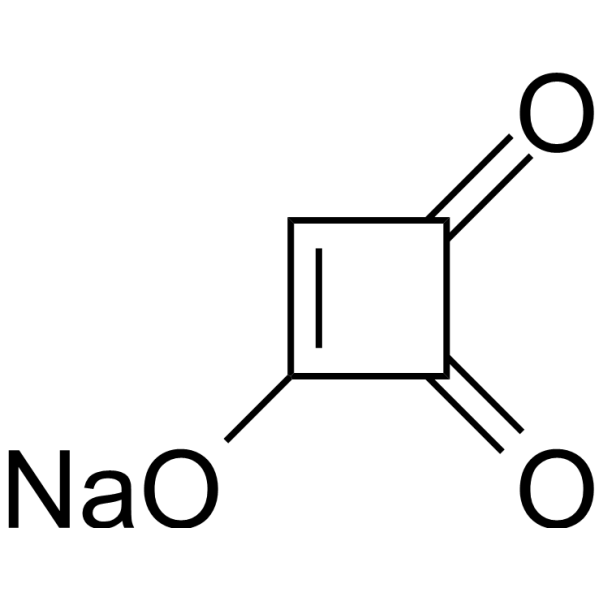
-
- HY-N3806
-
|
|
Acyltransferase
ERK
|
Infection
Cardiovascular Disease
Cancer
|
|
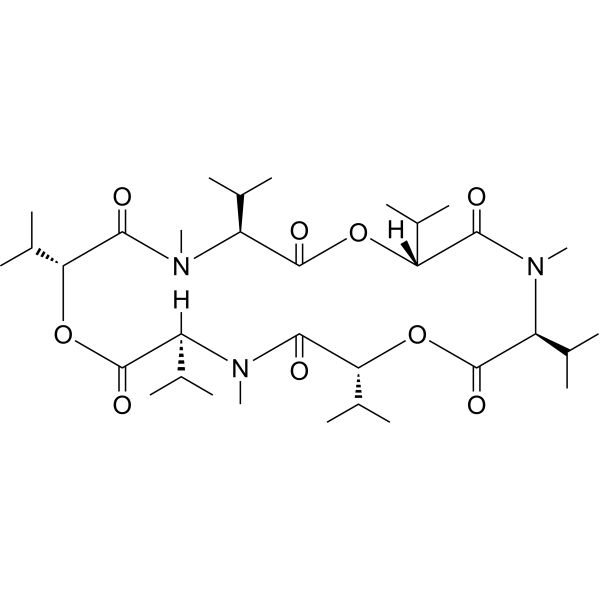
Enniatin B is a Fusarium mycotoxin. Enniatin B inhibits acyl-CoA: cholesterol acyltransferase (ACAT) activity with an IC50 of 113 μM in an enzyme assay using rat liver microsomes . Enniatins B decreases the activation of ERK (p44/p42) .
|
-
-
- HY-N1320
-
|
|
Fungal
|
Infection
|
|
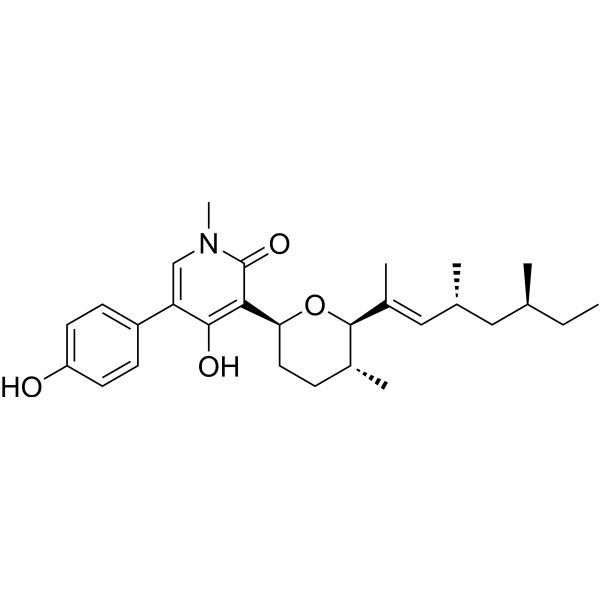
Sambutoxin is a mycotoxin. Sambutoxin can be isolated from wheat culture of Fusarium sambucinum .
|
-
-
- HY-N6740S
-
|
|
Isotope-Labeled Compounds
Apoptosis
|
Metabolic Disease
|
|
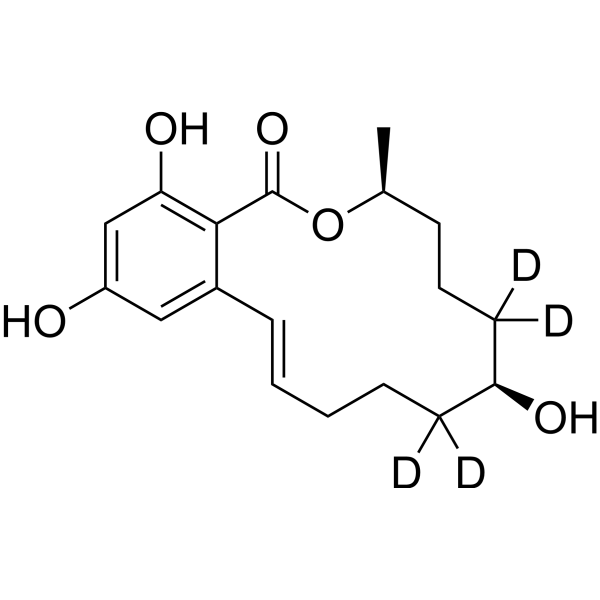
β-Zearalanol-d4 is a deuterium labeled Beta-Zearalanol (HY-N6740) . Beta-Zearalenol is an mycotoxin produced by Fusarium spp, which causes apoptosis and oxidative stress in mammalian reproductive cells . Beta-Zearalenol is the derivative of zearalenone (ZEA) which can conjugate with glucuronic acid .
|
-
-
- HY-N6741
-
|
|
Others
|
Infection
Endocrinology
|
|
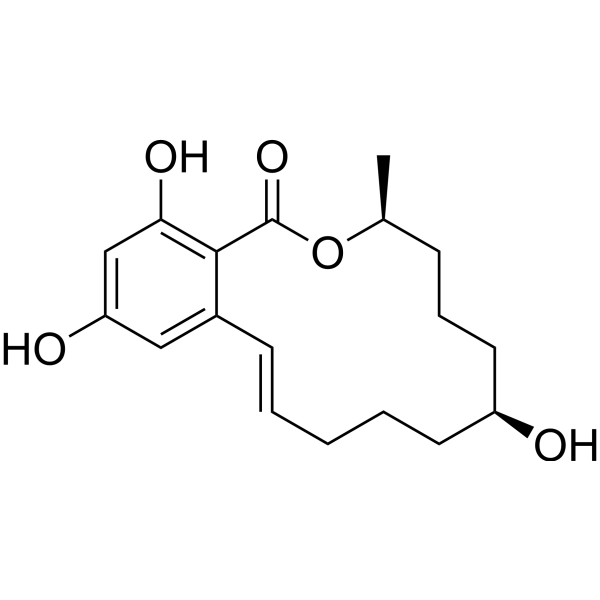
β-Zearalenol is a non-steroidal estrogenic mycotoxin synthesized by Fusarium species. β-Zearalenol potentially influences transcription and effects gene expression on translational level .
|
-
-
- HY-N6740
-
|
|
Apoptosis
|
Metabolic Disease
|
|
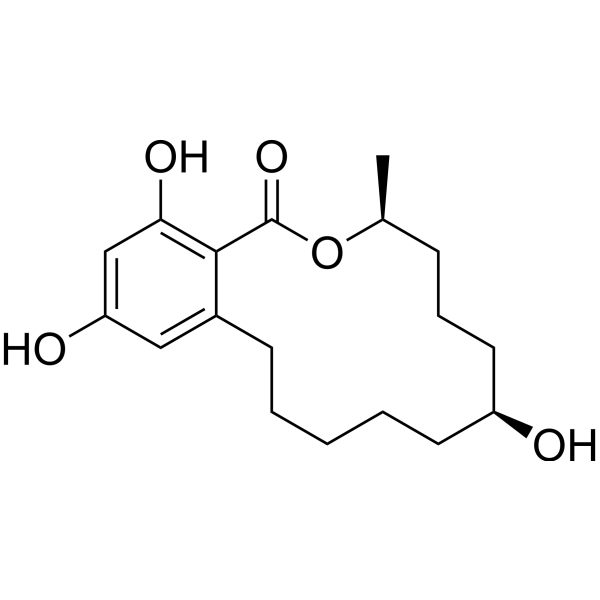
Beta-Zearalenol is an mycotoxin produced by Fusarium spp, which causes apoptosis and oxidative stress in mammalian reproductive cells . Beta-Zearalenol is the derivative of zearalenone (ZEA) which can conjugate with glucuronic acid .
|
-
-
- HY-N6799
-
|
|
Others
|
Infection
|
|
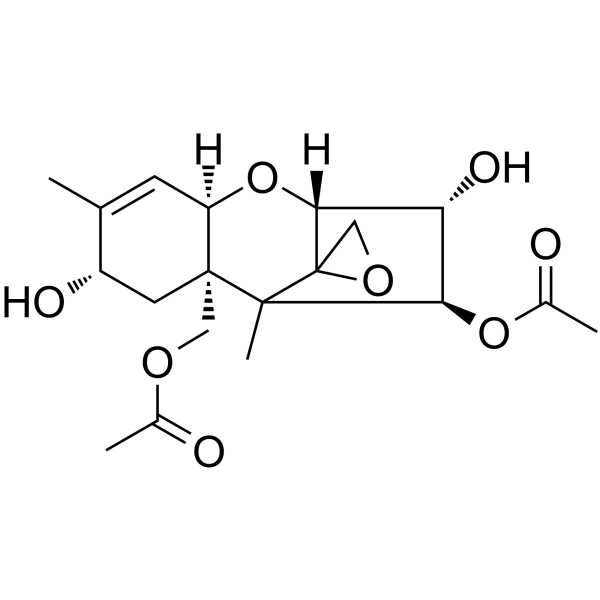
Neosolaniol is a type A trichothecene mycotoxin from Fusarium sp . Neosolaniol evokes robust anorectic response .
|
-
-
- HY-103447S1
-
|
mycotoxin F2-13C18; Toxin F2-13C18
|
Isotope-Labeled Compounds
|
Others
|
|
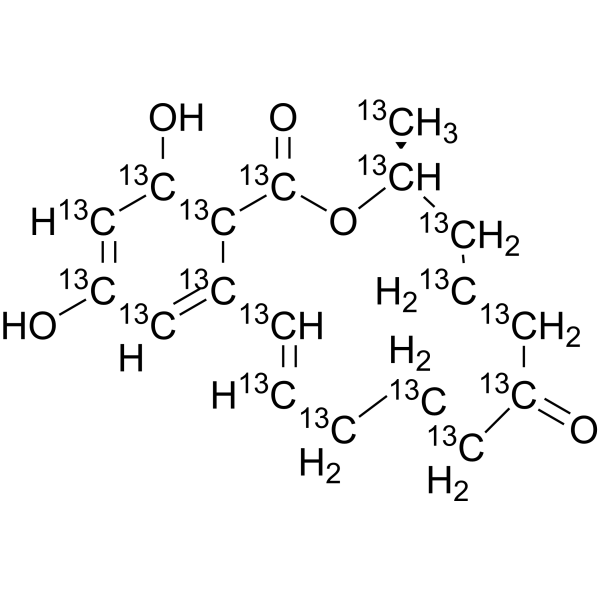
Zearalenone- 13C18 (Mycotoxin F2- 13C18; Toxin F2- 13C18) is the 13C labeled Zearalenone (HY-103447) . Zearalenone is a mycotoxin produced mainly by fungi belonging to the genus Fusarium in foods and feeds. Possess oestrogenic activity in pigs, cattle and sheep, with low acute toxicity. Causes precocious development of mammae and other estrogenic effects in young gilts .
|
-
-
- HY-N6801S
-
|
|
Isotope-Labeled Compounds
Caspase
Apoptosis
Bcl-2 Family
|
Infection
Inflammation/Immunology
Cancer
|
|
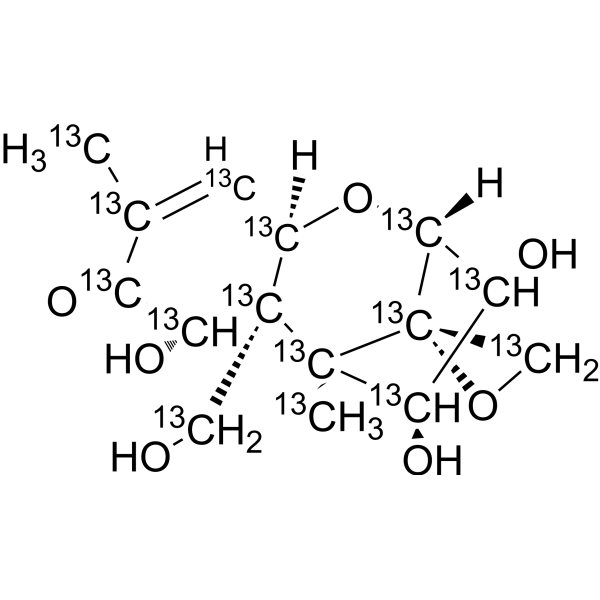
Nivalenol- 13C15 is the 13C labeled Nivalenol (HY-N6801) . Nivalenol, a trichothecene mycotoxin that can be produced by Fusarium graminearum, is a fungal metabolite present in agricultural product. Nivalenol modulates apoptotic pathway, cell cycle regulation, Bax, ERK, caspase-3, and poly-ADP-ribose synthase activity in macrophages. Nivalenol inhibits ribosomal peptidyltransferase site, protein synthesis, DNA synthesis, and cell proliferation. Nivalenol induces late-stage apoptotic morphological changes, reduces cellular metabolism, and decreases cell proliferation in erythroleukemia cells. Nivalenol induces lymphocyte apoptosis in murine thymus, spleen, and Peyer's patches. Nivalenol can be used for the research of erythroleukemia.
|
-
-
- HY-N6685
-
-
-
- HY-N6702
-
-
-
- HY-N6726S
-
|
|
Isotope-Labeled Compounds
Fungal
Endogenous Metabolite
|
Infection
Cancer
|
|
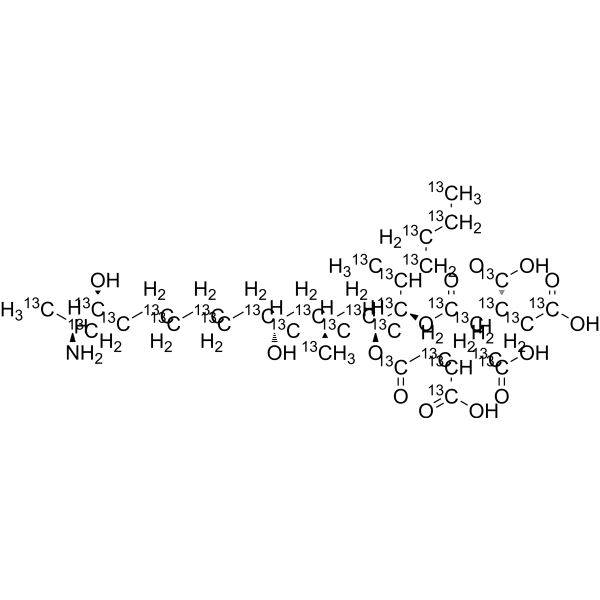
Fumonisin B3- 13C34 is the 13C labeled Fumonisin B3 (HY-N6726). Fumonisin B3 is an orally active fumonisin Mycotoxin. Fumonisin B3 can be isolated from Fusarium moniliforme, Fusarium proliferatum and Fusarium nygamai. Fumonisin B3 induces precancerous lesions, triggers embryonic death of chicken embryos, causes severe hemorrhage in dead chicken embryos. Fumonisin B3 can be used in studies related to hepatocellular carcinoma .
|
-
-
- HY-103447S
-
|
|
Isotope-Labeled Compounds
|
Others
|
|
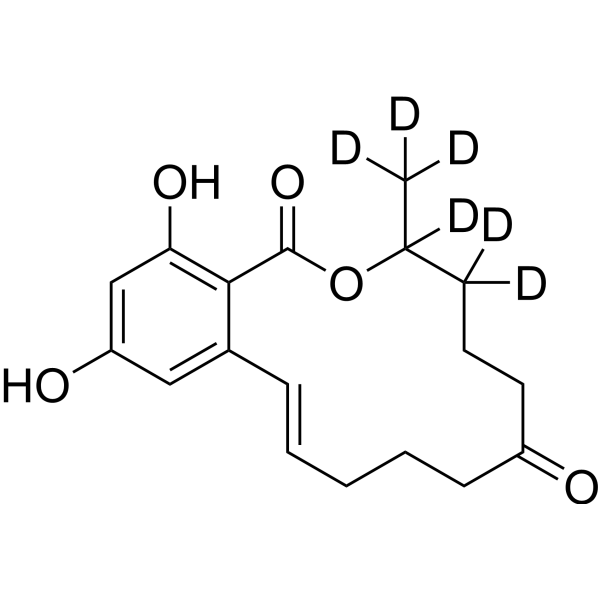
(Rac)-Zearalenone-d6 is the deuterium labled Zearalenone (HY-103447). Zearalenone is a mycotoxin produced mainly by fungi belonging to the genus Fusarium in foods and feeds. Possess oestrogenic activity in pigs, cattle and sheep, with low acute toxicity. Causes precocious development of mammae and other estrogenic effects in young gilts .
|
-
-
- HY-N6723S
-
|
|
Isotope-Labeled Compounds
|
Infection
|
|
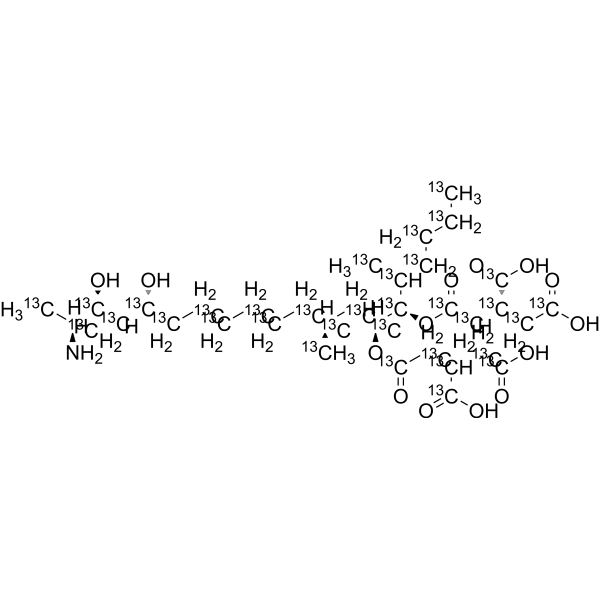
Fumonisin B2- 13C34 is the 13C labeled Fumonisin B2 (HY-N6723) . Fumonisin B2, a mycotoxin produced by Fusarium moniliforme in various grains, is a potent inhibitor of sphingosine N-acyltransferase (ceramide synthase) and disrupts de novo sphingolipid biosynthesis .
|
-
-
- HY-N6719S
-
|
|
Isotope-Labeled Compounds
|
Infection
|
|
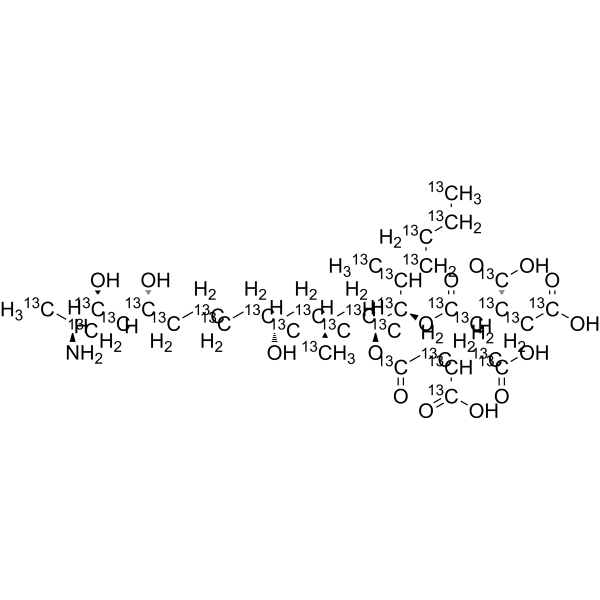
Fumonisin B1- 13C34 is the 13C labeled Fumonisin B1 (HY-N6719) . Fumonisin B1 is a mycotoxin produced from Fusarium moniliforme. Fumonisin B1 is a potent inhibitor of sphingosine N-acyltransferase (ceramide synthase) and disrupts de novo sphingolipid biosynthesis. Fumonisin B1 is the most abundant and toxic fumonisin .
|
-
-
- HY-103447R
-
|
mycotoxin F2(Standard); Toxin F2 (Standard)
|
Reference Standards
Estrogen Receptor/ERR
|
Others
|
|
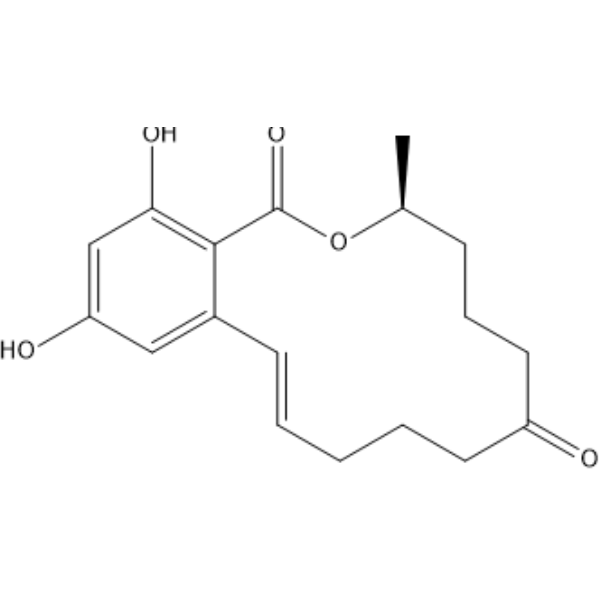
Zearalenone (Standard) is the analytical standard of Zearalenone. This product is intended for research and analytical applications. Zearalenone is a mycotoxin produced mainly by fungi belonging to the genus Fusarium in foods and feeds. Possess oestrogenic activity in pigs, cattle and sheep, with low acute toxicity. Causes precocious development of mammae and other estrogenic effects in young gilts .
|
-
-
- HY-103447R1
-
|
mycotoxin F2 in Acetonitrile (Standard); Toxin F2 in Acetonitrile (Standard)
|
Reference Standards
Estrogen Receptor/ERR
|
Others
|
|
Zearalenone in Acetonitrile (Standard) is the solution of Zearalenone (Standard) . This product is intended for research and analytical applications. Zearalenone is a mycotoxin produced mainly by fungi belonging to the genus Fusarium in foods and feeds. Possess oestrogenic activity in pigs, cattle and sheep, with low acute toxicity. Causes precocious development of mammae and other estrogenic effects in young gilts .
|
-

-
- HY-N6799R
-
|
|
Reference Standards
Others
|
Infection
|
|
Neosolaniol (Standard) is the analytical standard of Neosolaniol. This product is intended for research and analytical applications. Neosolaniol is a type A trichothecene mycotoxin from Fusarium sp . Neosolaniol evokes robust anorectic response .
|
-

-
- HY-N6801R
-
|
|
Reference Standards
Caspase
Apoptosis
Bcl-2 Family
|
Infection
Inflammation/Immunology
Cancer
|
|
Nivalenol (Standard) is the analytical standard of Nivalenol (HY-N6801). This product is intended for research and analytical applications. Nivalenol, a trichothecene mycotoxin that can be produced by Fusarium graminearum, is a fungal metabolite present in agricultural product. Nivalenol modulates apoptotic pathway, cell cycle regulation, Bax, ERK, caspase-3, and poly-ADP-ribose synthase activity in macrophages. Nivalenol inhibits ribosomal peptidyltransferase site, protein synthesis, DNA synthesis, and cell proliferation. Nivalenol induces late-stage apoptotic morphological changes, reduces cellular metabolism, and decreases cell proliferation in erythroleukemia cells. Nivalenol induces lymphocyte apoptosis in murine thymus, spleen, and Peyer's patches. Nivalenol can be used for the research of erythroleukemia.
|
-

-
- HY-103447S2
-
|
mycotoxin F2-13C7; Toxin F2-13C7
|
Isotope-Labeled Compounds
Estrogen Receptor/ERR
|
Others
|
|
Zearalenone- 13C7 (Mycotoxin F2- 13C7) is 13C labeled Zearalenone. Zearalenone is a mycotoxin produced mainly by fungi belonging to the genus Fusarium in foods and feeds. Possess oestrogenic activity in pigs, cattle and sheep, with low acute toxicity. Causes precocious development of mammae and other estrogenic effects in young gilts .
|
-

-
- HY-N6726R
-
|
|
Reference Standards
Fungal
Endogenous Metabolite
|
Infection
Cancer
|
|
Fumonisin B3 (Standard) is the analytical standard of Fumonisin B3. This product is intended for research and analytical applications. Fumonisin B3 is an orally active fumonisin Mycotoxin. Fumonisin B3 can be isolated from Fusarium moniliforme, Fusarium proliferatum and Fusarium nygamai. Fumonisin B3 induces precancerous lesions, triggers embryonic death of chicken embryos, causes severe hemorrhage in dead chicken embryos. Fumonisin B3 can be used in studies related to hepatocellular carcinoma .
|
-

-
- HY-N6685S1
-
-
-
- HY-N6726S1
-
|
|
Isotope-Labeled Compounds
Fungal
Endogenous Metabolite
|
Infection
Cancer
|
|
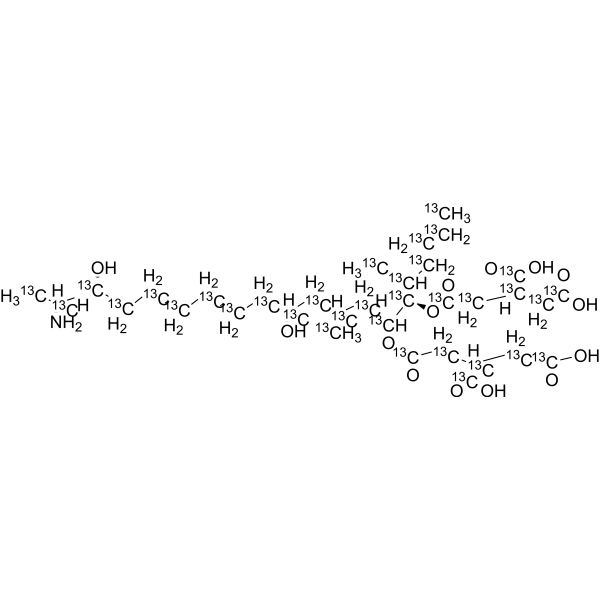
Fumonisin B3-13C34-1 is the isotopic internal standard of Fumonisin B3 (HY-N6726). Fumonisin B3 is an orally active fumonisin Mycotoxin. Fumonisin B3 can be isolated from Fusarium moniliforme, Fusarium proliferatum and Fusarium nygamai. Fumonisin B3 induces precancerous lesions, triggers embryonic death of chicken embryos, causes severe hemorrhage in dead chicken embryos. Fumonisin B3 can be used in studies related to hepatocellular carcinoma .
|
-
-
- HY-N6685R
-
|
3-AcDON (Standard); 3-ADON (Standard)
|
Reference Standards
Endogenous Metabolite
Interleukin Related
|
Infection
Inflammation/Immunology
|
|
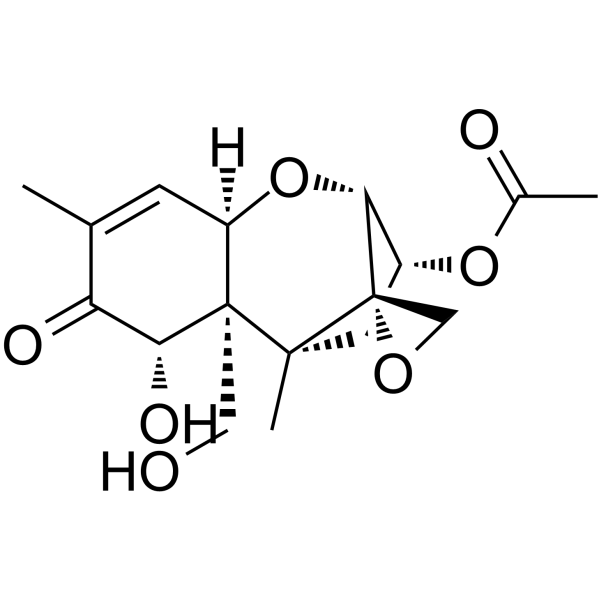
3-Acetyldeoxynivalenol (3-AcDON; 3ADON) (Standard) is the analytical standard of 3-Acetyldeoxynivalenol (HY-N6685). This product is intended for research and analytical applications. 3-Acetyldeoxynivalenol, a trichothecene mycotoxin deoxynivalenol (DON) acetylated derivative, is a brain-penetrant Fusarium mycotoxin. 3-Acetyldeoxynivalenol induces mRNA expression and production of inflammatory chemokine IL-8 in intestinal cells .
|
-

-
- HY-N6741R
-
|
|
Reference Standards
Others
|
Infection
Endocrinology
|
|
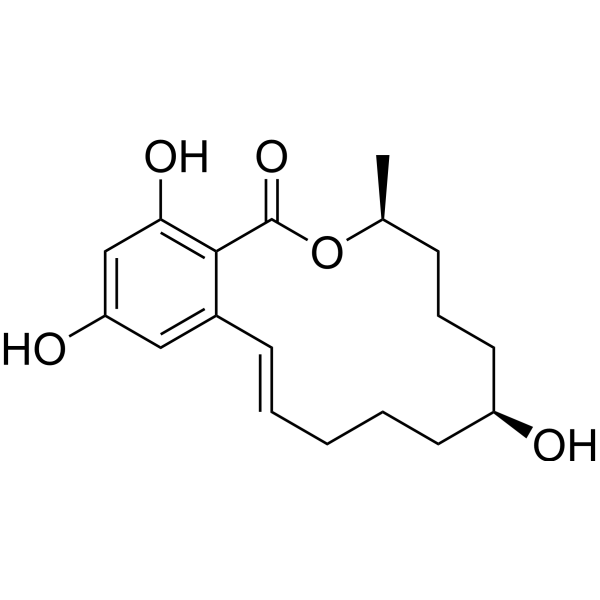
β-Zearalenol (Standard) is the analytical standard of β-Zearalenol. This product is intended for research and analytical applications. β-Zearalenol is a non-steroidal estrogenic mycotoxin synthesized by Fusarium species. β-Zearalenol potentially influences transcription and effects gene expression on translational level .
|
-
-
- HY-N6704
-
|
|
ERK
Apoptosis
|
Cancer
|
|
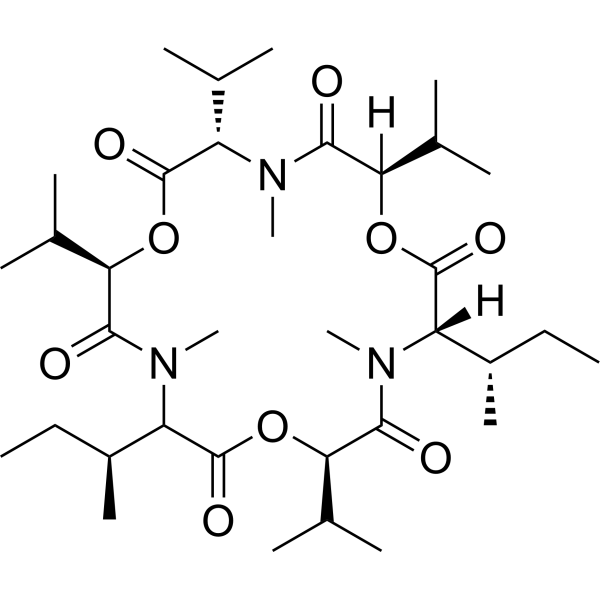
Enniatin A1 isolated from Fusarium mycotoxins is a cyclic hexadepsipeptide consisting of alternating D-α-hydroxyisovaleric acids and N-methyl-L-amino acids. Enniatin A1 possesses anticarcinogenic properties by induction of apoptosis and disruption of ERK signalling pathway. Enniatin A1 inhibits ACAT with an IC50 of 49 μM in rat liver microsomes .
|
-
-
- HY-N6678S
-
|
|
Isotope-Labeled Compounds
Estrogen Receptor/ERR
|
Endocrinology
|
|
(Rac)-Zearalanone-d6 is the racemate of Zearalanone. Zearalenone is a nonsteroidal estrogenic mycotoxin produced by Fusarium species, which colonizes several grains. Zearalenone has low acute toxicity and carcinogenicity. Due to its agonistic effect on the estrogen receptor, Zearalenone exhibits distinct estrogenic and anabolic properties in several animal species, resulting in severe effects on the reproductive system .
|
-

-
- HY-N6740S2
-
|
|
Isotope-Labeled Compounds
Apoptosis
|
Metabolic Disease
|
|
Beta-Zearalanol-d5 is the deuterium labeled Beta-Zearalanol (HY-N6740). Beta-Zearalenol is an mycotoxin produced by Fusarium spp, which causes apoptosis and oxidative stress in mammalian reproductive cells . Beta-Zearalenol is the derivative of Zearalenone (HY-103447) which can conjugate with glucuronic acid .
|
-

-
- HY-N6678R
-
|
|
Reference Standards
Estrogen Receptor/ERR
|
Endocrinology
|
|
Zearalanone (Standard) is the analytical standard of Zearalanone. This product is intended for research and analytical applications. Zearalenone is a nonsteroidal estrogenic mycotoxin produced by Fusarium species, which colonizes several grains. Zearalenone has low acute toxicity and carcinogenicity. Due to its agonistic effect on the estrogen receptor, Zearalenone exhibits distinct estrogenic and anabolic properties in several animal species, resulting in severe effects on the reproductive system .
|
-

-
- HY-W402074
-
|
Butenolide
|
Mitochondrial Metabolism
Reactive Oxygen Species (ROS)
|
Metabolic Disease
|
|
5-Acetamide-Butenolide (Butenolide) is a mycotoxin with pro-oxidant activity, which is found in Fusarium. 5-Acetamide-Butenolide disrupts the mitochondrial membrane potential in primary neonatal rat cardiomyocytes. 5-Acetamide-Butenolide also induces the production of thiobarbituric acid reactive substances (TBARS) in isolated rat myocardial mitochondria. 5-Acetamide-Butenolide increases the production of reactive oxygen species (ROS), decreases the levels of GSH and reduces the viability of HepG2 cells .
|
-

-
- HY-N7432R
-
|
|
Antibiotic
Bacterial
Fungal
Reference Standards
|
Infection
|
|
DIMBOA (Standard) is the analytical standard of DIMBOA. This product is intended for research and analytical applications. DIMBOA, an antibiotic, has antibacterial properties and inhibits bacteria such as Staphylococcus aureus and the mycotoxin-producing fungus Fusarium graminearum (which causes scab). DIMBOA exhibits strong free radical scavenging activity and weak iron(III) ion reducing activity, and has antioxidant activity. DIMBOA inhibits the biosynthesis and accumulation of toxic trichothecenes by affecting the expression of Tri6 and Tri5. DIMBOA reduces plant susceptibility to scab. DIMBOA also exhibits cytotoxicity to plant cells, causing plasmolysis, cell collapse, and cell rupture[1][2][3][4][5].
|
-

-
- HY-101905S
-
-

-
- HY-N6702S
-
|
|
Isotope-Labeled Compounds
Acyltransferase
|
Infection
|
|
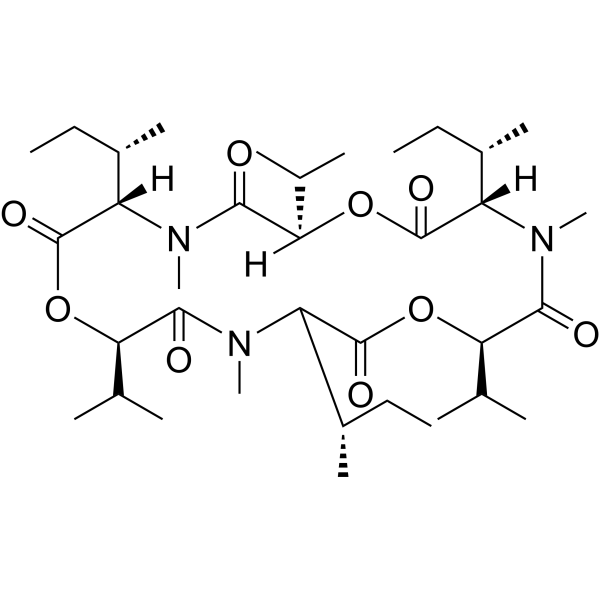
Enniatin A- 13C36 is the 13C-labeled Enniatin A (HY-N6702). Enniatin A is a Fusarium mycotoxin. Enniatin A inhibits acyl-CoA: cholesterol acyltransferase (ACAT) activity with an IC50 of 22 μM in an enzyme assay using rat liver microsomes .
|
-

-
- HY-N6741S
-
|
|
Isotope-Labeled Compounds
|
Infection
|
|
β-Zearalenol- 13C18 is the 13C-labeled β-Zearalenol. β-Zearalenol is a non-steroidal estrogenic mycotoxin synthesized by Fusarium species. β-Zearalenol potentially influences transcription and effects gene expression on translational level .
|
-

-
- HY-N6740S1
-
|
|
Isotope-Labeled Compounds
|
Metabolic Disease
|
|
β-Zearalanol- 13C18 is the 13C-labeled β-Zearalanol. Beta-Zearalenol is an mycotoxin produced by Fusarium spp, which causes apoptosis and oxidative stress in mammalian reproductive cells . Beta-Zearalenol is the derivative of zearalenone (ZEA) which can conjugate with glucuronic acid .
|
-

-
- HY-N3806S
-
|
|
Isotope-Labeled Compounds
Acyltransferase
ERK
|
Infection
|
|
Enniatin B- 13C33 is the 13C-labeled Enniatin B (HY-N3806). Enniatin B is a Fusarium mycotoxin. Enniatin B inhibits acyl-CoA: cholesterol acyltransferase (ACAT) activity with an IC50 of 113 μM in an enzyme assay using rat liver microsomes . Enniatins B decreases the activation of ERK (p44/p42) .
|
-

-
- HY-N6678S1
-
|
|
Isotope-Labeled Compounds
|
Endocrinology
|
|
Zearalanone- 13C18 is the 13C-labeled Zearalanone (HY-N6678). Zearalenone is a nonsteroidal estrogenic mycotoxin produced by Fusarium species, which colonizes several grains. Zearalenone has low acute toxicity and carcinogenicity. Due to its agonistic effect on the estrogen receptor, Zearalenone exhibits distinct estrogenic and anabolic properties in several animal species, resulting in severe effects on the reproductive system .
|
-

-
- HY-N6704S
-
|
|
Isotope-Labeled Compounds
ERK
Apoptosis
|
Cancer
|
|
Enniatin A1- 13C35 is the 13C-labeled Enniatin A1 (HY-N6704). Enniatin A1 isolated from Fusarium mycotoxins is a cyclic hexadepsipeptide consisting of alternating D-α-hydroxyisovaleric acids and N-methyl-L-amino acids. Enniatin A1 possesses anticarcinogenic properties by induction of apoptosis and disruption of ERK signalling pathway. Enniatin A1 inhibits ACAT with an IC50 of 49 μM in rat liver microsomes .
|
-

-
- HY-N11678S
-
|
DON-3-β-D-glucoside-13C15; Deoxynivalenol 3-glucoside-13C15
|
Isotope-Labeled Compounds
|
Metabolic Disease
|
|
Deoxynivalenol-3-β-D-glucoside- 13C15 (DON-3-β-D-glucoside- 13C15) is the 13C-labeled Deoxynivalenol-3-β-D-glucoside. Deoxynivalenol-3-β-D-glucoside (DON-3-β-D-glucoside) is a plant metabolite of the Fusarium mycotoxin Deoxynivalenol (HY-N6684). Deoxynivalenol-3-β-D-glucoside exhibits lower toxicity than Deoxynivalenol in vitro and in vivo .
|
-

-
- HY-N3807S
-
|
|
Isotope-Labeled Compounds
Acyltransferase
ERK
NF-κB
|
Infection
|
|
Enniatin B1- 13C34 is the 13C-labeled Enniatin B1 (HY-N3807). Enniatin B1 is a Fusarium mycotoxin. Enniatin B1 inhibits acyl-CoA: cholesterol acyltransferase (ACAT) activity with an IC50 of 73 μM in an enzyme assay using rat liver microsomes . Enniatin B1 crosss the blood-brain barrier . Enniatin B1 decreases the activation of ERK (p44/p42). Enniatin B1 inhibits moderately TNF-α-induced NF-κB activation .
|
-

| Cat. No. |
Product Name |
Category |
Target |
Chemical Structure |
-
- HY-N6719
-
-
-
- HY-103447
-
-
-
- HY-N11678
-
|
DON-3-β-D-glucoside; Deoxynivalenol 3-glucoside
|
Natural Products
Microorganisms
Source Classification
|
Drug Metabolite
|
|
Deoxynivalenol-3-β-D-glucoside (DON-3-β-D-glucoside) is a plant metabolite of the Fusarium mycotoxin Deoxynivalenol (HY-N6684). Deoxynivalenol-3-β-D-glucoside exhibits lower toxicity than Deoxynivalenol in vitro and in vivo .
|
-
-
- HY-N7432
-
-
-
- HY-N6723
-
-
-
- HY-N6726
-
-
-
- HY-N3807
-
-
-
- HY-N6801
-
|
|
Infection
Structural Classification
Microorganisms
Classification of Application Fields
Terpenoids
Sesquiterpenes
Inflammation/Immunology
Disease Research Fields
Source Classification
|
Caspase
Apoptosis
Bcl-2 Family
|
|
Nivalenol, a trichothecene mycotoxin that can be produced by Fusarium graminearum, is a fungal metabolite present in agricultural product. Nivalenol modulates apoptotic pathway, cell cycle regulation, Bax, ERK, caspase-3, and poly-ADP-ribose synthase activity in macrophages. Nivalenol inhibits ribosomal peptidyltransferase site, protein synthesis, DNA synthesis, and cell proliferation. Nivalenol induces late-stage apoptotic morphological changes, reduces cellular metabolism, and decreases cell proliferation in erythroleukemia cells. Nivalenol induces lymphocyte apoptosis in murine thymus, spleen, and Peyer's patches. Nivalenol can be used for the research of erythroleukemia .
|
-
-
- HY-101905
-
-
-
- HY-N3806
-
-
-
- HY-N1320
-
-
-
- HY-N6741
-
-
-
- HY-N6740
-
-
-
- HY-N6799
-
-
-
- HY-N6685
-
-
-
- HY-N6702
-
-
-
- HY-103447R
-
-
-
- HY-103447R1
-
|
mycotoxin F2 in Acetonitrile (Standard); Toxin F2 in Acetonitrile (Standard)
|
Microorganisms
Ketones, Aldehydes, Acids
Phenols
Polyphenols
Source Classification
|
Reference Standards
Estrogen Receptor/ERR
|
|
Zearalenone in Acetonitrile (Standard) is the solution of Zearalenone (Standard) . This product is intended for research and analytical applications. Zearalenone is a mycotoxin produced mainly by fungi belonging to the genus Fusarium in foods and feeds. Possess oestrogenic activity in pigs, cattle and sheep, with low acute toxicity. Causes precocious development of mammae and other estrogenic effects in young gilts .
|
-
-
- HY-N6799R
-
-
-
- HY-N6801R
-
|
|
Structural Classification
Microorganisms
Terpenoids
Sesquiterpenes
Source Classification
|
Reference Standards
Caspase
Apoptosis
Bcl-2 Family
|
|
Nivalenol (Standard) is the analytical standard of Nivalenol (HY-N6801). This product is intended for research and analytical applications. Nivalenol, a trichothecene mycotoxin that can be produced by Fusarium graminearum, is a fungal metabolite present in agricultural product. Nivalenol modulates apoptotic pathway, cell cycle regulation, Bax, ERK, caspase-3, and poly-ADP-ribose synthase activity in macrophages. Nivalenol inhibits ribosomal peptidyltransferase site, protein synthesis, DNA synthesis, and cell proliferation. Nivalenol induces late-stage apoptotic morphological changes, reduces cellular metabolism, and decreases cell proliferation in erythroleukemia cells. Nivalenol induces lymphocyte apoptosis in murine thymus, spleen, and Peyer's patches. Nivalenol can be used for the research of erythroleukemia.
|
-
-
- HY-N6726R
-
-
-
- HY-N6685R
-
-
-
- HY-N6741R
-
-
-
- HY-N6704
-
-
-
- HY-N6678R
-
-
-
- HY-W402074
-
-
-
- HY-N7432R
-
|
|
Structural Classification
Zea mays L.
Antibiotics
Gramineae
Antibacterial
Disease Research
Plants
Other Antibiotics
Source Classification
|
Antibiotic
Bacterial
Fungal
Reference Standards
|
|
DIMBOA (Standard) is the analytical standard of DIMBOA. This product is intended for research and analytical applications. DIMBOA, an antibiotic, has antibacterial properties and inhibits bacteria such as Staphylococcus aureus and the mycotoxin-producing fungus Fusarium graminearum (which causes scab). DIMBOA exhibits strong free radical scavenging activity and weak iron(III) ion reducing activity, and has antioxidant activity. DIMBOA inhibits the biosynthesis and accumulation of toxic trichothecenes by affecting the expression of Tri6 and Tri5. DIMBOA reduces plant susceptibility to scab. DIMBOA also exhibits cytotoxicity to plant cells, causing plasmolysis, cell collapse, and cell rupture[1][2][3][4][5].
|
-
| Cat. No. |
Product Name |
Chemical Structure |
-
- HY-N6740S
-
|
|
|
β-Zearalanol-d4 is a deuterium labeled Beta-Zearalanol (HY-N6740) . Beta-Zearalenol is an mycotoxin produced by Fusarium spp, which causes apoptosis and oxidative stress in mammalian reproductive cells . Beta-Zearalenol is the derivative of zearalenone (ZEA) which can conjugate with glucuronic acid .
|
-
-
- HY-103447S1
-
|
|
|
Zearalenone- 13C18 (Mycotoxin F2- 13C18; Toxin F2- 13C18) is the 13C labeled Zearalenone (HY-103447) . Zearalenone is a mycotoxin produced mainly by fungi belonging to the genus Fusarium in foods and feeds. Possess oestrogenic activity in pigs, cattle and sheep, with low acute toxicity. Causes precocious development of mammae and other estrogenic effects in young gilts .
|
-
-
- HY-N6801S
-
|
|
|
Nivalenol- 13C15 is the 13C labeled Nivalenol (HY-N6801) . Nivalenol, a trichothecene mycotoxin that can be produced by Fusarium graminearum, is a fungal metabolite present in agricultural product. Nivalenol modulates apoptotic pathway, cell cycle regulation, Bax, ERK, caspase-3, and poly-ADP-ribose synthase activity in macrophages. Nivalenol inhibits ribosomal peptidyltransferase site, protein synthesis, DNA synthesis, and cell proliferation. Nivalenol induces late-stage apoptotic morphological changes, reduces cellular metabolism, and decreases cell proliferation in erythroleukemia cells. Nivalenol induces lymphocyte apoptosis in murine thymus, spleen, and Peyer's patches. Nivalenol can be used for the research of erythroleukemia.
|
-
-
- HY-N6726S
-
|
|
|
Fumonisin B3- 13C34 is the 13C labeled Fumonisin B3 (HY-N6726). Fumonisin B3 is an orally active fumonisin Mycotoxin. Fumonisin B3 can be isolated from Fusarium moniliforme, Fusarium proliferatum and Fusarium nygamai. Fumonisin B3 induces precancerous lesions, triggers embryonic death of chicken embryos, causes severe hemorrhage in dead chicken embryos. Fumonisin B3 can be used in studies related to hepatocellular carcinoma .
|
-
-
- HY-103447S
-
|
|
|
(Rac)-Zearalenone-d6 is the deuterium labled Zearalenone (HY-103447). Zearalenone is a mycotoxin produced mainly by fungi belonging to the genus Fusarium in foods and feeds. Possess oestrogenic activity in pigs, cattle and sheep, with low acute toxicity. Causes precocious development of mammae and other estrogenic effects in young gilts .
|
-
-
- HY-N6723S
-
|
|
|
Fumonisin B2- 13C34 is the 13C labeled Fumonisin B2 (HY-N6723) . Fumonisin B2, a mycotoxin produced by Fusarium moniliforme in various grains, is a potent inhibitor of sphingosine N-acyltransferase (ceramide synthase) and disrupts de novo sphingolipid biosynthesis .
|
-
-
- HY-N6719S
-
|
|
|
Fumonisin B1- 13C34 is the 13C labeled Fumonisin B1 (HY-N6719) . Fumonisin B1 is a mycotoxin produced from Fusarium moniliforme. Fumonisin B1 is a potent inhibitor of sphingosine N-acyltransferase (ceramide synthase) and disrupts de novo sphingolipid biosynthesis. Fumonisin B1 is the most abundant and toxic fumonisin .
|
-
-
- HY-103447S2
-
|
|
|
Zearalenone- 13C7 (Mycotoxin F2- 13C7) is 13C labeled Zearalenone. Zearalenone is a mycotoxin produced mainly by fungi belonging to the genus Fusarium in foods and feeds. Possess oestrogenic activity in pigs, cattle and sheep, with low acute toxicity. Causes precocious development of mammae and other estrogenic effects in young gilts .
|
-
-
- HY-N6685S1
-
|
|
|
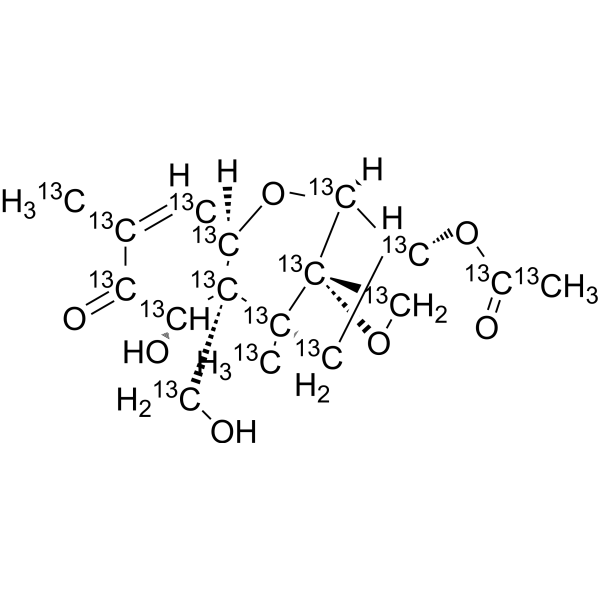
3-Acetyldeoxynivalenol (3-AcDON; 3ADON)- 13C17 is the 13C labeled 3-Acetyldeoxynivalenol (HY-N6685). 3-Acetyldeoxynivalenol, a trichothecene mycotoxin deoxynivalenol (DON) acetylated derivative, is a brain-penetrant Fusarium mycotoxin. 3-Acetyldeoxynivalenol induces mRNA expression and production of inflammatory chemokine IL-8 in intestinal cells .
|
-
-
- HY-N6726S1
-
|
|
|
Fumonisin B3-13C34-1 is the isotopic internal standard of Fumonisin B3 (HY-N6726). Fumonisin B3 is an orally active fumonisin Mycotoxin. Fumonisin B3 can be isolated from Fusarium moniliforme, Fusarium proliferatum and Fusarium nygamai. Fumonisin B3 induces precancerous lesions, triggers embryonic death of chicken embryos, causes severe hemorrhage in dead chicken embryos. Fumonisin B3 can be used in studies related to hepatocellular carcinoma .
|
-
-
- HY-N6678S
-
|
|
|
(Rac)-Zearalanone-d6 is the racemate of Zearalanone. Zearalenone is a nonsteroidal estrogenic mycotoxin produced by Fusarium species, which colonizes several grains. Zearalenone has low acute toxicity and carcinogenicity. Due to its agonistic effect on the estrogen receptor, Zearalenone exhibits distinct estrogenic and anabolic properties in several animal species, resulting in severe effects on the reproductive system .
|
-
-
- HY-N6740S2
-
|
|
|
Beta-Zearalanol-d5 is the deuterium labeled Beta-Zearalanol (HY-N6740). Beta-Zearalenol is an mycotoxin produced by Fusarium spp, which causes apoptosis and oxidative stress in mammalian reproductive cells . Beta-Zearalenol is the derivative of Zearalenone (HY-103447) which can conjugate with glucuronic acid .
|
-
-
- HY-101905S
-
|
|
|
Moniliformin- 13C4 sodium is the 13C-labeled Moniliformin sodium (HY-101905). Moniliformin sodium salt is a potent mycotoxin isolate from Fusarium moniliforme.
|
-
-
- HY-N6702S
-
|
|
|
Enniatin A- 13C36 is the 13C-labeled Enniatin A (HY-N6702). Enniatin A is a Fusarium mycotoxin. Enniatin A inhibits acyl-CoA: cholesterol acyltransferase (ACAT) activity with an IC50 of 22 μM in an enzyme assay using rat liver microsomes .
|
-
-
- HY-N6741S
-
|
|
|
β-Zearalenol- 13C18 is the 13C-labeled β-Zearalenol. β-Zearalenol is a non-steroidal estrogenic mycotoxin synthesized by Fusarium species. β-Zearalenol potentially influences transcription and effects gene expression on translational level .
|
-
-
- HY-N6740S1
-
|
|
|
β-Zearalanol- 13C18 is the 13C-labeled β-Zearalanol. Beta-Zearalenol is an mycotoxin produced by Fusarium spp, which causes apoptosis and oxidative stress in mammalian reproductive cells . Beta-Zearalenol is the derivative of zearalenone (ZEA) which can conjugate with glucuronic acid .
|
-
-
- HY-N3806S
-
|
|
|
Enniatin B- 13C33 is the 13C-labeled Enniatin B (HY-N3806). Enniatin B is a Fusarium mycotoxin. Enniatin B inhibits acyl-CoA: cholesterol acyltransferase (ACAT) activity with an IC50 of 113 μM in an enzyme assay using rat liver microsomes . Enniatins B decreases the activation of ERK (p44/p42) .
|
-
-
- HY-N6678S1
-
|
|
|
Zearalanone- 13C18 is the 13C-labeled Zearalanone (HY-N6678). Zearalenone is a nonsteroidal estrogenic mycotoxin produced by Fusarium species, which colonizes several grains. Zearalenone has low acute toxicity and carcinogenicity. Due to its agonistic effect on the estrogen receptor, Zearalenone exhibits distinct estrogenic and anabolic properties in several animal species, resulting in severe effects on the reproductive system .
|
-
-
- HY-N6704S
-
|
|
|
Enniatin A1- 13C35 is the 13C-labeled Enniatin A1 (HY-N6704). Enniatin A1 isolated from Fusarium mycotoxins is a cyclic hexadepsipeptide consisting of alternating D-α-hydroxyisovaleric acids and N-methyl-L-amino acids. Enniatin A1 possesses anticarcinogenic properties by induction of apoptosis and disruption of ERK signalling pathway. Enniatin A1 inhibits ACAT with an IC50 of 49 μM in rat liver microsomes .
|
-
-
- HY-N11678S
-
|
|
|
Deoxynivalenol-3-β-D-glucoside- 13C15 (DON-3-β-D-glucoside- 13C15) is the 13C-labeled Deoxynivalenol-3-β-D-glucoside. Deoxynivalenol-3-β-D-glucoside (DON-3-β-D-glucoside) is a plant metabolite of the Fusarium mycotoxin Deoxynivalenol (HY-N6684). Deoxynivalenol-3-β-D-glucoside exhibits lower toxicity than Deoxynivalenol in vitro and in vivo .
|
-
-
- HY-N3807S
-
|
|
|
Enniatin B1- 13C34 is the 13C-labeled Enniatin B1 (HY-N3807). Enniatin B1 is a Fusarium mycotoxin. Enniatin B1 inhibits acyl-CoA: cholesterol acyltransferase (ACAT) activity with an IC50 of 73 μM in an enzyme assay using rat liver microsomes . Enniatin B1 crosss the blood-brain barrier . Enniatin B1 decreases the activation of ERK (p44/p42). Enniatin B1 inhibits moderately TNF-α-induced NF-κB activation .
|
-
Your information is safe with us. * Required Fields.
Inquiry Information
- Product Name:
- Cat. No.:
- Quantity:
- MCE Japan Authorized Agent:








