



5-Acetamide-Butenolide
5-Acetamide-Butenolide (Butenolide) is a mycotoxin with pro-oxidant activity, which is found in Fusarium. 5-Acetamide-Butenolide disrupts the mitochondrial membrane potential in primary neonatal rat cardiomyocytes. 5-Acetamide-Butenolide also induces the production of thiobarbituric acid reactive substances (TBARS) in isolated rat myocardial mitochondria. 5-Acetamide-Butenolide increases the production of reactive oxygen species (ROS), decreases the levels of GSH and reduces the viability of HepG2 cells.
For research use only. We do not sell to patients.
- CAS No.: 16275-44-8
- Formula: C6H7NO3
- Molecular Weight:141.12
-
Storage:
Please store the product under the recommended conditions in the Certificate of Analysis.


To place orders, for customer services and technical support, please contact: MedChemExpress USA
Tel: 609-228-6898 E-mail: [email protected] [email protected]


-
 Biological Activity
-
Chemical Information
- Protocols
- Purity & Documentation
- References
-
 Help & FAQs


-
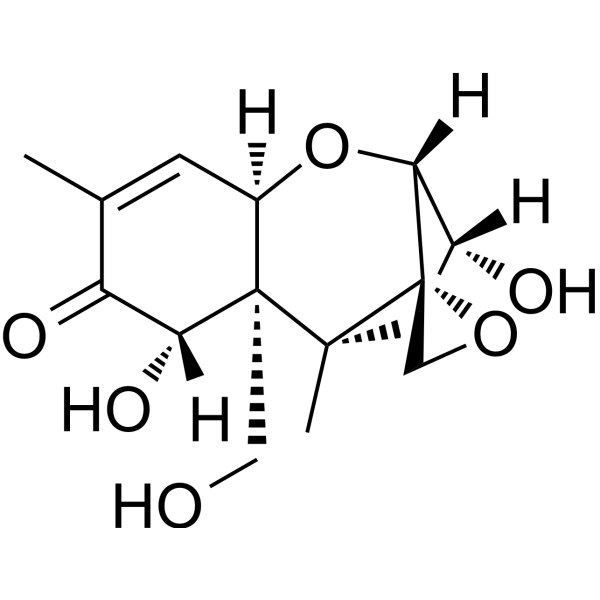
HY-N6684
DeoxynivalenolMycotoxin -
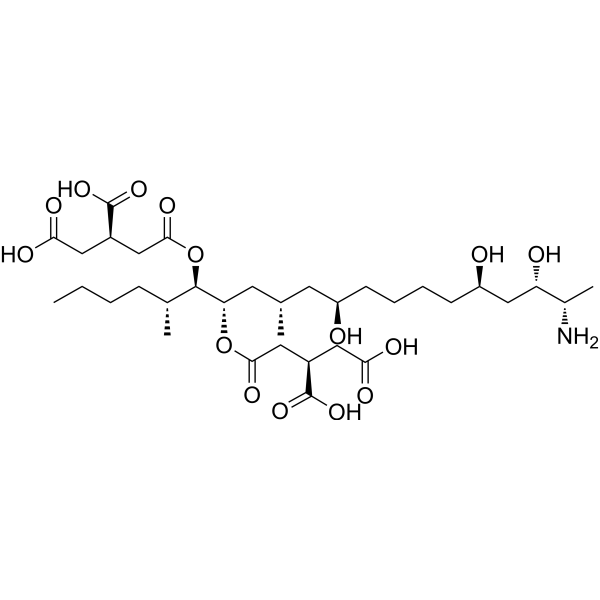
HY-N6719
Fumonisin B1Sphingosine N-acyltransferase Inhibitor -
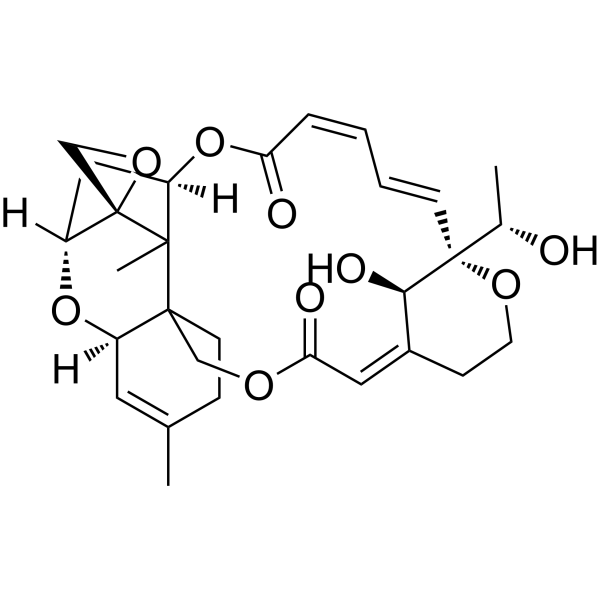
HY-123647
Satratoxin HRibosome Binding Agent\nApoptosis Inducer\nGenotoxin -
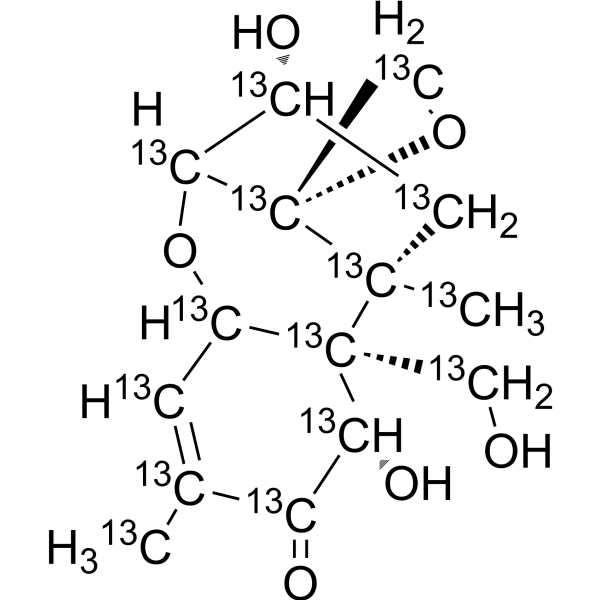
HY-152072S
Deoxynivalenol-13C15 -
HY-W017227
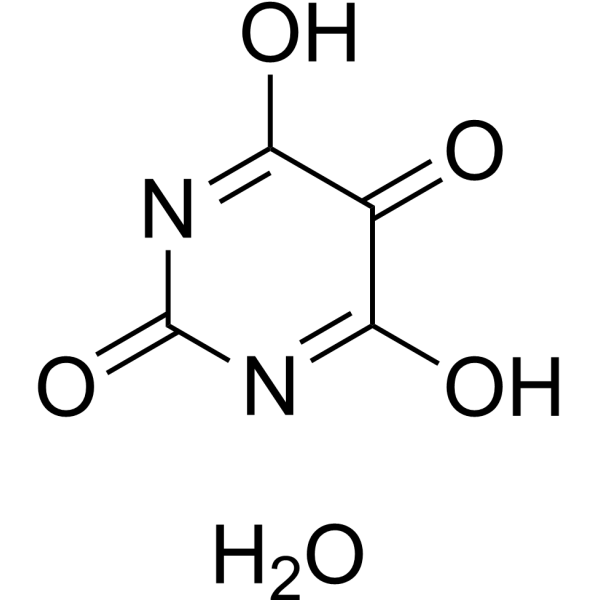
Alloxan hydrateDiabetogenic Agent/Proteasome Inhibitor -
HY-N6726
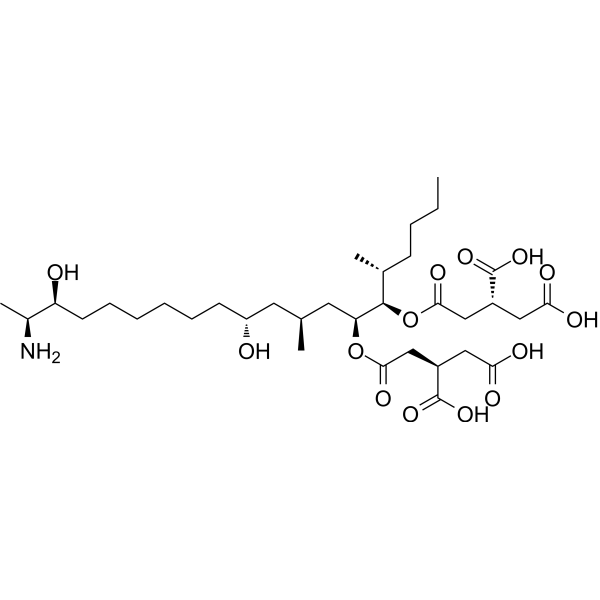
Fumonisin B3Mycotoxin -
HY-N6741
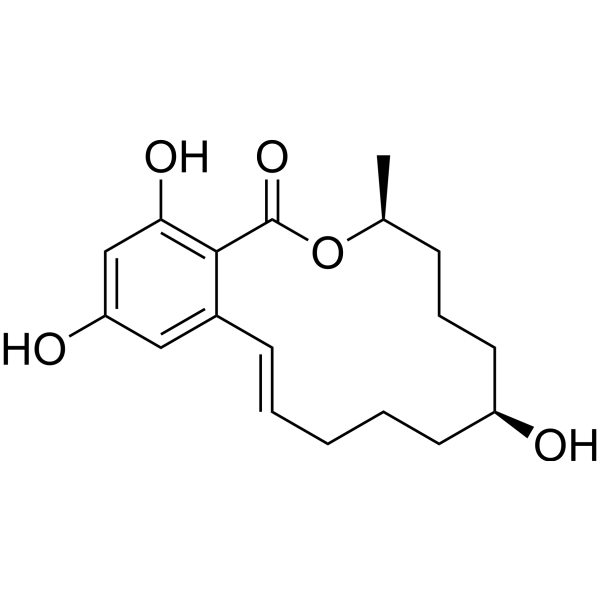
β-ZearalenolEstrogen Receptor Binder -
HY-W013863
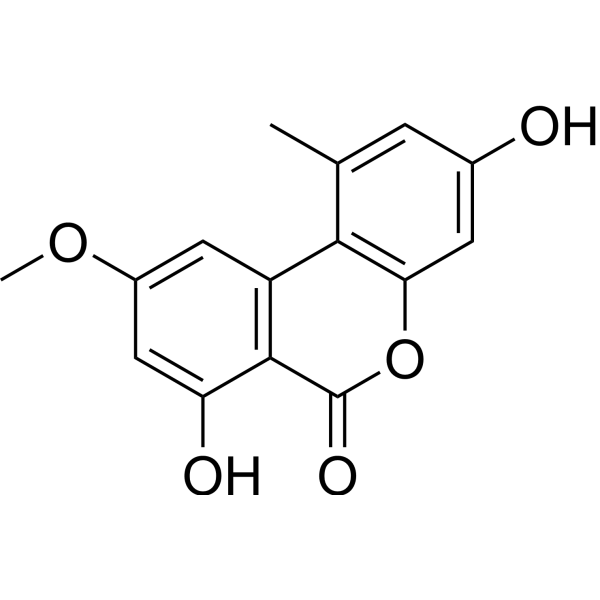
Djalonensone -
HY-130476
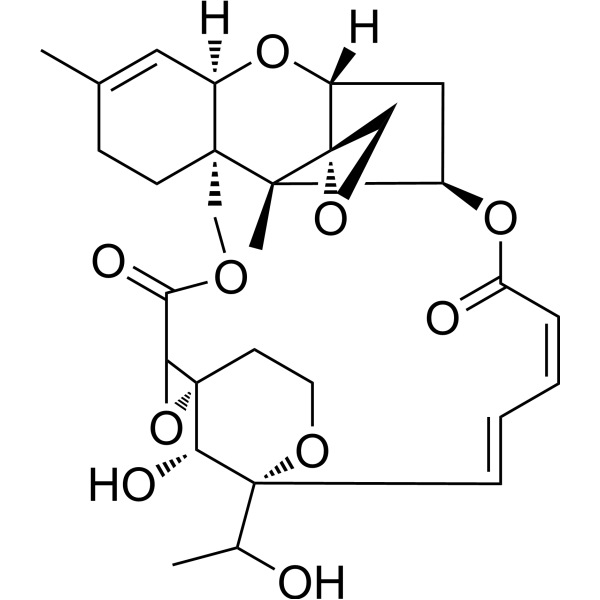
Satratoxin GLarge Cyclic Mucor Toxin. -
HY-116909
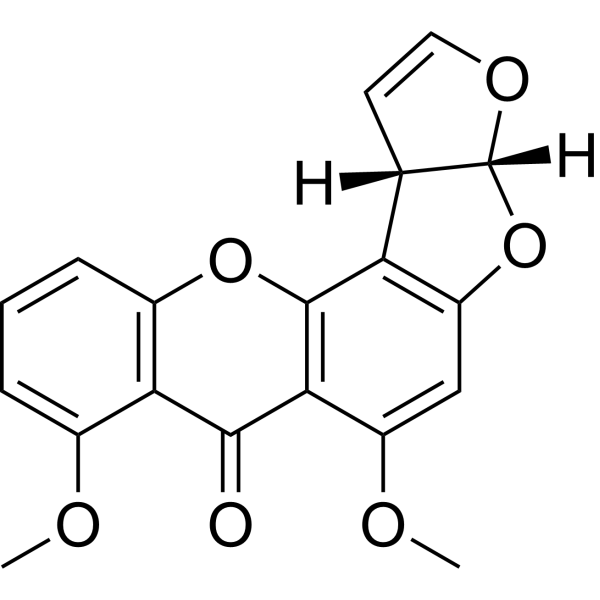
O-MethylsterigmatocystinFungal Metabolites -
HY-126765
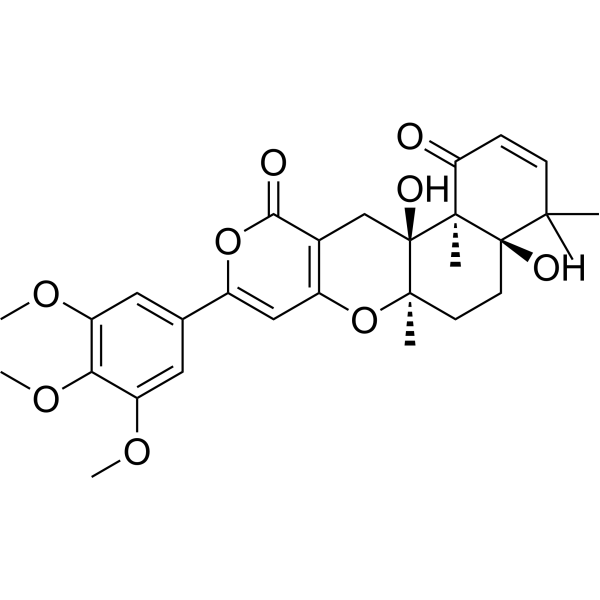
Territrem BFungal Meroterpenoid


Biological Activity
Description


Chemical Information
-
CAS No. 16275-44-8
-
Molecular Weight 141.12
-
Formula C6H7NO3
-
SMILES
O=C1OC(NC(C)=O)C=C1
-
Synonyms
Butenolide
-
Structure Classification
-
Initial Source
-
Shipping
Room temperature in continental US; may vary elsewhere.
-
Storage
Please store the product under the recommended conditions in the Certificate of Analysis.


Purity & Documentation
References
[2]. Wang YM, et al. Effects of Fusarium mycotoxin butenolide on myocardial mitochondria in vitro. Toxicol Mech Methods. 2009 Feb;19(2):79-85. [Content Brief]
[3]. Wang YM, et al. Depletion of intracellular glutathione mediates butenolide-induced cytotoxicity in HepG2 cells. Toxicol Lett. 2006 Jul 14;164(3):231-8. [Content Brief]

Calculators
Concentration (start) × Volume (start) = Concentration (final) × Volume (final)


5-Acetamide-Butenolide Related Classifications
HY-W402074 Related Classifications
 Powered by Bioz