

1. Search Result
Search Result
Results for "

Glucose Analog

" in MedChemExpress (MCE) Product Catalog:

49

Inhibitors & Agonists

2

Fluorescent Dyes

4

Biochemical Assay Reagents

11

Peptides

6

Natural
Products

8

Isotope-Labeled Compounds

Cat. No. Product Name Target Research Areas Chemical Structure
  • HY-13966
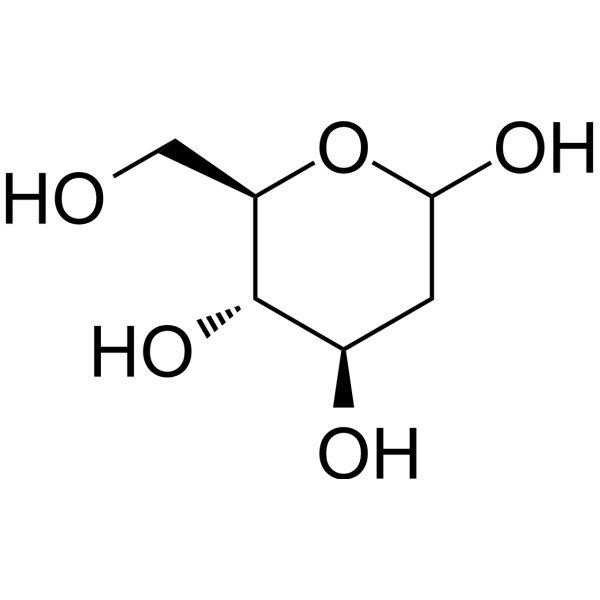
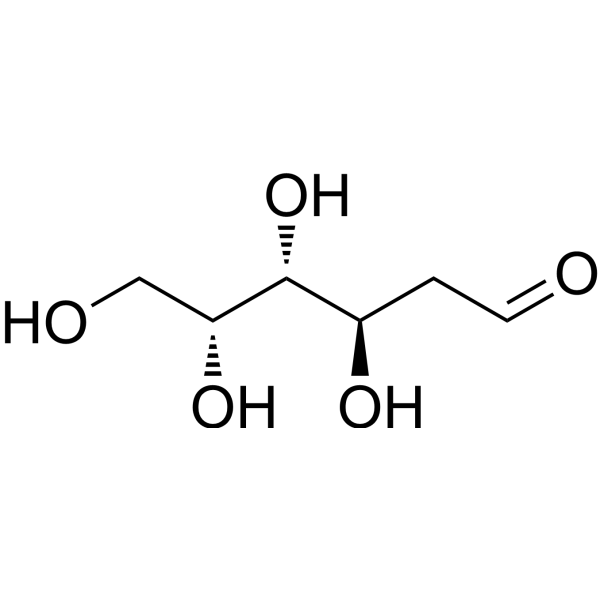
    2-Deoxy-D-glucose
    Maximum Cited Publications
    345 Publications Verification

    2-DG; 2-Deoxy-D-arabino-hexose; D-Arabino-2-deoxyhexose

    Hexokinase HSV Apoptosis Cancer
    2-Deoxy-D-glucose is a glucose analog that acts as a competitive inhibitor of glucose metabolism, inhibiting glycolysis via its actions on hexokinase .
    2-Deoxy-D-glucose
  • HY-13417
    AICAR
    210+ Cited Publications

    Acadesine; AICA Riboside

    AMPK Autophagy YAP Mitophagy Endogenous Metabolite Cancer
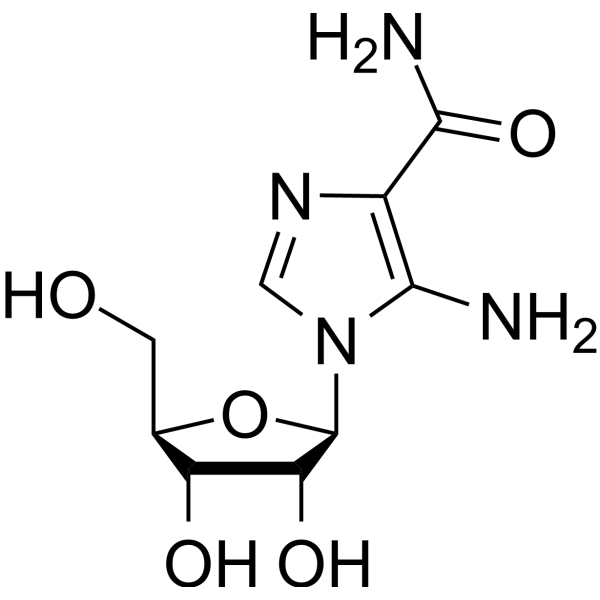
    AICAR (Acadesine) is an adenosine analog and a AMPK activator. AICAR is also an autophagy, YAP and mitophagy inhibitor. AICAR regulates the glucose and lipid metabolism, and inhibits proinflammatory cytokines and iNOS production. AICAR inhibits autophagy through a mechanism independent of AMPK activity .
    AICAR
  • HY-116215
    2-NBDG
    70+ Cited Publications

    Fluorescent Dye Others
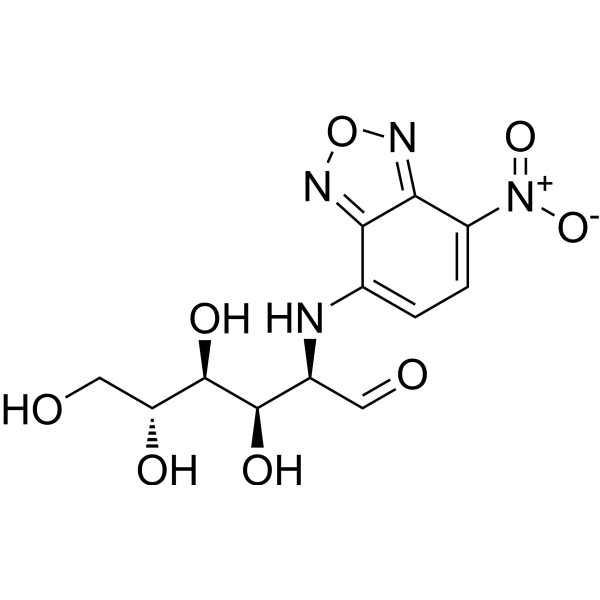
    2-NBDG is a fluorescently-labeled deoxyglucose analog that is used primarily to directly monitor glucose uptake by living cells and tissues. It is also used as a topical contrast reagent for the detection of neoplasia. 2-NBDG can be used in real-time confocal, high-resolution, or wide-field fluorescence microscopy as well as in flow cytometry. The probe can be excited by the Argon laser at 488 nm to give the environment-sensitive fluorescence. It has lower photostability than the rhodamine-based fluorescent probes.
    2-NBDG
  • HY-108611
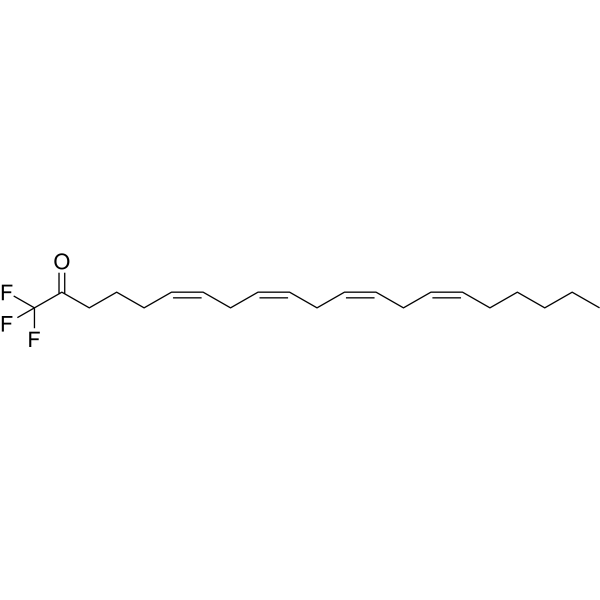
    AACOCF3
    4 Publications Verification

    Arachidonyl trifluoromethyl ketone

    Phospholipase Cardiovascular Disease
    AACOCF3 (Arachidonyl trifluoromethyl ketone) is a cell-permeant trifluoromethyl ketone analog of arachidonic acid. AACOCF3 is a potent and selective slow binding inhibitor of the 85-kDa cytosolic phospholipase A2 (cPLA2). AACOCF3 blocks production of arachidonate and 12-hydroxyeicosatetraenoic acid by calcium ionophore-challenged platelets. AACOCF3 inhibits glucose-induced insulin secretion from isolated rat islets. AACOCF3 has the potential for the research of cardiovascular disease .
    AACOCF3
  • HY-13417A
    AICAR phosphate
    210+ Cited Publications

    Acadesine phosphate; AICA Riboside phosphate

    AMPK Autophagy YAP Mitophagy Endogenous Metabolite Cancer
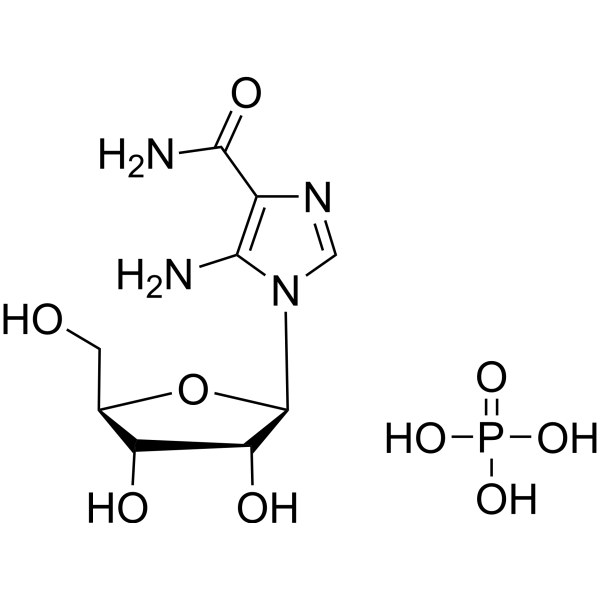
    AICAR phosphate (Acadesine phosphate) is an adenosine analog and a AMPK activator. AICAR phosphate regulates the glucose and lipid metabolism, and inhibits proinflammatory cytokines and iNOS production. AICAR phosphate is also an autophagy, YAP and mitophagy inhibitor .
    AICAR phosphate
  • HY-131892
    2-Deoxy-D-galactose
    1 Publications Verification

    Endogenous Metabolite Metabolic Disease Cancer
    2-Deoxy-D-galactose is a glucose analog. 2-Deoxy-D-galactose inhibits glycolysis to inhibits tumor growth. 2-Deoxy-D-galactose is a substance interfering with the fucosylation of glycomacromolecules and impairing memory consolidation in various learning tasks. 2-Deoxy-d-galactose hinders glycoprotein fucosylation in vivo .
    2-Deoxy-D-galactose
  • HY-P4070

    Insulin Receptor Metabolic Disease
    Insulin icodec is an Insulin (HY-P0035) analog that strongly but reversibly binds to albumin. Insulin icodec has long plasma half-life. Insulin icodec modulates insulin receptor activity, controls blood glucose levels, reduces HbA1c levels, and binds reversibly to human serum albumin. Insulin icodec can be used for the research of type 2 diabetes mellitus .
    Insulin icodec
  • HY-112584
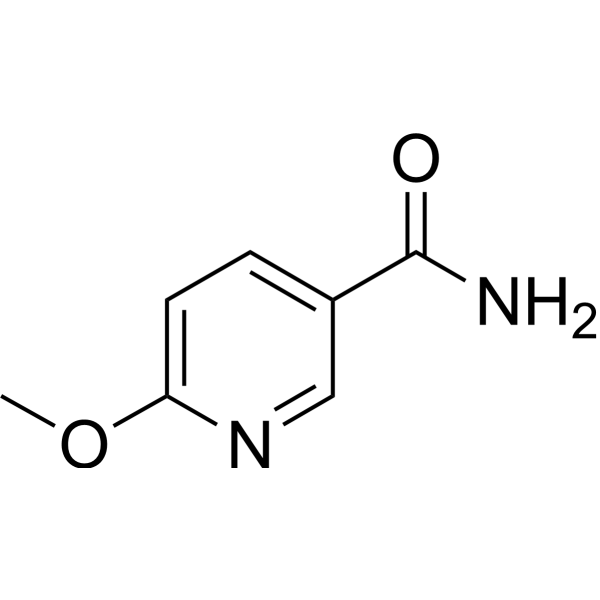
    JBSNF-000088
    5+ Cited Publications

    6-Methoxynicotinamide

    Amine N-methyltransferase Metabolic Disease
    JBSNF-000088 (6-Methoxynicotinamide), a analog of nicotinamide (NA), is a potent and orally active Nicotinamide N-methyltransferase (NNMT) inhibitor with IC50s of 1.8 µM, 2.8 µM, and 5.0 µM for human NNMT, monkey NNMT and mouse NNMT, respectively. JBSNF-000088 inhibits NNMT activity, reduces MNA levels and drives insulin sensitization, glucose modulation and body weight reduction in animal models of metabolic disease .
    JBSNF-000088
  • HY-141637
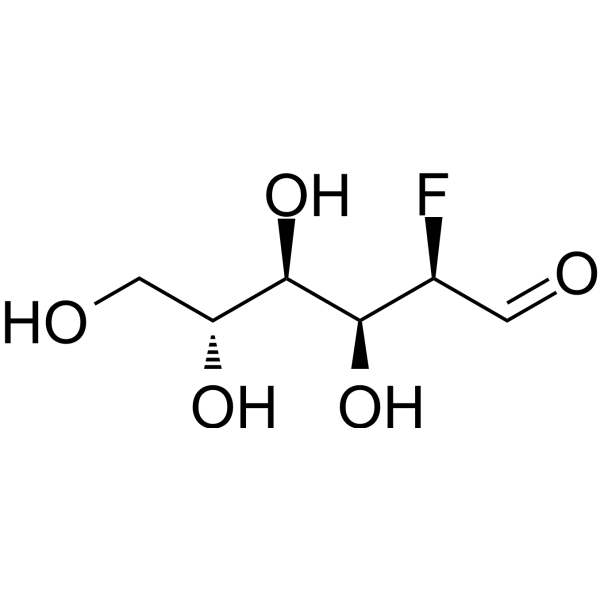
    2-Deoxy-2-fluoro-D-glucose
    2 Publications Verification

    2-Fluoro-2-deoxy-D-Glucose; 2-Deoxy-2-fluoro-D-glucopyranose; FluorodeoxyGlucose

    Biochemical Assay Reagents Cancer
    2-Deoxy-2-fluoro-D-glucose (2-Fluoro-2-deoxy-D-glucose) is a glucose analog that can be absorbed by cells. 2-Deoxy-2-fluoro-D-glucose is capable of being labelled with 18F for positron emission tomography (PET) imaging. 18F-2-Deoxy-2-fluoro-D-glucose can be used to detect breast cancer and gastric cancer .
    2-Deoxy-2-fluoro-D-glucose
  • HY-P3469A

    GCGR Metabolic Disease
    Dasiglucagon acetate is a human glucagon analog, and can increase plasma glucose. Dasiglucagon can be used in hypoglycemia research .
    Dasiglucagon acetate
  • HY-13417R

    Acadesine (Standard); AICA Riboside (Standard)

    Reference Standards AMPK Autophagy YAP Mitophagy Endogenous Metabolite Cancer
    AICAR (Standard) is the analytical standard of AICAR. This product is intended for research and analytical applications. AICAR (Acadesine) is an adenosine analog and a AMPK activator. AICAR regulates the glucose and lipid metabolism, and inhibits proinflammatory cytokines and iNOS production. AICAR is also an autophagy, YAP and mitophagy inhibitor .
    AICAR (Standard)
  • HY-134353B

    Adenosine 5'-β-thiodiphosphate trilithium

    P2Y Receptor NF-κB Interleukin Related Caspase Neurological Disease Inflammation/Immunology Cancer
    ADP-β-S (Adenosine 5'-(β-thiodiphosphate)) trilithium is a non-hydrolyzable ADP analog and a P2Y12 receptor agonist. ADP-β-S trilithium activates the P2Y12 receptor in microglia, thereby triggering downstream inflammatory signaling pathways. ADP-β-S trilithium activates P2Y purinergic receptors in rat pancreatic β cells and enhances glucose-induced insulin secretion. ADP-β-S trilithium can be used in the research of diseases such as inflammation and diabetes .
    ADP-β-S trilithium
  • HY-N9459

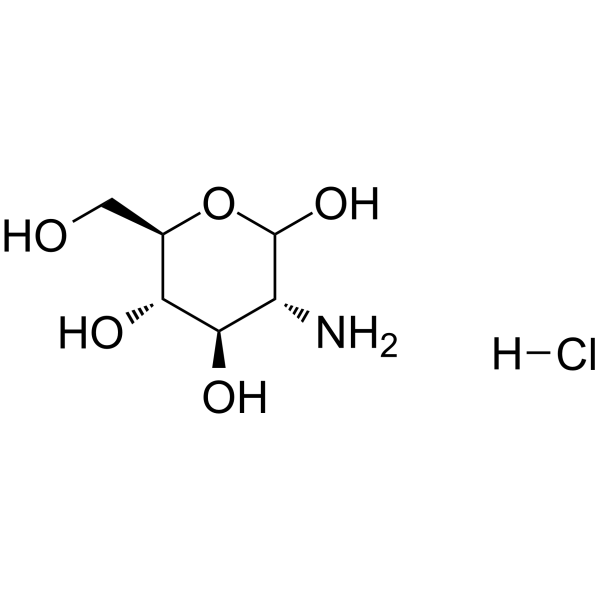
    D-Glucosamine Hydrochloride

    GLUT Infection Neurological Disease Cancer
    2-Amino-2-deoxyglucose hydrochloride (D-Glucosamine Hydrochloride) is a glucose analog that is specifically recognized and transported by the cell membrane GLUT1. 2-Amino-2-deoxyglucose hydrochloride acts as a tumor-targeting ligand and a guiding molecule for the synthesis of prodrug conjugates, thus delivering drugs precisely to tumor cells. 2-Amino-2-deoxyglucose hydrochloride is applicable to diagnostic imaging and therapeutic efficacy monitoring of solid tumors and various cancers (e.g., breast cancer, glioblastoma). 2-Amino-2-deoxyglucose hydrochloride also helps bacteria resist lysozyme digestion by integrating into the non-N-acetylated residues of Streptococcus pneumoniae peptidoglycan. 2-Amino-2-deoxyglucose hydrochloride is used in studies on tumor metabolism and the exploration of bacterial drug resistance mechanisms .
    2-Amino-2-deoxyglucose hydrochloride
  • HY-19997

    TATM

    Biochemical Assay Reagents Cancer
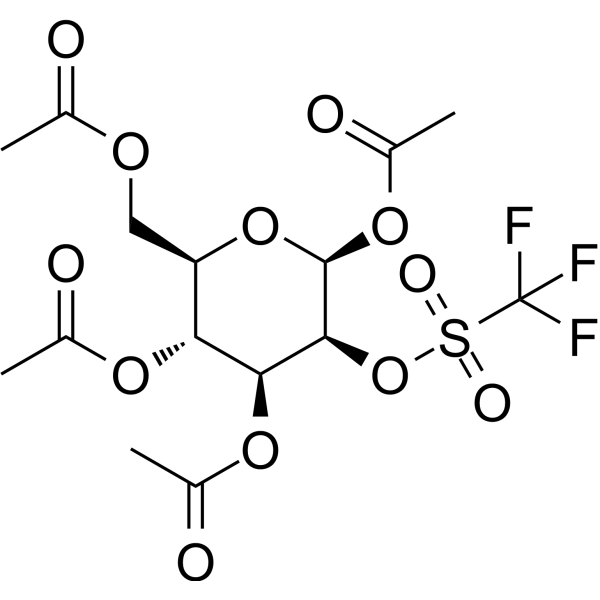
    Mannose triflate is a glucose analog. Mannose triflate is a precursor for 18F-FDG synthesis for PET applications. Mannose triflate binds to 18F via SN2 nucleophilic substitution reaction. Mannose triflate can be used for an imaging technique in detection of cancer .
    Mannose triflate
  • HY-W145482

    Drug Isomer Metabolic Disease
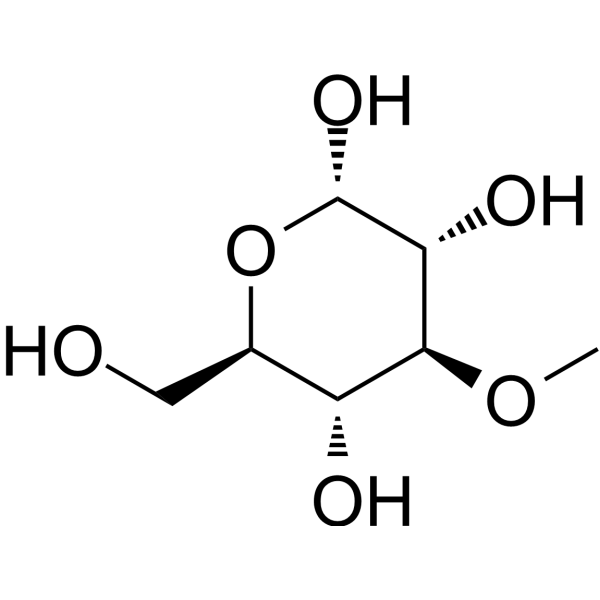
    3-O-Methyl-D-glucopyranose is a non-metabolizable glucose analog. 3-O-Methyl-D-glucopyranose exerts a protective effect against alloxan-induced damage to rat pancreatic islet β cells. 3-O-Methyl-D-glucopyranose can be used in diabetes research .
    3-O-Methyl-D-glucopyranose
  • HY-DY1019

    Fluorescent Dye Others
    2-NBDG (solution) is a fluorescently-labeled deoxyglucose analog that is used primarily to directly monitor glucose uptake by living cells and tissues. It is also used as a topical contrast reagent for the detection of neoplasia. 2-NBDG can be used in real-time confocal, high-resolution, or wide-field fluorescence microscopy as well as in flow cytometry. The probe can be excited by the Argon laser at 488 nm to give the environment-sensitive fluorescence. It has lower photostability than the rhodamine-based fluorescent probes.
    Solvent and Concentration: Sterile PBS: 5 mM
    2-NBDG (solution)
  • HY-13966S
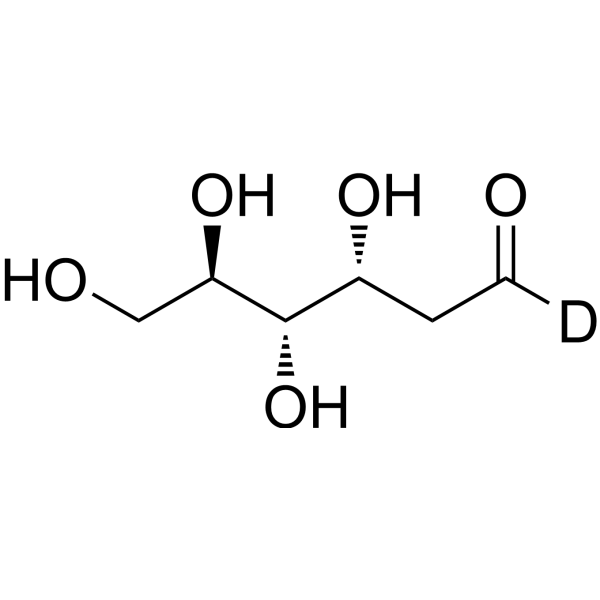
    2-Deoxy-D-glucose-d1
    1 Publications Verification

    2-DG-d1; 2-Deoxy-D-arabino-hexose-d1; D-Arabino-2-deoxyhexose-d1

    Isotope-Labeled Compounds Apoptosis Hexokinase HSV Cancer
    2-Deoxy-D-glucose-d is the deuterium labeled 2-Deoxy-D-glucose. 2-Deoxy-D-glucose is a glucose analog that acts as a competitive inhibitor of glucose metabolism, inhibiting glycolysis via its actions on hexokinase .
    2-Deoxy-D-glucose-d1
  • HY-13966S2

    2-DG-13C; 2-Deoxy-D-arabino-hexose-13C; D-Arabino-2-deoxyhexose-13C

    Isotope-Labeled Compounds Apoptosis Hexokinase HSV Cancer
    2-Deoxy-D-glucose- 13C is the 13C labeled 2-Deoxy-D-glucose. 2-Deoxy-D-glucose is a glucose analog that acts as a competitive inhibitor of glucose metabolism, inhibiting glycolysis via its actions on hexokinase .
    2-Deoxy-D-glucose-13C
  • HY-P1473

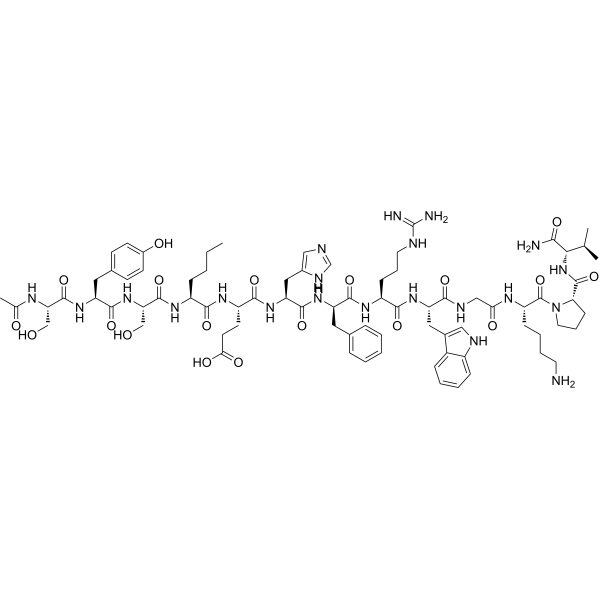
    Amylin (8-37) (mouse, rat)

    Amylin Receptor Metabolic Disease
    Amylin (8-37), rat is a truncated analog of native Amylin that selectively inhibits insulin-related glucose uptake and glycogen deposition in muscle tissue. Amylin (8-37), rat is a weak amylin receptor (AMY) antagonist.
    Amylin (8-37), rat
  • HY-P3580A

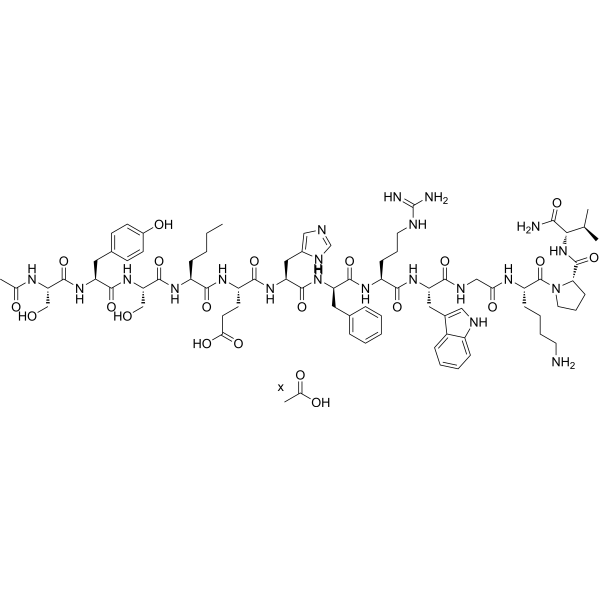
    Human N-acetyl GIP TFA

    Insulin Receptor Metabolic Disease Endocrinology
    Acetyl Gastric Inhibitory Peptide (human) TFA is a fatty acid derivatized analog of glucose-dependent insulinotropic polypeptide with improved antihyperglycaemic and insulinotropic properties. Acetyl Gastric Inhibitory Peptide (human) TFA can be used for research of diabetes, insulin resistance and obesity .
    Acetyl Gastric Inhibitory Peptide (human) TFA
  • HY-108795

    GLP-1-Gly8; GLP-1 (7-36) Analog

    GLP Receptor Metabolic Disease
    Albiglutide fragment (GLP-1 (7-36) analog) is an active fragment of Albiglutide (7-36) and a glucagon-like peptide-1 (GLP-1) analog (a long-acting GLP-1 receptor agonist). Albiglutide is produced by the fusion of DPP-4 resistant GLP-1 dimer with the human albumin gene. Moreover, Albiglutide fragment significantly reduces glycosylated hemoglobin (A1C) and is used in type 2 diabetes (T2D) studies .
    Albiglutide fragment
  • HY-148940

    Cannabinoid Receptor Inflammation/Immunology
    Docosahexaenoyl glycerol is an analog of endocannabinoid, which stimulates the glucose uptake and exhibits anti-inflammatory efficacy .
    Docosahexaenoyl glycerol
  • HY-128606

    Endogenous Metabolite Transketolase Neurological Disease Metabolic Disease
    Thiamine diphosphate analog 1 is an analog of thiamine diphosphate. Thiamine diphosphate is the active metabolite of vitamin B1 in organisms. Thiamine diphosphate targets ThDP-dependent enzymes such as transketolase and pyruvate dehydrogenase complex, acting as an essential coenzyme to exert an activating effect. Thiamine diphosphate assists in catalytic reactions in free form and initiates the catalytic cycles of various glucose-metabolizing enzymes. Thiamine diphosphate serves as a diagnostic biomarker and protective factor for Alzheimer's disease. Thiamine diphosphate can be used in research related to metabolism and Alzheimer's disease .
    Thiamine diphosphate analog 1
  • HY-P3469

    GCGR Metabolic Disease
    Dasiglucagon is a human glucagon analog, and can increase plasma glucose. Dasiglucagon can be used in hypoglycemia research .
    Dasiglucagon
  • HY-13417AR

    Acadesine phosphate (Standard); AICA Riboside phosphate (Standard)

    AMPK Autophagy YAP Mitophagy Endogenous Metabolite Reference Standards Cancer
    AICAR (phosphate) (Standard) is the analytical standard of AICAR (phosphate). This product is intended for research and analytical applications. AICAR phosphate (Acadesine phosphate) is an adenosine analog and a AMPK activator. AICAR phosphate regulates the glucose and lipid metabolism, and inhibits proinflammatory cytokines and iNOS production. AICAR phosphate is also an autophagy, YAP and mitophagy inhibitor .
    AICAR phosphate (Standard)
  • HY-P3866

    Oxytocin Receptor Metabolic Disease
    [Asu1,6]-Oxytocin is an analog of oxytocin. [Asu1,6]-Oxytocin reverses insulin resistance and glucose intolerance prior to reduction of obesity. [Asu1,6]-Oxytocin has the potential for the research of obesity and diabetes .
    [Asu1,6]-Oxytocin
  • HY-115738

    Drug Derivative Metabolic Disease
    2-Acetamido-2,4-dideoxy-4-fluoro-α-D-glucopyranose (Compound 13) is a 2-acetamido-2-deoxy-D-glucose analog. 2-Acetamido-2,4-dideoxy-4-fluoro-α-D-glucopyranose is applicable to research related to glycosaminoglycan biosynthesis .
    2-Acetamido-2,4-dideoxy-4-fluoro-α-D-glucopyranose
  • HY-13966S4

    2-DG-13C-1; 2-Deoxy-D-arabino-hexose-13C-1; D-Arabino-2-deoxyhexose-13C-1

    Isotope-Labeled Compounds Apoptosis Hexokinase HSV Cancer
    2-Deoxy-D-glucose- 13C-1 is the 13C labeled 2-Deoxy-D-glucose. 2-Deoxy-D-glucose is a glucose analog that acts as a competitive inhibitor of glucose metabolism, inhibiting glycolysis via its actions on hexokinase .
    2-Deoxy-D-glucose-13C-1
  • HY-13966S3

    2-DG-13C6; 2-Deoxy-D-arabino-hexose-13C6; D-Arabino-2-deoxyhexose-13C6

    Isotope-Labeled Compounds Apoptosis Hexokinase HSV Cancer
    2-Deoxy-D-glucose- 13C6 (2-DG- 13C6) is 13C labeled 2-Deoxy-D-glucose. 2-Deoxy-D-glucose is a glucose analog that acts as a competitive inhibitor of glucose metabolism, inhibiting glycolysis via its actions on hexokinase .
    2-Deoxy-D-glucose-13C6
  • HY-W037817

    Dimethyl glutamate

    Potassium Channel Bacterial Infection Metabolic Disease
    Dimethyl L-glutamate (Dimethyl glutamate), a membrane-permeable analog of Glutamate, can stimulate insulin release induced by Glucose. Dimethyl L-glutamate suppresses the KATP channel activities. Dimethyl L-glutamate inhibits E. gracilis growth and causes abnormal cell division. Dimethyl L-glutamate can be used in the research of diabetes, glucose transport, phosphorylation, and further metabolism .
    Dimethyl L-glutamate
  • HY-P3580

    Human N-acetyl GIP

    Insulin Receptor Metabolic Disease Endocrinology
    Acetyl Gastric Inhibitory Peptide (human) is a fatty acid derivatized analog of glucose-dependent insulinotropic polypeptide with improved antihyperglycaemic and insulinotropic properties. Acetyl Gastric Inhibitory Peptide (human) can be used for research of diabetes, insulin resistance and obesity .
    Acetyl Gastric Inhibitory Peptide (human)
  • HY-13417S

    Acadesine-13C2,15N; AICA Riboside-13C2,15N

    Isotope-Labeled Compounds Endogenous Metabolite YAP AMPK Mitophagy Autophagy Others
    AICAR- 13C2, 15N (Acadesine- 13C2, 15N; AICA Riboside- 13C2, 15N) is the 13C and 15N labeled AICAR (HY-13417) . AICAR (Acadesine) is an adenosine analog and a AMPK activator. AICAR regulates the glucose and lipid metabolism, and inhibits proinflammatory cytokines and iNOS production. AICAR is also an autophagy, YAP and mitophagy inhibitor .
    AICAR-13C2,15N
  • HY-134353A

    Adenosine 5'-(β-thiodiphosphate) trisodium

    Interleukin Related P2Y Receptor NF-κB Caspase Neurological Disease Inflammation/Immunology Cancer
    ADP-β-S (Adenosine 5'-(β-thiodiphosphate)) trilithium is a non-hydrolyzable ADP analog and a P2Y12 receptor agonist. ADP-β-S trilithium activates the P2Y12 receptor in microglia, thereby triggering downstream inflammatory signaling pathways. ADP-β-S trilithium activates P2Y purinergic receptors in rat pancreatic β cells and enhances glucose-induced insulin secretion. ADP-β-S trilithium can be used in the research of diseases such as inflammation and diabetes .
    ADP-β-S trisodium
  • HY-106110

    Prostaglandin Receptor Metabolic Disease
    OP-2507 is a prostacyclin analog. OP-2507 can increase brain glucose levels in mice, suppress the breakdown of energy metabolism under hypoxic conditions, and has a protective effect against changes in cyclic nucleotides in hypoxic brain tissue (specifically, an increase in cyclic AMP and a decrease in cyclic GMP). OP-2507 provides protective effects against brain hypoxia and edema .
    OP-2507
  • HY-122473

    SGLT Metabolic Disease
    fluoro-Dapagliflozin, a structural analog of Dapagliflozin, is a selective SGLT2 inhibitor with Ki values of 5.3 nM and 330 nM for SGLT2 and SGLT1, respectively. fluoro-Dapagliflozin blocks glucose transport and glucose-coupled currents .
    fluoro-Dapagliflozin
  • HY-124417

    GLUT Metabolic Disease
    SBI-477 (compound 41) analog inhibits intracellular lipid accumulation, increase celluar glucose uptake .
    SBI-477 analog
  • HY-106024A

    ALT711 bromide

    DNA Alkylator/Crosslinker Cardiovascular Disease
    Alagebrium bromide is an analog of Alagebrium Chloride (HY-106024B), a glucose cross-link blocker. Alagebrium Chloride disrupts glucose cross-links and may improve ventricular and arterial compliance. Alagebrium Chloride improves left ventricular diastolic filling and has the potential to inhibit diastolic heart failure (DHF).
    Alagebrium bromide
  • HY-141637S

    Isotope-Labeled Compounds Biochemical Assay Reagents Cancer
    2-Deoxy-2-fluoro-D-glucose- 13C is the 13C labeled 2-Deoxy-2-fluoro-D-glucose (HY-141637). 2-Deoxy-2-fluoro-D-glucose (2-Fluoro-2-deoxy-D-glucose) is a glucose analog that can be absorbed by cells. 2-Deoxy-2-fluoro-D-glucose is capable of being labelled with 18F for positron emission tomography (PET) imaging. 18F-2-Deoxy-2-fluoro-D-glucose can be used to detect breast cancer and gastric cancer .
    2-Deoxy-2-fluoro-D-glucose-13C
  • HY-111049

    FXR Metabolic Disease
    GSK8062 is a farnesoid X receptor (FXR) agonist with activity that improves compound development parameters. Analog 1c of GSK8062 showed a reduction in weight gain and serum glucose levels .
    GSK8062
  • HY-156860

    Drug Derivative Cancer
    WP 1122 is a 2-deoxy-D-glucose (HY-13966) analog that is a potent cytotoxic agent. WP 1122 is a glycolysis inhibitor. WP 1122 can be used for the research of cancer .
    WP 1122
  • HY-141637S1

    Isotope-Labeled Compounds Biochemical Assay Reagents Cancer
    2-Deoxy-2-fluoro-D-glucose- 13C6,d7 is the 13C-labeled and deuterium labeled 2-Deoxy-2-fluoro-D-glucose (HY-141637). 2-Deoxy-2-fluoro-D-glucose (2-Fluoro-2-deoxy-D-glucose) is a glucose analog that can be absorbed by cells. 2-Deoxy-2-fluoro-D-glucose is capable of being labelled with 18F for positron emission tomography (PET) imaging. 18F-2-Deoxy-2-fluoro-D-glucose can be used to detect breast cancer and gastric cancer .
    2-Deoxy-2-fluoro-D-glucose-13C6,d7
  • HY-162768

    HSP Cancer
    Grp94 Inhibitor-2 (compound 23), a cyclopropane analog, exhibits high affinity for glucose-regulated protein 94 (Grp94) with a Kd of 0.48 µM and 0.65 µM for Grp94 and Hsp90α, respectively .
    Grp94 Inhibitor-2
  • HY-W145482S1

    Biochemical Assay Reagents Isotope-Labeled Compounds Others
    3-O-Methyl-D-glucopyranose- 13C6 is 13C-labeled 3-O-Methyl-D-glucopyranose (HY-W145482). 3-O-Methyl-D-glucopyranose is a non-metabolizable glucose analog. 3-O-Methyl-D-glucopyranose exerts a protective effect against alloxan-induced damage to rat pancreatic islet β cells. 3-O-Methyl-D-glucopyranose can be used in diabetes research .
    3-O-Methyl-D-glucopyranose-13C6
  • HY-108795A

    GLP-1-Gly8 TFA; GLP-1 (7-36) Analog TFA

    GLP Receptor Metabolic Disease
    Albiglutide fragment (GLP-1 (7-36) analog) TFA is an active fragment of Albiglutide (7-36) and a glucagon-like peptide-1 (GLP-1) analog (a long-acting GLP-1 receptor agonist). Albiglutide is produced by the fusion of DPP-4 resistant GLP-1 dimer with the human albumin gene. Moreover, Albiglutide fragment TFA significantly reduces glycosylated hemoglobin (A1C) and is used in type 2 diabetes (T2D) studies .
    Albiglutide fragment TFA
  • HY-124399

    Endogenous Metabolite PPAR Metabolic Disease
    Peroxisome proliferator-activated receptors (PPARs) play an important role in regulating lipid and glucose metabolism, and oleoylethanolamide (OEA) is a natural ligand for PPARα. N-Octadecyl-N'-propyl-sulfamide is an analog of OEA and a potent activator of PPARα, with selective binding affinity for PPARα (EC50=100 nM, compared to 120 nM for OEA). N-Octadecyl-N'-propyl-sulfamide (10 mg/kg; ip) inhibits food intake and reduces body weight gain in rats. At a dose of 1 mg/kg, N-Octadecyl-N'-propyl-sulfamide induces satiety, thereby reducing food intake, body weight, and plasma triglyceride concentrations in free-feeding Wistar rats and obese Zucker (fa/fa) rats.
    N-Octadecyl-N'-propyl-sulfamide
  • HY-W357093

    Parasite Infection
    2-Chloro-2-deoxy-D-glucose is a 2-substituted glucose analog. 2-Chloro-2-deoxy-D-glucose inhibits the in vitro growth of P. falciparum. 2-Chloro-2-deoxy-D-glucose against a CQR strain with an IC50 value of 8.5 nM at the glucose concentration 5 mM .
    2-Chloro-2-deoxy-D-glucose
  • HY-W854345

    Biochemical Assay Reagents Others
    3-Deoxy-D-glucose, a carbohydrate, is an analog of D-Glucose (HY-B0389) .
    3-Deoxy-D-glucose
  • HY-139409B

    Drug Derivative Metabolic Disease
    2-Deoxy-D-glucose 6-phosphate sodium, a derivative of 2-Deoxy-D-glucose (HY-13966), is produced in mammalian cells by the action of hexokinase on 2-DG. 2-Deoxy-D-glucose is a glucose analog that acts as a competitive inhibitor of glucose metabolism, inhibiting glycolysis via its actions on hexokinase .
    2-Deoxy-D-glucose 6-phosphate sodium
  • HY-108795R

    GLP-1-Gly8 (Standard); GLP-1 (7-36) Analog (Standard)

    Reference Standards GLP Receptor Metabolic Disease
    Albiglutide fragment (Standard) is the analytical standard of Albiglutide fragment (HY-108795). This product is intended for research and analytical applications. Albiglutide fragment (GLP-1 (7-36) analog) is an active fragment of Albiglutide (7-36) and a glucagon-like peptide-1 (GLP-1) analog (a long-acting GLP-1 receptor agonist). Albiglutide is produced by the fusion of DPP-4 resistant GLP-1 dimer with the human albumin gene. Moreover, Albiglutide fragment significantly reduces glycosylated hemoglobin (A1C) and is used in type 2 diabetes (T2D) studies .
    Albiglutide fragment (Standard)

Inquiry Online

Your information is safe with us. * Required Fields.

Salutation


Country or Region *

Applicant Name *


Organization Name *

Department *


Email Address *


Product Name *

Cat. No.


Requested quantity *

Phone Number *


Remarks

Inquiry Online

Inquiry Information

Product Name:
Cat. No.:
Quantity:
MCE Japan Authorized Agent:

