1. Search Result
Search Result
Results for "

Glycosidase

" in MedChemExpress (MCE) Product Catalog:

69

Inhibitors & Agonists

1

Fluorescent Dyes

8

Biochemical Assay Reagents

1

Peptides

4

MCE Kits

11

Natural
Products

6

Recombinant Proteins

4

Isotope-Labeled Compounds

1

Antibodies

1

Click Chemistry

1

Oligonucleotides

Targets Recommended:
Cat. No. Nombre del producto Target Áreas de investigación Chemical Structure
  • HY-P2929
    PNGase F
    1 Publications Verification

    Biochemical Assay Reagents Glycosidase Cancer
    PNGase F, a glycosidase, catalyzes the cleavage of an internal glycoside bond in an oligosaccharide. PNGase F removes nearly all N-linked oligosaccharides from glycoproteins. PNGase F can release N-glycans from glycoproteins in glycoanalytical workflows .
    PNGase F
  • HY-15927
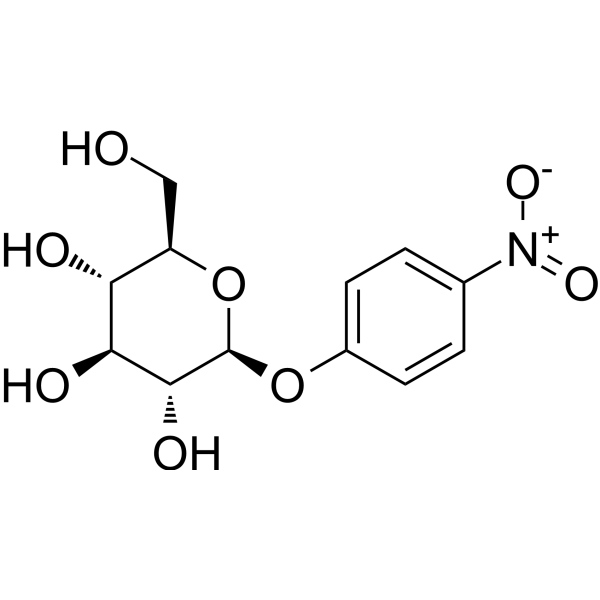
    4-Nitrophenyl β-D-glucopyranoside
    1 Publications Verification

    Biochemical Assay Reagents Metabolic Disease
    4-Nitrophenyl β-D-glucopyranoside is a chromogenic substrate for β-glucosidase. 4-Nitrophenyl β-D-glucopyranoside is converted to a colored product, p-nitrophenol that is easily detected spectrophotometrically at 405 nm when used in a β-glycosidase assay. 4-Nitrophenyl β-D-glucopyranoside is hydrolysed through intramolecular nucleophilic catalysis by the phosphate group in the 2-position. 4-Nitrophenyl β-D-glucopyranoside is promising for research of postmenopausal osteoporosis .
    4-Nitrophenyl β-D-glucopyranoside
  • HY-13005
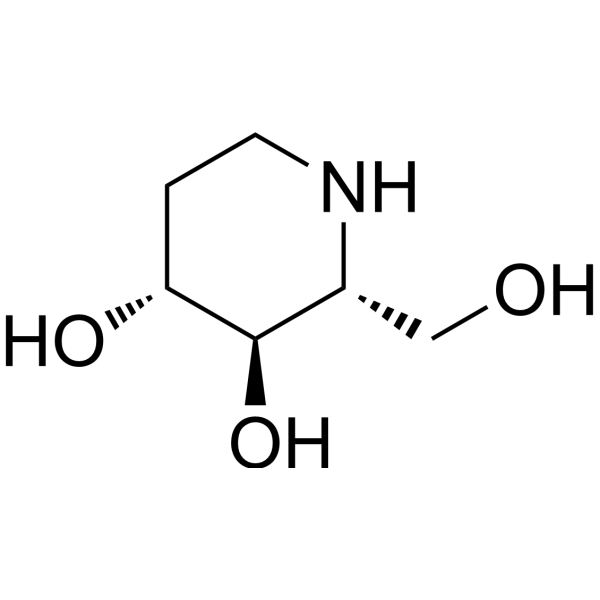
    Fagomine
    5+ Cited Publications

    D-Fagomine

    Glycosidase Metabolic Disease
    Fagomine is a mild glycosidase inhibitor. The Ki of the iminosugar Fagomine is 4.8 μM, 39 μM, and 70 μM for Amyloglucosidase (A.niger), β-Glucosidase (bovine), and Isomaltase (yeast), respectively.
    Fagomine
  • HY-B2221
    Cellulose
    1 Publications Verification

    Pectin Glycosidase

    Environmental Pollutants Endogenous Metabolite Others Cancer
    Cellulose (Pectin glycosidase) is a natural high molecular weight polysaccharide found in many plants and organisms. It is widely used in manufacturing industries, such as in paper making, textiles, food and medicine, etc. As a renewable resource, Cellulose is biodegradable and sustainable, and can also be used to manufacture chemicals such as Cellulose Esters, Cellulose Acetate and Cellulose Nitrate. In addition, Cellulose is often used as a food additive to increase the stability and quality of food.
    Cellulose
  • HY-137822

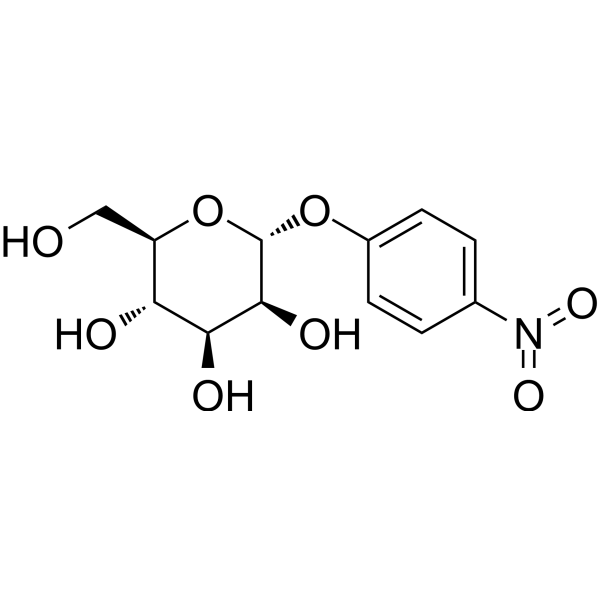
    4-Nitrophenyl a-D-mannopyranoside

    Glycosidase Others
    p-Nitrophenyl α-D-mannopyranoside (4-Nitrophenyl α-D-mannopyranoside) is a chromogenic glycosidic ligand. p-Nitrophenyl α-D-mannopyranoside features a sugar moiety (α-D-mannopyranose) with the mannose-characteristic axial hydroxyl group at the C2 position and a ligand portion (p-nitrophenol) that provides ultraviolet-visible light absorption properties. p-Nitrophenyl α-D-mannopyranoside can be used to determine glycosidase activity and characterize the sugar recognition properties of lectins (such as Concanavalin A (HY-P2149)) .
    p-Nitrophenyl α-D-mannopyranoside
  • HY-P2929A
    PNGase F-Fast
    1 Publications Verification

    Glycosidase Cancer
    PNGase F-Fast is a glycosidase that catalyzes the cleavage of internal glycosidic bonds in oligosaccharides. PNGase F-Fast removes almost all N-linked oligosaccharides from glycoproteins. PNGase F-Fast can release N-glycans from glycoproteins in the sugar analysis workflow. The cleavage site is: the glycosidic bond between the innermost N-acetylglucosamine and asparagine. PNGase F-Fast is an improved reagent that allows for rapid deglycosylation of antibodies and antibody fusions within minutes .
    PNGase F-Fast
  • HY-147084

    ADC Linker Metabolic Disease Cancer
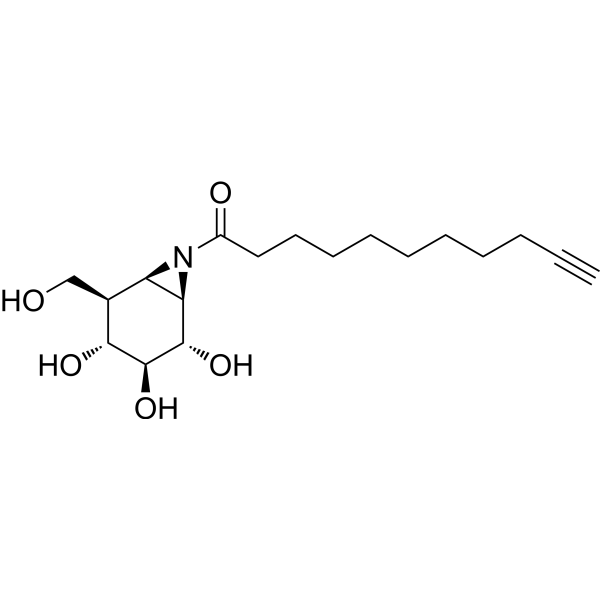
    KY371 is a click chemistry reagent containing an alkyne group. KY371 is a broad-range glycosidase inhibitor. KY371 can combine with proteomic analysis of targeted protein to study glycosidases .
    KY371
  • HY-P2955

    Glycosidase Cancer
    Heparinase II is a glycosidase targeting heparin and heparan sulfate. Heparinase II is promising for research of glycosaminoglycan structure-function analysis, anticoagulant agents and tumor microenvironment modulation .
    Heparinase II
  • HY-137490

    Glycosidase Metabolic Disease
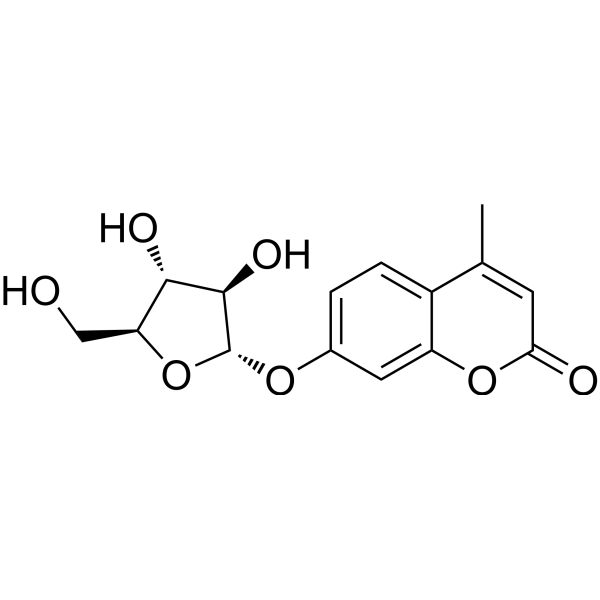
    4-Methylumbelliferyl α-L-arabinofuranoside is the glycosidase substrate .
    4-Methylumbelliferyl α-L-arabinofuranoside
  • HY-121811

    Lanceolatin C

    Glycosidase Phosphatase Interleukin Related TNF Receptor COX Beclin1 GLUT FAK Akt mTOR p38 MAPK Keap1-Nrf2 Apoptosis Amyloid-β Tau Protein Autophagy Neurological Disease Inflammation/Immunology Cancer
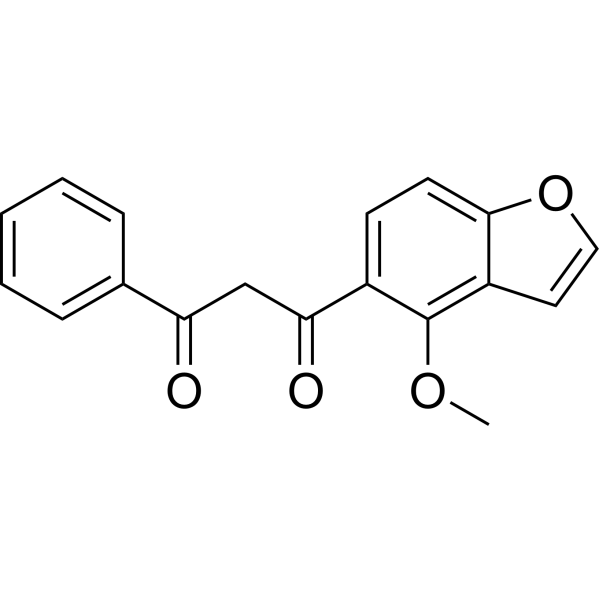
    Pongamol (Lanceolatin C) is an orally active flavonoid with an IC50 of 75 μM and a Ki of 58 μM against PTPase-1B, and an IC50 of 103.5 μM against intestinal α-Glycosidase. Pongamol reduces the release of IL‑1β, TNF‑α, COX‑2 and iNOS in cells, reverses the nuclear translocation of NF‑κB, and upregulates the levels of Beclin 1 and LC3 Ⅱ/LC3 Ⅰ. Pongamol promotes glucose uptake by increasing the level of GLUT4 on the surface of skeletal muscle cells. Pongamol inhibits epithelial-mesenchymal transition by suppressing the FAK/Akt-mTOR signaling pathway. Pongamol inhibits neuronal cytotoxicity, suppresses cell apoptosis and extends the lifespan of Caenorhabditis elegans by activating the MAPKs/Nrf2 signaling pathway. Pongamol exerts hypoglycemic effects in diabetic mouse models. Pongamol exhibits antibacterial activity. Pongamol alleviates oxidative stress, neuroinflammation, deposition and excessive phosphorylation of Tau Protein, and restores autophagy function in Alzheimer's disease mouse models by inhibiting the Akt/mTOR signaling pathway. Pongamol is applicable to research related to Alzheimer's disease, type 2 diabetes, non-small cell lung cancer and postprandial hyperglycemia .
    Pongamol
  • HY-E70042

    Endogenous Metabolite Metabolic Disease
    Nucleoside hydrolase (IAGNH) is a glycosidase. Nucleoside hydrolase (IAGNH) catalyzes the cleavage of the N-glycosidic bond in nucleosides to enable the recycling of the nucleobases and Rib .
    Nucleoside hydrolase (IAGNH)
  • HY-18598

    Insecticide Infection
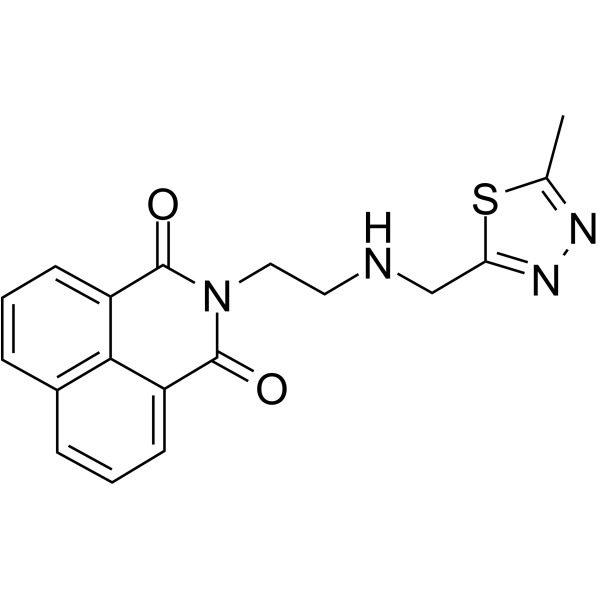
    Chitinase-IN-1 is an insecticide that can inhibit the activity of chitinase and N-acetylglucosaminidase. The inhibition percentages for glycosidase and N-acetylglucosaminidase at concentrations of 50 uM and 20 uM are 75% and 67%, respectively.
    Chitinase-IN-1
  • HY-N7529

    Endogenous Metabolite β-glucuronidase Others
    Siastatin B is an effective broad-spectrum glycosidase inhibitor that can effectively inhibit the activities of sialidase, β-D-glucuronidase, N-acetyl-glucosaminidase, β-glucuronidase, and human heparinase .
    Siastatin B
  • HY-P2866A

    NAG, Porcine kidney

    Others Others
    β-N-Acetylhexosaminidase, Porcine kidney is a glycosidase with transglycosylation activity, used to generate health-beneficial human milk oligosaccharides, and it effectively interacts with low molecular weight sugar alcohols (such as glycerol, erythritol, and xylitol). The enzyme exhibits optimal activity at pH 5 and 40 °C, and shows high thermal stability (up to 55°C) when bound to the cell wall. β-N-Acetylhexosaminidase holds promise for applications in the biotransformation of Chitin (HY-126389) and research in the food health sector .
    β-N-Acetylhexosaminidase, Porcine kidney
  • HY-P2774

    Glo-I

    Glycosidase Inflammation/Immunology Cancer
    Glyoxalase I (Glo-I) is a glycosidase and a methylglyoxal (MOG) detoxification enzyme. Glyoxalase I can be used for the research of inflammation and cancer .
    Glyoxalase I
  • HY-P2929B

    Glycosidase Others
    PNGase F (Immobilized, Microspin) is a resin in which PNGase F (peptide N-glycosidase F) is covalently coupled to agarose beads, and it is used to remove N-glycans from antibodies, fusion proteins and other N-glycosylated proteins. The enzyme is recombinantly expressed in Escherichia coli, with its sequence derived from Flavobacterium meningsepticum .
    PNGase F (Immobilized, Microspin)
  • HY-P2929C
    PNGase F (Lyophilized)
    1 Publications Verification

    Glycosidase Cancer
    PNGase F (Lyophilized) is a glycosidase expressed by recombinant E. coli. PNGase F (Lyophilized) can selectively hydrolyze all N-glycans linked to Asn in proteins except those containing α1-3 fucosidic bonds. The cleavage site is the glycosidic bond between Asn and the innermost GIcNAc, which releases sugar molecules linked to asparagine from glycoproteins and converts asparagine to aspartic acid. The cleaved glycoforms include high mannose, hybrid and complex oligosaccharides .
    PNGase F (Lyophilized)
  • HY-B1610K

    Biochemical Assay Reagents Others
    Sodium Citrate Buffer, 0.5M, pH 5.5 is a metal chelator and buffering agent. Sodium Citrate Buffer, 0.5M, pH 5.5 requires oxygen to participate in the oxidation process to reduce pink defects in cooked ground turkey, and it does not function via heme iron chelation or iron complex interaction. When mixed with 50% (by vol.) 1,3-dimethylimidazolium methyl sulfate, Sodium Citrate Buffer, 0.5M, pH 5.5 can serve as an aqueous buffering medium to maintain the catalytic efficiency of the hyperthermophilic β-glycosidase CelB for lactose hydrolysis at 80°C, while also acting as a reaction medium for CelB-catalyzed lactose hydrolysis and galactosyltransferase assays .
    Sodium Citrate Buffer, 0.5M, pH 5.5
  • HY-145678

    Glycosidase Metabolic Disease
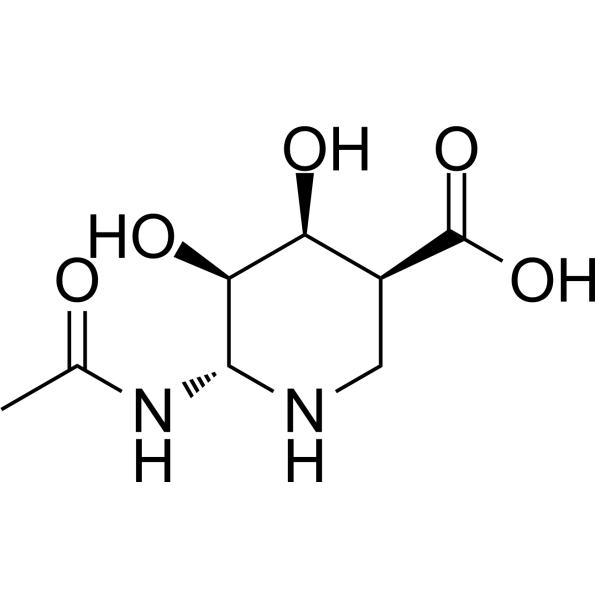
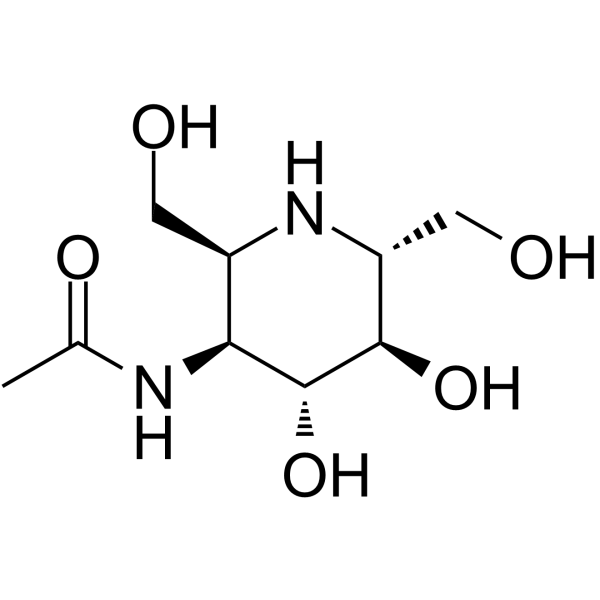
    α-HNJNAc is a potent, competitive hexosaminidases inhibitor without interfering with other glycosidases .
    α-HNJNAc
  • HY-P2929D

    Glycosidase Cancer
    PNGase F (MS grade), a glycosidase, catalyzes the cleavage of an internal glycoside bond in an oligosaccharide. PNGase F (MS grade) removes nearly all N-linked oligosaccharides from glycoproteins. PNGase F (MS grade) can be used for MS analysis .
    PNGase F (MS grade)
  • HY-14829F

    5-epi-Isofagomine

    Glycosidase Metabolic Disease
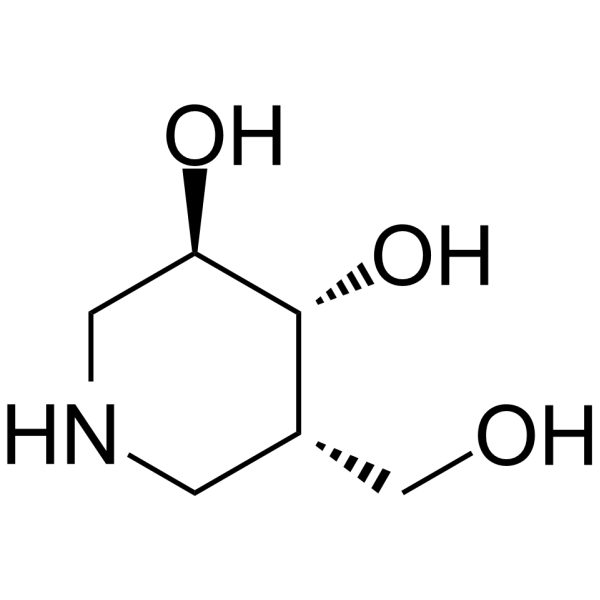
    L-Afegostat (5-epi-Isofagomine) is a glycosidase inhibitor. L-Afegostat is an iminosugar that can be used for the synthesis of carbohydrates. L-Afegostat shows enzyme inhibition to β-Glucosidase with an Ki of 30 μM .
    L-Afegostat
  • HY-E70040

    Endogenous Metabolite Metabolic Disease
    Endoglycoceramidase I (EGCase I) is a glycosidase, is often used in biochemical studies. Endoglycoceramidase I catalyzes a transglycosylation reaction, which transfers the sugar moiety of GSLs to the primary hydroxyl group of several 1-alkanols .
    Endoglycoceramidase I (EGCase I)
  • HY-B2221S1

    Isotope-Labeled Compounds Endogenous Metabolite Others
    U- 13C Cellulose from chicory is the 13C labeled Cellulose (HY-B2221). Cellulose (Pectin glycosidase) is a natural high molecular weight polysaccharide found in many plants and organisms. It is widely used in manufacturing industries, such as in paper making, textiles, food and medicine, etc. As a renewable resource, Cellulose is biodegradable and sustainable, and can also be used to manufacture chemicals such as Cellulose Esters, Cellulose Acetate and Cellulose Nitrate. In addition, Cellulose is often used as a food additive to increase the stability and quality of food .
    U-13C Cellulose from chicory
  • HY-135670B

    Glycosidase Metabolic Disease
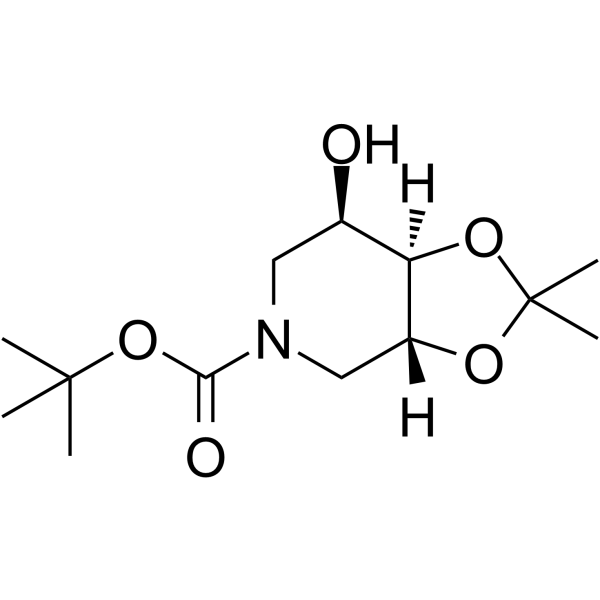
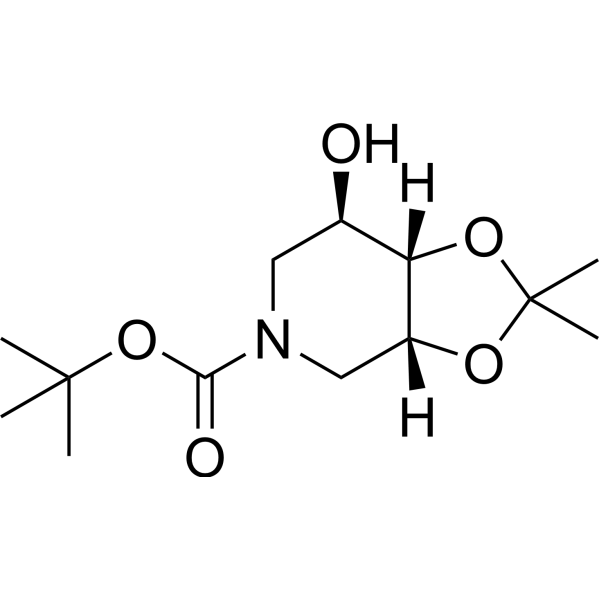
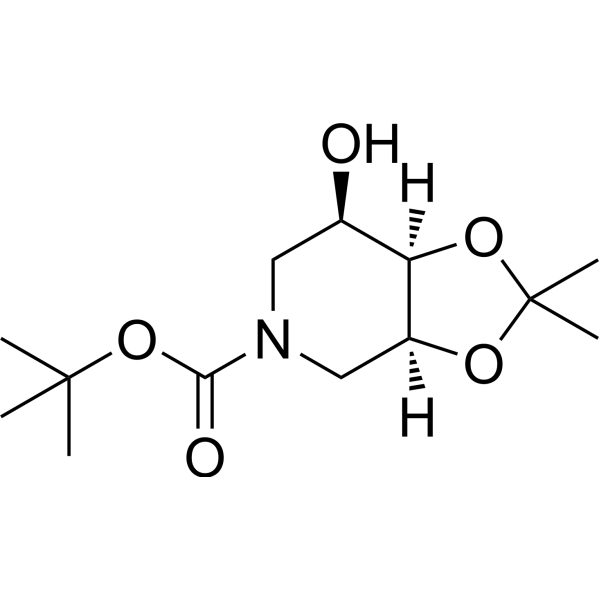
    Glycosidase-IN-2 (Compound 20) is an azasugar class of glycosidase inhibitor. Glycosidase-IN-2 has hypoglycemic activity .
    Glycosidase-IN-2
  • HY-135670

    Glycosidase Metabolic Disease
    Glycosidase-IN-1 (Compound 9) is a glycosidase inhibitor synthesized from D-mannose. Glycosidase-IN-1 be used to synthesize some immunosuppressive agents and β-glucosidase inhibitors. Glycosidase-IN-1 has hypoglycemic activity .
    Glycosidase-IN-1
  • HY-W013696

    alpha-D-Cellobiose octaacetate, 98%

    Biochemical Assay Reagents Others
    α-D-Cellobiose octaacetate is used as a substrate for glycosidases and in glycobiology research.
    α-D-Cellobiose octaacetate, 98%
  • HY-W826489

    α-Sophorose, 98%

    Biochemical Assay Reagents Others
    D-Glucopyranose, 98% serves as a substrate for various glycosidase enzymes, including α-glucosidase, and is also used in glycobiology research.
    D-Glucopyranose, 98%
  • HY-N14904

    Glycosidase Infection
    Panosialin D can inhibit α,β-glucosidase and mannose glycosidase. Panosialin D does not inhibit the influenza virus, but it has weak anti-microbial effect .
    Panosialin D
  • HY-169737

    Glycosidase Amylases Metabolic Disease
    Inulobiose is a difructan disaccharide that can be isolated from Pistacia vera L.. Inulobiose inhibits α-glycosidase and α-amylase activities with IC50s of 1.87 and 40.72 mg/mL, respectively. Inulobiose can be used for the research of diabetes and glomerular filtration rate testing .
    Inulobiose
  • HY-B2221S

    Isotope-Labeled Compounds Endogenous Metabolite Others
    U- 13C Cellulose high DP from potato is the 13C labeled Cellulose (HY-B2221). Cellulose (Pectin glycosidase) is a natural high molecular weight polysaccharide found in many plants and organisms. It is widely used in manufacturing industries, such as in paper making, textiles, food and medicine, etc. As a renewable resource, Cellulose is biodegradable and sustainable, and can also be used to manufacture chemicals such as Cellulose Esters, Cellulose Acetate and Cellulose Nitrate. In addition, Cellulose is often used as a food additive to increase the stability and quality of food .
    U-13C Cellulose high DP from potato
  • HY-169283

    Carbonic Anhydrase Metabolic Disease
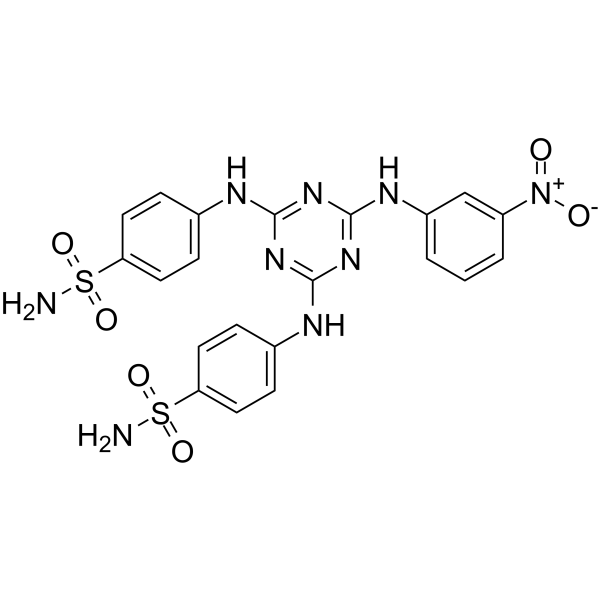
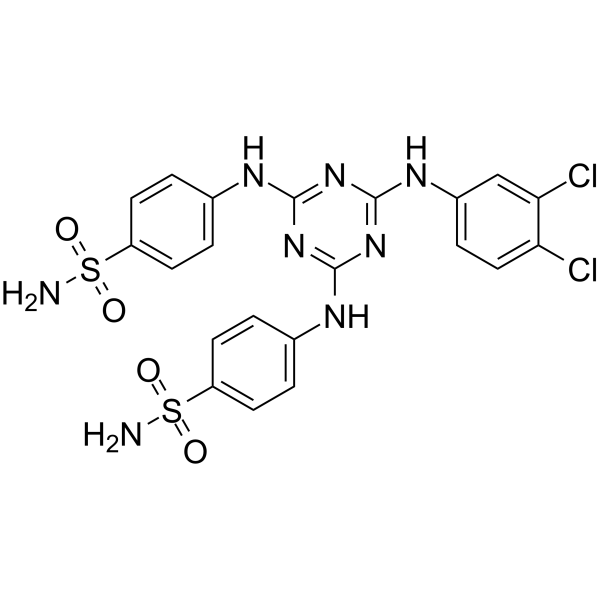
    α-Glycosidase-IN-2 (compound 8b) is a α-Glycosidase inhibitor with the Ki values of 74.16 nM and 6.09 nM for aldose reductase and α-glycosidase,respectively. α-Glycosidase-IN-2 can be used for study of diabetes mellitus .
    α-Glycosidase-IN-2
  • HY-135670A

    Glycosidase Metabolic Disease
    β-glycosidase-IN-1 (Compound 33) is a piperidine derivative and a β-glycosidase inhibitor. β-glycosidase-IN-1 has hypoglycemic activity .
    β-glycosidase-IN-1
  • HY-147954

    Carbonic Anhydrase Cholinesterase (ChE) Neurological Disease Metabolic Disease
    α-Glycosidase-IN-1 (compound MZ7) is a potent α-GLY (α-Glycosidase) inhibitor, with an IC50 of 44.72 nM and a KI of 41.74 nM. α-Glycosidase-IN-1 also shows inhibition profile against human carbonic anhydrase isoenzymes I and II (hCA I and hCA II), and acetylcholinesterase (AChE), with IC50 values of 104.87, 100.04, and 654.87 nM, respectively. α-Glycosidase-IN-1 can be used for the research of many diseases such as diabetes, Alzheimer’s disease, heart failure, ulcer, and epilepsy .
    α-Glycosidase-IN-1
  • HY-17666

    Glycosidase Metabolic Disease
    (-)-Adenophorine (Compound 7c) is a glycosidase inhibitor. (-)-Adenophorine inhibits α-L-fucosidase with an IC50 of 72 μM .
    (-)-Adenophorine
  • HY-E70280

    rEGCase I

    Biochemical Assay Reagents Metabolic Disease
    Recombinant endoglycoceramidase I (rEGCase I) is a glycosidase that catalyzes the hydrolysis of the β-glycosidic linkage between oligosaccharides and ceramides. Recombinant endoglycoceramidase I catalyzes a transglycosylation reaction, which transfers the sugar moiety of glycosphingolipids (GSLs) to the primary hydroxyl group of several 1-alkanols .
    Recombinant endoglycoceramidase I
  • HY-P2926

    DNA/RNA Synthesis Neurological Disease Cancer
    Formamidopyrimidine-DNA glycosylase is a selective DNA repair enzyme. Formamidopyrimidine-DNA glycosylase is promising for research of DNA damage repair and the and oxidative stress-related diseases (e.g., cancer, neurodegenerative diseases) .
    Formamidopyrimidine-DNA glycosidase
  • HY-N14562

    Glycosidase Metabolic Disease
    Cyclo (D-Pro-L-Val) can inhibit β-glycosidase enzyme activity with IC50 of 75 μg/mL. Cyclo (D-Pro-L-Val) has no or only weak inhibitory effect on other glycosidases .
    Cyclo (D-Pro-L-Val)
  • HY-P2769

    Glycosidase Metabolic Disease
    Agarase is a glycosidase that catalyzes the hydrolysis of agar into oligosaccharides .
    Agarase
  • HY-W345102

    Fluorescent Dye Metabolic Disease
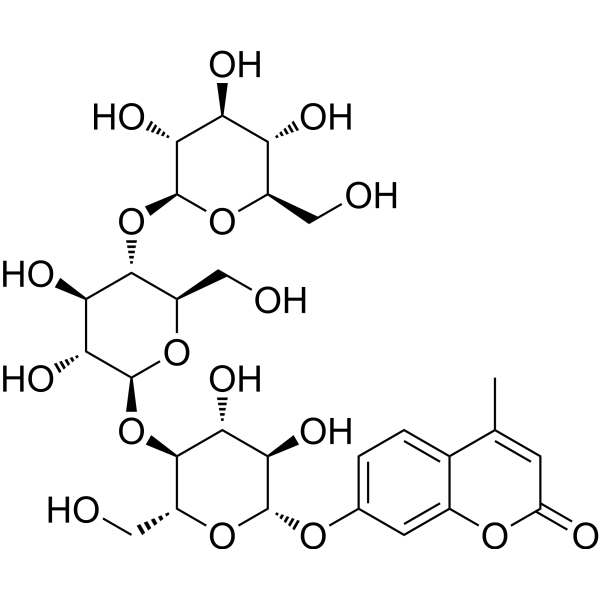
    4-Methylumbelliferyl β-cellotrioside, a chromogenic substrate for β-glycosidases, is a cellulose fluorescent derivative .
    4-Methylumbelliferyl β-cellotrioside
  • HY-N15280

    Glycosidase Metabolic Disease
    Terrestrimine is a potent inhibitor of α-Glycosidase, with the IC50 of 225.83 μM. Terrestrimine plays an important role in metabolic disease research .
    Terrestrimine
  • HY-131504A

    Glycosidase Metabolic Disease
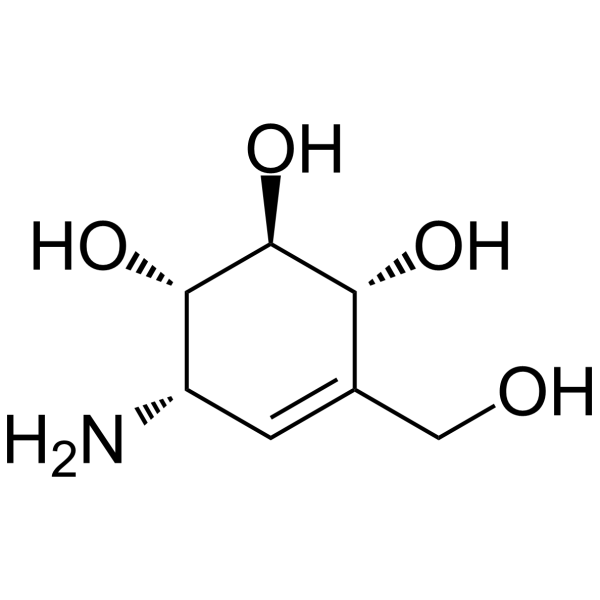
    Valienamine is the alpha-glucosidase inhibitor. Valienamine is the key functional component of many natural glycosidase inhibitors including the crop protectant validamycin A and the antidiabetic agent acarbose .
    Valienamine
  • HY-N14907

    Glycosidase Infection
    Panosialin wA can inhibit α,β-glucosidase and mannose glycosidase. Panosialin wA does not inhibit the influenza virus, but it has weak anti-microbial effect .
    Panosialin wA
  • HY-N13173

    Glycosidase Metabolic Disease
    α-Glucosidase-IN-70 (compound 9) is an α-glucosidase inhibitor (IC50=31.1 μM) isolated from the traditional Chinese herbal medicine Swertia mussotii. α-Glucosidase-IN-70 can be used in the research of diabetes .
    α-Glucosidase-IN-70
  • HY-P2950B

    Biochemical Assay Reagents Others
    α-(1-2,3,6) Mannosidase is a glycosidase. Enzymes have high catalytic efficiency, high specificity, and mild operating conditions. It can be applied in industries such as pharmaceuticals, industrial production, food manufacturing, and aquaculture .
    α-(1-2,3,6) Mannosidase
  • HY-N3864

    Glycosidase Others
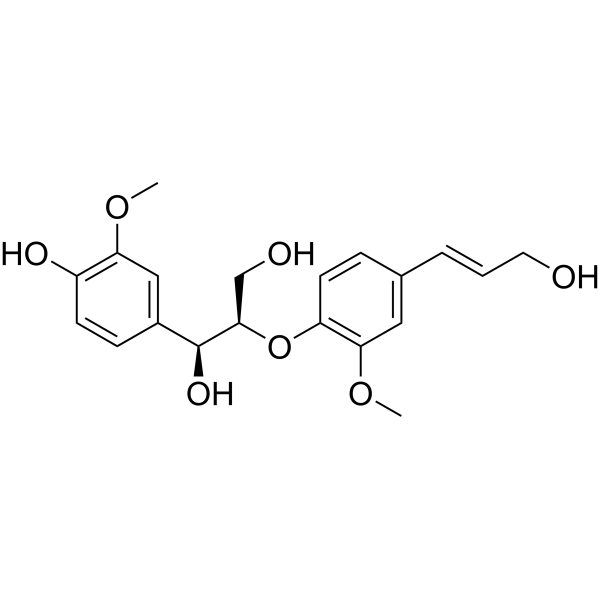
    Erythro-Guaiacylglycerol beta-coniferyl ether (compound 22) can be isolated from the stems and leaves of mung beans. Erythro-Guaiacylglycerol beta-coniferyl ether inhibits α-Glycosidase activity with EC50 value of 18.71 μM .
    erythro-Guaiacylglycerol β-coniferyl ether
  • HY-E70304

    MAN1A1

    Endogenous Metabolite Others
    Mannosyl-oligosaccharide 1,2-α-mannosidase IA (MAN1A1) is a glycosidase that catalyzes the hydrolysis of α-1,2-linked mannose residues in Man(9)GlcNAc(2) to produce Man(9)GlcNAc(2) .
    Mannosyl-oligosaccharide 1,2-α-mannosidase IA
  • HY-W854392

    Biochemical Assay Reagents
    3-Carboxyumbelliferyl-β-D-glucuronide (dipotassium) is a chromogenic substrate with biological activity for enzyme activity detection. 3-Carboxyumbelliferyl-β-D-glucuronide (dipotassium) can be used to evaluate biological reactions associated with glycosidases. 3-Carboxyumbelliferyl-β-D-glucuronide (dipotassium) shows a wide range of application potentials in compound discovery and biomedical research.
    3-Carboxyumbelliferyl-β-D-glucuronide dipotassium
  • HY-150723

    Glycosidase Metabolic Disease
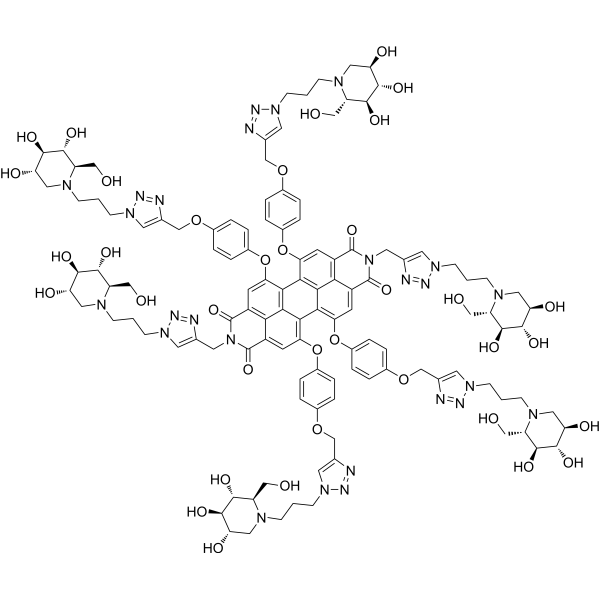
    PBI-6DNJ is an orally active and potent multivalent glycosidase inhibitor. PBI-6DNJ exhibits good inhibition activity against α-glucosidase from mice, with a Ki of 0.14 μM. PBI-6DNJ exhibits good hypoglycemic activity. PBI-6DNJ can be used for type 2 diabetes research .
    PBI-6DNJ
  • HY-147955

    Carbonic Anhydrase Cholinesterase (ChE) Neurological Disease Metabolic Disease
    hCAI/II-IN-5 (compound MZ8) is a potent hCA I and hCA II (human carbonic anhydrase isoenzymes I and II) inhibitor, with IC50 values of 37.88 and 45.23 nM, respectively. hCAI/II-IN-5 also shows inhibition profile against α-Glycosidase and AChE, with IC50 values of 48.98 and 420.14 nM, respectively. hCAI/II-IN-5 can be used for the research of many diseases such as diabetes, Alzheimer’s disease, heart failure, ulcer, and epilepsy .
    hCAI/II-IN-5
  • HY-B2221S3

    Isotope-Labeled Compounds Endogenous Metabolite Others
    U- 13C Cellulose high DP from maize is the 13C labeled Cellulose (HY-B2221). Cellulose (Pectin glycosidase) is a natural high molecular weight polysaccharide found in many plants and organisms. It is widely used in manufacturing industries, such as in paper making, textiles, food and medicine, etc. As a renewable resource, Cellulose is biodegradable and sustainable, and can also be used to manufacture chemicals such as Cellulose Esters, Cellulose Acetate and Cellulose Nitrate. In addition, Cellulose is often used as a food additive to increase the stability and quality of food .
    U-13C Cellulose high DP from maize

Consulta en línea

Your information is safe with us. * Required Fields.

Saludo


Country or Region *

Nombre del solicitante *


Nombre de la Organizaciòn *

Department *


Direcciòn del E-mail *


Nombre del producto *

Cat. No.


Requested quantity *

Número de teléfono *


Observaciones

Consulta en línea

Inquiry Information

Nombre del producto:
Cat. No.:
Cantidad:
MCE Japan Authorized Agent: