Search Result
Results for "
Gram-negative anaerobic bacteria
" in MedChemExpress (MCE) Product Catalog:
5
Isotope-Labeled Compounds
| Cat. No. |
Product Name |
Target |
Research Areas |
Chemical Structure |
-
- HY-B1369A
-
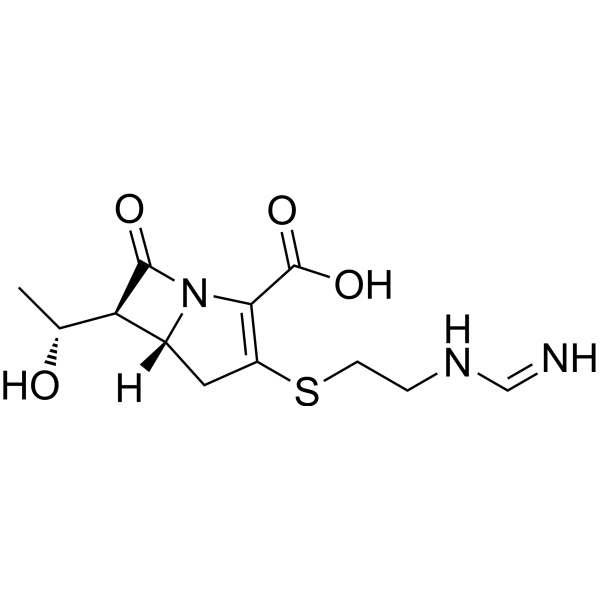
Imipenem
Maximum Cited Publications
35 Publications Verification
N-Formimidoyl thienamycin; MK0787
|
Antibiotic
Bacterial
|
Infection
|
|
Imipenem (MK0787), a stable crystalline derivative of thienamycin, is an antibiotic and has the excellent activity against a broad range of gram-positive and gram-negative aerobic and anaerobic bacteria. Imipenem can be used for the research of carbapenem-nonsusceptible and P. aeruginosa biofilm infections .
|
-
-
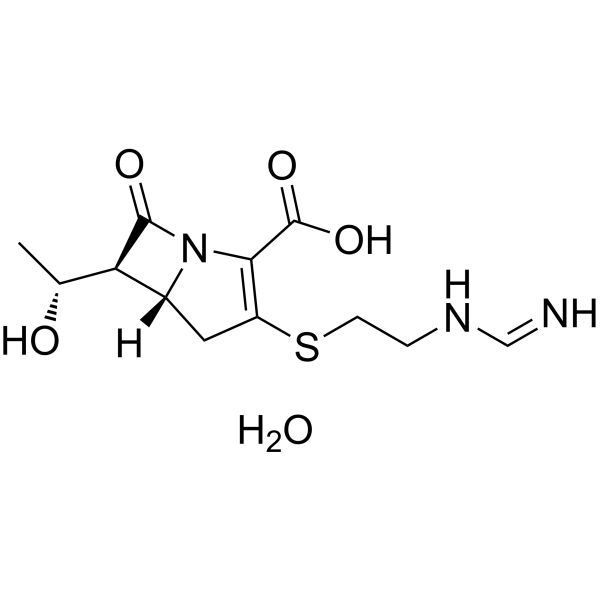
- HY-B1369
-
|
N-Formimidoyl thienamycin monohydrate; MK0787 monohydrate
|
Antibiotic
Bacterial
|
Infection
|
|
Imipenem monohydrate, a stable crystalline derivative of thienamycin, is an antibiotic and has the excellent activity against a broad range of gram-positive and gram-negative aerobic and anaerobic bacteria. Imipenem monohydrate can be used for the research of carbapenem-nonsusceptible and P. aeruginosa biofilm infections .
|
-
-
- HY-N8461
-
|
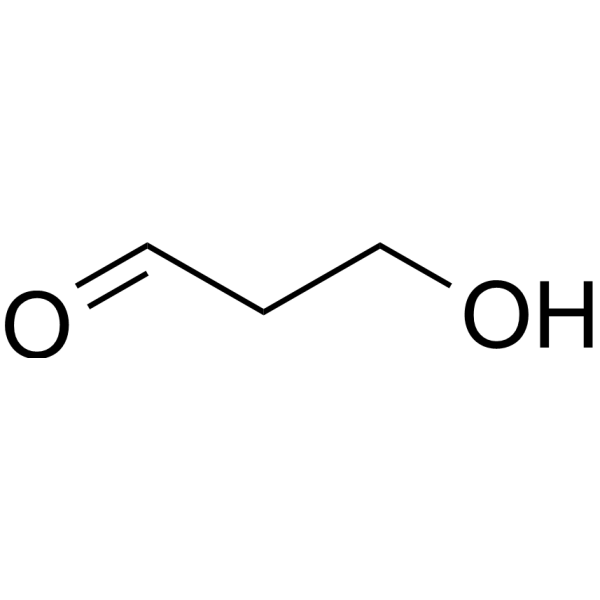
3-Hydroxypropionaldehyde; 3-Hydroxypropanal
|
Bacterial
|
Infection
|
|
Reuterin is a broad-spectrum antimicrobial agent active against Gram positive and Gram negative bacteria, as well as yeasts, moulds and protozoa. Reuterin is produced by specific strains of Lactobacillus reuteri during anaerobic metabolism of glycerol. Reuterin also demonstrates potent antimicrobial activity against a broad panel of human and poultry meat campylobacter spp. Isolates .
|
-
-
- HY-B0479
-
|
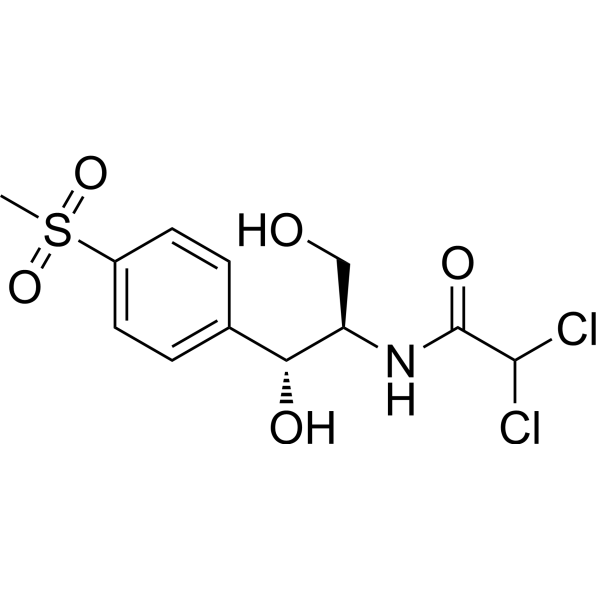
Thiophenicol; Dextrosulphenidol
|
Beta-lactamase
Bacterial
Antibiotic
|
Infection
|
|
Thiamphenicol (Thiophenicol), a methyl-sulfonyl derivative of Chloramphenicol, is a broad-spectrum antimicrobial antibiotic. Thiamphenicol acts by binding to the 50S ribosomal subunit, leading to inhibition of protein synthesis and bacteriostatic effect (against Gram-negative, Gram-positive aerobic and anaerobic bacteria) .
|
-
-
- HY-14865
-
|
PTK 0796; Amadacycline
|
Bacterial
Antibiotic
|
Infection
|
|
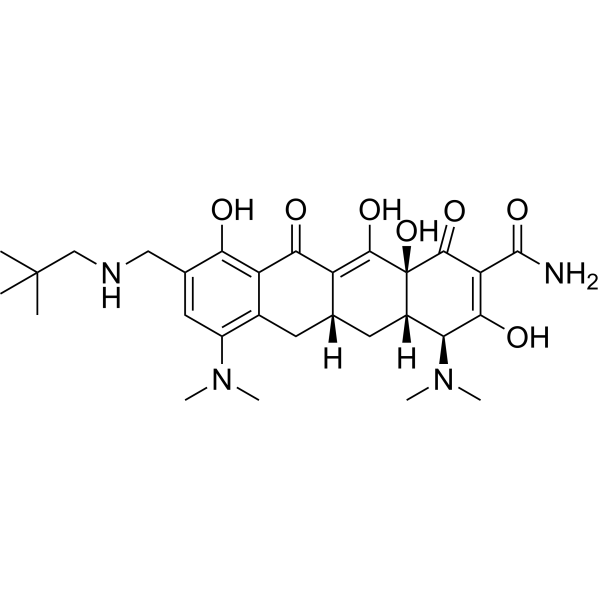
Omadacycline (PTK 0796), a first-in-class orally active aminomethylcycline antibacterial, is a member of the tetracycline class of antibiotics. Omadacycline acts through the inhibition of bacterial protein synthesis by binding to the 30S ribosomal subunit. Omadacycline possesses broad-spectrum antibacterial activity against aerobic and anaerobic Gram-positive and Gram-negative bacteria, as well as atypical bacteria. Omadacycline can be used for the research of acute bacterial skin and skin-structure infections, community-acquired pneumonia, and urinary tract infections .
|
-
-
- HY-141619A
-
|
|
Bacterial
|
Infection
|
|
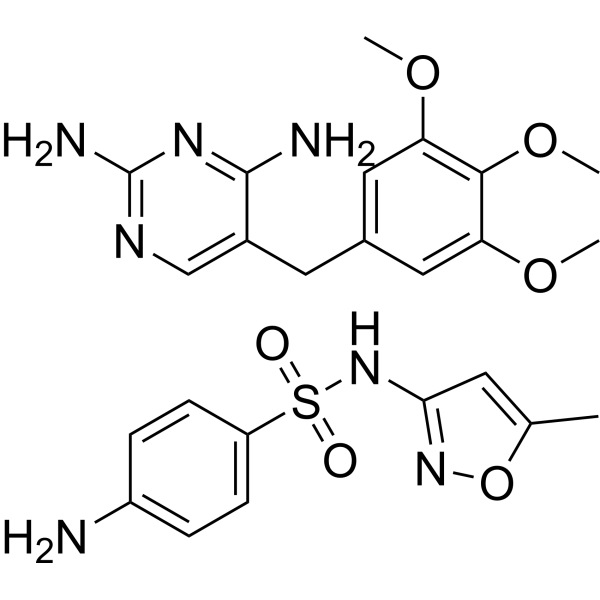
Cotrimoxazole (Trimethoprim/sulfamethoxazole 1:19), an antibacterial agent, is a Trimethoprim (HY-B0510) and Sulfamethoxazole (HY-B0322) mixture. The ratio of Trimethoprim to Sulfamethoxazole in the combination mixture is 1 : 19 .
|
-
-
- HY-14865B
-
|
PTK 0796 tosylate; Amadacycline tosylate
|
Bacterial
Antibiotic
|
Infection
|
|
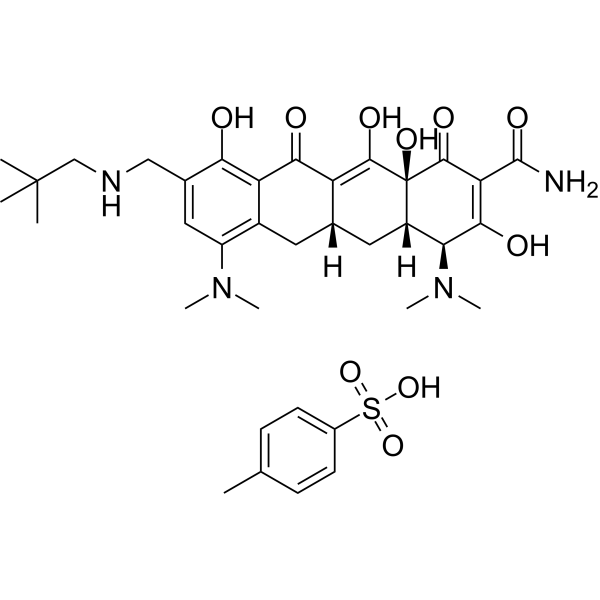
Omadacycline (PTK 0796) tosylate, a first-in-class orally active aminomethylcycline antibacterial, is a member of the tetracycline class of antibiotics. Omadacycline tosylate acts through the inhibition of bacterial protein synthesis by binding to the 30S ribosomal subunit. Omadacycline tosylate possesses broad-spectrum antibacterial activity against aerobic and anaerobic Gram-positive and Gram-negative bacteria, as well as atypical bacteria. Omadacycline tosylate can be used for the research of acute bacterial skin and skin-structure infections, community-acquired pneumonia, and urinary tract infections .
|
-
-
- HY-P10352A
-
|
|
Bacterial
|
Infection
|
|
Pediocin PA-1 TFA is a class IIa bacteriocin that specifically binds to membrane proteins of susceptible Gram-positive bacteria (such as Listeria monocytogenes) to form voltage-independent hydrophilic pores, leading to dissipation of proton motive force, ATP depletion and cell death. Pediocin PA-1 TFA shows no significant activity against intact Gram-negative bacteria, strains carrying immunity genes and obligate anaerobic commensal gut microbiota, and its bactericidal function depends on the integrity of disulfide bonds, with activity lost upon reduction. Pediocin PA-1 TFA can be used not only as a food biopreservative but also for research on listeriosis .
|
-

-
- HY-141619
-
|
|
Bacterial
|
Infection
|
|
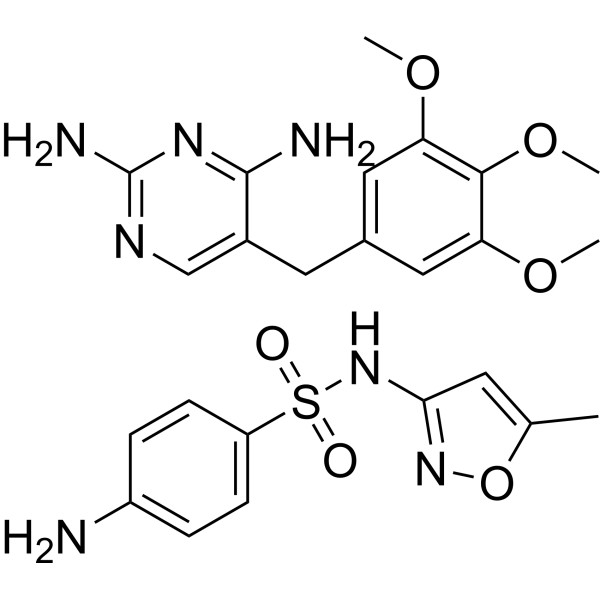
Cotrimoxazole (Trimethoprim/sulfamethoxazole 1:5), an antibacterial agent, is a Trimethoprim (HY-B0510) and Sulfamethoxazole (HY-B0322) mixture. The ratio of Trimethoprim to Sulfamethoxazole in the combination mixture is 1 : 5 .
|
-
-
- HY-B1824
-
|
HR-810 sulfate
|
Bacterial
Antibiotic
|
Infection
|
|
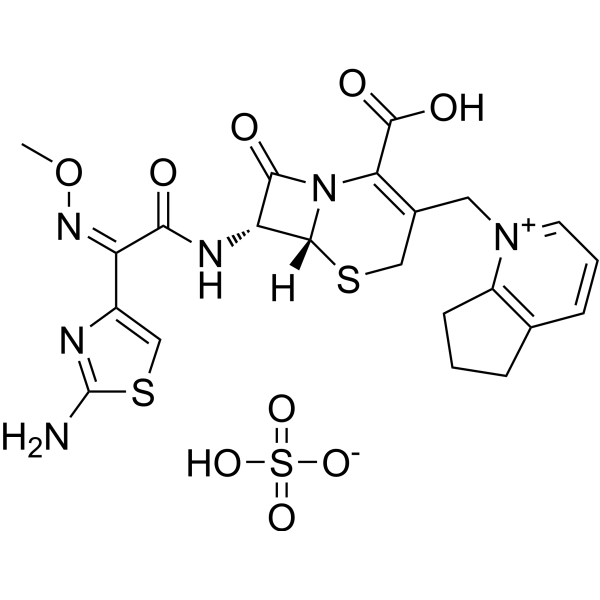
Cefpirome (HR-810) sulfate is a cephalosporin antibiotic that can cross cell membranes and the blood-brain barrier. Cefpirome sulfate binds to penicillin-binding proteins with high affinity, thereby inhibiting bacterial cell wall synthesis. Cefpirome sulfate exhibits bactericidal and growth-inhibitory activities against Gram-negative bacteria, Gram-positive bacteria, and susceptible anaerobic bacteria (including some β-lactamase-producing strains) .
|
-
-
- HY-B1484
-
|
Latamoxef sodium; Lamoxactam sodium; LY-127935 sodium
|
Beta-lactamase
Bacterial
Antibiotic
|
Infection
|
|
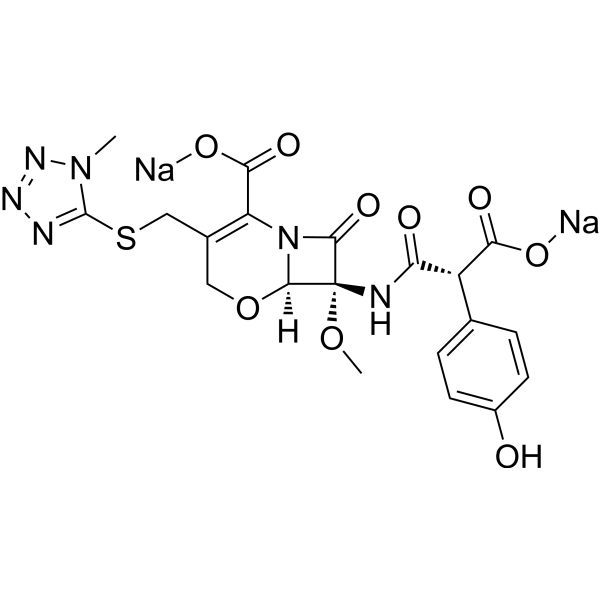
Moxalactam (Latamoxef) sodium salt is a synthetic oxa-β-lactam antibiotic. Moxalactam sodium salt has a broad spectrum of activity against Gram-positive and Gram-negative aerobic and anaerobic bacteria. Moxalactam sodium salt inhibits production of β-lactamases .
|
-
-
- HY-B0395
-
|
DU6859a
|
Bacterial
Antibiotic
|
Infection
|
|
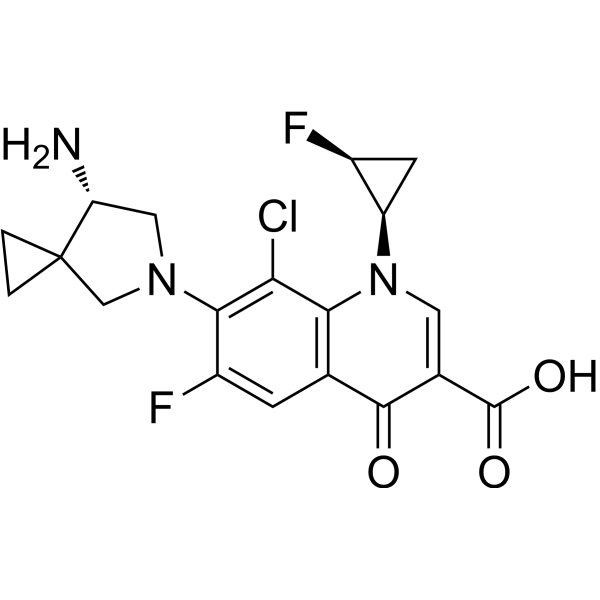
Sitafloxacin (DU6859a) is a potent, orally active fluoroquinolone antibiotic. Sitafloxacin shows antichlamydial activity and antibacterial activities against a broad range of gram-positive and gram-negative bacteria, including anaerobic bacteria, as well as against atypical pathogens. Sitafloxacin can be used for the research of respiratory tract infection and urinary tract infection .
|
-
-
- HY-B1257
-
|
Sodium cefmetazole
|
Bacterial
Antibiotic
|
Infection
Cancer
|
|
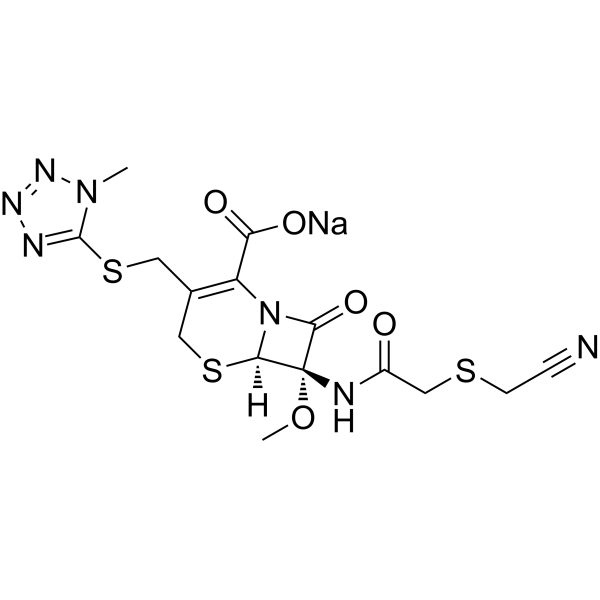
Cefmetazole sodium (Sodium cefmetazole) is a semisynthetic cephamycin antibiotic with broad-spectrum antibacterial activity, covering gram-positive, gram-negative, and anaerobic bacteria. Cefmetazole sodium binds to penicillin binding proteins (PBPs), resulting in interfering bacterial cell wall biosynthesis. Cefmetazole sodium is used for the research of gynecologic, intraabdominal, urinary tract, respiratory tract and skin and soft tissue infections .
|
-
-
- HY-B0724A
-
|
T-3762; Pazufloxacin methanesulfonate; Pazufloxacin mesilate
|
Bacterial
DNA/RNA Synthesis
|
Infection
|
|
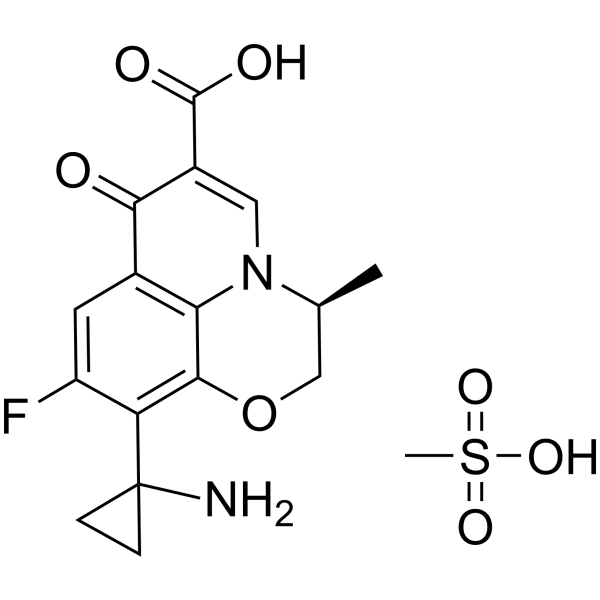
Pazufloxacin mesylate is an orally active fluoroquinolone antimicrobial agent. Pazufloxacin mesylate inhibits DNA gyrase with IC50 values of 0.88 μg/mL (E. coli) and 1.9 μg/mL (P. aeruginosa). Pazufloxacin mesylate exhibits broad-spectrum antimicrobial activity, with MIC90 values ranging from 0.025 to 100 μg/mL against Gram-positive and Gram-negative bacteria, non-fermenting bacteria, Legionella spp., and anaerobic bacteria. Pazufloxacin mesylate is indicated for research on systemic infections, lung infections, urinary tract infections, and Legionella pneumonia .
|
-
-
- HY-14865C
-
|
PTK0796 hydrochloride; Amadacycline hydrochloride
|
Bacterial
Antibiotic
|
Infection
|
|
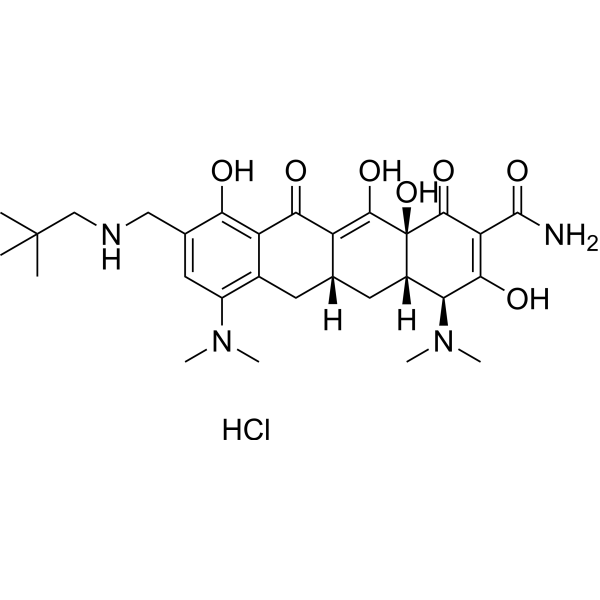
Omadacycline (PTK 0796) hydrochloride, a first-in-class orally active aminomethylcycline antibacterial, is a member of the tetracycline class of antibiotics. Omadacycline hydrochloride acts through the inhibition of bacterial protein synthesis by binding to the 30S ribosomal subunit. Omadacycline hydrochloride possesses broad-spectrum antibacterial activity against aerobic and anaerobic Gram-positive and Gram-negative bacteria, as well as atypical bacteria. Omadacycline hydrochloride can be used for the research of acute bacterial skin and skin-structure infections, community-acquired pneumonia, and urinary tract infections .
|
-
-
- HY-B0159
-
|
Q-35
|
Bacterial
Antibiotic
|
Infection
|
|
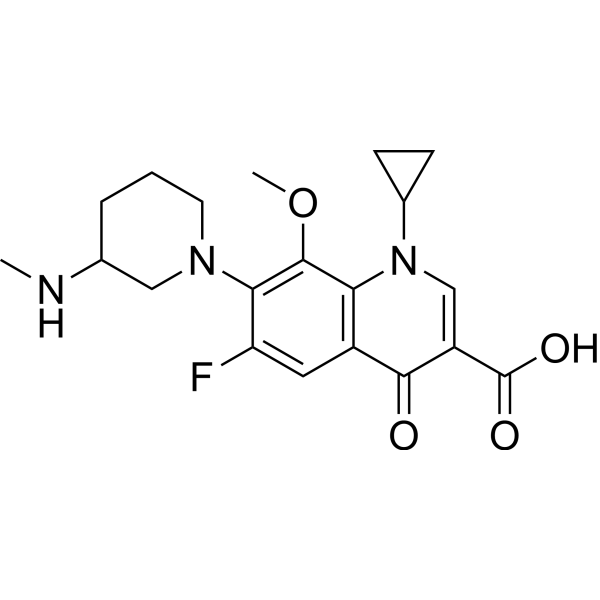
Balofloxacin (Q-35) is an orally active fluoroquinolone antibiotic with broad-spectrum antibacterial activity against gram-negative, gram-positive, and anaerobic bacteria. Balofloxacin can be used for the research of respiratory, intestinal, and urinary tract infections .
|
-
-
- HY-B1923S
-
-
-
- HY-B1369R
-
|
N-Formimidoyl thienamycin monohydrate (Standard); MK0787 monohydrate (Standard)
|
Reference Standards
Antibiotic
Bacterial
|
Infection
|
|
Imipenem (monohydrate) (Standard) is the analytical standard of Imipenem (monohydrate). This product is intended for research and analytical applications. Imipenem monohydrate, a stable crystalline derivative of thienamycin, is an antibiotic and has the excellent activity against a broad range of gram-positive and gram-negative aerobic and anaerobic bacteria. Imipenem monohydrate can be used for the research of carbapenem-nonsusceptible and P. aeruginosa biofilm infections .
|
-

-
- HY-P10352
-
|
|
Bacterial
|
Infection
|
|
Pediocin PA 1 is a class IIa bacteriocin that specifically binds to membrane proteins of susceptible Gram-positive bacteria (such as Listeria monocytogenes) to form voltage-independent hydrophilic pores, leading to dissipation of proton motive force, ATP depletion and cell death. Pediocin PA 1 shows no significant activity against intact Gram-negative bacteria, strains carrying immunity genes and obligate anaerobic commensal gut microbiota, and its bactericidal function depends on the integrity of disulfide bonds, with activity lost upon reduction. Pediocin PA 1 can be used not only as a food biopreservative but also for research on listeriosis .
|
-

-
- HY-116228
-
|
Caderofloxacin; CS-940
|
Bacterial
|
Infection
|
|
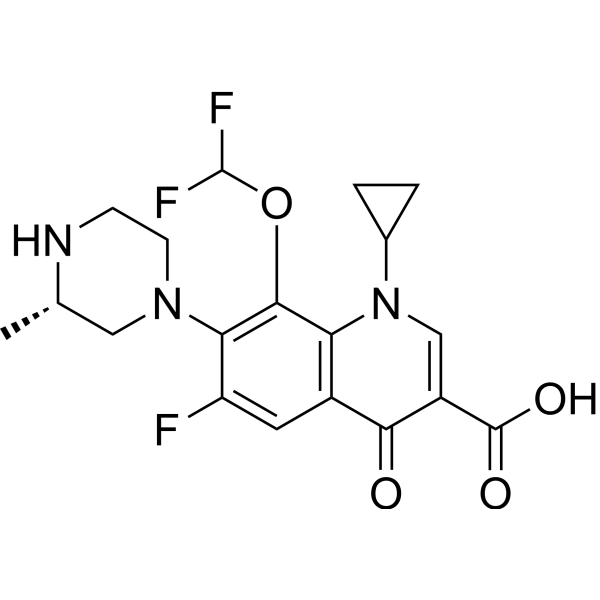
Cadrofloxacin (Caderofloxacin; CS-940) is an orally active antibacterial agent with significant bactericidal activity against quinolone-resistant Staphylococcus aureus, Gram-positive bacteria, Gram-negative bacteria and anaerobic bacteria. Cadrofloxacin effectively improves systemic infection and experimental Klebsiella pneumoniae pneumonia in mice. Cadrofloxacin can be widely used in research related to systemic bacterial infections and bacterial pneumonia .
|
-
-
- HY-B0479S
-
|
Thiophenicol-d3; Dextrosulphenidol-d3
|
Isotope-Labeled Compounds
Bacterial
Antibiotic
|
Infection
|
|
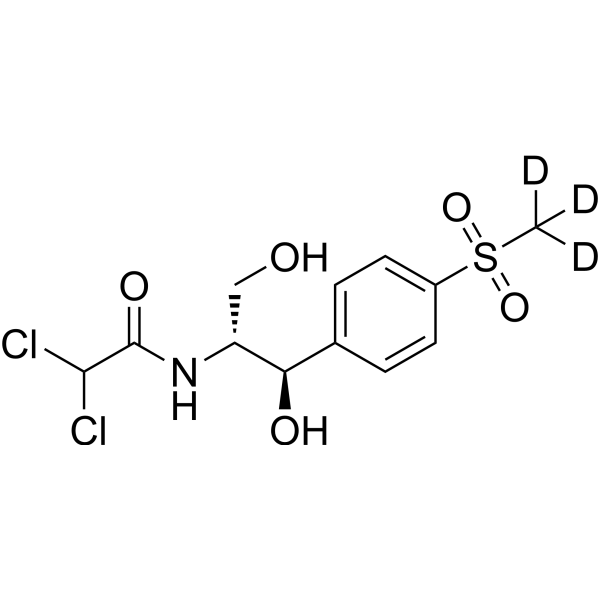
Thiamphenicol-d3 is a deuterium labeled Thiamphenicol. Thiamphenicol, a methyl-sulfonyl derivative of Chloramphenicol, is a broad-spectrum antimicrobial antibiotic. Thiamphenicol acts by binding to the 50S ribosomal subunit, leading to inhibition of protein synthesis and bacteriostatic effect (against Gram-negative, Gram-positive aerobic and anaerobic bacteria) .
|
-
-
- HY-B1127
-
|
N-Benzoyl-β-alanine
|
Antibiotic
Bacterial
|
Infection
Endocrinology
|
|
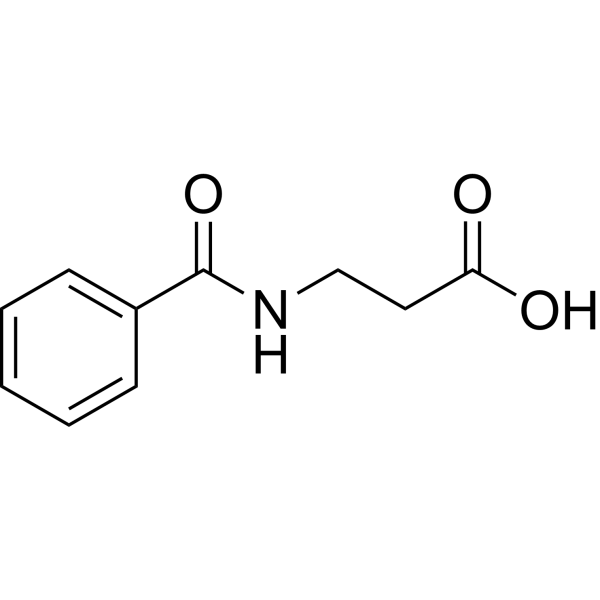
Betamipron (N-benzoyl-β-alanine) is a carbapenem β-lactam antibiotic with antibacterial activity against most Gram-positive and Gram-negative aerobic and anaerobic bacteria. Betamipron can target and inhibit renal organic anion transporters, alleviate renal injury caused by Cisplatin (HY-17394), without interfering with the biological activity of cisplatin. Betamipron is often used in combination with panipenem, which can attenuate the renal effects induced by panipenem and slightly promote the proliferation of Clostridium difficile in the cecum. Betamipron can be used in studies related to renal injury and bacterial infection .
|
-
-
- HY-B0536
-
|
AM-1091; CI-960; PD 127391
|
Bacterial
Antibiotic
|
Infection
|
|
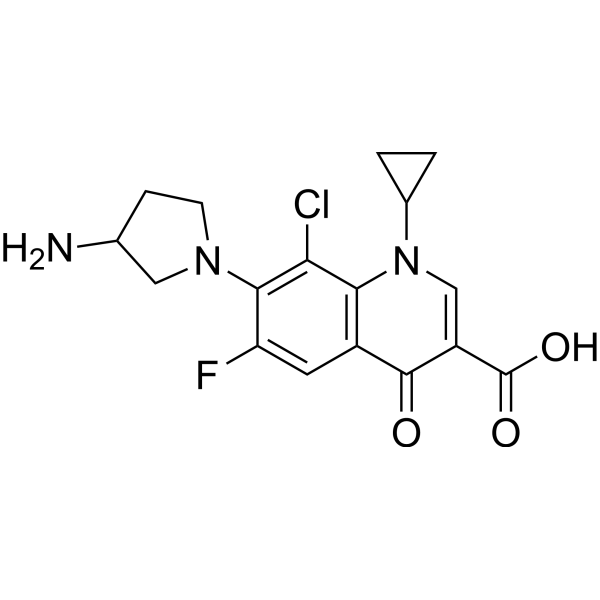
Clinafloxacin (AM 1091) is a potent and broad-spectrum fluoroquinolone antibiotic, has inhibitory activity against gram-positive, gram-negative bacterias, and anaerobic pathogens in vitro . Clinafloxacin is against DNA gyrase and topoisomerase IV of?S. aureus with IC50 values of 0.92 μg/ml and 1.62 μg/ml, respectively .
|
-
-
- HY-B1595
-
|
CS 1170
|
Antibiotic
Bacterial
|
Infection
Cancer
|
|
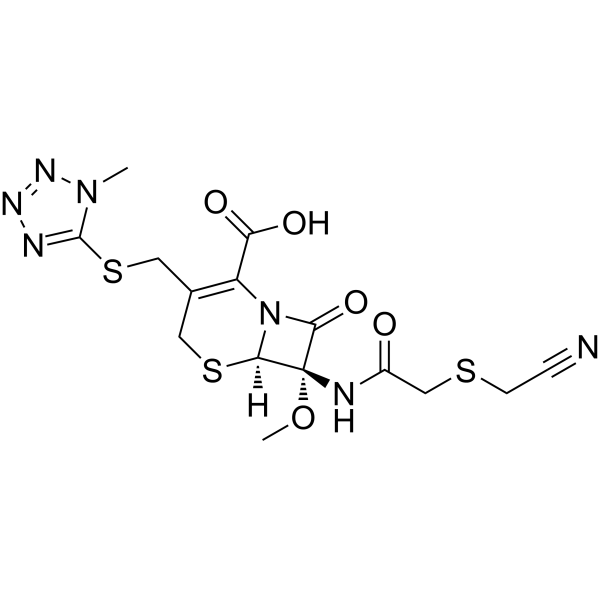
Cefmetazole (CS 1170) is a semisynthetic cephamycin antibiotic with broad-spectrum antibacterial activity, covering gram-positive, gram-negative and anaerobic bacteria. Cefmetazole binds to penicillin binding proteins (PBPs), resulting in interfering bacterial cell wall biosynthesis. Cefmetazole is used for the research of gynecologic, intraabdominal, urinary tract, respiratory tract and skin and soft tissue infections .
|
-
-
- HY-B0479R
-
|
Thiophenicol (Standard); Dextrosulphenidol (Standard)
|
Beta-lactamase
Reference Standards
Bacterial
Antibiotic
|
Infection
|
|
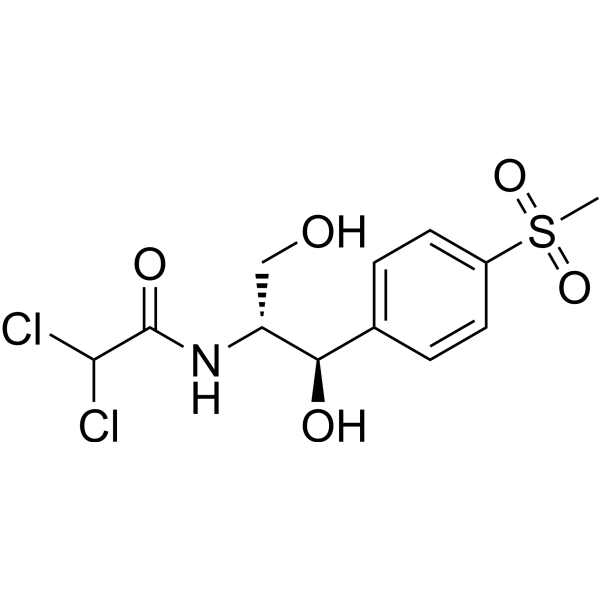
Thiamphenicol (Standard) is the analytical standard of Thiamphenicol. This product is intended for research and analytical applications. Thiamphenicol (Thiophenicol), a methyl-sulfonyl derivative of Chloramphenicol, is a broad-spectrum antimicrobial antibiotic. Thiamphenicol acts by binding to the 50S ribosomal subunit, leading to inhibition of protein synthesis and bacteriostatic effect (against Gram-negative, Gram-positive aerobic and anaerobic bacteria) .
|
-
-
- HY-B0159A
-
|
Q-35 dihydrate
|
Bacterial
Antibiotic
|
Infection
|
|
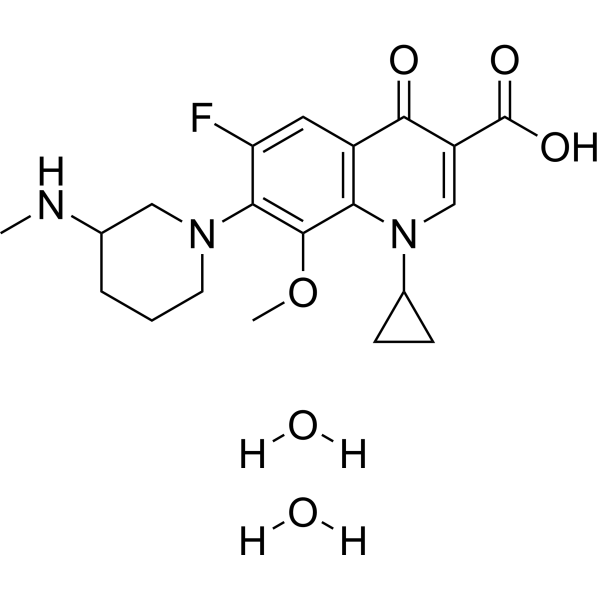
Balofloxacin dihydrate (Q-35 dihydrate) is an orally active fluoroquinolone antibiotic with broad-spectrum antibacterial activity against gram-negative, gram-positive, and anaerobic bacteria. Balofloxacin dihydrate can be used for the research of respiratory, intestinal, and urinary tract infections .
|
-
-
- HY-B1484A
-
|
Latamoxef; Lamoxactam; LY-127935
|
Beta-lactamase
Bacterial
Antibiotic
|
Infection
|
|
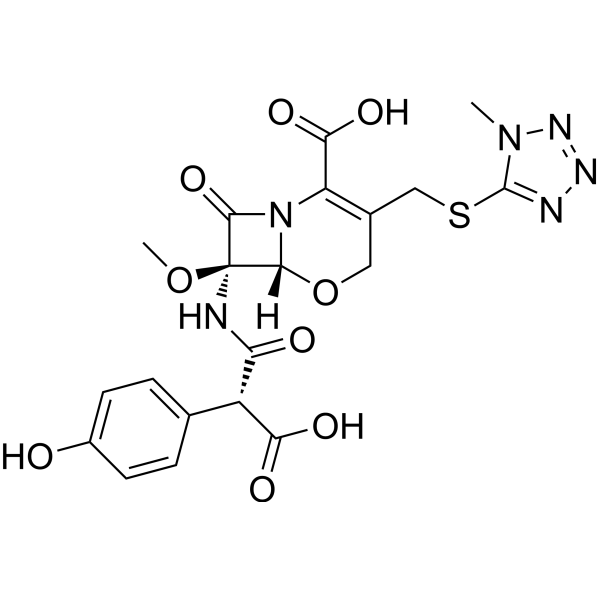
Moxalactam (Latamoxef) is a synthetic oxa-β-lactam antibiotic. Moxalactam has a broad spectrum of activity against Gram-positive and Gram-negative aerobic and anaerobic bacteria. Moxalactam inhibits production of β-lactamases .
|
-
-
- HY-B0536A
-
|
AM 1091 hydrochloride; CI 960 hydrochloride; PD127391 hydrochloride
|
Bacterial
Antibiotic
|
Infection
|
|
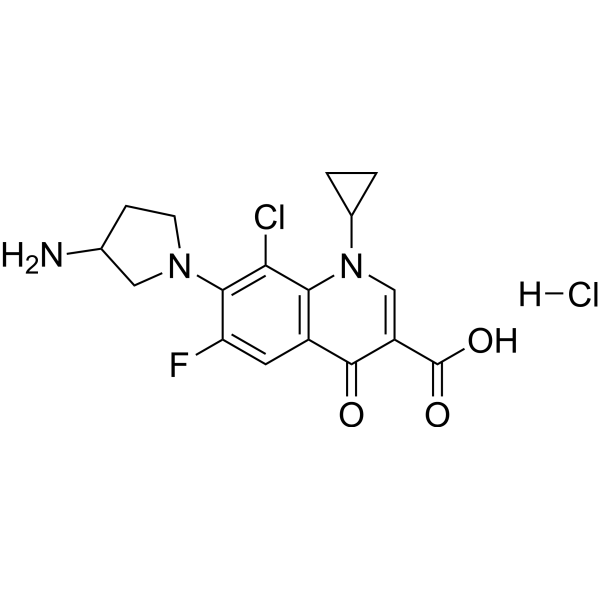
Clinafloxacin hydrochloride (AM 1091 hydrochloride) is a potent and broad-spectrum fluoroquinolone antibiotic, has inhibitory activity against gram-positive, gram-negative bacterias, and anaerobic pathogens in vitro . Clinafloxacin hydrochloride is against DNA gyrase and topoisomerase IV of S. aureus with IC50 values of 0.92 µg/ml and 1.62 µg/ml, respectively .
|
-
-
- HY-B1824R
-
|
HR-810 sulfate (Standard)
|
Reference Standards
Antibiotic
Bacterial
|
Infection
|
|
Cefpirome (HR-810) sulfate (Standard) is the analytical standard of Cefpirome sulfate. This product is intended for research and analytical applications. Cefpirome sulfate is a cephalosporin antibiotic that can cross cell membranes and the blood-brain barrier. Cefpirome sulfate binds to penicillin-binding proteins with high affinity, thereby inhibiting bacterial cell wall synthesis. Cefpirome sulfate exhibits bactericidal and growth-inhibitory activities against Gram-negative bacteria, Gram-positive bacteria, and susceptible anaerobic bacteria (including some β-lactamase-producing strains).
|
-

-
- HY-B0724B
-
|
T3761
|
Bacterial
DNA/RNA Synthesis
|
Infection
|
|
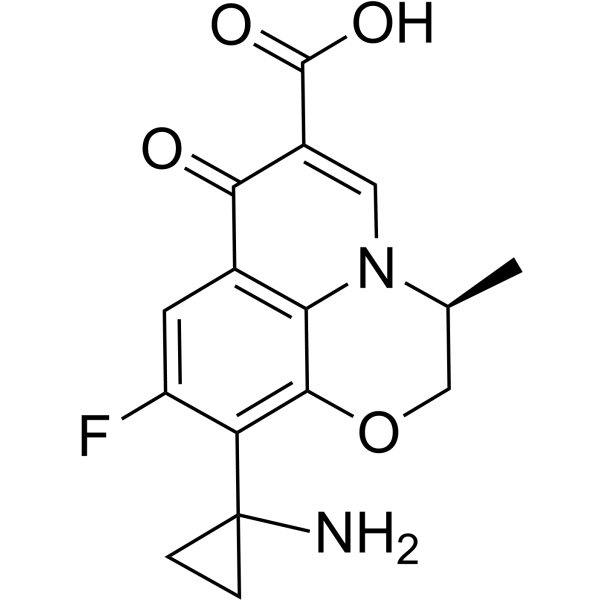
Pazufloxacin is an orally active fluoroquinolone antimicrobial agent. Pazufloxacin inhibits DNA gyrase with IC50 values of 0.88 μg/mL (E. coli) and 1.9 μg/mL (P. aeruginosa). Pazufloxacin exhibits broad-spectrum antimicrobial activity, with MIC90 values ranging from 0.025 to 100 μg/mL against Gram-positive and Gram-negative bacteria, non-fermenting bacteria, Legionella spp., and anaerobic bacteria. Pazufloxacin is indicated for research on systemic infections, lung infections, urinary tract infections, and Legionella pneumonia .
|
-
-
- HY-B0343
-
|
A-56620
|
Bacterial
|
Infection
Inflammation/Immunology
|
|
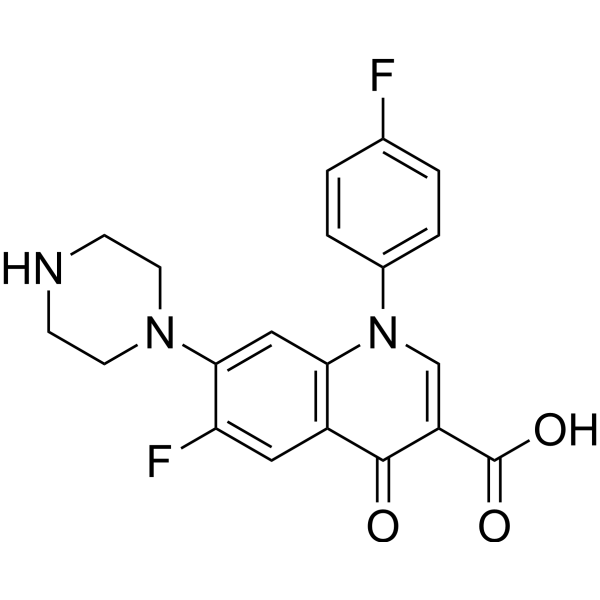
Sarafloxacin (A-56620) is a fluoroquinolone Antibacterial agent. Sarafloxacin inhibits the growth of Staphylococcus aureus, Enterobacteriaceae, and both aminoglycoside-sensitive and aminoglycoside-resistant strains of Pseudomonas aeruginosa .
|
-
-
- HY-108877
-
|
BMY-28142 hydrochloride
|
Antibiotic
Bacterial
GABA Receptor
|
Infection
|
|
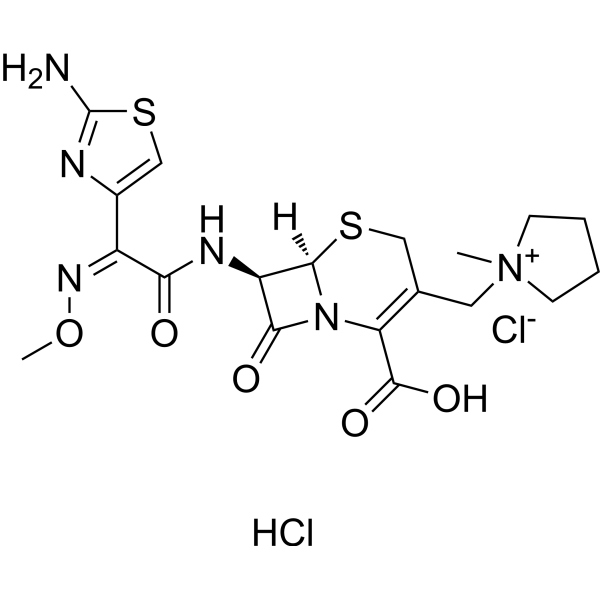
Cefepime (BMY-28142) hydrochloride is a broad-spectrum, blood-brain barrier-permeable cephalosporin antibiotic with hPON1 inhibitory activity, with an IC50 of 21.115 mM and a Ki of 35.092 mM. Cefepime hydrochloride inhibits hPON1 via a non-competitive mechanism and blocks GABAA receptors. Cefepime hydrochloride penetrates the outer membrane of Gram-negative bacteria, inhibits the growth of Gram-positive and Gram-negative bacteria, and does not induce the production of β-lactamase .
|
-
-
- HY-138094
-
|
|
Drug Metabolite
|
Infection
|
|
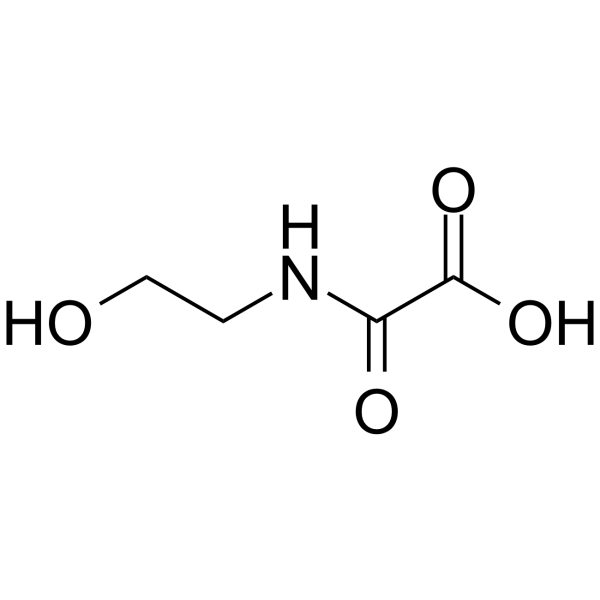
N-(2-hydroxyethyl)-oxamic acid is formed when Metronidazole is reduced either chemically or by the action of the intestinal bacteria. Metronidazole, a nitroimidazole antibiotic, has activity against various protozoans and most Gram-negative and Gram-positive anaerobic bacteria .
|
-
-
- HY-105213
-
|
MC-352
|
Antibiotic
Bacterial
|
Infection
|
|
YM-17K (MC-352) is a macrolide antibiotic. YM-17K exhibits antimicrobial activity against Gram-positive bacteria, Gram-negative bacteria, and anaerobic bacteria. YM-17K exhibits stable activity in serum and is less affected by pH values .
|
-

-
- HY-B0395A
-
|
DU6859a hydrochloride
|
Antibiotic
Bacterial
|
Infection
|
|
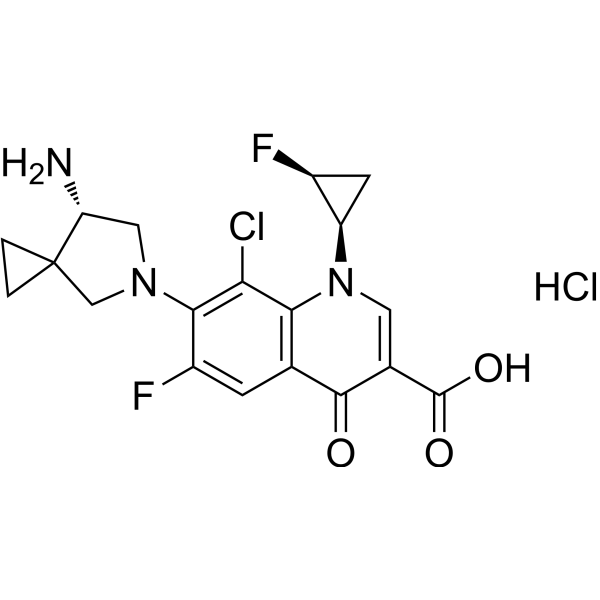
Sitafloxacin (DU6859a) hydrochloride is a potent, orally active fluoroquinolone antibiotic. Sitafloxacin hydrochloride shows antichlamydial activity and antibacterial activities against a broad range of gram-positive and gram-negative bacteria, including anaerobic bacteria, as well as against atypical pathogens. Sitafloxacin hydrochloride can be used for the research of respiratory tract infection and urinary tract infection .
|
-
-
- HY-113829
-
|
|
Antibiotic
Bacterial
|
Infection
Inflammation/Immunology
|
|
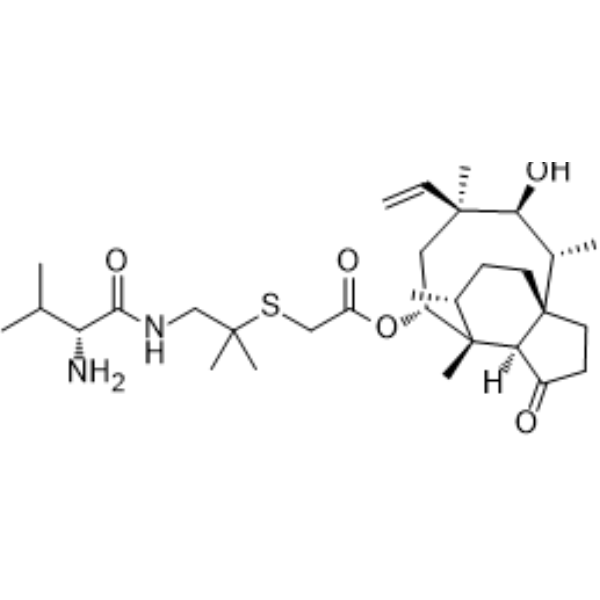
Valnemulin is an orally active broad-spectrum antibiotic against Gram-negative and Gram-positive bacteria, anaerobic bacteria, Mycoplasma, and Spirochetes. Valnemulin ameliorates enteric diseases, acute polyarthritis and enzootic pneumonia in pigs . Valnemulin exhibits anti-inflammatory efficacy against lipopolysaccharide (HY-D1056)-induced lung injury .
|
-
-
- HY-118906
-
|
|
Antibiotic
Bacterial
|
Infection
|
|
BO-1165 is an antibiotic with good antibacterial activity against Gram-negative bacteria, but almost no activity against Gram-positive bacteria and anaerobic bacteria. BO-1165 has high antibacterial activity against Pseudomonas aeruginosa (MIC50=3.12 mg/L) and P. cepacia (MIC50=1.56 mg/L) .
|
-

-
- HY-19428A
-
|
RBx-7644
|
Antibiotic
Bacterial
|
Infection
Cardiovascular Disease
|
|
Ranbezolid (RBx7644 free base) is an orally active, oxazolidinone antibiotic against Gram-positive and Gram-negative anaerobes including Staphylococcus aureus, Staphylococcus epidermidis and Bacteroides fragilis. Ranbezolid can inhibit the 50s ribosomal subunit with an IC50 of 17 μM for bacterial ribosomes. Ranbezolid interferes cell wall and lipid synthesis. Ranbezolid can rapidly kill bacteria, significantly reduce bacterial load, and has better cardiovascular safety. Ranbezolid can be used for the study of antibiotics for anaerobic bacteria .
|
-

-
- HY-19428
-
|
RBx7644 free base
|
Antibiotic
Bacterial
|
Infection
Cardiovascular Disease
|
|
Ranbezolid (RBx7644 free base) is an orally active, oxazolidinone antibiotic against Gram-positive and Gram-negative anaerobes including Staphylococcus aureus, Staphylococcus epidermidis and Bacteroides fragilis. Ranbezolid can inhibit the 50s ribosomal subunit with an IC50 of 17 μM for bacterial ribosomes. Ranbezolid interferes cell wall and lipid synthesis. Ranbezolid can rapidly kill bacteria, significantly reduce bacterial load, and has better cardiovascular safety. Ranbezolid can be used for the study of antibiotics for anaerobic bacteria .
|
-

-
- HY-14865BR
-
|
PTK 0796 tosylate (Standard); Amadacycline tosylate (Standard)
|
Reference Standards
Bacterial
Antibiotic
|
Infection
|
|
Omadacycline (tosylate) (Standard) is the analytical standard of Omadacycline (tosylate). This product is intended for research and analytical applications. Omadacycline (PTK 0796) tosylate, a first-in-class orally active aminomethylcycline antibacterial, is a member of the tetracycline class of antibiotics. Omadacycline tosylate acts through the inhibition of bacterial protein synthesis by binding to the 30S ribosomal subunit. Omadacycline tosylate possesses broad-spectrum antibacterial activity against aerobic and anaerobic Gram-positive and Gram-negative bacteria, as well as atypical bacteria. Omadacycline tosylate can be used for the research of acute bacterial skin and skin-structure infections, community-acquired pneumonia, and urinary tract infections .
|
-

-
- HY-B0724BS
-
|
T3761-d4
|
Isotope-Labeled Compounds
Bacterial
DNA/RNA Synthesis
|
Infection
|
|
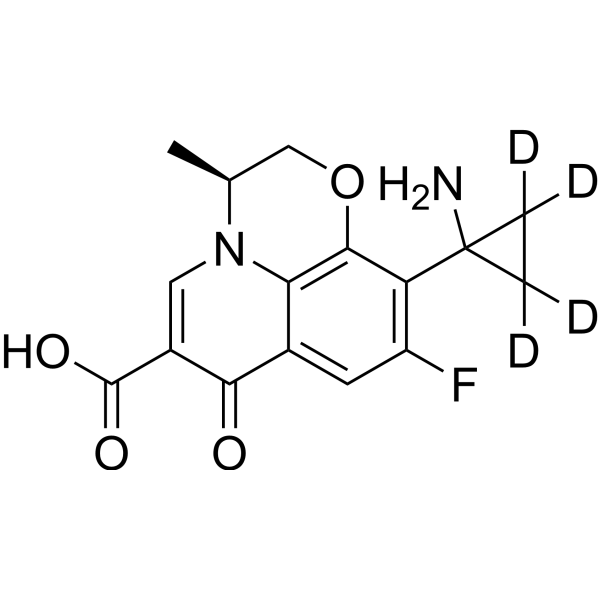
Pazufloxacin-d4 is deuterium labeled Pazufloxacin (HY-B0724B). Pazufloxacin is an orally active fluoroquinolone antimicrobial agent. Pazufloxacin inhibits DNA gyrase with IC50 values of 0.88 μg/mL (E. coli) and 1.9 μg/mL (P. aeruginosa). Pazufloxacin exhibits broad-spectrum antimicrobial activity, with MIC90 values ranging from 0.025 to 100 μg/mL against Gram-positive and Gram-negative bacteria, non-fermenting bacteria, Legionella spp., and anaerobic bacteria. Pazufloxacin is indicated for research on systemic infections, lung infections, urinary tract infections, and Legionella pneumonia .
|
-
-
- HY-B0159R
-
|
Q-35 (Standard)
|
Reference Standards
Bacterial
Antibiotic
|
Infection
|
|
Balofloxacin (Standard) is the analytical standard of Balofloxacin. This product is intended for research and analytical applications. Balofloxacin (Q-35) is an orally active fluoroquinolone antibiotic with broad-spectrum antibacterial activity against gram-negative, gram-positive, and anaerobic bacteria. Balofloxacin can be used for the research of respiratory, intestinal, and urinary tract infections .
|
-

-
- HY-121195
-
|
PC-904
|
Bacterial
|
Infection
|
|
Apalcillin (PC-904) in combination with Ro 48-1220, a penam sulfone β-lactamase inhibitor, demonstrated broad-spectrum activity against gram-negative aerobic and anaerobic bacteria, excluding Klebsiella oxytoca. It exhibited potent activity against β-lactamase-producing Moraxella catarrhalis, Haemophilus influenzae, and Neisseria gonorrhoeae, with effective MICs (11 μg/mL). The combination also inhibited Pseudomonas aeruginosa, Stenotrophomonas maltophilia, and Acinetobacter species at low MICs (0.25 to 4 μg/mL). However, its efficacy against oxacillin-resistant staphylococci and certain gram-positive organisms was limited. Apalcillin/Ro 48-1220 showed comparable efficacy to piperacillin/tazobactam against some extended-spectrum β-lactamase-producing Escherichia coli but was less effective against SHV-type β-lactamases .
|
-

-
- HY-183664
-
|
|
Bacterial
|
Infection
|
|
Ecenofloxacin hydrochloride is a fluoroquinolone (naphthyridine) antibacterial agent with broad-spectrum activity against Gram-negative, Gram-positive, and anaerobic bacteria .
|
-

-
- HY-N14674
-
|
|
Antibiotic
Bacterial
|
Infection
|
|
Permetin A is a peptide antibiotic. Permetin A has anti-Gram-negative bacteria, Gram-positive bacteria and anaerobic bacteria activity .
|
-

-
- HY-B0395B
-
|
DU6859a monohydrate
|
Bacterial
Antibiotic
|
Infection
|
|
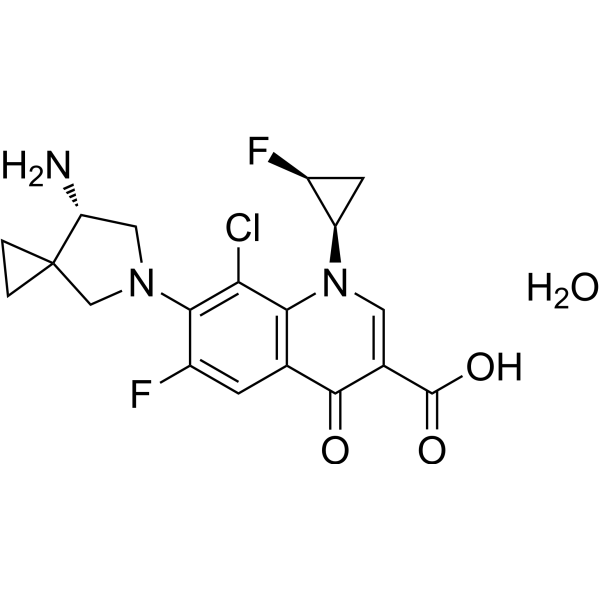
Sitafloxacin (DU6859a) monohydrate is a potent, orally active fluoroquinolone antibiotic. Sitafloxacin monohydrate shows antichlamydial activity and antibacterial activities against a broad range of gram-positive and gram-negative bacteria, including anaerobic bacteria, as well as against atypical pathogens. Sitafloxacin monohydrate can be used for the research of respiratory tract infection and urinary tract infection .
|
-
-
- HY-23848
-
|
non-8-ynoic acid
|
Bacterial
|
Infection
|
|
8-Nonynoic acid (non-8-ynoic acid) is a fatty acid that belongs to the group of octynoic acids. It exhibits antibacterial activity against gram-positive bacteria by binding to bacterial fatty acids. 8-Nonynoicacid also inhibits growth of gram-negative bacteria by inhibiting the synthesis of fatty acids. It is also capable of inhibiting growth of both aerobic and anaerobic bacteria in biochemical assays.
|
-

-
- HY-116974
-
|
ent-Thiophenicol; ent-Dextrosulphenidol
|
Antibiotic
|
Others
|
|
ent-Thiamphenicol (ent-Dextrosulphenidol) is a enantiomer of Thiamphenicol (HY-B0479). Thiamphenicol, a methyl-sulfonyl derivative of Chloramphenicol, is a broad-spectrum antimicrobial antibiotic. Thiamphenicol acts by binding to the 50S ribosomal subunit, leading to inhibition of protein synthesis and bacteriostatic effect (against Gram-negative, Gram-positive aerobic and anaerobic bacteria) .
|
-

-
- HY-B0395S
-
|
DU6859a-d4
|
Isotope-Labeled Compounds
Bacterial
Antibiotic
|
Infection
|
|
Sitafloxacin-d4 (DU6859a-d4) is deuterium labeled Sitafloxacin. Sitafloxacin (DU6859a) is a potent, orally active fluoroquinolone antibiotic. Sitafloxacin shows antichlamydial activity and antibacterial activities against a broad range of gram-positive and gram-negative bacteria, including anaerobic bacteria, as well as against atypical pathogens. Sitafloxacin can be used for the research of respiratory tract infection and urinary tract infection .
|
-

-
- HY-B0536R
-
|
AM-1091 (Standard); CI-960 (Standard); PD 127391 (Standard)
|
Reference Standards
Bacterial
Antibiotic
|
Infection
|
|
Clinafloxacin (Standard) is the analytical standard of Clinafloxacin. This product is intended for research and analytical applications. Clinafloxacin (AM 1091) is a potent and broad-spectrum fluoroquinolone antibiotic, has inhibitory activity against gram-positive, gram-negative bacterias, and anaerobic pathogens in vitro . Clinafloxacin is against DNA gyrase and topoisomerase IV of S. aureus with IC50 values of 0.92 µg/ml and 1.62 µg/ml, respectively .
|
-

- HY-14865A
-
|
PTK 0796 mesylate; Amadacycline mesylate
|
Bacterial
Antibiotic
|
Infection
|
|
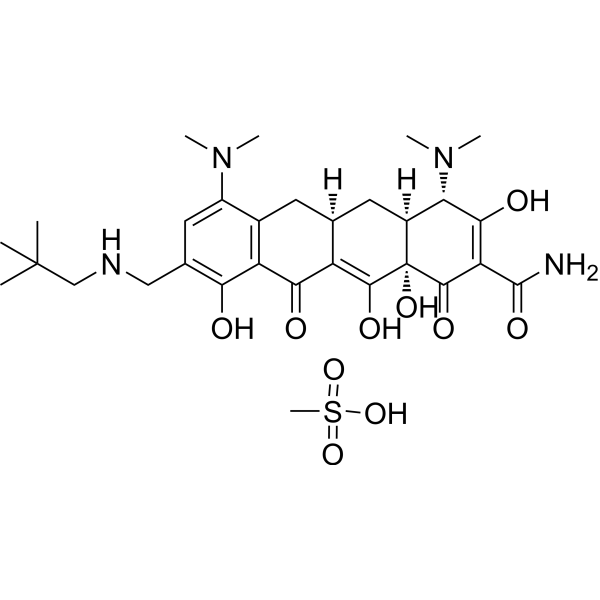
Omadacycline (PTK 0796) mesylate, a first-in-class orally active aminomethylcycline antibacterial, is a member of the tetracycline class of antibiotics. Omadacycline mesylate acts through the inhibition of bacterial protein synthesis by binding to the 30S ribosomal subunit. Omadacycline mesylate possesses broad-spectrum antibacterial activity against aerobic and anaerobic Gram-positive and Gram-negative bacteria, as well as atypical bacteria. Omadacycline mesylate can be used for the research of acute bacterial skin and skin-structure infections, community-acquired pneumonia, and urinary tract infections .
|
-
- HY-B1257R
-
|
Sodium cefmetazole (Standard)
|
Reference Standards
Bacterial
Antibiotic
|
Infection
Cancer
|
|
Cefmetazole (sodium) (Standard) is the analytical standard of Cefmetazole (sodium). This product is intended for research and analytical applications. Cefmetazole sodium (Sodium cefmetazole) is a semisynthetic cephamycin antibiotic with broad-spectrum antibacterial activity, covering gram-positive, gram-negative, and anaerobic bacteria. Cefmetazole sodium binds to penicillin binding proteins (PBPs), resulting in interfering bacterial cell wall biosynthesis. Cefmetazole sodium is used for the research of gynecologic, intraabdominal, urinary tract, respiratory tract and skin and soft tissue infections .
|
-

- HY-14865R
-
|
PTK 0796 (Standard); Amadacycline (Standard)
|
Reference Standards
Bacterial
Antibiotic
|
Infection
|
|
Omadacycline (Standard) is the analytical standard of Omadacycline. This product is intended for research and analytical applications. Omadacycline (PTK 0796), a first-in-class orally active aminomethylcycline antibacterial, is a member of the tetracycline class of antibiotics. Omadacycline acts through the inhibition of bacterial protein synthesis by binding to the 30S ribosomal subunit. Omadacycline possesses broad-spectrum antibacterial activity against aerobic and anaerobic Gram-positive and Gram-negative bacteria, as well as atypical bacteria. Omadacycline can be used for the research of acute bacterial skin and skin-structure infections, community-acquired pneumonia, and urinary tract infections .
|
-

- HY-14865CR
-
|
PTK0796 hydrochloride (Standard); Amadacycline hydrochloride (Standard)
|
Reference Standards
Bacterial
Antibiotic
|
Infection
|
|
Omadacycline (hydrochloride) (Standard) is the analytical standard of Omadacycline (hydrochloride). This product is intended for research and analytical applications. Omadacycline (PTK 0796) hydrochloride, a first-in-class orally active aminomethylcycline antibacterial, is a member of the tetracycline class of antibiotics. Omadacycline hydrochloride acts through the inhibition of bacterial protein synthesis by binding to the 30S ribosomal subunit. Omadacycline hydrochloride possesses broad-spectrum antibacterial activity against aerobic and anaerobic Gram-positive and Gram-negative bacteria, as well as atypical bacteria. Omadacycline hydrochloride can be used for the research of acute bacterial skin and skin-structure infections, community-acquired pneumonia, and urinary tract infections[1][2][3][4].
|
-

- HY-B0724AR
-
|
T-3762 (Standard); Pazufloxacin methanesulfonate (Standard); Pazufloxacin mesilate (Standard)
|
Reference Standards
Bacterial
DNA/RNA Synthesis
|
Infection
|
|
Pazufloxacin (mesylate) (Standard) is the analytical standard of Pazufloxacin mesylate (HY-B0724A). This product is intended for research and analytical applications. Pazufloxacin mesylate is an orally active fluoroquinolone antimicrobial agent. Pazufloxacin mesylate inhibits DNA gyrase with IC50 values of 0.88 μg/mL (E. coli) and 1.9 μg/mL (P. aeruginosa). Pazufloxacin mesylate exhibits broad-spectrum antimicrobial activity, with MIC90 values ranging from 0.025 to 100 μg/mL against Gram-positive and Gram-negative bacteria, non-fermenting bacteria, Legionella spp., and anaerobic bacteria. Pazufloxacin mesylate is indicated for research on systemic infections, lung infections, urinary tract infections, and Legionella pneumonia .
|
-

- HY-116228A
-
|
Caderofloxacin (hydrochloride); CS-940 (hydrochloride)
|
Bacterial
|
Infection
|
|
Cadrofloxacin (Caderofloxacin; CS-940) hydrochloride is an orally active antibacterial agent with significant bactericidal activity against quinolone-resistant Staphylococcus aureus, Gram-positive bacteria, Gram-negative bacteria and anaerobic bacteria. Cadrofloxacin hydrochloride effectively improves systemic infection and experimental Klebsiella pneumoniae pneumonia in mice. Cadrofloxacin hydrochloride can be widely used in research related to systemic bacterial infections and bacterial pneumonia .
|
-

- HY-B1127R
-
|
N-Benzoyl-β-alanine (Standard)
|
Reference Standards
Bacterial
Antibiotic
|
Infection
Endocrinology
|
|
Betamipron (Standard) is the analytical standard of Betamipron (HY-B1127). This product is intended for research and analytical applications. Betamipron (N-benzoyl-β-alanine) is a carbapenem β-lactam antibiotic with antibacterial activity against most Gram-positive and Gram-negative aerobic and anaerobic bacteria. Betamipron can target and inhibit renal organic anion transporters, alleviate renal injury caused by Cisplatin (HY-17394), without interfering with the biological activity of cisplatin. Betamipron is often used in combination with panipenem, which can attenuate the renal effects induced by panipenem and slightly promote the proliferation of Clostridium difficile in the cecum. Betamipron can be used in studies related to renal injury and bacterial infection .
|
-

- HY-B0479S1
-
|
Thiophenicol-d3-1; Dextrosulphenidol-d3-1
|
Isotope-Labeled Compounds
|
Infection
|
|
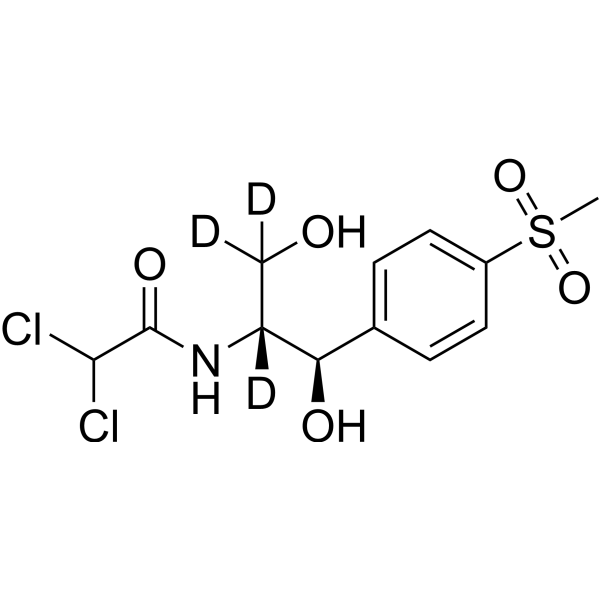
Thiamphenicol-d3-1 (Thiophenicol-d3-1; Dextrosulphenidol-d3-1) is the deuterium-labeled Thiamphenicol (HY-B0479) . Thiamphenicol (Thiophenicol),a methyl-sulfonyl derivative of Chloramphenicol,is a broad-spectrum antimicrobial antibiotic. Thiamphenicol acts by binding to the 50S ribosomal subunit,leading to inhibition of protein synthesis and bacteriostatic effect (against Gram-negative,Gram-positive aerobic and anaerobic bacteria) .
|
-
- HY-W780694
-
|
|
Bacterial
Antibiotic
DNA/RNA Synthesis
Topoisomerase
|
Infection
|
|
PD 124816 is an orally active fluoroquinolone antibiotic. PD 124816 exerts broad-spectrum antibacterial effects by inhibiting DNA gyrase (topoisomerase IV), and it has no cross-resistance with commonly used antibiotics. PD 124816 is effective against both Gram-positive and Gram-negative bacteria (MIC₉₀ ≤ 0.06 μg/mL), and the MIC₉₀ for anaerobic bacteria (Peptostreptococcus fragi) is 1 μg/mL. PD 124816 exhibits complete bactericidal activity in a mouse model of Mycobacterium leprae infection. PD 124816 can be used for studying mixed infections and infections caused by drug-resistant bacteria .
|
-

- HY-185351
-
|
Ampicillin/Sulbactam combination
|
Bacterial
Antibiotic
|
Infection
|
|
Ampicillin sodium and Sulbactam sodium are formed by mixing HY-B0522A Ampicillin sodium with HY-B0334A Sulbactam sodium (each 1.5 g of this product contains 1 g amoxicillin sodium and 0.5 g sulbactam sodium). Ampicillin is a β-lactam antimicrobial, whereas sulbactam is a β-lactamase inhibitor. Ampicillin has a broad spectrum of bactericidal activity against many gram-positive and gram-negative aerobic and anaerobic bacteria. However, ampicillin is degraded by beta-lactamases. The combination of ampicillin and sulbactam demonstrates synergy in addressing bacterial strains resistant to ampicillin, thus providing broader coverage. Bacteria susceptible to ampicillin/sulbactam include Haemophilus influenzae, Escherichia coli, Acinetobacter, Klebsiella, Staphylococcus aureus, Enterobacter, and anaerobes.
|
-

- HY-119475
-
|
|
Bacterial
Insecticide
DNA/RNA Synthesis
|
Infection
|
|
Satranidazole is an orally active insecticide and antimicrobial agent with high electron affinity. Satranidazole forms reduced nitro intermediates, which interact with DNA, causing helix instability, strand breakage and release of thymidine derivatives. Satranidazole exhibits antitrichomonal activity against Trichomonas vaginalis and Trichomonas foetus, and antiamoebic activity in rodent models of hepatic amoebiasis and caecal amoebiasis. Satranidazole inhibits the replication of bacteriophage φX174 DNA. Satranidazole can be used in research related to caecal amoebiasis, trichomoniasis and anaerobic bacterial infections .
|
-

- HY-116558
-
|
|
Bacterial
|
Infection
|
|
E-4441 is an orally active Antibacterial agent. E-4441 exerts broad-spectrum in vitro antibacterial activity against Gram-positive bacteria and aerobic bacteria. E-4441 exhibits protective effects against Staphylococcus aureus, Escherichia coli, and Pseudomonas aeruginosa infections. E-4441 can be used in the research of systemic bacterial infections (Staphylococcus aureus, Escherichia coli, and Pseudomonas aeruginosa infections) .
|
-

| Cat. No. |
Product Name |
Target |
Research Area |
-
- HY-P10352A
-
|
|
Bacterial
|
Infection
|
|
Pediocin PA-1 TFA is a class IIa bacteriocin that specifically binds to membrane proteins of susceptible Gram-positive bacteria (such as Listeria monocytogenes) to form voltage-independent hydrophilic pores, leading to dissipation of proton motive force, ATP depletion and cell death. Pediocin PA-1 TFA shows no significant activity against intact Gram-negative bacteria, strains carrying immunity genes and obligate anaerobic commensal gut microbiota, and its bactericidal function depends on the integrity of disulfide bonds, with activity lost upon reduction. Pediocin PA-1 TFA can be used not only as a food biopreservative but also for research on listeriosis .
|
-
- HY-P10352
-
|
|
Bacterial
|
Infection
|
|
Pediocin PA 1 is a class IIa bacteriocin that specifically binds to membrane proteins of susceptible Gram-positive bacteria (such as Listeria monocytogenes) to form voltage-independent hydrophilic pores, leading to dissipation of proton motive force, ATP depletion and cell death. Pediocin PA 1 shows no significant activity against intact Gram-negative bacteria, strains carrying immunity genes and obligate anaerobic commensal gut microbiota, and its bactericidal function depends on the integrity of disulfide bonds, with activity lost upon reduction. Pediocin PA 1 can be used not only as a food biopreservative but also for research on listeriosis .
|
| Cat. No. |
Product Name |
Category |
Target |
Chemical Structure |
| Cat. No. |
Product Name |
Chemical Structure |
-
- HY-B1923S
-
|
|
|
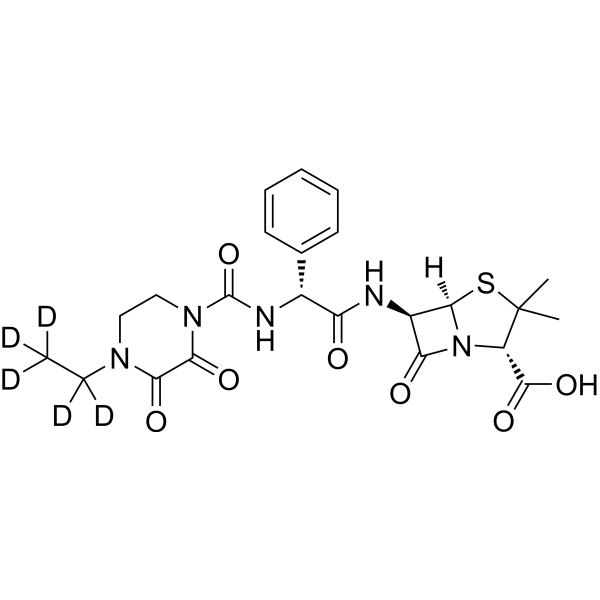
Piperacillin-d5 is deuterium labeled Piperacillin. Piperacillin is kind of semisynthetic penicillins. Piperacillin has a broad spectrum of activity against Gram-positive and Gram-negative aerobic and anaerobic bacteria. Piperacillin has shown greater activity against β-lactamase-producing organisms than the other penicillins .
|
-
-
- HY-B0479S
-
|
|
|
Thiamphenicol-d3 is a deuterium labeled Thiamphenicol. Thiamphenicol, a methyl-sulfonyl derivative of Chloramphenicol, is a broad-spectrum antimicrobial antibiotic. Thiamphenicol acts by binding to the 50S ribosomal subunit, leading to inhibition of protein synthesis and bacteriostatic effect (against Gram-negative, Gram-positive aerobic and anaerobic bacteria) .
|
-
-
- HY-B0724BS
-
|
|
|
Pazufloxacin-d4 is deuterium labeled Pazufloxacin (HY-B0724B). Pazufloxacin is an orally active fluoroquinolone antimicrobial agent. Pazufloxacin inhibits DNA gyrase with IC50 values of 0.88 μg/mL (E. coli) and 1.9 μg/mL (P. aeruginosa). Pazufloxacin exhibits broad-spectrum antimicrobial activity, with MIC90 values ranging from 0.025 to 100 μg/mL against Gram-positive and Gram-negative bacteria, non-fermenting bacteria, Legionella spp., and anaerobic bacteria. Pazufloxacin is indicated for research on systemic infections, lung infections, urinary tract infections, and Legionella pneumonia .
|
-
-
- HY-B0395S
-
|
|
|
Sitafloxacin-d4 (DU6859a-d4) is deuterium labeled Sitafloxacin. Sitafloxacin (DU6859a) is a potent, orally active fluoroquinolone antibiotic. Sitafloxacin shows antichlamydial activity and antibacterial activities against a broad range of gram-positive and gram-negative bacteria, including anaerobic bacteria, as well as against atypical pathogens. Sitafloxacin can be used for the research of respiratory tract infection and urinary tract infection .
|
-
-
- HY-B0479S1
-
|
|
|
Thiamphenicol-d3-1 (Thiophenicol-d3-1; Dextrosulphenidol-d3-1) is the deuterium-labeled Thiamphenicol (HY-B0479) . Thiamphenicol (Thiophenicol),a methyl-sulfonyl derivative of Chloramphenicol,is a broad-spectrum antimicrobial antibiotic. Thiamphenicol acts by binding to the 50S ribosomal subunit,leading to inhibition of protein synthesis and bacteriostatic effect (against Gram-negative,Gram-positive aerobic and anaerobic bacteria) .
|
-
Your information is safe with us. * Required Fields.
Inquiry Information
- Product Name:
- Cat. No.:
- Quantity:
- MCE Japan Authorized Agent:








