Search Result
Results for "
HCT116 Xenograft
" in MedChemExpress (MCE) Product Catalog:
| Cat. No. |
Product Name |
Target |
Research Areas |
Chemical Structure |
-
- HY-12757
-
|
|
BCRP
|
Cancer
|
|
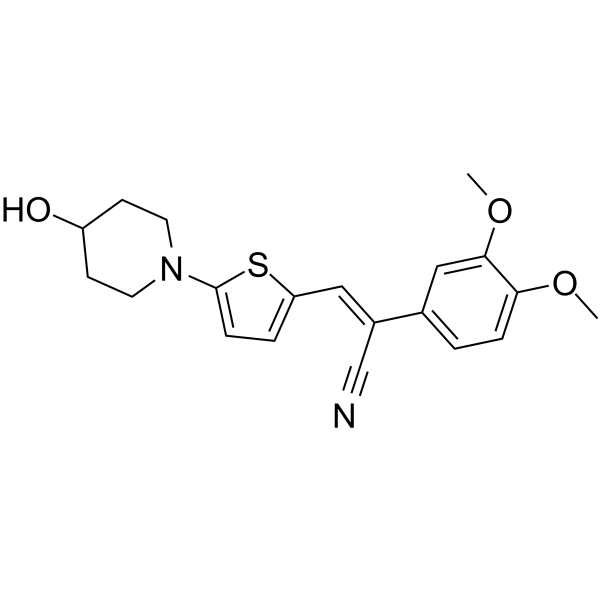
YHO-13177, a acrylonitrile derivative, is an orally active, potent and specific inhibitor of breast cancer resistance protein (BCRP) and ABCG2 with an IC50 value of 10 nM. YHO-13177 potentiates the cytotoxicity of SN-38 in HCT116 and A549 cells that express BCRP. YHO-13177 combined with Irinotecan (HY-16562) significantly suppresses the tumor growth in an HCT116/BCRP xenograft model .
|
-
-
- HY-151462
-
RP-6685
3 Publications Verification
|
DNA/RNA Synthesis
|
Cancer
|
|
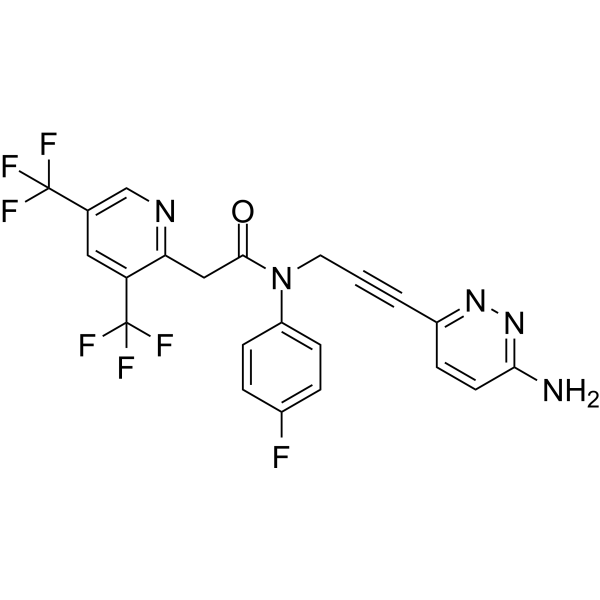
RP-6685 is a potent, selective and orally active DNA polymerase theta (Polθ) inhibitor with an IC50 value of 5.8 nM (PicoGreen assay). RP-6685 shows antitumor efficacy in mouse tumor xenograft model . RP-6685 is a click chemistry reagent, it contains an Alkyne group and can undergo copper-catalyzed azide-alkyne cycloaddition (CuAAc) with molecules containing Azide groups.
|
-
-
- HY-156110
-
|
|
Insulin Receptor
|
Cancer
|
|
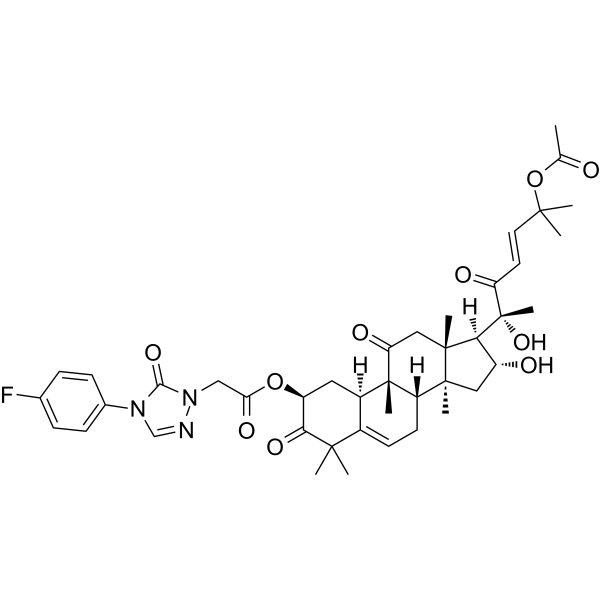
IGF2BP1-IN-1 (Compound A11) is a IGF2BP1 inhibitor and inhibits downstream signaling. IGF2BP1-IN-1 binds to IGF2BP1 protein with a KD value of 2.88 nM. IGF2BP1-IN-1 inhibits cancer cells proliferation (IC50: 9 nM for A549 cell, 34 nM for HCT116). IGF2BP1-IN-1 induces cancer cell apoptosis. GF2BP1-IN-1 inhibits tumor growth in A549 xenograft mouse model .
|
-
-
- HY-B1414
-
-
-
- HY-143904
-
|
|
PROTACs
Mps1
|
Cancer
|
|
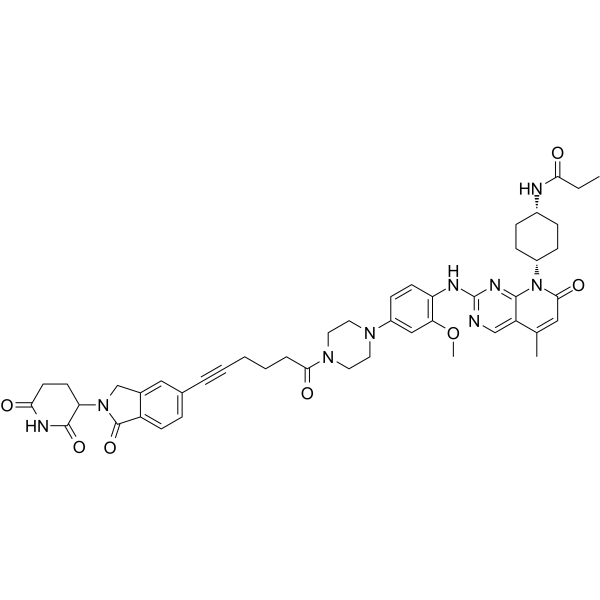
PROTAC TTK degrader-1 is a potent TTK (threonine tyrosine kinase) PROTAC degrader, with DC50 values of 1.7 and 5.8 nM in COLO-205 and HCT-116 cell, respectively. PROTAC TTK degrader-1 exhibits target degradation and anticancer efficacy in a xenograft mouse model of COLO-205 human colorectal cancer cells .
|
-
-
- HY-175783
-
|
|
Apoptosis
|
Cancer
|
|
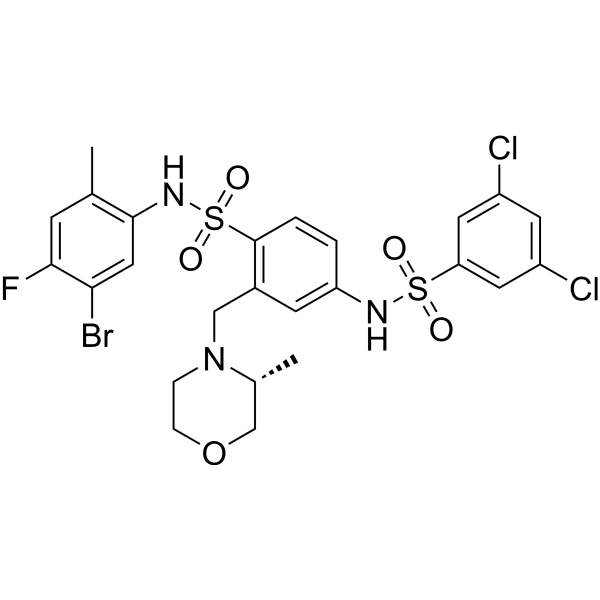
MM927 is a potent NVL inhibitor, with an IC50 of 0.053 μM. MM927 blocks 60S ribosomal subunit biogenesis in the nucleolus. MM927 induces half-mer polysomes, cell cycle arrest at G1/S and G2/M and apoptosis in cells. MM927 demonstrates antitumor efficacy in MOLM-13 AML and HCT116 CRC xenograft models. MM927 can be used for the study of cancers such as acute myeloid leukemia (AML) and colorectal cancer (CRC) .
|
-

-
- HY-156757
-
-
-
- HY-100555
-
|
|
HSP
|
Infection
Cancer
|
|
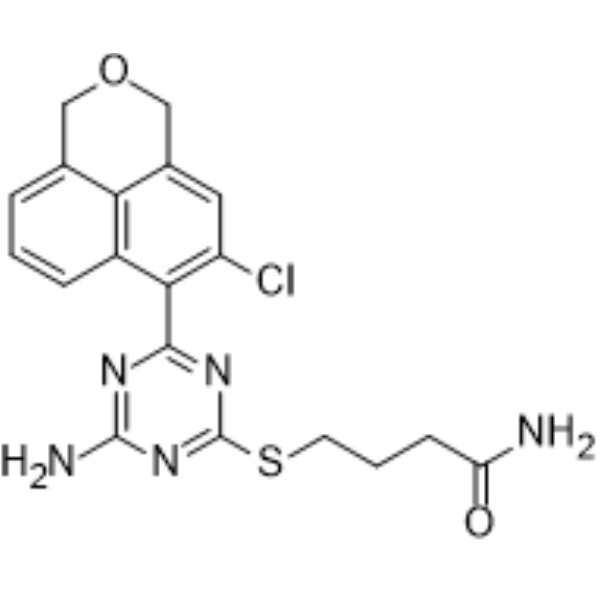
CH5138303 is a potent and orally active Hsp90 inhibitor. CH5138303 shows high binding affinity for N-terminal Hsp90α, with Kd of 0.52 nM. CH5138303 shows potent anti-proliferative activity against human cancer cell lines (HCT116 and NCI-N87), with IC50 values of 0.098 and 0.066 μM, respectively. CH5138303 shows high oral bioavailability in mice (F=44.0%). CH5138303 shows potent antitumor efficacy in a human NCI-N87 gastric cancer xenograft model .
|
-
-
- HY-176761
-
|
|
Apoptosis
Autophagy
Caspase
mTOR
|
Cancer
|
|
NSC647889 is an apoptosis and autophagy inducer. NSC647889 induces apoptosis, inhibits mTOR pathway and abrogates DNA synthesis. NSC647889 triggers LC3-positive vesicle formation, modulates AKT and 4EBP1 phosphorylation and shows heightened caspase-3 activation in multicellular spheroids. NSC647889 can be used for the research of solid cancer tumour, head-neck carcinoma, and colorectal cancer .
|
-

-
- HY-169779
-
|
|
p62
|
Cancer
|
|
PTX80 is an antagonist of p62 with an IC50 value of 31.18 nM. PTX80 reduces tumor volume in an HCT116 colorectal cancer mouse xenograft model .
|
-

-
- HY-N13009
-
|
|
Raf
HIF/HIF Prolyl-Hydroxylase
ERK
MEK
Reactive Oxygen Species (ROS)
Apoptosis
Caspase
|
Cancer
|
|
MO-2097 is a RAF-1/HIF-1α inhibitor. MO-2097 induces RAF-1 destabilization, leading to a reduction in
EMT-associated transcription factors and mesenchymal markers. MO-2097 inhibits HIF-1a protein expression mediated by hnRNPA2B1 under hypoxic and mimetic hypoxia. MO-2097 induces mitochondrial ROS, which leads to apoptosis in cells. MO-2097 effectively suppresses colorectal cancer metastasis by inhibiting the RAF/MEK/ERK signaling pathway. MO-2097 attenuates tumor growth in a xenograft HCT116 cell mouse model. MO-2097 can be used for the study of colorectal cancer .
|
-

-
- HY-159124
-
|
|
Sirtuin
|
Cancer
|
|
YZL-51N is a selective SIRT7 inhibitor with IC50 value of 12.71 μM. YZL-51N disrupts SIRT7 enzyme activity by occupying the NAD + binding pocket, thereby weakening DNA damage repair and inhibiting cancer cell survival. YZL-51N possesses anti-tumor activity and can be used in cancer research .
|
-

-
- HY-147125
-
|
|
HSP
Akt
CDK
Raf
Apoptosis
|
Cancer
|
|
DDO-6600 is a covalent Hsp90 inhibitor. DDO-6600 disrupts the interaction between Hsp90 and its co-chaperone protein Cdc37, thereby inducing the degradation of kinase client proteins (such as AKT, CDK4, c-Raf). DDO-6600 has inhibitory activity against various cancer cells. DDO-6600 inhibits the migration and invasion of HCT-116 cells, and induces cell cycle arrest and apoptosis. DDO-6600 significantly inhibits tumor growth in the HCT-116 xenograft tumor model. DDO-6600 can be used for research on colorectal cancer .
|
-

-
- HY-150636
-
|
|
Autophagy
Apoptosis
|
Cancer
|
|
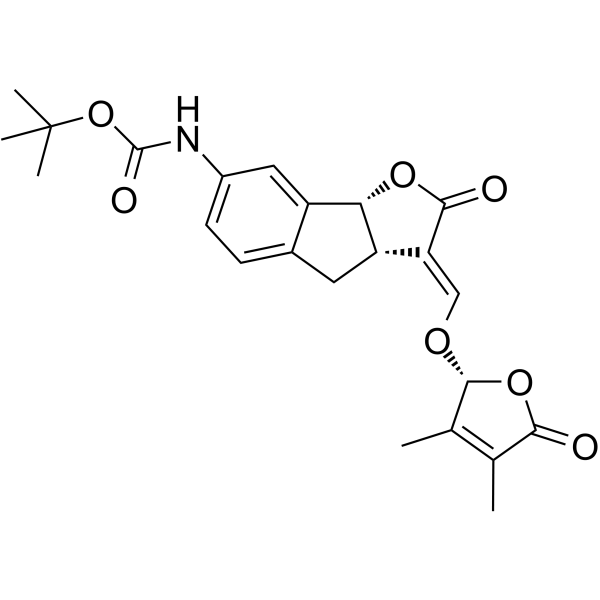
Autophagy-IN-1 is a potent autophagy/mitophagy inhibitor, acts by selectively increasing the autophagic flux while blocking the autophagosome-lysosome fusion in cancer cells. Autophagy-IN-1 can induce apoptosis and cell cycle arrest. Autophagy-IN-1 significantly inhibits tumor growth in an HCT116 xenograft mouse model and with low toxicity. Autophagy-IN-1 can be used for researching colorectal cancer .
|
-
-
- HY-179457
-
|
|
PI3K
mTOR
Akt
HSP
|
Cancer
|
|
CC-11 is an orally active small molecule drug conjugate (SMDC) that links the PI3K/mTOR inhibitor with the extracellular heat shock protein 90 (EHSP90) targeting ligand through a cleavable linker. CC-11 exhibits strong HSP90 binding activity (IC50 = 15 nM) and inhibits PI3Kα kinase activity (IC50 = 0.54 nM). CC-11 has anti-proliferative activity against colon cancer cells. CC-11 shows significant efficacy in the HCT-116 xenograft tumor model. CC-11 can be used for research on colon cancer .
|
-

-
- HY-175478
-
|
|
Phosphodiesterase (PDE)
STING
|
Inflammation/Immunology
Cancer
|
|
Enpp-1-IN-27 is a selective ENPP1 inhibitor with an IC50 of 14.68 nM, exhibiting approximately 410-fold selectivity against ENPP2 and 10-fold selectivity against ENPP3. Enpp-1-IN-27 stabilizes cGAMP levels and activates the STING pathway, promoting cytokine release and enhancing innate immune responses. Enpp-1-IN-27 induces ISRE activation and amplified cGAMP-mediated immune responses and shows the desired antitumor efficacy in the 4T1 and CT26 syngeneic mouse models. Enpp-1-IN-27 can used for the studies of breast cancer and colon cancer .
|
-

-
- HY-N2150
-
|
|
HDAC
DNA Methyltransferase
DNA/RNA Synthesis
Bacterial
Aminopeptidase
Farnesyl Transferase
PPAR
Apoptosis
|
Infection
Inflammation/Immunology
Cancer
|
|
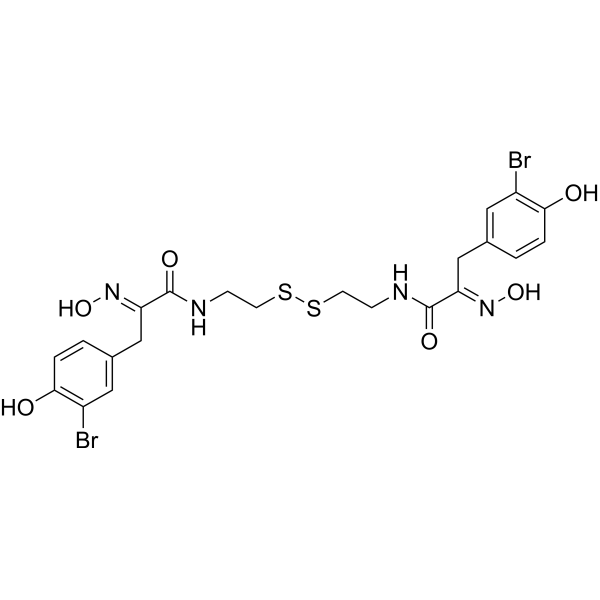
Psammaplin A is a marine metabolite. Psammaplin A is a selective HDAC1 (IC50: 45 nM), DNA methyltransferases (IC50: 18.6 nM) and aminopeptidase N (APN) (IC50: 18 μM) inhibitor. Psammaplin A also inhibits DNA topoisomerase and farnesyl protein transferase. Psammaplin A is a PPARγ activator and induces apoptosis. Psammaplin A has antitumor and anti-inflammatory activities. Psammaplin A has antibacterial activity against Gram-positive bacteria and inhibits DNA synthesis and DNA gyrase activity. Psammaplin A inhibits angiogenesis .
|
-
-
- HY-120105
-
|
|
DNA/RNA Synthesis
Apoptosis
MDM-2/p53
Bcl-2 Family
Caspase
PARP
|
Cancer
|
|
NSC666715 is a DNA polymerase β (Pol-β) inhibitor. NSC666715 directly and specifically interacts with Pol-β, interferes with its binding to damaged DNA, blocks its dRP lyase activity, and inhibits Pol-β-mediated SN- and LP-BER. NSC666715 induces AP site accumulation and S-phase cell cycle arrest, and triggers senescence and apoptosis (apoptosis) via the p53/p21 pathway in colorectal cancer cells. NSC666715 enhances TMZ (HY-17364)-induced DNA damage, senescence and apoptosis, and potentiates the cytotoxicity of TMZ. NSC666715 inhibits tumor growth in colon cancer xenograft models. NSC666715 can be used in research related to colorectal cancer .
|
-

-
- HY-176907
-
|
|
E1/E2/E3 Enzyme
|
Cancer
|
|
ML-93 is an orally active SAE inhibitor, with an IC50 value of 0.4 μM. ML-93 inhibits the SUMOylation pathway in HCT116 cells. ML-93 shows robust antitumor activity in the HCT116 colorectal carcinoma xenograft model. ML-93 can be used for the study of colorectal cancer .
|
-

-
- HY-162010
-
|
|
Methionine Adenosyltransferase (MAT)
|
Cancer
|
|
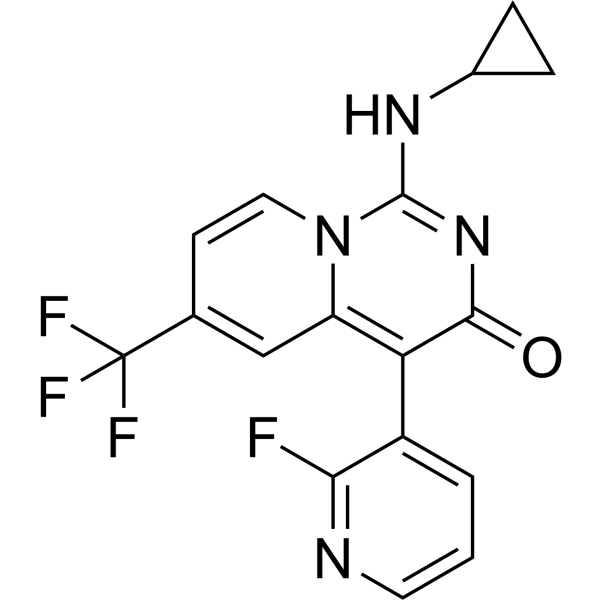
MAT2A-IN-13 is a potent and orally active methionine adenosyltransferase 2A (MAT2A) inhibitor with a favorable pharmacokinetic profile. MAT2A-IN-13 shows in vivo potency in an HCT-116 MTAP-deleted xenograft model. MAT2A-IN-13 can be used for MTAP-Deleted tumors research .
|
-
-
- HY-143905
-
|
|
PROTACs
Mps1
|
Cancer
|
|
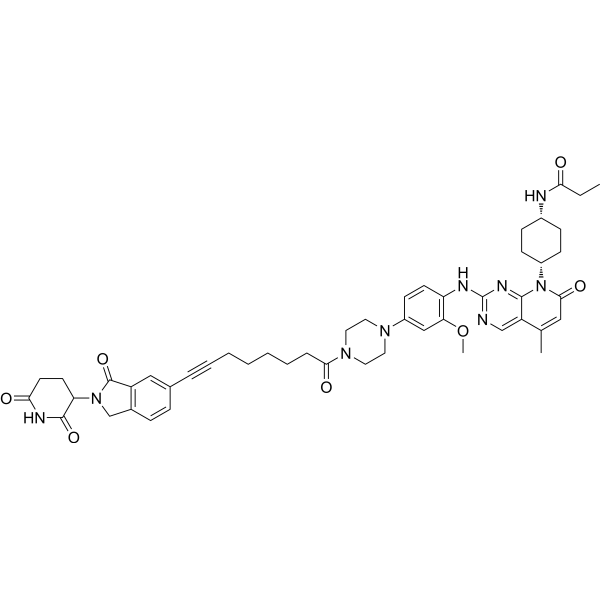
PROTAC TTK degrader-2 is a potent TTK (threonine tyrosine kinase) PROTAC degrader, with DC50 values of 3.1 and 12.4 nM in COLO-205 and HCT-116 cell, respectively. PROTAC TTK degrader-2 exhibits target degradation and anticancer efficacy in a xenograft mouse model of COLO-205 human colorectal cancer cells .
|
-
-
- HY-152207
-
|
|
Glutaminase
Apoptosis
|
Cancer
|
|
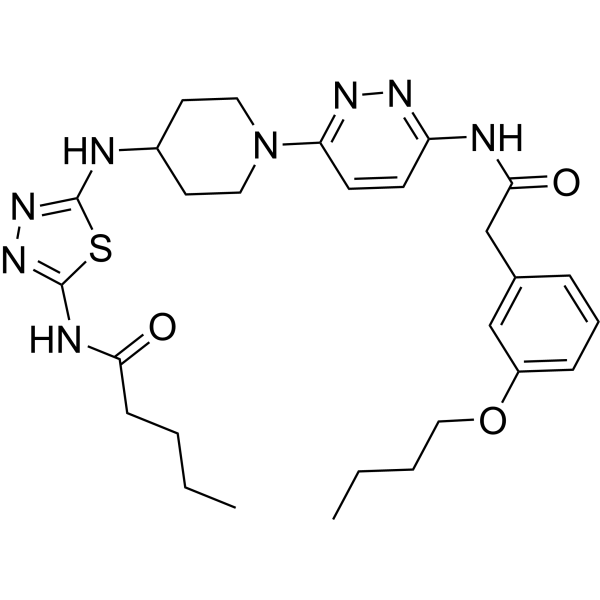
LWG-301 is an allosteric inhibitor of Glutaminase 1 (GLS1) with an IC50 value of 7 nM. LWG-301 significantly block glutamine metabolism, increases intracellular ROS, thus induces apoptosis. LWG-301 exhibits moderate antitumor effects in HCT116 xenograft model .
|
-
-
- HY-155313
-
|
|
Drug-Linker Conjugates for ADC
|
Cancer
|
|
β-Glucuronide-NB-bis[N(Me)-methyl ester]-MMAE (compound 20) is auristatins-glucuronide conjugate. Antitumor agent-122 shows in vitro antiproliferative activities against β-glucuronidase pretreated and untreated cancer cells with an IC50 value of 5.7 nM - 9.7 nM. Antitumor agent-122 shows potent antitumor efficacy in HCT-116 xenograft mouse model without inducing side effects .
|
-
![β-Glucuronide-NB-bis[N(Me)-methyl ester]-MMAE](//file.medchemexpress.com/product_pic/hy-155313.gif)
-
- HY-P11256
-
|
|
MDM-2/p53
|
Cancer
|
|
pDI is a peptide. pDI inhibits MDM2-p53 and MDMX-p53 interactions with IC50s of 10 and 100 nM respectively. pDI can be used in the research of colorectal cancer .
|
-

-
- HY-168934
-
|
|
DNA/RNA Synthesis
|
Cancer
|
|
KWR137 is a WRN degrader, with an IC50 of 8 nM. KWR137 exhibits good anti-proliferative activity against MSI-H cells, with a GI50 of 509 nM in SW48 cells and a GI50 of 824 μM in HCT116 cells. It also demonstrates anti-tumor growth effects in xenograft mouse models. KWR137 can be used for cancer research .
|
-

-
- HY-176451
-
|
|
CDK
|
Cancer
|
|
CDK9 degrader-1 (Compound AZ-9) is a selective CDK9 degrader (DC50: 0.4073 µM). CDK9 degrader-1 recruits ATG101 to initiate the autophagy-lysosome pathway and forms autophagosomes by recruiting LC3, which then fuses with lysosomes to degrade CDK9 and its partner protein Cyclin T1 (DC50: 1.215 µM). CDK9 degrader-1 induces caspase 3-mediated apoptosis. CDK9 degrader-1 has antitumor activity in a mouse HCT116 xenograft model .
|
-

-
- HY-178960
-
|
|
Microtubule/Tubulin
Apoptosis
|
Cancer
|
|
Tubulin-IN-59 (Compound 8g) is an orally active Tubulin inhibitor. Tubulin-IN-59 exhibits potent anti-proliferative activity against HCT116 colorectal cancer, HeLa cervical cancer, and HepG2 liver cancer cell lines, with its IC₅₀ value ranging from 16 to 35 nM. Tubulin-IN-59 arrests HeLa cells in the G2/M phase and induces cell apoptosis. Tubulin-IN-59 demonstrates significant anti-tumor activity in the HT29 human colon cancer mouse xenograft model. Tubulin-IN-59 can be used for the study of colorectal cancer and cervical cancer .
|
-

-
- HY-175698
-
|
|
ACSL Family
Ferroptosis
Microtubule/Tubulin
COX
Glutathione Peroxidase
|
Cancer
|
|
Ferroptosis inducer-9 is a ferroptosis inducer and colchicine site tubulin polymerization inhibitor. Ferroptosis inducer-9 inhibits MCF-7 cell growth with an IC50 of 14 nM and inhibits [ 3H]colchicine binding. Ferroptosis inducer-9 reduces expression of GPX4 and FTH, increases COX2 and ACSL4, lowers GSH, NADP+, and NADPH levels, increases LPO, MDA, and Fe(II) levels, and decreases SOD concentrations. Ferroptosis inducer-9 demonstrates significant anti-tumor efficacy in HCT116 CRC xenograft model. Ferroptosis inducer-9 can be used for the study of triple negative breast cancer (TNBC) and colorectal cancer (CRC) .
|
-

-
- HY-172217
-
|
|
DNA Methyltransferase
Apoptosis
|
Cancer
|
|
DNMT1-IN-5 (Compound 55) is the inhibitor for DNMT that inhibits DNMT1 and DNMT3A with IC50 of 2.42 μM and 14.4 μM. DNMT1-IN-5 exhibits antiproliferative activity in a variety of cancer cell lines (IC50s for TMD-8, DOHH2, MOLM-13, THP-1, RPIM-8226 and HCT116 are 0.19-2.37 μM), arrests the cell cycle at G2/M phase, and induces apoptosis in TMD-8 and DOHH2 cells. DNMT1-IN-5 exhibits antitumor efficacy in TMD-8 xenograft mouse models .
|
-

-
- HY-176404
-
|
|
HSP
|
Cancer
|
|
DDO-6691 is a heat shock protein 90 (HSP90) inhibitor. DDO-6691 has antiproliferative effects on a variety of tumor cells, with HCT-116 colon cancer cells being the most sensitive (IC50: 1.08 μM). DDO-6691 exhibits potent tumor growth inhibition in the HCT-116 xenograft mouse model .
|
-

-
- HY-139062
-
|
C6 Ceramide (d18:1/6:0) Urea; Cer(d18:1/6:0) Urea; D-erythro-Urea-C6-Ceramide
|
Apoptosis
Ceramidase
Autophagy
β-catenin
|
Cancer
|
|
C6 Urea Ceramide (Cer(d18:1/6:0) Urea) is an inhibitor of neutral ceramidase. C6 Urea Ceramide increases total ceramide levels in wild-type mouse embryonic fibroblasts (MEFs) and HT-29 colon cancer cells. C6 Urea Ceramide (5-10 μM) inhibits proliferation of HT-29 cells and induces apoptosis and autophagy, but is not toxic to non-cancerous cells. C6 Urea Ceramide decreases total and phosphorylated β-catenin levels in HT-29 and HCT116 cells, and induces colocalization of β-catenin with the 20S proteasome. C6 Urea Ceramide (1.25, 2.5, and 5 mg/kg) reduced tumor growth and increased C16, C18, C20, and C24 ceramide levels in tumor tissues in the HT-29 mouse xenograft model.
|
-

-
- HY-115908
-
|
|
CDK
Apoptosis
|
Cancer
|
|
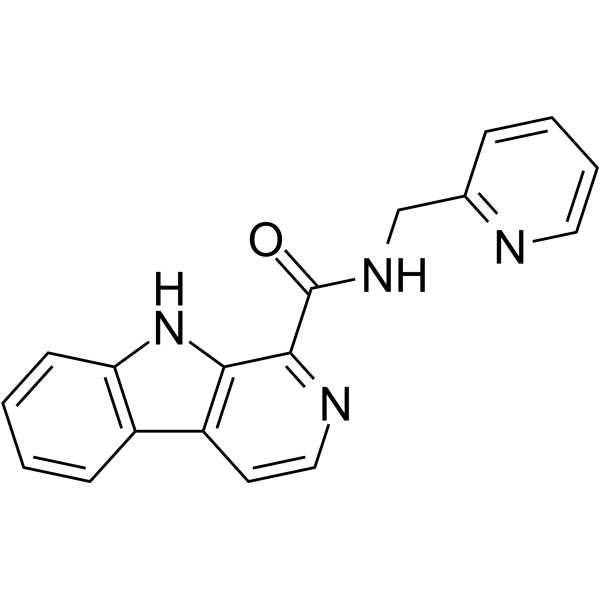
ZDLD13, a β-carboline, is an orally active and selective CDK4/CycD3 inhibitor with an IC50 value of 0.38 μM. ZDLD13 exhibits potent anti-HCT116 activity including inhibition of colony formation, inhibition of invasion and migration, inducing of apoptosis, and arresting of G1 phase in cell cycle. ZDLD13 shows significant tumor growth inhibition in HCT116 tumor xenograft model .
|
-
-
- HY-P10914
-
|
|
MDM-2/p53
Autophagy
|
Inflammation/Immunology
Cancer
|
|
D-CopA3 is the inhibitor for MDM2 and the activator for p53 signaling pathway. D-CopA3 exhibits cytotoxicity in colorectal cancer cells HCT-116, LoVo, and RKO (IC50=15-18 μM), induces JNK/Beclin-1 mediated autophagy. D-CopA3 downregulates the expression of cell cycle inhibitory protein p21Cip1/Waf1, enhances the mucosal barrier function and reduces penetration of inflammatory mediators. D-CopA3 exhibits anti-inflammtory activity in mouse C. difficile toxin A-induced acute enteritis models and DSS (HY-116282)-induced chronic colitis models. D-CopA3 exhibits antitumor efficacy in mouse HCT-116 xenograft models .
|
-

-
- HY-126180
-
|
|
MEK
|
Cancer
|
|
BAY-866, a sulfamide campound, is an allosteric MEK1 inhibitor with an IC50 of 14 nM. BAY-866 inhibits cell growth of A375 (BRAF) and HCT116 (K-Ras) with IC50s of 13 nM and 277 nM, respectively. BAY-866 inhibits tumor growth in K-Ras-mutated A549 xenograft model .
|
-

-
- HY-P991328
-
|
|
Notch
|
Cancer
|
|
MAb604.107 is a human monoclonal antibody (mAb) targeting NOTCH1. MAb604.107 inhibits the proliferation and CD34/CD44 expression of primary T-ALL cells. MAb604.107 has anti-tumor activity in four tumor xenograft mouse models: MDA-MB-231, HCC-1806, BT-474, and HCT-116. MAb604.107 can be used in T acute lymphoblastic leukemia research .
|
-

-
- HY-149427
-
|
|
PI3K
|
Cancer
|
|
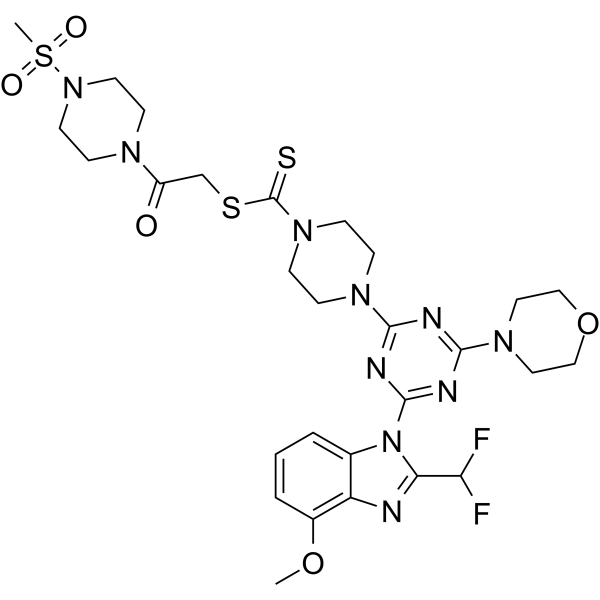
PI3Kα-IN-12 (compound 13) is a highly selective PI3Kα inhibitor (IC50: 1.2 nM). PI3Kα-IN-12 inhibits HCT-116 and U87-MG with IC50s values of 0.83 and 1.25 μM, respectively. PI3Kα-IN-12 (40 mg/kg; IP) causes tumor regression in a U87-MG cell line xenograft mouse model .
|
-
-
- HY-178348
-
|
|
PARP
c-Met/HGFR
DNA/RNA Synthesis
|
Cancer
|
|
PARP1/c-Met-IN-2 is a highly potent, orally active, PARP1 (IC50 = 21.8 nM) and c-Met (IC50 = 30.2 nM) dual inhibitor. PARP1/c-Met-IN-2 can elevate the expression level of γH2AX, cause DNA damage. PARP1/c-Met-IN-2 exhibits remarkable anti-tumor efficacy in the Olaparib (HY-10162)-resistant HCT116 (HCT116OR) xenograft models. PARP1/c-Met-IN-2 can be used for the study of Colon Cancer .
|
-

-
- HY-161688
-
|
|
Apoptosis
HDAC
|
Cancer
|
|
HDAC-IN-73 (compound P-503) is a histone deacetylase (HDAC) inhibitor. HDAC-IN-73 shows IC50s values of 0.17, 0.49 µM for HDAC1 and HDAC6, respectively. Notably, HDAC-IN-73's inhibitory potency against HDAC6 is heightened, exhibiting a 9-fold greater efficacy than PsA (HY-N2150) (IC50=3.9 μM). HDAC-IN-73 shows potent antiproliferative activity, induces apoptosis, and causes cell cycle arrest at G2 / M phase. HDAC-IN-73 has the potential to be used for the research of cancer such as colon cancer .
|
-

-
- HY-146276
-
|
|
HDAC
CDK
Apoptosis
|
Cancer
|
|
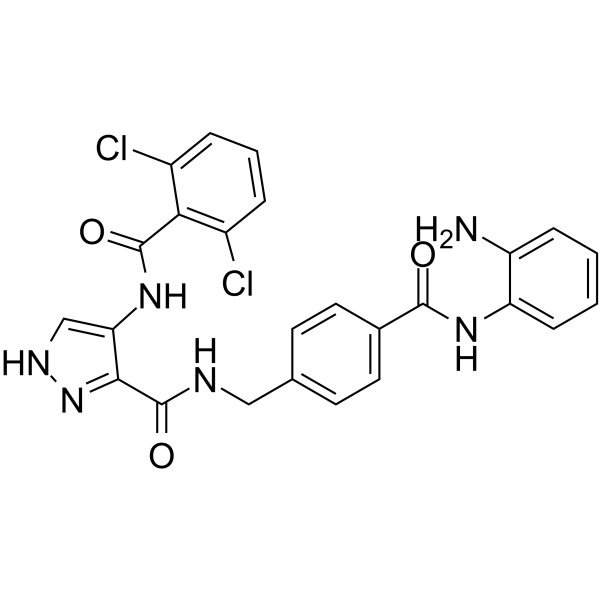
CDK/HDAC-IN-2 is a potent HDAC/CDK dual inhibitor with IC50 of 6.4, 0.25, 45, >1000, 8.63, 0.30, >1000 nM for HDAC1, HDAC2, HDAC3, HDAC6,8, CDK1, CDK2, CDK4,6,7, respectively. CDK/HDAC-IN-2 shows excellent antiproliferative activities. CDK/HDAC-IN-2 induces apoptosis and cell cycle arrest at G2/M phase. CDK/HDAC-IN-2 shows potent antitumor efficacy .
|
-
-
- HY-174989
-
|
|
ATM/ATR
Apoptosis
|
Cancer
|
|
ATM-IN-2 is a selective and orally active ATM inhibitor with an IC50 of 4 nM. ATM-IN-2 exhibits excellent kinase selectivity (>700-fold over PIKK family members). ATM-IN-2 exerts its anti-tumor effect by inhibiting ATM phosphorylation and the downstream signaling pathways (p53, H2AX), and promotes cell apoptosis. ATM-IN-2 can be used for the study of chemosensitizer candidate such as colon cancer .
|
-

-
- HY-179341
-
|
|
HIF/HIF Prolyl-Hydroxylase
|
Cancer
|
|
CHNQD-03301 is an orally active hypoxia-inducible factor-1α (HIF-1α) inhibitor (IC50 = 10.97 nM). CHNQD-03301 promotes the proteasomal degradation of HIF-1α protein, leading to its significant suppression. CHNQD-03301 can reverse HIF accumulation-induced angiogenesis and mitigate the HIF-induced erythrocytosis phenotype in zebrafish models. CHNQD-03301 can be used for the study of colon cancer .
|
-

-
- HY-162873
-
|
|
MEK
Raf
|
Cancer
|
|
MEK/RAF-IN-1 (Compound 16b) is an inhibitor of both MEK and RAF. It shows potent inhibition with IC50 values of 28 nM for MEK1, and 3 nM each for BRAF and BRAFV600E. MEK/RAF-IN-1 demonstrates significant antitumor activity, effectively inhibiting cell proliferation in vitro against MIA PaCa-2 (G12C KRAS), HCT116 (G13D KRAS), and C26 (G12D KRAS) cells. Additionally, it inhibits tumor growth in xenograft mouse models of colorectal cancer .
|
-

-
- HY-178036
-
|
|
MDM-2/p53
Topoisomerase
Bcl-2 Family
Caspase
Cyclin G-associated Kinase (GAK)
|
Cancer
|
|
ZM484 is a potent dual p53-MDM2/TOP1 inhibitor that exhibits antiproliferative and antitumor activity both in vitro and in vivo. ZM484 effectively upregulates p53 and MDM2 proteins and maintains TOP1 inhibitory activity by the release of camptothecin (CPT) and a potent p53-MDM2 inhibitor. ZM484 induces cell cycle arrest and apoptosis by regulating the expression of key apoptosis- and cycle-related proteins, including caspase-3, Bcl-2, and Cyclin B1. ZM484 can be used for colorectal cancer research .
|
-

-
- HY-16491
-
|
DJ-927
|
Microtubule/Tubulin
|
Cancer
|
|
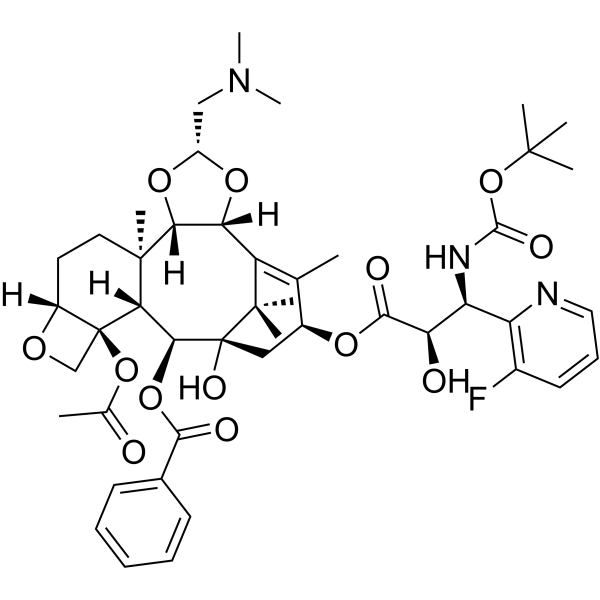
Tesetaxel (DJ-927) is an orally active and brain-penetrant taxane tubulin inhibitor. Tesetaxel inhibits tubulin depolymerization with an IC50 of 0.44 μM. Tesetaxel inhibits cancer cells proliferation and shows potent antitumor activity against P-glycoprotein-positive cancer cells. Tesetaxel can be used for the research of cancer, such as solid tumors, liver metastasis, and advanced breast cancer .
|
-
-
- HY-139815
-
|
|
HDAC
|
Cancer
|
|
ZYJ-34c is an orally active and potent histone deacetylase inhibitor (HDACi) with IC50s of 0.056 μM and 0.146 μM for HDAC6 and HDAC8, respectively. ZYJ-34c causes G1 phase arrest in low concentration. ZYJ-34c has antiproliferative activities. ZYJ-34c exhibits antitumor potency in MDA-MB-231 and HCT116 xenograft models and possesses antimetastatic potential in a mouse hepatoma-22 (H22) pulmonary metastasis model .
|
-

-
- HY-179374
-
|
|
Aurora Kinase
HDAC
Apoptosis
|
Cancer
|
|
Aurora kinase/HDAC-IN-1 is an orally active dual Aurora kinase and HDAC inhibitor that inhibits Aurora A (IC50 = 116 nM), Aurora B (IC50 = 225 nM), HDAC1 (IC50 = 164 nM), and HDAC2 (IC50 = 346 nM).Aurora kinase/HDAC-IN-1 promotes histone H3 acetylation, inhibits Aurora A phosphorylation and downstream signaling, and induces apoptosis via G2/M cell-cycle arrest. Aurora kinase/HDAC-IN-1 exhibits potent antiproliferative activity in colorectal cancer cells, with an IC50 value of 30.2 nM in HCT-116 cells.Aurora kinase/HDAC-IN-1 significantly suppresses tumor growth in an HCT-116 colorectal cancer xenograft mouse model .
|
-

-
- HY-179622
-
|
|
Methionine Adenosyltransferase (MAT)
|
Cancer
|
|
ZS34 is a potent, orally active, and selective MAT2A inhibitor with an IC50 of 13.7 nM, displaying minimal hERG and UGT1A1 liabilities. ZS34 selectively suppresses the growth of methylthioadenosine phosphorylase (MTAP)-deficient cancer cells by inhibiting SAM synthesis, reducing SDMA levels, and inducing DNA damage. ZS34 exhibits antitumor efficacy in a HCT116 MTAP -/- xenograft mouse model. ZS34 can be used for the research of MTAP-deficient cancer .
|
-

-
- HY-181173
-
|
|
VEGFR
|
Cancer
|
|
VEGFR-2-IN-80 is a VEGFR-2 inhibitor with an IC50 of 2.206 μM. VEGFR-2-IN-80 interacts with ATP-binding residues of VEGFR-2 to inhibit its kinase activity. VEGFR-2-IN-80 suppresses formation of capillary-like networks, exerts cytotoxic effects against various human cancer cells, and suppresses growth of HCT116 xenografts. VEGFR-2-IN-80 can be used for the research of colorectal cancer .
|
-

-
- HY-173160
-
|
|
HDAC
|
Cancer
|
|
HDAC1-IN-10 (Compound 2b) is a potent, selective and orally active HDAC1/2 inhibitor with IC50 values of 6 and 190 nM. HDAC1-IN-10 shows IC50 > 50 μM for HDAC3-8. HDAC1-IN-10 can inhibit tumor growth in HCT-116 colon xenograft nude mice model. HDAC1-IN-10 can be used for research of colon cancer .
|
-

-
- HY-161826
-
|
|
Wnt
β-catenin
HSP
CDK
c-Myc
|
Cancer
|
|
Antitumor agent-174 (Compound 10) directly engages the N-terminal site of Hsp90 and promotes the degradation of β-catenin, thereby suppressing the Wnt/β-catenin signaling. Antitumor agent-174 effectively inhibits proliferation, induce S and G2/M phases arrest and block the clonogenic ability in CRC cells. Antitumor agent-174 down-regulates CDK1, Cyclin D1, c-Myc, Cyclin B1, and Cyclin A2, and upregulaties P21 proteins. Antitumor agent-174 has significant anti-tumor efficacy against colorectal cancer (CRC) with excellent pharmacokinetics and low toxicity .
|
-

- HY-181505
-
|
|
Epigenetic Reader Domain
c-Myc
Bcl-2 Family
PAK
Apoptosis
|
Cancer
|
|
BRD4-IN-12 is a potent and orally active BRD4 inhibitor with an IC50 of 7.9 nM. BRD4-IN-12 downregulates the expression of c-MYC, BCL-2, CDK4 and upregulates p21. BRD4-IN-12 inhibits tumor cell proliferation and promotes apoptosis. BRD4-IN-12 exhibits excellent antitumor effects in the HCT-116 colorectal cancer xenograft model. BRD4-IN-12 can be used for the study of colorectal cancer (CRC) .
|
-

- HY-175039
-
|
|
FAK
Apoptosis
Reactive Oxygen Species (ROS)
Caspase
|
Cancer
|
|
FAK-IN-28 is an orally active FAK inhibitor (IC50 = 0.4 nM). FAK-IN-28 exhibits dual antiproliferative and anti-metastatic properties. FAK-IN-28 triggers caspase-3-dependent apoptosis via ROS elevation. FAK-IN-28 inhibits tumor growth without causing weight loss or hepatotoxicity. FAK-IN-28 is useful in the study of FAK-driven malignancies, such as colon cancer, cervical cancer, triple-negative breast cancer, and melanoma .
|
-

- HY-123826
-
|
αSβR-21
|
CDK
|
Cancer
|
|
CCT68127 is an orally active CDK inhibitor. CCT68127 can be used in anti-cancer research .
|
-

- HY-B1414R
-
|
p-Chloro-m-xylenol (Standard); PCMX (Standard)
|
Reference Standards
Bacterial
Influenza Virus
Parasite
|
Infection
|
|
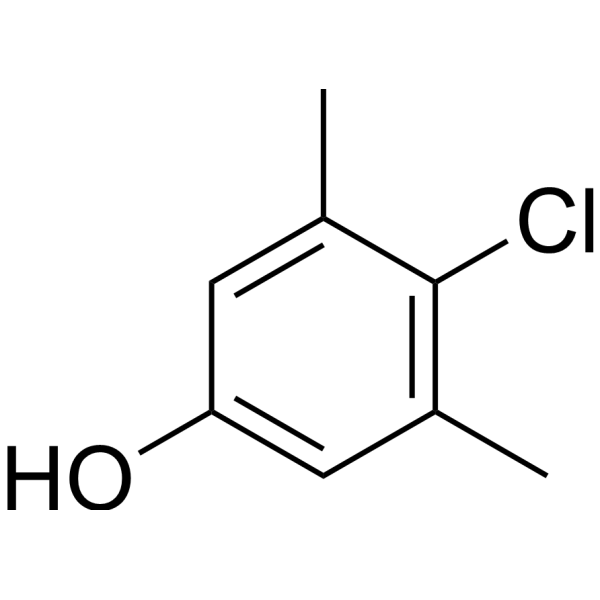
Chloroxylenol (Standard) is the analytical standard of Chloroxylenol. This product is intended for research and analytical applications. Chloroxylenol is a broad-spectrum antibacterial agent that can be used to control bacteria, algae, fungi and viruses .
|
-

- HY-155090
-
|
|
ATM/ATR
|
Cancer
|
|
ATM Inhibitor-8 (Compound 10r) is a highly potent, selective and orally active ATM inhibitor,with an IC50 of 1.15 nM. ATM Inhibitor-8 exhibits anti-tumor activity .
|
-
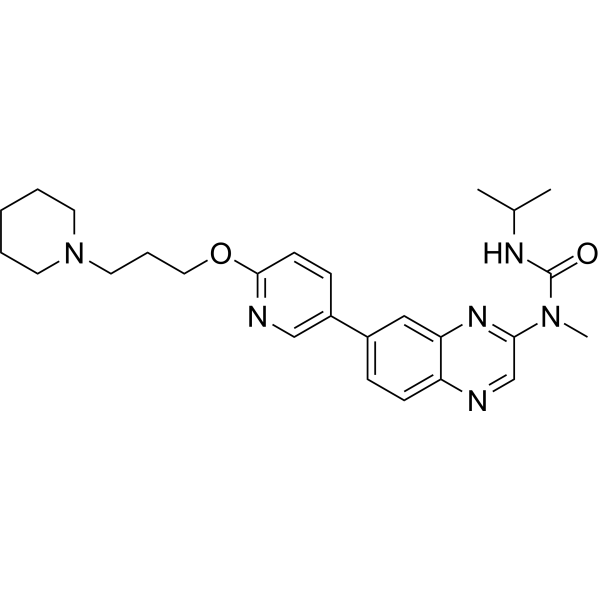
- HY-181284
-
|
|
G-quadruplex
DNA/RNA Synthesis
Ras
PI3K
Akt
ERK
Caspase
Apoptosis
|
Cancer
|
|
BYBC‑1 is a selective G4‑RNA‑targeting ligand with high affinity forKRAS and NRAS G4‑RNAs (Kd = 0.05-0.28 μM). BYBC‑1 stabilizes G4‑RNA structures in KRAS and NRAS mRNA, blocks thePI3K/AKT and MAPK/ERK pathways, activates the DNA damage response (DDR), suppresses energy metabolism, and induces S‑phase arrest and apoptosis. BYBC‑1 exhibits high selectivity over non‑malignant fibroblasts and significantly inhibits the growth of HCT‑116 xenograft tumors in vivo. BYBC‑1 can be used for the study of colorectal cancer .
|
-

- HY-179430
-
|
|
Mps1
|
Cancer
|
|
TTK-IN-5 is an orally active covalent threonine tyrosine kinase (TTK) inhibitor with selectivity (IC50 = 8.918 nM). TTK-IN-5 exhibits anti-proliferative potencies against MDA-MB-231, A2780, HCT116, HCC1569 and MKN1 cell lines (IC50 values of 0.113 μM, 0.476 μM, 3.136 μM, 3.649 μM, and 1.856 μM, respectively). TTK-IN-5 potently suppresses tumor growth without notable toxicity in A2780 and MDA-MB-231 xenograft mouse models. TTK-IN-5 can be used for the research of cancer such as breast cancer and ovarian cancer .
|
-

- HY-182018
-
|
|
Target Protein Ligand-Linker Conjugates
ATM/ATR
|
Others
|
|
ATR ligand 2-CO-Ph-COOH (Compound 39) is a Target Protein Ligand-Linker Conjugate that incorporates a ligand for ATR (HY-182017) and a PROTAC linker, which recruits E3 ligases. can be used for synthesis of PROTAC ATR degrader-3 (HY-182016) .
|
-

- HY-183568
-
|
|
Methionine Adenosyltransferase (MAT)
|
Cancer
|
|
MAT2A-IN-26 is an orally active MAT2A inhibitor with a human IC50 of 17.53 nM. MAT2A-IN-26 inhibits the enzymatic activity of MAT2A, thereby reducing the levels of S-adenosylmethionine (SAM) and symmetric dimethylarginine (sDMA). MAT2A-IN-26 inhibits the proliferation of MTAP-deficient cancer cells and induces anti-tumor efficacy in xenograft models. MAT2A-IN-26 can be used in non-small cell lung cancer research .
|
-

- HY-183674
-
|
|
Molecular Glues
MEK
Raf
PERK
Ras
p38 MAPK
Apoptosis
|
Cancer
|
|
MEK-IN-10 is an orally active pan-MEK/RAF non-degrading molecular glue with an IC50 of 782 nM against human MEK1. MEK-IN-10 blocks the phosphorylation of MEK and ERK, induces and stabilizes the MEK1-RAF complex, and disrupts the RAS-MAPK signaling pathway. MEK-IN-10 induces apoptosis in cancer cells and arrests cells at the G0/G1 phase. MEK-IN-10 induces tumor growth inhibition in mouse xenograft models. MEK-IN-10 can be used in the research of RAS-driven cancers, such as colorectal cancer and pancreatic cancer .
|
-

- HY-181823
-
|
|
HOXA
TGF-beta/Smad
Apoptosis
|
Cancer
|
|
HOXA1-IN-1 is a HOXA1 inhibitor. HOXA1-IN-1 downregulates HOXA1 protein levels, suppresses its transcriptional activity, and alters the expression of its downstream target genes. HOXA1-IN-1 induces DNA damage and apoptosis in cancer cells. HOXA1-IN-1 exhibits antitumor efficacy in xenograft models of colorectal cancer and triple-negative breast cancer. HOXA1-IN-1 shows synergistic activity in combination with Cisplatin (HY-17394). HOXA1-IN-1 can be used for the research of colorectal cancer and triple-negative breast cancer .
|
-

- HY-D3167
-
|
|
Fluorescent Dye
HDAC
|
Cancer
|
|
HDAC-IN-101 (compound H6M) is a HDAC1 inhibitor and NTR/pH-activated fluorescent inducer, with an IC50 of 65 nM against human HDAC1. HDAC-IN-101 blocks cancer cell proliferation by inhibiting HDAC1. HDAC-IN-101 is reduced by overexpressed nitroreductase to generate H6AQ, a product that emits fluorescence under low pH conditions. HDAC-IN-101 is applicable for cancer-related research .
|
-

- HY-181514
-
|
|
STAT
CDK
c-Myc
Apoptosis
|
Cancer
|
|
STAT3-IN-53 (Compound L20) is a STAT3 inhibitor with a Kd value of 6.16 μM. STAT3-IN-53 binds directly to the SH2 domain of STAT3, inhibits phosphorylation at the Y705 site without affecting the total STAT3 protein level, and suppresses the IL-6/JAK/STAT3 pathway. STAT3-IN-53 downregulates the transcription and expression of cyclin-D1 and c-Myc. STAT3-IN-53 induces cell cycle arrest and promotes Apoptosis. STAT3-IN-53 exhibits anticancer activity against colorectal cancer .
|
-

- HY-182400
-
|
|
Methionine Adenosyltransferase (MAT)
|
Cancer
|
|
AGI-25696 is an orally active ethionine adenosyltransferase 2A (MAT2A) inhibitor with an IC50 of 97 nM. AGI-25696 reduces intracellular SAM levels in cancer cells. AGI-25696 inhibits tumor growth in mice bearing subcutaneous KP4 MTAP-null pancreatic xenografts. AGI-25696 can be used for the research of mtap-deleted pancreatic cancer .
|
-

- HY-181842
-
|
|
PARP
ERK
Apoptosis
|
Cancer
|
|
PARP1/ERK IN-1 is a dual PARP1/ERK inhibitor, with a PARP1 IC50 of 0.9 nM and an ERK2 IC50 of 1.8 nM. PARP1/ERK IN-1 inhibits proliferation and migration of various cancer cell lines, and induces apoptosis and DNA damage. PARP1/ERK IN-1 suppresses tumor growth in mouse models of colorectal cancer, and reduces the expression of Ki‑67, BRCA1 and Rad51. PARP1/ERK IN-1 can be used in the research of colorectal cancer, triple-negative breast cancer and pancreatic cancer .
|
-

- HY-182016
-
|
|
PROTACs
ATM/ATR
Checkpoint Kinase (Chk)
Apoptosis
DNA/RNA Synthesis
Caspase
Bcl-2 Family
MDM-2/p53
|
Cancer
|
|
PROTAC ATR degrader-3 is a potent CRBN-based ATR PROTAC degrader with a DC50 of 127 nM. PROTAC ATR degrader-3 also degrades CHK1 with an DC50 of 135 nM. PROTAC ATR degrader-3 inhibits cancer cells proliferation, migration and invasion, triggers apoptosis and induces S phase arrest and DNA damage. PROTAC ATR degrader-3 achieves tumor growth inhibition in LoVo xenograft mouse model without apparent toxicity. PROTAC ATR degrader-3 can be used for the research of colorectal cancer .
|
-

- HY-181541
-
|
|
HDAC
Apoptosis
Wnt
β-catenin
MDM-2/p53
c-Myc
|
Cancer
|
|
HIT211504993 is a selective histone deacetylase 6 (HDAC6) inhibitor with an IC50 of 0.070 μM. HIT211504993 suppresses cancer cell proliferation, cause G1 phase cell cycle arrest and induces apoptosis. HIT211504993 inhibits Myc-driven tumorigenesis via nucleocytoplasmic acetylation, p53 modulation, and Wnt/β-catenin signaling modulation. HIT211504993 inhibits tumor growth in a colon cancer xenograft mouse model. HIT211504993 can be used for the research of colon cancer .
|
-

- HY-182748
-
|
|
Topoisomerase
DNA/RNA Synthesis
Apoptosis
|
Cancer
|
|
NL-26 is a Topoisomerase I inhibitor. NL-26 stabilizes the covalent Topoisomerase I (Topo I)-DNA complex, prevents DNA religation and triggers the DNA damage response. NL-26 induces G2/M cell cycle arrest and apoptosis in cancer cells. NL-26 can be used for the research of colorectal cancer .
|
-

- HY-182802
-
|
|
Ferroptosis
Glutathione Peroxidase
Reactive Oxygen Species (ROS)
Mitochondrial Metabolism
|
Cancer
|
|
Ferroptosis inducer-15 is a ferroptosis inducer. Ferroptosis inducer-15 downregulates GPX4 expression, triggers lipid peroxidation via ROS accumulation, and disrupts mitochondrial membrane potential to drive ferroptosis. Ferroptosis inducer-15 increases splenic CD4 + T cell proportion, promotes CD8 + cytotoxic T cell tumor infiltration, and activates antitumor immune responses. Ferroptosis inducer-15 exerts antiproliferative activity against colorectal cancer cells and inhibits tumor growth in xenograft mice models without significant body weight loss. Ferroptosis inducer-15 can be used for the research of cancer, such as colorectal cancer .
|
-

- HY-181080
-
|
|
Topoisomerase
DNA/RNA Synthesis
Apoptosis
|
Cancer
|
|
TOP1/TDP1-IN-1 is a DNA topoisomerase 1B (TOP1) and tyrosyl-DNA phosphodiesterase 1 (TDP1) inhibitor with a TDP1 IC50 of 17.8 μM. TOP1/TDP1-IN-1directly suppresses TOP1 catalytic activity without forming a DNA-TOP1 ternary complex, inhibits TDP1-mediated repair of TOP1-induced DNA damage, and exhibits low acute toxicity. TOP1/TDP1-IN-1 disrupts DNA repair pathways, induces apoptosis, suppresses clonogenic growth, and elicits antiproliferative effects in cancer cells. TOP1/TDP1-IN-1 can be used for the research of non-small cell lung cancer, cervical cancer, colon cancer .
|
-

- HY-183643
-
|
|
DNA/RNA Synthesis
|
Cancer
|
|
RUVBL1/2-IN-1 is an orally active RUVBL1/2 complex inhibitor with an EC50 of 0.012 μM against human targets. RUVBL1/2-IN-1 impairs ATPase-related functions, thereby reducing nuclear MYC protein levels, impairing DNA damage response and inhibiting cancer cell proliferation. In a MYC-dependent Burkitt's lymphoma xenograft model, RUVBL1/2-IN-1 effectively inhibits tumor growth and suppresses the activity of RUVBL1 R117H mutant cells. RUVBL1/2-IN-1 has been applied in research related to MYC-dependent Burkitt's lymphoma .
|
-

- HY-182624
-
|
|
Na+/H+ Exchanger (NHE)
Wnt
Apoptosis
|
Cancer
|
|
FJ9 is a NHERF1/PDZ inhibitor with human NHERF1 PDZ1 IC50 1540 μM, NHERF1 PDZ2 IC50 160 μM, and Frizzled-7-Dishevelled PDZ complex Ki 10 μM. FJ9 binds ligand-binding pockets of NHERF1 PDZ domains to block cognate ligand interactions, disrupts Frizzled-7-Dishevelled interactions, and down-regulates canonical Wnt signaling. FJ9 induces apoptosis in cancer cells with intact β-catenin signaling. FJ9 can be used for the research of non-small cell lung cancer, melanoma .
|
-

- HY-181562
-
|
|
DNA/RNA Synthesis
|
Cancer
|
|
WRN-IN-24 is an orally active allosteric covalent Werner syndrome helicase (WRN) inhibitor with an IC50 of 201 nM. WRN-IN-24 binds to a novel allosteric cavity, forms an additional hydrogen bond with K894, and functionally inhibits WRN activity. WRN-IN-24 inhibits colorectal cancer cells proliferation and exerts dose-dependent antitumor activity in xenograft mouse models. WRN-IN-24 can be used for the research of microsatellite instability-high cancers, including colorectal cancer .
|
-

| Cat. No. |
Product Name |
Type |
-
- HY-D3167
-
|
|
Fluorescent Dyes
|
|
HDAC-IN-101 (compound H6M) is a HDAC1 inhibitor and NTR/pH-activated fluorescent inducer, with an IC50 of 65 nM against human HDAC1. HDAC-IN-101 blocks cancer cell proliferation by inhibiting HDAC1. HDAC-IN-101 is reduced by overexpressed nitroreductase to generate H6AQ, a product that emits fluorescence under low pH conditions. HDAC-IN-101 is applicable for cancer-related research .
|
| Cat. No. |
Product Name |
Target |
Research Area |
-
- HY-P11256
-
|
|
MDM-2/p53
|
Cancer
|
|
pDI is a peptide. pDI inhibits MDM2-p53 and MDMX-p53 interactions with IC50s of 10 and 100 nM respectively. pDI can be used in the research of colorectal cancer .
|
-
- HY-P10914
-
|
|
MDM-2/p53
Autophagy
|
Inflammation/Immunology
Cancer
|
|
D-CopA3 is the inhibitor for MDM2 and the activator for p53 signaling pathway. D-CopA3 exhibits cytotoxicity in colorectal cancer cells HCT-116, LoVo, and RKO (IC50=15-18 μM), induces JNK/Beclin-1 mediated autophagy. D-CopA3 downregulates the expression of cell cycle inhibitory protein p21Cip1/Waf1, enhances the mucosal barrier function and reduces penetration of inflammatory mediators. D-CopA3 exhibits anti-inflammtory activity in mouse C. difficile toxin A-induced acute enteritis models and DSS (HY-116282)-induced chronic colitis models. D-CopA3 exhibits antitumor efficacy in mouse HCT-116 xenograft models .
|
| Cat. No. |
Product Name |
Target |
Research Area |
Image |
-
- HY-P991328
-
|
|
Notch
|
Cancer
|
|
MAb604.107 is a human monoclonal antibody (mAb) targeting NOTCH1. MAb604.107 inhibits the proliferation and CD34/CD44 expression of primary T-ALL cells. MAb604.107 has anti-tumor activity in four tumor xenograft mouse models: MDA-MB-231, HCC-1806, BT-474, and HCT-116. MAb604.107 can be used in T acute lymphoblastic leukemia research .
|
-

(5)
| Cat. No. |
Product Name |
Category |
Target |
Chemical Structure |
| Cat. No. |
Product Name |
|
Classification |
-
- HY-143904
-
|
|
|
PROTAC Synthesis
|
|
PROTAC TTK degrader-1 is a potent TTK (threonine tyrosine kinase) PROTAC degrader, with DC50 values of 1.7 and 5.8 nM in COLO-205 and HCT-116 cell, respectively. PROTAC TTK degrader-1 exhibits target degradation and anticancer efficacy in a xenograft mouse model of COLO-205 human colorectal cancer cells .
|
-
- HY-143905
-
|
|
|
PROTAC Synthesis
|
|
PROTAC TTK degrader-2 is a potent TTK (threonine tyrosine kinase) PROTAC degrader, with DC50 values of 3.1 and 12.4 nM in COLO-205 and HCT-116 cell, respectively. PROTAC TTK degrader-2 exhibits target degradation and anticancer efficacy in a xenograft mouse model of COLO-205 human colorectal cancer cells .
|
Your information is safe with us. * Required Fields.
Inquiry Information
- Product Name:
- Cat. No.:
- Quantity:
- MCE Japan Authorized Agent:





![β-Glucuronide-NB-bis[N(Me)-methyl ester]-MMAE](http://file.medchemexpress.com/product_pic/hy-155313.gif)





