1. Search Result
Search Result
Results for "

L 44-0

" in MedChemExpress (MCE) Product Catalog:

71

Inhibitors & Agonists

13

Fluorescent Dye

1

Biochemical Assay Reagents

7

Peptides

1

Inhibitory Antibodies

3

Natural
Products

1

Isotope-Labeled Compounds

Cat. No. Product Name Target Research Areas Chemical Structure
  • HY-D0080
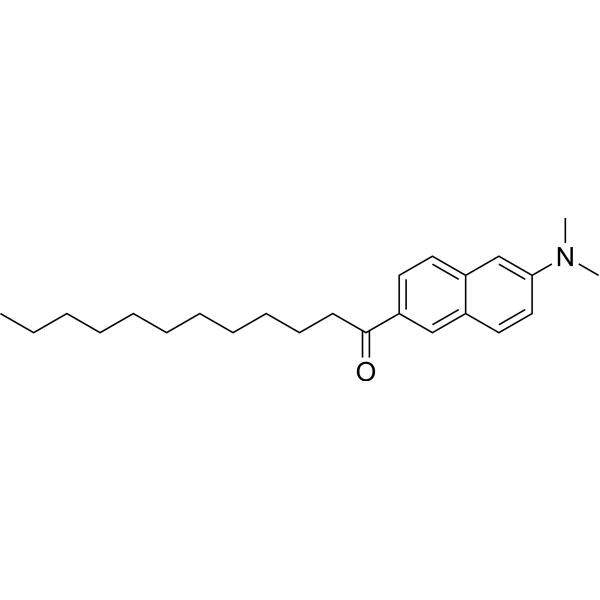
    Laurdan
    Maximum Cited Publications
    23 Publications Verification

    Fluorescent Dye Others
    Laurdan is a membrane-permeable fluorescent probe that displays spectral sensitivity to the phospholipid phase of the cell membrane to which it is bound. Quantitation of generalized polarization (GP) of Laurdan can be used to identify phospholipid phase (Ex/Em = 370/440-490 nm).
    Laurdan
  • HY-101883

    Fluorescent Dye Others
    BCECF-AM is a cell membrane permeable compound widely used as a fluorescent indicator for intracellular pH. BCECF-AM could diffuse through the cell membrane and intracellular esterase cleave the ester bond releasing BCECF (HY-101882). BCECF allows measurements in the physiological pH range 6.0-8.0. Excitation ratio: 490/440 nm; Emission intensity: 535 nm.
    BCECF-AM
  • HY-18681
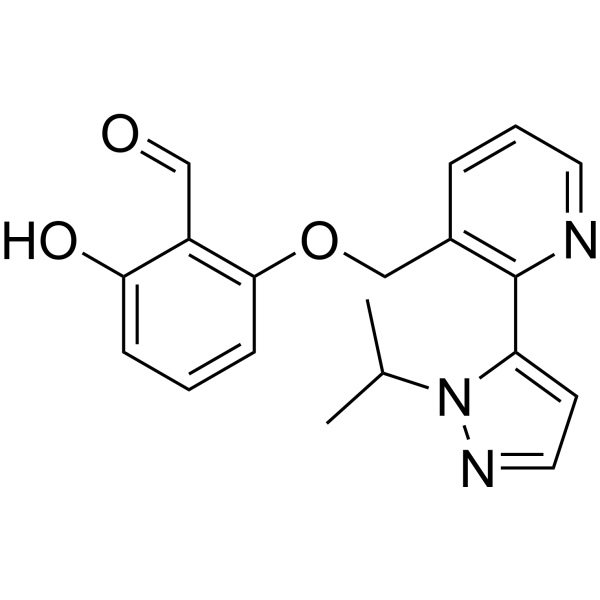
    Voxelotor
    5+ Cited Publications

    GBT 440

    Hemoglobin Cardiovascular Disease
    Voxelotor (GBT 440) is a potent inhibitor of haemoglobin S (HbS) polymerization. Voxelotor has the potential for sickle cell disease (SCD) treatment .
    Voxelotor
  • HY-103482
    JNJ0966
    5+ Cited Publications

    MMP Cancer
    JNJ0966 is a highly selective MMP-9 zymogen inhibitor with an IC50 of 440 nM.
    JNJ0966
  • HY-101882
    BCECF
    3 Publications Verification

    2′,7′-Bis(2-carboxyethyl)-5(6)-carboxyfluorescein

    Fluorescent Dye Others
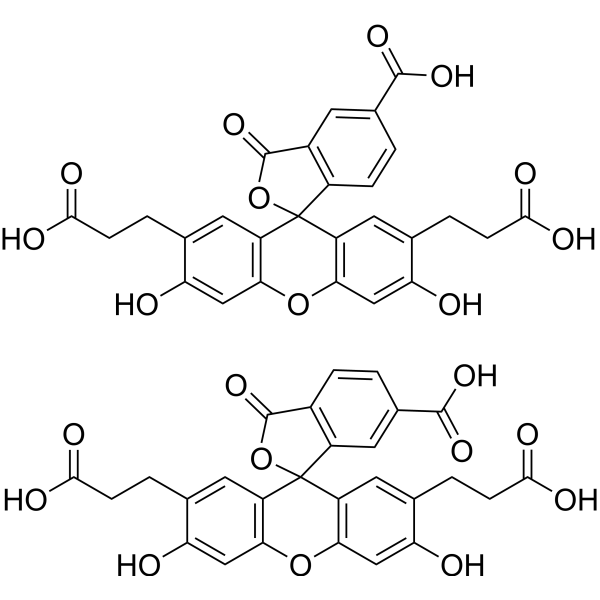
    BCECF is a cell-impermeant pH-sensitive fluorescent dye. BCECF allows measurements in the physiological pH range 6.0-8.0. Excitation ratio: 490/440 nm; Emission intensity: 535 nm.
    BCECF
  • HY-D0073

    Fluorescent Dye Others
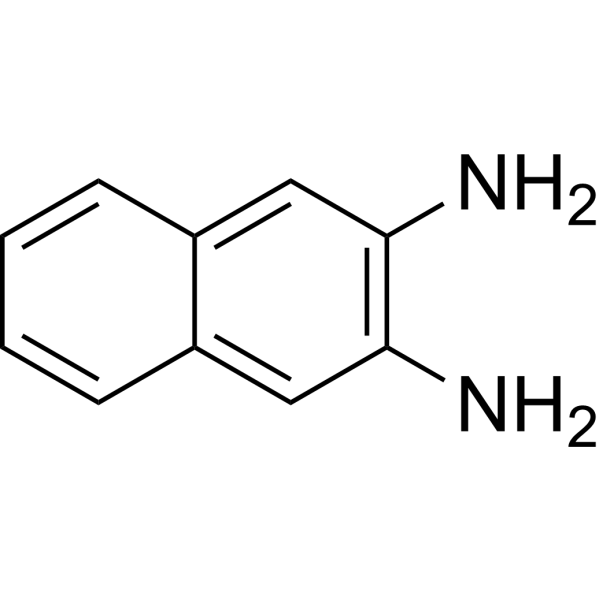
    2,3-Diaminonaphthalene is a fluorescent reagent used to detect selenium and nitric oxide (NO). 2,3-Diaminonaphthalene binds to selenium to form pyrazolene selenol, with excitation/emission maxima at 365 nm and 525 nm, respectively. 2,3-Diaminonaphthalene binds to NO2− to form the fluorescent product, 1-(H)-napthotriazole, with excitation/emission maxima at 360 nm and 440 nm, respectively .
    2,3-Diaminonaphthalene
  • HY-D0025

    Fluorescent Dye Drug Intermediate Others
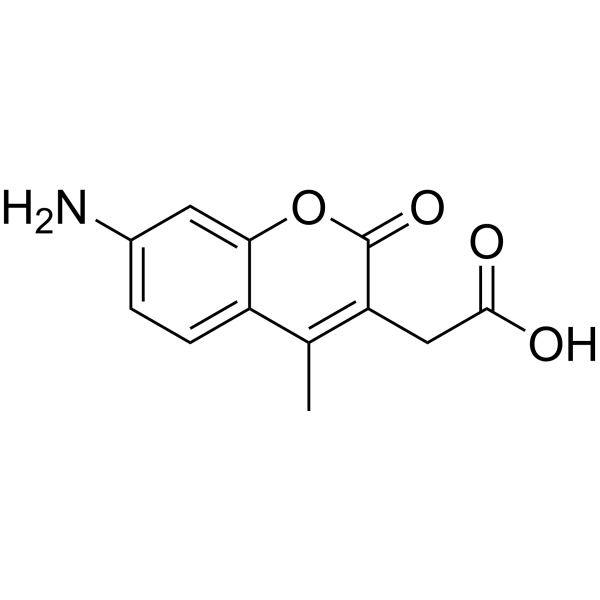
    7-Amino-4-methylcoumarin-3-acetic acid (AMCA) serves as the parent structure of coumarin-based blue fluorescent dyes, and its activated form AMCA-NHS can directly conjugate with proteins (Ex/Em ≈ 350/440-460).
    7-Amino-4-methylcoumarin-3-acetic acid
  • HY-10571A
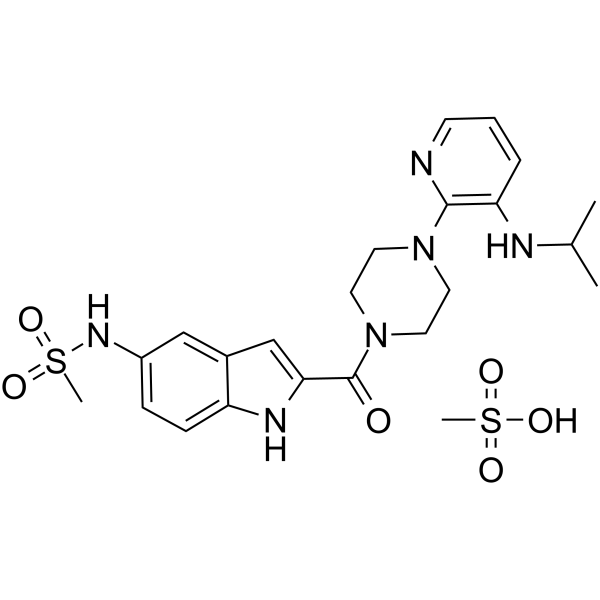
    Delavirdine mesylate
    3 Publications Verification

    U 90152 mesylate; BHAP-U 90152 mesylate

    HIV Reverse Transcriptase Infection
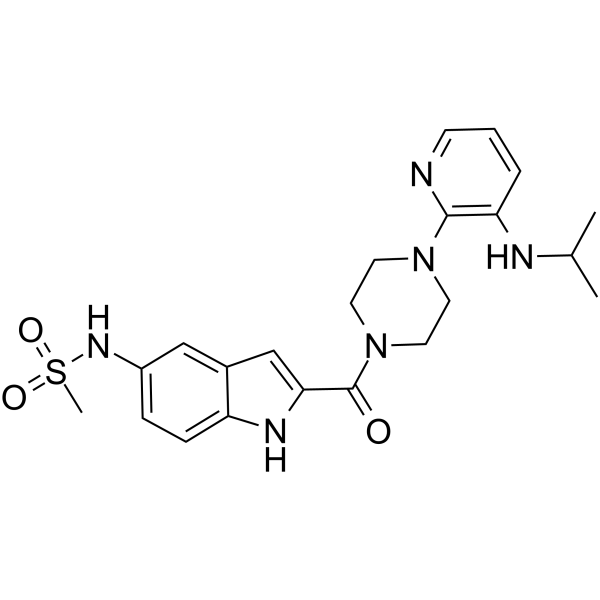
    Delavirdine (U 90152) mesylate is a potent, highly specific and orally active non-nucleoside reverse transcriptase inhibitor (NNRTI). Delavirdine mesylate selectively inhibits HIV-1 reverse transcriptase (RT) (IC50=0.26 μM) over DNA polymerase α (IC50=440 μM) and polymerase δ (IC50>550 μM). Delavirdine mesylate is an inhibitor of HIV-1 replication and can can be used for the study of AIDs .
    Delavirdine mesylate
  • HY-10571
    Delavirdine
    3 Publications Verification

    U 90152; BHAP-U 90152

    HIV Reverse Transcriptase Infection
    Delavirdine (U 90152) is a potent, highly specific and orally active non-nucleoside reverse transcriptase inhibitor (NNRTI). Delavirdine selectively inhibits HIV-1 reverse transcriptase (RT) (IC50=0.26 μM) over DNA polymerase α (IC50=440 μM) and polymerase δ (IC50>550 μM). Delavirdine is an inhibitor of HIV-1 replication and can can be used for the study of AIDs .
    Delavirdine
  • HY-115640
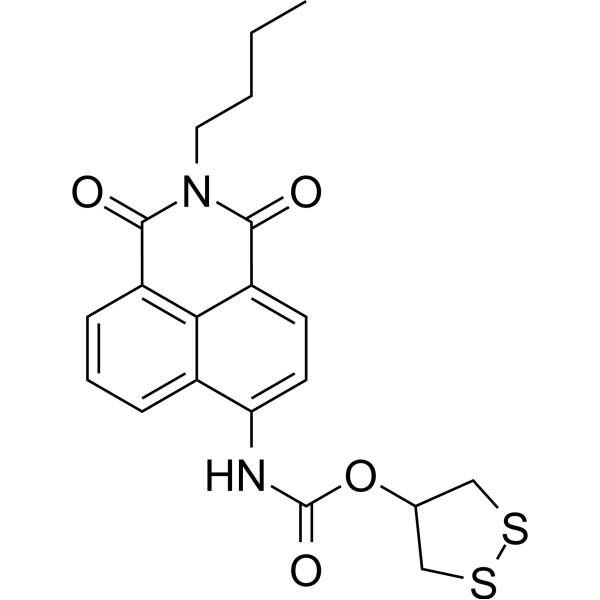
    TRFS-green
    10+ Cited Publications

    TrxR Others
    TRFS-green is a highly selective off−on fluorescent probe for imaging selenoprotein thioredoxin reductase (TrxR) in living cells. TRFS-green has the maximum absorbance at around 373 nm. After it is activated by TrxR, the maximum absorbance shifts to around 440 nm .
    TRFS-green
  • HY-D0026

    7-Amino-4-methyl-3-coumarinacetic acid N-succinimidyl ester

    Fluorescent Dye Others
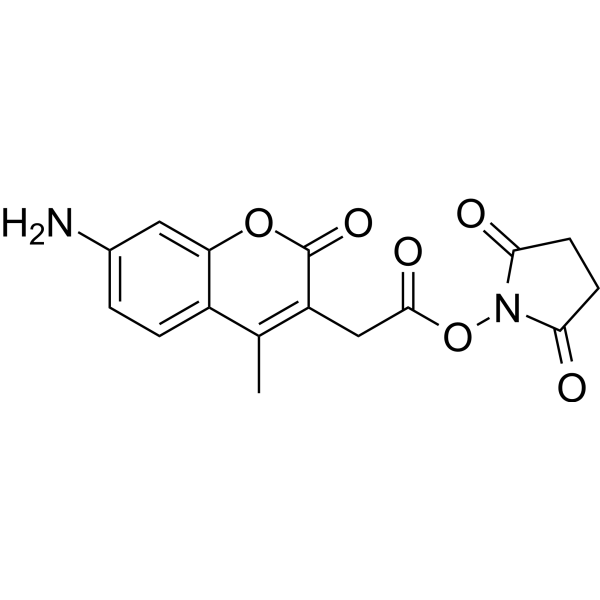
    AMCA,SE (7-Amino-4-methyl-3-coumarinacetic acid N-succinimidyl ester) is a bright blue fluorescent dye. AMCA,SE reacts with amino groups and is excited by ultraviolet light. AMCA,SE can be used for amine reactive labeling (Ex/Em = 354/440 nm) .
    AMCA,SE
  • HY-101883A
    BCECF Acetoxymethyl ester
    5+ Cited Publications

    Fluorescent Dye Others
    BCECF Acetoxymethyl ester is a cell membrane permeable compound widely-used as a fluorescent indicator for intracellular pH. BCECF Acetoxymethyl ester could diffuse through the cell membrane and intracellular esterase cleave the ester bond releasing BCECF (HY-101882). BCECF allows measurements in the physiological pH range 6.0-8.0. Excitation ratio: 490/440 nm; Emission intensity: 535 nm .
    BCECF Acetoxymethyl ester
  • HY-D1445
    LysoSensor PDMPO
    1 Publications Verification

    Fluorescent Dye Metabolic Disease
    PDMPO, a lysosome pH indicator, is an excellent fluorescent acidotropic reagent for fluorescence imaging. PDMPO is a potent tool with which to study acidic organelles of live cells. PDMPO exhibits pH-dependent dual-excitation and dual-emission spectral peaks. PDMPO produces a blue fluorescence in weakly acidic organelles and shifts to yellow in more acidic lysosomes. (Abs=329 nm; Em=440/540 nm) .
    LysoSensor PDMPO
  • HY-P2179

    Fluorescent Dye MMP Others
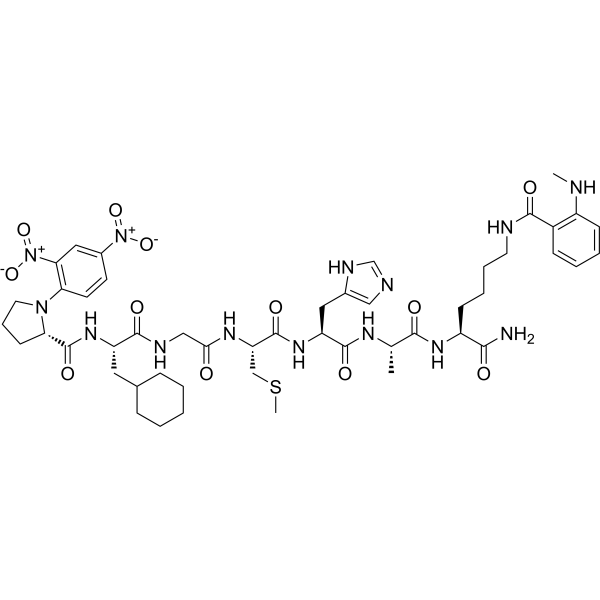
    MMP-1/MMP-9 Substrate, Fluorogenic is a fluorogenic substrate for MMP-1 and MMP-9 .Ex/Em = 340/440 nm
    MMP-1/MMP-9 Substrate, Fluorogenic
  • HY-101441
    ST-193
    4 Publications Verification

    Arenavirus Infection
    ST-193 is a potent broad-spectrum arenavirus inhibitor; inhibits Guanarito, Junin, Lassa and Machupo virus with IC50 values of 0.44, 0.62, 1.4 and 3.1 nM, respectively.
    ST-193
  • HY-135070

    Ac-Arg-Leu-Arg-AMC

    Proteasome Others
    Ac-RLR-AMC (Ac-Arg-Leu-Arg-AMC) is a fluorogenic substrate for the 26S proteasome (Ex/Em: 380/440-460 nm). AMC is released upon cleavage, and its fluorescence can be used to quantify the trypsin-like activity of 26S proteasomes .
    Ac-RLR-AMC
  • HY-112267

    VX-440

    CFTR Autophagy Inflammation/Immunology
    Olacaftor (VX-440) is a cystic fibrosis transmembrane conductance regulator (CFTR) modulator extracted from patent US9782408.
    Olacaftor
  • HY-100555

    HSP Infection Cancer
    CH5138303 is a potent and orally active Hsp90 inhibitor. CH5138303 shows high binding affinity for N-terminal Hsp90α, with Kd of 0.52 nM. CH5138303 shows potent anti-proliferative activity against human cancer cell lines (HCT116 and NCI-N87), with IC50 values of 0.098 and 0.066 μM, respectively. CH5138303 shows high oral bioavailability in mice (F=44.0%). CH5138303 shows potent antitumor efficacy in a human NCI-N87 gastric cancer xenograft model .
    CH5138303
  • HY-P2065

    Fluorescent Dye Others
    Ac-VEID-AMC is a fluorescent substrate for the determination of caspase-6 and related cysteine protease activities (Ex=340-360 nm, Em=440-460 nm) .
    Ac-VEID-AMC
  • HY-14811

    ZGN-440; CKD-732 free base

    MetAP NF-κB Metabolic Disease
    Beloranib (ZGN-440; CKD-732 free base) is a selective, irreversible inhibitor of methionine aminopeptidase MetAP2 that suppresses appetite and increases energy expenditure. Beloranib blocks the enzymatic cleavage of N-terminal methionine from nascent proteins by forming a covalent bond with MetAP2, thereby regulating fatty acid metabolism, adrenergic signaling, and hypothalamic NF-κB expression. Beloranib significantly reduces food intake, body weight, and fat accumulation, while improving glucose tolerance, insulin sensitivity, and lipid metabolism. Beloranib also elevates energy expenditure and fat oxidation levels, without affecting body temperature, spontaneous activity, or the inflammatory cytokine IL-1β. Beloranib can be used in research on obesity and hypothalamic obesity .
    Beloranib
  • HY-D1265
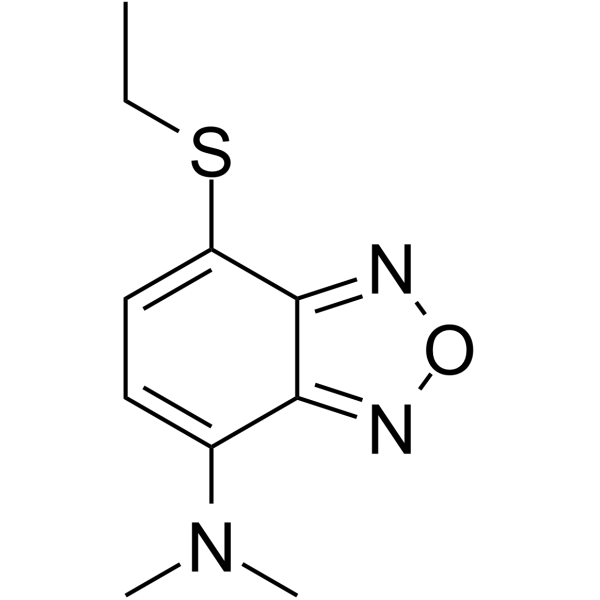
    EtS-DMAB
    2 Publications Verification

    HClO-green

    Fluorescent Dye Others
    EtS-DMAB (HClO-green) is a fluorescent probe, which can selectively detect hypochlorous acid (HOCl) (λex=440 nm, λem=610 nm). EtS-DMAB is applied to image exogenous and endogenous HOCl in live cells .
    EtS-DMAB
  • HY-D1256

    Fluorescent Dye Neurological Disease Metabolic Disease
    Msr-blue is a first turn-on fluorescent probe for methionine sulfoxide reductase with a more than 100-fold fluorescence increment. Msr-blue is used for monitoring the enzyme activity in live cells (λex=340 nm, λem=440 nm) .
    Msr-blue
  • HY-59157

    Drug Intermediate Others
    7-Methyl-1,5,7-triazabicyclo[4.4.0]dec-5-ene is a drug intermediate for synthesis of various active compounds.
    7-Methyl-1,5,7-triazabicyclo[4.4.0]dec-5-ene
  • HY-P4341A

    PAI-1 Fluorescent Dye Others
    D-Val-Leu-Lys-AMC TFA is a selective fluorogenic peptide substrate of plasmin. D-Val-Leu-Lys-AMC TFA can be used for the quantification of enzymatic activity of plasmin. Ex: 360-380 nm, Em: 440-460 nm .
    D-Val-Leu-Lys-AMC TFA
  • HY-152174

    HDAC Cancer
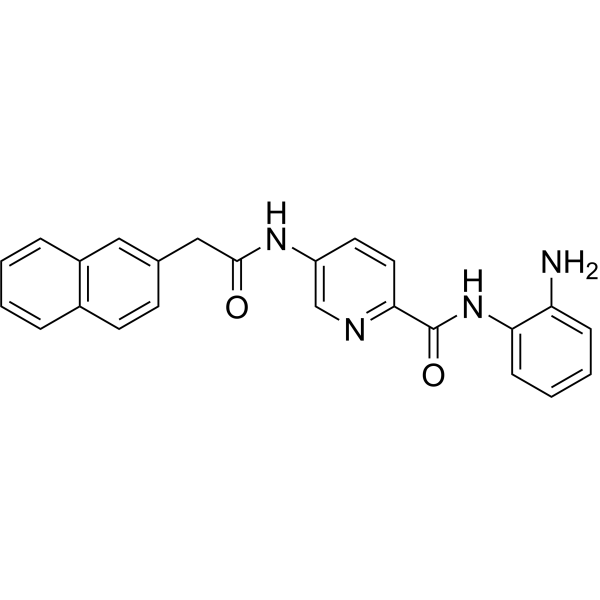
    HDAC-IN-52 is a pyridine-containing HDAC inhibitor, with IC50s of 0.189, 0.227, 0.440 and 0.446 μM for HDAC1, HDAC2, HDAC3, and HDAC10, respectively. HDAC-IN-52 can be used for the research of cancer .
    HDAC-IN-52
  • HY-169491

    Fluorescent Dye Metabolic Disease
    Pantothenate-AMC is a fluorogenic substrate used for detecting the enzymatic activity of vanin-1, an enzyme involved in the recycling of L-pantothenic acid. Upon enzymatic cleavage by vanin-1, 7-amino-7-methylcoumarin (AMC) is released, and its fluorescence can be used to quantify vanin-1 activity. The excitation/emission maxima of AMC are 340-360 nm and 440-460 nm, respectively .
    Pantothenate-AMC
  • HY-19013

    Drug Derivative Cardiovascular Disease
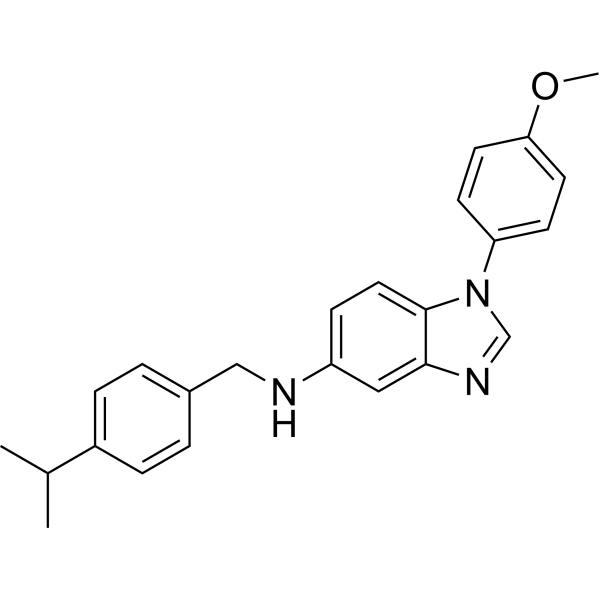
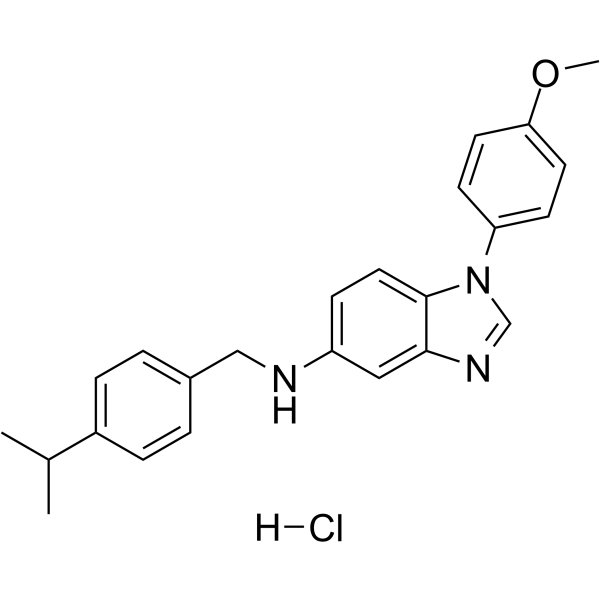
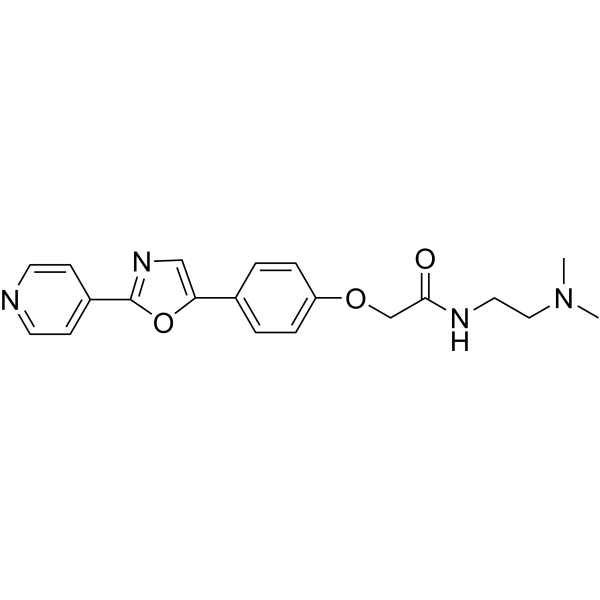
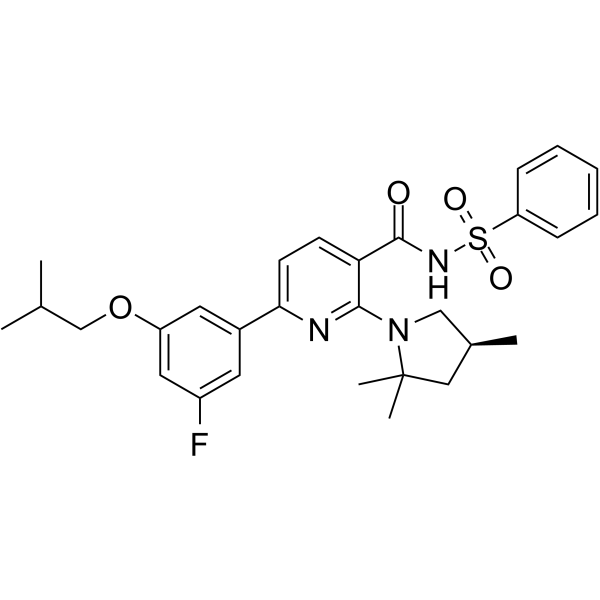
    L44-0 is a nicotinic acid derivative. L44-0 reduces atherosclerotic lesions and decreases vascular norepinephrine levels in the renal arteries, femoral arteries, and veins in a New Zealand white rabbit model of atherosclerosis. L44-0 can be used in research on cardiovascular and cerebrovascular diseases such as atherosclerosis .
    L 44-0
  • HY-Y1219C

    Biochemical Assay Reagents Others
    Silica gel, high-purity grade, 220-440 mesh is a rigid 3D network of colloidal silica that can be used for drug delivery .
    Silica gel, high-purity grade, 220-440 mesh
  • HY-120444

    Histone Methyltransferase Cancer
    MS0124 is a potent selective G9a-like protein (GLP) inhibitor with IC50 values of 13±4 nM and 440±63 nM for GLP and G9a,respectively .
    MS0124
  • HY-14811A

    ZGN-440 hemioxalate; ZGN-433 hemioxalate; CDK732 hemioxalate

    NF-κB MetAP Metabolic Disease
    Beloranib (ZGN-440; CKD-732 free base) hemioxalate is a selective, irreversible inhibitor of methionine aminopeptidase MetAP2 that suppresses appetite and increases energy expenditure. Beloranib hemioxalate blocks the enzymatic cleavage of N-terminal methionine from nascent proteins by forming a covalent bond with MetAP2, thereby regulating fatty acid metabolism, adrenergic signaling, and hypothalamic NF-κB expression. Beloranib hemioxalate significantly reduces food intake, body weight, and fat accumulation, while improving glucose tolerance, insulin sensitivity, and lipid metabolism. Beloranib hemioxalate also elevates energy expenditure and fat oxidation levels, without affecting body temperature, spontaneous activity, or the inflammatory cytokine IL-1β. Beloranib hemioxalate can be used in research on obesity and hypothalamic obesity .
    Beloranib hemioxalate
  • HY-115566

    LPL Receptor Smo Inflammation/Immunology
    S1PL-IN-31 (compound ) is an oral active sphingosine-1-phosphate (S1P) lyase inhibitor with the IC50 of 210 nM. S1PL-IN-31 is Smoothened receptor antagonist with the IC50 of 440 nM. S1PL-IN-31 can be used for study of experimental autoimmune encephalomyelitis .
    S1PL-IN-1
  • HY-112267A

    (R)-VX-440

    CFTR Others
    (R)-Olacaftor ((R)-VX-440) is a Cystic fibrosis transmembrane conductance regulator (CFTR) modulator. (R)-Olacaftor has good potential for the study of cystic fibrosis (CF) .
    (R)-Olacaftor
  • HY-P990163

    Transmembrane Glycoprotein Inflammation/Immunology
    Anti-Mouse Siglec-H Antibody (440c) is a rat-derived IgG2b type antibody inhibitor, targeting to mouse Siglec-H. Anti-Mouse Siglec-H Antibody (440c) recognizes sialic acid-binding immunoglobulin (Ig)-like lectin family (Siglec-H) selectively expressing on plasmacytoid DCs and interferon–producing cells. Anti-Mouse Siglec-H Antibody (440c) can be used for the researches of inflammation and immunology, such as colitis .
    Anti-Mouse Siglec-H Antibody (440c)
  • HY-P4341

    PAI-1 Fluorescent Dye Others
    D-Val-Leu-Lys-AMC is a selective fluorogenic peptide substrate of plasmin. D-Val-Leu-Lys-AMC can be used for the quantification of enzymatic activity of plasmin. Ex: 360-380 nm, Em: 440-460 nm .
    D-Val-Leu-Lys-AMC
  • HY-130783

    Fluorescent Dye Others
    LysoFP-NO2 is a turn-on fluorescent probe for carbon monoxide (CO) that localizes to the lysosome. In the presence of lysosomal CO, lysoFP-NO2 is transformed into lysoFP-NH2, which is highly fluorescent. LysoFP-NO2 is selective for CO over various reactive nitrogen, oxygen, and sulfur species. It displays excitation/emission maxima of 440/528 nm, respectively, and is not cytotoxic to HepG2 cells for up to five hours when used at a concentration of 30 μM.
    LysoFP-NO2
  • HY-101441A
    ST-193 hydrochloride
    4 Publications Verification

    Arenavirus Infection
    ST-193 hydrochloride is a potent broad-spectrum arenavirus inhibitor; inhibits Guanarito, Junin, Lassa and Machupo virus with IC50 values of 0.44, 0.62, 1.4 and 3.1 nM, respectively.
    ST-193 hydrochloride
  • HY-175877

    Eukaryotic Initiation Factor (eIF) Cancer
    RAPT-37-Me is a GCN2-targeting agent with IC50 values of 0.002μM, > 10 μM,4.40 μM and 1.31 μM for GCN2, PERK, HRl and PKR, respectively .
    RAPT-37-Me
  • HY-W018811

    Bacterial Infection
    Antibacterial agent 268 (Compound 10e) is an antibacterial agent with antimycobacterial properties. Antibacterial agent 268 shows high anti-bacterial properties at sub-micromolar values (MIC=0.44-0.07 μM) .
    Antibacterial agent 268
  • HY-178045

    c-Myc Cancer
    MYC-IN-4 is a MYC inhibitor. MYC-IN-4 impairs MYC/MAX protein-protein interaction (IC50 = 3.06 μM). MYC-IN-4 inhibits MYC-aberrant PC-3 prostate cancer cells with an IC50 of 0.440 μM. MYC-IN-4 demonstrates potent antitumor efficacy in FVB mice bearing Myc-CaP prostate tumor allografts. MYC-IN-4 can be used for the study of prostate cancer .
    MYC-IN-4
  • HY-174870

    PROTACs Estrogen Receptor/ERR Apoptosis Fluorescent Dye Cancer
    PROTAC ERα Degrader-11 is a selective and intrinsically fluorescent (Ex: 366 nm, Em: 440 nm) ERα PROTAC degrader. PROTAC ERα Degrader-11 shows good antiproliferative activity, selective ERα degradation and imaging capabilities in MCF-7 breast cancer cell lines. PROTAC ERα Degrader-11 induces G2/M phase arrest and induces apoptosis in MCF-7 cells. PROTAC ERα Degrader-11 is well-tolerated up to a dose of 500 mg/ kg with no acute toxicity in athymic nude mice. PROTAC ERα Degrader-11 can be used for the study of breast cancer.(Pink: ERα ligand (HY-167701), Blue: CRBN Ligand (HY-150831), Black: Linker, E3 ligase ligand-linker conjugate (HY-174880)) .
    PROTAC ERα Degrader-11
  • HY-15050

    PARP Neurological Disease Inflammation/Immunology
    KCL-440 is a CNS-penetrated PARP inhibitor, with an IC50 of 68 nM. KCL-440 has strong inhibition of PARP-1 .
    KCL-440
  • HY-120514

    TRP Channel Potassium Channel Cardiovascular Disease
    JNc-440 is a potent antihypertensive agent. JNc-440 can enhance the interaction of TRPV4 and Ca 2+-activated potassium channel 3 (KCa2.3) in endothelial cells. JNc-440 can also enhance vasodilation, and exerted antihypertensive effects in mice .
    JNc-440
  • HY-W953004

    Ligands for E3 Ligase Cancer
    CRBN ligand-440 is an E3 ubiquitin ligase cereblon (CRBN) ligand used to recruit the cereblon protein. CRBN ligand-440 can be linked to a target protein ligand via a linker to form a PROTAC.
    CRBN ligand-440
  • HY-117597

    PPAR Metabolic Disease
    YM440 is an orally active oxadiazolidinedione analog. YM440 ameliorates hyperglycemia without changing PPARy activity, adipocyte differentiation, or fat weight. YM440 is used in the study for non-insulin-dependent diabetes mellitus (NIDDM) .
    YM440
  • HY-18681S

    GBT 440-d6

    Isotope-Labeled Compounds Others Cardiovascular Disease
    Voxelotor-d6 (GBT 440-d6) is deuterium labeled Voxelotor. Voxelotor (GBT 440) is a potent inhibitor of haemoglobin S (HbS) polymerization. Voxelotor has the potential for sickle cell disease (SCD) treatment .
    Voxelotor-d6
  • HY-151928

    JNK Neurological Disease
    JNK3 inhibitor-3 (compound 15g) is a selective, BBB permeable and orally active c-Jun N-terminal kinase 3 (JNK3) inhibitor. JNK3 inhibitor-3 has inhibitory activities to JNK1, JNK2 and JNK3 with IC50 values of 147.8, 44.0 and 4.1 nM, respectively. JNK3 inhibitor-3 significantly improves the memory in mouse dementia model. JNK3 inhibitor-3 can be used for the research of Alzheimer’s disease .
    JNK3 inhibitor-3
  • HY-112074

    HOE 440

    Adrenergic Receptor Cardiovascular Disease
    Tiamenidine (HOE 440) is an orally active α2-adrenergic receptor agonist with antihypertensive effect. Tiamenidine is used as an antihypertensive agent for hypertension research .
    Tiamenidine
  • HY-N14686

    Bacterial Infection
    Phencomycin has weak anti-Gram-positive bacterial effect, but also has inhibitory effect against physiologically important enzyme like renin (IC50 is 440 μg/mL) .
    Phencomycin
  • HY-145326

    Fungal Others
    Antibacterial agent 67 (IC50 = 0.03 μM) has a great enzyme-inhibiting activity increase toward succinate dehydrogenase in comparison with fluxapyroxad (IC50 = 4.40 μM).
    Antibacterial agent 67
  • HY-150976

    Carbonic Anhydrase β-glucuronidase Neurological Disease Metabolic Disease Cancer
    β-Glucuronidase/hCAII-IN-2 (Compound 12e) is a potent β-glucuronidase and hCA II inhibitor with an IC50 of 440.1 μM and 4.91 μM, respectively .
    β-Glucuronidase/hCAII-IN-1

Inquiry Online

Your information is safe with us. * Required Fields.

Salutation


Country or Region *

Applicant Name *


Organization Name *

Department *


Email Address *


Product Name *

Cat. No.


Requested quantity *

Phone Number *


Remarks

Inquiry Online

Inquiry Information

Product Name:
Cat. No.:
Quantity:
MCE Japan Authorized Agent:

