1. Search Result
Search Result
Results for "

Neuropsychiatric

" in MedChemExpress (MCE) Product Catalog:

75

Inhibitors & Agonists

2

Screening Libraries

2

Peptides

1

Natural
Products

2

Isotope-Labeled Compounds

1

Click Chemistry

Cat. No. Product Name Target Research Areas Chemical Structure
  • HY-B1395
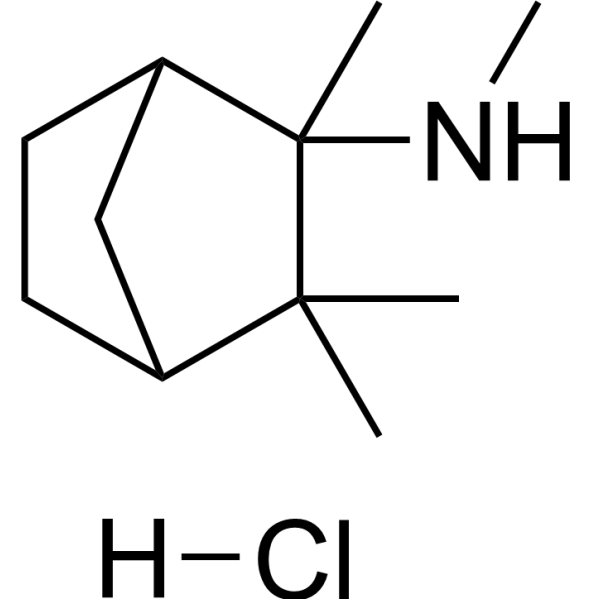
    Mecamylamine hydrochloride
    5 Publications Verification

    nAChR Histamine Receptor Cardiovascular Disease Neurological Disease
    Mecamylamine hydrochloride is an orally active, nonselective, noncompetitive nAChR antagonist. Mecamylamine hydrochloride is also a ganglionic blocker. Mecamylamine hydrochloride can across the blood-brain barrier. Mecamylamine hydrochloride can be used in the research of neuropsychiatric disorders, hypertension, antidepressant area .
    Mecamylamine hydrochloride
  • HY-148104
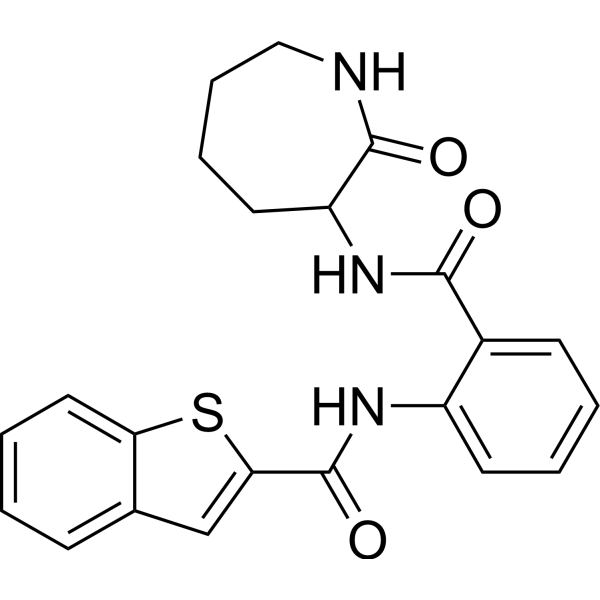
    ACSS2-IN-2
    1 Publications Verification

    Acetyl-CoA synthetase Infection Neurological Disease Metabolic Disease Inflammation/Immunology Cancer
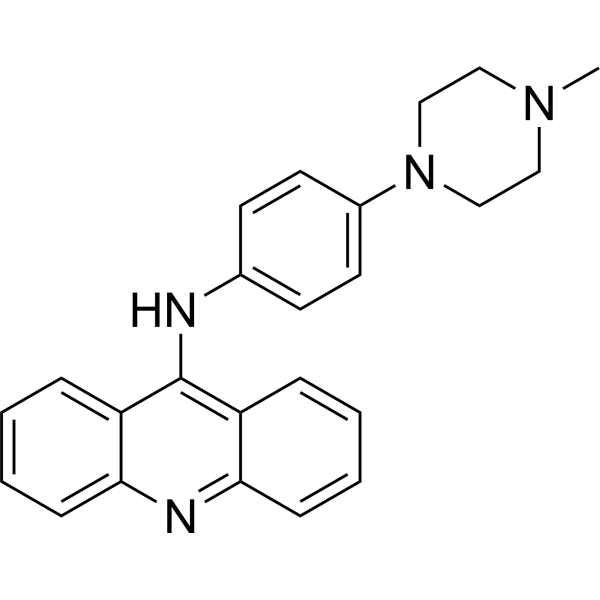
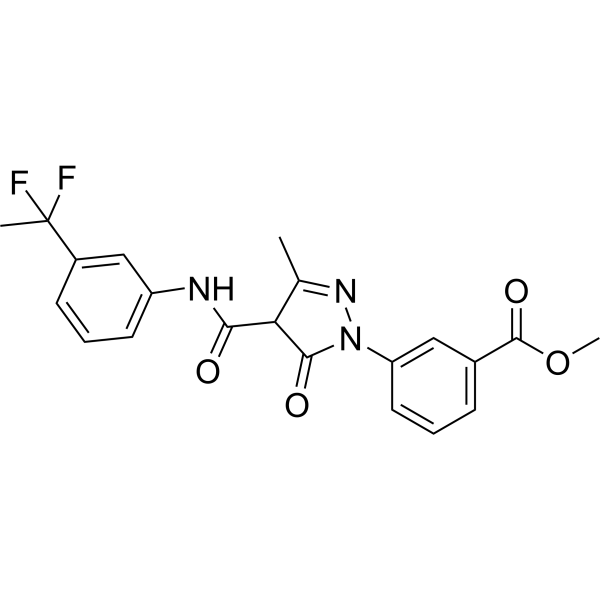
    ACSS2-IN-2 is an acyl-CoA synthetase short-chain family member 2 (ACSS2) inhibitor. ACSS2-IN-2 can inhibit ACSS2 activity with an IC50 value of 3.8 nM. ACSS2-IN-2 can be used for the research of several diseases, such as viral infection, metabolic disorders, neuropsychiatric diseases, inflammatory/autoimmune conditions and cancer .
    ACSS2-IN-2
  • HY-117516

    REV-ERB Neurological Disease Metabolic Disease
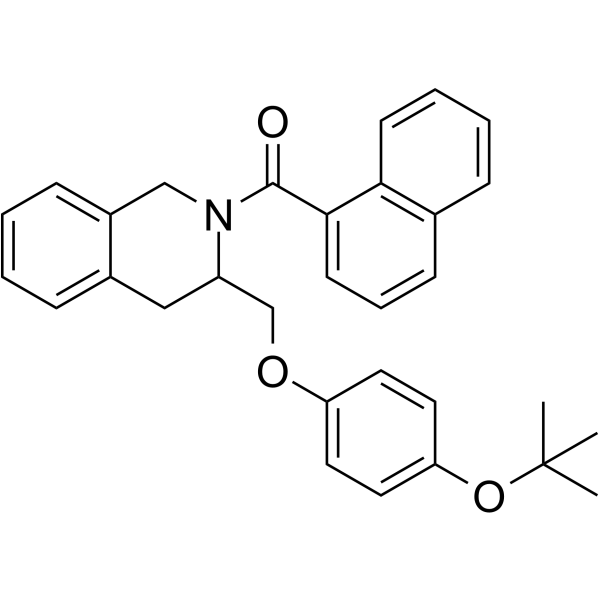
    SR10067 is a potent, selective and brain penetrant REV-ERB agonist. SR10067 has high affinity for Rev-Erbβ and Rev-Erbα with IC50 values of 160 nM and 170 nM, respectively. SR10067 can be used for the research of metabolic diseases and neuropsychiatric disorders .
    SR10067
  • HY-103213
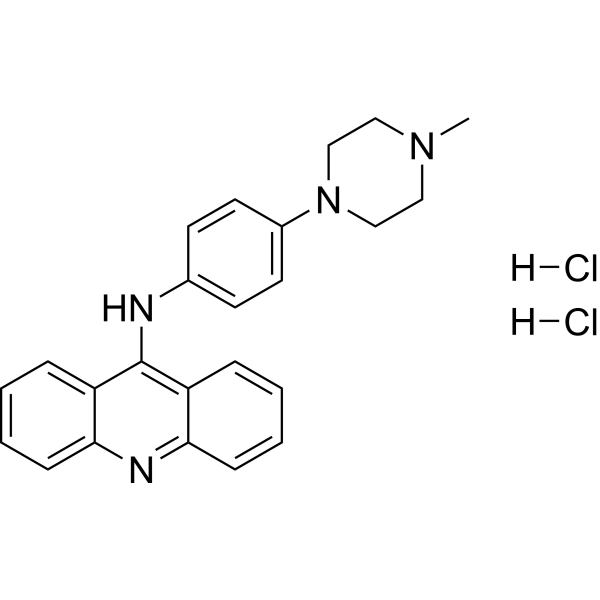
    JP1302 dihydrochloride
    2 Publications Verification

    Adrenergic Receptor Neurological Disease Endocrinology
    JP1302 dihydrochloride is a potent, selective, high affinity antagonist of the α2C-adrenoceptor, with a Kb of 16 nM and a Ki of 28 nM for the human α2C-receptor. JP1302 dihydrochloride shows antidepressant and antipsychotic-like effects. JP1302 dihydrochloride can be used for neuropsychiatric disorders and renal dysfunction research .
    JP1302 dihydrochloride
  • HY-109112

    RP5063

    Dopamine Receptor 5-HT Receptor Neurological Disease Inflammation/Immunology
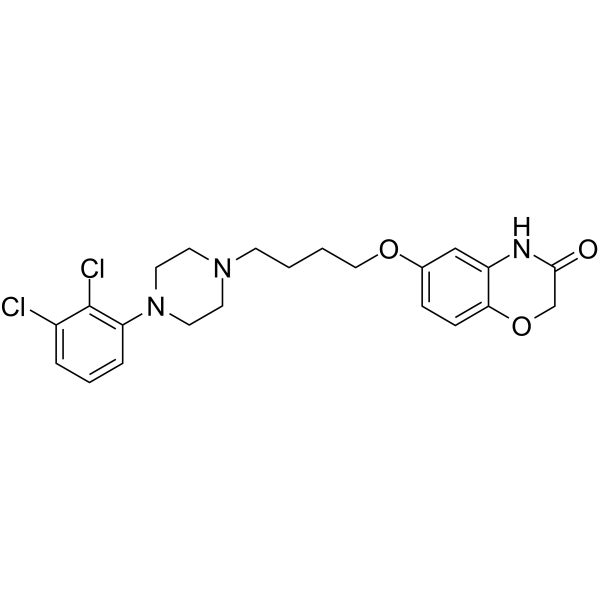
    Brilaroxazine (RP5603) is a potent and orally active multimodal dopamine (DA)/serotonin (5-HT) modulator. Brilaroxazine is a partial agonist of dopamine (DA) D2, D3, and D4 receptors, 5-HT1A (Ki=1.5 nM) and 5-HT2A (Ki=2.5 nM), and has antagonist activity at 5-HT2B (Ki=0.19 nM), and 5-HT7 (Ki=2.7 nM) receptors . Brilaroxazine is an atypical antipsychotic agent, and has the potential to improve cognitive impairments in neuropsychiatric and neurological diseases in vivo .
    Brilaroxazine
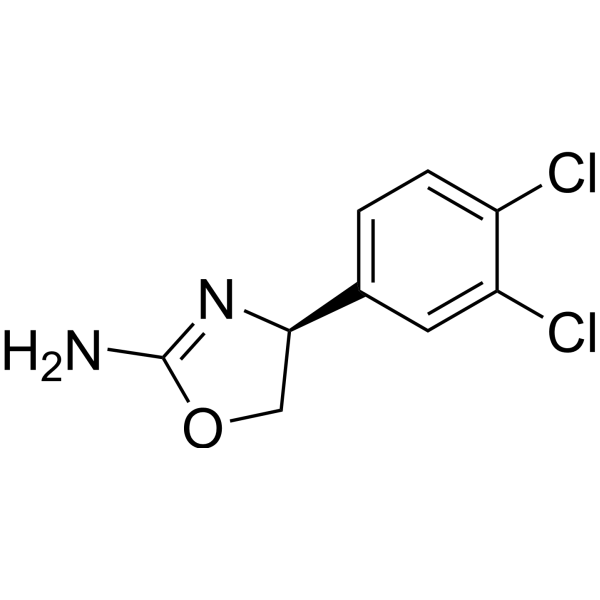
  • HY-159829

    NBI-1117568; HTL-0016878

    mAChR Neurological Disease
    Direclidine (NBI-1117568, HTL-0016878) is a selective orthosteric agonist targeting the muscarinic acetylcholine M4 receptor, exhibiting very low affinity for M1, M2, M3, and M5 receptors. It binds to the orthosteric site of the M4 receptor in a non-covalent, competitive manner. Direclidine specifically activates the M4 receptor, inhibiting the release of acetylcholine from striatal cholinergic interneurons, thereby regulating the balance of the dopaminergic system and reducing psychiatric symptoms associated with excessive dopamine release. Direclidine can improve symptoms associated with neuropsychiatric disorders and is used in research on schizophrenia and other neuropsychiatric disorders .
    Direclidine
  • HY-19348
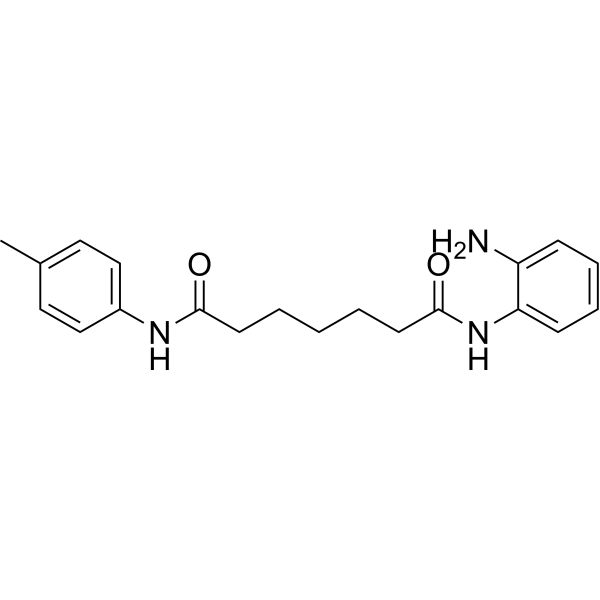
    Pimelic Diphenylamide 106
    5 Publications Verification

    RGFA-8; TC-H 106; Histone Deacetylase Inhibitor VII

    HDAC Monoamine Transporter Neurological Disease Cancer
    Pimelic Diphenylamide 106 (TC-H 106) is a slow, tight binding class I HDAC inhibitor (inhibits HDAC1, 2, and 3 with IC50 values of 150 nM, 760 nM, and 370 nM, respectively), with no activity against class II HDACs. Pimelic Diphenylamide 106 modulates dopamine concentration and protects dopamine cells by inducing VMAT2 expression. Pimelic Diphenylamide 106 can be used in the study of neuropsychiatric diseases such as attention deficit hyperactivity disorder (ADHD) .
    Pimelic Diphenylamide 106
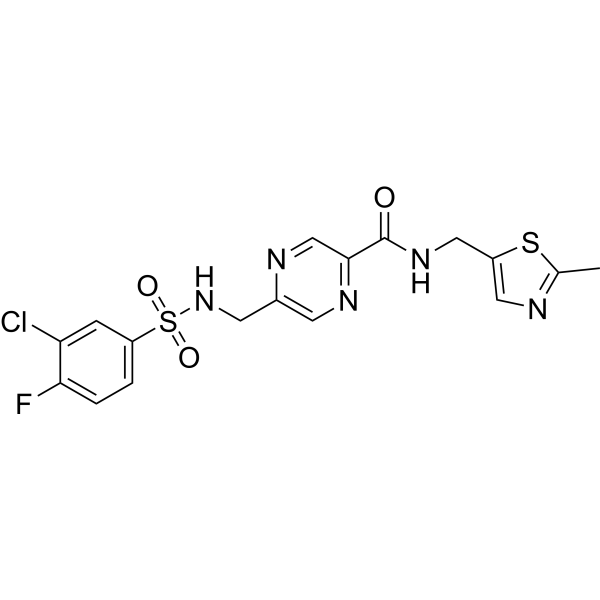
  • HY-157521

    Acyltransferase Neurological Disease Metabolic Disease
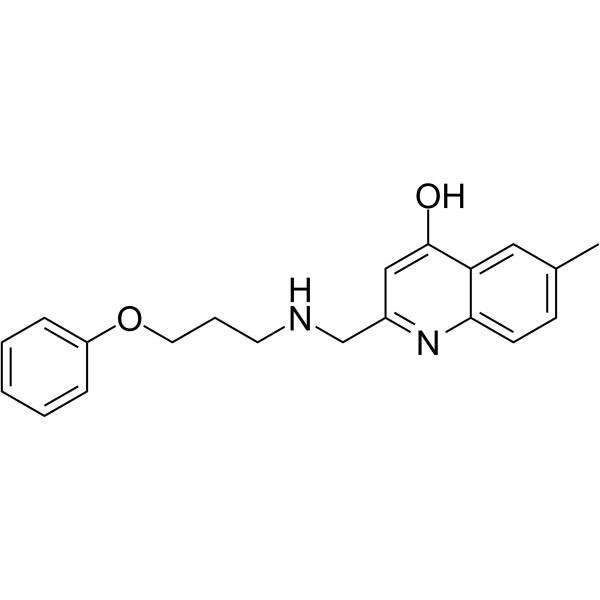
    AANAT-IN-1 is an arylalkylamine N-acetyltransferase (AANAT) inhibitor with a sheep AANAT IC50 of 9.9 μM. AANAT-IN-1 binds to the active site of sheep AANAT, interacting with amino acid residues via hydrogen bonds, hydrophobic interactions, ionic interactions, and water bridges, inhibiting the enzyme's catalytic activity. AANAT-IN-1 can be used for the researches of circadian rhythm-associated neuropsychiatric conditions, seasonal affective disorder, and other diseases associated with abnormally elevated melatonin levels .
    AANAT-IN-1
  • HY-125751
    UCSF924
    1 Publications Verification

    Dopamine Receptor Neurological Disease
    UCSF924, a chemical probe, is a potent and specific dopamine D4 receptor (DRD4) partial agonist with a EC50 of 4.2 nM. UCSF924 has no off-target effects on more than 320 non-olfactory GPCRs. UCSF924 can be used for research in the field of neuropsychiatric diseases .
    UCSF924
  • HY-103493

    Phosphodiesterase (PDE) Neurological Disease
    TAK-915 is a potent, selective, brain-penetrant and orally active phosphodiesterase 2A (PDE2A) inhibitor with an IC50 of 0.61 nM. TAK-915 is >4100-fold more selectivity for PDE2A than PDE1A. TAK-915 has the potential for neuropsychiatric and neurodegenerative disorders treatment .
    TAK-915
  • HY-14826

    AVE8112

    Phosphodiesterase (PDE) Neurological Disease
    Tilivapram (AVE8112) is an orally active PDE4 inhibitor with procognitive effects. Tilivapram exhibits in vivo efficacy and improves processing speed and psychomotor speed. Oral administration of tilivapram may induce dose-related adverse reactions such as nausea and dizziness, but transdermal delivery enables slow, controlled elevation of plasma concentrations, thereby significantly reducing gastrointestinal discomfort and dizziness. Tilivapram is applicable to research related to neuropsychiatric disorders .
    Tilivapram
  • HY-176900

    GPR52 Neurological Disease
    GPR52 agonist-4 (Compound 65) is a highly selective G-protein-coupled receptor GPR52 modulator. GPR52 agonist-4 is promising for research of neuropsychiatric diseases .
    GPR52 agonist-4
  • HY-116483

    iGluR Neurological Disease
    MPX-007 is a GluN2A antagonist (IC50: 27 nM). MPX-007 is a tools to probe GluN2A physiology, and to study neuropsychiatric and developmental disorders .
    MPX-007
  • HY-103213A
    JP1302
    2 Publications Verification

    Adrenergic Receptor Neurological Disease
    JP1302 is a potent, selective, high affinity antagonist of the α2C-adrenoceptor, with a Kb of 16 nM and a Ki of 28 nM for the human α2C-receptor. JP1302 shows antidepressant and antipsychotic-like effects. JP1302 can be used for neuropsychiatric disorders and renal dysfunction research .
    JP1302
  • HY-148939

    iGluR Neurological Disease
    MPX-004 is a potent GluN2A antagonist. MPX-004 inhibits GluN2A-containing NMDA receptors expressed in HEK cells with an IC50 of 79 nM. MPX-004 has no inhibitory effect on GluN2B or GluN2D receptor-mediated responses. MPX-004 has the potential for neuropsychiatric and developmental disorders research .
    MPX-004
  • HY-163671

    GPR52 Neurological Disease
    PW0729 (compound 15b) is an orphan GPR52 agonist with potential applications in GPR52 activation, signaling bias, and neuropsychiatric and neurological disorders. The brain exposure characteristics of PW0729 need to be further optimized .
    PW0729
  • HY-103054

    Trace Amine-associated Receptor (TAAR) Neurological Disease
    RO5203648 is a potent and highly selective partial agonist of TAAR1 (Trace amine-associated receptor 1) with high affinity. RO5203648 demonstrates a novel paradigm for neuropsychiatric research .
    RO5203648
  • HY-14840A

    MRZ 9547

    Dopamine Transporter Neurological Disease Inflammation/Immunology
    (R)-Phenylpiracetam (MRZ 9547) is a dopamine transporter (DAT) inhibitor (Ki: 14.8 μM; IC50: 65.5 μM). (R)-Phenylpiracetam can be used for the research of the neurological or neuropsychiatric disorders .
    (R)-Phenylpiracetam
  • HY-172995

    5-HT Receptor Neurological Disease
    RS130-180 is a selective β-arrestin-biased agonist targeting the serotonin 2A receptor (5-HT2aR). RS130-180 is promising for research of neuropsychiatric disorders such as depression .
    RS130-180
  • HY-179291

    5-HT Receptor Neurological Disease
    5-HT2A agonist 8 (Compound 67) is a 5-HT2A agonist, with an EC50 of 4 nM. 5-HT2A agonist 8 can be used in the research of neuropsychiatric and neurodegenerative diseases .
    5-HT2A agonist 8
  • HY-B1395A

    nAChR Histamine Receptor Cardiovascular Disease Neurological Disease
    Mecamylamine is an orally active, nonselective, noncompetitive nAChR antagonist. Mecamylamine is also a ganglionic blocker. Mecamylamine can across the blood-brain barrier. Mecamylamine can be used in the research of neuropsychiatric disorders, hypertension, antidepressant area .
    Mecamylamine
  • HY-P1386

    Dynamin II (828–842)

    iGluR Neurological Disease
    D15, a peptide with 15 aa segment of dynamin, is an AMPAR endocytosis inhibitor. D15 blocks the interaction of dynamin with amphiphysin 1 and 2. D15 significantly increases AMPAR excitatory postsynaptic potential (EPSC) amplitude of medium spiny neurons (MSNs) in Sapap3 KO mice. D15 can be used for neuropsychiatric disorder research .
    D15
  • HY-176287

    Dopamine Receptor GSK-3 PKA P-glycoprotein Neurological Disease
    ARN25657 is a dual-acting D3R/GSK-3β modulator. ARN25657 has both partial D3R agonist activity (EC50 = 15.2 nM, Ki =1.5 nM) and potent GSK-3β inhibitor activity (IC50 = 19.3 nM). ARN25657 exhibits excellent GSK-3β selectivity over FYN, PKA, and CDK5/p35. ARN25657 inhibits P-glycoprotein (P-gP)-mediated acetoxymethyl calcein efflux and improves in vitro ADME properties while maintaining a balanced dual-target profile. ARN25657 is useful for studying bipolar disorder and related neuropsychiatric disorders .
    ARN25657
  • HY-N12125

    Others Infection
    Entadamide A (compound 1) is a tryptophan derivative. Entadamide A prevents tryptophan depletion by inhibiting indoleamine 2, 3-dioxygenase (IDO), thereby inhibiting HIV replication. Entadamide A can be used in drug and neuropsychiatric studies of redesivir [1].
    Entadamide A
  • HY-175504

    Dopamine Receptor PERK Neurological Disease
    MLS6357 is a D3 dopamine receptor (D3R)-selective positive allosteric modulator (PAM)-antagonist. MLS6357 exhibits antagonist activity in the D3R-mediated and the BRET-based β-arrestin recruitment assay with IC50s of 13 and 14 μM, and no activity for other DAR subtypes (D1R/D2R/D4R/D5R) (IC50 > 100 μM). MLS6357 is also an antagonist in the D3R-mediated Go-BRET assay with an IC50 of 17 μM. MLS6357 can be used for the study of neuropsychiatric disorders, including substance use disorder .
    MLS6357
  • HY-116430

    (S)-APB

    Dopamine Receptor Drug Isomer Neurological Disease
    (S)-SKF-77434 (Compound 11) ((S)-APB) is an enantiomer of SKF-77434 (HY-103417). (S)-SKF-77434 shows an affinity for the D1 receptor with an IC50 of 2800 nM. (S)-SKF-77434 can be used in the research of neuropsychiatric disorders .
    (S)-SKF-77434
  • HY-172981

    5-HT Receptor Neurological Disease
    CTW0404 is a potent 5-HT Receptor positive allosteric modulators (PAMs). CTW0404 is promising for research of neuropsychiatric disorders .
    CTW0404
  • HY-172982

    5-HT Receptor Neurological Disease
    CTW0419 is a potent 5-HT Receptor positive allosteric modulators (PAMs). CTW0419 is promising for research of neuropsychiatric disorders .
    CTW0419
  • HY-P5756

    Opioid Receptor Neurological Disease
    CSD-CH2(1,8)-NH2 is a selective and competitive KOR antagonist (Ki: 6.8 nM). CSD-CH2(1,8)-NH2 inhibits calcium mobilization in DRG neurons. CH2(1,8)-NH2 antagonizes the antinociceptive effect of U50,488. CSD-CH2(1,8)-NH2 can be used for research of neuropsychiatric disorders .
    CSD-CH2(1,8)-NH2
  • HY-19130

    Adenosine Receptor Neurological Disease
    BW-534U87 is an orally active adenosine A1 receptor agonist and competitive adenosine deaminase (ADA) inhibitor (Ki=7 μM). BW-534U87 elevates brain adenosine levels and suppresses epileptiform activity. BW-534U87 demonstrate anticonvulsant efficacy in animal seizure models. BW-534U87 is promising for research of epilepsy and adenosine-related neuropsychiatric disorders .
    BW-534U87
  • HY-400648

    Drug Metabolite Cancer
    Folic acid methyl ester is a methyl ester metabolite of folic acid that can be used in the study of neuropsychiatric conditions, such as depression [1] .
    Folic acid methyl ester
  • HY-128856

    Drug Derivative Neurological Disease
    P7C3-OMe is a pro-neurogenic compound, has therapeutic benefits in neuropsychiatric and/or neurodegenerative disease. The R-enantiomer of P7C3-OMe is far more active than the S-enantiomer .
    P7C3-OMe
  • HY-103522

    GABA Receptor Neurological Disease
    AA29504 is a ethyl carbamate with γ-aminobutyric acid (GABAA(HY-L120) receptor activity. AA29504 inhibits the delivery of the neurotransmitter gamma-aminobutyric acid in the central nervous system. AA29504 can be used to research anxiety, insomnia and other neuropsychiatric diseases .
    AA29504
  • HY-169951

    iGluR Neurological Disease
    Lu AF90103 (Compound 42e) is a methyl ester prodrug of compound 42d capable of penetrating the blood-brain barrier. Compound 42d acts as a partial agonist of the GluN1/GluN2B complex, exhibiting 24% efficacy, and has an EC50 value of 78 nM. Lu AF90103 plays an important role in neuropsychiatric diseases research .
    Lu AF90103
  • HY-15977

    Drug Isomer Neurological Disease
    (S)-P7C3-OMe, P7C3-A20 hydroxylated analog, is the (S)-enantiomer of P7C3-OMe. P7C3-OMe is a pro-neurogenic compound, can be used for the research of neuropsychiatric and/or neurodegenerative disease .
    (S)-P7C3-OMe
  • HY-106949

    mAChR Neurological Disease
    Tazomeline is a selective M1 muscarinic receptor agonist. Tazomeline inhibits twitch height in rabbit vas deferens(IC50= 0.001 nM). Tazomeline can be used for research of neuropsychiatric disorders .
    Tazomeline
  • HY-149481

    Dopamine Receptor Neurological Disease
    D4R agonist-1 (Compound 16f) is a D4R partial agonist (Ki: 2.2 nM). D4R agonist-1 is metabolically stable in rat and human liver microsomes. D4R agonist-1 can be used for research of neuropsychiatric disorders .
    D4R agonist-1
  • HY-176505

    Opioid Receptor Neurological Disease
    NOP antagonist 1 (Compound (-)-31) is a nociceptin opioid peptide (NOP) antagonist with a Kb of 8.65  nM. NOP antagonist 1 can be used for neuropsychiatric disorders research .
    NOP antagonist 1
  • HY-174152

    GABA Receptor Neurological Disease
    GABAB receptor antagonist 5 (Compound 23) is a competitive GABAB receptor antagonist. GABAB receptor antagonist 5 is promising for research of neuropsychiatric diseases, such as epilepsy, depression, and addiction .
    GABAB receptor antagonist 5
  • HY-148224

    COX Inflammation/Immunology
    Pifoxime is a COX-1/2 inhibitor, a non-steroidal anti-inflammatory agent (NSAID). Pifoxime shows anti-inflammatory activity, and can be used in neuropsychiatric research .
    Pifoxime
  • HY-155319

    Opioid Receptor Neurological Disease
    μ opioid receptor agonist 3 (compound 20) is a potent μ opioid receptor (µOR) agonist with an EC50 of 0.87 nM. μ opioid receptor agonist 3 has the potential for pain and neuropsychiatric indications research .
    μ opioid receptor agonist 3
  • HY-W909149

    Trace Amine-associated Receptor (TAAR) Adrenergic Receptor Neurological Disease
    TAAR1 agonist 3 is a trace amine-associated receptor 1 (TAAR1) agonist (pEC50=7.6). TAAR1 agonist 3 is also a full agonist of the α2A receptor (pEC50=6). TAAR1 agonist 3 can be used in the study of neuropsychiatric diseases .
    TAAR1 agonist 3
  • HY-136258

    nAChR Neurological Disease
    nAChR agonist CMPI hydrochloride is a potent and selective positive allosteric modulator (PAM) of nAChR containing a α4:α4 subunit interface. nAChR agonist CMPI hydrochloride enhances the response of (α4)3(β2)2 nAChR to ACh (10 µM) with an EC50 of 0.26 µM. nAChR agonist CMPI hydrochloride has potential for the research of nicotine dependence and many neuropsychiatric conditions associated with decreased brain cholinergic activity .
    nAChR agonist CMPI hydrochloride
  • HY-171981

    mAChR Neurological Disease
    VU6002703 (Compound 17) is a BBB-penetrable M4 mAChR positive allosteric modulator (PAM) with an EC50 of 0.6  μM for hM4. VU6002703 can be used for neuropsychiatric and rare genetic CNS disorders research .
    VU6002703
  • HY-169038

    Cannabinoid Receptor Drug Derivative Neurological Disease
    11(Z),14(Z)-Eicosadienoic acid ethanolamide (Compound 3) is an ethanolamide-conjugated form of 11(Z),14(Z)-Eicosadienoic acid (HY-149589). 11(Z),14(Z)-Eicosadienoic acid ethanolamide inhibits the inactivating transport of an endogenous cannabinoid substance with an IC50 value of 10.6 μM. 11(Z),14(Z)-Eicosadienoic acid ethanolamide can be used for research of neuropsychiatric conditions .
    11(Z),14(Z)-Eicosadienoic acid ethanolamide
  • HY-169163

    Carbonic Anhydrase Cholinesterase (ChE) Neurological Disease
    hBChE-IN-4 (compound 40) is a potent hCA activator and BChE inhibitor with KA values of 266, 76.9, 918, 893, 98.0 nM for hCA I, hCA II, hCA IV, hCA VB, hCA VII, IC50 values of 72.1, 4.2 nM for eeAChE, eqBChE, respectively. hBChE-IN-4 shows no cytotoxicity. hBChE-IN-4 shows potent procognitive effects. hBChE-IN-4 has the potential for the research of neurodegenerative diseases and other neuropsychiatric disorders .
    BChE-IN-36
  • HY-W909173

    Trace Amine-associated Receptor (TAAR) Histamine Receptor mAChR Neurological Disease
    TAAR1 agonist 2 (compound 30) is a full agonist of trace amine-associated receptor 1 (TAAR1) (pEC50=7.5). TAAR1 agonist 2 also exhibits agonist activity at H1 receptors and activates several members of the muscarinic acetylcholine receptor family, such as the M2 receptor (pEC50=5). TAAR1 agonist 2 can be used in the study of neuropsychiatric diseases .
    TAAR1 agonist 2
  • HY-177278

    Somatostatin Receptor Neurological Disease Endocrinology Cancer
    SST1 receptor antagonist-1 (Compound 23) is a selective Somatostatin receptor 1 (SST1) antagonist with pKds of 9.11 and 8.79 for rSST1 and hSST1, respectively. SST1 receptor antagonist-1 can be used for retinal and endocrine dysfunctions, cancer and neuropsychiatric disorders research .
    SST1 receptor antagonist-1
  • HY-B1395R

    Reference Standards nAChR Histamine Receptor Cardiovascular Disease Neurological Disease
    Mecamylamine (hydrochloride) (Standard) is the analytical standard of Mecamylamine (hydrochloride). This product is intended for research and analytical applications. Mecamylamine hydrochloride is an orally active, nonselective, noncompetitive nAChR antagonist. Mecamylamine hydrochloride is also a ganglionic blocker. Mecamylamine hydrochloride can across the blood-brain barrier. Mecamylamine hydrochloride can be used in the research of neuropsychiatric disorders, hypertension, antidepressant area .
    Mecamylamine hydrochloride (Standard)
  • HY-103213R

    Reference Standards Adrenergic Receptor Neurological Disease Endocrinology
    JP1302 dihydrochloride (Standard) is the analytical standard of JP1302 dihydrochloride. This product is intended for research and analytical applications. JP1302 dihydrochloride is a potent, selective, high affinity antagonist of the α2C-adrenoceptor, with a Kb of 16 nM and a Ki of 28 nM for the human α2C-receptor. JP1302 dihydrochloride shows antidepressant and antipsychotic-like effects. JP1302 dihydrochloride can be used for neuropsychiatric disorders and renal dysfunction research .
    JP1302 dihydrochloride (Standard)

Inquiry Online

Your information is safe with us. * Required Fields.

Salutation


Country or Region *

Applicant Name *


Organization Name *

Department *


Email Address *


Product Name *

Cat. No.


Requested quantity *

Phone Number *


Remarks

Inquiry Online

Inquiry Information

Product Name:
Cat. No.:
Quantity:
MCE Japan Authorized Agent:

