1. Search Result
Search Result
Results for "

Nonpeptidic

" in MedChemExpress (MCE) Product Catalog:

63

Inhibitors & Agonists

1

Biochemical Assay Reagents

1

Peptides

2

Natural
Products

1

Isotope-Labeled Compounds

Cat. No. Product Name Target Research Areas Chemical Structure
  • HY-19745
    BMS-202
    Maximum Cited Publications
    25 Publications Verification

    PD-1/PD-L1 Apoptosis Cancer
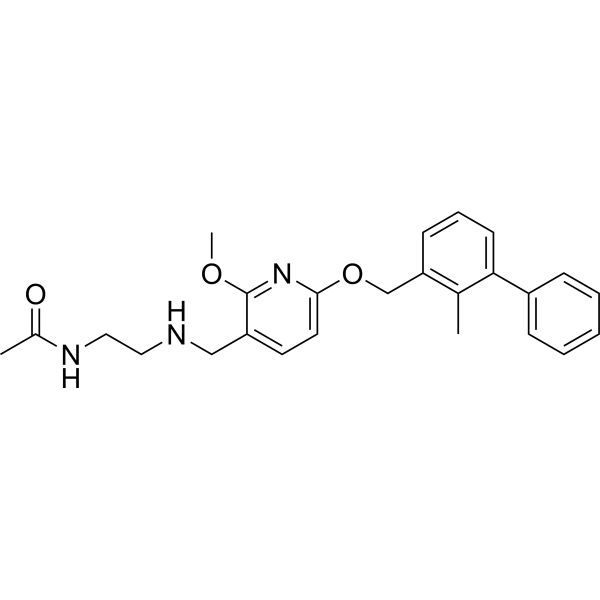
    BMS-202 is a potent and nonpeptidic PD-1/PD-L1 complex inhibitor with an IC50 of 18 nM and a KD of 8 μM. BMS-202 binds to PD-L1 and blocks human PD-1/PD-L1 interaction. BMS-202 has antitumor activity .
    BMS-202
  • HY-16474

    TAK-385

    GnRH Receptor Endocrinology Cancer
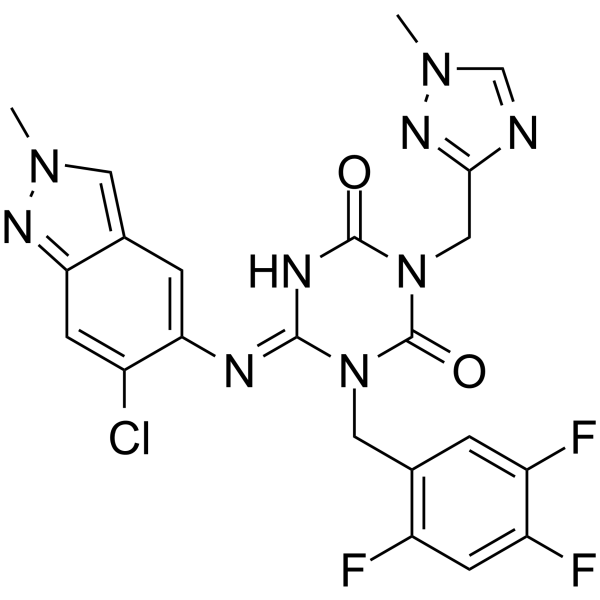
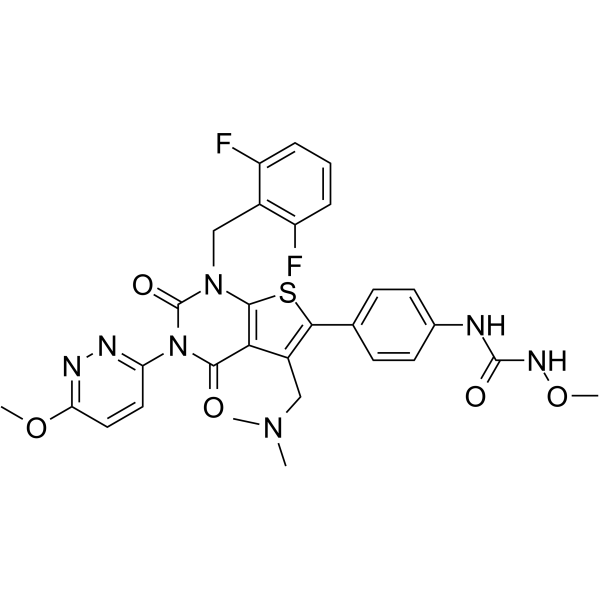
    Relugolix (TAK-385)?is a potent, orally active, nonpeptidic gonadotropin-releasing hormone (GnRH) antagonist. Relugolix possesses high affinity and potent antagonistic activity for human receptor (binding IC50=0.33 nM) and monkey receptor (IC50=0.32 nM) compared with TAK-013 (HY-100209) . Relugolix is used for the study of sex-hormone-dependent diseases, such as including endometriosis, uterine fibroids and prostate cancer et al .
    Relugolix
  • HY-17473
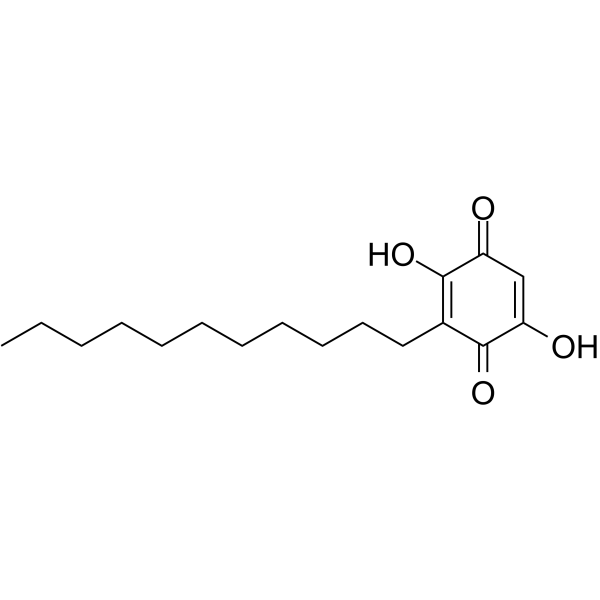
    Embelin
    5+ Cited Publications

    Embelic acid; Emberine; NSC 91874

    IAP NF-κB Apoptosis Autophagy Cancer
    Embelin (Embelic acid), a potent, nonpeptidic XIAP inhibitor (IC50=4.1 μM), inhibits cell growth, induces apoptosis, and activates caspase-9 in prostate cancer cells with high levels of XIAP. Embelin blocks NF-kappaB signaling pathway leading to suppression of NF-kappaB-regulated antiapoptotic and metastatic gene products. Embelin also induces autophagic and apoptotic cell death in human oral squamous cell carcinoma cells .
    Embelin
  • HY-143216
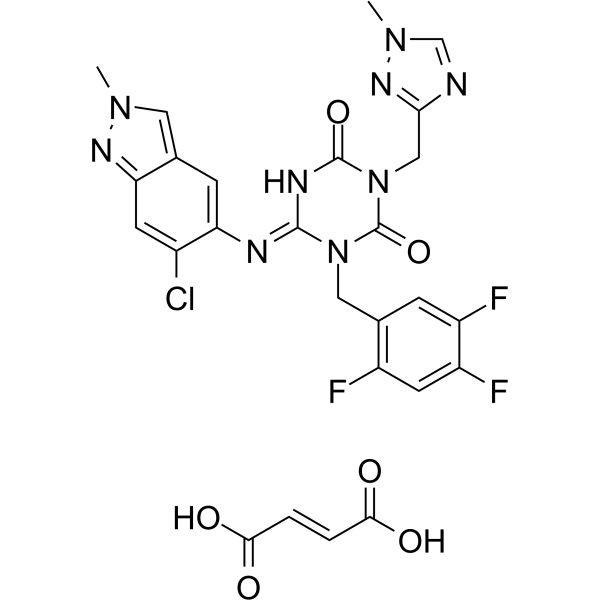
    Ensitrelvir
    10+ Cited Publications

    S-217622

    SARS-CoV Virus Protease Infection
    Ensitrelvir (S-217622) is the first orally active non-covalent, non-peptidic, SARS-CoV-2 3CL protease inhibitor (IC50=13 nM) .
    Ensitrelvir
  • HY-12836A
    IFN alpha-IFNAR-IN-1 hydrochloride
    Maximum Cited Publications
    25 Publications Verification

    IFNAR Inflammation/Immunology
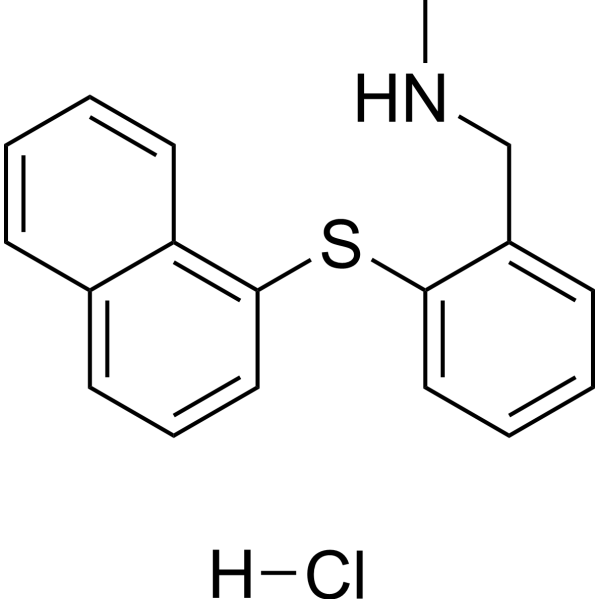
    IFN alpha-IFNAR-IN-1 hydrochloride is a nonpeptidic, low-molecular-weight inhibitor of the interaction between IFN-α and IFNAR. IFN alpha-IFNAR-IN-1 hydrochloride inhibits modified Vaccinia virus ankara (MVA)-induced IFN-α responses in murine bone-marrow-derived, Flt3- L-differentiated pDC cultures (BM-pDCs) (IC50=2-8 μM) .
    IFN alpha-IFNAR-IN-1 hydrochloride
  • HY-137322

    Neurotensin Receptor Neurological Disease Metabolic Disease
    THX-B is a potent and non-peptidic p75 NTR (neurotrophin receptor p75) antagonist. THX-B can be used in the research of diabetic kidney disease, neurodegenerative and inflammatory disorders .
    THX-B
  • HY-103351

    Cathepsin Inflammation/Immunology
    Cathepsin G Inhibitor I (Compound 7) is a potent, selective, reversible, competitive, non-peptidic Cathepsin G inhibitor (IC50 = 53 nM; Ki = 63 nM). Cathepsin G Inhibitor I can be used in research related to immune disorders .
    Cathepsin G Inhibitor I
  • HY-119850

    ARM036; S44121

    Calcium Channel Cardiovascular Disease
    Aladorian (ARM036; S44121) is a non-peptidic ryanodine receptor 2 (RyR2) stabilizer. Aladorian stabilizes RyR2 channels and rectifies abnormal Ca²⁺ handling in cardiomyocytes. Aladorian improves cardiomyocyte Ca²⁺ homeostasis independent of dystrophin restoration. Aladorian attenuates early cardiomyopathy and enhances left ventricular function in a canine muscular dystrophy model. Aladorian can be used for the research of heart failure, Duchenne muscular dystrophy-associated cardiomyopathy and muscular dystrophy .
    Aladorian
  • HY-108624

    Neuropeptide B/W Receptor Cardiovascular Disease Inflammation/Immunology
    CYM 50769 is a non-peptidic selective antagonist of neuropeptides B and W receptor 1 (NPBWR1). CYM 50769 can attenuates the NPW-23-induced cell proliferation in ATDC5. CYM 50769 can be used for researching endochondral bone formation .
    CYM 50769
  • HY-10472
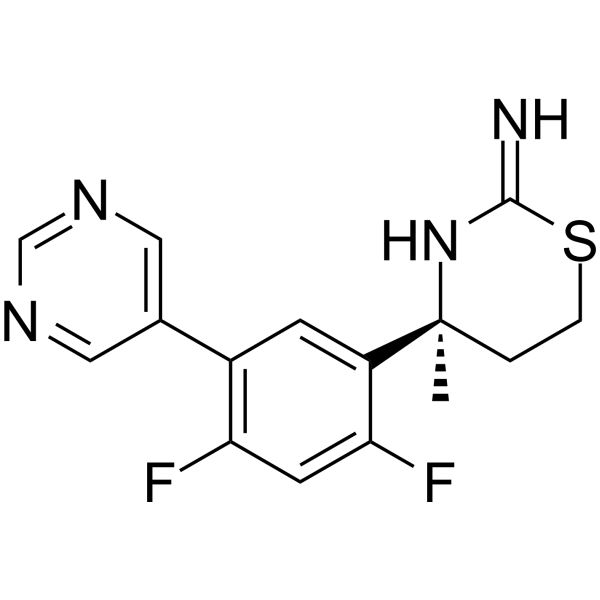
    LY2811376
    10+ Cited Publications

    Beta-secretase Neurological Disease
    LY2811376 is the first orally available non-peptidic β-secretase (BACE1) inhibitor with IC50 of 239 nM-249 nM, that acts to decrease Aβ secretion with EC50 of 300 nM, and demonstrates to have 10-fold selectivity towards BACE1 over BACE2, and more than 50-fold inhibition over other aspartic proteases including cathepsin D, pepsin, or renin.
    LY2811376
  • HY-143216A
    Ensitrelvir fumarate
    10+ Cited Publications

    S-217622 fumarate

    SARS-CoV Virus Protease Infection
    Ensitrelvir (S-217622) fumarate is the first orally active non-covalent, non-peptidic, SARS-CoV-2 3CL protease inhibitor (IC50=13 nM) .
    Ensitrelvir fumarate
  • HY-145086
    R-PSOP
    1 Publications Verification

    Neuromedin U Receptor (NMUR) Metabolic Disease
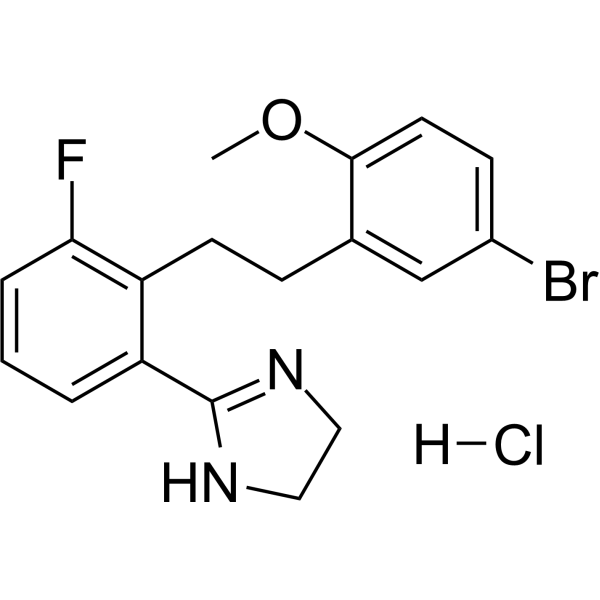
    R-PSOP is highly potent and selective nonpeptidic NMUR2 antagonist. R-PSOP binds to NMUR2 with the Kis of 52 and 32 nM for the human and rat NMUR2, respectively. R-PSOP shows moderate CNS penetration. R-PSOP can be used for the research of the eating disorders, obesity, pain, and stress-related disorders .
    R-PSOP
  • HY-W008201

    Drug Intermediate Inflammation/Immunology
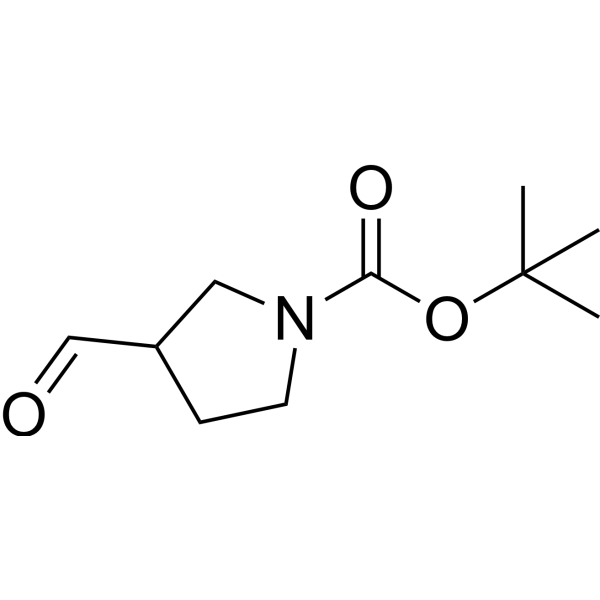
    tert-Butyl 3-formylpyrrolidine-1-carboxylate is a drug intermediate that can be used for the synthesis nonpeptidic αvβ6 Integrin inhibitors .
    tert-Butyl 3-formylpyrrolidine-1-carboxylate
  • HY-110123

    Melanocortin Receptor Neurological Disease Metabolic Disease Cancer
    ML-00253764 hydrochloride is a brain penetrant nonpeptidic melanocortin receptor 4 (MC4R) antagonist with a Ki and IC50 of 0.16 μM and 0.103 μM, respectively. ML-00253764 can cross blood-brain barrier .
    ML-00253764 hydrochloride
  • HY-120528A
    GB-110 hydrochloride
    1 Publications Verification

    Protease Activated Receptor (PAR) Inflammation/Immunology Cancer
    GB-110 hydrochloride is a potent, orally active, and nonpeptidic protease activated receptor 2 (PAR2) agonist. GB-110 hydrochloride selectively induces PAR2-mediated intracellular Ca 2+ release in HT29 cells with an EC50 of 0.28 μM .
    GB-110 hydrochloride
  • HY-12168

    BAY 12-9566

    MMP Cancer
    Tanomastat (BAY 12-9566) is an orally bioavailable, non-peptidic biphenyl matrix metalloproteinases (MMPs) inhibitor with a Zn-binding carboxyl group. The Ki values are 11, 143, 301, and 1470 nM for MMP-2, MMP-3, MMP-9, MMP-13 respectively. Tanomastat shows anti-invasive and antimetastatic activity in several experimental tumor models .
    Tanomastat
  • HY-19306

    Integrin Cancer
    SB-267268 is a selective and nonpeptidic alpha(v)beta3 (αvβ3) and alpha(v)beta5 (αvβ5) integrins antagonist, with Kis of 0.9, 0.5 and 0.7 nM for human αvβ3, monkey αvβ3 and human αvβ5, respectively. SB-267268 inhibits human and mouse αvβ3 with IC50s of 0.68 and 0.29 nM, respectively. SB-267268 reduces angiogenesis and VEGF expression .
    SB-267268
  • HY-108579

    Potassium Channel Cardiovascular Disease
    UCL 1684 (dibromide) is a first nanomolar, non-peptidic small conductance calcium-activated potassium (SK) channel blocker. UCL 1684 (dibromide) is effective in preventing the development of atrial fibrillation due to potent atrial-selective inhibition of INa. UCL 1684 (dibromide) causes atrial-selective prolongation of ERP secondary to induction of postrepolarization refractoriness .
    UCL 1684 dibromide
  • HY-151358

    E1/E2/E3 Enzyme Cancer
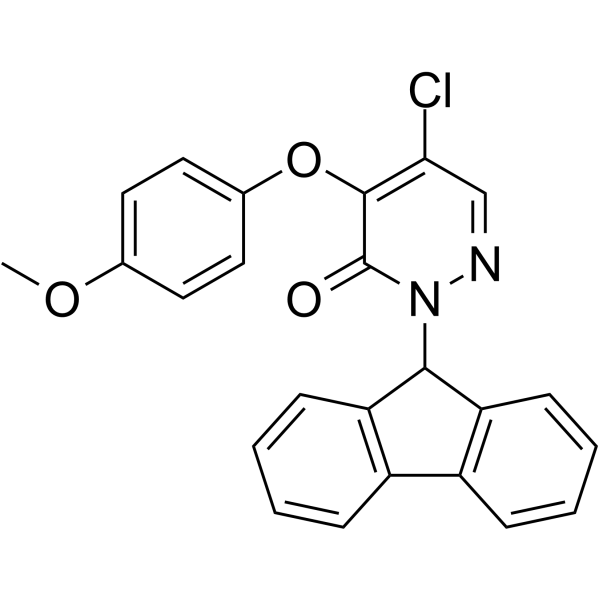
    SENP2-IN-1 (compound 77) is a selective SENP2 inhibitor. SENP2-IN-1 shows inhibitory activities with IC50s of 1.3, 0.69 and 22.7 μM for SENP1, SENP2 and SENP5, respectively. SENP2-IN-1 can be used for the research of cancer .
    SENP2-IN-1
  • HY-12836
    IFN alpha-IFNAR-IN-1
    Maximum Cited Publications
    25 Publications Verification

    IFNAR Inflammation/Immunology
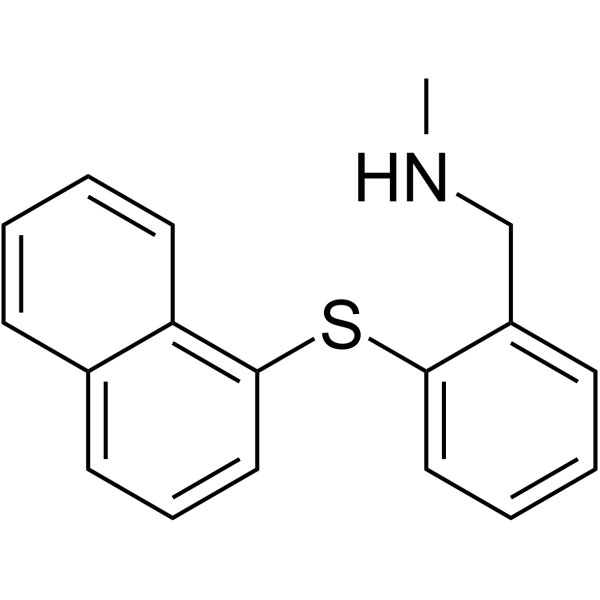
    IFN alpha-IFNAR-IN-1 is a nonpeptidic, low-molecular-weight inhibitor of the interaction between IFN-α and IFNAR. IFN alpha-IFNAR-IN-1 inhibits modified Vaccinia virus ankara (MVA)-induced IFN-α responses in murine bone-marrow-derived, Flt3- L-differentiated pDC cultures (BM-pDCs) (IC50=2-8 μM) .
    IFN alpha-IFNAR-IN-1
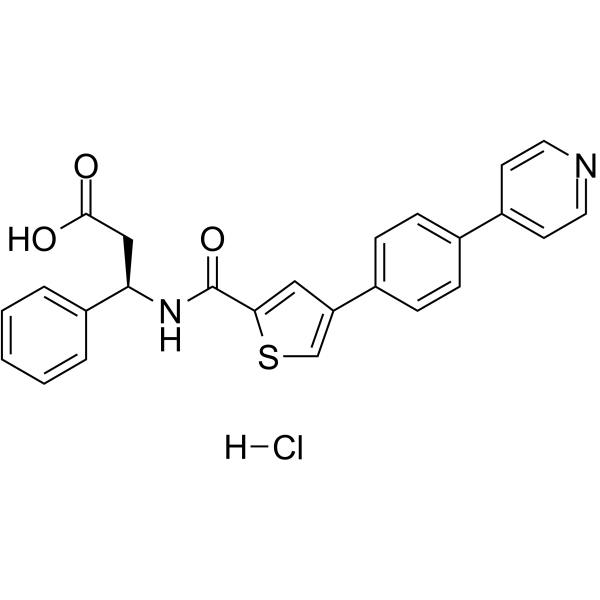
  • HY-114091
    PF-00356231 hydrochloride
    2 Publications Verification

    MMP Inflammation/Immunology
    PF-00356231 hydrochloride is a specific, non-peptidic, non-zinc chelating ligand and inhibitor of matrix metalloproteinase MMP-12 (IC50=1.4 μM). PF-00356231 hydrochloride binds to MMP-12 and forms PF-00356231/MMP-12 complex. PF-00356231 hydrochloride shows potency against MMP-13, MMP-8, MMP-9, MMP-3 with IC50s of 0.00065, 1.7, 0.98, 0.39 μM, respectively .
    PF-00356231 hydrochloride
  • HY-18006
    NKP608
    1 Publications Verification

    Neurokinin Receptor Wnt Bcl-2 Family β-catenin Cyclin G-associated Kinase (GAK) VEGFR Caspase Cadherin Apoptosis Neurological Disease Metabolic Disease Inflammation/Immunology Cancer
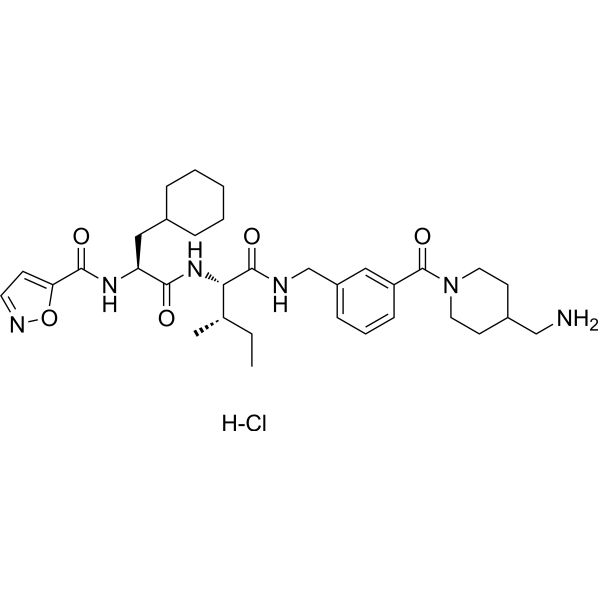
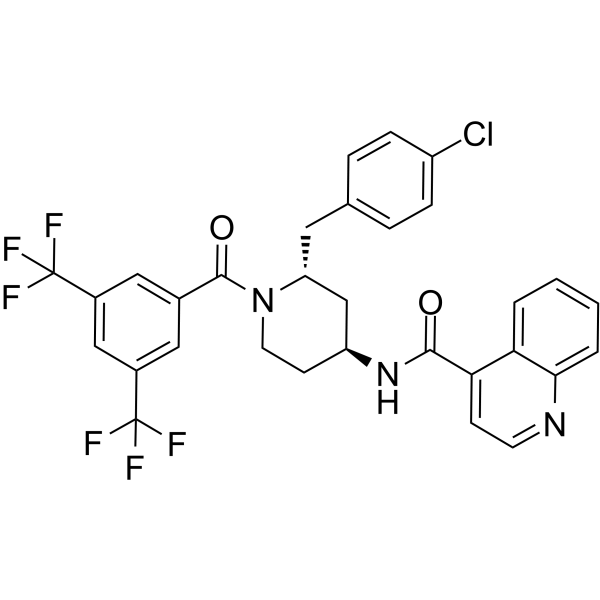
    NKP608 is a non-peptidic derivative of 4-aminopiperidine, a highly selective, orally active, neurokinin-1 (NK1) receptor antagonist with IC50 of 2.6 nM. NKP608 is active both in vitro and in vivo, showing extremely low affinity for NK2, NK3 receptors. NKP608 exerts its effects by blocking the NK₁ receptor, regulate cell proliferation and apoptosis, affect neurotransmitter functions and gastric mucosal repair mechanisms, and suppress the Wnt/β-catenin pathway in antitumor research. NKP608 is applicable to research related to various diseases, including cough, anxiety disorders, depression, gastric mucosal injury, and colorectal cancer .
    NKP608
  • HY-101317
    TAN-67 dihydrobromide
    1 Publications Verification

    SB-205607 dihydrobromide

    Opioid Receptor Neurological Disease
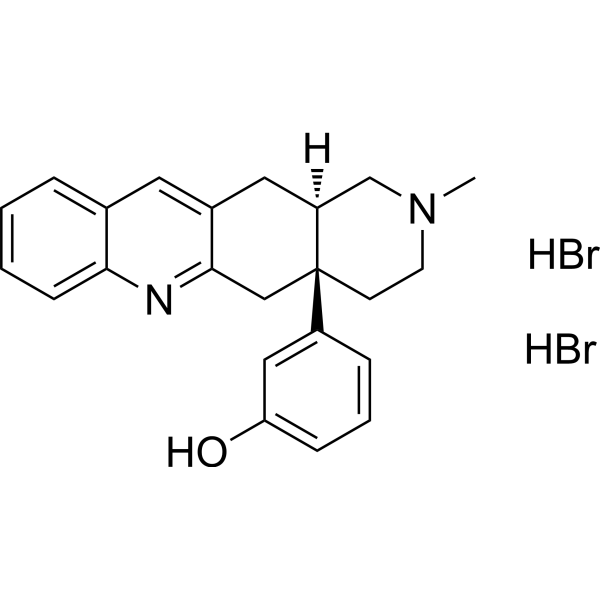
    TAN-67 (SB-205607) dihydrobromide is a potent and selective nonpeptidic δ-opioid receptor agonist with a Ki value of 0.647 nM. TAN-67 dihydrobromide has neuroprotective effect. TAN-67 dihydrobromide can be used in research of ischemic stroke .
    TAN-67 dihydrobromide
  • HY-101580

    SR 57667

    Drug Derivative Neurological Disease
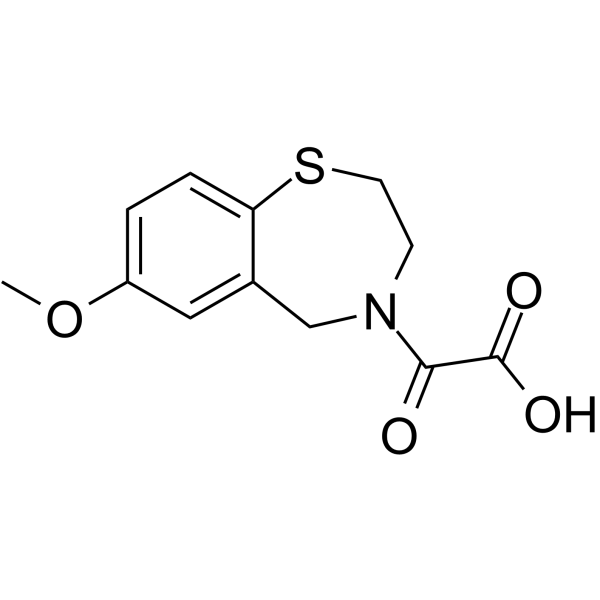
    Paliroden is an orally bioactive neurotrophic, non-peptidic compound that activates synthesis of endogenous neurotrophines, used for treatment of Alzheimer's Disease and Parkinson's.
    Paliroden
  • HY-160239

    Aminopeptidase Neurological Disease
    HFI-437 is a potent non-peptidic insulin-regulated aminopeptidase (IRAP) inhibitor with a Ki of 20 nM. HFI-437 is a cognitive enhancer .
    HFI-437
  • HY-P4295

    PADK

    Cathepsin γ-secretase Neurological Disease
    Z-Phe-Ala-diazomethylketone binds directly to Aβ42 monomers and small oligomers. Z-Phe-Ala-diazomethylketone inhibits the formation of Aβ42 dodecamers and inhibits Aβ42 fibril formation in the solution. Z-Phe-Ala-diazomethylketone has the potential for neurodegenerative disorders research .
    Z-Phe-Ala-diazomethylketone
  • HY-16474R

    TAK-385 (Standard)

    Reference Standards GnRH Receptor Endocrinology Cancer
    Relugolix (Standard) is the analytical standard of Relugolix. This product is intended for research and analytical applications. Relugolix (TAK-385) is a potent, orally active, nonpeptidic gonadotropin-releasing hormone (GnRH) antagonist. Relugolix possesses high affinity and potent antagonistic activity for human receptor (binding IC50=0.33 nM) and monkey receptor (IC50=0.32 nM) compared with TAK-013 (HY-100209) . Relugolix is used for the study of sex-hormone-dependent diseases, such as including endometriosis, uterine fibroids and prostate cancer et al .
    Relugolix (Standard)
  • HY-10722

    Factor Xa Cardiovascular Disease
    DX-9065a is a selective, nonpeptidic, and orally active factor Xa (FXa) inhibitor with a Ki of 41 nM for human FXa. DX-9065a has low activity against other serine proteases. DX-9065a has strong anticoagulant actions .
    DX-9065a
  • HY-19745B
    BMS-202 hydrochloride
    Maximum Cited Publications
    25 Publications Verification

    PD-1/PD-L1 Apoptosis Cancer
    BMS-202 hydrochloride is a potent and nonpeptidic PD-1/PD-L1 complex inhibitor with an IC50 of 18 nM and a KD of 8 μM. BMS-202 hydrochloride binds to PD-L1 and blocks human PD-1/PD-L1 interaction. BMS-202 hydrochloride has antitumor activity .
    BMS-202 hydrochloride
  • HY-124637

    Trk Receptor Neurological Disease
    ALE-0540, a nonpeptidic small molecule, is a nerve growth factor receptor antagonist. ALE-0540 inhibits the binding of NGF to tyrosine kinase (Trk) A or both p75 and TrkA with IC50 values of 5.88 μM and 3.72 μM, respectively. ALE-0540 can be used to examine mechanisms leading to the development of agents for the study of pain .
    ALE-0540
  • HY-17473R

    Embelic acid (Standard); Emberine (Standard); NSC 91874 (Standard)

    Reference Standards IAP NF-κB Apoptosis Autophagy Cancer
    Embelin (Standard) is the analytical standard of Embelin. This product is intended for research and analytical applications. Embelin (Embelic acid), a potent, nonpeptidic XIAP inhibitor (IC50=4.1 μM), inhibits cell growth, induces apoptosis, and activates caspase-9 in prostate cancer cells with high levels of XIAP. Embelin blocks NF-kappaB signaling pathway leading to suppression of NF-kappaB-regulated antiapoptotic and metastatic gene products. Embelin also induces autophagic and apoptotic cell death in human oral squamous cell carcinoma cells .
    Embelin (Standard)
  • HY-120528

    Protease Activated Receptor (PAR) Inflammation/Immunology Cancer
    GB-110 is a potent, orally active, and nonpeptidic protease activated receptor 2 (PAR2) agonist. GB-110 selectively induces PAR2-mediated intracellular Ca 2+ release in HT29 cells with an EC50 of 0.28 μM .
    GB-110
  • HY-18694

    MMP Inflammation/Immunology
    CGS 27023A is a non-peptidic and orally active MMP inhibitor with the Ki values of 43, 33, 20 and 8 nM for MMP-3, MMP-1, MMP-2 amd MMP-9, respectively. CGS 27023A prevents cartilage degradation in stromelysin-induced rabbit cartilage degradation model. CGS 27023A can be used for study of arthritis .
    CGS 27023A
  • HY-33009

    Amino Acid Oxidase Neurological Disease
    AS057278 is a potent, selective, orally active and blood-brain barrier (BBB) penetrant non-peptidic D-amino acid oxidase (DAAO) inhibitor with an IC50 value of 0.91 μM and EC50 of 2.2-3.95 μM. AS057278 can normalize phencyclidine (PCP)-induced prepulse inhibition in mice. AS057278 can be used for researching schizophrenia .
    AS057278
  • HY-16474S

    TAK-385-d6

    Isotope-Labeled Compounds GnRH Receptor Endocrinology Cancer
    Relugolix-d6 is deuterium labeled Relugolix. Relugolix (TAK-385)?is a potent, orally active, nonpeptidic gonadotropin-releasing hormone (GnRH) antagonist. Relugolix possesses high affinity and potent antagonistic activity for human receptor (binding IC50=0.33 nM) and monkey receptor (IC50=0.32 nM) compared with TAK-013 (HY-100209) . Relugolix is used for the study of sex-hormone-dependent diseases, such as including endometriosis, uterine fibroids and prostate cancer et al .
    Relugolix-d6
  • HY-101317A

    SB-205607

    Opioid Receptor Metabolic Disease
    TAN-67 (SB-205607) is a non-peptidic delta-opioid receptor agonist that exhibits significant antinociceptive activity in both diabetic and non-diabetic mice. TAN-67 demonstrates a marked and dose-dependent reduction in acetic acid-induced abdominal constrictions, with a notably stronger effect in diabetic mice compared to their non-diabetic counterparts. TAN-67's antinociceptive properties are primarily mediated through the activation of delta 1-opioid receptors, as indicated by the pronounced antagonism observed upon administration of a selective delta 1-opioid receptor antagonist.
    TAN-67
  • HY-10658

    Urotensin Receptor Cardiovascular Disease
    AC-7954 is a selective nonpeptidic urotensin receptor agonist (EC50: 300 nM at the human UII receptor) .
    AC-7954
  • HY-129648

    Urotensin Receptor Cardiovascular Disease
    AC-7954 free base is a selective nonpeptidic urotensin receptor agonist (EC50: 300 nM at the human UII receptor) .
    AC-7954 free base
  • HY-168048

    Proteasome Cancer
    ZINC09518833 is a α-ketoamide nonpeptidic proteasome inhibitor with an IC50 value of 12.4 μM. ZINC09518833 binds both primed and nonprimed sites of the proteasome. ZINC09518833 is promising for research of multiple myeloma (MM) .
    ZINC09518833
  • HY-10722A

    Factor Xa Cardiovascular Disease
    DX-9065a free base is a selective, nonpeptidic, and orally active factor Xa (FXa) inhibitor with a Ki of 41 nM for human FXa. DX-9065a free base has low activity against other serine proteases. DX-9065a free base has strong anticoagulant actions .
    DX-9065a free base
  • HY-107732

    Neuropeptide Y Receptor Neurological Disease
    JNJ-5207787 is a nonpeptidic, selective and penetrate the blood-brain barrier neuropeptide Y Y2 receptor (Y2) antagonist. JNJ-5207787 inhibits the binding of peptide YY (PYY) with pIC50s of 7.0 and 7.1 for human Y2 receptor and rat Y2 receptor, respectively. JNJ-5207787 is >100-fold selective versus human Y1, Y4, and Y5 receptors .
    JNJ-5207787
  • HY-101706

    Angiotensin Receptor Cardiovascular Disease Endocrinology
    CGP48369 is a nonpeptidic angiotensin II receptor antagonist, used for anti-hypertensive research.
    CGP48369
  • HY-U00188

    Abbott81988

    Angiotensin Receptor Cardiovascular Disease Endocrinology
    A81988 is a potent, competitive, non-peptidic antagonist of angiotensin AT1 receptors.
    A81988
  • HY-138984

    Opioid Receptor Neurological Disease
    GRT2932Q is a nonpeptidic opioid receptor-like 1 (ORL1) agonist .
    GRT2932Q
  • HY-163913

    SARS-CoV Infection
    SARS-CoV-IN-5 (compound 49) is a highly selective, nonpeptidic and noncovalent 3CL pro inhibitor with IC50s of 38 nM, 21.1 nM and 86 nM for 3CL pro of SARS-CoV-1, SARS-CoV-2, Bat coronavirus WIV1, respectively. SARS-CoV-IN-5 inhibits the replication of the SARS-CoV-2 delta variant with an EC50 of 0.272 μM. SARS-CoV-IN-5 significantly reduces the lung viral copies in a K18-hACE2 transgenic mouse model. SARS-CoV-IN-5 has good target-specific and potential broad-spectrum anticoronavirus activities against SARS-CoV-1, WIV1, MERS, HCoV-OC43, HCoV-229E, and HKU9 .
    SARS-CoV-IN-5
  • HY-151197

    HIV Protease Infection
    HIV protease-IN-1 (compound 1·succinate) is a potent HIV protease non-peptidic inhibitor, can be used to research AIDS .
    HIV protease-IN-1
  • HY-149774

    SARS-CoV Infection
    GC-78-HCl is an orally and nonpeptidic SARS-CoV-2 M pro inhibitor, with an IC50 of 0.19 μM for enzyme. GC-78-HCl has excellent antiviral activity and favorable pharmacokinetic properties .
    GC-78-HCl
  • HY-113824

    Ridaifen-F

    Proteasome Cancer
    RID-F (Ridaifen-F), a Tamoxifen (HY-13757A) derivative, is a nonpeptidic proteasome inhibitor. RID-F inhibits human 20S proteasome activity, with IC50s of 0.64, 0.34, and 0.43 μM for CT-L, T-L, and PGPH, respectively .
    RID-F
  • HY-18694A

    MMP Inflammation/Immunology
    CGS 27023A free base is a non-peptidic and orally active MMP inhibitor with the Ki values of 43, 33, 20 and 8 nM for MMP-3, MMP-1, MMP-2 amd MMP-9, respectively. CGS 27023A free base prevents cartilage degradation in stromelysin-induced rabbit cartilage degradation model. CGS 27023A free base can be used for study of arthritis .
    CGS 27023A free base
  • HY-106982

    CJ-11,974

    Neurokinin Receptor Neurological Disease Metabolic Disease
    Ezlopitant (CJ-11,974) is a selective, non-peptidic neurokinin-1 (NK-1)-receptor antagonist. Ezlopitant inhibits both acute and delayed emetic reactions induced by Cisplatin (HY-17394) in ferrets via acting on NK1 receptors in the central nervous system. Ezlopitant has the potential for pain, chemotherapy-induced emesis and irritable bowel syndrome research .
    Ezlopitant

Inquiry Online

Your information is safe with us. * Required Fields.

Salutation


Country or Region *

Applicant Name *


Organization Name *

Department *


Email Address *


Product Name *

Cat. No.


Requested quantity *

Phone Number *


Remarks

Inquiry Online

Inquiry Information

Product Name:
Cat. No.:
Quantity:
MCE Japan Authorized Agent:

