1. Search Result
Search Result
Results for "

P62 Inhibitors

" in MedChemExpress (MCE) Product Catalog:

36

Inhibitors & Agonists

3

Peptides

6

Natural
Products

2

Isotope-Labeled Compounds

Targets Recommended:
Cat. No. Product Name Target Research Areas Chemical Structure
  • HY-100218A
    RSL3
    Maximum Cited Publications
    523 Publications Verification

    (1S,3R)-RSL3

    p62 Glutathione Peroxidase Ferroptosis Reactive Oxygen Species (ROS) Cancer
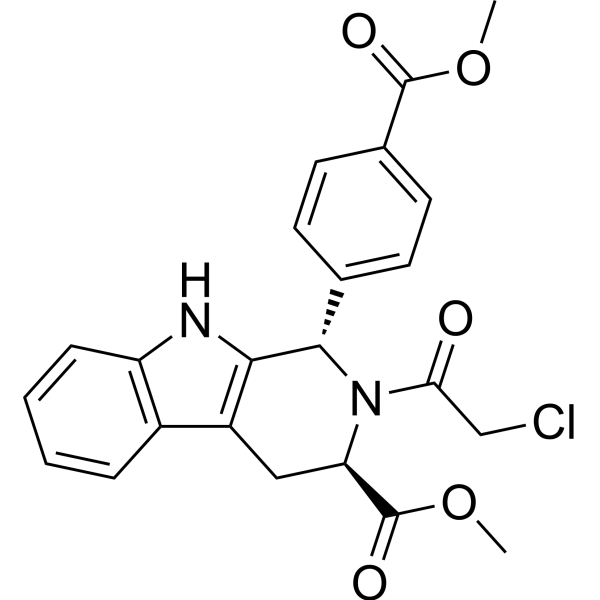
    RSL3 ((1S,3R)-RSL3) is an inhibitor of glutathione peroxidase 4 (GPX4) (ferroptosis activator), reduces the expression of GPX4 protein, and induces ferroptotic death of head and neck cancer cell. RSL3 increases the expression of p62 and Nrf2 and inactivates Keap1 in HN3-rslR cells .
    RSL3
  • HY-112904
    XRK3F2
    5+ Cited Publications

    p62 Autophagy Cancer
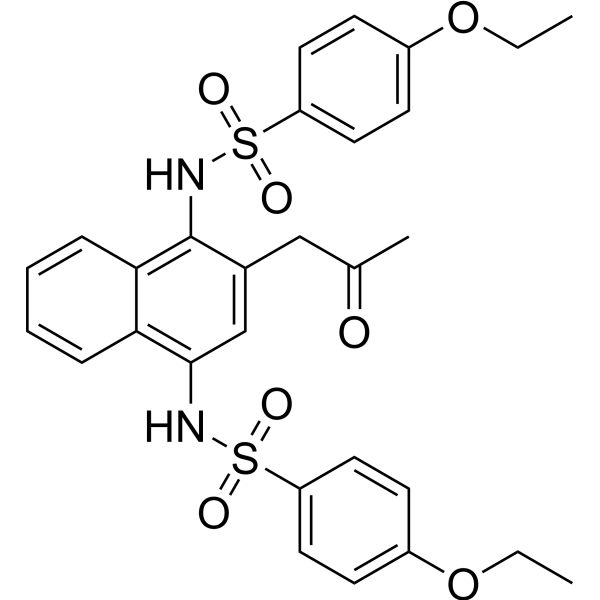
    XRK3F2 is a p62 (sequestosome-1) ZZ domain inhibitor that has specificity for the p62-ZZ domain over other p62 signaling domains. XRK3F2 blocks TNFα effects and upregulation in bone marrow stromal cells, and induces multiple myeloma cell apoptosis. XRK3F2 can be used for the research of multiple myeloma bone disease, acute myeloid leukemia, and multiple myeloma .
    XRK3F2
  • HY-111126
    K67
    1 Publications Verification

    p62 Keap1-Nrf2 Cancer
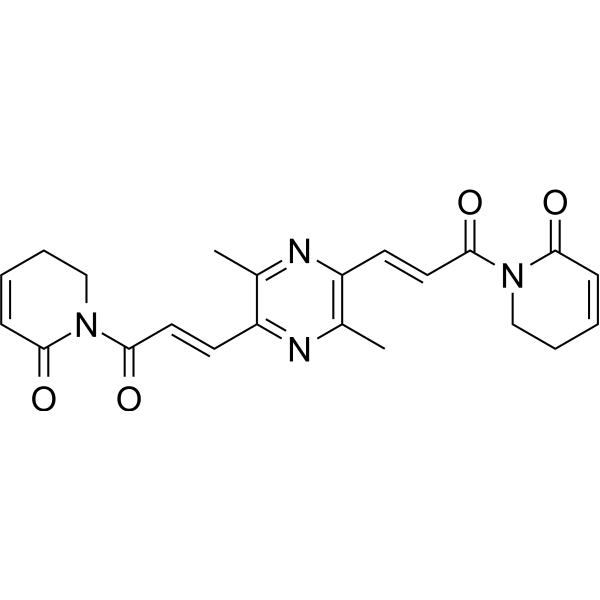
    K67 is a selective the interaction between Keap1 and S349 phosphorylated p62 inhibitor, with an IC50 of 1.5 μM. K67 has a weaker inhibitory effect on the interaction between Keap1 and Nrf2 (IC50 is 6.2 μM). K67 competitively binds to the binding site of Keap1 with p-p62, blocking the abnormal activation of the p62-dependent Nrf2 pathway. K67 inhibits tumor cell proliferation and enhances the sensitivity of hepatocellular carcinoma (HCC) to chemotherapeutic drugs by restoring Keap1-mediated ubiquitination and degradation of Nrf2 .
    K67
  • HY-W010201
    Citronellol
    2 Publications Verification

    (±)-Citronellol; (±)-β-Citronellol

    Environmental Pollutants Necroptosis Autophagy Fungal Reactive Oxygen Species (ROS) ERK Atg8/LC3 TNF Receptor Apoptosis PI3K p62 Cardiovascular Disease Neurological Disease Cancer
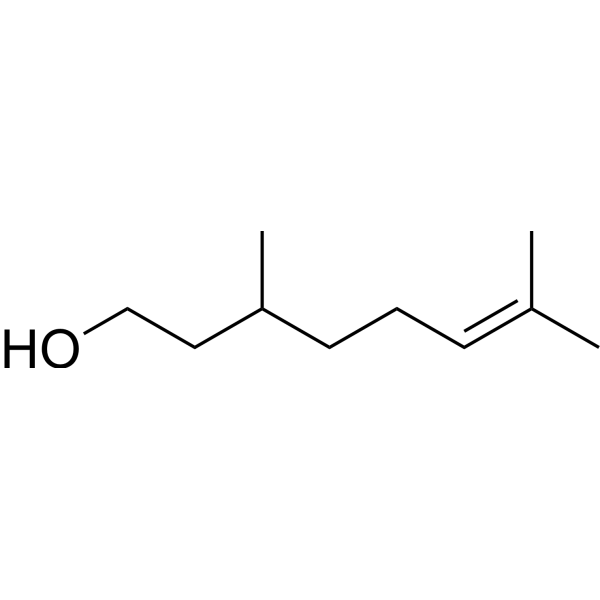
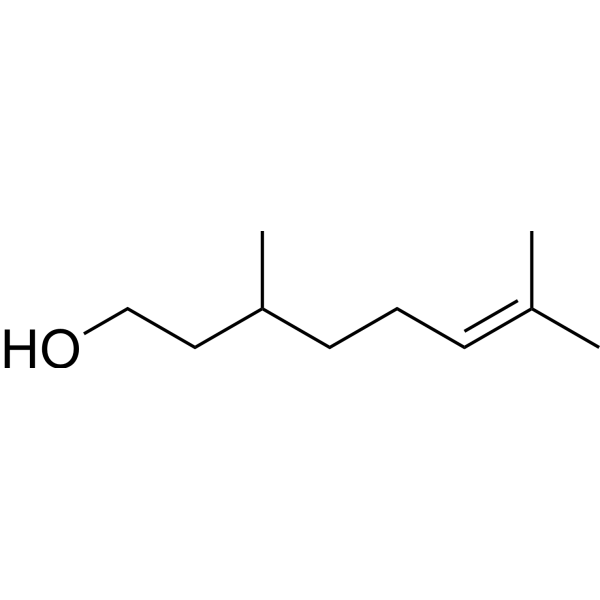
    Citronellol ((±)-Citronellol) is an orally active inducer of apoptosis. Citronellol can prevent oxidative stress, mitochondrial dysfunction, and apoptosis in the SH-SY5Y cell Parkinson's disease model induced by 6-OHDA by regulating the ROS-NO, MAPK/ERK, and PI3K/Akt signaling pathways. Citronellol can induce necroptosis in human lung cancer cells through the TNF-α pathway and accumulation of ROS. Citronellol can reduce the levels of LC-3 and p62 to regulate the autophagy pathway, inhibit oxidative stress and neuroinflammation, and thus have neuroprotective effects on Parkinson's rats. Citronellol exhibits anti-fungal activity against Trichophyton rubrum by inhibiting ergosterol synthesis .
    Citronellol
  • HY-117469

    Nuclear Hormone Receptor 4A/NR4A p62 Inflammation/Immunology
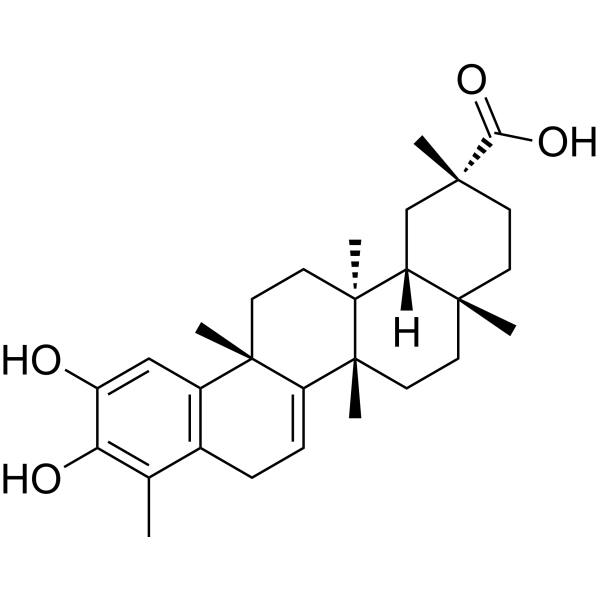
    Triptohypol C, a Tripterin (HY-13067) derivative, is a potent Nur77-targeting anti-inflammatory agent with an Kd value of 0.87 μM. Triptohypol C inhibits inflammatory response by promoting the interactions of Nur77 with TRAF2 and p62/SQSTM1 .
    Triptohypol C
  • HY-I0501

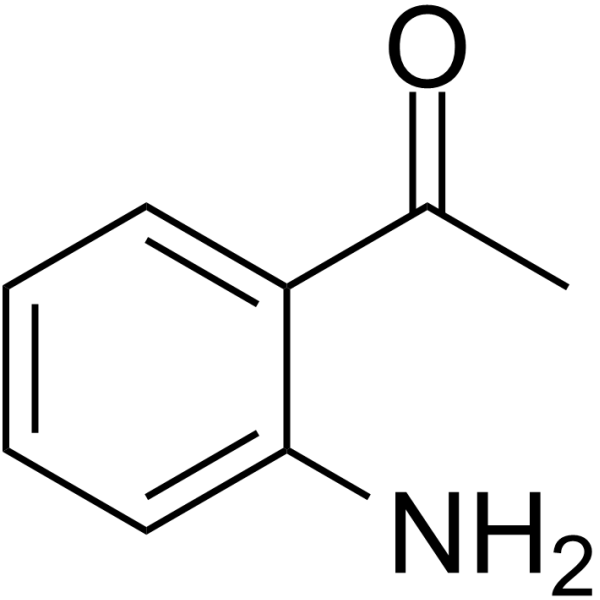
    o-aminoacetophenone

    Bacterial Apoptosis Atg8/LC3 p62 Autophagy Infection Inflammation/Immunology
    2'-Aminoacetophenone is an orally active inducer of apoptosis and respiratory biomarker. 2'-Aminoacetophenone can be used to detect Pseudomonas aeruginosa infections in the lungs of cystic fibrosis patients. 2'-Aminoacetophenone can inhibit the protein levels of LC3BII and p62 in macrophages infected with pqsA or mvfR and regulate autophagy. 2'-Aminoacetophenone can disrupt mitochondrial function by inducing oxidative stress and apoptosis signaling, leading to dysfunction in mouse skeletal muscle .
    2'-Aminoacetophenone
  • HY-163001
    Microcolin H
    1 Publications Verification

    Autophagy p62 Atg8/LC3 Cancer
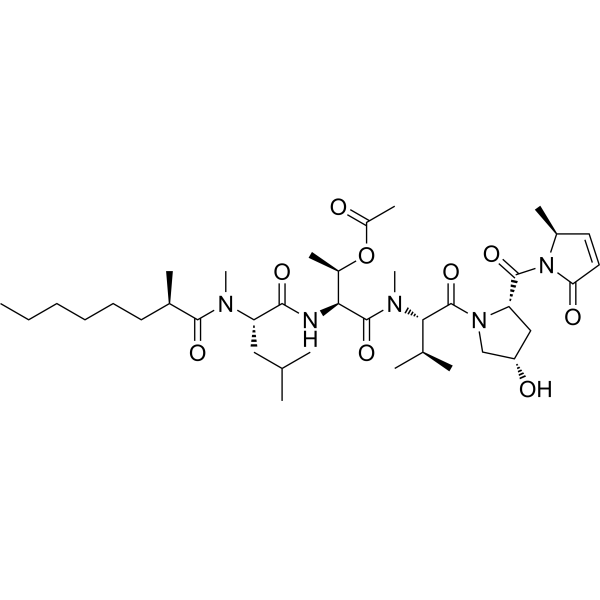
    Microcolin H is a marine lipopeptide and phosphatidylinositol transfer protein ligand that targets PITPα/β. Microcolin H increases the conversion of LC3I to LC3II and reduces p62 levels in cancer cells, leading to autophagy cell death (Autophagy). Microcolin H effectively inhibits tumor development and has anti-proliferative activity in nude mouse subcutaneous tumor models .
    Microcolin H
  • HY-151799

    p62 E1/E2/E3 Enzyme Apoptosis Cancer
    P62-RNF168 agonist-1 (compound 5a) is a low cytotoxicity P62-RNF168 agonist that enhances the interaction between P62 and RNF168. P62-RNF168 agonist-1 induces a reduction in H2A ubiquitination mediated by RNF168 and impairs homologous recombination-mediated DNA repair. P62-RNF168 agonist-1 also inhibits the growth of xenograft tumors in mice in a dose-dependent manner .
    P62-RNF168 agonist-1
  • HY-161742

    AUTOTACs MetAP Autophagy p62 Cancer
    Fumagilin-105 is an autophagy-targeting chimera (AUTOTAC) that degrades MetAP2 via p62-mediated macroautophagy in a ubiquitination-independent manner. Fumagilin-105 can inhibit the migration of tumor cells and induce programmed cell death. Fumagilin-105 has anti-tumor activity. (p62-ZZ ligand (HY-W489121); target-binding ligand (HY-B0751); linker (HY-W245803)) .
    Fumagilin-105
  • HY-122232

    Autophagy p62 Cancer
    SW083688 is a selective TAOK2 inhibitor with an IC50 of 1.3 μM. SW083688 increases the abundance of p62 protein, inhibits autophagosome maturation, and blocks Autophagic flux. SW083688 is applicable for the research of non-small cell lung cancer and pancreatic cancer .
    SW083688
  • HY-100218C
    (1R,3R)-RSL3
    3 Publications Verification

    Drug Isomer Ferroptosis Cancer
    (1R,3R)-RSL3 is an isomer of RSL3 (HY-100218A). RSL3 ((1S,3R)-RSL3) is an inhibitor of glutathione peroxidase 4 (GPX4) (ferroptosis activator), reduces the expression of GPX4 protein, and induces ferroptotic death of head and neck cancer cell. RSL3 increases the expression of p62 and Nrf2 and inactivates Keap1 in HN3-rslR cells .
    (1R,3R)-RSL3
  • HY-173444

    HDAC Transferrin Receptor Apoptosis Ferroptosis Cancer
    HDAC11-IN-3 (Compound A9) is a selective HDAC11 inhibitor (IC50: 4.1 nM). HDAC11-IN-3 has inhibitory effects on U937 and OCI-AML2 acute myeloid leukemia (AML) cell lines (IC50: 10 μM). HDAC11-IN-3 has significant anti-AML activity, inducing apoptosis, cell cycle arrest, and differentiation. HDAC11-IN-3 upregulates the iron transporters transferrin (TF) and transferrin receptor (TFRC), and activates the p62-Keap1-Nrf2-HMOX1 pathway, which together lead to increased intracellular iron levels and induce ferroptosis in AML cells. HDAC11-IN-3 can be used alone or in combination with Cytarabine (HY-13605) for AML research .
    HDAC11-IN-3
  • HY-123056

    p62 Autophagy Apoptosis Cancer
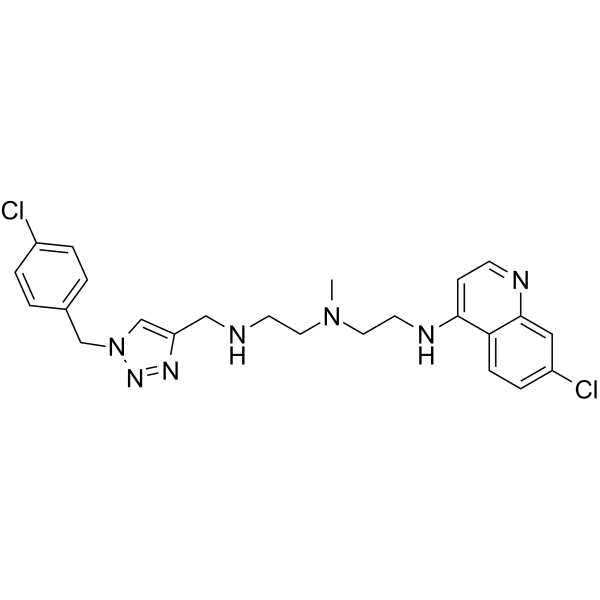
    EAD1 is a Chloroquine (HY-17589A) analog with anticancer activity. EAD1 blocks autophagy, leading to the intracellular accumulation of autophagosome-related proteins LC3-II and p62. EAD1 induces cancer cell apoptosis and inhibits cancer cell proliferation. EAD1 can be used in the research of lung cancer and pancreatic cancer .
    EAD1
  • HY-132972

    TrxR Reactive Oxygen Species (ROS) Autophagy Atg8/LC3 Beclin1 p62 Cancer
    TrxR-IN-2 is a thioredoxin reductase (TrxR) inhibitor. TrxR-IN-2 increases reactive oxidative species (ROS) levels and decreases mitochondrial transmembrane potential levels. TrxR-IN-2 triggers DNA damage via H2AX regulation, and induces autophagy via LC3, beclin-1, and p62 regulation. TrxR-IN-2 can be used for the research of drug-resistant hepatocellular carcinoma[1].
    TrxR-IN-2
  • HY-I0501R

    o-aminoacetophenone (Standard)

    Reference Standards Bacterial Apoptosis Atg8/LC3 p62 Autophagy Infection Inflammation/Immunology
    2'-Aminoacetophenone (Standard) is the analytical standard of 2'-Aminoacetophenone. This product is intended for research and analytical applications. 2'-Aminoacetophenone is an orally active inducer of apoptosis and respiratory biomarker. 2'-Aminoacetophenone can be used to detect Pseudomonas aeruginosa infections in the lungs of cystic fibrosis patients. 2'-Aminoacetophenone can inhibit the protein levels of LC3BII and p62 in macrophages infected with pqsA or mvfR and regulate autophagy. 2'-Aminoacetophenone can disrupt mitochondrial function by inducing oxidative stress and apoptosis signaling, leading to dysfunction in mouse skeletal muscle .
    2'-Aminoacetophenone (Standard)
  • HY-146307

    TrxR Cancer
    TrxR-IN-3 (Compound 2c) is a potent inhibitor of TrxR. TrxR-IN-3 exhibits potent antiproliferative activities against five human cancer cell lines, especially against breast tumor cells. TrxR-IN-3 increases ROS levels and resulted in marked apoptosis by regulating apoptosis-related proteins expressed in the breast cancer cells. TrxR-IN-3 also triggers the formation of autophagosomes and autolysosomes by promoting the expression of LC3-II and Beclin-1 and diminishing the expression of LC3-I and p62 proteins .
    TrxR-IN-3
  • HY-W010201R
    Citronellol (Standard)
    2 Publications Verification

    (±)-Citronellol (Standard); (±)-β-Citronellol (Standard)

    Reactive Oxygen Species (ROS) Reference Standards ERK PI3K TNF Receptor Atg8/LC3 p62 Apoptosis Necroptosis Autophagy Fungal Cardiovascular Disease Neurological Disease Cancer
    Citronellol (Standard) is the analytical standard of Citronellol. Citronellol (Standard) is an orally active inducer of apoptosis. Citronellol (Standard) can prevent oxidative stress, mitochondrial dysfunction, and apoptosis in the SH-SY5Y cell Parkinson's disease model induced by 6-OHDA by regulating the ROS-NO, MAPK/ERK, and PI3K/Akt signaling pathways. Citronellol (Standard) can induce necroptosis in human lung cancer cells through the TNF-α pathway and accumulation of ROS. Citronellol (Standard) can reduce the levels of LC-3 and p62 to regulate the autophagy pathway, inhibit oxidative stress and neuroinflammation, and thus have neuroprotective effects on Parkinson's rats. Citronellol (Standard) exhibits anti-fungal activity against Trichophyton rubrum by inhibiting ergosterol synthesis .
    Citronellol (Standard)
  • HY-P3709

    p62 E1/E2/E3 Enzyme Neurological Disease
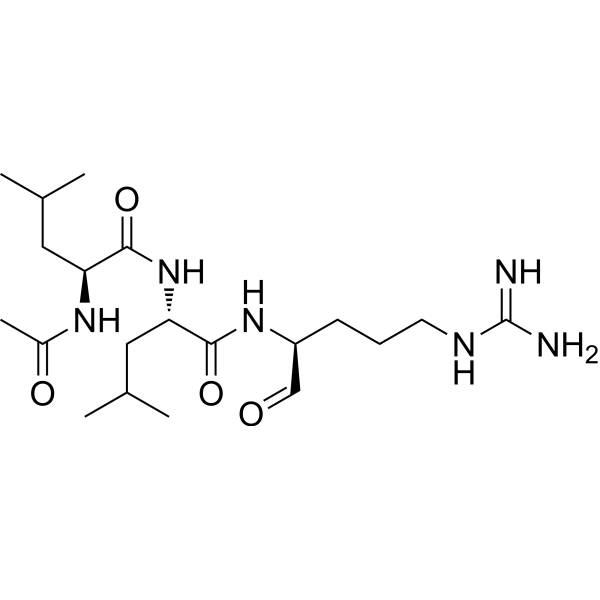
    TRAF6 peptide is a specific TRAF6-p62 inhibitor. TRAF6 peptide potently abrogates NGF-dependent TrkA ubiquitination. TRAF6 peptide has good research potential in neurological diseases such as alzheimer's disease (AD), parkinson's, ALS, head trauma, epilepsy and stroke .
    TRAF6 peptide
  • HY-173119

    ERK Autophagy Apoptosis p62 mTOR Reactive Oxygen Species (ROS) Ferroptosis Cancer
    SKLB-D18 is an orally active ERK1/2/ERK5 inhibitor, with an IC50 of 38.69 nM and a Kd of 126.9 nM against human ERK1, an IC50 of 40.12 nM and a Kd of 209.8 nM against ERK2, and an IC50 of 59.72 nM and a Kd of 468.2 nM against ERK5. SKLB-D18 inhibits cancer cell proliferation, induces G0/G1 cell cycle arrest and apoptosis. SKLB-D18 reduces the levels of p-ERK5, p-RSKp90, p-c-Myc and c-Myc, and upregulates the level of p-ERK1/2, thereby inhibiting the ERK1/2/5 pathway in cells. SKLB-D18 increases LC3B-II accumulation, and decreases the levels of p62, p-mTOR and p-p70S6K. SKLB-D18 elevates the levels of ROS, lipid peroxidation and free ferrous ions, reduces the levels of NCOA4 and GPX4, and induces ferritin autophagy-dependent ferroptosis in cancer cells. SKLB-D18 exhibits antitumor activity in a triple-negative breast cancer xenograft mouse model. SKLB-D18 can be used in research related to triple-negative breast cancer .
    SKLB-D18
  • HY-168640

    Autophagy Necroptosis RIP kinase Cancer
    RIP3 activator 1 (compound C8) is a potent RIP3 activator. RIP3 activator 1 inhibits cell growth. RIP3 activator 1 induces necroptosis through the RIP3/p62/Keap1 signaling pathway. RIP3 activator 1 increases the protein expression of p-MLKL. RIP3 activator 1 induces autophagy. RIP3 activator 1 increases accumulation of LC3-II and p62 protein expression .
    RIP3 activator 1
  • HY-P3709A

    p62 E1/E2/E3 Enzyme Neurological Disease
    TRAF6 peptide TFA is a specific TRAF6-p62 inhibitor. TRAF6 peptide TFA potently abrogates NGF-dependent TrkA ubiquitination. TRAF6 peptide TFA has good research potential in neurological diseases such as alzheimer's disease (AD), parkinson's, ALS, head trauma, epilepsy and stroke .
    TRAF6 peptide TFA
  • HY-161872

    Autophagy p62 Cancer
    LC3in-C42 is a cell-active LC3A/B and autophagy covalent inhibitor. LC3in-C42 selectively inhibits the binding of P62 to LC3A/B in vitro and at the cellular level like D5 and can function on a lower concentration .
    LC3in-C42
  • HY-176220

    AUTACs Autophagy Glutathione Peroxidase Ferroptosis Cancer
    GPX4-AUTAC is a GPX4-targeting autophagy-mediated degrader (AUTAC). GPX4-AUTAC consists of an inhibitor ML162-yne (HY-153748), a degradation tag FBnG (HY-W073762) and a glycol linker (HY-W021401). GPX4-AUTAC promotes the ubiquitination of GPX4 by E3 ligase TRAF6, and enhances the binding with GPX4 and p62, leading to the selective autophagy-dependent degradation of GPX4. GPX4-AUTAC significantly induces ferroptosis and shows a potent anti-cancer activity in breast cancer cells, breast cancer-derived organoids (PDOs) and MDA-MB-231 tumor xenograft mice model, with potent synergistic effects when combined with Sulfasalazine (SAS) (HY-14655) or chemotherapy drugs (Paclitaxel (HY-B0015) or Cisplatin (HY-17394)) .
    GPX4-AUTAC
  • HY-139095

    Phosphodiesterase (PDE) Inflammation/Immunology
    Cipamfylline is a PDE4 inhibitor that can cause PDE4A4 to accumulate in specific areas of the cell through interaction with the ubiquitin scaffolding protein p62. Cipamfylline can be used in the research of atopic dermatitis .
    Cipamfylline
  • HY-157548

    p62 Atg8/LC3 Autophagy Cancer
    Antitumor agent-133 (compound 4d) is a bis-isatin derivative, with activities against Huh1 (IC50=17.13 μM) and Huh7 (IC50=8.27 μM). Antitumor agent-133 induces cell autophagy and inhibits tumor growth through regulation of LC3BII, ATG5 and p62 proteins .
    Antitumor agent-133
  • HY-123056A

    Autophagy p62 Apoptosis Cancer
    EAD1 TFA is a Chloroquine (HY-17589A) analog with anticancer activity. EAD1 TFA blocks autophagy, leading to the intracellular accumulation of autophagosome-related proteins LC3-II and p62. EAD1 TFA induces cancer cell apoptosis and inhibits cancer cell proliferation. EAD1 TFA can be used in the research of lung cancer and pancreatic cancer .
    EAD1 TFA
  • HY-W010201S

    (±)-Citronellol-d6; (±)-β-Citronellol-d6

    Reactive Oxygen Species (ROS) Isotope-Labeled Compounds Cancer
    Citronellol-d6 is deuterated labeled Citronellol (HY-W010201). Citronellol ((±)-Citronellol) is an orally active inducer of apoptosis. Citronellol can prevent oxidative stress, mitochondrial dysfunction, and apoptosis in the SH-SY5Y cell Parkinson's disease model induced by 6-OHDA by regulating the ROS-NO, MAPK/ERK, and PI3K/Akt signaling pathways. Citronellol can induce necroptosis in human lung cancer cells through the TNF-α pathway and accumulation of ROS. Citronellol can reduce the levels of LC-3 and p62 to regulate the autophagy pathway, inhibit oxidative stress and neuroinflammation, and thus have neuroprotective effects on Parkinson's rats. Citronellol exhibits anti-fungal activity against Trichophyton rubrum by inhibiting ergosterol synthesis .
    Citronellol-d6
  • HY-184204

    Keap1-Nrf2 p62 Ferroptosis Cancer
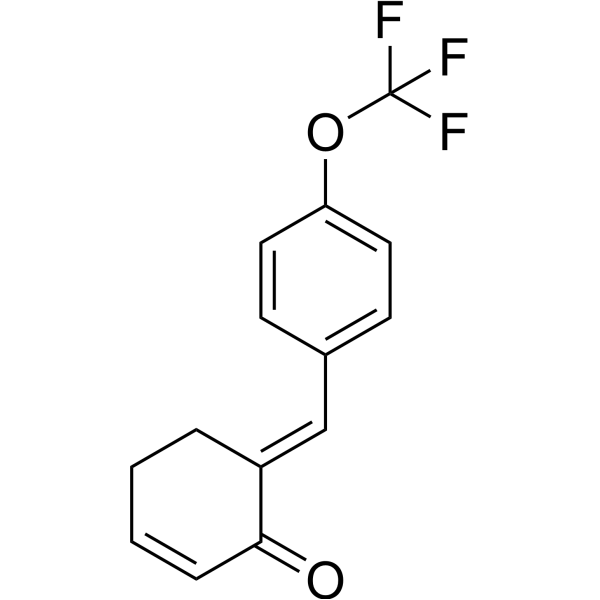
    Keap1-p-p62-IN-1 is a potent and selective Keap1-p-p62 inhibitor with an IC50 of 0.11 μM. Keap1-p-p62-IN-1 shows 18.73-fold selectivity over Keap1-Nrf2 interaction. Keap1-p-p62-IN-1 normalizes Nrf2 ubiquitination, sensitizes cells to Sorafenib (HY-10201)-induced ferroptosis. Keap1-p-p62-IN-1 can be used for the research of p62 aberrant hepatocellular carcinoma .
    Keap1-p-p62-IN-1
  • HY-111137

    XC-302 free base

    Akt Cancer
    Puquitinib (XC-302 free base) is a multi-target inhibitor with the activity of inducing autophagy in nasopharyngeal carcinoma cells by inhibiting the PI3K/AKT/mTOR signaling pathway. Puquitinib was able to inhibit the proliferation of CNE-2 cells, showing a dose-dependent antiproliferative effect. Puquitinib induced the formation of autophagosomes and autolysosomes in CNE-2 cells, which were observed by fluorescence microscopy and electron microscopy. Puquitinib promoted the formation of LC3-II and increased the expression of beclin 1, while reducing the level of p62. Puquitinib inhibited the PI3K/AKT/mTOR pathway by reducing the expression of p-AKT and p-mTOR. Puquitinib also induced apoptosis in CNE-2 cells, and when autophagy was inhibited, the apoptosis rate was reduced, which means that autophagy may interact with apoptosis to induce cell death .
    Puquitinib
  • HY-179049

    EGFR Microtubule/Tubulin Akt ERK Autophagy Atg8/LC3 p62 Ferroptosis Reactive Oxygen Species (ROS) Cancer
    EGFR/tubulin-IN-1 (Compound 26) is a dual-target inhibitor of EGFR and tubulin. EGFR/tubulin-IN-1 significantly reduces the levels of p-EGFR, p-AKT, and p-ERK in cells, disrupting the microtubule structure of the cells. EGFR/tubulin-IN-1 significantly inhibits the proliferation of H1975 cells and significantly blocks the cells in the G2/M phase. EGFR/tubulin-IN-1 induces the expression of autophagy markers LC3B-II and Beclin-1, while down-regulating the expression of p62. EGFR/tubulin-IN-1 induces ferroptosis, with increased ROS content and depletion of glutathione (GSH). EGFR/tubulin-IN-1 inhibits epithelial-mesenchymal transition (EMT) and tumor metastasis. EGFR/tubulin-IN-1 has a significant tumor-suppressing effect in the H1975 transplanted tumor nude mouse model. EGFR/tubulin-IN-1 can be used for the study of non-small cell lung cancer .
    EGFR/tubulin-IN-1
  • HY-112904A

    p62 Cancer
    XRK3F2 free base is a p62 (sequestosome-1) ZZ domain inhibitor that has specificity for the p62-ZZ domain over other p62 signaling domains. XRK3F2 free base blocks TNFα effects and upregulation in bone marrow stromal cells, and induces multiple myeloma cell apoptosis. XRK3F2 free base can be used for the research of multiple myeloma bone disease, acute myeloid leukemia, and multiple myeloma .
    XRK3F2 free base
  • HY-123056B

    p62 Apoptosis Autophagy Cancer
    EAD1 trihydrochloride is a Chloroquine (HY-17589A) analog with anticancer activity. EAD1 trihydrochloride blocks autophagy, leading to the intracellular accumulation of autophagosome-related proteins LC3-II and p62. EAD1 trihydrochloride induces cancer cell apoptosis and inhibits cancer cell proliferation. EAD1 trihydrochloride can be used in the research of lung cancer and pancreatic cancer .
    EAD1 (trihydrochloride)
  • HY-100218AR

    (1S,3R)-RSL3 (Standard)

    p62 Glutathione Peroxidase Reference Standards Ferroptosis Reactive Oxygen Species (ROS) Cancer
    RSL3 (Standard) is the analytical standard of RSL3 (HY-100218A). This product is intended for research and analytical applications. RSL3 ((1S,3R)-RSL3) is an inhibitor of glutathione peroxidase 4 (GPX4) (ferroptosis activator), reduces the expression of GPX4 protein, and induces ferroptotic death of head and neck cancer cell. RSL3 increases the expression of p62 and Nrf2 and inactivates Keap1 in HN3-rslR cells .
    RSL3 (Standard)
  • HY-100218CR

    Drug Isomer Ferroptosis Reference Standards Cancer
    (1R,3R)-RSL3 (Standard) is the analytical standard of (1R,3R)-RSL3 (HY-100218C). This product is intended for research and analytical applications. (1R,3R)-RSL3 is an isomer of RSL3 (HY-100218A). RSL3 ((1S,3R)-RSL3) is an inhibitor of glutathione peroxidase 4 (GPX4) (ferroptosis activator), reduces the expression of GPX4 protein, and induces ferroptotic death of head and neck cancer cell. RSL3 increases the expression of p62 and Nrf2 and inactivates Keap1 in HN3-rslR cells .
    (1R,3R)-RSL3 (Standard)
  • HY-186224

    PDGFR DAPK ULK p62 Autophagy Apoptosis Cancer
    GW296115 is a multi-target inhibitor with the following IC50 values against its targets: 8.4 nM for BRSK2, 21 nM for BRSK1, 1.8 μM for PDGFRβ, 5.5 nM for STK17B/DRAK2, 28 nM for DRAK1, 20 nM for PHKG1, and 89 nM for DCAMKL3. GW296115 downregulates the phosphorylation of S317 site on ULK1 and S351 site on P62, which are AMPK substrates driven by BRSK2. GW296115 does not alter the phosphorylation level of AMPK at T172, reduces nutrient deprivation-mediated Autophagy and autophagosome formation, and enhances Apoptosis. GW296115 exhibits anticancer activity against triple-negative breast cancer. GW296115 is applicable for breast cancer-related research .
    GW296115
  • HY-W010201S1

    (±)-Citronelloll-d3; (±)-β-Citronelloll-d3

    Isotope-Labeled Compounds Fungal PI3K Apoptosis ERK Autophagy TNF Receptor Reactive Oxygen Species (ROS) Atg8/LC3 Necroptosis p62 Cardiovascular Disease Neurological Disease Cancer
    Citronellol-d3 ( (±)-Citronelloll-d3) is the deuterium labeled Citronellol (HY-W010201). Citronellol ((±)-Citronellol) is an orally active inducer of apoptosis. Citronellol can prevent oxidative stress, mitochondrial dysfunction, and apoptosis in the SH-SY5Y cell Parkinson's disease model induced by 6-OHDA by regulating the ROS-NO, MAPK/ERK, and PI3K/Akt signaling pathways. Citronellol can induce necroptosis in human lung cancer cells through the TNF-α pathway and accumulation of ROS. Citronellol can reduce the levels of LC-3 and p62 to regulate the autophagy pathway, inhibit oxidative stress and neuroinflammation, and thus have neuroprotective effects on Parkinson's rats. Citronellol exhibits anti-fungal activity against Trichophyton rubrum by inhibiting ergosterol synthesis .
    Citronellol-d3

Inquiry Online

Your information is safe with us. * Required Fields.

Salutation


Country or Region *

Applicant Name *


Organization Name *

Department *


Email Address *


Product Name *

Cat. No.


Requested quantity *

Phone Number *


Remarks

Inquiry Online

Inquiry Information

Product Name:
Cat. No.:
Quantity:
MCE Japan Authorized Agent:

