Search Result
Results for "
RAR agonist
" in MedChemExpress (MCE) Product Catalog:
3
Biochemical Assay Reagents
15
Isotope-Labeled Compounds
| Cat. No. |
Product Name |
Target |
Research Areas |
Chemical Structure |
-
- HY-14649
-
-
-
- HY-14652
-
-
-
- HY-10475
-
|
CD336; NSC608001; Ro 40-6055
|
RAR/RXR
Autophagy
|
Cancer
|
|
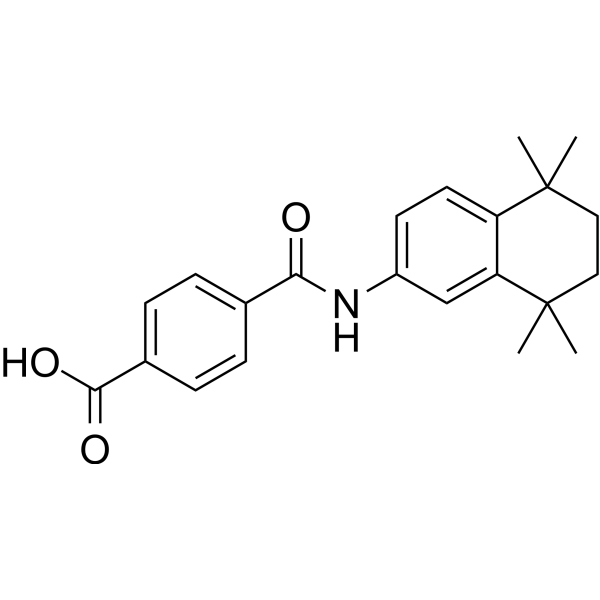
AM580 is a selective RARα agonist with IC50 and EC50 of 8 nM and 0.36 nM, respectively.
|
-
-
- HY-14171
-
|
LGD1069
|
RAR/RXR
Autophagy
|
Cancer
|
|
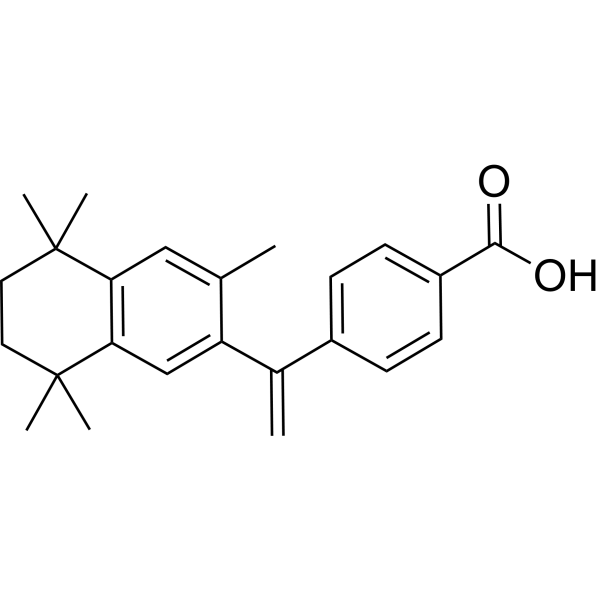
Bexarotene (LGD1069) is a high-affinity and selective retinoid X receptors (RXR) agonist with EC50s of 33, 24, 25 nM for RXRα, RXRβ, and RXRγ, respectively. Bexarotene shows limited affinity for RAR receptors (EC50 >10000 nM) . Bexarotene can be used for the research of cutaneous T-cell lymphoma.
|
-
-
- HY-15682
-
TTNPB
5 Publications Verification
Ro 13-7410; Arotinoid acid; AGN191183
|
RAR/RXR
Autophagy
Apoptosis
|
Cancer
|
|
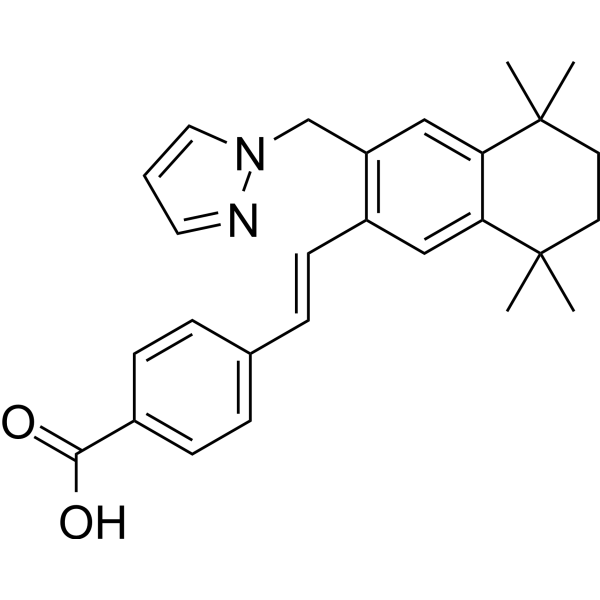
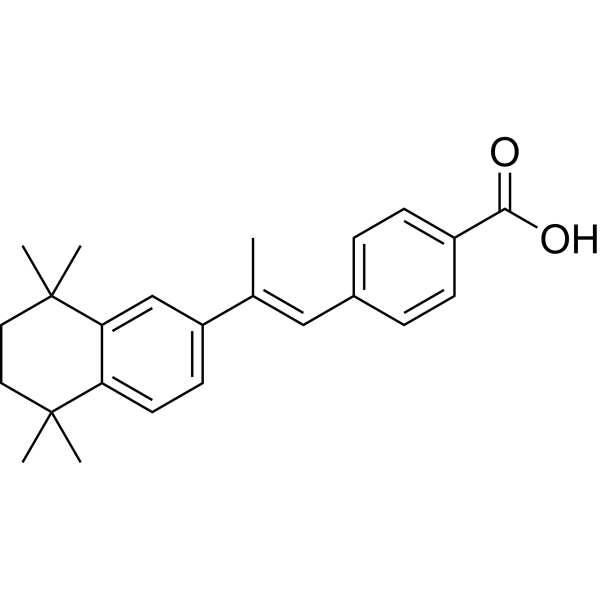
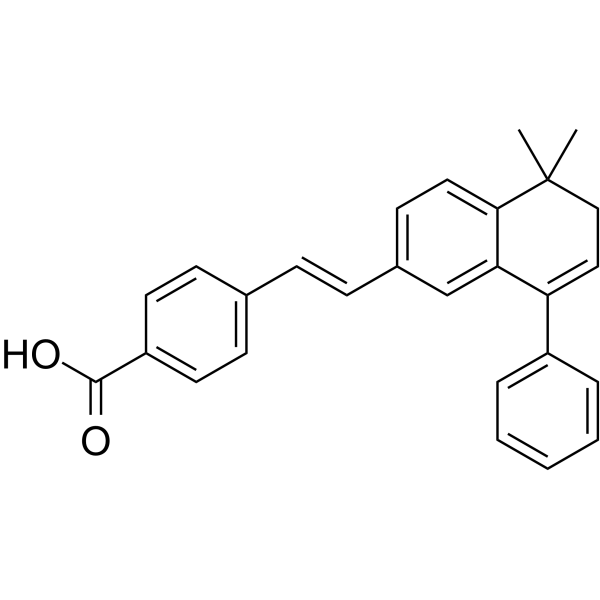
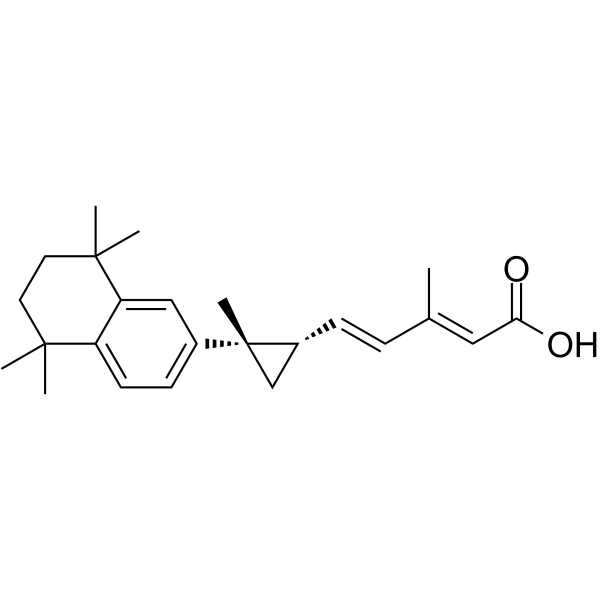
TTNPB is a highly potent RAR agonist. Competitive binding assays using human RARs yield IC50s of α=5.1 nM, β= 4.5 nM, and γ=9.3 nM, respectively.
|
-
-
- HY-108529
-
|
|
RAR/RXR
|
Metabolic Disease
|
|
BMS493 is an inverse pan-retinoic acid receptor (RAR) agonist. BMS493 increases nuclear corepressor interaction with RARs. BMS493 also could prevent retinoic acid-induced differentiation . BMS493 is a click chemistry reagent, it contains an Alkyne group and can undergo copper-catalyzed azide-alkyne cycloaddition (CuAAc) with molecules containing Azide groups.
|
-
-
- HY-15128
-
-
-
- HY-100256
-
|
CD5789
|
RAR/RXR
Autophagy
|
Inflammation/Immunology
|
|
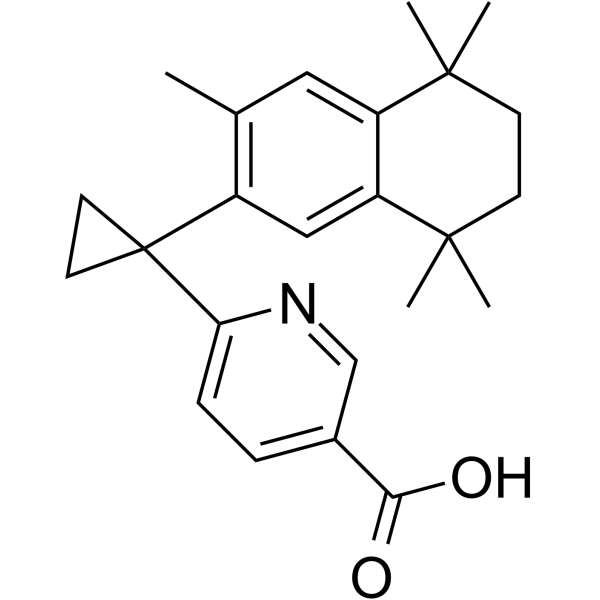
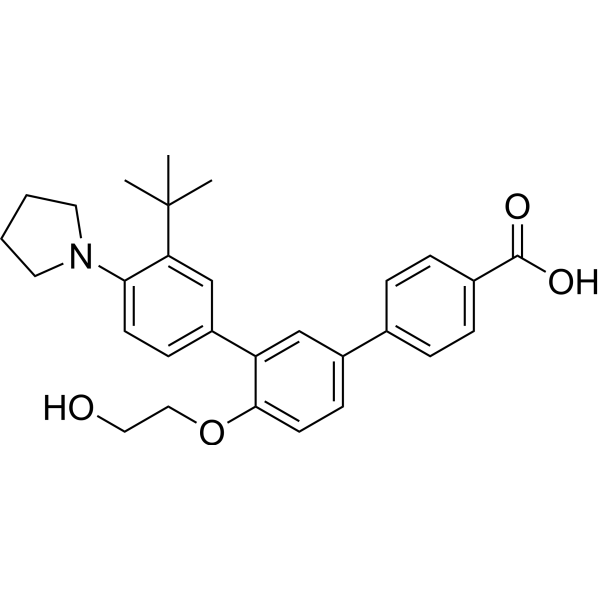
Trifarotene (CD5789) is a potent and selective RARγ agonist. Trifarotene (CD5789) shows ~65-fold and ~16-fold selectivitiy for the RARγ (EC50=7.7 nM) over RARα (EC50=500 nM) and RARβ (EC50=125 nM), respectively .
|
-
-
- HY-B0091
-
|
CD271
|
RAR/RXR
Autophagy
Apoptosis
|
Neurological Disease
Inflammation/Immunology
Cancer
|
|
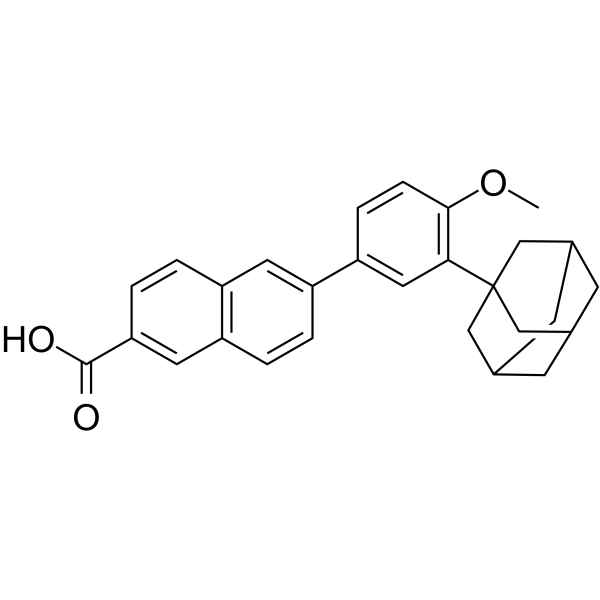
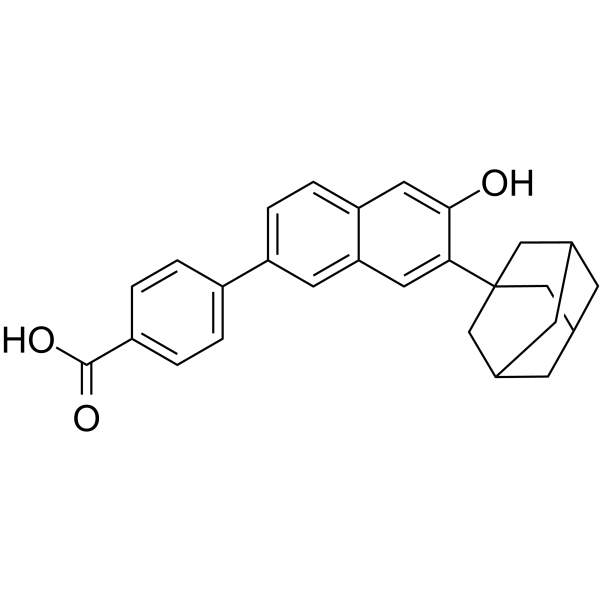
Adapalene (CD271), a third-generation synthetic retinoid, is widely used for the research of acne. Adapalene is a potent RAR agonist, with AC50s of 2.3 nM, 9.3 nM, and 22 nM for RARβ, RARγ, RARα, respectively. Adapalene also inhibits the enzymatic activity of GOT1 in a non-competitive manner. Adapalene exhibits anti-tumor activity .
|
-
-
- HY-14649R
-
|
Vitamin A acid (Standard); all-trans-Retinoic acid (Standard); ATRA (Standard)
|
Reference Standards
RAR/RXR
PPAR
Endogenous Metabolite
Autophagy
|
Cancer
|
|
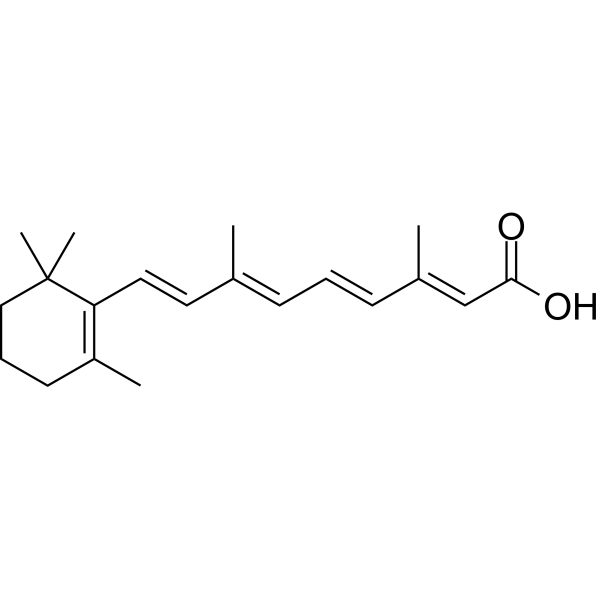
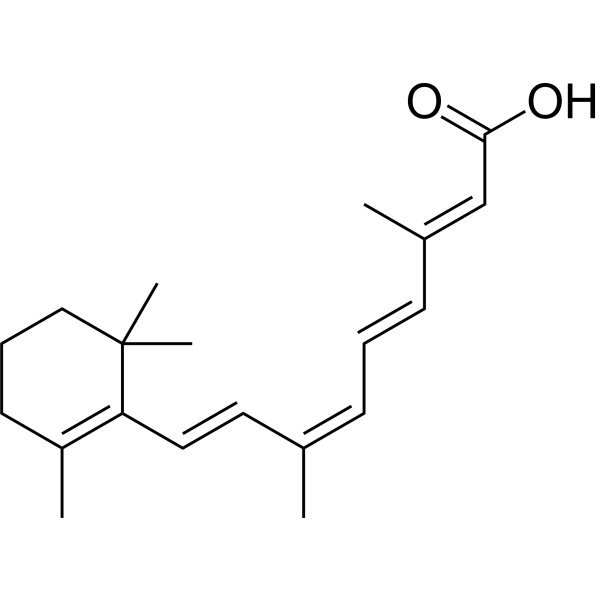
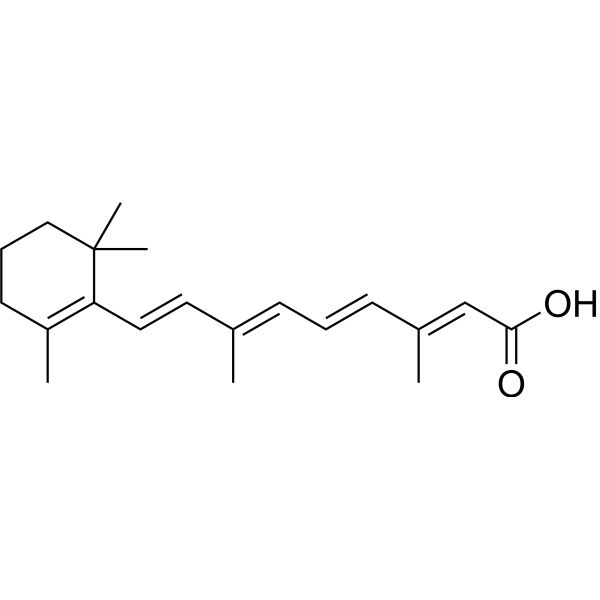
Retinoic acid (Standard) is the analytical standard of Retinoic acid. This product is intended for research and analytical applications. Retinoic acid is a metabolite of vitamin A that plays important roles in cell growth, differentiation, and organogenesis. Retinoic acid is a natural agonist of RAR nuclear receptors, with IC50s of 14 nM for RARα/β/γ. Retinoic acid bind to PPARβ/δ with Kd of 17 nM. Retinoic acid acts as an inhibitor of transcription factor Nrf2 through activation of retinoic acid receptor alpha.
|
-
-
- HY-100532
-
-
-
- HY-13717
-
|
IRX4204; NRX194204; VTP 194204
|
RAR/RXR
Apoptosis
|
Inflammation/Immunology
Cancer
|
|
AGN194204 (IRX4204) is an orally active and selective RXR agonist with Kd values 0.4 nM, 3.6 nM and 3.8 nM and EC50s of 0.2 nM, 0.8 nM and 0.08 nM for RXRα, RXRβ and RXRγ, respectively. AGN194204 is inactive against RAR. AGN194204 has anti-inflammatory and anticarcinogenic actions .
|
-
-
- HY-14799
-
|
R 667; Ro 3300074
|
RAR/RXR
Autophagy
|
Others
|
|
Palovarotene is a nuclear retinoic acid receptor γ (RAR-γ) agonist.
|
-
-
- HY-15388
-
|
AGN 190168
|
RAR/RXR
Autophagy
|
Inflammation/Immunology
Cancer
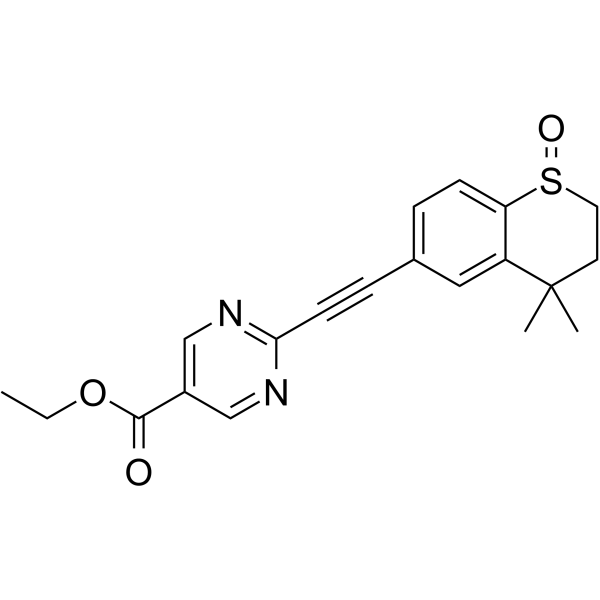
|
|
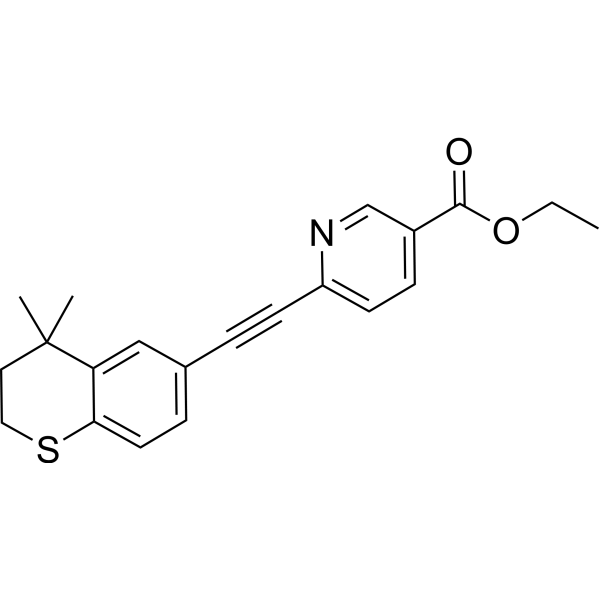
Tazarotene (AGN 190168) is a selective retinoic acid receptor (RAR) agonist for the treatment of plaque psoriasis and acne vulgaris. Tazarotene is a click chemistry reagent, it contains an Alkyne group and can undergo copper-catalyzed azide-alkyne cycloaddition (CuAAc) with molecules containing Azide groups.
|
-
-
- HY-14649G
-
|
Vitamin A acid; all-trans-Retinoic acid; ATRA
|
RAR/RXR
PPAR
Endogenous Metabolite
Autophagy
|
Cancer
|
|
Retinoic acid (Vitamin A acid) (GMP) is Retinoic acid (HY-14649) produced by using GMP guidelines. GMP small molecules works appropriately as an auxiliary reagent for cell therapy manufacture. Retinoic acid is an agonist of RAR nuclear receptors .
|
-
-
- HY-15340
-
|
LG268
|
RAR/RXR
Autophagy
|
Metabolic Disease
|
|
LG100268 (LG268) is a potent, selective and orally active retinoid X receptor (RXR) agonist with EC50 values of 4 nM, 3 nM, and 4 nM for RXR-α, RXR-β, and RXR-γ, respectively . LG100268 displays >1000-fold selectivity for RXR over RAR, the Ki values are 3.4 nM, 6.2 nM and 9.2 nM for RXR-α, RXR-β, and RXR-γ, respectively . LG100268 activates RXR homodimers to induce transcriptional activation. LG100268 can be used for the study of lung carcinogenesisy .
|
-
-
- HY-108527
-
CD1530
3 Publications Verification
|
RAR/RXR
Bacterial
TGF-beta/Smad
β-catenin
MMP
Reactive Oxygen Species (ROS)
|
Infection
Metabolic Disease
Endocrinology
|
|
CD1530 is an orally active, selective RARγ agonist and antibacterial agent. CD1530 reduces Smad1/5/8 phosphorylation and overall Smad levels. CD1530 reduces β-catenin, MMP9 protein, and ROS levels. CD1530 exhibits activities such as inhibiting heterotopic ossification, promoting Achilles tendon healing, and inhibiting muscle fatty infiltration. CD1530 can be used in the research of orthopedic diseases (such as heterotopic ossification, Achilles tendon injury), muscle diseases (such as muscle fatty infiltration-related diseases) .
|
-
-
- HY-100608
-
BMS453
1 Publications Verification
BMS-189453
|
RAR/RXR
|
Cancer
|
|
BMS453 (BMS-189453), a synthetic retinoid, is a RARβ agonist and a RARα/RARγ antagonist. BMS453 inhibits breast cell growth predominantly through the induction of active TGFβ .
|
-
-
- HY-107395
-
-
-
- HY-16684
-
|
IRX-5183; VTP-195183; NRX-195183
|
RAR/RXR
Autophagy
|
Cancer
|
|
AGN-195183 (IRX-5183) is a potent and selective agonist of RARα (Kd=3 nM) with improved binding selectivity relative to AGN 193836. AGN-195183 has no activity on RARβ/γ.
|
-
-
- HY-108530
-
|
|
RAR/RXR
|
Cancer
|
|
MM11253 is a potent and selective RARγ antagonist with an IC50 of 44 nM. MM11253 has lower inhibition of RARα, RARβ and RXRα. MM11253 blocks the growth inhibitory effects of RARγ-selective agonists .
|
-
-
- HY-108533
-
|
|
RAR/RXR
|
Cancer
|
|
CD2314 is a potent and selective RARβ receptor agonist with a Kd of 195 nM in S91 melanoma cells .
|
-
-
- HY-108528
-
-
-
- HY-111573
-
|
C286
|
RAR/RXR
|
Others
Neurological Disease
Inflammation/Immunology
|
|
KCL-286 (C286) is an orally active and brain-penetrant retinoic acid receptor (RAR) β2 agonist (EC50 = 1.9 nM). KCL-286 targets RARβ2 with good selectivity over RAR α (EC50 = 26 nM) and RAR γ (EC50 = 11 nM). KCL-286 activates RARβ2 in the injured neurons. KCL-286 induces axonal regeneration of both spinal and sensory nerves through the inhibitory environment of the CNS, modulates neuroinflammation and extracellular matrix molecules. KCL-286 can modulate the expression of CSPGs by neuronal secretion of decorin which promotes myelination and aids axonal growth. KCL-286 can be studied in research for area such as spinal cord injury and traumatic nerve injury .
|
-
-
- HY-14649S4
-
|
Vitamin A acid-d5; all-trans-Retinoic acid-d5; ATRA-d5
|
Isotope-Labeled Compounds
RAR/RXR
PPAR
Endogenous Metabolite
Autophagy
|
Cancer
|
|
Retinoic acid-d5 is the the deuterium labeled Retinoic acid (HY-14649). Retinoic acid is a metabolite of vitamin A that plays important roles in cell growth, differentiation, and organogenesis. Retinoic acid is a natural agonist of RAR nuclear receptors, with IC50s of 14 nM for RARα/β/γ. Retinoic acid bind to PPARβ/δ with Kd of 17 nM. Retinoic acid acts as an inhibitor of transcription factor Nrf2 through activation of retinoic acid receptor alpha .
|
-
-
- HY-119518
-
|
BMS-209641
|
RAR/RXR
|
Cancer
|
|
BMS641 (BMS-209641) is a selective RARβ agonist. BMS641 has a higher affinity for RARβ (Kd, 2.5 nM) that is 100 times higher than that for RARα (Kd, 225 nM) or RARγ (Kd, 223 nM) .
|
-
-
- HY-108526
-
|
|
RAR/RXR
Autophagy
|
Others
|
|
AC-55649 is a potent, highly isoform-selective agonist of human RARβ2 receptor, with a pEC50 of 6.9.
|
-
-
- HY-15682G
-
|
Ro 13-7410; Arotinoid acid; AGN191183
|
RAR/RXR
|
Cancer
|
|
TTNPB (Ro 13-7410) (GMP) is TTNPB (HY-15682) produced by using GMP guidelines. GMP small molecules work appropriately as an auxiliary reagent for cell therapy manufacture. TTNPB is a highly potent retinoic acid receptor (RAR) agonist .
|
-
-
- HY-132334S
-
-
-
- HY-100273
-
|
|
RAR/RXR
Autophagy
|
Cancer
|
|
AGN 194078 is a selective RARα agonist with a Kd and EC50 of 3 and 112 nM, respectively.
|
-
-
- HY-D1190
-
|
|
RAR/RXR
|
Others
|
|
DC271 is a RAR agonist and synthetic retinoid that binds to the retinoid-binding site of cellular retinoic acid-binding protein II (CRBP-II). DC271 exhibits solvatochromic fluorescence properties: it produces intense blue-shifted emission in nonpolar environments and weak red-shifted emission in polar environments, and its severe fluorescence quenching in aqueous solutions can be reversed by embedding in the hydrophobic retinoid-binding protein pocket. DC271 enables direct detection of the binding between unlabeled compounds and related retinoid-binding proteins via fluorescence competition assays (Ex/Em = 355 nm/460 nm) .
|
-
-
- HY-114071
-
|
|
RAR/RXR
|
Cancer
|
|
BMS270394 is a nuclear retinoic acid receptor (RAR-γ) agonist with the EC50 values of 30 nM and 400 nM for humanRAR-γ and RAR-β, respectively .
|
-
-
- HY-106735
-
|
Ro 13-6298; Arotinoid ethyl ester
|
RAR/RXR
|
Inflammation/Immunology
Cancer
|
|
Arotinoid (RO 13-6298) is a retinoid, and acts as an orally active and highly potent agonist of retinoic acid receptors (RARs) with antipsoriatic effects. Arotinoid has antipapiltoma activity with an ED50 of 0.05 mg/kg. Arotinoid can be used for the research of skin carcinomas .
|
-
-
- HY-124136
-
WYC-209
1 Publications Verification
|
RAR/RXR
Apoptosis
Autophagy
|
Cancer
|
|
WYC-209, a synthetic retinoid, is a retinoic acid receptor (RAR) agonist. WYC-209 induces apoptosis primarily via the caspase 3 pathway (IC50=0.19 μM for inmalignant murine melanoma TRCs), and has long-term effects with little toxicity .
|
-
-
- HY-B0091A
-
|
CD 271 sodium salt
|
RAR/RXR
Autophagy
Apoptosis
|
Neurological Disease
Inflammation/Immunology
Cancer
|
|
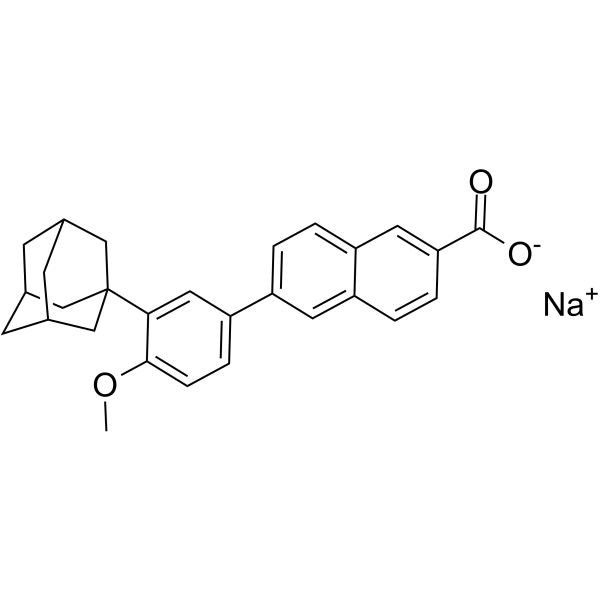
Adapalene (CD271) sodium salt, a third-generation synthetic retinoid, is widely used for the research of acne. Adapalene sodium salt is a potent RAR agonist, with AC50s of 2.3 nM, 9.3 nM, and 22 nM for RARβ, RARγ, RARα, respectively. Adapalene sodium salt also inhibits the enzymatic activity of GOT1 in a non-competitive manner. Adapalene sodium salt exhibits anti-tumor activity .
|
-
-
- HY-170786
-
|
IRX4647F
|
RAR/RXR
|
Cancer
|
|
IRX5010 (IRX4647F), an analogue of IRX4647, is a highly selective RARγ nuclear receptor agonist. IRX5010 demonstrates inhibition of in vivo growth of EMT-6 triple negative breast cancer .
|
-
-
- HY-10475G
-
|
CD336; NSC608001; Ro 40-6055
|
RAR/RXR
|
Cancer
|
|
AM580 (CD336) (GMP) is AM580= (HY-10475) produced by using GMP guidelines. GMP small molecules works appropriately as an auxiliary reagent for cell therapy manufacture. AM580 is a selective RARα agonist .
|
-
-
- HY-107810
-
|
|
RAR/RXR
|
Cancer
|
|
Methyl 13-cis-4-oxoretinoate (Compound 4b) is a retinoic acid receptors (RARs) agonist. Methyl 13-cis-4-oxoretinoate is promising for research of dermatological diseases (e.g., disorders related to abnormal differentiation of keratinocytes) and cancers .
|
-
-
- HY-162827
-
|
|
RAR/RXR
Apoptosis
|
Cancer
|
|
RAR/RXR agonist-1 (compound 7) is a chlorinated retinoic acid isomer, a selective RARα agonist and a partial RXRα agonist. RAR/RXR agonist-1 can activate RXRα and induce G2/M arrest and apoptosis in cancer cells .
|
-
-
- HY-16685
-
|
|
RAR/RXR
Autophagy
|
Cancer
|
|
AGN 205327 is a potent synthetic RARs agonist with EC50 of 3766/734/32 nM for RARα/β/γ respectively; no inhibition on RXR.
|
-
-
- HY-14652R
-
|
Am 80 (Standard)
|
RAR/RXR
Autophagy
Apoptosis
Reference Standards
|
Cancer
|
|
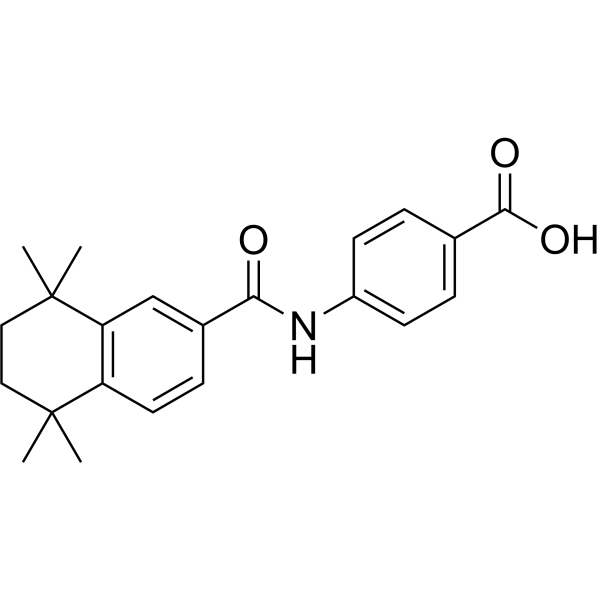
Tamibarotene (Standard) is the analytical standard of Tamibarotene. This product is intended for research and analytical applications. Tamibarotene is an orally active retinoic acid receptor α (RARα) agonist, showing high selectivity over RARγ.
|
-
-
- HY-118761
-
|
5,6-epoxy atRA; 5,6-epoxy RA
|
RAR/RXR
|
Metabolic Disease
|
|
all-trans-5,6-epoxy Retinoic acid (5,6-epoxy RA) is an agonist of all isoforms of the retinoic acid receptor (RAR; EC50s=77, 35, and 4 nM for RARα, RARβ, and RARγ, respectively). 5,6-epoxy RA (1 μM) also induces growth arrest of MCF-7 and NB4 cells in vitro. It is a natural metabolite of all-trans retinoic acid, which is a metabolite of vitamin A.
|
-
-
- HY-14649S2
-
|
|
Isotope-Labeled Compounds
RAR/RXR
PPAR
Endogenous Metabolite
Autophagy
|
Cancer
|
|
11-cis-Retinoic Acid-d5 is the deuterium labeled Retinoic acid. Retinoic acid is a metabolite of vitamin A that plays important roles in cell growth, differentiation, and organogenesis. Retinoic acid is a natural agonist of RAR nuclear receptors, with IC50s of 14 nM for RARα/β/γ. Retinoic acid bind to PPARβ/δ with Kd of 17 nM. Retinoic acid acts as an inhibitor of transcription factor Nrf2 through activation of retinoic acid receptor alpha[1][2].
|
-
-
- HY-14649S3
-
|
Vitamin A acid-d6; all-trans-Retinoic acid-d6; ATRA-d6
|
Isotope-Labeled Compounds
RAR/RXR
PPAR
Autophagy
Endogenous Metabolite
|
Cancer
|
|
Retinoic acid-d6 is the deuterium labeled Retinoic acid[1]. Retinoic acid is a metabolite of vitamin A that plays important roles in cell growth, differentiation, and organogenesis. Retinoic acid is a natural agonist of RAR nuclear receptors, with IC50s of 14 nM for RARα/β/γ. Retinoic acid bind to PPARβ/δ with Kd of 17 nM. Retinoic acid acts as an inhibitor of transcription factor Nrf2 through activation of retinoic acid receptor alpha[2][3][4][5][6][7].
|
-
-
- HY-118364
-
|
|
RAR/RXR
|
Metabolic Disease
|
|
AGN 190727 is a structural isomer of AGN 190121 and has no activating effect on RAR/RXR. AGN 190121 is a RAR-specific agonist that causes a dose-dependent increase in serum triglycerides, leading to hypertriglyceridemia.
|
-
-
- HY-100256R
-
|
CD5789 (Standard)
|
Reference Standards
RAR/RXR
Autophagy
|
Inflammation/Immunology
|
|
Trifarotene (Standard) is the analytical standard of Trifarotene. This product is intended for research and analytical applications. Trifarotene (CD5789) is a potent and selective RARγ agonist. Trifarotene (CD5789) shows ∼65-fold and ∼16-fold selectivitiy for the RARγ (EC50=7.7 nM) over RARα (EC50=500 nM) and RARβ (EC50=125 nM), respectively .
|
-
-
- HY-B0091S
-
-
-
- HY-B0091R
-
|
CD271 (Standard)
|
Reference Standards
RAR/RXR
Autophagy
Apoptosis
|
Neurological Disease
Inflammation/Immunology
Cancer
|
|
Adapalene (Standard) is the analytical standard of Adapalene. This product is intended for research and analytical applications. Adapalene (CD271), a third-generation synthetic retinoid, is widely used for the research of acne. Adapalene is a potent RAR agonist, with AC50s of 2.3 nM, 9.3 nM, and 22 nM for RARβ, RARγ, RARα, respectively. Adapalene also inhibits the enzymatic activity of GOT1 in a non-competitive manner. Adapalene exhibits anti-tumor activity .
|
-
-
- HY-15682R
-
|
Ro 13-7410 (Standard); Arotinoid acid (Standard); AGN191183 (Standard)
|
Reference Standards
RAR/RXR
Autophagy
Apoptosis
|
Cancer
|
|
TTNPB (Standard) is the analytical standard of TTNPB. This product is intended for research and analytical applications. TTNPB is a highly potent RAR agonist. Competitive binding assays using human RARs yield IC50s of α=5.1 nM, β= 4.5 nM, and γ=9.3 nM, respectively.
|
-
-
- HY-100532S
-
-
- HY-100532R
-
|
AHPN (Standard)
|
Reference Standards
RAR/RXR
Autophagy
|
Cancer
|
|
CD437 (Standard) is the analytical standard of CD437. This product is intended for research and analytical applications. CD437 is a selective Retinoic Acid Receptor γ (RARγ) agonist.
|
-
- HY-15388S
-
-
- HY-10475R
-
|
CD336 (Standard); NSC608001 (Standard); Ro 40-6055 (Standard)
|
Reference Standards
RAR/RXR
Autophagy
|
Cancer
|
|
AM580 (Standard) is the analytical standard of AM580. This product is intended for research and analytical applications. AM580 is a selective RARα agonist with IC50 and EC50 of 8 nM and 0.36 nM, respectively.
|
-
- HY-14649S5
-
|
Vitamin A acid-d3; all-trans-Retinoic acid-d3; ATRA-d3
|
Isotope-Labeled Compounds
RAR/RXR
PPAR
Endogenous Metabolite
Autophagy
|
Cancer
|
|
Retinoic acid-d3 is the deuterium labeled Retinoic acid (HY-14649). Retinoic acid is a metabolite of vitamin A that plays important roles in cell growth, differentiation, and organogenesis. Retinoic acid is a natural agonist of RAR nuclear receptors, with IC50s of 14 nM for RARα/β/γ. Retinoic acid bind to PPARβ/δ with Kd of 17 nM. Retinoic acid acts as an inhibitor of transcription factor Nrf2 through activation of retinoic acid receptor alpha .
|
-
- HY-14649S6
-
|
Vitamin A acid-d3-1; all-trans-Retinoic acid-d3-1; ATRA-d3-1
|
Isotope-Labeled Compounds
RAR/RXR
PPAR
Endogenous Metabolite
Autophagy
|
Metabolic Disease
Cancer
|
|
Retinoic acid-d3-1 is the deuterium labeled Retinoic acid (HY-14649). Retinoic acid is a metabolite of vitamin A that plays important roles in cell growth, differentiation, and organogenesis. Retinoic acid is a natural agonist of RAR nuclear receptors, with IC50s of 14 nM for RARα/β/γ. Retinoic acid bind to PPARβ/δ with Kd of 17 nM. Retinoic acid acts as an inhibitor of transcription factor Nrf2 through activation of retinoic acid receptor alpha .
|
-
- HY-106963
-
|
LGD1550
|
RAR/RXR
|
Cancer
|
|
ALRT1550 (LGD1550) is a selective retinoic acid receptor (RAR) agonist that binds RARs with exceptional potency, with Kd values of approximately 1-4 nM. ALRT1550 exhibits anti-proliferative activity, with an IC50 value of 0.22 nM in UMSCC-22B squamous carcinoma cells. In a mouse tumor xenograft model, ALRT1550 inhibited tumor growth in a dose-dependent manner, achieving a maximum inhibition rate of 89%. ALRT1550 is applicable for research in the field of cancer .
|
-
- HY-15388R
-
|
AGN 190168 (Standard)
|
Reference Standards
RAR/RXR
Autophagy
|
Inflammation/Immunology
Cancer
|
|
Tazarotene (Standard) is the analytical standard of Tazarotene. This product is intended for research and analytical applications. Tazarotene (AGN 190168) is a selective retinoic acid receptor (RAR) agonist for the treatment of plaque psoriasis and acne vulgaris. Tazarotene is a click chemistry reagent, it contains an Alkyne group and can undergo copper-catalyzed azide-alkyne cycloaddition (CuAAc) with molecules containing Azide groups.
|
-
- HY-15388S2
-
|
AGN 190168-13C6
|
Isotope-Labeled Compounds
RAR/RXR
Autophagy
|
Inflammation/Immunology
Cancer
|
|
Tazarotene- 13C6 (AGN 190168- 13C6) is 13C labeled Tazarotene. Tazarotene (AGN 190168) is a selective retinoic acid receptor (RAR) agonist for the treatment of plaque psoriasis and acne vulgaris. Tazarotene is a click chemistry reagent, it contains an Alkyne group and can undergo copper-catalyzed azide-alkyne cycloaddition (CuAAc) with molecules containing Azide groups.
|
-
- HY-15128R
-
-
- HY-14171S2
-
|
LGD1069-13C6
|
Isotope-Labeled Compounds
RAR/RXR
Autophagy
|
Cancer
|
|
Bexarotene- 13C6 (LGD1069- 13C6) is 13C labeled Bexarotene. Bexarotene (LGD1069) is a high-affinity and selective retinoid X receptors (RXR) agonist with EC50s of 33, 24, 25 nM for RXRα, RXRβ, and RXRγ, respectively. Bexarotene shows limited affinity for RAR receptors (EC50 >10000 nM) . Bexarotene can be used for the research of cutaneous T-cell lymphoma.
|
-
- HY-14171R
-
|
LGD1069 (Standard)
|
Reference Standards
RAR/RXR
Autophagy
|
Cancer
|
|
Bexarotene (Standard) is the analytical standard of Bexarotene. This product is intended for research and analytical applications. Bexarotene (LGD1069) is a high-affinity and selective retinoid X receptors (RXR) agonist with EC50s of 33, 24, 25 nM for RXRα, RXRβ, and RXRγ, respectively. Bexarotene shows limited affinity for RAR receptors (EC50 >10000 nM) . Bexarotene can be used for the research of cutaneous T-cell lymphoma.
|
-
- HY-W777169
-
|
LGD1069-13C4
|
Isotope-Labeled Compounds
RAR/RXR
Autophagy
|
Cancer
|
|
Bexarotene- 13C4 (LGD1069- 13C4) is the 13C-labeled Bexarotene (HY-14171). Bexarotene (LGD1069) is a high-affinity and selective retinoid X receptors (RXR) agonist with EC50s of 33, 24, 25 nM for RXRα, RXRβ, and RXRγ, respectively. Bexarotene shows limited affinity for RAR receptors (EC50 >10000 nM) . Bexarotene can be used for the research of cutaneous T-cell lymphoma.
|
-
- HY-15388S1
-
|
AGN 190168-13C2,d2
|
Isotope-Labeled Compounds
|
Inflammation/Immunology
Cancer
|
|
Tazarotene-13C2,d2 (AGN 190168-13C2,d2) is the 13C and deuterium labeled isotope of Tazarotene (HY-15388). Tazarotene (AGN 190168) is a selective retinoic acid receptor (RAR) agonist for the treatment of plaque psoriasis and acne vulgaris. Tazarotene is a click chemistry reagent, it contains an Alkyne group and can undergo copper-catalyzed azide-alkyne cycloaddition (CuAAc) with molecules containing Azide groups .
|
-
- HY-15340R
-
|
LG268 (Standard)
|
RAR/RXR
Autophagy
Reference Standards
|
Metabolic Disease
|
|
LG100268 (Standard) is the analytical standard of LG100268. This product is intended for research and analytical applications. LG100268 (LG268) is a potent, selective and orally active retinoid X receptor (RXR) agonist with EC50 values of 4 nM, 3 nM, and 4 nM for RXR-α, RXR-β, and RXR-γ, respectively . LG100268 displays >1000-fold selectivity for RXR over RAR, the Ki values are 3.4 nM, 6.2 nM and 9.2 nM for RXR-α, RXR-β, and RXR-γ, respectively . LG100268 activates RXR homodimers to induce transcriptional activation. LG100268 can be used for the study of lung carcinogenesisy .
|
-
- HY-W816575
-
|
|
RAR/RXR
SARS-CoV
|
Infection
|
MDI-403 is a retinoic acid receptor (RAR) agonist with an EC50 value of less than 1 μM. MDI-403 exhibits significant antiviral activity against SARS-CoV-2, and can dose-dependently inhibit the expression of viral nucleoprotein (NP) and reduce the proportion of infected cells. MDI-403 mainly acts during the virus invasion stage. MDI-403 can be used in research on anti-SARS-CoV-2 .
|
-
- HY-108530R
-
|
|
Reference Standards
RAR/RXR
|
Cancer
|
|
MM11253 (Standard) is the analytical standard of MM11253 (HY-108530). This product is intended for research and analytical applications. MM11253 is a potent and selective RARγ antagonist with an IC50 of 44 nM. MM11253 has lower inhibition of RARα, RARβ and RXRα. MM11253 blocks the growth inhibitory effects of RARγ-selective agonists .
|
-
- HY-100608R
-
|
BMS-189453 (Standard)
|
RAR/RXR
Reference Standards
|
Cancer
|
|
BMS453 (Standard) is the analytical standard of BMS453 (HY-100608). This product is intended for research and analytical applications. BMS453 (BMS-189453), a synthetic retinoid, is a RARβ agonist and a RARα/RARγ antagonist. BMS453 inhibits breast cell growth predominantly through the induction of active TGFβ .
|
-
- HY-W752012
-
|
CD271-13C6
|
Isotope-Labeled Compounds
RAR/RXR
Autophagy
Apoptosis
|
Neurological Disease
Inflammation/Immunology
Cancer
|
|
Adapalene- 13C6 (CD271- 13C6) is the 13C-labeled Adapalene (HY-B0091). Adapalene (CD271), a third-generation synthetic retinoid, is widely used for the research of acne. Adapalene is a potent RAR agonist, with AC50s of 2.3 nM, 9.3 nM, and 22 nM for RARβ, RARγ, RARα, respectively. Adapalene also inhibits the enzymatic activity of GOT1 in a non-competitive manner. Adapalene exhibits anti-tumor activity .
|
-
- HY-167262
-
|
|
RAR/RXR
|
Metabolic Disease
Cancer
|
|
AGN-191659 is an orally active RAR/RXR agonist with EC50 values of 11 nM, 23 nM, and 37 nM for RXRα, RARβ, and RARγ, respectively. AGN-191659 activates RXRα, RARβ and RARγ to induce gene transcription. AGN-191659 induces tissue transglutaminase activity, inhibits ornithine decarboxylase activity induced by tumor promoters, and suppresses chondrogenesis. AGN-191659 reverses basic fibroblast growth factor-induced endothelial cell proliferation. AGN-191659 induces hypertriglyceridemia in rat models. AGN-191659 inhibits total heparin-releasable lipase activity. AGN-191659 can be used in research related to promyelocytic leukemia and hypertriglyceridemia .
|
-
- HY-100273R
-
|
|
RAR/RXR
Reference Standards
Autophagy
|
Cancer
|
|
AGN 194078 (Standard) is the analytical standard of AGN 194078 (HY-100273). This product is intended for research and analytical applications. AGN 194078 is a selective RARα agonist with a Kd and EC50 of 3 and 112 nM, respectively.
|
-
- HY-120130
-
|
|
RAR/RXR
|
Cancer
|
|
BMS-948 is a RARβ-selective transcriptional agonist with an EC50 of 0.1 μM. BMS-948 is used in the research of tumor diseases, embryonic development and tissue remodeling .
|
-
- HY-107395R
-
|
|
Reference Standards
RAR/RXR
|
Inflammation/Immunology
|
|
BMS 753 (Standard) is the analytical standard of BMS 753 (HY-107395). This product is intended for research and analytical applications. BMS 753 is an isotype-selective retinoic acid receptor α (RARα) agonist, with a Ki of 2 nM .
|
-
- HY-108533R
-
|
|
Reference Standards
RAR/RXR
|
Cancer
|
|
CD2314 (Standard) is the analytical standard of CD2314 (HY-108533). This product is intended for research and analytical applications. CD2314 is a potent and selective RARβ receptor agonist with a Kd of 195 nM in S91 melanoma cells .
|
-
- HY-19878
-
|
|
RAR/RXR
|
Inflammation/Immunology
|
|
Seletinoid G is a retinoic acid receptor (RAR) agonist. Seletinoid G can repair altered connective tissue in old skin and inhibit UV-induced collagen deficiency in young skin. Seletinoid G can be used for skin aging and photoaging research .
|
-
- HY-108529R
-
|
|
Reference Standards
RAR/RXR
|
Metabolic Disease
|
|
BMS493 (Standard) is the analytical standard of BMS493 (HY-108529). This product is intended for research and analytical applications. BMS493 is an inverse pan-retinoic acid receptor (RAR) agonist. BMS493 increases nuclear corepressor interaction with RARs. BMS493 also could prevent retinoic acid-induced differentiation . BMS493 is a click chemistry reagent, it contains an Alkyne group and can undergo copper-catalyzed azide-alkyne cycloaddition (CuAAc) with molecules containing Azide groups.
|
-
- HY-165521
-
|
|
RAR/RXR
Interleukin Related
|
Cancer
|
|
AGN-190121 is a selective RARβ/γ retinoid agonist that inhibits IL-6 expression and cell proliferation in cancer cells by antagonizing NF-IL6. AGN-190121 can be used for the research of Kaposi's sarcoma .
|
-
- HY-183139
-
|
|
RAR/RXR
AP-1
|
Cancer
|
|
CD666 is a selective retinoic acid receptor-γ (RAR-γ) agonist with a Kd of 68 nM. CD666 inhibits proliferation of cancer cells and shows synergistical effects and anti-AP-1 activity with IFN-γ. CD666 can be used for the research of breast cancer .
|
-
- HY-15388S3
-
|
AGN 190168-d6
|
Isotope-Labeled Compounds
|
Inflammation/Immunology
Cancer
|
|
Tazarotene-d6 (AGN 190168-d6) is deuterium labeled Tazarotene. Tazarotene (AGN 190168) is a selective retinoic acid receptor (RAR) agonist for the treatment of plaque psoriasis and acne vulgaris. Tazarotene is a click chemistry reagent, it contains an Alkyne group and can undergo copper-catalyzed azide-alkyne cycloaddition (CuAAc) with molecules containing Azide groups.
|
-
- HY-106735R
-
|
Ro 13-6298 (Standard); Arotinoid ethyl ester (Standard)
|
Reference Standards
RAR/RXR
|
Inflammation/Immunology
Cancer
|
|
Arotinoid (Standard) (Ro 13-6298 (Standard)) is the analytical standard of Arotinoid (HY-106735). This product is intended for research and analytical applications. Arotinoid (RO 13-6298) is a retinoid, and acts as an orally active and highly potent agonist of retinoic acid receptors (RARs) with antipsoriatic effects. Arotinoid has antipapiltoma activity with an ED50 of 0.05 mg/kg. Arotinoid can be used for the research of sKin carcinomas .
|
-
- HY-180323
-
|
|
RAR/RXR
|
Inflammation/Immunology
|
|
ER-38925 is a retinoid agonist with selevtivity to retinoic acid receptor subtype α (RAR-α). ER-38925 prolongs the lifespan of the recipient mice dose-dependently. ER-38925 potently inhibits alloantigenstimulated donor T lymphocyte prolifertion in vitro. ER-38925 can prevent the development of antiallogeneic cytotoxic T lymphocyte response in mice. ER-38925 inhibits serum anti-DNA autoantibody production in mouse model of human chronic GVHD .
|
-
- HY-108527R
-
|
|
Reference Standards
RAR/RXR
Bacterial
TGF-beta/Smad
β-catenin
MMP
Reactive Oxygen Species (ROS)
|
Infection
Metabolic Disease
Endocrinology
|
|
CD1530 (Standard) is the analytical standard of CD1530 (HY-108527). This product is intended for research and analytical applications. CD1530 is an orally active, selective RARγ agonist and antibacterial agent. CD1530 reduces Smad1/5/8 phosphorylation and overall Smad levels. CD1530 reduces β-catenin, MMP9 protein, and ROS levels. CD1530 exhibits activities such as inhibiting heterotopic ossification, promoting Achilles tendon healing, and inhibiting muscle fatty infiltration. CD1530 can be used in the research of orthopedic diseases (such as heterotopic ossification, Achilles tendon injury), muscle diseases (such as muscle fatty infiltration-related diseases) .
|
-
| Cat. No. |
Product Name |
Type |
-
- HY-14649G
-
|
Vitamin A acid; all-trans-Retinoic acid; ATRA
|
Fluorescent Dyes
|
|
Retinoic acid (Vitamin A acid) (GMP) is Retinoic acid (HY-14649) produced by using GMP guidelines. GMP small molecules works appropriately as an auxiliary reagent for cell therapy manufacture. Retinoic acid is an agonist of RAR nuclear receptors .
|
-
- HY-15682G
-
|
Ro 13-7410; Arotinoid acid; AGN191183
|
Fluorescent Dyes
|
|
TTNPB (Ro 13-7410) (GMP) is TTNPB (HY-15682) produced by using GMP guidelines. GMP small molecules work appropriately as an auxiliary reagent for cell therapy manufacture. TTNPB is a highly potent retinoic acid receptor (RAR) agonist .
|
-
- HY-D1190
-
|
|
Fluorescent Dyes
|
|
DC271 is a RAR agonist and synthetic retinoid that binds to the retinoid-binding site of cellular retinoic acid-binding protein II (CRBP-II). DC271 exhibits solvatochromic fluorescence properties: it produces intense blue-shifted emission in nonpolar environments and weak red-shifted emission in polar environments, and its severe fluorescence quenching in aqueous solutions can be reversed by embedding in the hydrophobic retinoid-binding protein pocket. DC271 enables direct detection of the binding between unlabeled compounds and related retinoid-binding proteins via fluorescence competition assays (Ex/Em = 355 nm/460 nm) .
|
-
- HY-10475G
-
|
CD336; NSC608001; Ro 40-6055
|
Fluorescent Dyes
|
|
AM580 (CD336) (GMP) is AM580= (HY-10475) produced by using GMP guidelines. GMP small molecules works appropriately as an auxiliary reagent for cell therapy manufacture. AM580 is a selective RARα agonist .
|
| Cat. No. |
Product Name |
Type |
-
- HY-14649G
-
|
Vitamin A acid; all-trans-Retinoic acid; ATRA
|
Biochemical Assay Reagents
|
|
Retinoic acid (Vitamin A acid) (GMP) is Retinoic acid (HY-14649) produced by using GMP guidelines. GMP small molecules works appropriately as an auxiliary reagent for cell therapy manufacture. Retinoic acid is an agonist of RAR nuclear receptors .
|
-
- HY-15682G
-
|
Ro 13-7410; Arotinoid acid; AGN191183
|
Biochemical Assay Reagents
|
|
TTNPB (Ro 13-7410) (GMP) is TTNPB (HY-15682) produced by using GMP guidelines. GMP small molecules work appropriately as an auxiliary reagent for cell therapy manufacture. TTNPB is a highly potent retinoic acid receptor (RAR) agonist .
|
-
- HY-10475G
-
|
CD336; NSC608001; Ro 40-6055
|
Biochemical Assay Reagents
|
|
AM580 (CD336) (GMP) is AM580= (HY-10475) produced by using GMP guidelines. GMP small molecules works appropriately as an auxiliary reagent for cell therapy manufacture. AM580 is a selective RARα agonist .
|
| Cat. No. |
Product Name |
Category |
Target |
Chemical Structure |
| Cat. No. |
Product Name |
Chemical Structure |
-
- HY-14649S4
-
|
|
|
Retinoic acid-d5 is the the deuterium labeled Retinoic acid (HY-14649). Retinoic acid is a metabolite of vitamin A that plays important roles in cell growth, differentiation, and organogenesis. Retinoic acid is a natural agonist of RAR nuclear receptors, with IC50s of 14 nM for RARα/β/γ. Retinoic acid bind to PPARβ/δ with Kd of 17 nM. Retinoic acid acts as an inhibitor of transcription factor Nrf2 through activation of retinoic acid receptor alpha .
|
-
-
- HY-132334S
-
|
|
|
9-cis-Retinoic acid-d5 is the deuterium labeled 9-cis-Retinoic acid. 9-cis-Retinoic acid (ALRT1057), a vitamin A derivative, is a potent RAR/RXR agonist. 9-cis-Retinoic acid induces apoptosis, regulates cell cycle and has anticancer, anti-inflammatory and neuroprotection activities .
|
-
-
- HY-14649S2
-
|
|
|
11-cis-Retinoic Acid-d5 is the deuterium labeled Retinoic acid. Retinoic acid is a metabolite of vitamin A that plays important roles in cell growth, differentiation, and organogenesis. Retinoic acid is a natural agonist of RAR nuclear receptors, with IC50s of 14 nM for RARα/β/γ. Retinoic acid bind to PPARβ/δ with Kd of 17 nM. Retinoic acid acts as an inhibitor of transcription factor Nrf2 through activation of retinoic acid receptor alpha[1][2].
|
-
-
- HY-14649S3
-
|
|
|
Retinoic acid-d6 is the deuterium labeled Retinoic acid[1]. Retinoic acid is a metabolite of vitamin A that plays important roles in cell growth, differentiation, and organogenesis. Retinoic acid is a natural agonist of RAR nuclear receptors, with IC50s of 14 nM for RARα/β/γ. Retinoic acid bind to PPARβ/δ with Kd of 17 nM. Retinoic acid acts as an inhibitor of transcription factor Nrf2 through activation of retinoic acid receptor alpha[2][3][4][5][6][7].
|
-
-
- HY-B0091S
-
|
|
|
Adapalene-d3 is the deuterium labeled Adapalene. Adapalene (CD271), a third-generation synthetic retinoid, is widely used for the research of acne. Adapalene is a potent RAR agonist, with AC50s of 2.3 nM, 9.3 nM, and 22 nM for RARβ, RARγ, RARα, respectively. Adapalene also inhibits the enzymatic activity of GOT1 in a non-competitive manner. Adapalene exhibits anti-tumor activity .
|
-
-
- HY-100532S
-
|
|
|
CD437- 13C6 is the 13C- and deuterium labeled CD437. CD437 is a selective Retinoic Acid Receptor γ (RARγ) agonist.
|
-
-
- HY-15388S
-
|
|
|
Tazarotene-d8 is the deuterium labeled Tazarotene. Tazarotene (AGN 190168) is a selective retinoic acid receptor (RAR) agonist for the treatment of plaque psoriasis and acne vulgaris .
|
-
-
- HY-14649S5
-
|
|
|
Retinoic acid-d3 is the deuterium labeled Retinoic acid (HY-14649). Retinoic acid is a metabolite of vitamin A that plays important roles in cell growth, differentiation, and organogenesis. Retinoic acid is a natural agonist of RAR nuclear receptors, with IC50s of 14 nM for RARα/β/γ. Retinoic acid bind to PPARβ/δ with Kd of 17 nM. Retinoic acid acts as an inhibitor of transcription factor Nrf2 through activation of retinoic acid receptor alpha .
|
-
-
- HY-14649S6
-
|
|
|
Retinoic acid-d3-1 is the deuterium labeled Retinoic acid (HY-14649). Retinoic acid is a metabolite of vitamin A that plays important roles in cell growth, differentiation, and organogenesis. Retinoic acid is a natural agonist of RAR nuclear receptors, with IC50s of 14 nM for RARα/β/γ. Retinoic acid bind to PPARβ/δ with Kd of 17 nM. Retinoic acid acts as an inhibitor of transcription factor Nrf2 through activation of retinoic acid receptor alpha .
|
-
-
- HY-15388S2
-
|
|
|
Tazarotene- 13C6 (AGN 190168- 13C6) is 13C labeled Tazarotene. Tazarotene (AGN 190168) is a selective retinoic acid receptor (RAR) agonist for the treatment of plaque psoriasis and acne vulgaris. Tazarotene is a click chemistry reagent, it contains an Alkyne group and can undergo copper-catalyzed azide-alkyne cycloaddition (CuAAc) with molecules containing Azide groups.
|
-
-
- HY-14171S2
-
|
|
|
Bexarotene- 13C6 (LGD1069- 13C6) is 13C labeled Bexarotene. Bexarotene (LGD1069) is a high-affinity and selective retinoid X receptors (RXR) agonist with EC50s of 33, 24, 25 nM for RXRα, RXRβ, and RXRγ, respectively. Bexarotene shows limited affinity for RAR receptors (EC50 >10000 nM) . Bexarotene can be used for the research of cutaneous T-cell lymphoma.
|
-
-
- HY-W777169
-
|
|
|
Bexarotene- 13C4 (LGD1069- 13C4) is the 13C-labeled Bexarotene (HY-14171). Bexarotene (LGD1069) is a high-affinity and selective retinoid X receptors (RXR) agonist with EC50s of 33, 24, 25 nM for RXRα, RXRβ, and RXRγ, respectively. Bexarotene shows limited affinity for RAR receptors (EC50 >10000 nM) . Bexarotene can be used for the research of cutaneous T-cell lymphoma.
|
-
-
- HY-15388S1
-
|
|
|
Tazarotene-13C2,d2 (AGN 190168-13C2,d2) is the 13C and deuterium labeled isotope of Tazarotene (HY-15388). Tazarotene (AGN 190168) is a selective retinoic acid receptor (RAR) agonist for the treatment of plaque psoriasis and acne vulgaris. Tazarotene is a click chemistry reagent, it contains an Alkyne group and can undergo copper-catalyzed azide-alkyne cycloaddition (CuAAc) with molecules containing Azide groups .
|
-
-
- HY-W752012
-
|
|
|
Adapalene- 13C6 (CD271- 13C6) is the 13C-labeled Adapalene (HY-B0091). Adapalene (CD271), a third-generation synthetic retinoid, is widely used for the research of acne. Adapalene is a potent RAR agonist, with AC50s of 2.3 nM, 9.3 nM, and 22 nM for RARβ, RARγ, RARα, respectively. Adapalene also inhibits the enzymatic activity of GOT1 in a non-competitive manner. Adapalene exhibits anti-tumor activity .
|
-
-
- HY-15388S3
-
|
|
|
Tazarotene-d6 (AGN 190168-d6) is deuterium labeled Tazarotene. Tazarotene (AGN 190168) is a selective retinoic acid receptor (RAR) agonist for the treatment of plaque psoriasis and acne vulgaris. Tazarotene is a click chemistry reagent, it contains an Alkyne group and can undergo copper-catalyzed azide-alkyne cycloaddition (CuAAc) with molecules containing Azide groups.
|
-
| Cat. No. |
Product Name |
Target |
Research Areas |
Chemical Structure |
-
- HY-15682G
-
|
Ro 13-7410; Arotinoid acid; AGN191183
|
RAR/RXR
|
Cancer
|
|
TTNPB (Ro 13-7410) (GMP) is TTNPB (HY-15682) produced by using GMP guidelines. GMP small molecules work appropriately as an auxiliary reagent for cell therapy manufacture. TTNPB is a highly potent retinoic acid receptor (RAR) agonist .
|
-
-
- HY-14649G
-
|
Vitamin A acid; all-trans-Retinoic acid; ATRA
|
RAR/RXR
PPAR
Endogenous Metabolite
Autophagy
|
Cancer
|
|
Retinoic acid (Vitamin A acid) (GMP) is Retinoic acid (HY-14649) produced by using GMP guidelines. GMP small molecules works appropriately as an auxiliary reagent for cell therapy manufacture. Retinoic acid is an agonist of RAR nuclear receptors .
|
-
-
- HY-10475G
-
|
CD336; NSC608001; Ro 40-6055
|
RAR/RXR
|
Cancer
|
|
AM580 (CD336) (GMP) is AM580= (HY-10475) produced by using GMP guidelines. GMP small molecules works appropriately as an auxiliary reagent for cell therapy manufacture. AM580 is a selective RARα agonist .
|
-
Your information is safe with us. * Required Fields.
Inquiry Information
- Product Name:
- Cat. No.:
- Quantity:
- MCE Japan Authorized Agent:

