Search Result
Results for "
U-937 cell
" in MedChemExpress (MCE) Product Catalog:
4
Isotope-Labeled Compounds
| Cat. No. |
Product Name |
Target |
Research Areas |
Chemical Structure |
-
- HY-B0660
-
|
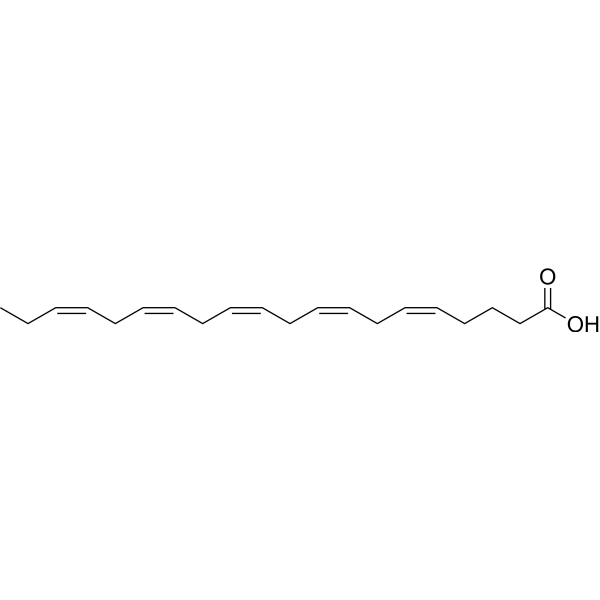
EPA; Timnodonic acid
|
Endogenous Metabolite
Histone Demethylase
|
Neurological Disease
Cancer
|
|
Eicosapentaenoic Acid (EPA) is an orally active Omega-3 long-chain polyunsaturated fatty acid (ω-3 LC-PUFA). Eicosapentaenoic Acid exhibits a DNA demethylating action that promotes the re-expression of the tumor suppressor gene CCAAT/enhancer-binding protein δ (C/EBPδ). Eicosapentaenoic Acid activates RAS/ERK/C/EBPβ pathway through H-Ras intron 1 CpG island demethylation in U937 leukemia cells. Eicosapentaenoic Acid can promote relaxation of vascular smooth muscle cells and vasodilation .
|
-
-
- HY-17372
-
|
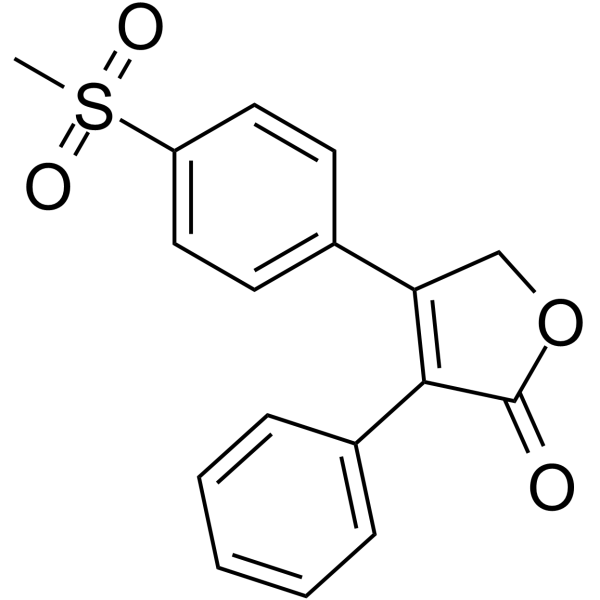
MK 966
|
COX
|
Inflammation/Immunology
Cancer
|
|
Rofecoxib is a potent, specific and orally active COX-2 inhibitor, with IC50s of 26 and 18 nM for human COX-2 in human osteosarcoma cells and Chinese hamster ovary cells, with a 1000-fold selectivity for COX-2 over human COX-1 (IC50 > 50 μM in U937 cells and > 15 μM in Chinese hamster ovary cells).
|
-
-
- HY-N6703
-
|
(+)-ar-Turmerone
|
Apoptosis
|
Neurological Disease
Inflammation/Immunology
Cancer
|
|
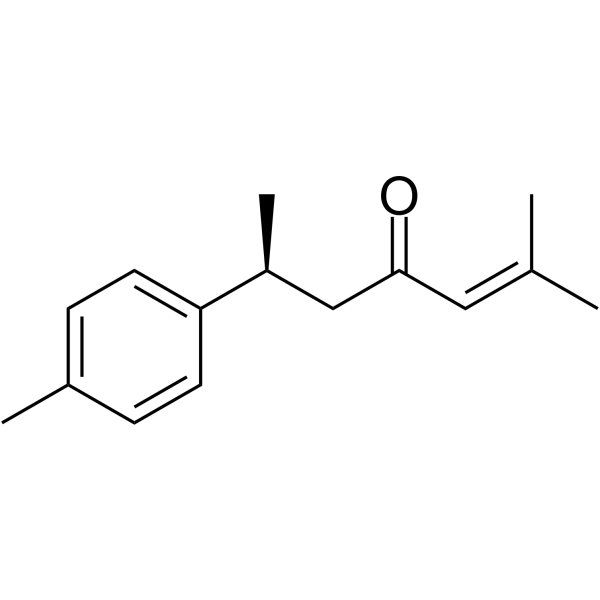
ar-Turmerone ((+)-ar-Turmerone) is an orally active and major bioactive compound of the herb Curcuma longa with anti-tumorigenesis and anti-inflammatory activities. ar-Turmerone induces apoptosis in U937 cells. ar-Turmerone exerts positive modulation on murine DCs. ar-Turmerone induces NSC proliferation in vitro and in vivo, and can be used for various neurologic disorders study .
|
-
-
- HY-131249
-
|
|
MAPKAPK2 (MK2)
|
Inflammation/Immunology
|
|
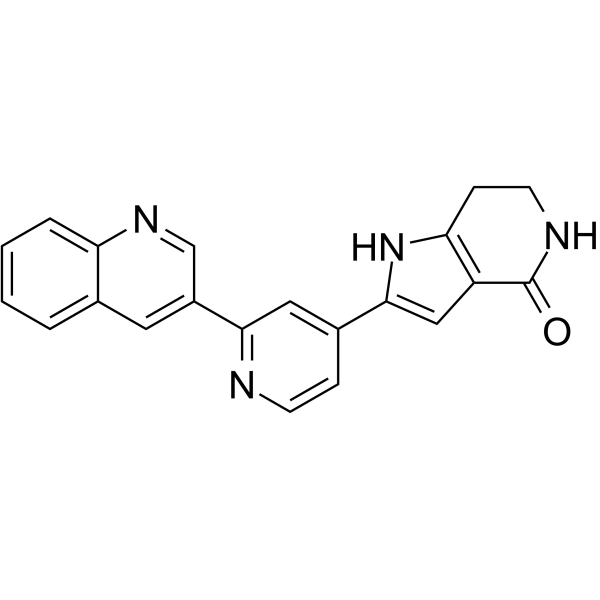
MK2-IN-3 is a potent and selective inhibitor of MAPKAP-K2 (MK-2), with an IC50 of 8.5 nM. MK2-IN-3 shows selectivity for MK-2 over MK-3, MK-5, ERK2, MNK1, p38a (IC50s=0.21, 0.081, 3.44, 5.7, and >100 μM, respectively) and MSK1, MSK2, CDK2, JNK2, IKK2 (IC50s>200 μM). MK2-IN-3 can reduce TNFα production in both U937 cells and in vivo .
|
-
-
- HY-103358
-
KF38789
2 Publications Verification
|
P-selectin
|
Inflammation/Immunology
|
|
KF38789 is a selective inhibitor of P-selectin-PSGL-1 binding. KF38789 inhibits the binding of U937 cells to immobilized P-selectin immunoglobulin G chimeric protein (P-selectin-Ig) with an IC50 value of 1.97 μM .
|
-
-
- HY-149470
-
|
|
Histone Acetyltransferase
|
Cancer
|
|
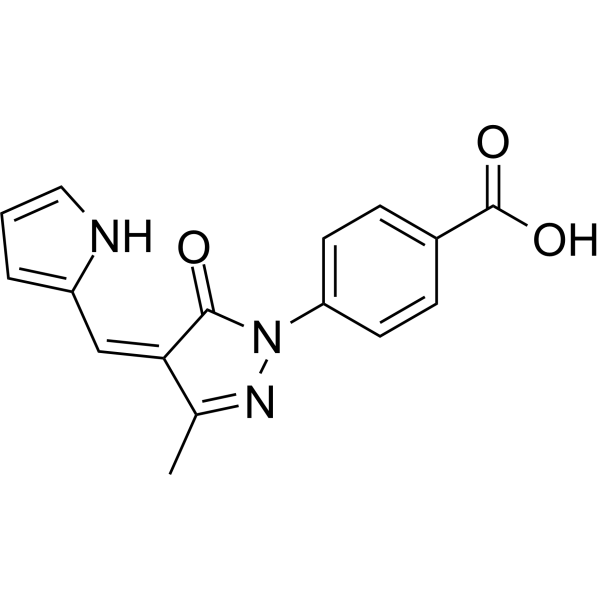
MOZ-IN-3 (Compound 6j) is a KAT6A (MOZ) acetyltransferase inhibitor (IC50: 30 nM). MOZ-IN-3 has antitumor activity against four different myeloid leukemia cell lines (HL-60, U937, SKNO-1, K562). MOZ-IN-3 has favorable metabolic stability and pharmacokinetics .
|
-
-
- HY-149302
-
MC4033
1 Publications Verification
|
Apoptosis
Autophagy
Histone Acetyltransferase
|
Cancer
|
MC4033 shows IC50s of 39.4 μM, 52.1 μM, 41 μM and 30.1 μM in HCT116, H1299, A549 and U937, respectively .
MC4033 (25, 50, 100, and 200 μM, 72 h) reduces the level of H4K16Ac in HT29 cells, suggesting its ability to inhibit KAT8 in cells .
|
-
-
- HY-111254
-
|
|
PPAR
NF-κB
JNK
|
Inflammation/Immunology
|
|
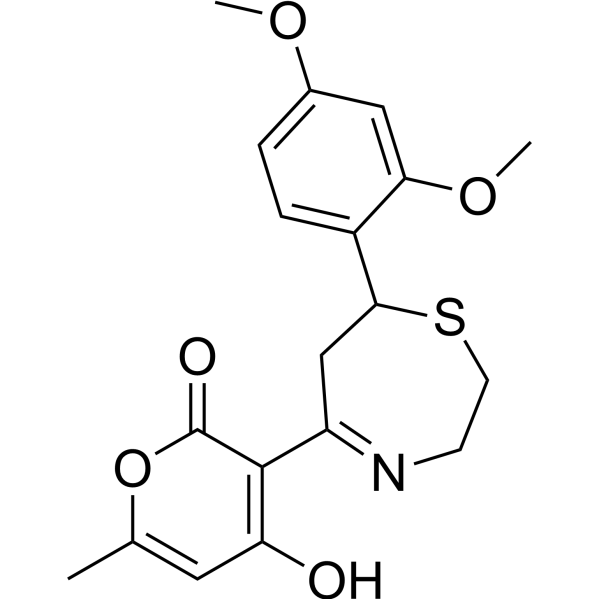
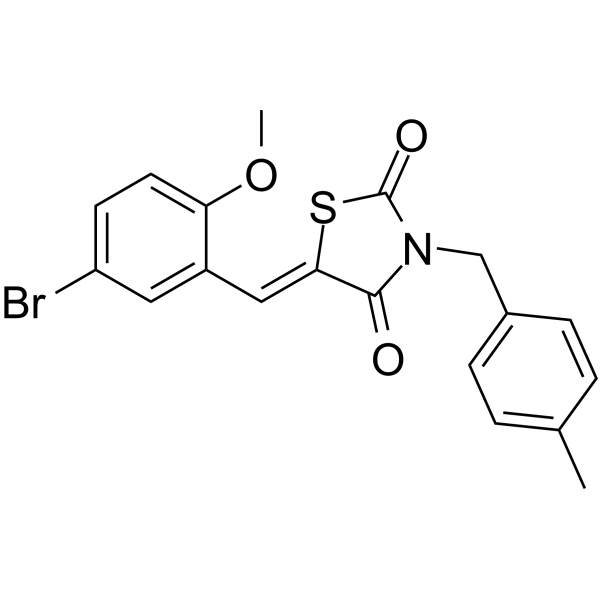
GQ-16 is an orally active PPARγ partial agonist with an IC50 of 1.84 μM and a Ki of 160 nM against human PPARγ. GQ-16 inhibits Cdk5-mediated Ser-273 phosphorylation. GQ-16 improves insulin sensitivity and glucose tolerance in obese and diabetic mice. GQ-16 also exhibits certain cytotoxicity against tumor cells. GQ-16 can be used in research related to obesity, diabetes and cancer .
|
-
-
- HY-B0660R
-
|
EPA (Standard); Timnodonic acid (Standard)
|
Reference Standards
Endogenous Metabolite
Histone Demethylase
|
Neurological Disease
Cancer
|
|
Eicosapentaenoic Acid (Standard) is the analytical standard of Eicosapentaenoic Acid. This product is intended for research and analytical applications. Eicosapentaenoic Acid (EPA) is an orally active Omega-3 long-chain polyunsaturated fatty acid (ω-3 LC-PUFA). Eicosapentaenoic Acid exhibits a DNA demethylating action that promotes the re-expression of the tumor suppressor gene CCAAT/enhancer-binding protein δ (C/EBPδ). Eicosapentaenoic Acid activates RAS/ERK/C/EBPβ pathway through H-Ras intron 1 CpG island demethylation in U937 leukemia cells. Eicosapentaenoic Acid can promote relaxation of vascular smooth muscle cells and vasodilation .
|
-
-
- HY-101232
-
|
ICI 125211
|
Histamine Receptor
|
Cardiovascular Disease
|
|
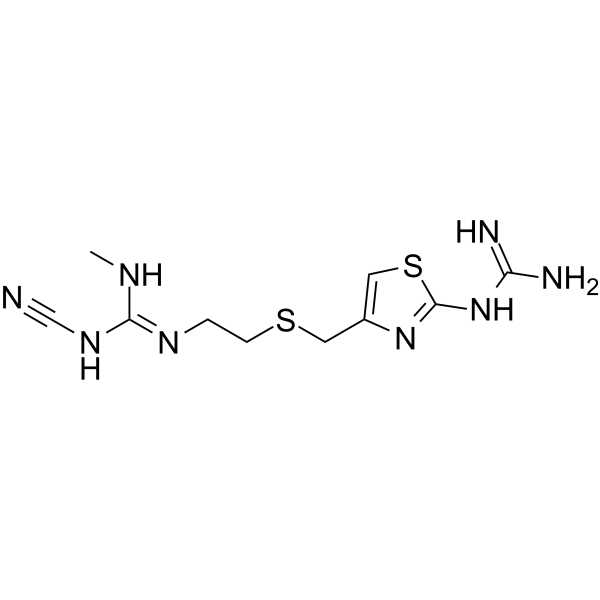
Tiotidine (ICI 125211) is a potent and selective antagonist of histamine H2-receptor (pA2=7.3-7.8 for guinea-pig right atrium). Tiotidine has low affinity for both the H1 and the H3 receptors .
|
-
-
- HY-106784
-
|
|
Fungal
Apoptosis
|
Infection
Cancer
|
|
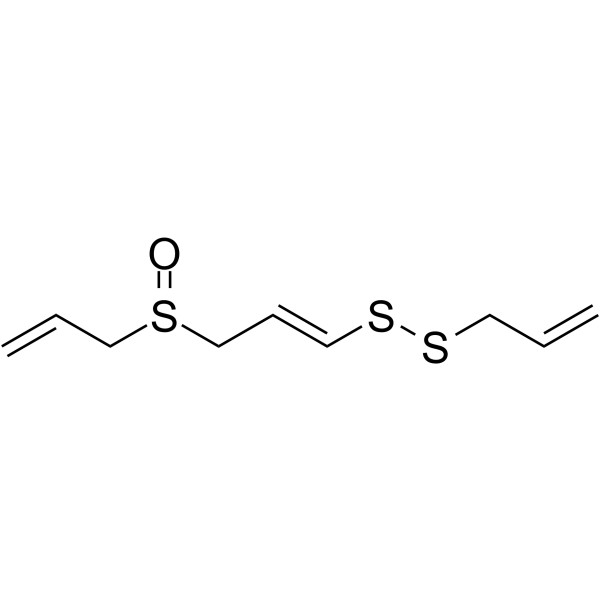
Ajoene, a garlic-derived compound, is an antithrombotic and antifungal agent. Ajoene inhibits proliferation and induces apoptosis of human leukaemia CD34-negative cells including HL-60, U937, HEL and OCIM-I. Anticancer activities .
|
-
-
- HY-103347
-
|
|
Apoptosis
|
Inflammation/Immunology
|
|
M50054 is a potent inhibitor of apoptosis. M50054 inhibits Etoposide-induced caspase-3 activation of U937 cells with an IC50 of 79 μg/mL. M50054 does not directly inhibit the enzymatic activity of caspase-3. M50054 can be used for the research anti-Fas-antibody-induced hepatitis and chemotherapy-induced alopecia .
|
-
-
- HY-P1188
-
|
|
Integrin
|
Cancer
|
|
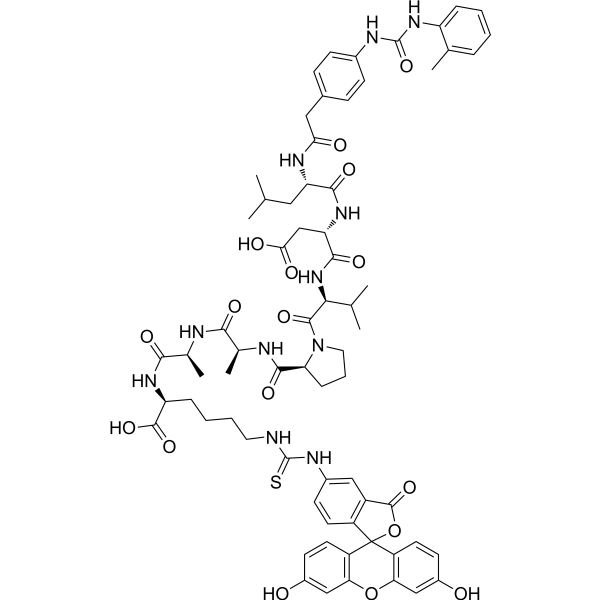
LDV-FITC, a fluorescent peptide, is a FITC-conjugated LDV peptide (HY-P2267). LDV-FITC binds to the α4β1 integrin with high affinity (Kd: 0.3 nM and 12 nM for binding to U937 cells in the presence and absence of Mn 2+ respectively). LDV-FITC can be used to detect α4β1 integrin affinity .
|
-
-
- HY-173444
-
|
|
HDAC
Transferrin Receptor
Apoptosis
Ferroptosis
|
Cancer
|
|
HDAC11-IN-3 (Compound A9) is a selective HDAC11 inhibitor (IC50: 4.1 nM). HDAC11-IN-3 has inhibitory effects on U937 and OCI-AML2 acute myeloid leukemia (AML) cell lines (IC50: 10 μM). HDAC11-IN-3 has significant anti-AML activity, inducing apoptosis, cell cycle arrest, and differentiation. HDAC11-IN-3 upregulates the iron transporters transferrin (TF) and transferrin receptor (TFRC), and activates the p62-Keap1-Nrf2-HMOX1 pathway, which together lead to increased intracellular iron levels and induce ferroptosis in AML cells. HDAC11-IN-3 can be used alone or in combination with Cytarabine (HY-13605) for AML research .
|
-
-
- HY-101556
-
|
CBS-211A
|
Drug Derivative
|
Cancer
|
|
Namirotene (CBS-211A) is a retinoic acid analog, which is utilized in topical eye administration. Namirotene enhances 1α,25-dihydroxyvitamin D3-induced cytotoxicity in cell U937 and induces the differentation in U937 .
|
-
-
- HY-W011269
-
|
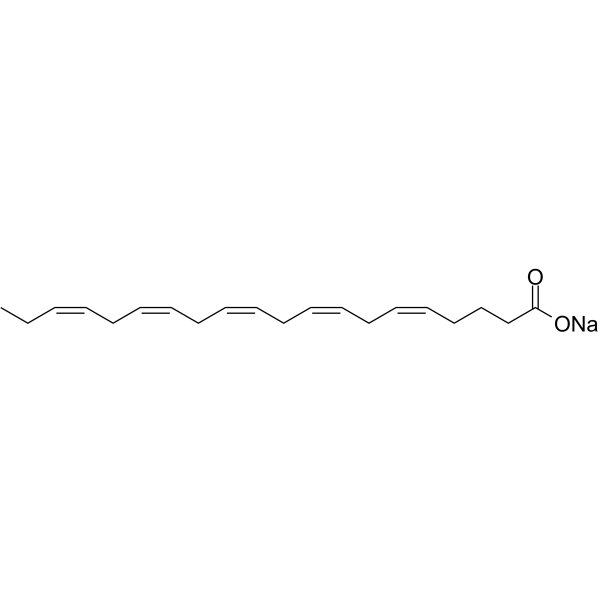
EPA sodium; Timnodonic acid sodium
|
Endogenous Metabolite
Histone Demethylase
|
Cardiovascular Disease
Metabolic Disease
Cancer
|
|
Eicosapentaenoic Acid (EPA)sodium is an orally active Omega-3 long-chain polyunsaturated fatty acid (ω-3 LC-PUFA). Eicosapentaenoic Acid sodium exhibits a DNA demethylating action that promotes the re-expression of the tumor suppressor gene CCAAT/enhancer-binding protein δ (C/EBPδ). Eicosapentaenoic Acid sodium activates RAS/ERK/C/EBPβ pathway through H-Ras intron 1 CpG island demethylation in U937 leukemia cells. Eicosapentaenoic Acid sodium can promote relaxation of vascular smooth muscle cells and vasodilation .
|
-
-
- HY-105358
-
|
|
Leukotriene Receptor
Calcium Channel
|
Inflammation/Immunology
|
|
CP-288886 is a cysLT1 receptor antagonist with a Ki value of 0.004 μM. CP-288886 exhibits comparable activity to Zafirlukast (HY-17492) and Pranlukast (HY-B0290). CP-288886 inhibits calcium mobilization with an IC50 of 0.0005 μM in human U937 cells. CP-288886 has high oral bioavailability. CP-288886 possesses anti-asthmatic activity in a guinea pig asthma model and can be used for the research of diseases such as asthma .
|
-
-
- HY-147086
-
|
|
Leukotriene Receptor
G protein-coupled Bile Acid Receptor 1
TNF Receptor
|
Metabolic Disease
Inflammation/Immunology
|
|
CAY10789 is a potent CysLT1R (cysteinyl leukotriene receptor 1) antagonist (IC50=2.80 μM) and GPBAR1 (G-protein-coupled bile acid receptor 1) agonist (EC50=3 μM). CAY10789 significantly reduces the adhesion of U937 cells to HAEC, reduces the expression of TNF-α. CAY10789 shows very promising metabolic stability and excellent pharmacokinetics. CAY10789 can be used for the research of colitis, metabolic syndromes, and other GPBAR1/CysLT1R-related diseases .
|
-
-
- HY-177305
-
|
|
TNF Receptor
|
Inflammation/Immunology
|
|
Anti-inflammatory agent 105 (Compound 12) is an anti-inflammatory compound. The IC50 of Anti-inflammatory agent 105 for the inhibition of TNF-α synthesis and release in the human macrophage cell line U937 is 0.124 nM .
|
-
-
- HY-146758
-
-
-
- HY-13249
-
|
1α-Hydroxy vitamin D4
|
VD/VDR
|
Cancer
|
|
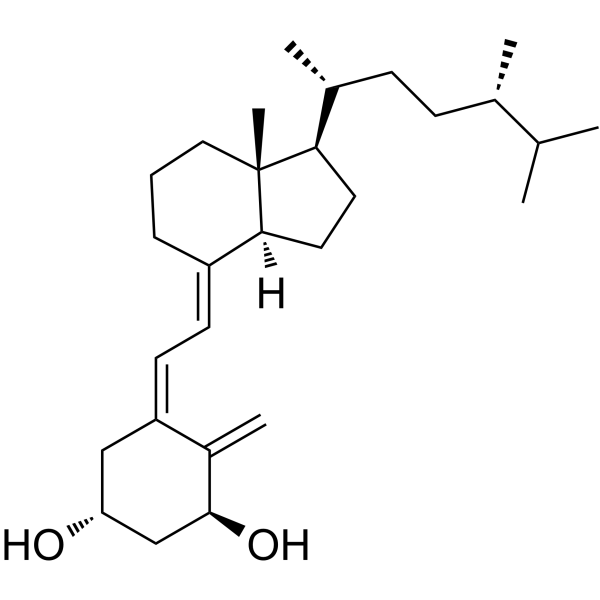
1alpha-Hydroxy VD4, a 1alpha(OH)D derivative, can effectively induce the differentiation of monoblastic leukaemia U937, P39/TSU and P31/FUJ cells.
|
-
-
- HY-162658
-
|
|
HDAC
Apoptosis
|
Cancer
|
|
Leuxinostat is an inhibitor for HDAC with IC50 of 30 nM for hHDAC6. Leuxinostat inhibits the proliferation of cells THP1, K562, U937 and MEK1, induces apoptosis in leukemia cells NB4 and MOLT-4. Leuxinostat inhibits the expansion of hematopoietic stem cells and exhibits antileukemic activity in zebrafish models .
|
-
-
- HY-146581
-
|
|
Cathepsin
|
Inflammation/Immunology
|
|
Cathepsin C-IN-4 (compound SF27) is a potent Cathepsin C (Cat C) inhibitor, with an IC50 of 65.6 nM. Cathepsin C-IN-4 also inhibits THP-1 and U937 cell, with IC50 values of 203.4 and 177.6 nM, respectively .
|
-
-
- HY-146580
-
|
|
Cathepsin
|
Inflammation/Immunology
|
|
Cathepsin C-IN-3 (compound SF11) is a potent Cathepsin C (Cat C) inhibitor, with an IC50 of 61.79 nM. Cathepsin C-IN-3 also inhibits THP-1 and U937 cell, with IC50 values of 101.5 and 86.5 nM, respectively .
|
-
-
- HY-177304
-
|
|
TNF Receptor
|
Inflammation/Immunology
|
|
Anti-inflammatory agent 104 (Compound 26) is an anti-inflammatory compound. The IC50 of Anti-inflammatory agent 104 for the inhibition of TNF-α synthesis and release in the human macrophage cell line U937 is 0.024 nM. Anti-inflammatory agent 104 can reduce eosinophils in rat lungs by 63% .
|
-
-
- HY-177766
-
|
|
Molecular Glues
Apoptosis
|
Cancer
|
|
GSPT1 degrader-17 (Compound 9q) is a potent and selective cereblon-based molecular glue degrader that targets G1 to S phase transition 1 (GSPT1). GSPT1 degrader-17 degrades GSPT1 in U937 cells with a DC50 of 35 nM and Dmax of 81.65%. GSPT1 degrader-17 has a strong inhibitory effect on U937, MOLT-4 and MV4-11 cells with IC50 values of 0.019, 0.006 and 0.027 μM. GSPT1 degrader-17 can induce cells apoptosis and G0/G1 phase arrest. GSPT1 degrader-17 can be used for the research of cancer, such as acute myeloid leukemia .
|
-
-
- HY-120621
-
|
|
Phospholipase
|
Inflammation/Immunology
|
|
BMS-229724 is an orally active and tight-binding cytosolic phospholipase A2 (cPLA2) inhibitor with an IC50 of 2.8 μM. BMS-229724 can inhibit the production of arachidonic acid and eicosanoids in U937 cells, neutrophils, platelets, and other cells. BMS-229724 has anti-inflammatory activity and can be used in the research of diseases such as skin inflammation .
|
-
-
- HY-17372S
-
|
|
Isotope-Labeled Compounds
COX
|
Inflammation/Immunology
Cancer
|
|
Rofecoxib-d5 is the deuterium labeled Rofecoxib. Rofecoxib is a potent, specific and orally active COX-2 inhibitor, with IC50s of 26 and 18 nM for human COX-2 in human osteosarcoma cells and Chinese hamster ovary cells, with a 1000-fold selectivity for COX-2 over human COX-1 (IC50 > 50 μM in U937 cells and > 15 μM in Chinese hamster ovary cells) .
|
-
-
- HY-173526
-
|
|
Bacterial
Calcium Channel
|
Infection
|
|
H052 is a selective Staphylococcus aureus α-hemolysin (Hla) inhibitor. H052 binds to Hla monomers, disrupts the interaction with host cell membranes to block pore formation, inhibiting calcium ion influx, cytotoxicity, and inflammatory responses. H052 exhibits potency (EC50=30 nM in U937 cells) against Hla-induced calcium influx. H052 is promising for research of lung infections caused by S. aureus .
|
-
-
- HY-124007
-
|
ISAHA
|
HDAC
|
Cancer
|
|
4-Iodo-SAHA (1k) is an orally active class I and class II histone deacetylase (HDAC) inhibitor with EC50s of 1.1, 0.95, 0.12, 0.24, 0.85 and 1.3 μM for Skbr3, HT29, U937, JA16 and HL60 cell lines, respectively. 4-Iodo-SAHA (1k) can be used for the research of cancer .
|
-
-
- HY-W025074
-
|
|
Sirtuin
Histone Methyltransferase
|
Cancer
|
|
BML-278 is a SIRT1 activator (EC150: 1 μM). BML-278 increases H3K9 methylation and inhibits H3K9 acetylation in both the paternal and maternal pronucleus. BML-278 improves early embryonic development. BML-278 arrests the cell cycle at the G1/S phase, and reduces senescence in primary human mesenchymal cells. BML-278 reduces tubulin acetylation in U937 cells. BML-278 also increases mitochondrial density in murine C2C12 myoblasts .
|
-
-
- HY-B0660S1
-
|
EPA 1,2,3,4,5-13C, FA 20:5-13C5
|
Isotope-Labeled Compounds
Endogenous Metabolite
Histone Demethylase
|
Neurological Disease
Cancer
|
|
Eicosapentaenoic acid 1,2,3,4,5- 13C5 (EPA 1,2,3,4,5- 13C, FA 20:5- 13C5) is 13C labeled Eicosapentaenoic Acid. Eicosapentaenoic Acid (EPA) is an orally active Omega-3 long-chain polyunsaturated fatty acid (ω-3 LC-PUFA). Eicosapentaenoic Acid exhibits a DNA demethylating action that promotes the re-expression of the tumor suppressor gene CCAAT/enhancer-binding protein δ (C/EBPδ). Eicosapentaenoic Acid activates RAS/ERK/C/EBPβ pathway through H-Ras intron 1 CpG island demethylation in U937 leukemia cells. Eicosapentaenoic Acid can promote relaxation of vascular smooth muscle cells and vasodilation .
|
-
-
- HY-124559
-
|
(Rac)-CHR-3996
|
HDAC
|
Cancer
|
|
(Rac)-Nanatinostat ((Rac)-CHR-3996, example 44) is a potent HDAC inhibitor with an IC50 of <330 nM. (Rac)-Nanatinostat has anticancer effects and can effectively inhibit the cell growth of HeLa, U937 and HUT cells .
|
-
-
- HY-143727
-
|
|
RIP kinase
|
Inflammation/Immunology
|
|
RIPK1-IN-9 (example 45), a dihydronaphthyridone compound, is a potent and selective RIPK1 inhibitor. RIPK1-IN-9 inhibits U937 cell (IC50=2 nM) and L929 cell (IC50=1.3 nM) .
|
-
-
- HY-W747533
-
|
C8 Ceramine; Ceramine (d18:1/8:0)
|
Drug Derivative
|
Others
|
|
C8 Ceramine is an analog of ceramide in which the carbonyl group of the ceramide is replaced by a methylene group. At a concentration of 10 μM, C8 ceramine induces maximal DNA fragmentation in U937 cells after 6 hours of incubation, compared to 12 hours for C8 ceramide.
|
-
-
- HY-168707
-
|
|
Casein Kinase
|
Cancer
|
|
CK2-IN-14 (Compound 10b) is an inhibitor for cyclin kinase 2α with an IC50 of 36.7 nM. CK2-IN-14 inhibits the growth of cancer cell 786-O and U937 with GI50 of 7.3 μM and 7.5 μM .
|
-
-
- HY-122092
-
|
|
Telomerase
|
Cancer
|
|
FJ-5002 is a telomerase inhibitor with an IC50 of 2 μM. FJ-5002 can induce telomere shortening, increased chromosomal abnormalities, and senescence/crisis-like features in the human leukemia cell line U937. FJ-5002 exhibits antitumor activity and can be used in the study of cancer .
|
-
-
- HY-162237
-
|
|
RIP kinase
|
Inflammation/Immunology
|
|
RIPK1-IN-13 (compound 28) is a selective inhibitor for receptor-interacting serine/threonine-protein kinase 1 (RIPK1), the inhibitory activity is measured by ADP-Glo Kinase Assay with a pKi of 7.66. RIPK1-IN-13 inhibits human leukaemia cells U937 with a pIC50 of 7.2 .
|
-
-
- HY-117782
-
|
|
Others
|
Cancer
|
|
Anticancer agent 236 (compound JP-8g) is a broad-spectrum anticancer agent that has toxic effects on several cancer cell lines with IC50 values of 6.925 μM (MDA), 6.296 μM (U937), 6.548 μM (Jurkat), 6.373 μM (Hela), and 10.381 μM (EJ) .
|
-
-
- HY-17372R
-
|
MK 966 (Standard)
|
Reference Standards
COX
|
Inflammation/Immunology
Cancer
|
|
Rofecoxib (Standard) is the analytical standard of Rofecoxib. This product is intended for research and analytical applications. Rofecoxib is a potent, specific and orally active COX-2 inhibitor, with IC50s of 26 and 18 nM for human COX-2 in human osteosarcoma cells and Chinese hamster ovary cells, with a 1000-fold selectivity for COX-2 over human COX-1 (IC50 > 50 μM in U937 cells and > 15 μM in Chinese hamster ovary cells).
|
-
-
- HY-P1188A
-
|
|
Integrin
|
Cancer
|
|
LDV-FITC TFA, a fluorescent peptide, is a FITC-conjugated LDV peptide (HY-P2267). LDV-FITC TFA binds to the α4β1 integrin with high affinity (Kd: 0.3 nM and 12 nM for binding to U937 cells in the presence and absence of Mn 2+ respectively). LDV-FITC TFA can be used to detect α4β1 integrin affinity .
|
-
-
- HY-155245
-
|
|
CDK
Bcl-2 Family
|
Cancer
|
|
A09-003 is a CDK-9 inhibitor (IC50: 16 nM). A09-003 inhibits leukemia cell proliferation (IC50: 1.90, 0.86, 2.49, 1.84, 0.48 μM for BDCM, Molm-14, THP-1, U937, MV4-11 cells). A09-003 induces apoptosis and decreases Mcl-1 expression through Thr163 dephosphorylation .
|
-
-
- HY-N6703S
-
|
(+)-ar-Turmerone-d3
|
Isotope-Labeled Compounds
Apoptosis
|
Neurological Disease
Inflammation/Immunology
Cancer
|
|
ar-Turmerone-d3 is the deuterium labeled ar-Turmerone. ar-Turmerone ((+)-ar-Turmerone) is an orally active and major bioactive compound of the herb Curcuma longa with anti-tumorigenesis and anti-inflammatory activities. ar-Turmerone induces apoptosis in U937 cells. ar-Turmerone exerts positive modulation on murine DCs. ar-Turmerone induces NSC proliferation in vitro and in vivo, and can be used for various neurologic disorders study .
|
-
-
- HY-103347R
-
|
|
Reference Standards
Apoptosis
|
Inflammation/Immunology
|
|
M50054 (Standard) is the analytical standard of M50054. This product is intended for research and analytical applications. M50054 is a potent inhibitor of apoptosis. M50054 inhibits Etoposide-induced caspase-3 activation of U937 cells with an IC50 of 79 μg/mL. M50054 does not directly inhibit the enzymatic activity of caspase-3. M50054 can be used for the research anti-Fas-antibody-induced hepatitis and chemotherapy-induced alopecia .
|
-
-
- HY-159513
-
|
|
Bcl-2 Family
Apoptosis
|
Cancer
|
|
Bcl-2/Mcl-1-IN-4 (compound 20) is a dual inhibitor targeting Bcl-2 (Ki=0.49 μM) and Mcl-1 (Ki=0.51 μM). Bcl-2/Mcl-1-IN-4 significantly inhibits cancer cell proliferation and effectively induces apoptosis in U937 cells. Bcl-2/Mcl-1-IN-4 can be used in cancer research .
|
-
-
- HY-B0660A
-
|
EPA metformin; Timnodonic acid metformin
|
Endogenous Metabolite
Histone Demethylase
|
Neurological Disease
Cancer
|
|
Eicosapentaenoic Acid (EPA) metformin is an orally active Omega-3 long-chain polyunsaturated fatty acid (ω-3 LC-PUFA). Eicosapentaenoic acid metformin exhibits a DNA demethylating action that promotes the re-expression of the tumor suppressor gene CCAAT/enhancer-binding protein δ (C/EBPδ). EEicosapentaenoic acid metformin activates RAS/ERK/C/EBPβ pathway through H-Ras intron 1 CpG island demethylation in U937 leukemia cells. Eicosapentaenoic acid metformin can promote relaxation of vascular smooth muscle cells and vasodilation .
|
-
-
- HY-101232R
-
|
ICI 125211 (Standard)
|
Reference Standards
Histamine Receptor
|
Cardiovascular Disease
|
|
Tiotidine (Standard) is the analytical standard of Tiotidine. This product is intended for research and analytical applications. Tiotidine (ICI 125211) is a potent and selective antagonist of histamine H2-receptor (pA2=7.3-7.8 for guinea-pig right atrium). Tiotidine has low affinity for both the H1 and the H3 receptors .
|
-
-
- HY-169795
-
|
|
Apoptosis
|
Cancer
|
|
C8 D-threo Ceramide (d18:1/8:0) is a sphingolipid analog that can effectively induce apoptosis in U937 cells and cause fragmentation of nucleosomal DNA .
|
-
-
- HY-138101
-
|
|
COX
|
Inflammation/Immunology
|
|
Desmethyl etoricoxib (example 21) is a selective COX-2 inhibitor with an IC50 of 1 μM in whole blood. Desmethyl etoricoxib inhibits COX-1 with an IC50 of 16 μM in U937 cells. Desmethyl etoricoxib has anti-inflammatory effects .
|
-
-
- HY-10380
-
|
|
CDK
|
Others
|
|
(R)-DRF053 is a CDK inhibitor. (R)-DRF053 inhibits Cdk5 and promotes the formation of ductal precursor β cells. (R)-DRF053 inhibits Dil-ox-LDL uptake and CD36 gene expression induced by advanced glycation end products (AGEs) in U937 cells .
|
-
- HY-N9284
-
|
|
Others
|
Cancer
|
|
5,19-Epoxy-19R,25-dimethoxycucurbita-6,23-dien-3-ol is a triterpenoid compound derived from Momordica charantia with antitumor activity, exhibiting an IC50 of 32.52 μM against U937 cells. 5,19-Epoxy-19R,25-dimethoxycucurbita-6,23-dien-3-ol shows promise for research in the field of cancer .
|
-
- HY-B0660S2
-
|
EPA-d10; Timnodonic acid-d10
|
Isotope-Labeled Compounds
Endogenous Metabolite
Histone Demethylase
|
Neurological Disease
Cancer
|
|
Eicosapentaenoic acid-d10 (EPA-d10) is the deuterium labeled Eicosapentaenoic acid (HY-B0660). Eicosapentaenoic Acid (EPA) is an orally active Omega-3 long-chain polyunsaturated fatty acid (ω-3 LC-PUFA). Eicosapentaenoic Acid exhibits a DNA demethylating action that promotes the re-expression of the tumor suppressor gene CCAAT/enhancer-binding protein δ (C/EBPδ). Eicosapentaenoic Acid activates RAS/ERK/C/EBPβ pathway through H-Ras intron 1 CpG island demethylation in U937 leukemia cells. Eicosapentaenoic Acid can promote relaxation of vascular smooth muscle cells and vasodilation .
|
-
- HY-129785
-
-
- HY-183807
-
|
|
Autophagy
|
Cancer
|
|
T1742 is an autophagy inhibitor targeting ATG5. T1742 blocks and disrupts protein-protein interactions between ATG5 and ATG16L1, and between ATG5 and TECAIR.T 1742 inhibits autophagy in living cells via reduced autophagosome formation and downregulated ATG8-PE conjugation. T1742 can be used to study autophagy mechanisms .
|
-
- HY-N19427
-
|
|
NO Synthase
|
Inflammation/Immunology
Cancer
|
|
25S-Anguivioside XV (Compound 8) is a steroidal glycoside. 25S-Anguivioside XV is isolated from the unripe berries of Solanum nigrum L. 25S-Anguivioside XV inhibits LPS-induced NO production with an IC50 of 49.35 μM. 25S-Anguivioside XV exhibits antiproliferative activity against hepatoma cells .
|
-
- HY-182375A
-
|
|
LPL Receptor
|
Inflammation/Immunology
Cancer
|
|
SLB1122168 free base is a Spinster Homolog 2 (Spns2) inhibitor. SLB1122168 free base inhibits Spns2-mediated sphingosine-1-phosphate (S1P) release with an IC50 of 94 nM. SLB1122168 free base induces lymphopenia in circulating lymphocytes in mice and rats .
|
-
- HY-182375
-
-
- HY-13614
-
|
|
Microtubule/Tubulin
Apoptosis
Caspase
|
Cardiovascular Disease
Cancer
|
|
E7974 is a selective inhibitor of α-tubulin (α-tubulin) with an IC50 of 3.9 μM. E7974 disrupts mitotic spindle formation, induces G2-M phase cell cycle arrest, initiates apoptosis, activates caspase-3, and induces poly (ADP-ribose) polymerase cleavage. E7974 reduces the area of choroidal neovascularization in mouse models, and exerts anti-angiogenic effects when loaded in modified micelles. E7974 can be used in research related to cancer and choroidal neovascularization .
|
-
| Cat. No. |
Product Name |
Target |
Research Area |
-
- HY-P1188
-
|
|
Integrin
|
Cancer
|
|
LDV-FITC, a fluorescent peptide, is a FITC-conjugated LDV peptide (HY-P2267). LDV-FITC binds to the α4β1 integrin with high affinity (Kd: 0.3 nM and 12 nM for binding to U937 cells in the presence and absence of Mn 2+ respectively). LDV-FITC can be used to detect α4β1 integrin affinity .
|
-
- HY-P1188A
-
|
|
Integrin
|
Cancer
|
|
LDV-FITC TFA, a fluorescent peptide, is a FITC-conjugated LDV peptide (HY-P2267). LDV-FITC TFA binds to the α4β1 integrin with high affinity (Kd: 0.3 nM and 12 nM for binding to U937 cells in the presence and absence of Mn 2+ respectively). LDV-FITC TFA can be used to detect α4β1 integrin affinity .
|
| Cat. No. |
Product Name |
Category |
Target |
Chemical Structure |
| Cat. No. |
Product Name |
Chemical Structure |
-
- HY-17372S
-
|
|
|
Rofecoxib-d5 is the deuterium labeled Rofecoxib. Rofecoxib is a potent, specific and orally active COX-2 inhibitor, with IC50s of 26 and 18 nM for human COX-2 in human osteosarcoma cells and Chinese hamster ovary cells, with a 1000-fold selectivity for COX-2 over human COX-1 (IC50 > 50 μM in U937 cells and > 15 μM in Chinese hamster ovary cells) .
|
-
-
- HY-B0660S1
-
|
|
|
Eicosapentaenoic acid 1,2,3,4,5- 13C5 (EPA 1,2,3,4,5- 13C, FA 20:5- 13C5) is 13C labeled Eicosapentaenoic Acid. Eicosapentaenoic Acid (EPA) is an orally active Omega-3 long-chain polyunsaturated fatty acid (ω-3 LC-PUFA). Eicosapentaenoic Acid exhibits a DNA demethylating action that promotes the re-expression of the tumor suppressor gene CCAAT/enhancer-binding protein δ (C/EBPδ). Eicosapentaenoic Acid activates RAS/ERK/C/EBPβ pathway through H-Ras intron 1 CpG island demethylation in U937 leukemia cells. Eicosapentaenoic Acid can promote relaxation of vascular smooth muscle cells and vasodilation .
|
-
-
- HY-N6703S
-
|
|
|
ar-Turmerone-d3 is the deuterium labeled ar-Turmerone. ar-Turmerone ((+)-ar-Turmerone) is an orally active and major bioactive compound of the herb Curcuma longa with anti-tumorigenesis and anti-inflammatory activities. ar-Turmerone induces apoptosis in U937 cells. ar-Turmerone exerts positive modulation on murine DCs. ar-Turmerone induces NSC proliferation in vitro and in vivo, and can be used for various neurologic disorders study .
|
-
-
- HY-B0660S2
-
|
|
|
Eicosapentaenoic acid-d10 (EPA-d10) is the deuterium labeled Eicosapentaenoic acid (HY-B0660). Eicosapentaenoic Acid (EPA) is an orally active Omega-3 long-chain polyunsaturated fatty acid (ω-3 LC-PUFA). Eicosapentaenoic Acid exhibits a DNA demethylating action that promotes the re-expression of the tumor suppressor gene CCAAT/enhancer-binding protein δ (C/EBPδ). Eicosapentaenoic Acid activates RAS/ERK/C/EBPβ pathway through H-Ras intron 1 CpG island demethylation in U937 leukemia cells. Eicosapentaenoic Acid can promote relaxation of vascular smooth muscle cells and vasodilation .
|
-
Your information is safe with us. * Required Fields.
Inquiry Information
- Product Name:
- Cat. No.:
- Quantity:
- MCE Japan Authorized Agent:

