1. Search Result
Search Result
Pathways Recommended: Stem Cell/Wnt Cell Cycle/DNA Damage
Results for "

U87 glioblastoma cells

" in MedChemExpress (MCE) Product Catalog:

34

Inhibitors & Agonists

2

Peptides

3

Natural
Products

Cat. No. 상품명 Target 연구분야 Chemical Structure
  • HY-N0826
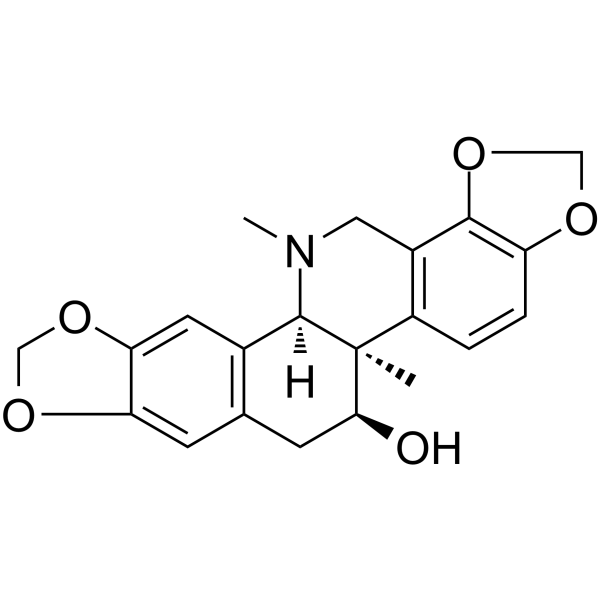
    Corynoline
    5+ Cited Publications

    Cholinesterase (ChE) Keap1-Nrf2 Heme Oxygenase (HO) COX NO Synthase p38 MAPK JNK Apoptosis Bcl-2 Family Caspase STAT Interleukin Related Neurological Disease Inflammation/Immunology Cancer
    Corynoline is an orally active acetylcholinesterase (AChE) inhibitor with an IC50 of 30.6 μM. Corynoline exhibits multiple activities including anti-inflammatory, antinociceptive, antitumor and analgesic effects. Corynoline can be used in the research of diseases such as tumors and inflammatory pain .
    Corynoline
  • HY-111449
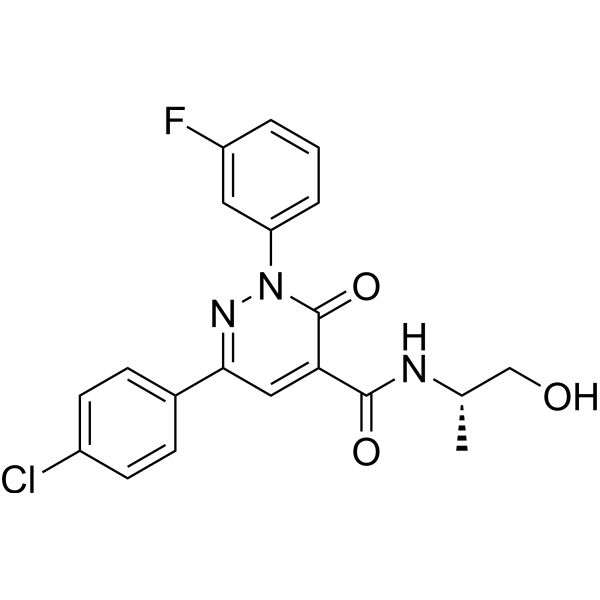
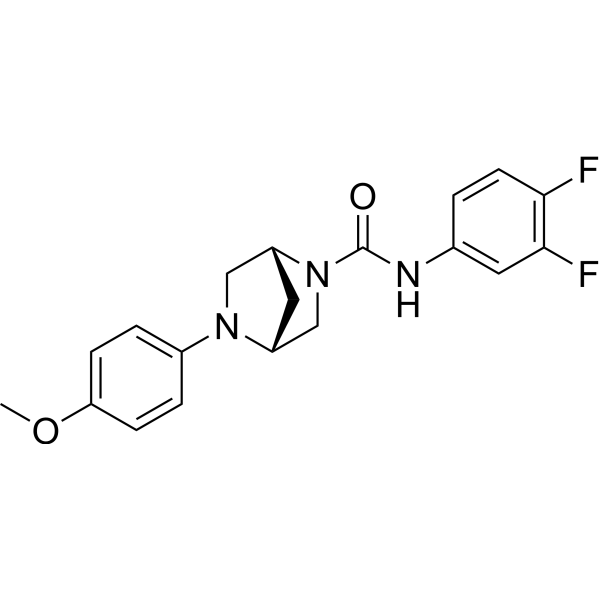
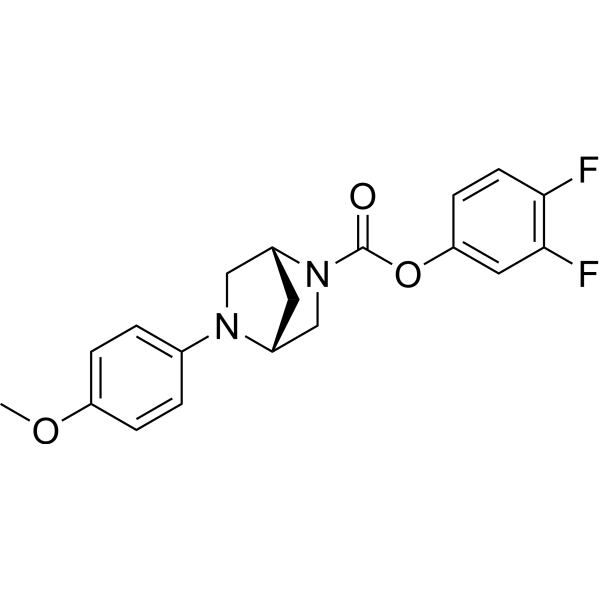
    BAY-218
    2 Publications Verification

    AHR antagonist 1

    Aryl Hydrocarbon Receptor Inflammation/Immunology Cancer
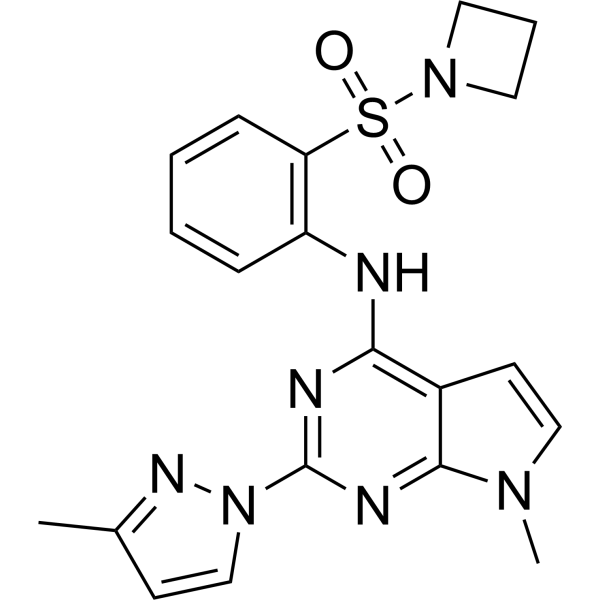
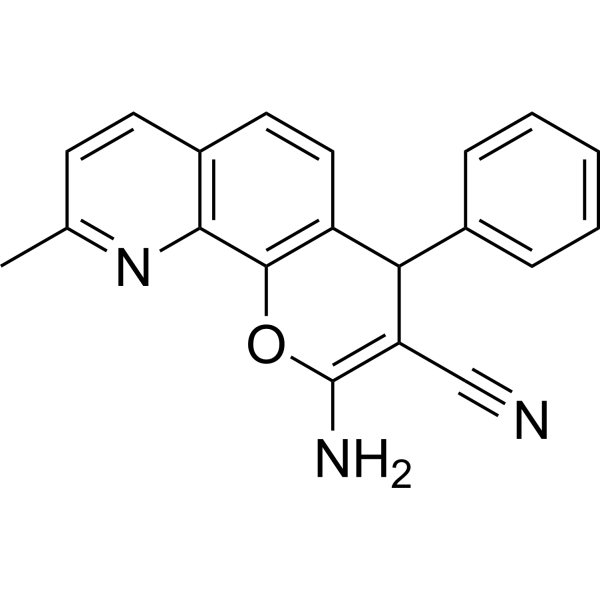
    BAY-218 (AHR antagonist 1) is an aryl hydrocarbon receptor (AHR) antagonist. BAY-218 has AHR inhibitory activity with an IC50 of 39.9 nM in in U87 glioblastoma cells. BAY-218 can be used for the research of cancer or conditions with dysregulated immune responses .
    BAY-218
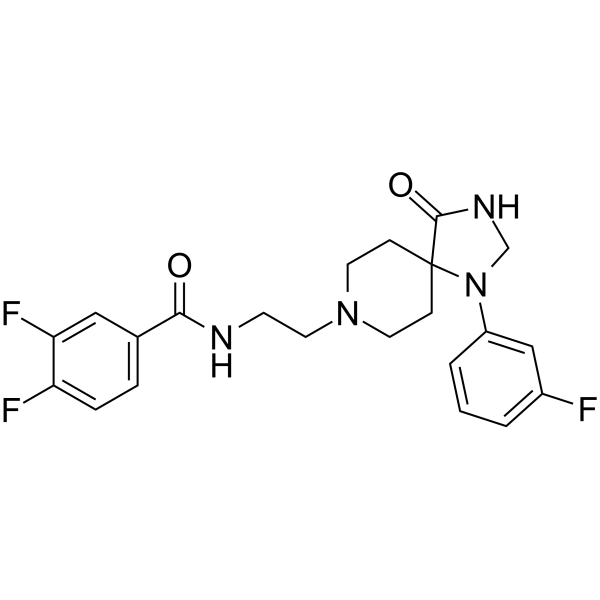
  • HY-12833
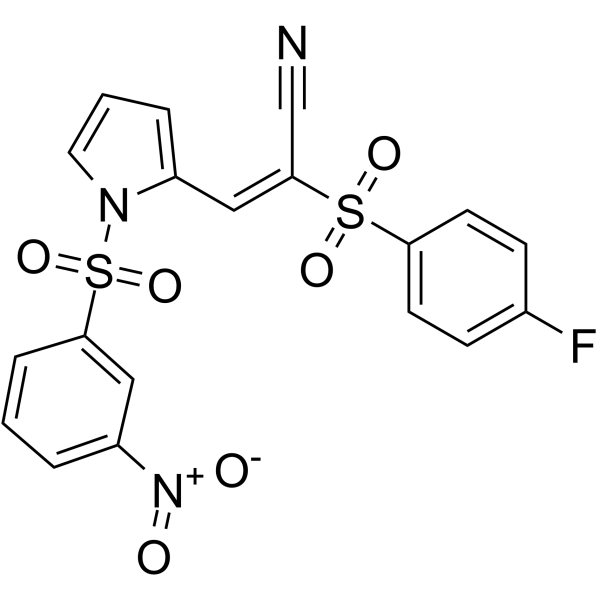
    AMZ30
    1 Publications Verification

    Phosphatase Akt ERK Others
    AMZ30 is selective protein phosphatase methylesterase-1(PME-1) inhibitor with IC50s of 600 nM and 3.5 µM in human cell lysates and in HEK 293T cells, respectively. AMZ30 shows >100-fold selectivity relative to other serine hydrolases. AMZ30 reduces the demethylated form of PP2A in living cells. AMZ30 attenuates muscle cell differentiation. AMZ30 increases the resistance of U87MG and U251MG glioblastoma cells to t-BHP-induced oxidative stress. AMZ30can be used for the study of glioblastoma .
    AMZ30
  • HY-P11099

    Transferrin Receptor Neurological Disease Cancer
    Cys-LT7 is a transferrin receptor (TfR)-targeting peptide ligand. Cys-LT7 binds to a TfR site distinct from endogenous transferrin, mediates conjugated Doxorubicin (HY-15142A) delivery to TfR-overexpressed tumor cells, and exhibits low toxicity to TfR-low-expressed normal cells. Cys-LT7 is an L-configuration peptide susceptible to proteolytic enzymes, leading to poor biostability in peptide-drug conjugates. Cys-LT7 can be used for the research of glioblastoma, hepatocellular carcinoma, lung carcinoma .
    Cys-LT7
  • HY-116273

    Phospholipase Cancer
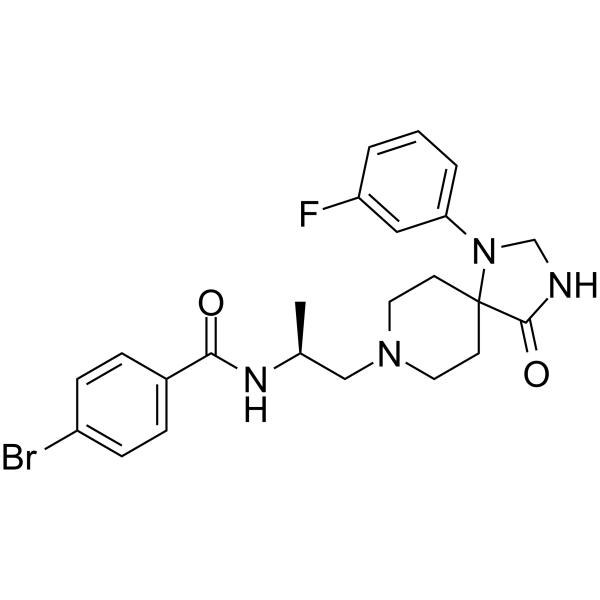
    ML299 is a selective allosteric modulator and a dual inhibitor of phospholipases D1 and D2 (IC50 values are 6 and 12 nM, respectively). ML299 decreases invasive migration in U87-MG glioblastoma cells .
    ML299
  • HY-N3266

    Tyrosinase Phosphatase Cholinesterase (ChE) SARS-CoV PERK JNK p38 MAPK TGF-beta/Smad Apoptosis Reactive Oxygen Species (ROS) AMPK MMP Cardiovascular Disease Infection Neurological Disease Inflammation/Immunology Cancer
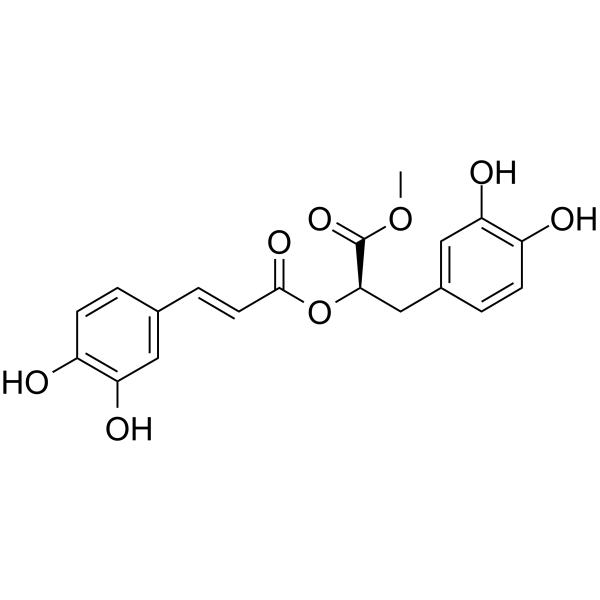
    Methyl rosmarinate is an orally active hydroxycinnamic acid. Methyl rosmarinate exhibits an IC50 of 24.70 μM and a Ki of 15.29 μM against PTP1B, an IC50 of 41.46 μg/mL against BChE, a Ki of 0.61 mM against mushroom tyrosinase, and an IC50 of 2.50 μM against SARS-CoV-2 3CLpro. Methyl rosmarinate downregulates the phosphorylation levels of ERK, JNK, p38, Smad2 and Smad3. Methyl rosmarinate activates erythrocyte BPGM and promotes the production of 2,3-BPG. Methyl rosmarinate induces apoptosis of fibroblasts. Methyl rosmarinate prolongs the survival time of hypoxic mice. Methyl rosmarinate improves insulin sensitivity. Methyl rosmarinate binds to SARS-CoV-2 3CLpro and inhibits viral replication. Methyl rosmarinate induces glioblastoma cell death. Methyl rosmarinate activates the TGR5/AMPK axis and reduces the levels of ROS and MDA. Methyl rosmarinate shows inhibitory activity against MMP-1. Methyl rosmarinate can be used in research related to pulmonary fibrosis, hypoxia-induced injury, type 2 diabetes, Alzheimer's disease, hyperpigmentation disorders, COVID-19, glioblastoma and myocardial ischemia-reperfusion injury .
    Methyl rosmarinate
  • HY-120115

    Olaparib-bodipy FL

    PARP Fluorescent Dye Cancer
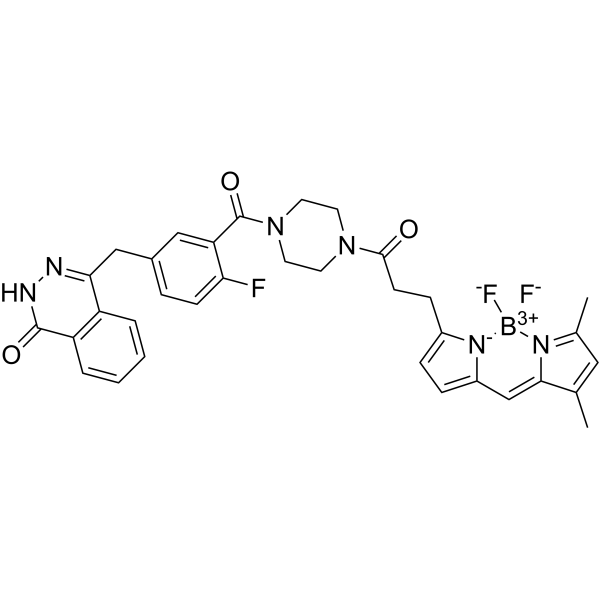
    PARPi-FL (Olaparib-bodipy FL) is a small-molecule fluorescent inhibitor of PARP1 that can specifically bind to PARP1. PARPi-FL can be used as a fluorescent imaging agent for tumor detection, diagnosis, and surgical guidance .
    PARPi-FL
  • HY-124813

    113B7

    FAK EGFR MMP NF-κB SDCBP Cancer
    PDZ1i (113B7) is a inhibitor of MDA-9/Syntenin, with selective binding to the PDZ1 domain. PDZ1i inhibits radiation-induced invasion of glioblastoma (GBM) cells, radiosensitizes GBM cells, and impairs GBM-related signaling pathways (including Src/EphA2, EGFRvIII/FAK, and NF-κB). PDZ1i reduces radiation-induced secretion of invasion-related proteases (MMP-2, MMP-9, ADAM9). PDZ1i shows anti-tumor effects in nude mice bearing intracranial U1242-luc xenografts or GBM xenografts. PDZ1i can be used for the study of glioblastoma (GBM), breast cancer and prostate cancer .
    PDZ1i
  • HY-149530

    EGFR Apoptosis Cancer
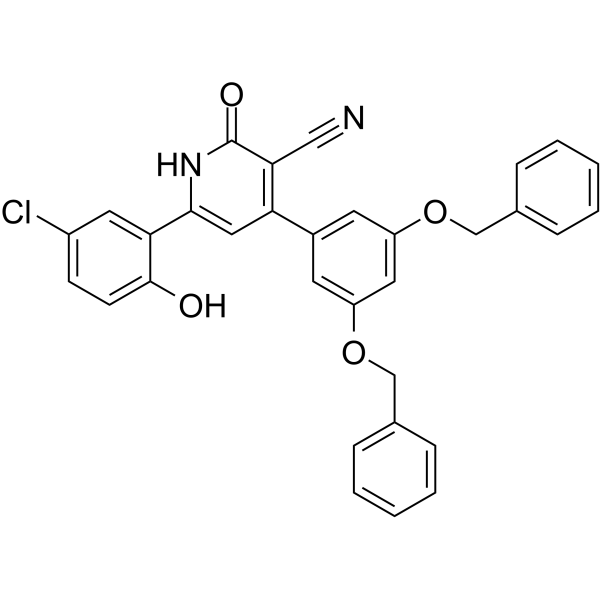
    EGFR-IN-86 (compound 4i) is an EGFR inhibitor (IC50: 1.5 nM) with high activity against glioblastoma. EGFR-IN-86 induces apoptosis and arrests the U87 cell cycle in the G2/M phase .
    EGFR-IN-86
  • HY-173066

    PROTACs Indoleamine 2,3-Dioxygenase (IDO) Cancer
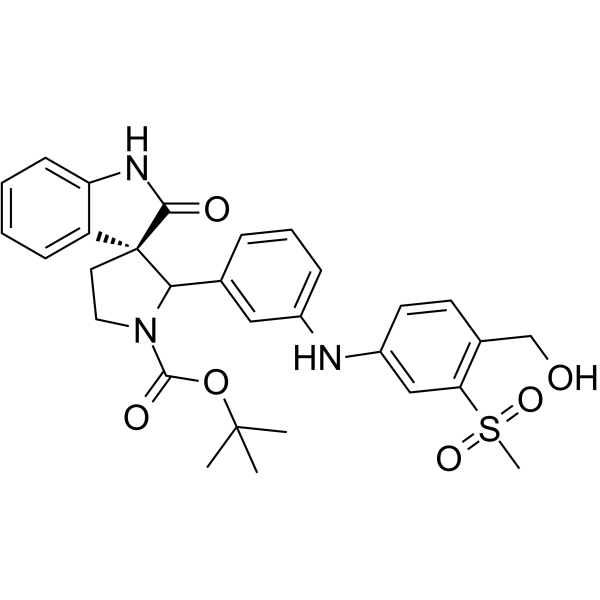
    NU227326 is a blood-brain barrier penetrant IDO1 PROTAC degrader, with a DC50 of 4.5 nM in HiBiT degradation assays. NU227326 degrades IDO1 in U87 and GBM43 cells, with DC50 values of 7.1 nM and 11.8 nM, respectively (WB assays). NU227326 is applicable to research related to glioblastoma, prostate cancer, triple-negative breast cancer, pancreatic cancer, and ovarian cancer .
    NU227326
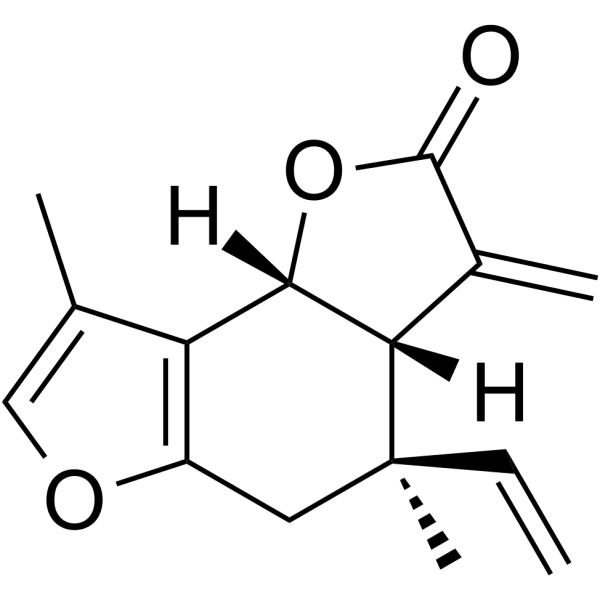
  • HY-N3001
    Isolinderalactone
    1 Publications Verification

    STAT VEGFR Bcl-2 Family Survivin IAP NF-κB Apoptosis Caspase Neurological Disease Inflammation/Immunology Cancer
    Isolinderalactone is a sesquiterpene that exhibits anti-cancer, anti-inflammatory, and neuroprotective effects. Isolinderalactone inhibits VEGF expression and tyrosine phosphorylation of VEGFR2. Isolinderalactone decreases viability and induces apoptosis in U-87 glioblastoma (GBM) cells and colorectal cancer (CRC) cells. Isolinderalactone induces G2/M phase cell cycle arrest, ROS generation, pJNK/p38 MAPK activation, in colorectal cancer (CRC) cells. Isolinderalactone blocks LPS (HY-D1056)-induced NF-κB activation while activating Nrf2-HMOX1 signaling in RAW264.7 macrophages. Isolinderalactone improves cognitive dysfunction in APP/PS1 mice. Isolinderalactone can be used for the study of Glioblastoma multiforme (GBM), colorectal cancer, Alzheimer’s disease and acute lung injury .
    Isolinderalactone
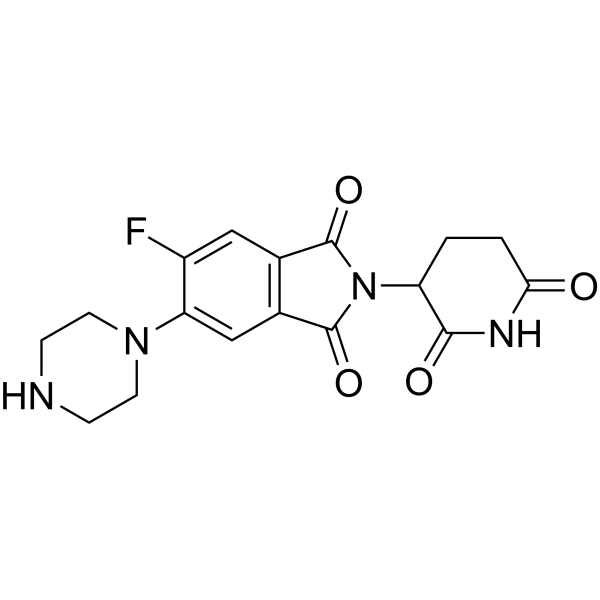
  • HY-134983

    E3 Ligase Ligand-Linker Conjugates Apoptosis Autophagy Cancer
    Thalidomide-piperazine hydrochloride is a synthetic E3 ligase ligand-linker conjugate, containing a cereblon ligand based on Thalidomide (HY-14658) and one linker. Thalidomide-piperazine hydrochloride can be used in studies related to PROTAC synthesis .
    Thalidomide-Piperazine 5-fluoride
  • HY-176537

    Microtubule/Tubulin Cancer
    RGN6024 is a brain-penetrant, orally active and reversible small molecule tubulin destabilizer. RGN6024 inhibits microtubule polymerization both in biochemical and cellular assays, binds to the colchicine binding pocket of β-tubulin (SPR: Kd = 6.7 μM; tryptophan assay: Kd = 7.4 μM), and triggers G2/M arrest in glioblastoma (GB) cells. RGN6024 retains activity in βIII-tubulin overexpressing cells. RGN6024 inhibits tumor growth in a GB xenograft mouse model. RGN6024 can be used for the study of glioblastoma (GB) .
    RGN6024
  • HY-155888

    Epigenetic Reader Domain Cancer
    IV-255 is a selective small molecule inhibitor of the BRG1 bromodomain. IV-255 increases the extent of DNA damage induced by Temozolomide (HY-17364) and Bleomycin (HY-108345). IV-255 inhibits the invasiveness of GBM cells. IV-255 enhances Temozolomide-induced cell death and the apoptosis-inducing activity of Temozolomide .
    IV-255
  • HY-116165

    Phospholipase Cancer
    ML298 is a potent and selective inhibitor of Phospholipase D2 (PLD2) with an IC50 of 355 nM. ML298 decreases invasive migration in U87-MG glioblastoma cells .
    ML-298
  • HY-125964

    Survivin Cancer
    LLP-3 is a potent Survivin inhibitor that disrupts the Survivin-Ran interaction in cancer cells. LLP-3 can be used in the research of Glioblastoma multiforme (GBM) .
    LLP-3
  • HY-P11326

    Cathepsin Fluorescent Dye Neurological Disease Cancer
    Ac-FR-AFC TFA is a fluorometric substrate for cathepsin L. Ac-FR-AFC TFA can be used for the research of glioblastoma .
    Ac-FR-AFC TFA
  • HY-168883

    Apoptosis Pyruvate Kinase Cancer
    PKM2 modulator 2 (compound C599) is a potent PKM2 inhibitor. PKM2 modulator 2 shows antiproliferative activity. PKM2 modulator 2 induces apoptosis. PKM2 modulator 2 has the potential for the research of glioblastoma .
    PKM2 modulator 2
  • HY-175530

    OLIG2 Cancer
    OLIG2-IN-1 is a potent and selective oligodendrocyte transcription factor 2 (OLIG2) inhibitor. OLIG2-IN-1 directly and dose-dependently downregulates nuclear OLIG2 levels with an IC50 value of 0.88 μM. OLIG2-IN-1 exhibits strong anti-proliferative activity in U87 and U251 cells with IC50 values of 7.02 μM and 6.43 μM, respectively. OLIG2-IN-1 can be used for the research of cancer, such as glioblastoma multiforme .
    OLIG2-IN-1
  • HY-168899

    FAK Apoptosis Cancer
    FAK-IN-24 (Compound 9f) is a FAK inhibitor (IC50: 0.815 nM). FAK-IN-24 induces DNA damage and apoptosis. FAK-IN-24 has anti-glioblastoma activity. FAK-IN-24 inhibits proliferation of glioblastoma cell lines U87-MG (IC50 = 15 nM) and U251 (IC50 = 20 nM). FAK-IN-24 inhibits tumor growth in U87-MG xenograft model .
    FAK-IN-24
  • HY-161256

    Microtubule/Tubulin Apoptosis Cancer
    Tubulin inhibitor 41 (Compd D19), a promising anti-GBM (glioblastoma) lead compound and tublin inhibitor with BBB permeability, induces G2/M phase arrest, resulted in cell apoptosis and inhibits the migration of U87 cells .
    Tubulin inhibitor 41
  • HY-117991

    VEGFR Cancer
    DW10075 is a highly selective and orally active VEGFR inhibitor targeting the VEGF/VEGFR pathway. DW10075 selectively inhibits VEGFR-1, VEGFR-2, and VEGFR-3, but has no effect on FGFR and PDGFR. DW10075 inhibits VEGF-induced HUVEC proliferation, migration, and tube formation. And DW10075 inhibits angiogenesis in both the rat aortic ring model and the chick chorionic membrane model. DW10075 also exhibits antiproliferative activity against human cancer cell lines, with IC50s of 2.2 μM and 22.2 μM against U87-MG human glioblastoma cells and A375 melanoma cells, respectively. In the nude mouse U87-MG xenograft tumor model, DW10075 (po) significantly inhibits tumor growth and reduces the expression of CD31 and Ki67 in tumor tissues.
    DW10075
  • HY-162090

    TRP Channel Cancer
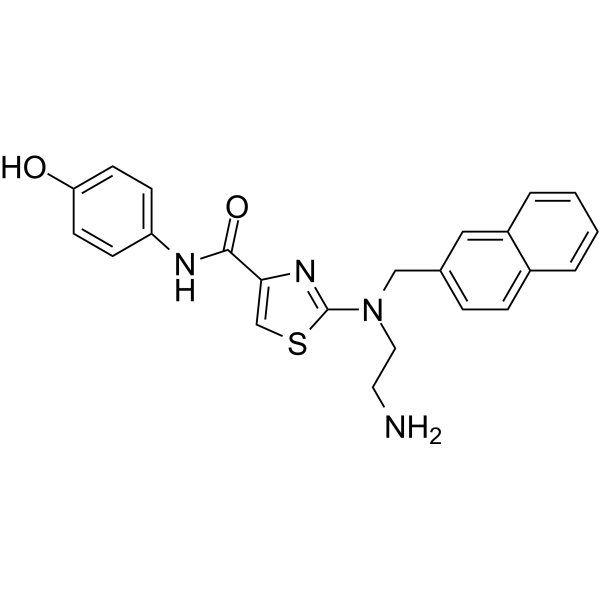
    TRPC antagonist 1 (compound 15g) is a potent TRP channel (TRPC) antagonist with IC50s of 2.4 μM, 12.2 μM, 7.6 μM, 2.9 μM, and 3.4 μM for TRPC3, TRPC4, TRPC5, TPRC6, and TRPC7, respectively. TRPC antagonist 1 displays noteworthy anti-glioblastoma efficacy in vitro against U87 cell lines .
    TRPC antagonist 1
  • HY-17662

    AK-918/41759663

    Bcl-2 Family Cancer
    Mol4 (AK-918/41759663) is a highly selective BCL-2 protein inhibitor (IC50=153.3 μM). Mol4 induces mitochondrial outer membrane permeabilization (MOMP) and cytochrome c release, showing significant antiproliferative activity against glioblastoma (U87-MG) cell lines. Mol4 is promising for research of BCL-2-dependent tumors (e.g., chronic lymphocytic leukemia) .
    Mol4
  • HY-146275

    LXR Cancer
    LXRβ agonist-3 (compound 4-13) is a potent and selective LXRβ (liver X receptor β) agonist, with an EC50 of 0.095 μM. LXRβ agonist-3 efficiently inhibits U87EGFRvIII cell, with an IC50 of 3.75 μM. LXRβ agonist-3 shows antitumor activity, and can inhibit glioblastoma .
    LXRβ agonist-3
  • HY-170577

    Pyruvate Kinase Apoptosis Cancer
    PKM2-IN-8 (Compound 9b) is a pyruvate kinase M2 (PKM2) inhibitor (IC50 = 0.31 μM). PKM2-IN-8 has potent antiproliferative activity against U87MG glioma cells. PKM2-IN-8 can induce early apoptosis and reduce lactate levels. PKM2-IN-8 can be used for the research of glioblastoma .
    PKM2-IN-8
  • HY-155889

    Epigenetic Reader Domain Cancer
    IV-275 is an inhibitor of both BRG1 and BRM bromodomains. IV-275 increases the extent of DNA damage induced by Temozolomide (HY-17364) and Bleomycin (HY-108345). IV-275 inhibits the invasiveness of GBM cells. IV-275 enhances Temozolomide-induced cell death and the apoptosis-inducing activity of Temozolomide .
    IV-275
  • HY-168882

    Apoptosis Pyruvate Kinase Cancer
    PKM2 modulator 1 (compound C998) is a potent PKM2 inhibitor. PKM2 modulator 1 shows antiproliferative activity. PKM2 modulator 1 induces apoptosis. PKM2 modulator 1 has the potential for the research of glioblastoma .
    PKM2 modulator 1
  • HY-183258

    TGF-β Receptor Neurological Disease Cancer
    TGFβ1-IN-5 is a TGF-β1 inhibitor with blood-brain barrier permeability. TGFβ1-IN-5 reduces extracellular TGF-β1 levels in glioblastoma cells. TGFβ1-IN-5 exerts antiproliferative, antimigratory and clonogenic inhibitory effects in glioblastoma cells while maintaining the viability of non-cancerous cells. TGFβ1-IN-5 can be used for the research of glioblastoma .
    TGFβ1-IN-5
  • HY-181073

    Apoptosis Necroptosis NF-κB p38 MAPK Neurological Disease Cancer
    Apoptosis/necroptosis inducer 1 is an orally active and brain-penetrant apoptosis and necroptosis inducer. Apoptosis/necroptosis inducer 1 induces mitochondria-dependent (intrinsic pathway) apoptosis. Apoptosis/necroptosis inducer 1 induces necroptosis by activating the TNF-α/NF-κB/MAPK signaling pathway. Apoptosis/necroptosis inducer 1 exhibits antiproliferative activity in glioblastoma cell lines and multiple solid tumor types. Apoptosis/necroptosis inducer 1 inhibits growth of orthotopic glioblastoma in animal models and improves survival rate. Apoptosis/necroptosis inducer 1 can be used for the research of glioblastoma .
    Apoptosis/necroptosis inducer 1
  • HY-185323

    Drug Derivative Apoptosis DNA/RNA Synthesis Neurological Disease Cancer
    Gem-C12 is a prodrug of Gemcitabine (HY-17026). Gem-C12 terminates DNA chain elongation, inhibits nucleic acid synthesis and induces Apoptosis. Gem-C12 inhibits the proliferation of glioma cells. Gem-C12 and Honokiol (HY-N0003) exhibit synergistic anti-glioblastoma activity. Gem-C12 can be used in research related to glioblastoma multiforme .
    Gem-C12
  • HY-170778

    Microtubule/Tubulin Cancer
    Tubulin polymerization-IN-77 (Compound 15c) is a tubulin polymerization inhibitor that exerts anti-glioblastoma activity by inhibiting tubulin polymerization. Tubulin polymerization-IN-77 demonstrates significant blood-brain barrier permeability, effectively inducing G2/M phase arrest and triggering apoptosis in GBM cells, while also significantly inhibiting tumor cell migration .
    Tubulin polymerization-IN-77
  • HY-186212

    PROTACs Survivin PARP Neurological Disease Cancer
    PROTAC survivin degrader-1 is an orally active, CNS-penetrant survivin-targeting PROTAC. PROTAC survivin degrader-1 induces degradation of survivin via the ubiquitin proteasome system. PROTAC survivin degrader-1 can be used for the research of glioblastoma .
    PROTAC survivin degrader-1
  • HY-12970B

    Histone Methyltransferase Reactive Oxygen Species (ROS) Apoptosis Neurological Disease Cancer
    EPZ020411 dihydrochloride is a selective, blood-brain barrier-permeable PRMT6 inhibitor with an IC50 of 0.010 μM. EPZ020411 dihydrochloride blocks PRMT6-mediated histone H3R2 methylation, reduces ROS production, and inhibits Apoptosis. EPZ020411 dihydrochloride is applicable to research related to neuropathic pain, colorectal cancer, ototoxicity, hearing loss and glioblastoma .
    EPZ020411 dihydrochloride

온라인 문의

Your information is safe with us. * Required Fields.

호칭


Country or Region *

고객명 *


회사명 *

Department *


메일주소 *


상품명 *

Cat. No.


Requested quantity *

전화번호 *


비고

온라인 문의

Inquiry Information

상품명:
Cat. No.:
수량:
MCE Japan Authorized Agent: