
1. Search Result
Search Result
Results for "

anti-viral interferon

" in MedChemExpress (MCE) Product Catalog:

73

Inhibitors & Agonists

1

Screening Libraries

1

Peptides

3

Inhibitory Antibodies

4

Natural
Products

1

Recombinant Proteins

5

Isotope-Labeled Compounds

1

Antibodies

4

Click Chemistry

41

Oligonucleotides

Targets Recommended:
Cat. No. Product Name Target Research Areas Chemical Structure
  • HY-W063968
    RO8191
    Maximum Cited Publications
    24 Publications Verification

    CDM-3008; RO4948191

    IFNAR JAK STAT HCV HBV Infection
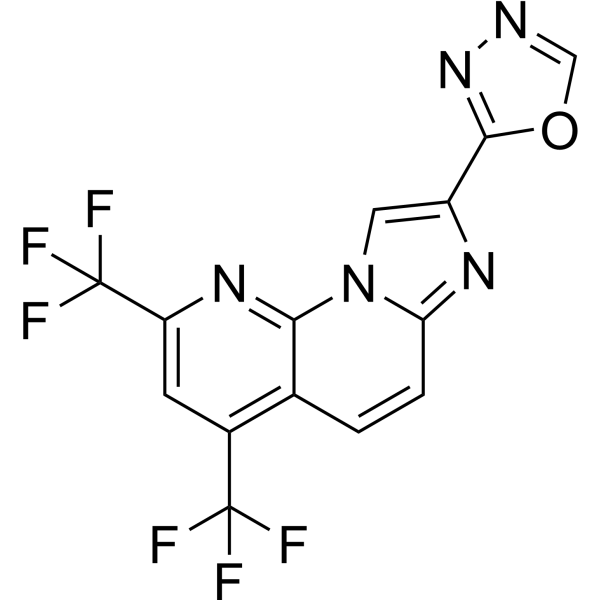
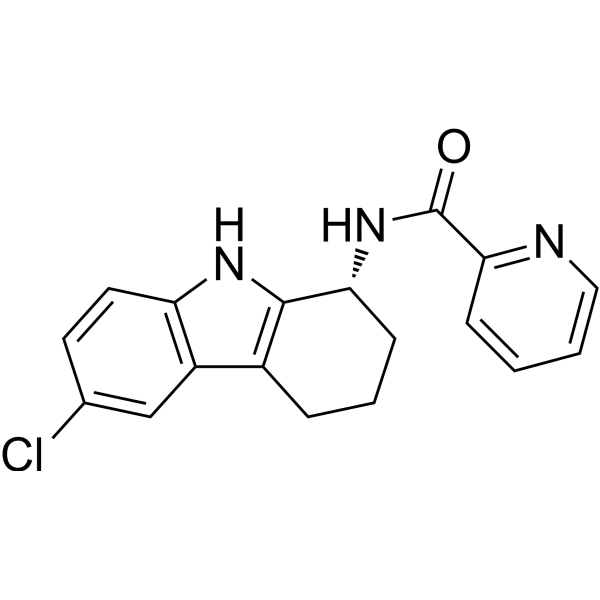
    RO8191 (CDM-3008), an imidazonaphthyridine compound, is an orally active and potent interferon (IFN) receptor agonist. RO8191 directly binds to IFNα/β receptor 2 (IFNAR2) and activates IFN-stimulated genes (ISGs) expression and JAK/STAT phosphorylation. RO8191 shows antiviral activity against both HCV and EMCV with an IC50 of 200 nM for HCV replicon . RO8191 is a cccDNA modulator (CDM) through interferon-like activity and has anti-HBV activity .
    RO8191
  • HY-113308
    Taurolithocholic acid
    5+ Cited Publications

    Calcium Channel Ferroptosis PI3K Akt HBV Reactive Oxygen Species (ROS) Cardiovascular Disease Infection Inflammation/Immunology
    Taurolithocholic acid is an orally active bile acid and antiviral agent. Taurolithocholic acid upregulates FADS2 by activating the TGR5-PI3K/AKT-SREBP2 signaling axis, inhibits SFTSV-induced ferroptosis (Ferroptosis), viral replication and viral entry of HBV/HDV, while reducing the release of IL-1β, lipid ROS and LDH. While exerting antiviral protective effects, Taurolithocholic acid also stimulates the recycling of hepatocellular membrane transporters, impairs canalicular bile acid secretion function, and induces hepatocyte cholestasis, apoptosis and acute hepatocellular injury. Taurolithocholic acid serves as an experimental model compound for hepatocellular cholestasis. At concentrations ≤200 μM, Taurolithocholic acid shows no cytotoxicity and does not activate the interferon pathway. Taurolithocholic acid not only protects mice from lethal SFTSV infection but also is suitable for studies related to severe fever with thrombocytopenia syndrome and cholestasis .
    Taurolithocholic acid
  • HY-113308A

    Calcium Channel Ferroptosis PI3K Reactive Oxygen Species (ROS) Akt HBV Metabolic Disease
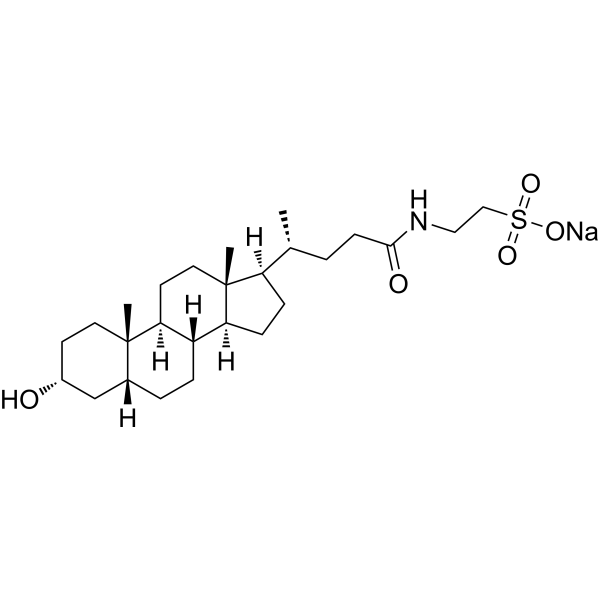
    Taurolithocholic acid sodium salt is an orally active bile acid and antiviral agent. Taurolithocholic acid sodium salt upregulates FADS2 by activating the TGR5-PI3K/AKT-SREBP2 signaling axis, inhibits SFTSV-induced ferroptosis, viral replication and viral entry of HBV/HDV, while reducing the release of IL-1β, lipid ROS and LDH. While exerting antiviral protective effects, Taurolithocholic acid sodium salt also stimulates the recycling of hepatocellular membrane transporters, impairs canalicular bile acid secretion function, and induces hepatocyte cholestasis, apoptosis and acute hepatocellular injury. Taurolithocholic acid sodium salt serves as an experimental model compound for hepatocellular cholestasis. At concentrations ≤200 μM, Taurolithocholic acid sodium salt shows no cytotoxicity and does not activate the interferon pathway. Taurolithocholic acid sodium salt not only protects mice from lethal SFTSV infection but also is suitable for studies related to severe fever with thrombocytopenia syndrome and cholestasis .
    Taurolithocholic acid sodium salt
  • HY-168034

    STING Integrin NF-κB SARS-CoV Infection Inflammation/Immunology
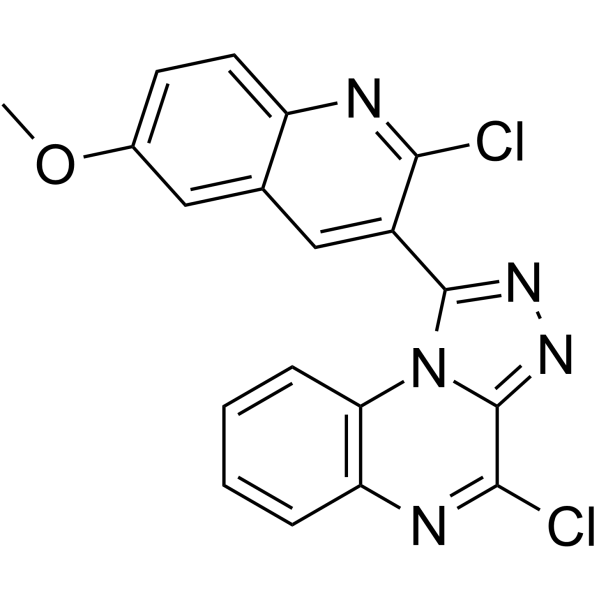
    diABZI-4 is a STING activator and broad-spectrum antiviral agent with immunostimulatory activity. diABZI-4 triggers the TBK1-IRF3 and NF-κB signaling cascades by inducing STING oligomerization, thereby promoting the production of type I/III interferons and various proinflammatory cytokines. diABZI-4 exhibits broad-spectrum antiviral activity and effectively inhibits the replication of influenza A virus, SARS-CoV-2, herpes simplex virus, and other viruses. diABZI-4 also activates lymphocytes and macrophages to provide significant pre- and post-exposure protection in viral disease models. diABZI-4 can be used to study COVID-19, respiratory viral infections, and related immunopathological mechanisms .
    diABZI-4
  • HY-B1080
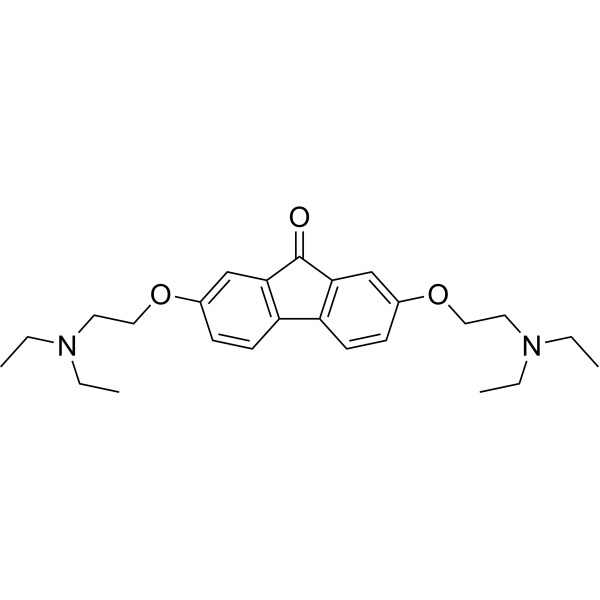
    Tilorone dihydrochloride
    2 Publications Verification

    HIF/HIF Prolyl-Hydroxylase Influenza Virus Infection Neurological Disease
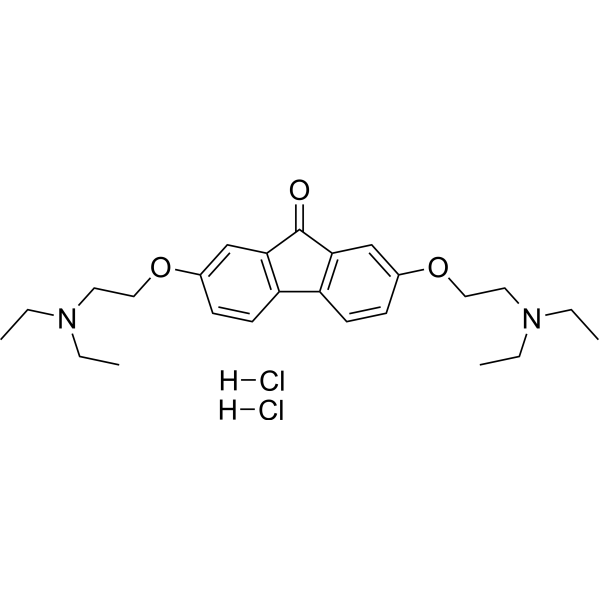
    Tilorone dihydrochloride is an orally active interferon (IFN) inducer with broad-spectrum antiviral activities. Tilorone dihydrochloride possesses robust anti-Severe fever with thrombocytopenia syndrome virus (SFTSV) activity in vitro and in vivo through stimulation of host innate immunity. Tilorone dihydrochloride can penetrate the blood-brain barrier to activate HIF in the CNS .Tilorone dihydrochloride exhibits an inhibitory activity with EC50 of 230 nM against Ebola virus (EBOV) .
    Tilorone dihydrochloride
  • HY-150217
    CpG ODN 10101
    2 Publications Verification

    ODN 10101

    Toll-like Receptor (TLR) Infection Inflammation/Immunology
    CpG ODN 10101 (ODN 10101; CPG 10101) is a selective agonist targeting TLR9, a synthetic oligodeoxynucleotide modified with phosphate thioester. CpG ODN 10101 activates B cells and plasmacytoid dendritic cells (pDCs), inducing the production of cytokines and chemokines such as interferon-IFN-α, interferon-inducible protein IP-10, and 2'5'-oligoadenylate synthase (2'5'-OAS), regulating innate immunity and promoting Th1 adaptive immune responses. CpG ODN 10101 also possesses antiviral properties and enhances vaccine immunogenicity, making it suitable as an immunomodulator and vaccine adjuvant for vaccine development in chronic hepatitis C and infectious diseases such as melioidosis, pertussis, and respiratory syncytial virus (RSV) .
    CpG ODN 10101
  • HY-108842

    PegIFN a-2b; Sch 54031; Sylatron; ViraferonPeg

    HIV HCV Infection Cancer
    Peginterferon alfa-2b (PegIFN a-2b; Sch 54031; Sylatron; ViraferonPeg) is an immunomodulator. Peginterferon alfa-2b is a recombinant alfa-2b interferon covalently linked PEG with antiviral activity against HCV. Peginterferon alfa-2b decreases viral DNA in HIV. Peginterferon alfa-2b can be used in research of melanoma and hepatitis C .
    Peginterferon alfa-2b
  • HY-173189A

    2′,5′-ApApA pentasodium; 2′,5′-trioligoadenylate pentasodium; 5'-O-Triphosphoryladenylyl-(2'→5')-adenylyl-(2'→5')-adenosine pentasodium

    RSV DNA/RNA Synthesis Infection Cancer
    2-5A (2′,5′-ApApA) pentasodium solution 100 mM is a high-affinity (Ka=0.04 nM) RNase L binder. 2-5A pentasodium solution 100 mM activates the nuclease activity of latent RNase L to cleave single-stranded RNA by inducing conformational changes and dimerization of latent RNase L, thereby mediating critical antiviral responses and enhancing interferon effects. 2-5A pentasodium solution 100 mM not only effectively inhibits Rauscher murine leukemia virus replication, reduces viremia and splenomegaly, but also enhances antileukemic efficacy when combined with amphotericin B and exhibits favorable high-dose tolerance. 2-5A pentasodium solution 100 mM is an important tool molecule for investigating the pathological mechanisms of viral infection, hereditary prostate cancer and leukemia .
    2-5A pentasodium solution (100 mM)
  • HY-P99666

    IFNAR Infection Cancer
    Interferon alfa-2b is a type I interferon that activates novel genes and exerts potent antiviral and antiproliferative activity on target cells. Signaling by Interferon alfa-2b requires receptor-dependent activation of Stat1 and Stat2 to form a heterodimeric STAT that binds to the DNA-binding protein IRF-9 (p48) and forms ISGF-3 (IFN-stimulated gene factor 3). The driver genes are then further activated by ISGF-3 to achieve antiviral function .
    Interferon alfa-2b
  • HY-119098

    EBV HPV Infection
    GSK983 is a broad-spectrum antiviral agent. GSK983 inhibits the replication of adenovirus-5 (Ad-5) and polyoma virus SV40. GSK983 inhibits the growth of cell lines immortalized by EBV, HTLV1, HPV. GSK983 induces the expression of interferon-stimulated genes .
    GSK983
  • HY-N7781

    (E)-Guggulsterone

    FXR Keap1-Nrf2 Heme Oxygenase (HO) Dengue Virus Bacterial Reactive Oxygen Species (ROS) Estrogen Receptor/ERR Cytochrome P450 Drug Metabolite Infection Metabolic Disease Endocrinology
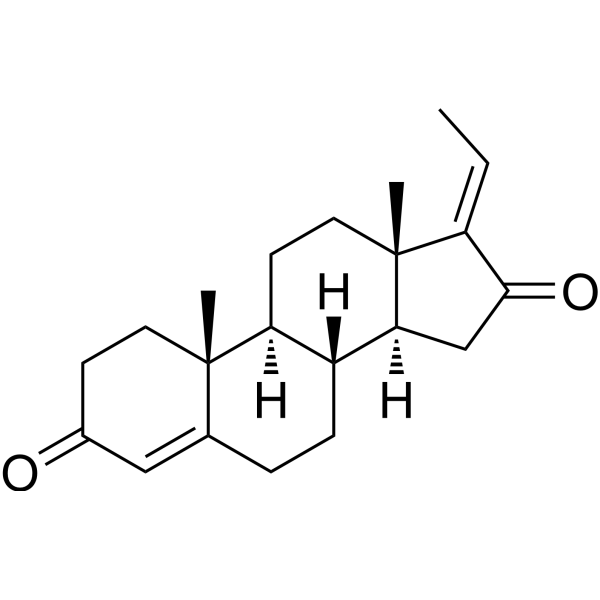
    (-)-(E)-Guggulsterone ((E)-Guggulsterone) is an orally active natural stereoisomer of Guggulsterone (HY-107738). (-)-(E)-Guggulsterone is an antagonist for the Farnesoid X Receptor (FXR) with an IC50 of 24.06 μM and possesses potent hypolipidemic properties. (-)-(E)-Guggulsterone suppresses dengue virus (DENV) replication by upregulating antiviral interferon responses by inducing HO-1 expression via Nrf2 activation. (-)-(E)-Guggulsterone exhibits antibacterial activities against Bacillus subtilis, Staphylococcus aureus and Pseudomonas aeruginosa. (-)-(E)-Guggulsterone has cardiac protective and antioxidant activities in rats .
    (-)-(E)-Guggulsterone
  • HY-P991278

    Interleukin Related Inflammation/Immunology
    ABM-125 is a IL-25 neutralizer and immune response modulator. ABM-125 neutralizes human and mouse IL-25 and blocks type 2 immune activation function. ABM-125 regulates virus-induced inflammatory cytokine expression and increases the expression level of antiviral interferons in rhinovirus-infected asthmatic bronchial epithelial cells. For the isotype control of ABM-125, refer to Human IgG1 kappa, Isotype Control (HY-P99001). ABM-125 is applicable to research related to virus-induced acute asthma exacerbations .
    ABM-125
  • HY-131994
    STING agonist-16
    1 Publications Verification

    STING Infection Cancer
    STING agonist-16 (1a) is a specific stimulator of interferon genes (STING) agonist. STING agonist-16 (1a) can be used as a potential antiviral and antitumor tool .
    STING agonist-16
  • HY-134315

    Nucleoside Antimetabolite/Analog Others
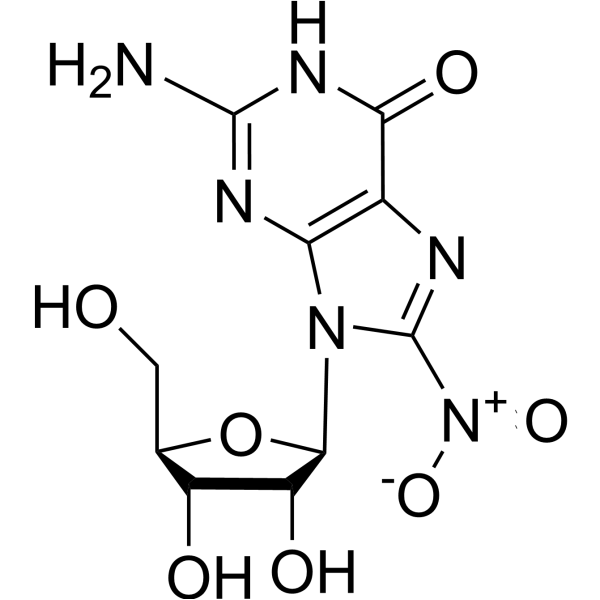
    8-Nitroguanosine is a guanosine analogue. Some guanosine analogs have immunostimulatory activity. In some animal models, they also induce type I interferons, producing antiviral effects. Studies have shown that the functional activity of guanosine analogs is dependent on the activation of Toll-like receptor 7 (TLR7) .
    8-Nitroguanosine
  • HY-154484

    Nucleoside Antimetabolite/Analog Phosphoramidites Cancer
    3’-O-Me-G(iBu)-2’-phosphoramidite is a guanosine analog. Some guanosine analogs have immunostimulatory activity. In some animal models, they also induce type I interferons, producing antiviral effects. Studies have shown that the functional activity of guanosine analogs is dependent on the activation of Toll-like receptor 7 (TLR7) .
    3’-O-Me-G(iBu)-2’-phosphoramidite
  • HY-152684

    Nucleoside Antimetabolite/Analog Others
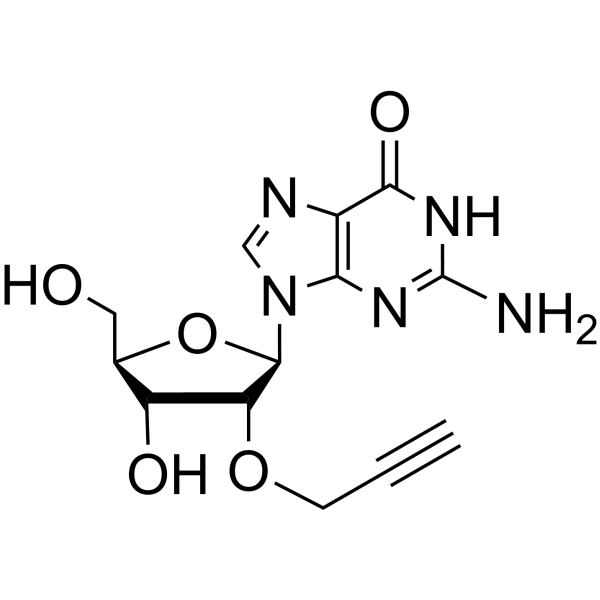
    2′-O-2-Propyn-1-ylguanosine is a guanosine analogue. Some guanosine analogs have immunostimulatory activity. In some animal models, they also induce type I interferons, producing antiviral effects. Studies have shown that the functional activity of guanosine analogs is dependent on the activation of Toll-like receptor 7 (TLR7) . 2′-O-2-Propyn-1-ylguanosine is a click chemistry reagent, it contains an Alkyne group and can undergo copper-catalyzed azide-alkyne cycloaddition (CuAAc) with molecules containing Azide groups.
    2′-O-2-Propyn-1-ylguanosine
  • HY-B1080A
    Tilorone
    2 Publications Verification

    Influenza Virus Akt Infection Neurological Disease Metabolic Disease Inflammation/Immunology Cancer
    Tilorone is an orally active antiviral agent and interferon inducer that also has potential antineoplastic, immunomodulatory, and metabolic modulating effects. Tilorone induces an abnormally delayed interferon response and primarily stimulates interferon production in lymphoid tissue. Thus, Tilorone exerts antiviral effects and can be used as a chemotherapeutic agent. Tilorone has the potential to inhibit type 2 diabetes by increasing glucose uptake in vivo and in skeletal muscle cells by enhancing Akt2/AS160 signaling and glucose transporter levels .
    Tilorone
  • HY-156442

    Lactate Dehydrogenase Infection
    MEDS433 is a potent inhibitor of human dihydroorotate dehydrogenase (hDHODH) with an IC50 of 1.2 nM. MEDS433 exerts a potent antiviral activity against RSV-A and RSV-B in the one-digit nanomolar range. MEDS433 induces the expression of antiviral proteins encoded by interferon stimulated genes (ISGs) able to reduce RSV replication .
    MEDS433
  • HY-137406

    Nucleoside Antimetabolite/Analog Others
    1,2'-O-Dimethylguanosine is a guanosine analogue. Some guanosine analogs have immunostimulatory activity. In some animal models, they also induce type I interferons, producing antiviral effects. Studies have shown that the functional activity of guanosine analogs is dependent on the activation of Toll-like receptor 7 (TLR7) .
    1,2'-O-Dimethylguanosine
  • HY-152493

    Nucleoside Antimetabolite/Analog Others
    3’-O-(2-Methoxyethyl)guanosine is a guanosine analogue. Some guanosine analogs have immunostimulatory activity. In some animal models, they also induce type I interferons, producing antiviral effects. Studies have shown that the functional activity of guanosine analogs is dependent on the activation of Toll-like receptor 7 (TLR7) .
    3’-O-(2-Methoxyethyl)guanosine
  • HY-113308S1

    Isotope-Labeled Compounds Calcium Channel Ferroptosis PI3K Reactive Oxygen Species (ROS) Akt HBV Others
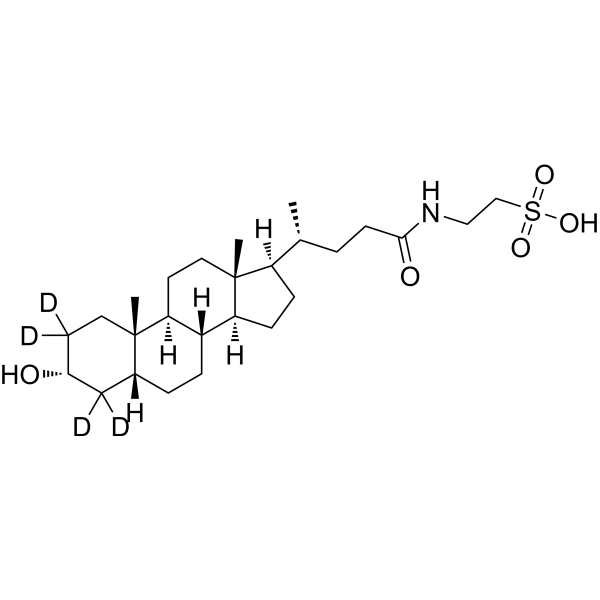
    Taurolithocholic acid-d4 is deuterium labeled Taurolithocholic acid. Taurolithocholic acid is an orally active bile acid and antiviral agent. Taurolithocholic acid upregulates FADS2 by activating the TGR5-PI3K/AKT-SREBP2 signaling axis, inhibits SFTSV-induced ferroptosis, viral replication and viral entry of HBV/HDV, while reducing the release of IL-1β, lipid ROS and LDH. While exerting antiviral protective effects, Taurolithocholic acid also stimulates the recycling of hepatocellular membrane transporters, impairs canalicular bile acid secretion function, and induces hepatocyte cholestasis, apoptosis and acute hepatocellular injury. Taurolithocholic acid serves as an experimental model compound for hepatocellular cholestasis. At concentrations ≤200 μM, Taurolithocholic acid shows no cytotoxicity and does not activate the interferon pathway. Taurolithocholic acid not only protects mice from lethal SFTSV infection but also is suitable for studies related to severe fever with thrombocytopenia syndrome and cholestasis .
    Taurolithocholic acid-d4
  • HY-170524

    SARS-CoV DNA Methyltransferase Cytochrome P450 Infection
    TDI-015051 is a highly selective, orally active antiviral agent that targets the coronavirus NSP14 guanine-N7 methyltransferase. TDI-015051 binds to substrates in a non-competitive manner and forms a stable ternary complex, precisely blocking the capping and methylation processes of viral mRNA. TDI-015051 potently inhibits a variety of coronaviruses (including SARS-CoV-2 and MERS). By impairing viral replication and translation and inducing a moderate type I interferon-mediated immune response, it significantly reduces pulmonary viral load and exhibits a synergistic effect with Nirmatrelvir (HY-138687). In addition, TDI-015051 does not inhibit non-coronavirus methyltransferases, and the drug-resistant mutations it induces impair viral fitness, demonstrating excellent antiviral properties and safety. TDI-015051 can be used for research on COVID-19 and the replication mechanism of coronaviruses .The IC50 values of TDI-015051 against SARS-CoV-2, α-hCoV-NL63, α-hCoV-229E, β-hCoV-MERS are 0.15 nM, 1.7 nM, 2.6 nM and 3.6 nM, respectively, and the Ka value against SARS-CoV-2 is 0.061 nM .
    TDI-015051
  • HY-154332

    Nucleoside Antimetabolite/Analog Cancer
    8-(Phenylmethoxy)guanosine is a guanosine analog. Some guanosine analogs have immunostimulatory activity. In some animal models, they also induce type I interferons, producing antiviral effects. Studies have shown that the functional activity of guanosine analogs is dependent on the activation of Toll-like receptor 7 (TLR7) .
    8-(Phenylmethoxy)guanosine
  • HY-152430

    Nucleoside Antimetabolite/Analog Cancer
    8-Hydroxymethyl guanosine is a guanosine analog. Some guanosine analogs have immunostimulatory activity. In some animal models, they also induce type I interferons, producing antiviral effects. Studies have shown that the functional activity of guanosine analogs is dependent on the activation of Toll-like receptor 7 (TLR7) .
    8-Hydroxymethyl guanosine
  • HY-152547

    Nucleoside Antimetabolite/Analog Cancer
    N2-[(N,N-Dimethyl amino]methylene-N1-methyl-2’-O-methylguanosine is a guanosine analog. Some guanosine analogs have immunostimulatory activity. In some animal models, they also induce type I interferons, producing antiviral effects. Studies have shown that the functional activity of guanosine analogs is dependent on the activation of Toll-like receptor 7 (TLR7) .
    N2-[(N,N-Dimethyl amino]methylene-N1-methyl-2’-O-methylguanosine
  • HY-154464

    Nucleoside Antimetabolite/Analog Phosphoramidites Cancer
    N2-iso-Butyroyl-5'-O-DMT-3'-deoxy-3'-fluoroguanosine is a guanosine analog. Some guanosine analogs have immunostimulatory activity. In some animal models, they also induce type I interferons, producing antiviral effects. Studies have shown that the functional activity of guanosine analogs is dependent on the activation of Toll-like receptor 7 (TLR7) .
    N2-iso-Butyroyl-5'-O-DMT-3'-deoxy-3'-fluoroguanosine
  • HY-152478

    Nucleoside Antimetabolite/Analog Cancer
    3’-β-C-Ethynylguanosine is a guanosine analog. Some guanosine analogs have immunostimulatory activity. In some animal models, they also induce type I interferons, producing antiviral effects. Studies have shown that the functional activity of guanosine analogs is dependent on the activation of Toll-like receptor 7 (TLR7) . 3’-β-C-Ethynylguanosine is a click chemistry reagent, it contains an Alkyne group and can undergo copper-catalyzed azide-alkyne cycloaddition (CuAAc) with molecules containing Azide groups.
    3’-β-C-Ethynylguanosine
  • HY-113308AR

    Reference Standards Calcium Channel Ferroptosis PI3K Reactive Oxygen Species (ROS) Akt HBV Metabolic Disease
    Taurolithocholic acid (sodium salt) (Standard) is the analytical standard of Taurolithocholic acid (sodium salt). This product is intended for research and analytical applications. Taurolithocholic acid sodium salt is an orally active bile acid and antiviral agent. Taurolithocholic acid sodium salt upregulates FADS2 by activating the TGR5-PI3K/AKT-SREBP2 signaling axis, inhibits SFTSV-induced ferroptosis, viral replication and viral entry of HBV/HDV, while reducing the release of IL-1β, lipid ROS and LDH. While exerting antiviral protective effects, Taurolithocholic acid sodium salt also stimulates the recycling of hepatocellular membrane transporters, impairs canalicular bile acid secretion function, and induces hepatocyte cholestasis, apoptosis and acute hepatocellular injury. Taurolithocholic acid sodium salt serves as an experimental model compound for hepatocellular cholestasis. At concentrations ≤200 μM, Taurolithocholic acid sodium salt shows no cytotoxicity and does not activate the interferon pathway. Taurolithocholic acid sodium salt not only protects mice from lethal SFTSV infection but also is suitable for studies related to severe fever with thrombocytopenia syndrome and cholestasis .
    Taurolithocholic acid sodium salt (Standard)
  • HY-154549

    Nucleoside Antimetabolite/Analog Phosphoramidites Cancer
    3’-O-MOE-G(iBu)-2’-phosphoramidite is a guanosine analog. Some guanosine analogs have immunostimulatory activity. In some animal models, they also induce type I interferons, producing antiviral effects. Studies have shown that the functional activity of guanosine analogs is dependent on the activation of Toll-like receptor 7 (TLR7) .
    3’-O-MOE-G(iBu)-2’-phosphoramidite
  • HY-152993

    Nucleoside Antimetabolite/Analog Others
    2′-Deoxy-N-(2-furanylmethyl)guanosine is a guanosine analog. Some guanosine analogs have immunostimulatory activity. In some animal models, they also induce type I interferons, producing antiviral effects. Studies have shown that the functional activity of guanosine analogs is dependent on the activation of Toll-like receptor 7 (TLR7) .
    2′-Deoxy-N-(2-furanylmethyl)guanosine
  • HY-W852084

    Drug Derivative Infection Cancer
    S-27609 is an imidazoquinoline with antiviral and antitumour properties. S-27609 can induce peripheral blood mononuclear cells to produce various cytokines such as interferon-α (IFN-α), tumor necrosis factor-α (TNF-α), and interleukin-1β (IL-1β). S-27609 is promising for research of viral infections (e.g., herpes virus) and tumors .
    S-27609
  • HY-154351

    Nucleoside Antimetabolite/Analog Phosphoramidites Cancer
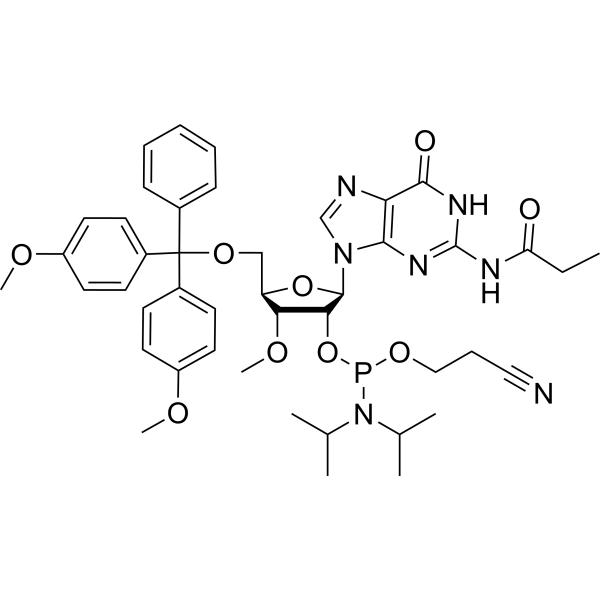
    N2-iBu-5’-O-DMTr-2’-O-propargylguanosine-3’-CED-phosphoramidite is a guanosine analog. Some guanosine analogs have immunostimulatory activity. In some animal models, they also induce type I interferons, producing antiviral effects. Studies have shown that the functional activity of guanosine analogs is dependent on the activation of Toll-like receptor 7 (TLR7) .
    N2-iBu-5’-O-DMTr-2’-O-propargylguanosine-3’-CED-phosphoramidite
  • HY-B1080R

    Reference Standards HIF/HIF Prolyl-Hydroxylase Influenza Virus Infection Neurological Disease
    Tilorone (dihydrochloride) (Standard) is the analytical standard of Tilorone (dihydrochloride). This product is intended for research and analytical applications. Tilorone dihydrochloride is an orally active interferon (IFN) inducer with broad-spectrum antiviral activities. Tilorone dihydrochloride possesses robust anti-Severe fever with thrombocytopenia syndrome virus (SFTSV) activity in vitro and in vivo through stimulation of host innate immunity. Tilorone dihydrochloride can penetrate the blood-brain barrier to activate HIF in the CNS .Tilorone dihydrochloride exhibits an inhibitory activity with EC50 of 230 nM against Ebola virus (EBOV) .
    Tilorone dihydrochloride (Standard)
  • HY-113308AS1

    Isotope-Labeled Compounds Calcium Channel Ferroptosis PI3K Reactive Oxygen Species (ROS) Akt HBV Metabolic Disease
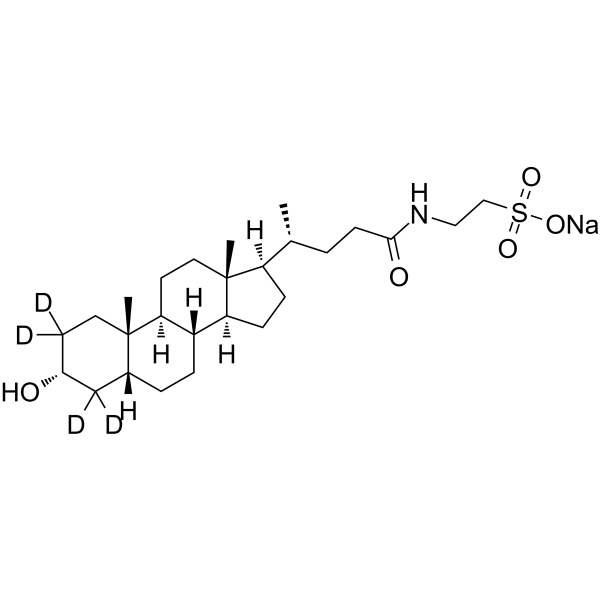
    Taurolithocholic Acid-d5 (sodium) is the deuterium labeled Taurolithocholic acid sodium salt. Taurolithocholic Acid sodium salt is an orally active bile acid and antiviral agent. Taurolithocholic Acid sodium salt upregulates FADS2 by activating the TGR5-PI3K/AKT-SREBP2 signaling axis, inhibits SFTSV-induced ferroptosis, viral replication and viral entry of HBV/HDV, while reducing the release of IL-1β, lipid ROS and LDH. While exerting antiviral protective effects, Taurolithocholic Acid sodium salt also stimulates the recycling of hepatocellular membrane transporters, impairs canalicular bile acid secretion function, and induces hepatocyte cholestasis, apoptosis and acute hepatocellular injury. Taurolithocholic Acid sodium salt serves as an experimental model compound for hepatocellular cholestasis. At concentrations ≤200 μM, Taurolithocholic Acid sodium salt shows no cytotoxicity and does not activate the interferon pathway. Taurolithocholic Acid sodium salt not only protects mice from lethal SFTSV infection but also is suitable for studies related to severe fever with thrombocytopenia syndrome and cholestasis .
    Taurolithocholic Acid-d5 sodium salt
  • HY-W011890A

    IFNAR Infection
    Cridanimod sodium is an antiviral agent that induces interferon production in mice. Cridanimod can be utilized in antiviral research .
    Cridanimod sodium
  • HY-174667

    mRNA Cancer
    Human IFNA4 mRNA encodes the human interferon alpha 4 (IFNA4) protein, which may have antiviral activities.
    Human IFNA4 mRNA
  • HY-174659

    mRNA Inflammation/Immunology
    Human IFNL2 mRNA encodes the human interferon lambda 2 (IFNL2) protein, a cytokine distantly related to type I interferons and the IL-10 family. IFNL2 plays a critical role in the antiviral host defense, predominantly in the epithelial tissues.
    Human IFNL2 mRNA
  • HY-174660

    mRNA Inflammation/Immunology
    Human IFNL1 mRNA encodes the human interferon lambda 1 (IFNL1) protein, a cytokine distantly related to type I interferons and the IL-10 family. IFNL1 plays a critical role in the antiviral host defense, predominantly in the epithelial tissues.
    Human IFNL1 mRNA
  • HY-174666

    mRNA Cancer
    Human IFNAR1 mRNA encodes the human interferon alpha and beta receptor subunit 1 (IFNAR1) protein, a protein that belongs to the type II cytokine receptor family and functions as an antiviral factor.
    Human IFNAR1 mRNA
  • HY-173128

    Apoptosis Infection
    TZOA is an antiviral agent that inhibits the replication of infectious hematopoietic necrosis virus (IHNV) in a dose-dependent manner and significantly reduces viral titers. TZOA can effectively counteract IHNV-induced apoptosis, maintain mitochondrial membrane potential and homeostasis, and restore MAVS-mediated interferon expression. TZOA has antiviral activity .
    TZOA
  • HY-152610

    Nucleoside Antimetabolite/Analog Others
    3′-C-Methylguanosine is a guanosine analogue. Some guanosine analogs have immunostimulatory activity. In some animal models, they also induce type I interferons, producing antiviral effects. Studies have shown that the functional activity of guanosine analogs is dependent on the activation of Toll-like receptor 7 (TLR7) .
    3′-C-Methylguanosine
  • HY-152517

    Nucleoside Antimetabolite/Analog Others
    8-(Methylthio)guanosine is a guanosine analogue. Some guanosine analogs have immunostimulatory activity. In some animal models, they also induce type I interferons, producing antiviral effects. Studies have shown that the functional activity of guanosine analogs is dependent on the activation of Toll-like receptor 7 (TLR7) .
    8-(Methylthio)guanosine
  • HY-154111

    Nucleoside Antimetabolite/Analog Cancer
    8-(N-Boc-aminomethyl)guanosine is a guanosine analog. Some guanosine analogs have immunostimulatory activity. In some animal models, they also induce type I interferons, producing antiviral effects. Studies have shown that the functional activity of guanosine analogs is dependent on the activation of Toll-like receptor 7 (TLR7) .
    8-(N-Boc-aminomethyl)guanosine
  • HY-152673

    Nucleoside Antimetabolite/Analog Cancer
    9-(β-D-Xylofuranosyl)guanine is a guanosine analog. Some guanosine analogs have immunostimulatory activity. In some animal models, they also induce type I interferons, producing antiviral effects. Studies have shown that the functional activity of guanosine analogs is dependent on the activation of Toll-like receptor 7 (TLR7) .
    9-(β-D-Xylofuranosyl)guanine
  • HY-154506

    Nucleoside Antimetabolite/Analog Cancer
    N2-Phenoxyacetylguanosine is a guanosine analog. Some guanosine analogs have immunostimulatory activity. In some animal models, they also induce type I interferons, producing antiviral effects. Studies have shown that the functional activity of guanosine analogs is dependent on the activation of Toll-like receptor 7 (TLR7) .
    N2-Phenoxyacetylguanosine
  • HY-152742

    Nucleoside Antimetabolite/Analog Others
    8-(N,N-Dimethylaminomethyl)guanosine is a guanosine analogue. Some guanosine analogs have immunostimulatory activity. In some animal models, they also induce type I interferons, producing antiviral effects. Studies have shown that the functional activity of guanosine analogs is dependent on the activation of Toll-like receptor 7 (TLR7) .
    8-(N,N-Dimethylaminomethyl)guanosine
  • HY-152652

    Nucleoside Antimetabolite/Analog Cancer
    5’(R)-C-Methylguanosine is a guanosine analog. Some guanosine analogs have immunostimulatory activity. In some animal models, they also induce type I interferons, producing antiviral effects. Studies have shown that the functional activity of guanosine analogs is dependent on the activation of Toll-like receptor 7 (TLR7) .
    5’(R)-C-Methylguanosine
  • HY-128139

    2'-C-beta-Methylguanosine

    Nucleoside Antimetabolite/Analog Others
    2'-C-Methylguanosine (2'-C-beta-Methylguanosine) is a guanosine analogue. Some guanosine analogs have immunostimulatory activity. In some animal models, they also induce type I interferons, producing antiviral effects. Studies have shown that the functional activity of guanosine analogs is dependent on the activation of Toll-like receptor 7 (TLR7) .
    2'-C-Methylguanosine
  • HY-154336

    Nucleoside Antimetabolite/Analog Cancer
    N-[2-[4-(1-Methylethyl)phenoxy]acetyl]guanosine is a guanosine analog. Some guanosine analogs have immunostimulatory activity. In some animal models, they also induce type I interferons, producing antiviral effects. Studies have shown that the functional activity of guanosine analogs is dependent on the activation of Toll-like receptor 7 (TLR7) .
    N-[2-[4-(1-Methylethyl)phenoxy]acetyl]guanosine
  • HY-152991

    Nucleoside Antimetabolite/Analog Others
    2′-Deoxy-N-(2-furanylmethyl)guanosine is a guanosine analog. Some guanosine analogs have immunostimulatory activity. In some animal models, they also induce type I interferons, producing antiviral effects. Studies have shown that the functional activity of guanosine analogs is dependent on the activation of Toll-like receptor 7 (TLR7) .
    6-Deoxo-8-oxo-3’-deoxy-guanosine

Inquiry Online

Your information is safe with us. * Required Fields.

Salutation


Country or Region *

Applicant Name *


Organization Name *

Department *


Email Address *


Product Name *

Cat. No.


Requested quantity *

Phone Number *


Remarks

Inquiry Online

Inquiry Information

Product Name:
Cat. No.:
Quantity:
MCE Japan Authorized Agent:

