1. Search Result
Search Result
Pathways Recommended: Stem Cell/Wnt Cell Cycle/DNA Damage
Results for "

cell transformation

" in MedChemExpress (MCE) Product Catalog:

52

Inhibitors & Agonists

3

Screening Libraries

3

Fluorescent Dyes

4

Biochemical Assay Reagents

2

Peptides

1

Inhibitory Antibodies

10

Natural
Products

1

Recombinant Proteins

1

Isotope-Labeled Compounds

4

Oligonucleotides

3

GMP Molecules

Cat. No. Product Name Target Research Areas Chemical Structure
  • HY-12041
    SP600125
    Maximum Cited Publications
    584 Publications Verification

    JNK Autophagy Apoptosis Ferroptosis Cancer
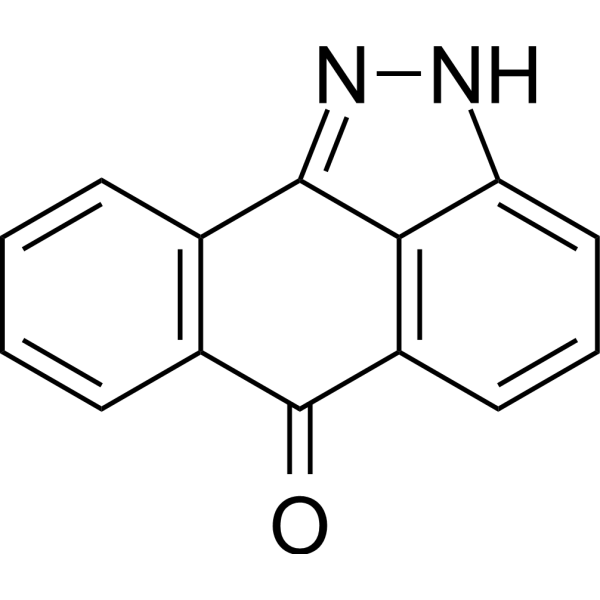
    SP600125 is an orally active, reversible, and ATP-competitive JNK inhibitor with IC50s of 40, 40 and 90 nM for JNK1, JNK2 and JNK3, respectively. SP600125 is a potent ferroptosis inhibitor. SP600125 induces the transformation of bladder cancer cells from autophagy to apoptosis .
    SP600125
  • HY-W009884
    Acetosyringone
    2 Publications Verification

    Endogenous Metabolite Others
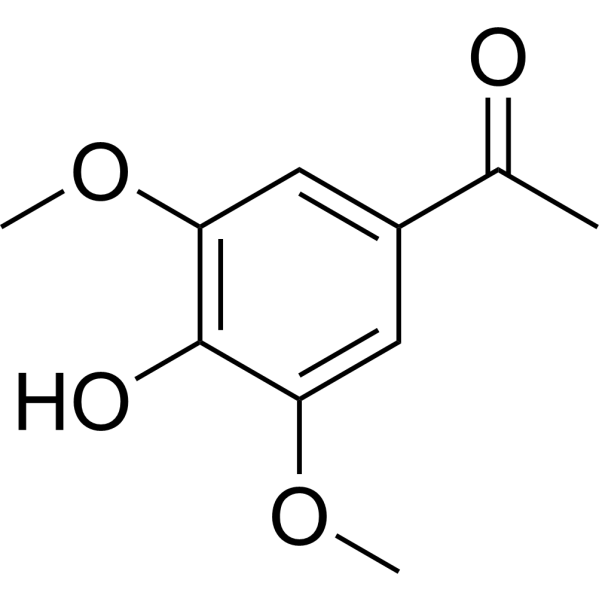
    Acetosyringone is a phenolic compound from wounded plant cells, enables virA gene which encodes a membrane-bound kinase to phosphorylate itself and activate the virG gene product, which stimulates the transcription of other vir genes and itself . Acetosyringone enhances efficient Dunaliella transformation of Agrobacterium strains .
    Acetosyringone
  • HY-10966
    SB-590885
    5+ Cited Publications

    Raf Apoptosis Neurological Disease Metabolic Disease Cancer
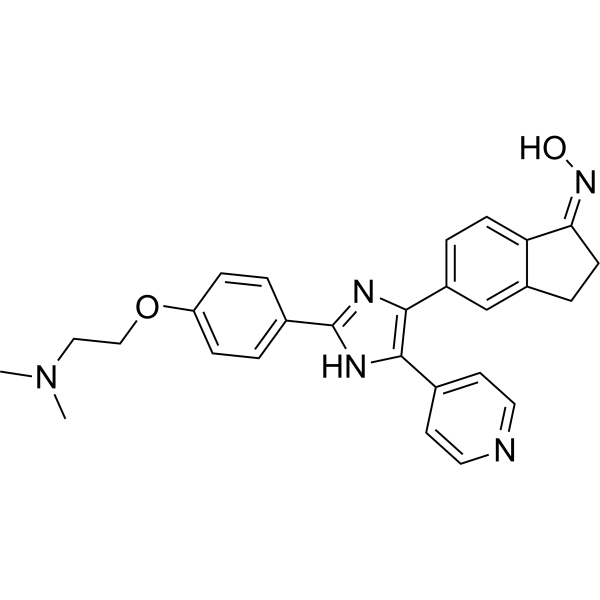
    SB-590885 is a BRAF/c-Raf kinase inhibitor that selectively targets B-Raf, and it amplifies the ERK/MAPK signaling pathway in RAS-activated cells. SB-590885 effectively inhibits the malignant proliferation, transformation and tumorigenicity of oncogenic B-Raf cells; it also induces the proliferation of erythroid progenitor cells, delays their differentiation and promotes hemoglobin synthesis, thereby improving ineffective erythropoiesis and reducing apoptosis. SB-590885 exerts a synergistic effect with TGF-β inhibitors and glucocorticoids, significantly promoting the formation of erythroid colonies in cells from patients with Diamond-Blackfan anemia (DBA). SB-590885 is mainly used in relevant studies on DBA, cisplatin-induced myelosuppression-related anemia, and pan-cancers such as melanoma and colorectal cancer .
    SB-590885
  • HY-N2329
    Piperlongumine
    Maximum Cited Publications
    14 Publications Verification

    Piplartine

    ERK Reactive Oxygen Species (ROS) Autophagy Apoptosis Bacterial Ferroptosis Infection Cardiovascular Disease Cancer
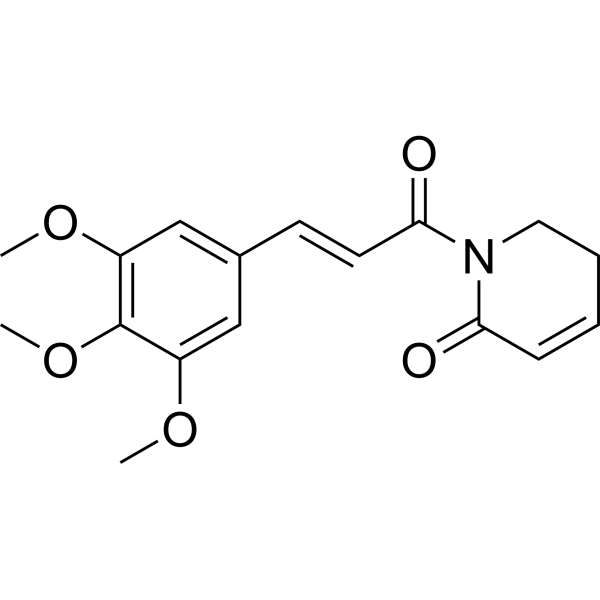
    Piperlongumine is a alkaloid , possesses ant-inflammatory, antibacterial, antiangiogenic, antioxidant, antitumor, and antidiabetic activities . Piperlongumine induces ROS, and induces apoptosis in cancer cell lines . Piperlongumine shows anti-cardiac fibrosis activity, suppresses myofibroblast transformation via suppression of the ERK1/2 signaling pathway. Piperlongumin could be used in the study of migrasome .
    Piperlongumine
  • HY-126490
    Phleomycin
    2 Publications Verification

    Bacterial Antibiotic DNA/RNA Synthesis Infection Cancer
    Phleomycin is a copper-dependent DNA damaging agent and antibiotic with antitumor activity. Phleomycin binds to DNA and produces ROS in the presence of reducing agents (such as dithiothreitol and glutathione), inducing single-strand and double-strand breaks in DNA. Phleomycin can induce cell apoptosis or mutation and is widely used in cancer inhibition, microbial genetic transformation (as a screening marker to improve fungal transformation efficiency) and DNA repair mechanism research .
    Phleomycin
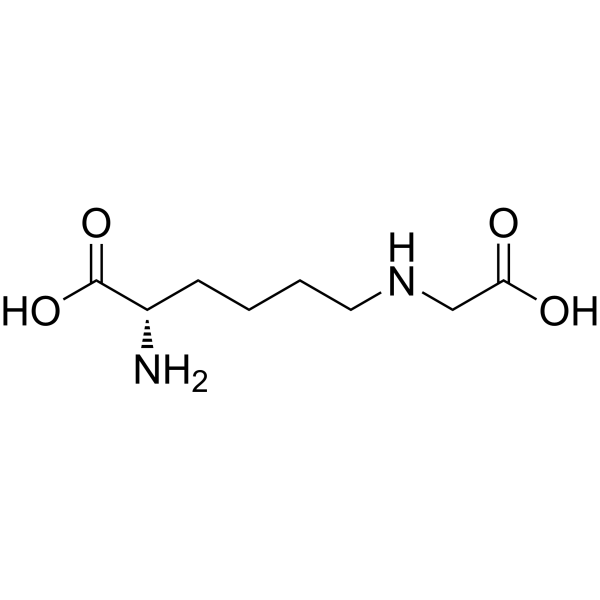
  • HY-W286743
    Nε-(Carboxymethyl)-L-lysine
    1 Publications Verification

    CML; N6-(Carboxymethyl)-L-lysine; Nε-(1-Carboxymethyl)-L-lysine

    Polo-like Kinase (PLK) ERK NF-κB Cancer
    Nε-(Carboxymethyl)-L-lysine (CML) is an orally active advanced glycation end product. Nε-(Carboxymethyl)-L-lysine upregulates the expression of PLK1 and CEP20, and induces the activation of RAGE and ERK/NFκB. Nε-(Carboxymethyl)-L-lysine drives centrosome amplification. Nε-(Carboxymethyl)-L-lysine induces malignant transformation of hepatocytes and promotes the development of hepatocellular carcinoma. Nε-(Carboxymethyl)-L-lysine induces epithelial-mesenchymal transition in osteosarcoma cells and enhances their migration and invasion properties .
    Nε-(Carboxymethyl)-L-lysine
  • HY-121497
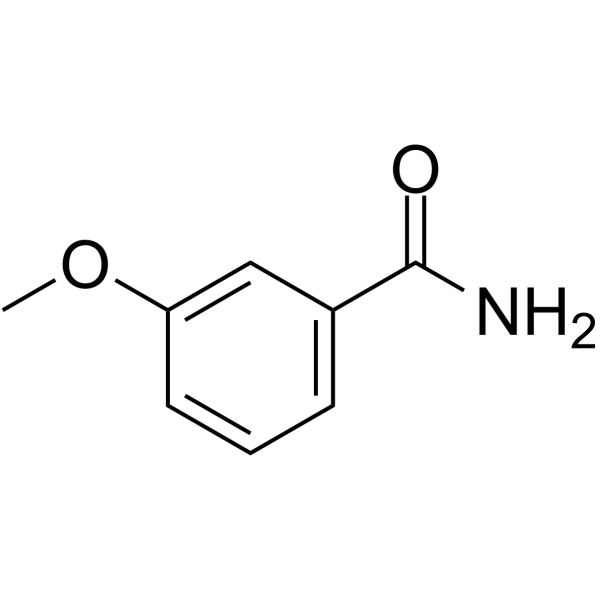
    3-Methoxybenzamide
    1 Publications Verification

    3-MBA

    PARP Bacterial Cancer
    3-Methoxybenzamide (3-MBA), an inhibitor of ADP-ribosyltransferase (ADPRTs) and PARP, inhibits cell division in Bacillus subtilis, leading to filamentation and eventually lysis of cells . 3-Methoxybenzamide (3-MBA) enhances in vitro plant growth, microtuberization, and transformation efficiency of blue potato (Solanum tuberosum L. subsp. andigenum) .
    3-Methoxybenzamide
  • HY-B1336
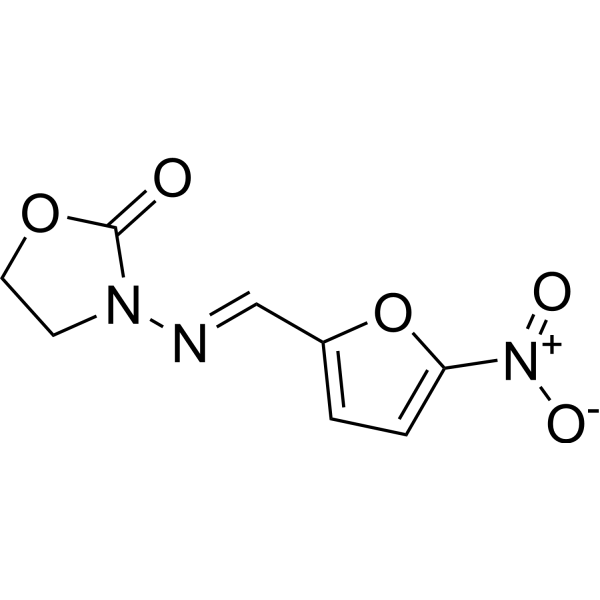
    Furazolidone
    3 Publications Verification

    Environmental Pollutants Antibiotic Bacterial Apoptosis Parasite Infection Cancer
    Furazolidone is a monoamine oxidase (MAO) inhibitor with antiproliferative, apoptosis-inducing and differentiation-promoting activities. Furazolidone may inhibit leukemia fusion protein-mediated bone marrow transformation by upregulating the stability of the tumor suppressor protein p53. Furazolidone exhibits anti-leukemic activity in acute myeloid leukemia (AML) cell lines and can be used for anti-AML research [2].
    Furazolidone
  • HY-138822

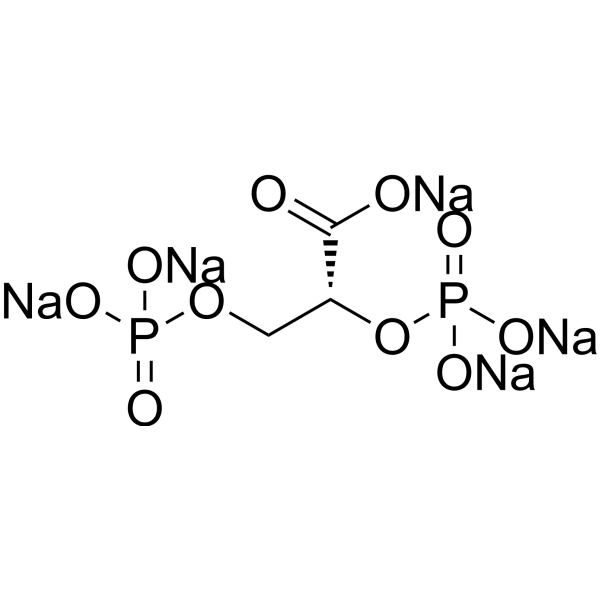
    2,3-DPG pentasodium salt

    Endogenous Metabolite Cardiovascular Disease
    2,3-Diphospho-D-glyceric acid (2,3-DPG) pentasodium salt is a hemoglobin binder and vascular calcification inhibitor that reduces the oxygen affinity of hemoglobin. 2,3-Diphospho-D-glyceric acid pentasodium salt also specifically delays the transformation of colloidal calciprotein particles into crystalline forms, thereby effectively inhibiting vascular smooth muscle cell calcification without affecting the normal formation of osteoid nodules in osteoblast-like cells. 2,3-Diphospho-D-glyceric acid pentasodium salt shows no cytotoxicity to tested cell lines and only weakly interferes with β-hematin formation mediated by glyceryl monopalmitate. 2,3-Diphospho-D-glyceric acid pentasodium salt can be used to study the pathological mechanisms of vascular calcification and malaria-related conditions .
    2,3-Diphospho-D-glyceric acid pentasodium salt
  • HY-126979

    c-Myc Cancer
    Mycro2 is an inhibitor of c-Myc/Max dimer and DNA binding, with an IC50 value of 23 μM for the inhibition of Myc/Max DNA binding activity. Mycro2 can inhibit c-myc-dependent cell proliferation, gene transcription and oncogenic transformation .
    Mycro2
  • HY-113326

    trans-Phytoene

    Reactive Oxygen Species (ROS) Cancer
    Phytoene (trans-Phytoene) is a carotene pigment. Phytoene is the precursor of all carotenoids. Phytoene is the predominant PT isomer in most carotenogenic organisms. Phytoene can delay the skin tumors appearance and reduce their number in mice that are induced the tumors with UV-B light. Phytoene leads to protection against oxidative stress and malignant transformation. Phytoene inhibits the proliferation of breast cancer cells .
    Phytoene
  • HY-P3182

    Endogenous Metabolite Cancer
    NADH oxidase is a cyanide-resistant oxidase located on the plasma membrane of animals and plants, which is regulated by growth factors and hormones. NADH oxidase catalyzes the electron transfer from NADH to oxygen, and its activity is closely related to cell growth. The hormone response of NADH oxidase is attenuated in tumor-transformed cells, and it can serve as an anti-tumor target .
    NADH oxidase
  • HY-W005379

    TGF-beta/Smad Inflammation/Immunology
    DGM is an inhibitor of the TGF-β1/Smad signaling pathway with significant antifibrotic effects. DGM inhibits the epithelial-mesenchymal transition (EMT) process in alveolar epithelial cells and slows the progression of pulmonary fibrosis in vivo by reducing lung inflammation, improving lung function, and decreasing extracellular matrix (ECM) remodeling. DGM can be used in research on idiopathic pulmonary fibrosis (IPF) and EMT-related diseases .
    DGM
  • HY-N15194A

    Bacterial Apoptosis Infection Cancer
    Inostamycin A sodium is an inhibitor of cytidine-5'-diphosphate-1,2-diacyl-sn-glycerol (CDP-DG):inositol transferase. Inostamycin A sodium reduces phosphatidylinositol turnover, and inhibits cell proliferation and transformation. Inostamycin A sodium inhibits cancer cell proliferation, induces apoptosis, and prevents tumor recurrence. Inostamycin A sodium exhibits antibacterial activity. Inostamycin A sodium is applicable to research related to infection and cancer .
    Inostamycin A sodium
  • HY-N7372

    Apoptosis Infection Inflammation/Immunology
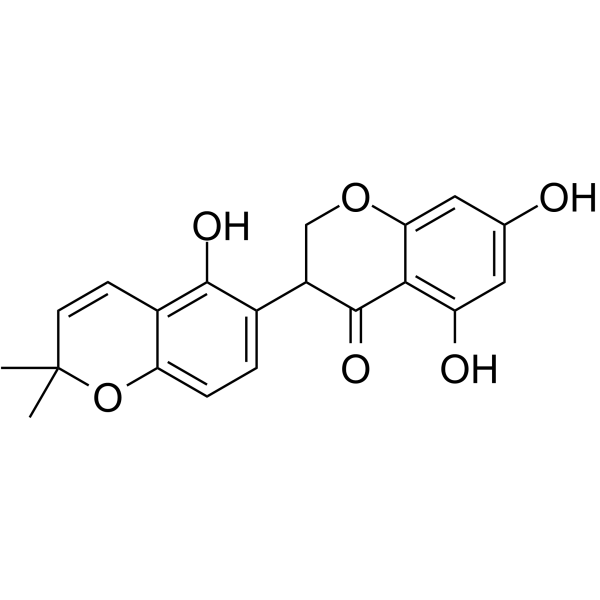
    Licoisoflavanone is an orally active isoflavane-based immunomodulator with multiple activities including antiviral, anti-inflammatory, cytoprotective and cancer cell apoptosis-inducing effects. Licoisoflavanone can be isolated from the roots and rhizomes of Glycyrrhiza uralensis Fisch. Licoisoflavanone not only enhances the body's immunity, but also effectively prevents acute respiratory distress syndrome and multiple organ damage by alleviating cytokine storm, thereby reducing the degree of inflammation. In rats, Licoisoflavanone undergoes multiple metabolic transformation processes such as glucuronidation, hydroxylation, sulfation, methylation and dehydrogenation. Licoisoflavanone has become an important candidate molecule for research on COVID-19 and related inflammatory diseases .
    Licoisoflavanone
  • HY-P10851

    Apoptosis Inflammation/Immunology Cancer
    HVEM(14-39) is a B- and T-lymphocyte attenuator (BTLA) peptide inhibitor. HVEM (14-39) can be combined with BTLA with a KD of 0.102 μM. HVEM(14-39) enhances the activation and proliferation of T cells by regulating the expression of BTLA and HVEM in T cells, and promotes the transformation of cells into effector memory T cells. HVEM(14-39) inhibits tumor cell proliferation and promotes late apoptosis. HVEM(14-39) has immunomodulatory effects and can be used in the study of cancer .
    HVEM(14-39)
  • HY-178227

    Wnt β-catenin CDK Neurological Disease Metabolic Disease Inflammation/Immunology Cancer
    KY19334 is a CXXC5-DVL inhibitor. KY19334 can activate the Wnt/β-catenin pathway by inhibiting CXXC5-Dvl interaction. KY19334 can inhibit cancer cells proliferation, migration, invasion and transformation by inhibiting CDK1. KY19334 can accelerate wound healing and exert regenerative effects. KY19334 can be used for the researches of cancer, inflammation, metabolic and neurological disease, such as cutaneous squamous cell carcinoma and diabetes .
    KY19334
  • HY-120137

    Histone Methyltransferase Cancer
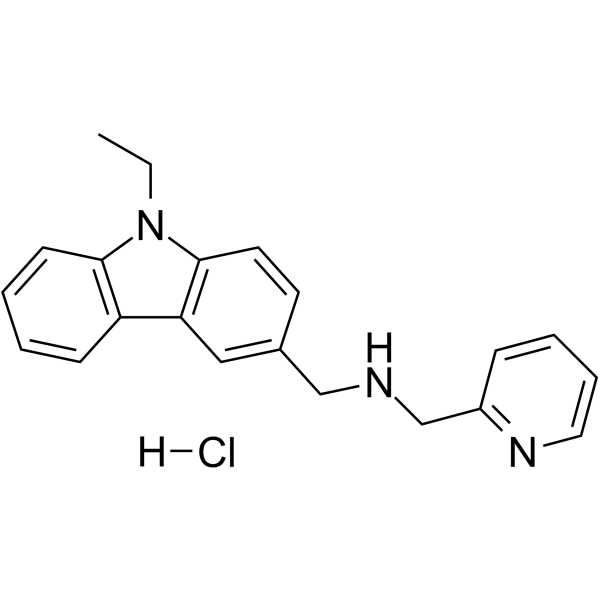
    CMP-5 is a potent, specific, and selective PRMT5 inhibitor, while displays no activity against PRMT1, PRMT4, and PRMT7 enzymes. CMP-5 selectively blocks S2Me-H4R3 by inhibiting PRMT5 methyltransferase activity on histone preparations. CMP-5 prevents Epstein-Barr virus (EBV)-driven B-lymphocyte transformation but leaving normal B cells unaffected .
    CMP-5
  • HY-W011788

    Trt-OH

    Biochemical Assay Reagents Cancer
    Triphenylmethanol is a specific clathrate host for methanol and dimethyl sulphoxide. Triphenylmethanol inhibits neoplastic transformation of cells .
    Triphenylmethanol
  • HY-125636

    c-Myc Cancer
    Mycro1 is an inhibitor of c-Myc/Max dimer and DNA binding, with an IC50 value of 30 μM for the inhibition of Myc/Max DNA binding activity. Mycro1 can inhibit c-myc-dependent cell proliferation, gene transcription and oncogenic transformation .
    Mycro1
  • HY-E70678

    CDK Cancer
    CDK3 is a major player driving retinoblastoma (Rb) phosphorylation during the G0/G1 transition and in the early G1 phase of the cell cycle. CDK3 interacts with various transcription factors involved in cell proliferation, differentiation, and transformation driven by the EGFR/Ras signaling pathway. CDK3/CycE1 Recombinant Human Active Protein Kinase is an ortholog of CDK3 .
    CDK3/CycE1 Recombinant Human Active Protein Kinase
  • HY-P10793

    EGFR Apoptosis Cancer
    Cyclic(YCDGFYACYMDV) is a HER2 signaling pathway inhibitor with anti-cancer activity. This compound self-assembles into nanoparticles in aqueous solution and transforms into nanofibers upon specific binding to HER2 on cancer cells. This transformation disrupts HER2 dimerization and subsequent downstream signaling events, leading to cancer cell apoptosis (Apoptosis). The inhibitory effects on HER2 positive breast cancer have been demonstrated to be effective in a murine xenograft model .
    Cyclic(YCDGFYACYMDV)
  • HY-W019780

    Dichlorobromomethane

    Glutathione S-transferase Metabolic Disease Cancer
    Bromodichloromethane (Dichlorobromomethane) is a type of trihalomethane, commonly found in chlorinated drinking water for disinfection, and is a disinfection by-product. The bromination of bromodichloromethane can cause the formation of mutagenic intermediates through the transformation mediated by glutathione S-transferase (GST). Bromodichloromethane inhibits the differentiation of human placental trophoblast cells and reduces the secretion of chorionic gonadotropin (CG). Bromodichloromethane has potential reproductive toxicity and carcinogenicity .
    Bromodichloromethane
  • HY-N2329R

    Piplartine (Standard)

    Reference Standards ERK Reactive Oxygen Species (ROS) Autophagy Apoptosis Bacterial Ferroptosis Infection Cardiovascular Disease Cancer
    Piperlongumine is a alkaloid , possesses ant-inflammatory, antibacterial, antiangiogenic, antioxidant, antitumor, and antidiabetic activities . Piperlongumine induces ROS, and induces apoptosis in cancer cell lines . Piperlongumine shows anti-cardiac fibrosis activity, suppresses myofibroblast transformation via suppression of the ERK1/2 signaling pathway. Piperlongumin could be used in the study of migrasome .
    Piperlongumine (Standard)
  • HY-W011788R

    Trt-OH (Standard)

    Reference Standards Biochemical Assay Reagents Cancer
    Triphenylmethanol (Standard)
  • HY-129273

    Farnesyl Transferase Cancer
    L-731735 is a selective FPTase inhibitor that can inhibit ras-dependent cell transformation. L-731735 can be used in cancer research .
    L-731735
  • HY-171732

    Drug Metabolite Cancer
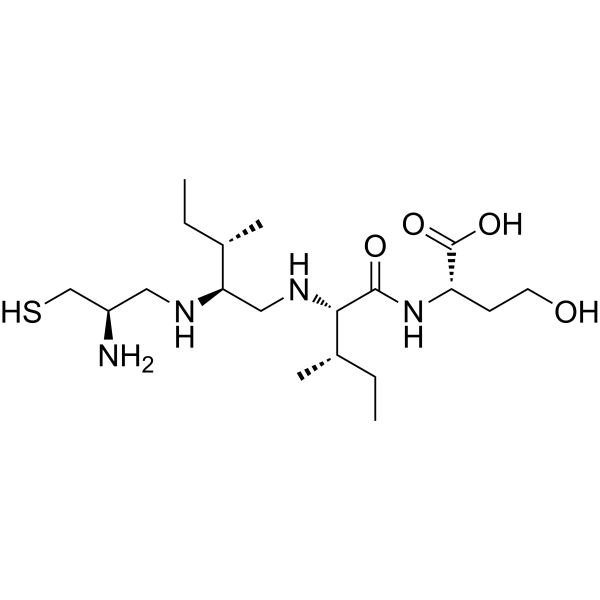
    FANFT is an orally active and potent uroepithelial carcinogen. FANFT is metabolized to ANFT in vivo, which induces gene mutations and malignant cell transformation. FANFT efficiently induces bladder tumors in mice .
    FANFT
  • HY-174543

    mRNA Cancer
    Human PRKCA mRNA encodes the human protein kinase C alpha (PRKCA) protein, a member of Protein kinase C (PKC) family. PRKCA has been reported to play roles in many different cellular processes, such as cell adhesion, cell transformation, cell cycle checkpoint, and cell volume control.
    Human PRKCA mRNA
  • HY-174682

    mRNA Cancer
    Human FOS mRNA encodes the human Fos proto-oncogene, AP-1 transcription factor subunit (FOS) protein which has been implicated as regulators of cell proliferation, differentiation, and transformation.
    Human FOS mRNA
  • HY-N15730

    Drug Derivative Inflammation/Immunology
    3-Hydroxymycophenolic acid (Compound 5) is a microbial transformation product of Mycophenolic acid (HY-B0421) by Cunninghamella echinulata. 3-Hydroxymycophenolic acid has low cytotoxicity against AGS cells and fibroblasts. 3-Hydroxymycophenolic acid can be used for immune-mediated renal diseases research .
    3-Hydroxymycophenolic acid
  • HY-E70677

    CDK Cancer
    CDK3 is a major player driving retinoblastoma (Rb) phosphorylation during the G0/G1 transition and in the early G1 phase of the cell cycle. CDK3 interacts with various transcription factors involved in cell proliferation, differentiation, and transformation driven by the EGFR/Ras signaling pathway. CDK3/CycC Recombinant Human Active Protein Kinase is an ortholog of CDK3 .
    CDK3/CycC Recombinant Human Active Protein Kinase
  • HY-E70680

    CDK Cancer
    CDK3 is a major player driving retinoblastoma (Rb) phosphorylation during the G0/G1 transition and in the early G1 phase of the cell cycle. CDK3 interacts with various transcription factors involved in cell proliferation, differentiation, and transformation driven by the EGFR/Ras signaling pathway. CDK3/CycO Recombinant Human Active Protein Kinase is an ortholog of CDK3 .
    CDK3/CycO Recombinant Human Active Protein Kinase
  • HY-121497R

    3-MBA (Standard)

    PARP Bacterial Reference Standards Cancer
    3-Methoxybenzamide (Standard) is the analytical standard of 3-Methoxybenzamide. This product is intended for research and analytical applications. 3-Methoxybenzamide (3-MBA), an inhibitor of ADP-ribosyltransferase (ADPRTs) and PARP, inhibits cell division in Bacillus subtilis, leading to filamentation and eventually lysis of cells . 3-Methoxybenzamide (3-MBA) enhances in vitro plant growth, microtuberization, and transformation efficiency of blue potato (Solanum tuberosum L. subsp. andigenum) .
    3-Methoxybenzamide (Standard)
  • HY-W009884R

    Endogenous Metabolite Reference Standards Others
    Acetosyringone (Standard) is the analytical standard of Acetosyringone. This product is intended for research and analytical applications. Acetosyringone is a phenolic compound from wounded plant cells, enables virA gene which encodes a membrane-bound kinase to phosphorylate itself and activate the virG gene product, which stimulates the transcription of other vir genes and itself[1]. Acetosyringone enhances efficient Dunaliella transformation of Agrobacterium strains[2].
    Acetosyringone (Standard)
  • HY-E70760

    Anaplastic lymphoma kinase (ALK) Cancer
    The NPM1-ALK protein contains the NPM1 oligomerization motif and the ALK catalytic domain, is constitutively activated through autophosphorylation, and mediates malignant cell transformation by activating downstream effectors including STAT3. NPM1 ALK Recombinant Human Active Protein Kinase is a recombinant NPM1 ALK protein that can be used to study NPM1 ALK-related functions .
    NPM1 ALK Recombinant Human Active Protein Kinase
  • HY-12041R

    JNK Autophagy Apoptosis Ferroptosis Cancer
    SP600125 (Standard) is the analytical standard of SP600125. This product is intended for research and analytical applications. SP600125 is an orally active, reversible, and ATP-competitive JNK inhibitor with IC50s of 40, 40 and 90 nM for JNK1, JNK2 and JNK3, respectively. SP600125 is a potent ferroptosis inhibitor. SP600125 induces the transformation of bladder cancer cells from autophagy to apoptosis .
    SP600125 (Standard)
  • HY-117885

    PDK-1 Cancer
    PF-5177624 is a specific and potent inhibitor of PDK1, a key enzyme in the PI3K/AKT signaling pathway that is frequently dysregulated in breast cancer. PDK1 phosphorylates AKT at T308 and other substrates, activating downstream signaling pathways that are important for tumor progression. PF-5177624 blocks IGF-1-stimulated PDK1 activity and downstream AKT and p70S6K phosphorylation, reducing cell proliferation and transformation in breast cancer cells .
    PF-5177624
  • HY-E70761

    Anaplastic lymphoma kinase (ALK) Cancer
    The NPM1-ALK protein contains the NPM1 oligomerization motif and the ALK catalytic domain, is constitutively activated through autophosphorylation, and mediates malignant cell transformation by activating downstream effectors including STAT3. NPM1 ALK F1174L Recombinant Human Active Protein Kinase is a recombinant NPM1 ALK F1174L protein that can be used to study NPM1 ALK F1174L-related functions .
    NPM1 ALK F1174L Recombinant Human Active Protein Kinase
  • HY-113846A

    Histone Methyltransferase Cancer
    CMP-5 dihydrochloride is a potent, specific, and selective PRMT5 inhibitor, while displays no activity against PRMT1, PRMT4, and PRMT7 enzymes. CMP-5 dihydrochloride selectively blocks S2Me-H4R3 by inhibiting PRMT5 methyltransferase activity on histone preparations. CMP-5 dihydrochloride prevents EBV-driven B-lymphocyte transformation but leaving normal B cells unaffected .
    CMP-5 dihydrochloride
  • HY-113846

    Histone Methyltransferase Cancer
    CMP-5 hydrochloride is a potent, specific, and selective PRMT5 inhibitor, while displays no activity against PRMT1, PRMT4, and PRMT7 enzymes. CMP-5 hydrochloride selectively blocks S2Me-H4R3 by inhibiting PRMT5 methyltransferase activity on histone preparations. CMP-5 hydrochloride prevents EBV-driven B-lymphocyte transformation but leaving normal B cells unaffected .
    CMP-5 hydrochloride
  • HY-124626

    Histamine Receptor Inflammation/Immunology
    (R)-(+)-Mequitazine is a histamine H1 receptor antagonist that mainly undergoes bio-transformation via human liver microsomes, resulting in hydroxylated and S-oxidized metabolites. (R)-(+)-Mequitazine competitively binds to the H1 receptors in gastrointestinal, vascular, and respiratory effect cells, thus blocking the endogenous activity of histamine. (R)-(+)-Mequitazine has an inhibitory effect on CYP3A-catalyzed midazolam 1’-hydroxylase. (R)-(+)-Mequitazine can be used in the study of various allergic diseases .
    (R)-(+)-Mequitazine
  • HY-10966R
    SB-590885 (Standard)
    5+ Cited Publications

    Reference Standards Raf Apoptosis Cancer
    SB-590885 (Standard) is the analytical standard of SB-590885 (HY-10966). This product is intended for research and analytical applications. SB-590885 is a BRAF/c-Raf kinase inhibitor that selectively targets B-Raf, and it amplifies the ERK/MAPK signaling pathway in RAS-activated cells. SB-590885 effectively inhibits the malignant proliferation, transformation and tumorigenicity of oncogenic B-Raf cells; it also induces the proliferation of erythroid progenitor cells, delays their differentiation and promotes hemoglobin synthesis, thereby improving ineffective erythropoiesis and reducing apoptosis. SB-590885 exerts a synergistic effect with TGF-β inhibitors and glucocorticoids, significantly promoting the formation of erythroid colonies in cells from patients with Diamond-Blackfan anemia (DBA). SB-590885 is mainly used in relevant studies on DBA, cisplatin-induced myelosuppression-related anemia, and pan-cancers such as melanoma and colorectal cancer .
    SB-590885 (Standard)
  • HY-174353S

    Isotope-Labeled Compounds Cytochrome P450 Fungal Infection
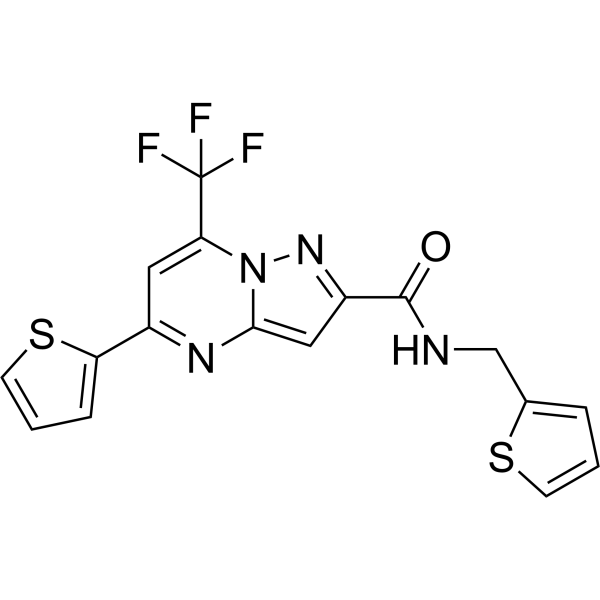
    CYP51-IN-23-d3 is a potent and broad-spectrum CYP51 inhibitor with a MIC80 of 1 μg/mL against Aspergillus fumigatum. CYP51-IN-23-d3 can prevent fungal phase transformation and biofilm formation. CYP51-IN-23-d3 exhibits anti-drug resistance activity and fungal activity, and shows excellent safety for cells and significant pharmacological activity in mice. CYP51-IN-23-d3 can be used for the study of invasive fungal infections (IFIs) .
    CYP51-IN-23-d3
  • HY-174353

    Cytochrome P450 Fungal Infection
    CYP51-IN-22, the non-deuterated analog of CYP51-IN-23-d3 (HY-174353S), is a potent and broad-spectrum CYP51 inhibitor.CYP51-IN-22 inhibits Aspergillus fumigatum with a MIC80 of 1 μg/mL. CYP51-IN-22 can prevent fungal phase transformation and biofilm formation. CYP51-IN-22 exhibits anti-drug resistance activity and fungal activity, and shows excellent safety for cells and significant pharmacological activity in mice. CYP51-IN-22 can be used for the study of invasive fungal infections (IFIs) .
    CYP51-IN-22
  • HY-N3687

    Others Cancer
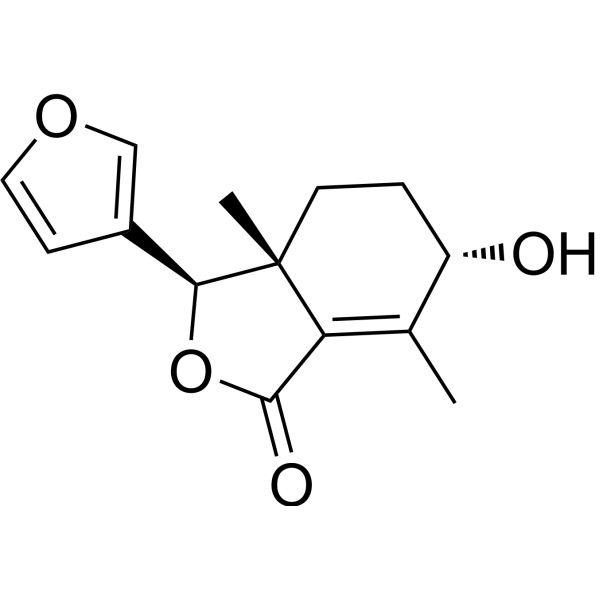
    Dasycarpol (compound 2) is a product of microbial transformation of fraxinellone by Aspergillus niger (AS 3.421). Dasycarpol shows moderate cytotoxicity against A549 cells ,with the IC50 of 20 ug/mL .
    Dasycarpol
  • HY-174577

    mRNA Cancer
    Human MYC mRNA encodes the human MYC proto-oncogene, bHLH transcription factor (MYC) protein, a nuclear phosphoprotein that plays a role in cell cycle progression, apoptosis and cellular transformation.
    Human MYC mRNA
  • HY-174721

    mRNA Cancer
    Human EGFR mRNA encodes the human epidermal growth factor receptor (EGFR) protein, a member of the protein kinase superfamily. IGF1R plays a critical role in transformation events. EGFR is a cell surface protein that binds to epidermal growth factor, thus inducing receptor dimerization and tyrosine autophosphorylation leading to cell proliferation.
    Human EGFR mRNA
  • HY-E70679

    CDK Cancer
    CDK3 is a major player driving retinoblastoma (Rb) phosphorylation during the G0/G1 transition and in the early G1 phase of the cell cycle. CDK3 interacts with various transcription factors involved in cell proliferation, differentiation, and transformation driven by the EGFR/Ras signaling pathway. CDK3/CycE2 Recombinant Human Active Protein Kinase is an ortholog of CDK3 .
    CDK3/CycE2 Recombinant Human Active Protein Kinase
  • HY-12041G

    JNK Autophagy Apoptosis Ferroptosis Cancer
    SP600125 (GMP) is SP600125 (HY-12041) produced by using GMP guidelines. GMP small molecules works appropriately as an auxiliary reagent for cell therapy manufacture. SP600125 is an orally active, reversible, and ATP-competitive JNK inhibitor with IC50s of 40, 40 and 90 nM for JNK1, JNK2 and JNK3, respectively. SP600125 is a potent ferroptosis inhibitor. SP600125 induces the transformation of bladder cancer cells from autophagy to apoptosis .
    SP600125
  • HY-N19296

    Drug Derivative Cancer
    Blapsin B is a potent 14-3-3 inhibitor and a naturally occurring compound from Blaps japanensis. Blapsin B potently inhibits 14-3-3 protein-protein interactions (PPIs) with an IC50 value of 10.0 μM in the ELISA assay and 2.5 μM in the FP assay, respectively. Blapsin B modulates signaling pathways involved in cell proliferation and transformation. Blapsin B can be used for cancer research .
    Blapsin B

Inquiry Online

Your information is safe with us. * Required Fields.

Salutation


Country or Region *

Applicant Name *


Organization Name *

Department *


Email Address *


Product Name *

Cat. No.


Requested quantity *

Phone Number *


Remarks

Inquiry Online

Inquiry Information

Product Name:
Cat. No.:
Quantity:
MCE Japan Authorized Agent: