

Search Result
Results for "
clear cell renal cell carcinoma
" in MedChemExpress (MCE) Product Catalog:
| Cat. No. |
Product Name |
Target |
Research Areas |
Chemical Structure |
-
- HY-125840
-
Belzutifan
Maximum Cited Publications
13 Publications Verification
PT2977; MK-6482
|
HIF/HIF Prolyl-Hydroxylase
|
Cancer
|
|
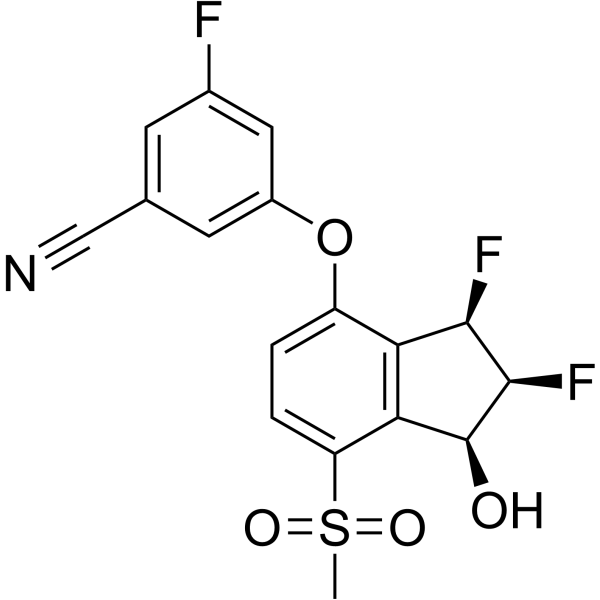
Belzutifan (PT2977) is an orally active and selective HIF-2α inhibitor with an IC50 of 9 nM. Belzutifan, as a second-generation HIF-2α inhibitor, increases potency and improves pharmacokinetic profile. Belzutifan is a potential treatment for clear cell renal cell carcinoma (ccRCC) .
|
-
-
- HY-P99023
-
|
G250; cG250
|
Carbonic Anhydrase
|
Cancer
|
|
Girentuximab (G250) is a chimeric monoclonal antibody that binds carbonic anhydrase IX (CAIX), a cell surface glycoprotein ubiquitously expressed in clear cell renal cell carcinoma (ccRCC) .
|
-
-
- HY-W013274
-
CPTH2
1 Publications Verification
|
Histone Acetyltransferase
Apoptosis
|
Cancer
|
|
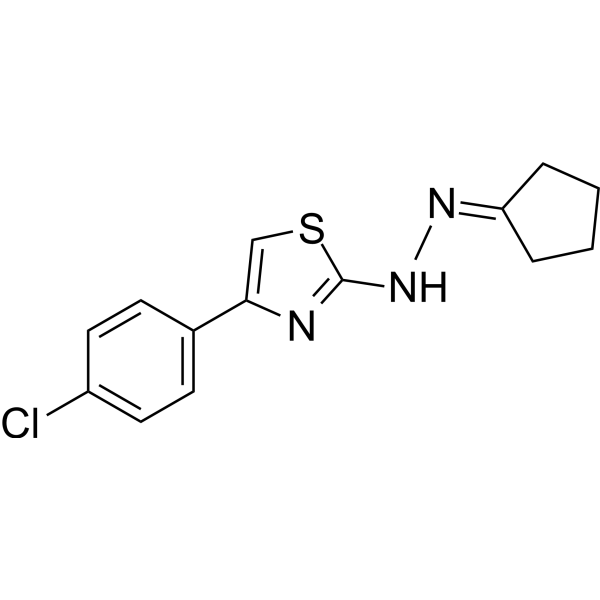
CPTH2 is a potent histone acetyltransferase (HAT) inhibitor. CPTH2 selectively inhibits the acetylation of histone H3 by Gcn5. CPTH2 induces apoptosis and decreases the invasiveness of a clear cell renal carcinoma (ccRCC) cell line through the inhibition of acetyltransferase p300 (KAT3B) .
|
-
-
- HY-W195984
-
|
|
Phosphoglycerate Kinase (PGK)
|
Cancer
|
|
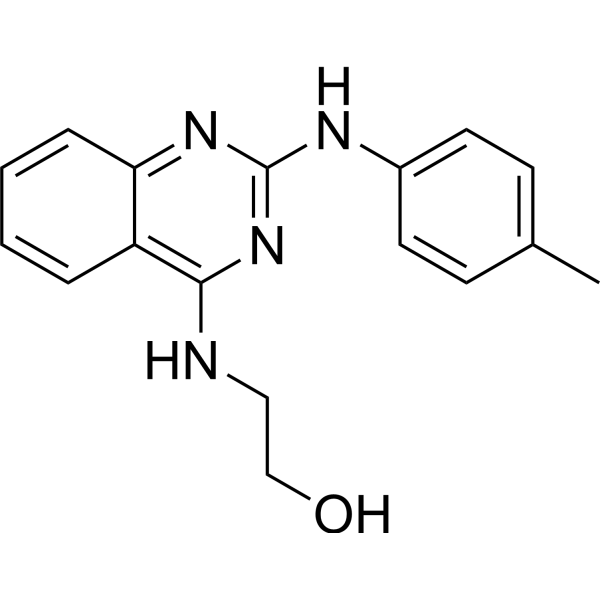
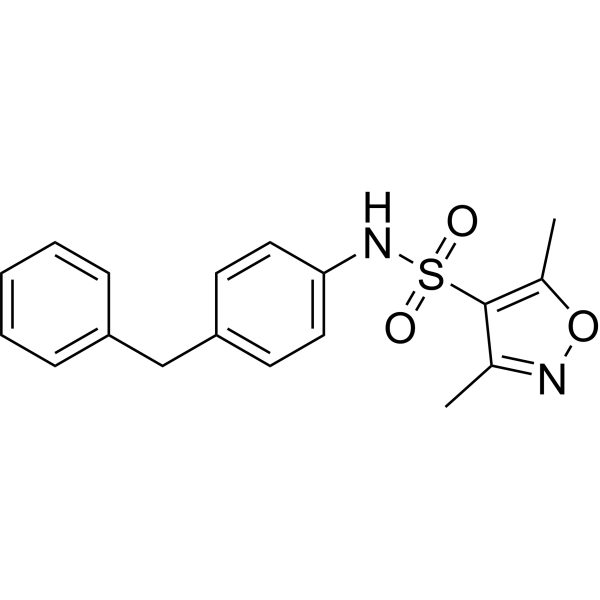
Z57346765 is an inhibitor that targets the ADP-binding pocket of PGK1, with a Kd of 20.9 μM for human PGK1, and exhibits anticancer activity. Z57346765 reduces the activity of the metabolic enzyme PGK1 during glycolysis, regulates lipid peroxidation and cancer cell proliferation, and promotes lipid peroxidation in cervical cancer cells. Z57346765 inhibits the proliferation of cervical cancer and clear cell renal cell carcinoma cells in xenograft mouse models, and induces the expression of genes associated with cell metabolism, DNA replication and cell cycle. Z57346765 is used in research related to cervical cancer, clear cell renal cell carcinoma and breast cancer .
|
-
-
- HY-159644
-
|
AB521
|
HIF/HIF Prolyl-Hydroxylase
VEGFR
|
Cancer
|
|
Casdatifan (AB521) is an orally active and selective allosteric small-molecule inhibitor of hypoxia-inducible factor 2α (HIF-2α). Casdatifan inhibits pro-tumor gene transcription by blocking the heterodimerization of HIF-2α with ARNT, and significantly suppresses tumor growth in clear cell renal cell carcinoma (ccRCC) models either as a monotherapy or in combination with agents such as Zimberelimab (HY-P99109). Casdatifan is applicable for the research of ccRCC .
|
-
-
- HY-117756
-
|
DCFPYL
|
PSMA
|
Cancer
|
|
Piflufolastat (DCFPYL) can be used for the preparation of piflufolastat F 18 (DCFPyL F-18). Piflufolastat F-18 (DCFPyL F-18) is an 18F-labeled imaging agent. Piflufolastat F-18 can be used for positron emission tomography (PET) targeting prostate-specific membrane antigen (PSMA). Piflufolastat can be used for imaging of prostate cancer .
|
-
-
- HY-P99463
-
|
AVB-500; AVB-S6-500
|
TAM Receptor
PI3K
Akt
p38 MAPK
|
Cancer
|
|
Batiraxcept (AVB-500; AVB-S6-500) is a selective, soluble AXL receptor and GAS6 inhibitor that targets the GAS6-AXL signaling axis. Batiraxcept is orally inactive and does not cross the blood-brain barrier. Batiraxcept competitively binds to GAS6 ((KD <1 nM), preventing its interaction with the AXL receptor tyrosine kinase, thereby inhibiting downstream PI3K/AKT and MAPK signaling pathways, reducing tumor cell glycolysis, angiogenesis, and metastatic potential. Batiraxcept has demonstrated antitumor activity in preclinical models of endometrial, cholangiocarcinoma, and ovarian cancer by inhibiting tumor growth, invasion, and metastasis .
|
-
-
- HY-155374
-
|
|
Phosphatase
Apoptosis
Caspase
|
Cancer
|
|
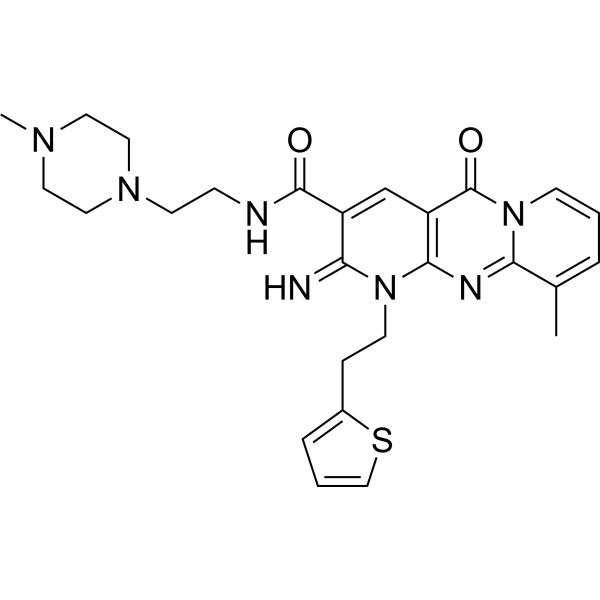
PP5-IN-1 is a competitive and selective serine/threonine protein phosphatase 5 (PP5) inhibitor with a Ki value of 244 nM. PP5-IN-1 induces extrinsic apoptosis (Apoptosis), disrupts the integrity of complex II, and activates Caspase 8. PP5-IN-1 can be used in research related to clear cell renal cell carcinoma .
|
-
-
- HY-147426
-
|
ADS-007; ARO HIF2
|
Small Interfering RNA (siRNA)
HIF/HIF Prolyl-Hydroxylase
|
Cancer
|
|
Zifcasiran (ADS-007; ARO HIF2) is an siRNA synthetic double-stranded RNAi trigger. Zifcasiran sodium selectively target hypoxia-inducible factor-2α (HIF2α) interrupting downstream pro-oncogenic signaling in clear cell renal cell carcinoma (ccRCC). Zifcasiran sodium engages the cell's RNAi machinery to target HIF2α (EPAS1) mRNA for degradation, thereby reducing the amount of free HIF2α mRNA available for translation .
|
-
-
- HY-175247
-
|
|
Large Tumor Suppressor (LATS)
E1/E2/E3 Enzyme
YAP
|
Cancer
|
|
DDO-4033 is a SPOP inhibitor (IC50 = 16.9 μM, Kd = 15.1 μM). DDO-4033 impairs the malignant migration, invasion, and proliferation of clear cell renal cell carcinoma (ccRCC) cell lines. DDO-4033 disrupts SPOP recruitment to its substrate LATS1, inhibits its polyubiquitination and subsequent degradation, and upregulates LATS1 expression. DDO-4033 has promising antitumor activity and is promising for renal cell carcinoma research .
|
-
-
- HY-121936
-
-
-
- HY-P991661
-
-
-
- HY-161251
-
|
|
E1/E2/E3 Enzyme
|
Cancer
|
|
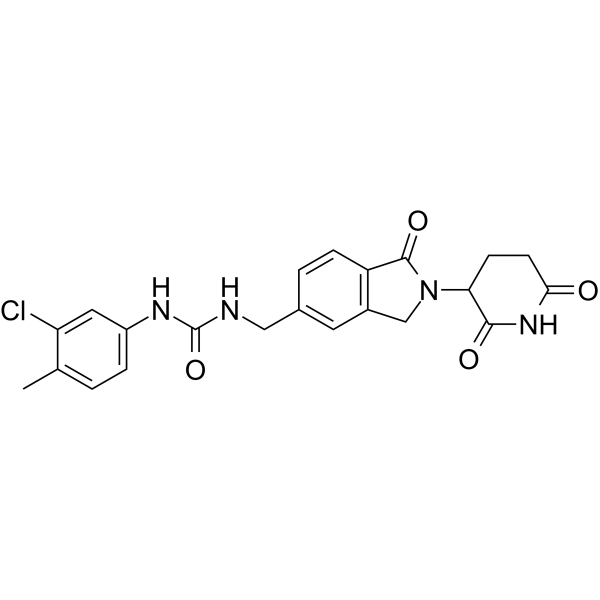
SPOP-IN-2 (compound E1) is a Speckle-type POZ protein (SPOP) inhibitor with IC50 of 0.58 μM, which disrupt the SPOP-subtrate interaction and selectively inhibits proliferation of ccRCC .
|
-
-
- HY-156382
-
|
|
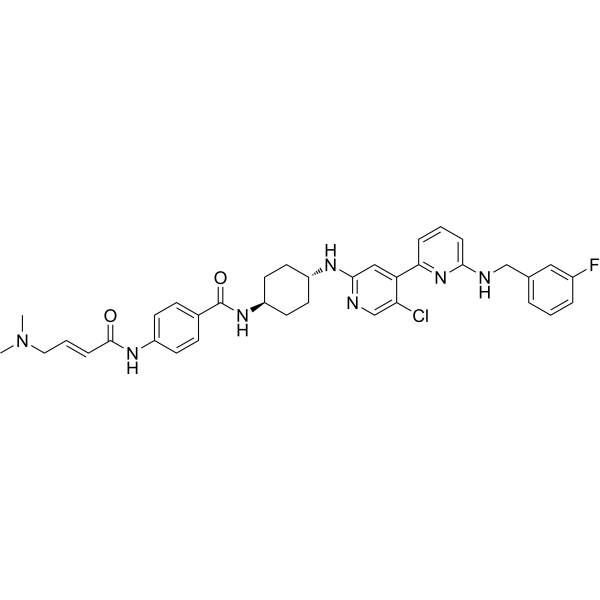
Akt
ERK
E1/E2/E3 Enzyme
|
Cancer
|
|
SPOP-IN-1 is a selective SPOP E3 ubiquitin ligase inhibitor. SPOP-IN-1 leads to the accumulation of tumor suppressors PTEN and DUSP7 and decreased levels of phosphorylated AKT and ERK in clear-cell renal cell carcinoma .
|
-
-
- HY-161865
-
|
|
Apoptosis
|
Cancer
|
|
Antitumor agent-180 (Compound 13a) is an inhibitor for BUB1 mitotic checkpoint serine/threonine kinase B (BUB1B). Antitumor agent-180 inhibits the proliferation of ccRCC cell Caki-1 with IC50 of 2.047 µM. Antitumor agent-180 induces necrosis and apoptosis in Caki-1 .
|
-
-
- HY-151344
-
|
|
HIF/HIF Prolyl-Hydroxylase
|
Cancer
|
|
HIF-1/2α-IN-2 is an inhibitor of HIF-1/2α. HIF-1/2α-IN-2 decrease HIF-1/2α levels and induces iron starvation response by targeting Iron Sulfur Cluster Assembly 2 (ISCA2) .
|
-
-
- HY-W661499
-
|
|
Phosphatase
Apoptosis
Reactive Oxygen Species (ROS)
Caspase
|
Cancer
|
|
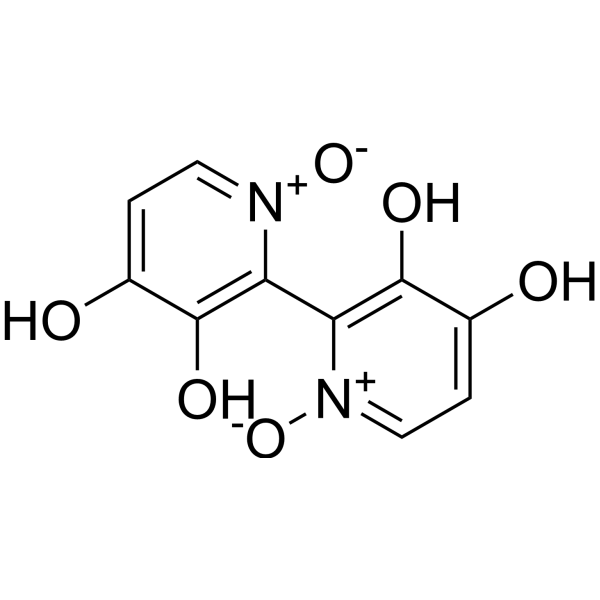
Orellanine, a nephrotoxic alkaloid found in Cortinarius orellanus, is an orally active and selective non-competitive inhibitor of alkaline phosphatase. Orellanine chelates iron, generates reactive oxygen species (ROS), induces DNA scission, forms ortho-semiquinone radicals, downregulates antioxidant defenses, and inhibits mitochondrial function. Orellanine induces caspase 8/9-mediated apoptosis. Orellanine inhibits synthesis of proteins, RNA, DNA, and mitochondrial protein synthesis, with metabolic activation required for cell-free protein synthesis inhibition. Orellanine can be used for the research of metastatic clear cell renal cell carcinoma, acute renal failure, chronic renal insufficiency, and kidney damage .
|
-
-
- HY-125840R
-
|
PT2977 (Standard); MK-6482 (Standard)
|
HIF/HIF Prolyl-Hydroxylase
Reference Standards
|
Cancer
|
|
Belzutifan (Standard) is the analytical standard of Belzutifan. This product is intended for research and analytical applications. Belzutifan (PT2977) is an orally active and selective HIF-2α inhibitor with an IC50 of 9 nM. Belzutifan, as a second-generation HIF-2α inhibitor, increases potency and improves pharmacokinetic profile. Belzutifan is a potential treatment for clear cell renal cell carcinoma (ccRCC) .
|
-
-
- HY-164429
-
|
|
Integrin
Elastase
|
Cancer
|
|
VIP236 is a small-molecule drug conjugate targeting αvβ3 integrin. VIP236 achieves tumor homing via specific binding to αvβ3 integrin and delivers its payload to the tumor microenvironment. The linker of VIP236 is cleavable by neutrophil elastase, which is highly expressed in the tumor microenvironment, to release the payload 7-ethylcamptothecin. This payload induces DNA damage by inhibiting topoisomerase 1, thereby exerting anti-tumor effects. VIP236 exhibits excellent plasma stability and tumor targeting property, with a tumor/plasma payload ratio 10-fold higher than that of the single administration. It effectively induces tumor regression, reduces metastasis formation, and shows good tolerance in mouse models. VIP236 has been used in studies related to non-small cell lung cancer, clear cell renal cell carcinoma, colon cancer, triple-negative breast cancer, small cell lung cancer, and metastatic solid tumors .
|
-
-
- HY-147426A
-
|
ADS-007 sodium; ARO HIF2 sodium
|
Small Interfering RNA (siRNA)
HIF/HIF Prolyl-Hydroxylase
|
Cancer
|
|
Zifcasiran (ADS-007) sodium is an siRNA synthetic double-stranded RNAi trigger. Zifcasiran sodium selectively target hypoxia-inducible factor-2α (HIF2α) interrupting downstream pro-oncogenic signaling in clear cell renal cell carcinoma (ccRCC). Zifcasiran sodium engages the cell's RNAi machinery to target HIF2α (EPAS1) mRNA for degradation, thereby reducing the amount of free HIF2α mRNA available for translation .
|
-
-
- HY-120569
-
|
|
Apoptosis
|
Cancer
|
|
NC-001 is a selective apoptosis inducer targeting renal proximal tubular cells and renal cancer cells. NC-001 inhibits tumor growth in clear cell renal cell carcinoma (CCRCC) xenograft models. NC-001 is promising for research of metastatic renal cell carcinoma .
|
-
-
- HY-N11784
-
|
|
Apoptosis
Caspase
NF-κB
COX
IKK
|
Inflammation/Immunology
Cancer
|
|
Triptolidenol, a traditional Chinese medicine, is an epoxy diterpene lactone that can be isolated from Tripterygium wilfordii. Triptolidenol has anti-inflammatory and anticancer activities. Triptolidenol significantly inhibits tumor cell proliferation and migration, arrests cell cycle arrest at S phase and induces apoptosis by activating the cytochrome c/caspase cascade signaling pathway. Triptolidenol disrupts NF-κB/COX-2 pathway by inhibiting IKKβ at ATP-binding sites. Triptolidenol can be used for chronic nephritis and kidney cancer like clear cell renal cell carcinoma (ccRCC) research .
|
-
-
- HY-175041
-
|
|
Glutathione Peroxidase
Reactive Oxygen Species (ROS)
Cannabinoid Receptor
Ferroptosis
|
Cancer
|
|
GPX4-IN-18 (Compound 17) is a ferrocene-containing inhibitor of glutathione peroxidase 4 (GPX4). GPX4-IN-18 is also an inducer of ferroptosis. GPX4-IN-18 can increase the production of ROS and malondialdehyde (MDA) levels in OS-RC-2 clear cell renal cell carcinoma cells. GPX4-IN-18 induces ferroptosis in HT-1080 cells with IC50s of 0.007 μM (absence of ferrostatin-1) and 1.486 μM (presence of ferrostatin-1). GPX4-IN-18 reduces in vivo tumor volume and intratumoral GPX4 levels in OS-RC-2 xenograft murine model .
|
-
-
- HY-151341
-
|
|
HIF/HIF Prolyl-Hydroxylase
|
Cancer
|
|
HIF-1/2α-IN-1 is an orally active HIF-2α inhibitor. HIF-1/2α-IN-1 inhibits HIF-2α activity with an IC50 value of 0.92 μM. HIF-1/2α-IN-1 also can decrease HIF-1α levels. HIF-1/2α-IN-1 can be used for the research of clear cell renal cell carcinoma (ccRCC) .
|
-
-
- HY-149673
-
|
|
CDK
|
Cancer
|
|
XPW1 is a potent and selective CDK9 inhibitor with excellent activity against clear cell renal cell carcinoma (ccRCC) and low toxicity .
|
-
-
- HY-W013274A
-
|
|
Histone Acetyltransferase
Apoptosis
|
Cancer
|
|
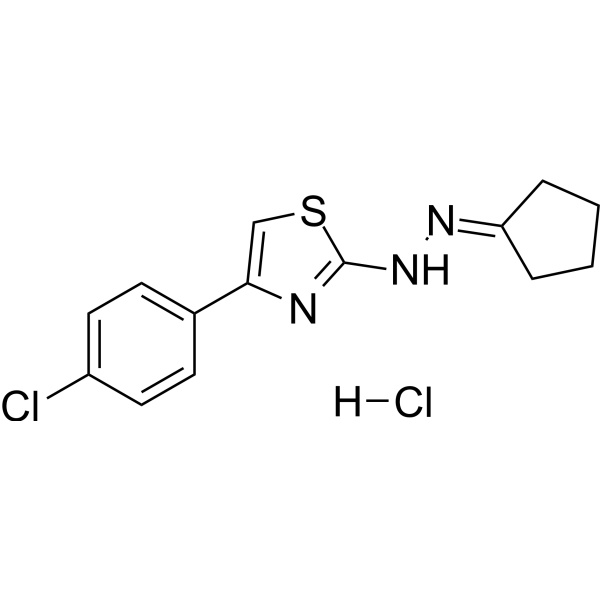
CPTH2 hydrochloride is a potent histone acetyltransferase (HAT) inhibitor. CPTH2 hydrochloride selectively inhibits the acetylation of histone H3 by Gcn5. CPTH2 hydrochloride induces apoptosis and decreases the invasiveness of a clear cell renal carcinoma (ccRCC) cell line through the inhibition of acetyltransferase p300 (KAT3B) .
|
-
-
- HY-183117
-
|
|
Molecular Glues
HIF/HIF Prolyl-Hydroxylase
|
Cancer
|
|
NEO-811 is a selective and orally active ARNT (HIF-1β) molecular glue degrader. NEO-811 is mediated by CRL4-CRBN E3 ligase for ARNT degradation. NEO-811 can be used for the study of clear cell renal cell carcinoma (ccRCC) .
|
-
-
- HY-185484
-
|
BMS-936561
|
Antibody-Drug Conjugates (ADCs)
Transmembrane Glycoprotein
|
Cancer
|
|
MDX-1203 (BMS-936561) is an antibody-drug conjugate targeting CD70. MDX-1203 binds to CD70 and mediates the specific delivery of its conjugated cytotoxic payload to tumors. MDX-1203 delivers a DNA alkylating payload into cells. MDX-1203 can be used in research related to advanced clear cell renal cell carcinoma and relapsed/refractory B-cell non-Hodgkin lymphoma .
|
-
-
- HY-W470101
-
|
|
HIF/HIF Prolyl-Hydroxylase
Apoptosis
HSP
Caspase
|
Cancer
|
|
HIF-2α-IN-17 is a selective hypoxia-inducible factor 2α (HIF2α) inhibitor that binds to the PAS-B domain of HIF2α. HIF-2α-IN-17 disrupts the interaction between HIF2α and the molecular chaperone Hsp70, leading to proteasomal degradation of HIF2α. HIF-2α-IN-17 exhibits antitumor activity and induces apoptosis in cancer cells. HIF-2α-IN-17 is applicable for research on cancers such as clear cell renal cell carcinoma .
|
-
-
- HY-183374
-
|
|
Carbonic Anhydrase
Radionuclide-Drug Conjugates (RDCs)
|
Cancer
|
|
NYM074 is a carbonic anhydrase IX (CAIX) ligand. NYM074 binds specifically to human CAIX to enable targeted radionuclide delivery. NYM074 supports dual radiolabeling with 68Ga for positron emission tomography (PET) imaging and 177Lu for radionuclide applications. NYM074 can be used for the research of clear cell renal cell carcinoma .
|
-
-
- HY-P11737
-
|
|
Radionuclide-Drug Conjugates (RDCs)
Carbonic Anhydrase
|
Cancer
|
|
IPM-N001 is a carbonic anhydrase IX (CAIX) ligand with a Kd value of <0.0337 nM for hCAIX. When radio-conjugated with 68Ga, IPM-N001 serves as a CAIX-targeted radionuclide tracer. [ 68Ga]Ga-IPM-N001 exhibits excellent tumor uptake and significantly improves the tumor-to-background ratio in PET/CT imaging studies using OS-RC-2 tumor-bearing mice. IPM-N001 can be used for the research of clear cell renal cell carcinoma .
|
-
-
- HY-183098
-
|
|
PROTACs
IKK
Apoptosis
|
Cancer
|
|
UNC8209 is a selective PROTAC-based TANK-binding kinase 1 (TBK1) degrader. UNC8209 recruits cereblon (CRBN) to mediate ubiquitin-proteasome pathway-dependent TBK1 degradation and reduces AAK1, GAK, and AURKA abundance. UNC8209 suppresses tumor cell proliferation, impairs in vivo tumor growth, inhibits colony and clonogenic growth and enhances tumor cell sensitivity to TNFα or IFN-γ. UNC8209 modulates cell cycle and induces mild apoptosis. UNC8209 can be used for the research of clear cell renal cell carcinoma, non-small cell lung cancer, pancreatic ductal adenocarcinoma .
|
-
-
- HY-185483
-
|
|
Antibody-Drug Conjugates (ADCs)
Transmembrane Glycoprotein
Microtubule/Tubulin
|
Cancer
|
|
AMG-172 is an antibody-drug conjugate (ADC) composed of a fully human IgG1 monoclonal anti-CD27L antibody conjugated to DM1 (HY-19792) via the non-cleavable linker MCC. AMG-172 releases the intracellular active component Lysine-MCC-DM through catabolism. Lysine-MCC-DM inhibits the assembly and disassembly dynamics of Microtubule and induces cell arrest at metaphase. AMG-172 can be used for research on relapsed/refractory clear cell renal cell carcinoma .
|
-
-
- HY-183583
-
|
|
HIF/HIF Prolyl-Hydroxylase
|
Cancer
|
|
HIF-2α-IN-18 is a selective HIF-2α inhibitor with a human IC50 of 8.1 nM. HIF-2α-IN-18 binds to the HIF-2α PAS-B domain, induces conformational perturbations at the HIF-2α/ARNT dimerization interface, destabilizes the HIF-2α/ARNT heterodimer, and blocks HIF-2α-mediated transcriptional activity. HIF-2α-IN-18 inhibits hypoxia-induced expression of HIF-2α target genes EPO and SERPINE1, without inhibiting HIF-1α target genes PGK1 and PDK1. HIF-2α-IN-18 can be used for the research of clear cell renal cell carcinoma, hepatocellular carcinoma[1].
|
-
-
- HY-181112
-
|
|
Carbonic Anhydrase
|
Cancer
|
|
CAIX-IN-17 is a carbonic anhydrase IX (CAIX) inhibitor with an IC50 of 61 nM and accumulates specifically in CAIX-expressing xenograft tumors. CAIX-IN-17 can be labeled with 68Ga and acts as a CAIX-targeted PET tracer for detection of clear-cell renal cell carcinoma .
|
-
-
- HY-181955
-
|
|
Apoptosis
DNA Methyltransferase
HIF/HIF Prolyl-Hydroxylase
Caspase
|
Cancer
|
|
MS1129 is a DNMT degrader that induces proteasomal degradation of DNMT1, DNMT3A and DNMT3B proteins. MS1129 upregulates TRAIL, DR4 and DR5 proteins, downregulates the decoy receptor DcR2, and activates TRAIL-dependent apoptosis via the HIF-1/2 and Caspase-10 pathways. MS1129 is applicable to the research of VHL-deficient clear cell renal cell carcinoma .
|
-
-
- HY-185447
-
|
|
PD-1/PD-L1
|
Cancer
|
|
Biotin-itaconate is a biotin-labeled itaconic anhydride that targets PD-L1. Biotin-itaconate acts as a biotin probe for in vitro alkylation assays to identify itaconate-modified protein substrates. Biotin-itaconate is applicable to cancer research .
|
-
| Cat. No. |
Product Name |
Target |
Research Area |
-
- HY-P11737
-
|
|
Radionuclide-Drug Conjugates (RDCs)
Carbonic Anhydrase
|
Cancer
|
|
IPM-N001 is a carbonic anhydrase IX (CAIX) ligand with a Kd value of <0.0337 nM for hCAIX. When radio-conjugated with 68Ga, IPM-N001 serves as a CAIX-targeted radionuclide tracer. [ 68Ga]Ga-IPM-N001 exhibits excellent tumor uptake and significantly improves the tumor-to-background ratio in PET/CT imaging studies using OS-RC-2 tumor-bearing mice. IPM-N001 can be used for the research of clear cell renal cell carcinoma .
|
| Cat. No. |
Product Name |
Target |
Research Area |
Image |
-
- HY-P99023
-
|
G250; cG250
|
Carbonic Anhydrase
|
Cancer
|
|
Girentuximab (G250) is a chimeric monoclonal antibody that binds carbonic anhydrase IX (CAIX), a cell surface glycoprotein ubiquitously expressed in clear cell renal cell carcinoma (ccRCC) .
|
-
(5)
-
- HY-P99463
-
|
AVB-500; AVB-S6-500
|
TAM Receptor
PI3K
Akt
p38 MAPK
|
Cancer
|
|
Batiraxcept (AVB-500; AVB-S6-500) is a selective, soluble AXL receptor and GAS6 inhibitor that targets the GAS6-AXL signaling axis. Batiraxcept is orally inactive and does not cross the blood-brain barrier. Batiraxcept competitively binds to GAS6 ((KD <1 nM), preventing its interaction with the AXL receptor tyrosine kinase, thereby inhibiting downstream PI3K/AKT and MAPK signaling pathways, reducing tumor cell glycolysis, angiogenesis, and metastatic potential. Batiraxcept has demonstrated antitumor activity in preclinical models of endometrial, cholangiocarcinoma, and ovarian cancer by inhibiting tumor growth, invasion, and metastasis .
|
-
(5)
-
- HY-P991661
-
-
(5)
| Cat. No. |
Product Name |
Category |
Target |
Chemical Structure |
-
- HY-121936
-
-
-
- HY-W661499
-
|
|
Structural Classification
Natural Products
Microorganisms
Source Classification
|
Phosphatase
Apoptosis
Reactive Oxygen Species (ROS)
Caspase
|
|
Orellanine, a nephrotoxic alkaloid found in Cortinarius orellanus, is an orally active and selective non-competitive inhibitor of alkaline phosphatase. Orellanine chelates iron, generates reactive oxygen species (ROS), induces DNA scission, forms ortho-semiquinone radicals, downregulates antioxidant defenses, and inhibits mitochondrial function. Orellanine induces caspase 8/9-mediated apoptosis. Orellanine inhibits synthesis of proteins, RNA, DNA, and mitochondrial protein synthesis, with metabolic activation required for cell-free protein synthesis inhibition. Orellanine can be used for the research of metastatic clear cell renal cell carcinoma, acute renal failure, chronic renal insufficiency, and kidney damage .
|
-
-
- HY-N11784
-
|
|
Structural Classification
Terpenoids
Celastraceae
Diterpenoids
Tripterygium wilfordii Hook. f.
Plants
Source Classification
|
Apoptosis
Caspase
NF-κB
COX
IKK
|
|
Triptolidenol, a traditional Chinese medicine, is an epoxy diterpene lactone that can be isolated from Tripterygium wilfordii. Triptolidenol has anti-inflammatory and anticancer activities. Triptolidenol significantly inhibits tumor cell proliferation and migration, arrests cell cycle arrest at S phase and induces apoptosis by activating the cytochrome c/caspase cascade signaling pathway. Triptolidenol disrupts NF-κB/COX-2 pathway by inhibiting IKKβ at ATP-binding sites. Triptolidenol can be used for chronic nephritis and kidney cancer like clear cell renal cell carcinoma (ccRCC) research .
|
-
| Cat. No. |
Product Name |
|
Classification |
-
- HY-175247
-
|
|
|
Alkynes
|
|
DDO-4033 is a SPOP inhibitor (IC50 = 16.9 μM, Kd = 15.1 μM). DDO-4033 impairs the malignant migration, invasion, and proliferation of clear cell renal cell carcinoma (ccRCC) cell lines. DDO-4033 disrupts SPOP recruitment to its substrate LATS1, inhibits its polyubiquitination and subsequent degradation, and upregulates LATS1 expression. DDO-4033 has promising antitumor activity and is promising for renal cell carcinoma research .
|
-
- HY-120569
-
|
|
|
Azide
|
|
NC-001 is a selective apoptosis inducer targeting renal proximal tubular cells and renal cancer cells. NC-001 inhibits tumor growth in clear cell renal cell carcinoma (CCRCC) xenograft models. NC-001 is promising for research of metastatic renal cell carcinoma .
|
| Cat. No. |
Product Name |
|
Classification |
-
- HY-147426
-
|
ADS-007; ARO HIF2
|
|
siRNAs
siRNA drugs
|
|
Zifcasiran (ADS-007; ARO HIF2) is an siRNA synthetic double-stranded RNAi trigger. Zifcasiran sodium selectively target hypoxia-inducible factor-2α (HIF2α) interrupting downstream pro-oncogenic signaling in clear cell renal cell carcinoma (ccRCC). Zifcasiran sodium engages the cell's RNAi machinery to target HIF2α (EPAS1) mRNA for degradation, thereby reducing the amount of free HIF2α mRNA available for translation .
|
-
- HY-147426A
-
|
ADS-007 sodium; ARO HIF2 sodium
|
|
siRNAs
siRNA drugs
|
|
Zifcasiran (ADS-007) sodium is an siRNA synthetic double-stranded RNAi trigger. Zifcasiran sodium selectively target hypoxia-inducible factor-2α (HIF2α) interrupting downstream pro-oncogenic signaling in clear cell renal cell carcinoma (ccRCC). Zifcasiran sodium engages the cell's RNAi machinery to target HIF2α (EPAS1) mRNA for degradation, thereby reducing the amount of free HIF2α mRNA available for translation .
|
Your information is safe with us. * Required Fields.
Inquiry Information
- Product Name:
- Cat. No.:
- Quantity:
- MCE Japan Authorized Agent:

