Search Result
Results for "
cultured neurons
" in MedChemExpress (MCE) Product Catalog:
-
- HY-108449
-
|
WS-12; AR-15512; AVX-012
|
TRP Channel
|
Neurological Disease
|
|
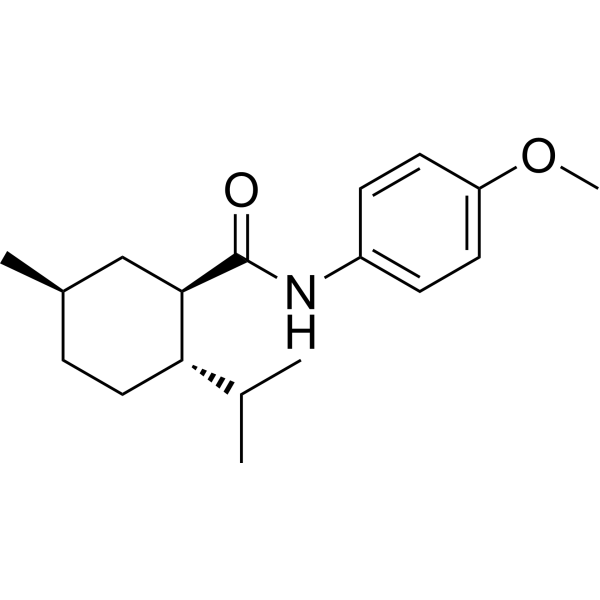
Acoltremon (WS-12; AR-15512) is a potent and selective TRPM8 agonist, the menthol derivative, as a cooling agent. Acoltremon shows analgesic effect, and can be used in chronic neuropathic pain research .
|
-
-
- HY-15515
-
SEA0400
Maximum Cited Publications
19 Publications Verification
|
Na+/Ca2+ Exchanger
|
Cardiovascular Disease
|
|
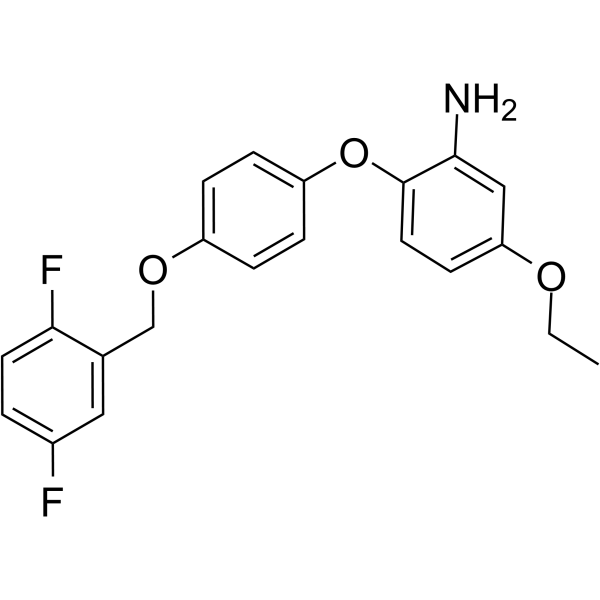
SEA0400 is a novel and selective inhibitor of the Na +-Ca 2+ exchanger (NCX), inhibiting Na +-dependent Ca 2+ uptake in cultured neurons, astrocytes, and microglia with IC50s of from 5 to 33 nM.
|
-
-
- HY-B0358
-
-
-
- HY-130259
-
|
|
Atg8/LC3
Autophagy
|
Neurological Disease
|
|
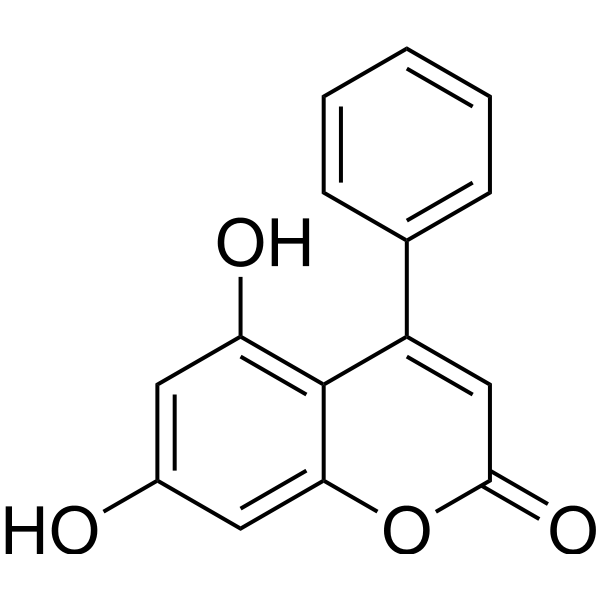
LC3-mHTT-IN-AN2 (Compound AN2) is a mHTT-LC3 linker compound, which interacts with both mutant huntingtin protein (mHTT) and LC3B but not with wtHTT or irrelevant control proteins. LC3-mHTT-IN-AN2 reduces the levels of mHTT in an allele-selective manner in cultured Huntington disease (HD) mouse neurons .
|
-
-
- HY-B0358A
-
-
-
- HY-122243
-
IU1-47
3 Publications Verification
|
Deubiquitinase
|
Neurological Disease
|
|
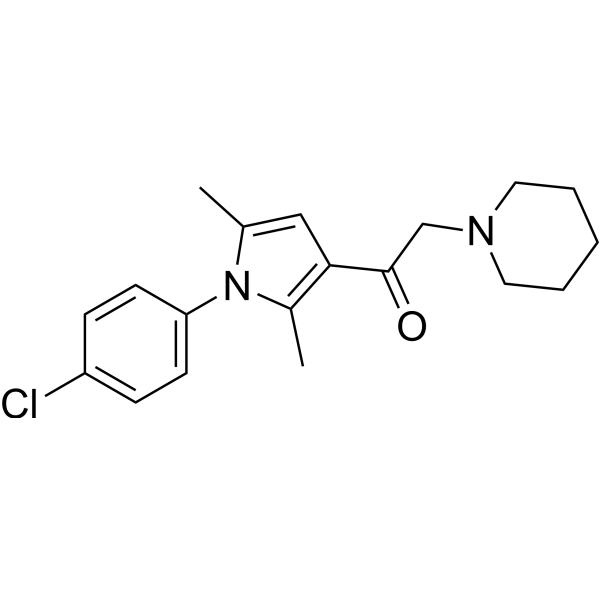
IU1-47 is a potent and specific USP14 inhibitor with an IC50 of 0.6 μM. IU1-47 inhibits IsoT/USP5 with an IC50 of 20 μM. IU1-47 induces tau elimination in cultured neurons .
|
-
-
- HY-130258
-
|
|
Atg8/LC3
Autophagy
|
Neurological Disease
|
|
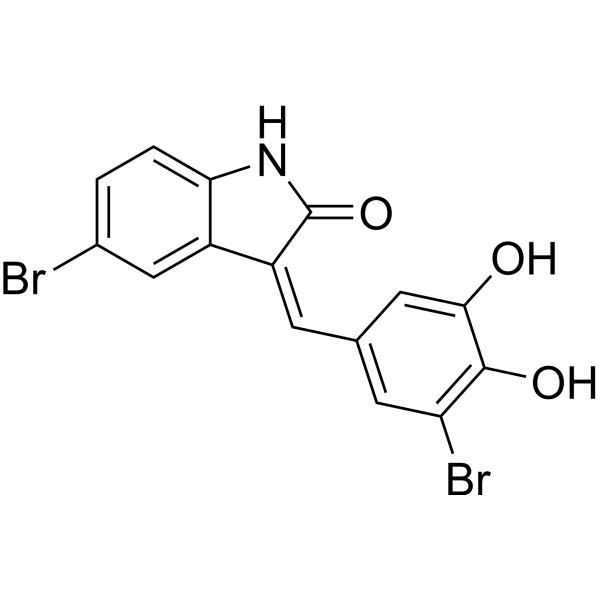
LC3-mHTT-IN-AN1 (Compound AN1) is a mHTT-LC3 linker compound, which interacts with both mutant huntingtin protein (mHTT) and LC3B but not with wtHTT or irrelevant control proteins. LC3-mHTT-IN-AN1 reduces the levels of mHTT in an allele-selective manner in cultured Huntington disease (HD) mouse neurons .
|
-
-
- HY-113273A
-
|
|
P2X Receptor
|
Neurological Disease
|
|
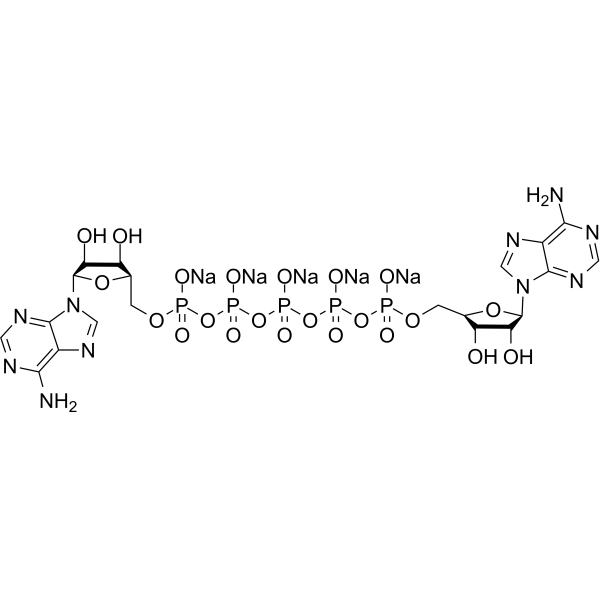
Diadenosine pentaphosphate pentasodium is an agonist and negative modulator of the P2X1 receptor, an endogenous vasoactive purine dinucleotide that can be isolated from platelets. Diadenosine pentaphosphate pentasodium mediates negative regulation of dendrite growth and number by activating homologous and heterologous P2X1 receptors, which triggers a transient and moderate increase in intracellular calcium levels within dendritic growth cones. Diadenosine pentaphosphate pentasodium is widely present in secretory vesicles such as platelets, chromaffin cells and brain synaptosomes, and exhibits selective activity on dendrite growth of cultured hippocampal neurons, inhibiting only dendrite growth without affecting axon growth. Diadenosine pentaphosphate pentasodium has a weaker ability to compete with RcCHAD for binding to polyP than short-chain polyPs .
|
-
-
- HY-N0307
-
|
|
Bcl-2 Family
NF-κB
DNA/RNA Synthesis
Apoptosis
|
Cardiovascular Disease
Neurological Disease
|
|
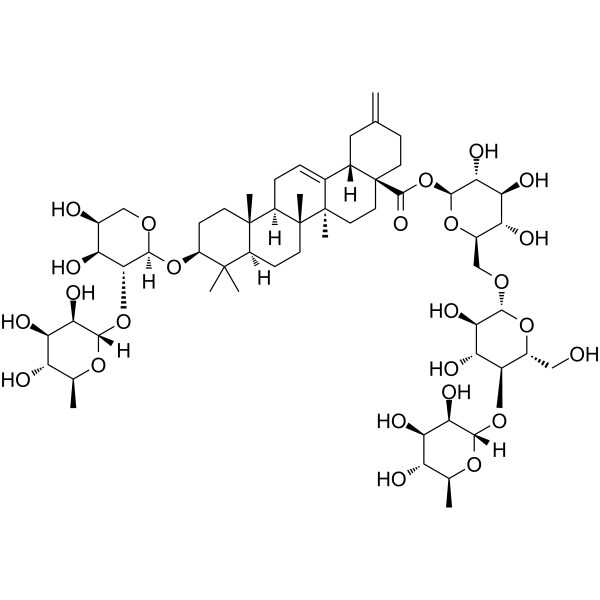
Ciwujianoside B is an orally active, blood-brain barrier penetrable radioprotective agent and memory enhancer. Ciwujianoside B reduces radiation-induced DNA damage, cell cycle arrest and apoptosis, downregulates NF-κB and the Bax/Bcl-2 ratio, and enhances the proliferative capacity of bone marrow cells. Ciwujianoside B enhances object recognition memory in normal mice and induces dendritic extension in primary cultured cortical neurons. Ciwujianoside B can be used in studies related to hematopoietic system radiation injury and memory enhancement .
|
-
-
- HY-P991413
-
|
|
Trk Receptor
ERK
Akt
p38 MAPK
|
Neurological Disease
Inflammation/Immunology
|
|
ZEB85 is a human monoclonal antibody (mAb) targeting TrkB. ZEB85 activates TrkB and its downstream cascades, including the ERK, PLCγ, AKT, MAPK signaling pathways and cFOS expression, and enhances neuronal activity. ZEB85 prevents β-amyloid toxicity in cultured hippocampal neurons. ZEB85 is applicable to the research of Alzheimer's disease (AD) .
|
-

-
- HY-122635A
-
|
|
Histone Demethylase
|
Neurological Disease
|
|
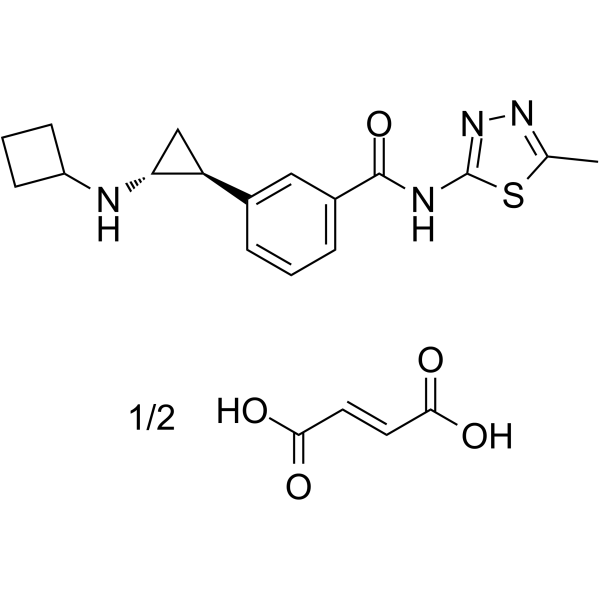
T-448 is a specific, orally active, CNS-penetrant and irreversible inhibitor of lysine-specific demethylase 1 (LSD1, an H3K4 demethylase), with an IC50 of 22 nM. T-448 enhances H3K4 methylation in primary cultured rat neurons .
|
-
-
- HY-123985
-
|
|
Mitochondrial Metabolism
|
Others
|
|
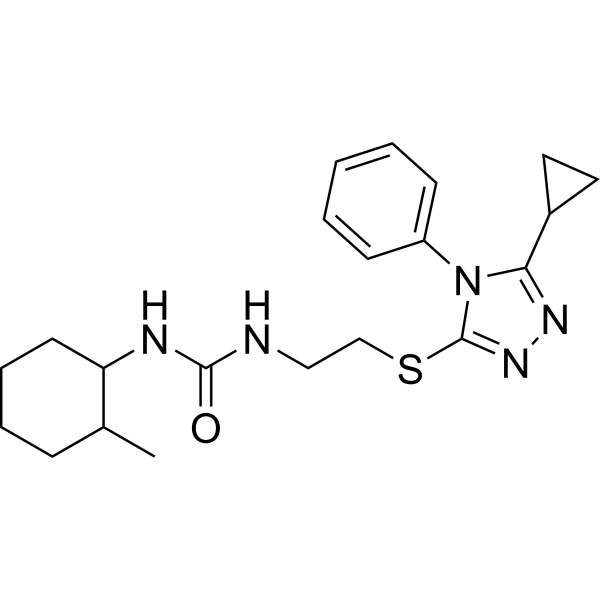
MFN2 agonist-1 (B-A/l) potently stimulates mitochondrial fusion in mitofusin 2 (MFN2)-deficient cells. MFN2 agonist-1 reverses mitochondrial “clumping” (formation of static mitochondrial aggregates) and restores mitochondrial motility in cultured mouse neurons expressing the CMT2A mutant MFN2 T105M.
|
-
-
- HY-103234A
-
|
|
iGluR
|
Neurological Disease
|
|
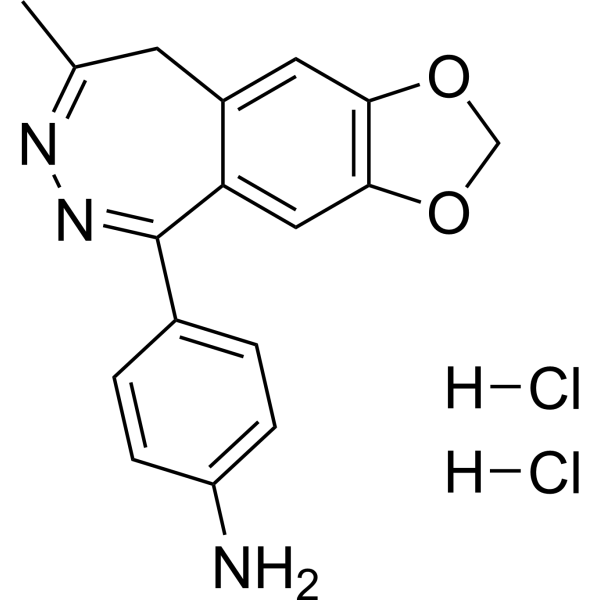
GYKI 52466 dihydrochloride is an orally active, highly selective and noncompetitive AMPA/kainate receptor antagonist with the IC50 values of 7.5 and 11μM, respectively. GYKI 52466 dihydrochloride has good blood brain barrier permeability and anticonvulsant effect. GYKI 52466 dihydrochloride can be used in Parkinson's disease research .
|
-
-
- HY-P2259
-
|
|
iGluR
HIV Integrase
Adenosine Receptor
|
Cardiovascular Disease
Neurological Disease
|
|
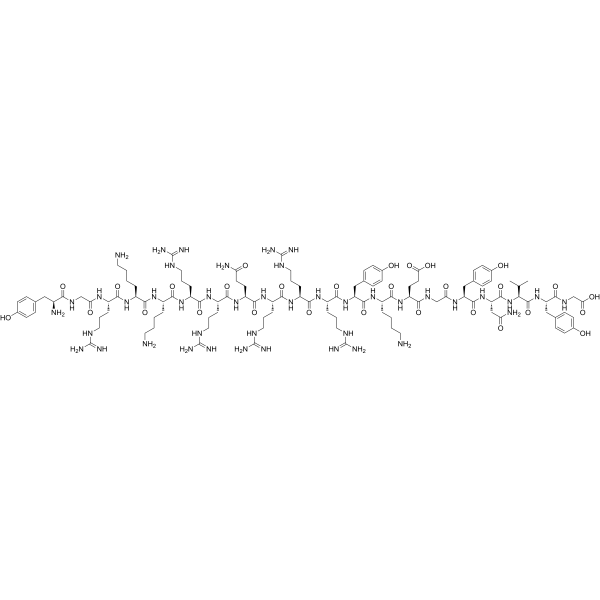
TAT-GluA2 3Y is a blood-brain barrier-permeable AMPA receptor inhibitory peptide that crosses cell membranes via the HIV-1 TAT protein domain. TAT-GluA2 3Y blocks the endocytosis of AMPA receptors, including the internalization of GluA1/GluA2 subunits, by disrupting interactions with the AP2, Brag2 and Syt3-GluA2 complexes, while also inhibiting long-term depression. TAT-GluA2 3Y blocks hypoxia-mediated AMPAR internalization, alleviates A1R-induced persistent synaptic inhibition, and reduces cerebral ischemic volume, neurological deficits and spatial memory deficits. TAT-GluA2 3Y blocks the effect of NLRP3 deficiency on fear generalization, inhibits amphetamine-induced behavioral/neurochemical sensitization, weakens the unconditioned stimulus-conditioned stimulus association of morphine, and promotes the extinction of morphine CPP. TAT-GluA2 3Y can be used in studies related to fear generalization, ischemic stroke, hypoxia, drug addiction and opioid addiction .
|
-
-
- HY-W073501
-
|
trans-2-Pentenedioic acid
|
Drug Isomer
Endogenous Metabolite
|
Cardiovascular Disease
Metabolic Disease
|
|
trans-Glutaconic acid (trans-2-Pentenedioic acid) is the trans isomer of Glutaconic acid (HY-W073501A). trans-Glutaconic acid is a neurotoxic metabolite. trans-Glutaconic acid induces weak neurotoxicity in cultured cerebral neocortical neurons. trans-Glutaconic acid elicits significant electrophysiological responses in rat neocortical wedge preparations at high concentrations. trans-Glutaconic acid can be used in studies related to glutaric acidemia type 1 .
|
-

-
- HY-116818
-
|
|
HDAC
|
Neurological Disease
|
|
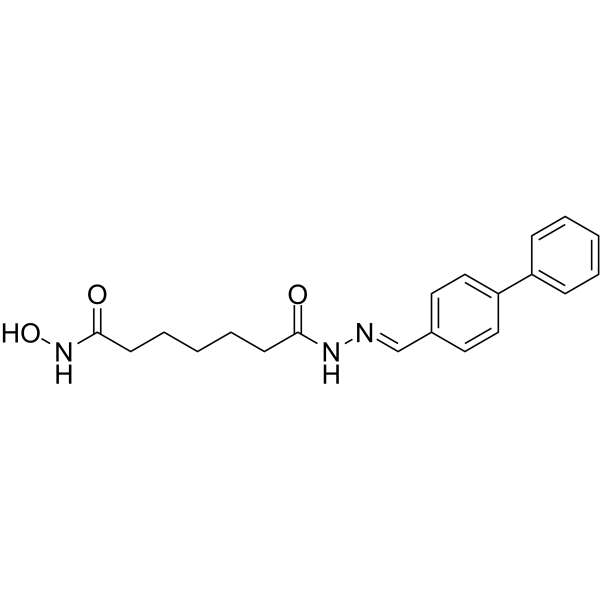
Crebinostat is a potent histone deacetylase (HDAC) inhibitor with IC50 values of 0.7 nM, 1.0 nM, 2.0 nM and 9.3 nM for HDAC1, HDAC2, HDAC3 and HDAC6, respectively. Crebinostat potently induces acetylation of both histone H3 and histone H4 as well as enhances the expression of the cAMP response element-binding protein (CREB) target gene Egr1. Crebinostat increases the density of synapsin-1 punctae along dendrites in cultured neurons. Crebinostat can modulate chromatin-mediated neuroplasticity and exhibits enhanced memory in mice .
|
-
-
- HY-19434
-
|
Trans-(±)-ACP
|
mGluR
|
Metabolic Disease
|
|
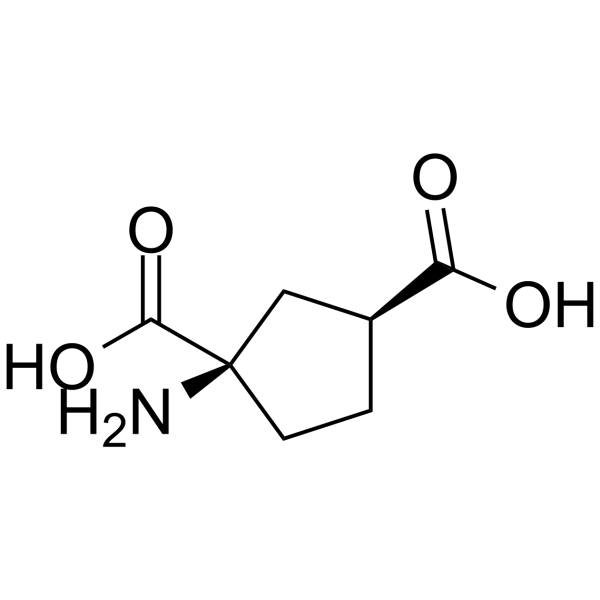
trans-ACPD, a metabotropic receptor agonist, produces calcium mobilization and an inward current in cultured cerebellar Purkinje neurons.
|
-
-
- HY-13056
-
|
|
Drug Metabolite
|
Neurological Disease
|
|
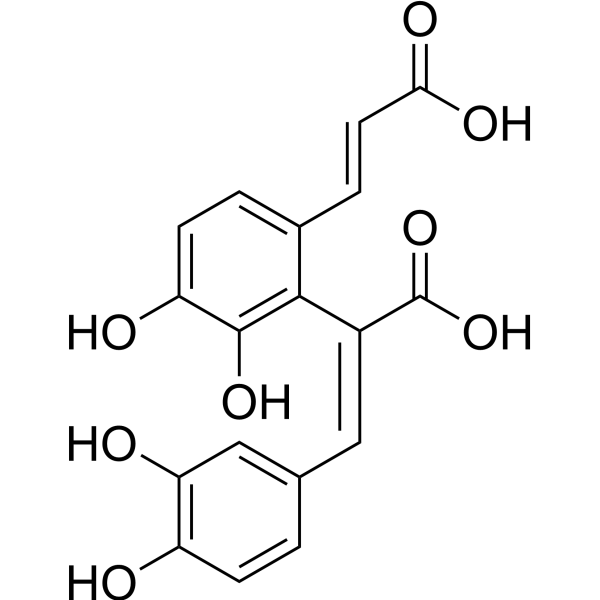
SMND-309 is a metabolite of salvianolic acid B, and exhibits neuroprotective effects in cultured neurons and in permanent middle cerebral artery occlusion rats .
|
-
-
- HY-122672A
-
|
|
FAK
|
Neurological Disease
|
|
Adhesamine diTFA is a dumbbell-shaped molecule that activates the MAPK/FAK pathway. Adhesamine promotes the adhesion and growth of mammalian cells, accelerates the differentiation of primary cultured mouse hippocampal neurons, and enhances their survival rate .
|
-

-
- HY-178963
-
|
|
Sodium Channel
Calcium Channel
|
Neurological Disease
|
|
Nav1.2-IN-2 is a Nav1.2 inhibitor with a human IC50 of 0.18 μM. Nav1.2-IN-2 preferentially binds to the inactivated state of Nav1.2, reduces window current, suppresses neuronal depolarization and action potential generation. Nav1.2-IN-2 suppresses Veratridine (HY-N6691)-induced Ca 2+ influx. Nav1.2-IN-2 can be used for the research of epilepsy .
|
-

-
- HY-103502
-
CGP7930
1 Publications Verification
|
GABA Receptor
|
Neurological Disease
|
|
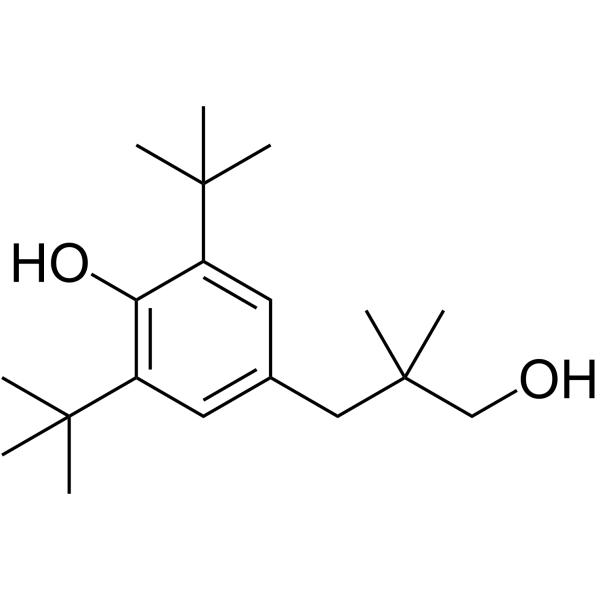
CGP7930 (3-(3’,5’-Di-tert-butyl-4’-hydroxy) phenyl-2, 2-dimethylpropanol) is a positive metabotropic GABAB receptor allosteric modulator. CGP7930 enhances the inhibitory effect of l-baclofen on the oscillatory activity of cultured cortical neurons .
|
-
-
- HY-100547
-
|
|
iGluR
|
Neurological Disease
|
|
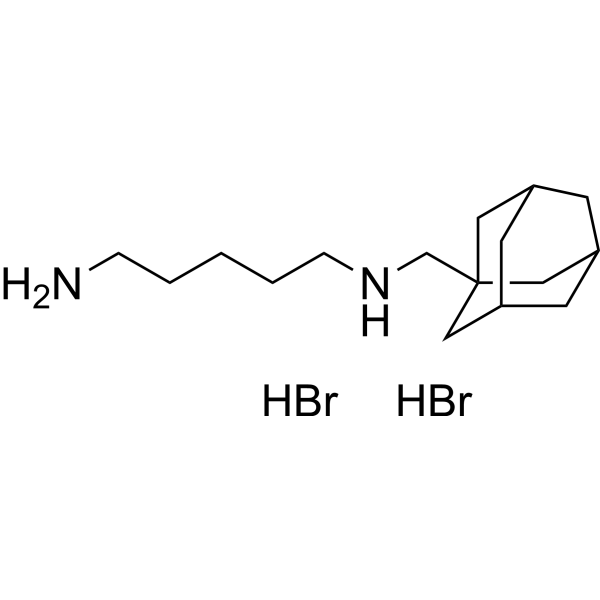
IEM-1754, a dicationic adamantane derivative, is a potent blocker of open channels of native ionotropic glutamate receptors including quisqualate-sensitive receptors in insect muscles, NMDAR in cultured rat cortical neurons, and AMPAR in freshly isolated hippocampal cells. IEM-1754 shows anticonvulsant potency in vivo .
|
-
-
- HY-P3071
-
|
Stichodactyla helianthus neurotoxin
|
Potassium Channel
|
Neurological Disease
Inflammation/Immunology
|
|
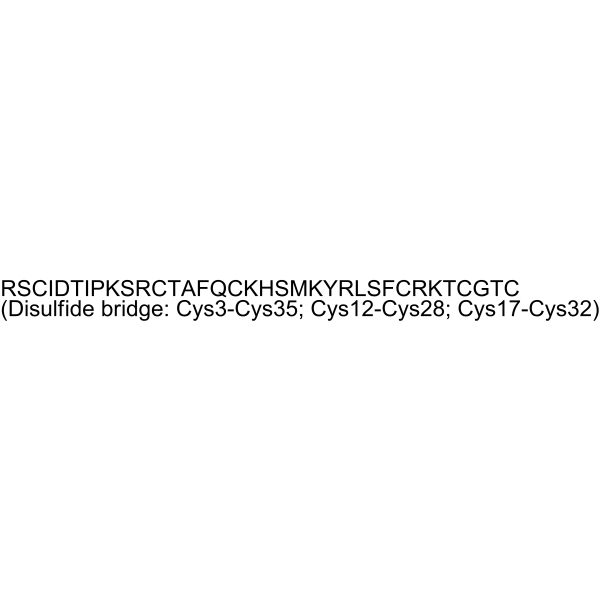
ShK toxin blocks voltage-dependent potassium channel (Kv1.3 channel). ShK toxin can be isolated from the whole body extract of the Caribbean sea anemone (Stichodactylu helianthus). ShK toxin competes with dendrotoxin I and α-dendrotoxin for binding to synaptosomal membranes of rat brain, facilitates acetylcholine release. ShK toxin suppresses K+ currents in cultured rat dorsal root ganglion neurons. ShK toxin also inhibits T lymphocyte proliferation .
|
-
-
- HY-111527
-
|
|
Calcium Channel
|
Neurological Disease
|
|
PPZ2 is a diacylglycerol (DAG)-activated TRPC3/TRPC6/TRPC7 channel activator with activity in promoting neuronal development and survival. PPZ2 activates recombinant TRPC3/TRPC6/TRPC7 channels in a dose-dependent manner without affecting other TRPC channels. PPZ2 elicits cation currents and calcium ion (Ca(2+)) influx in cultured central neurons. PPZ2 is able to induce BDNF-like neurite outgrowth and neuroprotection, an effect that disappears after TRPC3/TRPC6/TRPC7 knockdown or inhibition. PPZ2 also increases the activation of the calcium-dependent transcription factor cAMP response element binding protein. The effects of PPZ2 suggest that calcium signaling mediated by activation of DAG-activated TRPC channels plays an important role in its neurotrophic effects .
|
-

-
- HY-15515R
-
|
|
Na+/Ca2+ Exchanger
Reference Standards
|
Cardiovascular Disease
|
|
SEA0400 (Standard) is the analytical standard of SEA0400. This product is intended for research and analytical applications. SEA0400 is a novel and selective inhibitor of the Na+-Ca2+ exchanger (NCX), inhibiting Na+-dependent Ca2+ uptake in cultured neurons, astrocytes, and microglia with IC50s of from 5 to 33 nM.
|
-

-
- HY-B0358AR
-
|
|
Reference Standards
Calcium Channel
Sodium Channel
Dopamine Receptor
|
Neurological Disease
|
|
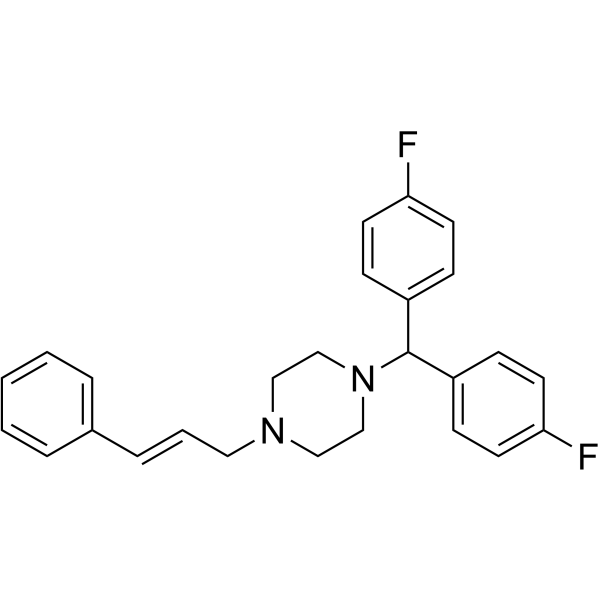
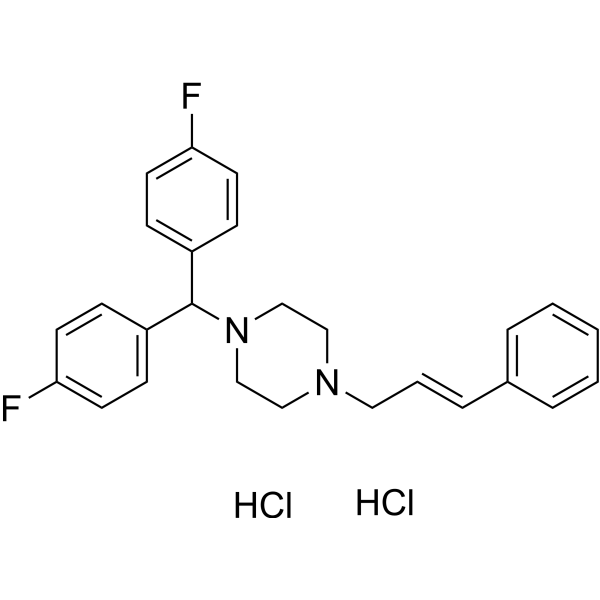
Flunarizine (dihydrochloride) (Standard) is the analytical standard of Flunarizine (dihydrochloride). This product is intended for research and analytical applications. Flunarizine dihydrochloride is a potent dual Na +/Ca 2+ channel (T-type) blocker. Flunarizine dihydrochloride is a D2 dopamine receptor antagonist. Flunarizine dihydrochloride shows anticonvulsive and antimigraine activity, and peripheral vasodilator effects .
|
-

-
- HY-118783
-
|
(±)-2-Hexyl-4-pentynoic acid
|
HDAC
HSP
|
Neurological Disease
Cancer
|
|
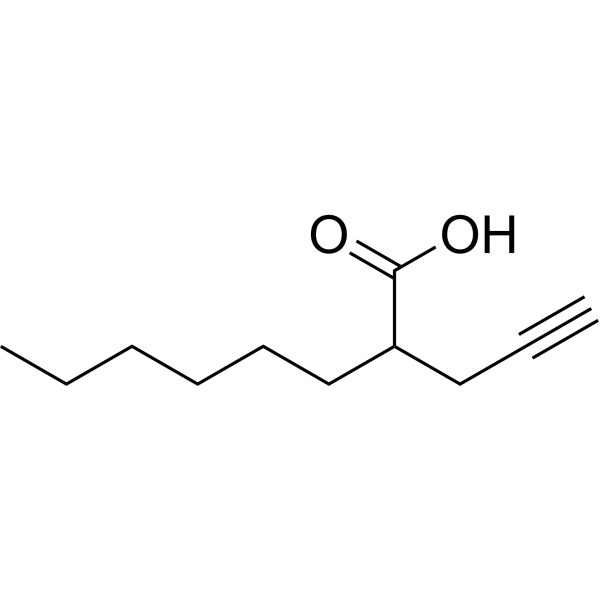
2-Hexyl-4-pentynoic acid ((±)-2-Hexyl-4-pentynoic acid), a Valproic acid (HY-10585) derivative, exhibits potential roles of HDAC inhibition (IC50 = 13 μM) and HSP70 induction. 2-Hexyl-4-pentynoic acid causes histone hyperacetylation and protect against glutamate-induced excitotoxicity in cultured neurons. 2-Hexyl-4-pentynoic acid can be used for the study of breast carcinoma. 2-Hexyl-4-pentynoic acid is a click chemistry reagent, it contains an Alkyne group and can undergo copper-catalyzed azide-alkyne cycloaddition (CuAAc) with molecules containing Azide groups .
|
-
-
- HY-P3528
-
|
|
Caspase
Apoptosis
|
Neurological Disease
|
|
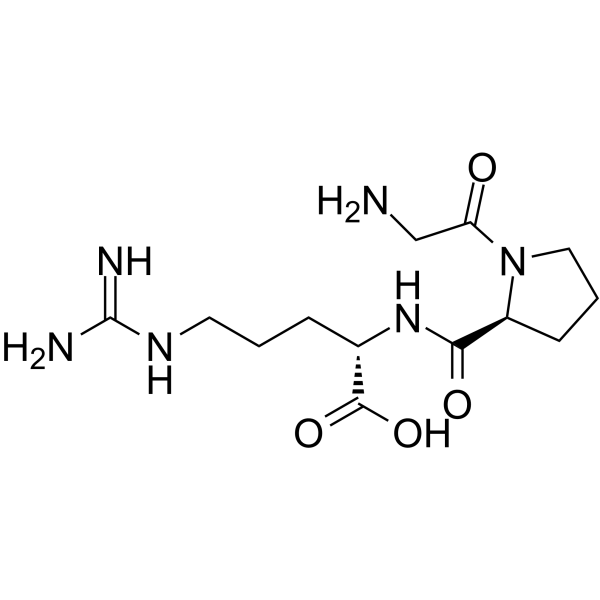
GPR is a three amino acid peptide. GPR can rescue cultured rat hippocampal neurons from Aβ-induced neuronal death by inhibiting caspase-3/p53 dependent apoptosis. GPR can be used for the research of Alzheimer's disease (AD).
|
-
-
- HY-B0358AS
-
-
-
- HY-P3071A
-
|
Stichodactyla helianthus neurotoxin TFA
|
Potassium Channel
|
Neurological Disease
Inflammation/Immunology
|
|
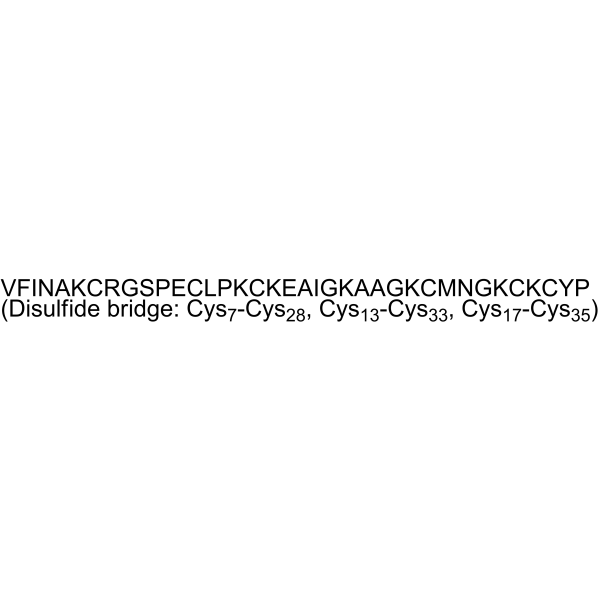
ShK toxin TFA (Stichodactyla helianthus neurotoxin TFA) is a neurotoxin. ShK toxin TFA blocks voltage-dependent potassium channel (Kv1.3 channel). ShK toxin TFA can be isolated from the whole body extract of the Caribbean sea anemone (Stichodactylu helianthus). ShK toxin TFA competes with dendrotoxin I and α-dendrotoxin for binding to synaptosomal membranes of rat brain, facilitates acetylcholine release. ShK toxin TFA suppresses K + currents in cultured rat dorsal root ganglion neurons. ShK toxin TFA also inhibits T lymphocyte proliferation .
|
-

-
- HY-124539
-
|
|
iGluR
|
Neurological Disease
|
|
ZK 187638 is an AMPA receptor antagonist. ZK 187638 antagonizes the kainate-induced currents in cultured hippocampal neurons with an IC50 of 3.4 μM in a noncompetitive fashion .
|
-

-
- HY-P5921
-
|
TsTx-Kα
|
Potassium Channel
|
Neurological Disease
|
|
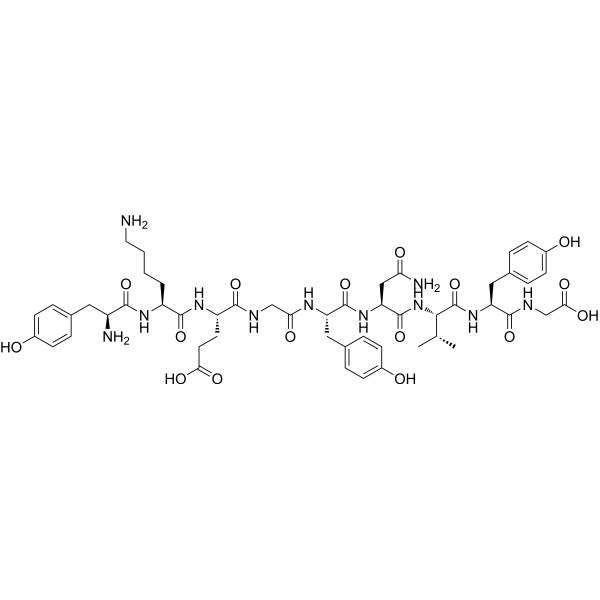
Tityustoxin-Kα (TsTx-Kα) is an inhibitor of potassium voltage-gated channels. Tityustoxin-Kα shows a dose-dependent block of the sustained outward current in cultured hippocampal neurons .
|
-
-
- HY-113985
-
-

-
- HY-P5487
-
|
|
iGluR
|
Others
|
|
GluR23Y is a biological active peptide. (This GluR23Y peptide was used in ELISA cell-surface assay for the insulin-stimulated endocytosis of native AMPA receptors in cultured hippocampal neurons. GluR23Y prevented any insulin-induced reduction. The blockade of insulin action was observed when the GluR23Y peptide was delivered into neurons by fusing it to the membrane transduction domain of HIV-1.)
|
-
-
- HY-122635
-
|
|
Histone Demethylase
|
Neurological Disease
|
|
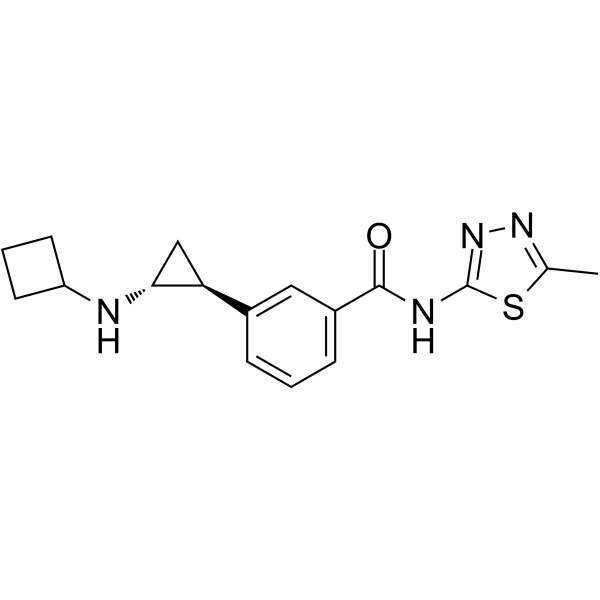
T-448 free base is a specific, orally active, CNS-penetrant and irreversible inhibitor of lysine-specific demethylase 1 (LSD1, an H3K4 demethylase), with an IC50 of 22 nM. T-448 free base enhances H3K4 methylation in primary cultured rat neurons .
|
-
-
- HY-170658
-
|
|
Autophagy
Amyloid-β
Reactive Oxygen Species (ROS)
|
Neurological Disease
Inflammation/Immunology
|
|
AChE-IN-80 (Compound 1) is an acetylcholinesterase (AChE) inhibitor. AChE-IN-80 can inhibit inflammation and the production of reactive oxygen species (ROS) in vitro- cultured neurons and microglia, trigger autophagy responses, and block the propagation of β-amyloid (Aβ) fibrils. AChE-IN-80 possesses antioxidant activity and neuroprotective effects and can be used in the study of Alzheimer's disease .
|
-

-
- HY-P1474
-
|
Amyloid β-Protein (22-35)
|
Amyloid-β
|
Neurological Disease
|
|
β-Amyloid 22-35 (Amyloid β-Protein 22-35), the residues 22-35 fragment ofβ-amyloid protein, has a cytotoxic effect on cultured neurons from the rat hippocampus in serum-free medium. β-Amyloid 22-35 forms aggregates and typical amyloid fibrils resembling those of the β-amyloid protein in neutral buffer solution) .
|
-

-
- HY-15076
-
|
NS-1209 sodium
|
iGluR
|
Neurological Disease
|
|
SPD-502 sodium is a novel glutamate antagonist with potential neuroprotective properties, particularly in brain ischemia. It selectively targets the AMPA receptor, showing high affinity (IC50 = 0.043 μM) and competitive inhibition of AMPA-induced effects in rat cortical membranes and cultured mouse cortical neurons. In vivo, SPD-502 sodium effectively blocks AMPA-evoked spike activity in the hippocampus after intravenous administration, significantly increasing the seizure threshold in mice and demonstrating robust protection against ischemia-induced damage to hippocampal neurons in gerbils. These findings suggest SPD-502 sodium may be promising for studying neurodegenerative conditions associated with glutamate excitotoxicity .
|
-

-
- HY-15074
-
|
NS-1209
|
iGluR
|
Neurological Disease
|
|
SPD-502 is a novel glutamate antagonist with potential neuroprotective properties, particularly in brain ischemia. It selectively targets the AMPA receptor, showing high affinity (IC50 = 0.043 μM) and competitive inhibition of AMPA-induced effects in rat cortical membranes and cultured mouse cortical neurons. In vivo, SPD-502 effectively blocks AMPA-evoked spike activity in the hippocampus after intravenous administration, significantly increasing the seizure threshold in mice and demonstrating robust protection against ischemia-induced damage to hippocampal neurons in gerbils. These findings suggest SPD-502 may be promising for studying neurodegenerative conditions associated with glutamate excitotoxicity .
|
-

-
- HY-P1474A
-
|
Amyloid β-Protein (22-35) TFA
|
Amyloid-β
|
Neurological Disease
|
|
β-Amyloid 22-35 (Amyloid β-Protein 22-35) TFA, the residues 22-35 fragment ofβ-amyloid protein, has a cytotoxic effect on cultured neurons from the rat hippocampus in serum-free medium. β-Amyloid 22-35 TFA forms aggregates and typical amyloid fibrils resembling those of the β-amyloid protein in neutral buffer solution) .
|
-

-
- HY-103234
-
|
|
iGluR
|
Neurological Disease
|
|
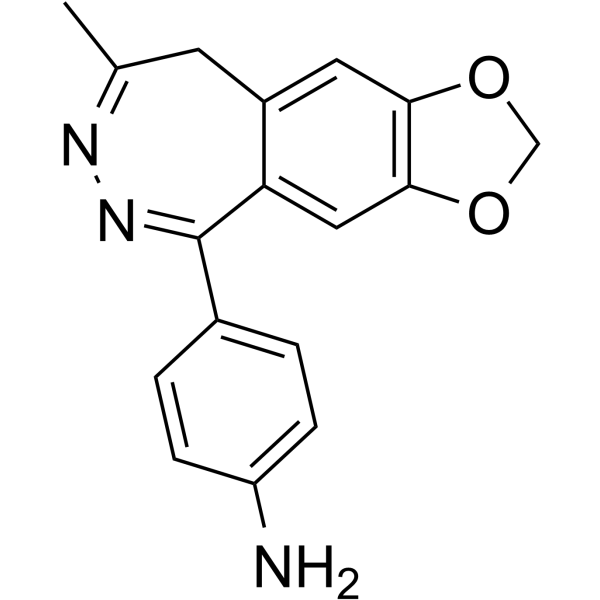
GYKI 52466 is an orally active, highly selective and noncompetitive AMPA/kainate receptor antagonist with the IC50 values of 7.5 and 11μM, respectively. GYKI 52466 has good blood brain barrier permeability and anticonvulsant effect. GYKI 52466 can be used in Parkinson's disease research .
|
-
-
- HY-103234B
-
|
|
iGluR
|
Neurological Disease
|
|
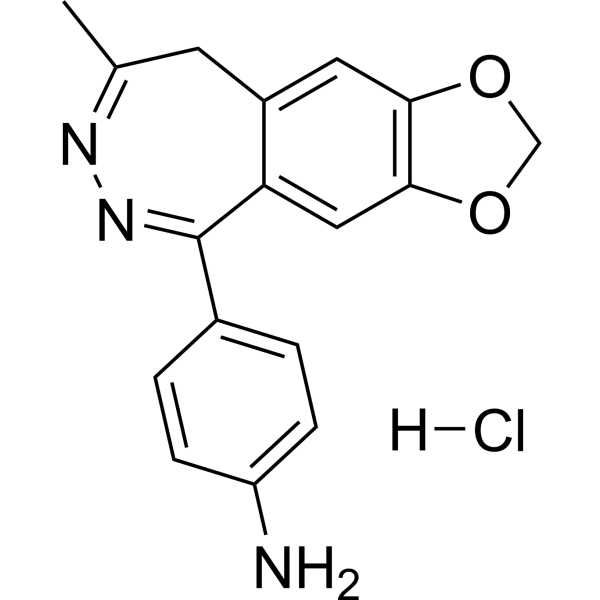
GYKI 52466 hydrochloride is an orally active, highly selective and noncompetitive AMPA/kainate receptor antagonist with the IC50 values of 7.5 and 11μM, respectively. GYKI 52466 hydrochloride has good blood brain barrier permeability and anticonvulsant effect. GYKI 52466 hydrochloride can be used in Parkinson's disease research .
|
-
-
- HY-103234AR
-
|
|
Reference Standards
iGluR
|
Neurological Disease
|
|
GYKI 52466 (dihydrochloride) (Standard) is the analytical standard of GYKI 52466 (dihydrochloride). This product is intended for research and analytical applications. GYKI 52466 dihydrochloride is an orally active, highly selective and noncompetitive AMPA/kainate receptor antagonist with the IC50 values of 7.5 and 11μM, respectively. GYKI 52466 dihydrochloride has good blood brain barrier permeability and anticonvulsant effect. GYKI 52466 dihydrochloride can be used in Parkinson's disease research .
|
-

-
- HY-120251A
-
|
AIT-082
|
Reactive Oxygen Species (ROS)
|
Neurological Disease
|
|
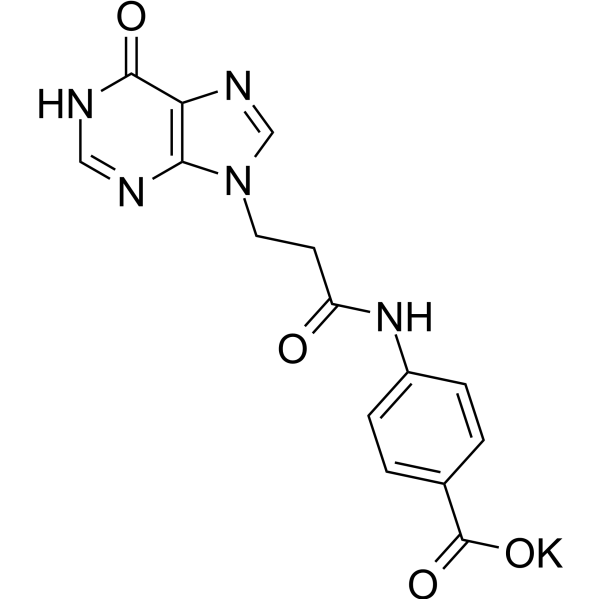
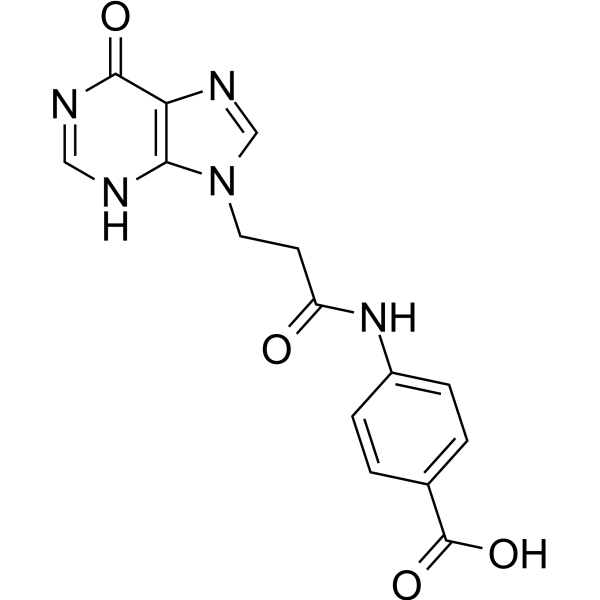
Leteprinim potassium (AIT-082), a purine analog, is a neuroprotective agent and cognitive enhancer. Leteprinim potassium is a hypoxanthine derivative neurotrophic agent. Leteprinim potassium can induce brain-derived neurotrophic factor (BDNF) mRNA production following spinal cord lesions, and nerve growth factor (NGF) mRNA production in basal forebrain. Leteprinim potassium reduces glutamate toxicity in cultured hippocampal neurons. Leteprinim potassium increases heme-oxygenase 1 and 2 mRNA levels that play role in cellular defense against reactive oxygen species .
|
-
-
- HY-120251
-
|
AIT-082 free acid
|
Reactive Oxygen Species (ROS)
|
Neurological Disease
|
|
Leteprinim (AIT-082 free acid), a purine analog, is a neuroprotective agent and cognitive enhancer. Leteprinim is a hypoxanthine derivative neurotrophic agent. Leteprinim can induce brain-derived neurotrophic factor (BDNF) mRNA production following spinal cord lesions, and nerve growth factor (NGF) mRNA production in basal forebrain. Leteprinim reduces glutamate toxicity in cultured hippocampal neurons. Leteprinim increases heme-oxygenase 1 and 2 mRNA levels that play role in cellular defense against reactive oxygen species .
|
-
-
- HY-B0358R
-
|
|
Reference Standards
Calcium Channel
Sodium Channel
Dopamine Receptor
|
Neurological Disease
|
|
Flunarizine (Standard) is the analytical standard of Flunarizine. This product is intended for research and analytical applications. Flunarizine is a potent dual Na +/Ca 2+ channel (T-type) blocker. Flunarizine is a D2 dopamine receptor antagonist. Flunarizine shows anticonvulsive and antimigraine activity, and peripheral vasodilator effects .
|
-

-
- HY-N0307R
-
|
|
Reference Standards
Bcl-2 Family
NF-κB
DNA/RNA Synthesis
Apoptosis
|
Cardiovascular Disease
Neurological Disease
|
|
Ciwujianoside B (Standard) is the analytical standard of Ciwujianoside B. This product is intended for research and analytical applications. Ciwujianoside B is an orally active, blood-brain barrier penetrable radioprotective agent and memory enhancer. Ciwujianoside B reduces radiation-induced DNA damage, cell cycle arrest and apoptosis, downregulates NF-κB and the Bax/Bcl-2 ratio, and enhances the proliferative capacity of bone marrow cells. Ciwujianoside B enhances object recognition memory in normal mice and induces dendritic extension in primary cultured cortical neurons. Ciwujianoside B can be used in studies related to hematopoietic system radiation injury and memory enhancement.
|
-

-
- HY-P1058
-
|
|
iGluR
|
Neurological Disease
|
|
Pep2m is a peptide receptor inhibitor. Pep2m inhibits the interaction between the C-terminus of the AMPA-type glutamate receptor (GluA2) subunit and N-ethylmaleimide-sensitive fusion protein (NSF). Pep2m prevents synaptic long-term depression (LTD). Pep2m can reduce postsynaptic currents in neurons, AMPA-mediated currents in cultured hippocampal neurons, and AMPA receptor surface expression [1] [2] [3] [4] [5].
|
-

-
- HY-108449R
-
|
WS-12 (Standard); AR-15512 (Standard); AVX-012 (Standard)
|
Reference Standards
TRP Channel
|
Neurological Disease
|
|
Acoltremon (Standard) is the analytical standard of Acoltremon (HY-108449). This product is intended for research and analytical applications. Acoltremon (WS-12; AR-15512) is a potent and selective TRPM8 agonist, the menthol derivative, as a cooling agent. Acoltremon shows analgesic effect, and can be used in chronic neuropathic pain research .
|
-

-
- HY-131691
-
|
|
iGluR
Calcium Channel
|
Neurological Disease
|
|
NMDAR blocker 1 is an NMDA receptor channel blocker with an IC50 of 5.0 μM. NMDAR blocker 1 exhibits fast on-off blockade kinetics and strong voltage dependence, and does not compete with glutamate or glycine. NMDAR blocker 1 prevents glutamate/NMDA-induced intracellular Ca 2+ overload, modulates the glutamate-nitric oxide-cGMP pathway. NMDAR blocker 1 prevents in vitro excitotoxic neurodegeneration of cultured cerebellar and hippocampal neurons. NMDAR blocker 1 attenuates excitotoxic insult in an mouse model of hyperammonemia-induced excitotoxicity. NMDAR blocker 1 can be used for the research of neurodegenerative diseases .
|
-

- HY-116153
-
|
|
Cholinesterase (ChE)
|
Neurological Disease
|
|
HUHS2002 is a free fatty acid derivative with the ability to enhance α7 cholinergic receptor activity. HUHS2002 enhances whole-cell membrane currents of α7 ACh receptors expressed in Xenopus oocytes in a concentration-dependent manner. The effects of HUHS2002 were blocked in the presence of the Ca2 /calmodulin-dependent protein kinase II (CaMKII) inhibitor KN-93. HUHS2002 activated CaMKII in cultured rodent hippocampal neurons, and this activation was abolished by KN-93. HUHS2002 also partially inhibited the activity of protein phosphatase 1 (PP1) in a cell-free PP1 activity assay .
|
-

- HY-D3394
-
|
|
Fluorescent Dye
|
Others
|
|
SGC5 is a fluorescence enhancer and membrane dissociator with millisecond-scale membrane dissociation kinetics, with an emission spectrum of 500-650 nm. SGC5 produces strong fluorescence upon binding to lipid membranes, exhibits fast partitioning dissociation kinetics at higher temperatures, and is unaffected by pH or cholesterol. SGC5 does not belong to the FM dye family and shows the highest membrane-bound fluorescence intensity among the tested styryl/FM dyes. SGC5 can be used to study synaptic vesicle cycling in neurons .
|
-

- HY-165459
-
|
MK-056
|
TRP Channel
|
Infection
Inflammation/Immunology
|
|
KJM429 (MK-056) is a high-affinity ligand for the rat vanilloid receptor rTRPV1 (Ki=30-63 nM) with a unique dual regulatory function. KJM429 acts as a competitive antagonist to inhibit TRPV1 receptor activation induced by Capsaicin (HY-10448), resiniferatoxin, thermal stimulation and weak acid (pH 6.0), and switches to a TRPV1 agonist under strong acid conditions (pH<5.5). KJM429 effectively blocks calcium influx induced by Capsaicin and partial thermal stimulation, and triggers calcium uptake under low pH conditions, with minimal effects on non-TRPV1-mediated calcium signaling. KJM429 can be used for research on the mechanisms of pain-related diseases such as postherpetic neuralgia, diabetic neuropathy, cluster headache, osteoarthritis and pruritus .
|
-

-
- HY-D3394
-
|
|
蛍光色素
|
|
SGC5 is a fluorescence enhancer and membrane dissociator with millisecond-scale membrane dissociation kinetics, with an emission spectrum of 500-650 nm. SGC5 produces strong fluorescence upon binding to lipid membranes, exhibits fast partitioning dissociation kinetics at higher temperatures, and is unaffected by pH or cholesterol. SGC5 does not belong to the FM dye family and shows the highest membrane-bound fluorescence intensity among the tested styryl/FM dyes. SGC5 can be used to study synaptic vesicle cycling in neurons .
|
-
- HY-P2259
-
|
|
iGluR
HIV Integrase
Adenosine Receptor
|
Cardiovascular Disease
Neurological Disease
|
|
TAT-GluA2 3Y is a blood-brain barrier-permeable AMPA receptor inhibitory peptide that crosses cell membranes via the HIV-1 TAT protein domain. TAT-GluA2 3Y blocks the endocytosis of AMPA receptors, including the internalization of GluA1/GluA2 subunits, by disrupting interactions with the AP2, Brag2 and Syt3-GluA2 complexes, while also inhibiting long-term depression. TAT-GluA2 3Y blocks hypoxia-mediated AMPAR internalization, alleviates A1R-induced persistent synaptic inhibition, and reduces cerebral ischemic volume, neurological deficits and spatial memory deficits. TAT-GluA2 3Y blocks the effect of NLRP3 deficiency on fear generalization, inhibits amphetamine-induced behavioral/neurochemical sensitization, weakens the unconditioned stimulus-conditioned stimulus association of morphine, and promotes the extinction of morphine CPP. TAT-GluA2 3Y can be used in studies related to fear generalization, ischemic stroke, hypoxia, drug addiction and opioid addiction .
|
-
- HY-P3071
-
|
Stichodactyla helianthus neurotoxin
|
Potassium Channel
|
Neurological Disease
Inflammation/Immunology
|
|
ShK toxin blocks voltage-dependent potassium channel (Kv1.3 channel). ShK toxin can be isolated from the whole body extract of the Caribbean sea anemone (Stichodactylu helianthus). ShK toxin competes with dendrotoxin I and α-dendrotoxin for binding to synaptosomal membranes of rat brain, facilitates acetylcholine release. ShK toxin suppresses K+ currents in cultured rat dorsal root ganglion neurons. ShK toxin also inhibits T lymphocyte proliferation .
|
-
- HY-P3528
-
|
|
Caspase
Apoptosis
|
Neurological Disease
|
|
GPR is a three amino acid peptide. GPR can rescue cultured rat hippocampal neurons from Aβ-induced neuronal death by inhibiting caspase-3/p53 dependent apoptosis. GPR can be used for the research of Alzheimer's disease (AD).
|
-
- HY-P3071A
-
|
Stichodactyla helianthus neurotoxin TFA
|
Potassium Channel
|
Neurological Disease
Inflammation/Immunology
|
|
ShK toxin TFA (Stichodactyla helianthus neurotoxin TFA) is a neurotoxin. ShK toxin TFA blocks voltage-dependent potassium channel (Kv1.3 channel). ShK toxin TFA can be isolated from the whole body extract of the Caribbean sea anemone (Stichodactylu helianthus). ShK toxin TFA competes with dendrotoxin I and α-dendrotoxin for binding to synaptosomal membranes of rat brain, facilitates acetylcholine release. ShK toxin TFA suppresses K + currents in cultured rat dorsal root ganglion neurons. ShK toxin TFA also inhibits T lymphocyte proliferation .
|
-
- HY-P5921
-
|
TsTx-Kα
|
Potassium Channel
|
Neurological Disease
|
|
Tityustoxin-Kα (TsTx-Kα) is an inhibitor of potassium voltage-gated channels. Tityustoxin-Kα shows a dose-dependent block of the sustained outward current in cultured hippocampal neurons .
|
-
- HY-P5487
-
|
|
iGluR
|
Others
|
|
GluR23Y is a biological active peptide. (This GluR23Y peptide was used in ELISA cell-surface assay for the insulin-stimulated endocytosis of native AMPA receptors in cultured hippocampal neurons. GluR23Y prevented any insulin-induced reduction. The blockade of insulin action was observed when the GluR23Y peptide was delivered into neurons by fusing it to the membrane transduction domain of HIV-1.)
|
-
- HY-P1474
-
|
Amyloid β-Protein (22-35)
|
Amyloid-β
|
Neurological Disease
|
|
β-Amyloid 22-35 (Amyloid β-Protein 22-35), the residues 22-35 fragment ofβ-amyloid protein, has a cytotoxic effect on cultured neurons from the rat hippocampus in serum-free medium. β-Amyloid 22-35 forms aggregates and typical amyloid fibrils resembling those of the β-amyloid protein in neutral buffer solution) .
|
-
- HY-P1474A
-
|
Amyloid β-Protein (22-35) TFA
|
Amyloid-β
|
Neurological Disease
|
|
β-Amyloid 22-35 (Amyloid β-Protein 22-35) TFA, the residues 22-35 fragment ofβ-amyloid protein, has a cytotoxic effect on cultured neurons from the rat hippocampus in serum-free medium. β-Amyloid 22-35 TFA forms aggregates and typical amyloid fibrils resembling those of the β-amyloid protein in neutral buffer solution) .
|
-
- HY-P1058
-
|
|
iGluR
|
Neurological Disease
|
|
Pep2m is a peptide receptor inhibitor. Pep2m inhibits the interaction between the C-terminus of the AMPA-type glutamate receptor (GluA2) subunit and N-ethylmaleimide-sensitive fusion protein (NSF). Pep2m prevents synaptic long-term depression (LTD). Pep2m can reduce postsynaptic currents in neurons, AMPA-mediated currents in cultured hippocampal neurons, and AMPA receptor surface expression [1] [2] [3] [4] [5].
|
-
- HY-K3001
-
|
|
|
DMEM (Dulbecco's Modified Eagle Medium) is a widely used basal medium for supporting the growth of many different mammalian cells. Cell lines successfully cultured in DMEM include Hela, 293, Cos-7, and PC-12, as well as primary fibroblasts, neurons, glial cells, HUVECs, and smooth muscle cells. The 500 mL is defined as the base specification. All larger sizes correspond to incremental volumes of this base.
|
-
- HY-K3003
-
|
|
|
DMEM (Dulbecco's Modified Eagle Medium) is a widely used basal medium for supporting the growth of many different mammalian cells. Cell lines successfully cultured in DMEM include Hela, 293, Cos-7, and PC-12, as well as primary fibroblasts, neurons, glial cells, HUVECs, and smooth muscle cells, etc. The 500 mL is defined as the base specification. All larger sizes correspond to incremental volumes of this base.
|
| 製品番号 |
製品名 |
Target |
研究分野 |
Image |
-
- HY-P991413
-
|
|
Trk Receptor
ERK
Akt
p38 MAPK
|
Neurological Disease
Inflammation/Immunology
|
|
ZEB85 is a human monoclonal antibody (mAb) targeting TrkB. ZEB85 activates TrkB and its downstream cascades, including the ERK, PLCγ, AKT, MAPK signaling pathways and cFOS expression, and enhances neuronal activity. ZEB85 prevents β-amyloid toxicity in cultured hippocampal neurons. ZEB85 is applicable to the research of Alzheimer's disease (AD) .
|
-

(5)
| 製品番号 |
製品名 |
Category |
Target |
構造式 |
-
- HY-B0358AS
-
|
|
|
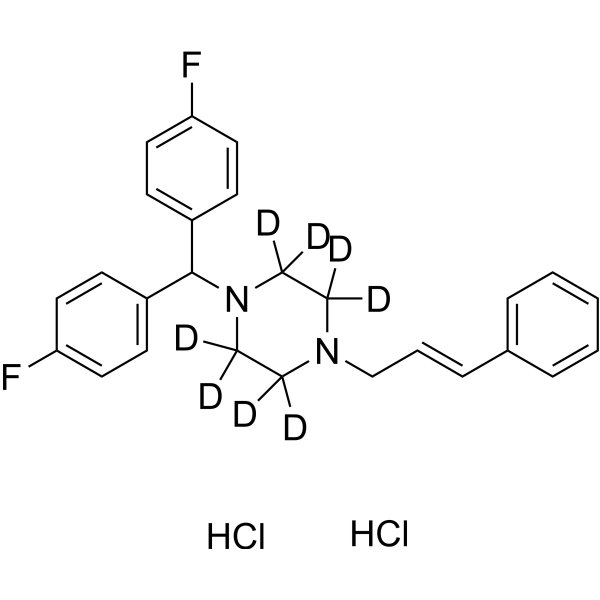
Flunarizine-d8 dihydrochloride is deuterated labeled Flunarizine dihydrochloride (HY-B0358A). Flunarizine dihydrochloride is a potent dual Na +/Ca 2+ channel (T-type) blocker. Flunarizine dihydrochloride is a D2 dopamine receptor antagonist. Flunarizine dihydrochloride shows anticonvulsive and antimigraine activity, and peripheral vasodilator effects .
|
-
-
- HY-118783
-
|
(±)-2-Hexyl-4-pentynoic acid
|
|
Alkynes
|
|
2-Hexyl-4-pentynoic acid ((±)-2-Hexyl-4-pentynoic acid), a Valproic acid (HY-10585) derivative, exhibits potential roles of HDAC inhibition (IC50 = 13 μM) and HSP70 induction. 2-Hexyl-4-pentynoic acid causes histone hyperacetylation and protect against glutamate-induced excitotoxicity in cultured neurons. 2-Hexyl-4-pentynoic acid can be used for the study of breast carcinoma. 2-Hexyl-4-pentynoic acid is a click chemistry reagent, it contains an Alkyne group and can undergo copper-catalyzed azide-alkyne cycloaddition (CuAAc) with molecules containing Azide groups .
|
-
- HY-113273A
-
|
|
|
Nucleotide Analogs
Adenine Nucleotide
|
|
Diadenosine pentaphosphate pentasodium is an agonist and negative modulator of the P2X1 receptor, an endogenous vasoactive purine dinucleotide that can be isolated from platelets. Diadenosine pentaphosphate pentasodium mediates negative regulation of dendrite growth and number by activating homologous and heterologous P2X1 receptors, which triggers a transient and moderate increase in intracellular calcium levels within dendritic growth cones. Diadenosine pentaphosphate pentasodium is widely present in secretory vesicles such as platelets, chromaffin cells and brain synaptosomes, and exhibits selective activity on dendrite growth of cultured hippocampal neurons, inhibiting only dendrite growth without affecting axon growth. Diadenosine pentaphosphate pentasodium has a weaker ability to compete with RcCHAD for binding to polyP than short-chain polyPs .
|
入力情報は安全に管理されます. ※ 必須入力項目.
Inquiry Information
- 製品名:
- 製品番号:
- 数量:
- MCE 日本正規代理店:





