

Search Result
Results for "
enzymatic hydrolysis
" in MedChemExpress (MCE) Product Catalog:
7
Biochemical Assay Reagents
| Cat. No. |
Product Name |
Target |
Research Areas |
Chemical Structure |
-
- HY-129217
-
|
|
Glycosidase
|
Others
|
|
Naringinase, a hydrolytic enzymatic complex, possesses the activity of both α-L-rhamnosidase and β-D-glucosidase. Naringinase has wide occurrence in nature. Naringinase can be used in the biotransformation of steroids, antibiotics, and mainly on glycosides hydrolysis .
|
-
-
- HY-W013168
-
|
4-Nitrophenyl hexadecanoate; p-Nitrophenyl Palmitate; pNpp
|
Lipase
|
Others
|
|
4-Nitrophenyl palmitate (4-Nitrophenyl hexadecanoate) is a chromogenic substrate for lipases and esterases. Upon enzymatic hydrolysis, 4-Nitrophenyl palmitate releases p-nitrophenol, which can be quantified by colorimetric detection at 410 nm as a measure of enzymatic activity. 4-Nitrophenyl palmitate is used to characterize the activity of various bacterial and mammalian enzymes, including those from Burkholderia and porcine pancreatic lipase .
|
-
-
- HY-126404
-
|
|
Environmental Pollutants
Interleukin Related
Angiotensin-converting Enzyme (ACE)
|
Cardiovascular Disease
|
|
Casein hydrolysate is an orally effective, multi-functional mixture of bioactive peptides, a hydrolysis product of casein (HY-125865), containing ACE inhibitors and immunomodulatory target regulators, among others. Casein hydrolysate releases short-chain bioactive peptides through enzymatic hydrolysis of casein, increasing cellular glutathione and catalase levels, enhancing ConA-induced IL-2 production, and exhibiting metal ion chelation, free radical scavenging, antibacterial, and mineral absorption-promoting effects. Casein hydrolysate lowers blood pressure by inhibiting angiotensin-converting enzyme (ACE) and reducing bradykinin degradation .
|
-
-
- HY-E70130
-
|
|
Others
|
Others
|
|
Snailase, Snail gastrointestinal is an enzyme mixture composed of more than 20 enzymes, which is often used for enzymatic hydrolysis of purified flavonoid glycosides. Snailase can be obtained from the digestive tract and includes cellulase, sucrase, hemicellulase, pectinase, polygalacturonase, protease, etc .
|
-
-
- HY-137824
-
|
4-Methylumbelliferyl-β-D-xyloside
|
Biochemical Assay Reagents
|
Others
|
|
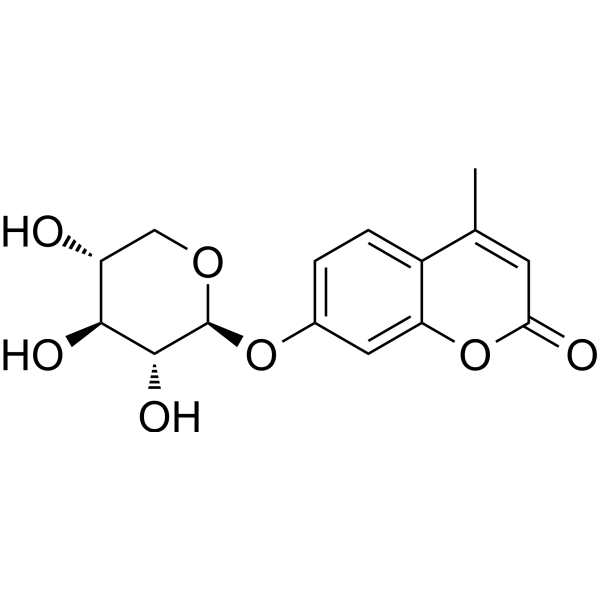
4-Methylumbelliferyl-β-D-xylopyranoside (4-Methylumbelliferyl-β-D-xyloside) is an enzymatically hydrolyzable β-D-xylopyranoside substrate. The enzymatic hydrolysis of 4-Methylumbelliferyl-β-D-xylopyranoside is mediated by the stereochemistry-retaining β-D-xylosidase GSXynB2 via a two-step catalytic process (xylosylation followed by dexylosidation). 4-Methylumbelliferyl-β-D-xylopyranoside serves as a substrate for the β-xylosidase of Trichoderma reesei QM 9414, and its enzymatic hydrolysis process is limited by the dexylosidation step.
|
-
-
- HY-112624H
-
|
Dextran 2; Dextran D2; Dextran T2(MW 1600-2400)
|
Biochemical Assay Reagents
|
Others
|
|
Dextran T2 (Dextran 2; Dextran T2(MW 1600-2400)) is a natural high molecular weight polysaccharide, the glycosidic bonds in its structure can be recognized by endo-dextranase and exo-dextranase. Dextran T2 (MW 2,000) breaks the glycosidic bonds in the enzymatic hydrolysis mechanism, releasing products such as D-glucose, Isomaltose (IM2), and Isomaltotriose (IM3). Dextran T2 (MW 2,000) can be used as a model substrate to characterize the catalytic properties of dextranase (such as optimal pH, temperature and product specificity), and to study enzymatic mechanism research and polysaccharide degradation pathways in glycobiology. The Dextran series of compounds are also a natural polysaccharide drug carrier, which can be connected to drugs through covalent bonding methods such as ester bonds, amide bonds or click chemistry, or self-assembled to form carriers such as nanoparticles and hydrogels. Dextran is biodegradable and biocompatible, and can achieve targeted delivery and controlled release of drugs. Dextran derivatives can prolong drug half-life, increase local concentration and reduce immune clearance activity .
|
-
-
- HY-146248B
-
|
|
Poly(ADP-ribose) Glycohydrolase (PARG)
SARS-CoV
Protease Activated Receptor (PAR)
|
Metabolic Disease
|
|
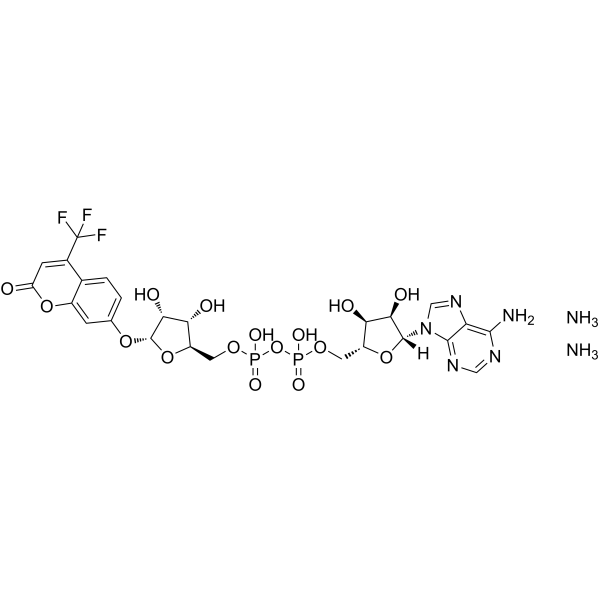
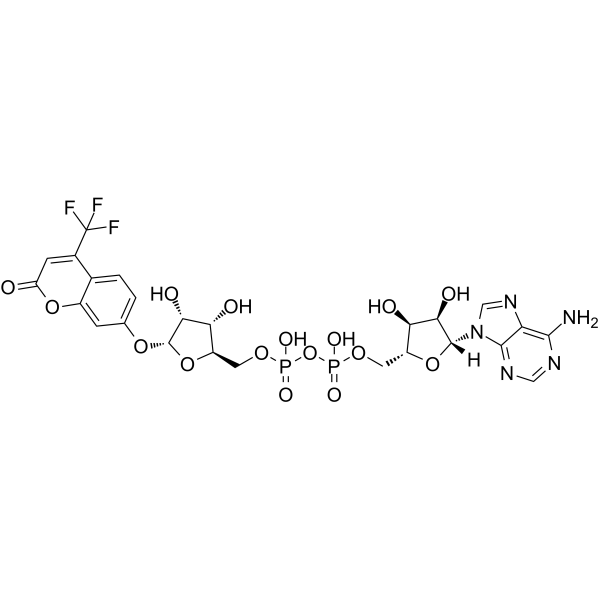
TFMU-ADPr diammonium is a selective reporter substrate of SARS-CoV-2 Macro1 (IC50=0.59 μM), with an excitation wavelength (λEx) of 385 nm, and an emission wavelength (λEm) of 502 nm (or 495 nm). TFMU-ADPr diammonium can also undergo enzymatic hydrolysis with Poly(ADP-ribose) Glycohydrolase (PARG) sourced from human, Tetrahymena thermophila and ADP-ribosylhydrolase 3 from human to release fluorophores, thereby directly reporting total poly (ADP-ribose) hydrolase activity. TFMU-ADPr diammonium binds to the ADPr-binding site of SARS-CoV-2 Macro1, and its TFMU moiety inserts into the narrow hydrophobic groove of this protein. TFMU-ADPr diammonium can thus be used to evaluate small-molecule inhibitors targeting PAR hydrolases under in vitro conditions, to investigate the regulatory mechanisms of ADP-ribosyl catabolic enzymes, or to detect PAR hydrolase activity in whole-cell lysate assays. TFMU-ADPr diammonium is also applicable to COVID-19-related research .
|
-
-
- HY-W392100A
-
|
PCL-diol (MW 530)
|
Biochemical Assay Reagents
Fungal
|
Infection
|
|
Polycaprolactone diol (MW 530) (PCL-diol (MW 530)) is a poly (ε-caprolactone) diol with an average molecular weight of 530 g·mol −1, which serves as a monomer for biodegradable network elastic polyesters. Network polyester films undergo enzymatic hydrolysis by Rhizopus delemar lipase .
|
-
-
- HY-P2893
-
|
Creatine amidohydrolase
|
Endogenous Metabolite
|
Others
|
|
Creatinase, Actinobacteria (Creatine amidohydrolase) is a hydrolase that catalyzes the hydrolysis of creatine into sarcosine and urea, and plays an important role in the enzymatic determination of creatinine concentration .
|
-
-
- HY-76476
-
|
(+)-3-Hydroxytetrahydrofuran
|
Biochemical Assay Reagents
|
Others
|
|
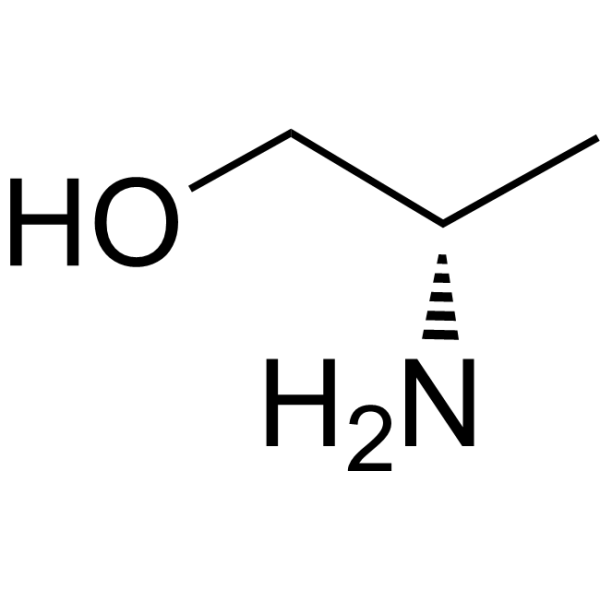
(S)-Tetrahydrofuran-3-ol is a (S)-enantiomer of Tetrahydrofuran-3-ol. Tetrahydrofuran-3-ol is an important precursor for the production of HIV protease inhibitors. Tetrahydrofuran-3-ol can be produced via chemical synthesis or by enzymatic hydrolysis of bulkier esters and inversion of the unwanted product .
|
-
-
- HY-P2893A
-
|
Creatine amidinohydrolase
|
Endogenous Metabolite
|
Metabolic Disease
|
|
Creatinase (Recombinant) is a hydrolase responsible for catalyzing the hydrolysis of creatine (HY-W010388) into sarcosine (HY-101037) and urea (HY-Y0271). Creatinase (Recombinant) can be used in conjunction with creatinine deiminase (HY-P2838) and sarcosine oxidase (HY-P2861) in an enzyme cascade reaction to measure creatinine (HY-B0504) levels in blood and urine. Creatinase (Recombinant) is the rate-limiting enzyme in this enzymatic cascade, and the enzymatic quantification of creatinine is an important method for evaluating kidney function .
|
-
-
- HY-137878
-
|
PNP-α-NeuNAc
|
Biochemical Assay Reagents
|
Others
|
|
2-O-(p-Nitrophenyl)-α-D-N-acetylneuraminic acid (PNP-α-NeuNAc) is a classic chromogenic substrate for neuraminidase. 2-O-(p-Nitrophenyl)-α-D-N-acetylneuraminic acid releases p-nitrophenol upon enzymatic hydrolysis, allowing quantification of enzyme activity and inhibitory effects via spectrophotometry. 2-O-(p-Nitrophenyl)-α-D-N-acetylneuraminic acid (PNP-α-NeuNAc) acts as a sialyl donor in the process of enzyme-catalyzed trans-sialylation .
|
-
-
- HY-E70574
-
|
|
Biochemical Assay Reagents
|
Others
|
|
Trypsin/Lys-C complex protease (MS grade) combines Trypsin and Lys-C, two recombinant proteases, to achieve efficient peptide bond hydrolysis. Trypsin specifically cleaves the C-terminal peptide bonds of arginine (R) and lysine (K), while Lys-C specifically cleaves the C-terminal peptide bonds of lysine (K). This combination overcomes issues such as the slower digestion rate of lysine and arginine by rTrypsin, PTM changes on lysine, or hydrophobic C-termini (such as proline) that can lead to missed cleavage. Trypsin/Lys-C complex protease (MS grade) can be used to process complex protein samples that are difficult to enzymatically digest. Trypsin/Lys-C complex protease (MS grade) can be used for protein characterization, single-cell proteomics and large cohort proteomics studies.
|
-
-
- HY-103249
-
|
Reutericycline
|
Bacterial
|
Infection
Metabolic Disease
|
|
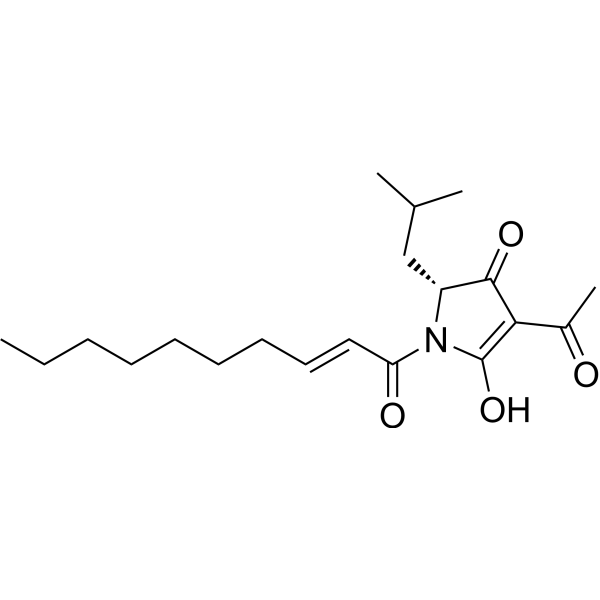
Reutericyclin (Reutericycline) is an orally active antibacterial and anti-obesity agent that selectively inhibits Gram-positive bacteria. By selectively dissipating transmembrane potential, Reutericyclin exerts non-lytic bactericidal or bacteriostatic activity against pathogens such as Clostridium difficile and Staphylococcus aureus, and rapidly kills vegetative cells and spores of Clostridium difficile. Reutericyclin possesses favorable properties including resistance to enzymatic hydrolysis, iron-chelating function, and poor absorption by colonic epithelium. Reutericyclin not only eradicates staphylococcal biofilms and inhibits drug-resistant strains, but also counteracts Risperidone (HY-11018)-induced weight gain by inducing changes in gut microbiota composition and restoring energy utilization efficiency. Reutericyclin can be used in research related to Clostridium difficile infection, Risperidone-induced weight gain, and staphylococcal superficial skin infections .
|
-
-
- HY-135115
-
|
3,4-DHPEA-EA
|
α-synuclein
HDAC
Adrenergic Receptor
|
Inflammation/Immunology
|
|
Oleuropein Aglycone (3,4-DHPEA-EA) is a polyphenol and the aglycone form of oleuropein (HY-N0292), formed by enzymatic, acidic or acetylated hydrolysis of oleuropein. Dietary intake of oleuropein Aglycone (50 mg/kg diet) increases the number of neuronal autophagic vesicles, reverses cognitive deficits in the TgCRND8 transgenic mouse model of Alzheimer's disease, and reduces the levels of histone deacetylase 2 (HDAC2) in the cortex and hippocampus. Oleuropein Aglycone increases urinary norepinephrine, interscapular brown adipose tissue epinephrine, and UCP1 protein levels, and reduced plasma leptin levels and total abdominal adipose tissue weight in a rat model of high-fat diet-induced obesity. Oleuropein Aglycone also reduced lung neutrophil infiltration, lipid peroxidation, and IL-1β levels in a mouse model of carrageenan-induced pleurisy.
|
-
-
- HY-W014134
-
|
p-Amidinophenylmethylsulfonylfluoride hydrochloride
|
Ser/Thr Protease
|
Inflammation/Immunology
|
|
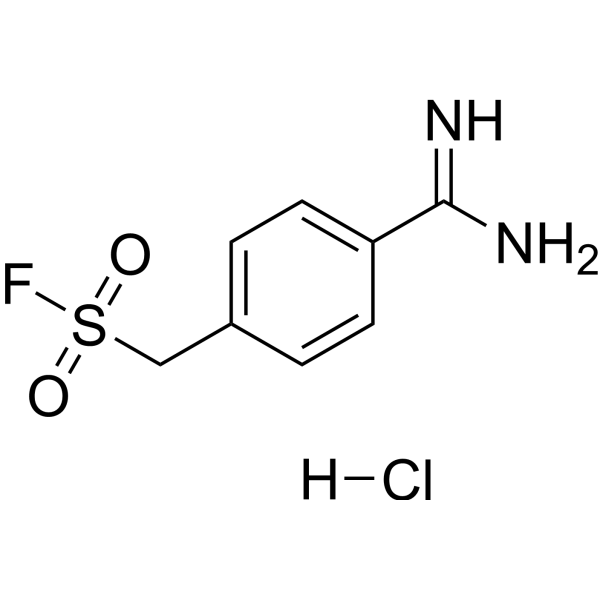
p-APMSF (p-Amidinophenylmethylsulfonylfluoride) hydrochloride is a serine protease and trypsin inhibitor with the characteristic of rapid onset of action. p-APMSF hydrochloride reduces the enzymatic hydrolysis of recombinant human G-CSF in rat pulmonary mucosa. Combined intratracheal treatment with p-APMSF hydrochloride and Laureth-9 significantly enhances its absorption efficiency in rat lungs. Following intranasal administration, p-APMSF hydrochloride does not increase the concentration of recombinant human G-CSF in rat plasma, nor does it alter the effect of G-CSF on inducing an increase in total white blood cell count .
|
-
-
- HY-134420
-
|
PNP α-L-Fuc
|
Glycosidase
|
Others
|
|
p-Nitrophenyl α-L-fucoside (PNP α-L-Fuc) is a specific substrate of Pecten maximus α-L-fucosidase, with a Km value of 650 µM. p-Nitrophenyl α-L-fucoside serves as a substrate for ClAgl29A and ClAgl29B. Enzymatic hydrolysis of p-Nitrophenyl α-L-fucoside releases p-nitrophenol and α-L-fucose, where the latter undergoes mutarotation over time to form β-L-fucose. p-Nitrophenyl α-L-fucoside is not the preferred substrate for ClAgl29A and ClAgl29B .
|
-
-
- HY-173447
-
|
|
NTPDase
CD73
|
Cancer
|
|
8-BuS-AMP is a NTPDase1 inhibitor and a CD73/CD39 inhibitor, with an IC50 of 35 μM and a Ki value of 0.292 μM against human NTPDase1; its Ki values against human CD73 and CD39 are 1.19 μM and 0.847 μM, respectively. 8-BuS-AMP binds to the substrate-binding pockets of NTPDase1 and CD73 to effectively block the conversion of ATP and AMP to adenosine, thereby enhancing the activation and proliferation of human peripheral T lymphocytes. 8-BuS-AMP possesses excellent enzymatic hydrolysis resistance and metabolic stability, resists hydrolysis by multiple NTPDase subtypes, and shows no activity against P2Y1 and P2Y12 receptors. 8-BuS-AMP can be used in purinergic signaling pathway and cancer-related studies .
|
-
-
- HY-P991444
-
|
|
NTPDase
ATP Synthase
|
Inflammation/Immunology
Cancer
|
|
IPH5201 is a selective CD39 inhibitor and a humanized IgG1 monoclonal antibody. IPH5201 selectively binds to and inhibits the enzymatic activity of both membrane-bound and soluble CD39, blocking ATP hydrolysis. IPH5201 enhances the phenotypic maturation and activation of dendritic cells and macrophages. IPH5201 potentiates the anti-tumor effect of Oxaliplatin (HY-17371). IPH5201 shows preliminary evidence of disease stabilization in advanced solid tumor models when used as a single agent or in combination with Durvalumab (HY-P9919). IPH5201 can be used for the research of advanced solid tumors .
|
-
-
- HY-146248
-
|
|
SARS-CoV
Poly(ADP-ribose) Glycohydrolase (PARG)
Protease Activated Receptor (PAR)
|
Infection
|
|
TFMU-ADPr is a selective reporter substrate of SARS-CoV-2 Macro1 (IC50=0.59 μM), with an excitation wavelength (λEx) of 385 nm, and an emission wavelength (λEm) of 502 nm (or 495 nm). TFMU-ADPr can also undergo enzymatic hydrolysis with Poly(ADP-ribose) Glycohydrolase (PARG) sourced from human, Tetrahymena thermophila and ADP-ribosylhydrolase 3 from human to release fluorophores, thereby directly reporting total poly (ADP-ribose) hydrolase activity. TFMU-ADPr binds to the ADPr-binding site of SARS-CoV-2 Macro1, and its TFMU moiety inserts into the narrow hydrophobic groove of this protein. TFMU-ADPr can thus be used to evaluate small-molecule inhibitors targeting PAR hydrolases under in vitro conditions, to investigate the regulatory mechanisms of ADP-ribosyl catabolic enzymes, or to detect PAR hydrolase activity in whole-cell lysate assays. TFMU-ADPr is also applicable to COVID-19-related research .
|
-
-
- HY-129683
-
|
|
PPAR
|
Metabolic Disease
|
|
AM3102 is an oleoylethanolamide (OEA) analog. AM3102 is an endogenous high-affinity PPAR-alpha agonist. AM3102 resists enzymatic hydrolysis, activates PPAR-alpha with high potency in vitro, and persistently reduces feeding when administered in vivo either parenterally or orally .
|
-
-
- HY-W008919
-
|
N-Alpha,N-epsilon-di-Boc-L-lysine 4-nitrophenyl ester
|
Amino Acid Derivatives
|
Others
|
|
Boc-Lys(Boc)-Onp (N-Alpha,N-epsilon-di-Boc-L-lysine 4-nitrophenyl ester) is a lysine with a Boc protecting group. Boc-Lys(Boc)-Onp was used as a substrate for a catalyst model to study its enzymatic hydrolysis reaction catalyzed by a copper(II) complex .
|
-
-
- HY-P2979A
-
|
β-D-Fructofuranosidase, candida sp.
|
Biochemical Assay Reagents
|
Others
|
|
Invertase from Candida sp. is responsible for catalyzing the hydrolysis of sucrose into glucose and fructose and is widely used in the field of carbohydrate processing. Invertase from Candida sp. can be used for enzymatic determination of sucrose concentration as well as for structural analysis of carbohydrates containing β-D-fructofuranosyl residues .
|
-
-
- HY-146248A
-
|
|
Poly(ADP-ribose) Glycohydrolase (PARG)
SARS-CoV
Protease Activated Receptor (PAR)
|
Others
|
|
TFMU-ADPr triethylamine is a selective reporter substrate of SARS-CoV-2 Macro1 (IC50=0.59 μM), with an excitation wavelength (λEx) of 385 nm, and an emission wavelength (λEm) of 502 nm (or 495 nm). TFMU-ADPr triethylamine can also undergo enzymatic hydrolysis with Poly(ADP-ribose) Glycohydrolase (PARG) sourced from human, Tetrahymena thermophila and ADP-ribosylhydrolase 3 from human to release fluorophores, thereby directly reporting total poly (ADP-ribose) hydrolase activity. TFMU-ADPr triethylamine binds to the ADPr-binding site of SARS-CoV-2 Macro1, and its TFMU moiety inserts into the narrow hydrophobic groove of this protein. TFMU-ADPr triethylamine can thus be used to evaluate small-molecule inhibitors targeting PAR hydrolases under in vitro conditions, to investigate the regulatory mechanisms of ADP-ribosyl catabolic enzymes, or to detect PAR hydrolase activity in whole-cell lysate assays. TFMU-ADPr triethylamine is also applicable to COVID-19-related research .
|
-
-
- HY-W099563
-
|
|
Biochemical Assay Reagents
|
Others
|
|
4-Nitrophenyl stearate, which is an ester formed by the condensation of stearic acid and 4-nitrophenol, is commonly used as a substrate for enzymatic assays, where the hydrolysis of ester bonds by esterase and lipase can be measured by absorbance or ratio In addition, 4-Nitrophenyl stearate has been used as a model compound to study the enzymatic activity and selectivity of lipases and esterases from various sources. The long hydrophobic tail of the molecule makes it suitable for use in lipophilic Good solubility in the environment makes it a useful probe for studying lipid metabolism.
|
-
-
- HY-137798
-
|
|
Fluorescent Dye
|
Others
|
|
Chromozym PL is a chromogenic substrate for plasmin, and the enzymatic reaction can be carried out in 0.1mL Tris-HCl buffer (50 mM, pH 7.8). 100 μM Chromozym PL was dissolved and prepared. After adding the hydrolase, the generation of p-nitroaniline (pNA) at 405 nm was continuously observed, and the hydrolysis products were calculated .
|
-
-
- HY-113225B
-
|
GTP tritris
|
Endogenous Metabolite
Exosomes
|
Cancer
|
|
Guanosine triphosphate tritris (GTP tritris) serves as a vital enhancer of myogenic cell differentiation and plays a critical role in modulating miRNA-myogenic regulator factors. It also facilitates the release of exosomes enriched with guanosine and guanosine-derived molecules, and is regarded as an activated precursor for RNA synthesis. In mitochondrial function, GTP participates in the import of proteins into the matrix, which is essential for various regulated pathways, and is involved in initiating peptide synthesis through the binding of formylmethionyl-tRNA to the ribosome, as well as polypeptide chain elongation. Additionally, GTP acts as a phosphate and pyrophosphate carrier that channels chemical energy into specific biosynthetic pathways. It activates signal transducing G proteins that regulate cellular processes such as proliferation and differentiation, and its hydrolysis by small GTPases, including Ras and Rho, is integral to both proliferation and apoptosis. Furthermore, the small GTPase Rab is instrumental in vesicle docking, fusion, and formation. Beyond signal transduction, GTP is an energy-rich precursor in the enzymatic biosynthesis of DNA and RNA.
|
-
-
- HY-19602
-
|
|
Endogenous Metabolite
|
Cancer
|
|
Cedefingol is an antitumor compound with α-glucosidase inhibitory activity. Cedefingol was identified together with other compounds in fermented dark tea samples. The biotransformation of cedefingol is related to enzymatic hydrolysis, hydrolysis and biosynthesis. Cedefingol exhibited different bioactivities in samples with different fermentation times. The antioxidant properties of cedefingol showed certain activity in the DPPH model .
|
-
-
- HY-N6821R
-
|
|
Drug Derivative
Reference Standards
|
Cancer
|
|
2-O-α-D-Glucopyranosyl-L-ascorbic Acid (Standard) is the analytical standard of 2-O-α-D-Glucopyranosyl-L-ascorbic Acid. This product is intended for research and analytical applications. 2-O-α-D-Glucopyranosyl-L-ascorbic Acid is a glucoside derivative of ascorbic acid, shows anti-cancer activity after enzymatic hydrolysis to ascorbic acid .
|
-
-
- HY-N7538
-
|
|
Bacterial
|
Infection
|
|
Dealanylalahopcin is an antimicrobial agent that can be isolated from the culture filtrate of Streptomyces leucoderma subsp. ochraceus. Dealanylalahopcin can also be synthesized by enzymatic hydrolysis of alahopcin by microbial α-amino acid ester hydrolases. Dealanylalahopcin has weak antimicrobial activity against Gram-positive and Gram-negative bacteria and exhibits moderate inhibition of collagen prolyl hydroxylase .
|
-
-
- HY-W154295
-
|
|
Fluorescent Dye
|
Others
|
|
Purple-β-D-Gal is a chromogenic β-galactosidase substrate. Intracellular enzymatic hydrolysis of Purple-β-D-Gal generates free indoxyl molecules, which undergo in situ oxidation and subsequent dimerization to produce chromogenic, water-insoluble, indigo precipitates. Purple-β-D-Gal can be used for the detection of β-galactosidase activity .
|
-
-
- HY-105572
-
|
MC-838 calcium
|
Angiotensin-converting Enzyme (ACE)
|
Cardiovascular Disease
|
|
Moveltipril calcium (MC-838 calcium) is an orally active angiotensin converting enzyme (ACE) inhibitor with antihypertensive activity. Moveltipril calcium binds via a stable thioester bond and exhibits relative resistance to enzymatic hydrolysis in rat liver homogenate. Moveltipril calcium effectively inhibits ACE extracted from rabbit lung in a concentration-dependent manner. Moveltipril calcium is able to highly specifically inhibit the contractile response to angiotensin-I (AI) in free rat aortic rings and guinea pig ileum preparations, while enhancing the contractile response to calcitonin .
|
-
-
- HY-138111
-
|
p-Nitopheyl β-D-cellotetaoside
|
Fluorescent Dye
|
Others
|
|
4-Nitrophenyl β-D-cellotetraoside (p-Nitopheyl β-D-cellotetaoside) is a small molecule cellulose mimetic consisting of a tetramer of D-glucose units linked by β-1-4 glycosidic bonds. The fragmentation pattern of 4-Nitrophenyl β-D-cellotetraoside after enzymatic hydrolysis can be analyzed by TLC or by the release of 4-nitrophenol, which has a strong absorbance at 395 nm in alkaline solutions. 4-Nitrophenyl β-D-cellotetraoside can be used in cellulose degradation studies to determine the specificity of cellulases .
|
-
-
- HY-117806
-
|
|
Akt
Drug Isomer
NADPH Oxidase
|
Cancer
|
|
TSR-011-isomer is an isomer of Belizatinib (HY-17603), a ALK inhibitor with an IC50 of 6 nM. TSR-011-isomer acts as a substrate for metabolic hydrolysis and NADPH-dependent metabolism. TSR-011-isomer undergoes enzymatic hydrolysis in mouse plasma and NADPH-dependent metabolism in mouse liver microsomes, thereby supporting clearance processes. TSR-011-isomer can be used in studies related to ALK-driven cancers .
|
-
-
- HY-N3169
-
|
(+)-Nyasicol
|
Others
|
Others
|
|
Nyasicol ((+)-Nyasicol) is an enzymatic (β-glucosidase) hydrolysis product of Compound 3 .
|
-
-
- HY-N18327
-
|
|
Drug Derivative
|
Others
|
|
Terrestrosin F is a furostanol saponin found in the fruits of Tribulus terrestris .
|
-
-
- HY-W042298
-
|
|
Environmental Pollutants
|
Others
|
|
Triisobutyl phosphate is an environmental pollutant that undergoes biodegradation. TiBP can be degraded in activated sludge via hydrolysis, dehydrogenation and hydroxylation, a process mediated by an acclimated microbial community with Pseudomonas as the key strain, and enhanced by TiBP-induced enzymatic activity. TiBP exerts toxic effects on zebrafish embryos .
|
-
-
- HY-186109
-
|
|
ClpP
Bacterial
|
Infection
Inflammation/Immunology
|
|
ZY39 is a SaClpP agonist. ZY39 promotes the enzymatic hydrolysis of SaClpP and HsClpP in vitro. ZY39 inhibits the growth of Staphylococcus aureus strains. ZY39 reduces the load of Staphylococcus aureus in organs and ascites in mouse peritonitis models and zebrafish infection models, and improves the survival rate of model animals. ZY39 can be used in studies related to Staphylococcus aureus infection, such as peritonitis .
|
-
-
- HY-185172
-
|
|
Phosphodiesterase (PDE)
Drug Intermediate
|
Inflammation/Immunology
|
|
PDE4-IN precursor (Compound 10) is an orally active prodrug of phosphodiesterase 4 (PDE4) inhibitor. PDE4-IN precursor undergoes enzymatic hydrolysis in the colon to release the active PDE4 inhibitor, which exerts local anti-inflammatory effects on the colonic mucosa. PDE4-IN precursor is applicable to research related to ulcerative colitis, Crohn's disease, and other relevant conditions .
|
-
-
- HY-76476R
-
|
(+)-3-Hydroxytetrahydrofuran (Standard)
|
Biochemical Assay Reagents
Reference Standards
|
Others
|
|
(S)-Tetrahydrofuran-3-ol (Standard) is the analytical standard of (S)-Tetrahydrofuran-3-ol. This product is intended for research and analytical applications. (S)-Tetrahydrofuran-3-ol is a (S)-enantiomer of Tetrahydrofuran-3-ol. Tetrahydrofuran-3-ol is an important precursor for the production of HIV protease inhibitors. Tetrahydrofuran-3-ol can be produced via chemical synthesis or by enzymatic hydrolysis of bulkier esters and inversion of the unwanted product .
|
-
-
- HY-N17719
-
|
|
Others
|
Others
|
|
(2S)-Eriodictyol-5-O-β-D-glucopyranoside (Compound 1b) is a type of flavanone glucoside compound, which can be found in Balanophora involucrate Hook. f .
|
-
-
- HY-N17415
-
|
|
Drug Derivative
|
Others
|
|
Lyciumin C is a monocyclic octapeptide containing a novel C-N linkage between tryptophan N1 and glycine Cα, and can be found in the root bark of Lycium chinense MILL .
|
-
-
- HY-165460
-
|
|
Antibiotic
Beta-lactamase
Bacterial
Penicillin-binding protein (PBP)
|
Infection
|
|
AM-112 is a β-lactamase (β-lactamase) inhibitor and antibacterial agent, with IC50 values ranging from 0.0002 μg/mL to 0.67 μg/mL against class A, C, and D β-lactamase. By inhibiting PBP2, the penicillin-binding protein of E. coli, and protecting Ceftazidime (HY-B0593) from enzymatic hydrolysis, AM-112 significantly enhances the antibacterial efficacy of Ceftazidime against Gram-negative bacteria, enterococci, and staphylococci. AM-112 exhibits favorable pharmacokinetic properties and acid-base stability. AM-112 can be used for the research of bacterial infections .
|
-
-
- HY-N17505
-
|
|
Others
|
Others
|
|
(1S,2R,4S)-Borneol β-D-glucopyranoside (Compound 10) is a monoterpenoid glucoside.(1S,2R,4S)-Borneol β-D-glucopyranoside can be found in the leaf of Thymus vulgaris .
|
-
| Cat. No. |
Product Name |
Type |
-
- HY-W013168
-
|
4-Nitrophenyl hexadecanoate; p-Nitrophenyl Palmitate; pNpp
|
Fluorescent Dyes
|
|
4-Nitrophenyl palmitate (4-Nitrophenyl hexadecanoate) is a chromogenic substrate for lipases and esterases. Upon enzymatic hydrolysis, 4-Nitrophenyl palmitate releases p-nitrophenol, which can be quantified by colorimetric detection at 410 nm as a measure of enzymatic activity. 4-Nitrophenyl palmitate is used to characterize the activity of various bacterial and mammalian enzymes, including those from Burkholderia and porcine pancreatic lipase .
|
-
- HY-146248
-
|
|
Fluorescent Dyes
|
|
TFMU-ADPr is a selective reporter substrate of SARS-CoV-2 Macro1 (IC50=0.59 μM), with an excitation wavelength (λEx) of 385 nm, and an emission wavelength (λEm) of 502 nm (or 495 nm). TFMU-ADPr can also undergo enzymatic hydrolysis with Poly(ADP-ribose) Glycohydrolase (PARG) sourced from human, Tetrahymena thermophila and ADP-ribosylhydrolase 3 from human to release fluorophores, thereby directly reporting total poly (ADP-ribose) hydrolase activity. TFMU-ADPr binds to the ADPr-binding site of SARS-CoV-2 Macro1, and its TFMU moiety inserts into the narrow hydrophobic groove of this protein. TFMU-ADPr can thus be used to evaluate small-molecule inhibitors targeting PAR hydrolases under in vitro conditions, to investigate the regulatory mechanisms of ADP-ribosyl catabolic enzymes, or to detect PAR hydrolase activity in whole-cell lysate assays. TFMU-ADPr is also applicable to COVID-19-related research .
|
-
- HY-W154295
-
|
|
Fluorescent Dyes
|
|
Purple-β-D-Gal is a chromogenic β-galactosidase substrate. Intracellular enzymatic hydrolysis of Purple-β-D-Gal generates free indoxyl molecules, which undergo in situ oxidation and subsequent dimerization to produce chromogenic, water-insoluble, indigo precipitates. Purple-β-D-Gal can be used for the detection of β-galactosidase activity .
|
-
- HY-138111
-
|
p-Nitopheyl β-D-cellotetaoside
|
Fluorescent Dyes
|
|
4-Nitrophenyl β-D-cellotetraoside (p-Nitopheyl β-D-cellotetaoside) is a small molecule cellulose mimetic consisting of a tetramer of D-glucose units linked by β-1-4 glycosidic bonds. The fragmentation pattern of 4-Nitrophenyl β-D-cellotetraoside after enzymatic hydrolysis can be analyzed by TLC or by the release of 4-nitrophenol, which has a strong absorbance at 395 nm in alkaline solutions. 4-Nitrophenyl β-D-cellotetraoside can be used in cellulose degradation studies to determine the specificity of cellulases .
|
| Cat. No. |
Product Name |
Type |
-
- HY-112624H
-
|
Dextran 2; Dextran D2; Dextran T2(MW 1600-2400)
|
Biochemical Assay Reagents
|
|
Dextran T2 (Dextran 2; Dextran T2(MW 1600-2400)) is a natural high molecular weight polysaccharide, the glycosidic bonds in its structure can be recognized by endo-dextranase and exo-dextranase. Dextran T2 (MW 2,000) breaks the glycosidic bonds in the enzymatic hydrolysis mechanism, releasing products such as D-glucose, Isomaltose (IM2), and Isomaltotriose (IM3). Dextran T2 (MW 2,000) can be used as a model substrate to characterize the catalytic properties of dextranase (such as optimal pH, temperature and product specificity), and to study enzymatic mechanism research and polysaccharide degradation pathways in glycobiology. The Dextran series of compounds are also a natural polysaccharide drug carrier, which can be connected to drugs through covalent bonding methods such as ester bonds, amide bonds or click chemistry, or self-assembled to form carriers such as nanoparticles and hydrogels. Dextran is biodegradable and biocompatible, and can achieve targeted delivery and controlled release of drugs. Dextran derivatives can prolong drug half-life, increase local concentration and reduce immune clearance activity .
|
-
- HY-W392100A
-
|
PCL-diol (MW 530)
|
Biochemical Assay Reagents
|
|
Polycaprolactone diol (MW 530) (PCL-diol (MW 530)) is a poly (ε-caprolactone) diol with an average molecular weight of 530 g·mol −1, which serves as a monomer for biodegradable network elastic polyesters. Network polyester films undergo enzymatic hydrolysis by Rhizopus delemar lipase .
|
-
- HY-76476
-
|
(+)-3-Hydroxytetrahydrofuran
|
Biochemical Assay Reagents
|
|
(S)-Tetrahydrofuran-3-ol is a (S)-enantiomer of Tetrahydrofuran-3-ol. Tetrahydrofuran-3-ol is an important precursor for the production of HIV protease inhibitors. Tetrahydrofuran-3-ol can be produced via chemical synthesis or by enzymatic hydrolysis of bulkier esters and inversion of the unwanted product .
|
-
- HY-137878
-
|
PNP-α-NeuNAc
|
Biochemical Assay Reagents
|
|
2-O-(p-Nitrophenyl)-α-D-N-acetylneuraminic acid (PNP-α-NeuNAc) is a classic chromogenic substrate for neuraminidase. 2-O-(p-Nitrophenyl)-α-D-N-acetylneuraminic acid releases p-nitrophenol upon enzymatic hydrolysis, allowing quantification of enzyme activity and inhibitory effects via spectrophotometry. 2-O-(p-Nitrophenyl)-α-D-N-acetylneuraminic acid (PNP-α-NeuNAc) acts as a sialyl donor in the process of enzyme-catalyzed trans-sialylation .
|
-
- HY-134420
-
|
PNP α-L-Fuc
|
Biochemical Assay Reagents
|
|
p-Nitrophenyl α-L-fucoside (PNP α-L-Fuc) is a specific substrate of Pecten maximus α-L-fucosidase, with a Km value of 650 µM. p-Nitrophenyl α-L-fucoside serves as a substrate for ClAgl29A and ClAgl29B. Enzymatic hydrolysis of p-Nitrophenyl α-L-fucoside releases p-nitrophenol and α-L-fucose, where the latter undergoes mutarotation over time to form β-L-fucose. p-Nitrophenyl α-L-fucoside is not the preferred substrate for ClAgl29A and ClAgl29B .
|
-
- HY-W099563
-
|
|
Biochemical Assay Reagents
|
|
4-Nitrophenyl stearate, which is an ester formed by the condensation of stearic acid and 4-nitrophenol, is commonly used as a substrate for enzymatic assays, where the hydrolysis of ester bonds by esterase and lipase can be measured by absorbance or ratio In addition, 4-Nitrophenyl stearate has been used as a model compound to study the enzymatic activity and selectivity of lipases and esterases from various sources. The long hydrophobic tail of the molecule makes it suitable for use in lipophilic Good solubility in the environment makes it a useful probe for studying lipid metabolism.
|
-
- HY-76476R
-
|
(+)-3-Hydroxytetrahydrofuran (Standard)
|
Biochemical Assay Reagents
|
|
(S)-Tetrahydrofuran-3-ol (Standard) is the analytical standard of (S)-Tetrahydrofuran-3-ol. This product is intended for research and analytical applications. (S)-Tetrahydrofuran-3-ol is a (S)-enantiomer of Tetrahydrofuran-3-ol. Tetrahydrofuran-3-ol is an important precursor for the production of HIV protease inhibitors. Tetrahydrofuran-3-ol can be produced via chemical synthesis or by enzymatic hydrolysis of bulkier esters and inversion of the unwanted product .
|
| Cat. No. |
Product Name |
Target |
Research Area |
-
- HY-W008919
-
|
N-Alpha,N-epsilon-di-Boc-L-lysine 4-nitrophenyl ester
|
Amino Acid Derivatives
|
Others
|
|
Boc-Lys(Boc)-Onp (N-Alpha,N-epsilon-di-Boc-L-lysine 4-nitrophenyl ester) is a lysine with a Boc protecting group. Boc-Lys(Boc)-Onp was used as a substrate for a catalyst model to study its enzymatic hydrolysis reaction catalyzed by a copper(II) complex .
|
-
- HY-137798
-
|
|
Fluorescent Dye
|
Others
|
|
Chromozym PL is a chromogenic substrate for plasmin, and the enzymatic reaction can be carried out in 0.1mL Tris-HCl buffer (50 mM, pH 7.8). 100 μM Chromozym PL was dissolved and prepared. After adding the hydrolase, the generation of p-nitroaniline (pNA) at 405 nm was continuously observed, and the hydrolysis products were calculated .
|
| Cat. No. |
Product Name |
Target |
Research Area |
Image |
-
- HY-P991444
-
|
|
NTPDase
ATP Synthase
|
Inflammation/Immunology
Cancer
|
|
IPH5201 is a selective CD39 inhibitor and a humanized IgG1 monoclonal antibody. IPH5201 selectively binds to and inhibits the enzymatic activity of both membrane-bound and soluble CD39, blocking ATP hydrolysis. IPH5201 enhances the phenotypic maturation and activation of dendritic cells and macrophages. IPH5201 potentiates the anti-tumor effect of Oxaliplatin (HY-17371). IPH5201 shows preliminary evidence of disease stabilization in advanced solid tumor models when used as a single agent or in combination with Durvalumab (HY-P9919). IPH5201 can be used for the research of advanced solid tumors .
|
-
(5)
| Cat. No. |
Product Name |
Category |
Target |
Chemical Structure |
-
- HY-129217
-
-
-
- HY-137824
-
|
4-Methylumbelliferyl-β-D-xyloside
|
Structural Classification
Animals
Coumarins
Phenylpropanoids
Source Classification
|
Biochemical Assay Reagents
|
|
4-Methylumbelliferyl-β-D-xylopyranoside (4-Methylumbelliferyl-β-D-xyloside) is an enzymatically hydrolyzable β-D-xylopyranoside substrate. The enzymatic hydrolysis of 4-Methylumbelliferyl-β-D-xylopyranoside is mediated by the stereochemistry-retaining β-D-xylosidase GSXynB2 via a two-step catalytic process (xylosylation followed by dexylosidation). 4-Methylumbelliferyl-β-D-xylopyranoside serves as a substrate for the β-xylosidase of Trichoderma reesei QM 9414, and its enzymatic hydrolysis process is limited by the dexylosidation step.
|
-
-
- HY-103249
-
|
Reutericycline
|
Infection
Structural Classification
Microorganisms
Classification of Application Fields
Antibiotics
Antibacterial
Disease Research
Disease Research Fields
Other Antibiotics
Source Classification
|
Bacterial
|
|
Reutericyclin (Reutericycline) is an orally active antibacterial and anti-obesity agent that selectively inhibits Gram-positive bacteria. By selectively dissipating transmembrane potential, Reutericyclin exerts non-lytic bactericidal or bacteriostatic activity against pathogens such as Clostridium difficile and Staphylococcus aureus, and rapidly kills vegetative cells and spores of Clostridium difficile. Reutericyclin possesses favorable properties including resistance to enzymatic hydrolysis, iron-chelating function, and poor absorption by colonic epithelium. Reutericyclin not only eradicates staphylococcal biofilms and inhibits drug-resistant strains, but also counteracts Risperidone (HY-11018)-induced weight gain by inducing changes in gut microbiota composition and restoring energy utilization efficiency. Reutericyclin can be used in research related to Clostridium difficile infection, Risperidone-induced weight gain, and staphylococcal superficial skin infections .
|
-
-
- HY-N7538
-
|
|
Microorganisms
Ketones, Aldehydes, Acids
Source Classification
|
Bacterial
|
|
Dealanylalahopcin is an antimicrobial agent that can be isolated from the culture filtrate of Streptomyces leucoderma subsp. ochraceus. Dealanylalahopcin can also be synthesized by enzymatic hydrolysis of alahopcin by microbial α-amino acid ester hydrolases. Dealanylalahopcin has weak antimicrobial activity against Gram-positive and Gram-negative bacteria and exhibits moderate inhibition of collagen prolyl hydroxylase .
|
-
-
- HY-N3169
-
-
-
- HY-N18327
-
-
-
- HY-N17719
-
-
-
- HY-N17415
-
-
-
- HY-N17505
-
-
Your information is safe with us. * Required Fields.
Inquiry Information
- Product Name:
- Cat. No.:
- Quantity:
- MCE Japan Authorized Agent:

