Delivery of temperature sensitive items including proteins and kits will be paused on 6/19 for the Juneteenth holiday. For urgent orders please contact customer service.
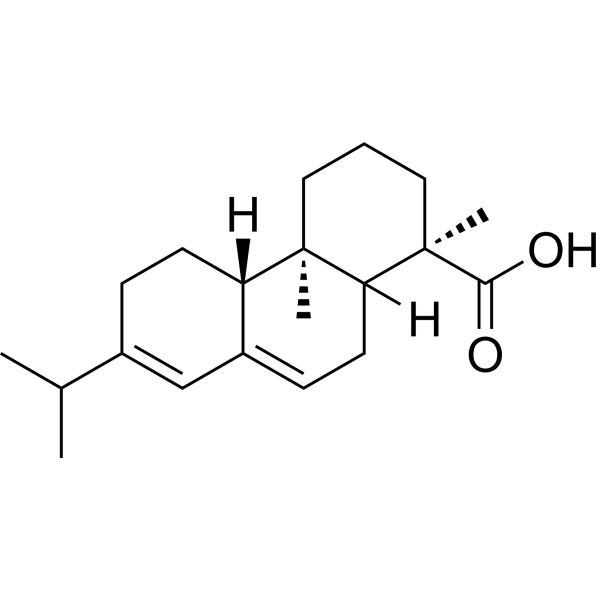
Abietic acid, an orally active diterpene isolated from Colophony, displays significant anti-proliferative, anti-inflammatory, anti-obesity effect, bacteriostatic, cell cycle arresting and pro-apoptotic activities. Abietic acid inhibits lipoxygenase activity for allergy. Abietic acid enhances cell migration and tube formation in HUVECs. Abietic acid induces significant angiogenic potential, which is associated with upregulation of extracellularsignal-regulatedkinase (ERK) and p38 expression. Abietic acid attenuates sepsis-induced lung injury by inhibiting nuclear factor kappa-light-chain-enhancer of activated B cells (NF-κB) pathway to inhibit M1 macrophage polarization. Abietic acid exhibits a positive effect against liver injury by attenuating inflammation and ferroptosis. Abietic acid shows accelerated wound closure in a mouse model of cutaneous wounds. Abietic acid significantly reduces the proliferation and growth of NSCLC cells by IKKβ inhibition.Additionally, Abietic acid ameliorates psoriasis-like inflammation and modulates gut microbiota in mice. Abietic acid is promising for research in non-small-cell lung cancer (NSCLC), liver injury-related deseases and psoriasis .
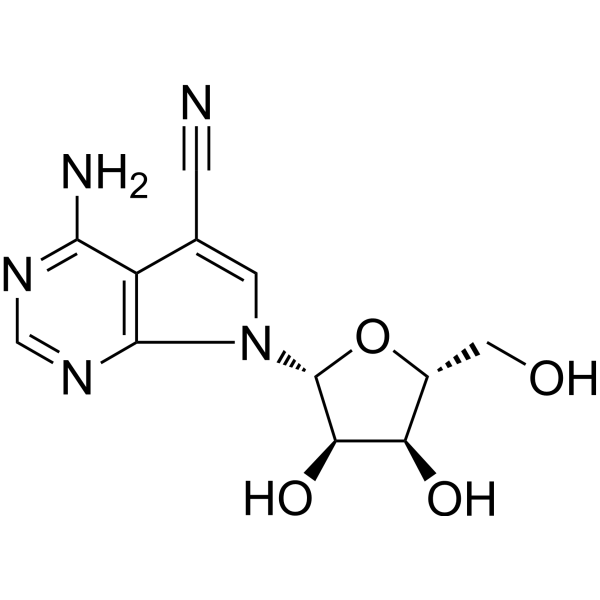
Toyocamycin (Vengicide) is an adenosine analog produced by Streptomyces diastatochromogenes, acts as an XBP1 inhibitor. Toyocamycin blocks RNA synthesis and ribosome function, and induces apoptosis. Toyocamycin affects IRE1α-XBP1 pathway, and inhibits XBP1 mRNA cleavage with an IC50 value of 80 nM with affecting IRE1α auto-phosphorylation. Toyocamycin specifically inhibits CDK9 with an IC50 value of 79 nM .
Insulin Detemir is an artificial insulin, shows effect on controlling blood sugar levels. Insulin Detemir stimulates GLP-1 secretion as a consequence of enhanced Gcg expression by a mechanism involving activation of Akt- and/or extracellularsignal-regulatedkinase (ERK)-dependent-cat and CREB signaling pathways. Insulin Detemir can be used for type 2 diabetes research .
RP03707 is a PROTAC degrader of KRAS G12D. RP03707 forms a ternary complex with KRAS G12D and the CRBN E3 ligase, promoting the ubiquitination and proteasomal degradation of KRAS G12D. RP03707 inhibits the growth of KRAS G12D-positive tumor cells .
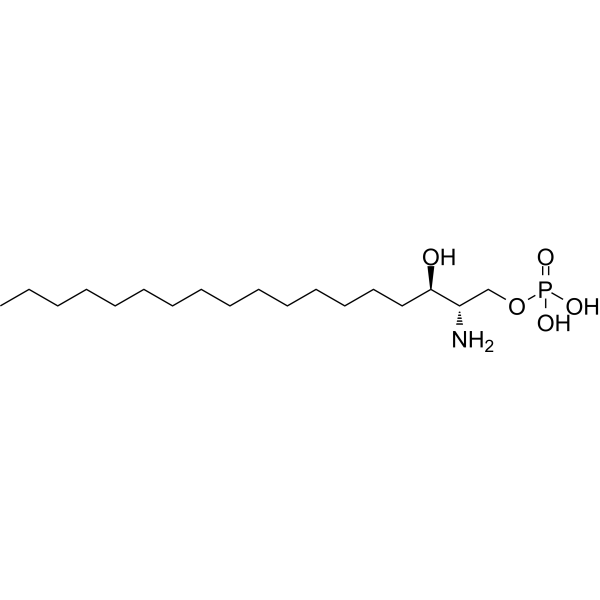
Sphinganine 1-phosphate (D-erythro-Dihydrosphingosine 1-phosphate) is a polar sphingolipid metabolite that regulates cell migration, differentiation, survival and complex physiological processes .
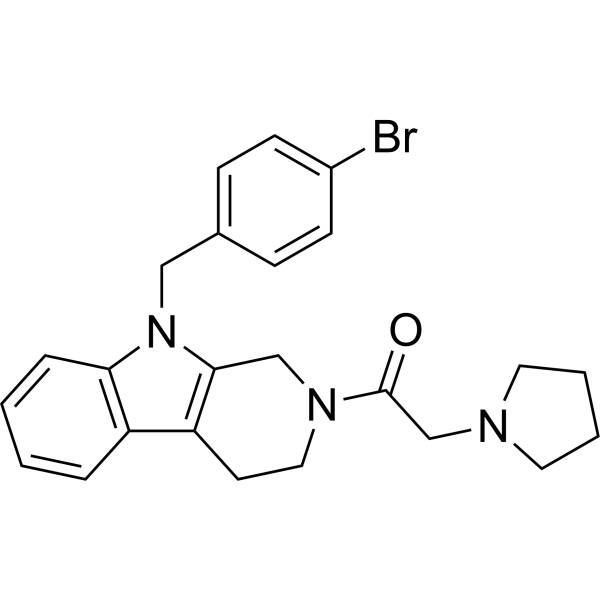
SBI-810 is a blood-brain barrier-permeable NTSR1 modulator. SBI-810 promotes the recruitment of β-arrestin-2 to NTSR1 and antagonizes NTSR1-mediated Gq activation. SBI-810 inhibits excitatory synaptic transmission, NMDA receptor and extracellularsignal-regulatedkinase (ERK) signaling in spinal nociceptive neurons, reduces surface expression of Nav1.7 and action potential firing in primary sensory neurons, and attenuates C-fiber responses. SBI-810 effectively alleviates acute and chronic pain in various rodent models through peripheral and central modulation. SBI-810 is applicable to research related to multiple pain disorders .
SBI-810 hydrochloride is a blood-brain barrier-permeable NTSR1 modulator. SBI-810 hydrochloride promotes the recruitment of β-arrestin-2 to NTSR1 and antagonizes NTSR1-mediated Gq activation. SBI-810 hydrochloride inhibits excitatory synaptic transmission, NMDA receptor and extracellularsignal-regulatedkinase (ERK) signaling in spinal nociceptive neurons, reduces surface expression of Nav1.7 and action potential firing in primary sensory neurons, and attenuates C-fiber responses. SBI-810 hydrochloride effectively alleviates acute and chronic pain in various rodent models through peripheral and central modulation. SBI-810 hydrochloride is applicable to research related to multiple pain disorders .
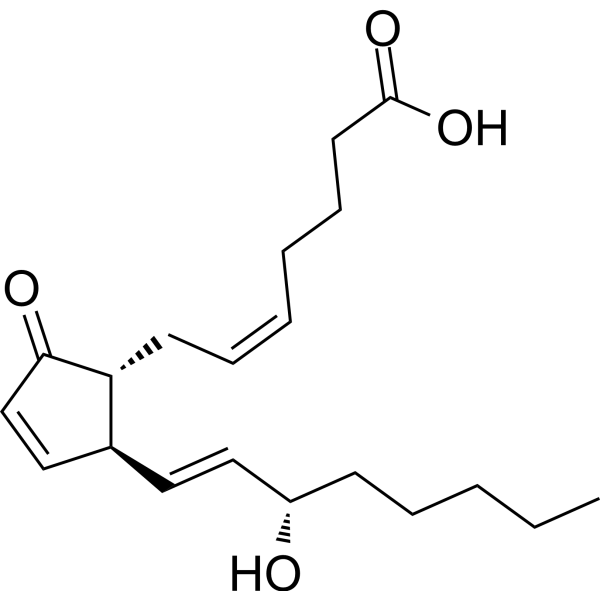
Prostaglandin A2 (PGA2) is a Cyclopentenone prostaglandin. Prostaglandin A2 induces Caspase-dependent Apoptosis, activates p53. Prostaglandin A2 activates ERK2 and JNK1/SAPK. Prostaglandin A2 shows antiviral activity against HSV-1. Prostaglandin A2 has anti-tumor effects. Prostaglandin A2 can be used for the research of colorectal cancer, colorectal carcinoma, breast carcinoma, and herpetic keratitis .
Agkistrodon halys batroxobin is a thrombin-like serine protease. Agkistrodon halys batroxobin reduces the expression of Sirt1 and extracellularsignal-regulatedkinase activation in brain tissue. Agkistrodon halys batroxobin reduces cleaved caspase-3 expression and inhibits neuronal apoptosis in rat .
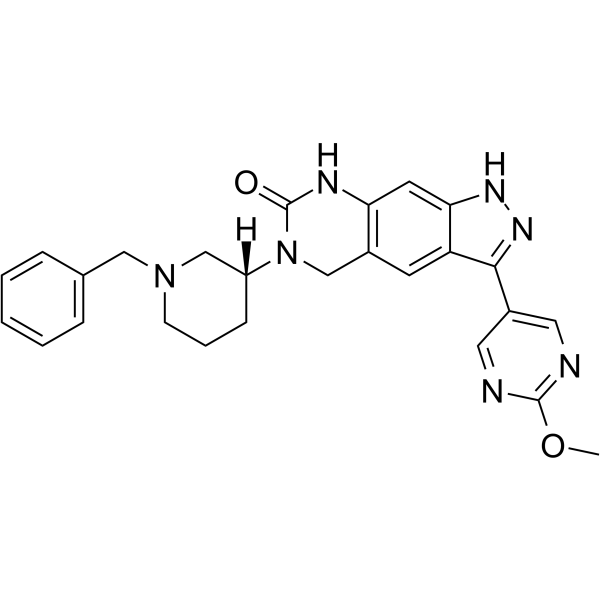
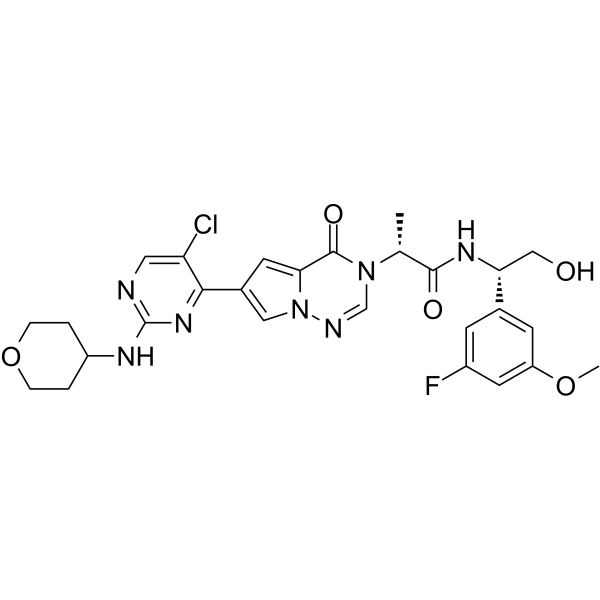
Sonvuterkib (WX001) is a potent and orally active extracellularsignal-regulatedkinases (ERK) inhibitor with IC50 values of 1.4, 0.54 nM for ERK1, ERK2, respectively. Sonvuterkib inhibits cell proliferation. Sonvuterkib shows anticancer activity .
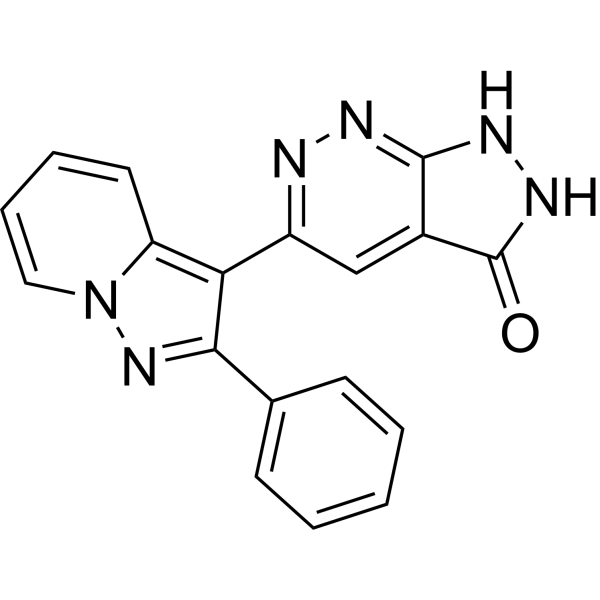
ITZ-1 is an orally active and selective extracellularsignal-regulatedkinase (ERK)-mitogen-activated protein kinase (MAPK) pathway inhibitor with an IC50 of 0.51 μM for inhibiting interleukin-1β (IL-1β)-induced matrix metalloproteinase-13 (MMP-13) production. ITZ-1 reduces MMP-13 expression and suppresses nitric oxide (NO)-induced chondrocyte apoptosi. ITZ-1 is promising for research of osteoarticular diseases .
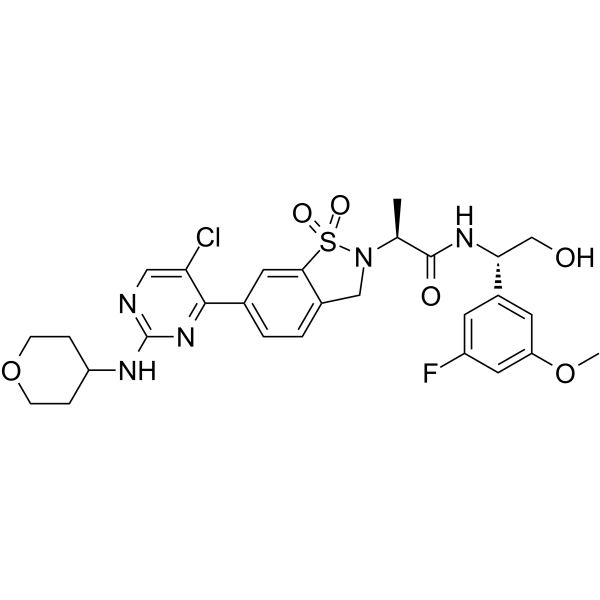
ERK1/2 inhibitor 3 is a potent inhibitor of ERK1/2. Mitogen-activated protein kinase (MAPK) plays an extremely important role in the signal transduction pathway, and extracellularsignal regulatedkinase (ERK) is a member of the MAPK family. ERK1/2 inhibitor 3 has the potential for the research or prevention of cancer, inflammation or other proliferative diseases (extracted from patent WO2021218912A1, compound 1) .
YF-452 is a potent inhibitor of vascular endothelial growth factor receptor 2 (VEGFR2). YF-452 remarkably inhibits the migration, invasion and tube-like structure formation of human umbilical vein endothelial cells (HUVECs) with little toxicity. YF-452 inhibits VEGF-induced phosphorylation of VEGFR2 kinase and the downstream protein kinases including extracellularsignal regulatedkinase (ERK), focal adhesion kinase (FAK) and Src. YF-452 is a potential antiangiogenic agent candidate for cancer research .
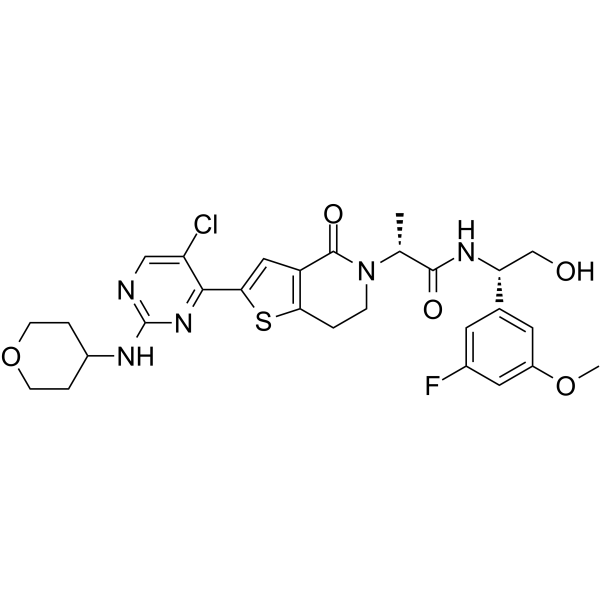
ERK1/2 inhibitor 5 is a potent inhibitor of ERK1/2. Mitogen-activated protein kinase (MAPK) plays an extremely important role in the signal transduction pathway, and extracellularsignal regulatedkinase (ERK) is a member of the MAPK family. ERK1/2 inhibitor 5 has the potential for the research or prevention of cancer, inflammation or other proliferative diseases (extracted from patent WO2020238776A1) .
ERK1/2 inhibitor 5 is a potent inhibitor of ERK1/2. Mitogen-activated protein kinase (MAPK) plays an extremely important role in the signal transduction pathway, and extracellularsignal regulatedkinase (ERK) is a member of the MAPK family. ERK1/2 inhibitor 5 has the potential for the research or prevention of cancer, inflammation or other proliferative diseases (extracted from patent WO2020238776A1) .
ERK Inhibitor II (Negative control) is an effective inhibitor of extracellularsignal-regulatedkinase (ERK). ERK Inhibitor II (Negative control) inhibits the activation of insulin receptor, which can be used in the study of diabetes .
DL-threo-Dihydrosphingosine is a extracellularsignal-regulatedkinase(ERK)signalling cassette inhibitor and is effective against both growth factor- and G-protein-dependent activation of ERK. DL-threo-Dihydrosphingosine inhibits smooth muscle cell proliferation and can be used for study of asthma .
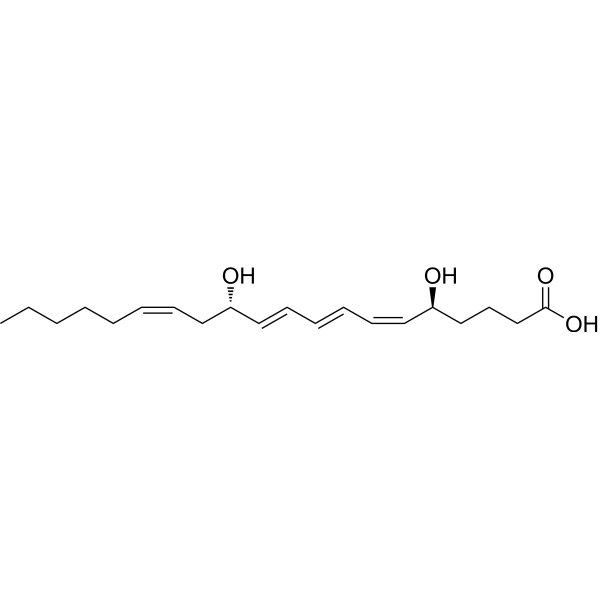
12-epi-LTB4 is an agonist for BLT1 and BLT2. 12-epi LTB4 exhibits a partial agonistic activity against mBLT1 and mBLT2, and induces phosphorylation of extracellularsignal-regulatedkinase in primary mouse keratinocytes .
MDVN1003 is a Bruton's tyrosine kinase (BTK) and phosphatidylinositol-3-kinase delta (PI3Kδ) dual inhibitor which prevents the activation of B cells and inhibits the phosphorylation of protein kinase B (AKT) and extracellularsignal-regulatedkinase 1/2 (ERK 1/2). MDVN1003 can be used for non-Hodgkin’s lymphoma (NHL) research .
(2Z,3Z)-U0126 is a selective inhibitor of MEK1 and MEK2, demonstrating potent antiinflammatory effects by noncompetitively inhibiting AP-1 transcriptional activity with IC50 values of 72 nM for MEK1 and 58 nM for MEK2. (2Z,3Z)-U0126 also inhibits anchorage-independent growth of Ki-ras-transformed rat fibroblasts by blocking both the extracellularsignal-regulatedkinase and mammalian target of rapamycin pathways. Additionally, (2Z,3Z)-U0126 can undergo isomerization and cyclization, resulting in various products that show reduced affinity for MEK and diminished AP-1 inhibition compared to the parent compound.
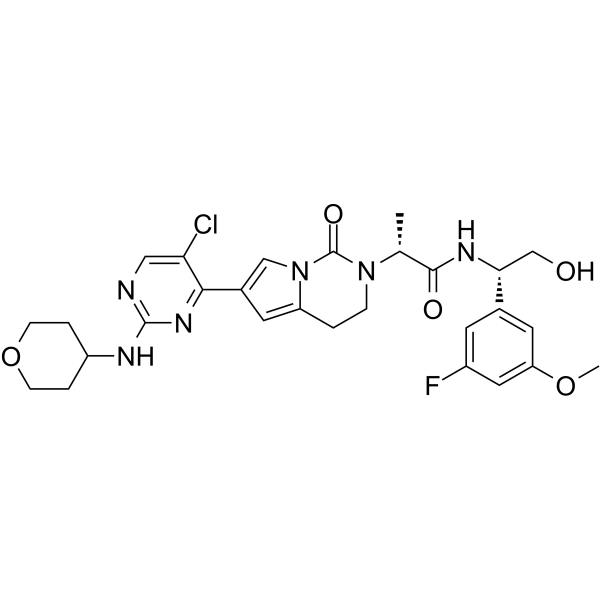
ERK1/2 inhibitor 6 is a potent inhibitor of ERK1/2. Mitogen-activated protein kinase (MAPK) plays an extremely important role in the signal transduction pathway, and extracellularsignal regulatedkinase (ERK) is a member of the MAPK family. ERK1/2 inhibitor 6 has the potential for the research or prevention of cancer, inflammation or other proliferative diseases (extracted from patent WO2021063335A1, compound 1) .
NSC 295642 is a phosphatase inhibitor. NSC 295642 can significantly increase phospho-Erk cytonuclear differences in intact cells. NSC 295642 can be used for the research of cancer .
DL-Aspartic acid (Standard) is the analytical standard of DL-Aspartic acid. This product is intended for research and analytical applications. DL-Aspartic acid (DL-Asp-OH) is a kind of biological materials or organic compounds that are widely used in life science research .
ENDO12 is an inhibitor of the Munc13-4-STX7 protein complex, with a Kd value of 2.7 µM for STX7. ENDO12 blocks the interaction of Munc13-4-STX7. ENDO12 inhibits endolysosomal flux, endolysosomal cargo degradation, the extracellularsignal-regulatedkinasesignaling pathway in neutrophils, the IFN regulatory factor signaling pathway in plasmacytoid dendritic cells, and the responses of primary dendritic cells to TLR3, TLR7, and TLR9. ENDO12 alleviates CpG-induced systemic inflammation by reducing the levels of myeloperoxidase, IL-6 and IFNγ. ENDO12 does not interfere with the host's antiviral response to lymphocytic choriomeningitis virus infection.\nENDO12 can be used in studies related to systemic inflammation .
R-130823 is an orally active, highly selective p38α inhibitor with an IC50 of 22 nM against p38α, an IC50 of 820 nM against p38β, and no activity against p38γ or p38δ. R-130823 downregulates downstream cartilage degradation and inflammatory mediators, and inhibits the release of MMP-13, MMP-1 and PGE2. R-130823 reduces hind paw swelling, improves hyperalgesia, and blocks arthritis progression. R-130823 is applicable to research related to osteoarthritis and rheumatoid arthritis .
Calebin A is a PI3K/Akt/mTOR, MAPK, and NF-κB inhibitor with oral effectiveness. Calebin A can block the autophagy-repressive, inhibiting apoptosis. Calebin A has anti-tumor activity by epigenetic regulation. Calebin A suppresses adipogenesis, modulates thermogenesis, and enriches gut probiotics. Calebin A can be used in research on osteoarthritis, Alzheimer's disease, type 2 diabetes, malignant peripheral nerve sheath tumors, and colorectal cancer .
Evariquinone is an anthraquinone compound isolated from the endophytic fungus Colletotrichum sp. JS-0367 of mulberry. Evariquinone possesses direct antioxidant activity. It inhibits excessive phosphorylation of the JNK, ERK1/2 and p38 MAPK signaling pathways by suppressing ROS and Ca 2+, thereby reducing neuronal apoptosis. Evariquinone can be used to study glutamate excitotoxicity-related neurological disorders (such as Alzheimer's disease, Parkinson's disease, cerebral ischemia, etc.) .
Catestatin sCst is a negative control peptide with a scrambled amino acid sequence. Catestatin sCst fails to activate human mast cells and is used to verify the specificity of Catestatin action .
Agkistrodon halys batroxobin is a thrombin-like serine protease. Agkistrodon halys batroxobin reduces the expression of Sirt1 and extracellularsignal-regulatedkinase activation in brain tissue. Agkistrodon halys batroxobin reduces cleaved caspase-3 expression and inhibits neuronal apoptosis in rat .
Insulin Detemir is an artificial insulin, shows effect on controlling blood sugar levels. Insulin Detemir stimulates GLP-1 secretion as a consequence of enhanced Gcg expression by a mechanism involving activation of Akt- and/or extracellularsignal-regulatedkinase (ERK)-dependent-cat and CREB signaling pathways. Insulin Detemir can be used for type 2 diabetes research .
Catestatin sCst is a negative control peptide with a scrambled amino acid sequence. Catestatin sCst fails to activate human mast cells and is used to verify the specificity of Catestatin action .
Abietic acid, an orally active diterpene isolated from Colophony, displays significant anti-proliferative, anti-inflammatory, anti-obesity effect, bacteriostatic, cell cycle arresting and pro-apoptotic activities. Abietic acid inhibits lipoxygenase activity for allergy. Abietic acid enhances cell migration and tube formation in HUVECs. Abietic acid induces significant angiogenic potential, which is associated with upregulation of extracellularsignal-regulatedkinase (ERK) and p38 expression. Abietic acid attenuates sepsis-induced lung injury by inhibiting nuclear factor kappa-light-chain-enhancer of activated B cells (NF-κB) pathway to inhibit M1 macrophage polarization. Abietic acid exhibits a positive effect against liver injury by attenuating inflammation and ferroptosis. Abietic acid shows accelerated wound closure in a mouse model of cutaneous wounds. Abietic acid significantly reduces the proliferation and growth of NSCLC cells by IKKβ inhibition.Additionally, Abietic acid ameliorates psoriasis-like inflammation and modulates gut microbiota in mice. Abietic acid is promising for research in non-small-cell lung cancer (NSCLC), liver injury-related deseases and psoriasis .
Toyocamycin (Vengicide) is an adenosine analog produced by Streptomyces diastatochromogenes, acts as an XBP1 inhibitor. Toyocamycin blocks RNA synthesis and ribosome function, and induces apoptosis. Toyocamycin affects IRE1α-XBP1 pathway, and inhibits XBP1 mRNA cleavage with an IC50 value of 80 nM with affecting IRE1α auto-phosphorylation. Toyocamycin specifically inhibits CDK9 with an IC50 value of 79 nM .
Sphinganine 1-phosphate (D-erythro-Dihydrosphingosine 1-phosphate) is a polar sphingolipid metabolite that regulates cell migration, differentiation, survival and complex physiological processes .
DL-Aspartic acid (Standard) is the analytical standard of DL-Aspartic acid. This product is intended for research and analytical applications. DL-Aspartic acid (DL-Asp-OH) is a kind of biological materials or organic compounds that are widely used in life science research .
Calebin A is a PI3K/Akt/mTOR, MAPK, and NF-κB inhibitor with oral effectiveness. Calebin A can block the autophagy-repressive, inhibiting apoptosis. Calebin A has anti-tumor activity by epigenetic regulation. Calebin A suppresses adipogenesis, modulates thermogenesis, and enriches gut probiotics. Calebin A can be used in research on osteoarthritis, Alzheimer's disease, type 2 diabetes, malignant peripheral nerve sheath tumors, and colorectal cancer .
Evariquinone is an anthraquinone compound isolated from the endophytic fungus Colletotrichum sp. JS-0367 of mulberry. Evariquinone possesses direct antioxidant activity. It inhibits excessive phosphorylation of the JNK, ERK1/2 and p38 MAPK signaling pathways by suppressing ROS and Ca 2+, thereby reducing neuronal apoptosis. Evariquinone can be used to study glutamate excitotoxicity-related neurological disorders (such as Alzheimer's disease, Parkinson's disease, cerebral ischemia, etc.) .
MAPK15 Protein, Human (Active, sf9, His-GST) is the recombinant human-derived MAPK15, expressed by Sf9 insect cells , with N-6*His and N-GST labeled tag.
The p38 gamma/MAPK12 protein is an important serine/threonine kinase in the MAP kinase pathway and can respond to extracellular stimuli such as pro-inflammatory cytokines or stress. p38 MAPK activates transcription factors such as ELK1 and ATF2, each of which phosphorylates approximately 200 to 300 substrates. p38 gamma/MAPK12 Protein, Human (sf9) is the recombinant human-derived p38 gamma/MAPK12 protein, expressed by Sf9 insect cells, with tag free.
The p38 gamma/MAPK12 protein is an important serine/threonine kinase in the MAP kinase pathway and can respond to extracellular stimuli such as pro-inflammatory cytokines or stress. p38 MAPK activates transcription factors such as ELK1 and ATF2, each of which phosphorylates approximately 200 to 300 substrates. p38 gamma/MAPK12 Protein, Human (sf9, His-GST) is the recombinant human-derived p38 gamma/MAPK12 protein, expressed by Sf9 insect cells , with N-His, N-GST labeled tag.
ERK3 Protein, an atypical MAPK, phosphorylates MAP2 and MAPKAPK5. Interacting with MAPKAPK5, ERK3/MAPK6 undergoes Ser-189 phosphorylation, facilitating MAPKAPK5 activation. Activated MAPKAPK5 reciprocally phosphorylates ERK3/MAPK6. The complex's precise functional implications, especially in cell cycle entry, remain elusive. ERK3 Protein, Human (L290V) is the recombinant human-derived ERK3 protein, expressed by E. coli , with tag free.
MAPK4, an atypical MAPK protein, phosphorylates microtubule-associated protein 2 (MAP2) and MAPKAPK5, forming a complex with intricate phosphorylation events. Interaction with MAPKAPK5 leads to ERK3/MAPK6 phosphorylation at Ser-189, activating MAPKAPK5, which reciprocally phosphorylates ERK3/MAPK6. The specific cellular role of this interplay, while unclear, suggests ERK3's potential involvement in promoting entry into the cell cycle. MAPK4 Protein, Human (sf9, His, GST) is the recombinant human-derived MAPK4 protein, expressed by sf9 insect cells , with N-8*His, N-GST labeled tag.
ERK3 Protein, an atypical MAPK, phosphorylates MAP2 and MAPKAPK5. Interacting with MAPKAPK5, ERK3/MAPK6 undergoes Ser-189 phosphorylation, facilitating MAPKAPK5 activation. Activated MAPKAPK5 reciprocally phosphorylates ERK3/MAPK6. The complex's precise functional implications, especially in cell cycle entry, remain elusive. ERK3 Protein, Human (L290V, His) is the recombinant human-derived ERK3 protein, expressed by E. coli , with N-6*His labeled tag.
The p38 gamma/MAPK12 protein is an important serine/threonine kinase in the MAP kinase pathway and can respond to extracellular stimuli such as pro-inflammatory cytokines or stress. p38 MAPK activates transcription factors such as ELK1 and ATF2, each of which phosphorylates approximately 200 to 300 substrates. p38 gamma/MAPK12 Protein, Human (Active, sf9, GST) is the recombinant human-derived p38 gamma/MAPK12 protein, expressed by Sf9 insect cells, with N-GST labeled tag.
ERK1 protein is an important serine/threonine kinase in the MAP kinase pathway and cooperates with MAPK1/ERK2 to activate the MAPK/ERK cascade. Stimulated by KIT and KITLG/SCF, this pathway plays a key role in cell growth, adhesion, survival, and differentiation. ERK1 Protein, Human (GST) is the recombinant human-derived ERK1 protein, expressed by E. coli , with N-GST labeled tag.
ERK2 Protein, a key component of the MAPK/ERK cascade, regulates diverse cellular processes such as transcription, translation, mitosis, apoptosis, endosomal dynamics, and Golgi apparatus fragmentation. Through phosphorylation, it modulates substrates including transcription factors, cytoskeletal elements, apoptosis regulators, translation regulators, protein kinases, and phosphatases. MAPK1/ERK2 Protein, Human (Inactive, GST) is the recombinant human-derived MAPK1/ERK2 protein, expressed by E. coli, with N-GST labeled tag.
ERK2 Protein, a key component of the MAPK/ERK cascade, regulates diverse cellular processes such as transcription, translation, mitosis, apoptosis, endosomal dynamics, and Golgi apparatus fragmentation. Through phosphorylation, it modulates substrates including transcription factors, cytoskeletal elements, apoptosis regulators, translation regulators, protein kinases, and phosphatases. MAPK1 Protein, Human (Active, Flag, His) is the recombinant human-derived MAPK1, expressed by E. coli, with N-His, N-Flag labeled tag.
phospho-ERK1 + 2 (Thr183/Tyr185) Antibody is a Rabbit-derived and non-conjugated IgG polyclonal antibody, targeting to phospho-ERK1 + 2 (Thr183/Tyr185).
Phospho-ERK1/2(Thr202/Tyr204) Antibody (YA5321) is a Mouse-derived and non-conjugated monoclonal antibody, targeting to Phospho-ERK1/2(Erk1/2)(Thr202/Tyr204).
MAPK3; ERK1; PRKM3; Mitogen-activated protein kinase 3; MAP kinase 3; MAPK 3; ERT2; extracellularsignal-regulatedkinase 1; ERK-1; Insulin-stimulated MAP2 kinase; MAP kinase isoform p44; p44-MAPK; Microtubule-associated protein 2 kinase; p
WB, ICC/IF, IP, ELISA
Human, Mouse, Rat
Phospho-Erk 1/2(Thr202/Tyr204) Antibody (YA5917) is a Rabbit-derived and non-conjugated IgG monoclonal antibody, targeting to Phospho-Erk 1/2(Thr202/Tyr204).
Western blot analysis of extracts from THP-1(lane 2(20μg), Jurkat (lane 3(20μg) and NIH3T3(lane 4(20μg) using FOXO1A (HY-P80132) Rabbit mAb. Proteins were transferred
to a PVDF membrane and blocked with 5% non-fat milk in TBST for 2 hour at room temperature. The primary antibody (1/1000) and Loading control antibody (Beta Actin, HY-P80438, 1/10000) was
used in 5% non-fat milk in TBST at 4°C overnight. Goat Anti-Mouse/Rabbit IgG-HRP Secondary Antibody (1/10000) was used for 1 hour at room temperature.
Western blot analysis of extracts from THP-1(lane 2(20μg), Jurkat (lane 3(20μg) and NIH3T3(lane 4(20μg) using FOXO1A (HY-P80132) Rabbit mAb. Proteins were transferred
to a PVDF membrane and blocked with 5% non-fat milk in TBST for 2 hour at room temperature. The primary antibody (1/1000) and Loading control antibody (Beta Actin, HY-P80438, 1/10000) was
used in 5% non-fat milk in TBST at 4°C overnight. Goat Anti-Mouse/Rabbit IgG-HRP Secondary Antibody (1/10000) was used for 1 hour at room temperature.
Western blot analysis of extracts from THP-1(lane 2(20μg), Jurkat (lane 3(20μg) and NIH3T3(lane 4(20μg) using FOXO1A (HY-P80132) Rabbit mAb. Proteins were transferred
to a PVDF membrane and blocked with 5% non-fat milk in TBST for 2 hour at room temperature. The primary antibody (1/1000) and Loading control antibody (Beta Actin, HY-P80438, 1/10000) was
used in 5% non-fat milk in TBST at 4°C overnight. Goat Anti-Mouse/Rabbit IgG-HRP Secondary Antibody (1/10000) was used for 1 hour at room temperature.
Western blot analysis of extracts from THP-1(lane 2(20μg), Jurkat (lane 3(20μg) and NIH3T3(lane 4(20μg) using FOXO1A (HY-P80132) Rabbit mAb. Proteins were transferred
to a PVDF membrane and blocked with 5% non-fat milk in TBST for 2 hour at room temperature. The primary antibody (1/1000) and Loading control antibody (Beta Actin, HY-P80438, 1/10000) was
MedchemExpress Validation 03
Western blot analysis of extracts from THP-1(lane 2(20μg), Jurkat (lane 3(20μg) and NIH3T3(lane 4(20μg) using FOXO1A (HY-P80132) Rabbit mAb. Proteins were transferred
MedchemExpress Validation 04
Western blot analysis of extracts from THP-1(lane 2(20μg), Jurkat (lane 3(20μg) and NIH3T3(lane 4(20μg) using FOXO1A (HY-P80132) Rabbit mAb. Proteins were transferred
to a PVDF membrane and blocked with 5% non-fat milk in TBST for 2 hour at room temperature. The primary antibody (1/1000) and Loading control antibody (Beta Actin, HY-P80438, 1/10000) was
used in 5% non-fat milk in TBST at 4°C overnight. Goat Anti-Mouse/Rabbit IgG-HRP Secondary Antibody (1/10000) was used for 1 hour at room temperature.
MedchemExpress Validation
Western blot analysis of extracts from THP-1(lane 2(20μg), Jurkat (lane 3(20μg) and NIH3T3(lane 4(20μg) using FOXO1A (HY-P80132) Rabbit mAb. Proteins were transferred
to a PVDF membrane and blocked with 5% non-fat milk in TBST for 2 hour at room temperature. The primary antibody (1/1000) and Loading control antibody (Beta Actin, HY-P80438, 1/10000) was
used in 5% non-fat milk in TBST at 4°C overnight. Goat Anti-Mouse/Rabbit IgG-HRP Secondary Antibody (1/10000) was used for 1 hour at room temperature.
Western blot analysis of extracts from THP-1(lane 2(20μg), Jurkat (lane 3(20μg) and NIH3T3(lane 4(20μg) using FOXO1A (HY-P80132) Rabbit mAb. Proteins were transferred
to a PVDF membrane and blocked with 5% non-fat milk in TBST for 2 hour at room temperature. The primary antibody (1/1000) and Loading control antibody (Beta Actin, HY-P80438, 1/10000) was
used in 5% non-fat milk in TBST at 4°C overnight. Goat Anti-Mouse/Rabbit IgG-HRP Secondary Antibody (1/10000) was used for 1 hour at room temperature.
MedchemExpress Validation
Western blot analysis of extracts from THP-1(lane 2(20μg), Jurkat (lane 3(20μg) and NIH3T3(lane 4(20μg) using FOXO1A (HY-P80132) Rabbit mAb. Proteins were transferred
to a PVDF membrane and blocked with 5% non-fat milk in TBST for 2 hour at room temperature. The primary antibody (1/1000) and Loading control antibody (Beta Actin, HY-P80438, 1/10000) was
used in 5% non-fat milk in TBST at 4°C overnight. Goat Anti-Mouse/Rabbit IgG-HRP Secondary Antibody (1/10000) was used for 1 hour at room temperature.
MedchemExpress Validation
Western blot analysis of extracts from THP-1(lane 2(20μg), Jurkat (lane 3(20μg) and NIH3T3(lane 4(20μg) using FOXO1A (HY-P80132) Rabbit mAb. Proteins were transferred
to a PVDF membrane and blocked with 5% non-fat milk in TBST for 2 hour at room temperature. The primary antibody (1/1000) and Loading control antibody (Beta Actin, HY-P80438, 1/10000) was
used in 5% non-fat milk in TBST at 4°C overnight. Goat Anti-Mouse/Rabbit IgG-HRP Secondary Antibody (1/10000) was used for 1 hour at room temperature.
MedchemExpress Validation
Western blot analysis of extracts from THP-1(lane 2(20μg), Jurkat (lane 3(20μg) and NIH3T3(lane 4(20μg) using FOXO1A (HY-P80132) Rabbit mAb. Proteins were transferred
to a PVDF membrane and blocked with 5% non-fat milk in TBST for 2 hour at room temperature. The primary antibody (1/1000) and Loading control antibody (Beta Actin, HY-P80438, 1/10000) was
used in 5% non-fat milk in TBST at 4°C overnight. Goat Anti-Mouse/Rabbit IgG-HRP Secondary Antibody (1/10000) was used for 1 hour at room temperature.
MedchemExpress Validation
Western blot analysis of extracts from THP-1(lane 2(20μg), Jurkat (lane 3(20μg) and NIH3T3(lane 4(20μg) using FOXO1A (HY-P80132) Rabbit mAb. Proteins were transferred
to a PVDF membrane and blocked with 5% non-fat milk in TBST for 2 hour at room temperature. The primary antibody (1/1000) and Loading control antibody (Beta Actin, HY-P80438, 1/10000) was
used in 5% non-fat milk in TBST at 4°C overnight. Goat Anti-Mouse/Rabbit IgG-HRP Secondary Antibody (1/10000) was used for 1 hour at room temperature.
MedchemExpress Validation
Western blot analysis of extracts from THP-1(lane 2(20μg), Jurkat (lane 3(20μg) and NIH3T3(lane 4(20μg) using FOXO1A (HY-P80132) Rabbit mAb. Proteins were transferred
to a PVDF membrane and blocked with 5% non-fat milk in TBST for 2 hour at room temperature. The primary antibody (1/1000) and Loading control antibody (Beta Actin, HY-P80438, 1/10000) was
used in 5% non-fat milk in TBST at 4°C overnight. Goat Anti-Mouse/Rabbit IgG-HRP Secondary Antibody (1/10000) was used for 1 hour at room temperature.
MedchemExpress Validation
Western blot analysis of extracts from THP-1(lane 2(20μg), Jurkat (lane 3(20μg) and NIH3T3(lane 4(20μg) using FOXO1A (HY-P80132) Rabbit mAb. Proteins were transferred
to a PVDF membrane and blocked with 5% non-fat milk in TBST for 2 hour at room temperature. The primary antibody (1/1000) and Loading control antibody (Beta Actin, HY-P80438, 1/10000) was
used in 5% non-fat milk in TBST at 4°C overnight. Goat Anti-Mouse/Rabbit IgG-HRP Secondary Antibody (1/10000) was used for 1 hour at room temperature.
MedChemExpress values your privacy and your trust is important to us. We use cookies to enhance your website experience. Some cookies are necessary to run the website.
Privacy and Cookie Policy