1. Search Result
Search Result
Results for "

fungal cell membrane

" in MedChemExpress (MCE) Product Catalog:

48

Inhibitors & Agonists

2

Screening Libraries

4

Fluorescent Dyes

1

Biochemical Assay Reagents

6

Peptides

6

Natural
Products

5

Isotope-Labeled Compounds

1

Oligonucleotides

Cat. No. Product Name Target Research Areas Chemical Structure
  • HY-B0221
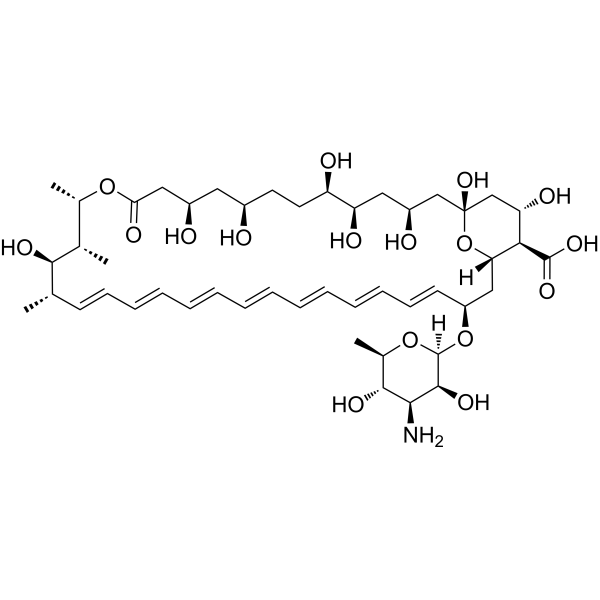
    Amphotericin B
    25+ Cited Publications

    Fungal Antibiotic Bacterial Parasite Infection Cancer
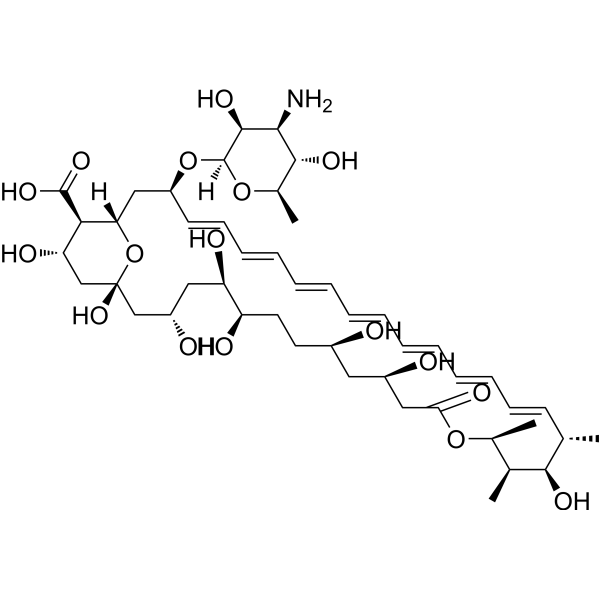
    Amphotericin B is a polyene antifungal agent against a wide variety of fungal pathogens. It binds irreversibly to ergosterol, resulting in disruption of membrane integrity and ultimately cell death.
    Amphotericin B
  • HY-111391
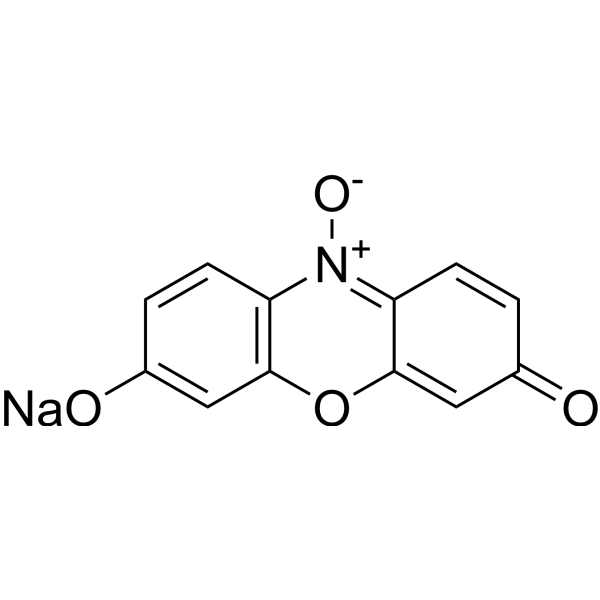
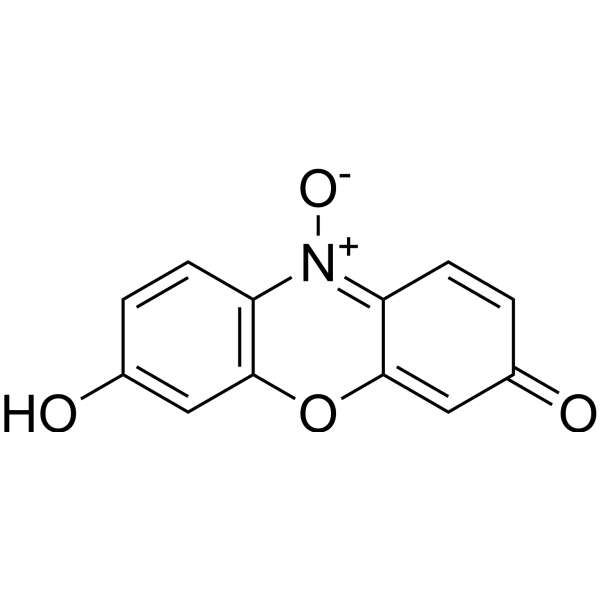
    Resazurin sodium
    5 Publications Verification

    Diazoresorcinol sodium

    Bacterial Fluorescent Dye Infection
    Resazurin sodium (Diazoresorcinol sodium) is a non-toxic, stable, membrane-permeable blue non-fluorescent dye (faintly fluorescent). Resazurin sodium is used as a redox indicator, can be reduced to pink, highly fluorescent Resorufin (Ex=530-560 nm, Em=590 nm) in living cells. Resazurin sodium can be used for the detection of cell viability, toxicity, proliferation, migration and invasion in cells (human, plant and animal, bacterial and fungal) .
    Resazurin sodium
  • HY-111391A

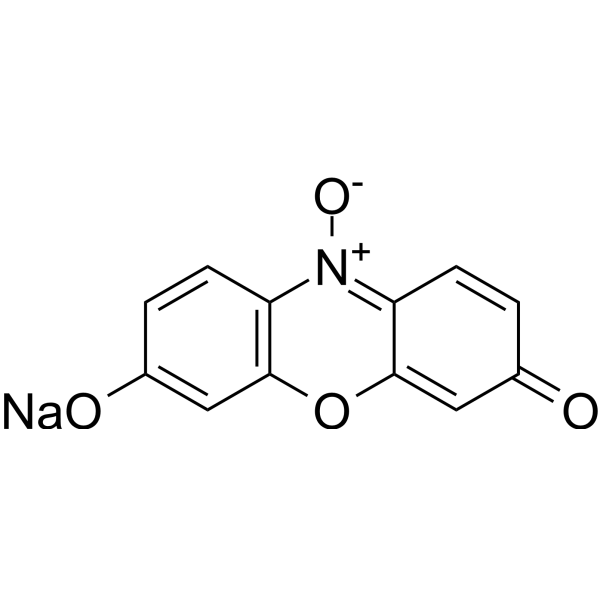
    Diazoresorcinol sodium, indicator

    Bacterial Fluorescent Dye Others
    Resazurin (Diazoresorcinol) sodium, indicator is a non-toxic, stable, membrane-permeable blue non-fluorescent dye (faintly fluorescent). Resazurin sodium, indicator is used as a redox indicator, can be reduced to pink, highly fluorescent Resorufin (Ex=530-560 nm, Em=590 nm) in living cells. Resazurin sodium, indicator can be used for the detection of cell viability, toxicity, proliferation, migration and invasion in cells (human, plant and animal, bacterial and fungal) .
    Resazurin sodium, indicator
  • HY-119847

    BAY-W-6341

    Fungal Infection
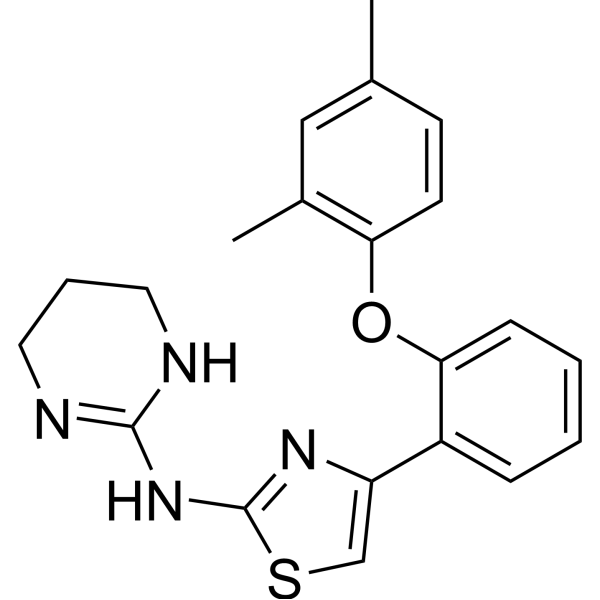
    Abafungin (BAY-W-6341) is a broad-spectrum fungicidal arylguanidine compound and a selective inhibitor of sterol-C-24-methyltransferase. Abafungin blocks the transmethylation reaction at the C-24 position of the sterol side chain during the ergosterol biosynthesis pathway. Abafungin directly disrupts fungal cell membrane integrity, and diminishes fungal viability independent of the fungal growth state. Abafungin can be applied to the research of fungal infections, particularly dermatomycoses .
    Abafungin
  • HY-118540

    Diazoresorcinol

    Fluorescent Dye Bacterial Infection
    Resazurin (Diazoresorcinol) is a water-soluble, non-toxic, stable, membrane-permeable blue non-fluorescent dye (faintly fluorescent). Resazurin is used as a redox indicator, can be reduced to pink, highly fluorescent Resorufin (Ex=530-560 nm, Em=590 nm) in living cells. Resazurin can be used for the detection of cell viability, toxicity, proliferation, migration and invasion in cells (human, plant and animal, bacterial and fungal) .
    Resazurin
  • HY-109040

    VT-1129

    Fungal Cytochrome P450 Infection Inflammation/Immunology
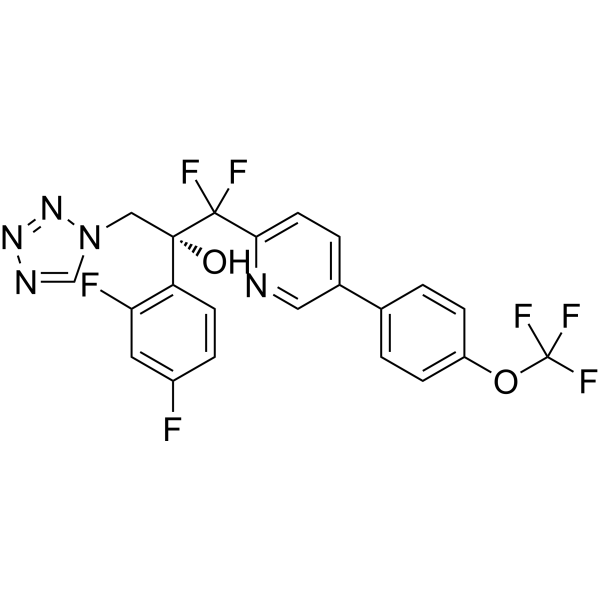
    Quilseconazole (VT-1129) is an orally active, highly selective fungal cytochrome P450 enzyme Cyp51 inhibitor that can cross the blood-brain barrier. Quilseconazole prevents the synthesis of ergosterol, an important component of the fungal cell membrane, by inhibiting Cyp51. Quilseconazole has minimal effects on human CYP enzymes. Quilseconazole has antifungal activity and can be used in the study of cryptococcal meningitis and other diseases .
    Quilseconazole
  • HY-P4809

    Bacterial Fungal Infection Cancer
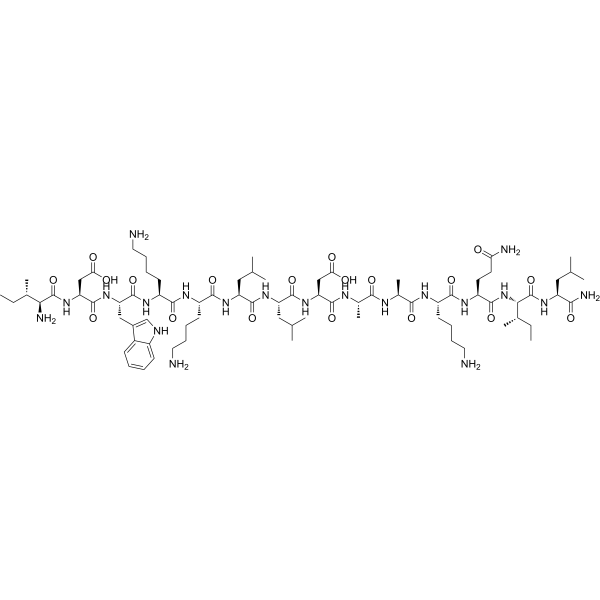
    Polybia-MP1 is an antimicrobial peptide with antibacterial, antifungal and anticancer activities. Polybia-MP1 selectively targets cancer cells by interacting with PS and PE in the outer leaflet of cell membranes, and induces necrosis via pore formation. Polybia-MP1 exhibits antibacterial activity against Pseudomonas aeruginosa. Polybia-MP1 can be used in research related to bacterial infections, fungal infections and cancers .
    Polybia-MP1
  • HY-DY1051

    Bacterial Fluorescent Dye Infection
    Resazurin sodium (Diazoresorcinol sodium) (solution) is a non-toxic, stable, membrane-permeable blue non-fluorescent dye (faintly fluorescent). Resazurin sodium is used as a redox indicator, can be reduced to pink, highly fluorescent Resorufin (Ex=530-560 nm, Em=590 nm) in living cells. Resazurin sodium can be used for the detection of cell viability, toxicity, proliferation, migration and invasion in cells (human, plant and animal, bacterial and fungal) .
    Solvent and Concentration: Sterile water: 10 mM
    Resazurin sodium (solution)
  • HY-117089

    Environmental Pollutants Fungal Infection
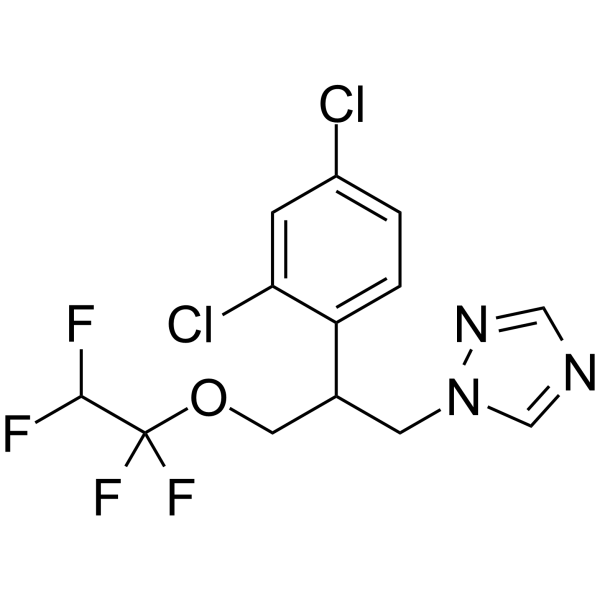
    Tetraconazole is a selective irreversible inhibitor of 14-α-sterol demethylase (CYP51) with antifungal activity. Tetraconazole competitively binds to the enzyme to block fungal ergosterol synthesis, resulting in cell membrane damage. The EC50 of tetraconazole against wheat pathogens is 0.382-0.802 mg/L, and the EC50 against onion root tip meristem cell growth is 6.7 mg/L, and (R)-(+)-Tetraconazole is 1.49-1.98 times more active than (S)-(-)-Tetraconazole. Tetraconazole can also induce oxidative stress and chromosomal aberrations in plant cells .
    Tetraconazole
  • HY-163462

    Fungal Infection
    Poacic Acid is a plant-derived stilbenoid with an antifungal activity. Poacic Acid localizes to the yeast cell wall and disrupts the production and assembly of β-1,3-glucan in the fungal cell walls. Poacic Acid exhibits fungicidal activity to Saccharomyces cerevisiae and plasma membrane-compromised Candida albicans mutants .
    Poacic acid
  • HY-P5640

    Bacterial Parasite Infection
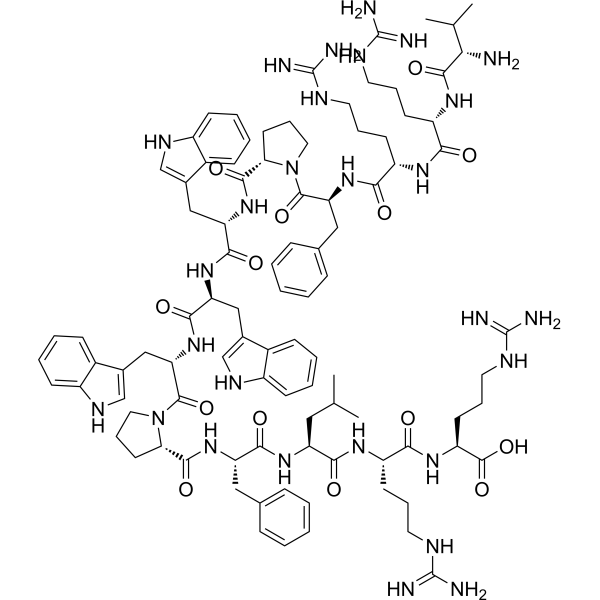
    Tritrpticin is a porcine-derived antimicrobial peptide with properties such as membrane disruption and hemolysis. Tritrpticin disrupts the cell membranes of bacteria, fungi and Jurkat T cell leukemia cells and induces their death. Tritrpticin also enhances the efficacy of Metronidazole (HY-B0318) against *Trichomonas vaginalis*, reduces plasma endotoxin and inflammatory cytokine levels, restricts bacterial growth in blood and visceral tissues, decreases the mortality rate of septic shock in rats and enhances the therapeutic effect of ertapenem. Tritrpticin exhibits selective cytotoxicity against Jurkat T cell leukemia cells, while showing low toxicity to normal peripheral blood mononuclear cells and red blood cells, and can serve as a template for antimicrobial peptide design. Tritrpticin can be applied to research related to bacterial infections, fungal infections, trichomoniasis, septic shock and leukemia .
    Tritrpticin
  • HY-114518

    KP363

    Fungal Infection
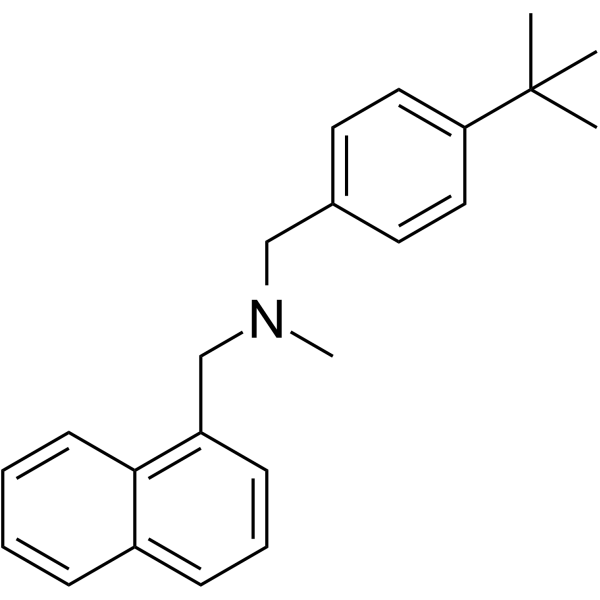
    Butenafine (KP363) is a potent and broad spectrum benzylamine antifungal agent . Butenafine inhibits fungal ergosterol biosynthesis at the point of squalene epoxidation, leading to a deficiency of the fungal cell membranes. Butenafine is effective against dermatophytes infections, such as  tinea pedis,  tinea cruris, tinea versicolor .
    Butenafine
  • HY-N16375

    Drug Metabolite Fungal ATP Synthase Infection
    (3R,6S)-Bassiatin (Compound 5) is an enantiomer of the fungal metabolite Bassiatin (HY-165143). Bassianin is a compound isolated from fungi that has the activity of inhibiting erythrocyte membrane ATPase and causing cell lysis. Its inhibitory effect on ATPase may be due to membrane disruption .
    (3R,6S)-Bassiatin
  • HY-W017611

    Environmental Pollutants Reactive Oxygen Species (ROS) Fungal DNA/RNA Synthesis Infection
    4-Propylphenol is a plant-derived phenolic compound. 4-Propylphenol causes an increase in ROS within the Fusarium graminearum cells, leading to damage to the DNA and cell membranes of the mycelia, effectively inhibiting the growth of the mycelia. 4-Propylphenol also has a growth inhibitory effect on walnut pathogenic fungi (C. gloeosporioides, C. siamense, A. alternata), with its EC50 ranging from 29.11 to 31.89 mg/L, and it also inhibits spore germination, with EC50 being 55.04-71.85 mg/L. 4-Propylphenol can be used in the research of fungal diseases in walnuts and wheat Fusarium head blight .
    4-Propylphenol
  • HY-N11546

    Cytochrome P450 Bacterial Fungal Infection Cancer
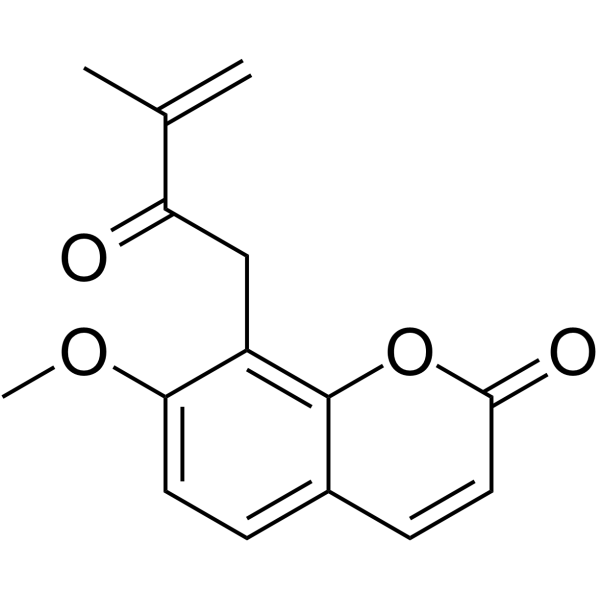
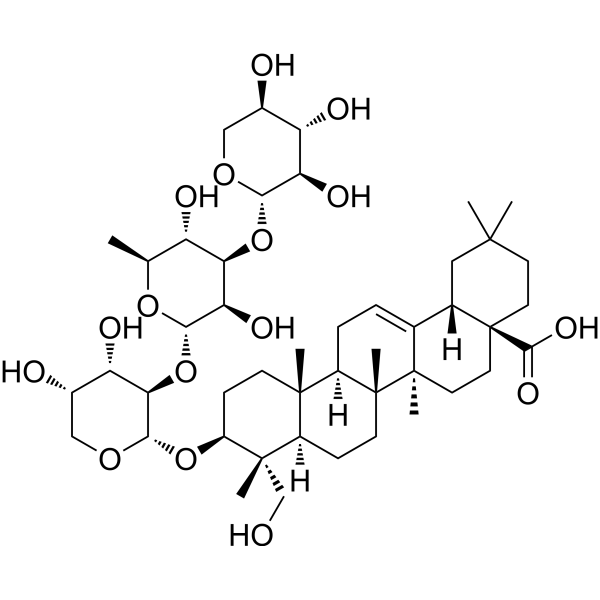
    Sapindoside B is a substance with hepatoprotective activity, and also acts as a cytochrome P-450 (cytochrome P-450) inhibitor, antibacterial agent and membrane-disrupting agent. Sapindoside B reversibly inhibits the content of cytochrome P-450 in liver microsomes, suppresses the phenobarbital-induced increase in enzyme content, reduces the production of active metabolites mediated by cytochrome P-450, and alleviates hepatotoxic injury. Sapindoside B binds to Cutibacterium acnes lipase, reduces lipase activity, inhibits biofilm formation, and decreases bacterial adhesion. Sapindoside B exhibits cytotoxicity against human cancer, liver cancer, leukemia and glioblastoma cells. Sapindoside B inhibits mycelial growth of phytopathogenic fungal strains, possesses antibacterial activity against dermatophytes, and also has hemolytic/membrane-lytic activity. Sapindoside B can be used in research related to liver injury, Cutibacterium acnes biofilm-associated infections, gastric cancer, carcinoma, promyelocytic leukemia, glioblastoma, apple scab and grape gray mold .
    Sapindoside B
  • HY-171796

    Fungal Infection
    Bromomonilicin is a selective fungal cell membrane inhibitor. Bromomonilicin exerts antifungal activity by disrupting fungal cell membrane integrity. Bromomonilicin is promising for research of plant pathogenic fungal infections (e.g., Monilinia fructicola-induced brown rot) and superficial mycoses (e.g., dermatophyte infections) .
    Bromomonilicin
  • HY-159666

    Antibiotic Fungal Infection
    Nystatin A1 is a polyene macrolide antifungal antibiotic that can be isolated from Streptomyces noursei. Nystatin A1 binds to ergosterol on the fungal cell membrane, increasing the permeability of the cell membrane and causing leakage of cell contents, thereby inhibiting the growth and reproduction of fungi .
    Nystatin A1
  • HY-P3384

    Fungal Others Inflammation/Immunology
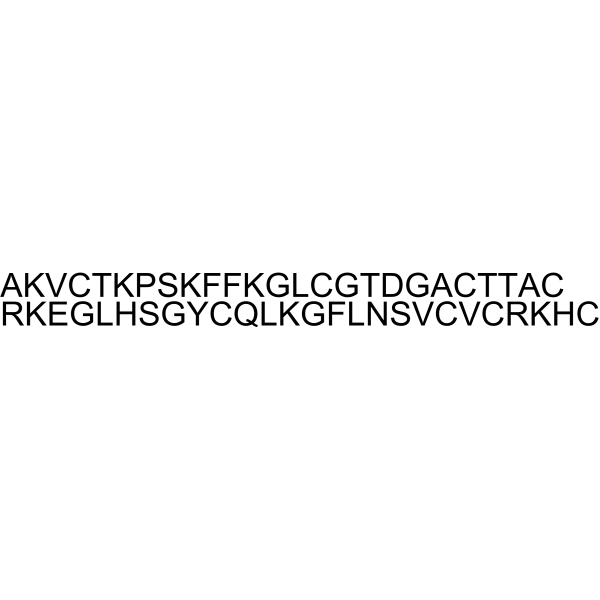
    Pezadeftide is a potent antifungal peptide. Pezadeftide can enter fungal cells and cause a rapid mitochondrial response that results in hyperpolarization of the mitochondrial membrane .
    Pezadeftide
  • HY-B0221R

    Reference Standards Fungal Antibiotic Bacterial Parasite Infection Cancer
    Amphotericin B (Standard) is the analytical standard of Amphotericin B. This product is intended for research and analytical applications. Amphotericin B is a polyene antifungal agent against a wide variety of fungal pathogens. It binds irreversibly to ergosterol, resulting in disruption of membrane integrity and ultimately cell death.
    Amphotericin B (Standard)
  • HY-177849

    Amphotericin B liposome

    Liposome Fungal Antibiotic Infection
    Liposomal Amphotericin B is a liposome-encapsulated form of Amphotericin B (HY-B0221). Amphotericin B is a polyene antifungal agent against a wide variety of fungal pathogens. Amphotericin B binds irreversibly to ergosterol, resulting in disruption of membrane integrity and ultimately cell death. Liposomal Amphotericin B can significantly reduce the toxicity of Amphotericin B.
    Liposomal Amphotericin B
  • HY-172804

    Succinate Dehydrogenase Fungal Apoptosis Infection
    SDH-IN-26 (Compound C3) is a succinate dehydrogenase (SDH) inhibitor. SDH-IN-26 exhibits significant inhibitory activity against multiple phytopathogenic fungi, such as Rhizoctonia solani and Botrytis cinerea, with an EC50 value of 0.270 μg/mL against Rhizoctonia solani. SDH-IN-26 damages the integrity of the fungal cell membrane, increases membrane permeability, disrupts cell structure, and reduces the number of mitochondria, thus affecting the normal growth of mycelia. SDH-IN-26 leads to a decrease in mitochondrial membrane potential, and induces cell apoptosis. SDH-IN-26 is promising for research of plant diseases caused by fungi .
    SDH-IN-26
  • HY-W422288

    (Rac)-Ketoconazol; (Rac)-R 41400

    Fungal Cytochrome P450 Infection
    (Rac)-Ketoconazole ((Rac)-R 41400) is an antifungal imidazole compound with oral activity. (Rac)-Ketoconazole interferes with ergosterol synthesis by inhibiting cytochrome P450-dependent 14α-sterol demethylase (CYP51), a key enzyme on the fungal cell membrane, leading to membrane dysfunction and ultimately inhibition of fungal growth and reproduction. (Rac)-Ketoconazole is indicated for studies of fungal infections .
    (Rac)-Ketoconazole
  • HY-P11021

    Fungal Antibiotic Infection
    ToAP2 is a potent antimicrobial peptide. ToAP2 affects C. albicans membrane permeability and produces changes in fungal cell morphology .
    ToAP2
  • HY-176746

    Fungal Infection
    CMLD009688 is a cationic amphiphilic antifungal agent. CMLD009688 selectively inhibits plant pathogenic fungi such as Fusarium graminearum. CMLD009688 interacts with biological membranes, perturbing vacuolar and mitochondrial membrane structures to induce fungal cell death. CMLD009688 is promising for research of plant fungal diseases (e.g., wheat head blight, gray mold) .
    CMLD009688
  • HY-P11021A

    Fungal Antibiotic Infection
    ToAP2 TFA is a potent antimicrobial peptide. ToAP2 TFA affects C. albicans membrane permeability and produces changes in fungal cell morphology .
    ToAP2 TFA
  • HY-155279

    Fungal Infection
    Antifungal agent 73 (compound A32) is an antifungal agent for azole-resistant candidiasis. Antifungal agent 73 disrupts the fungal cell wall and cell membrane. Antifungal agent 73 shows potent in vivo antifungal activity against pathogenic fungi and fluconazole-resistant strains .
    Antifungal agent 73
  • HY-156281

    Fungal Infection
    Antifungal agent 76 (compound 23h) exhibits potent activities and a broad antifungal spectrum with low MICs of 0.25-16 μg/mL. Antifungal agent 76 might achieve its rapid fungicidal activity by disrupting the fungal cell membrane .
    Antifungal agent 76
  • HY-114518S2

    KP363-d4

    Fungal Isotope-Labeled Compounds Infection
    Butenafine-d4 (KP363-d4) is the deuterium labeled Butenafine (HY-114518). Butenafine (KP363) is a potent and broad spectrum benzylamine antifungal agent . Butenafine inhibits fungal ergosterol biosynthesis at the point of squalene epoxidation, leading to a deficiency of the fungal cell membranes. Butenafine is effective against dermatophytes infections, such as ?tinea pedis, ?tinea cruris, tinea versicolor .
    Butenafine-d4
  • HY-174394S

    Isotope-Labeled Compounds Fungal Cytochrome P450 Infection
    CYP51-IN-25 is a orally active broad spectrum antifungal agent with the MIC80 of 0.00625-0.05 μg/mL. is a CYP51-IN-25 is a deuterated compound with antibiotic properties. CYP51-IN-25 can inhibit the fungal CYP51 enzyme, block ergosterol synthesis, and disrupt cell membrane integrity. CYP51-IN-25 can be used for research on fungal infections.
    CYP51-IN-25
  • HY-179250

    Fungal Infection
    LEX-SQ01 (Compound D10) is an antifungal agent. LEX-SQ01 shows an EC50 of 1.6 μM for C. capsici. LEX-SQ01 can disrupt the cell membrane integrity of fungal. LEX-SQ01 can be used for the research of infection in crops .
    LEX-SQ01
  • HY-109040R

    VT-1129 (Standard)

    Fungal Cytochrome P450 Reference Standards Infection Neurological Disease Inflammation/Immunology
    Quilseconazole (Standard) is the analytical standard of Quilseconazole (HY-109040). This product is intended for research and analytical applications. Quilseconazole (VT-1129) is an orally active, highly selective fungal cytochrome P450 enzyme Cyp51 inhibitor that can cross the blood-brain barrier. Quilseconazole prevents the synthesis of ergosterol, an important component of the fungal cell membrane, by inhibiting Cyp51. Quilseconazole has minimal effects on human CYP enzymes. Quilseconazole has antifungal activity and can be used in the study of cryptococcal meningitis and other diseases .
    Quilseconazole (Standard)
  • HY-144632

    Fungal Infection
    Antifungal agent 22 (compound D16) is a potential and orally active antifungal agent for CM (cryptococcal meningitis), with an IC50 of 0.5 μg/mL. Antifungal agent 22 can penetrate the blood-brain barrier and kill the C. neoformans H99 cells by destroying the integrity of fungal cell membranes. Antifungal agent 22 shows selective anti-Cryptococcus activity with good metabolic stability and low cytotoxicity .
    Antifungal agent 22
  • HY-178340

    Cytochrome P450 Fungal Reactive Oxygen Species (ROS) Infection
    Antifungal agent 137 (Compound 4S) is an antifungal agent. Antifungal agent 137 inhibits Phomopsis sp. (PS), with an EC50 of 0.15 μg/mL. Antifungal agent 137 inhibits lanosterol 14α-demethylase (CYP51), with an IC50 of 5.00 μg/mL. Antifungal agent 137 disrupts the morphology of PS mycelia, impairs cell membrane integrity, and induces an increase in intracellular ROS levels, triggering oxidative stress. Antifungal agent 137 can be used for the study of fungal infection .
    Antifungal agent 137
  • HY-172363

    Succinate Dehydrogenase Fungal Infection
    Succinate dehydrogenase-IN-6 (Compound E23) is the inhibitor for succinate dehydrogenase that inhibits SDH in Rhizoctonia solani with an IC50 of 11.76 μM. Succinate dehydrogenase-IN-6 disrupts fungal cell membrane, exhibits board-spectrum antifungal activity that inhibits R. solani, V. dahliae, A. solani and C. gloeosporioides with EC50s of 0.41, 0.27, 1.15, 0.27 μg/mL, respectively. Succinate dehydrogenase-IN-6 exhibits no significant toxicity in rice and zebrafish (LC50 > 12.5 μg/mL) .
    Succinate dehydrogenase-IN-6
  • HY-B0847S1

    Fungal Reactive Oxygen Species (ROS) Infection
    Propiconazole-d3 (nitrate) is the deuterium labeled Propiconazole nitrate. Propiconazole is a broad-spectrum triazole fungicide that inhibits the conversion of lanosterol to ergosterol, leading to fungal cell membrane disruption. Propiconazole inhibits S. cerevisiae, but not rat liver, microsomal cytochrome P450 (IC50s=0.04 and >200 µM, respectively). Propiconazole inhibits the growth of T. deformans and R. stolonifer (ED50s=0.073 and 4.6 µg/mL, respectively). Propiconazole increases production of reactive oxygen species (ROS).
    Propiconazole-d3 nitrate
  • HY-B0847S

    Isotope-Labeled Compounds Fungal Reactive Oxygen Species (ROS) Infection
    Propiconazole-d7 is the deuterium labeled Propiconazole. Propiconazole is a broad-spectrum triazole fungicide that inhibits the conversion of lanosterol to ergosterol, leading to fungal cell membrane disruption. Propiconazole inhibits S. cerevisiae, but not rat liver, microsomal cytochrome P450 (IC50s=0.04 and >200 μM, respectively). Propiconazole inhibits the growth of T. deformans and R. stolonifer (ED50s=0.073 and 4.6 μg/mL, respectively). Propiconazole increases production of reactive oxygen species (ROS) .
    Propiconazole-d7
  • HY-W160358

    SARS-CoV Virus Protease Fungal Apoptosis Reactive Oxygen Species (ROS) ATP Synthase Glutathione Peroxidase SOD p38 MAPK Infection Cancer
    2,5-Dimethylcyclohexanol, a volatile organic compound, is a fatty acid that can be isolated from Amphora sp.. 2,5-Dimethylcyclohexanol has significant antineoplastic and antiviral activities with inhibition of SARS-CoV-2 Mpro. 2,5-Dimethylcyclohexanol also has potent antifungal activity against Pseudogymnoascus destructans. 2,5-Dimethylcyclohexanol compromises cell wall and membrane integrity while perturbing energy metabolism, increases the levels of ROS, ATP, Superoxide anion and GSH, and decreases CAT and SOD activities. And 2,5-Dimethylcyclohexanol alters virulence ribosomal genes expression, and disrupts the MAPK signaling pathways, inducing fungal cell apoptosis .
    2,5-Dimethylcyclohexanol
  • HY-W017611S

    Isotope-Labeled Compounds Fungal Reactive Oxygen Species (ROS) DNA/RNA Synthesis Infection
    4-Propylphenol-d12 is the deuterium labeled 4-Propylphenol. 4-Propylphenol is a plant-derived phenolic compound. 4-Propylphenol causes an increase in ROS within the Fusarium graminearum cells, leading to damage to the DNA and cell membranes of the mycelia, effectively inhibiting the growth of the mycelia. 4-Propylphenol also has a growth inhibitory effect on walnut pathogenic fungi (C. gloeosporioides, C. siamense, A. alternata), with its EC50 ranging from 29.11 to 31.89 mg/L, and it also inhibits spore germination, with EC50 being 55.04-71.85 mg/L. 4-Propylphenol can be used in the research of fungal diseases in walnuts and wheat Fusarium head blight.
    4-Propylphenol-d12
  • HY-N17503

    Fungal Infection
    Medicagenic acid 3-O-glucoside is a monosaccharide-chain triterpenoid saponin antifungal agent that can be isolated from the roots of Medicago sativa. Against Pyricularia oryzae, Medicagenic acid 3-O-glucoside has a MIC of 0.03 mg/mL and a MFC of 0.125 mg/mL. Medicagenic acid 3-O-glucoside alters the permeability of fungal cell membranes, causing cell rupture and inhibiting fungal growth. Medicagenic acid 3-O-glucoside can be used in studies related to rice blast .
    Medicagenic acid 3-O-glucoside
  • HY-Y0492

    Bacterial Fungal Infection
    2-Cyanothioacetamide is an antimicrobial agent with activity against Gram-positive bacteria, Gram-negative bacteria, and fungi. 2-Cyanothioacetamide inhibits essential microbial enzymes and disrupts microbial cell membrane integrity.2-Cyanothioacetamide can be used for the research of bacterial infections and fungal infections .
    2-Cyanothioacetamide
  • HY-181492

    Fungal Infection Inflammation/Immunology
    Antifungal agent 155 hydrochloride is an antifungal agent. Antifungal agent 155 hydrochloride induces bent, twisted, abnormally swollen hyphae, compromises fungal hyphal plasma membrane integrity, and triggers fungal cell death. Antifungal agent 155 hydrochloride can be used for the research of fusarium keratitis .
    Antifungal agent 155 hydrochloride
  • HY-182586

    Fungal Bcl-2 Family Infection
    Decyl gallate is an antifungal (fungal) agent. Decyl gallate downregulates the expression of the pro-apoptotic (apoptosis) protein Bak, upregulates the expression of the anti-apoptotic protein Bcl-2, and inhibits DNA damage. Decyl gallate disrupts ALG12-mediated N-glycosylation, overactivates the UPR pathway, and simultaneously reduces fungal cell wall enzyme activity, chitin levels, mitochondrial activity, budding ability, cell viability, and host cell adhesion capacity. Decyl gallate reduces inflammatory responses induced by fungal infection and disrupts fungal membrane structure. Decyl gallate can be used in studies related to paracoccidioidomycosis and invasive fungal infections .
    Decyl gallate
  • HY-D2977

    Fluorescent Dye Autophagy Fungal Infection
    AF-1 is a azole-based near-infrared fluorescence diagnostic probe with an emission wavelength of 632 nm. AF-1 selectively accumulates in fungal cell membranes at physiological pH. AF-1 targets and induces Autophagy. AF-1 exhibits antifungal activity and sensitivity to autophagy-related pH .
    AF-1
  • HY-P11783

    Fungal Infection
    Surfactin C2 is a lipopeptide produced by Bacillus subtilis A18 with antifungal activity. Surfactin C2 acts against Heterobasidion annosum and Heterobasidion parviporum. Surfactin C2 exerts its activity mainly through membrane‑active effects to disrupt fungal cell structures and inhibit mycelial growth. Surfactin C2 can be used for the research of butt rot and root rot of conifers .
    Surfactin C2
  • HY-W715389

    Fungal Infection
    Coumoxystrobin is a methoxyacrylate strobilurin fungicide with anti-fungal activity. Coumoxystrobin exhibits inhibitory activity against mycelial growth of Magnaporthe oryzae, increases cell membrane permeability, and reduces respiration. Coumoxystrobin shows protective activity against Magnaporthe oryzae in detached barley leaves. Coumoxystrobin reduces ATP activity of Chlorella vulgaris, thereby causing algal death. Coumoxystrobin can be used in studies related to rice blast disease .
    Coumoxystrobin
  • HY-180672

    Fungal Infection
    Antifungal agent 145 (Compound 14') is a highly effective fungicide. Antifungal agent 145 exhibits MICs against Candida albicans, Candida tropicalis, and Cryptococcus neoformans of 4, 8, and 8 μg/mL respectively. Antifungal agent 145 exerts a potent and rapid bactericidal effect by disrupting the fungal cell membrane, and can effectively inhibit and destroy biofilms. Antifungal agent 145 has improved safety and can be used in antifungal research .
    Antifungal agent 145
  • HY-W715812

    Fungal Apoptosis Caspase Reactive Oxygen Species (ROS) MDM-2/p53 SOD Bcl-2 Family PERK JNK p38 MAPK Cardiovascular Disease Infection Endocrinology Cancer
    Bromuconazole is a triazole fungicide with oral efficacy and blood-brain barrier permeability . Bromuconazole protects crops from various fungal contaminations. Bromuconazole exhibits cytotoxicity against a variety of cancer cells, induces G0/G1 cell cycle arrest and inhibits DNA synthesis in cancer cells, and triggers cytoskeletal structural disorder, genotoxic damage, apoptotic (apoptosis) cell death, and mitochondrial membrane depolarization. Bromuconazole activates caspase-3, induces excessive production of ROS, p53 and Bax, lipid peroxidation, increased activities of SOD and CAT, and downregulates Bcl-2. By upregulating p-ERK1/2 and p-JNK, Bromuconazole disrupts the MAPK signaling pathway, impairs the cellular stress response of human trophoblast cells and endometrial cells, and damages the implantation process . Bromuconazole is applicable to research related to glioma, colon cancer, reproductive injury (implantation dysfunction), and cardiac dysfunction .
    Bromuconazole
  • HY-W110755

    Biochemical Assay Reagents Bacterial Fungal Infection
    Poly diallyldimethylammonium chloride is a cationic polymer with quaternary ammonium side groups, which exhibits excellent flocculation performance and thermal stability. Poly diallyldimethylammonium chloride also possesses microbicidal activity. Poly diallyldimethylammonium chloride can be used in studies on bacterial and fungal infections, as well as in research related to water treatment, textile printing and dyeing, papermaking chemical industry and other fields, with a wide range of applications .
    Poly diallyldimethylammonium chloride

Inquiry Online

Your information is safe with us. * Required Fields.

Salutation


Country or Region *

Applicant Name *


Organization Name *

Department *


Email Address *


Product Name *

Cat. No.


Requested quantity *

Phone Number *


Remarks

Inquiry Online

Inquiry Information

Product Name:
Cat. No.:
Quantity:
MCE Japan Authorized Agent:

