
Search Result
Results for "
glucosylceramide
" in MedChemExpress (MCE) Product Catalog:
4
Isotope-Labeled Compounds
| Cat. No. |
Product Name |
Target |
Research Areas |
Chemical Structure |
-
- HY-16743
-
|
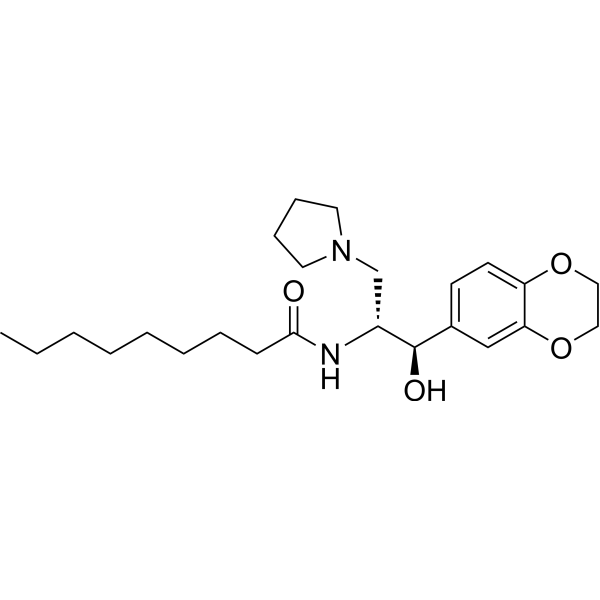
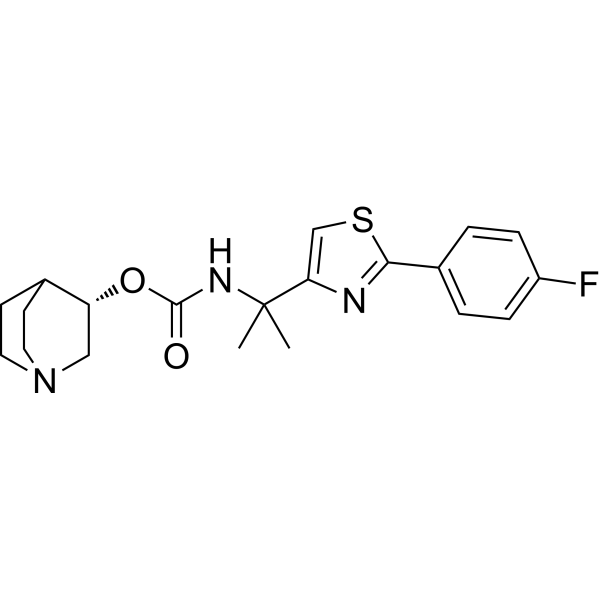
Venglustat; SAR402671; GZ402671
|
Glucosylceramide Synthase (GCS)
|
Metabolic Disease
|
|
Ibiglustat (Venglustat) is an orally active, brain-penetrant glucosylceramide synthase (GCS) inhibitor. Ibiglustat can be used for the research of Gaucher disease type 3, Parkinson's disease associated with GBA mutations, Fabry disease, GM2 gangliosidosis, and autosomal dominant polycystic kidney disease .
|
-
-
- HY-N7745
-
|
Glucopsychosine; Lyso-Gb1; Lyso-GL1
|
Drug Metabolite
Glycosidase
|
Neurological Disease
Metabolic Disease
Cancer
|
|
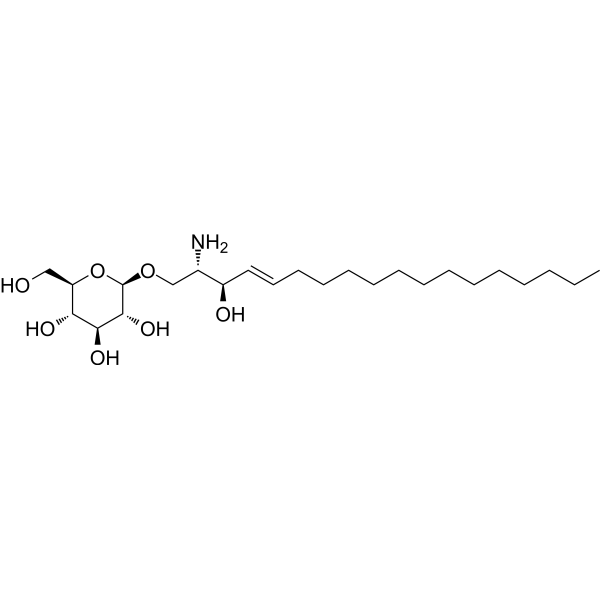
Glucosylsphingosine (lyso-Gb1) is a deacylated form of glucosylceramide with neurotoxicity and is also a noncompetitively inhibitor of glucocerebrosidase with a Ki value of 30 μM. Glucosylsphingosine is promising for research of Krabbe and Gaucher disease .
|
-
-
- HY-106392
-
|
NB-DGJ; N-(n-Butyl)deoxygalactonojirimycin
|
Glucosylceramide Synthase (GCS)
|
Metabolic Disease
|
|
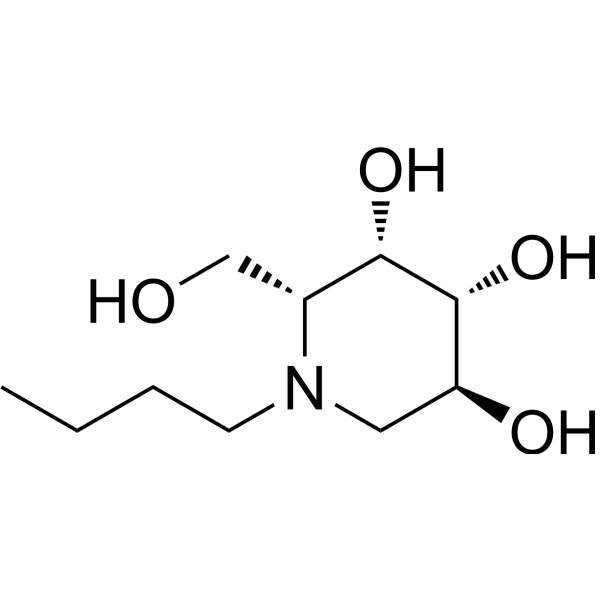
Lucerastat, the galactose form of Miglustat, is an orally-available inhibitor of glucosylceramide synthase (GCS). Lucerastat has the potential for Fabry disease study .
|
-
-
- HY-P4070
-
|
|
Insulin Receptor
|
Metabolic Disease
|
|
Insulin icodec is an Insulin (HY-P0035) analog that strongly but reversibly binds to albumin. Insulin icodec has long plasma half-life. Insulin icodec modulates insulin receptor activity, controls blood glucose levels, reduces HbA1c levels, and binds reversibly to human serum albumin. Insulin icodec can be used for the research of type 2 diabetes mellitus .
|
-
-
- HY-12744
-
-
-
- HY-W356116
-
|
Nbd-ceramide
|
Fluorescent Dye
|
Others
|
|
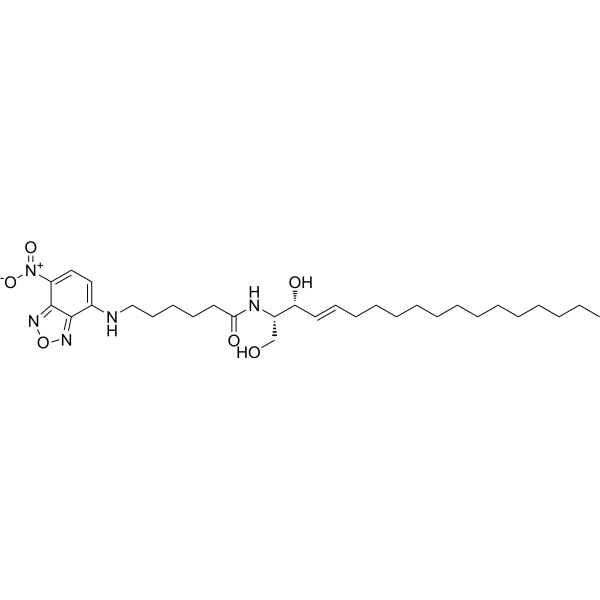
C6 NBD Ceramide is a Golgi apparatus fluorescent probe with cell membrane permeability. C6 NBD Ceramide can be used for fast and convenient green fluorescent labeling of Golgi in living and fixed cells, and can be used to observe changes in Golgi morphology in living cells (Ex=466 nm, Em=536 nm). C6-NBD-ceramide is metabolized to fluorescent sphingomyelin and glucosylceramide, can be used for the study of sphingolipid transport and metabolic mechanism .
|
-
-
- HY-164236
-
|
|
Endogenous Metabolite
|
Metabolic Disease
|
|
C22 Glucosylceramide (d18:1/22:0) is a bioactive sphingolipid composed of a d18:1 sphingoid base and a 22:0 fatty acid chain. C22 Glucosylceramide (d18:1/22:0) specifically exists in Doxorubicin (HY-15142A)-sensitive cancer cells, and its circulating concentration is positively correlated with the incidence of cardiovascular events. C22 Glucosylceramide (d18:1/22:0) has been widely used in research related to cardiovascular diseases, hypercholesterolemia, metabolic syndrome, breast adenocarcinoma and other fields .
|
-
-
- HY-P1103
-
|
|
CXCR
|
Cancer
|
|
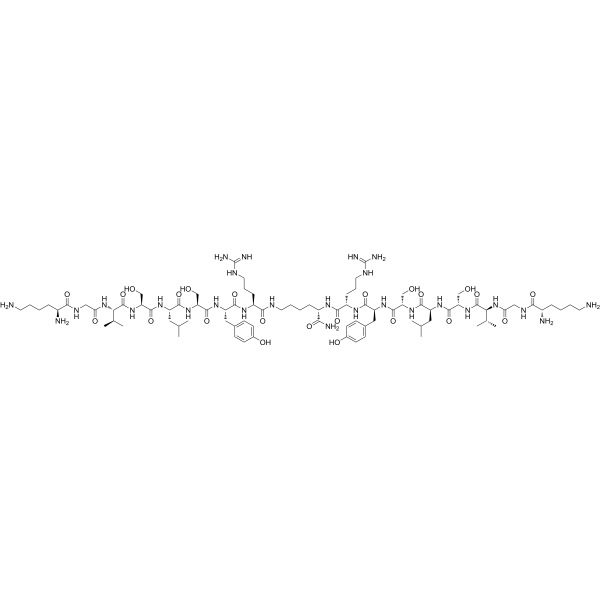
CTCE-9908 is a potent and selective CXCR4 antagonist. CTCE-9908 induces mitotic catastrophe, cytotoxicity and inhibits migration in CXCR4-expressing ovarian cancer cells .
|
-
-
- HY-W356117
-
|
|
Fluorescent Dye
|
Others
|
|
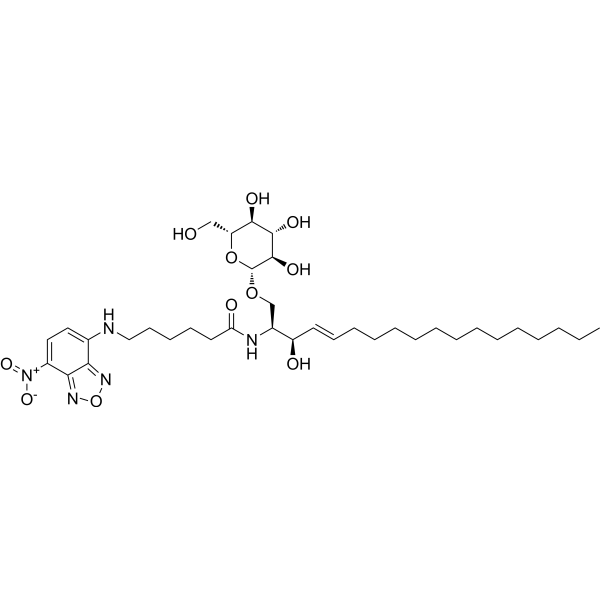
C6 NBD Glucosylceramide is a glucosylceramide fluorescent derivative (Ex=466 nm, Em=535 nm). C6 NBD Glucosylceramide can be used to study the metabolism and internalization of glucosylceramide and also for the determination of glucosyl ceramide synthase activity .
|
-
-
- HY-12744A
-
Genz-123346
Maximum Cited Publications
7 Publications Verification
|
Glucosylceramide Synthase (GCS)
|
Metabolic Disease
|
|
Genz-123346 is a potent, orally available glucosylceramide synthase inhibitor. Genz-123346 blocks the conversion of ceramide to glucosylceramide (GL1) and inhibits GM1 with an IC50 value of 14 nM .
|
-
-
- HY-116392B
-
|
|
Glucosylceramide Synthase (GCS)
Parasite
|
Infection
Endocrinology
Cancer
|
|
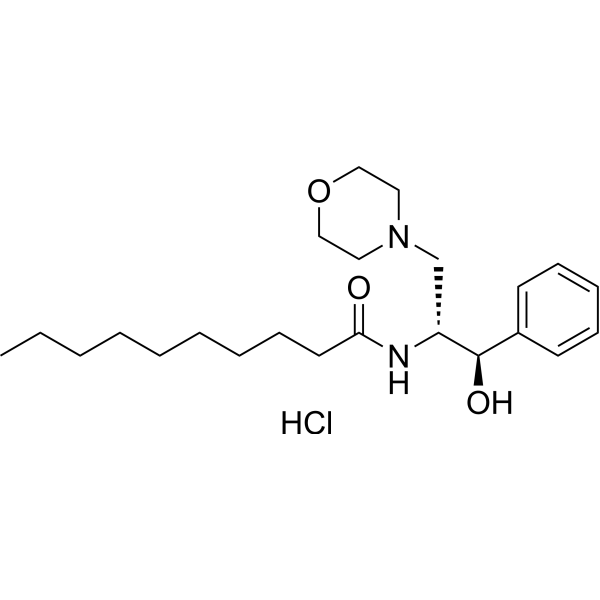
DL-threo-PDMP hydrochloride is a competitive glucosylceramide synthase (GCS) inhibitor and antimalarial agent. DL-threo-PDMP hydrochloride competitively inhibits the activity of GCS. DL-threo-PDMP hydrochloride restores cisplatin sensitivity in cisplatin-resistant testicular germ cell tumor cells. DL-threo-PDMP hydrochloride blocks the growth of ring-stage Plasmodium falciparum parasites .
|
-
-
- HY-16743A
-
|
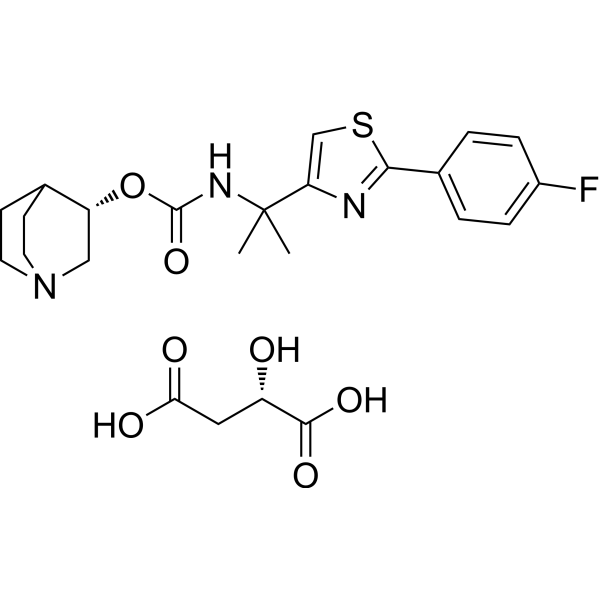
Venglustat (L-Malic acid); SAR402671 (L-Malic acid); GZ402671 (L-Malic acid)
|
Glucosylceramide Synthase (GCS)
|
Metabolic Disease
|
|
Ibiglustat (Venglustat) L-Malic acid is an orally active, brain-penetrant glucosylceramide synthase (GCS) inhibitor. Ibiglustat L-Malic acid can be used for the research of Gaucher disease type 3, Parkinson's disease associated with GBA mutations, Fabry disease, GM2 gangliosidosis, and autosomal dominant polycystic kidney disease .
|
-
-
- HY-129411
-
|
ACT-519276; OGT2378
|
Glucosylceramide Synthase (GCS)
|
Metabolic Disease
|
|
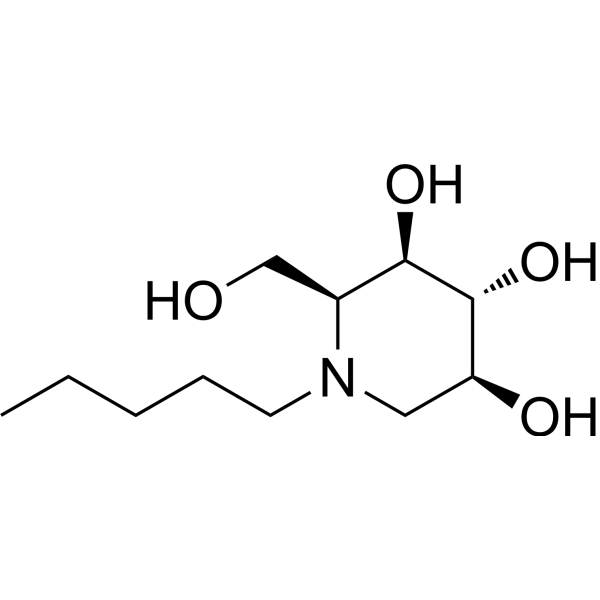
Sinbaglustat (OGT2378) is a dual inhibitor of glucosylceramide synthase (GCS) and non-lysosomal glucosyl ceramidase (GBA2). Sinbaglustat is an orally available N-alkyl iminosugar that crosses the blood-brain barrier. Sinbaglustat can be used for the research of central neurodegenerative diseases associated with lysosomal dysfunctions .
|
-
-
- HY-144267
-
|
|
Glucosylceramide Synthase (GCS)
|
Neurological Disease
Metabolic Disease
|
|
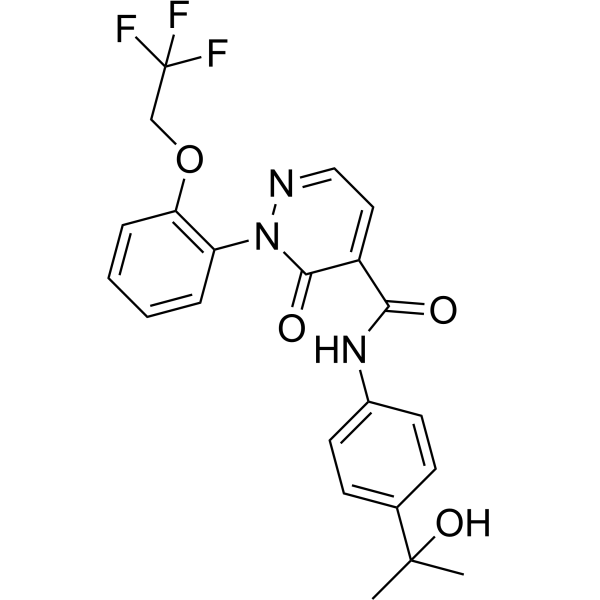
Glucosylceramide synthase-IN-2 (compound T-690) is a potent, brain-penetrant and orally active glucosylceramide synthase (GCS) inhibitor with IC50s of 15 nM and 190 nM for human GCS and mouse GCS, respectively.Glucosylceramide synthase-IN-2 exhibits noncompetitive type inhibition with C8-ceramide and UDP-glucose.Glucosylceramide synthase-IN-2 can be used for Gaucher's disease research .
|
-
-
- HY-144266
-
|
glucosylceramide synthase-IN-1
|
Glucosylceramide Synthase (GCS)
|
Neurological Disease
Metabolic Disease
|
|
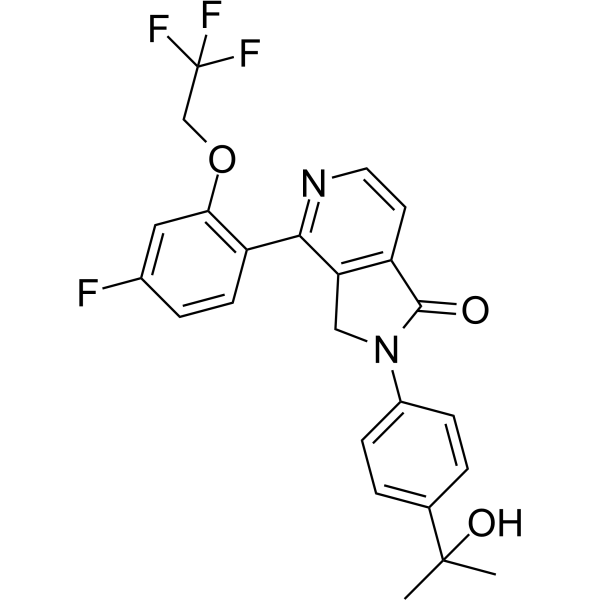
Glucosylceramide synthase-IN-1 (T-036), a chemical probe, a potent, brain-penetrant and orally active glucosylceramide synthase (GCS) inhibitor with IC50s of 31 nM and 51 nM for human GCS and mouse GCS, respectively. Glucosylceramide synthase-IN-1 can be used for Gaucher's disease research .
|
-
-
- HY-116392D
-
|
|
Glucosylceramide Synthase (GCS)
Apoptosis
|
Cancer
|
|
PDMP hydrochloride is a glucosylceramide synthase (GCS) inhibitor. PDMP hydrochloride induces apoptosis in K562/A02 cells. PDMP hydrochloride can be used in cancer (such as leukemia) research .
|
-
-
- HY-W717504
-
|
|
Drug Derivative
|
|
|
Glucosylceramide, plant is a plant-derived glycolipid with anti-inflammatory and immunomodulatory activities. Glucosylceramide, plant plays an important role in promoting cell proliferation and repair. Glucosylceramide, plant is widely used in skin care products to enhance skin barrier function. Glucosylceramide, plant has also been studied for improving nervous system health, showing potential neuroprotective effects.
|
-
-
- HY-16743B
-
|
Venglustat succinate; SAR402671 succinate; GZ402671 succinate
|
Glucosylceramide Synthase (GCS)
|
Neurological Disease
|
|
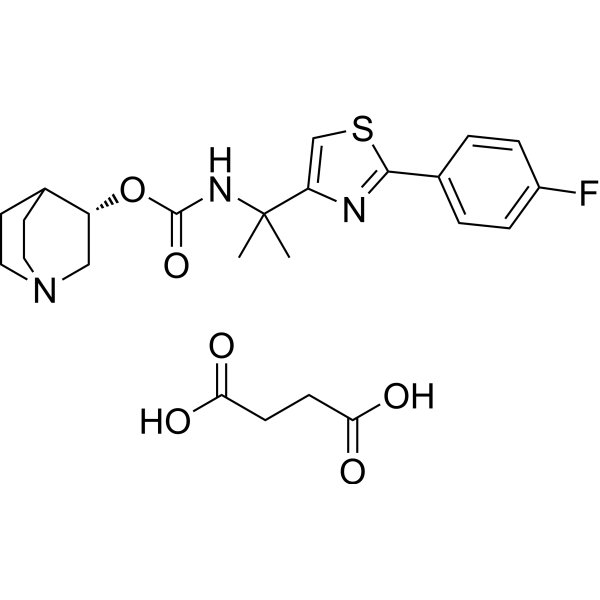
Ibiglustat (Venglustat) succinate is an orally active, brain-penetrant glucosylceramide synthase (GCS) inhibitor. Ibiglustat succinate can be used for the research of Gaucher disease type 3, Parkinson's disease associated with GBA mutations, Fabry disease, GM2 gangliosidosis, and autosomal dominant polycystic kidney disease .
|
-
-
- HY-165035
-
|
Glucocerebrosides; Gaucher cerebroside; GluCers (gaucher's spleen)
|
Endogenous Metabolite
|
Neurological Disease
Metabolic Disease
|
|
Glucosylceramides are sphingolipid molecules found in both neuronal and non-neuronal mammalian tissues, as well as in low quantities across various plant species. Elevated levels of glucosylceramides provide cellular protection and prepare certain cells for proliferation; however, they have also been linked to obesity-induced insulin resistance in mice and to neuronal deficits observed in neuronopathic Gaucher disease .
|
-
-
- HY-144270
-
-
-
- HY-164236S
-
|
|
Isotope-Labeled Compounds
Endogenous Metabolite
|
Metabolic Disease
|
|
C22 Glucosylceramide (d18:1/22:0)-d4 is deuterium labeled C22 Glucosylceramide (d18:1/22:0) (HY-164236). C22 Glucosylceramide (d18:1/22:0) is a bioactive sphingolipid composed of a d18:1 sphingoid base and a 22:0 fatty acid chain. C22 Glucosylceramide (d18:1/22:0) specifically exists in Doxorubicin (HY-15142A)-sensitive cancer cells, and its circulating concentration is positively correlated with the incidence of cardiovascular events. C22 Glucosylceramide (d18:1/22:0) has been widely used in research related to cardiovascular diseases, hypercholesterolemia, metabolic syndrome, breast adenocarcinoma and other fields .
|
-
-
- HY-116535
-
-
-
- HY-110363
-
-
-
- HY-N10526
-
|
Gala-3Galb-4Glc
|
Others
|
Others
|
|
Isoglobotriaose (Gala-3Galb-4Glc) is a glycosphingolipid found in mammalian tissues. Isoglobotriaose is an analogue of Globotriaose, the ganglioside derivatives of them locate in difference position of small intestine, isoglobotriaosylceramide is restricted to the nonepithelial residue, while globotriaosylceramide is in both compartments .
|
-
-
- HY-158803
-
|
C6 glucosylceramide-biotin; N-Hexanoyl-biotin-glucosylceramide
|
Biochemical Assay Reagents
|
Metabolic Disease
|
|
C6 Biotin glucosylceramide (d18:1/6:0) (C6 Glucosylceramide-biotin; N-Hexanoyl-biotin-glucosylceramide) is an ester product.
|
-
-
- HY-166250
-
-
-
- HY-116535C
-
-
-
- HY-112488
-
|
|
Glucosylceramide Synthase (GCS)
|
Metabolic Disease
|
|
EXEL-0346 is an orally active glucosylceramide synthase (GCS) inhibitor, with an IC50 of 2 nM. EXEL-0346 combined with insulin increases pAkt. EXEL-0346 effectively reduces the levels of Glucosylceramide, Lactosylceramide and GM3. EXEL-0346 improves obesity and diabetes .
|
-
-
- HY-17020S
-
-
-
- HY-N7745S2
-
|
Glucopsychosine-13C6; Lyso-Gb1-13C6; Lyso-GL1-13C6
|
Isotope-Labeled Compounds
|
Others
|
|
Glucosylsphingosine- 13C6 (Glucopsychosine- 13C6) is the 13C-labeled Glucosylsphingosine (HY-N7745). Glucosylsphingosine (lyso-Gb1) is a deacylated form of glucosylceramide with neurotoxicity and is also a noncompetitively inhibitor of glucocerebrosidase with a Ki value of 30 μM. Glucosylsphingosine is promising for research of Krabbe and Gaucher disease.
|
-
-
- HY-P1103A
-
|
|
CXCR
|
Cancer
|
|
CTCE-9908 TFA is a potent and selective CXCR4 antagonist. CTCE-9908 TFA induces mitotic catastrophe, cytotoxicity and inhibits migration in CXCR4-expressing ovarian cancer cells .
|
-
-
- HY-P4757
-
|
|
Parasite
|
Others
|
|
N1-Glutathionyl-spermidine disulfide is a substrate of trypanothione reductase .
|
-
-
- HY-P11293
-
|
|
Melanocortin Receptor
|
Cancer
|
|
DOTA-GGNle-CycMSHhex is a melanocortin-1 receptor (MC1R)-targeting peptide that can be radionuclide-labeled for melanoma imaging .
|
-
-
- HY-P1321
-
|
1229U91; GW1229
|
Neuropeptide Y Receptor
|
Neurological Disease
|
|
GR231118, an analogue of the C-terminus of neuropeptide Y, is a potent , competitive and relative seletive antagonist at human neuropeptide Y Y receptor with a pKi of 10.4. GR231118 a potent agonist at the human neuropeptide Y Y4 receptor (pEC50=8.6; pKi=9.6) and a weak agonist at the human and rat neuropeptide YY2 and Y5 receptors. GR231118 also has high affinity for the mouse neuropeptide Y Y6 receptor (pKi= 8.8) .
|
-
-
- HY-163131
-
|
|
Glucosylceramide Synthase (GCS)
|
Neurological Disease
|
|
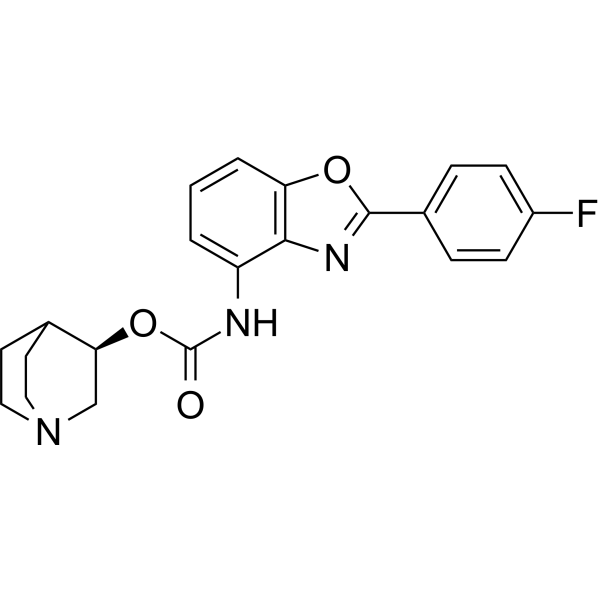
Glucosylceramide synthase-IN-4 (compound 12) is a potent glucosylceramide synthase (GCS) inhibitor, with an IC50 of 6.8 nM. Glucosylceramide synthase-IN-4 shows excellent PK properties and stability in human hepatocytes. Glucosylceramide synthase-IN-4 has good CNS penetration and acceptable PXR selectivity .
|
-
-
- HY-106392R
-
|
NB-DGJ (Standard); N-(n-Butyl)deoxygalactonojirimycin (Standard)
|
Reference Standards
Glucosylceramide Synthase (GCS)
|
Metabolic Disease
|
|
Lucerastat (Standard) is the analytical standard of Lucerastat. This product is intended for research and analytical applications. Lucerastat, the galactose form of Miglustat, is an orally-available inhibitor of glucosylceramide synthase (GCS). Lucerastat has the potential for Fabry disease study .
|
-
-
- HY-186121
-
|
|
Glucosylceramide Synthase (GCS)
|
Metabolic Disease
|
|
Glucosylceramide synthase-IN-5 (G3-3) is a glucosylceramide synthase (GCS) inhibitor that can be used for the study of the diseases and disorders associated with GCS activity, such as lysosomal storage disorders .
|
-
-
- HY-186121A
-
|
|
Glucosylceramide Synthase (GCS)
|
Metabolic Disease
|
|
Glucosylceramide synthase-IN-6 (G3-3B) is a glucosylceramide synthase (GCS) inhibitor that can be used for the study of the diseases and disorders associated with GCS activity, such as lysosomal storage disorders .
|
-
-
- HY-109514
-
|
Recombinant GCase (glucocerebrosidase)
|
Glycosidase
|
Neurological Disease
Metabolic Disease
|
|
Imiglucerase is a recombinant human glucocerebrosidase that glucosylceramide to glucose and ceramide. Imiglucerase can be used for the study of type 1 (non-neuronopathic) and type 3 (chronic neuronopathic) Gaucher's disease .
|
-
-
- HY-116392A
-
|
|
Glucosylceramide Synthase (GCS)
|
Cancer
|
|
(−)-L-threo-PDMP hydrochloride is the hydrochloride form of (−)-L-threo-PDMP. L-threo-PDMP is a glucosylceramide synthase (GCS) inhibitor. L-threo-PDMP stimulates the proliferation of cultured aortic smooth muscle cells, and that increases the level of LacCer in B16 melanoma cells .
|
-
-
- HY-16743C
-
|
Venglustat hydrochloride; SAR402671 hydrochloride; GZ402671 hydrochloride
|
Glucosylceramide Synthase (GCS)
|
Metabolic Disease
|
|
Ibiglustat hydrochloride is an orally active, brain-penetrant glucosylceramide synthase (GCS) inhibitor. Ibiglustat hydrochloride can be used for the research of Gaucher disease type 3, Parkinson's disease associated with GBA mutations, Fabry disease, GM2 gangliosidosis, and autosomal dominant polycystic kidney disease .
|
-
-
- HY-153826
-
-
-
- HY-P1321A
-
|
1229U91 TFA; GW1229 TFA
|
Neuropeptide Y Receptor
|
Neurological Disease
|
|
GR231118 TFA, an analogue of the C-terminus of neuropeptide Y, is a potent , competitive and relative seletive antagonist at human neuropeptide YY receptor with a pKi of 10.4. GR231118 a potent agonist at the human neuropeptide YY4 receptor (pEC50=8.6; pKi=9.6) and a weak agonist at the human and rat neuropeptide Y Y2 and Y5 receptors. GR231118 also has high affinity for the mouse neuropeptide YY6 receptor (pKi= 8.8) .
|
-
-
- HY-181469
-
|
Adamantanyl GluCer (d18:1/2:0); Adamantanyl glucosylceramide (d18:1/2:0); AdaGluCer (d18:1/2:0)
|
Glycosidase
|
Metabolic Disease
|
|
C2 Adamantanyl glucosylceramide (d18:1/2:0) (Adamantanyl GluCer (d18:1/2:0)) is an inhibitor of glucocerebrosidase (GCC) and LacCer synthase. At low doses, C2 Adamantanyl glucosylceramide (d18:1/2:0) increases intracellular glycolipid levels by inhibiting glucocerebrosidase. C2 Adamantanyl glucosylceramide (d18:1/2:0) alters glycolipid metabolism. C2 Adamantanyl glucosylceramide (d18:1/2:0) can be used for the research of Gaucher disease and Fabry disease .
|
-
-
- HY-156208
-
|
AdaGalCer(d18:1/2:0); Admantanyl galactosylceramide (d18:1/2:0); Admantanyl galCer(d18:1/2:0)
|
Glycosidase
Glucosylceramide Synthase (GCS)
Glycosyltransferase
|
Metabolic Disease
|
|
C2 Adamantanyl galactosylceramide (AdaGalCer) (d18:1/2:0) is a bioactive sphingolipid. C2 Adamantanyl galactosylceramide (d18:1/2:0) stimulates glucocerebrosidase activity in vitro. C2 Adamantanyl galactosylceramide (d18:1/2:0) inhibits microsomal LacCer and Gb3 synthase, and inhibits cell sulfatide synthesis. C2 Adamantanyl galactosylceramide (d18:1/2:0) reduces glucosylceramide (GlcCer) levels in normal and lysosomal storage disease (LSD) cells. C2 Adamantanyl galactosylceramide (d18:1/2:0) acts as a substrate for A4GALT and is able to lower Gb3 levels with an IC50 concentration of 40 μM in fabry disease cells .
|
-
-
- HY-206259
-
|
|
Glucosylceramide Synthase (GCS)
|
Metabolic Disease
|
|
CCG-203586 is a brain-penetrant glucosylceramide synthase (GCS) inhibitor. CCG-203586 reduces GCS production and brain levels, blocks the first committed step in ganglioside biosynthesis, and lowers downstream ganglioside levels. CCG-203586 can be used for the research of Tay-Sachs, Sandhoff disease, and types 2 and 3 Gaucher disease .
|
-
-
- HY-152940
-
-
-
- HY-152940A
-
-
-
- HY-173609
-
|
N-Glycinated glucosylsphingosine; N-Glycinated 1-β-D-lyso-glucosylceramide
|
Drug Derivative
|
Others
|
|
N-glycine Glucosylsphingosine is formed through the glycinylation of 1-β-D-glucosylsphingosine.
|
-
-
- HY-P11480
-
|
|
Trk Receptor
|
Neurological Disease
|
|
TrkA/NGF-IN-1 (Peptide 19) is an inhibitor of protein-protein interactions between TrkA and NGF (IC50: 21 nM for human TrkA in PathHunter assay). TrkA/NGF-IN-1 shows an analgesic effect in a rat incisional pain model .
|
-
| Cat. No. |
Product Name |
Type |
-
- HY-W356116
-
|
Nbd-ceramide
|
Fluorescent Dyes
|
|
C6 NBD Ceramide is a Golgi apparatus fluorescent probe with cell membrane permeability. C6 NBD Ceramide can be used for fast and convenient green fluorescent labeling of Golgi in living and fixed cells, and can be used to observe changes in Golgi morphology in living cells (Ex=466 nm, Em=536 nm). C6-NBD-ceramide is metabolized to fluorescent sphingomyelin and glucosylceramide, can be used for the study of sphingolipid transport and metabolic mechanism .
|
-
- HY-W356117
-
|
|
Fluorescent Dyes
|
|
C6 NBD Glucosylceramide is a glucosylceramide fluorescent derivative (Ex=466 nm, Em=535 nm). C6 NBD Glucosylceramide can be used to study the metabolism and internalization of glucosylceramide and also for the determination of glucosyl ceramide synthase activity .
|
| Cat. No. |
Product Name |
Target |
Research Area |
-
- HY-P4070
-
|
|
Insulin Receptor
|
Metabolic Disease
|
|
Insulin icodec is an Insulin (HY-P0035) analog that strongly but reversibly binds to albumin. Insulin icodec has long plasma half-life. Insulin icodec modulates insulin receptor activity, controls blood glucose levels, reduces HbA1c levels, and binds reversibly to human serum albumin. Insulin icodec can be used for the research of type 2 diabetes mellitus .
|
-
- HY-P1103
-
|
|
CXCR
|
Cancer
|
|
CTCE-9908 is a potent and selective CXCR4 antagonist. CTCE-9908 induces mitotic catastrophe, cytotoxicity and inhibits migration in CXCR4-expressing ovarian cancer cells .
|
-
- HY-P1103A
-
|
|
CXCR
|
Cancer
|
|
CTCE-9908 TFA is a potent and selective CXCR4 antagonist. CTCE-9908 TFA induces mitotic catastrophe, cytotoxicity and inhibits migration in CXCR4-expressing ovarian cancer cells .
|
-
- HY-P4757
-
|
|
Parasite
|
Others
|
|
N1-Glutathionyl-spermidine disulfide is a substrate of trypanothione reductase .
|
-
- HY-P11293
-
|
|
Melanocortin Receptor
|
Cancer
|
|
DOTA-GGNle-CycMSHhex is a melanocortin-1 receptor (MC1R)-targeting peptide that can be radionuclide-labeled for melanoma imaging .
|
-
- HY-P1321
-
|
1229U91; GW1229
|
Neuropeptide Y Receptor
|
Neurological Disease
|
|
GR231118, an analogue of the C-terminus of neuropeptide Y, is a potent , competitive and relative seletive antagonist at human neuropeptide Y Y receptor with a pKi of 10.4. GR231118 a potent agonist at the human neuropeptide Y Y4 receptor (pEC50=8.6; pKi=9.6) and a weak agonist at the human and rat neuropeptide YY2 and Y5 receptors. GR231118 also has high affinity for the mouse neuropeptide Y Y6 receptor (pKi= 8.8) .
|
-
- HY-P1321A
-
|
1229U91 TFA; GW1229 TFA
|
Neuropeptide Y Receptor
|
Neurological Disease
|
|
GR231118 TFA, an analogue of the C-terminus of neuropeptide Y, is a potent , competitive and relative seletive antagonist at human neuropeptide YY receptor with a pKi of 10.4. GR231118 a potent agonist at the human neuropeptide YY4 receptor (pEC50=8.6; pKi=9.6) and a weak agonist at the human and rat neuropeptide Y Y2 and Y5 receptors. GR231118 also has high affinity for the mouse neuropeptide YY6 receptor (pKi= 8.8) .
|
-
- HY-P11480
-
|
|
Trk Receptor
|
Neurological Disease
|
|
TrkA/NGF-IN-1 (Peptide 19) is an inhibitor of protein-protein interactions between TrkA and NGF (IC50: 21 nM for human TrkA in PathHunter assay). TrkA/NGF-IN-1 shows an analgesic effect in a rat incisional pain model .
|
| Cat. No. |
Product Name |
Category |
Target |
Chemical Structure |
-
- HY-N7745
-
-
-
- HY-N10526
-
|
Gala-3Galb-4Glc
|
Structural Classification
Polysaccharides
Microorganisms
Saccharides
|
Others
|
|
Isoglobotriaose (Gala-3Galb-4Glc) is a glycosphingolipid found in mammalian tissues. Isoglobotriaose is an analogue of Globotriaose, the ganglioside derivatives of them locate in difference position of small intestine, isoglobotriaosylceramide is restricted to the nonepithelial residue, while globotriaosylceramide is in both compartments .
|
-
| Cat. No. |
Product Name |
Chemical Structure |
-
- HY-164236S
-
|
|
|
C22 Glucosylceramide (d18:1/22:0)-d4 is deuterium labeled C22 Glucosylceramide (d18:1/22:0) (HY-164236). C22 Glucosylceramide (d18:1/22:0) is a bioactive sphingolipid composed of a d18:1 sphingoid base and a 22:0 fatty acid chain. C22 Glucosylceramide (d18:1/22:0) specifically exists in Doxorubicin (HY-15142A)-sensitive cancer cells, and its circulating concentration is positively correlated with the incidence of cardiovascular events. C22 Glucosylceramide (d18:1/22:0) has been widely used in research related to cardiovascular diseases, hypercholesterolemia, metabolic syndrome, breast adenocarcinoma and other fields .
|
-
-
- HY-110363
-
|
|
|
Miglustat-d9 hydrochloride is the deuterium labeled Miglustat hydrochloride. Miglustat hydrochloride is an inhibitor of glucosylceramide synthase, primarily to treat Type I Gaucher disease (GD1) .
|
-
-
- HY-17020S
-
|
|
|
Miglustat-d9 is the deuterium labeled Miglustat. Miglustat (N-Butyldeoxynojirimycin) is an inhibitor of glucosylceramide synthase, primarily to treat Type I Gaucher disease (GD1) .
|
-
-
- HY-N7745S2
-
|
|
|
Glucosylsphingosine- 13C6 (Glucopsychosine- 13C6) is the 13C-labeled Glucosylsphingosine (HY-N7745). Glucosylsphingosine (lyso-Gb1) is a deacylated form of glucosylceramide with neurotoxicity and is also a noncompetitively inhibitor of glucocerebrosidase with a Ki value of 30 μM. Glucosylsphingosine is promising for research of Krabbe and Gaucher disease.
|
-
Your information is safe with us. * Required Fields.
Inquiry Information
- Product Name:
- Cat. No.:
- Quantity:
- MCE Japan Authorized Agent:

