Search Result
Results for "
glutathione depletion
" in MedChemExpress (MCE) Product Catalog:
2
Biochemical Assay Reagents
3
Isotope-Labeled Compounds
| Cat. No. |
상품명 |
Target |
연구분야 |
Chemical Structure |
-
- HY-16658B
-
Z-VAD-FMK
Maximum Cited Publications
740 Publications Verification
Z-VAD(OH)-FMK
|
Caspase
Apoptosis
RIP kinase
Glutathione Peroxidase
Reactive Oxygen Species (ROS)
|
Inflammation/Immunology
Cancer
|
|
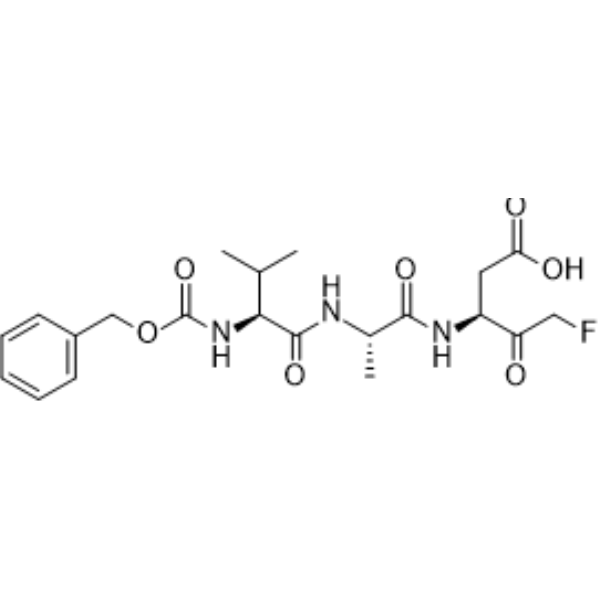
Z-VAD-FMK is a pan-caspase inhibitor and also an ICE-like protease inhibitor, which inhibits apoptosis by preventing the processing of CPP32 to its active form. Z-VAD-FMK sensitivity varies primarily due to differential expression of receptor-interacting protein 1 (RIP1). Z-VAD-FMK limits the cryopreservation-induced apoptosis by reducing caspase-3 activity of in vitro produced bovine embryos. Z-VAD-FMK is immunosuppressive in vitro and inhibits T cell proliferation without blocking the processing of caspase-8 and caspase-3. Z-VAD-FMK leads to a decrease in intracellular glutathione (GSH) with a concomitant increase in reactive oxygen species (ROS) levels in activated T cells. Z-VAD-FMK is due to oxidative stress via the depletion of GSH. Z-VAD-FMK can be used for the study of acute pancreatitis .
|
-
-
- HY-106376A
-
|
L-Buthionine sulfoximine; L-BSO
|
Ferroptosis
|
Cancer
|
|
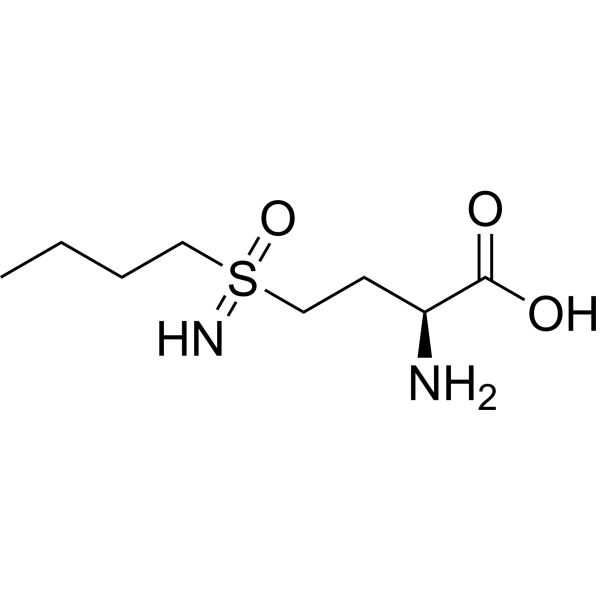
L-Buthionine-(S,R)-sulfoximine is a cell-permeable, potent, fast acting and irreversible inhibitor of g-glutamylcysteine synthetase and depletes cellular glutathione levels. The IC50 value of L-Buthionine-(S,R)-sulfoximine on melanoma, breast and ovarian tumor specimens are 1.9 μM, 8.6 μM, and 29 μM, respectively.
|
-
-
- HY-A0119
-
|
Sodium nitroprusside dihydrate; Sodium Nitroferricyanide(III) Dihydrate
|
Autophagy
|
Cardiovascular Disease
Cancer
|
|
Nitroprusside disodium dehydrate (Sodium nitroprusside dihydrate) is a vasodilator that available for the research of acute hypertension, heart failure. Nitroprusside disodium dehydrate induces autophagy in glutathione-depleted osteoblasts. Nitroprusside disodium dehydrate acts as a nitric oxide (NO) donor in a rat intestinal ischemia reperfusion model .
|
-

-
- HY-W040129
-
|
|
DNA Alkylator/Crosslinker
DNA/RNA Synthesis
Apoptosis
Caspase
|
Infection
Neurological Disease
Cancer
|
|
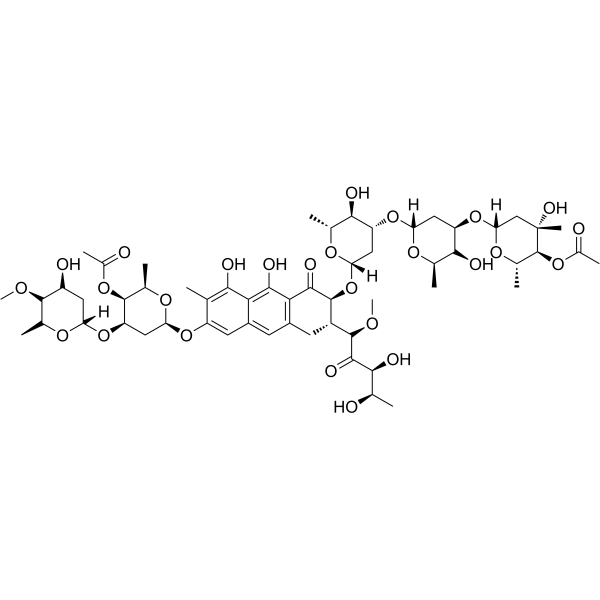
Chromomycin A3 is an inhibitor that selectively binds to GC-rich DNA sequences. Chromomycin A3 targets the DNA minor groove after forming a dimer with Mg 2+. Chromomycin A3 inhibits DNA replication and transcription, blocks the binding of Sp1 transcription factor to target gene promoters, downregulates the expression of anti-apoptotic proteins such as FLIP, Mcl-1, and XIAP, and induces S-phase cycle arrest and caspase-dependent apoptosis in tumor cells. Chromomycin A3 can antagonize oxidative stress induced by glutathione depletion and neuronal apoptosis induced by Camptothecin (HY-15660). Chromomycin A3 can be used in basic research on malignant tumors such as cholangiocarcinoma, and is a potential chemosensitizer and GC-rich region probe .
|
-
-
- HY-Y1147
-
|
Maleic acid diethyl ester
|
Biochemical Assay Reagents
|
Others
|
|
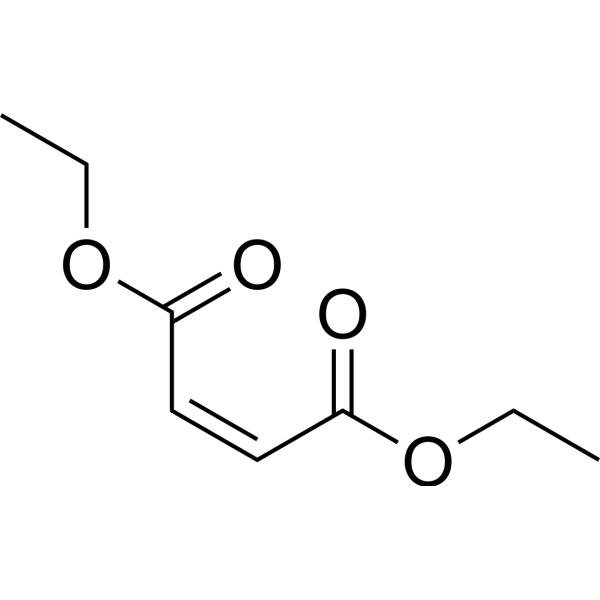
Diethyl maleate (DEM) is an orally available, effective glutathione (GSH) depletor that crosses the blood-brain barrier. Diethyl maleate covalently binds irreversibly to GSH via glutathione S-transferase with an in vitro IC50 of 0.1-0.5 mM. Diethyl maleate selectively depletes GSH in liver, lung, and brain tissues, exacerbating oxidative stress and enhancing hyperbaric oxygen toxicity. Diethyl maleate promotes precursor amino acid uptake and in turn promotes GSH synthesis by upregulating the activity of the cystine-glutamate transporter XO -. Diethyl maleate can be used to study redox homeostasis and GSH protection mechanisms in oxidative stress-related diseases such as hyperbaric oxygen injury and metabolic diseases[1][2][3].
|
-
-
- HY-167874
-
|
|
Heme Oxygenase (HO)
NF-κB
Transmembrane Glycoprotein
|
Cardiovascular Disease
|
|
ASP-8731 is an orally active BACH1 inhibitor. ASP-8731 activates antioxidant, anti-inflammatory and globin gene pathways by relieving the inhibitory effect of BACH1 on NRF2-mediated gene transcription. ASP-8731 significantly upregulates the expression of HMOX1, FTH1 and various globins (such as HGB, HBG, HBA), increases fetal hemoglobin (HbF) levels, and effectively induces F-cell production in hydroxyurea-unresponsive cells. Meanwhile, ASP-8731 reduces inflammatory responses and white blood cell counts by downregulating VCAM1, ICAM-1 and the phosphorylation level of NF-κB(p65), and blocks heme-induced glutathione depletion and microcirculatory stasis. ASP-8731 holds potential for inhibiting sickle cell disease and related hematological disorders .
|
-

-
- HY-W013150
-
|
|
GABA Receptor
|
Neurological Disease
|
|
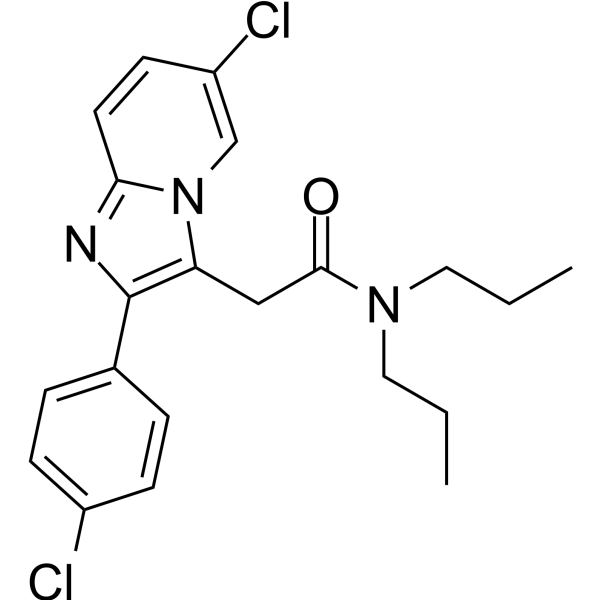
Alpidem, an anxiolytic agent, is an orally active and brain-penetrant GABAA receptor ligand, binds to α1β2γ2 subunit-containing GABAA receptors (IC50 of 17 nM) over α5β2γ2 subunit-containing GABAA receptors (IC50 of >10 μM). Alpidem modulates calcium-induced mitochondrial permeability transition, induces glutathione depletion and hepatocyte necrosis, potentiates TNF-α toxicity, inhibits marble-burying and locomotor activity, enhances stressed rodent feeding behavior, and exerts anticonvulsant effects. Alpidem can be used for the research of anxiety, anxiety disorders, and convulsions .
|
-
-
- HY-W015490
-
|
|
Environmental Pollutants
DNA/RNA Synthesis
NF-κB
Monoamine Oxidase
TNF Receptor
Bacterial
|
Infection
Inflammation/Immunology
Cancer
|
|
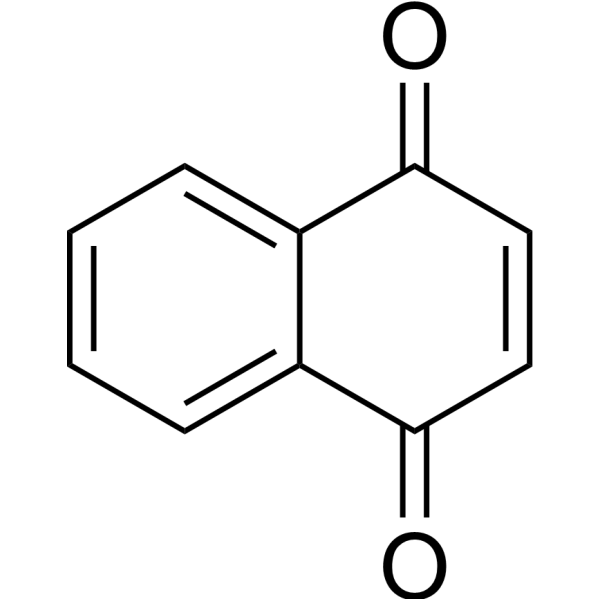
1,4-Naphthoquinone is an inhibitor with broad-spectrum inhibitory activity targeting DNA polymerase, NF-κB and monoamine oxidase (MAO-A/B), with antibacterial and anti-biofilm efficacy. 1,4-Naphthoquinone is a competitive inhibitor of MAO-B (Ki=1.4 μM) and a non-competitive inhibitor of MAO-A (Ki=7.7 μM). 1,4-Naphthoquinone inhibits DNA polymerase pol α, β, γ, δ, ε, λ with IC50 ranging from 5.57-128 μM. 1,4-Naphthoquinone inhibits tumor cell proliferation, induces apoptosis and necrosis, and has anti-angiogenic and anti-inflammatory activities by inducing oxidative stress, depleting glutathione (GSH), inhibiting DNA polymerase-mediated DNA synthesis and blocking NF-κB nuclear translocation. 1,4-Naphthoquinone can be used in anti-bacterial , anti-tumor and anti-inflammatory studies, including inhibition of melanoma and colon cancer cell growth and endothelial cell function, as well as LPS-induced inflammation models .
|
-
-
- HY-121134
-
|
|
Reactive Oxygen Species (ROS)
|
Neurological Disease
Cancer
|
|
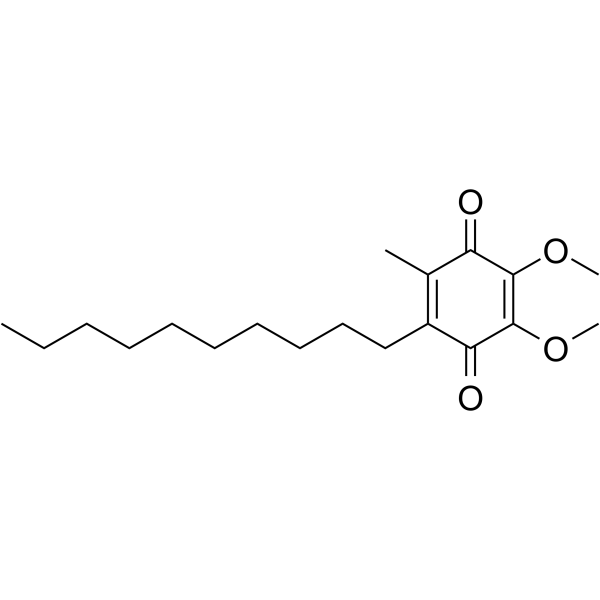
Decylubiquinone is an analog of ubiquinone (coenzyme Q10). Decylubiquinone blocks reactive oxygen species (ROS) production in response to glutathione depletion and inhibits activation of the mitochondrial permeability transition .
|
-
-
- HY-B1309
-
|
AMAP
|
Drug Derivative
Mitochondrial Metabolism
|
Infection
Cancer
|
|
Metacetamol (AMAP) is an analog of Acetaminophen (HY-66005). Metacetamol induces dose-dependent necrosis in primary hepatocytes via glutathione depletion, mitochondrial damage, and formation of mitochondrial protein adducts. Metacetamol derivatives act as anticancer and antibacterial agents. Metacetamol can be used in studies related to breast cancer, bacterial infections, and fungal infections (candidiasis) .
|
-

-
- HY-106376C
-
|
L-Buthionine sulfoximine hydrochloride; L-BSO hydrochloride
|
Ferroptosis
|
Metabolic Disease
Cancer
|
|
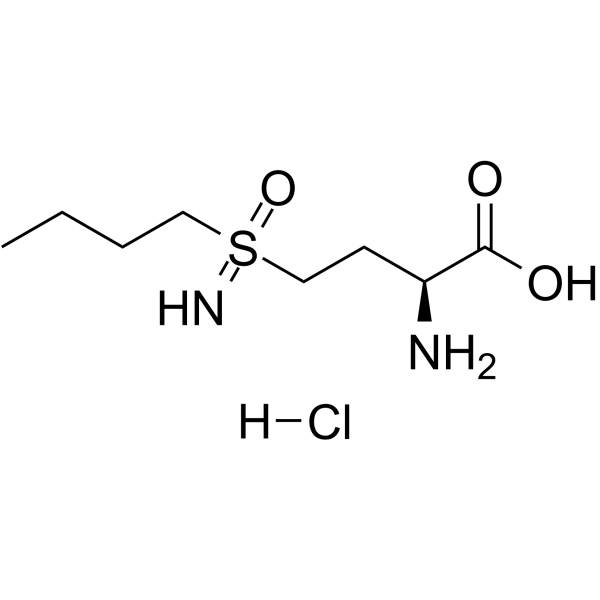
L-Buthionine-(S,R)-sulfoximine hydrochloride is a cell-permeable, potent, fast acting, orally active and irreversible inhibitor of g-glutamylcysteine synthetase and depletes cellular glutathione levels. The IC50 value of L-Buthionine-(S,R)-sulfoximine on melanoma, breast and ovarian tumor specimens are 1.9 μM, 8.6 μM, and 29 μM, respectively .
|
-
-
- HY-B1953
-
|
|
Environmental Pollutants
Insecticide
nAChR
|
Infection
|
|
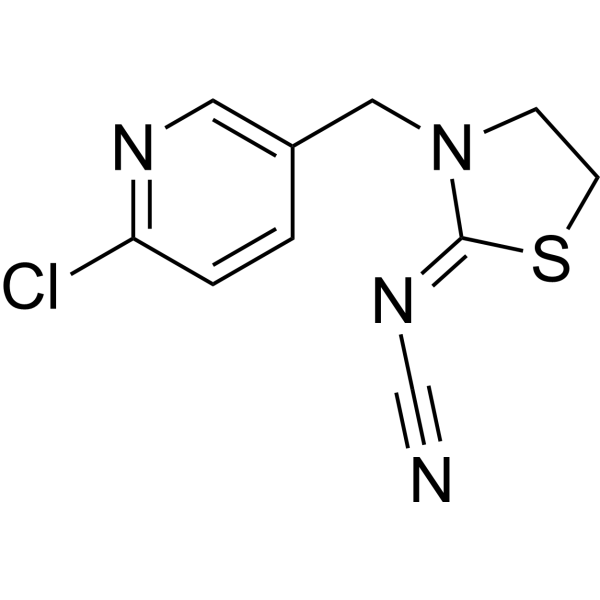
Thiacloprid is an orally active neurotoxic insecticide and also a nAChR agonist. Thiacloprid reduces the viability of healthy cells, depletes reduced glutathione, and increases MDA levels, thereby inducing cytotoxicity and oxidative stress damage. In practical applications, Thiacloprid has lower acute toxicity to honeybees than other compounds of the same class such as Imidacloprid (HY-B0838), but it still significantly impairs the learning and memory function, immune capacity and survival status of honeybees. Thiacloprid induces intestinal microbial dysbiosis and reduces survival rate in middle-aged honeybees, increases the risk of premature collapse in bumblebee colonies, and significantly decreases the final colony weight and reproductive output. Thiacloprid is used in broad-spectrum agricultural pest control, often alone or in combination with Deltamethrin (HY-B1971), and meets the pest management needs of various crops including potatoes, cabbages, various fruits and vegetables, and nuts .
|
-
-
- HY-125539
-
|
|
Antibiotic
Phosphatase
Fungal
|
Infection
|
|
Roridin E is a glucose-6-phosphatase (G6Pase) inhibitor and antibiotic, and is a metabolic byproduct of Roridin A (HY-N9599). Roridin E induces significant oxidative stress, characterized by depletion of glutathione in vivo, induction of hepatic lipid peroxidation, and inhibition of renal superoxide dismutase activity. Roridin E reduces blood glucose levels in rats, but exhibits acute toxicity (which is enhanced when co-administered with linoleic acid (HY-N0729)) and causes hepatotoxicity in male albino mice. Roridin E induces a decrease in total blood protein and increases in the levels of total lipids, γ-glutamyltransferase, alkaline phosphatase, and 5'-nucleotidase. Roridin E can be isolated from molds, and possesses cytostatic and antifungal activities similar to those of Verrucarin A (HY-107426) and Roridin A. Roridin E exhibits in vivo activity in rodents and is commonly used in hepatotoxicity-related studies .
|
-

-
- HY-W015490S
-
|
|
Isotope-Labeled Compounds
DNA/RNA Synthesis
NF-κB
Monoamine Oxidase
TNF Receptor
Bacterial
|
Infection
Inflammation/Immunology
Cancer
|
|
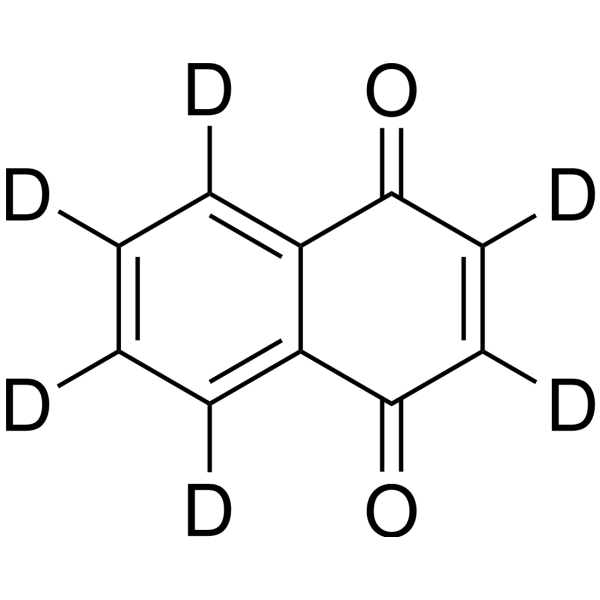
1,4-Naphthoquinone-d6 is the deuterium labeled 1,4-Naphthoquinone. 1,4-Naphthoquinone is an inhibitor with broad-spectrum inhibitory activity targeting DNA polymerase, NF-κB and monoamine oxidase (MAO-A/B), with antibacterial and anti-biofilm efficacy. 1,4-Naphthoquinone is a competitive inhibitor of MAO-B (Ki=1.4 μM) and a non-competitive inhibitor of MAO-A (Ki=7.7 μM). 1,4-Naphthoquinone inhibits DNA polymerase pol α, β, γ, δ, ε, λ with IC50 ranging from 5.57-128 μM. 1,4-Naphthoquinone inhibits tumor cell proliferation, induces apoptosis and necrosis, and has anti-angiogenic and anti-inflammatory activities by inducing oxidative stress, depleting glutathione (GSH), inhibiting DNA polymerase-mediated DNA synthesis and blocking NF-κB nuclear translocation. 1,4-Naphthoquinone can be used in anti-bacterial , anti-tumor and anti-inflammatory studies, including inhibition of melanoma and colon cancer cell growth and endothelial cell function, as well as LPS-induced inflammation models .
|
-
-
- HY-175806
-
|
|
TrxR
Reactive Oxygen Species (ROS)
Ferroptosis
|
Cancer
|
|
CS47 is a Thioredoxin Reductase 1 (TRXR1) inhibitor and ferroptosis inducer. CS47 binds non-covalently to sites between the FAD and NADPH pockets of TRXR1. CS47 drives glutathione depletion, lipid reactive oxygen species accumulation, HMOX1-dependent iron overload, and selective cytotoxicity in lung cancer cells. CS47 can be used for the research of lung cancer .
|
-

-
- HY-16658BG
-
|
|
Caspase
Apoptosis
|
Cancer
|
|
Z-VAD-FMK is a pan-caspase inhibitor and also an ICE-like protease inhibitor, which inhibits apoptosis by preventing the processing of CPP32 to its active form. Z-VAD-FMK sensitivity varies primarily due to differential expression of receptor-interacting protein 1 (RIP1). Z-VAD-FMK limits the cryopreservation-induced apoptosis by reducing caspase-3 activity of in vitro produced bovine embryos. Z-VAD-FMK is immunosuppressive in vitro and inhibits T cell proliferation without blocking the processing of caspase-8 and caspase-3. Z-VAD-FMK leads to a decrease in intracellular glutathione (GSH) with a concomitant increase in reactive oxygen species (ROS) levels in activated T cells. Z-VAD-FMK is due to oxidative stress via the depletion of GSH. Z-VAD-FMK can be used for the study of acute pancreatitis .
|
-

-
- HY-B1953R
-
|
|
Reference Standards
nAChR
Insecticide
|
Infection
|
|
Thiacloprid (Standard) is the analytical standard of Thiacloprid. This product is intended for research and analytical applications. Thiacloprid is an orally active neurotoxic insecticide and also a nAChR agonist. Thiacloprid reduces the viability of healthy cells, depletes reduced glutathione, and increases MDA levels, thereby inducing cytotoxicity and oxidative stress damage. In practical applications, Thiacloprid has lower acute toxicity to honeybees than other compounds of the same class such as Imidacloprid (HY-B0838), but it still significantly impairs the learning and memory function, immune capacity and survival status of honeybees. Thiacloprid induces intestinal microbial dysbiosis and reduces survival rate in middle-aged honeybees, increases the risk of premature collapse in bumblebee colonies, and significantly decreases the final colony weight and reproductive output. Thiacloprid is used in broad-spectrum agricultural pest control, often alone or in combination with Deltamethrin (HY-B1971), and meets the pest management needs of various crops including potatoes, cabbages, various fruits and vegetables, and nuts .
|
-

-
- HY-W015490R
-
|
|
Reference Standards
DNA/RNA Synthesis
NF-κB
Monoamine Oxidase
TNF Receptor
Bacterial
|
Infection
Inflammation/Immunology
Cancer
|
|
1,4-Naphthoquinone is an inhibitor with broad-spectrum inhibitory activity targeting DNA polymerase, NF-κB and monoamine oxidase (MAO-A/B), with antibacterial and anti-biofilm efficacy. 1,4-Naphthoquinone is a competitive inhibitor of MAO-B (Ki=1.4 μM) and a non-competitive inhibitor of MAO-A (Ki=7.7 μM). 1,4-Naphthoquinone inhibits DNA polymerase pol α, β, γ, δ, ε, λ with IC50 ranging from 5.57-128 μM. 1,4-Naphthoquinone inhibits tumor cell proliferation, induces apoptosis and necrosis, and has anti-angiogenic and anti-inflammatory activities by inducing oxidative stress, depleting glutathione (GSH), inhibiting DNA polymerase-mediated DNA synthesis and blocking NF-κB nuclear translocation. 1,4-Naphthoquinone can be used in anti-bacterial , anti-tumor and anti-inflammatory studies, including inhibition of melanoma and colon cancer cell growth and endothelial cell function, as well as LPS-induced inflammation models .
|
-

-
- HY-W017785
-
|
Diisopropylidene acetone
|
Glutathione S-transferase
|
Metabolic Disease
Cancer
|
|
Phorone (Diisopropylidene acetone) is a glutathione (GSH) depletor. Phorone specifically and reversibly depletes free GSH through enzymatic binding (Glutathione S-transferase) (Km = 0.9 mM). Phorone reversibly reduces the binding and nuclear uptake of glucocorticoid receptors in rat liver, and this effect is related to the temporal changes in GSH levels. Phorone can be used for studying liver toxicity.
|
-

-
- HY-122006
-
|
|
Reactive Oxygen Species (ROS)
|
Cancer
|
|
NPD926 is a small molecule that targets glutathione and induces cancer cell death. NPD926 causes cellular glutathione depletion and subsequent generation of reactive oxygen species (ROS), thereby sensitizing fibroblasts to Xc- system inhibitors. NPD926 is a ROS inducer with anticancer activity. .
|
-

-
- HY-170416
-
|
|
Reactive Oxygen Species (ROS)
|
Cancer
|
|
ROS inducer 6 (compound 9) is a reactive oxygen species (ROS) inducer. ROS inducer 6 (compound 9) acts as an anticancer agent by inducing ROS generation through the depletion of intracellular glutathione .
|
-

-
- HY-162944
-
|
|
Ferroptosis
Mitochondrial Metabolism
STING
Autophagy
|
Cancer
|
|
NA-Ir is a Ferroptosis inducer. NA-Ir targets mitochondrial DNA (mtDNA) and activates the cGAS-STING pathway to induce ferritinophagy (Autophagy), while also generating reactive oxygen species (ROS) through photodynamic therapy (PDT), depleting glutathione (GSH), and downregulating glutathione peroxidase 4 (GPX4), thereby triggering lipid peroxidation and Ferroptosis. NA-Ir exhibits higher anticancer activity under light exposure and selectively inhibits cancer cells with high H2S levels .
|
-

-
- HY-W013150R
-
|
|
Reference Standards
GABA Receptor
|
Neurological Disease
|
|
Alpidem (Standard) is the analytical standard of Alpidem (HY-W013150). This product is intended for research and analytical applications. Alpidem, an anxiolytic agent, is an orally active and brain-penetrant GABAA receptor ligand, binds to α1β2γ2 subunit-containing GABAA receptors (IC50 of 17 nM) over α5β2γ2 subunit-containing GABAA receptors (IC50 of >10 μM). Alpidem modulates calcium-induced mitochondrial permeability transition, induces glutathione depletion and hepatocyte necrosis, potentiates TNF-α toxicity, inhibits marble-burying and locomotor activity, enhances stressed rodent feeding behavior, and exerts anticonvulsant effects. Alpidem can be used for the research of anxiety, anxiety disorders, and convulsions.
|
-

-
- HY-W013150S
-
|
|
Isotope-Labeled Compounds
GABA Receptor
|
Neurological Disease
|
|
Alpidem-d14 is the deuterium labeled Alpidem (HY-W013150) . Alpidem, an anxiolytic agent, is an orally active and brain-penetrant GABAA receptor ligand, binds to α1β2γ2 subunit-containing GABAA receptors (IC50 of 17 nM) over α5β2γ2 subunit-containing GABAA receptors (IC50 of >10 μM). Alpidem modulates calcium-induced mitochondrial permeability transition, induces glutathione depletion and hepatocyte necrosis, potentiates TNF-α toxicity, inhibits marble-burying and locomotor activity, enhances stressed rodent feeding behavior, and exerts anticonvulsant effects. Alpidem can be used for the research of anxiety, anxiety disorders, and convulsions.
|
-

-
- HY-W040129R
-
|
|
Reference Standards
Bacterial
Fungal
Apoptosis
Antibiotic
|
Infection
Neurological Disease
Cancer
|
|
Chromomycin A3 (Standard) is the analytical standard of Chromomycin A3 (HY-W040129). This product is intended for research and analytical applications. Chromomycin A3 is an inhibitor that selectively binds to GC-rich DNA sequences. Chromomycin A3 targets the DNA minor groove after forming a dimer with Mg 2+. Chromomycin A3 inhibits DNA replication and transcription, blocks the binding of Sp1 transcription factor to target gene promoters, downregulates the expression of anti-apoptotic proteins such as FLIP, Mcl-1, and XIAP, and induces S-phase cycle arrest and caspase-dependent apoptosis in tumor cells. Chromomycin A3 can antagonize oxidative stress induced by glutathione depletion and neuronal apoptosis induced by Camptothecin (HY-15660). Chromomycin A3 can be used in basic research on malignant tumors such as cholangiocarcinoma, and is a potential chemosensitizer and GC-rich region probe .
|
-

-
- HY-B1953S
-
|
|
nAChR
Insecticide
|
Infection
|
|
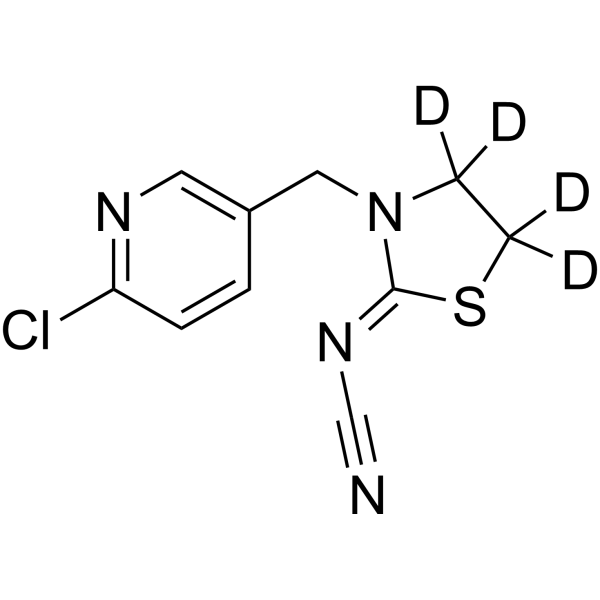
Thiacloprid-d4 is the deuterium labeled Thiacloprid. Thiacloprid is an orally active neurotoxic insecticide and also a nAChR agonist. Thiacloprid reduces the viability of healthy cells, depletes reduced glutathione, and increases MDA levels, thereby inducing cytotoxicity and oxidative stress damage. In practical applications, Thiacloprid has lower acute toxicity to honeybees than other compounds of the same class such as Imidacloprid (HY-B0838), but it still significantly impairs the learning and memory function, immune capacity and survival status of honeybees. Thiacloprid induces intestinal microbial dysbiosis and reduces survival rate in middle-aged honeybees, increases the risk of premature collapse in bumblebee colonies, and significantly decreases the final colony weight and reproductive output. Thiacloprid is used in broad-spectrum agricultural pest control, often alone or in combination with Deltamethrin (HY-B1971), and meets the pest management needs of various crops including potatoes, cabbages, various fruits and vegetables, and nuts .
|
-
-
- HY-179049
-
|
|
EGFR
Microtubule/Tubulin
Akt
ERK
Autophagy
Atg8/LC3
p62
Ferroptosis
Reactive Oxygen Species (ROS)
|
Cancer
|
|
EGFR/tubulin-IN-1 (Compound 26) is a dual-target inhibitor of EGFR and tubulin. EGFR/tubulin-IN-1 significantly reduces the levels of p-EGFR, p-AKT, and p-ERK in cells, disrupting the microtubule structure of the cells. EGFR/tubulin-IN-1 significantly inhibits the proliferation of H1975 cells and significantly blocks the cells in the G2/M phase. EGFR/tubulin-IN-1 induces the expression of autophagy markers LC3B-II and Beclin-1, while down-regulating the expression of p62. EGFR/tubulin-IN-1 induces ferroptosis, with increased ROS content and depletion of glutathione (GSH). EGFR/tubulin-IN-1 inhibits epithelial-mesenchymal transition (EMT) and tumor metastasis. EGFR/tubulin-IN-1 has a significant tumor-suppressing effect in the H1975 transplanted tumor nude mouse model. EGFR/tubulin-IN-1 can be used for the study of non-small cell lung cancer .
|
-

-
- HY-136907
-
|
(S)-(-)-Verapamil
|
P-glycoprotein
Apoptosis
|
Cardiovascular Disease
Cancer
|
|
(S)-Verapamil ((S)-(-)-Verapamil) is an orally active MRP1 (ABCC1) modulator with a Kd value of 113 nM for hamster MRP1. (S)-Verapamil regulates MRP1, promotes MRP1-mediated glutathione efflux and the transport of calcein and leukotriene C4, reverses glutathione-activated MRP1 ATPase activity, and ultimately depletes intracellular glutathione and induces cell death. (S)-Verapamil specifically induces apoptosis in MRP1-overexpressing tumor cells. (S)-Verapamil can be used in research related to cancer, cardiac diseases such as supraventricular arrhythmia, and hypertension .
|
-

-
- HY-W721611
-
|
|
Herbicide
|
Others
|
|
Terbucarb is a phenylcarbamate herbicide. Terbucarb disrupts the mitotic microtubule organizing centers in plant cells, leading to the formation of multipolar spindles and branched phragmoplasts, thereby inhibiting plant growth. An "anaphase star" pattern induced by Terbucarb is observed in onion root tips. Terbucarb is cytotoxic to isolated rat hepatocytes, inducing cell death accompanied by depletion of intracellular ATP, protein thiols and glutathione .
|
-

-
- HY-183544
-
|
|
TrxR
Glutathione Peroxidase
Ferroptosis
Reactive Oxygen Species (ROS)
|
Cancer
|
|
Platinum (IV) Prodrug-1 is a Pt (IV) prodrug and selective TrxR1 inhibitor. Platinum (IV) Prodrug-1 induces ferroptosis (Ferroptosis) by depleting glutathione, accumulating intracellular lipid peroxides, and inactivating Glutathione peroxidase 4. Platinum (IV) Prodrug-1 triggers endoplasmic reticulum stress and immunogenic cell death via excessive accumulation of intracellular ROS. Platinum (IV) Prodrug-1 exhibits anticancer activity against both Cisplatin (HY-17394)-sensitive and Cisplatin-resistant triple-negative breast cancer cells. Platinum (IV) Prodrug-1 can be used for the research of triple-negative breast cancer .
|
-

-
- HY-181075
-
|
|
Bacterial
Reactive Oxygen Species (ROS)
|
Infection
|
|
Antibacterial agent 318 is an antibacterial agent that binds to bacterial DNA, blocks its replication, and forms supramolecular complexes. Antibacterial agent 318 acts as an oxidative stress inducer, elevating intracellular reactive oxygen species (ROS) levels, oxidizing glutathione (GSH) to glutathione disulfide (GSSG), depleting cellular GSH reserves, and inducing bacterial cell death through oxidative damage. Antibacterial agent 318 disrupts the bacterial cell membrane and reduces bacterial metabolic activity. Antibacterial agent 318 exhibits rapid bactericidal activity, inhibits bacterial biofilm formation, and displays minimal cytotoxicity toward non-cancerous mammalian cells. Antibacterial agent 318 is applicable in research on drug-resistant bacterial infections .
|
-

-
- HY-182059
-
|
|
Glutathione S-transferase
Reactive Oxygen Species (ROS)
|
Cancer
|
|
GSTP1-IN-1 is a selective GSTP1 inhibitor with an IC50 of 0.79 μM and a Kd of 0.63 μM. GSTP1-IN-1 inhibits the proliferation of gastric cancer cells, induces ROS production and depletes glutathione. GSTP1-IN-1 achieves systemic exposure and is well tolerated in xenograft mouse models, while inhibiting tumor growth. GSTP1-IN-1 can be used in gastric cancer-related research .
|
-

-
- HY-106376AR
-
|
L-Buthionine sulfoximine (Standard); L-BSO (Standard)
|
Reference Standards
Ferroptosis
|
Cancer
|
|
L-Buthionine-(S,R)-sulfoximine (Standard) is the analytical standard of L-Buthionine-(S,R)-sulfoximine (HY-106376A). This product is intended for research and analytical applications. L-Buthionine-(S,R)-sulfoximine is a cell-permeable, potent, fast acting and irreversible inhibitor of g-glutamylcysteine synthetase and depletes cellular glutathione levels. The IC50 value of L-Buthionine-(S,R)-sulfoximine on melanoma, breast and ovarian tumor specimens are 1.9 μM, 8.6 μM, and 29 μM, respectively.
|
-

-
- HY-182052
-
|
|
Glutathione Peroxidase
Reactive Oxygen Species (ROS)
NO Synthase
Ferroptosis
Apoptosis
|
Cancer
|
|
anti-NSCLC agent-2 exhibits nanomolar anti-proliferative activity and acts on wild-type and drug-resistant non-small cell lung cancer (NSCLC) cells. anti-NSCLC agent-2 downregulates ferroptosis-related factors SLC7A11 and GPX4, disrupts cellular redox homeostasis, depletes glutathione, accumulates lipid peroxides, and simultaneously elevates mitochondrial nitric oxide and ROS levels to induce ferroptosis in tumor cells. anti-NSCLC agent-2 is applicable to research related to non-small cell lung cancer .
|
-

-
- HY-W839206
-
|
|
NO Synthase
|
Neurological Disease
|
|
NOS-IN-4 (Compound 3) is a neuronal nitric oxide synthase (nNOS) inhibitor with an IC50 of 4.00 μM that inhibits nNOS activity. The combined use of alpha-lipoic acid and NOS-IN-4 has a protective effect against MPTP (HY-W114750)-induced dopamine depletion in the mouse brain. NOS-IN-4 can be used for the research of neurological disease .
|
-

-
- HY-183549
-
|
|
Apoptosis
Ferroptosis
|
Cancer
|
|
Ferroptosis/apoptosis inducer-4 is a pyridine-hydrazone-derived Cu (II) complex and a synergistic inducer of ferroptosis and apoptosis. Ferroptosis/apoptosis inducer-4 exerts anti-tumor proliferation and anti-metastasis effects with extremely low systemic toxicity. Ferroptosis/apoptosis inducer-4 disrupts cellular redox homeostasis by depleting glutathione and generating hydroxyl radicals through the Cu 2+/Cu + redox cycle. Ferroptosis/apoptosis inducer-4 also triggers mitochondrial dysfunction and endoplasmic reticulum stress, which in turn lead to Ca 2+ release, mitochondrial Ca 2+ overload, and the formation of a ROS−Ca 2+ self-amplifying feedback loop. Ferroptosis/apoptosis inducer-4 can be used in studies related to cervical cancer .
|
-

-
- HY-186151
-
|
|
MDM-2/p53
Apoptosis
|
Cancer
|
|
UCI-LC0019 is a mutant p53 reactivator. UCI-LC0019 binds to mutant p53, induces wild-type-like conformational change, restores sequence-specific DNA binding activity, activates p53-dependent transcription programs, and does not act via thiol reactivity or glutathione depletion. UCI-LC0019 inhibits proliferation and induces apoptosis in cancer cells harboring mutant p53, with no significant effect on p53 null or wild-type p53 tumors cells. UCI-LC0019 exhibits anti-tumor activity in xenograft mouse models carrying p53R175H mutant tumors. UCI-LC0019 can be used for the research of cancer, such as ovarian cancer .
|
-

-
- HY-16658BG
-
|
|
Fluorescent Dyes
|
|
Z-VAD-FMK is a pan-caspase inhibitor and also an ICE-like protease inhibitor, which inhibits apoptosis by preventing the processing of CPP32 to its active form. Z-VAD-FMK sensitivity varies primarily due to differential expression of receptor-interacting protein 1 (RIP1). Z-VAD-FMK limits the cryopreservation-induced apoptosis by reducing caspase-3 activity of in vitro produced bovine embryos. Z-VAD-FMK is immunosuppressive in vitro and inhibits T cell proliferation without blocking the processing of caspase-8 and caspase-3. Z-VAD-FMK leads to a decrease in intracellular glutathione (GSH) with a concomitant increase in reactive oxygen species (ROS) levels in activated T cells. Z-VAD-FMK is due to oxidative stress via the depletion of GSH. Z-VAD-FMK can be used for the study of acute pancreatitis .
|
-
- HY-Y1147
-
|
Maleic acid diethyl ester
|
Biochemical Assay Reagents
|
|
Diethyl maleate (DEM) is an orally available, effective glutathione (GSH) depletor that crosses the blood-brain barrier. Diethyl maleate covalently binds irreversibly to GSH via glutathione S-transferase with an in vitro IC50 of 0.1-0.5 mM. Diethyl maleate selectively depletes GSH in liver, lung, and brain tissues, exacerbating oxidative stress and enhancing hyperbaric oxygen toxicity. Diethyl maleate promotes precursor amino acid uptake and in turn promotes GSH synthesis by upregulating the activity of the cystine-glutamate transporter XO -. Diethyl maleate can be used to study redox homeostasis and GSH protection mechanisms in oxidative stress-related diseases such as hyperbaric oxygen injury and metabolic diseases[1][2][3].
|
-
- HY-16658BG
-
|
|
Biochemical Assay Reagents
|
|
Z-VAD-FMK is a pan-caspase inhibitor and also an ICE-like protease inhibitor, which inhibits apoptosis by preventing the processing of CPP32 to its active form. Z-VAD-FMK sensitivity varies primarily due to differential expression of receptor-interacting protein 1 (RIP1). Z-VAD-FMK limits the cryopreservation-induced apoptosis by reducing caspase-3 activity of in vitro produced bovine embryos. Z-VAD-FMK is immunosuppressive in vitro and inhibits T cell proliferation without blocking the processing of caspase-8 and caspase-3. Z-VAD-FMK leads to a decrease in intracellular glutathione (GSH) with a concomitant increase in reactive oxygen species (ROS) levels in activated T cells. Z-VAD-FMK is due to oxidative stress via the depletion of GSH. Z-VAD-FMK can be used for the study of acute pancreatitis .
|
| Cat. No. |
상품명 |
Category |
Target |
Chemical Structure |
-
- HY-W040129
-
|
|
Microorganisms
Source Classification
|
DNA Alkylator/Crosslinker
DNA/RNA Synthesis
Apoptosis
Caspase
|
|
Chromomycin A3 is an inhibitor that selectively binds to GC-rich DNA sequences. Chromomycin A3 targets the DNA minor groove after forming a dimer with Mg 2+. Chromomycin A3 inhibits DNA replication and transcription, blocks the binding of Sp1 transcription factor to target gene promoters, downregulates the expression of anti-apoptotic proteins such as FLIP, Mcl-1, and XIAP, and induces S-phase cycle arrest and caspase-dependent apoptosis in tumor cells. Chromomycin A3 can antagonize oxidative stress induced by glutathione depletion and neuronal apoptosis induced by Camptothecin (HY-15660). Chromomycin A3 can be used in basic research on malignant tumors such as cholangiocarcinoma, and is a potential chemosensitizer and GC-rich region probe .
|
-
-
- HY-B1309
-
-
-
- HY-125539
-
|
|
Structural Classification
Natural Products
Microorganisms
Source Classification
|
Antibiotic
Phosphatase
Fungal
|
|
Roridin E is a glucose-6-phosphatase (G6Pase) inhibitor and antibiotic, and is a metabolic byproduct of Roridin A (HY-N9599). Roridin E induces significant oxidative stress, characterized by depletion of glutathione in vivo, induction of hepatic lipid peroxidation, and inhibition of renal superoxide dismutase activity. Roridin E reduces blood glucose levels in rats, but exhibits acute toxicity (which is enhanced when co-administered with linoleic acid (HY-N0729)) and causes hepatotoxicity in male albino mice. Roridin E induces a decrease in total blood protein and increases in the levels of total lipids, γ-glutamyltransferase, alkaline phosphatase, and 5'-nucleotidase. Roridin E can be isolated from molds, and possesses cytostatic and antifungal activities similar to those of Verrucarin A (HY-107426) and Roridin A. Roridin E exhibits in vivo activity in rodents and is commonly used in hepatotoxicity-related studies .
|
-
-
- HY-W017785
-
-
-
- HY-W040129R
-
|
|
Microorganisms
Source Classification
|
Reference Standards
Bacterial
Fungal
Apoptosis
Antibiotic
|
|
Chromomycin A3 (Standard) is the analytical standard of Chromomycin A3 (HY-W040129). This product is intended for research and analytical applications. Chromomycin A3 is an inhibitor that selectively binds to GC-rich DNA sequences. Chromomycin A3 targets the DNA minor groove after forming a dimer with Mg 2+. Chromomycin A3 inhibits DNA replication and transcription, blocks the binding of Sp1 transcription factor to target gene promoters, downregulates the expression of anti-apoptotic proteins such as FLIP, Mcl-1, and XIAP, and induces S-phase cycle arrest and caspase-dependent apoptosis in tumor cells. Chromomycin A3 can antagonize oxidative stress induced by glutathione depletion and neuronal apoptosis induced by Camptothecin (HY-15660). Chromomycin A3 can be used in basic research on malignant tumors such as cholangiocarcinoma, and is a potential chemosensitizer and GC-rich region probe .
|
-
| Cat. No. |
상품명 |
Chemical Structure |
-
- HY-W015490S
-
|
|
|
1,4-Naphthoquinone-d6 is the deuterium labeled 1,4-Naphthoquinone. 1,4-Naphthoquinone is an inhibitor with broad-spectrum inhibitory activity targeting DNA polymerase, NF-κB and monoamine oxidase (MAO-A/B), with antibacterial and anti-biofilm efficacy. 1,4-Naphthoquinone is a competitive inhibitor of MAO-B (Ki=1.4 μM) and a non-competitive inhibitor of MAO-A (Ki=7.7 μM). 1,4-Naphthoquinone inhibits DNA polymerase pol α, β, γ, δ, ε, λ with IC50 ranging from 5.57-128 μM. 1,4-Naphthoquinone inhibits tumor cell proliferation, induces apoptosis and necrosis, and has anti-angiogenic and anti-inflammatory activities by inducing oxidative stress, depleting glutathione (GSH), inhibiting DNA polymerase-mediated DNA synthesis and blocking NF-κB nuclear translocation. 1,4-Naphthoquinone can be used in anti-bacterial , anti-tumor and anti-inflammatory studies, including inhibition of melanoma and colon cancer cell growth and endothelial cell function, as well as LPS-induced inflammation models .
|
-
-
- HY-W013150S
-
|
|
|
Alpidem-d14 is the deuterium labeled Alpidem (HY-W013150) . Alpidem, an anxiolytic agent, is an orally active and brain-penetrant GABAA receptor ligand, binds to α1β2γ2 subunit-containing GABAA receptors (IC50 of 17 nM) over α5β2γ2 subunit-containing GABAA receptors (IC50 of >10 μM). Alpidem modulates calcium-induced mitochondrial permeability transition, induces glutathione depletion and hepatocyte necrosis, potentiates TNF-α toxicity, inhibits marble-burying and locomotor activity, enhances stressed rodent feeding behavior, and exerts anticonvulsant effects. Alpidem can be used for the research of anxiety, anxiety disorders, and convulsions.
|
-
-
- HY-B1953S
-
|
|
|
Thiacloprid-d4 is the deuterium labeled Thiacloprid. Thiacloprid is an orally active neurotoxic insecticide and also a nAChR agonist. Thiacloprid reduces the viability of healthy cells, depletes reduced glutathione, and increases MDA levels, thereby inducing cytotoxicity and oxidative stress damage. In practical applications, Thiacloprid has lower acute toxicity to honeybees than other compounds of the same class such as Imidacloprid (HY-B0838), but it still significantly impairs the learning and memory function, immune capacity and survival status of honeybees. Thiacloprid induces intestinal microbial dysbiosis and reduces survival rate in middle-aged honeybees, increases the risk of premature collapse in bumblebee colonies, and significantly decreases the final colony weight and reproductive output. Thiacloprid is used in broad-spectrum agricultural pest control, often alone or in combination with Deltamethrin (HY-B1971), and meets the pest management needs of various crops including potatoes, cabbages, various fruits and vegetables, and nuts .
|
-
| Cat. No. |
상품명 |
Target |
연구분야 |
Chemical Structure |
-
- HY-16658BG
-
|
|
Caspase
Apoptosis
|
Cancer
|
|
Z-VAD-FMK is a pan-caspase inhibitor and also an ICE-like protease inhibitor, which inhibits apoptosis by preventing the processing of CPP32 to its active form. Z-VAD-FMK sensitivity varies primarily due to differential expression of receptor-interacting protein 1 (RIP1). Z-VAD-FMK limits the cryopreservation-induced apoptosis by reducing caspase-3 activity of in vitro produced bovine embryos. Z-VAD-FMK is immunosuppressive in vitro and inhibits T cell proliferation without blocking the processing of caspase-8 and caspase-3. Z-VAD-FMK leads to a decrease in intracellular glutathione (GSH) with a concomitant increase in reactive oxygen species (ROS) levels in activated T cells. Z-VAD-FMK is due to oxidative stress via the depletion of GSH. Z-VAD-FMK can be used for the study of acute pancreatitis .
|
-
Your information is safe with us. * Required Fields.
Inquiry Information
- 상품명:
- Cat. No.:
- 수량:
- MCE Japan Authorized Agent:








