1. Search Result
Search Result
Pathways Recommended: Stem Cell/Wnt Cell Cycle/DNA Damage
Results for "

human colorectal tumor cells

" in MedChemExpress (MCE) Product Catalog:

36

Inhibitors & Agonists

1

Fluorescent Dyes

12

Inhibitory Antibodies

5

Natural
Products

1

Oligonucleotides

Cat. No. Product Name Target Research Areas Chemical Structure
  • HY-P99275
    Patritumab
    1 Publications Verification

    AMG-888; U3-1287

    EGFR Akt ERK PARP Survivin Cancer
    Patritumab (Human Anti-ERBB3 Recombinant Antibody) is a neutralizing monoclonal antibody to ERBB3. Patritumab shows a synergy with Cetuximab (HY-P9905), potently inhibits the phosphorylation of EGFR, HER2, HER3, ERK, and AKT. Patritumab also induces cell apoptosis and suppresses the growth of pancreatic, non-small cell lung cancer, and colorectal cancer xenograft tumors .
    Patritumab
  • HY-148807

    QC8222 free base; TACH 101 free base

    Histone Demethylase Apoptosis Cancer
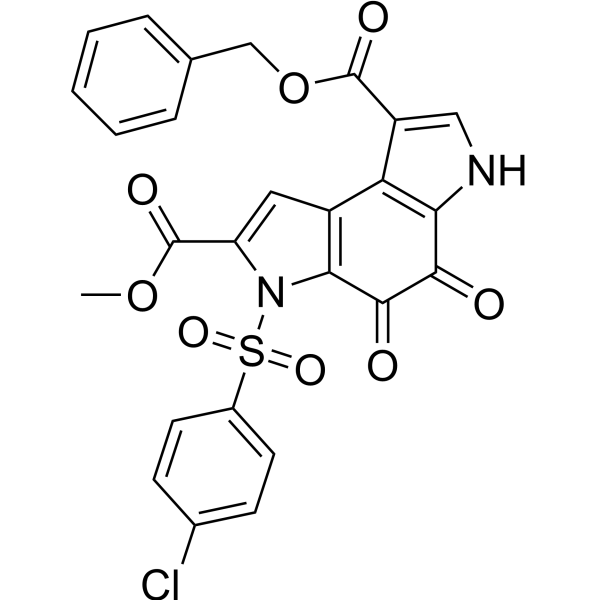
    Zavondemstat (QC8222 free base; TACH 101 free base) is an orally active pan-KDM4 inhibitor, with a IC50 ≤ 0.08 μM against human KDM4A-D and a Kᵢ of 0.52 μM against human KDM4C. Zavondemstat induces cell apoptosis, causes S-phase cell cycle arrest, reduces the population of tumor-initiating cells and inhibits cancer cell proliferation. Zavondemstat suppresses tumor growth and induces tumor regression in mouse xenograft models. Zavondemstat can be used for the research of various cancers including colorectal cancer, esophageal squamous cell carcinoma and triple-negative breast cancer .
    Zavondemstat
  • HY-D0203

    Malachite green

    Environmental Pollutants Fluorescent Dye Others
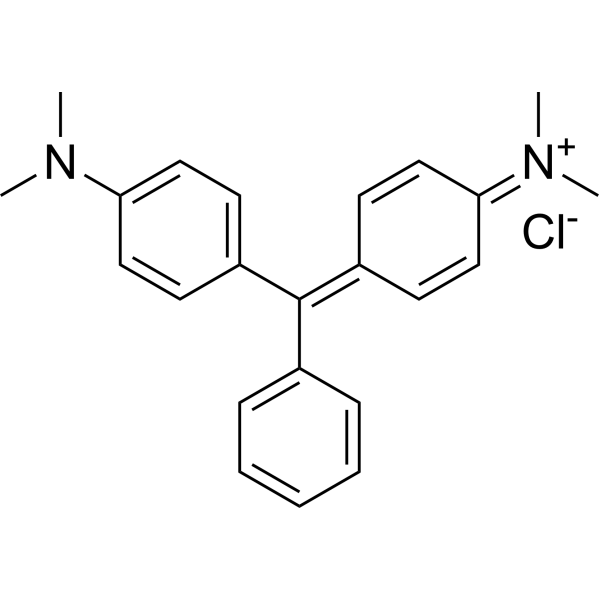
    Basic green 4 (Malachite green) is a cationic dye that is widely used as a bactericide in aquaculture and is also commonly used in laboratories for the determination of phosphates. Basic green 4 exhibits high cytotoxicity and carcinogenicity to mammalian cells, specifically shown by its IC50 values of 2.03 µM for HEp-2 human laryngeal cells and 13.8 µM for Caco-2 human colorectal adenocarcinoma cells, and it can promote the development of liver tumors. The maximum absorbance wavelength is 621 nm .
    Basic green 4
  • HY-150190
    F5446
    1 Publications Verification

    Histone Methyltransferase Apoptosis Cancer
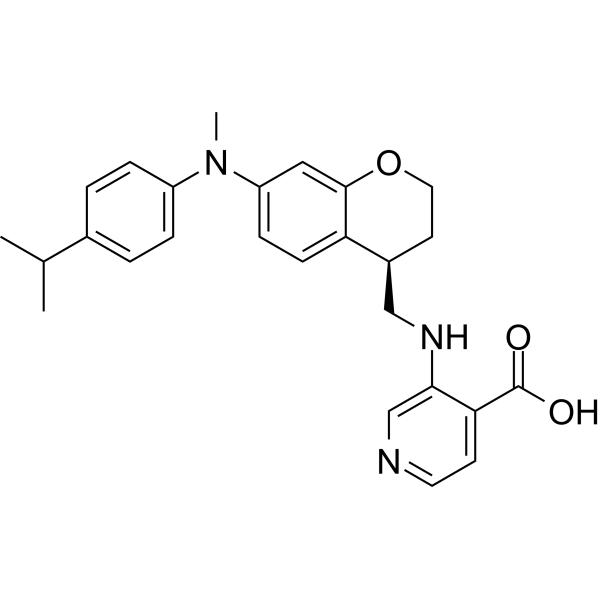
    F5446 (Compound 1) is a selective small molecule inhibitor of SUV39H1 methyltransferase. F5446 decreases H3K9me3 deposition at the FAS promoter, increases Fas expression and increases colorectal carcinoma cell sensitivity to FasL-induced apoptosis in vitro. F5446 suppresses human colon tumor xenograft growth in vivo .
    F5446
  • HY-N0481
    Roburic acid
    1 Publications Verification

    COX TNF Receptor NO Synthase Interleukin Related NF-κB Apoptosis p38 MAPK JNK ERK Keap1-Nrf2 RANKL/RANK Neurological Disease Inflammation/Immunology Cancer
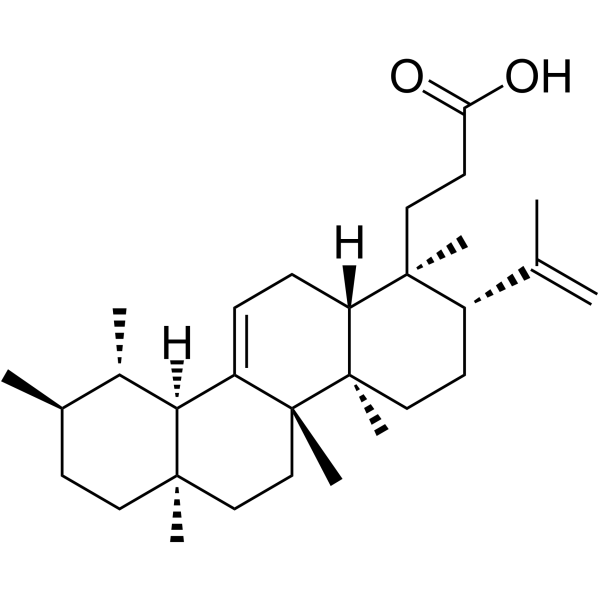
    Roburic acid acts as an anti-inflammatory, anti-tumor and osteoclastogenesis inhibitor, with a Ki of 7.066 μM against human TNF, an IC50 of 9 μM against human COX-2, and an IC50 of 5 μM against ovine COX-1. Roburic acid reduces the production of inflammatory mediators such as NO and IL-6 in macrophages by inhibiting the NF-κB and MAPK (p38/JNK) pathways. By competitively inhibiting the TNF-TNF-R1 interaction, Roburic acid blocks the downstream NF-κB signaling pathway, thereby inducing cell cycle arrest and apoptosis in cancer cells. Roburic acid specifically inhibits osteoclastogenesis and bone resorption by suppressing the RANKL/TRAF6/NF-κB/NFATc1 axis. Roburic acid can be used in research related to osteolytic diseases such as osteoporosis, colorectal cancer and inflammatory diseases .
    Roburic acid
  • HY-N0819
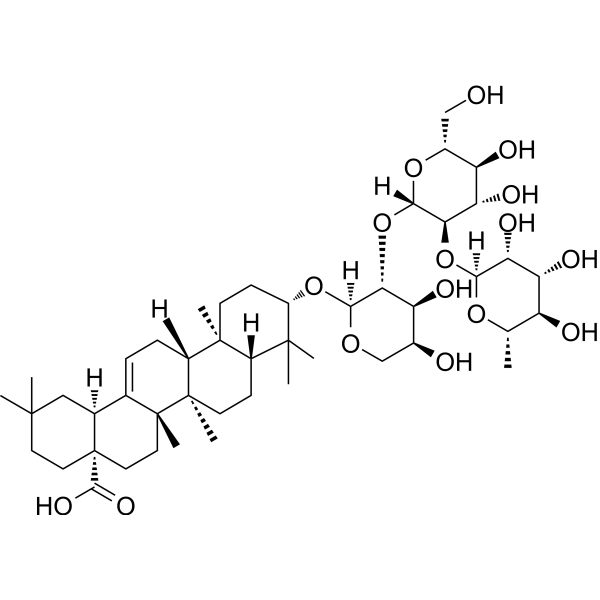
    Raddeanin A
    1 Publications Verification

    Apoptosis PI3K Akt ERK mTOR Wnt β-catenin Wee1 JNK VEGFR CDK Neurological Disease Inflammation/Immunology Cancer
    Raddeanin A is an oleanane-type triterpenoid saponin with oral activity. Raddeanin A inhibits SRC, mTOR, JNK, VEGFR2, NLRP3 inflammasome, Wnt/β-catenin, Wee1, PI3K/AKT signaling pathway, MAPK/ERK signaling pathway, AR-FL, AR-Vs, and downregulates the expression of p-PI3K and p-AKT. Raddeanin A inhibits osteoclast formation, bone resorption, osteolysis, cancer cell invasion, migration, proliferation, angiogenesis and epithelial-mesenchymal transition, while induces apoptosis, cell cycle arrest, ROS production, immunogenic cell death and dendritic cell maturation. Raddeanin A improves blood-retinal barrier function, alleviates inflammation, regulates the tumor microenvironment, and enhances the activity of anti-PD-1 antibody. Raddeanin A is applicable to the research of breast cancer-associated osteolysis, human osteosarcoma, colorectal cancer, glioblastoma, Alzheimer's disease, cholangiocarcinoma, melanoma, non-small cell lung cancer, castration-resistant prostate cancer and multiple myeloma .
    Raddeanin A
  • HY-160406

    STING IFNAR Interleukin Related Inflammation/Immunology Cancer
    SNX281 is a selective STING agonist, with IC50 values of 4.1, 4.5, 10.7, and 3.7 μM against human, mouse, rat, and monkey STING, respectively. SNX281 undergoes homodimerization at the STING binding site, triggering a conformational shift of STING from an inactive open state to an active closed state, thereby driving downstream STING-dependent signaling pathways. SNX281 induces type I interferons, IFN-β, TNF-α, IL-6, cytokine release, T cell responses, and long-lasting immune memory. SNX281 exhibits anti-tumor activity and is applicable to research related to colorectal cancer, melanoma, advanced solid tumors, lymphoma, and ovarian cancer .
    SNX281
  • HY-N2445
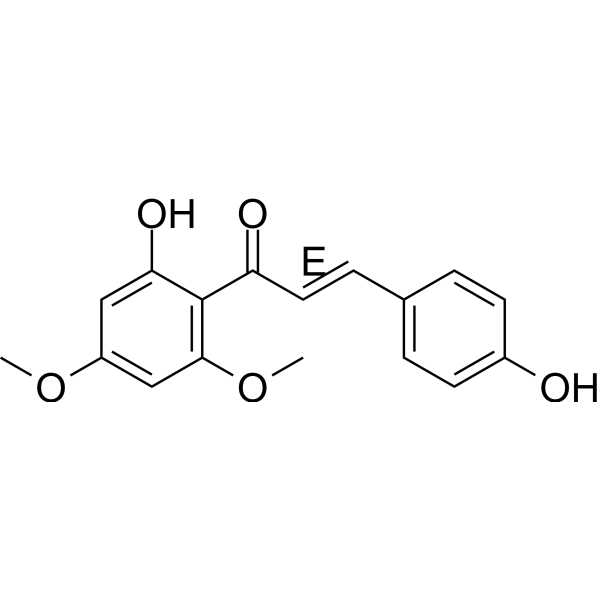
    Flavokawain C
    4 Publications Verification

    Apoptosis Akt JNK PERK Caspase PARP MDM-2/p53 IAP Reactive Oxygen Species (ROS) SOD FABP Autophagy AMPK mTOR GLUT EGFR PI3K HSP VEGFR FAK Cancer
    Flavokawain C is an orally active natural chalcone. Flavokawain C inhibits the proliferation of various cancer cells. Flavokawain C upregulates GADD153 in cancer cells, inhibits the phosphorylation of Akt and JNK, suppresses early ERK phosphorylation, activates late ERK phosphorylation, activates caspase related subtypes, induces PARP-1 cleavage, causes upregulation of p21 and p27, downregulation of mutant p53 and anti-apoptotic IAP proteins, elevates intracellular ROS levels, reduces SOD activity, and induces apoptosis. Flavokawain C downregulates FABP4, induces autophagy in cancer cells, and activates the AMPK/mTOR pathway . Flavokawain C decreases the expression of glycolysis-related proteins GLUT1 and HK2, and inhibits glycolysis in nasopharyngeal carcinoma cells. Flavokawain C inhibits the activation of the EGFR/PI3K/Akt/mTOR signaling pathway and reduces the expression of HSP90B1. Flavokawain C inhibits angiogenesis by decreasing the expression of angiogenic proteins Ang-1 and VEGF in human umbilical vein endothelial cells. Flavokawain C increases γ-H2AX levels in cells, inhibits the phosphorylation of FAK, PI3K and AKT in cells, and induces DNA damage in cells. Flavokawain C exerts anti-tumor activity in multiple tumor xenograft mouse models. Flavokawain C is applicable to research related to colorectal cancer, colon adenocarcinoma, nephroblastoma, nasopharyngeal carcinoma and liver cancer .
    Flavokawain C
  • HY-153863

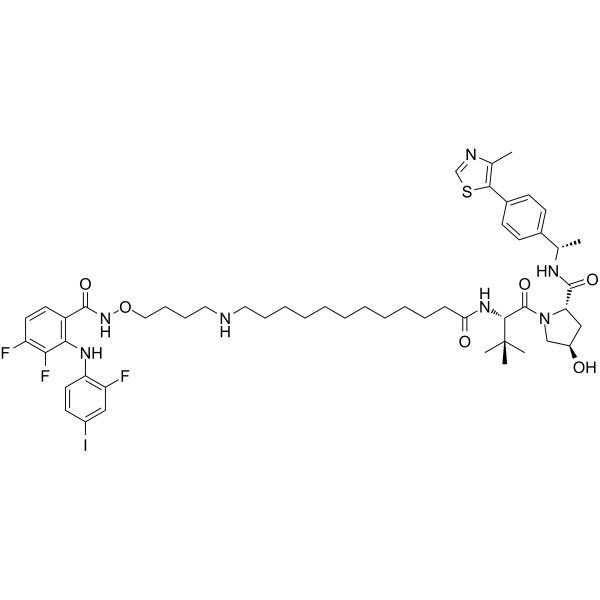
    PROTACs MEK Raf Cancer
    MS934 is a novel improved VHL-recruiting MEK 1/2 PROTAC degrader. MS934 also degrades CRAF. MS934 can be used for the research of variety of human cancers, such as melanoma, nonsmall cell lung cancer (NSCLC), colorectal cancer, primary brain tumors, and hepatocellular carcinoma (Pink: Target protein ligand (HY-168288); Black: linker (HY-168289); Blue: E3 ligase ligand (HY-112078)) .
    MS934
  • HY-P991196

    Transmembrane Glycoprotein Cancer
    Anti-CD24 Antibody (SWA11) is a human IgG1 monoclonal antibody targeting CD24, with high affinity and specificity for CD24-expressing tumor cells. Anti-CD24 Antibody (SWA11) triggers endocytosis, alters STAT3-dependent gene expression, regulates Src phosphorylation, and blocks CD24-mediated signaling pathways. Anti-CD24 Antibody (SWA11) is applicable to cancer-related research such as lung cancer and ovarian cancer. Recommended isotype control: Human IgG1 kappa, Isotype Control (HY-P99001) .
    Anti-CD24 Antibody (SWA11)
  • HY-142118A
    Trabedersen sodium
    1 Publications Verification

    AP 12009 sodium

    TGF-beta/Smad Cancer
    Trabedersen (AP 12009) sodium is an orally active synthetic antisense phosphorothioate oligodeoxynucleotide that selectively targets human TGFβ2 mRNA. Trabedersen sodium blocks TGFβ2 protein production, enters the nucleus without a transfection vector, and exerts dose-dependent antitumor effects. By reversing TGFβ2-induced immunosuppression and enhancing immune cytotoxicity, Trabedersen sodium exhibits significant antiproliferative, antimigratory, and antimetastatic activities, with favorable safety profiles. Trabedersen sodium is widely used in research related to various solid tumors, including anaplastic astrocytoma, glioblastoma, colorectal tumor, and melanoma .
    Trabedersen sodium
  • HY-P991571

    GC-1118A

    EGFR PERK Akt Cancer
    GC1118 (GC-1118A) is a fully human anti-EGFR monoclonal antibody with binding affinity of 0.16 nM (KD) to EGFR. GC1118 displays potent inhibitory effects on high- and low-affinity EGFR ligand-induced signaling. GC1118 shows potent anti proliferative activity in KRAS wild-type and KRAS mutant cells. GC1118 can reach the tumor by crossing both BBB (blood-brain barrier) and BTB (brain-tumor barrier) and shows superior anti-tumor effects in various mice xenograft models. GC1118 can be used for the researches of cancer, such as colorectal cancer .
    GC1118
  • HY-W854385A
    Sialyl Lewis A sodium
    1 Publications Verification

    SLeA sodium

    Biochemical Assay Reagents Cancer
    Sialyl Lewis A (SLeA) sodium is a tumor-associated carbohydrate antigen, also known as carbohydrate antigen 19-9 (CA19-9), that binds to E-selectin (ELAM-1) and selectins to mediate cell-endothelium adhesion. Sialyl Lewis A sodium promotes cancer cell-vascular endothelium adhesion, and its surface presence correlates with increased tumorigenicity and invasiveness in cancer cells. Sialyl Lewis A sodium shows elevated expression in human adenocarcinomas of the colon, pancreas, and stomach, with expression levels linked to tumor progression and poor prognosis in colorectal and gastric carcinomas. Sialyl Lewis A sodium can be used for the research of cancers, such as colon, pancreas, stomach, and squamous lung cancer .
    Sialyl Lewis A sodium
  • HY-W854385

    SLeA

    Biochemical Assay Reagents E-Selectin Cancer
    Sialyl Lewis A (SLeA) is a tumor-associated carbohydrate antigen, also known as carbohydrate antigen 19-9 (CA19-9), that binds to E-selectin (ELAM-1) and selectins to mediate cell-endothelium adhesion. Sialyl Lewis A promotes cancer cell-vascular endothelium adhesion, and its surface presence correlates with increased tumorigenicity and invasiveness in cancer cells. Sialyl Lewis A shows elevated expression in human adenocarcinomas of the colon, pancreas, and stomach, with expression levels linked to tumor progression and poor prognosis in colorectal and gastric carcinomas. Sialyl Lewis A can be used for the research of cancers, such as colon, pancreas, stomach, and squamous lung cancer .
    Sialyl Lewis A
  • HY-179047

    Toll-like Receptor (TLR) MyD88 IKK p38 MAPK ERK TNF Receptor Interleukin Related Inflammation/Immunology Cancer
    SMU-L11-R is a selective TLR7 agonist with an EC50 of 0.012 μM for human TLR7. SMU-L11-R specifically activates TLR7, recruits  MyD88, and triggers MAPK/NF-κB pathways, leading to TNF-α/IL-1β/IL-6 secretion in both mouse and human peripheral blood mononuclear cells. SMU-L11-R promotes M1-like macrophage polarization. SMU-L11-R exhibits excellent synergistic anti-tumor effects with PD-L1 inhibitors by upregulating CD8 +T cells. SMU-L11-R shows potential in colorectal cancer studies .
    SMU-L11-R
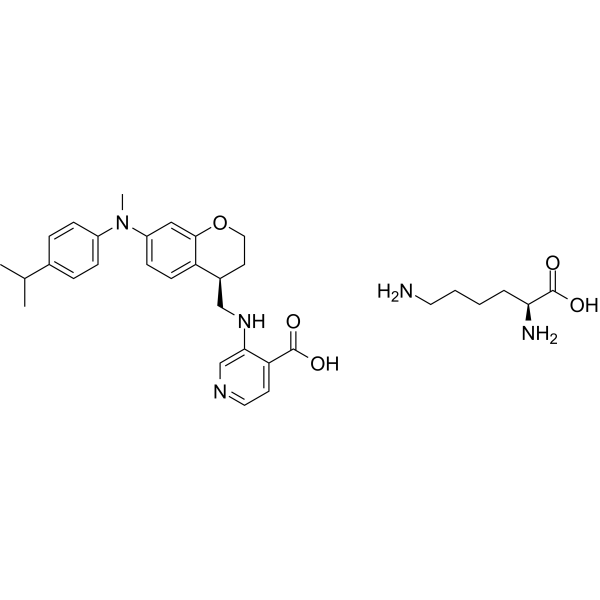
  • HY-148807A

    QC8222; TACH 101

    Apoptosis Histone Demethylase Cancer
    Zavondemstat (QC8222; TACH 101) L-lysine is an orally active pan-KDM4 inhibitor, with a IC50 ≤ 0.08 μM against human KDM4A-D and a Kᵢ of 0.52 μM against human KDM4C. Zavondemstat L-lysine induces cell apoptosis, causes S-phase cell cycle arrest, reduces the population of tumor-initiating cells and inhibits cancer cell proliferation. Zavondemstat L-lysine suppresses tumor growth and induces tumor regression in mouse xenograft models. Zavondemstat L-lysine can be used for the research of various cancers including colorectal cancer, esophageal squamous cell carcinoma and triple-negative breast cancer .
    Zavondemstat L-lysine
  • HY-178960

    Microtubule/Tubulin Apoptosis Cancer
    Tubulin-IN-59 (Compound 8g) is an orally active Tubulin inhibitor. Tubulin-IN-59 exhibits potent anti-proliferative activity against HCT116 colorectal cancer, HeLa cervical cancer, and HepG2 liver cancer cell lines, with its IC₅₀ value ranging from 16 to 35 nM. Tubulin-IN-59 arrests HeLa cells in the G2/M phase and induces cell apoptosis. Tubulin-IN-59 demonstrates significant anti-tumor activity in the HT29 human colon cancer mouse xenograft model. Tubulin-IN-59 can be used for the study of colorectal cancer and cervical cancer .
    Tubulin-IN-59
  • HY-W848341

    NSC 338947; CIEtSoSo

    DNA Alkylator/Crosslinker Cancer
    Clomesone (NSC 338947) is a compound with antitumor activity. Clomesone induces the formation of cross-links between DNA strands in cell lines. Clomesone is inactive against most human colorectal cancer solid tumor cell lines in vitro, has no significant activity against mouse tumors in vivo, and is accompanied by bone marrow suppression. Its pharmacokinetic behavior indicates that it cannot reach effective concentrations at the tumor site.
    Clomesone
  • HY-148807C

    QC8222 sodium; TACH 101 sodium

    Apoptosis Histone Demethylase Cancer
    Zavondemstat (QC8222; TACH 101) sodium is an orally active pan-KDM4 inhibitor, with a IC50 ≤ 0.08 μM against human KDM4A-D and a Kᵢ of 0.52 μM against human KDM4C. Zavondemstat sodium induces cell apoptosis, causes S-phase cell cycle arrest, reduces the population of tumor-initiating cells and inhibits cancer cell proliferation. Zavondemstat sodium suppresses tumor growth and induces tumor regression in mouse xenograft models. Zavondemstat sodium can be used for the research of various cancers including colorectal cancer, esophageal squamous cell carcinoma and triple-negative breast cancer .
    Zavondemstat sodium
  • HY-170594

    Atg7 Autophagy Cancer
    Antitumor agent-192 (Compound 2f) is a β-carboline antitumor agent. Antitumor agent-192 induces autophagy in HCT116 cells via the ATG5/ATG7 pathway. Antitumor agent-192 has an IC50 of less than 5 μM for human tumor cell lines and significantly inhibits tumor development and reduces tumor weight in a mouse colorectal cancer model transplanted with allografts [1].
    Antitumor agent-192
  • HY-168739

    Topoisomerase Reactive Oxygen Species (ROS) Apoptosis Survivin Bcl-2 Family IAP DNA/RNA Synthesis Cancer
    Topoisomerase I inhibitor 17 (Compound 7h) is a Topoisomerase I (Top1) inhibitor. Topoisomerase I inhibitor 17 reduces DDX5 and reverses the locking of Top1 activity by DDX5. Topoisomerase I inhibitor 17 induces Top1-mediated DNA damage and promotes reactive oxygen species (ROS) production. Topoisomerase I inhibitor 17 induces Apoptosis (reduces antiapoptotic proteins XIAP, Bcl-2, Survivin and up-regulates pro-apoptotic proteins Bax, γH2AX). Topoisomerase I inhibitor 17 also blocks the progression of the G2/M checkpoint and induces cell cycle arrest. Topoisomerase I inhibitor 17 significantly inhibits colony formation and cell migration in colorectal cancer cells. Topoisomerase I inhibitor 17 effectively reduces tumors in human PDX tumor mice .
    Topoisomerase I inhibitor 17
  • HY-N0481R

    Reference Standards COX TNF Receptor NO Synthase Interleukin Related NF-κB Apoptosis p38 MAPK JNK ERK Keap1-Nrf2 RANKL/RANK Inflammation/Immunology
    Roburic acid (Standard) is the analytical standard of Roburic acid. This product is intended for research and analytical applications. Roburic acid acts as an anti-inflammatory, anti-tumor and osteoclastogenesis inhibitor, with a Ki of 7.066 μM against human TNF, an IC50 of 9 μM against human COX-2, and an IC50 of 5 μM against ovine COX-1. Roburic acid reduces the production of inflammatory mediators such as NO and IL-6 in macrophages by inhibiting the NF-κB and MAPK (p38/JNK) pathways. By competitively inhibiting the TNF-TNF-R1 interaction, Roburic acid blocks the downstream NF-κB signaling pathway, thereby inducing cell cycle arrest and apoptosis in cancer cells. Roburic acid specifically inhibits osteoclastogenesis and bone resorption by suppressing the RANKL/TRAF6/NF-κB/NFATc1 axis. Roburic acid can be used in research related to osteolytic diseases such as osteoporosis, colorectal cancer and inflammatory diseases.
    Roburic acid (Standard)
  • HY-N0819R

    Reference Standards Apoptosis PI3K Akt ERK mTOR Wnt β-catenin Wee1 JNK VEGFR CDK Neurological Disease Inflammation/Immunology Cancer
    Raddeanin A (Standard) is the analytical standard of Raddeanin A (HY-N0819). This product is intended for research and analytical applications. Raddeanin A is an oleanane-type triterpenoid saponin with oral activity. Raddeanin A inhibits SRC, mTOR, JNK, VEGFR2, NLRP3 inflammasome, Wnt/β-catenin, Wee1, PI3K/AKT signaling pathway, MAPK/ERK signaling pathway, AR-FL, AR-Vs, and downregulates the expression of p-PI3K and p-AKT. Raddeanin A inhibits osteoclast formation, bone resorption, osteolysis, cancer cell invasion, migration, proliferation, angiogenesis and epithelial-mesenchymal transition, while induces apoptosis, cell cycle arrest, ROS production, immunogenic cell death and dendritic cell maturation. Raddeanin A improves blood-retinal barrier function, alleviates inflammation, regulates the tumor microenvironment, and enhances the activity of anti-PD-1 antibody. Raddeanin A is applicable to the research of breast cancer-associated osteolysis, human osteosarcoma, colorectal cancer, glioblastoma, Alzheimer's disease, cholangiocarcinoma, melanoma, non-small cell lung cancer, castration-resistant prostate cancer and multiple myeloma.
    Raddeanin A (Standard)
  • HY-P991969

    EGFR Cancer
    LR004 is an EGFR monoclonal antibody, with a Kd of 2.80×10 -9 M against human EGFR. LR004 shows extremely weak inhibitory effect on the viability of EGFR-positive tumor cells in vitro, but inhibits the growth of EGFR-positive tumor xenografts as a single agent. LR004 is applicable to research related to advanced colorectal cancer, solid tumors, esophageal squamous cell carcinoma, epidermoid carcinoma, colon cancer and breast cancer .
    LR004
  • HY-P992406

    MMP IFNAR Cancer
    MEDI-3622 is a human monoclonal antibody against ADAM17. MEDI-3622 blocks the ADAM17-mediated shedding of CD16A and CD62L on NK cells, and binds with high specificity to a surface loop unique to the metalloprotease catalytic domain of ADAM17. MEDI-3622 enhances IFNγ production by NK cells when they bind to antibody-coated tumor cells. MEDI-3622 can be used in the research of ovarian cancer, Burkitt lymphoma, head and neck cancer, and colorectal cancer .
    MEDI-3622
  • HY-P992357

    PD-1/PD-L1 Cancer
    GNUV201 is a PD-1 inhibitor with cross-reactivity in humans, mice and monkeys, which effectively blocks the PD-1/PD-L1 interaction. GNUV201 activates T cells and restores their anti-tumor activity, effectively inducing tumor regression. GNUV201 can be used in the research of related diseases such as colorectal cancer, melanoma, pancreatic cancer and colon cancer .
    GNUV201
  • HY-181668

    ULK Cancer
    ULK1-IN-4 (compound 12i) is a ULK1 inhibitor with an IC50 of 4.7 μM against human ULK1, and it exhibits selectivity for Aurora A/Aurora B kinases. ULK1-IN-4 forms a covalent bond with the thiol group of the Cys182 residue of ULK1, thereby inhibiting the kinase activity of ULK1. ULK1-IN-4 inhibits the growth of colorectal cancer cells and exerts tumor-suppressive activity in a mouse model of colorectal cancer .
    ULK1-IN-4
  • HY-P992395

    JNJ-711

    TNF Receptor NF-κB Cancer
    JNJ-64164711 (JNJ-711) is a bifunctional antibody that simultaneously targets human GITR/TNFRSF18 and FcγRIIIa. JNJ-64164711 binds to the GITR domain to activate the NF-κB signaling pathway, while binding to FcγRIIIa to support antibody-dependent cellular cytotoxicity (ADCC). JNJ-64164711 can specifically eliminate GITR-positive hematological tumor cells, activated T cells and intratumoral regulatory T cells through the ADCC mechanism, thereby significantly enhancing the body's anti-tumor immune response. JNJ-64164711 can be used in research related to non-small cell lung cancer, colorectal cancer, prostate cancer, renal cell carcinoma and hematological tumors .
    JNJ-64164711
  • HY-P992365

    CCR Cancer
    HFB101110 is a human-derived inhibitor and Treg depleter that specifically targets CCR8. It does not bind to the homologous CCR4 receptor and is mainly used in research on solid tumors, renal cell carcinoma and colorectal cancer. HFB101110 blocks hCCL1 binding by interacting with the N-terminal extracellular domain of hCCR8, thereby inhibiting hCCL1-induced calcium influx, chemotaxis and downstream signaling pathways. Meanwhile, HFB101110 can mediate ADCC effects to specifically deplete CCR8-positive cells, including intratumoral Tregs. HFB101110 exhibits favorable anti-tumor activity and pharmacokinetic properties .
    HFB101110
  • HY-183937A

    PROTACs Phosphatase STAT Cancer
    PD-305 is a selective PTPN2 PROTAC degrader, with DC50 values of 0.25 nM and 5.11 nM against PTPN2 and PTPN1, respectively. PD-305 enhances IFN-γ-induced STAT1 phosphorylation, inhibits the proliferation of IFN-γ-stimulated colorectal cancer cells, promotes CD8 + T cell activation, enhances the tumor-killing activity of T cells, and suppresses tumor growth in mouse models. PD-305 can be used for the research of colorectal cancer .
    PD-305
  • HY-183674

    Molecular Glues MEK Raf PERK Ras p38 MAPK Apoptosis Cancer
    MEK-IN-10 is an orally active pan-MEK/RAF non-degrading molecular glue with an IC50 of 782 nM against human MEK1. MEK-IN-10 blocks the phosphorylation of MEK and ERK, induces and stabilizes the MEK1-RAF complex, and disrupts the RAS-MAPK signaling pathway. MEK-IN-10 induces apoptosis in cancer cells and arrests cells at the G0/G1 phase. MEK-IN-10 induces tumor growth inhibition in mouse xenograft models. MEK-IN-10 can be used in the research of RAS-driven cancers, such as colorectal cancer and pancreatic cancer .
    MEK-IN-10
  • HY-183831

    MDM-2/p53 PARP Caspase Apoptosis Cancer
    GPS167 is a CLK kinase inhibitor that potently and selectively inhibits recombinant human CLK1, CLK2 and CLK4. By inhibiting CLK-mediated phosphorylation of SRSF10, GPS167 upregulates the protein-binding ability of CLK1 and CLK4 with SRSF10, downregulates oncogenic BCLAF1-L and upregulates tumor-suppressive BCLAF1-S, regulates alternative splicing of genes such as MDM2 and MDM4, stabilizes p53 protein and induces DNA damage, ultimately triggering tumor cell apoptosis. GPS167 can block the epithelial-mesenchymal transition process of tumors, activate intracellular double-stranded RNA-mediated antiviral immune responses, and produce synergistic cytotoxicity when combined with microtubule-targeting drugs. GPS167 can be used in research related to various cancers including colorectal cancer .
    GPS167
  • HY-P992340

    Radionuclide-Drug Conjugates (RDCs) TNF Receptor Cancer
    CTB006 is a monoclonal antibody targeting a humanized chimeric recombinant anti-DR5. CTB006 specifically binds to and activates DR5, thereby inducing tumor cell apoptosis, inhibiting tumor growth and reducing tumor drug resistance. 177Lu-radiolabeled CTB006 can deliver targeted radiotherapy to tumor cells; while 89Zr- or 177Lu-labeled CTB006 can serve as a PET/CT imaging agent for detecting DR5 expression levels in preclinical tumor models and screening cancers with DR5 overexpression. CTB006 can be applied to research related to gastrointestinal cancer, colorectal cancer and other solid tumors .
    CTB006
  • HY-P992005

    Transmembrane Glycoprotein Cancer
    DS-1055a is an anti-human GARP antibody. DS-1055a effectively depletes GARP-positive regulatory T cells in the tumor microenvironment, and activates effector T cells. DS-1055a exhibits antitumor activity and can be used for the research of cancer, such as colon cancer .
    DS-1055a
  • HY-179501

    PDK-1 Reactive Oxygen Species (ROS) Apoptosis Oxidative Phosphorylation Cancer
    PDK1-IN-5 is a selective PDK1 inhibitor. PDK1-IN-5 activaties PDH by diminishing phosphorylation level via PDK1 inhibition. PDK1-IN-5 effectively reverses the Warburg effect and shifts cellular energy metabolism from glycolysis toward oxidative phosphorylation by increased acetyl-CoA, reduced lactate, elevated mitochondrial ROS, and subsequent induction of apoptosis. PDK1-IN-5 robustly inhibits tumor growth in vivo without inducing systemic toxicity. PDK1-IN-5 can be used for lung adenocarcinoma, human non-small cell lung adenocarcinoma and gastric colorectal .
    PDK1-IN-5
  • HY-P992339

    Radionuclide-Drug Conjugates (RDCs) Cancer
    cT84.66 is a highly efficient tumor-targeting agent against carcinoembryonic antigen (CEA). cT84.66 engages in bivalent binding with CEA via variable region antigen-binding sites, enabling precise targeting of CEA-producing tumor cells for delivery of therapeutic radiation. cT84.66 exhibits high tumor uptake rate, rapid clearance rate, and excellent tumor-to-blood ratio. With dual functions as an imaging agent and an antibody-directed radiotherapy agent, cT84.66 is widely used in studies of colorectal cancer and metastatic CEA-positive malignancies .
    cT84.66

Inquiry Online

Your information is safe with us. * Required Fields.

Salutation


Country or Region *

Applicant Name *


Organization Name *

Department *


Email Address *


Product Name *

Cat. No.


Requested quantity *

Phone Number *


Remarks

Inquiry Online

Inquiry Information

Product Name:
Cat. No.:
Quantity:
MCE Japan Authorized Agent: