1. Search Result
Search Result
Results for "

human promyelocytic leukemia

" in MedChemExpress (MCE) Product Catalog:

23

Inhibitors & Agonists

3

Biochemical Assay Reagents

13

Natural
Products

Targets Recommended:
Cat. No. Product Name Target Research Areas Chemical Structure
  • HY-N6733
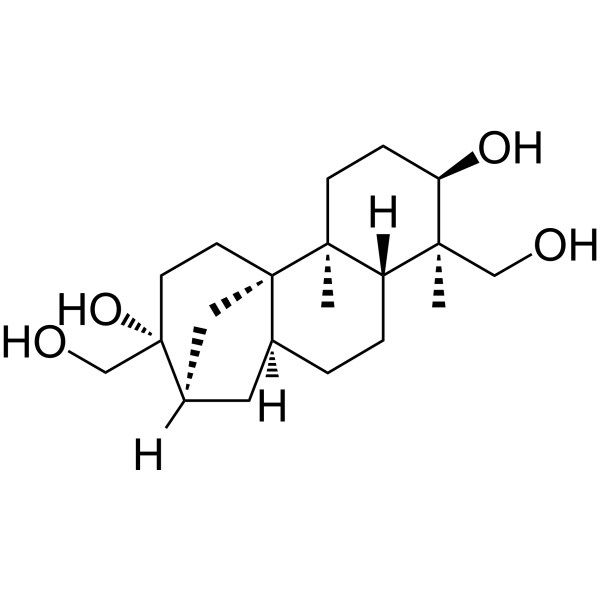
    Aphidicolin
    10+ Cited Publications

    DNA/RNA Synthesis HSV Apoptosis Antibiotic Orthopoxvirus Infection Inflammation/Immunology
    Aphidicolin is an inhibitor of DNA polymerase α and δ, prevents mitotic cell division by interfering DNA polymerase activity. Aphidicolin is an antibiotic produced by mold Cephalosporium aphidicola, inhibits cellular deoxyribonucleic acid synthesis and the growth of herpes simplex virus. Aphidicolin exhibits anti-orthopoxvirus activity and potentiates apoptosis induced by arabinosyl nucleosides in a human promyelocytic leukemia cell line .
    Aphidicolin
  • HY-W075517

    2-Methylimidazole zinc salt

    Caspase Pyroptosis MOFs Cancer
    ZIF-8 (2-Methylimidazole zinc salt) is a caspase-1/Gasdermin D activator and a pH- and stimulus-responsive inducer of drug release, which serves as a highly efficient drug delivery carrier. ZIF-8 is a metal-organic framework (MOF). ZIF-8 activates the caspase-1/Gasdermin D-dependent pyroptosis pathway, induces pyroptosis, necrosis and immunogenic cell death, initiates in situ anti-tumor immunity, reprograms the immunosuppressive tumor microenvironment and inhibits tumor proliferation. ZIF-8 is applicable to related research on multiple cancers including colorectal cancer and breast cancer .
    ZIF-8
  • HY-B2106D

    Decaethylene glycol monododecyl ether (C12E10); Polidocanol (10)

    Biochemical Assay Reagents Others Cancer
    Polyoxyethylene (10) lauryl ether is a nonionic surfactant. Polyoxyethylene (10) lauryl ether exhibits unique properties in dissolving liposomes and exerts the minimal interference with endotoxin detection. Polyoxyethylene (10) lauryl ether forms hybrid liposomes with Dimyristoylphosphatidylcholine (DMPC) (HY-109541), which can inhibit the proliferation of human promyelocytic leukemia cells without the administration of any drugs .
    Polyoxyethylene (10) lauryl ether
  • HY-33350
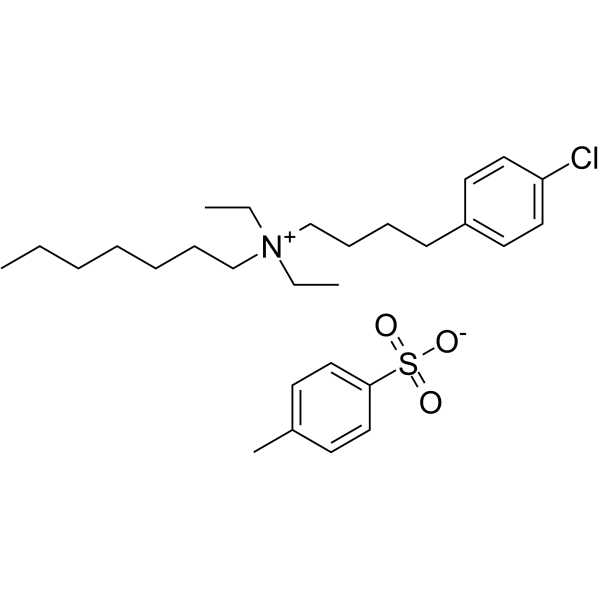
    Clofilium tosylate
    1 Publications Verification

    Potassium Channel Apoptosis Cardiovascular Disease Cancer
    Clofilium tosylate, a potassium channel blocker, induces apoptosis of human promyelocytic leukemia (HL-60) cells via Bcl-2-insensitive activation of caspase-3. Antiarrhythmic agent .
    Clofilium tosylate
  • HY-118563

    ICMT Apoptosis Ras Cancer
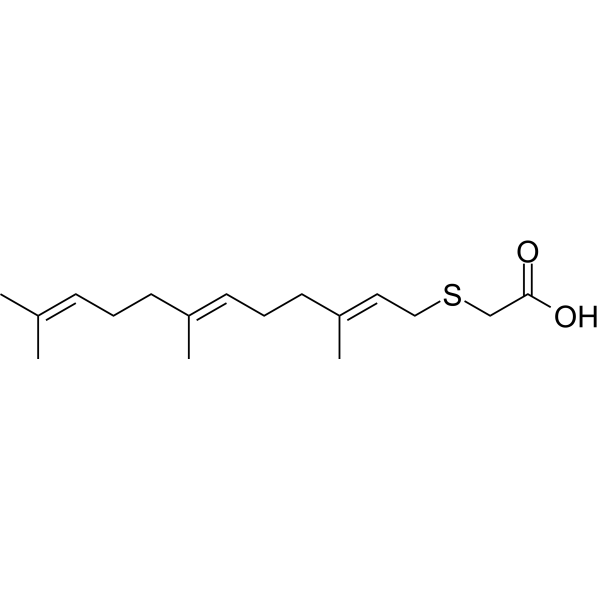
    Farnesylthioacetic acid is a competitive, non-substrate inhibitor of Prenylcysteine α-carboxyl methyltransferase. It acts as a non-substrate competitive inhibitor of Arabidopsis thaliana Prenylcysteine α-carboxyl methyltransferase and blocks methyltransferase activity. Farnesylthioacetic acid does not inhibit protein farnesyltransferase activity in Arabidopsis. It induces Apoptosis. Farnesylthioacetic acid regulates the subcellular localization of Ras protein, reducing the proportion of cytoplasmic Ras protein without disrupting membrane binding. It enhances ABA-induced seed dormancy, delays seed germination, and promotes maximum stomatal closure at lower exogenous ABA concentrations. Farnesylthioacetic acid can be used in studies related to promyelocytic leukemia .
    Farnesylthioacetic acid
  • HY-B1259

    Acexamic acid; 6-Acetamidocaproic acid

    Drug Metabolite Drug Intermediate Inflammation/Immunology Cancer
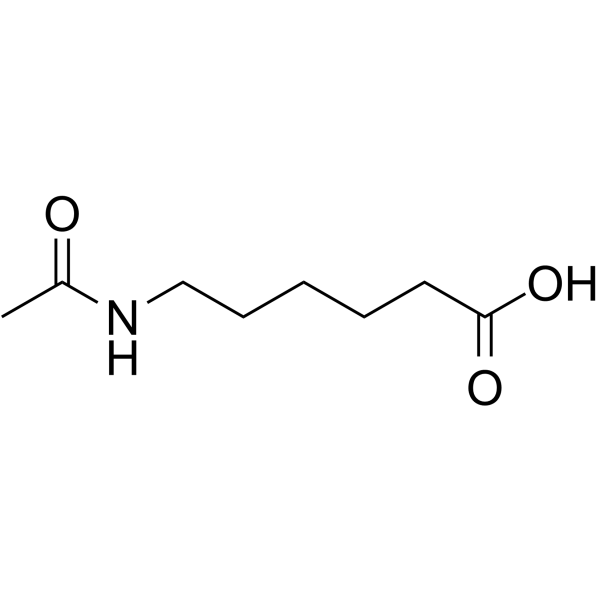
    6-Acetamidohexanoic acid (Acexamic acid; 6-Acetamidocaproic acid) is a metabolite of Hexamethylene bisacetamide (HMBA) (HY-124284) with anti-pulmonary fibrosis activity. 6-Acetamidohexanoic acid does not induce differentiation of human promyelocytic leukemia cells, but is taken up by such cells. 6-Acetamidohexanoic acid serves as a carboxylic acid substrate component for constructing carboxylesterase-responsive near-infrared phototheranostic probes. 6-Acetamidohexanoic acid is applicable to research related to pulmonary fibrosis, refractory hypoxemia and cervical cancer .
    6-Acetamidohexanoic acid
  • HY-N6065
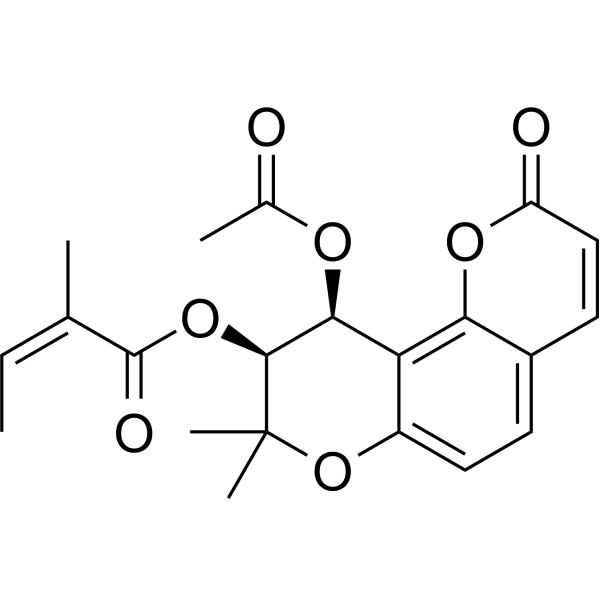
    Praeruptorin A
    3 Publications Verification

    (+)-Praeruptorin A

    Calcium Channel Drug Isomer Cytochrome P450 iGluR Apoptosis Cardiovascular Disease Neurological Disease
    Praeruptorin A ((+)-Praeruptorin A) is an orally active isomer of (±)-Praeruptorin A (HY-N0081). Praeruptorin A also acts as a Calcium channel blocker. Praeruptorin A can be isolated from Peucedanum. Praeruptorin A serves as a substrate for CYP3A4. Praeruptorin A downregulates NMDA receptors containing GluN2B and inhibits neuronal Apoptosis. Praeruptorin A mediates vasodilation, inhibits vascular hypertrophy and reduces blood pressure. Praeruptorin A can be used in research related to neurological diseases, myocardial ischemia, heart failure, exertional angina, renovascular hypertension and spontaneous hypertension .
    Praeruptorin A
  • HY-N15387

    Drug Derivative Cancer
    Hericenone J (Compound 6) is an aromatic compound with anticancer activity, which is found in Hericium erinaceum. Hericenone J is cytotoxic and can significantly reduce the viability of HL-60 human acute promyelocytic leukemia cells with an IC50 value of 4.13 μM. Hericenone J is promising for research of leukemia .
    Hericenone J
  • HY-N11546

    Cytochrome P450 Bacterial Fungal Infection Cancer
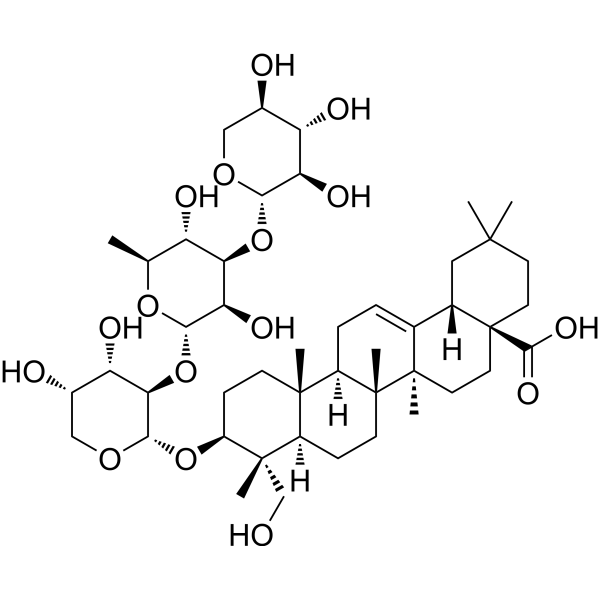
    Sapindoside B is a substance with hepatoprotective activity, and also acts as a cytochrome P-450 (cytochrome P-450) inhibitor, antibacterial agent and membrane-disrupting agent. Sapindoside B reversibly inhibits the content of cytochrome P-450 in liver microsomes, suppresses the phenobarbital-induced increase in enzyme content, reduces the production of active metabolites mediated by cytochrome P-450, and alleviates hepatotoxic injury. Sapindoside B binds to Cutibacterium acnes lipase, reduces lipase activity, inhibits biofilm formation, and decreases bacterial adhesion. Sapindoside B exhibits cytotoxicity against human cancer, liver cancer, leukemia and glioblastoma cells. Sapindoside B inhibits mycelial growth of phytopathogenic fungal strains, possesses antibacterial activity against dermatophytes, and also has hemolytic/membrane-lytic activity. Sapindoside B can be used in research related to liver injury, Cutibacterium acnes biofilm-associated infections, gastric cancer, carcinoma, promyelocytic leukemia, glioblastoma, apple scab and grape gray mold .
    Sapindoside B
  • HY-111008A

    VF-233 hydrochloride

    DNA/RNA Synthesis Cancer
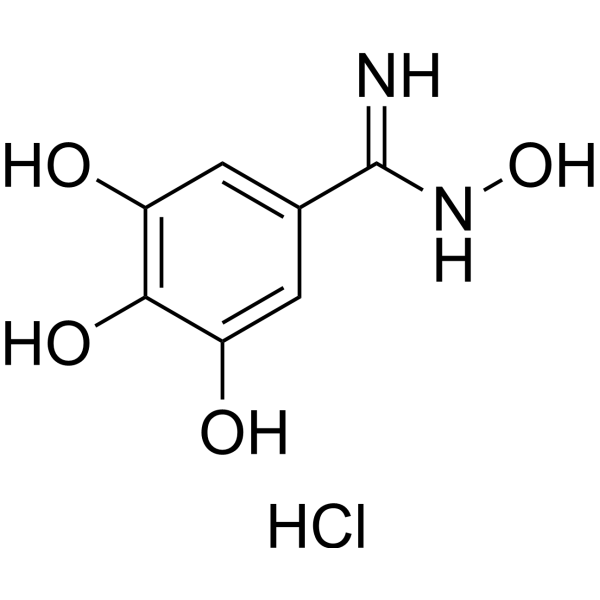
    Trimidox hydrochloride (VF-233) is a ribonucleotide reductase inhibitor with antileukemic activities. Trimidox hydrochloride inhibits the growth of human promyelocytic leukemia HL-60 cells with an IC50 of 35 μM .
    Trimidox hydrochloride
  • HY-119398

    Amyloid-β Cholinesterase (ChE) Apoptosis Neurological Disease Cancer
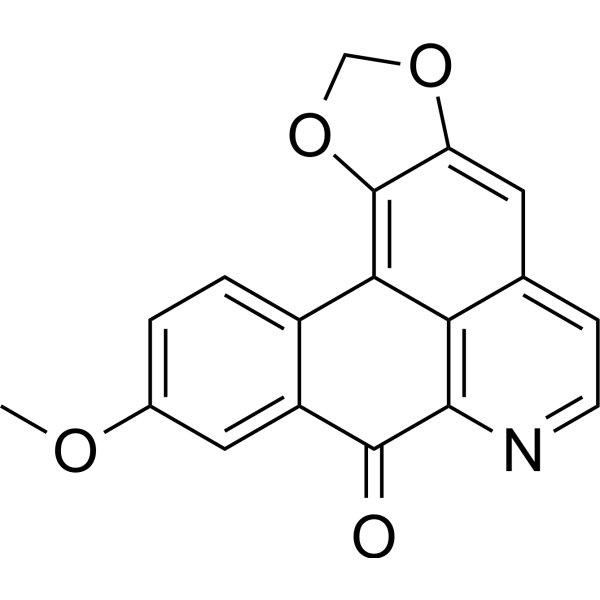
    Lanuginosine is an alkaloid. Lanuginosine can be isolated from the stems of Xylopia laevigata (Annonaceae) and the leaves of Magnolia grandiflora. Lanuginosine induces Apoptosis. Lanuginosine inhibits AChE (IC50: 10.9 μM). Lanuginosine inhibits aggregation. Lanuginosine exhibits anticancer activity against hepatocellular carcinoma, human promyelocytic leukemia, human chronic myeloid leukemia, melanoma, and brain tumors. Lanuginosine can be used in the research of Alzheimer's disease .
    Lanuginosine
  • HY-N6733R

    Reference Standards DNA/RNA Synthesis HSV Apoptosis Antibiotic Orthopoxvirus Infection Inflammation/Immunology
    Aphidicolin (Standard) is the analytical standard of Aphidicolin. This product is intended for research and analytical applications. Aphidicolin is an inhibitor of DNA polymerase α and δ, prevents mitotic cell division by interfering DNA polymerase activity. Aphidicolin is an antibiotic produced by mold Cephalosporium aphidicola, inhibits cellular deoxyribonucleic acid synthesis and the growth of herpes simplex virus. Aphidicolin exhibits anti-orthopoxvirus activity and potentiates apoptosis induced by arabinosyl nucleosides in a human promyelocytic leukemia cell line .
    Aphidicolin (Standard)
  • HY-N17612

    Apoptosis Caspase Bcl-2 Family Cancer
    Haplophytin-A is a quinoline alkaloid. Haplophytin-A is a potent apoptosis inducer that exerts robust anti-leukemic activity by activating the caspase-8-dependent apoptotic pathway. Haplophytin-A can be used for the research of promyelocytic leukemia .
    Haplophytin-A
  • HY-N14495

    AP-1 Cancer
    Nidulal induces differentiation of human promyelocytic leukemia cells. In COS-7 cells it selectively activates AP-1 dependent signal transduction .
    Nidulal
  • HY-111008

    VF-233

    DNA/RNA Synthesis Cancer
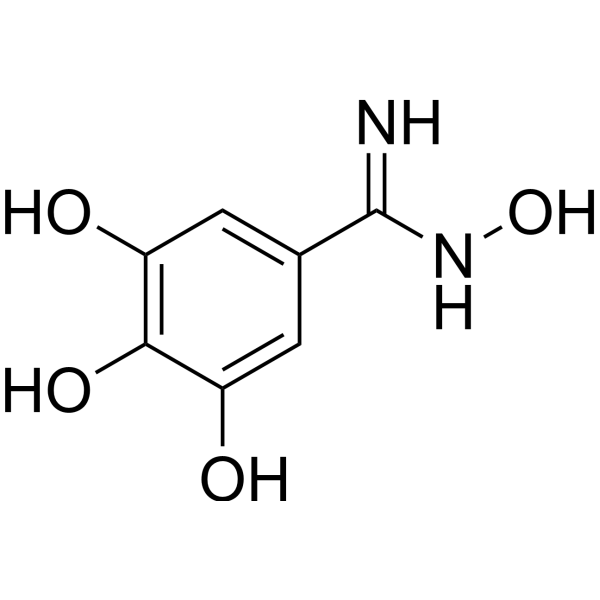
    Trimidox (VF-233) is a ribonucleotide reductase inhibitor with antileukemic activities. Trimidox inhibits the growth of human promyelocytic leukemia HL-60 cells with an IC50 of 35 μM .
    Trimidox
  • HY-B2106DR

    Decaethylene glycol monododecyl ether (C12E10) (Standard); Polidocanol (10) (Standard)

    Reference Standards Biochemical Assay Reagents Others
    Polyoxyethylene (10) lauryl ether (Standard) is the analytical standard of Polyoxyethylene (10) lauryl ether. This product is intended for research and analytical applications. Polyoxyethylene (10) lauryl ether is a non-ionic surfactant. Polyoxyethylene (10) lauryl ether exhibits unique properties in dissolving liposomes and exerts the minimal interference with endotoxin detection. Polyoxyethylene (10) lauryl ether forms hybrid liposomes with Dimyristoylphosphatidylcholine (DMPC) (HY-109541), which can inhibit the proliferation of human promyelocytic leukemia cells without the administration of any drugs.
    Polyoxyethylene (10) lauryl ether (Standard)
  • HY-182550

    Dihydroorotate Dehydrogenase Cancer
    Indoluidin D is a selective dihydroorotate dehydrogenase (DHODH) inhibitor with a human DHODH IC50 of 210 nM. Indoluidin D selectively inhibits human DHODH activity, with induced effects rescuable by orotic acid. Indoluidin D promotes myeloid differentiation and inhibits cancer cell proliferation. Indoluidin D can be used for the research of acute promyelocytic leukemia .
    Indoluidin D
  • HY-N18083

    Drug Derivative Cancer
    Gweicurculactone is a sesquiterpene and cytotoxin found in the root tuber of Curcuma wenyujin Y. H. Chen et C. Ling. Gweicurculactone exerts cytotoxic effects against human promyelocytic leukemia, hepatocellular carcinoma, chronic myelogenous leukemia, epidermoid carcinoma, and breast adenocarcinoma cells. Gweicurculactone can be used for the research of leukemia, hepatocellular carcinoma, epidermoid carcinoma of the mouth, breast adenocarcinoma .
    Gweicurculactone
  • HY-B1259R

    Acexamic acid (Standard); 6-Acetamidocaproic acid (Standard)

    Reference Standards Drug Metabolite Drug Intermediate Inflammation/Immunology Cancer
    6-Acetamidohexanoic acid (Acexamic acid; 6-Acetamidocaproic acid) (Standard) is the analytical standard of 6-Acetamidohexanoic acid. This product is intended for research and analytical applications. 6-Acetamidohexanoic acid (Acexamic acid; 6-Acetamidocaproic acid) is a metabolite of Hexamethylene bisacetamide (HMBA) (HY-124284) with anti-pulmonary fibrosis activity. 6-Acetamidohexanoic acid does not induce differentiation of human promyelocytic leukemia cells, but is taken up by such cells. 6-Acetamidohexanoic acid serves as a carboxylic acid substrate component for constructing carboxylesterase-responsive near-infrared phototheranostic probes. 6-Acetamidohexanoic acid is applicable to research related to pulmonary fibrosis, refractory hypoxemia and cervical cancer.
    6-Acetamidohexanoic acid (Standard)
  • HY-181943

    Acyltransferase Cancer
    SPT-IN-2 is an orally active serine palmitoyltransferase (SPT) inhibitor (with an IC50 of 0.71 nM against human SPT2). SPT-IN-2 inhibits ceramide synthesis, suppresses cancer cell growth, and exhibits in vivo anti-tumor activity, favorable metabolic stability and cell membrane permeability in xenograft mouse models. SPT-IN-2 blocks the de novo sphingolipid synthesis pathway, significantly reducing intracellular ceramide levels and the levels of 3-ketodihydrosphingosine (3-KDS), the immediate downstream product of SPT. SPT-IN-2 can be used in research related to lung adenocarcinoma, acute promyelocytic leukemia and breast cancer .
    SPT-IN-2
  • HY-180416

    Antibiotic Cancer
    TMC-169 is a potent antibiotic of the Aspochalasin group that can be isolated from Aspergillus flavipes. TMC-169 exhibits anti-tumor activity against multiple cancer cells. TMC-169 can be used for the research of cancer, such as hematologic malignancies, non-small cell lung cancer, breast cancer, and glioma .
    TMC-169
  • HY-N11764

    Apoptosis Caspase Cancer
    β-Santalol is a sesquiterpene alcohol with apoptosis (apoptosis)-inducing activity and cytotoxic activity. β-Santalol activates caspase-3, induces nuclear chromatin condensation, and promotes the formation of apoptotic bodies. β-Santalol targets cancer cells. β-Santalol can be used in research related to promyelocytic leukemia, lung adenocarcinoma, and oral squamous cell carcinoma .
    β-Santalol
  • HY-N13034

    Caspase Apoptosis Parasite Infection Cancer
    Diuvaretin is an antimalarial agent and a C-phenylated dihydrochalcone. Diuvaretin can be isolated from the roots of U. acuminata. Diuvaretin increases the activity of Caspase-3 and triggers Apoptosis. Diuvaretin exhibits antiparasitic activity against Plasmodium falciparum. Diuvaretin can be used in the research of promyelocytic leukemia and malaria .
    Diuvaretin

Inquiry Online

Your information is safe with us. * Required Fields.

Salutation


Country or Region *

Applicant Name *


Organization Name *

Department *


Email Address *


Product Name *

Cat. No.


Requested quantity *

Phone Number *


Remarks

Inquiry Online

Inquiry Information

Product Name:
Cat. No.:
Quantity:
MCE Japan Authorized Agent:

