Delivery of temperature sensitive items including proteins and kits will be paused on 6/19 for the Juneteenth holiday. For urgent orders please contact customer service.
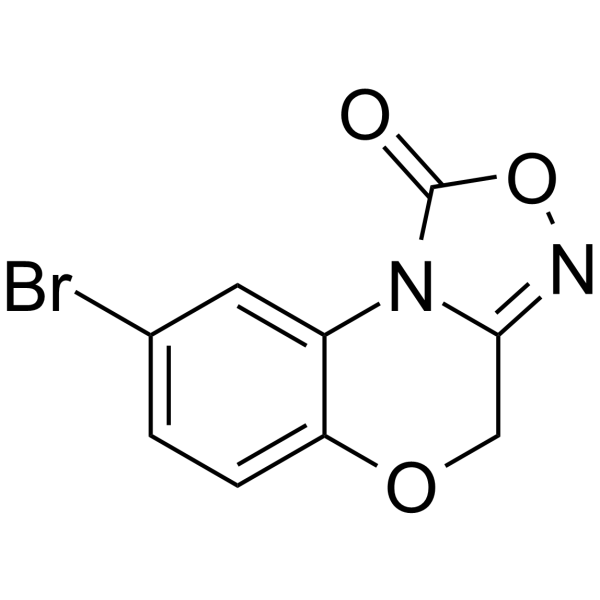
NS-2028 is a highly selective soluble Guanylyl Cyclase (sGC) inhibitor with IC50 values of 30 nM and 200 nM for basal and NO-stimulated enzyme activity . NS-2028 inhibits soluble Guanylyl Cyclase activity in homogenates of mouse cerebellum and neuronal NO synthase with IC50 values of 17 nM and 20 nM . NS-2028 inhibits 3-morpholino-sydnonimine (SIN-1)-elicited formation of cyclic GMP in human cultured umbilical vein endothelial cells with an IC50 of 30 nM . NS-2028 is commonly used in the research of nitric oxide signaling pathways, it inhibits NO-dependent relaxant responses in non-vascular smooth muscle completely (1 μM) . NS-2028 reduces vascularendothelialgrowthfactor-induced angiogenesis and permeability .
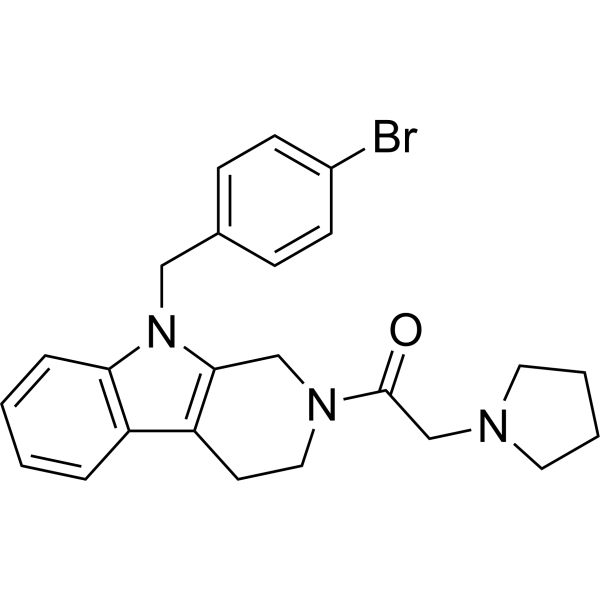
Boc-Phe-Leu-Phe-Leu-Phe (Boc-FLFLF) is a N-formyl peptide receptors (FPR) inhibitor. Boc-Phe-Leu-Phe-Leu-Phe abolishes the FMLP-induced release of peptide leukotrienes. Boc-Phe-Leu-Phe-Leu-Phe inhibits the sprouting of human umbilical vein endothelial cell (HUVEC) spheroids mediated by proliferative diabetic retinopathy (PDR) vitreous and vascularendothelialgrowthfactor (VEGF) respectively in a three-dimensional fibrin gel. Boc-Phe-Leu-Phe-Leu-Phe inhibits the anti-inflammatory and antifibrotic effects of Ac2-26 (HY-P1098). Boc-Phe-Leu-Phe-Leu-Phe can be used for the study of immunology .
Vulinacimab (HLX-06) is a human monoclonal antibody directed against humanvascularendothelialgrowthfactor receptor 2 (VEGFR-2). Vulinacimab specifically binds to and inhibits VEGFR-2, which may inhibit tumor angiogenesis and tumor cell proliferation. Vulinacimab can be used for the research of solid tumors and non-small cell lung cancer .
Human VEGFA mRNA encodes the humanvascularendothelialgrowthfactor A (VEGFA) protein, a member of the PDGF/VEGF growthfactor family. VEGFA could induce proliferation and migration of vascularendothelial cells, and is essential for both physiological and pathological angiogenesis.
YF-452 is a potent inhibitor of vascularendothelialgrowthfactor receptor 2 (VEGFR2). YF-452 remarkably inhibits the migration, invasion and tube-like structure formation of human umbilical vein endothelial cells (HUVECs) with little toxicity. YF-452 inhibits VEGF-induced phosphorylation of VEGFR2 kinase and the downstream protein kinases including extracellular signal regulated kinase (ERK), focal adhesion kinase (FAK) and Src. YF-452 is a potential antiangiogenic agent candidate for cancer research .
Human VEGFD mRNA encodes the humanvascularendothelialgrowthfactor D (VEGFD) protein, a member of the platelet-derived growthfactor/vascularendothelialgrowthfactor (PDGF/VEGF) family. VEGFD is structurally and functionally similar to vascularendothelialgrowthfactor C (VEGFC).
Human VEGFB mRNA encodes the humanvascularendothelialgrowthfactor B (VEGFB) protein, a member of the platelet-derived growthfactor (PDGF)/ vascularendothelialgrowthfactor (VEGF) family. VEGFB is a growthfactor for endothelial cells.
Human VEGFC mRNA encodes the humanvascularendothelialgrowthfactor C (VEGFC) protein, a member of the platelet-derived growthfactor/vascularendothelialgrowthfactor (PDGF/VEGF) family. VEGFC promotes angiogenesis and endothelial cell growth, and can also affect the permeability of blood vessels.
Human KDR mRNA encodes the human kinase insert domain receptor (KDR) protein, a receptor of vascularendothelialgrowthfactor (VEGF). KDR functions as the main mediator of VEGF-induced endothelial proliferation, survival, migration, tubular morphogenesis and sprouting.
Human FLT1 mRNA encodes the human fms related receptor tyrosine kinase 1 (FLT1) protein, a member of the vascularendothelialgrowthfactor receptor (VEGFR) family. FLT1 binds to VEGFR-A, VEGFR-B and placental growthfactor and plays an important role in angiogenesis and vasculogenesis.
Anti-Human/Rat VEGF Antibody (A.4.6.1) is an antibody targeting human and rat vascularendothelialgrowthfactor (VEGF) that potently inhibits tumor growth in various animal models. Anti-Human/Rat VEGF Antibody (A.4.6.1) is the parent antibody of Bevacizumab (HY-P9906), and it exhibits high affinity and high selectivity for binding to human VEGF . The isotype control for Anti-Human/Rat VEGF Antibody (A.4.6.1) is Mouse IgG1 kappa, Isotype Control (HY-P99977).
YLL545 is a type of vascularendothelialgrowthfactor receptor 2 (VEGFR2) inhibitor. YLL545 can inhibit VEGF-induced phosphorylation of VEGFR2 and the activation of downstream signaling factors (like phosphorylated STAT3 and phosphorylated ERK1/2) in human umbilical vein endothelial cells (HUVEC). YLL545 can suppress the proliferation, migration, invasion, and angiogenesis of HUVEC. YLL545 can induce apoptosis in breast cancer mice and inhibit tumor growth .
Inlecitug is a chimeric monoclonal antibody targeting humanKDR (kinase insert domain receptor). Inlecitug specifically binds to KDR, blocking the binding of vascularendothelialgrowthfactor (VEGF) to KDR and inhibiting angiogenesis, thus exerting antitumor activity. Inlecitug is promising for research of cancers .
Azaspirene ((-)-Azaspirene) is an angiogenesis and Raf-1 activation inhibitor isolated from the fungus Neosartorya sp. Azaspirene inhibits vascularendothelialgrowthfactor (VEGF)-induced human umbilical vein endothelial cell (HUVEC) migration and Raf-1 activation, but has no effect on the activation of kinase insert domain-containing receptor/fetal liver kinase 1 (VEGF receptor 2) .
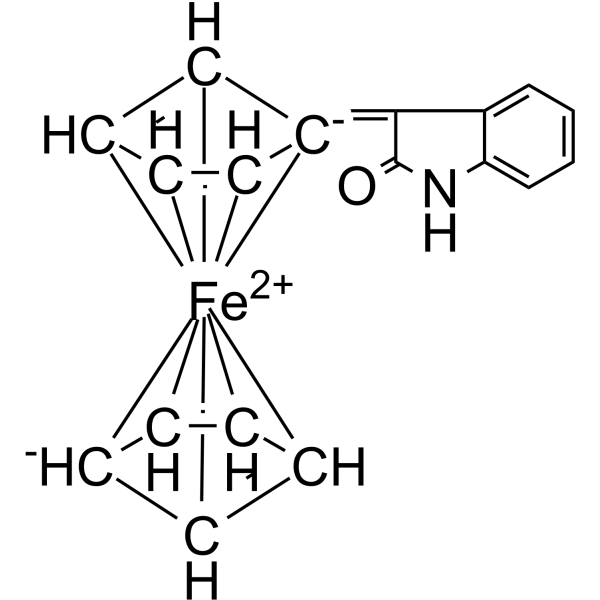
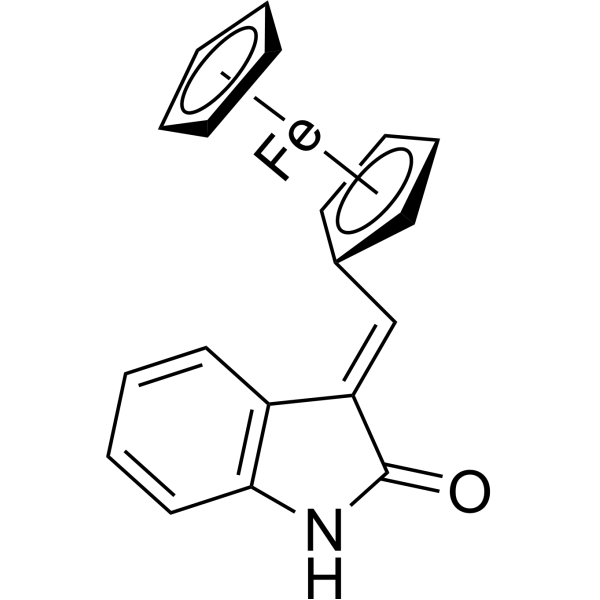
(Z)-FeCP-oxindole is a selective humanvascularendothelialgrowthfactor receptor 2 (VEGFR2) inhibitor with an IC50 value of 200 nM. (Z)-FeCP-oxindole can significantly inhibit VEGFR1 and PDGFRa or b at 10 μM. (Z)-FeCP-oxindole has some anticancer activity, acting on B16 murine melanoma lines with IC50 less than 1 μM .
(Z)-FeCP-oxindole is a selective humanvascularendothelialgrowthfactor receptor 2 (VEGFR2) inhibitor with an IC50 value of 200 nM. (Z)-FeCP-oxindole can significantly inhibit VEGFR1 and PDGFRa or b at 10 μM. (Z)-FeCP-oxindole has some anticancer activity, acting on B16 murine melanoma lines with IC50 less than 1 μM .
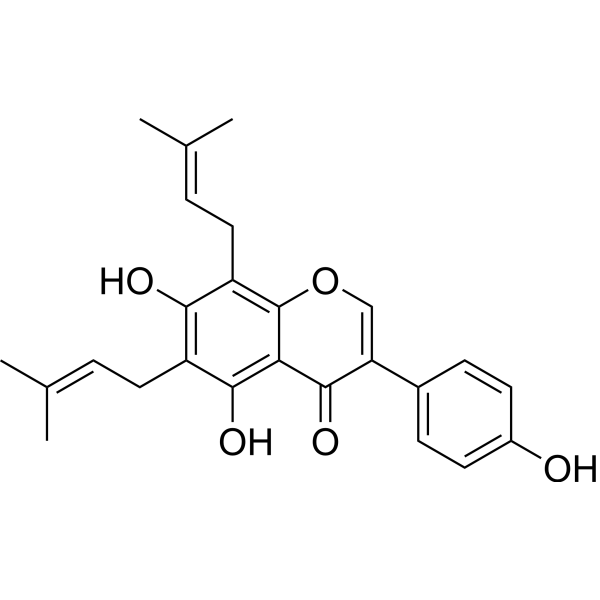
6,8-Diprenylgenistein is an isoflavone compound isolated from Cudrania tricuspidata. 6,8-Diprenylgenistein has antimicrobial and anti-obesity activity. 6,8-Diprenylgenistein inhibits the proliferation, migration and tubular formation of HLMEC induced by recombinant humanvascularendothelialgrowthfactor-A. 6,8-Diprenylgenistein can be used to study new therapeutic drugs for the prevention and treatment of oral cancer metastasis .
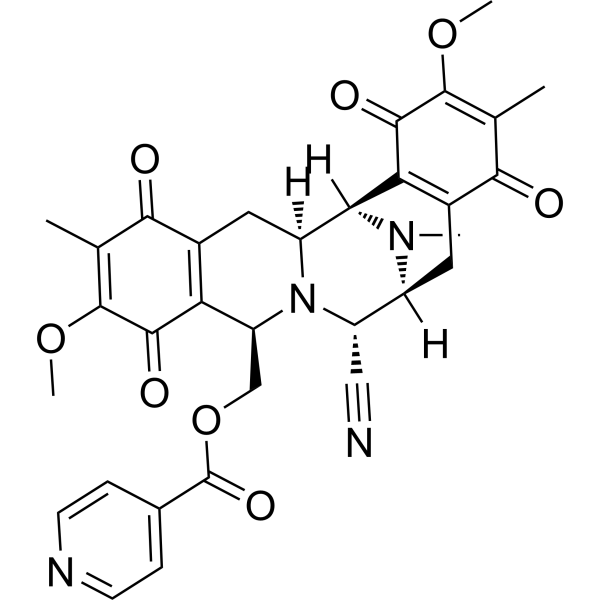
22-(4′-py)-JA is a semisynthetic derivative of junamycin A (JA) that can be isolated from the Thai blue sponge (Xestospongia sp.). 22-(4′-py)-JA has antimetastatic activity and can inhibit AKT/mTOR/p70S6K signaling. 22-(4′-py)-JA inhibits tumor cell invasion and tube formation in human umbilical vein endothelial cells (HUVEC), downregulates metalloproteinases (MMP-2 and MMP-9), hypoxia-inducible factor 1α (HIF-1α) and vascularendothelialgrowthfactor (VEGF). 22-(4′-py)-JA has potent anticancer activity against non-small cell lung cancer (NSCLC) .
CEP-7055 (compound 21) is a novel vascularendothelialgrowthfactor R2 (VEGF-R2) tyrosine kinase inhibitor with potent inhibitory activity. Studies have found that the inhibitor activity can be significantly improved by optimizing the R9 substituent. Compound 21 has potent low nanomolar inhibition of human VEGF-R tyrosine kinase and shows good selectivity against multiple tyrosine and serine/threonine kinases. N,N-dimethylglycine ester 40 was prepared to improve its water solubility and oral bioavailability. In animal pharmacokinetic studies, a significant increase in the plasma level of 21 was observed after oral administration of 40. Compound 21 showed significant in vivo antitumor activity in multiple tumor models and has entered phase I clinical trials as a water-soluble N,N-dimethylglycine ester proagent of 40 (CEP-7055).
CEP-5214, derived from a new indenopyrrolocarbazole template, is a potent inhibitor of vascularendothelialgrowthfactor R2 (VEGF-R2) tyrosine kinase. Structurally, it features optimal substitutions at positions 9 (ethoxymethyl) and 12 (hydroxypropyl) on the indeno[2,1-a]pyrrolo[3,4-c]carbazole-5-one scaffold, leading to high potency against VEGF-R2 (IC50 8 nM). Compound 21 (CEP-5214) exhibits low-nanomolar inhibition of human VEGF-R tyrosine kinases (IC50 4 nM for VEGF-R2/KDR), with good selectivity over other kinases. The compound demonstrated significant cellular and in vivo antitumor activity across various models and advanced into phase I clinical trials as a water-soluble prodrug (CEP-7055) to enhance oral bioavailability .
Zinc borate is a bioactive inorganic substance with properties including osteogenic induction, pro-angiogenesis, antioxidation, antimutagenesis and cytotoxicity. In the field of bone tissue engineering, Zinc borate is often incorporated into chitosan scaffolds. By releasing zinc ions and borate ions, Zinc borate induces the differentiation of human dental pulp stem cells into osteoblasts, upregulates the expression of bone-related genes and promotes calcium deposition. Zinc borate also promotes angiogenesis by upregulating key factors such as vascularendothelialgrowthfactor. Zinc borate exhibits antioxidant capacity to scavenge free radicals, and can specifically reduce mutagenicity under specific conditions. Zinc borate reduces the survival rate of mouse fibroblasts, but it can still be used in studies related to bone tissue engineering .
Human FLT4 mRNA encodes the human Fms related receptor tyrosine kinase 4 (FLT4) protein, a tyrosine kinase receptor for vascularendothelialgrowthfactors C and D. FLT4 is thought to be involved in lymphangiogenesis and maintenance of the lymphatic endothelium.
Apolipoprotein KV domain (67-77) is an 11-amino acid peptide identified from the KV domain of human apolipoprotein a (ApoA) with antiangiogenic and antitumor activities. Apolipoprotein KV domain (67-77) targets the angiogenic c-Src/ERK pathway by blocking activation signals received from vascularendothelialgrowthfactor (VEGF). Apolipoprotein KV domain (67-77) can be used in cancer research .
(Z)-FeCP-oxindole (Standard) is the analytical standard of (Z)-FeCP-oxindole (HY-108444). This product is intended for research and analytical applications. (Z)-FeCP-oxindole is a selective humanvascularendothelialgrowthfactor receptor 2 (VEGFR2) inhibitor with an IC50 value of 200 nM. (Z)-FeCP-oxindole can significantly inhibit VEGFR1 and PDGFRa or b at 10 μM. (Z)-FeCP-oxindole has some anticancer activity, acting on B16 murine melanoma lines with IC50 less than 1 μM .
VEGFR-2 ligand-1, Sorafenib (HY-10201) derivative, is a vascular endothelial growth factor receptor 2 (VEGFR2) ligand. VEGFR-2 ligand-1 binds to the ATP-binding pocket of VEGFR2, forms hydrophobic contacts and hydrogen bonds with key binding-site residues. VEGFR-2 ligand-1 can be used for the research angiogenesis-related pathologies .
Boc-Phe-Leu-Phe-Leu-Phe (Boc-FLFLF) is a N-formyl peptide receptors (FPR) inhibitor. Boc-Phe-Leu-Phe-Leu-Phe abolishes the FMLP-induced release of peptide leukotrienes. Boc-Phe-Leu-Phe-Leu-Phe inhibits the sprouting of human umbilical vein endothelial cell (HUVEC) spheroids mediated by proliferative diabetic retinopathy (PDR) vitreous and vascularendothelialgrowthfactor (VEGF) respectively in a three-dimensional fibrin gel. Boc-Phe-Leu-Phe-Leu-Phe inhibits the anti-inflammatory and antifibrotic effects of Ac2-26 (HY-P1098). Boc-Phe-Leu-Phe-Leu-Phe can be used for the study of immunology .
Apolipoprotein KV domain (67-77) is an 11-amino acid peptide identified from the KV domain of human apolipoprotein a (ApoA) with antiangiogenic and antitumor activities. Apolipoprotein KV domain (67-77) targets the angiogenic c-Src/ERK pathway by blocking activation signals received from vascularendothelialgrowthfactor (VEGF). Apolipoprotein KV domain (67-77) can be used in cancer research .
Vulinacimab (HLX-06) is a human monoclonal antibody directed against humanvascularendothelialgrowthfactor receptor 2 (VEGFR-2). Vulinacimab specifically binds to and inhibits VEGFR-2, which may inhibit tumor angiogenesis and tumor cell proliferation. Vulinacimab can be used for the research of solid tumors and non-small cell lung cancer .
Anti-Human/Rat VEGF Antibody (A.4.6.1) is an antibody targeting human and rat vascularendothelialgrowthfactor (VEGF) that potently inhibits tumor growth in various animal models. Anti-Human/Rat VEGF Antibody (A.4.6.1) is the parent antibody of Bevacizumab (HY-P9906), and it exhibits high affinity and high selectivity for binding to human VEGF . The isotype control for Anti-Human/Rat VEGF Antibody (A.4.6.1) is Mouse IgG1 kappa, Isotype Control (HY-P99977).
Inlecitug is a chimeric monoclonal antibody targeting humanKDR (kinase insert domain receptor). Inlecitug specifically binds to KDR, blocking the binding of vascularendothelialgrowthfactor (VEGF) to KDR and inhibiting angiogenesis, thus exerting antitumor activity. Inlecitug is promising for research of cancers .
Azaspirene ((-)-Azaspirene) is an angiogenesis and Raf-1 activation inhibitor isolated from the fungus Neosartorya sp. Azaspirene inhibits vascularendothelialgrowthfactor (VEGF)-induced human umbilical vein endothelial cell (HUVEC) migration and Raf-1 activation, but has no effect on the activation of kinase insert domain-containing receptor/fetal liver kinase 1 (VEGF receptor 2) .
6,8-Diprenylgenistein is an isoflavone compound isolated from Cudrania tricuspidata. 6,8-Diprenylgenistein has antimicrobial and anti-obesity activity. 6,8-Diprenylgenistein inhibits the proliferation, migration and tubular formation of HLMEC induced by recombinant humanvascularendothelialgrowthfactor-A. 6,8-Diprenylgenistein can be used to study new therapeutic drugs for the prevention and treatment of oral cancer metastasis .
VEGF183 Protein is a subtype of Vascular Endothelial Growth Factor A (VEGF-A). VEGF-A is a key member of the VEGF family of cytokines that can promote neovascularization and increase vascular permeability. VEGF183 Protein, Human (sf9) is the recombinant human-derived VEGF183 protein, expressed by Sf9 insect cells , with tag free. The total length of VEGF183 Protein, Human (sf9) is 183 a.a., with molecular weight of ~21 KDa.
VEGF121 Protein is a subtype of Vascular Endothelial Growth Factor A (VEGF-A). VEGF-A is a key member of the VEGF family of cytokines that can promote neovascularization and increase vascular permeability. VEGF121 Protein, Human (121a.a, HEK293, His) is the recombinant human-derived VEGF121 protein, expressed by HEK293 , with C-6*His labeled tag. The total length of VEGF121 Protein, Human (121a.a, HEK293, His) is 121 a.a., with molecular weight of 16-18 kDa.
The VEGF-C protein is a potent growth factor in angiogenesis and endothelial cell growth, stimulating cell proliferation and migration while affecting vascular permeability. It plays a critical role in embryonic vein and lymphangiogenesis and maintains adult differentiated lymphatic endothelium. VEGF-C Protein, Human (196a.a, HEK293, His) is the recombinant human-derived VEGF-C protein, expressed by HEK293 , with C-6*His labeled tag.
Vascular Endothelial Growth Factor A (VEGF-A) is a key member of the VEGF family of cytokines that can promote neovascularization and increase vascular permeability. VEGF206 Protein, Human (His) is the recombinant human-derived VEGF206 protein, expressed by E. coli, with N-6*His labeled tag.
VEGF-B protein is an endothelial cell-specific growth factor with VEGF-B167 and VEGF-B186 isoforms and has a unique binding ability to heparin and Neuropilin-1. VEGF-B Protein, Human (HEK293, Fc) is the recombinant human-derived VEGF-B protein, expressed by HEK293 , with N-hFc labeled tag.
VEGF-D protein is a potent growth factor in angiogenesis, lymphangiogenesis, and endothelial cell growth, playing a key role in stimulating cell proliferation, migration, and affecting vascular permeability. It may be involved in the formation of veins and lymphatic vasculature during embryogenesis, suggesting that it plays a key role in vascular development. VEGF-D Protein, Human (HEK293, His) is the recombinant human-derived VEGF-D protein, expressed by HEK293 , with C-6*His labeled tag.
VEGF165 Protein is a subtype of Vascular Endothelial Growth Factor A (VEGF-A). VEGF-A is a key member of the VEGF family of cytokines that can promote neovascularization and increase vascular permeability. VEGF165 Protein, Human (HEK293, C-His) is the recombinant human-derived VEGF165 protein, expressed by HEK293 , with C-10*His labeled tag. The total length of VEGF165 Protein, Human (HEK293, C-His) is 165 a.a., with molecular weight of 20-23 kDa.
VEGF121 Protein is a subtype of Vascular Endothelial Growth Factor A (VEGF-A). VEGF-A is a key member of the VEGF family of cytokines that can promote neovascularization and increase vascular permeability. VEGF121 Protein, Human (HEK293) is the recombinant human-derived VEGF121 protein, expressed by HEK293 , with tag free. The total length of VEGF121 Protein, Human (HEK293) is 147 a.a., with molecular weight of ~19.9 & 17.0 kDa, respectively.
VEGF145 Protein is a subtype of Vascular Endothelial Growth Factor A (VEGF-A). VEGF-A is a key member of the VEGF family of cytokines that can promote neovascularization and increase vascular permeability. VEGF145 Protein, Human (HEK293) is the recombinant human-derived VEGF145 protein, expressed by HEK293 , with tag free. The total length of VEGF145 Protein, Human (HEK293) is 145 a.a., with molecular weight of ~16.92 kDa.
VEGF-C Protein, Human (116a.a, HEK293) functions in lymphangiogenesis, where it acts on lymphatic endothelial cells (LECs) primarily via its receptor VEGFR-3 promoting survival, growth and migration.
The VEGF-C protein is a potent growth factor in angiogenesis and endothelial cell growth, stimulating cell proliferation and migration while affecting vascular permeability. It plays a critical role in embryonic vein and lymphangiogenesis and maintains adult differentiated lymphatic endothelium. VEGF-C Protein, Human (125a.a, HEK293, His) is the recombinant human-derived VEGF-C protein, expressed by HEK293 , with C-His labeled tag.
VEGF121 Protein is a subtype of Vascular Endothelial Growth Factor A (VEGF-A). VEGF-A is a key member of the VEGF family of cytokines that can promote neovascularization and increase vascular permeability. VEGF121 Protein, Human (HEK293, His-Avi) is the recombinant human-derived VEGF121 protein, expressed by HEK293 , with C-Avi, C-His labeled tag. The total length of VEGF121 Protein, Human (HEK293, His-Avi) is 121 a.a., with molecular weight of ~18 kDa & 22-25 kDa, respectively.
Vascular Endothelial Growth Factor A (VEGF-A) is a key member of the VEGF family of cytokines that can promote neovascularization and increase vascular permeability. VEGF121 Protein, Human (HEK293, N-His) is the recombinant human-derived VEGF121 protein, expressed by HEK293, with N-His labeled tag.
The VEGFR-1 protein is a tyrosine protein kinase that acts as a cell surface receptor for VEGFA, VEGFB, and PGF. It plays a crucial role in embryonic vasculature development, regulation of angiogenesis, cell survival, migration, macrophage function, chemotaxis, and cancer cell invasion. VEGFR-1 Protein, Human (HEK293, His) is the recombinant human-derived VEGFR-1 protein, expressed by HEK293 , with C-His labeled tag.
VEGFR-2 protein is an important tyrosine protein kinase receptor that serves as a cell surface receptor for VEGFA, VEGFC and VEGFD to regulate angiogenesis, blood vessel development and embryonic hematopoiesis. It enhances endothelial cell proliferation, survival, migration and differentiation. VEGFR-3/FLT4 Protein, Human (HEK293, His) is the recombinant human-derived VEGFR-3/FLT4 protein, expressed by HEK293 , with C-His labeled tag.
The VEGF-C protein is a potent growth factor in angiogenesis and endothelial cell growth, stimulating cell proliferation and migration while affecting vascular permeability. It plays a critical role in embryonic vein and lymphangiogenesis and maintains adult differentiated lymphatic endothelium. VEGF-C Protein, Human (116a.a, HEK293, His) is the recombinant human-derived VEGF-C protein, expressed by HEK293 , with C-6*His labeled tag.
VEGFR-2 protein is an important tyrosine protein kinase receptor that serves as a cell surface receptor for VEGFA, VEGFC and VEGFD to regulate angiogenesis, blood vessel development and embryonic hematopoiesis. It enhances endothelial cell proliferation, survival, migration and differentiation. VEGFR-3/FLT4 Protein, Human (HEK293, hFc) is the recombinant human-derived VEGFR-3/FLT4 protein, expressed by HEK293 , with C-hFc labeled tag.
VEGFR-2 protein is a tyrosine protein kinase receptor for VEGFA, VEGFC and VEGFD and is critical in angiogenesis, blood vessel development and embryonic hematopoiesis. It promotes endothelial cell function and actin cytoskeletal reorganization. VEGFR-2 Protein, Human (Biotinylated, HEK293, His) is the recombinant human-derived VEGFR-2 protein, expressed by HEK293 , with C-6*His labeled tag.
The VEGFR-1 protein is a tyrosine protein kinase that acts as a cell surface receptor for VEGFA, VEGFB, and PGF. It plays a crucial role in embryonic vasculature development, regulation of angiogenesis, cell survival, migration, macrophage function, chemotaxis, and cancer cell invasion. VEGFR-1 Protein, Human (328a.a, HEK293, His) is the recombinant human-derived VEGFR-1 protein, expressed by HEK293 , with C-His labeled tag.
The VEGFR-1 protein is a tyrosine protein kinase that acts as a cell surface receptor for VEGFA, VEGFB, and PGF. It plays a crucial role in embryonic vasculature development, regulation of angiogenesis, cell survival, migration, macrophage function, chemotaxis, and cancer cell invasion. VEGFR-1 Protein, Human (328a.a, HEK293, Fc) is the recombinant human-derived VEGFR-1 protein, expressed by HEK293 , with C-hFc labeled tag.
VEGFR-2 protein is a tyrosine protein kinase receptor for VEGFA, VEGFC and VEGFD and is critical in angiogenesis, blood vessel development and embryonic hematopoiesis. It promotes endothelial cell function and actin cytoskeletal reorganization. VEGFR-2 Protein, Human (208a.a, HEK293, Fc) is the recombinant human-derived VEGFR-2 protein, expressed by HEK293 , with C-hFc labeled tag.
VEGFR-2 protein is a tyrosine protein kinase receptor for VEGFA, VEGFC and VEGFD and is critical in angiogenesis, blood vessel development and embryonic hematopoiesis. It promotes endothelial cell function and actin cytoskeletal reorganization. VEGFR-2 Protein, Human (327a.a, HEK293, Fc) is the recombinant human-derived VEGFR-2 protein, expressed by HEK293 , with C-hFc labeled tag.
The VEGFR-1 protein is a tyrosine protein kinase that acts as a cell surface receptor for VEGFA, VEGFB, and PGF. It plays a crucial role in embryonic vasculature development, regulation of angiogenesis, cell survival, migration, macrophage function, chemotaxis, and cancer cell invasion. VEGFR-1 Protein, Human (HEK293, Fc) is the recombinant human-derived VEGFR-1 protein, expressed by HEK293 , with C-hFc labeled tag.
TL1A/TNFSF15 Protein, the receptor for TNFRSF25 and TNFRSF6B, activates NF-kappa-B and promotes caspase activation, leading to apoptosis. It also inhibits vascular endothelial growth and angiogenesis in vitro. Operating as a homotrimer, it plays a crucial role in diverse cellular processes, including immune response and apoptosis regulation. TL1A/TNFSF15 Protein, Human (O95150-2, HEK293, His) is the recombinant human-derived TL1A/TNFSF15 protein, expressed by HEK293 , with labeled tag.
TL1A/TNFSF15 Protein, the receptor for TNFRSF25 and TNFRSF6B, activates NF-kappa-B and promotes caspase activation, leading to apoptosis. It also inhibits vascular endothelial growth and angiogenesis in vitro. Operating as a homotrimer, it plays a crucial role in diverse cellular processes, including immune response and apoptosis regulation. TL1A/TNFSF15 Trimer Protein, Human (HEK293, His) is the recombinant human-derived TL1A/TNFSF15 Trimer protein, expressed by HEK293 , with N-His labeled tag.
Prokineticin-1/EG-VEGF protein is a potent regulator of gastrointestinal smooth muscle contraction and affects intestinal motility. Its multifaceted effects extend to capillary endothelial cells, inducing proliferation, migration, and fenestration and are specific to certain cell types. Prokineticin-1/EG-VEGF Protein, Human is the recombinant human-derived Prokineticin-1/EG-VEGF protein, expressed by E. coli , with tag free.
VEGFR-2 is a tyrosine-protein kinase of the cell surface receptors of VEGFA, VEGFC, and VEGFD that mediates activation of the MAPK1/ERK2, MAPK3/ERK1, and MAP kinase signaling pathways, as well as the AKT1 signaling pathway. VEGFR-2 can promote the proliferation, survival, migration and differentiation of endothelial cells. Overexpression of VEGFR-2 is associated with the development of tumors. VEGFR-2 Protein, Human (HEK293, His) is the recombinant human-derived VEGFR-2 protein, expressed by HEK293 , with C-His labeled tag.
VEGFR-2 protein is a tyrosine protein kinase receptor for VEGFA, VEGFC and VEGFD and is critical in angiogenesis, blood vessel development and embryonic hematopoiesis. It promotes endothelial cell function and actin cytoskeletal reorganization. VEGFR-2 Protein, Human (HEK293, His-Avi) is the recombinant human-derived VEGFR-2 protein, expressed by HEK293 , with C-Avi, C-6*His labeled tag.
VEGFR-2 protein is a tyrosine protein kinase receptor for VEGFA, VEGFC and VEGFD and is critical in angiogenesis, blood vessel development and embryonic hematopoiesis. It promotes endothelial cell function and actin cytoskeletal reorganization. VEGFR-2 Protein, Human (745a.a, HEK293, Fc) is the recombinant human-derived VEGFR-2 protein, expressed by HEK293 , with C-hFc labeled tag.
VEGFR-2 protein is a tyrosine protein kinase receptor for VEGFA, VEGFC and VEGFD and is critical in angiogenesis, blood vessel development and embryonic hematopoiesis. It promotes endothelial cell function and actin cytoskeletal reorganization. VEGFR-2 Protein, Human (Biotinylated, Sf9, His) is the recombinant human-derived VEGFR-2, expressed by Sf9 insect cells, with GST labeled tag and biotin labeling..
Human VEGFA mRNA encodes the humanvascularendothelialgrowthfactor A (VEGFA) protein, a member of the PDGF/VEGF growthfactor family. VEGFA could induce proliferation and migration of vascularendothelial cells, and is essential for both physiological and pathological angiogenesis.
Human VEGFD mRNA encodes the humanvascularendothelialgrowthfactor D (VEGFD) protein, a member of the platelet-derived growthfactor/vascularendothelialgrowthfactor (PDGF/VEGF) family. VEGFD is structurally and functionally similar to vascularendothelialgrowthfactor C (VEGFC).
Human VEGFB mRNA encodes the humanvascularendothelialgrowthfactor B (VEGFB) protein, a member of the platelet-derived growthfactor (PDGF)/ vascularendothelialgrowthfactor (VEGF) family. VEGFB is a growthfactor for endothelial cells.
Human VEGFC mRNA encodes the humanvascularendothelialgrowthfactor C (VEGFC) protein, a member of the platelet-derived growthfactor/vascularendothelialgrowthfactor (PDGF/VEGF) family. VEGFC promotes angiogenesis and endothelial cell growth, and can also affect the permeability of blood vessels.
Human KDR mRNA encodes the human kinase insert domain receptor (KDR) protein, a receptor of vascularendothelialgrowthfactor (VEGF). KDR functions as the main mediator of VEGF-induced endothelial proliferation, survival, migration, tubular morphogenesis and sprouting.
Human FLT1 mRNA encodes the human fms related receptor tyrosine kinase 1 (FLT1) protein, a member of the vascularendothelialgrowthfactor receptor (VEGFR) family. FLT1 binds to VEGFR-A, VEGFR-B and placental growthfactor and plays an important role in angiogenesis and vasculogenesis.
Human FLT4 mRNA encodes the human Fms related receptor tyrosine kinase 4 (FLT4) protein, a tyrosine kinase receptor for vascularendothelialgrowthfactors C and D. FLT4 is thought to be involved in lymphangiogenesis and maintenance of the lymphatic endothelium.
온라인 문의
Your information is safe with us. * Required Fields.
Western blot analysis of extracts from THP-1(lane 2(20μg), Jurkat (lane 3(20μg) and NIH3T3(lane 4(20μg) using FOXO1A (HY-P80132) Rabbit mAb. Proteins were transferred
to a PVDF membrane and blocked with 5% non-fat milk in TBST for 2 hour at room temperature. The primary antibody (1/1000) and Loading control antibody (Beta Actin, HY-P80438, 1/10000) was
used in 5% non-fat milk in TBST at 4°C overnight. Goat Anti-Mouse/Rabbit IgG-HRP Secondary Antibody (1/10000) was used for 1 hour at room temperature.
Western blot analysis of extracts from THP-1(lane 2(20μg), Jurkat (lane 3(20μg) and NIH3T3(lane 4(20μg) using FOXO1A (HY-P80132) Rabbit mAb. Proteins were transferred
to a PVDF membrane and blocked with 5% non-fat milk in TBST for 2 hour at room temperature. The primary antibody (1/1000) and Loading control antibody (Beta Actin, HY-P80438, 1/10000) was
used in 5% non-fat milk in TBST at 4°C overnight. Goat Anti-Mouse/Rabbit IgG-HRP Secondary Antibody (1/10000) was used for 1 hour at room temperature.
Western blot analysis of extracts from THP-1(lane 2(20μg), Jurkat (lane 3(20μg) and NIH3T3(lane 4(20μg) using FOXO1A (HY-P80132) Rabbit mAb. Proteins were transferred
to a PVDF membrane and blocked with 5% non-fat milk in TBST for 2 hour at room temperature. The primary antibody (1/1000) and Loading control antibody (Beta Actin, HY-P80438, 1/10000) was
used in 5% non-fat milk in TBST at 4°C overnight. Goat Anti-Mouse/Rabbit IgG-HRP Secondary Antibody (1/10000) was used for 1 hour at room temperature.
Western blot analysis of extracts from THP-1(lane 2(20μg), Jurkat (lane 3(20μg) and NIH3T3(lane 4(20μg) using FOXO1A (HY-P80132) Rabbit mAb. Proteins were transferred
to a PVDF membrane and blocked with 5% non-fat milk in TBST for 2 hour at room temperature. The primary antibody (1/1000) and Loading control antibody (Beta Actin, HY-P80438, 1/10000) was
MedchemExpress Validation 03
Western blot analysis of extracts from THP-1(lane 2(20μg), Jurkat (lane 3(20μg) and NIH3T3(lane 4(20μg) using FOXO1A (HY-P80132) Rabbit mAb. Proteins were transferred
MedchemExpress Validation 04
Western blot analysis of extracts from THP-1(lane 2(20μg), Jurkat (lane 3(20μg) and NIH3T3(lane 4(20μg) using FOXO1A (HY-P80132) Rabbit mAb. Proteins were transferred
to a PVDF membrane and blocked with 5% non-fat milk in TBST for 2 hour at room temperature. The primary antibody (1/1000) and Loading control antibody (Beta Actin, HY-P80438, 1/10000) was
used in 5% non-fat milk in TBST at 4°C overnight. Goat Anti-Mouse/Rabbit IgG-HRP Secondary Antibody (1/10000) was used for 1 hour at room temperature.
MedchemExpress Validation
Western blot analysis of extracts from THP-1(lane 2(20μg), Jurkat (lane 3(20μg) and NIH3T3(lane 4(20μg) using FOXO1A (HY-P80132) Rabbit mAb. Proteins were transferred
to a PVDF membrane and blocked with 5% non-fat milk in TBST for 2 hour at room temperature. The primary antibody (1/1000) and Loading control antibody (Beta Actin, HY-P80438, 1/10000) was
used in 5% non-fat milk in TBST at 4°C overnight. Goat Anti-Mouse/Rabbit IgG-HRP Secondary Antibody (1/10000) was used for 1 hour at room temperature.
Western blot analysis of extracts from THP-1(lane 2(20μg), Jurkat (lane 3(20μg) and NIH3T3(lane 4(20μg) using FOXO1A (HY-P80132) Rabbit mAb. Proteins were transferred
to a PVDF membrane and blocked with 5% non-fat milk in TBST for 2 hour at room temperature. The primary antibody (1/1000) and Loading control antibody (Beta Actin, HY-P80438, 1/10000) was
used in 5% non-fat milk in TBST at 4°C overnight. Goat Anti-Mouse/Rabbit IgG-HRP Secondary Antibody (1/10000) was used for 1 hour at room temperature.
MedchemExpress Validation
Western blot analysis of extracts from THP-1(lane 2(20μg), Jurkat (lane 3(20μg) and NIH3T3(lane 4(20μg) using FOXO1A (HY-P80132) Rabbit mAb. Proteins were transferred
to a PVDF membrane and blocked with 5% non-fat milk in TBST for 2 hour at room temperature. The primary antibody (1/1000) and Loading control antibody (Beta Actin, HY-P80438, 1/10000) was
used in 5% non-fat milk in TBST at 4°C overnight. Goat Anti-Mouse/Rabbit IgG-HRP Secondary Antibody (1/10000) was used for 1 hour at room temperature.
MedchemExpress Validation
Western blot analysis of extracts from THP-1(lane 2(20μg), Jurkat (lane 3(20μg) and NIH3T3(lane 4(20μg) using FOXO1A (HY-P80132) Rabbit mAb. Proteins were transferred
to a PVDF membrane and blocked with 5% non-fat milk in TBST for 2 hour at room temperature. The primary antibody (1/1000) and Loading control antibody (Beta Actin, HY-P80438, 1/10000) was
used in 5% non-fat milk in TBST at 4°C overnight. Goat Anti-Mouse/Rabbit IgG-HRP Secondary Antibody (1/10000) was used for 1 hour at room temperature.
MedchemExpress Validation
Western blot analysis of extracts from THP-1(lane 2(20μg), Jurkat (lane 3(20μg) and NIH3T3(lane 4(20μg) using FOXO1A (HY-P80132) Rabbit mAb. Proteins were transferred
to a PVDF membrane and blocked with 5% non-fat milk in TBST for 2 hour at room temperature. The primary antibody (1/1000) and Loading control antibody (Beta Actin, HY-P80438, 1/10000) was
used in 5% non-fat milk in TBST at 4°C overnight. Goat Anti-Mouse/Rabbit IgG-HRP Secondary Antibody (1/10000) was used for 1 hour at room temperature.
MedchemExpress Validation
Western blot analysis of extracts from THP-1(lane 2(20μg), Jurkat (lane 3(20μg) and NIH3T3(lane 4(20μg) using FOXO1A (HY-P80132) Rabbit mAb. Proteins were transferred
to a PVDF membrane and blocked with 5% non-fat milk in TBST for 2 hour at room temperature. The primary antibody (1/1000) and Loading control antibody (Beta Actin, HY-P80438, 1/10000) was
used in 5% non-fat milk in TBST at 4°C overnight. Goat Anti-Mouse/Rabbit IgG-HRP Secondary Antibody (1/10000) was used for 1 hour at room temperature.
MedchemExpress Validation
Western blot analysis of extracts from THP-1(lane 2(20μg), Jurkat (lane 3(20μg) and NIH3T3(lane 4(20μg) using FOXO1A (HY-P80132) Rabbit mAb. Proteins were transferred
to a PVDF membrane and blocked with 5% non-fat milk in TBST for 2 hour at room temperature. The primary antibody (1/1000) and Loading control antibody (Beta Actin, HY-P80438, 1/10000) was
used in 5% non-fat milk in TBST at 4°C overnight. Goat Anti-Mouse/Rabbit IgG-HRP Secondary Antibody (1/10000) was used for 1 hour at room temperature.
MedchemExpress Validation
Western blot analysis of extracts from THP-1(lane 2(20μg), Jurkat (lane 3(20μg) and NIH3T3(lane 4(20μg) using FOXO1A (HY-P80132) Rabbit mAb. Proteins were transferred
to a PVDF membrane and blocked with 5% non-fat milk in TBST for 2 hour at room temperature. The primary antibody (1/1000) and Loading control antibody (Beta Actin, HY-P80438, 1/10000) was
used in 5% non-fat milk in TBST at 4°C overnight. Goat Anti-Mouse/Rabbit IgG-HRP Secondary Antibody (1/10000) was used for 1 hour at room temperature.
MedChemExpress values your privacy and your trust is important to us. We use cookies to enhance your website experience. Some cookies are necessary to run the website.
Privacy and Cookie Policy