1. Search Result
Search Result
Results for "

hypertension and cardiovascular diseases

" in MedChemExpress (MCE) Product Catalog:

90

Inhibitors & Agonists

3

Screening Libraries

10

Peptides

5

Natural
Products

7

Isotope-Labeled Compounds

Cat. No. Product Name Target Research Areas Chemical Structure
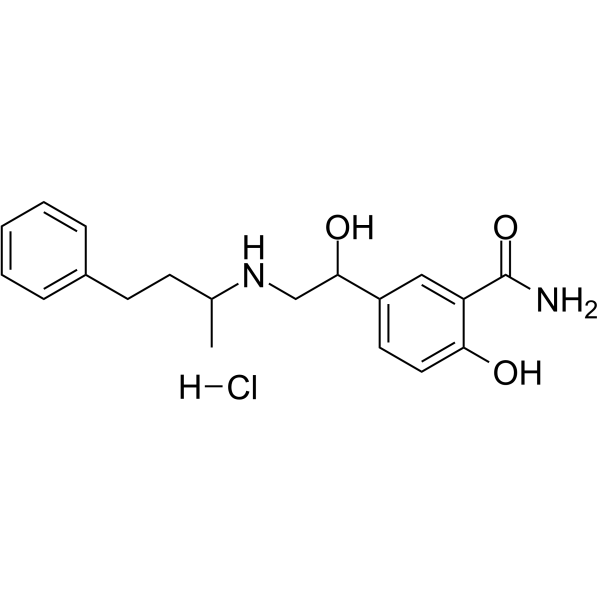
  • HY-B1108
    Labetalol hydrochloride
    5 Publications Verification

    AH-5158 hydrochloride; Sch-15719W

    Adrenergic Receptor Cardiovascular Disease Inflammation/Immunology Endocrinology
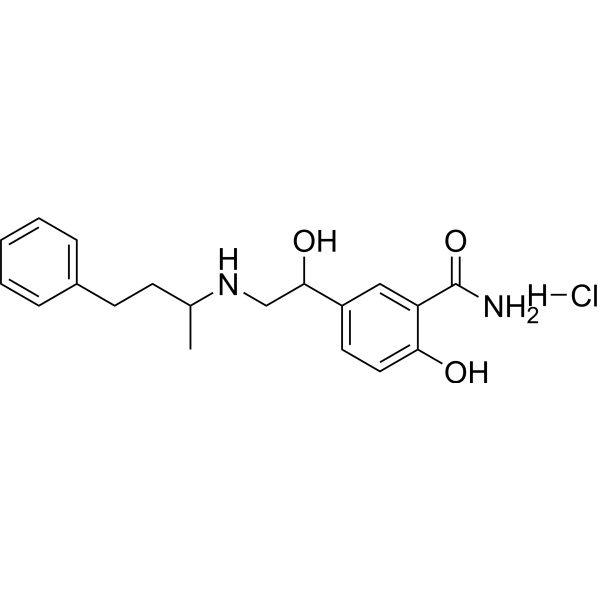
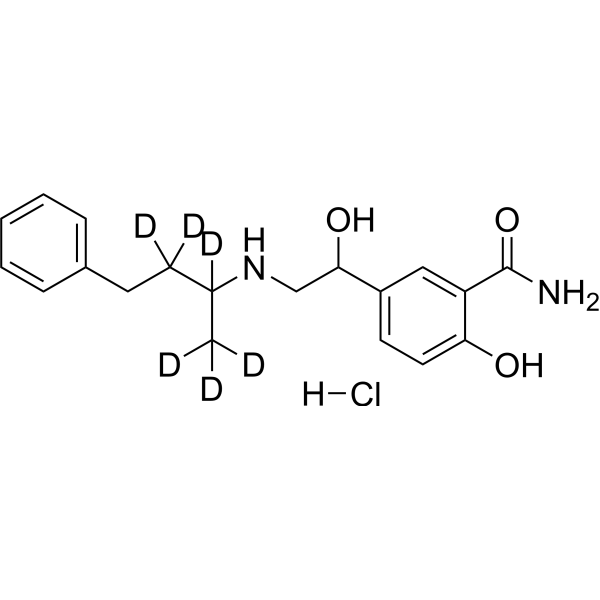
    Labetalol (AH5158) hydrochloride is an orally available, selective α1-adrenergic recepto and non-selective β-adrenergic receptor competitive antagonist. Labetalol hydrochloride is an antihypertensive molecule that partially crosses the blood-brain barrier and has little effect on cardiac output. Labetalol hydrochloride can be used in the study of cardiovascular diseases, such as hypertension during pregnancy .
    Labetalol hydrochloride
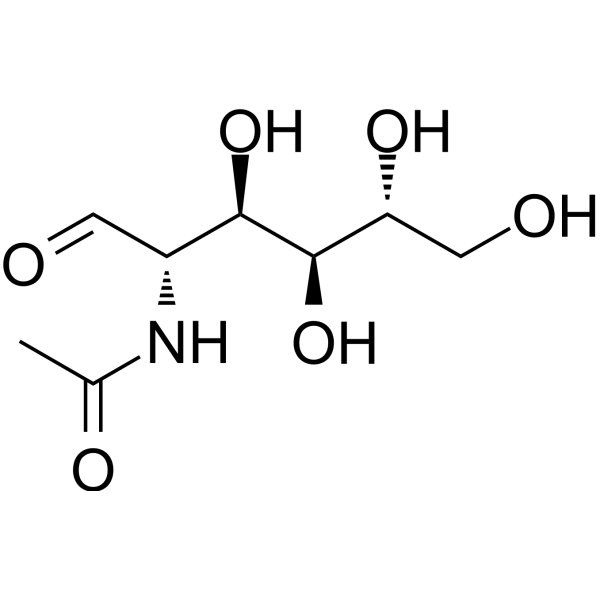
  • HY-128850

    N-Acetylmannosamine; ManNAc

    Endogenous Metabolite Cardiovascular Disease Neurological Disease
    N-Acetyl-D-mannosamine (ManNAc) is an oral active sialic acid precursor that can prevent hypertension by increasing sialylation of IgG, making it a promising candidate for cardiovascular disease research. Additionally, N-Acetyl-D-mannosamine can activate hypocretin (HCRT) gene expression in orexin neurons and improve neurodegeneration caused by aging, offering potential avenues for research in neurological disorders .
    N-Acetyl-D-mannosamine
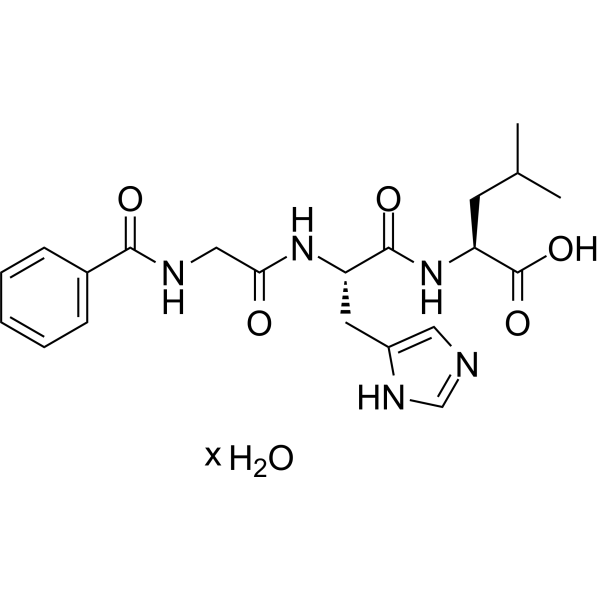
  • HY-137875

    N-Benzoyl-Gly-His-Leu hydrate

    Angiotensin-converting Enzyme (ACE) Amino Acid Derivatives Cardiovascular Disease
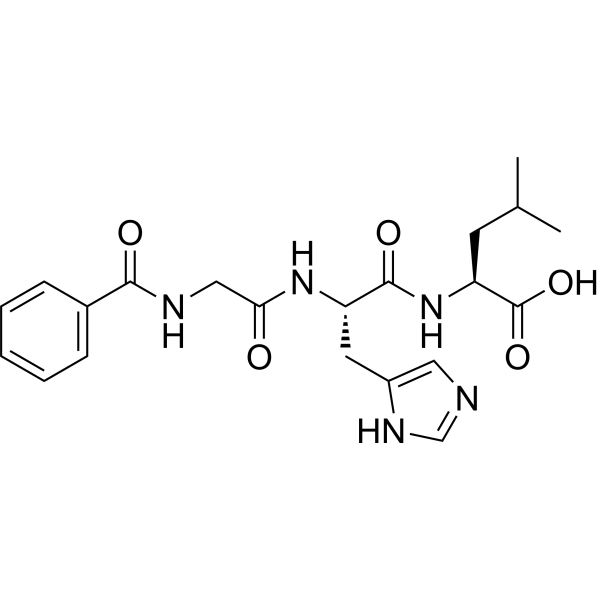
    Hippuryl-His-Leu-OH (N-Benzoyl-Gly-His-Leu) hydrate is a specific substrate for angiotensin-converting enzyme ACE I and is a molecular tool used for ACE activity detection in in vitro experiments. Hippuryl-His-Leu-OH hydrate is hydrolyzed by ACE through competitive binding. Under ACE catalysis, Hippuryl-His-Leu-OH hydrate undergoes hydrolysis to produce hippuric acid (HA). The amount of HA produced can be used to quantitatively assess ACE activity or screen for ACE inhibitors. The His-Leu released from Hippuryl-His-Leu-OH hydrate can also react with o-phthalaldehyde or Fluorescamine (HY-D0715) for fluorescence detection. Hippuryl-His-Leu-OH hydrate can be applied to the in vitro screening of ACE inhibitors for hypertension and cardiovascular diseases, and is also used in the study of changes in ACE activity during physiological and pathological processes such as renal compensatory hypertrophy .
    Hippuryl-His-Leu-OH hydrate
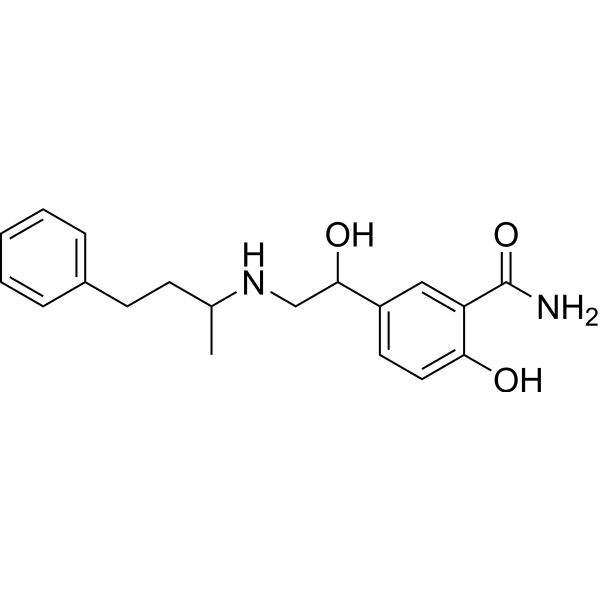
  • HY-121383
    Labetalol
    5 Publications Verification

    AH5158; Sch-15719W free base

    Adrenergic Receptor Cardiovascular Disease Inflammation/Immunology Endocrinology
    Labetalol (AH5158) is an orally available, selective α1-adrenergic recepto and non-selective β-adrenergic receptor competitive antagonist. Labetalol is an antihypertensive molecule that partially crosses the blood-brain barrier and has little effect on cardiac output. Labetalol can be used in the study of cardiovascular diseases, such as hypertension during pregnancy .
    Labetalol
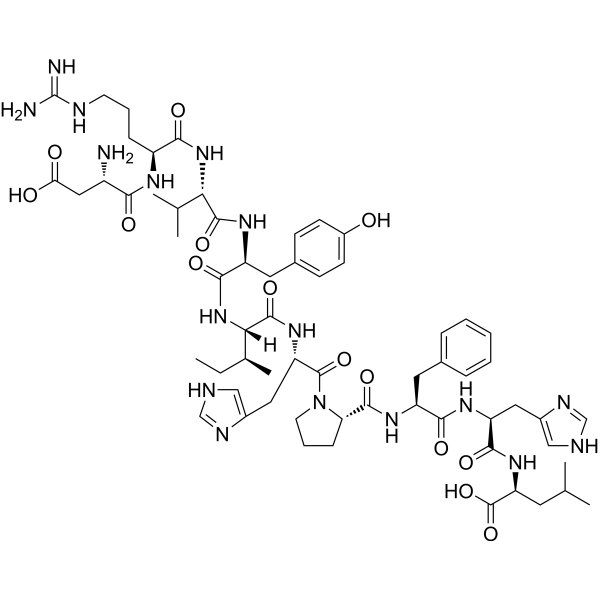
  • HY-P1032
    Angiotensin I (human, mouse, rat)
    3 Publications Verification

    Endogenous Metabolite Angiotensin-converting Enzyme (ACE) Cardiovascular Disease
    Angiotensin I is a decapeptide hormone. Angiotensin I is the precursor of Angiotensin II (HY-13948). Angiotensin I can be used in the study of cardiovascular diseases such as hypertension and vasospasm .
    Angiotensin I (human, mouse, rat)
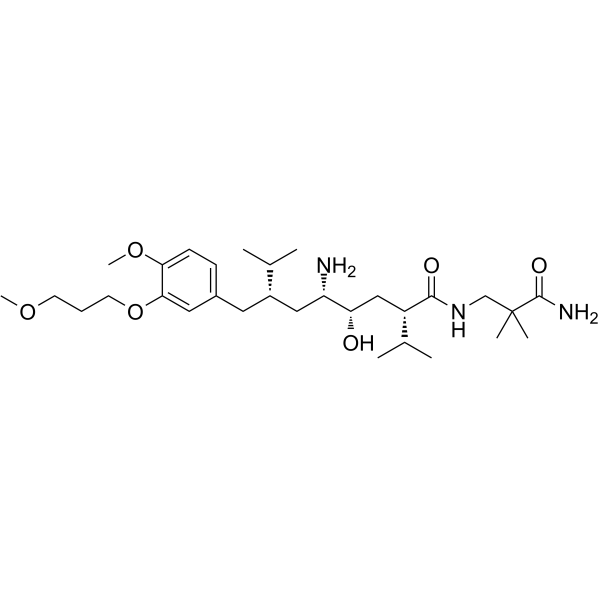
  • HY-12176
    Aliskiren
    Maximum Cited Publications
    11 Publications Verification

    CGP 60536; CGP60536B; SPP 100

    Renin Autophagy Cardiovascular Disease Cancer
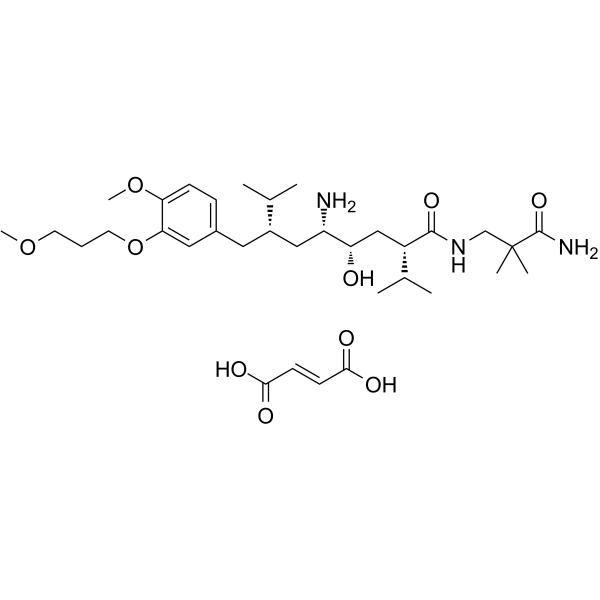
    Aliskiren is an orally active, highly potent and selective renin inhibitor, with IC50 of 1.5 nM. Aliskiren can be used for the research of hypertension, cardiovascular diseases and cancer cachexia .
    Aliskiren
  • HY-P1752

    CRFR Bacterial Parasite NF-κB ERK Metabolic Disease
    Urocortin II, human is a selective endogenous peptide agonist of type-2 corticotropin-releasing factor (CRF2) receptor. Urocortin II, human has an effect of promoting satiet and neuroprotective effect. Urocortin II, human also has bactericidal, antiparasitic and pro-inflammation activity. Urocortin II, human can activate NF-κB pathway and ERK1/2 MAP kinase. Urocortin II, human can reduce pulmonary arterial hypertension and shows cardiac protection effect. Urocortin II, human can be used for the researches of infection, inflammation, metabolic, neurological and cardiovascular disease .
    Urocortin II, human
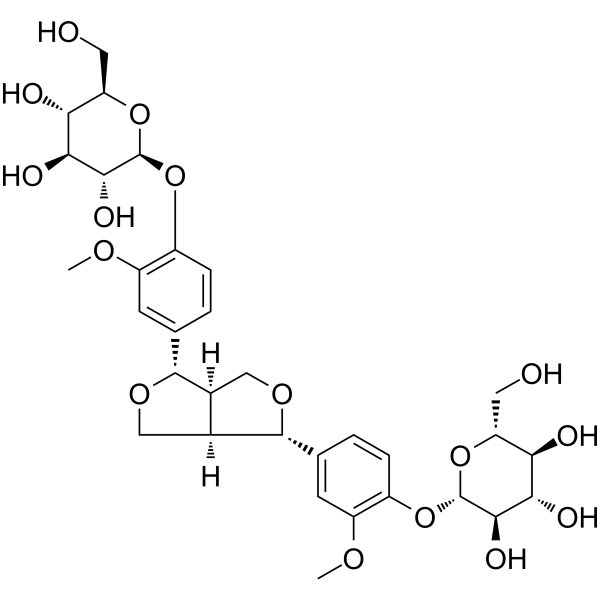
  • HY-N0657
    Pinoresinol Diglucoside
    1 Publications Verification

    NF-κB Keap1-Nrf2 Heme Oxygenase (HO) TGF-beta/Smad Akt mTOR PI3K Cardiovascular Disease Neurological Disease Metabolic Disease Inflammation/Immunology
    Pinoresinol Diglucoside is an orally active lignan with multifunctional bioactivity. Pinoresinol Diglucoside interacts with targets including ALB, HIF1A, GSK3B, BCL2, MARK3, IL6, NF-κB p65, Nrf2, HO-1, and TLR4, and modulates pathways including PI3K-Akt, estrogen, MAPK, Rap1, AKT/mTOR/NF-κB, and TGF-β1/Smads. Pinoresinol Diglucoside regulates osteogenesis, bone resorption, oxidative stress, inflammation, apoptosis, ferroptosis, ferritinophagy, cardiac fibrosis, and vasorelaxation. Pinoresinol Diglucoside can be used for the research of osteoporosis, ischemia/reperfusion-induced brain injury, Alzheimer’s disease, myocardial ischemia-reperfusion injury, chondrodysplasia, diabetic cardiomyopathy, cardiac hypertrophy, hypertension, cisplatin-induced hearing loss, atherosclerotic cardiovascular diseases, and disuse osteoporosis .
    Pinoresinol Diglucoside
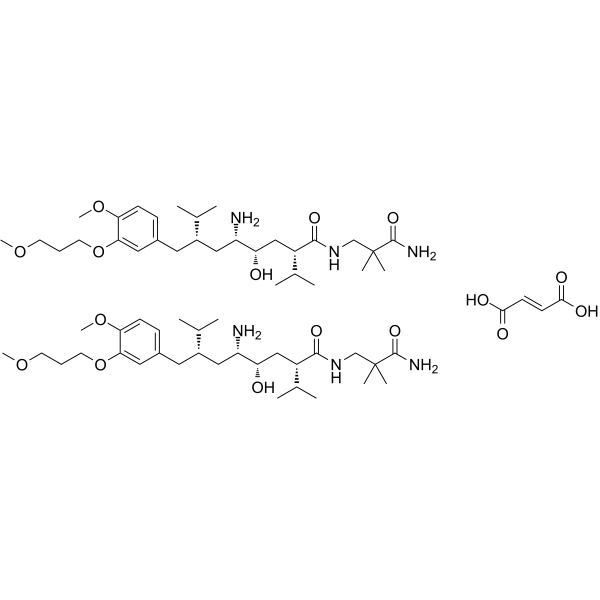
  • HY-12177
    Aliskiren hemifumarate
    Maximum Cited Publications
    11 Publications Verification

    CGP 60536 hemifumarate; CGP60536B hemifumarate; SPP 100 hemifumarate

    Renin Autophagy Cardiovascular Disease Cancer
    Aliskiren (CGP 60536; CGP60536B; SPP 100) hemifumarate is an orally active and selective renin inhibitor, with IC50 of 1.5 nM. Aliskiren hemifumarate can be used for the research of hypertension, cardiovascular diseases and cancer cachexia .
    Aliskiren hemifumarate
  • HY-B0419
    Manidipine
    3 Publications Verification

    Calcium Channel Interleukin Related Cardiovascular Disease Neurological Disease Endocrinology
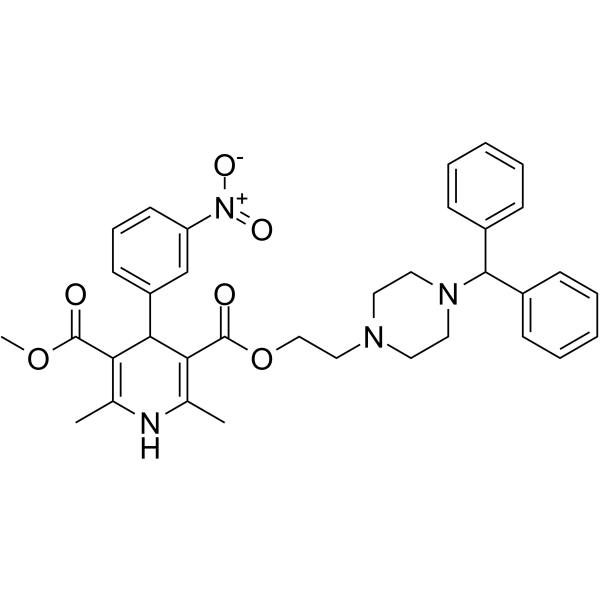
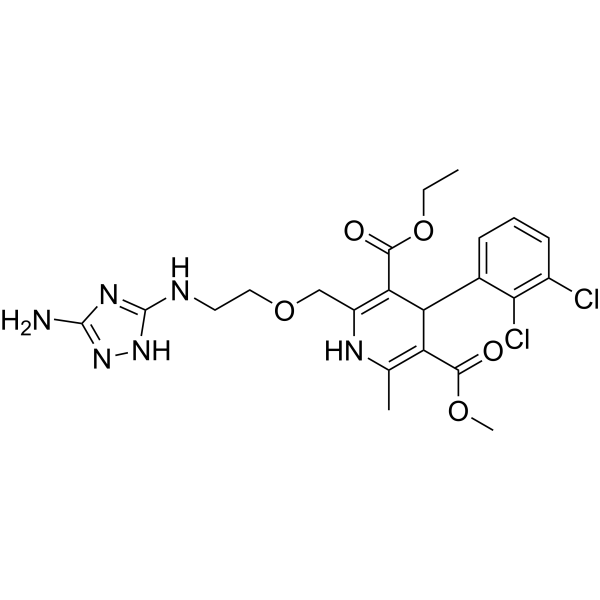
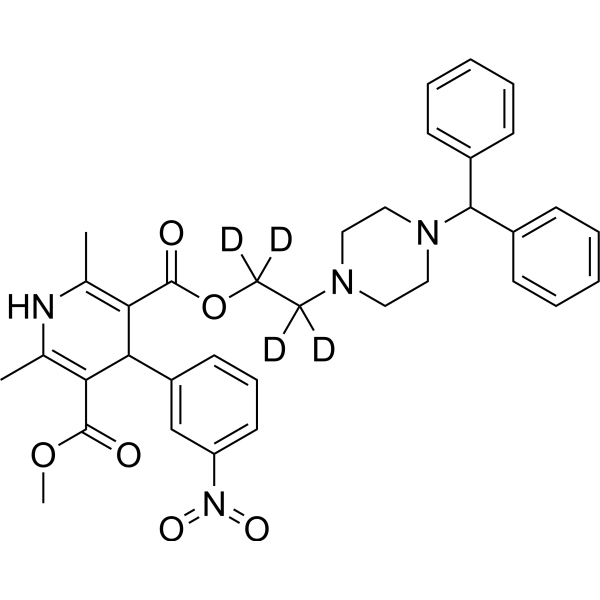
    Manidipine is an orally active calcium channel antagonist. Manidipine regulates the expression of cytokines (IL-1β, IL-6). Manidipine has a hypotensive effect. Manidipine can be used in the study of cardiovascular diseases (such as hypertension, myocardial ischemia-reperfusion injury, ventricular hypertrophy), kidney diseases (such as glomerular diseases), and epilepsy .
    Manidipine
  • HY-109039
    Praliciguat
    2 Publications Verification

    IW-1973

    Guanylate Cyclase Apoptosis Cardiovascular Disease Metabolic Disease
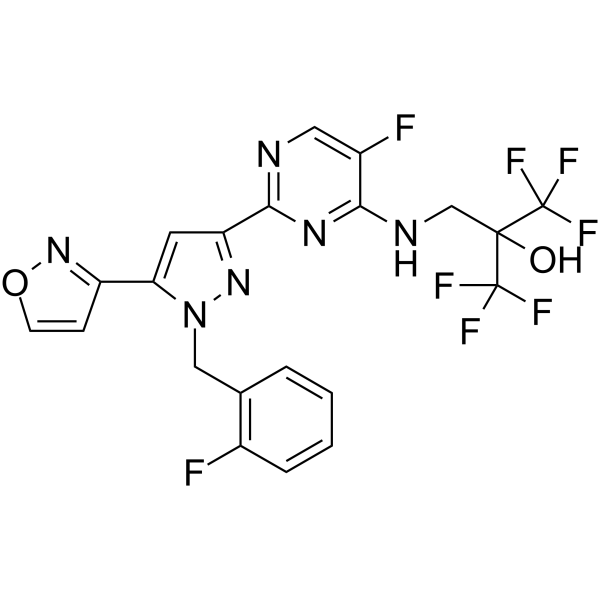
    Praliciguat (IW-1973) is a potent and orally active soluble guanylate cyclase (sGC) activator. Praliciguat can increases cGMP via the nitric oxide (NO)-sGC pathway. Praliciguat can inhibit the expression of proinflammatory cytokines and inhibit apoptosis. Praliciguat can promote vasodilation. Praliciguat can be used for the researches of metabolic disease and cardiovascular disease, such as hypertension, diabetes and heart failure .
    Praliciguat
  • HY-103080

    Apelin Receptor (APJ) Cardiovascular Disease
    CMF019 is an orally active, potent and small molecule agonist at Apelin receptor (APJ) with G protein bias. CMF019 binds to APJ with pKi values of 8.58, 8.49 and 8.71 for human, rat, and mouse, respectively. CMF019 mimics the beneficial cardiovascular actions of apelin in rodents . Apelin receptor (APJ) is a G protein-coupled receptor (GPCR) activated by the endogenous peptide apelin. CMF019 is promising for research of chronic diseases, such as, pulmonary arterial hypertension .
    CMF019
  • HY-109136
    Runcaciguat
    1 Publications Verification

    BAY 1101042

    Guanylate Cyclase Cardiovascular Disease Metabolic Disease
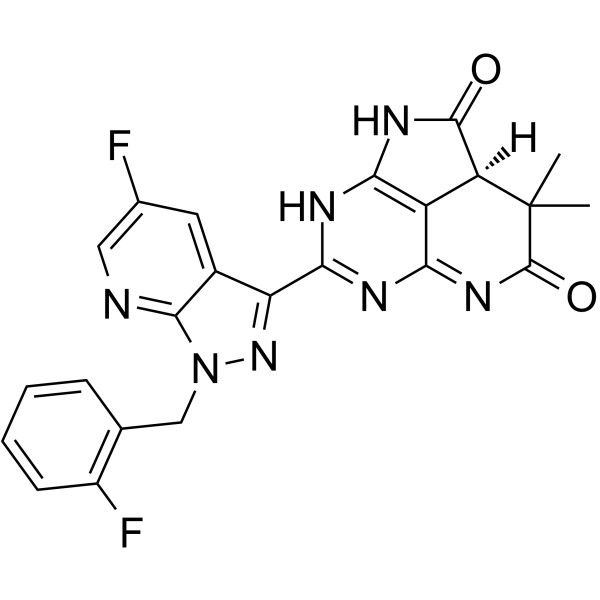
    Runcaciguat (BAY 1101042) is a selective, orally active, allosteric activator of soluble guanylate cyclase (sGC) that specifically targets its oxidized and heme-free form. Runcaciguat binds to sGC in a histidine-dependent manner and restores cyclic guanosine monophosphate (cGMP) production under oxidative stress, independent of nitric oxide (NO) or heme. Runcaciguat exhibits renoprotective and cardioprotective activities, such as reduced proteinuria and improved renal function. Runcaciguat is primarily being studied in chronic kidney disease (CKD) associated with hypertension, diabetes, and metabolic disorders, as well as potential cardiovascular indications such as heart failure with preserved ejection fraction (HFpEF) .
    Runcaciguat
  • HY-W042301

    Anion Exchangers Carbonic Anhydrase Endothelin Receptor Cardiovascular Disease
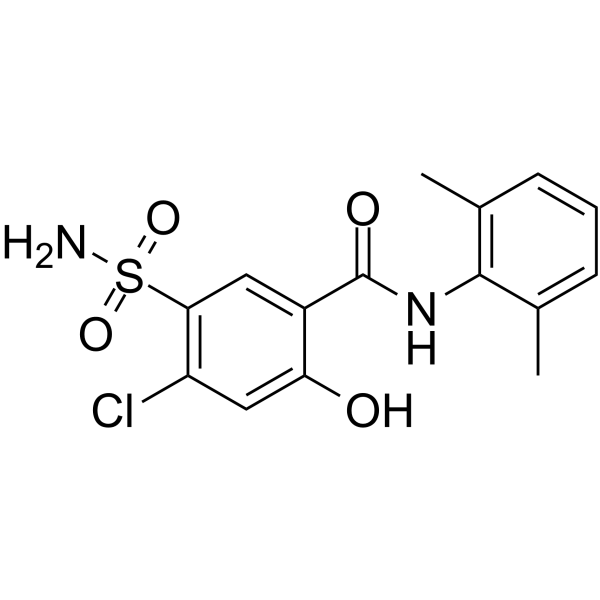
    Xipamide is an orally active carbonic anhydrase (CA) inhibitor and Na +/Cl --potassium transporter inhibitor with diuretic and antihypertensive effects. Xipamide reduces NaCl reabsorption by inhibiting the Cl -/NaCO3 - anion exchanger, and increases calcium reabsorption while promoting potassium and magnesium excretion. Xipamide is mainly cleared via the renal pathway and causes a temporary decrease in glomerular filtration rate under specific conditions. Xipamide does not affect Ca 2+ signaling induced by endothelin-1 and other factors, nor does it inhibit various ion cotransport or pump activities in red blood cells. Xipamide can be used in researches related to cardiovascular diseases, hypertension (especially with left ventricular hypertrophy), advanced renal failure, and liver cirrhosis with ascites .
    Xipamide
  • HY-17503S

    Isotope-Labeled Compounds Adrenergic Receptor Cardiovascular Disease Endocrinology
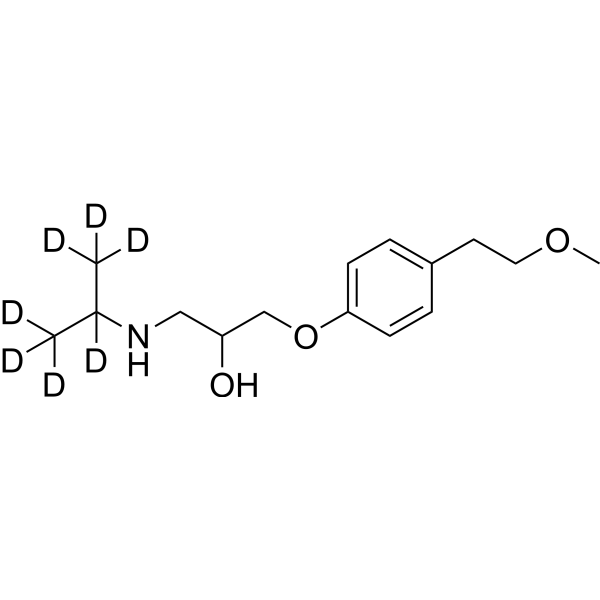
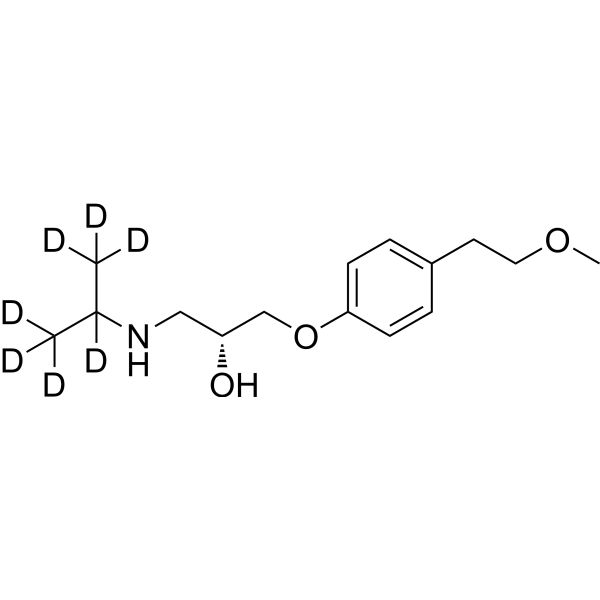
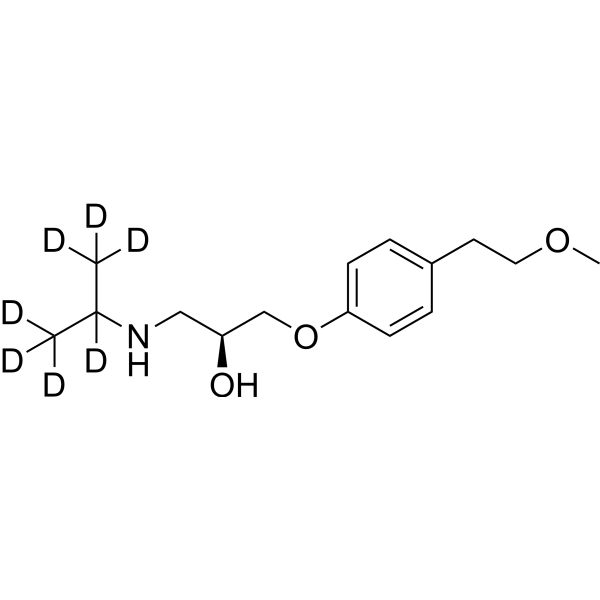
    Metoprolol-d7 is the deuterium labeled Metoprolol. Metoprolol (Toprol) is a selective β1 receptor blocker used in treatment of several diseases of the cardiovascular system, especially hypertension[1][2].
    Metoprolol-d7
  • HY-B1108R
    Labetalol hydrochloride (Standard)
    4 Publications Verification

    AH-5158 hydrochloride(Standard); Sch-15719W (Standard)

    Reference Standards Adrenergic Receptor Cardiovascular Disease Inflammation/Immunology Endocrinology
    Labetalol hydrochloride (Standard) is the analytical standard of Labetalol hydrochloride (HY-B1108). This product is intended for research and analytical applications. Labetalol (AH5158) hydrochloride is an orally available, selective α1-adrenergic recepto and non-selective β-adrenergic receptor competitive antagonist. Labetalol hydrochloride is an antihypertensive molecule that partially crosses the blood-brain barrier and has little effect on cardiac output. Labetalol hydrochloride can be used in the study of cardiovascular diseases, such as hypertension during pregnancy .
    Labetalol hydrochloride (Standard)
  • HY-P1752B

    CRFR Bacterial Parasite NF-κB ERK Metabolic Disease
    Urocortin II, human acetate is a selective endogenous peptide agonist of type-2 corticotropin-releasing factor (CRF2) receptor. Urocortin II, human acetate has an effect of promoting satiet and neuroprotective effect. Urocortin II, human acetate also has bactericidal, antiparasitic and pro-inflammation activity. Urocortin II, human acetate can activate NF-κB pathway and ERK1/2 MAP kinase. Urocortin II, human acetate can reduce pulmonary arterial hypertension and shows cardiac protection effect. Urocortin II, human acetate can be used for the researches of infection, inflammation, metabolic, neurological and cardiovascular disease .
    Urocortin II, human acetate
  • HY-105697

    NSC 7526; Protalba; Protoveratrin

    Glutamate Dehydrogenase (GLDH) Cardiovascular Disease
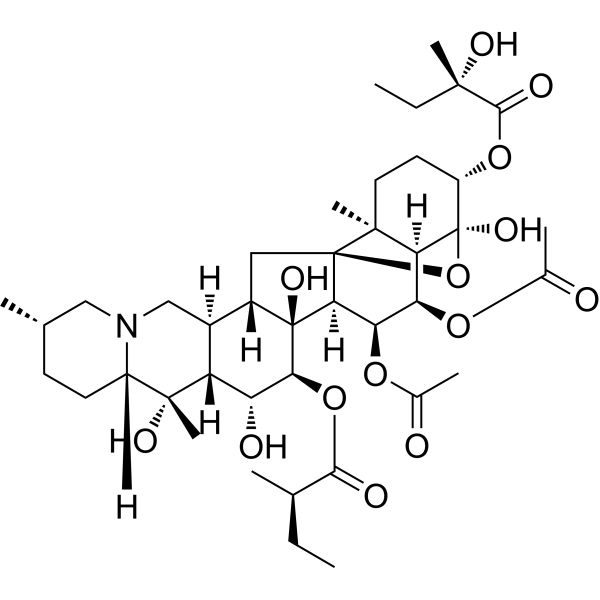
    Protoveratrine A (NSC 7526; Protalba; Protoveratrin) is an alkaloid with strong cardiostimulant and vasoconstrictive effects, which can be used in the study of hypertension and other cardiovascular diseases .
    Protoveratrine A
  • HY-114285

    Angiotensin Receptor Cardiovascular Disease
    L-161638 is a potent, selective and orally active AT2 receptor antagonist. L-161638 can be used for the research of cardiovascular disease, such as hypertension .
    L-161638
  • HY-P5769

    Endothelin Receptor Cardiovascular Disease
    Endothelin (16-21) is a selective ETB receptor agonist (EC50=228 nM in guinea-pig bronchus). Endothelin (16-21) can induce smooth muscle contraction. Endothelin (16-21) is promising for research of respiratory (e.g., asthma) and cardiovascular (e.g., hypertension) diseases .
    Endothelin (16-21)
  • HY-121045

    KO 1366

    Adrenergic Receptor Cardiovascular Disease
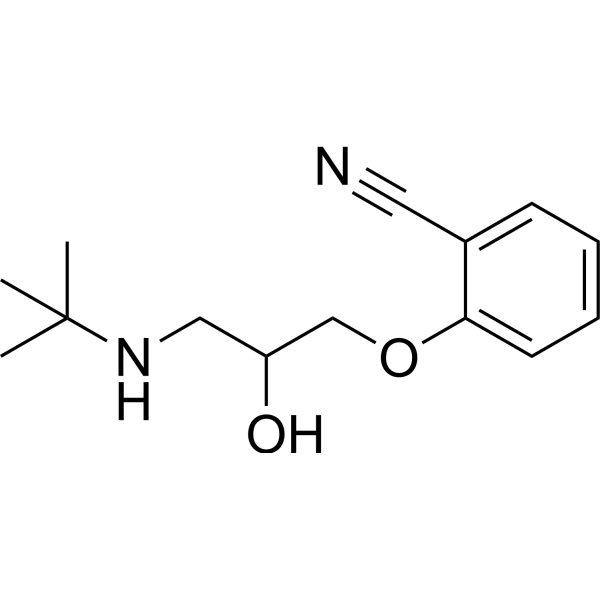
    Bunitrolol hydrochloride is an orally active β-adrenergic blocker that has a high affinity for β-adrenergic receptors. Bunitrolol hydrochloride exerts significant β-receptor antagonist activity and has weak α1-blocking activity. Bunitrolol hydrochloride is mainly used in the study of cardiovascular diseases such as hypertension and angina pectoris, and is also used in placental transport research .
    Bunitrolol
  • HY-121383R

    AH5158 (Standard); Sch-15719W free base (Standard)

    Reference Standards Adrenergic Receptor Cardiovascular Disease Inflammation/Immunology Endocrinology
    Labetalol (Standard) is the analytical standard of Labetalol. This product is intended for research and analytical applications. Labetalol (AH5158) is an orally available, selective α1-adrenergic recepto and non-selective β-adrenergic receptor competitive antagonist. Labetalol is an antihypertensive molecule that partially crosses the blood-brain barrier and has little effect on cardiac output. Labetalol can be used in the study of cardiovascular diseases, such as hypertension during pregnancy .
    Labetalol (Standard)
  • HY-109034A

    Renin Cardiovascular Disease
    Imarikiren hydrochloride is a renin inhibitor. Imarikiren hydrochloride can be used for the study of cardiovascular and renal diseases such as hypertension, heart failure, and diabetic nephropathy by blocking the renin-angiotensin (RA) system .
    Imarikiren hydrochloride
  • HY-P4551

    N-Benzoyl-Gly-His-Leu

    Angiotensin-converting Enzyme (ACE) Amino Acid Derivatives Cardiovascular Disease
    Hippuryl-His-Leu-OH (N-Benzoyl-Gly-His-Leu) is a specific substrate for angiotensin-converting enzyme (ACE I) and a molecular tool used for ACE activity detection in in vitro experiments. Hippuryl-His-Leu-OH is hydrolyzed by ACE through competitive binding. Under ACE catalysis, Hippuryl-His-Leu-OH undergoes hydrolysis to produce hippuric acid (HA). The amount of HA produced can be used to quantitatively assess ACE activity or screen for ACE inhibitors. The released His-Leu can also react with o-phthalaldehyde or Fluorescamine (HY-D0715) for fluorescence detection. Hippuryl-His-Leu-OH can be applied to the in vitro screening of ACE inhibitors for hypertension and cardiovascular diseases, and is also used in the study of ACE activity changes in physiological and pathological processes such as renal compensatory hypertrophy .
    Hippuryl-His-Leu-OH
  • HY-120452

    Thrombin Cardiovascular Disease
    AZD-8165 is a highly selective neutral thrombin inhibitor. AZD-8165 is promising for research of cardiovascular diseases such as hypertension and heart failure .
    AZD-8165
  • HY-125093

    Calcium Channel Cardiovascular Disease
    SL-870495 is a calcium antagonist targeting L-type calcium channels. SL-870495 is promising for research of cardiovascular diseases such as hypertension and angina pectoris .
    SL-870495
  • HY-W092110

    Angiotensin-converting Enzyme (ACE) Cardiovascular Disease
    Phe-Tyr is an ACE inhibitor. Phe-Tyr can be isolated from wakame. Phe-Tyr exhibits mild concentration-dependent toxicity to fibroblasts. Phe-Tyr can be used in studies related to hypertension and cardiovascular diseases .
    Phe-Tyr
  • HY-P2619

    Angiotensin Receptor Peptide-Drug Conjugates (PDCs) Cardiovascular Disease
    BPP 5a is a bradykinin-potentiating peptide with vasorelaxant activity, which is found in Bothrops jararaca venom. BPP 5a is an angiotensin-converting enzyme (ACE) inhibitor with a Ki value of 400 nM. BPP 5a is promising for research of hypertension and cardiovascular diseases .
    BPP 5a
  • HY-119081

    Guanylate Cyclase Cardiovascular Disease
    GSK2181236A is a NO-insensitive soluble guanylate cyclase (sGC) activator. GSK2181236A can dilate blood vessels, decrease mean arterial pressure and attenuate the development of cardiac hypertrophy. GSK2181236A can be used for the research of cardiovascular disease, such as hypertension .
    GSK2181236A
  • HY-105011A

    Angiotensin Receptor Cardiovascular Disease
    YM-358 hydrate potassium is an orally active angiotensin II type 1 (AT1)-receptor antagonist. YM-358 hydrate potassium can decrease cardiac volume overload. YM-358 hydrate potassium can be used for the research of cardiovascular disease, such as hypertension .
    YM-358 hydrate potassium
  • HY-W703936

    Adrenergic Receptor Cytochrome P450 Cardiovascular Disease
    Cloranolol is an orally active nonselective β-adrenoceptor blocker. Cloranolol can reduce the content of cytochrome P-450 in rat hepatocytes, prolong hexobarbital anesthesia time, and inhibit aminopyrine-N-demethylation activity. Cloranolol can be used in the research of cardiovascular diseases such as hypertension .
    Cloranolol
  • HY-118497

    Endothelin Receptor Cardiovascular Disease Metabolic Disease
    BMS 182874 is an orallyactive, highly selective endothelin receptor (ETA receptor) antagonist, with IC50 value of 0.150 μM, Ki of 0.055 μM. BMS 182874 reduces the arterial pressure of Deoxycorticosterone acetate (HY-B1472) induced hypertension model in rats, and can be used for cardiovascular disease research .
    BMS 182874
  • HY-117390

    Phosphodiesterase (PDE) Cardiovascular Disease Metabolic Disease
    FR-181074 is a selective and orally active PDE V inhibitor. FR-181074 can specifically block PDE V to inhibit the degradation of cyclic guanosine monophosphate (cGMP) in order to relax smooth muscle. FR-181074 can be used for the researches of cardiovascular disease and endocrinology, such as hypertension and erectile dysfunction .
    FR-181074
  • HY-114218

    Phosphodiesterase (PDE) Cardiovascular Disease Inflammation/Immunology
    BL-122 is a selective phosphodiesterase-5 (PDE-5) inhibitor. BL-122 can increase the level of cGMP in the tissue, promote the expression of nitric oxide (NO), and mediate the relaxation of smooth muscle. BL-122 can be used for the researches of inflammation, immunology and cardiovascular disease, such as asthma and hypertension .
    BL-122
  • HY-105866

    Calcium Channel Prostaglandin Receptor Cardiovascular Disease
    Wy 27569 is an orally active vascular selective calcium channel blocker that can effectively lower blood pressure. Wy 27569 is a thromboxane synthase inhibitor that can reshape prostaglandin balance, reduce pro thrombotic TXA2, and increase anti thrombotic PGI2. Wy 27569 can be used for research on cardiovascular diseases such as hypertension and angina .
    Wy 27569
  • HY-108120

    Angiotensin Receptor Cardiovascular Disease
    L-162537 is a competitive human angiotensin II receptor 1 (AT1) and receptor 2 (AT2) antagonist with an IC50=1.7 nM for AT1. L-162537 inhibits Ang II-mediated vasoconstriction, blood pressure elevation and related pathological signaling pathways. L-162537 is promising for research of angiotensin II-related cardiovascular diseases such as hypertension .
    L-162537
  • HY-P11297

    Angiotensin-converting Enzyme (ACE) Cardiovascular Disease
    AC-SDKP-NH2 is a substrate peptide of Angiotensin converting enzyme (ACE). AC-SDKP-NH2 has anti-inflammatory and anti-fibrotic activities. AC-SDKP-NH2 directly acts on tissues and prevents or reverses them from excessive fibrosis, but fails to reduce blood pressure and left ventricular hypertrophy (LVH). AC-SDKP-NH2 attenuates inflammation and cell differentiation, proliferation and migration, therefore reducing fibrosis in the heart, vessels and kidneys in mice model. AC-SDKP-NH2 can be used for cardiovascular diseases such as hypertension research .
    AC-SDKP-NH2
  • HY-101390D

    Calcium Channel Cardiovascular Disease
    (R)-Niguldipine, a R-epimer of Niguldipine (HY-101390B), is a calcium channel antagonist. (R)-Niguldipine exerts a vasodilatory effect by blocking calcium channels and reducing the transmembrane influx of calcium ions. (R)-Niguldipine can inhibit U-46619 (HY-108566)-induced coronary artery contraction in guinea pig Langendorff hearts (pID50 of 9.93), has high affinity for calcium channel binding sites on guinea pig skeletal muscle membranes (Ki of 8.10), and lowers blood pressure in spontaneously hypertensive rats (pED30 of 5.55). (R)-Niguldipine can improve cardiovascular diseases such as hypertension, angina pectoris, and arrhythmias .
    (R)-Niguldipine
  • HY-17503S2

    Isotope-Labeled Compounds Adrenergic Receptor Cardiovascular Disease Endocrinology
    (S)-Metoprolol-d7 is the deuterium labeled Metoprolol. Metoprolol (Toprol) is a selective β1 receptor blocker used in treatment of several diseases of the cardiovascular system, especially hypertension[1][2].
    (S)-Metoprolol-d7
  • HY-17503S1

    Isotope-Labeled Compounds Adrenergic Receptor Cardiovascular Disease Endocrinology
    (R)-Metoprolol-d7 is the deuterium labeled Metoprolol. Metoprolol (Toprol) is a selective β1 receptor blocker used in treatment of several diseases of the cardiovascular system, especially hypertension[1][2].
    (R)-Metoprolol-d7
  • HY-101599

    Adrenergic Receptor Cardiovascular Disease
    IP-66 is a potent postsynaptic alpha-receptor antagonist. IP-66 can be used for the research of cardiovascular disease, such as hypertension .
    IP-66
  • HY-160676

    Epoxide Hydrolase Cardiovascular Disease Metabolic Disease Inflammation/Immunology
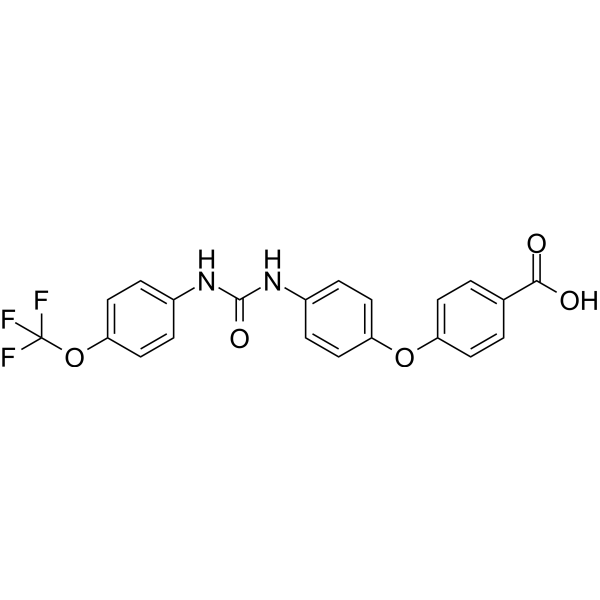
    sEH-IN-1 (example 67) is a soluble epoxide hydrolase (sEH) inhibitor. sEH-IN-1 can be used in the research of sEH-mediated diseases such as hypertension, cardiovascular disease, inflammation, diabetes, and so on .
    sEH-IN-1
  • HY-111084

    Calcium Channel Cardiovascular Disease Inflammation/Immunology
    UK 52831 is a long acting dihydropyridine calcium channel antagonist. UK 52831 can be used for cardiovascular disease (such as hypertension and myocardial ischemia) and anti-inflammatory research .
    UK 52831
  • HY-120296

    Adrenergic Receptor Cardiovascular Disease
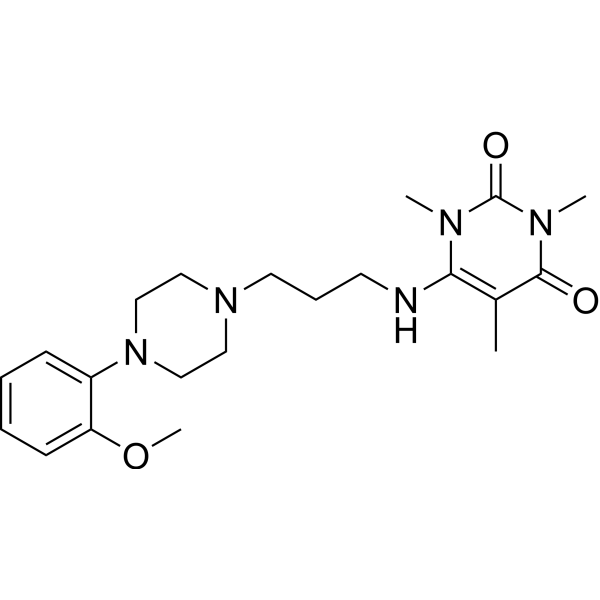
    5-Methylurapidil isα1A‐adrenoceptor antagonist. 5-Methylurapidil can be used for the research of cardiovascular diseases such as hypertension and heart failure .
    5-Methylurapidil
  • HY-12176B

    CGP 60536 fumarate; CGP60536B fumarate; SPP 100 fumarate

    Renin Autophagy Cardiovascular Disease Cancer
    Aliskiren fumarate is an orally active, highly potent and selective renin inhibitor, with IC50 of 1.5 nM. Aliskiren fumarate can be used for the research of hypertension, cardiovascular diseases and cancer cachexia .
    Aliskiren fumarate
  • HY-139797

    Drug Derivative Neprilysin Cardiovascular Disease
    SCH 47896 is a phenolic derivative of SCH39370 (HY-139803), a potent specific inhibitor of metalloendopeptidase (NEP). SCH 47896 can be used for the research of cardiovascular disease, such as hypertension .
    SCH 47896
  • HY-114666

    NDR-5523A

    Endogenous Metabolite Cardiovascular Disease
    Trimoxamine hydrochloride (NDR-5523A) is an antihypertensive drug with hypotensive activity. Trimoxamine hydrochloride can be used to inhibit hypertension-related diseases. Trimoxamine hydrochloride lowers blood pressure by inhibiting vasoconstriction. Trimoxamine hydrochloride plays an important role in the management of cardiovascular diseases .
    Trimoxamine hydrochloride
  • HY-12176A

    CGP 60536 hydrochloride; CGP60536B hydrochloride; SPP 100 hydrochloride

    Renin Autophagy Cardiovascular Disease Cancer
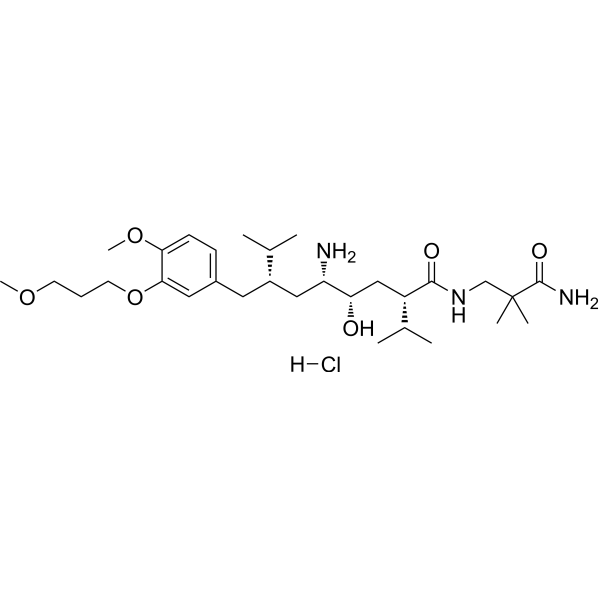
    Aliskiren (CGP 60536; CGP60536B; SPP 100) hydrochloride is an orally active and selective renin inhibitor, with IC50 of 1.5 nM. Aliskiren hydrochloride can be used for the research of hypertension, cardiovascular diseases and cancer cachexia - .
    Aliskiren hydrochloride
  • HY-118339

    5-HT Receptor Cardiovascular Disease Cancer
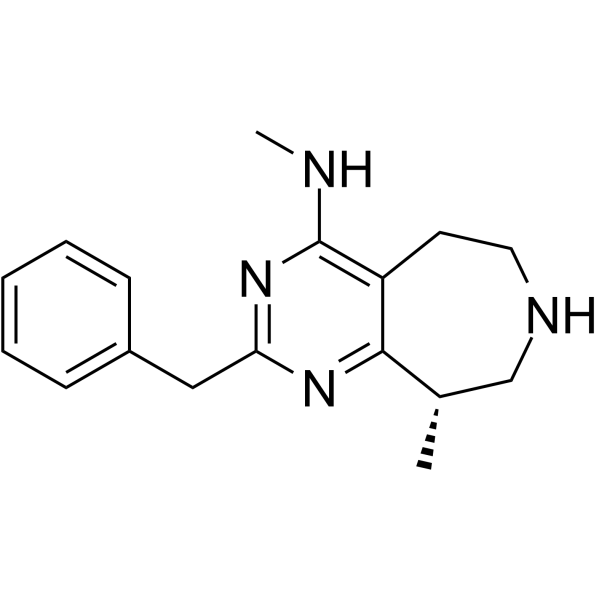
    PF-4479745 is a potent and selective 5-HT2C receptor agonist (EC50: 10 nM, ki: 15 nM). PF-4479745 can be used in the research of cardiovascular disease like hypertension .
    PF-4479745
  • HY-160980

    Calcium Channel Cardiovascular Disease Neurological Disease Inflammation/Immunology
    Sornidipine is a calcium channel blocker. Sornidipine also reduces neurogenic inflammation. Sornidipine reduces the inflow of calcium ions into cells by blocking L-type calcium channels, thereby reducing the contraction of vascular smooth muscle, leading to vasodilation and decreased blood pressure. Sornidipine can be used to study the cardiovascular system especially in hypertension and related cardiovascular diseases .
    Sornidipine

Inquiry Online

Your information is safe with us. * Required Fields.

Salutation


Country or Region *

Applicant Name *


Organization Name *

Department *


Email Address *


Product Name *

Cat. No.


Requested quantity *

Phone Number *


Remarks

Inquiry Online

Inquiry Information

Product Name:
Cat. No.:
Quantity:
MCE Japan Authorized Agent: