Search Result
Results for "
inhibitory+peptide
" in MedChemExpress (MCE) Product Catalog:
| Cat. No. |
Product Name |
Target |
Research Areas |
Chemical Structure |
-
- HY-P0276
-
|
Gastric Inhibitory Peptide (GIP), human
|
Insulin Receptor
|
Metabolic Disease
|
|
GIP, human, a peptide hormone consisting of 42 amino acids, is a stimulator of glucose-dependent insulin secretion and a weak inhibitor of gastric acid secretion. GIP, human acts as an incretin hormone released from intestinal K cells in response to nutrient ingestion .
|
-

-
- HY-P0276A
-
|
Gastric Inhibitory Peptide (GIP), human TFA
|
Insulin Receptor
|
Metabolic Disease
|
|
GIP, human TFA, a peptide hormone consisting of 42 amino acids, is a stimulator of glucose-dependent insulin secretion and a weak inhibitor of gastric acid secretion. GIP, human TFA acts as an incretin hormone released from intestinal K cells in response to nutrient ingestion .
|
-

-
- HY-P10476
-
|
|
TGF-beta/Smad
|
Others
|
|
Myostatin inhibitory peptide 2 (compd 2) is a myostatin inhibitor with a Kd of 35.9 nM. Myostatin inhibitory peptide 2 can be used for researches of muscle atrophic disorders .
|
-

-
- HY-P0322
-
|
EMD 56574
|
Integrin
|
Cardiovascular Disease
Metabolic Disease
|
|
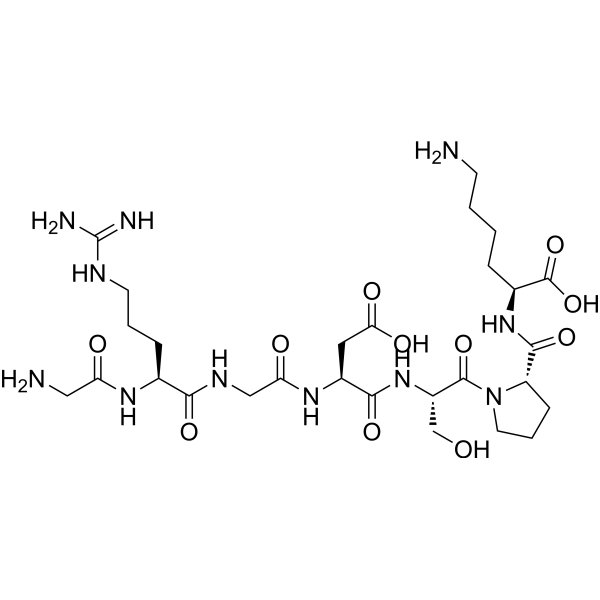
GRGDSPK (EMD 56574) is a peptide incluing Arg-Gly-Asp (RGD). GRGDSPK (EMD 56574) is an competitive and reversible inhibitory peptide for inhibiting integrin-fibronectin binding. GRGDSPK is used to study the role of integrins in bone formation and resorption .
|
-
-
- HY-118060
-
|
N-Valyltryptophan; Val-Trp
|
Angiotensin-converting Enzyme (ACE)
Calcium Channel
NO Synthase
|
Cardiovascular Disease
|
|
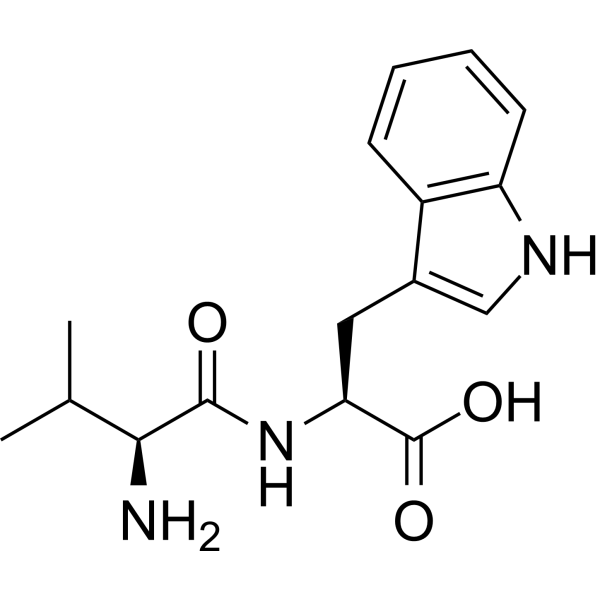
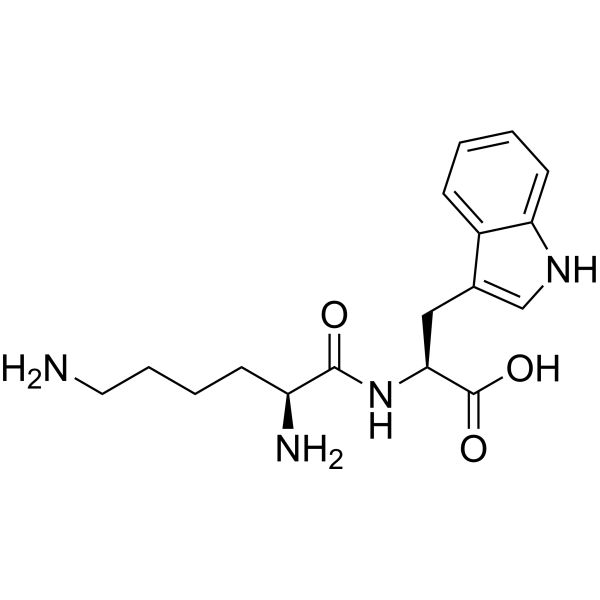
Dipeptide 2 (N-Valyltryptophan) is an orally active, competitive angiotensin-converting enzyme (ACE) inhibitory peptide with an IC50 of 10.50 μM. Dipeptide 2 reduces intracellular Calcium ions. Dipeptide 2 significantly increases the content of NO, inhibits the production of ET-1, and induces the phosphorylation of eNOS. Dipeptide 2 decreases the systolic and diastolic blood pressure of spontaneously hypertensive rats .
|
-
-
- HY-P10242
-
|
|
TGF-beta/Smad
|
Others
|
|
Myostatin inhibitory peptide 7 is a 23 amino acids peptide, which is derived from amino acids 21 to 43 of the mouse myostatin prodomain. Myostatin inhibitory peptide 7 inhibits myostatin with a Kd of 29.7 nM. Myostatin inhibitory peptide 7 can be used for researches of muscle atrophic disorders .
|
-

-
- HY-P3579
-
|
GIP (1-42), porcine
|
Insulin Receptor
|
Metabolic Disease
|
|
Gastric Inhibitory Peptide (GIP (1-42)), porcine is a porcine glucose-dependent insulinotropic polypeptide and inhibitor of pentagastrin-stimulated gastric acid secretion. Gastric Inhibitory Peptide, porcine stimulates endogenous somatostatin release. Gastric Inhibitory Peptide, porcine acts in a dose- and time-dependent manner in conscious, chronic gastric fistula-equipped rats .
|
-

-
- HY-P10816
-
|
Ac-(DLeu)LLLRVK-Amba
|
Bacterial
|
Infection
Cancer
|
|
PACE4 Inhibitory peptide C23 (Compound C23; Ac-(DLeu)LLLRVK-Amba)), a potent peptidomimetic inhibitor, is a PACE4 inhibitor. PACE4 Inhibitory peptide C23e shows antiproliferative effects against PCa cell lines (Ki = 5 nM; IC50 = 25 and 40 μM for DU145 and LNCaP, respectively). PACE4 Inhibitory peptide C23 also blocks tumor growth in vivo in LNCaP xenograft-bearing mice .
|
-

-
- HY-P10086
-
|
Human TREM-1(213-221)
|
TREM receptor
TNF Receptor
Interleukin Related
c-Fms
|
Neurological Disease
Inflammation/Immunology
Cancer
|
|
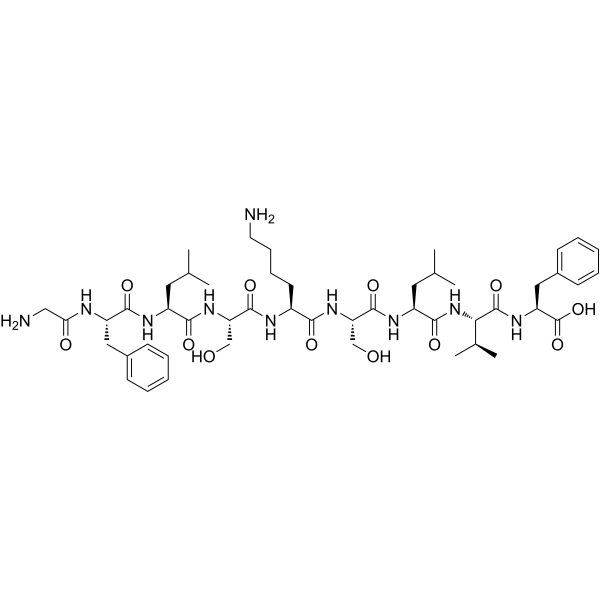
TREM-1 inhibitory peptide GF9 (Human TREM-1 (213-221)) is a TREM-1 inhibitor. TREM-1 inhibitory peptide GF9 blocks the TREM-1 signaling pathway via a ligand-independent mechanism, spontaneously inserts into the cell membrane to dissociate TREM-1 from DAP-12, and functions through the Signaling Chain Homooligomerization (SCHOOL) model. TREM-1 inhibitory peptide GF9 reduces the levels of TNFα, IL-1β, IL-6, and M-CSF. TREM-1 inhibitory peptide GF9 inhibits tumor growth, prolongs the survival of mice with pancreatic cancer models, ameliorates collagen-induced arthritis, and exerts protective effects on bone and cartilage simultaneously. TREM-1 inhibitory peptide GF9 can be used in research related to arthritis, pancreatic cancer, retinopathy, alcoholic liver disease, and liver cancer .
|
-
-
- HY-P1369
-
|
|
Dynamin
|
Neurological Disease
|
|
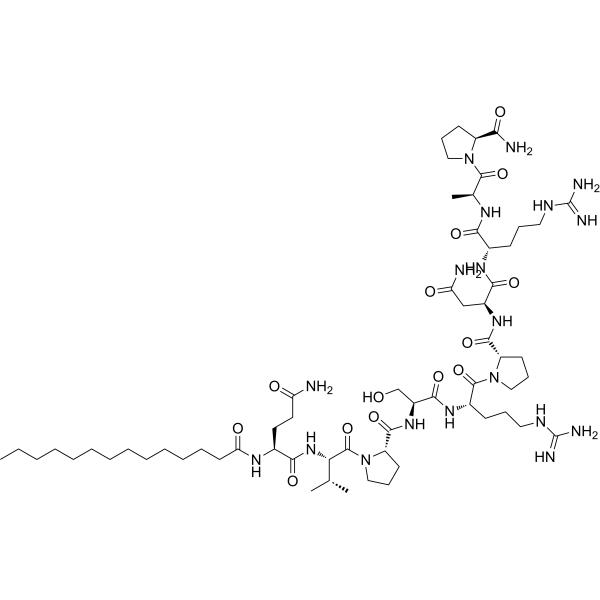
DynaMin inhibitory peptide, myristoylated is a DynaMin inhibitor to interfere with the binding of amphiphysin with dynamin. DynaMin inhibitory peptide, myristoylated is a membrane-permeant form of the peptide that prevents endocytosis .
|
-
-
- HY-P10440
-
|
|
CDK
|
Neurological Disease
|
|
Cdk5i peptide is a CDK5 inhibitory peptide with high binding affinity for Cdk5/p25 (Kd of 0.17 μM), which can block the interaction between CDK5 and p25 and reduce the kinase activity of CDK5/p25. Cdk5i peptide can be used in the stud y of neurodegenerative diseases .
|
-

-
- HY-P10950A
-
|
|
PD-1/PD-L1
|
Inflammation/Immunology
Cancer
|
|
PD-L1 inhibitory peptide TFA is an inhibitor peptide targeting programmed cell death ligand 1 (PD-L1). PD-L1 inhibitory peptide TFA binds to PD-L1, relieving immunosuppression and restoring the antitumor activity of T cells. PD-L1 inhibitory peptide TFA is promising for research of cancers .
|
-

-
- HY-P2259
-
|
|
iGluR
HIV Integrase
Adenosine Receptor
|
Cardiovascular Disease
Neurological Disease
|
|
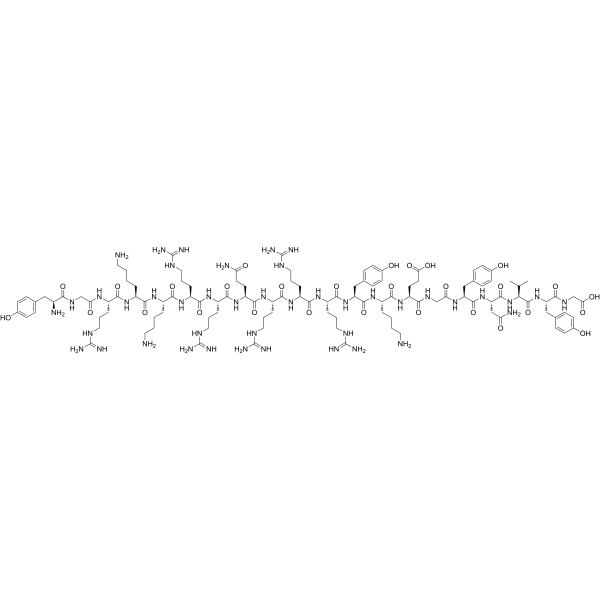
TAT-GluA2 3Y is a blood-brain barrier-permeable AMPA receptor inhibitory peptide that crosses cell membranes via the HIV-1 TAT protein domain. TAT-GluA2 3Y blocks the endocytosis of AMPA receptors, including the internalization of GluA1/GluA2 subunits, by disrupting interactions with the AP2, Brag2 and Syt3-GluA2 complexes, while also inhibiting long-term depression. TAT-GluA2 3Y blocks hypoxia-mediated AMPAR internalization, alleviates A1R-induced persistent synaptic inhibition, and reduces cerebral ischemic volume, neurological deficits and spatial memory deficits. TAT-GluA2 3Y blocks the effect of NLRP3 deficiency on fear generalization, inhibits amphetamine-induced behavioral/neurochemical sensitization, weakens the unconditioned stimulus-conditioned stimulus association of morphine, and promotes the extinction of morphine CPP. TAT-GluA2 3Y can be used in studies related to fear generalization, ischemic stroke, hypoxia, drug addiction and opioid addiction .
|
-
-
- HY-P4420
-
-
-
- HY-P1083
-
|
|
Dynamin
|
Neurological Disease
|
|
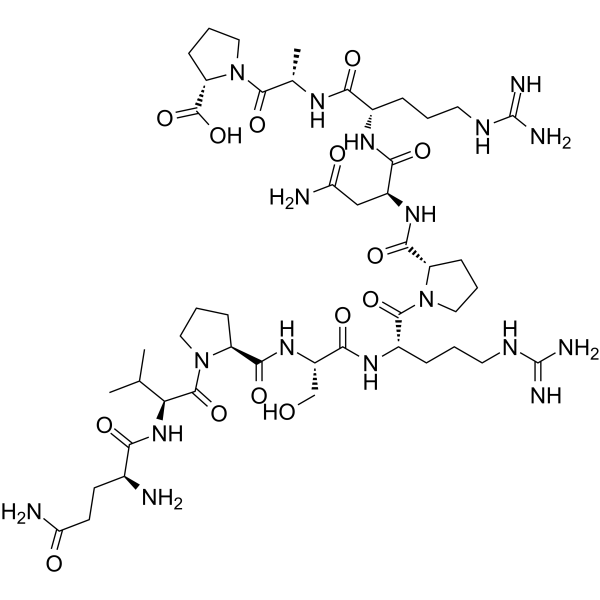
Dynamin inhibitory peptide competitively blocks binding of dynamin to amphiphysin, thus preventing endocytosis. Dynamin inhibitory peptide blocks the dopamine D3 effect on GABAA receptors .
|
-
-
- HY-P0215
-
|
|
CaMK
Autophagy
|
Neurological Disease
|
|
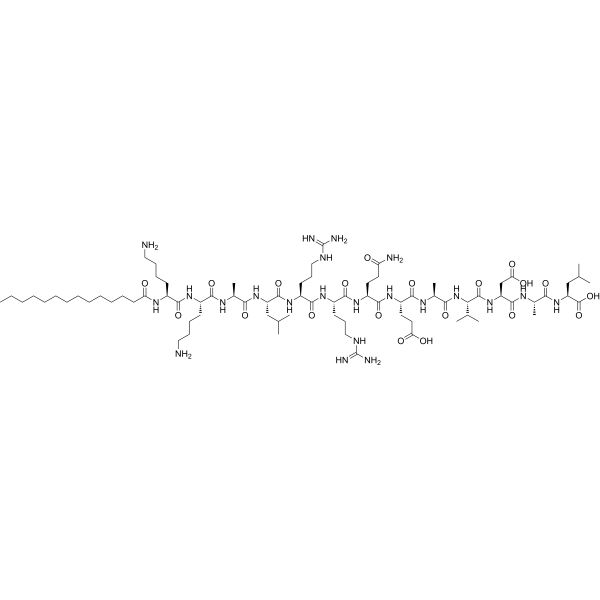
Autocamtide-2-related inhibitory peptide, myristoylated is the myristoylated Autocamtide-2-related inhibitory peptide. Autocamtide-2-related inhibitory peptide is a highly specific and potent inhibitor of CaMKII with an IC50 of 40 nM .
|
-
-
- HY-P0214A
-
-

-
- HY-P3580A
-
|
Human N-acetyl GIP TFA
|
Insulin Receptor
|
Metabolic Disease
Endocrinology
|
|
Acetyl Gastric Inhibitory Peptide (human) TFA is a fatty acid derivatized analog of glucose-dependent insulinotropic polypeptide with improved antihyperglycaemic and insulinotropic properties. Acetyl Gastric Inhibitory Peptide (human) TFA can be used for research of diabetes, insulin resistance and obesity .
|
-

-
- HY-P3584A
-
|
(Pro3) Gastric Inhibitory Peptide, human TFA
|
Insulin Receptor
|
Metabolic Disease
|
|
(Pro3) GIP, human TFA is an efficacious, stable and specific human GIP receptor (hGIPR) full agonist. (Pro3) GIP, human TFA has high binding affinity for human GIPR with Ki/ Kd value of 0.90 nM. (Pro3) GIP, human TFA human can be used for the research of obesity-related diabetes .
|
-

-
- HY-E70421
-
|
|
Angiotensin Receptor
|
Others
|
|
Butelase 1 ligase can be used for the cyclization of food-derived angiotensin I converting enzyme (ACE) inhibitory peptides, and thus improves the stability and bioactivity of ACE inhibitory peptides .
|
-

-
- HY-P0142A
-
|
|
PKG
|
Cardiovascular Disease
|
|
DT-3 acetate is a membrane-permeable protein kinase G Iα (PKG Iα) inhibitory peptide and shows pharmacological blockade of the cGMP-PKG signalling .
|
-

-
- HY-E70397A
-
|
DPP-IV, Porcine Kidney
|
Dipeptidyl Peptidase
|
Metabolic Disease
|
|
Dipeptidyl Peptidase IV, Porcine Kidney (DPP-IV, Porcine Kidney) is a serine aminopeptidase with multiple physiological roles. Dipeptidyl Peptidase IV, Porcine Kidney hydrolyses gastric inhibitory peptide (GIP) and glucagon-like peptide 1 (GLP-1), the most important insulin-releasing hormones (incretins) of the enteroinsular axis .
|
-

-
- HY-P1831
-
|
ProAM N20, Human; PAMP-20, human
|
nAChR
Sodium Channel
Calcium Channel
|
Cardiovascular Disease
Neurological Disease
|
|
Proadrenomedullin (1-20), human is a potent hypotensive and catecholamine release–inhibitory peptide released from chromaffin cells. Proadrenomedullin (1-20) inhibits catecholamine secretion in PC12 pheochromocytoma cells (IC50 ≈ 350 nM) by suppressing Na +/Ca 2+ influx and blocking desensitization. Proadrenomedullin (1-20), human specifically acts on nicotinic cholinergic receptors in a non competitive manner. Proadrenomedullin (1-20), human can be used for research on conditions such as hypertension .
|
-

-
- HY-P10950
-
|
|
PD-1/PD-L1
|
Inflammation/Immunology
Cancer
|
|
PD-L1 inhibitory peptide is an inhibitor peptide targeting programmed cell death ligand 1 (PD-L1). PD-L1 inhibitory peptide binds to PD-L1, relieving immunosuppression and restoring the antitumor activity of T cells. PD-L1 inhibitory peptide is promising for research of cancers .
|
-

-
- HY-P3730
-
|
|
CDK
|
Cancer
|
|
Cdk2/Cyclin Inhibitory Peptide I (Tat-LFG), a CDK2 inhibitor, kills U2OS osteosarcoma cells in a dose-dependent manner .
|
-

-
- HY-P3395
-
|
Human chromogranin A 352–372
|
nAChR
|
Cardiovascular Disease
Inflammation/Immunology
|
|
Catestatin human, a catecholamine release-inhibitory peptide, is a pleiotropic peptide involved in cardiovascular protection with its antihypertensive and angiogenic effects. Catestatin human can be used in the study of inflammatory diseases .
|
-

-
- HY-P10634
-
|
|
TGF-beta/Smad
|
Others
|
|
P17 Peptide is a human TGF-β1 inhibitory peptide. P17 Peptide can block woodchuck TGF-β1 activity .
|
-

-
- HY-P1396
-
-

-
- HY-P10815
-
|
|
Apoptosis
Calcium Channel
|
Others
|
|
IP3RCYT is an IP3R inhibitory peptide, which can inhibit the binding of cytochrome C to IP3R with an IC50 about 100 nM. IP3RCYT regulates calcium signaling within cells. P3RCYT inhibits apoptosis in HeLa and Jurkat cells treated with Staurosporine (HY-15141) or Membrane-bound Fas ligand (FasL) .
|
-

-
- HY-P1847A
-
|
|
NF-κB
|
Inflammation/Immunology
|
|
IKKγ NBD Inhibitory Peptide TFA is a highly specific inhibitor NF-κB inhibitor. IKKγ NBD Inhibitory Peptide TFA acts by disrupting the interaction between IKKγ/NEMO-binding domain (NBD) with IKKα and IKKβ, thus blocking TNF-α-induced NF-kB activation. IKKγ NBD Inhibitory Peptide TFA could significantly suppresses inflammation and ameliorate the cerebral ischemia-induced neurological deficits .
|
-

-
- HY-P0214
-
-

-
- HY-P3584
-
|
(Pro3) Gastric Inhibitory Peptide, human
|
Insulin Receptor
|
Metabolic Disease
|
|
(Pro3) GIP, human ((Pro3) Gastric Inhibitory Peptide, human) is an efficacious, stable and specific human GIP receptor (hGIPR) full agonist. (Pro3) GIP, human has high binding affinity for human GIPR with Ki/ Kd values of 0.90 nM. (Pro3) GIP, human can be used for the research of obesity-related diabetes .
|
-

-
- HY-P0142
-
|
|
PKG
|
Cardiovascular Disease
|
|
DT-3 is a membrane-permeable protein kinase G Iα (PKG Iα) inhibitory peptide and shows pharmacological blockade of the cGMP-PKG signalling .
|
-

-
- HY-P10847
-
|
|
Ras
|
Cancer
|
|
KS-58 is a KRpep-2d (HY-P3277) derivative. KS-58 is a K-Ras (G12D) inhibitory peptide that selectively binds K-Ras. KS-58 can enter cells and block intracellular Ras interaction with effector proteins. KS-58 inhibits the proliferation of tumor cells and has antitumor activity .
|
-

-
- HY-114437
-
|
Z-D-Phe-Phe-Gly-OH; FIP; Virus Replication Inhibitory Peptide
|
Influenza Virus
|
Infection
|
|
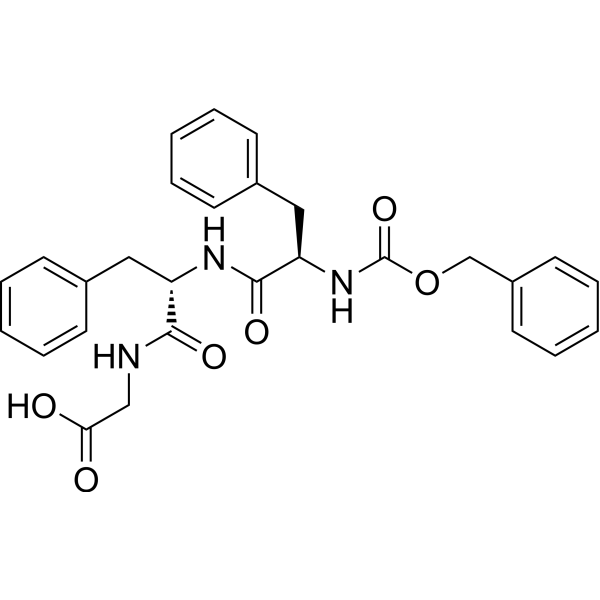
Fusion Inhibitory Peptide (Z-D-Phe-Phe-Gly-OH, FIP, Virus Replication Inhibitory Peptide) is a potent inhibitor of the virus replication, by inhibiting the membrane fusing activity of a viral glycoprotein .
|
-
-
- HY-P1847
-
|
|
NF-κB
|
Cancer
|
|
IKKγ NBD Inhibitory Peptide is a highly specific inhibitor NF-κB inhibitor. IKKγ NBD Inhibitory Peptide acts by disrupting the interaction between IKKγ/NEMO-binding domain (NBD) with IKKα and IKKβ, thus blocking TNF-α-induced NF-kB activation. IKKγ NBD Inhibitory Peptide could significantly suppresses inflammation and ameliorate the cerebral ischemia-induced neurological deficits .
|
-

-
- HY-P11003
-
|
|
Toll-like Receptor (TLR)
|
Inflammation/Immunology
|
|
PTD-N5-1 (N5-1) is an IRF5 inhibitory peptide. PTD-N5-1 blocks β-glucan-induced IL-12 production in IFN-γ primed wild-type and Clec2d-difecient bone-marrow-derived dendritic cells (BMDCs). PTD-N5-1 regulates antifungal immunity through suppression of IRF5-mediated IL-12 production .
|
-

-
- HY-P10242A
-
|
|
TGF-beta/Smad
|
Others
|
|
Myostatin inhibitory peptide 7 TFA is a 23 amino acids peptide, which is derived from amino acids 21 to 43 of the mouse myostatin prodomain. Myostatin inhibitory peptide 7 TFA inhibits myostatin with a Kd of 29.7 nM. Myostatin inhibitory peptide 7 TFA can be used for researches of muscle atrophic disorders .
|
-

-
- HY-P10476A
-
|
|
TGF-beta/Smad
|
Others
|
|
Myostatin inhibitory peptide 2 (compd 2) TFA is a myostatin inhibitor with a Kd of 35.9 nM. Myostatin inhibitory peptide 2 TFA can be used for researches of muscle atrophic disorders .
|
-

-
- HY-P3580
-
|
Human N-acetyl GIP
|
Insulin Receptor
|
Metabolic Disease
Endocrinology
|
|
Acetyl Gastric Inhibitory Peptide (human) is a fatty acid derivatized analog of glucose-dependent insulinotropic polypeptide with improved antihyperglycaemic and insulinotropic properties. Acetyl Gastric Inhibitory Peptide (human) can be used for research of diabetes, insulin resistance and obesity .
|
-

-
- HY-P10071
-
|
Calmodulin Kinase IINtide; CaM-KIIN; CaM-KIINβ
|
CaMK
|
Others
|
|
CaMKII inhibitory peptide KIIN is a potent inhibitor of CaMKII .
|
-

-
- HY-103545
-
|
Gastric inhibitory peptide (1-39) (porcine)
|
Insulin Receptor
|
Metabolic Disease
|
|
GIP (1-39) (Gastric inhibitory peptide (1-39) (porcine)) is an insulinotropic peptide that stimulats insulin secretion from rat pancreatic islets. GIP (1-39) at 100 nM was able to significantly increase intracellular Ca 2+ concentration ([Ca 2+]i), and capable of enhancing exocytosis .
|
-

-
- HY-P5525
-
|
Autocamtide-3 Derived Inhibitory Peptide
|
CaMK
|
Others
|
|
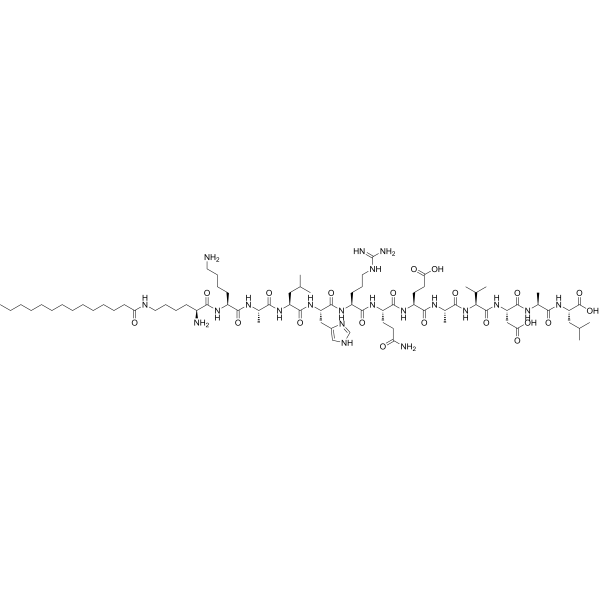
AC3-I, myristoylated is a biological active peptide. (This is a myristoylated form of Autocamtide-3-Derived Inhibitory Peptide (AC3-I), a highly specific inhibitor of Calmodulin-Dependent Protein Kinase ll (CaMKII) that is resistant to proteolysis. AC3-I is derived from Autocamtide-3, a substrate for CaMKII, with the Thr-9 phosphorylation site substituted with Ala.)
|
-
-
- HY-P10952
-
-

-
- HY-P1753
-
|
|
HIV
|
Infection
|
|
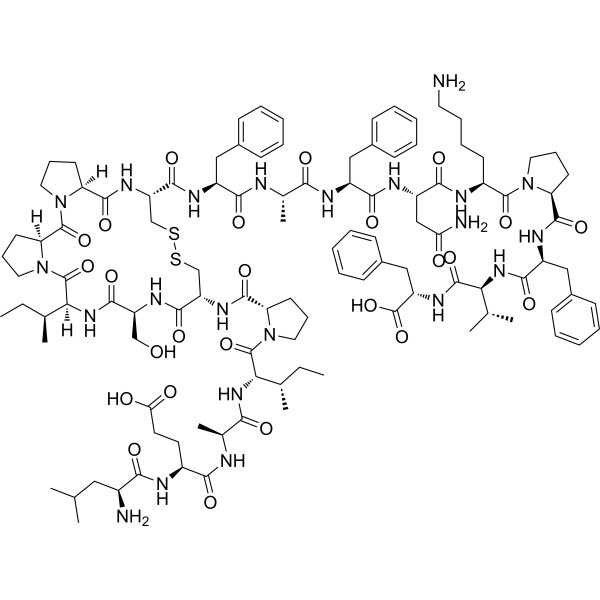
VIR-165 is a modified form of virus inhibitory peptide (VIRIP) that binds the fusion peptide of the gp41 subunit and prevents its insertion into the target membrane. VIRIP inhibits a wide variety of human immunodeficiency virus type 1 (HIV-1) strains .
|
-
-
- HY-P10106
-
|
|
PAK
|
Cancer
|
|
TAT-PAK18 inhibitory peptide is a membrane-permeable PAK inhibitory peptide. TAT-PAK18 inhibitory peptide reduces F-actin clusters and occludes the effect of Shank3 knockdown .
|
-

-
- HY-P5038
-
|
c(GRGDSP)
|
Integrin
|
Cancer
|
|
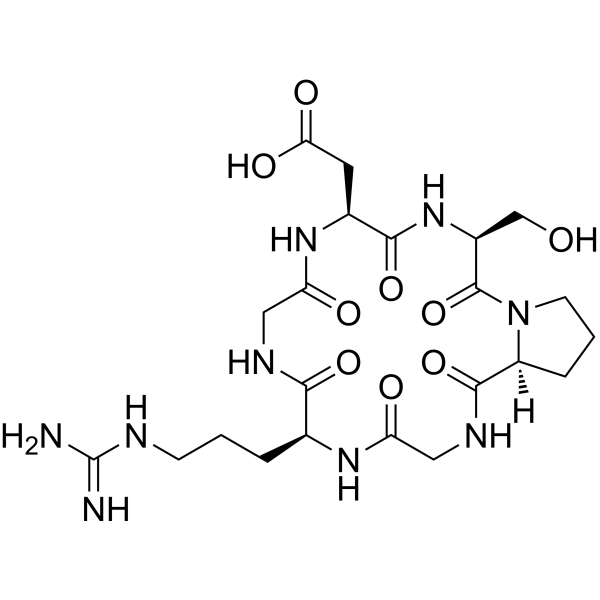
Cyclo(Gly-Arg-Gly-Asp-Ser-Pro) (c(GRGDSP)) is an RGD-containing inhibitory peptide. Cyclo(Gly-Arg-Gly-Asp-Ser-Pro) is a synthetic α5β1 integrin ligand that competitively inhibits the binding of invasin (Inv) to α5β1 integrin expressed on Caco-2 cells .
|
-
-
- HY-P1083A
-
|
|
Dynamin
|
Neurological Disease
|
|
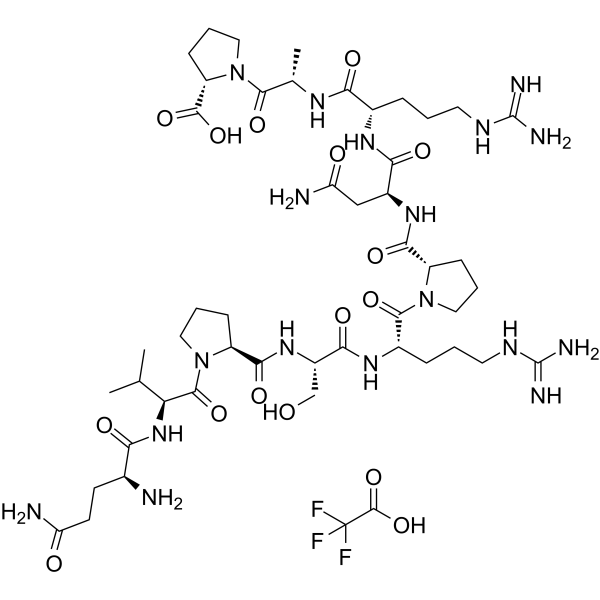
Dynamin inhibitory peptide TFA competitively blocks binding of dynamin to amphiphysin, thus preventing endocytosis. Dynamin inhibitory peptide TFA blocks the dopamine D3 effect on GABAA receptors .
|
-
-
- HY-P2157
-
|
|
Ras
|
Cancer
|
|
Ras Inhibitory Peptide (VPPPVPPRRR) is a Ras inhibitor with antitumor activity .
|
-

-
- HY-P1138
-
|
FSVYWAQADR
|
Gap Junction Protein
|
Others
|
|
Scrambled 10Panx (FSVYWAQADR) is a random sequence variant of a specific inhibitory peptide 10Panx targeted at the half-channel of Pannexin-1 (Panx1). Scrambled 10Panx is used as a control peptide to determine whether other experimental conditions or peptides act through specific molecular mechanisms. Scrambled 10Panx can be used for research in neurobiology and cell biology .
|
-

- HY-P11216
-
|
|
PCSK9
|
Cancer
|
|
Pep2-8 analogue 18 is a high affinity PCSK9 (KD = 6 nM) inhibitory peptide. Pep2-8 analogue 18 restores LDL uptake in HepG2 cells (EC50 = 175 nM). Pep2-8 analogue 18 has good cellular safety. Pep2-8 analogue 18 can be used for research on cardiovascular conditions .
|
-

- HY-P1369A
-
|
|
Dynamin
|
Neurological Disease
|
|
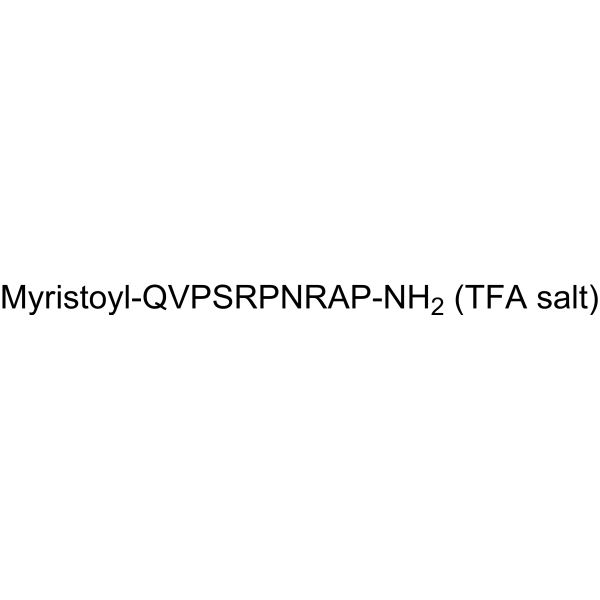
DynaMin inhibitory peptide, myristoylated TFA is a DynaMin inhibitor to interfere with the binding of amphiphysin with dynamin. DynaMin inhibitory peptide, myristoylated TFA is a membrane-permeant form of the peptide that prevents endocytosis .
|
-
- HY-P0215A
-
|
|
CaMK
Autophagy
|
Neurological Disease
|
|
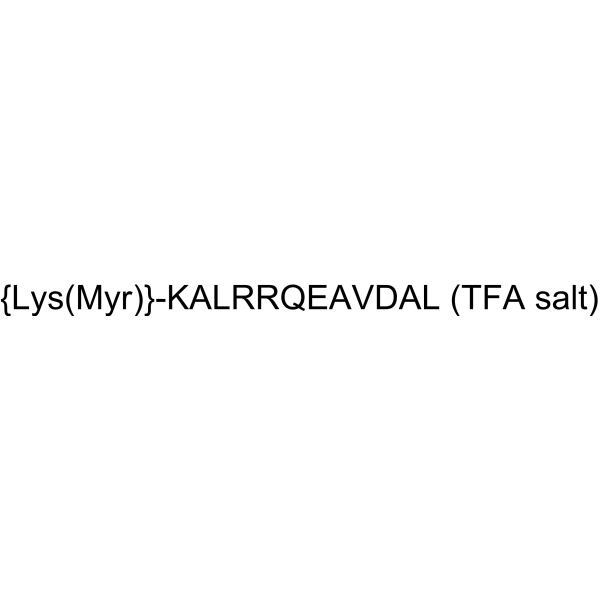
Autocamtide-2-related inhibitory peptide, myristoylated TFA is the myristoylated Autocamtide-2-related inhibitory peptide. Autocamtide-2-related inhibitory peptide is a highly specific and potent inhibitor of CaMKII with an IC50 of 40 nM .
|
-
- HY-P3577
-
|
|
Insulin Receptor
|
Metabolic Disease
|
|
[Tyr0] Gastric Inhibitory Peptide (23-42), human, a glucose-dependent insulinotropic polypeptide (GIP), is a weak inhibitor of gastric acid secretion that also stimulates insulin secretion. [Tyr0] Gastric Inhibitory Peptide (23-42), human can be used in diabetes, obesity research .
|
-
![[Tyr0] Gastric Inhibitory Peptide (23-42), human](//file.medchemexpress.com/product_pic/hy-p3577.gif)
- HY-P3731
-
|
|
CDK
|
Cancer
|
|
Cdk2/Cyclin Inhibitory Peptide II (Tat-LDL), a CDK2 inhibitor, kills U2OS osteosarcoma cells in a dose-dependent manner .
|
-

- HY-P10826
-
|
|
PD-1/PD-L1
|
Cancer
|
|
PD-1/PD-L1 inhibitory peptide C8 is inhibits PD-1/PD-L1 interaction, promotes the activation of CD8+ and CD4+ T cells, and increases the IFN-γ secretion. PD-1/PD-L1 inhibitory peptide C8 exhibits antitumor efficacy in mouse model .
|
-

- HY-P1391
-
|
|
iGluR
|
Others
|
|
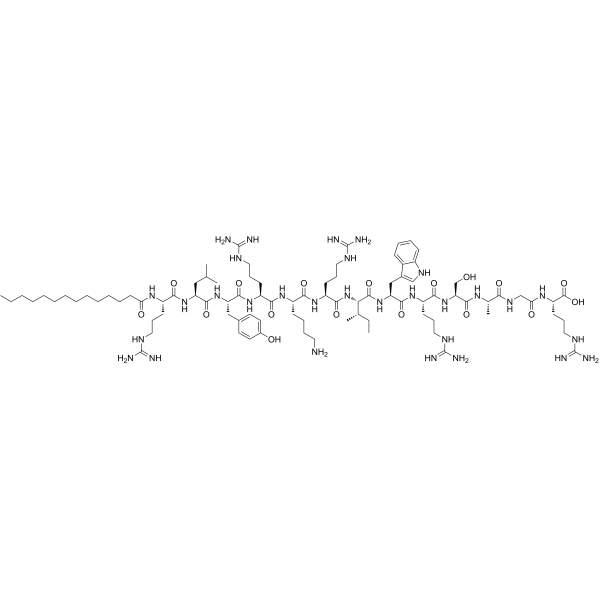
ZIP(Scrambled) is a scrambled control peptide for zeta inhibitory peptide (ZIP) .
|
-
- HY-P10811
-
|
XIP
|
Na+/Ca2+ Exchanger
|
Neurological Disease
|
|
Na +-Ca 2+ Exchanger inhibitory peptide (XIP) is a Na +-Ca 2+ exchanger inhibitor with a Ki of 200 nM. Na +-Ca 2+ Exchanger inhibitory peptide inhibits the Na +-dependent Ca 2+ uptake and the Na +-dependent Ca 2+ efflux of sarcolemmal vesicles in a noncompetitive manner .
|
-

- HY-P1391A
-
|
|
PKC
|
Others
|
|
ZIP(Scrambled) TFA is a scrambled control peptide for zeta inhibitory peptide (ZIP) .
|
-

- HY-P10391
-
-

- HY-P4874
-
|
|
Melanocortin Receptor
|
Metabolic Disease
|
|
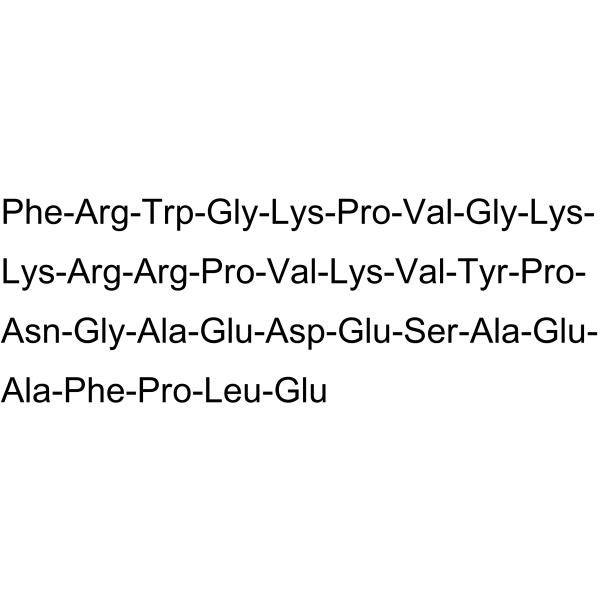
ACTH (7-38) (human) is the 7-38 fragment of human ACTH (1-39). human ACTH (1-39), known as a corticotropin inhibitory peptide (CIP), is an antagonist of the ACTH receptor and has no any corticosteroid activity .
|
-
- HY-P10791
-
-

- HY-P4161
-
|
|
DNA/RNA Synthesis
|
Cancer
|
|
KWWCRW is a Holliday linker inhibitory peptide with anticancer activity. KWWCRW inhibits homologous recombination repair (HDR) during DNA repair by binding to the reactive Holliday linker intermediate and preventing its degradation, and inhibits site-specific recombination by bacteriophage in vitro .
|
-

- HY-P0322A
-
|
EMD 56574 TFA
|
Integrin
|
Cardiovascular Disease
Metabolic Disease
|
|
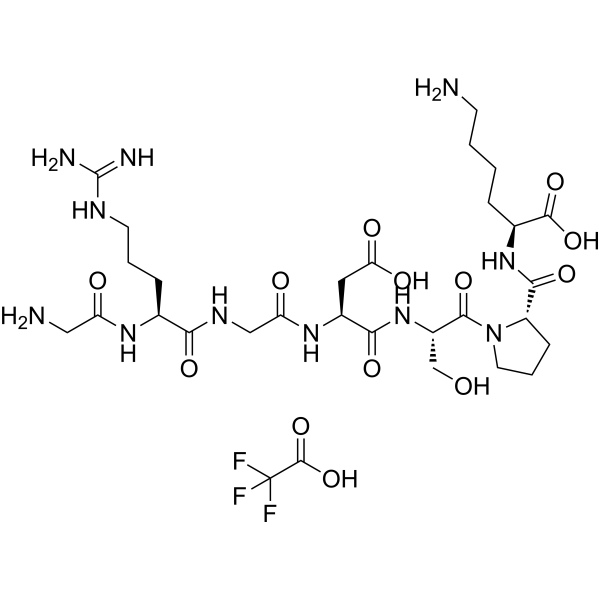
GRGDSPK TFA (EMD 56574 TFA) is a peptide incluing Arg-Gly-Asp (RGD). GRGDSPK TFA is an competitive and reversible inhibitory peptide for inhibiting integrin-fibronectin binding. GRGDSPK TFA is used to study the role of integrins in bone formation and resorption .
|
-
- HY-P1115
-
|
|
Akt
|
Others
|
|
AKTide-2T is an excellent in vitro substrate for AKT and shows competitive inhibition of histone H2B phosphorylation with a Ki of 12 nM. AKTide-2T mimics the optimal phosphorylation sequence of Akt and is an inhibitory peptide with the wildtype AKTide lacking Thr in the S22 position .
|
-

- HY-P1115A
-
|
|
Akt
|
Others
|
|
AKTide-2T TFA is an excellent in vitro substrate for AKT and shows competitive inhibition of histone H2B phosphorylation with a Ki of 12 nM. AKTide-2T TFA mimics the optimal phosphorylation sequence of Akt and is an inhibitory peptide with the wildtype AKTide lacking Thr in the S22 position .
|
-

- HY-P11037
-
|
|
HIV
|
Infection
|
|
soVIRIP is a virus inhibitory peptide with an IC50 of 1.2 μM for HIV-1 . soVIRIP binds to the HIV-1 GP41 fusion peptide and inhibits viral fusion and entry into host cells. soVIRIP has broad-spectrum anti-HIV-1 activities with nontoxicity in zebrafish models. soVIRIP can used for viral infections research .
|
-

- HY-P10058
-
|
|
Biochemical Assay Reagents
|
Cancer
|
|
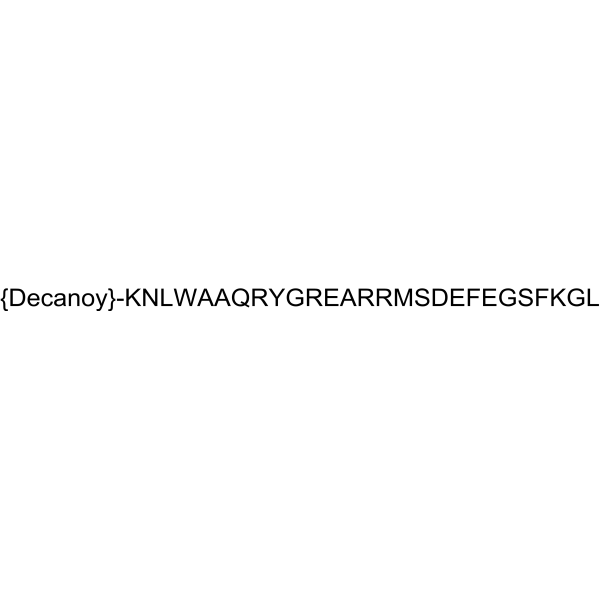
cpm-1285m is a cell-permeable mutated peptide analogue of cpm-1285 (Bcl-2 inhibitory peptide). cpm-1285m contains a single substitution of alanine for Leu-151, and exhibits a decrease in Bcl-2 binding affinity with a reduction in IC50 of ∼15-fold. cpm-1285m can be used as a control of cpm-1285 .
|
-
- HY-P5876
-
|
ProADM N20(bovine, porcine); PAMP-20(bovine, porcine)
|
nAChR
|
Neurological Disease
|
|
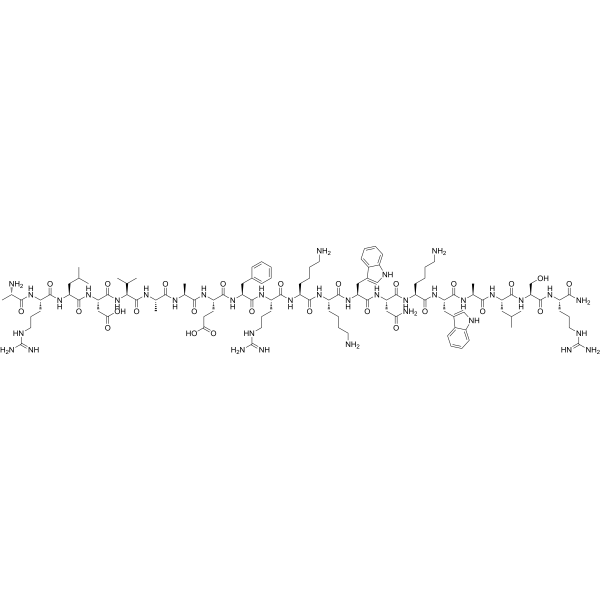
Proadrenomedullin (N-20) (ProADM N20) (bovine, porcine) is a potent and noncompetitive hypotensive and catecholamine release-inhibitory peptide released from chromaffin cells. Proadrenomedullin (N-20) (bovine, porcine) inhibits catecholamine secretion with an IC50 of 350 nM in PC12 pheochromocytoma cells. Proadrenomedullin (N-20) (bovine, porcine) also blocks (EC50≈270 nM) nicotinic cholinergic agonist desensitization of catecholamine release, as well as desensitization of nicotinic signal transduction ( 22Na + uptake) .
|
-
- HY-P1055
-
|
|
iGluR
|
Neurological Disease
|
|
Pep2-SVKE is an inactive control peptide for pep2-SVKI (HY-P1056). Pep2-SVKE is an inhibitory peptide corresponding to the last 10 amino acids of the C-terminus of the GluR2 AMPA receptor subunit. Pep2-SVKE does not block AMPA-mediated [ 3H]DA exocytosis. Pep2-SVKE does not bind to GRIP or PICK43 and does not block retention of PICK1 by GST-GluR2 and LTD [1] [2] [3] [4] [5].
|
-

- HY-P3730A
-
|
|
CDK
|
Cancer
|
|
Cdk2/Cyclin Inhibitory Peptide I (Tat-LFG) acetate, a CDK2 inhibitor, kills U2OS osteosarcoma cells in a dose-dependent manner .
|
-

| Cat. No. |
Product Name |
Target |
Research Area |
-
- HY-P0276
-
|
Gastric Inhibitory Peptide (GIP), human
|
Insulin Receptor
|
Metabolic Disease
|
|
GIP, human, a peptide hormone consisting of 42 amino acids, is a stimulator of glucose-dependent insulin secretion and a weak inhibitor of gastric acid secretion. GIP, human acts as an incretin hormone released from intestinal K cells in response to nutrient ingestion .
|
-
- HY-P3400
-
LP17
3 Publications Verification
LQVTDSGLYRCVIYHPP
|
Peptides
|
Neurological Disease
|
|
LP17 (LQVTDSGLYRCVIYHPP) is a BBB-penetrable triggering receptor expressed on myeloid cells (TREM-1) inhibitory peptide. LP17 substantially alleviates ischemia-induced infarction and neuronal injury. LP17 can get access into brain and block TREM-1 .
|
-
- HY-P0276A
-
|
Gastric Inhibitory Peptide (GIP), human TFA
|
Insulin Receptor
|
Metabolic Disease
|
|
GIP, human TFA, a peptide hormone consisting of 42 amino acids, is a stimulator of glucose-dependent insulin secretion and a weak inhibitor of gastric acid secretion. GIP, human TFA acts as an incretin hormone released from intestinal K cells in response to nutrient ingestion .
|
-
- HY-P10476
-
|
|
TGF-beta/Smad
|
Others
|
|
Myostatin inhibitory peptide 2 (compd 2) is a myostatin inhibitor with a Kd of 35.9 nM. Myostatin inhibitory peptide 2 can be used for researches of muscle atrophic disorders .
|
-
- HY-P0322
-
|
EMD 56574
|
Integrin
|
Cardiovascular Disease
Metabolic Disease
|
|
GRGDSPK (EMD 56574) is a peptide incluing Arg-Gly-Asp (RGD). GRGDSPK (EMD 56574) is an competitive and reversible inhibitory peptide for inhibiting integrin-fibronectin binding. GRGDSPK is used to study the role of integrins in bone formation and resorption .
|
-
- HY-118060
-
|
N-Valyltryptophan; Val-Trp
|
Angiotensin-converting Enzyme (ACE)
Calcium Channel
NO Synthase
|
Cardiovascular Disease
|
|
Dipeptide 2 (N-Valyltryptophan) is an orally active, competitive angiotensin-converting enzyme (ACE) inhibitory peptide with an IC50 of 10.50 μM. Dipeptide 2 reduces intracellular Calcium ions. Dipeptide 2 significantly increases the content of NO, inhibits the production of ET-1, and induces the phosphorylation of eNOS. Dipeptide 2 decreases the systolic and diastolic blood pressure of spontaneously hypertensive rats .
|
-
- HY-P10242
-
|
|
TGF-beta/Smad
|
Others
|
|
Myostatin inhibitory peptide 7 is a 23 amino acids peptide, which is derived from amino acids 21 to 43 of the mouse myostatin prodomain. Myostatin inhibitory peptide 7 inhibits myostatin with a Kd of 29.7 nM. Myostatin inhibitory peptide 7 can be used for researches of muscle atrophic disorders .
|
-
- HY-P10089
-
|
|
Peptides
|
Inflammation/Immunology
|
|
TREM-1 inhibitory peptide M3 is a ligand-dependent TREM-1 antagonist. TREM-1 inhibitory peptide M3 can inhibit systemic and pulmonary pro-inflammatory cytokine and chemokine production and attenuate acute lung injury .
|
-
- HY-P3579
-
|
GIP (1-42), porcine
|
Insulin Receptor
|
Metabolic Disease
|
|
Gastric Inhibitory Peptide (GIP (1-42)), porcine is a porcine glucose-dependent insulinotropic polypeptide and inhibitor of pentagastrin-stimulated gastric acid secretion. Gastric Inhibitory Peptide, porcine stimulates endogenous somatostatin release. Gastric Inhibitory Peptide, porcine acts in a dose- and time-dependent manner in conscious, chronic gastric fistula-equipped rats .
|
-
- HY-P10816
-
|
Ac-(DLeu)LLLRVK-Amba
|
Bacterial
|
Infection
Cancer
|
|
PACE4 Inhibitory peptide C23 (Compound C23; Ac-(DLeu)LLLRVK-Amba)), a potent peptidomimetic inhibitor, is a PACE4 inhibitor. PACE4 Inhibitory peptide C23e shows antiproliferative effects against PCa cell lines (Ki = 5 nM; IC50 = 25 and 40 μM for DU145 and LNCaP, respectively). PACE4 Inhibitory peptide C23 also blocks tumor growth in vivo in LNCaP xenograft-bearing mice .
|
-
- HY-P10086
-
|
Human TREM-1(213-221)
|
TREM receptor
TNF Receptor
Interleukin Related
c-Fms
|
Neurological Disease
Inflammation/Immunology
Cancer
|
|
TREM-1 inhibitory peptide GF9 (Human TREM-1 (213-221)) is a TREM-1 inhibitor. TREM-1 inhibitory peptide GF9 blocks the TREM-1 signaling pathway via a ligand-independent mechanism, spontaneously inserts into the cell membrane to dissociate TREM-1 from DAP-12, and functions through the Signaling Chain Homooligomerization (SCHOOL) model. TREM-1 inhibitory peptide GF9 reduces the levels of TNFα, IL-1β, IL-6, and M-CSF. TREM-1 inhibitory peptide GF9 inhibits tumor growth, prolongs the survival of mice with pancreatic cancer models, ameliorates collagen-induced arthritis, and exerts protective effects on bone and cartilage simultaneously. TREM-1 inhibitory peptide GF9 can be used in research related to arthritis, pancreatic cancer, retinopathy, alcoholic liver disease, and liver cancer .
|
-
- HY-P1369
-
|
|
Dynamin
|
Neurological Disease
|
|
DynaMin inhibitory peptide, myristoylated is a DynaMin inhibitor to interfere with the binding of amphiphysin with dynamin. DynaMin inhibitory peptide, myristoylated is a membrane-permeant form of the peptide that prevents endocytosis .
|
-
- HY-P10440
-
|
|
CDK
|
Neurological Disease
|
|
Cdk5i peptide is a CDK5 inhibitory peptide with high binding affinity for Cdk5/p25 (Kd of 0.17 μM), which can block the interaction between CDK5 and p25 and reduce the kinase activity of CDK5/p25. Cdk5i peptide can be used in the stud y of neurodegenerative diseases .
|
-
- HY-P10950A
-
|
|
PD-1/PD-L1
|
Inflammation/Immunology
Cancer
|
|
PD-L1 inhibitory peptide TFA is an inhibitor peptide targeting programmed cell death ligand 1 (PD-L1). PD-L1 inhibitory peptide TFA binds to PD-L1, relieving immunosuppression and restoring the antitumor activity of T cells. PD-L1 inhibitory peptide TFA is promising for research of cancers .
|
-
- HY-P2259
-
|
|
iGluR
HIV Integrase
Adenosine Receptor
|
Cardiovascular Disease
Neurological Disease
|
|
TAT-GluA2 3Y is a blood-brain barrier-permeable AMPA receptor inhibitory peptide that crosses cell membranes via the HIV-1 TAT protein domain. TAT-GluA2 3Y blocks the endocytosis of AMPA receptors, including the internalization of GluA1/GluA2 subunits, by disrupting interactions with the AP2, Brag2 and Syt3-GluA2 complexes, while also inhibiting long-term depression. TAT-GluA2 3Y blocks hypoxia-mediated AMPAR internalization, alleviates A1R-induced persistent synaptic inhibition, and reduces cerebral ischemic volume, neurological deficits and spatial memory deficits. TAT-GluA2 3Y blocks the effect of NLRP3 deficiency on fear generalization, inhibits amphetamine-induced behavioral/neurochemical sensitization, weakens the unconditioned stimulus-conditioned stimulus association of morphine, and promotes the extinction of morphine CPP. TAT-GluA2 3Y can be used in studies related to fear generalization, ischemic stroke, hypoxia, drug addiction and opioid addiction .
|
-
- HY-P4420
-
-
- HY-P1083
-
|
|
Dynamin
|
Neurological Disease
|
|
Dynamin inhibitory peptide competitively blocks binding of dynamin to amphiphysin, thus preventing endocytosis. Dynamin inhibitory peptide blocks the dopamine D3 effect on GABAA receptors .
|
-
- HY-P0215
-
|
|
CaMK
Autophagy
|
Neurological Disease
|
|
Autocamtide-2-related inhibitory peptide, myristoylated is the myristoylated Autocamtide-2-related inhibitory peptide. Autocamtide-2-related inhibitory peptide is a highly specific and potent inhibitor of CaMKII with an IC50 of 40 nM .
|
-
- HY-P0214A
-
-
- HY-P3580A
-
|
Human N-acetyl GIP TFA
|
Insulin Receptor
|
Metabolic Disease
Endocrinology
|
|
Acetyl Gastric Inhibitory Peptide (human) TFA is a fatty acid derivatized analog of glucose-dependent insulinotropic polypeptide with improved antihyperglycaemic and insulinotropic properties. Acetyl Gastric Inhibitory Peptide (human) TFA can be used for research of diabetes, insulin resistance and obesity .
|
-
- HY-P3584A
-
|
(Pro3) Gastric Inhibitory Peptide, human TFA
|
Insulin Receptor
|
Metabolic Disease
|
|
(Pro3) GIP, human TFA is an efficacious, stable and specific human GIP receptor (hGIPR) full agonist. (Pro3) GIP, human TFA has high binding affinity for human GIPR with Ki/ Kd value of 0.90 nM. (Pro3) GIP, human TFA human can be used for the research of obesity-related diabetes .
|
-
- HY-P0142A
-
|
|
PKG
|
Cardiovascular Disease
|
|
DT-3 acetate is a membrane-permeable protein kinase G Iα (PKG Iα) inhibitory peptide and shows pharmacological blockade of the cGMP-PKG signalling .
|
-
- HY-P1831
-
|
ProAM N20, Human; PAMP-20, human
|
nAChR
Sodium Channel
Calcium Channel
|
Cardiovascular Disease
Neurological Disease
|
|
Proadrenomedullin (1-20), human is a potent hypotensive and catecholamine release–inhibitory peptide released from chromaffin cells. Proadrenomedullin (1-20) inhibits catecholamine secretion in PC12 pheochromocytoma cells (IC50 ≈ 350 nM) by suppressing Na +/Ca 2+ influx and blocking desensitization. Proadrenomedullin (1-20), human specifically acts on nicotinic cholinergic receptors in a non competitive manner. Proadrenomedullin (1-20), human can be used for research on conditions such as hypertension .
|
-
- HY-P10950
-
|
|
PD-1/PD-L1
|
Inflammation/Immunology
Cancer
|
|
PD-L1 inhibitory peptide is an inhibitor peptide targeting programmed cell death ligand 1 (PD-L1). PD-L1 inhibitory peptide binds to PD-L1, relieving immunosuppression and restoring the antitumor activity of T cells. PD-L1 inhibitory peptide is promising for research of cancers .
|
-
- HY-P3730
-
|
|
CDK
|
Cancer
|
|
Cdk2/Cyclin Inhibitory Peptide I (Tat-LFG), a CDK2 inhibitor, kills U2OS osteosarcoma cells in a dose-dependent manner .
|
-
- HY-P4859
-
|
Pyr-Gly-OH; H-Pyr-Gly-OH
|
Peptides
|
Others
|
|
Pyr-Gly is an inhibitory peptide. Pyr-Gly inhibits proliferation of retinal pigment epithelium (RPE) cells and fibroblasts .
|
-
- HY-P5521
-
mLR12
1 Publications Verification
|
Peptides
|
Cardiovascular Disease
|
|
mLR12 is a Trem1 inhibitory peptide. mLR12 decreases aortic rupture rate in BAPN-induced Thoracic aortic aneurysm and dissection (TAAD) mice model .
|
-
- HY-P3395
-
|
Human chromogranin A 352–372
|
nAChR
|
Cardiovascular Disease
Inflammation/Immunology
|
|
Catestatin human, a catecholamine release-inhibitory peptide, is a pleiotropic peptide involved in cardiovascular protection with its antihypertensive and angiogenic effects. Catestatin human can be used in the study of inflammatory diseases .
|
-
- HY-P10634
-
|
|
TGF-beta/Smad
|
Others
|
|
P17 Peptide is a human TGF-β1 inhibitory peptide. P17 Peptide can block woodchuck TGF-β1 activity .
|
-
- HY-P1396
-
-
- HY-P3400A
-
|
LQVTDSGLYRCVIYHPP TFA
|
Peptides
|
Neurological Disease
|
|
LP17 (LQVTDSGLYRCVIYHPP) TFA is a BBB-penetrable triggering receptor expressed on myeloid cells (TREM-1) inhibitory peptide. LP17 TFA substantially alleviates ischemia-induced infarction and neuronal injury. LP17 TFA can get access into brain and block TREM-1 .
|
-
- HY-P10815
-
|
|
Apoptosis
Calcium Channel
|
Others
|
|
IP3RCYT is an IP3R inhibitory peptide, which can inhibit the binding of cytochrome C to IP3R with an IC50 about 100 nM. IP3RCYT regulates calcium signaling within cells. P3RCYT inhibits apoptosis in HeLa and Jurkat cells treated with Staurosporine (HY-15141) or Membrane-bound Fas ligand (FasL) .
|
-
- HY-P5121A
-
|
|
Peptides
|
Cardiovascular Disease
|
|
γ-Fibrinogen377-395 TFA is a fibrinogen-derived inhibitory peptide, as well as fibrinogen epitope. γ-Fibrinogen377-395 TFA blocks microglia activation and inhibits fibrin-Mac-1 interactions in vitro, and suppresses experimental autoimmune encephalomyelitis (EAE) in mice in vivo. γ-Fibrinogen377-395 TFA can be used for research in multiple sclerosis (MS), and other neuroinflammatory diseases associated with blood-brain barrier disruption and microglia activation .
|
-
- HY-P1847A
-
|
|
NF-κB
|
Inflammation/Immunology
|
|
IKKγ NBD Inhibitory Peptide TFA is a highly specific inhibitor NF-κB inhibitor. IKKγ NBD Inhibitory Peptide TFA acts by disrupting the interaction between IKKγ/NEMO-binding domain (NBD) with IKKα and IKKβ, thus blocking TNF-α-induced NF-kB activation. IKKγ NBD Inhibitory Peptide TFA could significantly suppresses inflammation and ameliorate the cerebral ischemia-induced neurological deficits .
|
-
- HY-P0214
-
-
- HY-P3584
-
|
(Pro3) Gastric Inhibitory Peptide, human
|
Insulin Receptor
|
Metabolic Disease
|
|
(Pro3) GIP, human ((Pro3) Gastric Inhibitory Peptide, human) is an efficacious, stable and specific human GIP receptor (hGIPR) full agonist. (Pro3) GIP, human has high binding affinity for human GIPR with Ki/ Kd values of 0.90 nM. (Pro3) GIP, human can be used for the research of obesity-related diabetes .
|
-
- HY-P0142
-
|
|
PKG
|
Cardiovascular Disease
|
|
DT-3 is a membrane-permeable protein kinase G Iα (PKG Iα) inhibitory peptide and shows pharmacological blockade of the cGMP-PKG signalling .
|
-
- HY-P10847
-
|
|
Ras
|
Cancer
|
|
KS-58 is a KRpep-2d (HY-P3277) derivative. KS-58 is a K-Ras (G12D) inhibitory peptide that selectively binds K-Ras. KS-58 can enter cells and block intracellular Ras interaction with effector proteins. KS-58 inhibits the proliferation of tumor cells and has antitumor activity .
|
-
- HY-114437
-
|
Z-D-Phe-Phe-Gly-OH; FIP; Virus Replication Inhibitory Peptide
|
Influenza Virus
|
Infection
|
|
Fusion Inhibitory Peptide (Z-D-Phe-Phe-Gly-OH, FIP, Virus Replication Inhibitory Peptide) is a potent inhibitor of the virus replication, by inhibiting the membrane fusing activity of a viral glycoprotein .
|
-
- HY-P1847
-
|
|
NF-κB
|
Cancer
|
|
IKKγ NBD Inhibitory Peptide is a highly specific inhibitor NF-κB inhibitor. IKKγ NBD Inhibitory Peptide acts by disrupting the interaction between IKKγ/NEMO-binding domain (NBD) with IKKα and IKKβ, thus blocking TNF-α-induced NF-kB activation. IKKγ NBD Inhibitory Peptide could significantly suppresses inflammation and ameliorate the cerebral ischemia-induced neurological deficits .
|
-
- HY-P11003
-
|
|
Toll-like Receptor (TLR)
|
Inflammation/Immunology
|
|
PTD-N5-1 (N5-1) is an IRF5 inhibitory peptide. PTD-N5-1 blocks β-glucan-induced IL-12 production in IFN-γ primed wild-type and Clec2d-difecient bone-marrow-derived dendritic cells (BMDCs). PTD-N5-1 regulates antifungal immunity through suppression of IRF5-mediated IL-12 production .
|
-
- HY-P10242A
-
|
|
TGF-beta/Smad
|
Others
|
|
Myostatin inhibitory peptide 7 TFA is a 23 amino acids peptide, which is derived from amino acids 21 to 43 of the mouse myostatin prodomain. Myostatin inhibitory peptide 7 TFA inhibits myostatin with a Kd of 29.7 nM. Myostatin inhibitory peptide 7 TFA can be used for researches of muscle atrophic disorders .
|
-
- HY-P10476A
-
|
|
TGF-beta/Smad
|
Others
|
|
Myostatin inhibitory peptide 2 (compd 2) TFA is a myostatin inhibitor with a Kd of 35.9 nM. Myostatin inhibitory peptide 2 TFA can be used for researches of muscle atrophic disorders .
|
-
- HY-P3580
-
|
Human N-acetyl GIP
|
Insulin Receptor
|
Metabolic Disease
Endocrinology
|
|
Acetyl Gastric Inhibitory Peptide (human) is a fatty acid derivatized analog of glucose-dependent insulinotropic polypeptide with improved antihyperglycaemic and insulinotropic properties. Acetyl Gastric Inhibitory Peptide (human) can be used for research of diabetes, insulin resistance and obesity .
|
-
- HY-P10071
-
|
Calmodulin Kinase IINtide; CaM-KIIN; CaM-KIINβ
|
CaMK
|
Others
|
|
CaMKII inhibitory peptide KIIN is a potent inhibitor of CaMKII .
|
-
- HY-103545
-
|
Gastric inhibitory peptide (1-39) (porcine)
|
Insulin Receptor
|
Metabolic Disease
|
|
GIP (1-39) (Gastric inhibitory peptide (1-39) (porcine)) is an insulinotropic peptide that stimulats insulin secretion from rat pancreatic islets. GIP (1-39) at 100 nM was able to significantly increase intracellular Ca 2+ concentration ([Ca 2+]i), and capable of enhancing exocytosis .
|
-
- HY-P5525
-
|
Autocamtide-3 Derived Inhibitory Peptide
|
CaMK
|
Others
|
|
AC3-I, myristoylated is a biological active peptide. (This is a myristoylated form of Autocamtide-3-Derived Inhibitory Peptide (AC3-I), a highly specific inhibitor of Calmodulin-Dependent Protein Kinase ll (CaMKII) that is resistant to proteolysis. AC3-I is derived from Autocamtide-3, a substrate for CaMKII, with the Thr-9 phosphorylation site substituted with Ala.)
|
-
- HY-P10952
-
-
- HY-P1753
-
|
|
HIV
|
Infection
|
|
VIR-165 is a modified form of virus inhibitory peptide (VIRIP) that binds the fusion peptide of the gp41 subunit and prevents its insertion into the target membrane. VIRIP inhibits a wide variety of human immunodeficiency virus type 1 (HIV-1) strains .
|
-
- HY-P10106
-
|
|
PAK
|
Cancer
|
|
TAT-PAK18 inhibitory peptide is a membrane-permeable PAK inhibitory peptide. TAT-PAK18 inhibitory peptide reduces F-actin clusters and occludes the effect of Shank3 knockdown .
|
- HY-P5038
-
|
c(GRGDSP)
|
Integrin
|
Cancer
|
|
Cyclo(Gly-Arg-Gly-Asp-Ser-Pro) (c(GRGDSP)) is an RGD-containing inhibitory peptide. Cyclo(Gly-Arg-Gly-Asp-Ser-Pro) is a synthetic α5β1 integrin ligand that competitively inhibits the binding of invasin (Inv) to α5β1 integrin expressed on Caco-2 cells .
|
- HY-P1083A
-
|
|
Dynamin
|
Neurological Disease
|
|
Dynamin inhibitory peptide TFA competitively blocks binding of dynamin to amphiphysin, thus preventing endocytosis. Dynamin inhibitory peptide TFA blocks the dopamine D3 effect on GABAA receptors .
|
- HY-P2157
-
|
|
Ras
|
Cancer
|
|
Ras Inhibitory Peptide (VPPPVPPRRR) is a Ras inhibitor with antitumor activity .
|
- HY-P1138
-
|
FSVYWAQADR
|
Gap Junction Protein
|
Others
|
|
Scrambled 10Panx (FSVYWAQADR) is a random sequence variant of a specific inhibitory peptide 10Panx targeted at the half-channel of Pannexin-1 (Panx1). Scrambled 10Panx is used as a control peptide to determine whether other experimental conditions or peptides act through specific molecular mechanisms. Scrambled 10Panx can be used for research in neurobiology and cell biology .
|
- HY-P11216
-
|
|
PCSK9
|
Cancer
|
|
Pep2-8 analogue 18 is a high affinity PCSK9 (KD = 6 nM) inhibitory peptide. Pep2-8 analogue 18 restores LDL uptake in HepG2 cells (EC50 = 175 nM). Pep2-8 analogue 18 has good cellular safety. Pep2-8 analogue 18 can be used for research on cardiovascular conditions .
|
- HY-P1369A
-
|
|
Dynamin
|
Neurological Disease
|
|
DynaMin inhibitory peptide, myristoylated TFA is a DynaMin inhibitor to interfere with the binding of amphiphysin with dynamin. DynaMin inhibitory peptide, myristoylated TFA is a membrane-permeant form of the peptide that prevents endocytosis .
|
- HY-P0215A
-
|
|
CaMK
Autophagy
|
Neurological Disease
|
|
Autocamtide-2-related inhibitory peptide, myristoylated TFA is the myristoylated Autocamtide-2-related inhibitory peptide. Autocamtide-2-related inhibitory peptide is a highly specific and potent inhibitor of CaMKII with an IC50 of 40 nM .
|
- HY-P3577
-
|
|
Insulin Receptor
|
Metabolic Disease
|
|
[Tyr0] Gastric Inhibitory Peptide (23-42), human, a glucose-dependent insulinotropic polypeptide (GIP), is a weak inhibitor of gastric acid secretion that also stimulates insulin secretion. [Tyr0] Gastric Inhibitory Peptide (23-42), human can be used in diabetes, obesity research .
|
- HY-P10826
-
|
|
PD-1/PD-L1
|
Cancer
|
|
PD-1/PD-L1 inhibitory peptide C8 is inhibits PD-1/PD-L1 interaction, promotes the activation of CD8+ and CD4+ T cells, and increases the IFN-γ secretion. PD-1/PD-L1 inhibitory peptide C8 exhibits antitumor efficacy in mouse model .
|
- HY-P1391
-
|
|
iGluR
|
Others
|
|
ZIP(Scrambled) is a scrambled control peptide for zeta inhibitory peptide (ZIP) .
|
- HY-P10811
-
|
XIP
|
Na+/Ca2+ Exchanger
|
Neurological Disease
|
|
Na +-Ca 2+ Exchanger inhibitory peptide (XIP) is a Na +-Ca 2+ exchanger inhibitor with a Ki of 200 nM. Na +-Ca 2+ Exchanger inhibitory peptide inhibits the Na +-dependent Ca 2+ uptake and the Na +-dependent Ca 2+ efflux of sarcolemmal vesicles in a noncompetitive manner .
|
- HY-P1391A
-
|
|
PKC
|
Others
|
|
ZIP(Scrambled) TFA is a scrambled control peptide for zeta inhibitory peptide (ZIP) .
|
- HY-P5035
-
|
c(GRGESP)
|
Peptides
|
Others
|
|
Cyclo(Gly-Arg-Gly-Glu-Ser-Pro) (c(GRGESP)) is a peptide that serves as a control peptide for the inhibitory peptide cyclo-GRGDSP .
|
- HY-P10391
-
- HY-P4874
-
|
|
Melanocortin Receptor
|
Metabolic Disease
|
|
ACTH (7-38) (human) is the 7-38 fragment of human ACTH (1-39). human ACTH (1-39), known as a corticotropin inhibitory peptide (CIP), is an antagonist of the ACTH receptor and has no any corticosteroid activity .
|
- HY-P10791
-
- HY-P4161
-
|
|
DNA/RNA Synthesis
|
Cancer
|
|
KWWCRW is a Holliday linker inhibitory peptide with anticancer activity. KWWCRW inhibits homologous recombination repair (HDR) during DNA repair by binding to the reactive Holliday linker intermediate and preventing its degradation, and inhibits site-specific recombination by bacteriophage in vitro .
|
- HY-P0322A
-
|
EMD 56574 TFA
|
Integrin
|
Cardiovascular Disease
Metabolic Disease
|
|
GRGDSPK TFA (EMD 56574 TFA) is a peptide incluing Arg-Gly-Asp (RGD). GRGDSPK TFA is an competitive and reversible inhibitory peptide for inhibiting integrin-fibronectin binding. GRGDSPK TFA is used to study the role of integrins in bone formation and resorption .
|
- HY-P1115
-
|
|
Akt
|
Others
|
|
AKTide-2T is an excellent in vitro substrate for AKT and shows competitive inhibition of histone H2B phosphorylation with a Ki of 12 nM. AKTide-2T mimics the optimal phosphorylation sequence of Akt and is an inhibitory peptide with the wildtype AKTide lacking Thr in the S22 position .
|
- HY-P1115A
-
|
|
Akt
|
Others
|
|
AKTide-2T TFA is an excellent in vitro substrate for AKT and shows competitive inhibition of histone H2B phosphorylation with a Ki of 12 nM. AKTide-2T TFA mimics the optimal phosphorylation sequence of Akt and is an inhibitory peptide with the wildtype AKTide lacking Thr in the S22 position .
|
- HY-P11037
-
|
|
HIV
|
Infection
|
|
soVIRIP is a virus inhibitory peptide with an IC50 of 1.2 μM for HIV-1 . soVIRIP binds to the HIV-1 GP41 fusion peptide and inhibits viral fusion and entry into host cells. soVIRIP has broad-spectrum anti-HIV-1 activities with nontoxicity in zebrafish models. soVIRIP can used for viral infections research .
|
- HY-P10058
-
|
|
Biochemical Assay Reagents
|
Cancer
|
|
cpm-1285m is a cell-permeable mutated peptide analogue of cpm-1285 (Bcl-2 inhibitory peptide). cpm-1285m contains a single substitution of alanine for Leu-151, and exhibits a decrease in Bcl-2 binding affinity with a reduction in IC50 of ∼15-fold. cpm-1285m can be used as a control of cpm-1285 .
|
- HY-P5121
-
|
|
Peptides
|
Cardiovascular Disease
|
|
γ-Fibrinogen377-395 is a fibrinogen-derived inhibitory peptide, as well as fibrinogen epitope. γ-Fibrinogen377-395 blocks microglia activation and inhibits fibrin-Mac-1 interactions in vitro, and suppresses experimental autoimmune encephalomyelitis (EAE) in mice in vivo. γ-Fibrinogen377-395 can be used for research in multiple sclerosis (MS), and other neuroinflammatory diseases associated with blood-brain barrier disruption and microglia activation .
|
- HY-P5876
-
|
ProADM N20(bovine, porcine); PAMP-20(bovine, porcine)
|
nAChR
|
Neurological Disease
|
|
Proadrenomedullin (N-20) (ProADM N20) (bovine, porcine) is a potent and noncompetitive hypotensive and catecholamine release-inhibitory peptide released from chromaffin cells. Proadrenomedullin (N-20) (bovine, porcine) inhibits catecholamine secretion with an IC50 of 350 nM in PC12 pheochromocytoma cells. Proadrenomedullin (N-20) (bovine, porcine) also blocks (EC50≈270 nM) nicotinic cholinergic agonist desensitization of catecholamine release, as well as desensitization of nicotinic signal transduction ( 22Na + uptake) .
|
- HY-P1055
-
|
|
iGluR
|
Neurological Disease
|
|
Pep2-SVKE is an inactive control peptide for pep2-SVKI (HY-P1056). Pep2-SVKE is an inhibitory peptide corresponding to the last 10 amino acids of the C-terminus of the GluR2 AMPA receptor subunit. Pep2-SVKE does not block AMPA-mediated [ 3H]DA exocytosis. Pep2-SVKE does not bind to GRIP or PICK43 and does not block retention of PICK1 by GST-GluR2 and LTD [1] [2] [3] [4] [5].
|
- HY-P3730A
-
|
|
CDK
|
Cancer
|
|
Cdk2/Cyclin Inhibitory Peptide I (Tat-LFG) acetate, a CDK2 inhibitor, kills U2OS osteosarcoma cells in a dose-dependent manner .
|
- HY-P10676
-
|
|
Peptides
|
Cancer
|
|
cMCF02A is a potent inhibitory peptide of the MAGE-A4 binding axis and can be used in melanoma-related research .
|
- HY-P5427
-
|
|
Peptides
|
Others
|
|
EAC3I is a biological active peptide. (The autocamtide-3 derived inhibitory peptide (EAC3I) sequence (KKALHRQEAVDAL) mimics the autoinhibitory region of the CaMKII regulatory domain (residues 278–290) and acts by competitively binding to the catalytic site.)
|
| Cat. No. |
Product Name |
|
Classification |
-
- HY-P10950
-
|
|
|
Alkynes
|
|
PD-L1 inhibitory peptide is an inhibitor peptide targeting programmed cell death ligand 1 (PD-L1). PD-L1 inhibitory peptide binds to PD-L1, relieving immunosuppression and restoring the antitumor activity of T cells. PD-L1 inhibitory peptide is promising for research of cancers .
|
Your information is safe with us. * Required Fields.
Inquiry Information
- Product Name:
- Cat. No.:
- Quantity:
- MCE Japan Authorized Agent:





![[Tyr0] Gastric Inhibitory Peptide (23-42), human](http://file.medchemexpress.com/product_pic/hy-p3577.gif)





