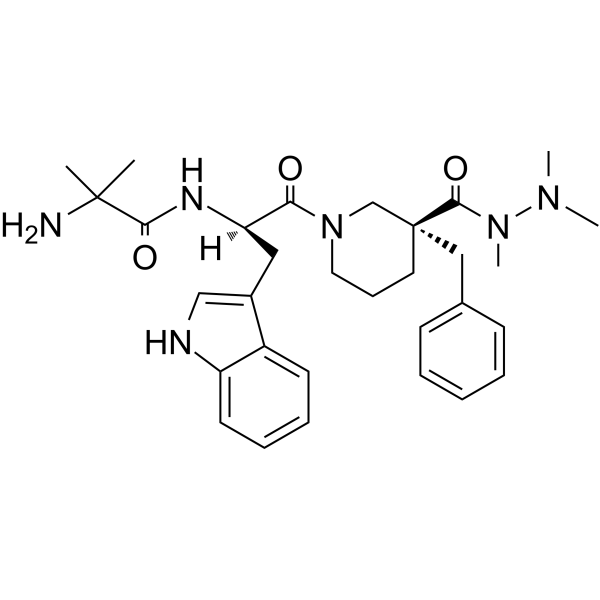

Anamorelin (RC-1291) is an orally active Ghrelin receptor agonist with an EC50 of 0.74 nM. Anamorelin can promote appetite, increase body weight, and stimulate the secretion of growth hormone and insulin-likegrowthfactor-1. Anamorelin can be used in the research of anorexia and cancer cachexia .
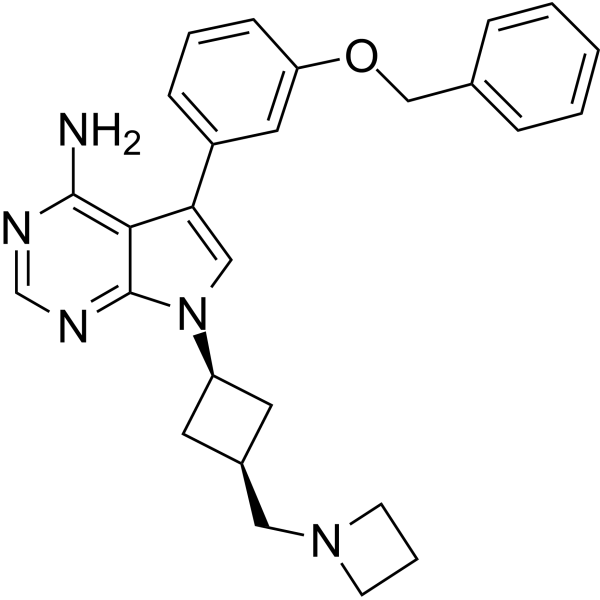
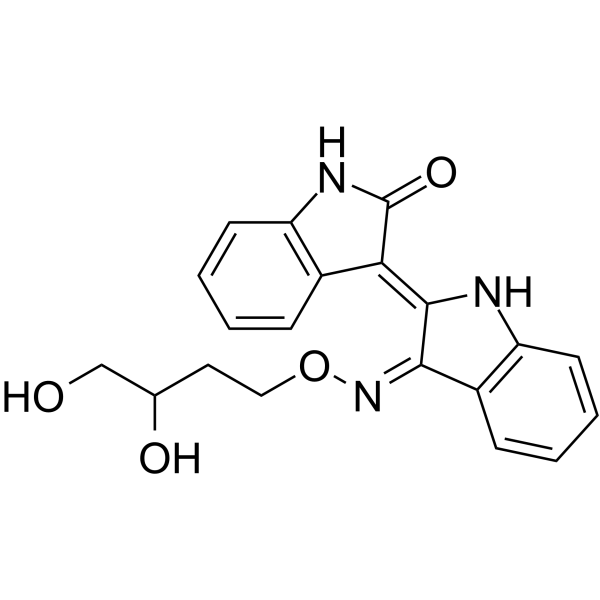
NVP-AEW541 (AEW541 ) is an orally active inhibitor of the insulin-likegrowthfactor 1 receptor (IGF-1R) with an IC50 value of 0.15 μM. NVP-AEW541 also inhibits InsR, IC50 with a value of 0.14 μM. NVP-AEW541 has antitumor activity .
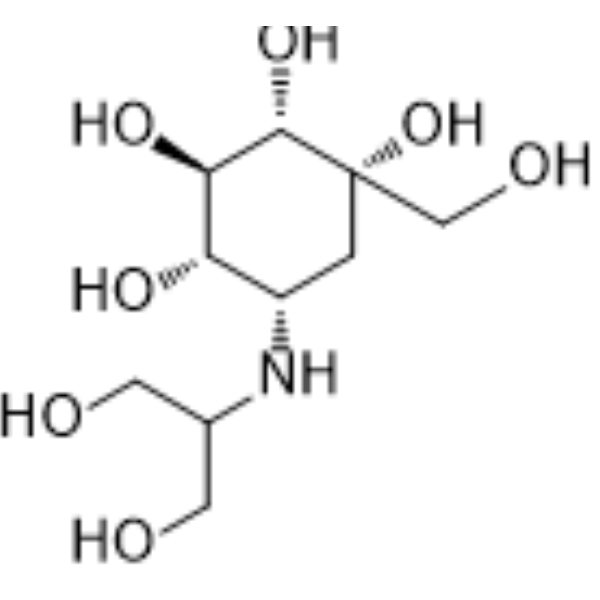
Voglibose is an orally active alpha-glucosidase inhibitor that prevents the development of colorectal precancerous lesions induced by obesity and diabetes. Voglibose reduces oxidative stress in an inflammatory environment and inhibits the insulin-likegrowthfactor/insulin-likegrowthfactor-1 receptor (IGF/IGF-1R) functional axis .
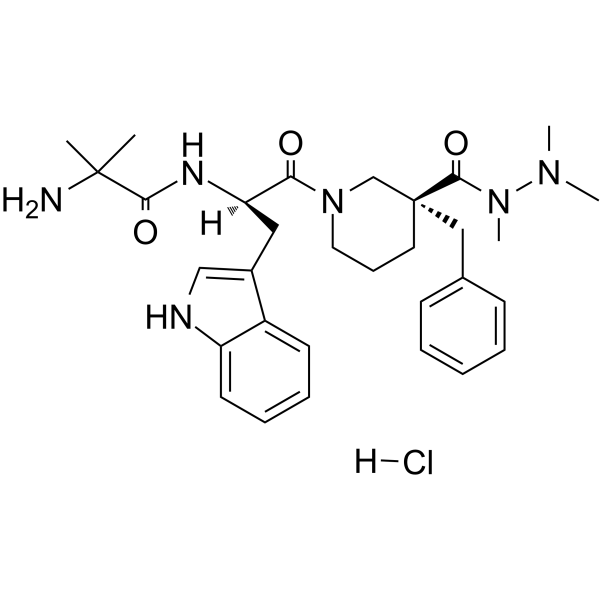
Anamorelin (RC-1291) hydrochloride is an orally active Ghrelin receptor agonist with an EC50 of 0.74 nM. Anamorelin hydrochloride can promote appetite, increase body weight, and stimulate the secretion of growth hormone and insulin-likegrowthfactor-1. Anamorelin hydrochloride can be used in the research of anorexia and cancer cachexia .
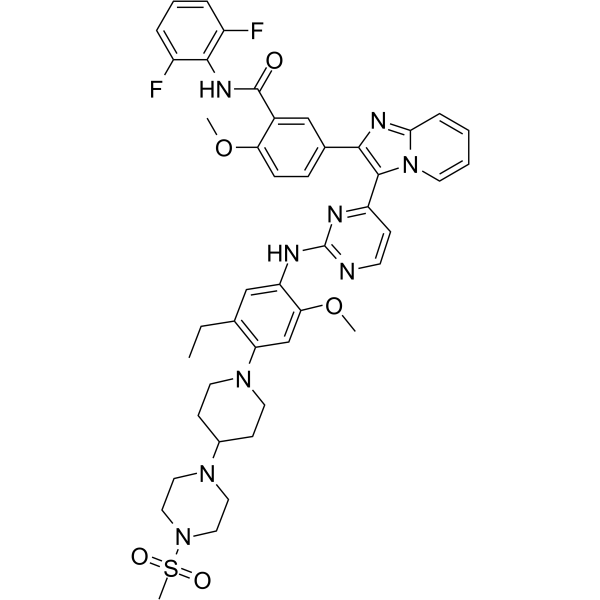
GSK1904529A is a potent, selective, orally active, and ATP-competitive inhibitor of insulin-likegrowthfactor-1 receptor (IGF-1R) and insulin receptor (IR), with IC50s of 27 and 25 nM, respectively. GSK1904529A shows poor activity (IC50>1 μM) in 45 other serine/threonine and tyrosine kinases. GSK1904529A exhibits anti-tumor activity .
Figitumumab (CP-751871) is a potent and fully human monoclonal anti–insulin-likegrowthfactor 1 receptor (IGF1R) antibody. Figitumumab prevents IGF1 from binding to IGF1R with an IC50 of 1.8 nM .
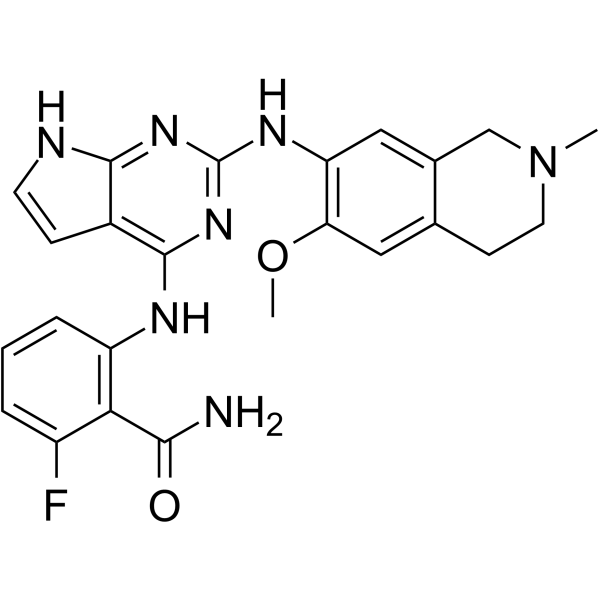
IGF-1R inhibitor-2 (example 121) is an insulin-likegrowthfactor-1 receptor (IGF-1R) inhibitor. Downregulation of IGF-1R can reverse the transformed phenotype of tumor cells and potentially render them susceptible to apoptosis .
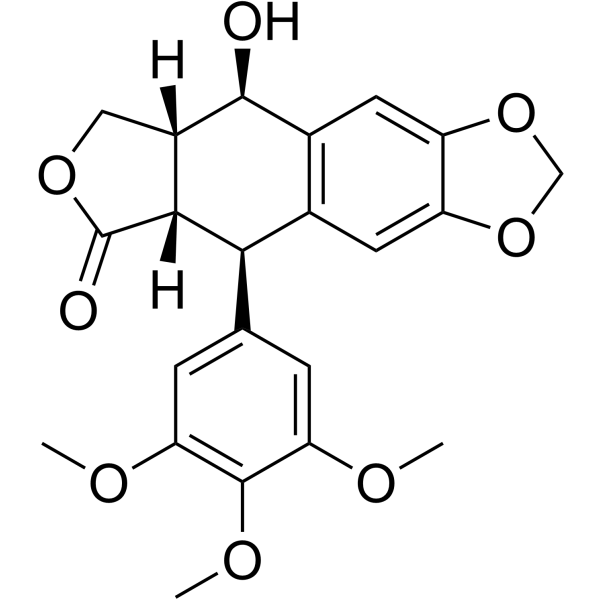
Picropodophyllin (Standard) is the analytical standard of Picropodophyllin. This product is intended for research and analytical applications. Picropodophyllin (AXL1717) is a selective insulin-likegrowthfactor-1 receptor (IGF-1R) inhibitor with an IC50 of 1 nM.
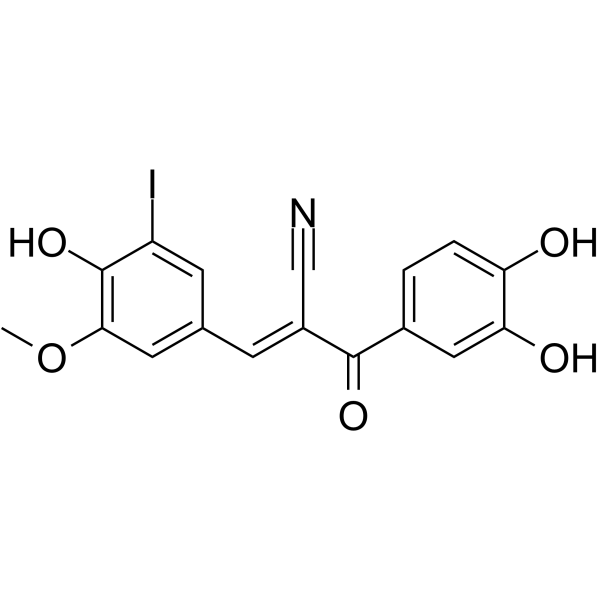
I-OMe-Tyrphostin AG 538 (I-OMe-AG 538) is a specific inhibitor of IGF-1R (insulin-likegrowthfactor-1 receptor tyrosine kinase). I-OMe-Tyrphostin AG 538 inhibits IGF-1R-mediated signaling and is preferentially cytotoxic to nutrient-deprived PANC1 cells.?I-OMe-Tyrphostin AG 538 is an ATP-competitive inhibitor of phosphatidylinositol-5-phosphate 4-kinase α (PI5P4Kα), with an IC50?of 1 μM .
Cimdelirsen is a novel, ligand-conjugated, hepatic-targeted investigative antisense oligonucleotide designed to reduce growth hormone receptor (GHr) synthesis, thereby inhibiting deleterious effects of growth hormone (GH) hypersecretion and reducing circulating insulin-likegrowthfactor-1 (IGF-1) levels in acromegaly patients.
PVA (Polyvinyl alcohol; Poly(Ethenol)) (Mw 47000, 98-99% hydrolyzed, ~1000 polymerization) is a semicrystalline synthetic polymer with excellent biocompatibility and biodegradability, which is non-toxic and non-mutagenic upon oral administration in the human body. PVA (Mw 47000, 98-99% hydrolyzed, ~1000 polymerization) can serve as an excipient, inhibitor or coating agent to prepare solid dispersions by absorbing water and inhibiting drug crystal nucleation and growth, and can encapsulate insulin-likegrowthfactor-1. PVA (Mw 47000, 98-99% hydrolyzed, ~1000 polymerization) can form physically crosslinked cryogels and degradable films, and is widely used in the construction of vascular grafts, the synthesis of articular cartilage, and studies on dry or minimally invasive ex vivo wounds. PVA (Mw 47000, 98-99% hydrolyzed, ~1000 polymerization) also promotes hydrogen peroxide generation and enhances the redox cycle of iron species, thus acting as a sacrificial agent to effectively degrade pollutants .
Cimdelirsen is a novel, ligand-conjugated, hepatic-targeted investigative antisense oligonucleotide designed to reduce growth hormone receptor (GHr) synthesis, thereby inhibiting deleterious effects of growth hormone (GH) hypersecretion and reducing circulating insulin-likegrowthfactor-1 (IGF-1) levels in acromegaly patients.
Angiopeptin TFA, a cyclic octapeptide analogue of somatostatin, is a weak sst2/sst5 receptor partial agonist with IC50 values of 0.26 nM and 6.92 nM, respectively. Angiopeptin TFA is a potent inhibitor of growth hormone release and insulin-likegrowthfactor-1 (IGF-1) production. Angiopeptin TFA inhibits adenylate cyclase or stimulates extracellular acidification. Angiopeptin TFA has the potential for coronary atherosclerosis research .
PVA (Polyvinyl alcohol; Poly(Ethenol)) (Mw 130000, 87-89% hydrolyzed, ~2700 polymerization) is a non-toxic, biodegradable, and highly biocompatible semicrystalline synthetic polymer. PVA (Mw 130000, 87-89% hydrolyzed, ~2700 polymerization) acts as a coating agent to improve tableting performance, and can be cross-linked with sodium trimetaphosphate to prepare tubular vascular grafts or form hydrogels for use as artificial articular cartilage and sustained-release matrices for growth factors. PVA (Mw 130000, 87-89% hydrolyzed, ~2700 polymerization) enhances the redox cycle of iron species in photo-assisted Fenton reactions to simultaneously generate hydrogen peroxide and degrade pollutants, enabling integrated sustainable waste management and water treatment. PVA (Mw 130000, 87-89% hydrolyzed, ~2700 polymerization) is used in the manufacture of biodegradable films and in studies of dry or minimally invasive ex vivo wounds, but cannot form freeze-thaw cross-linked solid sheets for wound dressings .
BMS-577098 is an orally active and ATP-competitive insulin-likegrowthfactor-1 receptor (IGF-1R) inhibitor with an IC50 of 0.016 μM. BMS-577098 shows anti-tumor effect .
GTx-134 is a dual insulin-likegrowthfactor 1 receptor/insulin receptor (IGF-1R/IR) inhibitor with an IC50 values for IGF-1R and IR of 97 and 187 nM respectively. GTx-134 inhibits the autophosphorylation of IGF-1R and its downstream signaling pathway (Akt), thereby blocking the proliferation and survival signals of tumor cells. GTx-134 has broad-spectrum inhibitory activity against multiple myeloma cell lines and can induce apoptosis in sensitive cells. GTx-134 significantly inhibits tumor growth in mice with MM1.S cell transplantation. GTx-134 works in synergy with existing therapies (such as protease preparations, immunomodulators). GTx-134 can be used in high-risk myeloma research .
Elegrobart is an immunoglobulin G1-κ monoclonal antibody targeting the human insulin-likegrowthfactor 1 receptor (IGF1R). Elegrobart is promising for research of diseases associated with abnormal IGF1R signaling, especially thyroid eye disease .
Picropodophyllin-d6 (AXL1717-d6) is deuterium labeled Picropodophyllin. Picropodophyllin (AXL1717) is a selective insulin-likegrowthfactor-1 receptor (IGF-1R) inhibitor with an IC50 of 1 nM.
Anamorelin (RC-1291) Fumarate is an orally active Ghrelin receptor agonist with an EC50 of 0.74 nM. Anamorelin Fumarate can promote appetite, increase body weight, and stimulate the secretion of growth hormone and insulin-likegrowthfactor-1. Anamorelin Fumarate can be used in the research of anorexia and cancer cachexia .
Voglibose (Standard) is the analytical standard of Voglibose. This product is intended for research and analytical applications. Voglibose is an orally active alpha-glucosidase inhibitor that prevents the development of colorectal precancerous lesions induced by obesity and diabetes. Voglibose reduces oxidative stress in an inflammatory environment and inhibits the insulin-likegrowthfactor/insulin-likegrowthfactor-1 receptor (IGF/IGF-1R) functional axis[1].
Picropodophyllin-d3 (AXL1717-d3; Picropodophyllotoxin-d3; PPP-d3) is the deuterium labeled Picropodophyllin (HY-15494). Picropodophyllin (AXL1717) is a selective insulin-likegrowthfactor-1 receptor (IGF-1R) inhibitor with an IC50 of 1 nM.
Anamorelin (Standard) (RC-1291 (Standard)) is the analytical standard of Anamorelin (HY-14734). This product is intended for research and analytical applications. Anamorelin (RC-1291) is an orally active Ghrelin receptor agonist with an EC50 of 0.74 nM. Anamorelin can promote appetite, increase body weight, and stimulate the secretion of growth hormone and insulin-likegrowthfactor-1. Anamorelin can be used in the research of anorexia and cancer cachexia .
Angiopeptin, a cyclic octapeptide analogue of somatostatin, is a weak sst2/sst5 receptor partial agonist with IC50 values of 0.26 nM and 6.92 nM, respectively. Angiopeptin is a potent inhibitor of growth hormone release and insulin-likegrowthfactor-1 (IGF-1) production. Angiopeptin inhibits adenylate cyclase or stimulates extracellular acidification. Angiopeptin has the potential for coronary atherosclerosis research .
NVP-AEW541 dihydrochloride (AEW541 dihydrochloride) is an orally active inhibitor of the insulin-likegrowthfactor 1 receptor (IGF-1R) with an IC50 value of 0.15 μM. NVP-AEW541 dihydrochloride also inhibits InsR, IC50 with a value of 0.14 μM. NVP-AEW541 dihydrochloride has antitumor activity .
Voglibose- 13C3 is the 13C-labeled Voglibose (HY-B0025). Voglibose is an orally active alpha-glucosidase inhibitor that prevents the development of colorectal precancerous lesions induced by obesity and diabetes. Voglibose reduces oxidative stress in an inflammatory environment and inhibits the insulin-likegrowthfactor/insulin-likegrowthfactor-1 receptor (IGF/IGF-1R) functional axis.
Ghrelin receptor full agonist-3 (Compound 22) is a selective, potent and orally active ghrelin receptor full agonist with an EC50 of 1.8 nM. Ghrelin receptor full agonist-3 can stimulate pulsatile secretion of growth hormone (GH), significantly increasing the frequency and duration of GH secretion, thereby inducing a sustained increase in insulin-likegrowthfactor-1 (IGF-1) levels. Ghrelin receptor full agonist-3 can be used for the researches of cancer and chronic obstructive pulmonary disease .
GSK1904529A (Standard) is the analytical standard of GSK1904529A (HY-10524). This product is intended for research and analytical applications. GSK1904529A is a potent, selective, orally active, and ATP-competitive inhibitor of insulin-likegrowthfactor-1 receptor (IGF-1R) and insulin receptor (IR), with IC50s of 27 and 25 nM, respectively. GSK1904529A shows poor activity (IC50>1 μM) in 45 other serine/threonine and tyrosine kinases. GSK1904529A exhibits anti-tumor activity .
Masoprocol tetrapivalate (Nordihydroguaiaretic acid tetrapivalate) is a catecholic butane metabolite and also a tyrosine kinase activity inhibitor of IGF-1R and EGFR. Masoprocol tetrapivalate regulates tyrosine kinase signaling pathways associated with cell proliferation. Masoprocol tetrapivalate can be used in the research of proliferative diseases, including malignant, precancerous or benign cancers, and solid tumors .
PVA (Polyvinyl alcohol; Poly(Ethenol)) (Mw 47000, 98-99% hydrolyzed, ~1000 polymerization) is a semicrystalline synthetic polymer with excellent biocompatibility and biodegradability, which is non-toxic and non-mutagenic upon oral administration in the human body. PVA (Mw 47000, 98-99% hydrolyzed, ~1000 polymerization) can serve as an excipient, inhibitor or coating agent to prepare solid dispersions by absorbing water and inhibiting drug crystal nucleation and growth, and can encapsulate insulin-likegrowthfactor-1. PVA (Mw 47000, 98-99% hydrolyzed, ~1000 polymerization) can form physically crosslinked cryogels and degradable films, and is widely used in the construction of vascular grafts, the synthesis of articular cartilage, and studies on dry or minimally invasive ex vivo wounds. PVA (Mw 47000, 98-99% hydrolyzed, ~1000 polymerization) also promotes hydrogen peroxide generation and enhances the redox cycle of iron species, thus acting as a sacrificial agent to effectively degrade pollutants .
PVA (Polyvinyl alcohol; Poly(Ethenol)) (Mw 130000, 87-89% hydrolyzed, ~2700 polymerization) is a non-toxic, biodegradable, and highly biocompatible semicrystalline synthetic polymer. PVA (Mw 130000, 87-89% hydrolyzed, ~2700 polymerization) acts as a coating agent to improve tableting performance, and can be cross-linked with sodium trimetaphosphate to prepare tubular vascular grafts or form hydrogels for use as artificial articular cartilage and sustained-release matrices for growth factors. PVA (Mw 130000, 87-89% hydrolyzed, ~2700 polymerization) enhances the redox cycle of iron species in photo-assisted Fenton reactions to simultaneously generate hydrogen peroxide and degrade pollutants, enabling integrated sustainable waste management and water treatment. PVA (Mw 130000, 87-89% hydrolyzed, ~2700 polymerization) is used in the manufacture of biodegradable films and in studies of dry or minimally invasive ex vivo wounds, but cannot form freeze-thaw cross-linked solid sheets for wound dressings .
Angiopeptin TFA, a cyclic octapeptide analogue of somatostatin, is a weak sst2/sst5 receptor partial agonist with IC50 values of 0.26 nM and 6.92 nM, respectively. Angiopeptin TFA is a potent inhibitor of growth hormone release and insulin-likegrowthfactor-1 (IGF-1) production. Angiopeptin TFA inhibits adenylate cyclase or stimulates extracellular acidification. Angiopeptin TFA has the potential for coronary atherosclerosis research .
Human Growth Hormone (1-43) is an N-terminal fragment of human growth hormone with specific and pronounced insulin-like activity. Human Growth Hormone (1-43) can be used to study the function and metabolic pathways of growth hormone, a potential obesity-related factor .
Angiopeptin, a cyclic octapeptide analogue of somatostatin, is a weak sst2/sst5 receptor partial agonist with IC50 values of 0.26 nM and 6.92 nM, respectively. Angiopeptin is a potent inhibitor of growth hormone release and insulin-likegrowthfactor-1 (IGF-1) production. Angiopeptin inhibits adenylate cyclase or stimulates extracellular acidification. Angiopeptin has the potential for coronary atherosclerosis research .
Figitumumab (CP-751871) is a potent and fully human monoclonal anti–insulin-likegrowthfactor 1 receptor (IGF1R) antibody. Figitumumab prevents IGF1 from binding to IGF1R with an IC50 of 1.8 nM .
Elegrobart is an immunoglobulin G1-κ monoclonal antibody targeting the human insulin-likegrowthfactor 1 receptor (IGF1R). Elegrobart is promising for research of diseases associated with abnormal IGF1R signaling, especially thyroid eye disease .
Voglibose is an orally active alpha-glucosidase inhibitor that prevents the development of colorectal precancerous lesions induced by obesity and diabetes. Voglibose reduces oxidative stress in an inflammatory environment and inhibits the insulin-likegrowthfactor/insulin-likegrowthfactor-1 receptor (IGF/IGF-1R) functional axis .
Picropodophyllin (Standard) is the analytical standard of Picropodophyllin. This product is intended for research and analytical applications. Picropodophyllin (AXL1717) is a selective insulin-likegrowthfactor-1 receptor (IGF-1R) inhibitor with an IC50 of 1 nM.
Voglibose (Standard) is the analytical standard of Voglibose. This product is intended for research and analytical applications. Voglibose is an orally active alpha-glucosidase inhibitor that prevents the development of colorectal precancerous lesions induced by obesity and diabetes. Voglibose reduces oxidative stress in an inflammatory environment and inhibits the insulin-likegrowthfactor/insulin-likegrowthfactor-1 receptor (IGF/IGF-1R) functional axis[1].
IGF-I protein is similar to insulin and exerts effective growth-promoting activity as a ligand of IGF1R. Binding to the α subunit of IGF1R activates intrinsic tyrosine kinase, triggering autophosphorylation of the β subunit. IGF-I Protein, Salmon is the recombinant IGF-I protein, expressed by E. coli , with tag free.
IGF-I/IGF-1 Protein, Mouse (His) is a mitogenic cytokine, binds to IGF type 1 receptor, and modulates growth in many tissues, such as nervous tissue, lymphoid tissue, reproductive tissue, smooth muscle, endothelium, and bone. IGF1 also mediates neuroprotective mechanism.
The IGF-I/IGF-1 protein is structurally similar to insulin and has potent growth-promoting activity. As a physiological regulator, it stimulates glucose transport and glycogen synthesis in osteoblasts, exceeding the efficacy of insulin at lower concentrations. IGF-I/IGF-1 Protein, Mouse (N-His) is the recombinant mouse-derived IGF-I/IGF-1 protein, expressed by E. coli , with N-6*His labeled tag.
IGF-I receptor (IGF1R) mediates insulin-like growth factor effects, binding strongly to IGF1. Activation triggers PI3K-AKT/PKB and Ras-MAPK pathways, influencing cell survival, protein synthesis, and proliferation. IGF1R also signals through JAK/STAT, inhibiting JNK activation. Hybrid receptors show variable binding to IGF1 and insulin. IGF1R/IGF-I R Protein, Human (His) is the recombinant human-derived IGF1R/IGF-I R Protein, expressed by E. coli , with N-6*His labeled tag.
IGF-I receptor (IGF1R) mediates insulin-like growth factor effects, binding strongly to IGF1. Activation triggers PI3K-AKT/PKB and Ras-MAPK pathways, influencing cell survival, protein synthesis, and proliferation. IGF1R also signals through JAK/STAT, inhibiting JNK activation. Hybrid receptors show variable binding to IGF1 and insulin. IGF1R/IGF-I R Protein, Human (HEK293, His) is the recombinant human-derived IGF1R/IGF-I R Protein, expressed by HEK293 , with C-6*His labeled tag.
IGF-I receptor (IGF1R) mediates insulin-like growth factor effects, binding strongly to IGF1. Activation triggers PI3K-AKT/PKB and Ras-MAPK pathways, influencing cell survival, protein synthesis, and proliferation. IGF1R also signals through JAK/STAT, inhibiting JNK activation. Hybrid receptors show variable binding to IGF1 and insulin. IGF1R/IGF-I R Protein, Human (HEK293, Fc) is the recombinant human-derived IGF1R/IGF-I R Protein, expressed by HEK293, with C-hFc labeled tag.
IGF-I receptor (IGF1R) mediates insulin-like growth factor effects, binding strongly to IGF1. Activation triggers PI3K-AKT/PKB and Ras-MAPK pathways, influencing cell survival, protein synthesis, and proliferation. IGF1R also signals through JAK/STAT, inhibiting JNK activation. Hybrid receptors show variable binding to IGF1 and insulin. IGF1R/IGF-I R Protein, Human (HEK293, His, solution) is the recombinant human-derived IGF1R/IGF-I R Protein, expressed by HEK293 , with C-His labeled tag.
IGF-I receptor (IGF1R) mediates insulin-like growth factor effects, binding strongly to IGF1. Activation triggers PI3K-AKT/PKB and Ras-MAPK pathways, influencing cell survival, protein synthesis, and proliferation. IGF1R also signals through JAK/STAT, inhibiting JNK activation. Hybrid receptors show variable binding to IGF1 and insulin. IGF1R/IGF-I R Protein, Human (sf9, His-GST) is the recombinant human-derived IGF1R/IGF-I R Protein, expressed by Sf9 insect cells , with N-His, N-GST labeled tag.
sCcn1; Cyr61; Igfbp10; CCN family member 1; 3CH61; Cellular communication network factor 1; Cysteine-rich angiogenic IGFBP-10; Protein CYR61; inducer 61; insulin-likegrowthfactor-binding protein 10; IBP-10; IGF-binding protein 10
The IGF-I/IGF-1 protein is structurally similar to insulin and has potent growth-promoting activity. As a physiological regulator, it stimulates glucose transport and glycogen synthesis in osteoblasts, exceeding the efficacy of insulin at lower concentrations. Animal-Free IGF-I/IGF-1 Protein, Mouse (His) is the recombinant mouse-derived animal-FreeIGF-I/IGF-1 protein, expressed by E. coli , with C-His labeled tag.This product is for cell culture use only.
IGF-I/IGF-1 Protein is an insulin-like growth factor that possesses both growth-promoting and metabolic-regulating functions. IGF-I/IGF-1 Protein is also a neurotrophic factor with neuroprotective and neuroplasticity-regulating activities. IGF-I/IGF-1 Protein plays a key role in growth and development, cell proliferation, metabolic regulation and other aspects. IGF-I/IGF-1 Protein, Mouse is a recombinant IGF-I/IGF-1 protein expressed by E. coli without a tag.
IGF-I/IGF-1 Protein is an insulin-like growth factor that possesses both growth-promoting and metabolic-regulating functions. IGF-I/IGF-1 Protein is also a neurotrophic factor with neuroprotective and neuroplasticity-regulating activities. IGF-I/IGF-1 Protein plays a key role in growth and development, cell proliferation, metabolic regulation and other aspects. IGF-I/IGF-1 protein, Human (70a.a) is a recombinant IGF-I/IGF-1 protein expressed by E. coli without a tag.
IGF-I/IGF-1 Protein, part of the insulin family, is highlighted. IGF-I/IGF-1 Protein, Mouse (P.pastoris) is the recombinant mouse-derived IGF-I/IGF-1 protein, expressed by P. pastoris , with tag free.
The IGF-I protein is structurally similar to insulin and has excellent growth-promoting activity. As a potential physiological regulator, it affects [1-14C]-2-deoxy-D-glucose (2DG) transport and glycogen synthesis in osteoblasts. Animal-Free IGF-I Protein, Pig (His) is the recombinant pig-derived animal-FreeIGF-I protein, expressed by E. coli , with C-His labeled tag. This product is for cell culture use only.
The LR3 IGF-I/IGF-1 protein is similar to insulin and has potent growth-promoting activity that exceeds the efficacy of insulin. As a potential physiological regulator, it stimulates glucose transport and glycogen synthesis in osteoblasts even at significantly lower concentrations than insulin. GMP LR3 IGF-I/IGF-1 Protein, Human (83a.a, E51R) is the recombinant human-derived LR3 IGF-I/IGF-1 protein, expressed by E. coli , with tag free.
The LR3 IGF-I/IGF-1 protein is similar to insulin and has potent growth-promoting activity that exceeds the efficacy of insulin. As a potential physiological regulator, it stimulates glucose transport and glycogen synthesis in osteoblasts even at significantly lower concentrations than insulin. IGF-I/IGF-1 Protein, Human (HEK293, hFc) is the recombinant human-derived IGF-I/IGF-1 protein, expressed by HEK293 , with N-hFc labeled tag.
Picropodophyllin-d6 (AXL1717-d6) is deuterium labeled Picropodophyllin. Picropodophyllin (AXL1717) is a selective insulin-likegrowthfactor-1 receptor (IGF-1R) inhibitor with an IC50 of 1 nM.
Picropodophyllin-d3 (AXL1717-d3; Picropodophyllotoxin-d3; PPP-d3) is the deuterium labeled Picropodophyllin (HY-15494). Picropodophyllin (AXL1717) is a selective insulin-likegrowthfactor-1 receptor (IGF-1R) inhibitor with an IC50 of 1 nM.
Voglibose- 13C3 is the 13C-labeled Voglibose (HY-B0025). Voglibose is an orally active alpha-glucosidase inhibitor that prevents the development of colorectal precancerous lesions induced by obesity and diabetes. Voglibose reduces oxidative stress in an inflammatory environment and inhibits the insulin-likegrowthfactor/insulin-likegrowthfactor-1 receptor (IGF/IGF-1R) functional axis.
IGF1R; insulin-likegrowthfactor 1 receptor; insulin-likegrowthfactor I receptor; IGF-I receptor; CD antigen CD221
WB, IP
Human, Mouse, Rat
Phospho-IGF1 Receptor (Tyr1166) Antibody (YA186) is a Rabbit-derived and non-conjugated IgG monoclonal antibody, targeting to Phospho-IGF1 Receptor (Tyr1166).
IGF1R; insulin-likegrowthfactor 1 receptor; insulin-likegrowthfactor I receptor; IGF-I receptor; CD antigen CD221
WB, IP
Human, Mouse, Rat
Phospho-IGF1 Receptor (Tyr1166) Antibody (YA186) is a Rabbit-derived and non-conjugated IgG monoclonal antibody, targeting to Phospho-IGF1 Receptor (Tyr1166).
IGF1R; insulin-likegrowthfactor 1 receptor; insulin-likegrowthfactor I receptor; IGF-I receptor; CD antigen CD221; INSR; insulin receptor; IR; CD antigen CD220
WB, ICC/IF, IP, ELISA
Human, Mouse, Rat
Phospho-IGF1R(Tyr1135/1136)/Insulin Receptor β(Tyr1150/1151) Antibody (YA5768) is a Rabbit-derived and non-conjugated IgG monoclonal antibody, targeting to Phospho-IGF1R(Tyr1135/1136)/Insulin Receptor β(Tyr1150/1151).
Cimdelirsen is a novel, ligand-conjugated, hepatic-targeted investigative antisense oligonucleotide designed to reduce growth hormone receptor (GHr) synthesis, thereby inhibiting deleterious effects of growth hormone (GH) hypersecretion and reducing circulating insulin-likegrowthfactor-1 (IGF-1) levels in acromegaly patients.
Western blot analysis of extracts from THP-1(lane 2(20μg), Jurkat (lane 3(20μg) and NIH3T3(lane 4(20μg) using FOXO1A (HY-P80132) Rabbit mAb. Proteins were transferred
to a PVDF membrane and blocked with 5% non-fat milk in TBST for 2 hour at room temperature. The primary antibody (1/1000) and Loading control antibody (Beta Actin, HY-P80438, 1/10000) was
used in 5% non-fat milk in TBST at 4°C overnight. Goat Anti-Mouse/Rabbit IgG-HRP Secondary Antibody (1/10000) was used for 1 hour at room temperature.
Western blot analysis of extracts from THP-1(lane 2(20μg), Jurkat (lane 3(20μg) and NIH3T3(lane 4(20μg) using FOXO1A (HY-P80132) Rabbit mAb. Proteins were transferred
to a PVDF membrane and blocked with 5% non-fat milk in TBST for 2 hour at room temperature. The primary antibody (1/1000) and Loading control antibody (Beta Actin, HY-P80438, 1/10000) was
used in 5% non-fat milk in TBST at 4°C overnight. Goat Anti-Mouse/Rabbit IgG-HRP Secondary Antibody (1/10000) was used for 1 hour at room temperature.
Western blot analysis of extracts from THP-1(lane 2(20μg), Jurkat (lane 3(20μg) and NIH3T3(lane 4(20μg) using FOXO1A (HY-P80132) Rabbit mAb. Proteins were transferred
to a PVDF membrane and blocked with 5% non-fat milk in TBST for 2 hour at room temperature. The primary antibody (1/1000) and Loading control antibody (Beta Actin, HY-P80438, 1/10000) was
used in 5% non-fat milk in TBST at 4°C overnight. Goat Anti-Mouse/Rabbit IgG-HRP Secondary Antibody (1/10000) was used for 1 hour at room temperature.
Western blot analysis of extracts from THP-1(lane 2(20μg), Jurkat (lane 3(20μg) and NIH3T3(lane 4(20μg) using FOXO1A (HY-P80132) Rabbit mAb. Proteins were transferred
to a PVDF membrane and blocked with 5% non-fat milk in TBST for 2 hour at room temperature. The primary antibody (1/1000) and Loading control antibody (Beta Actin, HY-P80438, 1/10000) was
MedchemExpress Validation 03
Western blot analysis of extracts from THP-1(lane 2(20μg), Jurkat (lane 3(20μg) and NIH3T3(lane 4(20μg) using FOXO1A (HY-P80132) Rabbit mAb. Proteins were transferred
MedchemExpress Validation 04
Western blot analysis of extracts from THP-1(lane 2(20μg), Jurkat (lane 3(20μg) and NIH3T3(lane 4(20μg) using FOXO1A (HY-P80132) Rabbit mAb. Proteins were transferred
to a PVDF membrane and blocked with 5% non-fat milk in TBST for 2 hour at room temperature. The primary antibody (1/1000) and Loading control antibody (Beta Actin, HY-P80438, 1/10000) was
used in 5% non-fat milk in TBST at 4°C overnight. Goat Anti-Mouse/Rabbit IgG-HRP Secondary Antibody (1/10000) was used for 1 hour at room temperature.
MedchemExpress Validation
Western blot analysis of extracts from THP-1(lane 2(20μg), Jurkat (lane 3(20μg) and NIH3T3(lane 4(20μg) using FOXO1A (HY-P80132) Rabbit mAb. Proteins were transferred
to a PVDF membrane and blocked with 5% non-fat milk in TBST for 2 hour at room temperature. The primary antibody (1/1000) and Loading control antibody (Beta Actin, HY-P80438, 1/10000) was
used in 5% non-fat milk in TBST at 4°C overnight. Goat Anti-Mouse/Rabbit IgG-HRP Secondary Antibody (1/10000) was used for 1 hour at room temperature.
Western blot analysis of extracts from THP-1(lane 2(20μg), Jurkat (lane 3(20μg) and NIH3T3(lane 4(20μg) using FOXO1A (HY-P80132) Rabbit mAb. Proteins were transferred
to a PVDF membrane and blocked with 5% non-fat milk in TBST for 2 hour at room temperature. The primary antibody (1/1000) and Loading control antibody (Beta Actin, HY-P80438, 1/10000) was
used in 5% non-fat milk in TBST at 4°C overnight. Goat Anti-Mouse/Rabbit IgG-HRP Secondary Antibody (1/10000) was used for 1 hour at room temperature.
MedchemExpress Validation
Western blot analysis of extracts from THP-1(lane 2(20μg), Jurkat (lane 3(20μg) and NIH3T3(lane 4(20μg) using FOXO1A (HY-P80132) Rabbit mAb. Proteins were transferred
to a PVDF membrane and blocked with 5% non-fat milk in TBST for 2 hour at room temperature. The primary antibody (1/1000) and Loading control antibody (Beta Actin, HY-P80438, 1/10000) was
used in 5% non-fat milk in TBST at 4°C overnight. Goat Anti-Mouse/Rabbit IgG-HRP Secondary Antibody (1/10000) was used for 1 hour at room temperature.
MedchemExpress Validation
Western blot analysis of extracts from THP-1(lane 2(20μg), Jurkat (lane 3(20μg) and NIH3T3(lane 4(20μg) using FOXO1A (HY-P80132) Rabbit mAb. Proteins were transferred
to a PVDF membrane and blocked with 5% non-fat milk in TBST for 2 hour at room temperature. The primary antibody (1/1000) and Loading control antibody (Beta Actin, HY-P80438, 1/10000) was
used in 5% non-fat milk in TBST at 4°C overnight. Goat Anti-Mouse/Rabbit IgG-HRP Secondary Antibody (1/10000) was used for 1 hour at room temperature.
MedchemExpress Validation
Western blot analysis of extracts from THP-1(lane 2(20μg), Jurkat (lane 3(20μg) and NIH3T3(lane 4(20μg) using FOXO1A (HY-P80132) Rabbit mAb. Proteins were transferred
to a PVDF membrane and blocked with 5% non-fat milk in TBST for 2 hour at room temperature. The primary antibody (1/1000) and Loading control antibody (Beta Actin, HY-P80438, 1/10000) was
used in 5% non-fat milk in TBST at 4°C overnight. Goat Anti-Mouse/Rabbit IgG-HRP Secondary Antibody (1/10000) was used for 1 hour at room temperature.
MedchemExpress Validation
Western blot analysis of extracts from THP-1(lane 2(20μg), Jurkat (lane 3(20μg) and NIH3T3(lane 4(20μg) using FOXO1A (HY-P80132) Rabbit mAb. Proteins were transferred
to a PVDF membrane and blocked with 5% non-fat milk in TBST for 2 hour at room temperature. The primary antibody (1/1000) and Loading control antibody (Beta Actin, HY-P80438, 1/10000) was
used in 5% non-fat milk in TBST at 4°C overnight. Goat Anti-Mouse/Rabbit IgG-HRP Secondary Antibody (1/10000) was used for 1 hour at room temperature.
MedchemExpress Validation
Western blot analysis of extracts from THP-1(lane 2(20μg), Jurkat (lane 3(20μg) and NIH3T3(lane 4(20μg) using FOXO1A (HY-P80132) Rabbit mAb. Proteins were transferred
to a PVDF membrane and blocked with 5% non-fat milk in TBST for 2 hour at room temperature. The primary antibody (1/1000) and Loading control antibody (Beta Actin, HY-P80438, 1/10000) was
used in 5% non-fat milk in TBST at 4°C overnight. Goat Anti-Mouse/Rabbit IgG-HRP Secondary Antibody (1/10000) was used for 1 hour at room temperature.
MedchemExpress Validation
Western blot analysis of extracts from THP-1(lane 2(20μg), Jurkat (lane 3(20μg) and NIH3T3(lane 4(20μg) using FOXO1A (HY-P80132) Rabbit mAb. Proteins were transferred
to a PVDF membrane and blocked with 5% non-fat milk in TBST for 2 hour at room temperature. The primary antibody (1/1000) and Loading control antibody (Beta Actin, HY-P80438, 1/10000) was
used in 5% non-fat milk in TBST at 4°C overnight. Goat Anti-Mouse/Rabbit IgG-HRP Secondary Antibody (1/10000) was used for 1 hour at room temperature.
MedChemExpress values your privacy and your trust is important to us. We use cookies to enhance your website experience. Some cookies are necessary to run the website.
Privacy and Cookie Policy

