
Search Result
Results for "
neuroinflammatory diseases
" in MedChemExpress (MCE) Product Catalog:
4
Isotope-Labeled Compounds
| Cat. No. |
Product Name |
Target |
Research Areas |
Chemical Structure |
-
- HY-P99025
-
|
TNX-650; MILR1444A; RG3637
|
Interleukin Related
|
Neurological Disease
Inflammation/Immunology
|
|
Lebrikizumab (TNX-650) is an IgG4 humanized anti-interleukin-13 (IL-13) mAb with anti-itch effects that specifically binds to IL-13 in a non-receptor binding domain and inhibits its function. Lebrikizumab inhibits the IL-13 driven Th2 inflammatory response and blocks the signaling of IL-4Rα/IL-13Rα1. Lebrikizumab can be used for the research of asthma, atopic dermatitis and neuroinflammatory diseases .
|
-
-
- HY-W019670
-
-
-
- HY-156438
-
|
NT-0796
|
NOD-like Receptor (NLR)
Interleukin Related
|
Neurological Disease
|
|
Ruvonoflast (NT-0796) is an orally active, selective and CNS-penetrant NLRP3 inflammasome inhibitor. Ruvonoflast inhibits IL-1β release in human PBMC cells with an IC50 value of 0.32 nM. Ruvonoflast is an isopropyl ester that undergoes intracellular conversion to Ruvonoflast, the carboxylic acid active species. Ruvonoflast reverses high fat diet-induced obesity, systemic inflammation and astrogliosis in the diet-induced obesity mouse model. Ruvonoflast is promising for research of neurodegenerative disorders, including Alzheimer’s disease, Parkinson’s disease, multiple sclerosis, and amyotrophic lateral sclerosis .
|
-
-
- HY-117727
-
|
MIN-102; Hydroxypioglitazone
|
PPAR
|
Neurological Disease
Metabolic Disease
Inflammation/Immunology
|
|
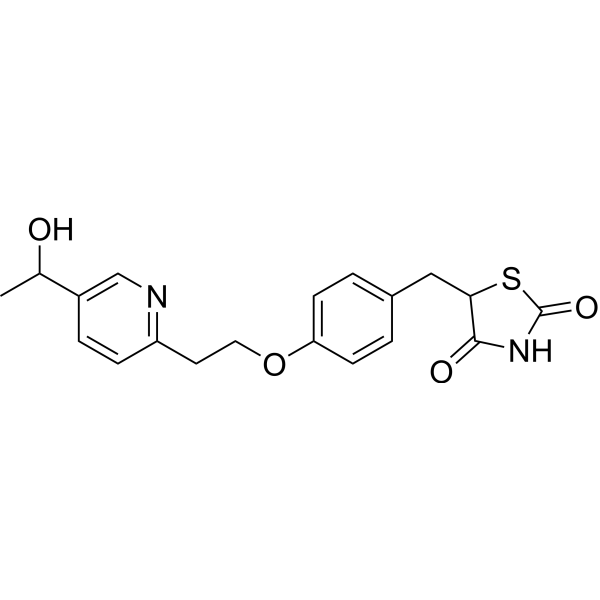
Leriglitazone (MIN-102; Hydroxypioglitazone) is an orally active and a BBB-penetrable PPARγ agonist with an EC50 of 9 μM. Leriglitazone, as a regulator of mitochondrial function, has neuroprotective, anti-inflammatory and antioxidant effects. Leriglitazone can be used in the study of neuroinflammatory and neurodegenerative diseases .
|
-
-
- HY-W009081
-
|
|
Free Fatty Acid Receptor
|
Neurological Disease
|
|
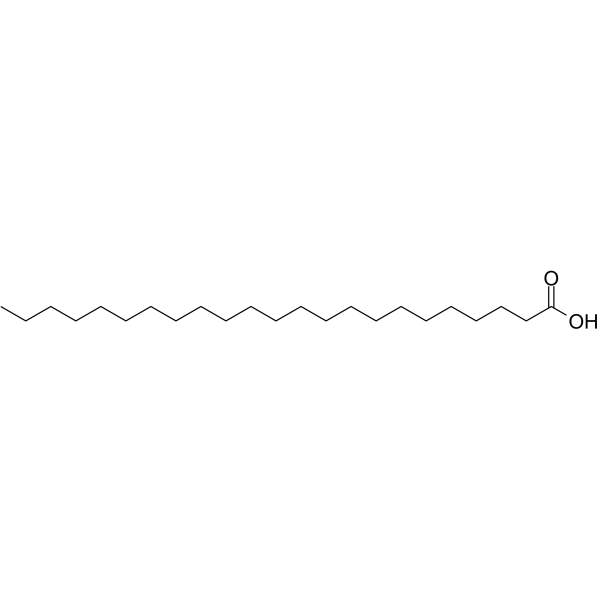
Tricosanoic acid is an endogenous agonist of long-chain saturated fatty acids and free fatty acid receptor FFAR1, which can activate hair growth. Tricosanoic acid (C23:0) has the activity of improving cognitive function by regulating neuronal membrane fluidity, inhibiting neuroinflammatory response, participating in myelination and neuronal energy metabolism. Tricosanoic acid expression levels are low in the prefrontal cortex of Alzheimer's disease (AD) models; while better cognitive performance corresponds to higher serum concentration levels. Tricosanoic acid can be used as a biomarker for diseases related to cognitive decline .
|
-
-
- HY-117727A
-
|
MIN-102 hydrochloride; Hydroxypioglitazone hydrochloride
|
PPAR
|
Neurological Disease
Metabolic Disease
Inflammation/Immunology
|
|
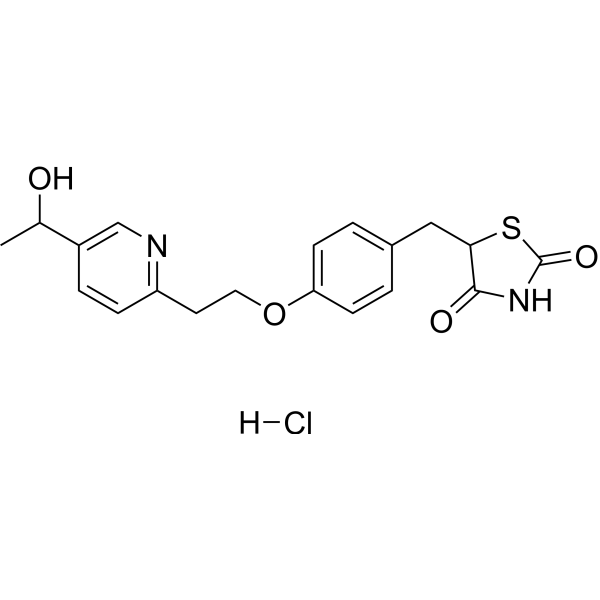
Leriglitazone (MIN-102; Hydroxypioglitazone) hydrochloride is an orally active and a BBB-penetrable PPARγ agonist with an EC50 of 9 μM. Leriglitazone hydrochloride, as a regulator of mitochondrial function, has neuroprotective, anti-inflammatory and antioxidant effects. Leriglitazone hydrochloride can be used in the study of neuroinflammatory and neurodegenerative diseases .
|
-
-
- HY-146195
-
-
-
- HY-W753593
-
-
-
- HY-144765
-
|
|
NF-κB
Apoptosis
|
Neurological Disease
Metabolic Disease
Inflammation/Immunology
Cancer
|
|
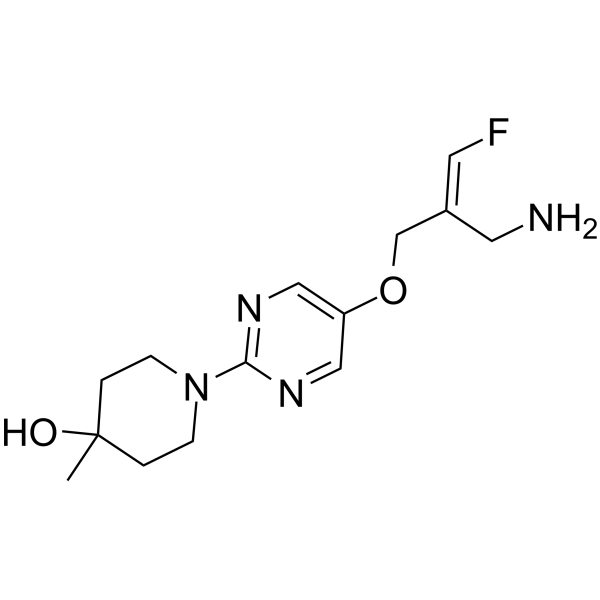
NF-κB-IN-4 (compound 17) is a potent NF-κB pathway inhibitor with blood brain barrier (BBB) permeability. NF-κB-IN-4 exhibits potential anti-neuroinflammatory activity with low toxicity. NF-κB-IN-4 can block the activation and phosphorylation of IκBα, reduce expression of NLRP3, and thus inhibit NF-κB activation. NF-κB-IN-4 can be used for neuroinflammation related diseases research .
|
-
-
- HY-162359
-
|
|
IRAK
|
Neurological Disease
Inflammation/Immunology
|
|
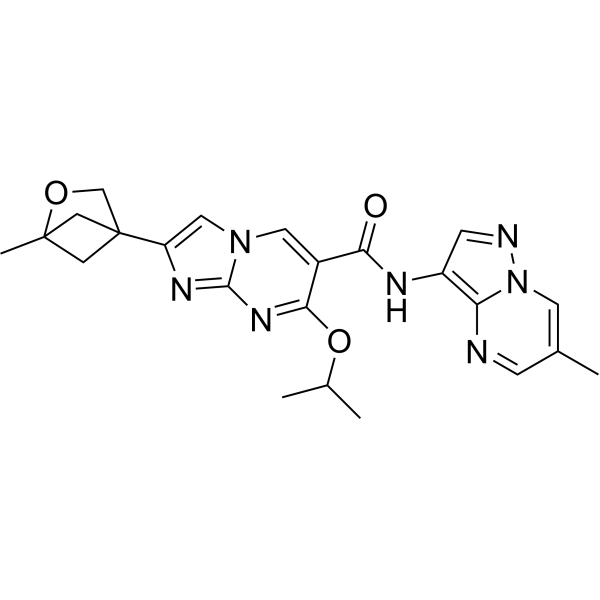
BIO-7488 is an orally active, selective and blood-brain barrier permeable IRAK4 inhibitor, with an IC50 value of 0.5 nM. BIO-7488 inhibits the production of pro-inflammatory cytokines (IL-1β, TNFα, IL-6) and demonstrates anti-inflammatory effects in both LPS (HY-D1056) and distal hypoxic-middle cerebral artery occlusion (DH-MCAO) ischemic stroke model. BIO-7488 can be used for the study of neuroinflammatory-related diseases, particularly ischemic stroke .
|
-
-
- HY-W019670R
-
-
-
- HY-177531
-
|
|
Liposome
mRNA
|
Neurological Disease
Inflammation/Immunology
Cancer
|
|
S-Ac7-DOG is a cationic lipid with biodegradability, low immunogenicity and high nucleic acid transfection capacity, which is commonly used to construct lipid nanoparticles for nucleic acid molecule delivery. S-Ac7-DOG can bind to mRNA, microRNA and self-amplifying RNA through electrostatic interaction. Lipid nanoparticles formed by S-Ac7-DOG enter cells via an energy-dependent endocytic pathway, release nucleic acid cargos, induce antigen-specific CD8 + T cell responses, promote the generation of precursor memory T cells, and regulate neuroinflammatory pathways. S-Ac7-DOG can be used in the research of retinal diseases, neuroinflammation and cancer .
|
-
-
- HY-125251
-
-
-
- HY-143721
-
|
|
VAP-1
|
Neurological Disease
Metabolic Disease
Inflammation/Immunology
Cancer
|
|
SSAO inhibitor-2 is a selective semicarbazide-sensitive amine oxidase (SSAO/VAP-1) inhibitor with an IC50 of < 10 nM. SSAO inhibitor-2 can be used for the research of inflammation diseases, diabetes and diabetes-related diseases, mental disorders, pain-related diseases, ischemic diseases, vascular diseases, ocular diseases, fibrosis, neuroinflammatory diseases, cancer, and tissue transplant rejection .
|
-
-
- HY-159944
-
|
|
PPAR
|
Neurological Disease
Metabolic Disease
Inflammation/Immunology
|
|
PPARγ agonist 14 (compound 3) is a PPARy agonist (EC50=2.4 μM) with anti-diabetic activity. PPARγ agonist 14 can improve intracellular glucose uptake, promote insulin release, and lower blood sugar. In addition, PPARγ agonist 14 also improves mitochondrial function, reduces oxidative stress, and inhibits inflammatory factors. PPARγ agonist 14 can be used in the study of neurodegenerative diseases, neuroinflammatory diseases, and other diseases .
|
-
-
- HY-155126
-
|
|
Reactive Oxygen Species (ROS)
|
Neurological Disease
|
|
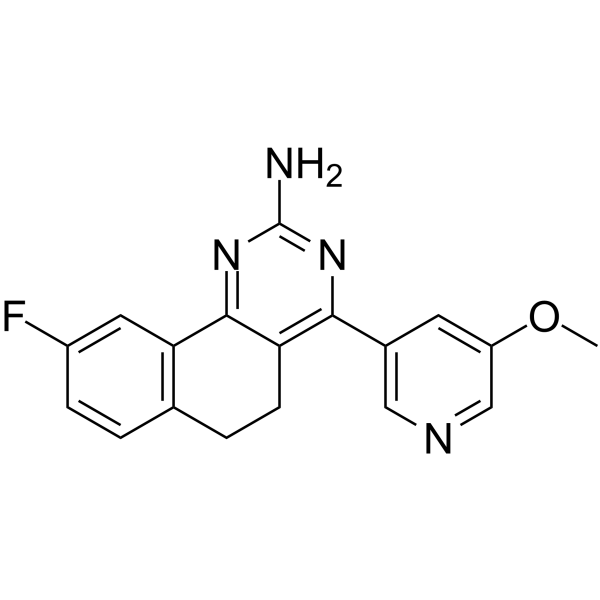
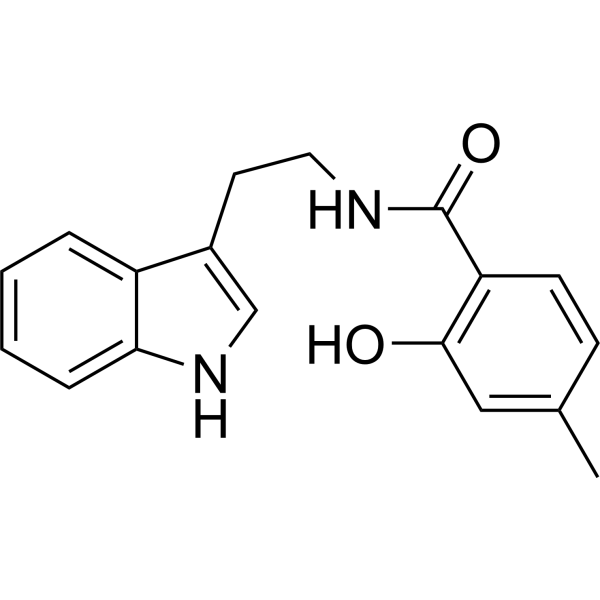
LZWL02003 is an anti-neuroinflammatory agent. LZWL02003 has protective effect on MPP +-induced neuronal damage, and reduces the expression of ROS. LZWL02003 improves cognition, memory, learning, and athletic ability in a Rotenone (HY-B1756)-induced PD rat model. LZWL02003 can be used for research of neurodegenerative disease .
|
-
-
- HY-117710B
-
|
|
Cholinesterase (ChE)
Amyloid-β
ERK
TNF Receptor
Interleukin Related
|
Neurological Disease
|
|
AD-35 is an orally active anti-Alzheimer's disease (AD) agent with moderate AChE inhibitory activity and metal ion chelating ability. AD-35 exhibits IC50 values for AChE and BuChE of 793 nM and 31428 nM, respectively. AD-35 can form chelates with Cu²⁺ and Fe³⁺, but its chelating ability for Zn²⁺ is relatively weak. AD-35 can inhibit Aβ aggregation and disassemble the formed Aβ aggregates, and inhibit Aβ-induced ERK phosphorylation. AD-35 inhibits neuroinflammation in AD rat models and demonstrates a strong effect in improving cognitive function .
|
-
-
- HY-175655
-
|
|
p38 MAPK
Cholinesterase (ChE)
Interleukin Related
|
Neurological Disease
Inflammation/Immunology
|
|
BChE/p38-α MAPK-IN-1 is a selective dual inhibitor of hBChE (IC50 = 772 nM) and p38α MAPK (IC50 = 191 nM). BChE/p38-α MAPK-IN-1 reduces the production of pro-inflammatory cytokines (IL-1β, IL-6, IL-8, TNF-α) in cells. BChE/p38-α MAPK-IN-1 improves Scopolamine (HY-N0296)-induced cognitive impairment, as well as alleviates LPS (HY-D1056)-induced spatial learning impairment and exerts anti-neuroinflammatory effects in mice. BChE/p38-α MAPK-IN-1 can be used for the study of Alzheimer’s disease (AD) by targeting both cholinergic deficit and neuroinflammation .
|
-
-
- HY-N1818
-
|
3-Deoxysappanone B
|
p38 MAPK
|
Neurological Disease
Inflammation/Immunology
|
|
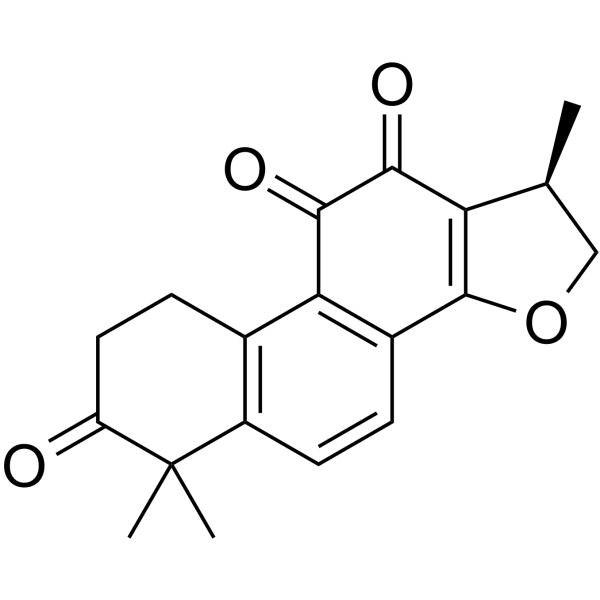
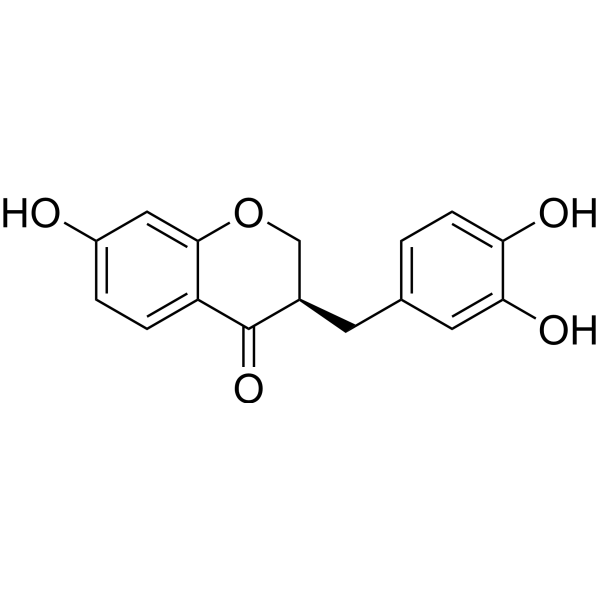
Deoxysappanone B (3-Deoxysappanone B) is a homoisoflavone compound isolated from Caesalpinia sappan L (Lignum Sappan). Deoxysappanone B has anti-neuroinflammatory and neuroprotective effects and inhibits the production of neuroinflammatory mediators by blocking the IκB kinase (IKK)-NF-κB and p38/ERK MAPK pathways. Deoxysappanone B can be used in disease studies of neuritis and inflammation-related neurological damage .
|
-
-
- HY-178356
-
|
|
Cholinesterase (ChE)
nAChR
Interleukin Related
TNF Receptor
|
Neurological Disease
Inflammation/Immunology
|
|
BChE-IN-44 is a potent, brain-penetrant, highly selective BChE inhibitor [equine BChE IC50 = 18.00 pM, human BChE IC50 = 1.50 nM]. BChE-IN-44 shows neuroprotective effects against the Aβ1-42-induced injury model and inhibitory effects on Aβ1-42 self-aggregation. BChE-IN-44 reduces the levels of inflammatory factors (NO, IL-6, and TNF-α) in Lipopolysaccharides (HY-D1056)-induced BV2 cells. BChE-IN-44 can significantly ameliorate Scopolamine (HY-N0296)-induced cognition impairment. BChE-IN-44 exhibits capacity in the regulation of BChE and acetylcholine levels in the mouse hippocampus. BChE-IN-44 can be used for the study of Alzheimer’s disease (AD) .
|
-
-
- HY-163695
-
|
|
NOD-like Receptor (NLR)
|
Inflammation/Immunology
|
|
NLRP3-IN-41 (compd S-9) is an orally active and brain-penetrant NLRP3 inhibitor with anti-inflammatory activities, anti-neuroinflammatory effect and without obvious cytotoxicity. NLRP3-IN-41 inhibits the priming and activation stages of the NLRP3 inflammasome and can be used for inflammasome-related diseases research .
|
-
-
- HY-117727S
-
|
MIN-102-d4; Hydroxypioglitazone-d4
|
Isotope-Labeled Compounds
PPAR
|
Neurological Disease
Metabolic Disease
Inflammation/Immunology
|
|
Leriglitazone-d4 (MIN-102-d4; Hydroxypioglitazone-d4) is deuterium labeled Leriglitazone. Leriglitazone is an orally active and a BBB-penetrable PPARγ agonist with an EC50 of 9 μM. Leriglitazone, as a regulator of mitochondrial function, has neuroprotective, anti-inflammatory and antioxidant effects. Leriglitazone can be used in the study of neuroinflammatory and neurodegenerative diseases .
|
-
-
- HY-W841438
-
|
|
Amyloid-β
Tau Protein
|
Neurological Disease
|
|
Lithium orotate is an orally active lithium supplement with reduced binding that can bypass amyloid sequestration in AD mice models. Lithium orotate can prevent Aβ plaque deposition and phospho-tau accumulation and reverse AD pathology, neuroinflammatory changes and memory loss in AD mice models and ageing wild-type mice. Lithium orotate can be used for the research of alcoholism and Alzheimer’s disease .
|
-
-
- HY-172977
-
|
|
Cathepsin
NO Synthase
TNF Receptor
|
Neurological Disease
Inflammation/Immunology
|
|
FGA139 is a cysteine proteases inhibitor with IC50 values of 4.98/3.14 μM for cathepsin B/L. FGA139 reduces LPS-induced NO production in RAW264.7 cells and tumor necrosis factor (TNFα) levels in microglia, and has anti-oxidative stress and anti-inflammatory activities. FGA139 promotes the secretion of neuroprotective metabolites purine and linoleic acid by LPS-stimulated microglia. FGA139 can be used in neuroinflammatory diseases research .
|
-
-
- HY-150563
-
|
|
Monoamine Oxidase
Amyloid-β
|
Neurological Disease
Inflammation/Immunology
|
|
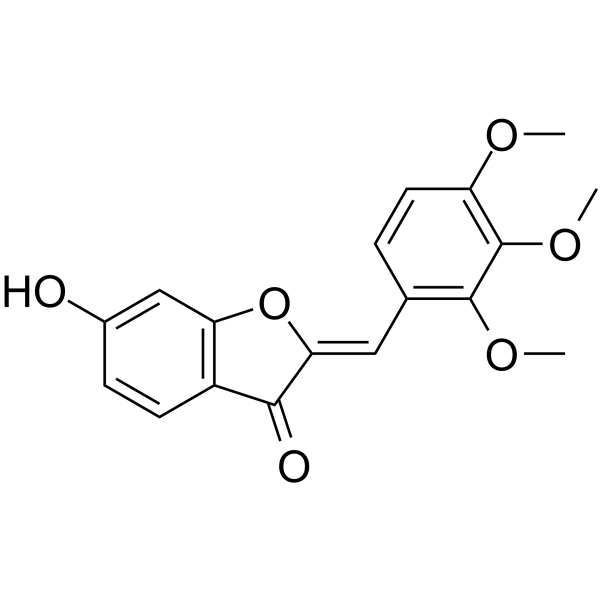
Neuroinflammatory-IN-2 is a potent anti-neuroinflammatory agent with an IC50 value of 10.30 μM for MAO-B, and 96.33% inhibition of Aβ1-42 aggregation at 25 μM. Neuroinflammatory-IN-2 has neuroprotective activity in H2O2-induced PC-12 cell injury. Neuroinflammatory-IN-2 also has biometal chelating abilities, antioxidant activity, anti-neuroinflammatory activity and appropriate BBB permeability. Neuroinflammatory-IN-2 can be used for researching Alzheimer’s disease .
|
-
-
- HY-146958
-
|
|
Monoamine Oxidase
|
Neurological Disease
|
|
MAO-B-IN-8 is a potent reversible MAO-B inhibitor and an inhibitor of microglial production of neuroinflammatory mediator. MAO-B-IN-8 can be used for neurodegenerative disease research .
|
-
-
- HY-N15570
-
|
|
Interleukin Related
TNF Receptor
|
Neurological Disease
Inflammation/Immunology
|
|
2-O-Methylatromentin is an anti-neuroinflammatory agent. 2-O-Methylatromentin shows inhibitory activity on the production of pro-inflammatory cytokines TNF-α, IL-6 and IL-1β in Lipopolysaccharides (HY-D1056) (LPS) -induced BV-2 microglial cells. 2-O-Methylatromentin can be used for the study of neuroinflammatory related diseases .
|
-
-
- HY-P2710
-
|
|
Potassium Channel
|
Neurological Disease
Inflammation/Immunology
|
|
Noxiustoxin is a toxin from the venom of the Mexican scorpion Centruroides noxius which block voltage-dependent potassium channel (Kv1.3, IC50 = 360 nM), and calcium-activated potassium channel. Noxiustoxin plays an important role in neuroinflammatory disease .
|
-
-
- HY-128128
-
|
|
Transmembrane Glycoprotein
|
Cardiovascular Disease
Neurological Disease
Inflammation/Immunology
|
|
ASN04421891 is a GPR17 agonist with nanomolar EC50 and high specificity. ASN04421891 promotes oligodendrocyte precursor cell maturation to mature myelinating oligodendrocytes. ASN04421891 can be used for the research of cerebral ischaemia, cardiac ischaemia, renal ischaemia, cerebral trauma, multiple sclerosis, schizophrenia, depression, alzheimer's disease, alzheimer-like dementia, parkinson's disease, huntington's chorea, amyotrophic lateral sclerosis (ALS), neuroinflammatory disorders .
|
-
-
- HY-143245
-
|
|
Monoamine Oxidase
|
Neurological Disease
|
|
Monoamine Oxidase B inhibitor 2 is a potent, reversible, orally active and selective monoamine oxidase B (MAO-B) inhibitor with an IC50 of 1.33 nM. Monoamine Oxidase B inhibitor 2 has antioxidant and anti-neuroinflammatory activities. Monoamine Oxidase B inhibitor 2 can across the blood-brain barrier (BBB), and can be used for Parkinson’s disease study .
|
-
-
- HY-143244
-
|
|
Monoamine Oxidase
|
Neurological Disease
|
|
Monoamine Oxidase B inhibitor 1 is a potent, reversible, orally active and selective monoamine oxidase B (MAO-B) inhibitor with an IC50 of 0.02 nM. Monoamine Oxidase B inhibitor 1 has antioxidant and anti-neuroinflammatory activities. Monoamine Oxidase B inhibitor 1 can across the blood-brain barrier (BBB), and can be used for Parkinson’s disease study .
|
-
-
- HY-147846
-
-
-
- HY-162093
-
|
|
Amyloid-β
|
Neurological Disease
|
|
Aβ1–42 aggregation inhibitor 2 (compound 7c) is a potent inhibitor of Aβ1-42 aggregation that plays an important role in Alzheimer's disease research. Aβ1–42 aggregation inhibitor 2 displays excellent antioxidant, metal ions chelating, oxidative stress alleviation, neuroprotective and anti-neuroinflammatory activities .
|
-
-
- HY-120152
-
|
|
SphK
Interleukin Related
TNF Receptor
|
Cardiovascular Disease
Inflammation/Immunology
|
|
SLP7111228 is a selective sphingosine kinase 1 (SphK1) inhibitor and anti-inflammatory agent. SLP7111228 selectively inhibits SphK1 and reduces the production of sphingosine-1-phosphate. SLP7111228 decreases lipopolysaccharide-induced TNFα and IL-1β levels. SLP7111228 alleviates obliterative pulmonary arteriopathy, increases cardiac index and decreases total pulmonary vascular resistance index. SLP7111228 can be used in research related to neuroinflammatory diseases and pulmonary hypertension .
|
-
-
- HY-178144
-
|
|
Formyl Peptide Receptor (FPR)
Calcium Channel
Interleukin Related
NO Synthase
|
Neurological Disease
Inflammation/Immunology
|
|
FPR2 agonist 5 is a selective Formyl Peptide Receptor 2 (FPR2) agonist. FPR2 agonist 5 induces Ca 2+ mobilization in FPR2-HL60 transfected cells with an EC50 of 1.2 μM and causes FPR2 desensitization with an IC50 of 0.32 μM. FPR2 agonist 5 exerts neuroprotective effects by mitigating LDH release, NO production, IL-1β, IL-6, IL-33, and IL-10 levels in LPS (HY-D1056)-induced mouse primary microglial cells. FPR2 agonist 5 can be used for the study of neuroinflammatory-related diseases .
|
-
-
- HY-181941
-
-
-
- HY-178395S
-
|
|
Isotope-Labeled Compounds
Free Fatty Acid Receptor
|
Neurological Disease
|
|
Tricosanoic acid-d45 is the deuterium labeled Tricosanoic acid (HY-W009081). Tricosanoic acid is an endogenous agonist of long-chain saturated fatty acids and free fatty acid receptor FFAR1, which can activate hair growth. Tricosanoic acid (C23:0) has the activity of improving cognitive function by regulating neuronal membrane fluidity, inhibiting neuroinflammatory response, participating in myelination and neuronal energy metabolism. Tricosanoic acid expression levels are low in the prefrontal cortex of Alzheimer's disease (AD) models; while better cognitive performance corresponds to higher serum concentration levels. Tricosanoic acid can be used as a biomarker for diseases related to cognitive decline .
|
-
-
- HY-W746542
-
|
|
Isotope-Labeled Compounds
Free Fatty Acid Receptor
|
Neurological Disease
|
|
Tricosanoic acid-d3 is the deuterium labeled Tricosanoic acid (HY-W009081). Tricosanoic acid is an endogenous agonist of long-chain saturated fatty acids and free fatty acid receptor FFAR1, which can activate hair growth. Tricosanoic acid (C23:0) has the activity of improving cognitive function by regulating neuronal membrane fluidity, inhibiting neuroinflammatory response, participating in myelination and neuronal energy metabolism. Tricosanoic acid expression levels are low in the prefrontal cortex of Alzheimer's disease (AD) models; while better cognitive performance corresponds to higher serum concentration levels. Tricosanoic acid can be used as a biomarker for diseases related to cognitive decline .
|
-
-
- HY-120152A
-
|
|
SphK
Interleukin Related
TNF Receptor
|
Cardiovascular Disease
Inflammation/Immunology
|
|
SLP7111228 hydrochloride is a selective sphingosine kinase 1 (SphK1) inhibitor and anti-inflammatory agent. SLP7111228 hydrochloride selectively inhibits SphK1 and reduces the production of sphingosine-1-phosphate. SLP7111228 hydrochloride decreases lipopolysaccharide-induced TNFα and IL-1β levels. SLP7111228 hydrochloride alleviates obliterative pulmonary arteriopathy, increases cardiac index and decreases total pulmonary vascular resistance index. SLP7111228 hydrochloride can be used in research related to neuroinflammatory diseases and pulmonary hypertension .
|
-
-
- HY-181248
-
-
-
- HY-186072
-
|
|
NOD-like Receptor (NLR)
Interleukin Related
Cytochrome P450
|
Neurological Disease
Metabolic Disease
Inflammation/Immunology
|
|
NT-0527 is a selective, orally active, and brain-permeable NLRP3 inflammasome inhibitor. NT-0527 can specifically block the formation of the NLRP3 inflammasome, resulting in the reduction in the maturation and release of IL-1β, exhibit inhibition on CYP2C19. NT-0527 displays anti-inflammatory activity in the mouse LPS (HY-D1056) /ATP (HY-B2176)-induced peritonitis model. NT-0527 can be used for the research of neuroinflammatory disorders (Parkinson's disease, Alzheimer's disease, amyotrophic lateral sclerosis) and peripheral inflammatory disorders (type II diabetes, atherosclerosis, gout, etc.) associated with NLRP3 inflammasome .
|
-
-
- HY-180824
-
|
|
p38 MAPK
|
Neurological Disease
|
|
P38-α MAPK-IN-11 (Compound 4C) is a selective inhibitor of P38α MAPK that can cross the blood-brain barrier with an IC50 value of 43 nM. P38-α MAPK-IN-11 has extremely low inhibitory activity against other MAPK subtypes, namely p38β, p38γ, and p38δ, with IC50 values of > 100 nM, > 100 nM, and 48.6 mM respectively. P38-α MAPK-IN-11 exhibits outstanding neuroprotective effects and anti-neuroinflammatory effects in Alzheimer's disease-like rat models. P38-α MAPK-IN-11 can be used for the study of Alzheimer's disease .
|
-
-
- HY-P992382
-
|
|
Interleukin Related
|
Neurological Disease
Inflammation/Immunology
|
|
IC 100 is a humanized IgG4κ monoclonal antibody targeting apoptosis-associated speck-like protein (ASC) with blood-brain barrier permeability. IC 100 specifically inhibits ASC after being endocytosed via its Fc segment, blocks ASC polymerization and inflammasome activation, suppresses IL-1β release, forms complexes with ASC and TRIM21, and evades TRIM21-mediated proteasomal degradation. IC 100 alleviates symptoms associated with autoimmune encephalomyelitis, reduces immune cell infiltration and microglial activation in the mouse EAE model. IC 100 is suitable for research on neuroinflammatory and inflammasome-related diseases such as multiple sclerosis. Isotype comparison: HY-P99003 .
|
-
-
- HY-W182790
-
|
LSL 60101
|
|
|
|
Garsevil (LSL 60101) is a biphasic, selective imidazoline I2 receptor (I2-IR) ligand, with a pKi of 9.03 and a Ki of 0.9 nM at the high-affinity site, and a pKi of 5.25 and a Ki of 5.6 nM at the low-affinity site. Garsevil is applicable to research related to Alzheimer's disease .
|
-
| Cat. No. |
Product Name |
Target |
Research Area |
-
- HY-P10441A
-
|
|
Peptides
|
Inflammation/Immunology
|
|
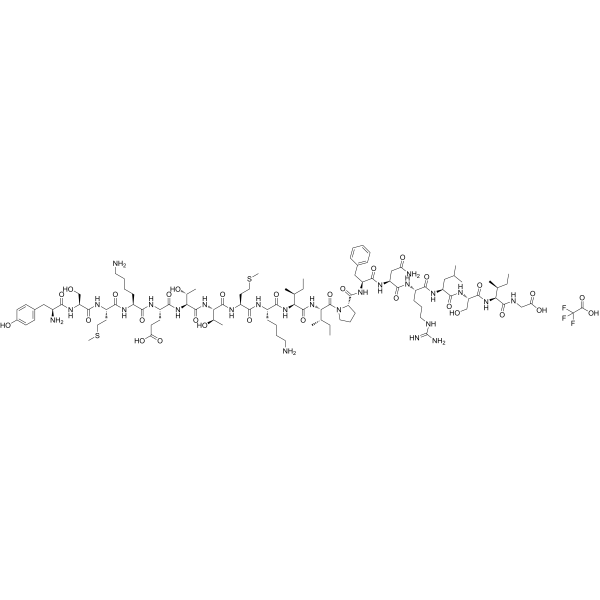
S-palm P0(180–199) (TFA) is a peptide that enhances MHC II-restricted responses. S-palm P0(180–199) (TFA) can be used to establish models of chronic inflammatory demyelinating polyneuropathy (CIDP) and chronic experimental autoimmune neuritis (c-EAN). S-palm P0(180–199) (TFA) is used for studying autoimmune-mediated neuroinflammatory diseases .
|
-
- HY-P5121A
-
|
|
Peptides
|
Cardiovascular Disease
|
|
γ-Fibrinogen377-395 TFA is a fibrinogen-derived inhibitory peptide, as well as fibrinogen epitope. γ-Fibrinogen377-395 TFA blocks microglia activation and inhibits fibrin-Mac-1 interactions in vitro, and suppresses experimental autoimmune encephalomyelitis (EAE) in mice in vivo. γ-Fibrinogen377-395 TFA can be used for research in multiple sclerosis (MS), and other neuroinflammatory diseases associated with blood-brain barrier disruption and microglia activation .
|
-
- HY-P2710
-
|
|
Potassium Channel
|
Neurological Disease
Inflammation/Immunology
|
|
Noxiustoxin is a toxin from the venom of the Mexican scorpion Centruroides noxius which block voltage-dependent potassium channel (Kv1.3, IC50 = 360 nM), and calcium-activated potassium channel. Noxiustoxin plays an important role in neuroinflammatory disease .
|
-
- HY-P5121
-
|
|
Peptides
|
Cardiovascular Disease
|
|
γ-Fibrinogen377-395 is a fibrinogen-derived inhibitory peptide, as well as fibrinogen epitope. γ-Fibrinogen377-395 blocks microglia activation and inhibits fibrin-Mac-1 interactions in vitro, and suppresses experimental autoimmune encephalomyelitis (EAE) in mice in vivo. γ-Fibrinogen377-395 can be used for research in multiple sclerosis (MS), and other neuroinflammatory diseases associated with blood-brain barrier disruption and microglia activation .
|
| Cat. No. |
Product Name |
Target |
Research Area |
Image |
-
- HY-P99025
-
|
TNX-650; MILR1444A; RG3637
|
Interleukin Related
|
Neurological Disease
Inflammation/Immunology
|
|
Lebrikizumab (TNX-650) is an IgG4 humanized anti-interleukin-13 (IL-13) mAb with anti-itch effects that specifically binds to IL-13 in a non-receptor binding domain and inhibits its function. Lebrikizumab inhibits the IL-13 driven Th2 inflammatory response and blocks the signaling of IL-4Rα/IL-13Rα1. Lebrikizumab can be used for the research of asthma, atopic dermatitis and neuroinflammatory diseases .
|
-
(5)
-
- HY-P992382
-
|
|
Interleukin Related
|
Neurological Disease
Inflammation/Immunology
|
|
IC 100 is a humanized IgG4κ monoclonal antibody targeting apoptosis-associated speck-like protein (ASC) with blood-brain barrier permeability. IC 100 specifically inhibits ASC after being endocytosed via its Fc segment, blocks ASC polymerization and inflammasome activation, suppresses IL-1β release, forms complexes with ASC and TRIM21, and evades TRIM21-mediated proteasomal degradation. IC 100 alleviates symptoms associated with autoimmune encephalomyelitis, reduces immune cell infiltration and microglial activation in the mouse EAE model. IC 100 is suitable for research on neuroinflammatory and inflammasome-related diseases such as multiple sclerosis. Isotype comparison: HY-P99003 .
|
-
(5)
| Cat. No. |
Product Name |
Category |
Target |
Chemical Structure |
| Cat. No. |
Product Name |
Chemical Structure |
-
- HY-W753593
-
|
|
|
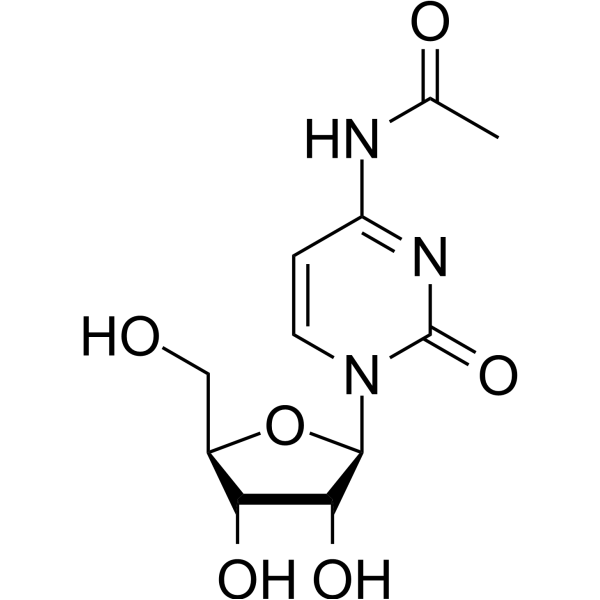
N4-Acetylcytidine- 13C5 is the 13C-labeled N4-Acetylcytidine (HY-W019670). N4-acetylcytidine (N4A) is an endogenous nucleoside metabolite from the degradation of tRNA. N4-Acetylcytidine is formed by N-acetyltransferase 10 and other enzymes. N4-acetylcytidine might sustain NLRP3 inflammasome activation via induction of HMGB1 expression and releasee. N4-Acetylcytidine modifies mRNA, tRNA and rRNA, affecting their stability, translation efficiency (such as enterovirus 71 RNA). N4-Acetylcytidine is used in the study of cancer, neuroinflammatory diseases, viral infections and obesity .
|
-
-
- HY-117727S
-
|
|
|
Leriglitazone-d4 (MIN-102-d4; Hydroxypioglitazone-d4) is deuterium labeled Leriglitazone. Leriglitazone is an orally active and a BBB-penetrable PPARγ agonist with an EC50 of 9 μM. Leriglitazone, as a regulator of mitochondrial function, has neuroprotective, anti-inflammatory and antioxidant effects. Leriglitazone can be used in the study of neuroinflammatory and neurodegenerative diseases .
|
-
-
- HY-178395S
-
|
|
|
Tricosanoic acid-d45 is the deuterium labeled Tricosanoic acid (HY-W009081). Tricosanoic acid is an endogenous agonist of long-chain saturated fatty acids and free fatty acid receptor FFAR1, which can activate hair growth. Tricosanoic acid (C23:0) has the activity of improving cognitive function by regulating neuronal membrane fluidity, inhibiting neuroinflammatory response, participating in myelination and neuronal energy metabolism. Tricosanoic acid expression levels are low in the prefrontal cortex of Alzheimer's disease (AD) models; while better cognitive performance corresponds to higher serum concentration levels. Tricosanoic acid can be used as a biomarker for diseases related to cognitive decline .
|
-
-
- HY-W746542
-
|
|
|
Tricosanoic acid-d3 is the deuterium labeled Tricosanoic acid (HY-W009081). Tricosanoic acid is an endogenous agonist of long-chain saturated fatty acids and free fatty acid receptor FFAR1, which can activate hair growth. Tricosanoic acid (C23:0) has the activity of improving cognitive function by regulating neuronal membrane fluidity, inhibiting neuroinflammatory response, participating in myelination and neuronal energy metabolism. Tricosanoic acid expression levels are low in the prefrontal cortex of Alzheimer's disease (AD) models; while better cognitive performance corresponds to higher serum concentration levels. Tricosanoic acid can be used as a biomarker for diseases related to cognitive decline .
|
-
| Cat. No. |
Product Name |
|
Classification |
-
- HY-177531
-
|
|
|
Cationic Lipids
|
|
S-Ac7-DOG is a cationic lipid with biodegradability, low immunogenicity and high nucleic acid transfection capacity, which is commonly used to construct lipid nanoparticles for nucleic acid molecule delivery. S-Ac7-DOG can bind to mRNA, microRNA and self-amplifying RNA through electrostatic interaction. Lipid nanoparticles formed by S-Ac7-DOG enter cells via an energy-dependent endocytic pathway, release nucleic acid cargos, induce antigen-specific CD8 + T cell responses, promote the generation of precursor memory T cells, and regulate neuroinflammatory pathways. S-Ac7-DOG can be used in the research of retinal diseases, neuroinflammation and cancer .
|
Your information is safe with us. * Required Fields.
Inquiry Information
- Product Name:
- Cat. No.:
- Quantity:
- MCE Japan Authorized Agent:

