Search Result
Results for "
nitrogen-containing
" in MedChemExpress (MCE) Product Catalog:
11
Biochemical Assay Reagents
6
Isotope-Labeled Compounds
| Cat. No. |
Product Name |
Target |
Research Areas |
Chemical Structure |
-
- HY-126854
-
|
N-Acetyl-D-lactosamine
|
Endogenous Metabolite
Galectin
|
Cardiovascular Disease
|
|
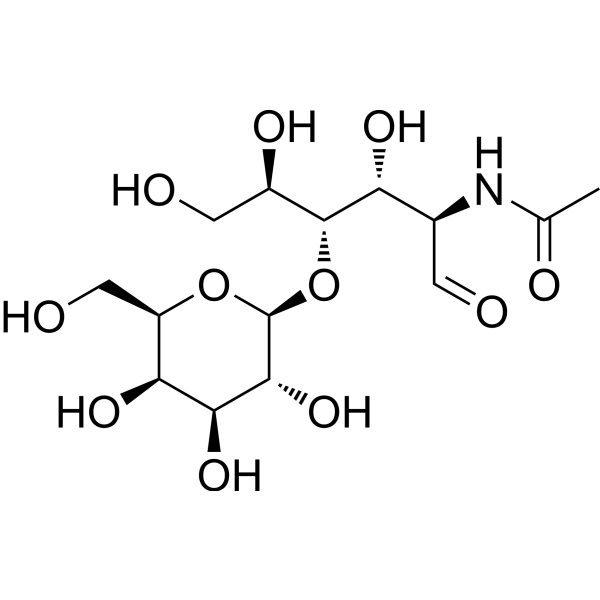
N-Acetyllactosamine (N-Acetyl-D-lactosamine), a nitrogen-containing disaccharide, is a galectin-3 inhibitor, which is an important component of various oligosaccharides such as glycoproteins and sialyl Lewis X. N-Acetyllactosamine can be used as the starting material for the synthesis of various oligosaccharides. N-Acetyllactosamine has prebiotic effects .
|
-
-
- HY-W013040
-
|
1,4-Diazine
|
Drug Intermediate
|
Cardiovascular Disease
Infection
Inflammation/Immunology
Cancer
|
|
Pyrazine (1,4-Diazine) is an aromatic nitrogen-containing heterocyclic compound with two nitrogen atoms, and is well known for its electron-deficient property. Pyrazine serves as a key pharmacophore in a variety of drugs, and also acts as the core skeleton of derivatives with anticancer, antimycobacterial, antithrombotic and anti-inflammatory activities .
|
-

-
- HY-B0012
-
|
|
RANKL/RANK
Toll-like Receptor (TLR)
Wnt
β-catenin
|
Metabolic Disease
Inflammation/Immunology
Cancer
|
|
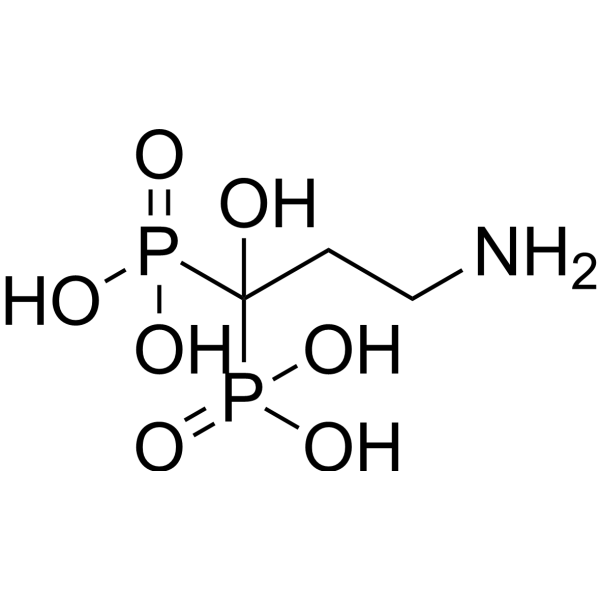
Pamidronic acid, the second-generation nitrogen-containing bisphosphonate, is an inhibitor of bone loss. Pamidronic acid significantly inhibits subchondral bone loss in early osteoarthritis by upregulating the expression of OPG in cartilage and subchondral bone, and inhibiting the expression of RANKL and MMP-9 in both tissues, as well as TLR-4 in cartilage, thereby alleviating cartilage degeneration. Additionally, Pamidronic acid can inhibit the signaling of Wnt and β-catenin, and is applicable for research on osteoporosis and osteosarcoma .
|
-
-
- HY-40351
-
|
|
Drug Intermediate
|
Others
|
|
4-Chloro-7H-pyrrolo[2,3-d]pyrimidine is a nitrogen-containing heterocyclic organic synthesis intermediate that can be used for the synthesis of JAK and PKB/Akt inhibitors .
|
-
![4-Chloro-7H-pyrrolo[2,3-d]pyrimidine](//file.medchemexpress.com/product_pic/hy-40351.gif)
-
- HY-W034566
-
|
Hexaaza-18-crown-6; 1,4,7,10,13,16-Hexaazacyclooctadecane
|
Biochemical Assay Reagents
|
Others
|
|
Hexacyclen is an organic compound with a unique macrocyclic structure composed of six nitrogen-containing rings. It is commonly used as a chelating agent in chemistry and biochemistry due to its ability to bind metal ions. Inhibitors of certain diseases such as cancer. In biochemistry, Hexacyclen is often used to selectively bind metal ions in proteins or enzymes to study their structure and function. Due to its large size and complex structure, Hexacyclen is not widely used in daily products or applications .
|
-

-
- HY-B0012A
-
|
CGP 23339A
|
RANKL/RANK
Toll-like Receptor (TLR)
Wnt
β-catenin
|
Metabolic Disease
Inflammation/Immunology
Cancer
|
|
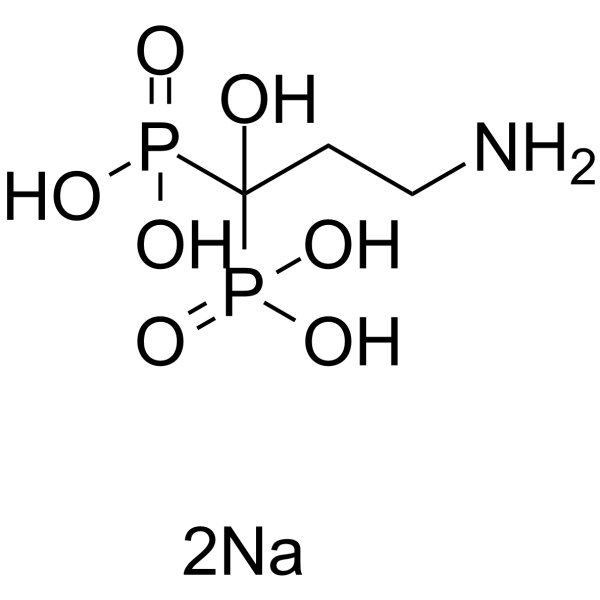
Pamidronate disodium (CGP 23339A), the second-generation nitrogen-containing bisphosphonate, is an inhibitor of bone loss. Pamidronate disodium significantly inhibits subchondral bone loss in early osteoarthritis by upregulating the expression of osteoprotegerin in cartilage and subchondral bone, and inhibiting the expression of RANKL and MMP-9 in both tissues, as well as TLR-4 in cartilage, thereby alleviating cartilage degeneration. Additionally, Pamidronate disodium can inhibit the signaling of Wnt and β-catenin, and is applicable for research on osteoporosis and osteosarcoma .
|
-
-
- HY-B0730
-
|
|
RANKL/RANK
Toll-like Receptor (TLR)
Wnt
β-catenin
|
Metabolic Disease
Inflammation/Immunology
Cancer
|
|
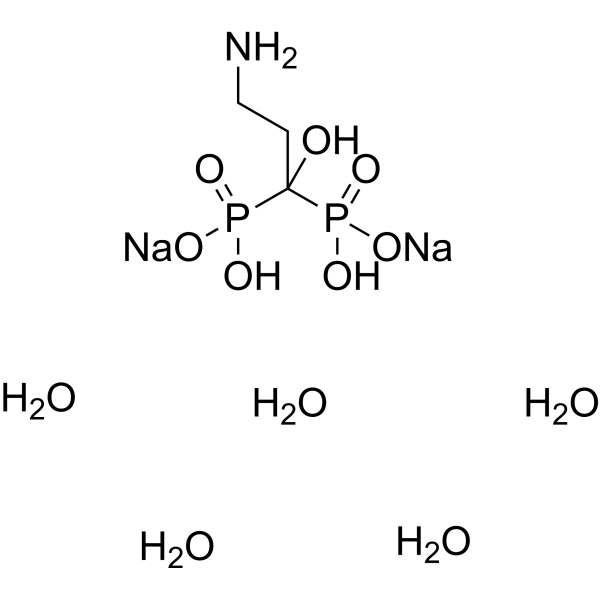
Pamidronate disodium pentahydrate, the second-generation nitrogen-containing bisphosphonate, is an inhibitor of bone loss. Pamidronate disodium pentahydrate significantly inhibits subchondral bone loss in early osteoarthritis by upregulating the expression of osteoprotegerin in cartilage and subchondral bone, and inhibiting the expression of RANKL and MMP-9 in both tissues, as well as TLR-4 in cartilage, thereby alleviating cartilage degeneration. Additionally, Pamidronate disodium pentahydrate can inhibit the signaling of Wnt and β-catenin, and is applicable for research on osteoporosis and osteosarcoma .
|
-
-
- HY-D0006
-
|
|
Fluorescent Dye
|
Others
|
|
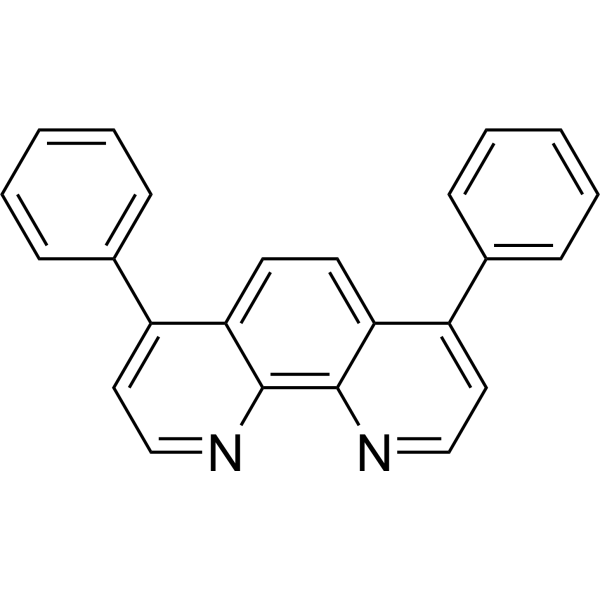
Bathophenanthroline is a nitrogen-containing organic ligand that can form stable complexes with transition metal ions such as Ru 2+. In proteomics, Bathophenanthroline is often used for in-gel protein staining. The negatively charged sulfonic acid groups of Bathophenanthroline interact electrostatically with the positively charged amino acid residues of proteins, thereby achieving specific binding to proteins and enhancing the fluorescent signal of detection. Bathophenanthroline can be used for protein separation and detection in SDS-PAGE gels in the field of proteomics, as well as other fluorescence studies[1]. Ex/Em=532 nm/610 nm[1].
|
-
-
- HY-Y0519
-
|
|
Endogenous Metabolite
|
Neurological Disease
Cancer
|
|
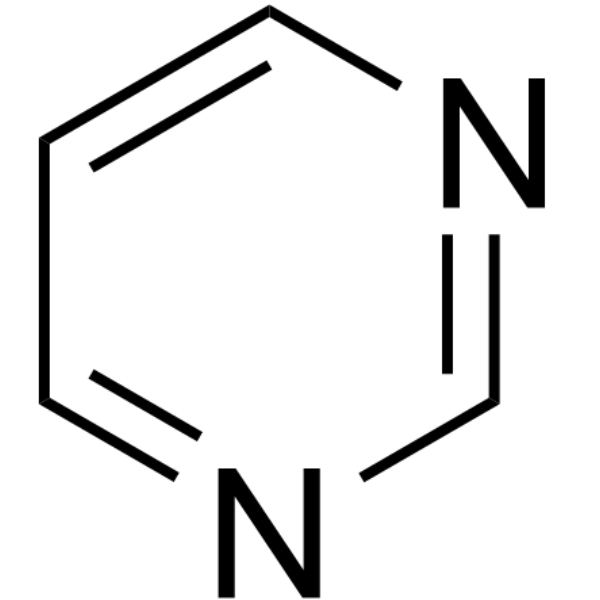
Pyrimidine is a nitrogen-containing heterocyclic compound and endogenous metabolite. Pyrimidine derivatives can be used in pancreatic cancer, triple-negative breast cancer, colon carcinoma and neuron research .
|
-
-
- HY-W002457
-
|
|
Biochemical Assay Reagents
Drug Intermediate
|
Others
|
|
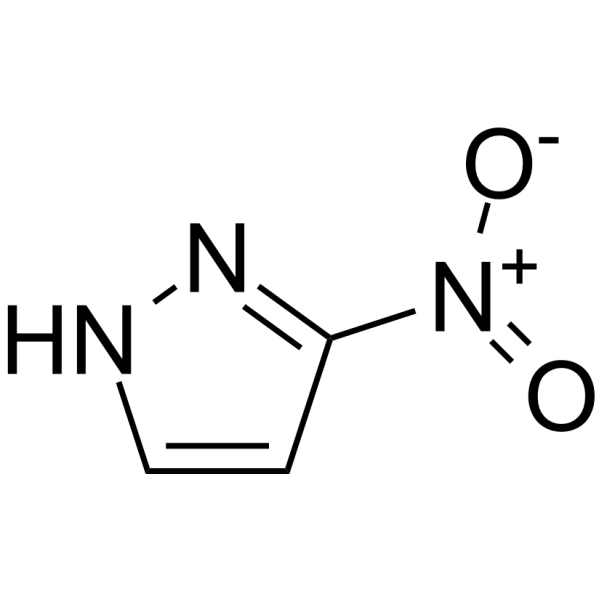
3-Nitropyrazole is a biochemical reagent that can be used as a biological material or organic compound for life science related research. 3-Nitropyrazole is also a nitrogen-containing heterocyclic compound, which can be used in the synthesis of other active compounds .
|
-
-
- HY-W002016
-
|
|
Reactive Oxygen Species (ROS)
|
Cancer
|
|
Phthalazine is a substrate for human aldehyde oxidase 1, which can lead to the production of ROS and subsequent enzyme inactivation. Phthalazine is a nitrogen-containing organic heterocyclic compound. Phthalazine exhibits antitumor activity in blood cancer, breast cancer, colon cancer, lung cancer and renal cancer .
|
-

-
- HY-159051
-
|
|
Biochemical Assay Reagents
|
Others
|
|
Dragendorff reagent is used for detecting alkaloids and other nitrogen-containing compounds. Dragendorff reagent is a solution of potassium bismuth iodide composing of Basic bismuth nitrate (Bi(NO3)3), Tartaric acid (HY-N2436), and Potassium iodide (KI). When contact with alkaloids, Dragendorff reagent produces an orange or orange red precipitate .
|
-

-
- HY-W010628
-
|
Trimethyleneimine hydrochloride
|
Biochemical Assay Reagents
Drug Intermediate
|
Others
|
|
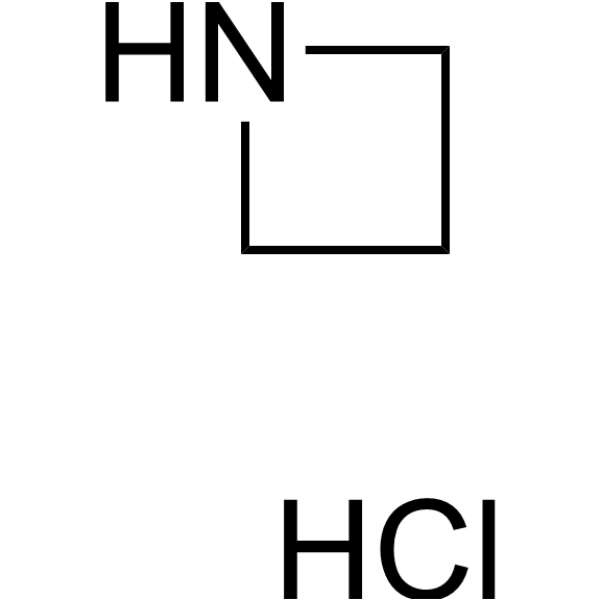
Azetidine (Trimethyleneimine) hydrochloride is a biochemical reagent that can be used as a biological material or organic compound for life science related research. Azetidine hydrochloride is also a nitrogen-containing heterocyclic compound, which can be used in the synthesis of other active compounds .
|
-
-
- HY-P4545
-
|
|
Angiotensin Receptor
|
Others
|
|
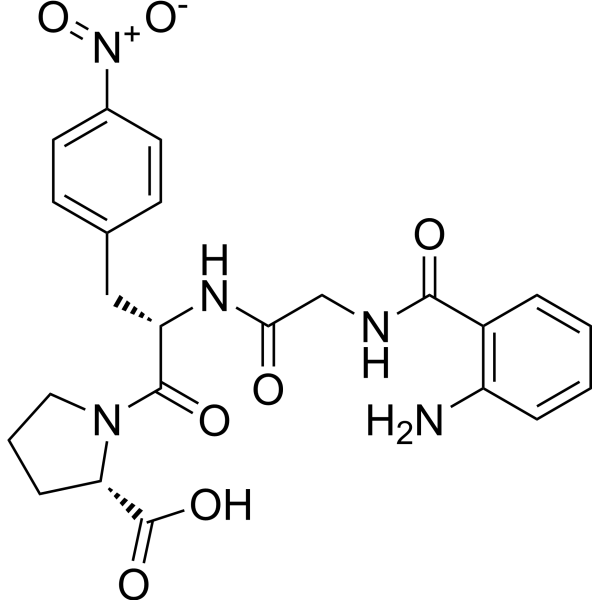
Abz-Gly-p-nitro-Phe-Pro-OH is the fluorescent substrate angiotensin I converting enzyme (ACE-I) with 355 nm excitation and 405 nm emission wavelengths .
|
-
-
- HY-30012
-
-
-
- HY-W002458
-
|
|
Drug Intermediate
|
Others
|
|
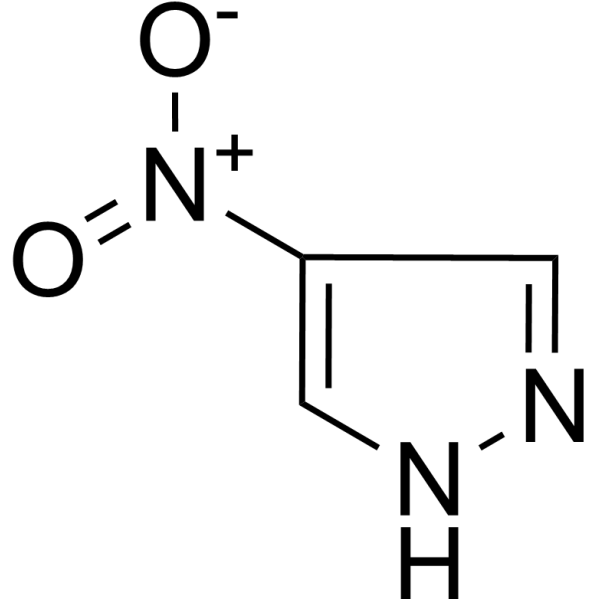
4-Nitropyrazole is a five-membered nitrogen-containing heterocyclic compound that can be used as a drug intermediate. 4-Nitropyrazole can be synthesized into antibiotics/antifungal/antiviral agents containing pyrazole rings. 4-Nitropyrazole is synthesized through C-H activation reactions to produce LRRK2 inhibitors, which are used in the research of Parkinson's disease .
|
-
-
- HY-Y0141
-
|
|
Drug Intermediate
|
Others
|
|
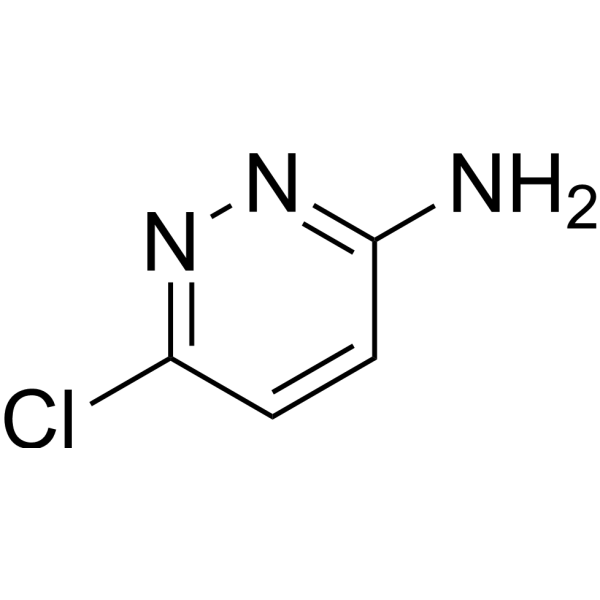
3-Amino-6-chloropyridazine is a nitrogen-containing heterocyclic organic compound belonging to the pyridazine derivatives. 3-Amino-6-chloropyridazine has the basicity of amino groups and the nucleophilic substitution activity of chlorine atoms. 3-Amino-6-chloropyridazine can serve as an important intermediate for synthesizing some active compounds .
|
-
-
- HY-P4561
-
|
|
Cathepsin
|
Others
|
|
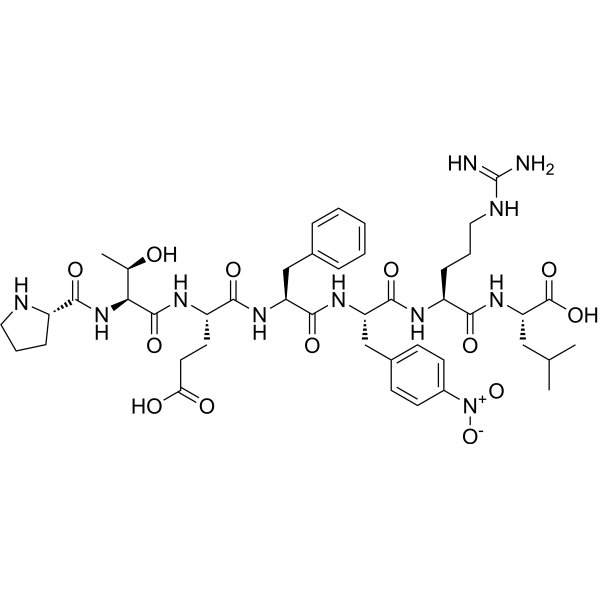
H-Pro-Thr-Glu-Phe-p-nitro-Phe-Arg-Leu-OH is a water-soluble polypeptide that can serve as a substrate for cathepsin D, pepsin and pepsinogen. H-Pro-Thr-Glu-Phe-p-nitro-Phe-Arg-Leu-OH has potential applications in biochemical analysis .
|
-
-
- HY-P4725
-
|
|
Fluorescent Dye
|
Others
|
|
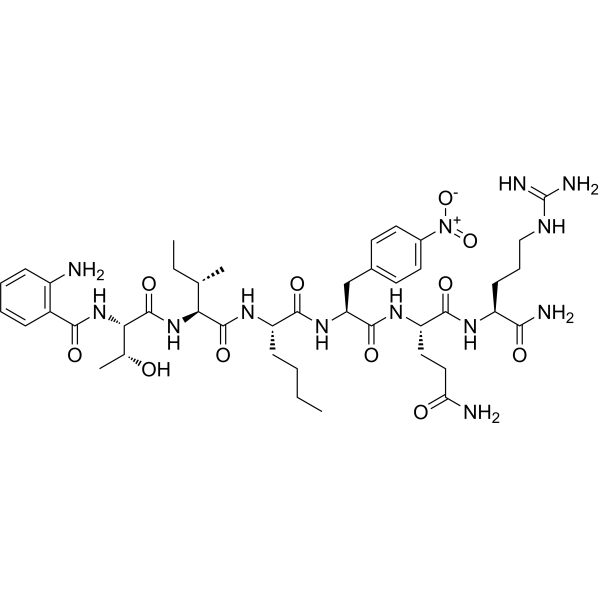
Abz-Thr-Ile-Nle-p-nitro-Phe-Gln-Arg-NH2 is a fluorogenic substrate, that can be used for the fluorescence screening assay .
|
-
-
- HY-B0515A
-
|
|
Others
|
Cancer
|
|
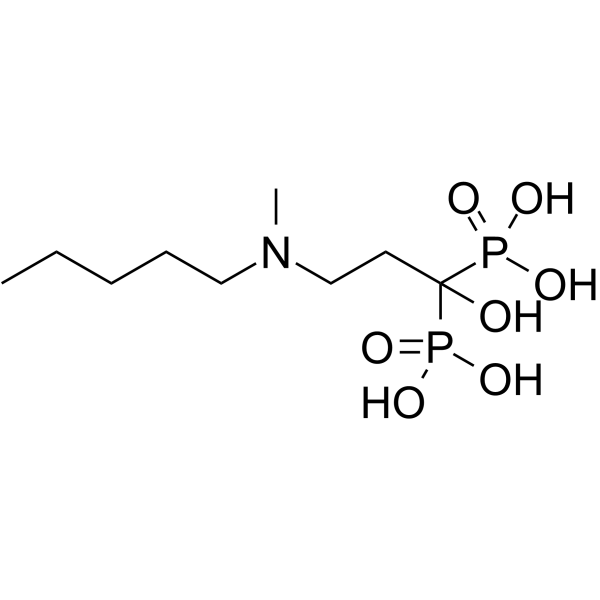
Ibandronic acid is a highly effective nitrogen-containing bisphosphonate that can be used for osteoporosis.
|
-
-
- HY-W024652
-
|
|
Drug Intermediate
|
Others
|
|
4,5-Dimethylimidazole is a nitrogen-containing heterocyclic compound and is a synthetic intermediate .
|
-

-
- HY-W015947
-
|
|
Drug Intermediate
|
Others
|
|
1,2-Dimethylimidazole is a pharmaceutical raw material and intermediate containing nitrogen-containing group .
|
-

-
- HY-W010540
-
|
|
Drug Intermediate
|
Others
|
|
4,5-Dimethylthiazole is a nitrogen-containing heterocyclic compound. 4,5-Dimethylthiazole can be used in the synthesis of other active compounds .
|
-

-
- HY-W015966
-
|
|
Drug Derivative
|
Metabolic Disease
|
|
3-Methylpyrrole is a pyrrole-type nitrogen-containing heterocyclic aromatic compound. 3-Methylpyrrole can be used as a negative control tool for hexosamine detection .
|
-

-
- HY-Y0689
-
|
|
MOFs
|
Others
|
|
Thiocarbonyldiimidazole is a synthetic chemical reagent that serves as a nitrogen-containing MOF ligand for synthetic applications. Thiocarbonyldiimidazole enables the preparation of thiocarbonyl imidazolides from alcohols, and is used in the Barton-McCombie deoxygenation reaction and natural product synthesis .
|
-

-
- HY-Y0519R
-
|
|
Reference Standards
Endogenous Metabolite
|
Metabolic Disease
|
|
Pyrimidine (Standard) is the analytical standard of Pyrimidine. This product is intended for research and analytical applications. Pyrimidine is a nitrogen-containing heterocyclic compound and endogenous metabolite. Pyrimidine derivatives can be used in pancreatic cancer, triple-negative breast cancer, colon carcinoma and neuron research .
|
-

-
- HY-W013040S
-
|
1,4-Diazine-d4
|
Endogenous Metabolite
|
Others
|
|
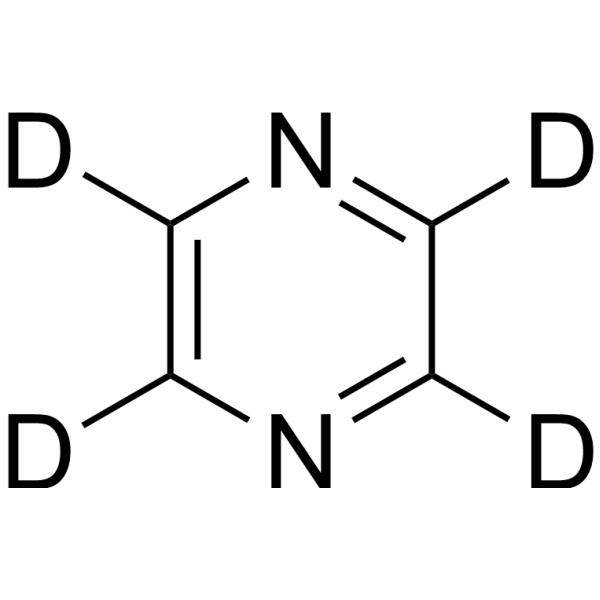
Pyrazine-d4 is the deuterium labeled Pyrazine . Pyrazine is an aromatic nitrogen-containing heterocyclic compound with two nitrogen atoms, and is well known for its electron-deficient property. Pyrazine serves as a key pharmacophore in a variety of drugs, and also acts as the core skeleton of derivatives with anticancer, antimycobacterial, antithrombotic and anti-inflammatory activities.
|
-
-
- HY-19773
-
|
|
Beta-lactamase
Bacterial
|
Infection
|
|
β-Lactamase-IN-1 is an inhibitor of β-Lactamase extracted from patent WO2016027249A1, page 77. β-Lactamase-IN-1 can be used to prepare of tricyclic nitrogen containing compound. β-Lactamase-IN-1 can be used for the research of neisseria gonorrhea infection .
|
-
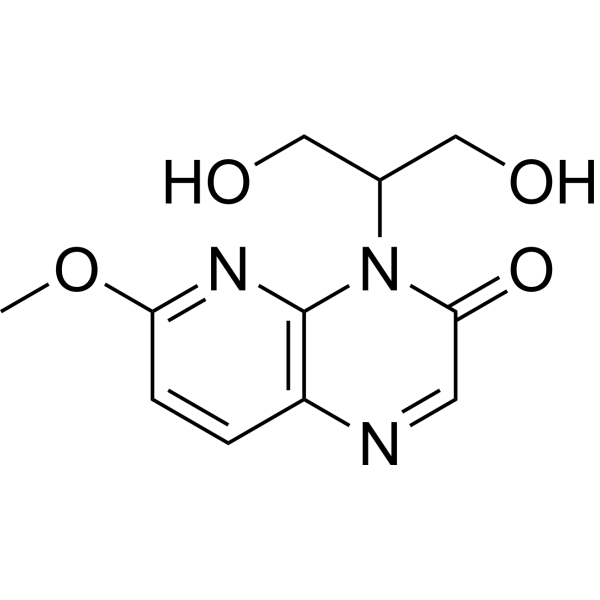
-
- HY-133644
-
-
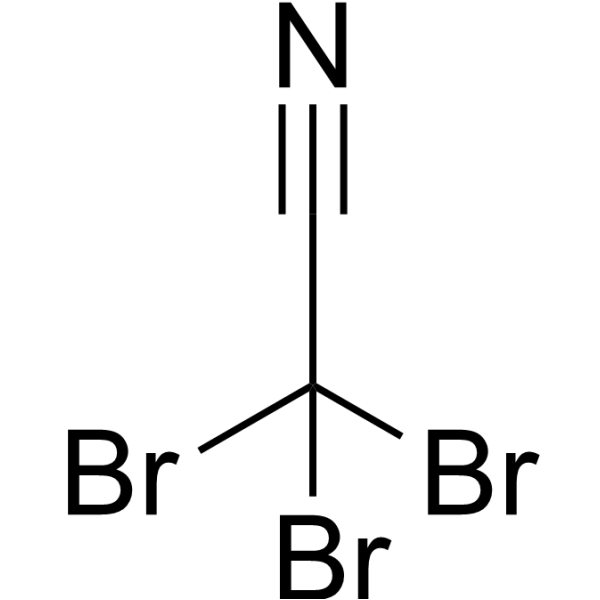
-
- HY-59024
-
|
|
Drug Intermediate
|
Infection
Cancer
|
|
δ-Carboline is a nitrogen-containing heterocyclic compound, and its derivatives all exhibit anti-cancer and antibacterial activities .
|
-

-
- HY-W018561
-
-

-
- HY-32828
-
|
|
Biochemical Assay Reagents
Drug Intermediate
|
Others
|
|
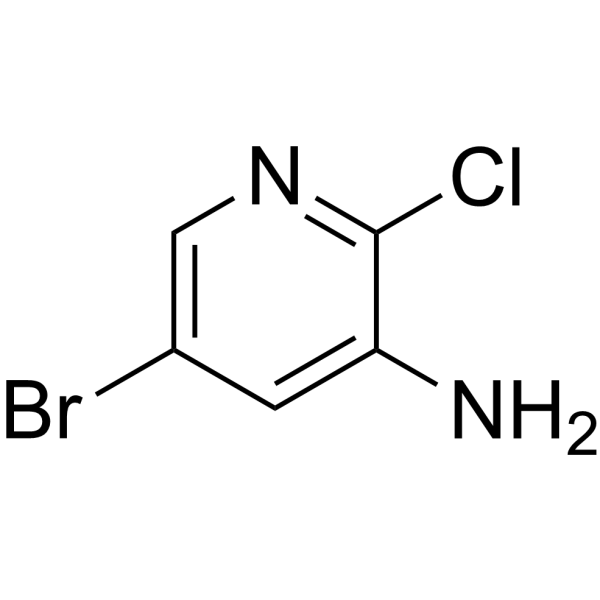
3-Amino-5-bromo-2-chloropyridine is a nitrogen-containing heterocyclic organic compound. 3-Amino-5-bromo-2-chloropyridine is an important intermediate, which can be used for the synthesis of other active compounds .
|
-
-
- HY-177079S
-
|
|
Neurokinin Receptor
|
Neurological Disease
|
|
Dazodeunetant (Example 56) is a nitrogen-containing fused ring derivative. Dazodeunetant is an inhibitor of neurokinin (NK). Dazodeunetant has an IC50 0f 75.99 nM against NK3R in HEK293-NK3 (IP1). Dazodeunetant can be studied in research for menopausal hot flashes .
|
-

-
- HY-121348
-
|
U-47929
|
Antibiotic
Bacterial
DNA/RNA Synthesis
|
Infection
|
Ficellomycin is a nitrogen-containing bicyclic antibiotic with strong activity against Gram-positive bacteria, including multidrug-resistant strains of Staphylococcus aureus. Ficellomycin works by inducing the formation of defective 34S DNA fragments, which interfere with the semi-conservative DNA replication process. These fragments lack the ability to integrate into larger DNA segments and eventually form a complete bacterial chromosome. Ficellomycin can be used in research for various bacterial diseases .
|
-

-
- HY-W779244
-
|
|
Isotope-Labeled Compounds
Biochemical Assay Reagents
Drug Intermediate
|
Infection
|
|
1H-Pyrazole-3,4,5-d3 is the deuterium labeled 1H-pyrazole (HY-76228). 1H-pyrazole is a nitrogen-containing heterocyclic compound composed of a five-membered ring and two nitrogen atoms. 1H-pyrazole is an intermediate in organic synthesis. 1H-pyrazole coordinates with metal ions. 1H-pyrazole derivatives have antibacterial, anti-inflammatory, anti-malarial, and anti-leishmanial activities .
|
-

-
- HY-144366
-
|
|
P-glycoprotein
|
Cancer
|
|
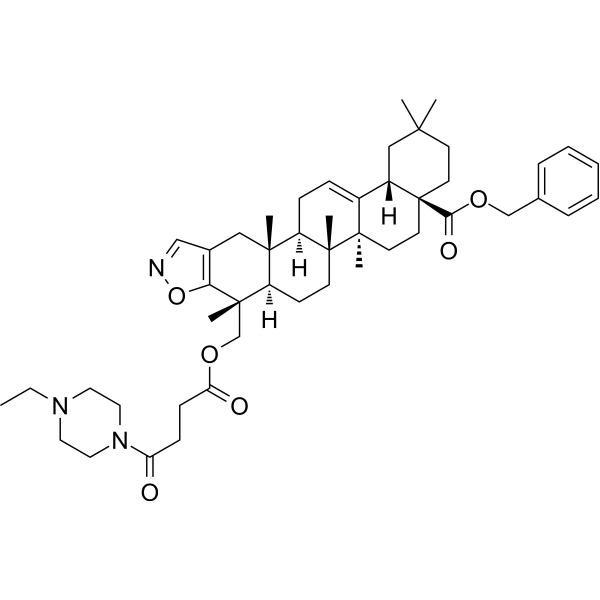
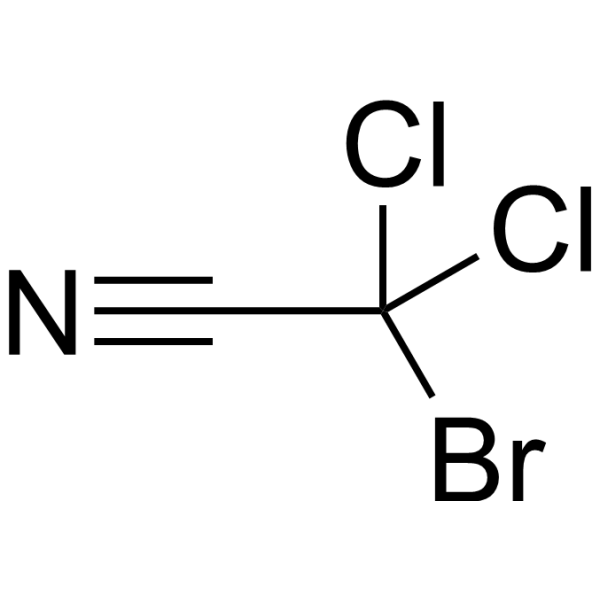
P-gp inhibitor 3 is an effective P-glycoprotein (P-gp) inhibitor. P-gp inhibitor 3 inhibits the efflux function of P-gp by activating P-gp ATPase. P-gp inhibitor 3 has relatively stronger multidrug resistance (MDR) reversal ability and enhances the anti-tumor activity of Paclitaxel .
|
-
-
- HY-133643
-
-
-
- HY-143583
-
|
|
Phosphodiesterase (PDE)
|
Neurological Disease
Cancer
|
|
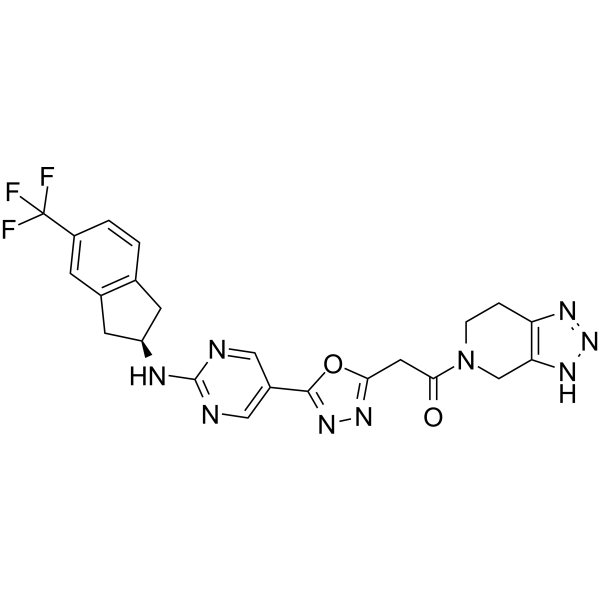
ATX inhibitor 10 is a potent inhibitor of ATX. ATX inhibitor 10 is s nitrogen-containing heterocyclic compound. ATX plays a role in causing pathological conditions including fibrosis, arthritis, neurodegeneration, neuropathic pain, and cancer. ATX inhibitor 10 has the potential for the research of ATX related diseases (extracted from patent WO2021115375A1, compound 35) .
|
-
-
- HY-N14679
-
-

-
- HY-U00393
-
|
|
Others
|
Cardiovascular Disease
|
|
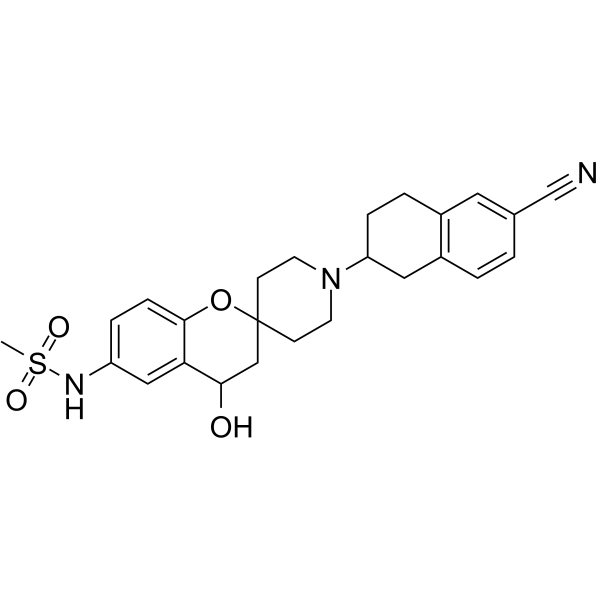
Arrhythmic-Targeting Compound 1 is used for the research of arrhythmic disease, with nitrogen-containing spirocycles.
|
-
-
- HY-N14587
-
|
|
Antibiotic
Bacterial
|
Infection
|
|
Oxypyrrolnitrin is a nitrogen-containing heterocyclic antibiotic. Oxypyrrolnitrin has anti-Gram-positive bacteria, negative bacteria, mycobacterium and fungal effects .
|
-

-
- HY-B0515AS1
-
|
|
Apoptosis
Isotope-Labeled Compounds
|
Cancer
|
|
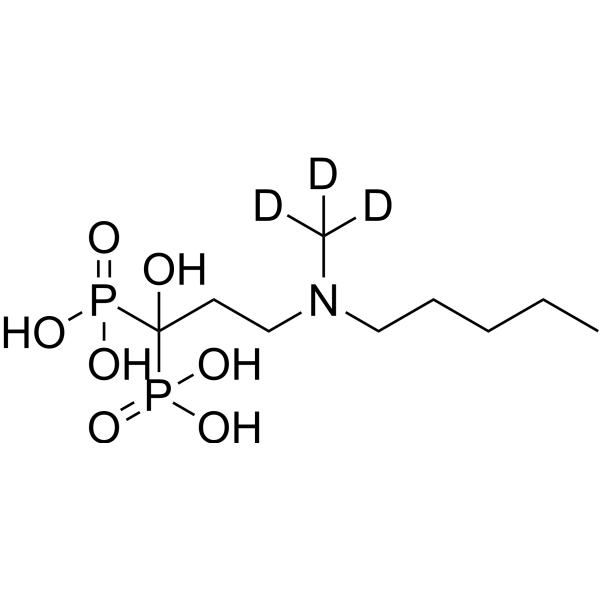
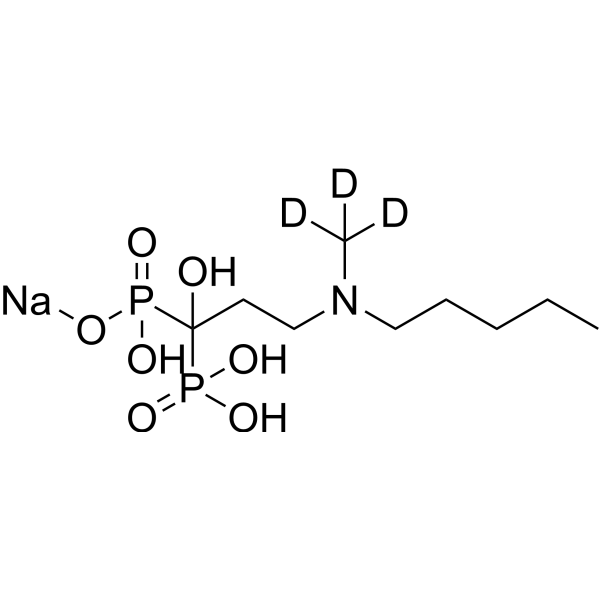
Ibandronic acid-d3 is the deuterium labeled Ibandronic acid. Ibandronic acid is a highly potent nitrogen-containing bisphosphonate used for the treatment of osteoporosis.
|
-
-
- HY-B0515AS
-
|
|
Apoptosis
Isotope-Labeled Compounds
|
Cancer
|
|
Ibandronic Acid-d3 (sodium) is the deuterium labeled Ibandronic acid. Ibandronic acid is a highly potent nitrogen-containing bisphosphonate used for the treatment of osteoporosis[1][2].
|
-
-
- HY-108685S
-
|
Alendronic acid-d4 monosodium salt
|
Isotope-Labeled Compounds
|
Metabolic Disease
Cancer
|
|
Alendronate-d4 (sodium) (Alendronic acid-d4 (monosodium salt)) is deuterium labeled Alendronate sodium. Alendronate sodium is an orally active nitrogen-containing bisphosphonate. Alendronate sodium potently inhibits bone resorption. Alendronate sodium is used for the research of postmenopausal osteoporosis .
|
-

-
- HY-D2989
-
|
SNAP-NH2-Ac-N3
|
Biochemical Assay Reagents
|
Others
|
BG-NH2-Ac-N3 (SNAP-NH2-Ac-N3) is a nitrogen-containing SNAP tag with a nitro group. BG-NH2-Ac-N3 can be used for click chemistry labeling .
|
-

-
- HY-W034576
-
|
Hexaaza-18-crown-6 hexahydrochloride; 1,4,7,10,13,16-Hexaazacyclooctadecane hexahydrochloride
|
Biochemical Assay Reagents
|
Cancer
|
|
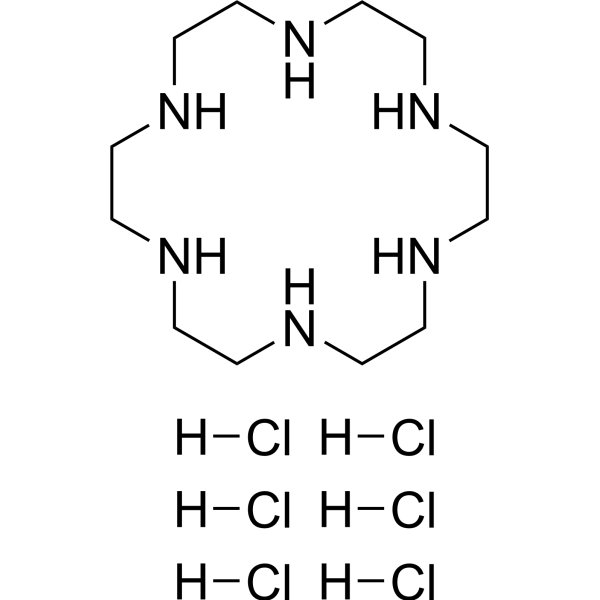
Hexacyclen (Cycloalkene) is an organic compound with a unique macrocyclic structure composed of six nitrogen-containing rings. Hexacyclen is commonly used as a chelating agent in chemistry and biochemistry due to its ability to bind metal ions, and is often used to selectively bind metal ions in proteins or enzymes to study their structure and function. Hexacyclen also acts as an inhibitor of cancer .
|
-
-
- HY-W002016R
-
|
|
Reference Standards
Reactive Oxygen Species (ROS)
|
Cancer
|
|
Phthalazine (Standard) is the analytical standard of Phthalazine. This product is intended for research and analytical applications. Phthalazine is a substrate for human aldehyde oxidase 1, which can lead to the production of ROS and subsequent enzyme inactivation. Phthalazine is a nitrogen-containing organic heterocyclic compound. Phthalazine exhibits antitumor activity in blood cancer, breast cancer, colon cancer, lung cancer and renal cancer .
|
-

-
- HY-135593
-
|
|
Others
|
Endocrinology
|
|
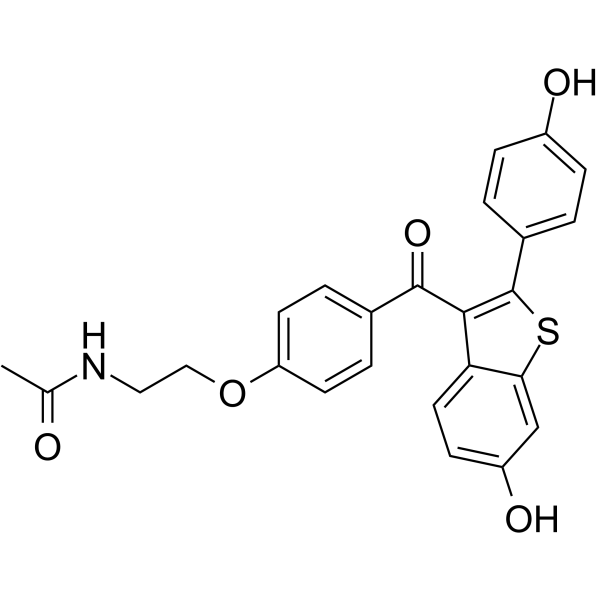
LY88074 analog 1 is a benzothiophene compound with nitrogen-containing non-basic side chains, Compound 26, extracted from patent EP0747380A1. LY88074 analog 1 is an agent for alleviating the symptoms of post-menopausal symptoms, such as osteoporosis, cardiovascular related pathological conditions, and estrogen-dependent cancer. LY88074 analog 1 can be used alone or in combination with estrogen or progestin .
|
-
-
- HY-126854R
-
|
N-Acetyl-D-lactosamine (Standard)
|
Reference Standards
Endogenous Metabolite
Galectin
|
Others
|
|
N-Acetyllactosamine (Standard) is the analytical standard of N-Acetyllactosamine. This product is intended for research and analytical applications. N-Acetyllactosamine (N-Acetyl-D-lactosamine), a nitrogen-containing disaccharide, is a galectin-3 inhibitor, which is an important component of various oligosaccharides such as glycoproteins and sialyl Lewis X. N-Acetyllactosamine can be used as the starting material for the synthesis of various oligosaccharides. N-Acetyllactosamine has prebiotic effects[1][2][3][4].
|
-

-
- HY-W034566A
-
|
Hexaaza-18-crown-6 trisulfate; 1,4,7,10,13,16-Hexaazacyclooctadecane trisulfate
|
Biochemical Assay Reagents
|
Others
|
|
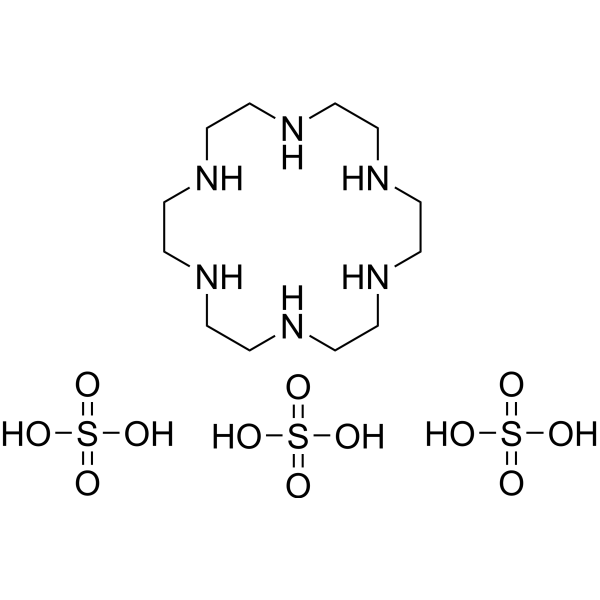
Hexacyclen, also known as cycloalkene, is an organic compound with a unique macrocyclic structure composed of six nitrogen-containing rings. It is commonly used as a chelating agent in chemistry and biochemistry due to its ability to bind metal ions. Inhibitors of certain diseases such as cancer. In biochemistry, Hexacyclen is often used to selectively bind metal ions in proteins or enzymes to study their structure and function. Due to its large size and complex structure, Hexacyclen is not widely used in daily products or applications.
|
-
- HY-B0012B
-
|
|
RANKL/RANK
Toll-like Receptor (TLR)
Wnt
β-catenin
|
Metabolic Disease
Inflammation/Immunology
Cancer
|
|
Pamidronic acid sodium, the second-generation nitrogen-containing bisphosphonate, is an inhibitor of bone loss. Pamidronic acid sodium significantly inhibits subchondral bone loss in early osteoarthritis by upregulating the expression of osteoprotegerin in cartilage and subchondral bone, and inhibiting the expression of RANKL and MMP-9 in both tissues, as well as TLR-4 in cartilage, thereby alleviating cartilage degeneration. Additionally, Pamidronic acid sodium can inhibit the signaling of Wnt and β-catenin, and is applicable for research on osteoporosis and osteosarcoma .
|
-

- HY-B0012R
-
|
|
RANKL/RANK
Toll-like Receptor (TLR)
Wnt
β-catenin
|
Metabolic Disease
Inflammation/Immunology
Cancer
|
|
Pamidronic acid (Standard) is the analytical standard of Pamidronic acid. This product is intended for research and analytical applications. Pamidronic acid, the second-generation nitrogen-containing bisphosphonate, is an inhibitor of bone loss. Pamidronic acid significantly inhibits subchondral bone loss in early osteoarthritis by upregulating the expression of OPG in cartilage and subchondral bone, and inhibiting the expression of RANKL and MMP-9 in both tissues, as well as TLR-4 in cartilage, thereby alleviating cartilage degeneration. Additionally, Pamidronic acid can inhibit the signaling of Wnt and β-catenin, and is applicable for research on osteoporosis and osteosarcoma .
|
-

- HY-B0730R
-
|
|
Reference Standards
RANKL/RANK
Toll-like Receptor (TLR)
Wnt
β-catenin
|
Metabolic Disease
Inflammation/Immunology
Cancer
|
|
Pamidronate (disodium pentahydrate) (Standard) is the analytical standard of Pamidronate (disodium pentahydrate). This product is intended for research and analytical applications. Pamidronate disodium pentahydrate, the second-generation nitrogen-containing bisphosphonate, is an inhibitor of bone loss. Pamidronate disodium pentahydrate significantly inhibits subchondral bone loss in early osteoarthritis by upregulating the expression of osteoprotegerin in cartilage and subchondral bone, and inhibiting the expression of RANKL and MMP-9 in both tissues, as well as TLR-4 in cartilage, thereby alleviating cartilage degeneration. Additionally, Pamidronate disodium pentahydrate can inhibit the signaling of Wnt and β-catenin, and is applicable for research on osteoporosis and osteosarcoma .
|
-

- HY-N18353
-
|
|
Drug Derivative
|
Others
|
|
Hexadesacetyleuomynine (Compound 15) is a nitrogen-containing dihydroagarofuran derivative found in the dried roots of Tripterygium wilfordii .
|
-

- HY-W995365
-
|
|
Glycosidase
|
Metabolic Disease
|
|
Nojirimycin is a nitrogen-containing sugar analog and glycosidase inhibitor. Nojirimycin contains a ring nitrogen atom, which acts as an isostere of the ring oxygen atom to inhibit glycosidases. Nojirimycin belongs to a class of nitrogen-containing sugar analogs with a ring nitrogen atom .
|
-

- HY-P4556
-
|
|
Biochemical Assay Reagents
|
Others
|
|
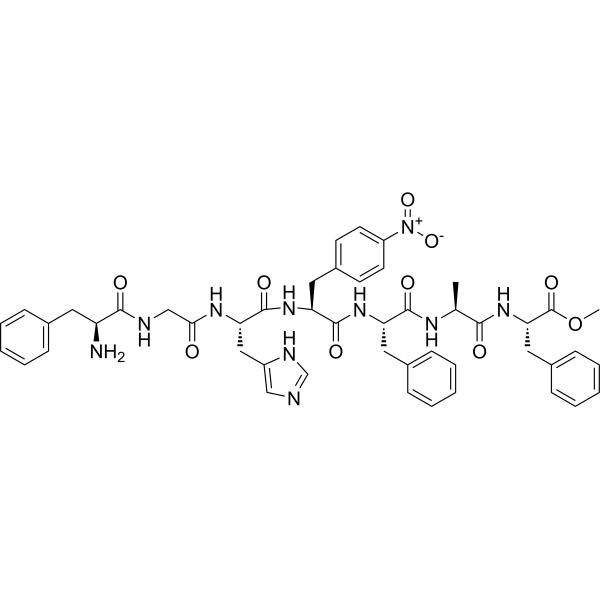
H-Phe-Gly-His-p-nitro-Phe-Phe-Ala-Phe-OMe is a polypeptide that can be hydrolyzed by Rennin (HY-P2810). H-Phe-Gly-His-p-nitro-Phe-Phe-Ala-Phe-OMe is commonly used as a biochemical reaction reagent .
|
-
- HY-180122
-
-

- HY-135015
-
|
|
Endogenous Metabolite
|
Infection
|
|
Tetradecanenitrile is a nitrogen-containing saturated long-chain aliphatic nitrile that can be found in Pseudomonas veronii R02. Tetradecanenitrile can be used for the research of multiresistant Staphylococcus aureus infection .
|
-

- HY-W779743
-
|
|
Drug Derivative
|
Infection
Cancer
|
|
NE58043 (Compound 21) is a nitrogen-containing bisphosphonate compound. NE58043 has no significant inhibitory activity against Entamoeba histolytica and Plasmodium falciparum with IC50 > 200 μM. NE58043 shows a LD50 of 171 μM for human nasopharyngeal carcinoma KB cells. NE58043 can be used for the research of cancer and infection, such as nasopharyngeal carcinoma .
|
-

- HY-N20291
-
|
|
Others
|
Others
|
|
Fagarine II is an alkaloid found in the leaves and twigs of Fagara coco. Alkaloids are a large class of complex nitrogen-containing basic organic compounds. As food, nutritional supplements, and medicines, alkaloids play an important role in medicine and other fields. Alkaloid compounds exhibit good biological activities in anti-inflammatory, anticancer, analgesic, local anesthetic, neuropharmacological, antibacterial, and antifungal properties .
|
-

- HY-W007656R
-
|
|
Reference Standards
|
Others
|
|
Cyclen (Standard) is the analytical standard substance of Cyclen. This product is used for research and analytical applications. Cyclen is a macrocyclic tetrathiolate chelating agent. Cyclen is a nitrogen-containing analogue of crown ethers and can be used as a precursor for MRI contrast agents, as well as an intermediate for preparing highly efficient macrocyclic chelates. As a structural regulator, Cyclen can be prepared into polyamide nanofiltration membranes with efficient Li +/Mg 2+ separation performance through the interfacial polymerization of polyethyleneimine (PEI) and meta-benzotriazole chloride (TMC). Cyclen has a unique cavity structure and exhibits selective coordination properties for Li + ions .
|
-

| Cat. No. |
Product Name |
Type |
-
- HY-D0006
-
|
|
Fluorescent Dyes
|
|
Bathophenanthroline is a nitrogen-containing organic ligand that can form stable complexes with transition metal ions such as Ru 2+. In proteomics, Bathophenanthroline is often used for in-gel protein staining. The negatively charged sulfonic acid groups of Bathophenanthroline interact electrostatically with the positively charged amino acid residues of proteins, thereby achieving specific binding to proteins and enhancing the fluorescent signal of detection. Bathophenanthroline can be used for protein separation and detection in SDS-PAGE gels in the field of proteomics, as well as other fluorescence studies[1]. Ex/Em=532 nm/610 nm[1].
|
-
- HY-D2989
-
|
SNAP-NH2-Ac-N3
|
Fluorescent Dyes
|
BG-NH2-Ac-N3 (SNAP-NH2-Ac-N3) is a nitrogen-containing SNAP tag with a nitro group. BG-NH2-Ac-N3 can be used for click chemistry labeling .
|
| Cat. No. |
Product Name |
Type |
-
- HY-40351
-
|
|
Biochemical Assay Reagents
|
|
4-Chloro-7H-pyrrolo[2,3-d]pyrimidine is a nitrogen-containing heterocyclic organic synthesis intermediate that can be used for the synthesis of JAK and PKB/Akt inhibitors .
|
-
- HY-W034566
-
|
Hexaaza-18-crown-6; 1,4,7,10,13,16-Hexaazacyclooctadecane
|
Biochemical Assay Reagents
|
|
Hexacyclen is an organic compound with a unique macrocyclic structure composed of six nitrogen-containing rings. It is commonly used as a chelating agent in chemistry and biochemistry due to its ability to bind metal ions. Inhibitors of certain diseases such as cancer. In biochemistry, Hexacyclen is often used to selectively bind metal ions in proteins or enzymes to study their structure and function. Due to its large size and complex structure, Hexacyclen is not widely used in daily products or applications .
|
-
- HY-W002457
-
|
|
Biochemical Assay Reagents
|
|
3-Nitropyrazole is a biochemical reagent that can be used as a biological material or organic compound for life science related research. 3-Nitropyrazole is also a nitrogen-containing heterocyclic compound, which can be used in the synthesis of other active compounds .
|
-
- HY-159051
-
|
|
Biochemical Assay Reagents
|
|
Dragendorff reagent is used for detecting alkaloids and other nitrogen-containing compounds. Dragendorff reagent is a solution of potassium bismuth iodide composing of Basic bismuth nitrate (Bi(NO3)3), Tartaric acid (HY-N2436), and Potassium iodide (KI). When contact with alkaloids, Dragendorff reagent produces an orange or orange red precipitate .
|
-
- HY-W010628
-
|
Trimethyleneimine hydrochloride
|
Biochemical Assay Reagents
|
|
Azetidine (Trimethyleneimine) hydrochloride is a biochemical reagent that can be used as a biological material or organic compound for life science related research. Azetidine hydrochloride is also a nitrogen-containing heterocyclic compound, which can be used in the synthesis of other active compounds .
|
-
- HY-30012
-
|
|
Biochemical Assay Reagents
|
|
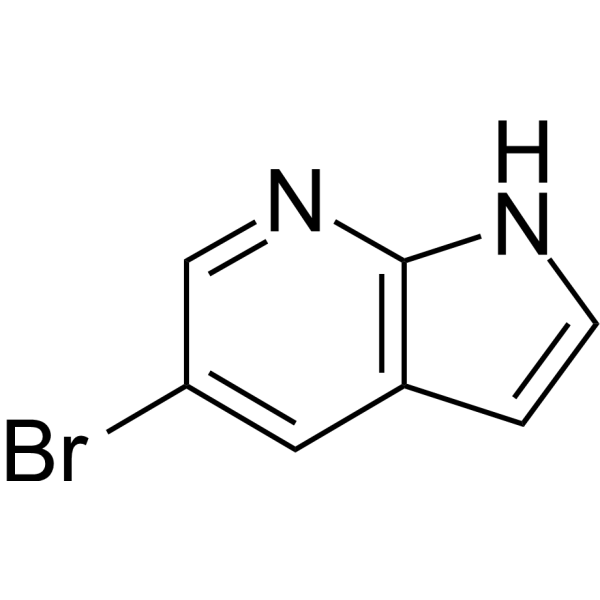
5-Bromo-7-azaindole is an important intermediate. 5-Bromo-7-azaindole can be used for the synthesis of other nitrogen-containing heterocyclic compounds .
|
-
- HY-W002458
-
|
|
Biochemical Assay Reagents
|
|
4-Nitropyrazole is a five-membered nitrogen-containing heterocyclic compound that can be used as a drug intermediate. 4-Nitropyrazole can be synthesized into antibiotics/antifungal/antiviral agents containing pyrazole rings. 4-Nitropyrazole is synthesized through C-H activation reactions to produce LRRK2 inhibitors, which are used in the research of Parkinson's disease .
|
-
- HY-Y0141
-
|
|
Biochemical Assay Reagents
|
|
3-Amino-6-chloropyridazine is a nitrogen-containing heterocyclic organic compound belonging to the pyridazine derivatives. 3-Amino-6-chloropyridazine has the basicity of amino groups and the nucleophilic substitution activity of chlorine atoms. 3-Amino-6-chloropyridazine can serve as an important intermediate for synthesizing some active compounds .
|
-
- HY-32828
-
|
|
Biochemical Assay Reagents
|
|
3-Amino-5-bromo-2-chloropyridine is a nitrogen-containing heterocyclic organic compound. 3-Amino-5-bromo-2-chloropyridine is an important intermediate, which can be used for the synthesis of other active compounds .
|
-
- HY-W034576
-
|
Hexaaza-18-crown-6 hexahydrochloride; 1,4,7,10,13,16-Hexaazacyclooctadecane hexahydrochloride
|
Biochemical Assay Reagents
|
|
Hexacyclen (Cycloalkene) is an organic compound with a unique macrocyclic structure composed of six nitrogen-containing rings. Hexacyclen is commonly used as a chelating agent in chemistry and biochemistry due to its ability to bind metal ions, and is often used to selectively bind metal ions in proteins or enzymes to study their structure and function. Hexacyclen also acts as an inhibitor of cancer .
|
-
- HY-W034566A
-
|
Hexaaza-18-crown-6 trisulfate; 1,4,7,10,13,16-Hexaazacyclooctadecane trisulfate
|
Biochemical Assay Reagents
|
|
Hexacyclen, also known as cycloalkene, is an organic compound with a unique macrocyclic structure composed of six nitrogen-containing rings. It is commonly used as a chelating agent in chemistry and biochemistry due to its ability to bind metal ions. Inhibitors of certain diseases such as cancer. In biochemistry, Hexacyclen is often used to selectively bind metal ions in proteins or enzymes to study their structure and function. Due to its large size and complex structure, Hexacyclen is not widely used in daily products or applications.
|
| Cat. No. |
Product Name |
Target |
Research Area |
-
- HY-P4545
-
|
|
Angiotensin Receptor
|
Others
|
|
Abz-Gly-p-nitro-Phe-Pro-OH is the fluorescent substrate angiotensin I converting enzyme (ACE-I) with 355 nm excitation and 405 nm emission wavelengths .
|
-
- HY-P4561
-
|
|
Cathepsin
|
Others
|
|
H-Pro-Thr-Glu-Phe-p-nitro-Phe-Arg-Leu-OH is a water-soluble polypeptide that can serve as a substrate for cathepsin D, pepsin and pepsinogen. H-Pro-Thr-Glu-Phe-p-nitro-Phe-Arg-Leu-OH has potential applications in biochemical analysis .
|
-
- HY-P4725
-
|
|
Fluorescent Dye
|
Others
|
|
Abz-Thr-Ile-Nle-p-nitro-Phe-Gln-Arg-NH2 is a fluorogenic substrate, that can be used for the fluorescence screening assay .
|
-
- HY-P4556
-
|
|
Biochemical Assay Reagents
|
Others
|
|
H-Phe-Gly-His-p-nitro-Phe-Phe-Ala-Phe-OMe is a polypeptide that can be hydrolyzed by Rennin (HY-P2810). H-Phe-Gly-His-p-nitro-Phe-Phe-Ala-Phe-OMe is commonly used as a biochemical reaction reagent .
|
| Cat. No. |
Product Name |
Category |
Target |
Chemical Structure |
-
- HY-126854
-
|
N-Acetyl-D-lactosamine
|
Natural Products
Microorganisms
|
Endogenous Metabolite
Galectin
|
|
N-Acetyllactosamine (N-Acetyl-D-lactosamine), a nitrogen-containing disaccharide, is a galectin-3 inhibitor, which is an important component of various oligosaccharides such as glycoproteins and sialyl Lewis X. N-Acetyllactosamine can be used as the starting material for the synthesis of various oligosaccharides. N-Acetyllactosamine has prebiotic effects .
|
-
-
- HY-Y0519
-
-
-
- HY-Y0519R
-
-
-
- HY-121348
-
|
U-47929
|
Microorganisms
Antibiotics
Other Antibiotics
Source Classification
|
Antibiotic
Bacterial
DNA/RNA Synthesis
|
Ficellomycin is a nitrogen-containing bicyclic antibiotic with strong activity against Gram-positive bacteria, including multidrug-resistant strains of Staphylococcus aureus. Ficellomycin works by inducing the formation of defective 34S DNA fragments, which interfere with the semi-conservative DNA replication process. These fragments lack the ability to integrate into larger DNA segments and eventually form a complete bacterial chromosome. Ficellomycin can be used in research for various bacterial diseases .
|
-
-
- HY-N14679
-
-
-
- HY-N14587
-
-
-
- HY-126854R
-
|
N-Acetyl-D-lactosamine (Standard)
|
Structural Classification
Natural Products
Microorganisms
|
Reference Standards
Endogenous Metabolite
Galectin
|
|
N-Acetyllactosamine (Standard) is the analytical standard of N-Acetyllactosamine. This product is intended for research and analytical applications. N-Acetyllactosamine (N-Acetyl-D-lactosamine), a nitrogen-containing disaccharide, is a galectin-3 inhibitor, which is an important component of various oligosaccharides such as glycoproteins and sialyl Lewis X. N-Acetyllactosamine can be used as the starting material for the synthesis of various oligosaccharides. N-Acetyllactosamine has prebiotic effects[1][2][3][4].
|
-
-
- HY-N18353
-
-
-
- HY-135015
-
-
-
- HY-N20291
-
-
-
- HY-W007656R
-
|
|
Structural Classification
Natural Products
Plants
Menispermaceae
Stephania japonica (Thunb.) Miers
Source Classification
|
Reference Standards
|
|
Cyclen (Standard) is the analytical standard substance of Cyclen. This product is used for research and analytical applications. Cyclen is a macrocyclic tetrathiolate chelating agent. Cyclen is a nitrogen-containing analogue of crown ethers and can be used as a precursor for MRI contrast agents, as well as an intermediate for preparing highly efficient macrocyclic chelates. As a structural regulator, Cyclen can be prepared into polyamide nanofiltration membranes with efficient Li +/Mg 2+ separation performance through the interfacial polymerization of polyethyleneimine (PEI) and meta-benzotriazole chloride (TMC). Cyclen has a unique cavity structure and exhibits selective coordination properties for Li + ions .
|
-
| Cat. No. |
Product Name |
Chemical Structure |
-
- HY-W013040S
-
|
|
|
Pyrazine-d4 is the deuterium labeled Pyrazine . Pyrazine is an aromatic nitrogen-containing heterocyclic compound with two nitrogen atoms, and is well known for its electron-deficient property. Pyrazine serves as a key pharmacophore in a variety of drugs, and also acts as the core skeleton of derivatives with anticancer, antimycobacterial, antithrombotic and anti-inflammatory activities.
|
-
-
- HY-177079S
-
|
|
|
Dazodeunetant (Example 56) is a nitrogen-containing fused ring derivative. Dazodeunetant is an inhibitor of neurokinin (NK). Dazodeunetant has an IC50 0f 75.99 nM against NK3R in HEK293-NK3 (IP1). Dazodeunetant can be studied in research for menopausal hot flashes .
|
-
-
- HY-W779244
-
|
|
|
1H-Pyrazole-3,4,5-d3 is the deuterium labeled 1H-pyrazole (HY-76228). 1H-pyrazole is a nitrogen-containing heterocyclic compound composed of a five-membered ring and two nitrogen atoms. 1H-pyrazole is an intermediate in organic synthesis. 1H-pyrazole coordinates with metal ions. 1H-pyrazole derivatives have antibacterial, anti-inflammatory, anti-malarial, and anti-leishmanial activities .
|
-
-
- HY-B0515AS1
-
|
|
|
Ibandronic acid-d3 is the deuterium labeled Ibandronic acid. Ibandronic acid is a highly potent nitrogen-containing bisphosphonate used for the treatment of osteoporosis.
|
-
-
- HY-B0515AS
-
|
|
|
Ibandronic Acid-d3 (sodium) is the deuterium labeled Ibandronic acid. Ibandronic acid is a highly potent nitrogen-containing bisphosphonate used for the treatment of osteoporosis[1][2].
|
-
-
- HY-108685S
-
|
|
|
Alendronate-d4 (sodium) (Alendronic acid-d4 (monosodium salt)) is deuterium labeled Alendronate sodium. Alendronate sodium is an orally active nitrogen-containing bisphosphonate. Alendronate sodium potently inhibits bone resorption. Alendronate sodium is used for the research of postmenopausal osteoporosis .
|
-
| Cat. No. |
Product Name |
|
Classification |
-
- HY-D2989
-
|
SNAP-NH2-Ac-N3
|
|
Azide
|
BG-NH2-Ac-N3 (SNAP-NH2-Ac-N3) is a nitrogen-containing SNAP tag with a nitro group. BG-NH2-Ac-N3 can be used for click chemistry labeling .
|
-
- HY-180122
-
|
|
|
Azide
|
|
(Rac)-Azide-deoxy-ascomycin-O-ethylene, a nitrogen-containing compound, is a derivative of a macrolide-type immunosuppressant.
|
Your information is safe with us. * Required Fields.
Inquiry Information
- Product Name:
- Cat. No.:
- Quantity:
- MCE Japan Authorized Agent:





![4-Chloro-7H-pyrrolo[2,3-d]pyrimidine](http://file.medchemexpress.com/product_pic/hy-40351.gif)





