Search Result
Results for "
non-enzymatic
" in MedChemExpress (MCE) Product Catalog:
3
Biochemical Assay Reagents
7
Isotope-Labeled Compounds
| Cat. No. |
Product Name |
Target |
Research Areas |
Chemical Structure |
-
- HY-W013494
-
|
|
Endogenous Metabolite
|
Metabolic Disease
Inflammation/Immunology
|
|
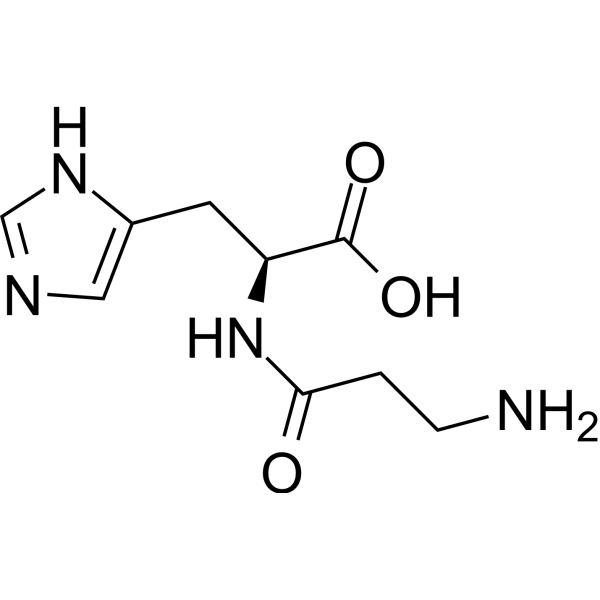
L-Carnosine is a dipeptide composed of beta-alanine and histidine. L-Carnosine is an endogenous metabolite found in human brain, muscle and gastrointestinal tissues and is present in all vertebrates. L-Carnosine is a non-enzymatic free radical scavenger and natural antioxidant with anti-inflammatory and neuroprotective properties that can inhibit biochemical changes associated with aging .
|
-
-
- HY-B0504S
-
|
NSC13123-d3
|
Isotope-Labeled Compounds
Endogenous Metabolite
iGluR
GABA Receptor
|
Metabolic Disease
Cancer
|
|
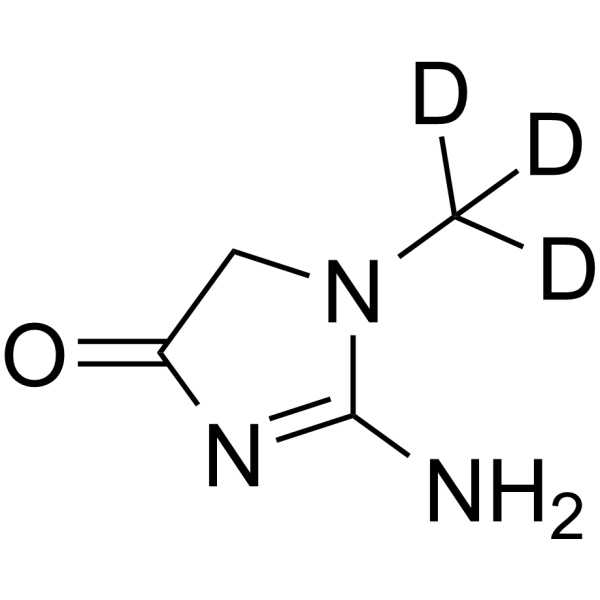
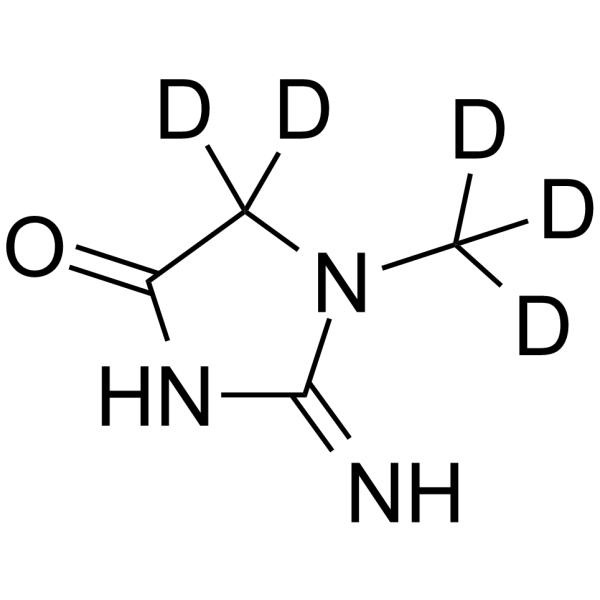
Creatinine-d3 is a deuterium labeled Creatinine. Creatinine (NSC13123) is an orally active, blood-brain barrier-permeable modulator of GABAA and NMDA receptors, with activities of antioxidation and metabolic regulation. Creatinine is generated via non-enzymatic conversion of creatine and phosphocreatine in muscle. Creatinine serum levels correlate with muscle mass, glomerular filtration rate, and extrarenal clearance, serving as an evaluation biomarker for renal function, muscle mass, and clinical outcomes, and used for perioperative renal risk assessment. In addition, Creatinine can induce specific Cryptococcus species to produce creatinine deiminase and act as their nitrogen source, while it can be secreted via renal tubules. Creatinine is widely used in research related to various diseases such as neurodegenerative diseases, psychiatric disorders, acute kidney injury, chronic kidney disease, and renal failure .
|
-
-
- HY-131296
-
|
|
Drug Derivative
|
Inflammation/Immunology
|
|
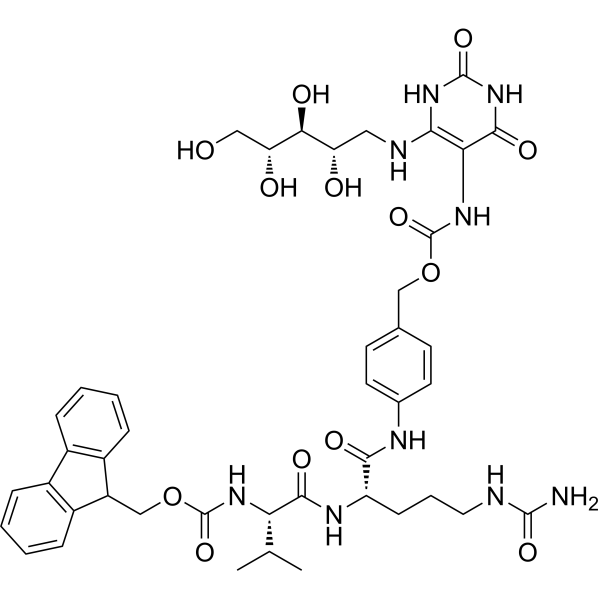
5-A-RU-PABC-Val-Cit-Fmoc is the proagent of 5-A-RU . 5-A-RU, a precursor of bacterial Riboflavin, is a mucosal-associated invariant T (MAIT) cells activator. 5-A-RU forms potent MAIT-activating antigens via non-enzymatic reactions with small molecules, such as glyoxal and methylglyoxal, which are derived from other metabolic pathways .
|
-
-
- HY-B0504
-
Creatinine
Maximum Cited Publications
6 Publications Verification
NSC13123
|
Endogenous Metabolite
GABA Receptor
iGluR
|
Infection
Neurological Disease
Metabolic Disease
Cancer
|
|
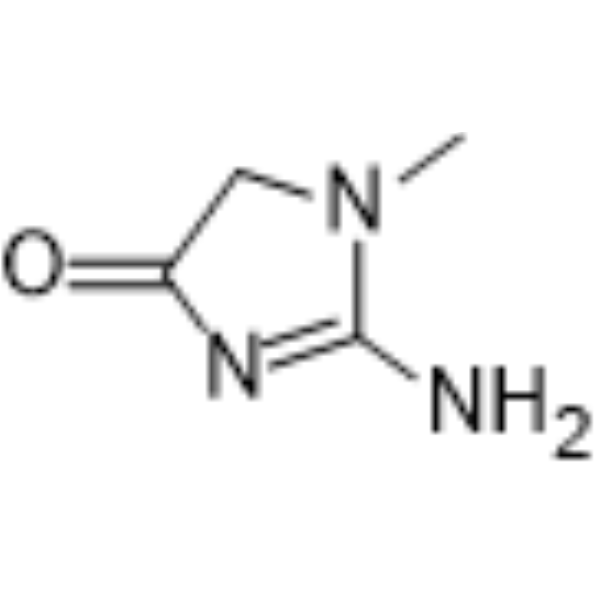
Creatinine (NSC13123) is an orally active, blood-brain barrier-permeable modulator of GABAA and NMDA receptors, with activities of antioxidation and metabolic regulation. Creatinine is generated via non-enzymatic conversion of creatine and phosphocreatine in muscle. Creatinine serum levels correlate with muscle mass, glomerular filtration rate, and extrarenal clearance, serving as an evaluation biomarker for renal function, muscle mass, and clinical outcomes, and used for perioperative renal risk assessment. In addition, Creatinine can induce specific Cryptococcus species to produce creatinine deiminase and act as their nitrogen source, while it can be secreted via renal tubules. Creatinine is widely used in research related to various diseases such as neurodegenerative diseases, psychiatric disorders, acute kidney injury, chronic kidney disease, and renal failure .
|
-
-
- HY-NP165
-
|
AGEs
|
Biochemical Assay Reagents
|
Cardiovascular Disease
Metabolic Disease
Inflammation/Immunology
|
|
Advanced glycation end products (AGEs) are a series of stable compounds generated through non-enzymatic reactions between reducing sugars and proteins, lipids, or nucleic acids. Advanced glycation end products are often used as targets to evaluate the inhibitory effects of anti-glycation compounds. Advanced glycation end products can be applied to research on diabetes, cardiovascular and cerebrovascular diseases, inflammation, aging, and other conditions .
|
-

-
- HY-B0504S2
-
|
NSC13123-d5
|
Isotope-Labeled Compounds
Endogenous Metabolite
iGluR
GABA Receptor
|
Metabolic Disease
|
|
Creatinine-d5 is the deuterium labeled Creatinine. Creatinine (NSC13123) is an orally active, blood-brain barrier-permeable modulator of GABAA and NMDA receptors, with activities of antioxidation and metabolic regulation. Creatinine is generated via non-enzymatic conversion of creatine and phosphocreatine in muscle. Creatinine serum levels correlate with muscle mass, glomerular filtration rate, and extrarenal clearance, serving as an evaluation biomarker for renal function, muscle mass, and clinical outcomes, and used for perioperative renal risk assessment. In addition, Creatinine can induce specific Cryptococcus species to produce creatinine deiminase and act as their nitrogen source, while it can be secreted via renal tubules. Creatinine is widely used in research related to various diseases such as neurodegenerative diseases, psychiatric disorders, acute kidney injury, chronic kidney disease, and renal failure .
|
-
-
- HY-N10473
-
|
|
Bacterial
Fungal
|
Infection
|
|
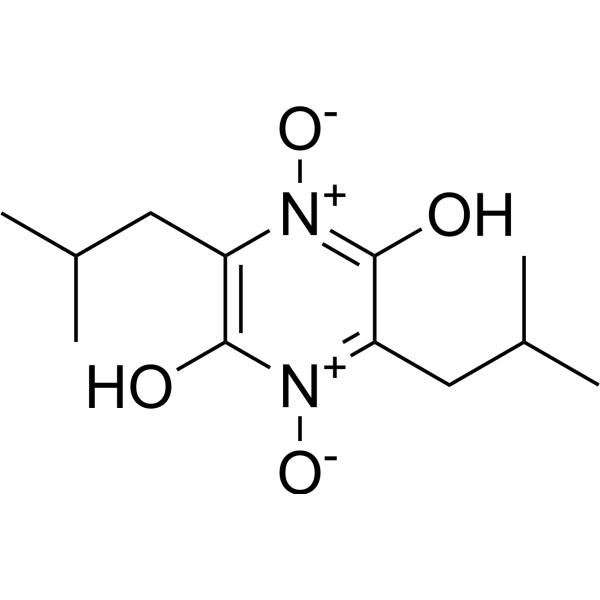
Pulcherriminic acid is a cyclic dipeptide antimicrobial agent with high affinity for Fe 3+, found mainly in Bacillus and yeast. Pulcherriminic acid chelates iron ions through a non-enzymatic reaction to form the extracellular red pigment pulcherrimin, which competes for iron nutrition and thus achieves an antibacterial effect. Pulcherriminic acid has great applications in food, agriculture and medical industries .
|
-
-
- HY-N4288
-
|
|
Glutathione Peroxidase
Cathepsin
Phosphatase
|
Inflammation/Immunology
Cancer
|
|
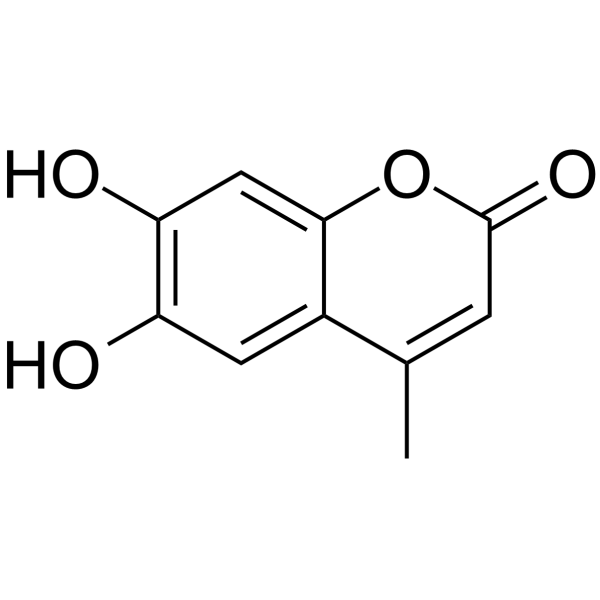
4-Methylesculetin is an orally active coumarin derivative, with potent anti-oxidant and anti-inflammatory activities. 4-Methylesculetin inhibits myeloperoxidase activity. 4-Methylesculetin protects bone resorption by reducing the elevated levels of bone-joint exoglycosidases, cathepsin-D and tartrate resistant acid phosphatases. 4-Methylesculetin ameliorats the upregulated non-enzymatic inflammatory markers like TNF-α, IL-1β, IL-6, COX-2 and PGE2, which is promising for research of inflammatory diseases .
|
-
-
- HY-B0504R
-
|
NSC13123 (Standard)
|
Reference Standards
Endogenous Metabolite
iGluR
GABA Receptor
|
Metabolic Disease
Cancer
|
|
Creatinine (Standard) is the analytical standard of Creatinine. This product is intended for research and analytical applications. Creatinine (NSC13123) is an orally active, blood-brain barrier-permeable modulator of GABAA and NMDA receptors, with activities of antioxidation and metabolic regulation. Creatinine is generated via non-enzymatic conversion of creatine and phosphocreatine in muscle. Creatinine serum levels correlate with muscle mass, glomerular filtration rate, and extrarenal clearance, serving as an evaluation biomarker for renal function, muscle mass, and clinical outcomes, and used for perioperative renal risk assessment. In addition, Creatinine can induce specific Cryptococcus species to produce creatinine deiminase and act as their nitrogen source, while it can be secreted via renal tubules. Creatinine is widely used in research related to various diseases such as neurodegenerative diseases, psychiatric disorders, acute kidney injury, chronic kidney disease, and renal failure .
|
-

-
- HY-131920A
-
|
Polyuridylic acid potassium
|
DNA/RNA Synthesis
|
Others
|
|
Polyuridylic acid potassium is a polynucleotide. In protein synthesis systems based on active mammalian ribosomes, Polyuridylic acid potassium acts as a specific messenger to induce the biosynthesis of polyphenylalanine, with no effect on the incorporation of non-phenylalanine amino acids. Polyuridylic acid potassium serves as a template to promote the non-enzymatic synthesis of oligoadenylates .
|
-

-
- HY-B0504S1
-
|
NSC13123-13C
|
Isotope-Labeled Compounds
Endogenous Metabolite
iGluR
GABA Receptor
|
Metabolic Disease
|
|
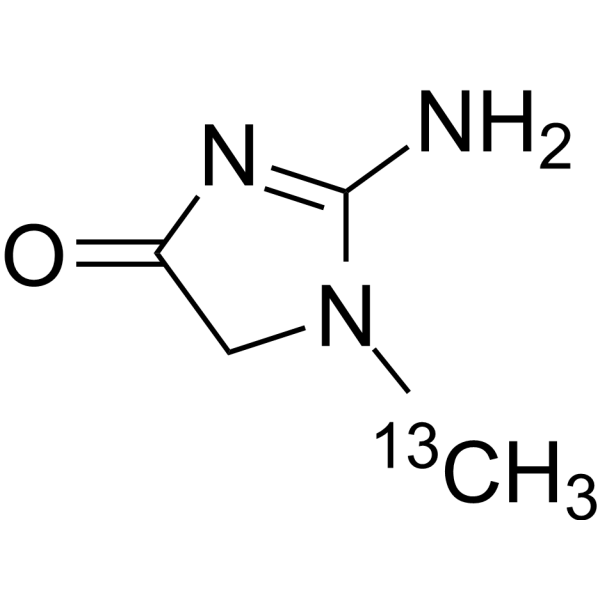
Creatinine- 13C is the 13C-labeled Creatinine. Creatinine (NSC13123) is an orally active, blood-brain barrier-permeable modulator of GABAA and NMDA receptors, with activities of antioxidation and metabolic regulation. Creatinine is generated via non-enzymatic conversion of creatine and phosphocreatine in muscle. Creatinine serum levels correlate with muscle mass, glomerular filtration rate, and extrarenal clearance, serving as an evaluation biomarker for renal function, muscle mass, and clinical outcomes, and used for perioperative renal risk assessment. In addition, Creatinine can induce specific Cryptococcus species to produce creatinine deiminase and act as their nitrogen source, while it can be secreted via renal tubules. Creatinine is widely used in research related to various diseases such as neurodegenerative diseases, psychiatric disorders, acute kidney injury, chronic kidney disease, and renal failure .
|
-
-
- HY-145685
-
|
|
DNA/RNA Synthesis
|
Cancer
|
|
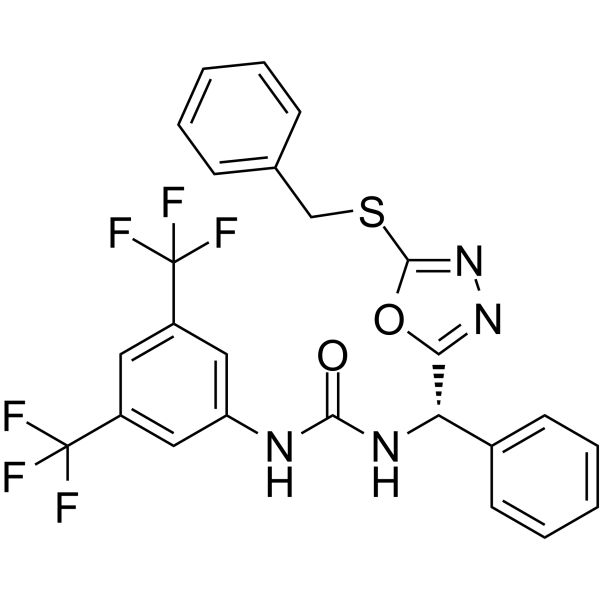
RECQL5-IN-1 (Compound 4a) acts as an orally effective RECQL5 inhibitor (targeting both enzymatic and nonenzymatic domain). RECQL5-IN-1 is a potent inhibitor of RECQL5 helicase activity (IC50=46.3 nM), stabilizes the interaction between RECQL5-RAD51 proteins, causes RAD51 aggregation and homologous recombination repair (HRR) inhibition, thereby exhibiting selective cytotoxicity in RECQL5-expressing cancer cells .
|
-
-
- HY-141508
-
|
|
Xanthine Oxidase
NO Synthase
|
Neurological Disease
Metabolic Disease
Inflammation/Immunology
|
|
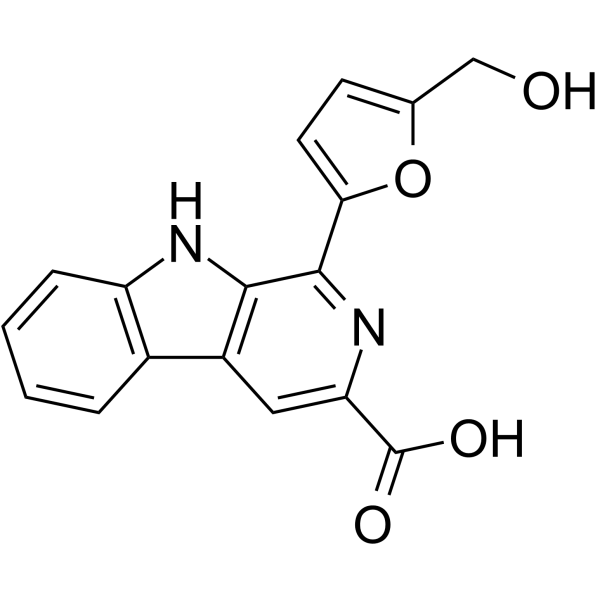
Flazin is a non-enzymatic protein glycation inhibitor, also inhibits peroxynitrite (ONOO -), with an IC50 value of 85.31 μM for bovine serum albumin (BSA) glycation and an EC50 value of 71.99 μM for ONOO -. Flazin can be used for researching diabetes and neuronal disorders. Flazin also can used as a lipid droplet (LD) regulator against lipid disorders, and a xanthine oxidase (XOD) inhibitor .
|
-
-
- HY-113209
-
|
8-iso-PGF2α
|
Endogenous Metabolite
|
Others
|
|
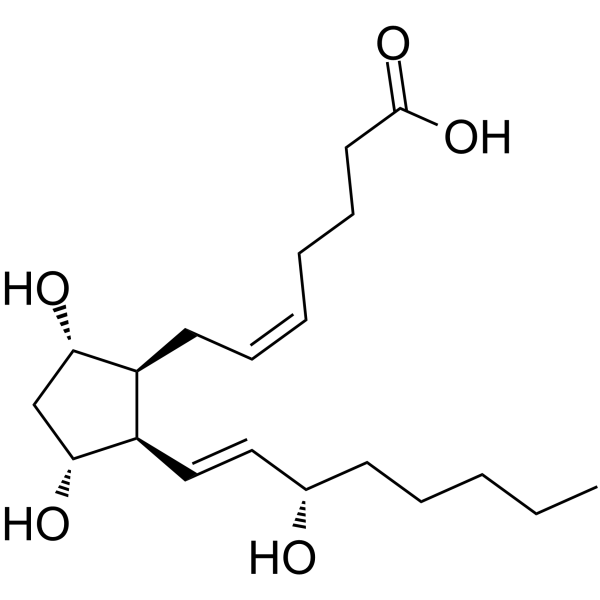
8-Isoprostaglandin F2α is an isoprostane produced by the non-enzymatic peroxidation of arachidonic acid in membrane phospholipids. 8-Isoprostaglandin F2α is present in human plasma in two distinct forms - esterified in phospholipids and as the free acid. 8-Isoprostaglandin F2α is a weak TP receptor agonist in vascular smooth muscle.
|
-
-
- HY-139427
-
|
β-Methylglutaconic acid
|
GABA Receptor
|
Cardiovascular Disease
Neurological Disease
Metabolic Disease
|
|
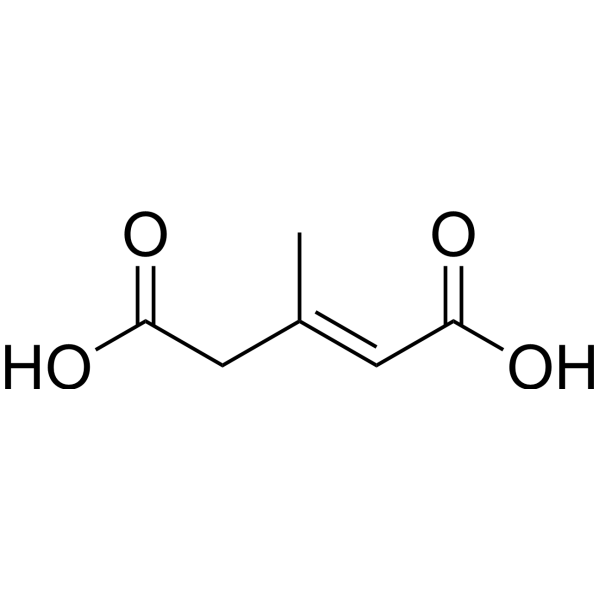
3-Methylglutaconic acid is the major metabolites accumulating in 3-Methylglutaconic aciduria (MGTA). 3-Methylglutaconic acid can induce lipid oxidative damage and protein oxidative. 3-Methylglutaconic acid decreases the non-enzymatic antioxidant defenses in cerebral cortex supernatants to elicit oxidative stress in the cerebral cortex. 3-Methylglutaconic acid can be used for brain damage disease research .
|
-
-
- HY-117813
-
|
|
Nucleoside Antimetabolite/Analog
DNA/RNA Synthesis
Dengue Virus
Flavivirus
CHIKV
SARS-CoV
|
Infection
|
|
2-Thiouridine is an orally active modified nucleobase. 2-Thiouridine stabilizes U:A base pairs and destabilizes U:G wobble base pairs. 2-Thiouridine significantly improves the efficiency and accuracy of nonenzymatic replication of mixed-sequence A/U-containing RNA templates. 2-Thiouridine exhibits antiviral activity against multiple positive-sense single-stranded RNA viruses (DENV2, ZIKV, YFV, JEV, WNV, CHIKV, human coronaviruses ( [HCoV]-229E, HCoV-OC43, SARS-CoV), and MERS-CoV) .
|
-

-
- HY-113884A
-
|
(±)-13-HODE
|
Endogenous Metabolite
|
Metabolic Disease
|
|
(±)13-HODE is one of the two racemic monohydroxy fatty acids resulting from the non-enzymatic oxidation of linoleic acid. It is the principle hydroxylated fatty acid in human psoriatic skin scales, with a mean concentration of 17 ng/mg.
|
-

-
- HY-B0504S5
-
|
NSC13123-15N
|
Isotope-Labeled Compounds
Endogenous Metabolite
iGluR
GABA Receptor
|
Metabolic Disease
Cancer
|
|
Creatinine- 15N (NSC13123- 15N) is the 15N-labeled Creatinine (HY-B0504). Creatinine (NSC13123) is an orally active, blood-brain barrier-permeable modulator of GABAA and NMDA receptors, with activities of antioxidation and metabolic regulation. Creatinine is generated via non-enzymatic conversion of creatine and phosphocreatine in muscle. Creatinine serum levels correlate with muscle mass, glomerular filtration rate, and extrarenal clearance, serving as an evaluation biomarker for renal function, muscle mass, and clinical outcomes, and used for perioperative renal risk assessment. In addition, Creatinine can induce specific Cryptococcus species to produce creatinine deiminase and act as their nitrogen source, while it can be secreted via renal tubules. Creatinine is widely used in research related to various diseases such as neurodegenerative diseases, psychiatric disorders, acute kidney injury, chronic kidney disease, and renal failure .
|
-

-
- HY-N7264S
-
|
|
Isotope-Labeled Compounds
|
Metabolic Disease
|
|
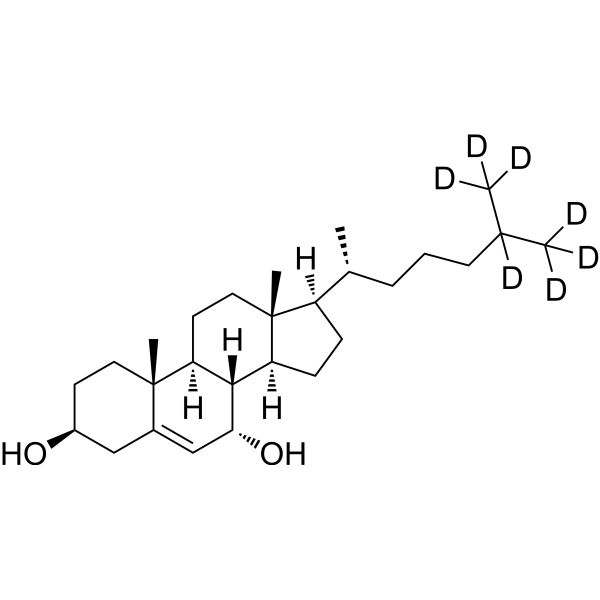
7α-Hydroxycholesterol-d7 is the deuterium labeled 7α-Hydroxycholesterol. 7α-Hydroxycholesterol is a cholesterol oxide and is formed by both enzymatic and non-enzymatic oxidation. 7α-Hydroxycholesterol can be used as a biomarker for lipid peroxidation .
|
-
-
- HY-125737
-
|
15-Deoxy-Δ12,14-PGJ2 Glutathione
|
Prostaglandin Receptor
|
Others
|
|
15-deoxy-Δ12,14-Prostaglandin J2 glutathione (15-deoxy-Δ12,14-PGJ2 glutathione) is a non-enzymatic adduct formed from 15-deoxy-Δ12,14-PGJ2 and glutathione. The biological properties of this compound have not been characterized.
|
-

-
- HY-116866
-
|
|
Lipoxygenase
Fungal
|
Infection
Inflammation/Immunology
|
|
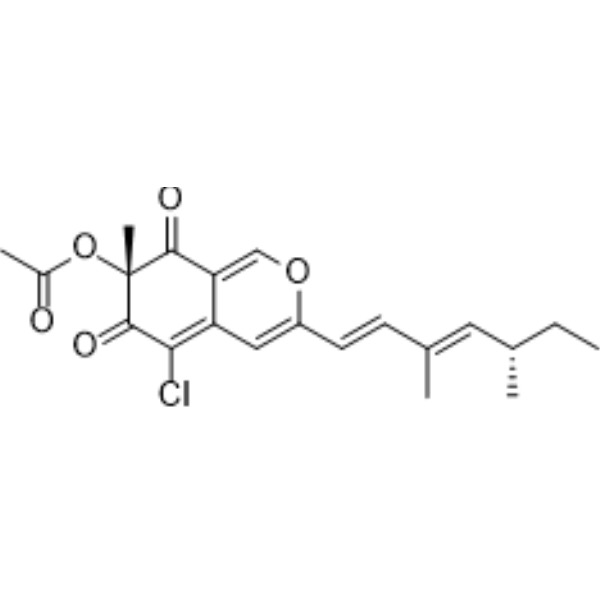
Sclerotiorin is a reversible and uncompetitive inhibitor against soybean lipoxygenase-1 (LOX-1) (IC50: 4.2 μM). Sclerotiorin also shows antioxidant activity by scavenging free radical (ED50: 0.12 μM), and nonenzymatic lipid peroxidation inhibition activity. Sclerotiorin has antifungal activity, and also inhibits platelet aggregation. Sclerotiorin can be purified from the fermented broth of Penicillium frequentans .
|
-
-
- HY-172769
-
|
|
Histone Methyltransferase
|
Cancer
|
|
CM112 is a selective protein arginine methyltransferase 1 (PRMT1) degrader by tethering hydrophobic tag, adamantane, to MS023 with a 5-PEG linker. CM112 induces the degradation of PRMT1 in various solid cancer cell lines. CM112 can also target the nonenzymatic function of PRMT1 by downregulating the stability of the orphan receptor TR3. CM112 is promising for research of cancers .
|
-

-
- HY-112653A
-
|
8-Hydroxy-5(Z),9(E),11(Z),14(Z)-eicosatetraenoic acid
|
Endogenous Metabolite
|
Metabolic Disease
|
|
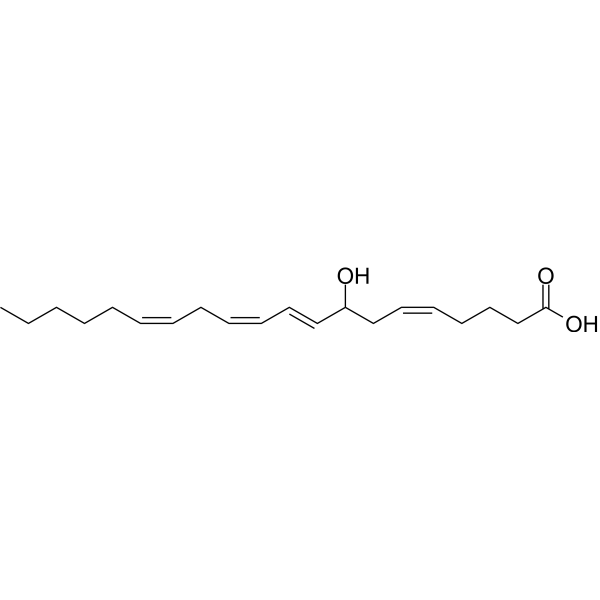
(±)8-HETE is one of the six monohydroxy fatty acids produced by the non-enzymatic oxidation of Arachidonic acid (HY-109590). The biological activity of (±)8-HETE is likely to resemble that of its constituent enantiomers (8(R)-HETE and 8(S)-HETE).
|
-
-
- HY-113461
-
-
-
- HY-114892
-
|
8-iso Prostaglandin A2
|
Prostaglandin Receptor
|
Endocrinology
|
|
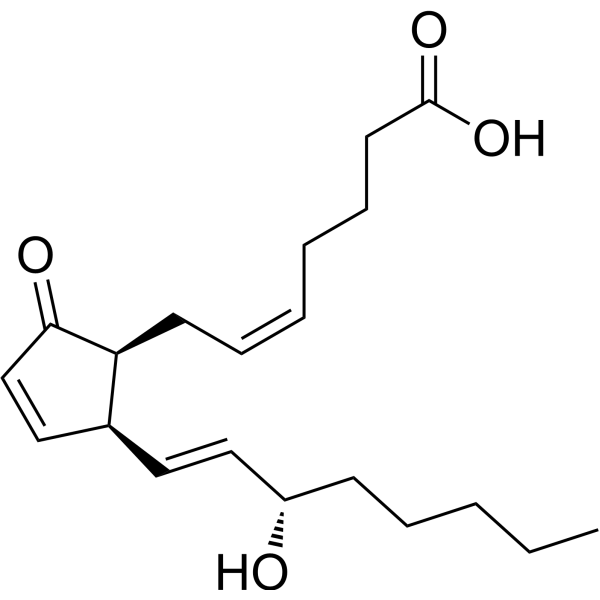
15-A2t-Isoprostane (8-iso Prostaglandin A2) is an isoprostaglandin produced by the non-enzymatic oxidation of arachidonic acid .
|
-
-
- HY-126108
-
|
|
Others
|
Metabolic Disease
|
|
(±)8-HEPE is produced by non-enzymatic oxidation of EPA. It contains equal amounts of (±)8-HEPE and 8(R)-HEPE. The ability of (±)8-HEPE to induce hatching of E. modestus and B. balanoides eggs is probably due to the presence of the 8(R) isomer within the racemic mixture.
|
-

-
- HY-114822
-
|
PGA3
|
Prostaglandin Receptor
PPAR
|
Endocrinology
|
|
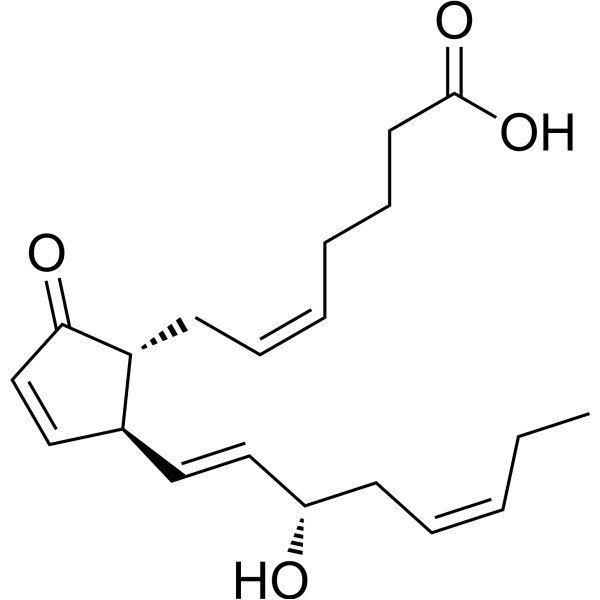
Prostaglandin A3 is a non-enzymatic dehydration product of prostaglandin E3 (PGE3). Prostaglandin A3 showed good affinity for canine EP2 and EP4 receptors with IC50 values of 120 and 20 nM, respectively. The Ki value of Prostaglandin A3 for human PPARγ was 188 μM .
|
-
-
- HY-113033A
-
|
|
Biochemical Assay Reagents
|
Neurological Disease
Metabolic Disease
|
|
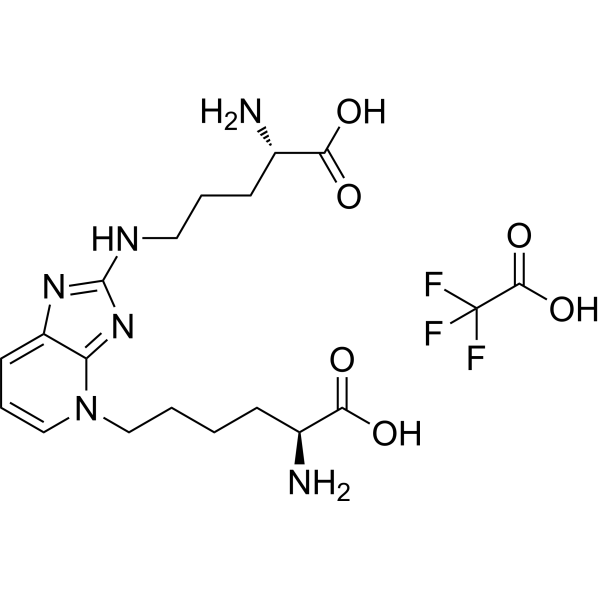
Pentosidine TFA is an advanced glycation end product (AGE) and cross-linked substance with fluorescent properties. Pentosidine TFA is present in various human tissues and can serve as a biomarker for diabetes, aging, uremia, protein accumulation damage, and non-enzymatic modification of long-lived proteins in the Maillard reaction. It aids in gaining a deeper understanding of the overall role of the Maillard reaction in aging and disease .
|
-
-
- HY-N16070
-
|
|
Endogenous Metabolite
|
Others
|
|
1-PP-myo-InsP5 is an inositol pyrophosphate. 1-PP-myo-InsP5, as a signaling molecule in mammals, can transmit signals by binding to specific receptors or through non-enzymatic transphosphorylation. 1-PP-myo-InsP5 can be involved in various biological processes such as insulin signaling and telomere length regulation .
|
-

-
- HY-113209S1
-
|
8-iso-PGF2α-d9
|
Endogenous Metabolite
|
Others
|
|
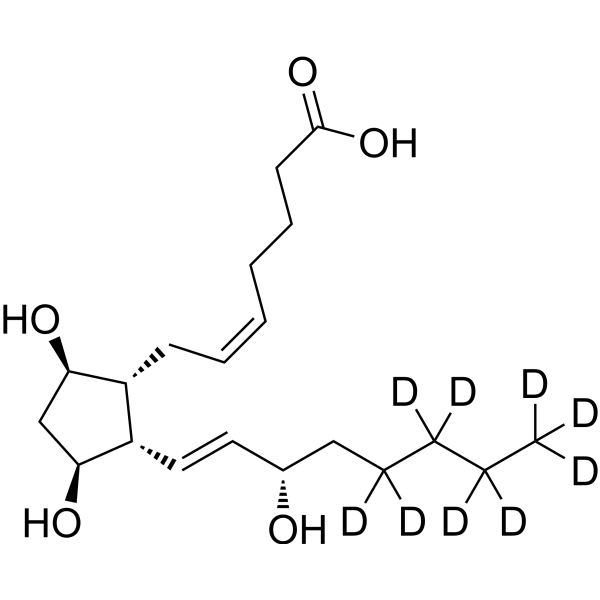
8-iso Prostaglandin F2α-d9 is the deuterium labeled 8-Isoprostaglandin F2α. 8-Isoprostaglandin F2α is an isoprostane produced by the non-enzymatic peroxidation of arachidonic acid in membrane phospholipids. 8-Isoprostaglandin F2α is present in human plasma in two distinct forms - esterified in phospholipids and as the free acid. 8-Isoprostaglandin F2α is a weak TP receptor agonist in vascular smooth muscle.
|
-
-
- HY-113209R
-
|
8-iso-PGF2α (Standard)
|
Reference Standards
Endogenous Metabolite
|
Others
|
|
8-Isoprostaglandin F2α (Standard) is the analytical standard of 8-Isoprostaglandin F2α. This product is intended for research and analytical applications. 8-Isoprostaglandin F2α is an isoprostane produced by the non-enzymatic peroxidation of arachidonic acid in membrane phospholipids. 8-Isoprostaglandin F2α is present in human plasma in two distinct forms - esterified in phospholipids and as the free acid. 8-Isoprostaglandin F2α is a weak TP receptor agonist in vascular smooth muscle.
|
-

-
- HY-113209S2
-
|
8-iso-PGF2α-13C5
|
Endogenous Metabolite
Isotope-Labeled Compounds
|
Others
|
|
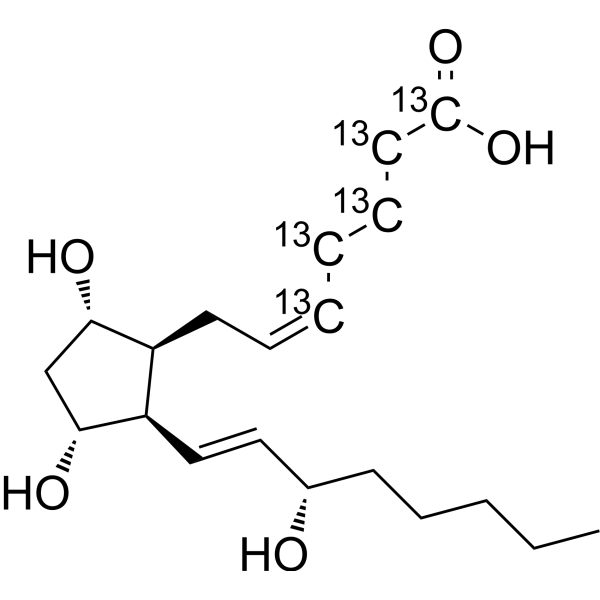
8-Isoprostaglandin F2α- 13C5 is 13C labeled 8-Isoprostaglandin F2α (HY-113209). 8-Isoprostaglandin F2α is an isoprostane produced by the non-enzymatic peroxidation of arachidonic acid in membrane phospholipids. 8-Isoprostaglandin F2α is present in human plasma in two distinct forms - esterified in phospholipids and as the free acid. 8-Isoprostaglandin F2α is a weak TP receptor agonist in vascular smooth muscle.
|
-
-
- HY-117044A
-
|
|
Prostaglandin Receptor
|
Metabolic Disease
|
|
(±)12-HEPE is produced by non-enzymatic oxidation of EPA. It contains equal amounts of 12(S)-HEPE and 12(R)-HEPE. The biological activity of (±)12-HEPE is likely mediated by one of the individual isomers, most commonly the 12(S) isomer in mammalian systems. 12-HEPE inhibits platelet aggregation with the same potency as 12-HETE, exhibiting IC50 values of 24 and 25 μM, respectively.1 These compounds are also equipotent as inhibitors of U46619-induced contraction of rat aorta (IC50s=8.6-8.8 μM).
|
-

-
- HY-N7801
-
|
|
Drug Isomer
|
Metabolic Disease
|
|
(±)5-HEPE is produced by non-enzymatic oxidation of EPA. It contains equal amounts of 5(S)-HEPE and 5(R)-HEPE. The biological activity of (±)5-HEPE is likely mediated by one of the individual isomers, most commonly the 5(S) isomer in mammalian systems. EPA can be metabolized to 5-HEPE in human and bovine neutrophils, and human eosinophils, which is further metabolized to 5-oxoEPE and LTB5. The 5-series metabolites of EPA, namely 5-HEPE, 5-oxoEPE, and LTB5, have significantly decreased biological effects compared to the arachidonic acid-derived metabolites.
|
-

-
- HY-136818
-
|
|
Histamine Receptor
|
Endocrinology
|
|
DA 4643 (hydrochloride) is an H2 receptor antagonist with the chemical name 2-guanidino-4 (3-methylaminomethyleneiminophenyl) thiazole dihydrochloride. It has a weak interaction with cytochrome P-450 and has a less inhibitory effect on P-450 than cimetidine and tiotidine. DA 4643 (hydrochloride) is able to inhibit both enzymatic and non-enzymatic lipid peroxidation reactions. This inhibition may not be achieved by inhibiting agent metabolizing enzymes, but rather due to the antioxidant properties of the compound itself. Compared with other H2 receptor antagonists such as cimetidine, ranitidine and tiotidine, DA 4643 (hydrochloride) shows a unique effect in lipid peroxidation inhibition. These properties make DA 4643 (hydrochloride) a potential H2 receptor antagonist with multiple mechanisms of action.
|
-

-
- HY-13709
-
|
AV 4430A; GW 280430A
|
Biochemical Assay Reagents
|
Neurological Disease
|
|
Gantacurium is an ultrashort-acting, nondepolarizing neuromuscular blocking agent that is degraded by nonenzymatic binding to L-cysteine under physiological conditions. Gantacurium causes a decrease in mean arterial pressure and an increase in heart rate .
|
-

-
- HY-106661
-
|
|
Amyloid-β
|
Neurological Disease
Metabolic Disease
|
|
GLY-230 is an orally active compound. GLY-230 can inhibit nonenzymatic glycation and reduce glycated albumin. GLY-230 can reduce brain Aβ42 levels. GLY-230 can be used for the researches of metabolic and neurological disease, such as diabetic renal dysfunction .
|
-

-
- HY-175062
-
|
iPF2α-III ethanolamide; 8-Isoprostane ethanolamide; 8-iso PGF2α ethanolamide
|
Drug Derivative
|
Others
|
|
8-isoprostaglandin F2α ethanolamide (iPF2α-III ethanolamide; 8-Isoprostane ethanolamide; 8-iso PGF2α ethanolamide) is an isoprostanol ethanolamide derivative derived from anandamide (AEA) via non-enzymatic free radical oxidation. 8-isoprostaglandin F2α ethanolamide is commonly used as a marker of oxidative stress, distinguishing non-enzymatic degradation products from "prostamides" generated by enzymatic pathways such as COX-2 .
|
-

-
- HY-182475
-
|
|
Drug Metabolite
Drug Isomer
|
Metabolic Disease
|
|
SQ 31906 free base is the 3α-hydroxy isomer and metabolite of Pravastatin (HY-B0165). SQ 31906 free base forms via non-enzymatic reaction under acidic conditions. Pravastatin is used in hypercholesterolemia research .
|
-

-
- HY-106621A
-
|
|
Potassium Channel
|
Metabolic Disease
|
|
AL 0671 is a potassium channel opener. AL 0671 can inhibit nonenzymatic glycation of protein and LDL oxidation. AL 0671 can be used for the researches of cardiovascular and metabolic disease, such as hypertensive diabetes .
|
-

-
- HY-N15682
-
|
(7Z)-Provitamin A; (7Z)-beta-Carotene
|
Drug Isomer
|
Inflammation/Immunology
|
|
13-cis-β-Carotene ((7Z)-Provitamin A; (7Z)-beta-Carotene) is a provitamin A carotenoid isomer found in leaves, flowers, stems, and fruit of Momordica charantia. 13-cis-β-Carotene undergoes nonenzymatic isomerization to other β-carotene isomers during aerobic incubation, extraction, and analysis. 13-cis-β-Carotene can be used for the research of chronic diseases .
|
-

| Cat. No. |
Product Name |
Type |
-
- HY-NP165
-
|
AGEs
|
Biochemical Assay Reagents
|
|
Advanced glycation end products (AGEs) are a series of stable compounds generated through non-enzymatic reactions between reducing sugars and proteins, lipids, or nucleic acids. Advanced glycation end products are often used as targets to evaluate the inhibitory effects of anti-glycation compounds. Advanced glycation end products can be applied to research on diabetes, cardiovascular and cerebrovascular diseases, inflammation, aging, and other conditions .
|
-
- HY-131920A
-
|
Polyuridylic acid potassium
|
Biochemical Assay Reagents
|
|
Polyuridylic acid potassium is a polynucleotide. In protein synthesis systems based on active mammalian ribosomes, Polyuridylic acid potassium acts as a specific messenger to induce the biosynthesis of polyphenylalanine, with no effect on the incorporation of non-phenylalanine amino acids. Polyuridylic acid potassium serves as a template to promote the non-enzymatic synthesis of oligoadenylates .
|
-
- HY-117813
-
|
|
Biochemical Assay Reagents
|
|
2-Thiouridine is an orally active modified nucleobase. 2-Thiouridine stabilizes U:A base pairs and destabilizes U:G wobble base pairs. 2-Thiouridine significantly improves the efficiency and accuracy of nonenzymatic replication of mixed-sequence A/U-containing RNA templates. 2-Thiouridine exhibits antiviral activity against multiple positive-sense single-stranded RNA viruses (DENV2, ZIKV, YFV, JEV, WNV, CHIKV, human coronaviruses ( [HCoV]-229E, HCoV-OC43, SARS-CoV), and MERS-CoV) .
|
| Cat. No. |
Product Name |
Target |
Research Area |
-
- HY-W013494
-
|
|
Endogenous Metabolite
|
Metabolic Disease
Inflammation/Immunology
|
|
L-Carnosine is a dipeptide composed of beta-alanine and histidine. L-Carnosine is an endogenous metabolite found in human brain, muscle and gastrointestinal tissues and is present in all vertebrates. L-Carnosine is a non-enzymatic free radical scavenger and natural antioxidant with anti-inflammatory and neuroprotective properties that can inhibit biochemical changes associated with aging .
|
| Cat. No. |
Product Name |
Category |
Target |
Chemical Structure |
-
- HY-W013494
-
-
-
- HY-B0504
-
Creatinine
Maximum Cited Publications
6 Publications Verification
NSC13123
|
Infection
Structural Classification
Natural Products
Classification of Application Fields
Disease markers
Endocrine diseases
Metabolic Disease
Nervous System Disorder
Endogenous metabolite
Disease Research Fields
Source Classification
|
Endogenous Metabolite
GABA Receptor
iGluR
|
|
Creatinine (NSC13123) is an orally active, blood-brain barrier-permeable modulator of GABAA and NMDA receptors, with activities of antioxidation and metabolic regulation. Creatinine is generated via non-enzymatic conversion of creatine and phosphocreatine in muscle. Creatinine serum levels correlate with muscle mass, glomerular filtration rate, and extrarenal clearance, serving as an evaluation biomarker for renal function, muscle mass, and clinical outcomes, and used for perioperative renal risk assessment. In addition, Creatinine can induce specific Cryptococcus species to produce creatinine deiminase and act as their nitrogen source, while it can be secreted via renal tubules. Creatinine is widely used in research related to various diseases such as neurodegenerative diseases, psychiatric disorders, acute kidney injury, chronic kidney disease, and renal failure .
|
-
-
- HY-N10473
-
|
|
Microorganisms
Cyclopeptides
|
Bacterial
Fungal
|
|
Pulcherriminic acid is a cyclic dipeptide antimicrobial agent with high affinity for Fe 3+, found mainly in Bacillus and yeast. Pulcherriminic acid chelates iron ions through a non-enzymatic reaction to form the extracellular red pigment pulcherrimin, which competes for iron nutrition and thus achieves an antibacterial effect. Pulcherriminic acid has great applications in food, agriculture and medical industries .
|
-
-
- HY-N4288
-
-
-
- HY-B0504R
-
|
NSC13123 (Standard)
|
Infection
Structural Classification
Natural Products
Microorganisms
Disease markers
Endocrine diseases
Nervous System Disorder
Endogenous metabolite
Source Classification
|
Reference Standards
Endogenous Metabolite
iGluR
GABA Receptor
|
|
Creatinine (Standard) is the analytical standard of Creatinine. This product is intended for research and analytical applications. Creatinine (NSC13123) is an orally active, blood-brain barrier-permeable modulator of GABAA and NMDA receptors, with activities of antioxidation and metabolic regulation. Creatinine is generated via non-enzymatic conversion of creatine and phosphocreatine in muscle. Creatinine serum levels correlate with muscle mass, glomerular filtration rate, and extrarenal clearance, serving as an evaluation biomarker for renal function, muscle mass, and clinical outcomes, and used for perioperative renal risk assessment. In addition, Creatinine can induce specific Cryptococcus species to produce creatinine deiminase and act as their nitrogen source, while it can be secreted via renal tubules. Creatinine is widely used in research related to various diseases such as neurodegenerative diseases, psychiatric disorders, acute kidney injury, chronic kidney disease, and renal failure .
|
-
-
- HY-141508
-
-
-
- HY-113209
-
-
-
- HY-117813
-
|
|
Source Classification
|
Nucleoside Antimetabolite/Analog
DNA/RNA Synthesis
Dengue Virus
Flavivirus
CHIKV
SARS-CoV
|
|
2-Thiouridine is an orally active modified nucleobase. 2-Thiouridine stabilizes U:A base pairs and destabilizes U:G wobble base pairs. 2-Thiouridine significantly improves the efficiency and accuracy of nonenzymatic replication of mixed-sequence A/U-containing RNA templates. 2-Thiouridine exhibits antiviral activity against multiple positive-sense single-stranded RNA viruses (DENV2, ZIKV, YFV, JEV, WNV, CHIKV, human coronaviruses ( [HCoV]-229E, HCoV-OC43, SARS-CoV), and MERS-CoV) .
|
-
-
- HY-116866
-
|
|
Structural Classification
Natural Products
Microorganisms
Source Classification
|
Lipoxygenase
Fungal
|
|
Sclerotiorin is a reversible and uncompetitive inhibitor against soybean lipoxygenase-1 (LOX-1) (IC50: 4.2 μM). Sclerotiorin also shows antioxidant activity by scavenging free radical (ED50: 0.12 μM), and nonenzymatic lipid peroxidation inhibition activity. Sclerotiorin has antifungal activity, and also inhibits platelet aggregation. Sclerotiorin can be purified from the fermented broth of Penicillium frequentans .
|
-
-
- HY-112653A
-
-
-
- HY-N16070
-
|
|
Natural Products
Endogenous metabolite
Source Classification
|
Endogenous Metabolite
|
|
1-PP-myo-InsP5 is an inositol pyrophosphate. 1-PP-myo-InsP5, as a signaling molecule in mammals, can transmit signals by binding to specific receptors or through non-enzymatic transphosphorylation. 1-PP-myo-InsP5 can be involved in various biological processes such as insulin signaling and telomere length regulation .
|
-
-
- HY-113209R
-
-
-
- HY-N15682
-
-
| Cat. No. |
Product Name |
Chemical Structure |
-
- HY-B0504S
-
5 Publications Verification
|
|
Creatinine-d3 is a deuterium labeled Creatinine. Creatinine (NSC13123) is an orally active, blood-brain barrier-permeable modulator of GABAA and NMDA receptors, with activities of antioxidation and metabolic regulation. Creatinine is generated via non-enzymatic conversion of creatine and phosphocreatine in muscle. Creatinine serum levels correlate with muscle mass, glomerular filtration rate, and extrarenal clearance, serving as an evaluation biomarker for renal function, muscle mass, and clinical outcomes, and used for perioperative renal risk assessment. In addition, Creatinine can induce specific Cryptococcus species to produce creatinine deiminase and act as their nitrogen source, while it can be secreted via renal tubules. Creatinine is widely used in research related to various diseases such as neurodegenerative diseases, psychiatric disorders, acute kidney injury, chronic kidney disease, and renal failure .
|
-
-
- HY-B0504S2
-
|
|
|
Creatinine-d5 is the deuterium labeled Creatinine. Creatinine (NSC13123) is an orally active, blood-brain barrier-permeable modulator of GABAA and NMDA receptors, with activities of antioxidation and metabolic regulation. Creatinine is generated via non-enzymatic conversion of creatine and phosphocreatine in muscle. Creatinine serum levels correlate with muscle mass, glomerular filtration rate, and extrarenal clearance, serving as an evaluation biomarker for renal function, muscle mass, and clinical outcomes, and used for perioperative renal risk assessment. In addition, Creatinine can induce specific Cryptococcus species to produce creatinine deiminase and act as their nitrogen source, while it can be secreted via renal tubules. Creatinine is widely used in research related to various diseases such as neurodegenerative diseases, psychiatric disorders, acute kidney injury, chronic kidney disease, and renal failure .
|
-
-
- HY-B0504S1
-
|
|
|
Creatinine- 13C is the 13C-labeled Creatinine. Creatinine (NSC13123) is an orally active, blood-brain barrier-permeable modulator of GABAA and NMDA receptors, with activities of antioxidation and metabolic regulation. Creatinine is generated via non-enzymatic conversion of creatine and phosphocreatine in muscle. Creatinine serum levels correlate with muscle mass, glomerular filtration rate, and extrarenal clearance, serving as an evaluation biomarker for renal function, muscle mass, and clinical outcomes, and used for perioperative renal risk assessment. In addition, Creatinine can induce specific Cryptococcus species to produce creatinine deiminase and act as their nitrogen source, while it can be secreted via renal tubules. Creatinine is widely used in research related to various diseases such as neurodegenerative diseases, psychiatric disorders, acute kidney injury, chronic kidney disease, and renal failure .
|
-
-
- HY-B0504S5
-
|
|
|
Creatinine- 15N (NSC13123- 15N) is the 15N-labeled Creatinine (HY-B0504). Creatinine (NSC13123) is an orally active, blood-brain barrier-permeable modulator of GABAA and NMDA receptors, with activities of antioxidation and metabolic regulation. Creatinine is generated via non-enzymatic conversion of creatine and phosphocreatine in muscle. Creatinine serum levels correlate with muscle mass, glomerular filtration rate, and extrarenal clearance, serving as an evaluation biomarker for renal function, muscle mass, and clinical outcomes, and used for perioperative renal risk assessment. In addition, Creatinine can induce specific Cryptococcus species to produce creatinine deiminase and act as their nitrogen source, while it can be secreted via renal tubules. Creatinine is widely used in research related to various diseases such as neurodegenerative diseases, psychiatric disorders, acute kidney injury, chronic kidney disease, and renal failure .
|
-
-
- HY-N7264S
-
|
|
|
7α-Hydroxycholesterol-d7 is the deuterium labeled 7α-Hydroxycholesterol. 7α-Hydroxycholesterol is a cholesterol oxide and is formed by both enzymatic and non-enzymatic oxidation. 7α-Hydroxycholesterol can be used as a biomarker for lipid peroxidation .
|
-
-
- HY-113209S1
-
|
|
|
8-iso Prostaglandin F2α-d9 is the deuterium labeled 8-Isoprostaglandin F2α. 8-Isoprostaglandin F2α is an isoprostane produced by the non-enzymatic peroxidation of arachidonic acid in membrane phospholipids. 8-Isoprostaglandin F2α is present in human plasma in two distinct forms - esterified in phospholipids and as the free acid. 8-Isoprostaglandin F2α is a weak TP receptor agonist in vascular smooth muscle.
|
-
-
- HY-113209S2
-
|
|
|
8-Isoprostaglandin F2α- 13C5 is 13C labeled 8-Isoprostaglandin F2α (HY-113209). 8-Isoprostaglandin F2α is an isoprostane produced by the non-enzymatic peroxidation of arachidonic acid in membrane phospholipids. 8-Isoprostaglandin F2α is present in human plasma in two distinct forms - esterified in phospholipids and as the free acid. 8-Isoprostaglandin F2α is a weak TP receptor agonist in vascular smooth muscle.
|
-
Your information is safe with us. * Required Fields.
Inquiry Information
- Product Name:
- Cat. No.:
- Quantity:
- MCE Japan Authorized Agent:








