Search Result
Results for "
osteogenic+differentiation
" in MedChemExpress (MCE) Product Catalog:
1
Biochemical Assay Reagents
11
Isotope-Labeled Compounds
| Cat. No. |
Product Name |
Target |
Research Areas |
Chemical Structure |
-
- HY-107837
-
|
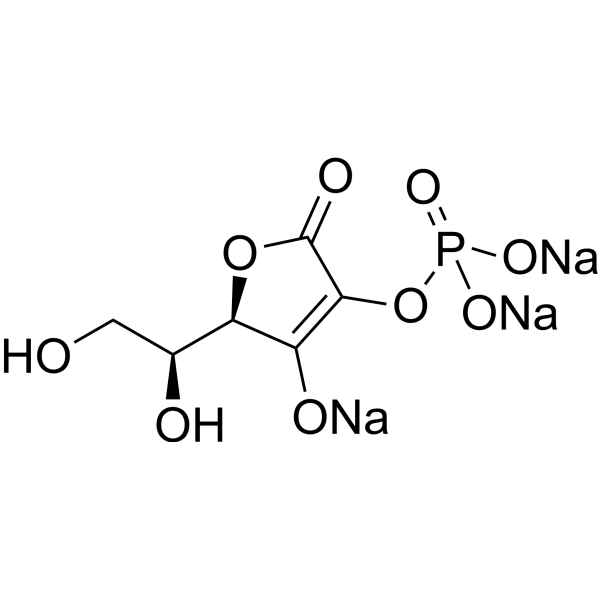
2-Phospho-L-ascorbic acid trisodium
|
Phosphatase
Reactive Oxygen Species (ROS)
Endogenous Metabolite
|
Metabolic Disease
|
|
L-Ascorbic acid 2-phosphate trisodium (2-Phospho-L-ascorbic acid trisodium) is a long-acting vitamin C derivative that can stimulate collagen formation and expression . L-Ascorbic acid 2-phosphate trisodium (2-Phospho-L-ascorbic acid trisodium) can be used as a culture medium supplement for the osteogenic differentiation of human adipose stem cells (hASCs). L-Ascorbic acid 2-phosphate trisodium (2-Phospho-L-ascorbic acid trisodium) increases alkaline phosphatase (ALP) activity and expression of runx2A in hASCs during the osteogenic differentiation .
|
-
-
- HY-103701A
-
|
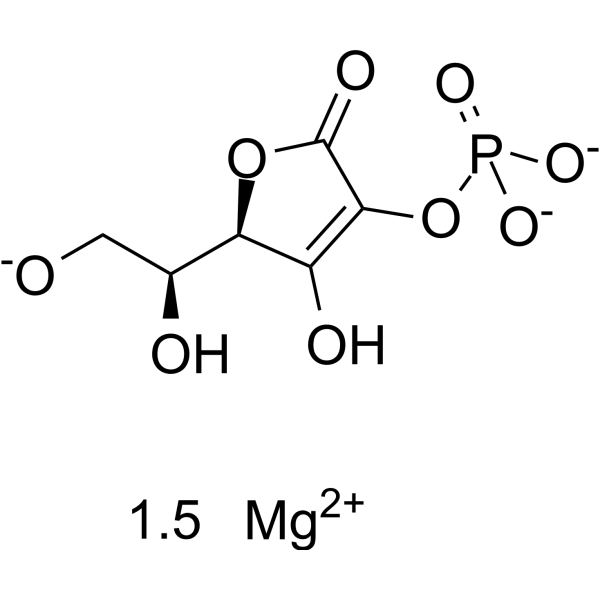
2-Phospho-L-ascorbic acid magnesium; LAA2P magnesium
|
Phosphatase
Reactive Oxygen Species (ROS)
Endogenous Metabolite
|
Metabolic Disease
|
|
L-Ascorbic acid 2-phosphate magnesium (2-Phospho-L-ascorbic acid magnesium) is a long-acting vitamin C derivative that can stimulate collagen formation and expression . L-Ascorbic acid 2-phosphate magnesium (2-Phospho-L-ascorbic acid magnesium) can be used as a culture medium supplement for the osteogenic differentiation of human adipose stem cells (hASCs). L-Ascorbic acid 2-phosphate magnesium (2-Phospho-L-ascorbic acid magnesium) increases alkaline phosphatase (ALP) activity and expression of runx2A in hASCs during the osteogenic differentiation .
|
-
-
- HY-N0390S1
-
|
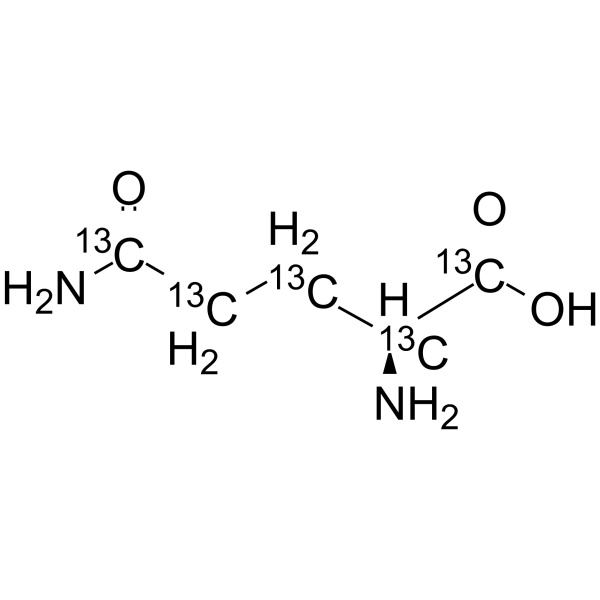
L-Glutamic acid 5-amide-13C5
|
Isotope-Labeled Compounds
mGluR
Ferroptosis
Environmental Pollutants
Endogenous Metabolite
HIF/HIF Prolyl-Hydroxylase
mTOR
STAT
NF-κB
|
Cardiovascular Disease
Neurological Disease
Metabolic Disease
Inflammation/Immunology
|
|
L-Glutamine- 13C5 is the 13C-labeled L-Glutamine (HY-N0390). L-Glutamine is an orally active nutritional agent and cellular metabolism regulator. L-Glutamine is taken up in a Na +-dependent manner and targets multiple key molecules including glutaminase, mTORC1, NF-κB, STAT-3 and HIF-1α. L-Glutamine enhances glutaminolytic catabolism, drives the conversion of glutamate to α-ketoglutarate, thereby regulating gene expression, integrating metabolic signals, mediating glutamine flux and maintaining redox homeostasis. L-Glutamine also promotes cell proliferation, osteogenic differentiation and fracture healing, exerts neuroprotective and cardioprotective effects, and inhibits osteoarthritis. L-Glutamine can be applied to research related to osteoporosis, osteoarthritis, ischemic stroke and acute cantharidin-induced cardiotoxicity .
|
-
-
- HY-103701
-
|
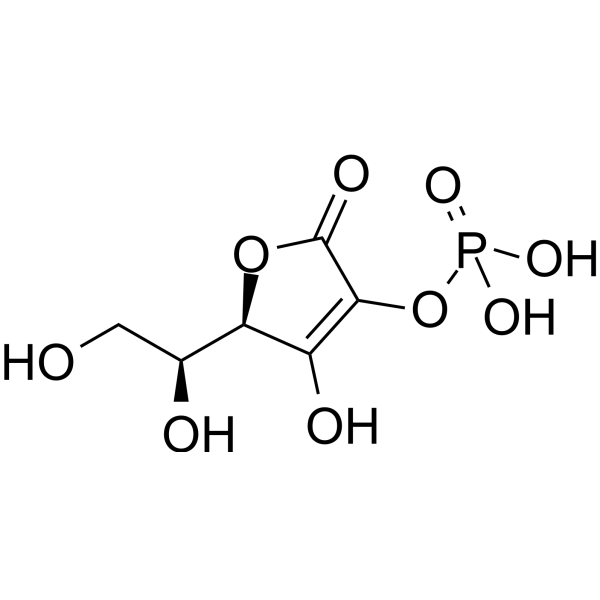
2-Phospho-L-ascorbic acid; LAA2P
|
Phosphatase
Reactive Oxygen Species (ROS)
Endogenous Metabolite
|
Metabolic Disease
|
|
L-ascorbic acid 2-phosphate (2-Phospho-L-ascorbic acid) is a long-acting vitamin C derivative that can stimulate collagen formation and expression . L-ascorbic acid 2-phosphate (2-Phospho-L-ascorbic acid) can be used as a culture medium supplement for the osteogenic differentiation of human adipose stem cells (hASCs). L-ascorbic acid 2-phosphate increases alkaline phosphatase (ALP) activity and expression of runx2A in hASCs during the osteogenic differentiation .
|
-
-
- HY-103701B
-
|
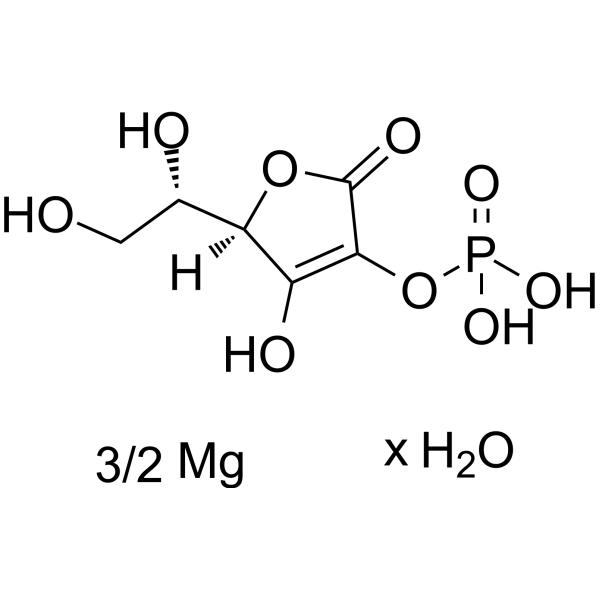
2-Phospho-L-ascorbic acid magnesium hydrate; LAA2P magnesium hydrate
|
Phosphatase
Reactive Oxygen Species (ROS)
Endogenous Metabolite
|
Metabolic Disease
|
|
L-ascorbic acid 2-phosphate (2-Phospho-L-ascorbic acid) magnesium hydrate is a long-acting vitamin C derivative that can stimulate collagen formation and expression. L-ascorbic acid 2-phosphate magnesium hydrate can be used as a culture medium supplement for the osteogenic differentiation of human adipose stem cells (hASCs). L-ascorbic acid 2-phosphate magnesium hydrate increases alkaline phosphatase (ALP) activity and expression of runx2A in hASCs during the osteogenic differentiation .
|
-
-
- HY-P99280
-
|
CDP4940; UCB-4940
|
Interleukin Related
|
Inflammation/Immunology
|
|
Bimekizumab (Anti-Human IL17A/IL-17F Recombinant Antibody) is a humanised monoclonal antibody, can selectively neutralises IL-17A and IL-17F. Both of them are pro-osteogenic with respect to human periosteum-derived cell (hPDC) differentiation. Thus Bimekizumab blocks the inflammation-driven osteogenic differentiation .
|
-

-
- HY-N0390S
-
|
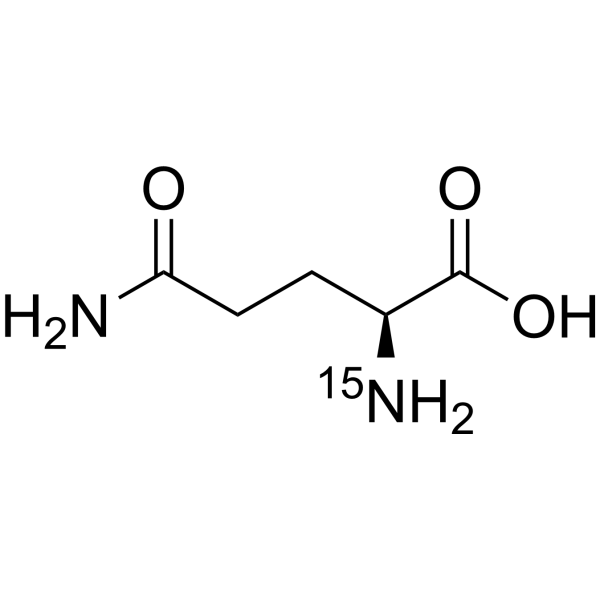
L-Glutamic acid 5-amide-15N
|
Isotope-Labeled Compounds
mGluR
Ferroptosis
Environmental Pollutants
Endogenous Metabolite
HIF/HIF Prolyl-Hydroxylase
mTOR
STAT
NF-κB
|
Cardiovascular Disease
Neurological Disease
Metabolic Disease
Inflammation/Immunology
|
|
L-Glutamine- 15N is the 15N-labeled L-Glutamine (HY-N0390). L-Glutamine is an orally active nutritional agent and cellular metabolism regulator. L-Glutamine is taken up in a Na +-dependent manner and targets multiple key molecules including glutaminase, mTORC1, NF-κB, STAT-3 and HIF-1α. L-Glutamine enhances glutaminolytic catabolism, drives the conversion of glutamate to α-ketoglutarate, thereby regulating gene expression, integrating metabolic signals, mediating glutamine flux and maintaining redox homeostasis. L-Glutamine also promotes cell proliferation, osteogenic differentiation and fracture healing, exerts neuroprotective and cardioprotective effects, and inhibits osteoarthritis. L-Glutamine can be applied to research related to osteoporosis, osteoarthritis, ischemic stroke and acute cantharidin-induced cardiotoxicity .
|
-
-
- HY-N0390S8
-
|
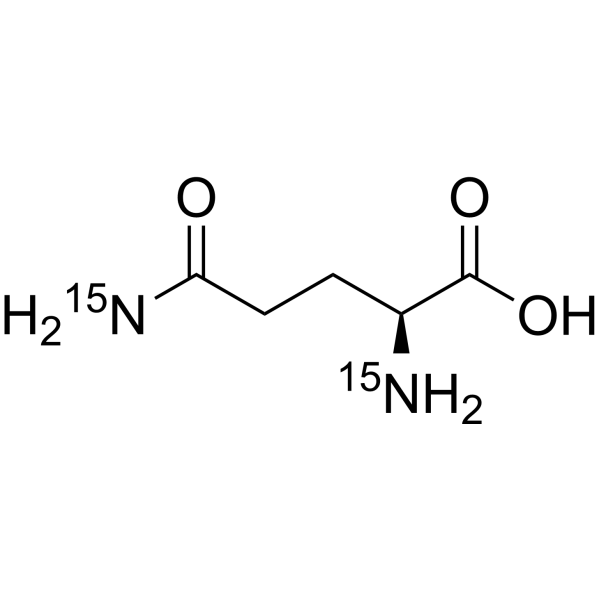
L-Glutamic acid 5-amide-15N2
|
Isotope-Labeled Compounds
mGluR
Ferroptosis
Environmental Pollutants
Endogenous Metabolite
HIF/HIF Prolyl-Hydroxylase
mTOR
STAT
NF-κB
|
Cardiovascular Disease
Neurological Disease
Metabolic Disease
Inflammation/Immunology
|
|
L-Glutamine- 15N2 is the 15N-labeled L-Glutamine (HY-N0390). L-Glutamine is an orally active nutritional agent and cellular metabolism regulator. L-Glutamine is taken up in a Na +-dependent manner and targets multiple key molecules including glutaminase, mTORC1, NF-κB, STAT-3 and HIF-1α. L-Glutamine enhances glutaminolytic catabolism, drives the conversion of glutamate to α-ketoglutarate, thereby regulating gene expression, integrating metabolic signals, mediating glutamine flux and maintaining redox homeostasis. L-Glutamine also promotes cell proliferation, osteogenic differentiation and fracture healing, exerts neuroprotective and cardioprotective effects, and inhibits osteoarthritis. L-Glutamine can be applied to research related to osteoporosis, osteoarthritis, ischemic stroke and acute cantharidin-induced cardiotoxicity .
|
-
-
- HY-N0390S9
-
|
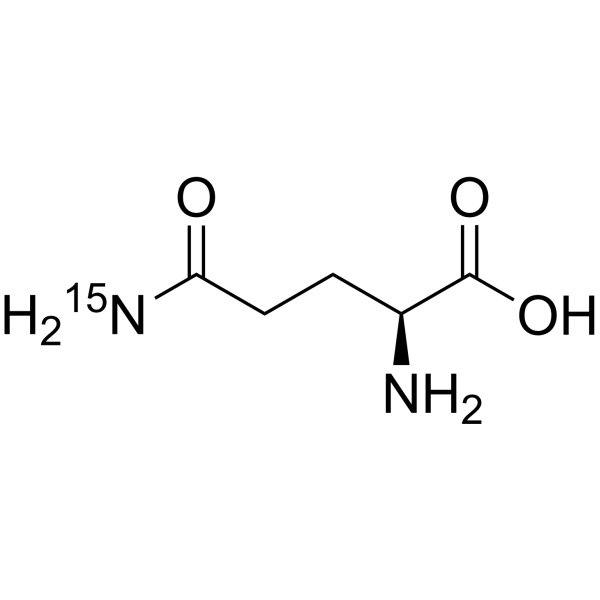
L-Glutamic acid 5-amide-15N-1
|
Isotope-Labeled Compounds
mGluR
Ferroptosis
Environmental Pollutants
Endogenous Metabolite
HIF/HIF Prolyl-Hydroxylase
mTOR
STAT
NF-κB
|
Cardiovascular Disease
Neurological Disease
Metabolic Disease
Inflammation/Immunology
|
|
L-Glutamine- 15N-1 is the 15N-labeled L-Glutamine (HY-N0390). L-Glutamine is an orally active nutritional agent and cellular metabolism regulator. L-Glutamine is taken up in a Na +-dependent manner and targets multiple key molecules including glutaminase, mTORC1, NF-κB, STAT-3 and HIF-1α. L-Glutamine enhances glutaminolytic catabolism, drives the conversion of glutamate to α-ketoglutarate, thereby regulating gene expression, integrating metabolic signals, mediating glutamine flux and maintaining redox homeostasis. L-Glutamine also promotes cell proliferation, osteogenic differentiation and fracture healing, exerts neuroprotective and cardioprotective effects, and inhibits osteoarthritis. L-Glutamine can be applied to research related to osteoporosis, osteoarthritis, ischemic stroke and acute cantharidin-induced cardiotoxicity .
|
-
-
- HY-12316
-
|
20α-Hydroxycholesterol
|
Smo
Endogenous Metabolite
|
Cardiovascular Disease
Metabolic Disease
Cancer
|
|
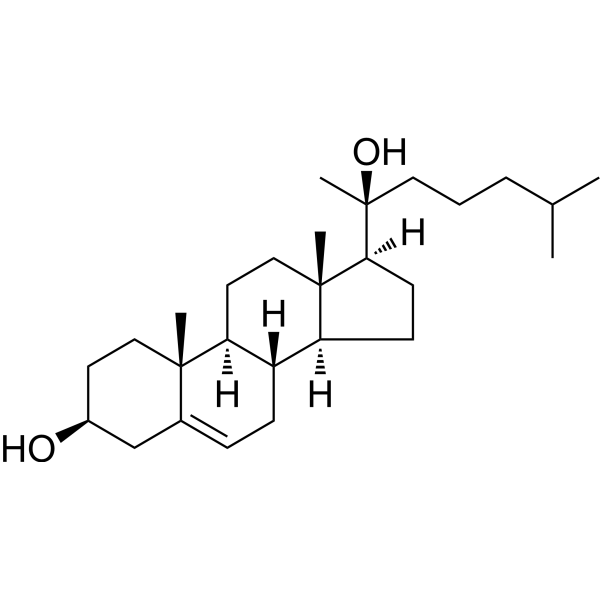
20(S)-Hydroxycholesterol (20α-Hydroxycholesterol) is an allosteric activator that selectively targets the Smoothened (Smo) of the Hedgehog pathway with an EC50 of ~30 μM (Hedgehog). 20(S)-Hydroxycholesterol binds to the extracellular cysteine-rich domain (CRD) of Smo in a stereoselective manner, activating downstream Gli transcription factors (without inducing transcription of receptor genes in the Wnt pathway). 20(S)-Hydroxycholesterol enhances osteogenic differentiation of bone marrow stromal cells and synergistically activates the Raf/MEK/ERK pathway with Simvastatin (HY-17502) to promote bone regeneration. 20(S)-Hydroxycholesterol can be used to study the mechanisms of developmental biology, oncology, bone, and angiogenesis .
|
-
-
- HY-N0390S2
-
|
L-Glutamic acid 5-amide-d5
|
Isotope-Labeled Compounds
mGluR
Ferroptosis
Environmental Pollutants
Endogenous Metabolite
HIF/HIF Prolyl-Hydroxylase
mTOR
STAT
NF-κB
|
Cardiovascular Disease
Neurological Disease
Metabolic Disease
Inflammation/Immunology
|
|
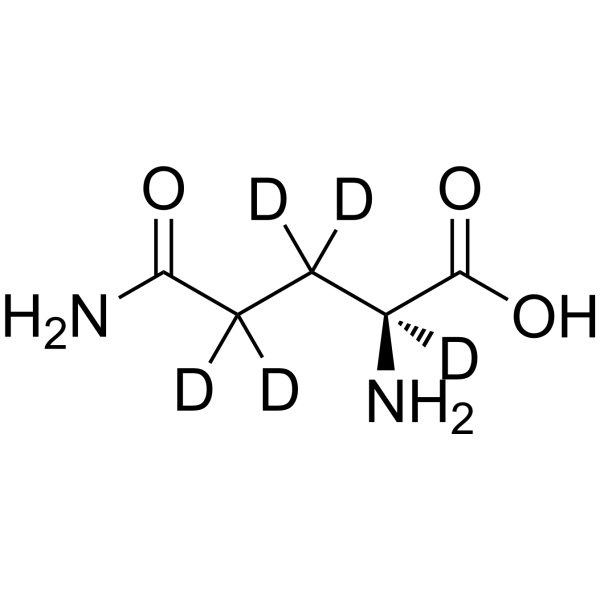
L-Glutamine-d5 is the deuterium labeled L-Glutamine (HY-N0390). L-Glutamine is an orally active nutritional agent and cellular metabolism regulator. L-Glutamine is taken up in a Na +-dependent manner and targets multiple key molecules including glutaminase, mTORC1, NF-κB, STAT-3 and HIF-1α. L-Glutamine enhances glutaminolytic catabolism, drives the conversion of glutamate to α-ketoglutarate, thereby regulating gene expression, integrating metabolic signals, mediating glutamine flux and maintaining redox homeostasis. L-Glutamine also promotes cell proliferation, osteogenic differentiation and fracture healing, exerts neuroprotective and cardioprotective effects, and inhibits osteoarthritis. L-Glutamine can be applied to research related to osteoporosis, osteoarthritis, ischemic stroke and acute cantharidin-induced cardiotoxicity .
|
-
-
- HY-N0390S6
-
|
L-Glutamic acid 5-amide-13C5,15N2
|
Isotope-Labeled Compounds
mGluR
Ferroptosis
Environmental Pollutants
Endogenous Metabolite
HIF/HIF Prolyl-Hydroxylase
mTOR
STAT
NF-κB
|
Cardiovascular Disease
Neurological Disease
Metabolic Disease
Inflammation/Immunology
|
|
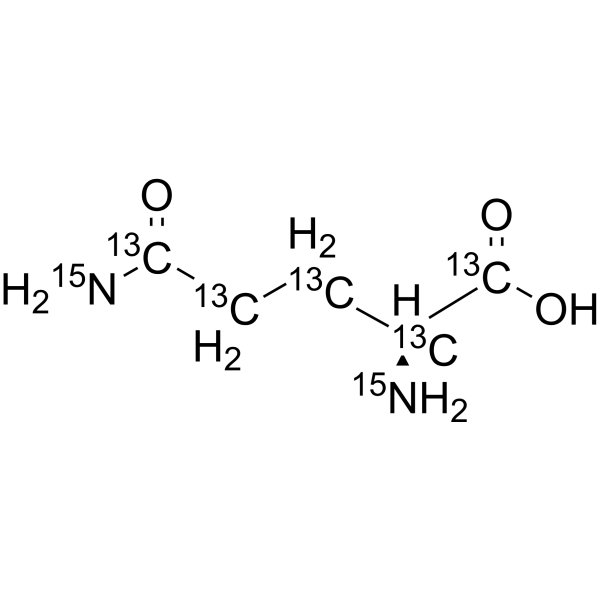
L-Glutamine- 13C5, 15N2 is the 13C- and 15N-labeled L-Glutamine (HY-N0390). L-Glutamine is an orally active nutritional agent and cellular metabolism regulator. L-Glutamine is taken up in a Na +-dependent manner and targets multiple key molecules including glutaminase, mTORC1, NF-κB, STAT-3 and HIF-1α. L-Glutamine enhances glutaminolytic catabolism, drives the conversion of glutamate to α-ketoglutarate, thereby regulating gene expression, integrating metabolic signals, mediating glutamine flux and maintaining redox homeostasis. L-Glutamine also promotes cell proliferation, osteogenic differentiation and fracture healing, exerts neuroprotective and cardioprotective effects, and inhibits osteoarthritis. L-Glutamine can be applied to research related to osteoporosis, osteoarthritis, ischemic stroke and acute cantharidin-induced cardiotoxicity .
|
-
-
- HY-129566
-
-
-
- HY-P5558
-
|
|
VEGFR
|
Neurological Disease
|
|
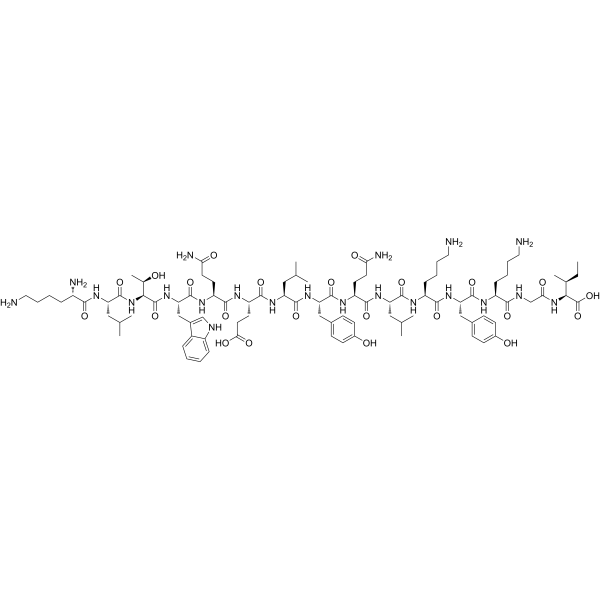
KLTWQELYQLKYKGI is a VEGF mimetic peptide designed based on the VEGF helix sequence 17-25, with the ability to activate VEGF receptors and exert pro-angiogenic biological activity. KLTWQELYQLKYKGI effectively promotes the attachment, spreading and proliferation of human umbilical vein endothelial cells. KLTWQELYQLKYKGI enhances the proliferation, migration and osteogenic differentiation of bone marrow stromal cells (BMSCs). KLTWQELYQLKYKGI synergistically accelerates angiogenesis and bone regeneration in rat cranial defect models. KLTWQELYQLKYKGI can be used for the research of brain tissue engineering and traumatic brain injury repair and biomaterials for bone tissue engineering and bone repair .
|
-
-
- HY-N0754
-
|
|
YAP
HSP
Reactive Oxygen Species (ROS)
ERK
Autophagy
Apoptosis
Tyrosinase
DNA/RNA Synthesis
|
Neurological Disease
Inflammation/Immunology
Cancer
|
|
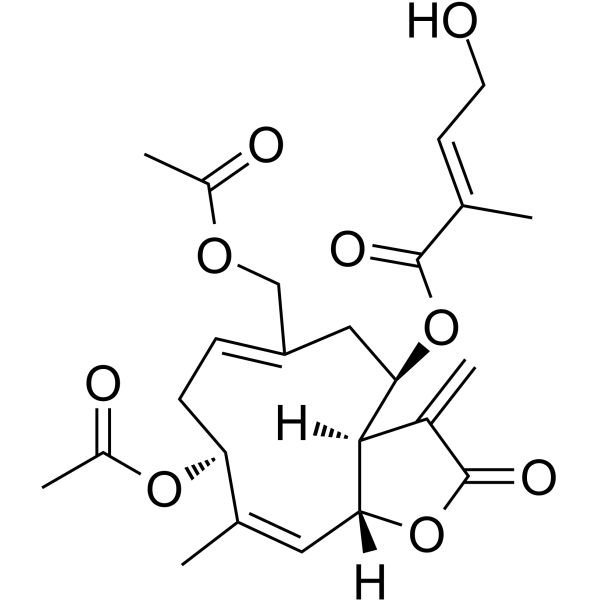
Eupalinolide A is a Yes-associated protein (YAP) degrader and HSP70 inducer. Eupalinolide A inhibits osteogenic differentiation of tendon-derived stem cells (TDSCs). Eupalinolide A induces autophagy in hepatocellular carcinoma cells via activating the ROS/ERK signaling pathway. Eupalinolide A protects PAM212 cells from UVB-, Menadione (HY-B0332)-, or heat shock-induced apoptosis. Eupalinolide A alleviates trauma-induced heterotopic ossification (HO) of Achilles tendon and inhibits growth of MHCC97-L and HCCLM3 hepatocellular carcinoma xenograft tumors in mice. Eupalinolide A can be used for the study of traumatic heterotopic ossification of tendons and hepatocellular carcinoma .
|
-
-
- HY-N0772
-
|
|
VEGFR
NOD-like Receptor (NLR)
NF-κB
Bacterial
AMPK
Acetyl-CoA Carboxylase
Apoptosis
Reactive Oxygen Species (ROS)
HSV
Drug Derivative
|
Infection
Metabolic Disease
Inflammation/Immunology
Cancer
|
|
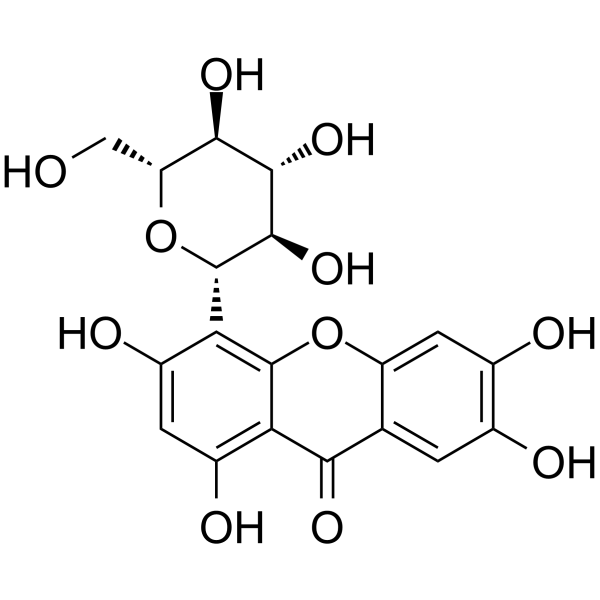
Isomangiferin is an orally active xanthone C-glucoside, and its chemical structure is similar to Mangiferin (HY-N0290). Isomangiferin is an effective VEGFR-2 kinase inhibitor, which can induces cell apoptosis, inhibit the growth, metastasis and angiogenesis of breast cancer. Isomangiferin exerts anti-inflammatory effects by inhibiting the HMGB1/NLRP3/NF-κB signaling pathway, thereby improving the renal function indicators of diabetic mice. Isomangiferin exhibits inhibitory effects on various bacteria and herpes simplex virus type 1 (HSV-1). Isomangiferin promotes the migration and osteogenic differentiation of bone marrow mesenchymal stem cells (BMSCs) and reduces cell apoptosis and the production of ROS by activating the AMPK/ACC pathway, thereby facilitating fracture healing .
|
-
-
- HY-N0390R
-
|
L-Glutamic acid 5-amide (Standard)
|
Reference Standards
mGluR
Ferroptosis
Environmental Pollutants
Endogenous Metabolite
HIF/HIF Prolyl-Hydroxylase
mTOR
STAT
NF-κB
|
Cardiovascular Disease
Neurological Disease
Metabolic Disease
Inflammation/Immunology
|
|
L-Glutamine (Standard) is the analytical standard of L-Glutamine (HY-N0390). This product is intended for research and analytical applications. L-Glutamine is an orally active nutritional agent and cellular metabolism regulator. L-Glutamine is taken up in a Na +-dependent manner and targets multiple key molecules including glutaminase, mTORC1, NF-κB, STAT-3 and HIF-1α. L-Glutamine enhances glutaminolytic catabolism, drives the conversion of glutamate to α-ketoglutarate, thereby regulating gene expression, integrating metabolic signals, mediating glutamine flux and maintaining redox homeostasis. L-Glutamine also promotes cell proliferation, osteogenic differentiation and fracture healing, exerts neuroprotective and cardioprotective effects, and inhibits osteoarthritis. L-Glutamine can be applied to research related to osteoporosis, osteoarthritis, ischemic stroke and acute cantharidin-induced cardiotoxicity .
|
-

-
- HY-129079A
-
|
|
DNA Methyltransferase
Wnt
β-catenin
|
Endocrinology
Cancer
|
|
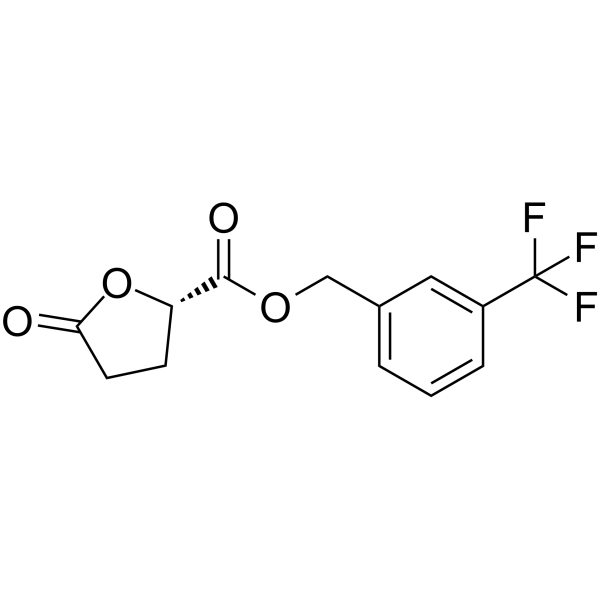
TFMB-(S)-2-HG is a potent TET2 inhibitor. TFMB-(S)-2-HG also inhibits the EglN prolyl hydroxylases. TFMB-(S)-2-HG downregulates Wnt3a, β-catenin (intranuclear) protein expression. TFMB-(S)-2-HG inhibits osteogenic differentiation of cells. TFMB-(S)-2-HG has the potential for the research of acute myeloid leukemia (AML) .
|
-
-
- HY-N7688
-
-
-
- HY-P5832
-
|
|
TGF-beta/Smad
RUNX
|
Metabolic Disease
|
|
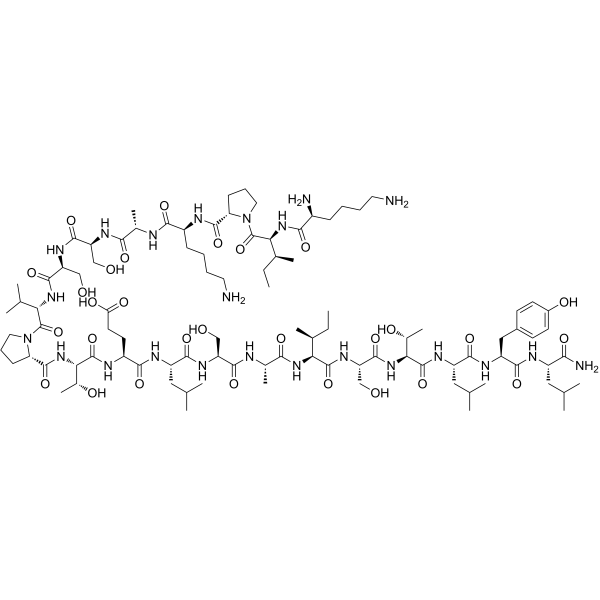
BMP2-derived peptide is an osteogenic inducer and BMP receptor ligand. BMP2-derived peptide binds to BMP receptors on the cell surface to form a complex, activates the downstream Smad signaling pathway, and regulates the expression of osteogenic transcription factors. BMP2-derived peptide effectively promotes the adhesion, proliferation, osteogenic differentiation and mineralization of bone marrow mesenchymal stem cells, significantly up-regulates the mRNA levels of OCN, Runx2 and type I collagen, and increases alkaline phosphatase activity and calcium deposition. BMP2-derived peptide induces osteoblast differentiation and ectopic bone regeneration, and improves cranial bone defect repair. Meanwhile, BMP2-derived peptide enhances the cytocompatibility of mesoporous silica nanoparticles, synergistically increases osteogenic activity with Dexamethasone (HY-14648), serving as an important tool for bone defect repair research .
|
-
-
- HY-Y0605S1
-
|
|
Isotope-Labeled Compounds
Biochemical Assay Reagents
Phosphatase
|
Metabolic Disease
|
|
Potassium deuteroxide, 99.5%D, 40 wt. %in D2O is the deuterium labeled Potassium hydroxide (HY-Y0605C). 95% Potassium hydroxide is an alkaline reagent. 95% Potassium hydroxide can form an intermediate potassium titanate (K2Ti4O9) layer on a pure titanium substrate. 95% Potassium hydroxide can modify titanium substrates. Modification with 95% Potassium hydroxide increases Alkaline phosphatase expression. 95% Potassium hydroxide promotes the proliferation of mesenchymal stem cells cultured on titanium substrates. 95% Potassium hydroxide can be used in osteogenic differentiation research .
|
-

-
- HY-N0390S5
-
|
L-Glutamic acid 5-amide-1-13C
|
Isotope-Labeled Compounds
mGluR
Ferroptosis
Environmental Pollutants
Endogenous Metabolite
HIF/HIF Prolyl-Hydroxylase
mTOR
STAT
NF-κB
|
Cardiovascular Disease
Neurological Disease
Metabolic Disease
Inflammation/Immunology
|
|
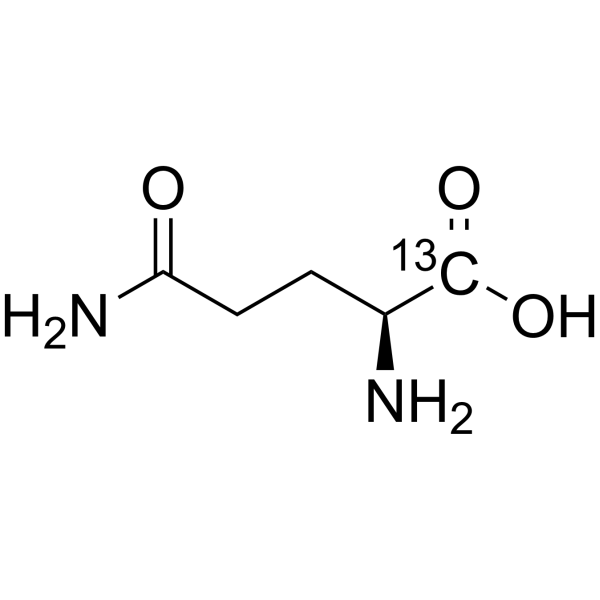
L-Glutamine-1- 13C is the 13C-labeled L-Glutamine (HY-N0390). L-Glutamine is an orally active nutritional agent and cellular metabolism regulator. L-Glutamine is taken up in a Na +-dependent manner and targets multiple key molecules including glutaminase, mTORC1, NF-κB, STAT-3 and HIF-1α. L-Glutamine enhances glutaminolytic catabolism, drives the conversion of glutamate to α-ketoglutarate, thereby regulating gene expression, integrating metabolic signals, mediating glutamine flux and maintaining redox homeostasis. L-Glutamine also promotes cell proliferation, osteogenic differentiation and fracture healing, exerts neuroprotective and cardioprotective effects, and inhibits osteoarthritis. L-Glutamine can be applied to research related to osteoporosis, osteoarthritis, ischemic stroke and acute cantharidin-induced cardiotoxicity .
|
-
-
- HY-N0390S4
-
|
L-Glutamic acid 5-amide-5-13C
|
Isotope-Labeled Compounds
mGluR
Ferroptosis
Environmental Pollutants
Endogenous Metabolite
HIF/HIF Prolyl-Hydroxylase
mTOR
STAT
NF-κB
|
Cardiovascular Disease
Neurological Disease
Metabolic Disease
Inflammation/Immunology
|
|
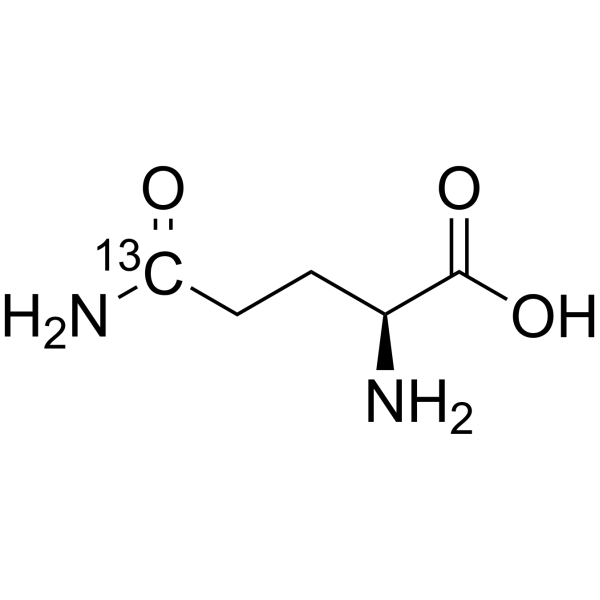
L-Glutamine-5- 13C is the 13C-labeled L-Glutamine (HY-N0390). L-Glutamine is an orally active nutritional agent and cellular metabolism regulator. L-Glutamine is taken up in a Na +-dependent manner and targets multiple key molecules including glutaminase, mTORC1, NF-κB, STAT-3 and HIF-1α. L-Glutamine enhances glutaminolytic catabolism, drives the conversion of glutamate to α-ketoglutarate, thereby regulating gene expression, integrating metabolic signals, mediating glutamine flux and maintaining redox homeostasis. L-Glutamine also promotes cell proliferation, osteogenic differentiation and fracture healing, exerts neuroprotective and cardioprotective effects, and inhibits osteoarthritis. L-Glutamine can be applied to research related to osteoporosis, osteoarthritis, ischemic stroke and acute cantharidin-induced cardiotoxicity .
|
-
-
- HY-124478
-
|
Ethyl 2,5-dihydroxybenzoate
|
Phosphatase
|
Metabolic Disease
|
|
Ethyl gentisate (Ethyl 2,5-dihydroxybenzoate) is a dual modulator for cell differentiation, that enhances the osteogenic differentiation of human mesenchymal stem cells (hMSCs) and alkaline phosphatase activity, inhibits RANKL-activated osteoclastogenesis in RAW264.7 cells, and balances the bone remodeling process .
|
-

-
- HY-N0390S3
-
|
L-Glutamic acid 5-amide-13C5,15N2,d5
|
Isotope-Labeled Compounds
mGluR
Ferroptosis
Environmental Pollutants
Endogenous Metabolite
HIF/HIF Prolyl-Hydroxylase
mTOR
STAT
NF-κB
|
Cardiovascular Disease
Neurological Disease
Metabolic Disease
Inflammation/Immunology
|
|
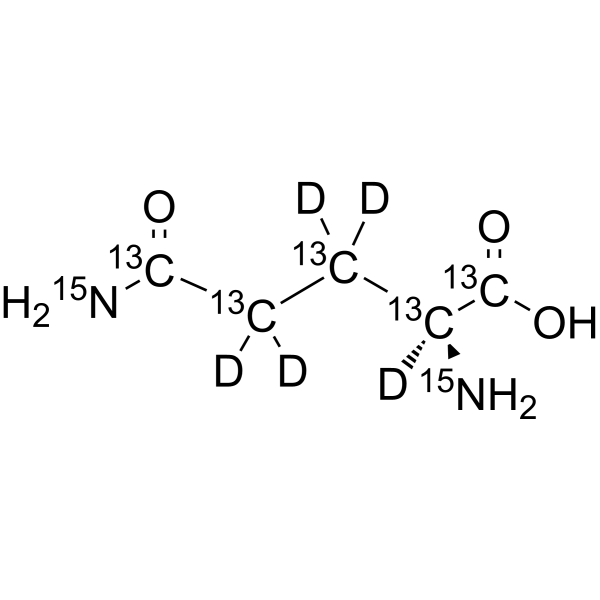
L-Glutamine- 13C5, 15N2,d5 is the deuterium, 13C-, and 15N-labeled L-Glutamine (HY-N0390). L-Glutamine is an orally active nutritional agent and cellular metabolism regulator. L-Glutamine is taken up in a Na +-dependent manner and targets multiple key molecules including glutaminase, mTORC1, NF-κB, STAT-3 and HIF-1α. L-Glutamine enhances glutaminolytic catabolism, drives the conversion of glutamate to α-ketoglutarate, thereby regulating gene expression, integrating metabolic signals, mediating glutamine flux and maintaining redox homeostasis. L-Glutamine also promotes cell proliferation, osteogenic differentiation and fracture healing, exerts neuroprotective and cardioprotective effects, and inhibits osteoarthritis. L-Glutamine can be applied to research related to osteoporosis, osteoarthritis, ischemic stroke and acute cantharidin-induced cardiotoxicity .
|
-
-
- HY-103701AR
-
|
2-Phospho-L-ascorbic acid magnesium (Standard); LAA2P magnesium (Standard)
|
Reference Standards
Phosphatase
Reactive Oxygen Species (ROS)
Endogenous Metabolite
|
Metabolic Disease
|
|
L-Ascorbic acid 2-phosphate (magnesium) (Standard) is the analytical standard of L-Ascorbic acid 2-phosphate (magnesium). This product is intended for research and analytical applications. L-Ascorbic acid 2-phosphate magnesium (2-Phospho-L-ascorbic acid magnesium) is a?long-acting?vitamin?C?derivative?that can stimulate collagen formation and expression . L-Ascorbic acid 2-phosphate magnesium (2-Phospho-L-ascorbic acid magnesium) can be used as a culture medium supplement for the osteogenic differentiation of human adipose stem cells (hASCs). L-Ascorbic acid 2-phosphate magnesium (2-Phospho-L-ascorbic acid magnesium) increases alkaline phosphatase (ALP) activity and expression of runx2A in hASCs during the osteogenic differentiation .
|
-

-
- HY-107837R
-
|
2-Phospho-L-ascorbic acid trisodium (Standard)
|
Reference Standards
Phosphatase
Reactive Oxygen Species (ROS)
Endogenous Metabolite
|
Metabolic Disease
|
|
L-Ascorbic acid 2-phosphate (trisodium) (Standard) is the analytical standard of L-Ascorbic acid 2-phosphate (trisodium). This product is intended for research and analytical applications. L-Ascorbic acid 2-phosphate trisodium (2-Phospho-L-ascorbic acid trisodium) is a long-acting vitamin C derivative that can stimulate collagen formation and expression[1]. L-Ascorbic acid 2-phosphate trisodium (2-Phospho-L-ascorbic acid trisodium) can be used as a culture medium supplement for the osteogenic differentiation of human adipose stem cells (hASCs). L-Ascorbic acid 2-phosphate trisodium (2-Phospho-L-ascorbic acid trisodium) increases alkaline phosphatase (ALP) activity and expression of runx2A in hASCs during the osteogenic differentiation[2][3].
|
-

-
- HY-108464
-
|
|
TGF-β Receptor
|
Others
|
|
Phenamil is a compound that promotes bone repair and regulates stem cell differentiation. It can activate the bone morphogenetic protein signaling pathway to promote bone repair, but it also induces adipogenesis. A specific 3D scaffold strategy can improve its induced osteogenic differentiation and reduce adipogenesis.
|
-

-
- HY-129566R
-
-

-
- HY-N7702
-
|
|
Wnt
β-catenin
|
Metabolic Disease
|
|
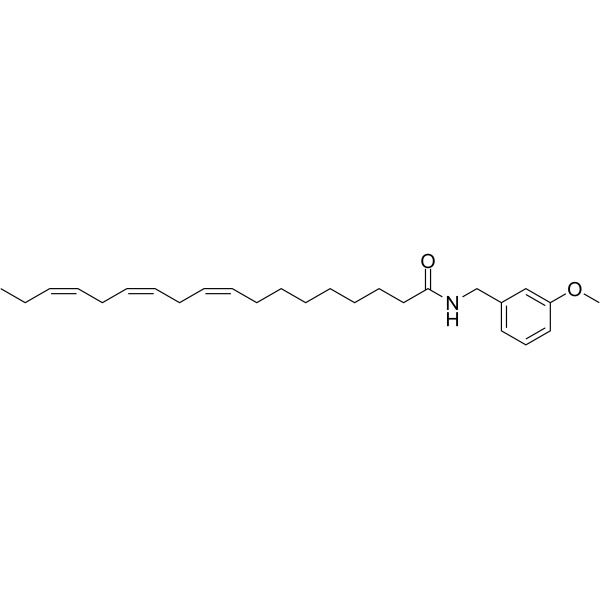
N-(3-Methoxybenzyl)-(9Z,12Z,15Z)-octadecatrienamide is a macamide isolated from Maca (Lepidium meyenii Walp.) N-(3-Methoxybenzyl)-(9Z,12Z,15Z)-octadecatrienamide induces mesenchymal stem cells osteogenic differentiation and consequent bone formation through activating the canonical Wnt/β‐catenin signaling pathway. N-(3-Methoxybenzyl)-(9Z,12Z,15Z)-octadecatrienamide can be used for the research of osteoporosis .
|
-
-
- HY-N0772R
-
|
|
Reference Standards
VEGFR
NF-κB
NOD-like Receptor (NLR)
AMPK
Acetyl-CoA Carboxylase
Apoptosis
Reactive Oxygen Species (ROS)
HSV
Drug Derivative
|
Infection
Metabolic Disease
Inflammation/Immunology
Cancer
|
|
Isomangiferin (Standard) is the analytical standard of Isomangiferin (HY-N0772). This product is intended for research and analytical applications. Isomangiferin is an orally active xanthone C-glucoside, and its chemical structure is similar to Mangiferin (HY-N0290). Isomangiferin is an effective VEGFR-2 kinase inhibitor, which can induces cell apoptosis, inhibit the growth, metastasis and angiogenesis of breast cancer. Isomangiferin exerts anti-inflammatory effects by inhibiting the HMGB1/NLRP3/NF-κB signaling pathway, thereby improving the renal function indicators of diabetic mice. Isomangiferin exhibits inhibitory effects on various bacteria and herpes simplex virus type 1 (HSV-1). Isomangiferin promotes the migration and osteogenic differentiation of bone marrow mesenchymal stem cells (BMSCs) and reduces cell apoptosis and the production of ROS by activating the AMPK/ACC pathway, thereby facilitating fracture healing.
|
-

-
- HY-N0390S7
-
|
L-Glutamic acid 5-amide-15N2,d5
|
Isotope-Labeled Compounds
mGluR
Ferroptosis
Environmental Pollutants
Endogenous Metabolite
HIF/HIF Prolyl-Hydroxylase
mTOR
STAT
NF-κB
|
Cardiovascular Disease
Neurological Disease
Metabolic Disease
Inflammation/Immunology
|
|
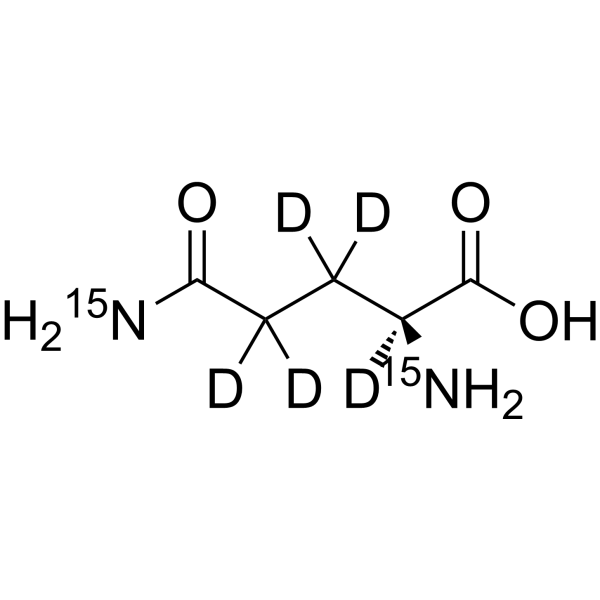
L-Glutamine- 15N2,d5 is the deuterium and 15N-labeled L-Glutamine (HY-N0390). L-Glutamine is an orally active nutritional agent and cellular metabolism regulator. L-Glutamine is taken up in a Na +-dependent manner and targets multiple key molecules including glutaminase, mTORC1, NF-κB, STAT-3 and HIF-1α. L-Glutamine enhances glutaminolytic catabolism, drives the conversion of glutamate to α-ketoglutarate, thereby regulating gene expression, integrating metabolic signals, mediating glutamine flux and maintaining redox homeostasis. L-Glutamine also promotes cell proliferation, osteogenic differentiation and fracture healing, exerts neuroprotective and cardioprotective effects, and inhibits osteoarthritis. L-Glutamine can be applied to research related to osteoporosis, osteoarthritis, ischemic stroke and acute cantharidin-induced cardiotoxicity .
|
-
| Cat. No. |
Product Name |
Type |
-
- HY-103701B
-
|
2-Phospho-L-ascorbic acid magnesium hydrate; LAA2P magnesium hydrate
|
Biochemical Assay Reagents
|
|
L-ascorbic acid 2-phosphate (2-Phospho-L-ascorbic acid) magnesium hydrate is a long-acting vitamin C derivative that can stimulate collagen formation and expression. L-ascorbic acid 2-phosphate magnesium hydrate can be used as a culture medium supplement for the osteogenic differentiation of human adipose stem cells (hASCs). L-ascorbic acid 2-phosphate magnesium hydrate increases alkaline phosphatase (ALP) activity and expression of runx2A in hASCs during the osteogenic differentiation .
|
| Cat. No. |
Product Name |
Target |
Research Area |
-
- HY-P5558
-
|
|
VEGFR
|
Neurological Disease
|
|
KLTWQELYQLKYKGI is a VEGF mimetic peptide designed based on the VEGF helix sequence 17-25, with the ability to activate VEGF receptors and exert pro-angiogenic biological activity. KLTWQELYQLKYKGI effectively promotes the attachment, spreading and proliferation of human umbilical vein endothelial cells. KLTWQELYQLKYKGI enhances the proliferation, migration and osteogenic differentiation of bone marrow stromal cells (BMSCs). KLTWQELYQLKYKGI synergistically accelerates angiogenesis and bone regeneration in rat cranial defect models. KLTWQELYQLKYKGI can be used for the research of brain tissue engineering and traumatic brain injury repair and biomaterials for bone tissue engineering and bone repair .
|
-
- HY-P5832
-
|
|
TGF-beta/Smad
RUNX
|
Metabolic Disease
|
|
BMP2-derived peptide is an osteogenic inducer and BMP receptor ligand. BMP2-derived peptide binds to BMP receptors on the cell surface to form a complex, activates the downstream Smad signaling pathway, and regulates the expression of osteogenic transcription factors. BMP2-derived peptide effectively promotes the adhesion, proliferation, osteogenic differentiation and mineralization of bone marrow mesenchymal stem cells, significantly up-regulates the mRNA levels of OCN, Runx2 and type I collagen, and increases alkaline phosphatase activity and calcium deposition. BMP2-derived peptide induces osteoblast differentiation and ectopic bone regeneration, and improves cranial bone defect repair. Meanwhile, BMP2-derived peptide enhances the cytocompatibility of mesoporous silica nanoparticles, synergistically increases osteogenic activity with Dexamethasone (HY-14648), serving as an important tool for bone defect repair research .
|
| Cat. No. |
Product Name |
Target |
Research Area |
Image |
-
- HY-P99280
-
|
CDP4940; UCB-4940
|
Interleukin Related
|
Inflammation/Immunology
|
|
Bimekizumab (Anti-Human IL17A/IL-17F Recombinant Antibody) is a humanised monoclonal antibody, can selectively neutralises IL-17A and IL-17F. Both of them are pro-osteogenic with respect to human periosteum-derived cell (hPDC) differentiation. Thus Bimekizumab blocks the inflammation-driven osteogenic differentiation .
|
-

(5)
| Cat. No. |
Product Name |
Category |
Target |
Chemical Structure |
-
- HY-107837
-
-
-
- HY-103701A
-
-
-
- HY-103701
-
-
-
- HY-103701B
-
-
-
- HY-12316
-
|
20α-Hydroxycholesterol
|
Classification of Application Fields
Endogenous metabolite
Disease Research Fields
Steroids
Source Classification
Cancer
|
Smo
Endogenous Metabolite
|
|
20(S)-Hydroxycholesterol (20α-Hydroxycholesterol) is an allosteric activator that selectively targets the Smoothened (Smo) of the Hedgehog pathway with an EC50 of ~30 μM (Hedgehog). 20(S)-Hydroxycholesterol binds to the extracellular cysteine-rich domain (CRD) of Smo in a stereoselective manner, activating downstream Gli transcription factors (without inducing transcription of receptor genes in the Wnt pathway). 20(S)-Hydroxycholesterol enhances osteogenic differentiation of bone marrow stromal cells and synergistically activates the Raf/MEK/ERK pathway with Simvastatin (HY-17502) to promote bone regeneration. 20(S)-Hydroxycholesterol can be used to study the mechanisms of developmental biology, oncology, bone, and angiogenesis .
|
-
-
- HY-129566
-
-
-
- HY-N0754
-
-
-
- HY-N0772
-
-
-
- HY-N0390R
-
|
L-Glutamic acid 5-amide (Standard)
|
Structural Classification
Human Gut Microbiota Metabolites
Immune System Disorder
Microorganisms
Disease markers
Endocrine diseases
Amino acids
Nervous System Disorder
Endogenous metabolite
Cardiovascular System Disorder
Cancer
Source Classification
|
Reference Standards
mGluR
Ferroptosis
Environmental Pollutants
Endogenous Metabolite
HIF/HIF Prolyl-Hydroxylase
mTOR
STAT
NF-κB
|
|
L-Glutamine (Standard) is the analytical standard of L-Glutamine (HY-N0390). This product is intended for research and analytical applications. L-Glutamine is an orally active nutritional agent and cellular metabolism regulator. L-Glutamine is taken up in a Na +-dependent manner and targets multiple key molecules including glutaminase, mTORC1, NF-κB, STAT-3 and HIF-1α. L-Glutamine enhances glutaminolytic catabolism, drives the conversion of glutamate to α-ketoglutarate, thereby regulating gene expression, integrating metabolic signals, mediating glutamine flux and maintaining redox homeostasis. L-Glutamine also promotes cell proliferation, osteogenic differentiation and fracture healing, exerts neuroprotective and cardioprotective effects, and inhibits osteoarthritis. L-Glutamine can be applied to research related to osteoporosis, osteoarthritis, ischemic stroke and acute cantharidin-induced cardiotoxicity .
|
-
-
- HY-N7688
-
-
-
- HY-103701AR
-
|
2-Phospho-L-ascorbic acid magnesium (Standard); LAA2P magnesium (Standard)
|
Structural Classification
Natural Products
Human Gut Microbiota Metabolites
Endogenous metabolite
Source Classification
|
Reference Standards
Phosphatase
Reactive Oxygen Species (ROS)
Endogenous Metabolite
|
|
L-Ascorbic acid 2-phosphate (magnesium) (Standard) is the analytical standard of L-Ascorbic acid 2-phosphate (magnesium). This product is intended for research and analytical applications. L-Ascorbic acid 2-phosphate magnesium (2-Phospho-L-ascorbic acid magnesium) is a?long-acting?vitamin?C?derivative?that can stimulate collagen formation and expression . L-Ascorbic acid 2-phosphate magnesium (2-Phospho-L-ascorbic acid magnesium) can be used as a culture medium supplement for the osteogenic differentiation of human adipose stem cells (hASCs). L-Ascorbic acid 2-phosphate magnesium (2-Phospho-L-ascorbic acid magnesium) increases alkaline phosphatase (ALP) activity and expression of runx2A in hASCs during the osteogenic differentiation .
|
-
-
- HY-107837R
-
|
2-Phospho-L-ascorbic acid trisodium (Standard)
|
Structural Classification
Ketones, Aldehydes, Acids
Endogenous metabolite
Source Classification
|
Reference Standards
Phosphatase
Reactive Oxygen Species (ROS)
Endogenous Metabolite
|
|
L-Ascorbic acid 2-phosphate (trisodium) (Standard) is the analytical standard of L-Ascorbic acid 2-phosphate (trisodium). This product is intended for research and analytical applications. L-Ascorbic acid 2-phosphate trisodium (2-Phospho-L-ascorbic acid trisodium) is a long-acting vitamin C derivative that can stimulate collagen formation and expression[1]. L-Ascorbic acid 2-phosphate trisodium (2-Phospho-L-ascorbic acid trisodium) can be used as a culture medium supplement for the osteogenic differentiation of human adipose stem cells (hASCs). L-Ascorbic acid 2-phosphate trisodium (2-Phospho-L-ascorbic acid trisodium) increases alkaline phosphatase (ALP) activity and expression of runx2A in hASCs during the osteogenic differentiation[2][3].
|
-
-
- HY-129566R
-
|
|
Withania somnifera
Solanaceae
Plants
Steroids
Source Classification
|
Reference Standards
ERK
Wnt
β-catenin
RUNX
|
|
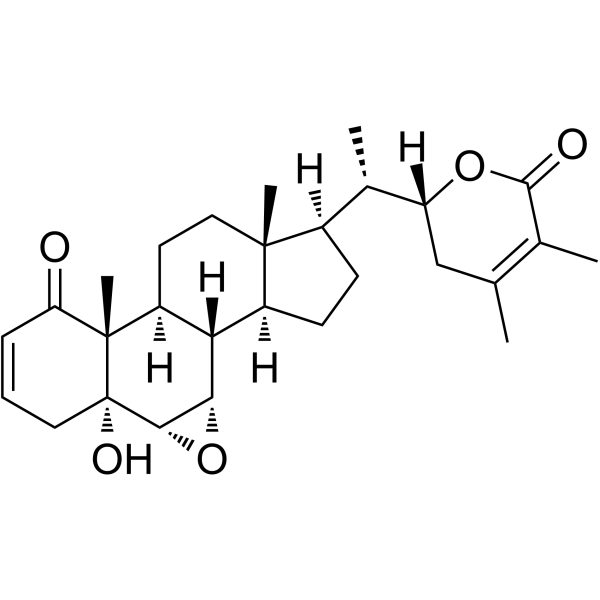
Withanolide B (Standard) is the analytical standard of Withanolide B. This product is intended for research and analytical applications. Withanolide B is an active component of W. somnifera Dunal. Withanolide B promotes osteogenic differentiation of hBMSCs via ERK1/2 and Wnt/β-catenin signaling pathways. Withanolide B exhibits neuroprotective, anti-arthritic, anti-aging and anti-cancer effects .
|
-
-
- HY-N7702
-
-
-
- HY-N0772R
-
-
| Cat. No. |
Product Name |
Chemical Structure |
-
- HY-N0390S1
-
Maximum Cited Publications
9 Publications Verification
|
|
L-Glutamine- 13C5 is the 13C-labeled L-Glutamine (HY-N0390). L-Glutamine is an orally active nutritional agent and cellular metabolism regulator. L-Glutamine is taken up in a Na +-dependent manner and targets multiple key molecules including glutaminase, mTORC1, NF-κB, STAT-3 and HIF-1α. L-Glutamine enhances glutaminolytic catabolism, drives the conversion of glutamate to α-ketoglutarate, thereby regulating gene expression, integrating metabolic signals, mediating glutamine flux and maintaining redox homeostasis. L-Glutamine also promotes cell proliferation, osteogenic differentiation and fracture healing, exerts neuroprotective and cardioprotective effects, and inhibits osteoarthritis. L-Glutamine can be applied to research related to osteoporosis, osteoarthritis, ischemic stroke and acute cantharidin-induced cardiotoxicity .
|
-
-
- HY-N0390S
-
3 Publications Verification
|
|
L-Glutamine- 15N is the 15N-labeled L-Glutamine (HY-N0390). L-Glutamine is an orally active nutritional agent and cellular metabolism regulator. L-Glutamine is taken up in a Na +-dependent manner and targets multiple key molecules including glutaminase, mTORC1, NF-κB, STAT-3 and HIF-1α. L-Glutamine enhances glutaminolytic catabolism, drives the conversion of glutamate to α-ketoglutarate, thereby regulating gene expression, integrating metabolic signals, mediating glutamine flux and maintaining redox homeostasis. L-Glutamine also promotes cell proliferation, osteogenic differentiation and fracture healing, exerts neuroprotective and cardioprotective effects, and inhibits osteoarthritis. L-Glutamine can be applied to research related to osteoporosis, osteoarthritis, ischemic stroke and acute cantharidin-induced cardiotoxicity .
|
-
-
- HY-N0390S8
-
1 Publications Verification
|
|
L-Glutamine- 15N2 is the 15N-labeled L-Glutamine (HY-N0390). L-Glutamine is an orally active nutritional agent and cellular metabolism regulator. L-Glutamine is taken up in a Na +-dependent manner and targets multiple key molecules including glutaminase, mTORC1, NF-κB, STAT-3 and HIF-1α. L-Glutamine enhances glutaminolytic catabolism, drives the conversion of glutamate to α-ketoglutarate, thereby regulating gene expression, integrating metabolic signals, mediating glutamine flux and maintaining redox homeostasis. L-Glutamine also promotes cell proliferation, osteogenic differentiation and fracture healing, exerts neuroprotective and cardioprotective effects, and inhibits osteoarthritis. L-Glutamine can be applied to research related to osteoporosis, osteoarthritis, ischemic stroke and acute cantharidin-induced cardiotoxicity .
|
-
-
- HY-N0390S9
-
3 Publications Verification
|
|
L-Glutamine- 15N-1 is the 15N-labeled L-Glutamine (HY-N0390). L-Glutamine is an orally active nutritional agent and cellular metabolism regulator. L-Glutamine is taken up in a Na +-dependent manner and targets multiple key molecules including glutaminase, mTORC1, NF-κB, STAT-3 and HIF-1α. L-Glutamine enhances glutaminolytic catabolism, drives the conversion of glutamate to α-ketoglutarate, thereby regulating gene expression, integrating metabolic signals, mediating glutamine flux and maintaining redox homeostasis. L-Glutamine also promotes cell proliferation, osteogenic differentiation and fracture healing, exerts neuroprotective and cardioprotective effects, and inhibits osteoarthritis. L-Glutamine can be applied to research related to osteoporosis, osteoarthritis, ischemic stroke and acute cantharidin-induced cardiotoxicity .
|
-
-
- HY-N0390S2
-
1 Publications Verification
|
|
L-Glutamine-d5 is the deuterium labeled L-Glutamine (HY-N0390). L-Glutamine is an orally active nutritional agent and cellular metabolism regulator. L-Glutamine is taken up in a Na +-dependent manner and targets multiple key molecules including glutaminase, mTORC1, NF-κB, STAT-3 and HIF-1α. L-Glutamine enhances glutaminolytic catabolism, drives the conversion of glutamate to α-ketoglutarate, thereby regulating gene expression, integrating metabolic signals, mediating glutamine flux and maintaining redox homeostasis. L-Glutamine also promotes cell proliferation, osteogenic differentiation and fracture healing, exerts neuroprotective and cardioprotective effects, and inhibits osteoarthritis. L-Glutamine can be applied to research related to osteoporosis, osteoarthritis, ischemic stroke and acute cantharidin-induced cardiotoxicity .
|
-
-
- HY-N0390S6
-
|
|
|
L-Glutamine- 13C5, 15N2 is the 13C- and 15N-labeled L-Glutamine (HY-N0390). L-Glutamine is an orally active nutritional agent and cellular metabolism regulator. L-Glutamine is taken up in a Na +-dependent manner and targets multiple key molecules including glutaminase, mTORC1, NF-κB, STAT-3 and HIF-1α. L-Glutamine enhances glutaminolytic catabolism, drives the conversion of glutamate to α-ketoglutarate, thereby regulating gene expression, integrating metabolic signals, mediating glutamine flux and maintaining redox homeostasis. L-Glutamine also promotes cell proliferation, osteogenic differentiation and fracture healing, exerts neuroprotective and cardioprotective effects, and inhibits osteoarthritis. L-Glutamine can be applied to research related to osteoporosis, osteoarthritis, ischemic stroke and acute cantharidin-induced cardiotoxicity .
|
-
-
- HY-Y0605S1
-
|
|
|
Potassium deuteroxide, 99.5%D, 40 wt. %in D2O is the deuterium labeled Potassium hydroxide (HY-Y0605C). 95% Potassium hydroxide is an alkaline reagent. 95% Potassium hydroxide can form an intermediate potassium titanate (K2Ti4O9) layer on a pure titanium substrate. 95% Potassium hydroxide can modify titanium substrates. Modification with 95% Potassium hydroxide increases Alkaline phosphatase expression. 95% Potassium hydroxide promotes the proliferation of mesenchymal stem cells cultured on titanium substrates. 95% Potassium hydroxide can be used in osteogenic differentiation research .
|
-
-
- HY-N0390S5
-
1 Publications Verification
|
|
L-Glutamine-1- 13C is the 13C-labeled L-Glutamine (HY-N0390). L-Glutamine is an orally active nutritional agent and cellular metabolism regulator. L-Glutamine is taken up in a Na +-dependent manner and targets multiple key molecules including glutaminase, mTORC1, NF-κB, STAT-3 and HIF-1α. L-Glutamine enhances glutaminolytic catabolism, drives the conversion of glutamate to α-ketoglutarate, thereby regulating gene expression, integrating metabolic signals, mediating glutamine flux and maintaining redox homeostasis. L-Glutamine also promotes cell proliferation, osteogenic differentiation and fracture healing, exerts neuroprotective and cardioprotective effects, and inhibits osteoarthritis. L-Glutamine can be applied to research related to osteoporosis, osteoarthritis, ischemic stroke and acute cantharidin-induced cardiotoxicity .
|
-
-
- HY-N0390S4
-
|
|
|
L-Glutamine-5- 13C is the 13C-labeled L-Glutamine (HY-N0390). L-Glutamine is an orally active nutritional agent and cellular metabolism regulator. L-Glutamine is taken up in a Na +-dependent manner and targets multiple key molecules including glutaminase, mTORC1, NF-κB, STAT-3 and HIF-1α. L-Glutamine enhances glutaminolytic catabolism, drives the conversion of glutamate to α-ketoglutarate, thereby regulating gene expression, integrating metabolic signals, mediating glutamine flux and maintaining redox homeostasis. L-Glutamine also promotes cell proliferation, osteogenic differentiation and fracture healing, exerts neuroprotective and cardioprotective effects, and inhibits osteoarthritis. L-Glutamine can be applied to research related to osteoporosis, osteoarthritis, ischemic stroke and acute cantharidin-induced cardiotoxicity .
|
-
-
- HY-N0390S3
-
|
|
|
L-Glutamine- 13C5, 15N2,d5 is the deuterium, 13C-, and 15N-labeled L-Glutamine (HY-N0390). L-Glutamine is an orally active nutritional agent and cellular metabolism regulator. L-Glutamine is taken up in a Na +-dependent manner and targets multiple key molecules including glutaminase, mTORC1, NF-κB, STAT-3 and HIF-1α. L-Glutamine enhances glutaminolytic catabolism, drives the conversion of glutamate to α-ketoglutarate, thereby regulating gene expression, integrating metabolic signals, mediating glutamine flux and maintaining redox homeostasis. L-Glutamine also promotes cell proliferation, osteogenic differentiation and fracture healing, exerts neuroprotective and cardioprotective effects, and inhibits osteoarthritis. L-Glutamine can be applied to research related to osteoporosis, osteoarthritis, ischemic stroke and acute cantharidin-induced cardiotoxicity .
|
-
-
- HY-N0390S7
-
|
|
|
L-Glutamine- 15N2,d5 is the deuterium and 15N-labeled L-Glutamine (HY-N0390). L-Glutamine is an orally active nutritional agent and cellular metabolism regulator. L-Glutamine is taken up in a Na +-dependent manner and targets multiple key molecules including glutaminase, mTORC1, NF-κB, STAT-3 and HIF-1α. L-Glutamine enhances glutaminolytic catabolism, drives the conversion of glutamate to α-ketoglutarate, thereby regulating gene expression, integrating metabolic signals, mediating glutamine flux and maintaining redox homeostasis. L-Glutamine also promotes cell proliferation, osteogenic differentiation and fracture healing, exerts neuroprotective and cardioprotective effects, and inhibits osteoarthritis. L-Glutamine can be applied to research related to osteoporosis, osteoarthritis, ischemic stroke and acute cantharidin-induced cardiotoxicity .
|
-
Your information is safe with us. * Required Fields.
Inquiry Information
- Product Name:
- Cat. No.:
- Quantity:
- MCE Japan Authorized Agent:








