Search Result
Results for "
potassium-deuteroxide-99-5-d-40-wt-in-d2o
" in MedChemExpress (MCE) Product Catalog:
6
Biochemical Assay Reagents
| Cat. No. |
Product Name |
Target |
Research Areas |
Chemical Structure |
-
- HY-N0219
-
Bicuculline
Maximum Cited Publications
37 Publications Verification
(+)-Bicuculline
|
GABA Receptor
|
Neurological Disease
|
|
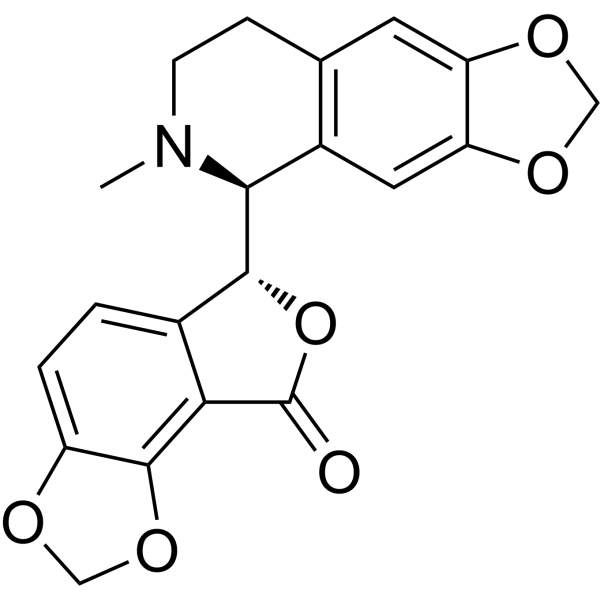
Bicuculline ((+)-Bicuculline) is A competing neurotransmitter GABAA receptor antagonist (IC50=2 μM). Bicuculline also blocks Ca 2+ activating potassium (SK) channels and subsequently blocks slow post-hyperpolarization (slow AHP). Bicuculline has anticonvulsant activity. Bicuculline can be used to induce seizures in mice [2] .
|
-
-
- HY-17508
-
|
|
Bacterial
Cytochrome P450
Autophagy
Antibiotic
|
Infection
Cancer
|
|
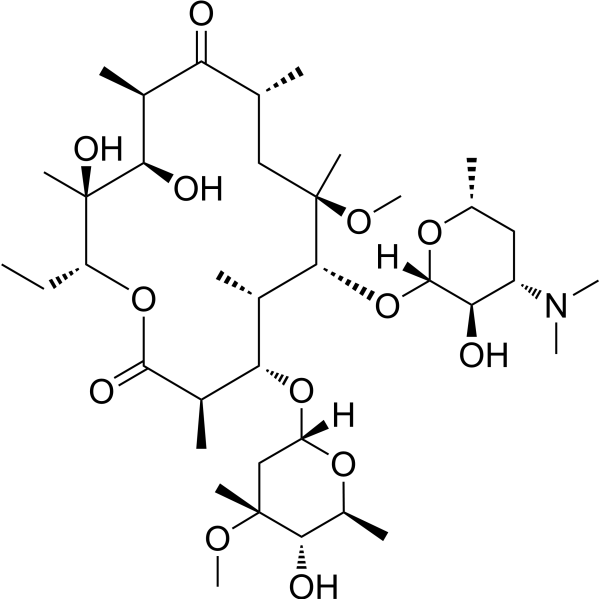
Clarithromycin has a broad spectrum of antimicrobial activity. Clarithromycin inhibits the CYP3A4-catalyzed triazolam alpha-hydroxylation with the IC50 (Ki) value of 56 (43) μM [2]. Clarithromycin significantly inhibits the HERG potassium current .Clarithromycin affects the autophagic flux by impairing the signaling pathway linking hERG1 and PI3K .
|
-
-
- HY-15551
-
-
-
- HY-D0143
-
|
|
Flavivirus
Dengue Virus
Parasite
Potassium Channel
|
Infection
|
|
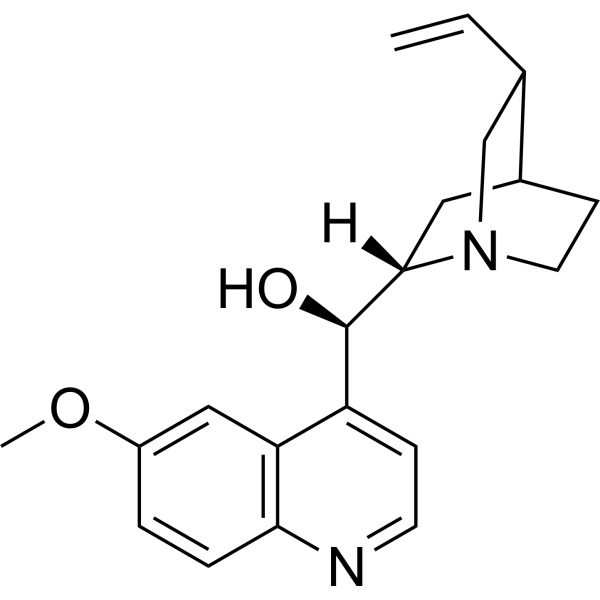
Quinine is an alkaloid derived from the bark of the cinchona tree, acts as an anti-malaria agent. Quinine is a potassium channel inhibitor that inhibits WT mouse Slo3 (KCa5.1) channel currents evoked by voltage pulses to +100 mV with an IC50 of 169 μM [2].
|
-
-
- HY-B0252
-
|
HCTZ
|
TGF-beta/Smad
Potassium Channel
|
Cardiovascular Disease
Metabolic Disease
Cancer
|
|
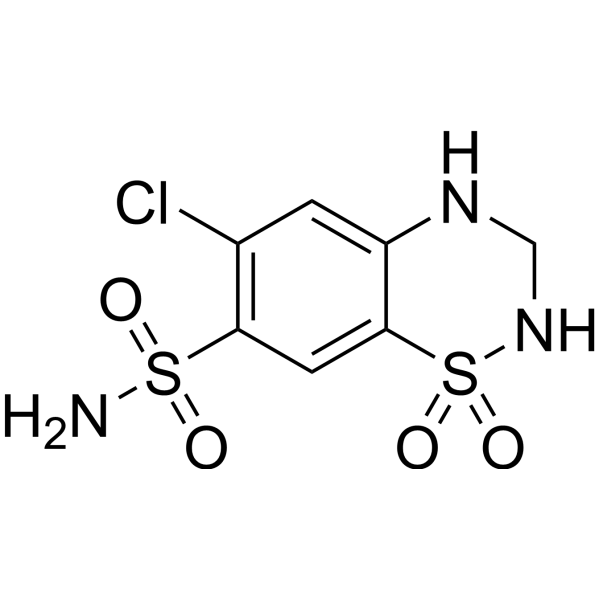
Hydrochlorothiazide (HCTZ), an orally active diuretic agent of the thiazide class, inhibits transforming TGF-β/Smad signaling pathway. Hydrochlorothiazide has direct vascular relaxant effects via opening of the calcium-activated potassium (KCA) channel. Hydrochlorothiazide improves cardiac function, reduces fibrosis and has antihypertensive effect [2] .
|
-
-
- HY-Y0537
-
-

-
- HY-139791
-
|
XEN1101
|
Potassium Channel
|
Neurological Disease
|
|
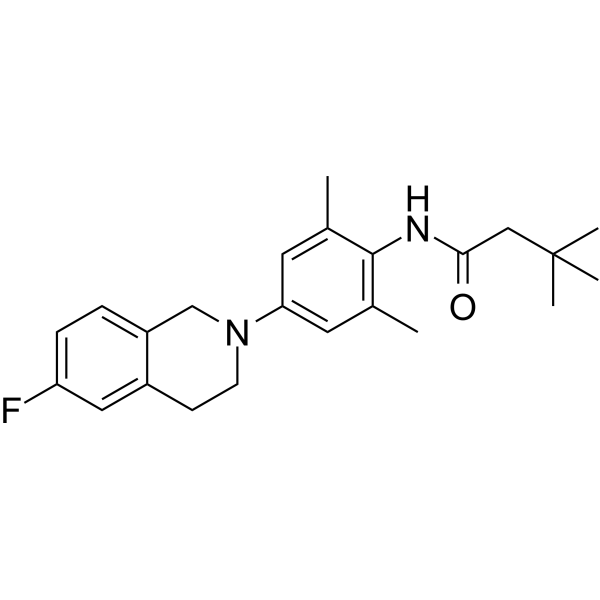
Azetukalner (XEN1101) is a selective and orally active Kv7.2/Kv7.3 potassium channel opener with an EC50 of 27 nM. Azetukalner is approximately 4-fold more selective for Kv7.2/7.3 over Kv7.3/7.5 (EC50 of 94 nM) and Kv7.4 (EC50 of 113 nM) channels. Azetukalner exhibits a selectivity >100-fold for Kv7 channels over other ion channels and receptors. Azetukalner can be used for the study of focal epilepsy [2].
|
-
-
- HY-Y0537E
-
|
|
Environmental Pollutants
Calcium Channel
Potassium Channel
Biochemical Assay Reagents
|
Neurological Disease
|
|
Potassium chloride, for cell culture is potassium chloride that can be used for cell culture. Potassium chloride, for cell culture increases extracellular potassium ion concentration to induce cellular depolarization, thereby activating voltage-gated calcium channels and regulating intracellular calcium signaling. Potassium chloride, for cell culture upregulates Brn-5. Potassium chloride, for cell culture inhibits the proliferation of neurons and some plant cells [2].
|
-

-
- HY-12326
-
|
Cyclic diadenylate; Cyclic-di-AMP
|
STING
Bacterial
Endogenous Metabolite
|
Inflammation/Immunology
|
|
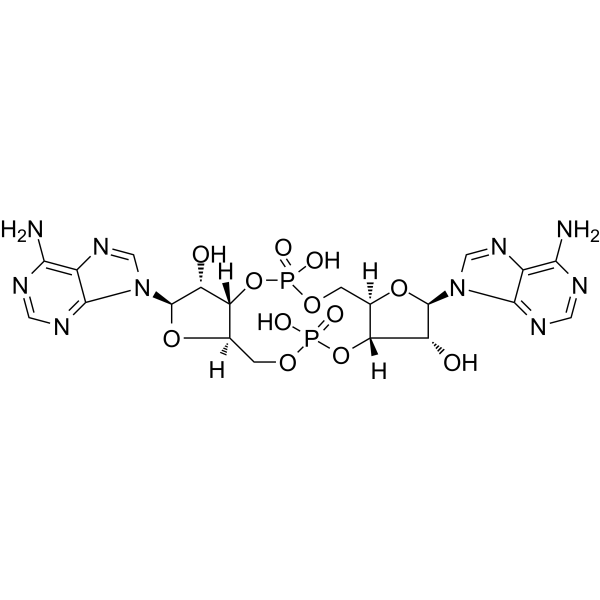
c-di-AMP (Cyclic diadenylate) is a STING agonist, which binds to the transmembrane protein STING thereby activating the TBK3-IRF3 signaling pathway, subsequently triggering the production of type I IFN and TNF. c-di-AMP (Cyclic diadenylate) is also a bacterial second messenger, which regulates cell growth, survival, and virulence, primarily within Gram-positive bacteria, and also regulates host immune response. c-di-AMP (Cyclic diadenylate) acts as a potent mucosal adjuvant stimulating both humoral and cellular responses [2] .
|
-
-
- HY-109079A
-
|
DWP14012 hydrochloride; Fexuprazan hydrochloride
|
Proton Pump
|
Metabolic Disease
|
|
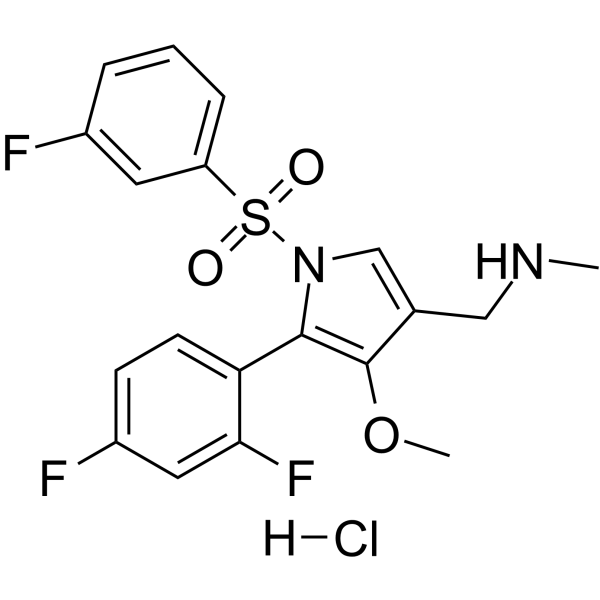
Abeprazan hydrochloride (DWP14012 hydrochloride) is a potassium-competitive acid blocker. Abeprazan hydrochloride inhibits H +, K +- ATPase by reversible potassium-competitive ionic binding with no acid activation required. Abeprazan hydrochloride is developed as a potential alternative to proton pump inhibitor for the treatment of acid-related diseases .
|
-
-
- HY-109079
-
|
DWP14012; Fexuprazan
|
Proton Pump
|
Metabolic Disease
|
|
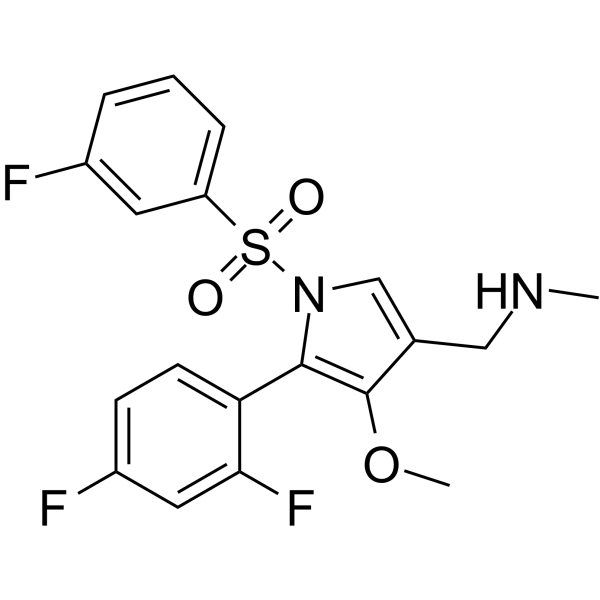
Abeprazan (DWP14012) is a potassium-competitive acid blocker. Abeprazan inhibits H +, K +- ATPase by reversible potassium-competitive ionic binding with no acid activation required. Abeprazan is developed as a potential alternative to proton pump inhibitor for the treatment of acid-related diseases .
|
-
-
- HY-N7056
-
|
|
Oxidative Phosphorylation
Proteasome
|
Inflammation/Immunology
Cancer
|
|
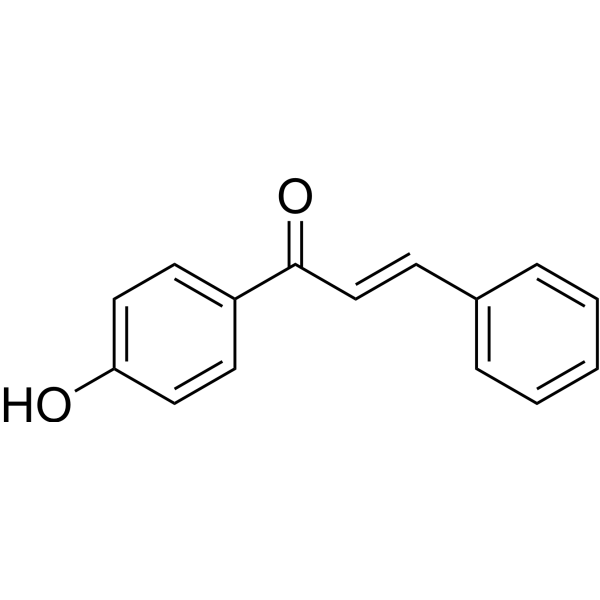
4'-Hydroxychalcone is a chalcone isolated from licorice root, with hepatoprotective activity. 4'-Hydroxychalcone inhibits TNFα-induced NF-κB activation via proteasome inhibition. 4'-Hydroxychalcone induces a rapid potassium release from mitochondrial vesicles and causes deterioration of respiratory control and oxidative phosphorylation of isolated rat liver mitochondria [2] .
|
-
-
- HY-Y0319B
-
|
potassium acetate
|
Environmental Pollutants
Biochemical Assay Reagents
|
Infection
Cancer
|
|
Acetic acid potassium 99% (Potassium acetate) is a potassium salt employed to replenish electrolytes, for restoration of water-electrolyte balance. Acetic acid potassium 99% can employ in DNA and protein purification. Acetic acid potassium 99% has been used to prepare neutralizing solution for alkaline lysis of bacteria and activated carbon [2] .
|
-

-
- HY-14290A
-
|
P-1134 monohydrate
|
Potassium Channel
|
Cardiovascular Disease
|
|
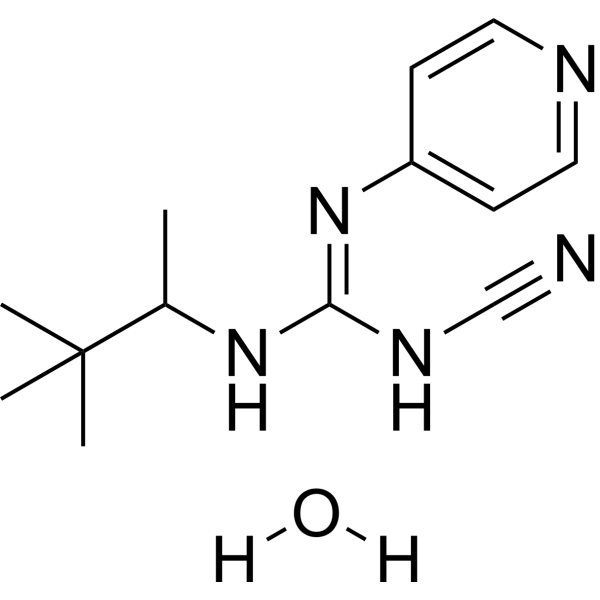
Pinacidil (P-1134) monohydrate is a potent activator of ATP-sensitive potassium channel. Pinacidil monohydrate is an antihypertensive agent hyperpolarizes vascular smooth muscle by opening K + channels. Pinacidil monohydrate enhances K +-efflux in smooth muscle. Pinacidil monohydrate has vasorelaxant properties. Pinacidil monohydrate is able to inhibit spontaneous tone and of reducing agonist induced contractions. Pinacidil monohydrate can be studied in research area such as cardiovascular diseases [2].
|
-
-
- HY-17508R
-
|
|
Reference Standards
Bacterial
Cytochrome P450
Autophagy
Antibiotic
|
Infection
Cancer
|
|
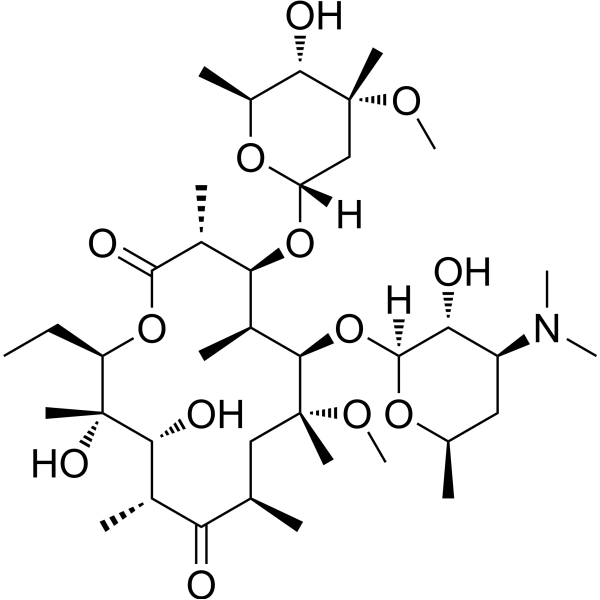
Clarithromycin (Standard) is the analytical standard of Clarithromycin. This product is intended for research and analytical applications. Clarithromycin has a broad spectrum of antimicrobial activity. Clarithromycin inhibits the CYP3A4-catalyzed triazolam alpha-hydroxylation with the IC50 (Ki) value of 56 (43) μM [2]. Clarithromycin significantly inhibits the HERG potassium current .Clarithromycin affects the autophagic flux by impairing the signaling pathway linking hERG1 and PI3K .
|
-
-
- HY-108595
-
VU590
2 Publications Verification
|
Potassium Channel
|
Others
|
|
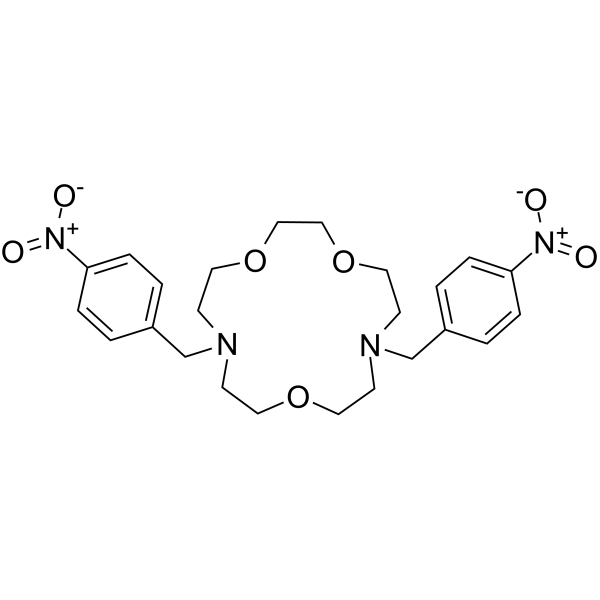
VU590 is a potent and moderately selective ROMK (Kir1.1) inhibitor, with an IC50 of 290 nM. VU590 also inhibits Kir7.1, with an IC50 of 8 μM. VU590 is not a good probe of ROMK function in the kidney [2].
|
-
-
- HY-157485
-
|
|
Potassium Channel
|
Others
|
|
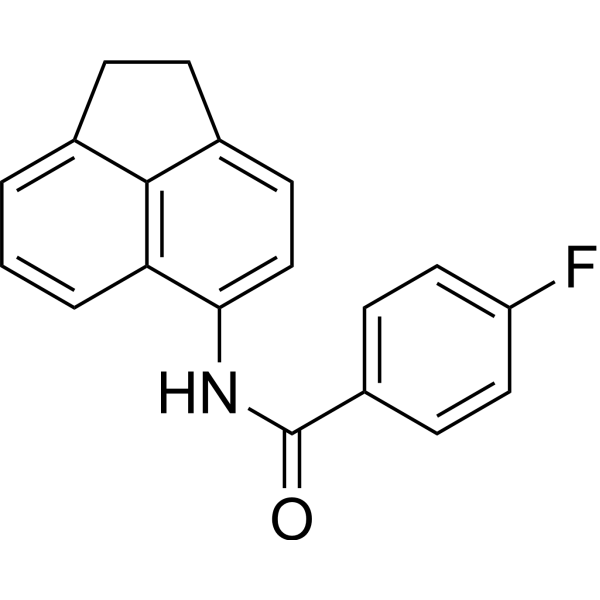
Ebio1 is a selective voltage-gated potassium channel KCNQ2 activator. Ebio1 activates KCNQ2 by generating an extended channel gate with greater conductance at a saturation voltage (+50 mV) .
|
-
-
- HY-159051
-
|
|
Biochemical Assay Reagents
|
Others
|
|
Dragendorff reagent is used for detecting alkaloids and other nitrogen-containing compounds. Dragendorff reagent is a solution of potassium bismuth iodide composing of Basic bismuth nitrate (Bi(NO3)3), Tartaric acid (HY-N2436), and Potassium iodide (KI). When contact with alkaloids, Dragendorff reagent produces an orange or orange red precipitate .
|
-

-
- HY-12326B
-
|
Cyclic diadenylate diammonium; Cyclic-di-AMP diammonium
|
STING
Bacterial
Endogenous Metabolite
|
Inflammation/Immunology
|
|
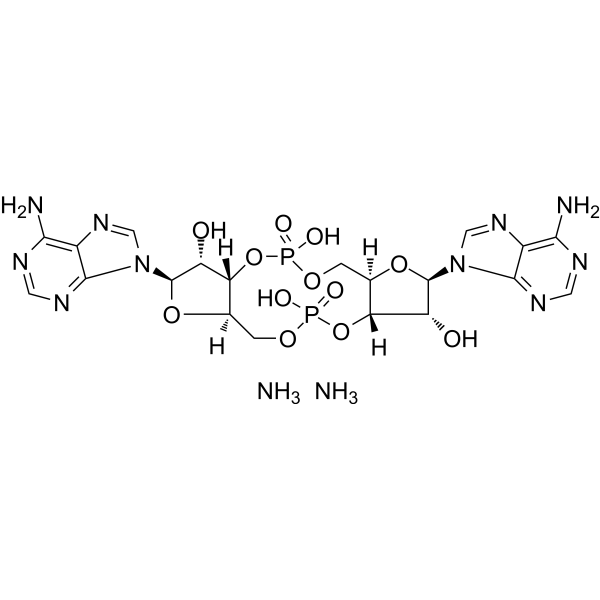
c-di-AMP diammonium is a STING agonist, which binds to the transmembrane protein STING thereby activating the TBK3-IRF3 signaling pathway, subsequently triggering the production of type I IFN and TNF. c-di-AMP diammonium is also a bacterial second messenger, which regulates cell growth, survival, and virulence, primarily within Gram-positive bacteria, and also regulates host immune response. c-di-AMP diammonium acts as a potent mucosal adjuvant stimulating both humoral and cellular responses [2] .
|
-
-
- HY-D0143B
-
|
|
Parasite
Potassium Channel
|
Infection
|
|
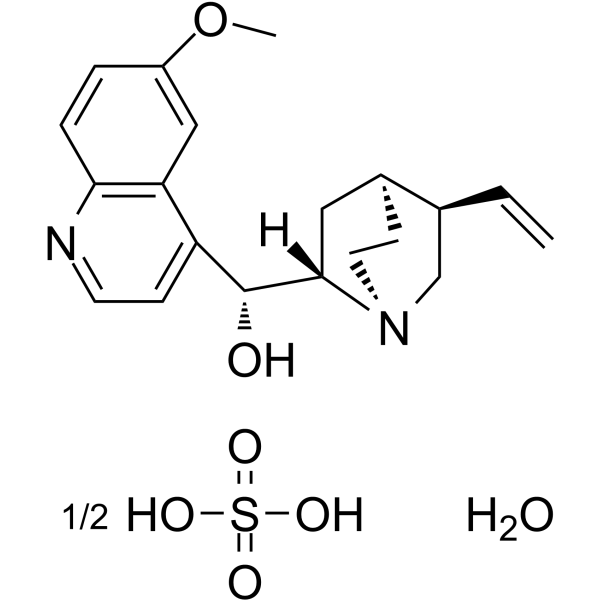
Quinine hemisulfate hydrate, an alkaloid derived from the bark of the cinchona tree, acts as an anti-malaria agent. Quinine hemisulfate hydrate is a potassium channel inhibitor that inhibits WT mouse Slo3 (KCa5.1) channel currents evoked by voltage pulses to +100 mV, with an IC50 of 169 μM [2].
|
-
-
- HY-175728
-
|
|
Potassium Channel
Sodium Channel
Calcium Channel
|
Metabolic Disease
|
|
VU6032735 is a potent and subtype-selective sperm-specific potassium channel 3 (SLO3) inhibitor with IC50 values of 165 nM (hSLO3) and 730 nM (mSLO3). VU6032735 also inhibits sodium channel and L-type calcium channel VU6032735 can sustain high tissue exposure in the fertilized oviduct. VU6032735 can be used for the research of contraception .
|
-

-
- HY-108591
-
|
R-L3
|
Potassium Channel
|
Cardiovascular Disease
|
|
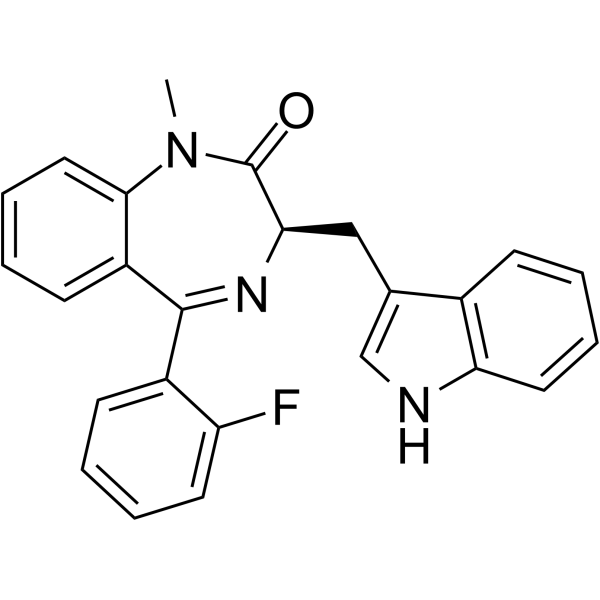
L-364,373 (R-L3) is a voltage-gated Kv7.1 (KCNQ1)/mink channels activator. L-364,373 activates Iks (slow delayed rectifier potassium current) and shortens action potential duration in guinea pig cardiac myocytes, and suppresses early afterdepolarizations in rabbit ventricular myocytes .
|
-
-
- HY-158741
-
|
APG-2 Acetoxymethyl ester
|
Fluorescent Dye
Potassium Channel
|
Others
|
|
IPG-2 AM (APG-2 Acetoxymethyl ester) is a membrane-permeant acetoxymethyl ester derivative and selective fluorescent potassium ion indicator. IPG-2 AM exhibits fluorescence increases proportional to extracellular potassium ion concentrations. IPG-2 AM enables real-time monitoring of cytosolic free potassium ion fluxes in human platelets and macrophages. IPG-2 AM can be used for the research of intracellular potassium concentration dynamics [2].
|
-

-
- HY-126486
-
|
A293
|
Potassium Channel
|
Cardiovascular Disease
|
|
AVE1231 (A293) is a dual-pore potassium channel TASK-1 inhibitor. AVE1231 blocks carbamoylcholine chloride (HY-B1208)-activated IKACh (IC50=8.4 μM). AVE1231 can be used in the study of arrhythmias and atrial fibrillation [2].
|
-

-
- HY-111996
-
|
|
Potassium Channel
|
Neurological Disease
Inflammation/Immunology
|
|
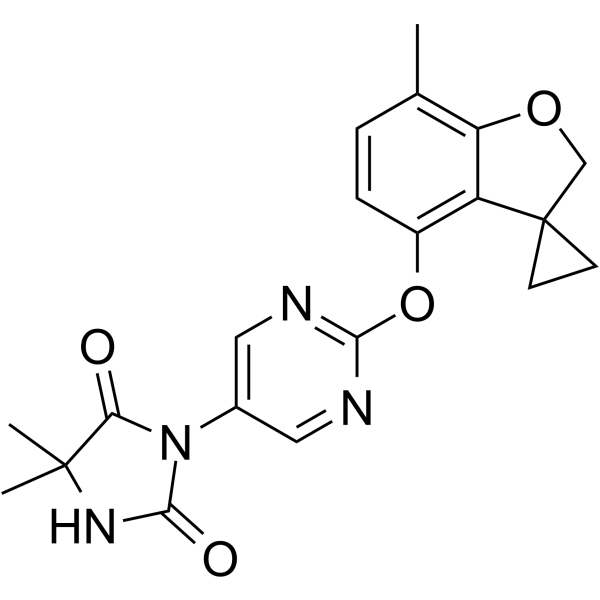
Kv3 activator-1 is a Kv3 family voltage-gated potassium channel activator. Kv3 activator-1 reverses mechanical hyperalgesia in rat models of neuropathic and inflammatory pain, with rapid onset and long-lasting, dose-related effects. Kv3 activator-1 can be used for the research of pain .
|
-
-
- HY-15208
-
|
HMR 1098
|
Potassium Channel
|
Neurological Disease
|
|
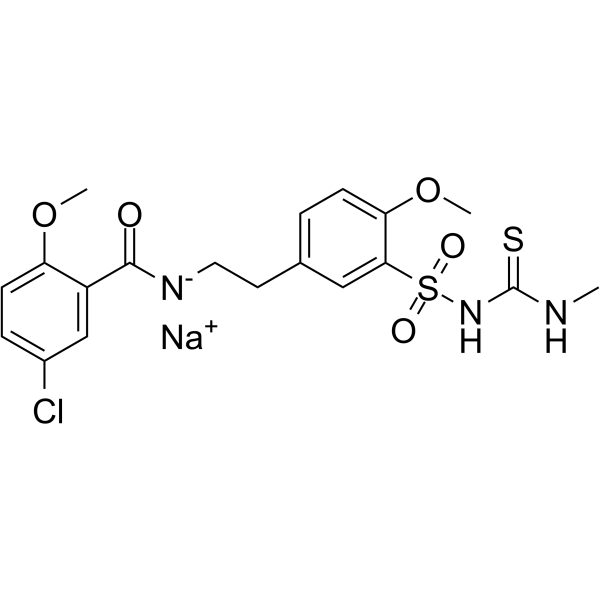
Clamikalant sodium (HMR 1098) is an ATP-sensitive potassium (KATP) channel blocker. Clamikalant sodium can be used for the research of arrhythmia .
|
-
-
- HY-155248
-
|
|
HDAC
|
Cancer
|
|
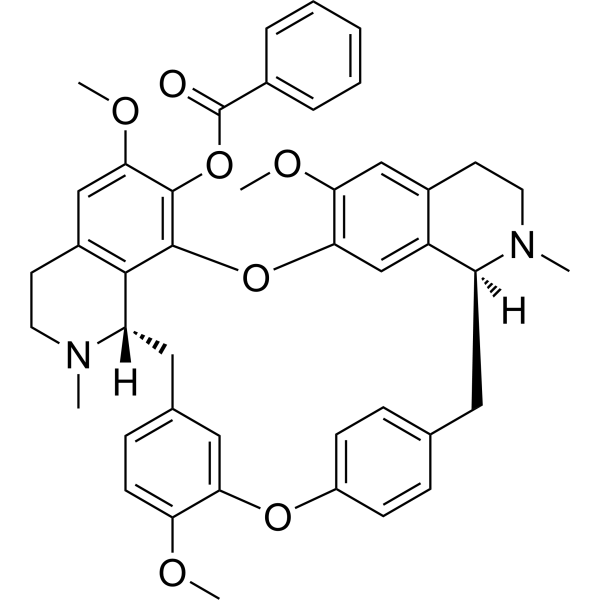
HL23 is a histone deacetylase (HDAC) inhibitor with activity against hepatocellular carcinoma (HCC). HL23 enhances acetylation of the TXNIP promoter and upregulates TXNIP expression, thereby mediating potassium channel activity and triggering TXNIP-dependent potassium deprivation. HL23 inhibits HCC progression and metastasis and has a synergistic effect with Sorafenib (HY-10201) and is more potent than Sorafenib+Vorinostat (HY-10221) .
|
-
-
- HY-100783B
-
|
(+)-Bicuculline methobromide
|
GABA Receptor
|
Neurological Disease
|
|
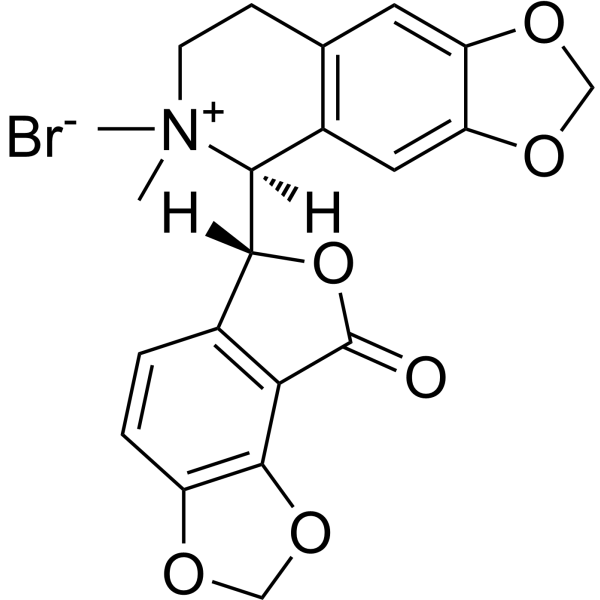
Bicuculline methobromide is a selective GABAA Receptor antagonist with an IC50 value of 3 μM. Bicuculline methobromide induces clonic tonic convulsions in mammals and can also be used to block Ca 2+ activated potassium channels. Bicuculline methobromide can be used in studies of epilepsy and other related psychiatric disorders [2].
|
-
-
- HY-108069
-
|
|
Potassium Channel
nAChR
|
Neurological Disease
|
|
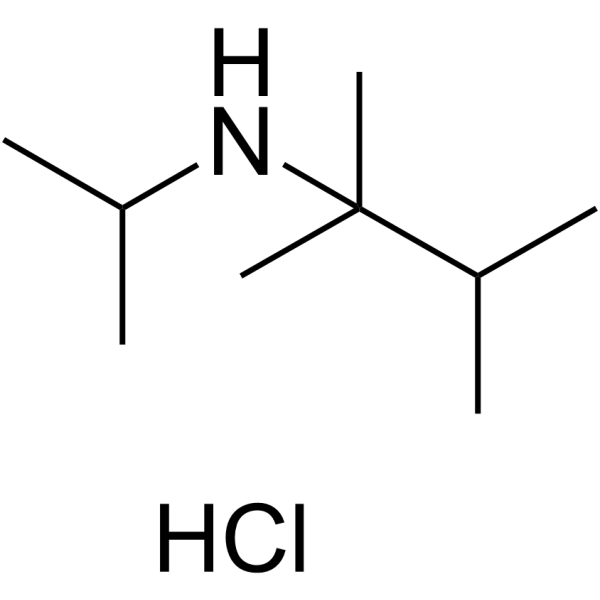
Iptakalim hydrochloride, a lipophilic para-amino compound, is a novel ATP-sensitive potassium channel (KATP) opener, as well as an α4β2-containing nicotinic acetylcholine receptor (nAChR) antagonist .
|
-
-
- HY-P3055A
-
|
DTX-I TFA
|
Potassium Channel
|
Cancer
|
|
Dendrotoxin-I (DTX-I) TFA is a potent K + channel blocker with IC50s of 0.13-50 nM for voltage-gated potassium channel subunits KV1.1, KV1.2 and KV1.6. Dendrotoxin-I TFA, a neurotoxin, has the potential for cancer research [2] .
|
-

-
- HY-161092A
-
|
|
HCN Channel
Potassium Channel
|
Neurological Disease
|
|
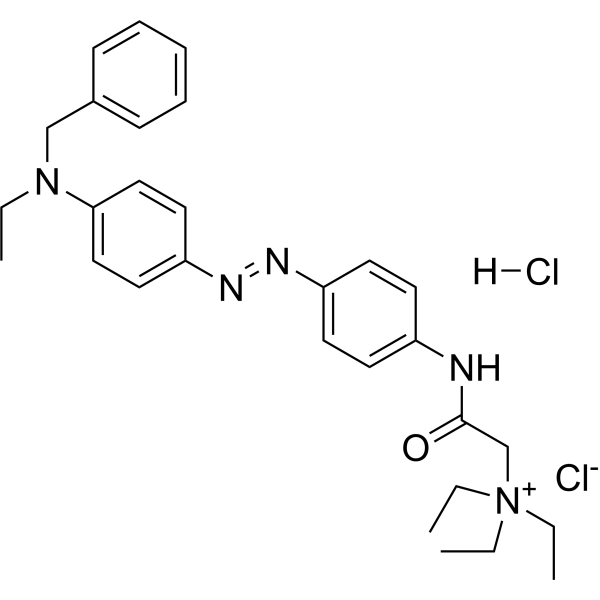
KIO-301 chloride hydrochloride is an azobenzene photoswitchable compound that blocks voltage-gated ion channels, including hyperpolarization-activated cyclic nucleotide gating (HCN, during exposure to visible light) ) and voltage-gated potassium channels (voltage-gated potassium channels) .
|
-
-
- HY-161092
-
|
|
HCN Channel
Potassium Channel
|
Neurological Disease
|
|
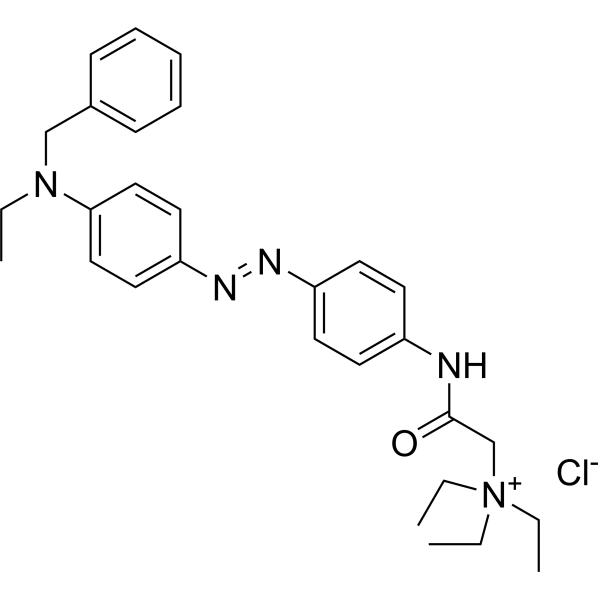
KIO-301 chloride is an azobenzene photoswitch compound that can block voltage-gated ion channels, including hyperpolarisation-activated cyclic nucleotide-gated (HCN) and voltage-gated potassium channels during exposure to visible light .
|
-
-
- HY-W110917
-
|
|
Biochemical Assay Reagents
|
Others
|
|
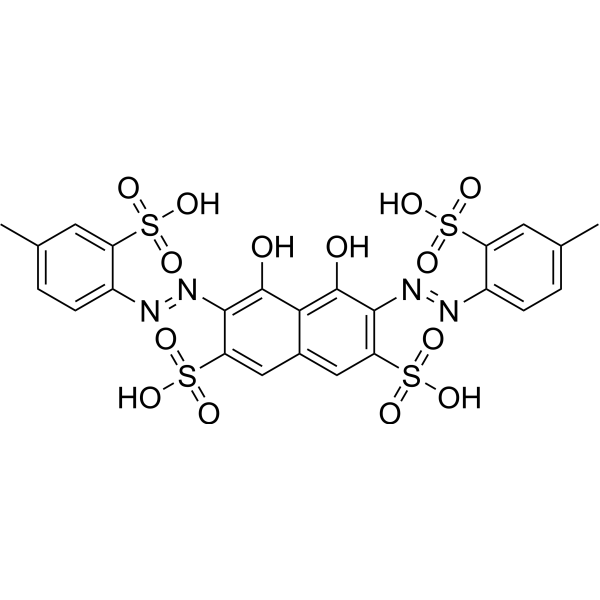
Dimethylsulfonazo III is a potent sulfate indicator. Dimethylsulfonazo III can be used as indicator to test those samples contaminated with potassium or phosphate ions [2].
|
-
-
- HY-B1364
-
-
-
- HY-106895
-
-
-
- HY-W008585
-
-
-
- HY-15551R
-
-

-
- HY-P5182A
-
|
|
Potassium Channel
|
Inflammation/Immunology
|
|
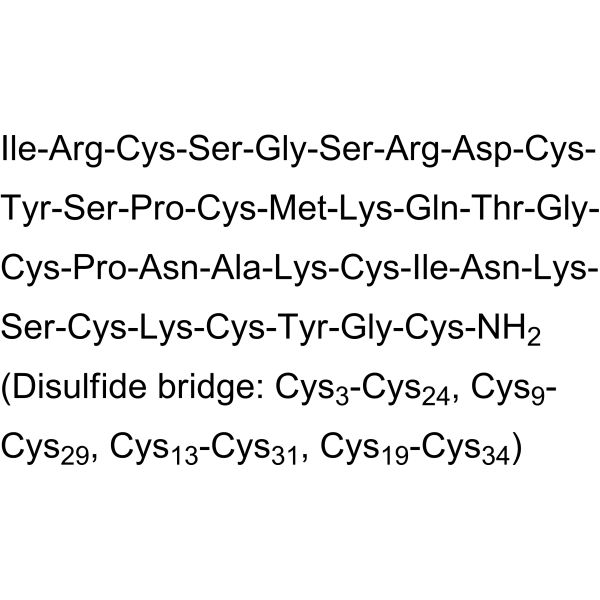
HsTX1 (TFA) toxin, from the scorpion Heterometrus spinnifer, is a 34-residue, C-terminally amidated peptide cross-linked by four disulfide bridges. HsTX1 (TFA) is an the inhibitor of potassium channel, with IC50 for Kv1.3 of 12 pM and inhibits TEM cell activation and attenuates inflammation in autoimmunity [2] .
|
-

-
- HY-106570
-
-
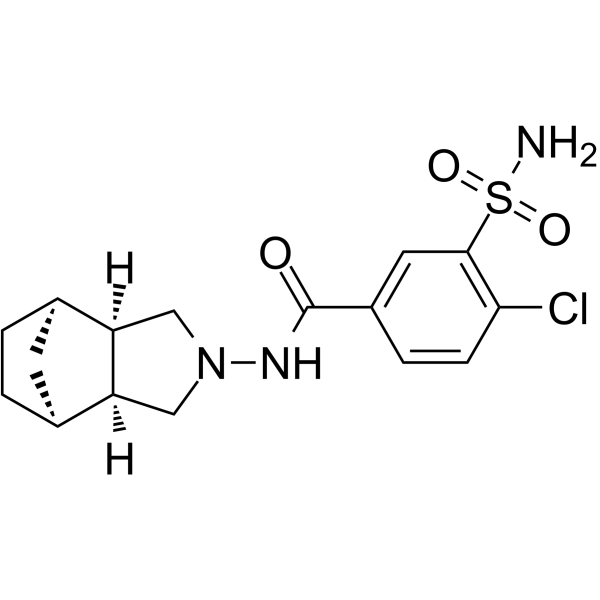
-
- HY-U00280
-
|
|
Potassium Channel
|
Neurological Disease
|
|
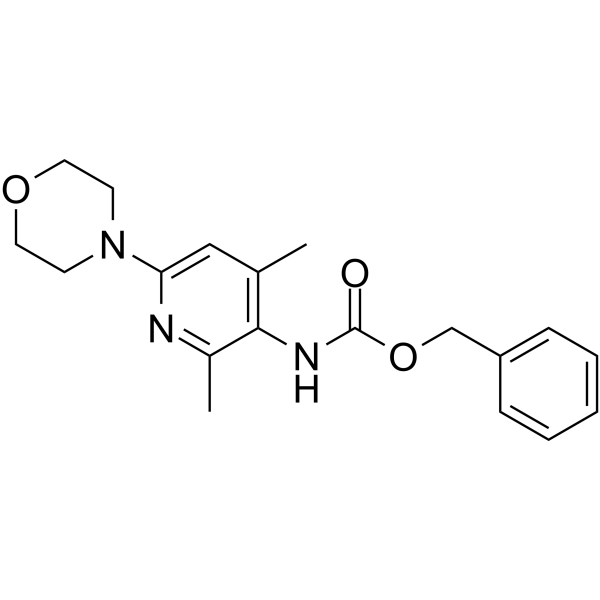
Potassium Channel Activator 1 ((2,4-Dimethyl-6-morpholin-4-yl-pyridin-3-yl)-carbamic acid benzyl ester) is a potassium channel activator. Potassium Channel Activator 1 can be used for the study diseases or symptoms of dopaminergic system disorders .
|
-
-
- HY-179065
-
|
|
Potassium Channel
|
Cardiovascular Disease
|
|
VU0494372 is an activator of potassium ion channel KCNQ1. VU0494372 can significantly enhance the cell surface expression and transport efficiency of KCNQ1. VU0494372 does not alter KCNQ1 mRNA levels and protein degradation rate, and has no significant cytotoxicity. VU0494372 can be used for research on cardiovascular conditions .
|
-

-
- HY-P5925
-
|
SsTx Toxin
|
Potassium Channel
|
Neurological Disease
Inflammation/Immunology
|
|
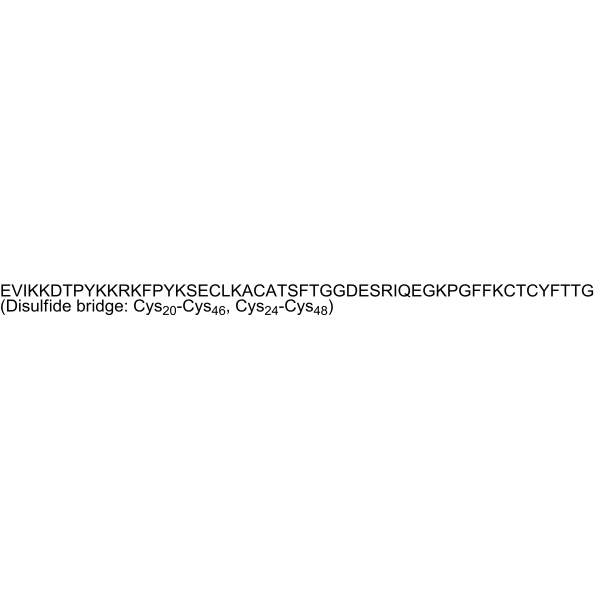
Ssm Spooky Toxin is found in Scolopendra mutilans that potently inhibits KCNQ (voltage-gated potassium channel family 7) channels, with IC50s of 2.8 μM, 5.26 μM and 0.1-0.3 M for Kv7.4, Kv1.3, and Shal channel, respectivily. Ssm Spooky Toxin inhibits cytokine generation by specifically acting on the KV1.3 channel in T cells. Ssm Spooky Toxin plays an essential role in the centipede’s circulatory system [2] .
|
-
-
- HY-D0143R
-
|
|
Dengue Virus
Flavivirus
Reference Standards
Parasite
Potassium Channel
|
Infection
|
|
Quinine (Standard) is the analytical standard of Quinine. This product is intended for research and analytical applications. Quinine is an alkaloid derived from the bark of the cinchona tree, acts as an anti-malaria agent. Quinine is a potassium channel inhibitor that inhibits WT mouse Slo3 (KCa5.1) channel currents evoked by voltage pulses to +100 mV with an IC50 of 169 μM [2].
|
-

-
- HY-N0219R
-
|
(+)-Bicuculline (Standard)
|
Reference Standards
GABA Receptor
|
Neurological Disease
|
|
Bicuculline (Standard) is the analytical standard of Bicuculline. This product is intended for research and analytical applications. Bicuculline ((+)-Bicuculline) is A competing neurotransmitter GABAA receptor antagonist (IC50=2 μM). Bicuculline also blocks Ca2+ activating potassium (SK) channels and subsequently blocks slow post-hyperpolarization (slow AHP). Bicuculline has anticonvulsant activity. Bicuculline can be used to induce seizures in mice [2] .
|
-

-
- HY-P3055
-
|
DTX-I
|
Potassium Channel
|
Neurological Disease
Cancer
|
|
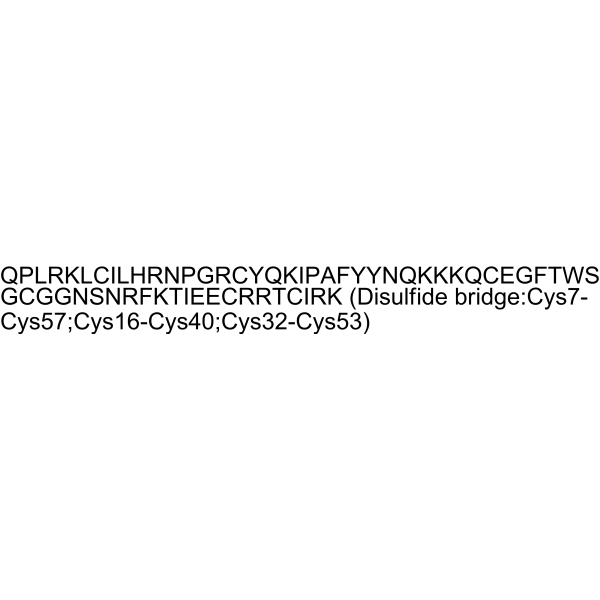
Dendrotoxin-I (DTX-I) is a potent K + channels blocker with IC50s of 0.13-50 nM for voltage-gated potassium channel subunits KV1.1, KV1.2 and KV1.6, respectively. Dendrotoxin-I, a neurotoxin, has the potential for cancer research [2] .
|
-
-
- HY-N13198
-
|
|
Endogenous Metabolite
|
Metabolic Disease
|
4-(4-Hydroxyphenyl)-2-butanone 4'-O-β-D-(2-O-galloyl-6-O-cinnamoyl)glucopyranoside is a pancreatic lipase inhibitor, with an IC50 value of 2.91 μM. 4-(4-Hydroxyphenyl)-2-butanone 4'-O-β-D-(2-O-galloyl-6-O-cinnamoyl)glucopyranoside can effectively reduce lipid absorption and regulate obesity-related metabolic disorders, making it useful for research on obesity .
|
-

-
- HY-P2785A
-
|
|
Potassium Channel
|
Neurological Disease
|
|
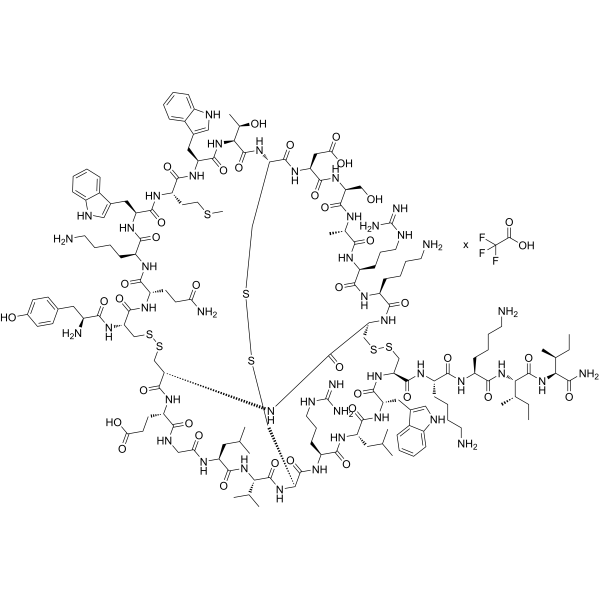
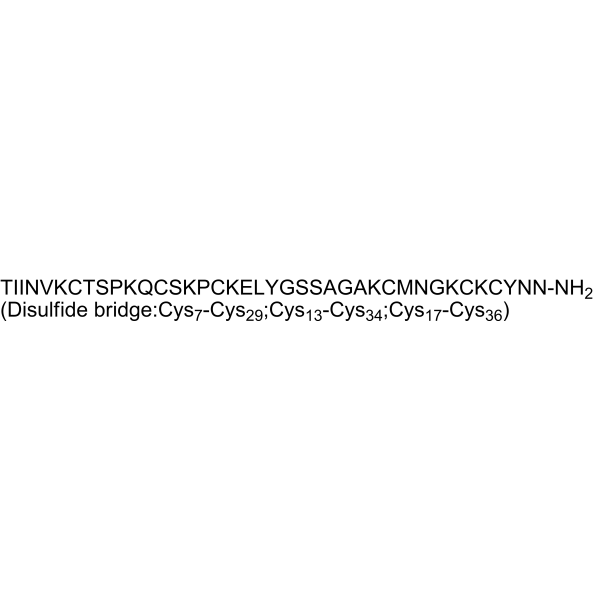
Phrixotoxin-1 (TFA), from the venom of the theraphosid spider Phrixotrichus auratus, is a specific peptide inhibitor of Kv4 potassium channel [2].
|
-
-
- HY-P5921
-
|
TsTx-Kα
|
Potassium Channel
|
Neurological Disease
|
|
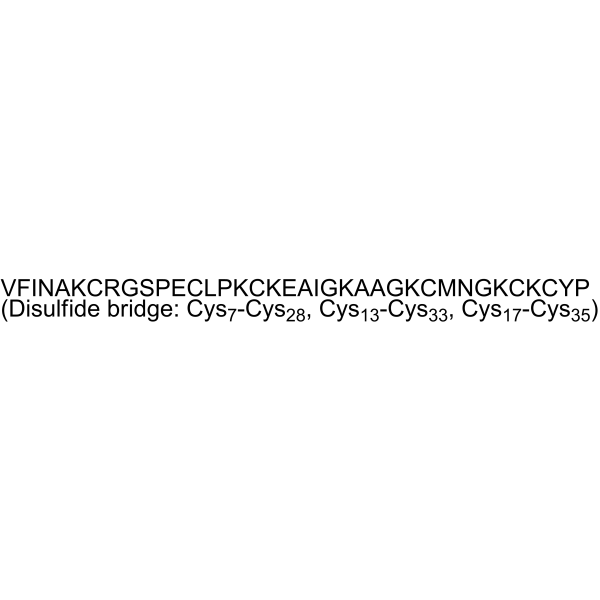
Tityustoxin-Kα (TsTx-Kα) is an inhibitor of potassium voltage-gated channels. Tityustoxin-Kα shows a dose-dependent block of the sustained outward current in cultured hippocampal neurons .
|
-
-
- HY-P3111
-
|
|
Potassium Channel
|
Others
|
|
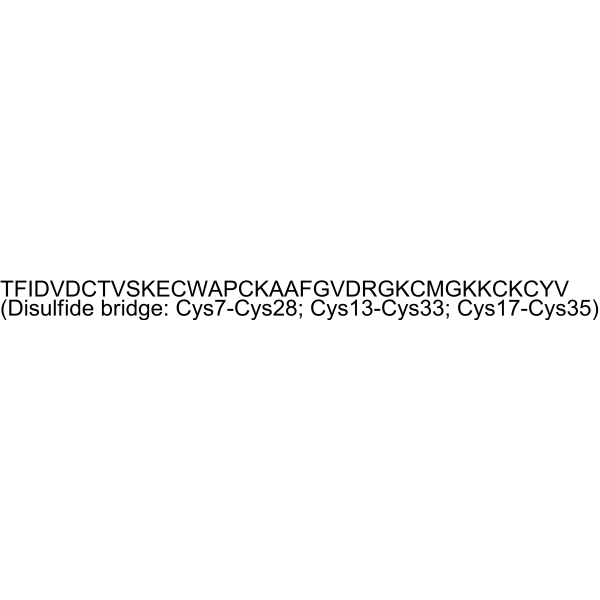
Slotoxin, a peptide from Centruroides noxius Hoffmann scorpion venom, blocks high conductance calcium-activated potassium channel, with Kd of 1.5 nM[1].
|
-
-
- HY-106895A
-
-

- HY-105466
-
-

- HY-P2949
-
|
|
Potassium Channel
|
Cancer
|
|
Pandinotoxin Kα, isolated from the venom of Pandinus imperator, is the inhibitor of A-type potassium channel .
|
-

- HY-P5920
-
-
- HY-P3014
-
|
|
Potassium Channel
|
Others
|
|
Hongotoxin-1, isolated from venom of Centruroides limbatus, is the inhibitor of potassium channel, with IC50 for? Kv1.1, Kv1.2, Kv1.3, and Kv1.6 of 31 pM, 170 pM, 86 pM,and 6000 pM, respectively .
|
-

- HY-P2710
-
|
|
Potassium Channel
|
Neurological Disease
Inflammation/Immunology
|
|
Noxiustoxin is a toxin from the venom of the Mexican scorpion Centruroides noxius which block voltage-dependent potassium channel (Kv1.3, IC50 = 360 nM), and calcium-activated potassium channel. Noxiustoxin plays an important role in neuroinflammatory disease [2].
|
-
- HY-P2785
-
-
- HY-110076
-
|
|
Potassium Channel
|
Others
|
|
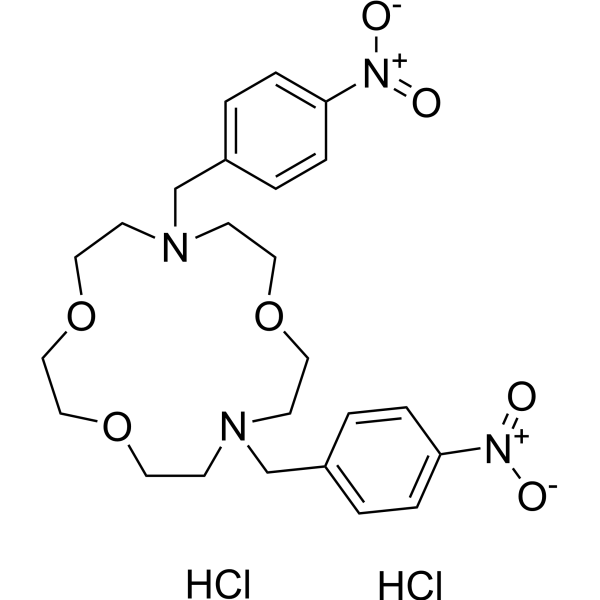
VU590 dihydrochloride is a potent and moderately selective ROMK (Kir1.1) inhibitor, with an IC50 of 290 nM. VU590 also inhibits Kir7.1, with an IC50 of 8 μM. VU590 dihydrochloride is not a good probe of ROMK function in the kidney [2].
|
-
- HY-15551A
-
-

- HY-Y0319B2
-
-

- HY-106861
-
|
|
Potassium Channel
|
Cardiovascular Disease
|
|
NIP-121 is a new type of potassium channel opener. NIP-121 significantly reduces mean pulmonary artery pressure and total pulmonary resistance through vasodilation. NIP-121 can be used for research on pulmonary arterial hypertension .
|
-

- HY-160082
-
-

- HY-172933
-
-

- HY-P5180
-
|
|
Sodium Channel
|
Neurological Disease
|
|
Jingzhaotoxin-V is a peptide that inhibits potassium currents in Xenopus laevis oocytes with an IC50 value of 604.2 nM. Jingzhaotoxin-V also inhibits tetrodotoxin-resistant and tetrodotoxin-sensitive sodium currents in rat dorsal root ganglion neurons with IC50 values of 27.6 and 30.2 nM, respectively .
|
-
- HY-120540
-
|
|
Potassium Channel
|
Cardiovascular Disease
|
|
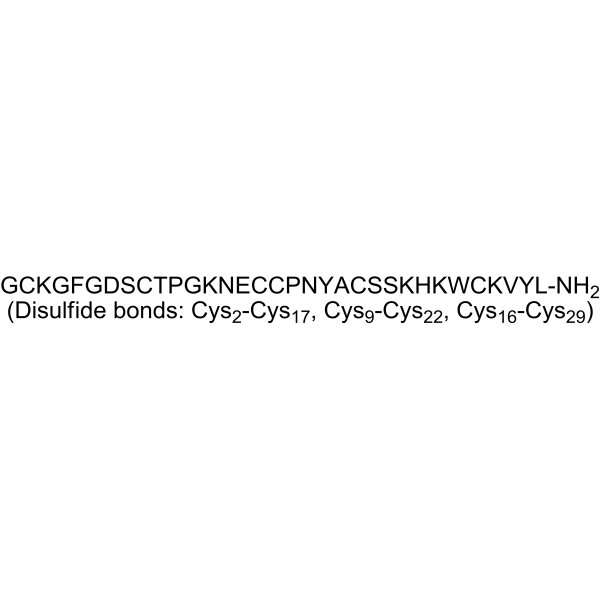
BMS-182264 is a highly selective ATP-sensitive potassium channel agonist. BMS-182264 promotes potassium efflux and membrane hyperpolarization to induce smooth muscle relaxation and vasodilation. BMS-182264 is promising for research of cardiovascular diseases such as hypertension and myocardial ischemia [2].
|
-

- HY-P5931
-
|
potassium channel toxin alpha-KTx 6.13; SPX; α-KTx6.13
|
Potassium Channel
|
Inflammation/Immunology
Cancer
|
|
Spinoxin isolated from the venom of scorpion Heterometrus spinifer, is a 34-residue peptide neurotoxin cross-linked by four disulfide bridges. Spinoxin is a potent inhibitor of Kv1.3 potassium channel (IC50 = 63 nM), considering to be valid molecular targets in the diagnostics and therapy of various autoimmune disorders and cancers .
|
-
- HY-23034
-
|
|
Biochemical Assay Reagents
|
Others
|
|
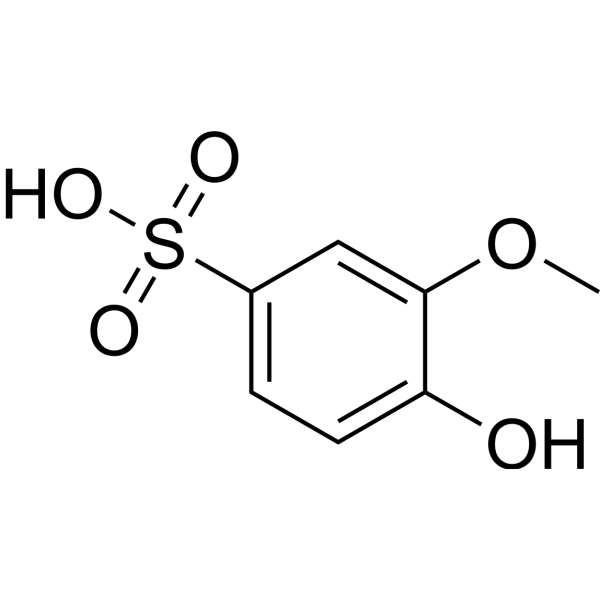
Guaiacolsulfonate is an isomeric ingredient in potassium. Guaiacolsulfonate can be used for a variety of biochemical studies .
|
-
- HY-12520B
-
|
(±)-SKF-38393 hydrochloride; SKF-38393A hydrochloride
|
Dopamine Receptor
Potassium Channel
|
Neurological Disease
|
|
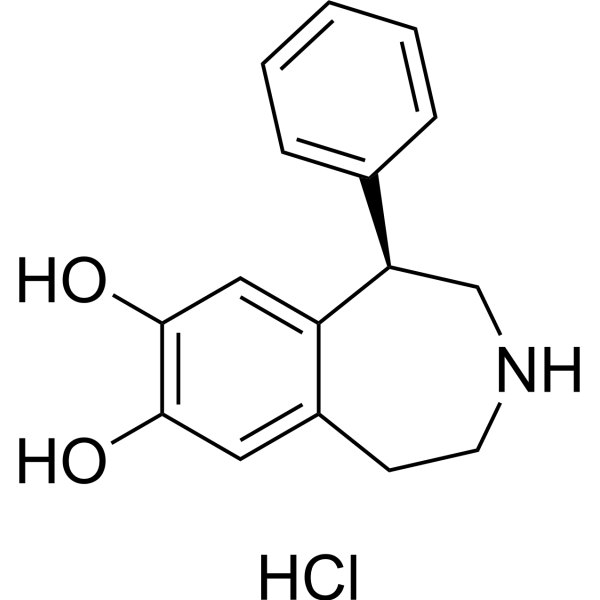
(R)-SKF 38393 ((±)-SKF-38393) hydrochloride is a potent and selective D1 dopamine receptor antagonist. (R)-SKF 38393 hydrochloride inhibits G protein-coupled inwardly rectifying potassium (GIRK) channel .
|
-
- HY-129670
-
-

- HY-P5182
-
|
|
Potassium Channel
|
Inflammation/Immunology
|
|
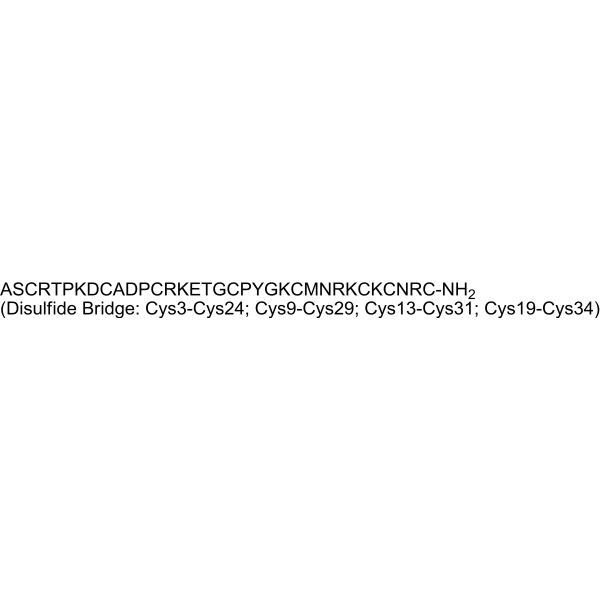
HsTX1, from the scorpion Heterometrus spinnifer, is a 34-residue, C-terminally amidated peptide cross-linked by four disulfide bridges. HsTX1, an the inhibitor of potassium channel, with IC50 for Kv1.3 of 12 pM inhibits TEM cell activation and attenuates inflammation in autoimmunity [2] .
|
-
- HY-P5177
-
-

- HY-P5770
-
|
|
Sodium Channel
|
Neurological Disease
|
|
Jingzhaotoxin-V, a 29-residue polypeptide, is derived from the venom of the spider Chilobrachys jingzhao. Jingzhaotoxin-V inhibits tetrodotoxin-resistant and tetrodotoxin-sensitive sodium currents in rat dorsal root ganglion neurons with IC50 values of 27.6 nM and 30.2 nM, respectively. Jingzhaotoxin-V also inhibits Kv4.2 potassium currents expressed in Xenpus Laevis oocytes (IC50 of 604.2 nM) .
|
-

- HY-165524
-
|
|
Potassium Channel
|
Cardiovascular Disease
|
AM 92016 is a potassium channel blocker. AM 92016 can increase the duration of action potentials in isolated ventricular cells from guinea pigs and rabbits. AM 92016 has proarrhythmic activity in guinea pigs and pigs .
|
-

- HY-113964
-
|
|
Potassium Channel
|
Inflammation/Immunology
|
|
UK-78282 is a selective Kv1.3 voltage-gated potassium channel inhibitor with an IC50 of 200 nM. UK-78282 also inhibit Kv1.4 potassium channel. UK-78282 can inhibit human T cell activation .
|
-

- HY-W747594
-
|
|
Potassium Channel
|
Neurological Disease
|
|
SDZ PCO 400 is a potassium channel modulator that relaxes airway smooth muscle and reverses airway obstruction caused by intravenous bronchospasmodics .
|
-

- HY-P2791
-
|
|
Potassium Channel
|
Neurological Disease
Inflammation/Immunology
|
|
Tertiapin (reduced) is a kind of synthesis of melittin, its Cys3-Cys14 and Cys5-Cys18 between containing a disulfide bond. Tertiapin (reduced) is a kind of inward rectifier potassium channels blockers, can block the activity of calcium activates large conductance potassium channels. Tertiapin (reduced) can be used for research in diseases such as rheumatoid arthritis and multiple sclerosis .
|
-

- HY-137381
-
|
N6-Benzoyl-cAMP
|
PKA
Potassium Channel
|
Metabolic Disease
|
|
6-Bnz-cAMP, a derivative of cyclic adenosine monophosphate (cAMP), is a selective PKA activator with inhibitory activity against the bTREK-1 K + channel. 6-Bnz-cAMP does not activate the Epac signaling pathway. 6-Bnz-cAMP inhibits the bTREK-1 K + channel via a voltage-independent, ATP-dependent mechanism that is independent of the PKA/Epac/calmodulin kinase/MAP kinase pathway. 6-Bnz-cAMP activates CREB phosphorylation to regulate osteoblast-specific gene expression, induces osteoblast differentiation, promotes extracellular matrix mineralization, supports osteoblast proliferation, and shows no cytotoxicity toward osteoblasts. 6-Bnz-cAMP can be used in studies related to bone tissue repair and regeneration [2] .
|
-

- HY-126106
-
|
|
Potassium Channel
|
Others
|
|
(BrMT)2 (compound 2) is a non-peptide snail toxin that slows down the activation of Kv1.1 channels .
|
-

- HY-14290R
-
|
P-1134 (Standard)
|
Reference Standards
Potassium Channel
|
Cardiovascular Disease
|
|
Pinacidil (Standard) is the analytical standard of Pinacidil. This product is intended for research and analytical applications. Pinacidil is a potent activator of ATP-sensitive potassium channel. Pinacidil is an antihypertensive agent hyperpolarizes vascular smooth muscle by opening K + channels. Pinacidil enhances K +-efflux in smooth muscle. Pinacidil has vasorelaxant properties. Pinacidil is able to inhibit spontaneous tone and of reducing agonist induced contractions. Pinacidil can be studied in research area such as cardiovascular diseases [2].
|
-

- HY-105501
-
|
|
Potassium Channel
|
Cardiovascular Disease
|
|
KI 1769 is a potassium channel opener. KI 1769 can exhibit vasodilating effect. KI 1769 prolongs the micturition interval and reduces the resistance to fluid infusion through the urethral lumen. KI 1769 can be used for the research of cardiovascular disease [2].
|
-

- HY-14607
-
|
HP 749
|
Potassium Channel
|
Neurological Disease
|
Besipirdine (hydrochloride) is a potassium channel blocker with cholinergic and adrenergic activity. The cholinergic activity of Besipirdine (hydrochloride) involves stimulating phosphatidylinositol turnover and reducing potassium currents. The adrenergic activity of Besipirdine (hydrochloride) involves stimulating norepinephrine release, which is attributed to the inhibition of presynaptic α2-adrenergic receptors and the inhibition of norepinephrine uptake. Besipirdine (hydrochloride) may be used in research for Alzheimer's disease .
|
-

- HY-P10572
-
-

- HY-N8404
-
|
|
Potassium Channel
|
Inflammation/Immunology
|
|
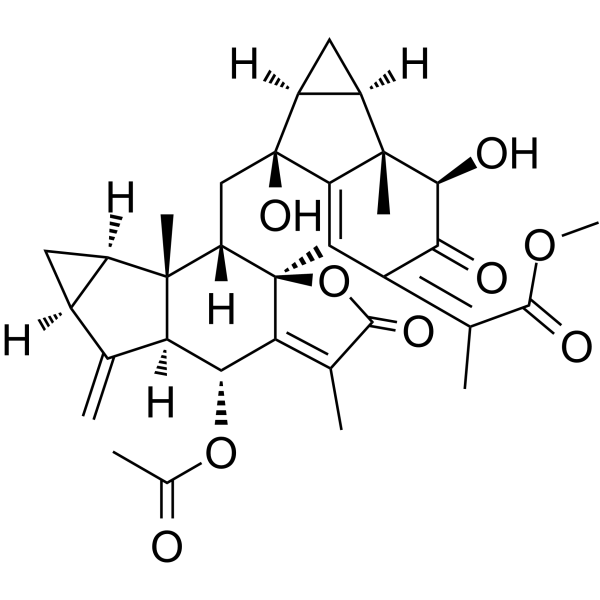
Chlorahololide C, a lindenane sesquiterpenoid dimer, is isolated from Chloranthus holostegius. Chlorahololide C is a potent and selective potassium channel blocker, with an IC50 of 3.6 μM .
|
-
- HY-19397
-
|
|
Potassium Channel
Cytochrome P450
|
Neurological Disease
|
|
BMS-223131 (Compound 1) is a potent maxi-K potassium channel opener. BMS-223131 has a strong inhibitory effect on the CYP2C9 enzyme (IC50 = 1.7 μM) and also shows varying degrees of inhibition on other common CYP enzymes such as CYP1A2, CYP2C19, CYP2D6, and CYP3A4. BMS-223131 can enhance the outward current mediated by maxi-K, by promoting K + efflux to hyperpolarize the cell membrane and reducing Ca 2+ influx. BMS-223131 can be used for the research of neurological disease, such as stroke .
|
-

- HY-19244
-
|
|
Potassium Channel
|
Cardiovascular Disease
|
|
JTV-506 is a potent ATP-sensitive potassium channel opener. JTV-506 inhibits Histamine (HY-B1204)-induced contraction of tracheal smooth muscle by activation of KATP channels. JTV-506 attenuates pulmonary vascular tone through its direct action on vascular smooth muscle cells. JTV-506 can be used for pulmonary hypertension research [2].
|
-

- HY-10800
-
|
|
5-HT Receptor
Potassium Channel
|
Neurological Disease
|
|
GSK-588045 is a potent 5-HT(1A/B/D) receptor antagonist. GSK-588045 shows high degree of selectivity over human ether-a-go-go related gene (hERG) potassium channels. GSK-588045 can be used for the research of neurological disease, such as depression and anxiety .
|
-

- HY-110011R
-
|
BRL 34915 (Standard)
|
Potassium Channel
Reference Standards
|
Inflammation/Immunology
|
|
Cromakalim (Standard) is the analytical standard of Cromakalim. This product is intended for research and analytical applications. Cromakalim is a potassium channel opener. Cromakalim can be used as a bronchodilator in asthma. Cromakalim inhibits the spontaneous tone of human isolated bronchi in a concentration-related manner being nearly as effective as isoprenaline or theophylline .
|
-

- HY-P5165
-
|
|
Potassium Channel
|
Inflammation/Immunology
|
|
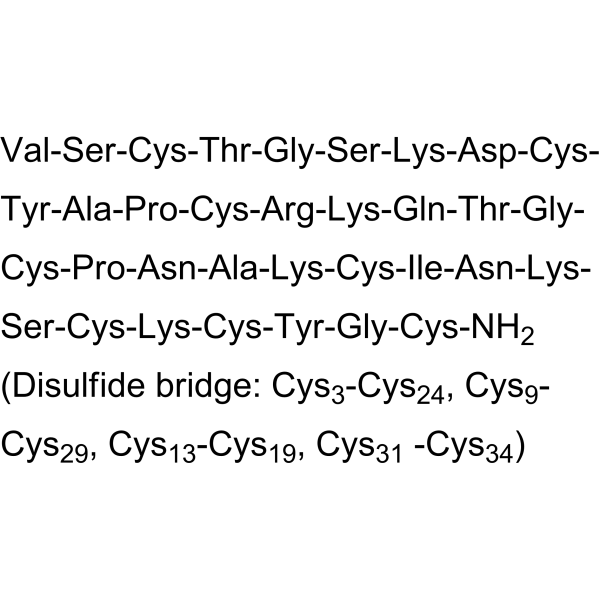
Maurotoxin is a 34-residue and four disulde-bridged toxin that can be isolated from the chactoid scorpion (Scorpio maurus). Maurotoxin inhibits the Shaker potassium channels (ShB) K + current with an IC50 of 2 nM [2].
|
-
- HY-P3777
-
|
|
Potassium Channel
|
Neurological Disease
|
|
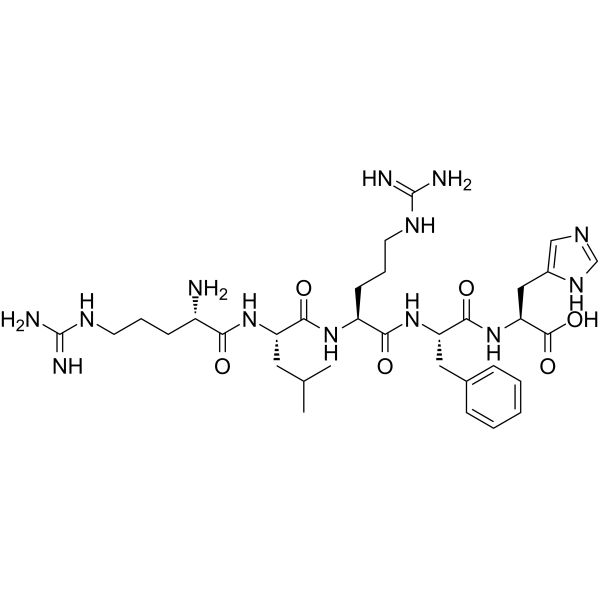
β-Bag cell peptide is a neuroactive peptide. β-Bag cell peptide elevates cyclic AMP levels in the bag cell neurons. β-Bag cell peptide decreases the amplitudes of the voltage-dependent potassium currents .
|
-
- HY-N17398
-
|
|
Others
|
Others
|
|
Kaempherol-3-O-β-D-(2"-O-trans-p-coumaroyl)-rutinoside is an acylated flavonol glycoside found in the leaves of Ginkgo biloba L .
|
-

- HY-N4196
-
|
|
Others
|
Others
|
|
4-(4'-Hydroxyphenyl)-2-butanone4'-O-β-D-(2''-O-galloyl-6''-O-p-coumaroyl)glucopyranoside is a natural product .
|
-

- HY-108595R
-
|
|
Reference Standards
Potassium Channel
|
Others
|
|
VU590 (Standard) is the analytical standard of VU590 (HY-108595). This product is intended for research and analytical applications. VU590 is a potent and moderately selective ROMK (Kir1.1) inhibitor, with an IC50 of 290 nM. VU590 also inhibits Kir7.1, with an IC50 of 8 μM. VU590 is not a good probe of ROMK function in the Kidney [2].
|
-

- HY-19185
-
|
|
Potassium Channel
|
Endocrinology
|
|
ZD-2767 is a selective ATP-sensitive potassium channel agonist. ZD-276 reduces cell membrane excitability and contractility by activating KATP channels in bladder smooth muscle. ZD-2767 is promising for research of overactive bladder .
|
-

- HY-133727
-
|
|
Histamine Receptor
Potassium Channel
|
Cardiovascular Disease
Inflammation/Immunology
|
|
Terfenadine N-oxide, an N-oxide derivative of Terfenadine (HY-B1193), is a histamine H1 receptor antagonist (IC50 = 2.73 μM) and an hERG potassium channel inhibitor (IC50 = 0.698 μM). Terfenadine N-oxide is can be used for the research of histamine-related allergic diseases and hERG channel-associated arrhythmias .
|
-

- HY-14290AR
-
|
P-1134 monohydrate (Standard)
|
Potassium Channel
Reference Standards
|
Cardiovascular Disease
|
|
Pinacidil (monohydrate) (Standard) is the analytical standard of Pinacidil (monohydrate). This product is intended for research and analytical applications. Pinacidil (P-1134) monohydrate is a potent activator of ATP-sensitive potassium channel. Pinacidil monohydrate is an antihypertensive agent hyperpolarizes vascular smooth muscle by opening K+ channels. Pinacidil monohydrate enhances K+-efflux in smooth muscle. Pinacidil monohydrate has vasorelaxant properties. Pinacidil monohydrate is able to inhibit spontaneous tone and of reducing agonist induced contractions. Pinacidil monohydrate can be studied in research area such as cardiovascular diseases [2].
|
-

- HY-182768
-
|
|
Potassium Channel
|
Neurological Disease
|
|
TMEM175 modulator 4 (Compound 3) is a TMEM175 modulator. TMEM175 modulator 4 modulates the activity of the lysosomal potassium channel TMEM175. TMEM175 modulator 4 can be used for research related to Parkinson's disease .
|
-

- HY-106621A
-
|
|
Potassium Channel
|
Metabolic Disease
|
|
AL 0671 is a potassium channel opener. AL 0671 can inhibit nonenzymatic glycation of protein and LDL oxidation. AL 0671 can be used for the researches of cardiovascular and metabolic disease, such as hypertensive diabetes .
|
-

- HY-400850
-
|
|
Drug Intermediate
|
Others
|
|
Losartan impurity 15 (Formula VI) is a Losartan (HY-17512) impurity containing an azido group .
|
-

- HY-182646
-
|
|
Potassium Channel
|
Cardiovascular Disease
|
|
NE-10133 is a ISK and IKS potassium channel (Potassium Channel) inhibitor. NE-10133 inhibits voltage-dependent and slowly activated delayed rectifier potassium currents. NE-10133 exhibits class III antiarrhythmic activity. NE-10133 is applicable for research related to arrhythmias [2].
|
-

- HY-N7056R
-
|
|
Reference Standards
Proteasome
Oxidative Phosphorylation
|
Inflammation/Immunology
Cancer
|
|
4'-Hydroxychalcone (Standard) is the analytical standard of 4'-Hydroxychalcone (HY-N7056). This product is intended for research and analytical applications. 4'-Hydroxychalcone is a chalcone isolated from licorice root, with hepatoprotective activity. 4'-Hydroxychalcone inhibits TNFα-induced NF-κB activation via proteasome inhibition. 4'-Hydroxychalcone induces a rapid potassium release from mitochondrial vesicles and causes deterioration of respiratory control and oxidative phosphorylation of isolated rat liver mitochondria [2] .
|
-

- HY-W099339
-
|
|
Drug Intermediate
|
Cardiovascular Disease
|
|
N-Ethylnicotinamide is a compound with weak vasodilatory activity. N-Ethylnicotinamide also serves as the core scaffold of the antianginal agent Nicorandil (HY-B0341) and its derivatives .
|
-

| Cat. No. |
Product Name |
Type |
-
- HY-158741
-
|
APG-2 Acetoxymethyl ester
|
Fluorescent Dyes
|
|
IPG-2 AM (APG-2 Acetoxymethyl ester) is a membrane-permeant acetoxymethyl ester derivative and selective fluorescent potassium ion indicator. IPG-2 AM exhibits fluorescence increases proportional to extracellular potassium ion concentrations. IPG-2 AM enables real-time monitoring of cytosolic free potassium ion fluxes in human platelets and macrophages. IPG-2 AM can be used for the research of intracellular potassium concentration dynamics [2].
|
| Cat. No. |
Product Name |
Type |
-
- HY-Y0537
-
|
|
Biochemical Assay Reagents
|
|
Potassium chloride, AR, 99.5% is extensively used as a potassium supplement. Potassium chloride, AR, 99.5% is a readily available potassium fertilizer. Potassium chloride is promising for research of hyperkalaemia [2].
|
-
- HY-Y0537E
-
|
|
Biochemical Assay Reagents
|
|
Potassium chloride, for cell culture is potassium chloride that can be used for cell culture. Potassium chloride, for cell culture increases extracellular potassium ion concentration to induce cellular depolarization, thereby activating voltage-gated calcium channels and regulating intracellular calcium signaling. Potassium chloride, for cell culture upregulates Brn-5. Potassium chloride, for cell culture inhibits the proliferation of neurons and some plant cells [2].
|
-
- HY-Y0319B
-
|
potassium acetate
|
Biochemical Assay Reagents
|
|
Acetic acid potassium 99% (Potassium acetate) is a potassium salt employed to replenish electrolytes, for restoration of water-electrolyte balance. Acetic acid potassium 99% can employ in DNA and protein purification. Acetic acid potassium 99% has been used to prepare neutralizing solution for alkaline lysis of bacteria and activated carbon [2] .
|
-
- HY-159051
-
|
|
Biochemical Assay Reagents
|
|
Dragendorff reagent is used for detecting alkaloids and other nitrogen-containing compounds. Dragendorff reagent is a solution of potassium bismuth iodide composing of Basic bismuth nitrate (Bi(NO3)3), Tartaric acid (HY-N2436), and Potassium iodide (KI). When contact with alkaloids, Dragendorff reagent produces an orange or orange red precipitate .
|
-
- HY-W008585
-
-
- HY-Y0319B2
-
|
|
Biochemical Assay Reagents
|
|
Potassium acetate, meets USP testing specifications is an inorganic salt that can be used for life science related research .
|
| Cat. No. |
Product Name |
Target |
Research Area |
-
- HY-P3055A
-
|
DTX-I TFA
|
Potassium Channel
|
Cancer
|
|
Dendrotoxin-I (DTX-I) TFA is a potent K + channel blocker with IC50s of 0.13-50 nM for voltage-gated potassium channel subunits KV1.1, KV1.2 and KV1.6. Dendrotoxin-I TFA, a neurotoxin, has the potential for cancer research [2] .
|
-
- HY-P5182A
-
|
|
Potassium Channel
|
Inflammation/Immunology
|
|
HsTX1 (TFA) toxin, from the scorpion Heterometrus spinnifer, is a 34-residue, C-terminally amidated peptide cross-linked by four disulfide bridges. HsTX1 (TFA) is an the inhibitor of potassium channel, with IC50 for Kv1.3 of 12 pM and inhibits TEM cell activation and attenuates inflammation in autoimmunity [2] .
|
-
- HY-P5925
-
|
SsTx Toxin
|
Potassium Channel
|
Neurological Disease
Inflammation/Immunology
|
|
Ssm Spooky Toxin is found in Scolopendra mutilans that potently inhibits KCNQ (voltage-gated potassium channel family 7) channels, with IC50s of 2.8 μM, 5.26 μM and 0.1-0.3 M for Kv7.4, Kv1.3, and Shal channel, respectivily. Ssm Spooky Toxin inhibits cytokine generation by specifically acting on the KV1.3 channel in T cells. Ssm Spooky Toxin plays an essential role in the centipede’s circulatory system [2] .
|
-
- HY-P3055
-
|
DTX-I
|
Potassium Channel
|
Neurological Disease
Cancer
|
|
Dendrotoxin-I (DTX-I) is a potent K + channels blocker with IC50s of 0.13-50 nM for voltage-gated potassium channel subunits KV1.1, KV1.2 and KV1.6, respectively. Dendrotoxin-I, a neurotoxin, has the potential for cancer research [2] .
|
-
- HY-P2785A
-
|
|
Potassium Channel
|
Neurological Disease
|
|
Phrixotoxin-1 (TFA), from the venom of the theraphosid spider Phrixotrichus auratus, is a specific peptide inhibitor of Kv4 potassium channel [2].
|
-
- HY-P5921
-
|
TsTx-Kα
|
Potassium Channel
|
Neurological Disease
|
|
Tityustoxin-Kα (TsTx-Kα) is an inhibitor of potassium voltage-gated channels. Tityustoxin-Kα shows a dose-dependent block of the sustained outward current in cultured hippocampal neurons .
|
-
- HY-P3111
-
|
|
Potassium Channel
|
Others
|
|
Slotoxin, a peptide from Centruroides noxius Hoffmann scorpion venom, blocks high conductance calcium-activated potassium channel, with Kd of 1.5 nM[1].
|
-
- HY-P2949
-
|
|
Potassium Channel
|
Cancer
|
|
Pandinotoxin Kα, isolated from the venom of Pandinus imperator, is the inhibitor of A-type potassium channel .
|
-
- HY-P5920
-
-
- HY-P3014
-
|
|
Potassium Channel
|
Others
|
|
Hongotoxin-1, isolated from venom of Centruroides limbatus, is the inhibitor of potassium channel, with IC50 for? Kv1.1, Kv1.2, Kv1.3, and Kv1.6 of 31 pM, 170 pM, 86 pM,and 6000 pM, respectively .
|
-
- HY-P2710
-
|
|
Potassium Channel
|
Neurological Disease
Inflammation/Immunology
|
|
Noxiustoxin is a toxin from the venom of the Mexican scorpion Centruroides noxius which block voltage-dependent potassium channel (Kv1.3, IC50 = 360 nM), and calcium-activated potassium channel. Noxiustoxin plays an important role in neuroinflammatory disease [2].
|
-
- HY-P2785
-
-
- HY-P5180
-
|
|
Sodium Channel
|
Neurological Disease
|
|
Jingzhaotoxin-V is a peptide that inhibits potassium currents in Xenopus laevis oocytes with an IC50 value of 604.2 nM. Jingzhaotoxin-V also inhibits tetrodotoxin-resistant and tetrodotoxin-sensitive sodium currents in rat dorsal root ganglion neurons with IC50 values of 27.6 and 30.2 nM, respectively .
|
-
- HY-P5931
-
|
potassium channel toxin alpha-KTx 6.13; SPX; α-KTx6.13
|
Potassium Channel
|
Inflammation/Immunology
Cancer
|
|
Spinoxin isolated from the venom of scorpion Heterometrus spinifer, is a 34-residue peptide neurotoxin cross-linked by four disulfide bridges. Spinoxin is a potent inhibitor of Kv1.3 potassium channel (IC50 = 63 nM), considering to be valid molecular targets in the diagnostics and therapy of various autoimmune disorders and cancers .
|
-
- HY-P5182
-
|
|
Potassium Channel
|
Inflammation/Immunology
|
|
HsTX1, from the scorpion Heterometrus spinnifer, is a 34-residue, C-terminally amidated peptide cross-linked by four disulfide bridges. HsTX1, an the inhibitor of potassium channel, with IC50 for Kv1.3 of 12 pM inhibits TEM cell activation and attenuates inflammation in autoimmunity [2] .
|
-
- HY-P5177
-
-
- HY-P5770
-
|
|
Sodium Channel
|
Neurological Disease
|
|
Jingzhaotoxin-V, a 29-residue polypeptide, is derived from the venom of the spider Chilobrachys jingzhao. Jingzhaotoxin-V inhibits tetrodotoxin-resistant and tetrodotoxin-sensitive sodium currents in rat dorsal root ganglion neurons with IC50 values of 27.6 nM and 30.2 nM, respectively. Jingzhaotoxin-V also inhibits Kv4.2 potassium currents expressed in Xenpus Laevis oocytes (IC50 of 604.2 nM) .
|
-
- HY-P2791
-
|
|
Potassium Channel
|
Neurological Disease
Inflammation/Immunology
|
|
Tertiapin (reduced) is a kind of synthesis of melittin, its Cys3-Cys14 and Cys5-Cys18 between containing a disulfide bond. Tertiapin (reduced) is a kind of inward rectifier potassium channels blockers, can block the activity of calcium activates large conductance potassium channels. Tertiapin (reduced) can be used for research in diseases such as rheumatoid arthritis and multiple sclerosis .
|
-
- HY-P10572
-
-
- HY-P5165
-
|
|
Potassium Channel
|
Inflammation/Immunology
|
|
Maurotoxin is a 34-residue and four disulde-bridged toxin that can be isolated from the chactoid scorpion (Scorpio maurus). Maurotoxin inhibits the Shaker potassium channels (ShB) K + current with an IC50 of 2 nM [2].
|
-
- HY-P3777
-
|
|
Potassium Channel
|
Neurological Disease
|
|
β-Bag cell peptide is a neuroactive peptide. β-Bag cell peptide elevates cyclic AMP levels in the bag cell neurons. β-Bag cell peptide decreases the amplitudes of the voltage-dependent potassium currents .
|
| Cat. No. |
Product Name |
Category |
Target |
Chemical Structure |
Your information is safe with us. * Required Fields.
Inquiry Information
- Product Name:
- Cat. No.:
- Quantity:
- MCE Japan Authorized Agent:








